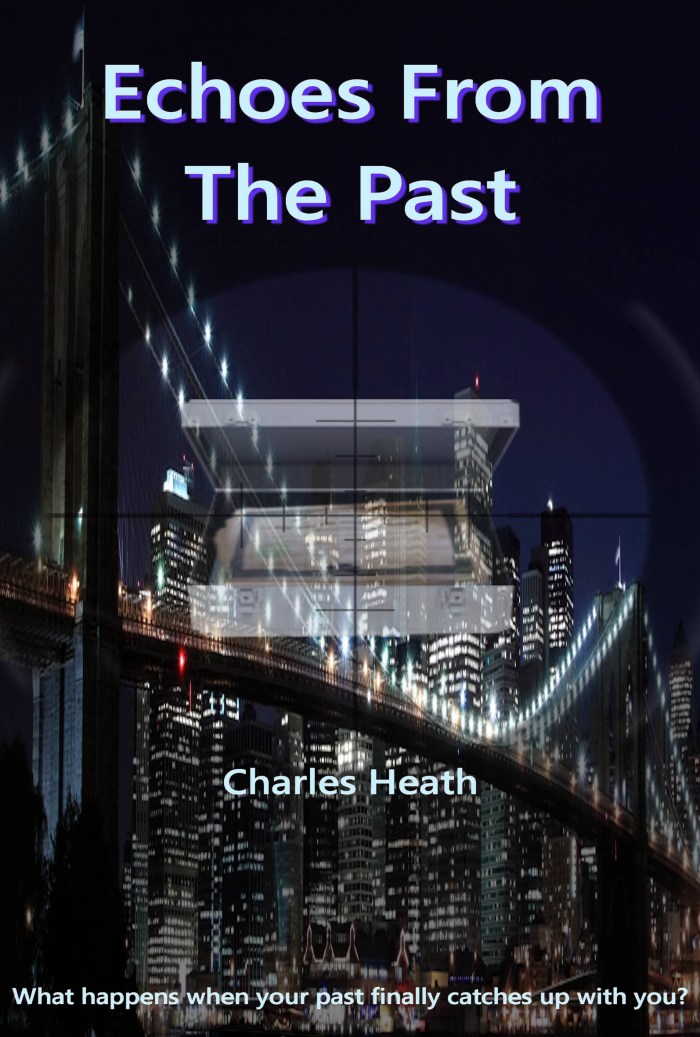
“Strangers We’ve Become”, a sequel to “What Sets Us Apart”

Stranger’s We’ve Become, a sequel to What Sets Us Apart.

The blurb:

Is she or isn’t she, that is the question!

Susan has returned to David, but he is having difficulty dealing with the changes. Her time in captivity has changed her markedly, so much so that David decides to give her some time and space to re-adjust back into normal life.

But doubts about whether he chose the real Susan remain.

In the meantime, David has to deal with Susan’s new security chief, the discovery of her rebuilding a palace in Russia, evidence of an affair, and several attempts on his life. And, once again, David is drawn into another of Predergast’s games, one that could ultimately prove fatal.

From being reunited with the enigmatic Alisha, a strange visit to Susan’s country estate, to Russia and back, to a rescue mission in Nigeria, David soon discovers those whom he thought he could trust each has their own agenda, one that apparently doesn’t include him.

The Cover:

strangerscover9

Coming soon


Searching for locations: The Peninsula Hotel, Hong Kong

The sight of the Peninsula Hotel is very familiar to all who visit Hong Kong, if not to stay but certainly if you want to see the last vestiges of British influence in what was once a far eastern colony.

That is, we’re talking about the front building, not the new tower at the back.  In the older days there would have been a great view of the harbor from the Veranda (that area with the blue striped canopy) where today, breakfast is taken.

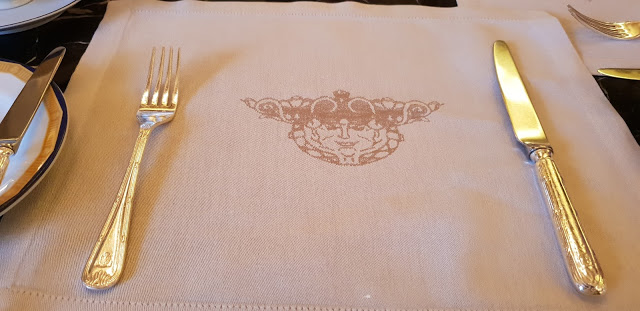
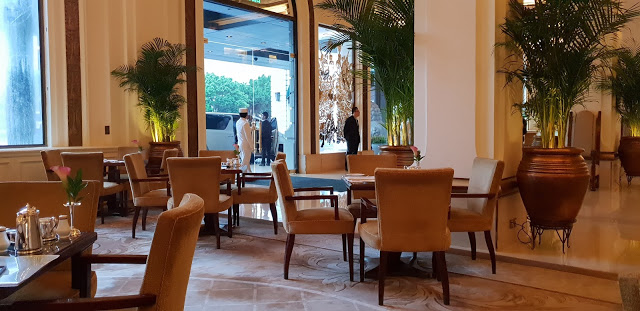
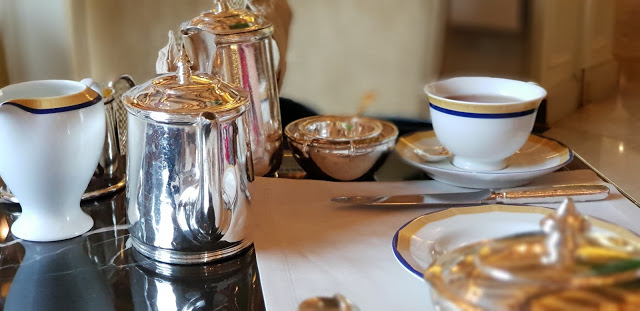
We had breakfast, lunch, and the famous afternoon tea in the ground floor cafe.

These days you would mostly see taxis, buses, and Teslas, if not a flurry of Mercedes and green Rolls Royces in the small car park below.  There is no clear view of the harbor anymore.

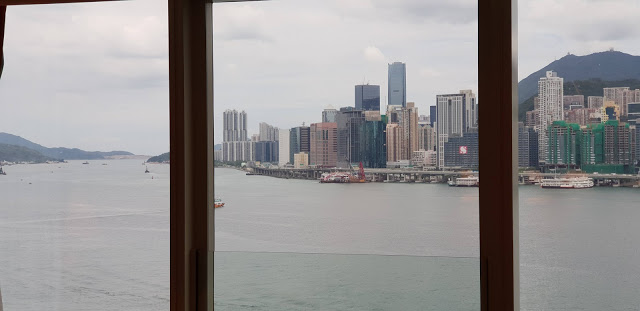
From our room, one facing the harbor we could see the space museum, and on the day we arrived, rain, at times, blotting out the harbor and Hong Kong Island barely discernable in the distance.

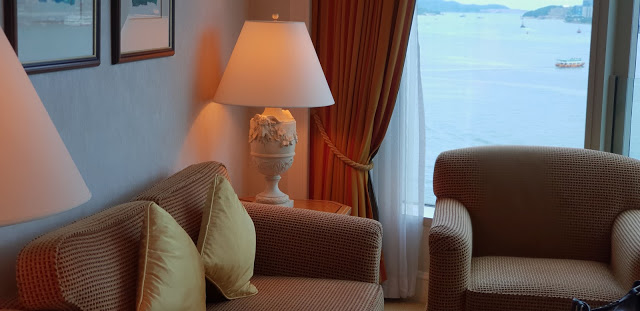
As for the room itself, it was excellent, a junior suite, I think, because it had two distinctive areas.  Everything was run from a tablet computer, blinds, lights, television, and most importantly, air conditioning.  This was the first hotel I’ve stayed in where it was neither too hot or too cold, but just rights.

The bed was very large and extremely comfortable, as were the pillows.  Pillows, I’m afraid, are a bugbear with me, as no hotel seems to be able to get it right.  They’re either too soft or too hard, too tall, or too shallow.  Here, they managed to get it right.

The windows were just the right size not to affect the air conditioning, ie. let too much heat in.

I’m not sure I could say the lounge chair was comfortable, but there was only one, which makes it difficult if there are two of you.  I wasn’t going to fight for it.

The desk had a surprise in the bottom drawer, a printer!

And the bathroom, though slightly smaller than expected, had some hint of what it may have been like in the early days.  It had both a shower and a bath.

Plots ripped from newspaper front pages

Sometimes the headlines are ripped from the blurb of an international best-selling novel

Take for instance a recent event generated from the alleged electoral interference by the Russians in the United States.

Of course, that’s not the only country interested in having an influence in elections, there’s the Chinese in Australia, though in our case it might see some improvement in the childish behaviour of our politicians.

But in the first instance, how would it read?

Take what appears to be an ordinary student in an American University, who has the ability to find and seduce various men with apparent political clout for the purpose of subverting election results. 

This would be rather startling if it was not in the United States because everyone from the national rifle association down knows any politician, federal state or local, can be bought.  It’s probably the same the world over.  There’s also the fact the femme fatale is not particularly what I’d call a head turner, but on the other hand, some men cannot resist any woman who makes an offer they can’t resist.

In fact, you would have to question the legitimacy of any elected official in that country because anything to do with politics is susceptible to bribery and corruption from any number of organizations offering large sums of cash or kind.

And just look what one in particular has managed to achieve.  Any madman and his dog can now print a gun without restriction and go on a killing rampage.

The Russians are the least of US citizens problems.

I don’t think the stacking of the Supreme Court with conservatives is the main objective unless you want to keep your tax returns under wraps and keep out legitimate immigrants, called ‘dreamers’, but it might have far wider ramifications.

I sat this, 50% of the population is female, and I don’t think they’ve lost the right to vote, yet!

But I digress.

The blurb reads on.

The president, recently elected in what could only have been described as an impossible result, suddenly realizes that the American people are now waking up to the possibility of his election victory was not as impossible or legitimate as originally thought, and has his closest aides scrambling for anything to grab the people attention away from the truth.

A person who is suspected of being a Russian spy has been dragged out of the shadows and put on display.  Fearing that is not enough, a plan is hatched to go to war with the rest of the world on trade and military fronts, so everyone’s attention will be diverted by what seems senseless tariffs and endless attacks on those who were once allies.

But what’s really going on?

Has the president been bought by the Russians, or does he have a darker and more sinister plan afoot?  Are his battles with Russia, China, and North Korea merely diversions?

The balance of power is on a knife-edge and only one man [or woman] can save a world on the brink of nuclear annihilation.

You have to admit it’s a hell of a plotline.

Every now and then we all get a chance to stop and reflect on life

Funerals are by definition sad occasions.  It is a time to reflect on the life of the deceased, a time when everyone who knew them to come together to celebrate their life.

It is also usually a time when the whole family comes together, like births and weddings, and can take an interesting turn given the right set of circumstances.

And, depending on how old you are at the time, you could start reflecting on your own mortality, and how much or how little time you have left, and, quite possibly, what it is you have or haven’t done with your life.

Perhaps the question should be, are you going to put off till tomorrow what you can do today.

The sad fact is, we all do.  We all believe we will have plenty of time to get things done, with a motto of, old enough to know better and young enough not to care.

What happens when you die at 44?

It’s one of those questions that we face when attending the funeral of the daughter of one of my in-laws.

It’s a well-known fact that a great many of us look forward to retirement, and having reached that age, generally in the mid to late 60s, that we will be settled in our life, all major commitments completed, we will be in reasonably good health, our children will be old enough to look after themselves, and we have an adequate retirement plan to see us through to old age.

Until then, we sacrifice a great deal, spending our time either working or helping our children on their way to an equally successful life.

There never seems to be time for those holidays overseas or doing those things near and dear to us, putting it off till ‘tomorrow’.

No one realizes ‘tomorrow’ never comes.


An excerpt from “One Last Look”

This is currently available at Amazon herehttp://amzn.to/2CqUBcz


I’d read about out of body experiences, and like everyone else, thought it was nonsense.  Some people claimed to see themselves in the operating theatre, medical staff frantically trying to revive them, and being surrounded by white light.

I was definitely looking down, but it wasn’t me I was looking at.

It was two children, a boy and a girl, with their parents, in a park.

The boy was Alan.  He was about six or seven.  The girl was Louise, and she was five years old.  She had long red hair and looked the image of her mother.

I remember it now, it was Louise’s birthday and we went down to Bournemouth to visit our Grandmother, and it was the last time we were all together as a family.

We were flying homemade kites our father had made for us, and after we lay there looking up at the sky, making animals out of the clouds.  I saw an elephant, Louise saw a giraffe.

We were so happy then.

Before the tragedy.


When I looked again ten years had passed and we were living in hell.  Louise and I had become very adept at survival in a world we really didn’t understand, surrounded by people who wanted to crush our souls.

It was not a life a normal child had, our foster parents never quite the sort of people who were adequately equipped for two broken-hearted children.  They tried their best, but their best was not good enough.

Every day it was a battle, to avoid the Bannister’s and Archie in particular, every day he made advances towards Louise and every day she fended him off.

Until one day she couldn’t.

Now I was sitting in the hospital, holding Louise’s hand.  She was in a coma, and the doctors didn’t think she would wake from it.  The damage done to her was too severe.

The doctors were wrong.

She woke, briefly, to name her five assailants.  It was enough to have them arrested.  It was not enough to have them convicted.

Justice would have to be served by other means.


I was outside the Bannister’s home.

I’d made my way there without really thinking, after watching Louise die.  It was like being on autopilot, and I had no control over what I was doing.  I had murder in mind.  It was why I was holding an iron bar.

Skulking in the shadows.  It was not very different from the way the Bannister’s operated.

I waited till Archie came out.  I knew he eventually would.  The police had taken him to the station for questioning, and then let him go.  I didn’t understand why, nor did I care.

I followed him up the towpath, waiting till he stopped to light a cigarette, then came out of the shadows.

“Wotcha got there Alan?” he asked when he saw me.  He knew what it was, and what it was for.

It was the first time I’d seen the fear in his eyes.  He was alone.

“Justice.”

“For that slut of a sister of yours.  I had nuffing to do with it.”

“She said otherwise, Archie.”

“She never said nuffing, you just made it up.”  An attempt at bluster, but there was no confidence in his voice.

I held up the pipe.  It had blood on it.  Willy’s blood.  “She may or may not have Archie, but Willy didn’t make it up.  He sang like a bird.  That’s his blood, probably brains on the pipe too, Archie, and yours will be there soon enough.”

“He dunnit, not me.  Lyin’ bastard would say anything to save his own skin.”  Definitely scared now, he was looking to run away.

“No, Archie.  He didn’t.  I’m coming for you.  All of you Bannisters.  And everyone who touched my sister.”


It was the recurring nightmare I had for years afterwards.

I closed my eyes and tried to shut out the thoughts, the images of Louise, the phone call, the visit to the hospital and being there when she succumbed to her injuries.  Those were the very worst few hours of my life.

She had asked me to come to the railway station and walk home with her, and I was running late.  If I had left when I was supposed to, it would never have happened and for years afterwards, I blamed myself for her death.

If only I’d not been late…

When the police finally caught the rapists, I’d known all along who they’d be; antagonists from school, the ring leader, Archie Bannister, a spurned boyfriend, a boy whose parents, ubiquitously known to all as ‘the Bannister’s, dealt in violence and crime and who owned the neighbourhood.  The sins of the father had been very definitely passed onto the son.

At school, I used to be the whipping boy, Archie, a few grades ahead of me, made a point of belting me and a few of the other boys, to make sure the rest did as they were told.  He liked Louise, but she had no time for a bully like him, even when he promised he would ‘protect’ me.

I knew the gang members, the boys who tow-kowed to save getting beaten up, and after the police couldn’t get enough information to prosecute them because everyone was too afraid to speak out, I went after Willy.  There was always a weak link in a group, and he was it.

He worked in a factory, did long hours on a Wednesday and came home after dark alone.  It was a half mile walk, through a park.  The night I approached him, I smashed the lights and left it in darkness.  He nearly changed his mind and went the long way home.

He didn’t.

It took an hour and a half to get the names.  At first, when he saw me, he laughed.  He said I would be next, and that was four words more than he knew he should have said.

When I found him alone the next morning I showed him the iron bar and told him he was on the list.  I didn’t kill him then, he could wait his turn, and worry about what was going to happen to him.

When the police came to visit me shortly after that encounter, no doubt at the behest of the Bannister’s, the neighbourhood closed ranks and gave me an ironclad alibi.  The Bannister’s then came to visit me and threatened me.  I told them their days were numbered and showed them the door.

At the trial, he and his friends got off on a technicality.  The police had failed to do their job properly, but it was not the police, but a single policeman, corrupted by the Bannisters.

Archie could help but rub it in my face.  He was invincible.

Joe Collins took 12 bullets and six hours to bleed out.  He apologized, he pleaded, he cried, he begged.  I didn’t care.

Barry Mills, a strong lad with a mind to hurting people, Archie’s enforcer, almost got the better of me.  I had to hit him more times than I wanted to, and in the end, I had to be satisfied that he died a short but agonizing death.

I revisited Willy in the hospital.  He’d recovered enough to recognize me, and why I’d come.  Suffocation was too good for him.

David Williams, second in command of the gang, was as tough and nasty as the Bannisters.  His family were forging a partnership with the Bannister’s to make them even more powerful.  Outwardly David was a pleasant sort of chap, affable, polite, and well mannered.  A lot of people didn’t believe he could be like, or working with, the Bannisters.

He and I met in the pub.  We got along like old friends.  He said Willy had just named anyone he could think of, and that he was innocent of any charges.  We shook hands and parted as friends.

Three hours later he was sitting in a chair in the middle of a disused factory, blindfolded and scared.  I sat and watched him, listened to him, first threatening me, and then finally pleading with me.  He’d guessed who it was that had kidnapped him.

When it was dark, I took the blindfold off and shone a very bright light in his eyes.  I asked him if the violence he had visited upon my sister was worth it.  He told me he was just a spectator.

I’d read the coroner’s report.  They all had a turn.  He was a liar.

He took nineteen bullets to die.

Then came Archie.

The same factory only this time there were four seats.  Anna Bannister, brothel owner, Spike Bannister, head of the family, Emily Bannister, sister, and who had nothing to do with their criminal activities.  She just had the misfortune of sharing their name.

Archie’s father told me how he was going to destroy me, and everyone I knew.

A well-placed bullet between the eyes shut him up.

Archie’s mother cursed me.  I let her suffer for an hour before I put her out of her misery.

Archie remained stony-faced until I came to Emily.  The death of his parents meant he would become head of the family.  I guess their deaths meant as little to him as they did me.

He was a little more worried about his sister.

I told him it was confession time.

He told her it was little more than a forced confession and he had done nothing to deserve my retribution.

I shrugged and shot her, and we both watched her fall to the ground screaming in agony.  I told him if he wanted her to live, he had to genuinely confess to his crimes.  This time he did, it all poured out of him.

I went over to Emily.  He watched in horror as I untied her bindings and pulled her up off the floor, suffering only from a small wound in her arm.  Without saying a word she took the gun and walked over to stand behind him.

“Louise was my friend, Archie.  My friend.”

Then she shot him.  Six times.

To me, after saying what looked like a prayer, she said, “Killing them all will not bring her back, Alan, and I doubt she would approve of any of this.  May God have mercy on your soul.”


Now I was in jail.  I’d spent three hours detailing the deaths of the five boys, everything I’d done; a full confession.  Without my sister, my life was nothing.  I didn’t want to go back to the foster parents; I doubt they’d take back a murderer.

They were not allowed to.

For a month I lived in a small cell, in solitary, no visitors.  I believed I was in the queue to be executed, and I had mentally prepared myself for the end.

Then I was told I had a visitor, and I was expecting a priest.

Instead, it was a man called McTavish. Short, wiry, and with an accent that I could barely understand.

“You’ve been a bad boy, Alan.”

When I saw it was not the priest I told the jailers not to let him in, I didn’t want to speak to anyone.  They ignored me.  I’d expected he was a psychiatrist, come to see whether I should be shipped off to the asylum.

I was beginning to think I was going mad.

I ignored him.

“I am the difference between you living or dying Alan, it’s as simple as that.  You’d be a wise man to listen to what I have to offer.”

Death sounded good.  I told him to go away.

He didn’t.  Persistent bugger.

I was handcuffed to the table.  The prison officers thought I was dangerous.  Five, plus two, murders, I guess they had a right to think that.  McTavish sat opposite me, ignoring my request to leave.

“Why’d you do it?”

“You know why.”  Maybe if I spoke he’d go away.

“Your sister.  By all accounts, the scum that did for her deserved what they got.”

“It was murder just the same.  No difference between scum and proper people.”

“You like killing?”

“No-one does.”

“No, I dare say you’re right.  But you’re different, Alan.  As clean and merciless killing I’ve ever seen.  We can use a man like you.”

“We?”

“A group of individuals who clean up the scum.”

I looked up to see his expression, one of benevolence, totally out of character for a man like him.  It looked like I didn’t have a choice.


Trained, cleared, and ready to go.

I hadn’t realized there were so many people who were, for all intents and purposes, invisible.  People that came and went, in malls, in hotels, trains, buses, airports, everywhere, people no one gave a second glance.

People like me.

In a mall, I became a shopper.

In a hotel, I was just another guest heading to his room.

On a bus or a train, I was just another commuter.

At the airport, I became a pilot.  I didn’t need to know how to fly; everyone just accepted a pilot in a pilot suit was just what he looked like.

I had a passkey.

I had the correct documents to get me onto the plane.

That walk down the air bridge was the longest of my life.  Waiting for the call from the gate, waiting for one of the air bridge staff to challenge me, stepping onto the plane.

Two pilots and a steward.  A team.  On the plane early before the rest of the crew.  A group that was committing a crime, had committed a number of crimes and thought they’d got away with it.

Until the judge, the jury and their executioner arrived.

Me.

Quick, clean, merciless.  Done.

I was now an operational field agent.


I was older now, and I could see in the mirror I was starting to go grey at the sides.  It was far too early in my life for this, but I expect it had something to do with my employment.

I didn’t recognize the man who looked back at me.

It was certainly not Alan McKenzie, nor was there any part of that fifteen-year-old who had made the decision to exact revenge.

Given a choice; I would not have gone down this path.

Or so I kept telling myself each time a little more of my soul was sold to the devil.

I was Barry Gamble.

I was Lenny Buckman.

I was Jimmy Hosen.

I was anyone but the person I wanted to be.

That’s what I told Louise, standing in front of her grave, and trying to apologize for all the harm, all the people I’d killed for that one rash decision.  If she was still alive she would be horrified, and ashamed.

Head bowed, tears streamed down my face.

God had gone on holiday and wasn’t there to hand out any forgiveness.  Not that day.  Not any day.


New York, New Years Eve.

I was at the end of a long tour, dragged out of a holiday and back into the fray, chasing down another scumbag.  They were scumbags, and I’d become an automaton hunting them down and dispatching them to what McTavish called a better place.

This time I failed.

A few drinks to blot out the failure, a blonde woman who pushed my buttons, a room in a hotel, any hotel, it was like being on the merry-go-round, round and round and round…

Her name was Silvia or Sandra, or someone I’d met before, but couldn’t quite place her.  It could be an enemy agent for all I knew or all I cared right then.

I was done.

I’d had enough.

I gave her the gun.

I begged her to kill me.

She didn’t.

Instead, I simply cried, letting the pent up emotion loose after being suppressed for so long, and she stayed with me, holding me close, and saying I was safe, that she knew exactly how I felt.

How could she?  No one could know what I’d been through.

I remembered her name after she had gone.

Amanda.

I remembered she had an imperfection in her right eye.

Someone else had the same imperfection.

I couldn’t remember who that was.

Not then.


I had a dingy flat in Kensington, a place that I rarely stayed in if I could help it.  After five-star hotel rooms, it made me feel shabby.

The end of another mission, I was on my way home, the underground, a bus, and then a walk.

It was late.

People were spilling out of the pub after the last drinks.  Most in good spirits, others slightly more boisterous.

A loud-mouthed chap bumped into me, the sort who had one too many, and was ready to take on all comers.

He turned on me, “Watch where you’re going, you fool.”

Two of his friends dragged him away.  He shrugged them off, squared up.

I punched him hard, in the stomach, and he fell backwards onto the ground.  I looked at his two friends.  “Take him home before someone makes mincemeat out of him.”

They grabbed his arms, lifted him off the ground and took him away.

Out of the corner of my eye, I could see a woman, early thirties, quite attractive, but very, very drunk.  She staggered from the bar, bumped into me, and finished up sitting on the side of the road.

I looked around to see where her friends were.  The exodus from the pub was over and the few nearby were leaving to go home.

She was alone, drunk, and by the look of her, unable to move.

I sat beside her.  “Where are your friends?”

“Dunno.”

“You need help?”

She looked up, and sideways at me.  She didn’t look the sort who would get in this state.  Or maybe she was, I was a terrible judge of women.

“Who are you?” she asked.

“Nobody.”  I was exactly how I felt.

“Well Mr Nobody, I’m drunk, and I don’t care.  Just leave me here to rot.”

She put her head back between her knees, and it looked to me she was trying to stop the spinning sensation in her head.

Been there before, and it’s not a good feeling.

“Where are your friends?” I asked again.

“Got none.”

“Perhaps I should take you home.”

“I have no home.”

“You don’t look like a homeless person.  If I’m not mistaken, those shoes are worth more than my weekly salary.”  I’d seen them advertised, in the airline magazine, don’t ask me why the ad caught my attention.

She lifted her head and looked at me again.  “You a smart fucking arse are you?”

“I have my moments.”

“Have them somewhere else.”

She rested her head against my shoulder.  We were the only two left in the street, and suddenly in darkness when the proprietor turned off the outside lights.

“Take me home,” she said suddenly.

“Where is your place?”

“Don’t have one.  Take me to your place.”

“You won’t like it.”

“I’m drunk.  What’s not to like until tomorrow.”

I helped her to her feet.  “You have a name?”

“Charlotte.”


The wedding was in a small church.  We had been away for a weekend in the country, somewhere in the Cotswolds, and found this idyllic spot.  Graves going back to the dawn of time, a beautiful garden tended by the vicar and his wife, an astonishing vista over hills and down dales.

On a spring afternoon with the sun, the flowers, and the peacefulness of the country.

I had two people at the wedding, the best man, Bradley, and my boss, Watkins.

Charlotte had her sisters Melissa and Isobel, and Isobel’s husband Giovanni, and their daughter Felicity.

And one more person who was as mysterious as she was attractive, a rather interesting combination as she was well over retirement age.  She arrived late and left early.

Aunt Agatha.

She looked me up and down with what I’d call a withering look.  “There’s more to you than meets the eye,” she said enigmatically.

“Likewise I’m sure,” I said.  It earned me an elbow in the ribs from Charlotte.  It was clear she feared this woman.

“Why did you come,” Charlotte asked.

“You know why.”

Agatha looked at me.  “I like you.  Take care of my granddaughter.  You do not want me for an enemy.”

OK, now she officially scared me.

She thrust a cheque into my hand, smiled, and left.

“Who is she,” I asked after we watched her depart.

“Certainly not my fairy godmother.”

Charlotte never mentioned her again.


Zurich in summer, not exactly my favourite place.

Instead of going to visit her sister Isobel, we stayed at a hotel in Beethovenstrasse and Isobel and Felicity came to us.  Her husband was not with her this time.

Felicity was three or four and looked very much like her mother.  She also looked very much like Charlotte, and I’d remarked on it once before and it received a sharp rebuke.

We’d been twice before, and rather than talk to her sister, Charlotte spent her time with Felicity, and they were, together, like old friends.  For so few visits they had a remarkable rapport.

I had not broached the subject of children with Charlotte, not after one such discussion where she had said she had no desire to be a mother.  It had not been a subject before and wasn’t once since.

Perhaps like all Aunts, she liked the idea of playing with a child for a while and then give it back.

Felicity was curious as to who I was, but never ventured too close.  I believed a child could sense the evil in adults and had seen through my facade of friendliness.  We were never close.

But…

This time, when observing the two together, something quite out of left field popped into my head.  It was not possible, not by any stretch of the imagination, but I thought she looked like my mother.

And Charlotte had seen me looking in their direction.  “You seem distracted,” she said.

“I was just remembering my mother.  Odd moment, haven’t done so for a very long time.”

“Why now?”  I think she had a look of concern on her face.

“Her birthday, I guess,” I said, the first excuse I could think of.

Another look and I was wrong.  She looked like Isobel or Charlotte, or if I wanted to believe it possible, Melissa too.


I was crying, tears streaming down my face.

I was in pain, searing pain from my lower back stretching down into my legs, and I was barely able to breathe.

It was like coming up for air.

It was like Snow White bringing Prince Charming back to life.  I could feel what I thought was a gentle kiss and tears dropping on my cheeks, and when I opened my eyes, I saw Charlotte slowly lifting her head, a hand gently stroking the hair off my forehead.

And in a very soft voice, she said, “Hi.”

I could not speak, but I think I smiled.  It was the girl with the imperfection in her right eye.  Everything fell into place, and I knew, in that instant that we were irrevocably meant to be together.

“Welcome back.”


© Charles Heath 2016-2019

onelastlookcoverfinal2

In a word: Prize

What you win, first prize in a raffle, though I don’t think I’ve ever won first prize.  Second maybe.  But, aren’t all raffles rigged?  

But despite my unfortunate run of luck, a prize is generally give to someone who works hard, or wins a race

Or I could have been a prize fighter but lacked the size and the strength, and out of curiosity how many prize fighters didn’t win a prize?

And if I had been a pirate, I could have sailed the seven seas to find a prize, namely a ship to attack and take as my own.

And as a prime example, a Chelsea supporter walking into a bar full of Manchester United fans could be called a prize idiot.

This is not to be confused with the word prise

Don’t relatives prise the last dollar out of a dying man’s hand?

Or prise the truth out of a witness, or a perpetrator

Or prise a window open like thieves do when we forget to lock them properly?

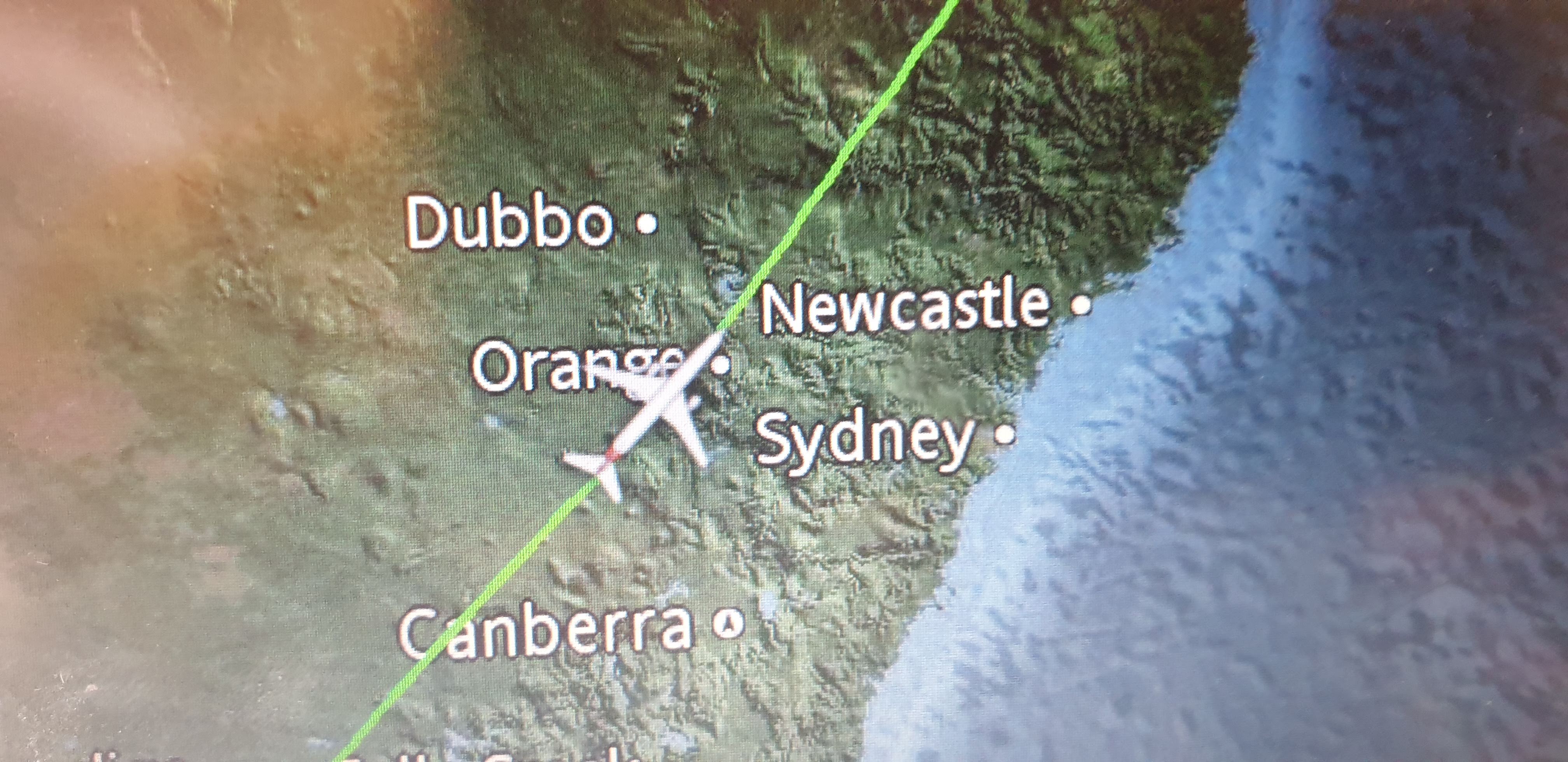
I scored a window seat – it’s like winning the lottery

20200218_152808

So, what do you do when you finally win the lottery?

Well, not the monetary one, the airplane one where you get a window seat, and a window seat you can actually see out of?

Because most of them are not aligned with the windows.  I remember drawing a window seat a while back, but …. you guessed it, there wasn’t a window.

I mean, really!

But now you have one, what do you do?

I’ve seen a lot of window seat travelers pull down the blinds to block out the view.  Seriously?  It’s obvious they travel a lot and have seen everything there is to see.  Why they would want a window seat is beyond me.

Like would they be looking for a lightning bolt to hit the wing tip?  An engine falling off?  Another plane flying too close alongside, like a menacing jet fighter?

Not today.  Not flying near a restricted air space, or foreign border.  Just going from one state to another, out of Melbourne on our way to Brisbane.

Of course, this was before COVIS 19 grounded everything.

Me, I look at clouds, check every so often the engine is still there, watch the wings flex, or the flaps move.

The last time I had a window seat we arrived in Brisbane from the ocean and the plane got awfully close to the water on its final run to the runway.

This time it was over the bridges after flying past the city, and over the Brisbane River.

20200218_154104

Sometimes you can see cruise ships.  There might not be another one of those for a long time to come.

And, yes, the engine is still there.

It was an uneventful flight, but I took a lot of photos anyway.  The grandchildren like looking at oddly shaped clouds.


A Long Day’s Journey into Night

That was the name of a play, the script of which I once took out of a library, but never got around to reading it.

It sparked a momentary interest in Eugene O’Neill’s work, but I found it a little hard to understand.  Of course, back then, when I knew little about anything, it was basically a mystery.

It did fuel a brief dalliance with books with a deeper meaning for a short time, one of which was Alan Sillitoe’s Saturday Night and Sunday Morning, but more intriguing of his works was called The Loneliness of the Long-Distance Runner.

While it could be said the literal meaning of that title was rather true, having done a little long-distance running mostly in the final years of school, and realizing it was a lonely sport, it was probably the first time I discovered allegory.

But aside from all that, it led to a foray into more salacious books such as The Postman Always Rings Twice.

And, don’t get me started on D H Lawrence’s Lady Chatterley’s Lover.

However, I’m doing my usual digression, so back to the point…

Taking it in the literal sense, you can do a long day’s work, not get finished by the time you are supposed to go home, and then decide to burn the midnight oil, i.e., work on into the night.

And some days, you know the ones, where time literally drags, and it feels like forever before it’s time to go home, sometimes in darkness, for a variety of reasons, not just the obvious!

Other times, like when reading a good book, you pick it up in the morning, and the next thing you know, it’s night, and the day is gone.  That was a ‘journey’ but a pleasant one.  Long ago, that used to happen to me a lot.

Now, I hardly get time to read, let alone write, and for some strange reason, retirement is much harder than being at work.

Perhaps I should have taken those time management courses when they were offered.

Inspiration, maybe – Volume 1

50 photographs, 50 stories, of which there is one of the 50 below.

They all start with –

A picture paints … well, as many words as you like.  For instance:

lookingdownfromcoronetpeak

And the story:

It was once said that a desperate man has everything to lose.

The man I was chasing was desperate, but I, on the other hand, was more desperate to catch him.

He’d left a trail of dead people from one end of the island to the other.

The team had put in a lot of effort to locate him, and now his capture was imminent.  We were following the car he was in, from a discrete distance, and, at the appropriate time, we would catch up, pull him over, and make the arrest.

There was nowhere for him to go.

The road led to a dead-end, and the only way off the mountain was back down the road were now on.  Which was why I was somewhat surprised when we discovered where he was.

Where was he going?

“Damn,” I heard Alan mutter.  He was driving, being careful not to get too close, but not far enough away to lose sight of him.

“What?”

“I think he’s made us.”

“How?”

“Dumb bad luck, I’m guessing.  Or he expected we’d follow him up the mountain.  He’s just sped up.”

“How far away?”

“A half-mile.  We should see him higher up when we turn the next corner.”

It took an eternity to get there, and when we did, Alan was right, only he was further on than we thought.”

“Step on it.  Let’s catch him up before he gets to the top.”

Easy to say, not so easy to do.  The road was treacherous, and in places just gravel, and there were no guard rails to stop a three thousand footfall down the mountainside.

Good thing then I had the foresight to have three agents on the hill for just such a scenario.

Ten minutes later, we were in sight of the car, still moving quickly, but we were going slightly faster.  We’d catch up just short of the summit car park.

Or so we thought.

Coming quickly around another corner we almost slammed into the car we’d been chasing.

“What the hell…” Aland muttered.

I was out of the car, and over to see if he was in it, but I knew that it was only a slender possibility.  The car was empty, and no indication where he went.

Certainly not up the road.  It was relatively straightforward for the next mile, at which we would have reached the summit.  Up the mountainside from here, or down.

I looked up.  Nothing.

Alan yelled out, “He’s not going down, not that I can see, but if he did, there’s hardly a foothold and that’s a long fall.”

Then where did he go?

Then a man looking very much like our quarry came out from behind a rock embedded just a short distance up the hill.

“Sorry,” he said quite calmly.  “Had to go if you know what I mean.”

I’d lost him.

It was as simple as that.

I had been led a merry chase up the hill, and all the time he was getting away in a different direction.

I’d fallen for the oldest trick in the book, letting my desperation blind me to the disguise that anyone else would see through in an instant.

It was a lonely sight, looking down that road, knowing that I had to go all that way down again, only this time, without having to throw caution to the wind.

“Maybe next time,” Alan said.

“We’ll get him.  It’s just a matter of time.”

© Charles Heath 2019-2021

Find this and other stories in “Inspiration, maybe”  available soon.

InspirationMaybe1v1

We have this sport called Australian Rules Football

In Melbourne, it’s an institution even a religion.  Traditionally it is played on a Saturday afternoon and luckily for us, we were attending such a game.

Of course, this was before last year.  Last year, with the COVID 19 virus everything, including football has been called off.

Now, we’re subject to the off outbreak that sees games transferred to other states, and sometimes without crowds. We just stick to watching it on TV these days.

Except now we have ‘flattened the curve’ football can start again, sometimes with sometimes without the spectators.  Social distancing means we can’t pack the stadium, or rarely even go to a game.  For a while, it was just to be from our lounge rooms, watching it on the TV.

But, as some of the states began to get on top of the virus, football teams moved from Victoria, and played in Sydney, Adelaide, Perth, and the Northern Territory.

And as the Victorian situation got worse, the decision was made to move the grand final, which had never left the MCG in Victoria, to Brisbane. It was like America never losing the Americas Cup, until they did.

But, below, is the atmosphere that we have been missing, and has returned in a limited sense as coronavirus restrictions eased (but not completely), a game we attended last year:

The stadium is the MSG, one of the biggest and best in Australia.  Shortly after the start, I’d estimate there are about 40,000, but eventually, we were told there was 53,000, spectators here for a clash between the two Melbourne based teams.  It is not unheard of to have in closer to 90,000 spectators, and the atmosphere is at times electric.

For the die-hards like me who can remember the days when there were only Victorian-based teams,  in the modern-day form of the game, to have two such teams is something of a rarity.

However, it’s not so much about the antics on the field as it is the spectators.  They are divided into three groups, the members, the private boxes, and the general public.

But in the end, there is no distinction between any of them because they all know the rules, well, their version of them, and it doesn’t matter who you are, If there is something that goes against your team, it is brings a huge roar of disapproval.

Then there are ebbs and flows in the crowd noise and reactions to events like holding the ball attracting a unified shout ‘ball, or a large collective groan when a free kick should have been paid or by the opposite team’s followers if it should have been.

It is this crowd reaction which makes going to a live game so much better than watching it televised live.  The times when players take marks, get the ball out of congestion, and when goals are scored when your team is behind and when one is needed to get in front.

This is particularly so when one of the stars goes near the ball and pulls off a miracle 1 percent movement of the ball.  These are what we come to see, the high flying marks, the handball threaded through a needle, a kick that reaches one of our players that looked like it would never get there, an intercept mark or steal that throws momentum the opposite way.

This game is not supposed to be a game of inches but fast yards, a kick, a mark, a handball, a run, and bounce.  You need to get the ball to your goal as quickly as possible.

That’s the objective.

But in this modern game, much to the dismay of spectators and commentators alike, there is this thing called flooding where all 36 players are basically in a clump around the ball and it moves basically in inches, not yards.

It is slow and it is ugly.

It is not the game envisioned by those who created it and there is a debate right now about fixing it.

Here, it is an example of the worst sort.  This game is played in four quarters and for the first two, it is ugly scrappy play with little skill on display.  The third shows improvement and it seems the respective coaches had told their players to open it up

They have and it becomes better to look at.

But this is the point where one team usually gets away with a handy lead, a third-quarter effort that almost puts the game out of reach.  The fourth quarter is where the losing team stages a comeback, and sometimes it works sometimes it does not.

The opposition gives it a red hot try but is unsuccessful.  Three goals in a row, it gave their fans a sniff of hope but as the commentators call it, a kick against the flow and my team prevails.

It is the moment to stay for when they play the winning teams song over the stadium’s loudspeaker system, and at least half the spectators sing along.  It is one of that hair raising on the back of your neck moments which for some can be far too few in a season

We have great hopes for our team this year, and it was worth the trek from Brisbane to Melbourne to see it live rather than on the TV

Leaving the ground with thousands of others heading towards the train station for the journey home there is a mixture of feelings, some lamenting their teams, and others jubilant their team won.  There is no rancor, everyone shuffles in an orderly manner, bearing the slow entry to the station, and the long lines to get on the train.

Others who perhaps came by car, or who have decided to wait for a later train or other transport, let their children kick the football around on the leaf-covered parkland surrounding the stadium.

It is an integral part of this game that children experience the football effect.  Kicking a ball with your father, brothers, and sisters, or friends on that late autumn afternoon is a memory that will be cherished for a long long time.

It’s where you pretend you are your favorite player and are every bit as good.  I know that’s what I used to do with my father, and that is what I did with my sons.

But no matter what the state of the game, it is the weekend the football fans look forward to and who turn out in their hundreds of thousands.  It is a game that ignites passions, it brings highs and it brings incredible lows.

And, through thick and thin, we never stop supporting them.