Writing about writing a book – Day 3

Yep, in changing characters and timelines and thinking about the plotline between Bill and Ellen, a lot has changed, well, perhaps not a lot, but some fundamentals in the relationship.

Whilst I am determined, for some unknown reason, to write the first draft by hand, it leads to using a lot of paper and wearing out several self-leading pencils.  I have a bin with screwed up paper, and yes, if I get it in, it’s three points.  A lot don’t make it and lie forlornly beside and in front of the bin.

If only I had a cleaner to clean up.  When I’ve become a best selling author.

I look at the pages I kept.  God, I didn’t know I was that messy.

Coffee first.

I start typing the first draft on the computer using my trusty old version of Microsoft Word, only because I know how to use it.

I have Scrivener but haven’t yet worked out all the bells and whistles.  That will come, no doubt, with book number two.

But, as you might think, I am getting ahead of myself.  I have yet to finish the first.

A cool breeze blew briskly across meadows of tall grass, giving the impression of the ocean in a storm.  High above, clouds scudded across the sky, occasionally allowing the sun to shine through to bathe the ground in sunshine, intensifying the richness the greens and browns.

It was spring.  Trees were displaying new growth, and flowers were starting to show the promise of summery delight.  An occasional light shower of rain added to the delightful aromas, particularly where the grass had recently been mown.

I was there, too, with my grandmother, the woman who had, for the most part, brought me up at her country residence.  But, as I got older, the dream changed and sometimes there were storm clouds on the horizon, or I was caught in the rain, alone and frightened, or lost in the woods in the dark.

There were other visions like these from my childhood, now a million years away somewhere in a distant past that was hard to remember or say where and when they belonged.  It was a pity some were now based on images stolen from the start of a movie seen on TV late at night as I was trying to get to sleep.  Or that the psychiatrist had said there was some trauma from my early childhood, trying to work its way out.

Like every other morning, these images came to me as I was hovering somewhere between conscious and unconscious, just before the alarm went off.  Then it did, filling the room with a shrill noise that would have woken the dead.

I cursed, and then dragged myself over to the other side of the bed where I’d put the alarm clock, and hit it, killing the shrill sound.  I’d put it there so I would have to wake up to turn it off.  And, worse, I’d forgotten to turn it off the night before because it was, technically, the first day of my holiday.

Not that I really wanted one because since Ellen left, my life consisted of work, work, and more work.  It kept my mind off being alone, and in an empty apartment except for the books, a bed, a table and two chairs, a desk, and well-worn lounge chair.  I’d been there for a while and still hadn’t bought any new furniture or anything else for that matter.

And the last holiday I’d gone on had been organized by Ellen only a few years ago in Italy after our two daughters had finished school and graduated almost top of their class.  We’d both thought it might help mend the damage, and for a while we were happy, but happiness was too fleeting for me, and soon after the rot had set in, and it was the beginning of the end.

I remembered it only too clearly, coming home, opening a letter addressed to her, and finding proof of what I think I’d known all along.  She was having an affair, had been for quite some time.

It should not have been a surprise given what I had put her through over the years, since my discharge from the Army and later the nightmares active service had fuelled, but it was what it was and sent me spiralling to a new low.

But that was two years ago.  I came out of the fog a year after that.  Ellen was away most of the time with a new partner she never told me about, and the girls, who shared a unit not far from mine came to see me from time to time

But for all of that, all I now had left were memories.

I rolled over and tried to go back to sleep.  I was on holidays.  No work, no pressure, nothing. 

I thought about going back to my grandmother’s house and visit, but my grandmother was no longer there, and my mother, who was, was too judgemental, and I didn’t need to be told, yet again, how I had let the only woman for me slip through my fingers.

I could do almost anything.

I’d almost managed to doze off again when the phone rang.

I jumped to its equally shrill sound cutting through the silence.  It had to be a wrong number because no one at work would call me and I didn’t have many friends, at least none who would call me at this hour.

I let it ring out.

Blissful silence.  For five minutes.


Then it rang again.

Ignore it, I thought.  It had to be someone from the office.  I’d told them all not to call me, not unless the building was burning down and they were all trapped in it.

And even then, I’d I said I would have to think about it.

Burying my head under the pillow didn’t shut out the insistent ringing. 

Almost reluctantly I rolled back, pulled the telephone out from under the bed, and lifted the receiver to my ear.

“Bill?”

It was Carl Benton, my immediate superior; an insipid, loathsome, irritating little man, the last person I would want to speak to.  He’d insisted I take this leave, that the office could survive without me, adding in his most condescending manner that I needed the break.

I slammed the receiver down in anger.  It was a forlorn gesture.  Seconds later, it rang again.

“I seem to remember you were the one to tell me to go on holiday, that I needed a holiday.  I’m off the roster.  It can’t be that important.  Call someone else.”  I wasn’t going to give him the opportunity to speak.  Not this morning.  I was not in the mood to listen to that squeaky, falsetto voice of his, one that always turned into a whine when he didn’t get his way.

And hung up again.

Not that it would do any good.  I knew that even if I was in Tibet, he would still call.  Then I realized it was too early for him to be in the office, and if he was, he would have been dragged out of bed and put in a position where if he didn’t produce results, they might realize just how incompetent he was.

At last, my holiday had some meaning and smiled to myself.  I’d make the bastard sweat.

A good days work if I say so myself.

I only wished I was better at typing, but it was a self-correcting ribbon and would suffice.

Tonight it would be the sleep of the just.

Tomorrow, more plotting, more characters.  I need a friendly head of a department, one that suffers Benton, a name for the assistant, and what are the circumstances that drag him back into work?

Death, murder, police, or security?

And all I thought I had to do is write!

© Charles Heath 2016-2020

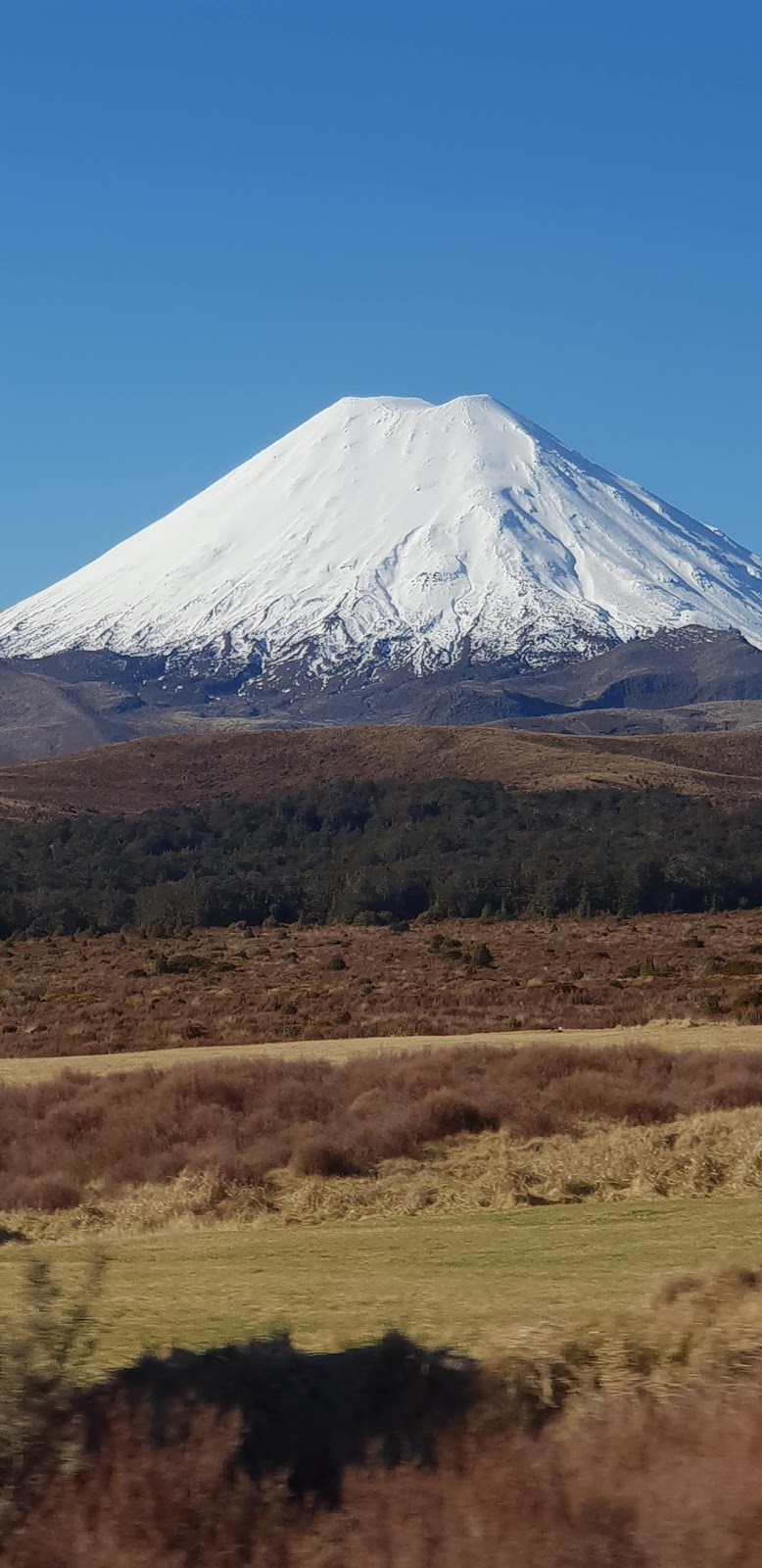
Searching for locations: Mount Ngauruhoe, New Zealand

Mount Ngauruhoe is apparently still an active volcano, has been for 2,500 years or so, and last erupted on 19th February 1975, and reportedly has erupted around 70 times since 1839.

The mountain is usually climbed from the western side, from the Mangatepopo track.

This photo was taken in summer from the Chateau Tongariro carpark.

In late autumn, on one of our many visits to the area, the mountain was covered with a light sprinkling of snow and ice.

On our most recent visit, this year, in winter, it was fully covered in snow.

It can be a breathtaking sight from the distance.

Writing about writing a book – a novel twist

I have decided to write about the process for me to write a book, working on the book at the same time.  The character writing the book is fictional and bears no relation to me, well, mostly not.

You will join me on the rollercoaster.

It will be appearing a bit at a time over the coming months, with the first instalment below.

Day One

I woke to a day where the sun was shining through the crack in the curtains.  It was not so much the brightness, but the fact it was moving, the gentle breeze moving the curtains and creating a strobing effect.

It was the first day of the rest of my life.

I was about to start the next Pulitzer Prize for literature.  Or something like that.

For so many years now my life had been weighed down by the monotony of a job I hated, a life that was going nowhere, and the pursuit of that no existent fortune that I believed was the answer to all my problems.

Those prayers to the great God Money were never heeded.

So, contrary to the well-meaning advice everyone gave me, I ignored them all, sold off the albatross around my neck, a house with a gigantic mortgage attached, and moved into a small but comfortable garret in a picturesque part of town.

It was called a ‘renovators’ delight.  What did it matter the wallpaper was peeling the paint fading and the carpet had seen better days.

It was mine.

Whether or not in the coming days, weeks, or months, I was a ‘renovator’ would be interesting.

My wife, Anne, had often said I wouldn’t know which end of the hammer to use.

Oh, and did I tell you, I moved on from her, or probably it was the other way around.  I’d let her down one too many times, she said, and found someone else more ‘reliable’.

Good for her, my brother had always said she deserved someone better, and it surprised me the marriage lasted as long as it did.  I still loved her, I always would.

I sprung out of bed and opened the curtains.  Spread out in front of me was a blue sky, bright sunshine casting its glow over the park and gardens opposite.

On my darkest days, I used to sit on a bench and watch the ducks swimming in the pond.  I wanted a carefree life like they had, and that was my dream.

Now I was living the dream.

Or would be till the money ran out.

I had enough for a year.

The second bedroom was the writing room.  The walls were lined with shelves, books by my favourite authors, books on writing, all dog-eared and well-read.

The typewriter was sitting on the desk waiting for the first words to be written.

I had a computer, but I was not going to use it for the second draft.

I had a supply of writing pads.  Like the great authors, I was going to write the first draft by hand, revise, and then type it.

I was going to be old school.


I sat down, picked up a pen, and scratched my head.

I began writing, ‘It was a dark and stormy night’.

That was a far as I got.

Maybe this was going to be harder than I thought.

Perhaps after coffee and toast …


© Charles Heath 2016-2019

The cinema of my dreams – Was it just another surveillance job – Episode 9

I’m back home and this story has been sitting on a back burner for a few months, waiting for some more to be written.

The trouble is, there are also other stories to write, and I’m not very good at prioritising.

But, here we are, a few minutes opened up and it didn’t take long to get back into the groove.

An interrogation and a revelation.


I think I just about reached that same conclusion just seconds before she uttered it.  But, I didn’t think this was the time to air my own thoughts on the matter.

The question I did ask was, “It appears our service has been compromised.”

She glanced at me almost condescendingly.  “It appears so.  Have you got your cell phone?”

I had it with me and gave it to her.  I had it ready because I knew they would ask for it.  It had a record of orders given, and phone conversations made, before, during, and after the operation.

For a review, or in this case, a search for the guilty.

I watched her put in the passcode, and go to the messages, and bring up the one sent to me, to attend the briefing.  It was all in order, no different to the previous five, with all the right designations and protocols.

“There was no reason to suspect it was anything but a real callout.”

Another glance at the screen, she put it on the desk next to the file.  “No, it looks real enough.”

Thought best kept to myself; how the hell did someone outside our organisation, know so well our inner workings?  I wanted to ask the question but refrained from doing so.

It also explained, now that I thought about it, the reason why the target had said he was one of us.  We had been hunting him so someone else, and enemy organisation perhaps, so they could kill him.  The question was, why?  Had he made a discovery, the evidence he was referring to that a certain Alfred Nobbin might have.

Perhaps a good idea, for the time being, to keep that snippet of information to myself.  After all, this new person in front of me could be one of Severin’s people.

Where I was sitting was not a familiar place to me, though I had been to the building before, which is why I knew where to go for this interview.  AS for the people, everyone I’d met so far, other than the other team members, bar one, I’d known from training.

So, now another expected question from me, or at least, if I was on the other side of the table, it’s one I’d expect to be asked.  “Just who was I working for, if it was not for us?”

Assuming she was one of us.

“That’s what we intend to find out.  Who was the target?”

I gave her the description we’d been given, and a copy of his photograph that had been circulated at the briefing.  I’d kept one of them, and luckily no one noticed it missing.  It was fortuitous that’s I’d copied the photo before I had to give it to her, which was right then.

There was not a flicker of recognition in her eyes.

“So, not one of us?” I asked.

For an interrogation, she wasn’t asking many relevant questions.

She looked up.  “Why would you say that, if your mission was to keep him under surveillance?”

“Which we now know was not sanctioned, so we have to assume that we had been persuaded to find and track one of our own agents.  You look as though you didn’t recognise him?”

“I don’t try to remember every agent we have in the field, here and overseas.  There a few too many for that.  But I’ve got a request out for his identity.  He didn’t say who he was?”

“No.”

“Anything at all that might be useful?”

“That he was one of us, who’d made a mistake, and feared we’d set the dogs on him.”

“Yes.  Someone definitely did that.”


© Charles Heath 2019

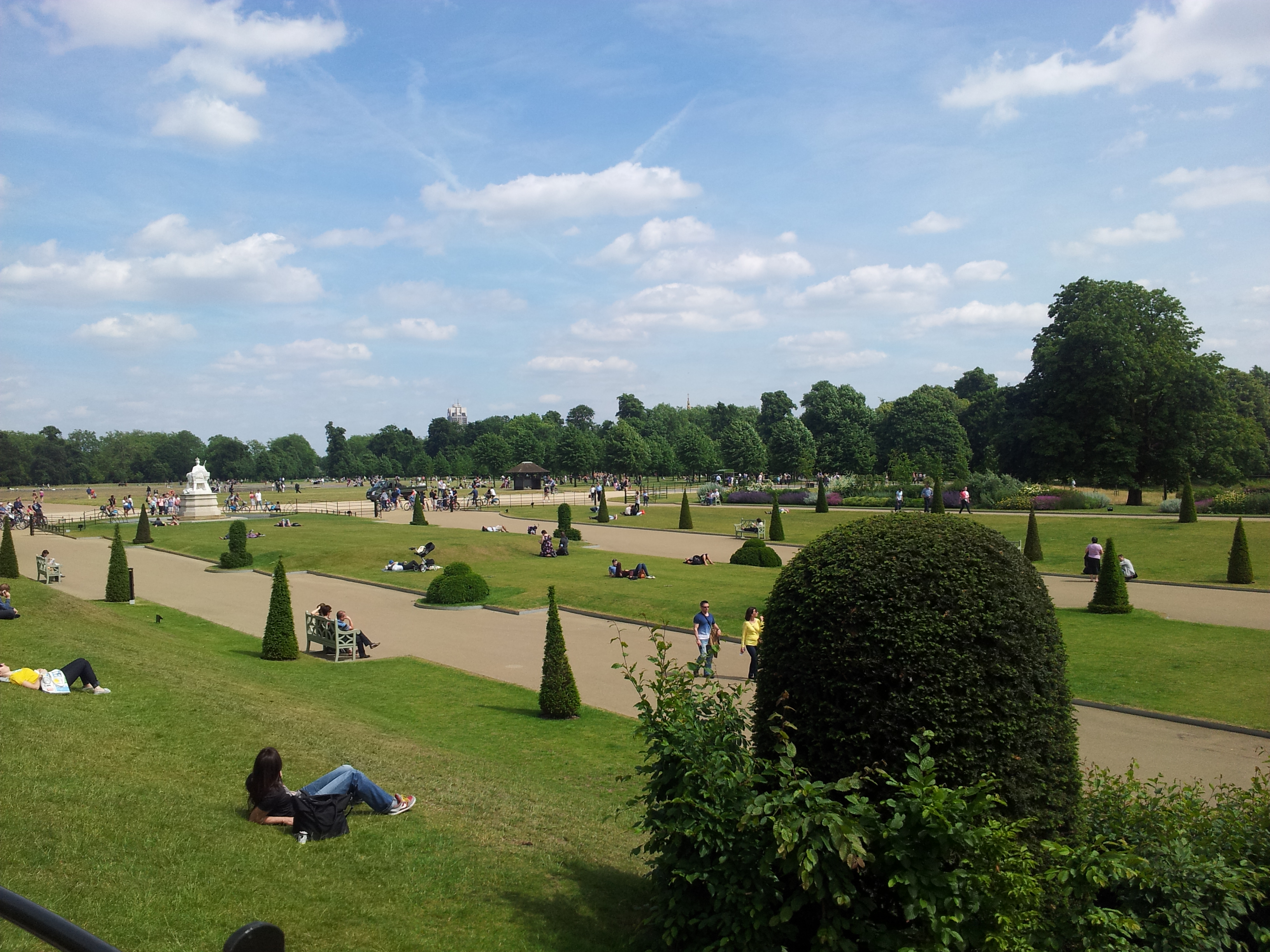
Searching for locations: Kensington Palace, gardens, and high tea at the Orangery

We have been to this palace several times, the last being with our granddaughters.

Anyone can take a photo of the front door, I think I have done one better, and taken a picture of the back door, hidden behind an ice cream vendor.

Excellent security measures in place!

2013-06-29 13.35.32

But after visiting the palace for as long as the children could retain interest, which was beginning to wane after an hour or so, we came out to go to the Orangery and see if we could treat them to afternoon tea.

2013-06-29 14.51.04

The Orangery is at the end of this walkway.  More on this experience below.

Moving on…

2013-06-29 14.51.16

It was a few minutes looking at round trees and squirrels which seemed to be in abundance.  Maybe the squirrels were being spoiled by eating leftovers from the Orangery.

But the gardens beckoned.

2013-06-29 14.51.55

Lots of green and color.  This was in winter so the sun was a bonus.

We were expecting snow, but no such luck!

2013-06-29 14.52.38

Not even the pond was frozen over.

2013-06-29 14.54.05

Such was the good weather in the middle of winter, a great many people turned out to bask in what little sun there was.

Don’t worry, the next day it started raining again, and didn’t end till we left.

But, there’s only so much sun one can handle in London, and we were getting hungry.  Whilst not expecting it would be available, or the girls would actually like cucumber sandwiches, we were hoping for them to, at the very least, have a new culinary experience.

As for us, we have a quest of sorts, depending on which country we’re in, and in London, it is a quest to find new places to have high tea as we had exhausted the favorites like Selfridges, Harrods, and Fortnum and Mason.

We had our fingers crossed.

There are a number of stops on the tour bus, you know the one, or two, with the word Highlights in its name.  It’s easier to get on one of these than try to navigate your own way around, and it took us to Kensington Palace.

The weather had improved, we were hoping it would be one of those days with a surprise or two left in it.

We saw this white building tucked away near Kensington Palace and after doing the regulation tour we were up for a cup of tea and a cake.

Instead, we found they had High Tea and that was it.

orangery3

The English seem to have a knack for pulling off some of the best sandwiches, particularly those of the cucumber variety, and definitely my absolute favorite.

Here we had the Queen’s tea.

orangery2

In fact, at each of the establishments mentioned above, we had their signature tea, served in fine bone china cups.

Ah, what it must have been like in the olden days of the British Empire!

A photograph from the inspirational bin – 15

It’s the obvious items in the photograph that you see first, or that your eyes go to first.

The ocean, the beach, the buildings. You can see a shopping mall with MacDonald’s sign above it.

Yes, it’s late afternoon, and you can see long shadows of the buildings.

So, if I asked you what did you see in this photo, what would your reply be?

From a thriller writer or murder mystery writer’s point of view, it’s what you don’t necessarily see.

So, for the purposes of the story, the opening line for the world-weary detective, handing the photo to his partner, “What’s is it you can’t see in this photo?”

A partner that hadn’t been on the job very long, in from the suburbs, and had seen little more than break and enters car theft, and school kids hi-jinks.

“What am I supposed to be looking for?”

“You want to be a detective, or be looking for old ladies cats?”

His partner takes the photo in hand and looks at it again.  There has to be a reason why the old man had given it to him, or perhaps there wasn’t and he was just playing with him again.

No, he thought, there has to be something…

And then he saw it, quite by accident.  A hand, a gun, and following the line of fire, at the end, what looked like someone in the bushes.

In a photo taken from a higher floor of the building over the road, looking down on what was supposed to be a rooftop recreational area.

Only there had been no report of a missing person or a gunshot wound in the last seven days.

“When was it taken?”

“Two days ago?”

“And no reports of a shooting, or a body?”

“No.  And yet the person who took this swears he saw a body, but by the time he came back, there was nothing.”

The detective handed his partner a second photo.  Time-stamped five minutes later.  With no gun and no body.

What will happen next?

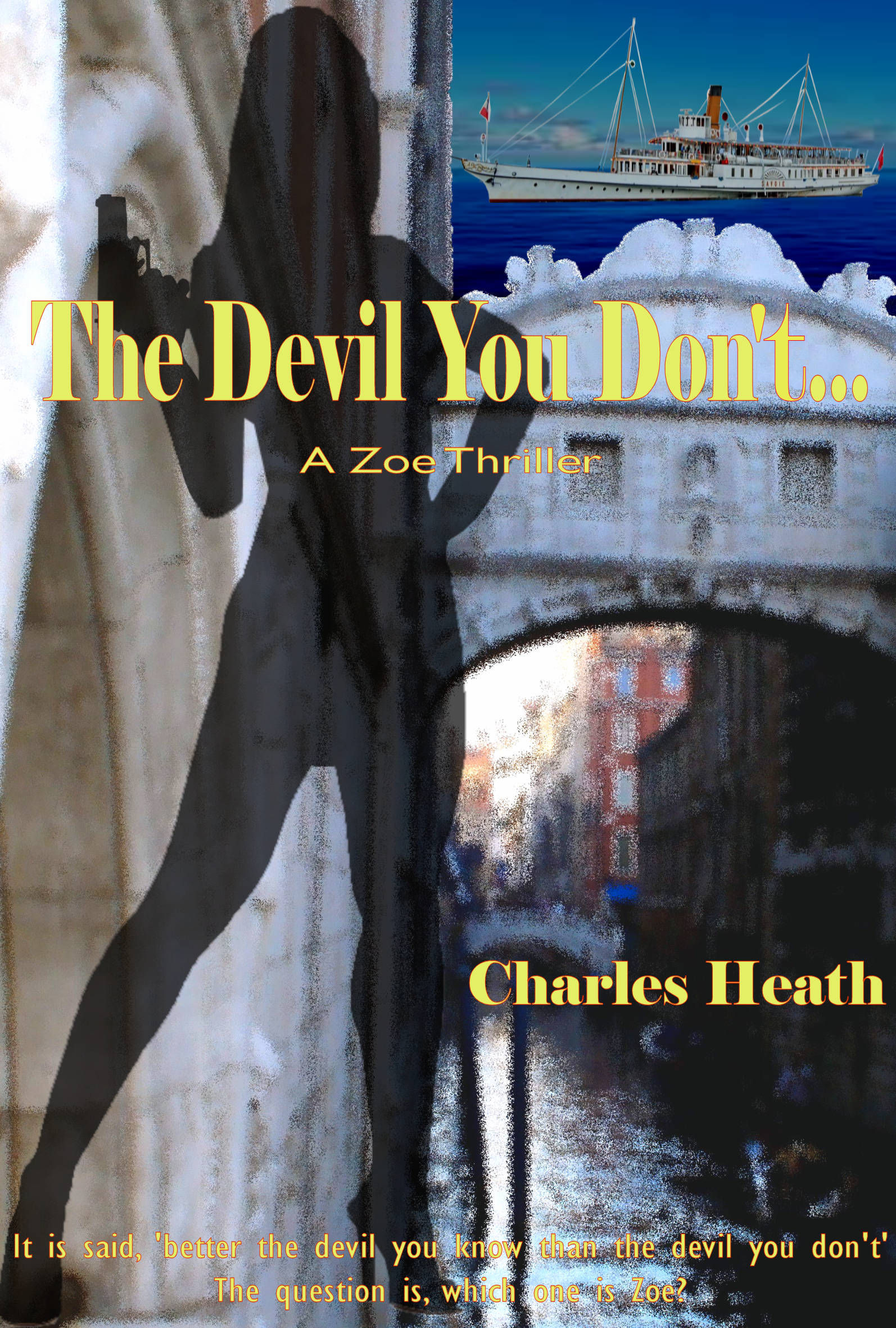
An excerpt from “The Devil You Don’t”

Available on Amazon Kindle here:  https://amzn.to/2Xyh1ow


By the time I returned to the Savoie, the rain had finally stopped, and there was a streak of blue sky to offer some hope the day would improve.

The ship was not crowded, the possibility of bad weather perhaps holding back potential passengers.  Of those I saw, a number of them would be aboard for the lunch by Phillippe Chevrier.  I thought about it, but the Concierge had told me about several restaurants in Yvoire and had given me a hand-drawn map of the village.  I think he came from the area because he spoke with the pride and knowledge of a resident.

I was looking down from the upper deck observing the last of the boarding passengers when I saw a woman, notable for her red coat and matching shoes, making a last-minute dash to get on board just before the gangway was removed.  In fact, her ungainly manner of boarding had also captured a few of the other passenger’s attention.  Now they would have something else to talk about, other than the possibility of further rain.

I saw her smile at the deckhand, but he did not smile back.  He was not impressed with her bravado, perhaps because of possible injury.  He looked at her ticket then nodded dismissively, and went back to his duties in getting the ship underway.  I was going to check the departure time, but I, like the other passengers, had my attention diverted to the woman in red.

From what I could see there was something about her.  It struck me when the light caught her as she turned to look down the deck, giving me a perfect profile.  I was going to say she looked foreign, but here, as in almost anywhere in Europe, that described just about everyone.  Perhaps I was just comparing her to Phillipa, so definitively British, whereas this woman was very definitely not.

She was perhaps in her 30’s, slim or perhaps the word I’d use was lissom, and had the look and manner of a model.  I say that because Phillipa had dragged me to most of the showings, whether in Milan, Rome, New York, London, or Paris.  The clothes were familiar, and in the back of my mind, I had a feeling I’d seen her before.

Or perhaps, to me, all models looked the same.

She looked up in my direction, and before I could divert my eyes, she locked on.  I could feel her gaze boring into me, and then it was gone as if she had been looking straight through me.  I remained out on deck as the ship got underway, watching her disappear inside the cabin.  My curiosity was piqued, so I decided to keep an eye out for her.

I could feel the coolness of the air as the ship picked up speed, not that it was going to be very fast.  With stops, the trip would take nearly two hours to get to my destination.  It would turn back almost immediately, but I was going to stay until the evening when it returned at about half eight.  It would give me enough time to sample the local fare, and take a tour of the medieval village.

Few other passengers ventured out on the deck, most staying inside or going to lunch.  After a short time, I came back down to the main deck and headed forward.  I wanted to clear my head by concentrating on the movement of the vessel through the water, breathing in the crisp, clean air, and let the peacefulness of the surroundings envelope me.

It didn’t work.

I knew it wouldn’t be long before I started thinking about why things hadn’t worked, and what part I played in it.  And the usual question that came to mind when something didn’t work out.  What was wrong with me?

I usually blamed it on my upbringing.

I had one of those so-called privileged lives, a nanny till I was old enough to go to boarding school, then sent to the best schools in the land.  There I learned everything I needed to be the son of a Duke, or, as my father called it in one of his lighter moments, nobility in waiting.

Had this been five or six hundred years ago, I would need to have sword and jousting skills, or if it had been a few hundred years later a keen military mind.  If nothing else I could ride a horse, and go on hunts, or did until they became not the thing to do.

I learned six languages, and everything I needed to become a diplomat in the far-flung British Empire, except the Empire had become the Commonwealth, and then, when no-one was looking, Britain’s influence in the world finally disappeared.  I was a man without a cause, without a vocation, and no place to go.

Computers were the new vogue and I had an aptitude for programming.  I guess that went hand in hand with mathematics, which although I hated the subject, I excelled in.  Both I and another noble outcast used to toss ideas around in school, but when it came to the end of our education, he chose to enter the public service, and I took a few of those ideas we had mulled over and turned them into a company.

About a year ago, I was made an offer I couldn’t refuse.  There were so many zeroes on the end of it I just said yes, put the money into a very grateful bank, and was still trying to come to terms with it.

Sadly, I still had no idea what I was going to do with the rest of my life.  My parents had asked me to come back home and help manage the estate, and I did for a few weeks.  It was as long as it took for my parents to drive me insane.

Back in the city, I spent a few months looking for a mundane job, but there were very few that suited the qualifications I had, and the rest, I think I intimidated the interviewer simply because of who I was.  In that time I’d also featured on the cover of the Economist, and through my well-meaning accountant, started involving myself with various charities, earning the title ‘philanthropist’.

And despite all of this exposure, even making one of those ubiquitous ‘eligible bachelor’ lists, I still could not find ‘the one’, the woman I wanted to spend the rest of my life with.  Phillipa seemed to fit the bill, but in time she proved to be a troubled soul with ‘Daddy’ issues.  I knew that in building a relationship compromise was necessary, but with her, in the end, everything was a compromise and what had happened was always going to be the end result.

It was perhaps a by-product of the whole nobility thing.  There was a certain expectation I had to fulfill, to my peers, contemporaries, parents and family, and those who either liked or hated what it represented.  The problem was, I didn’t feel like I belonged.  Not like my friend from schooldays, and now obscure acquaintance, Sebastian.  He had been elevated to his Dukedom early when his father died when he was in his twenties.  He had managed to fade from the limelight and was rarely mentioned either in the papers or the gossip columns.  He was one of the lucky ones.

I had managed to keep a similarly low profile until I met Phillipa.  From that moment, my obscurity disappeared.  It was, I could see now, part of a plan put in place by Phillipa’s father, a man who hogged the limelight with his daughter, to raise the profile of the family name and through it their businesses.  He was nothing if not the consummate self-advertisement.

Perhaps I was supposed to be the last piece of the puzzle, the attachment to the establishment, that link with a class of people he would not normally get in the front door.  There was nothing refined about him or his family, and more than once I’d noticed my contemporaries cringe at the mention of his name, or any reference of my association with him.

Yet could I truthfully say I really wanted to go back to the obscurity I had before Phillipa?  For all her faults, there were times when she had been fun to be with, particularly when I first met her when she had a certain air of unpredictability.  That had slowly disappeared as she became part of her father’s plan for the future.  She just failed to see how much he was using her.

Or perhaps, over time, I had become cynical.

I thought about calling her.  It was one of those moments of weakness when I felt alone, more alone than usual.

I diverted my attention back to my surroundings and the shoreline.  Out of the corner of my eye, I could see the woman in the red coat, making a move.  The red coat was like a beacon, a sort of fire engine red.  It was not the sort of coat most of the women I knew would wear, but on her, it looked terrific.  In fact, her sublime beauty was the one other attribute that was distinctly noticeable, along with the fact her hair was short, rather than long, and jet black.

I had to wrench my attention away from her.

A few minutes later several other passengers came out of the cabin for a walk around the deck, perhaps to get some exercise, perhaps checking up on me, or perhaps I was being paranoid.  I waited till they passed on their way forward, and I turned and headed aft.

I watched the wake sluicing out from under the stern for a few minutes, before retracing my steps to the front of the ship and there I stood against the railing, watching the bow carve its way through the water.  It was almost mesmerizing.  There, I emptied my mind of thoughts about Phillipa, and thoughts about the woman in the red coat.

Until a female voice behind me said, “Having a bad day?”

I started, caught by surprise, and slowly turned.  The woman in the red coat had somehow got very close me without my realizing it.  How did she do that?  I was so surprised I couldn’t answer immediately.

“I do hope you are not contemplating jumping.  I hear the water is very cold.”

Closer up, I could see what I’d missed when I saw her on the main deck.  There was a slight hint of Chinese, or Oriental, in her particularly around the eyes, and of her hair which was jet black.  An ancestor twice or more removed had left their mark, not in a dominant way, but more subtle, and easily missed except from a very short distance away, like now.

Other than that, she was quite possibly Eastern European, perhaps Russian, though that covered a lot of territory.  The incongruity of it was that she spoke with an American accent, and fluent enough for me to believe English was her first language.

Usually, I could ‘read’ people, but she was a clean slate.  Her expression was one of amusement, but with cold eyes.  My first thought, then, was to be careful.

“No.  Not yet.”  I coughed to clear my throat because I could hardly speak.  And blushed, because that was what I did when confronted by a woman, beautiful or otherwise.

The amusement gave way to a hint of a smile that brightened her demeanor as a little warmth reached her eyes.  “So that’s a maybe.  Should I change into my lifesaving gear, just in case?”

It conjured up a rather interesting image in my mind until I reluctantly dismissed it.

“Perhaps I should move away from the edge,” I said, moving sideways until I was back on the main deck, a few feet further away.  Her eyes had followed me, and when I stopped she turned to face me again.  She did not move closer.

I realized then she had removed her beret and it was in her left side coat pocket.  “Thanks for your concern …?”

“Zoe.”

“Thanks for your concern, Zoe.  By the way, my name is John.”

She smiled again, perhaps in an attempt to put me at ease.  “I saw you earlier, you looked so sad, I thought …”

“I might throw myself overboard?”

“An idiotic notion I admit, but it is better to be safe than sorry.”

Then she tilted her head to one side then the other, looking intently at me.  “You seem to be familiar.  Do I know you?”

I tried to think of where I may have seen her before, but all I could remember was what I’d thought earlier when I first saw her; she was a model and had been at one of the showings.  If she was, it would be more likely she would remember Phillipa, not me.  Phillipa always had to sit in the front row.

“Probably not.”  I also didn’t mention the fact she may have seen my picture in the society pages of several tabloid newspapers because she didn’t look the sort of woman who needed a daily dose of the comings and goings, and, more often than not, scandal associated with so-called celebrities.

She gave me a look, one that told me she had just realized who I was.  “Yes, I remember now.  You made the front cover of the Economist.  You sold your company for a small fortune.”

Of course.  She was not the first who had recognized me from that cover.  It had raised my profile considerably, but not the Sternhaven’s.  That article had not mentioned Phillipa or her family.  I suspect Grandmother had something to do with that, and it was, now I thought about it, another nail in the coffin that was my relationship with Phillipa.

“I wouldn’t say it was a fortune, small or otherwise, just fortunate.”  Each time, I found myself playing down the wealth aspect of the business deal.

“Perhaps then, as the journalist wrote, you were lucky.  It is not, I think, a good time for internet-based companies.”

The latter statement was an interesting fact, one she read in the Financial Times which had made that exact comment recently.

“But I am boring you.”  She smiled again.  “I should be minding my own business and leaving you to your thoughts.  I am sorry.”

She turned to leave and took a few steps towards the main cabin.

“You’re not boring me,” I said, thinking I was letting my paranoia get the better of me.  It had been Sebastian on learning of my good fortune, who had warned me against ‘a certain element here and abroad’ whose sole aim would be to separate me from my money.  He was not very subtle when he described their methods.

But I knew he was right.  I should have let her walk away.

She stopped and turned around.  “You seem nothing like the man I read about in the Economist.”

A sudden and awful thought popped into my head.  Those words were part of a very familiar opening gambit.  “Are you a reporter?”

I was not sure if she looked surprised, or amused.  “Do I look like one?”

I silently cursed myself for speaking before thinking, and then immediately ignored my own admonishment.  “People rarely look like what they are.”

I saw the subtle shake of the head and expected her to take her leave.  Instead she astonished me.

“I fear we have got off on the wrong foot.  To be honest, I’m not usually this forward, but you seemed like you needed cheering up when probably the opposite is true.  Aside from the fact this excursion was probably a bad idea.  And,” she added with a little shrug, “perhaps I talk too much.”

I was not sure what I thought of her after that extraordinary admission. It was not something I would do, but it was an interesting way to approach someone and have them ignoring their natural instinct.  I would let Sebastian whisper in my ear for a little longer and see where this was going.

“Oddly enough, I was thinking the same thing.  I was supposed to be traveling with my prospective bride.  I think you can imagine how that turned out.”

“She’s not here?”

“No.”

“She’s in the cabin?”  Her eyes strayed in that direction for a moment then came back to me.  She seemed surprised I might be traveling with someone.

“No.  She is back in England, and the wedding is off.  So is the relationship.  She dumped me by text.”

OK, why was I sharing this humiliating piece of information with her?  I still couldn’t be sure she was not a reporter.

She motioned to an empty seat, back from the edge.  No walking the plank today.  She moved towards it and sat down.  She showed no signs of being cold, nor interested in the breeze upsetting her hair.  Phillipa would be having a tantrum about now, being kept outside, and freaking out over what the breeze might be doing to her appearance.

I wondered, if only for a few seconds if she used this approach with anyone else.  I guess I was a little different, a seemingly rich businessman alone on a ferry on Lake Geneva, contemplating the way his life had gone so completely off track.

She watched as I sat at the other end of the bench, leaving about a yard between us.  After I leaned back and made myself as comfortable as I could, she said, “I have also experienced something similar, though not by text message.  It is difficult, the first few days.”

“I saw it coming.”

“I did not.”  She frowned, a sort of lifeless expression taking over, perhaps brought on by the memory of what had happened to her.  “But it is done, and I moved on.  Was she the love of your life?”

OK, that was unexpected.

When I didn’t answer, she said, “I am sorry.  Sometimes I ask personal questions without realizing what I’m doing.  It is none of my business.”  She shivered.  “Perhaps we should go back inside.”

She stood, and held out her hand.  Should I take it and be drawn into her web?  I thought of Sebastian.  What would he do in this situation?

I took her hand in mine and let her pull me gently to my feet.  “Wise choice,” she said, looking up at the sky.

It just started to rain.


© Charles Heath 2015-2020
newdevilcvr6

Writing about writing a book – Day 2

Hang about.  Didn’t I read somewhere you need to plan your novel, create an outline setting the plot points, and flesh out the characters?

I’m sure it didn’t say, sit down and start writing!

Time to find a writing pad, and put my thinking cap on.

I make a list, what’s the story going to be about? Who’s going to be in it, at least at the start?

Like a newspaper story, I need a who, what, when, where, and how.

Right now.


I pick up the pen.


Character number one:

Computer nerd, ok, that’s a little close to the bone, a computer manager who is trying to be everything at once, and failing.  Still me, but with a twist.  Now, add a little mystery to him, and give him a secret, one that will only be revealed after a specific set of circumstance.  Yes, I like that.

We’ll call him Bill, ex-regular army, a badly injured and repatriated soldier who was sent to fight a war in Vietnam, the result of which had made him, at times, unfit to live with.

He had a wife, which brings us to,

Character number two:

Ellen, Bill’s ex-wife, an army brat and a General’s daughter, and the result of one of those romances that met disapproval for so many reasons.  It worked until Bill came back from the war, and from there it slowly disintegrated.  There are two daughters, both by the time the novel begins, old enough to understand the ramifications of a divorce.

Character number three:

The man who is Bill’s immediate superior, the Services Department manager, a rather officious man who blindly follows orders, a man who takes pleasure in making others feel small and insignificant, and worst of all, takes the credit where none is due.

Oops, too much, that is my old boss.  He’ll know immediately I’m parodying him.  Tone it down, just a little, but more or less that’s him.  Last name Benton.  He will play a small role in the story.

Character number four:

Jennifer, the IT Department’s assistant manager, a woman who arrives in a shroud of mystery, and then, in time, to provide Bill with a shoulder to cry on when he and Ellen finally split, and perhaps something else later on.

More on her later as the story unfolds.

So far so good.

What’s the plot?

Huge corporation plotting to take over the world using computers?  No, that’s been done to death.

Huge corporation, OK, let’s stop blaming the corporate world for everything wrong in the world.  Corporations are not bad people, people are the bad people.  That’s a rip off cliché, from guns don’t kill people, people kill people!  There will be guns, and there will be dead people.

There will be people hiding behind a huge corporation, using a part of their computer network to move billions of illegally gained money around.  That’s better.

Now, having got that, our ‘hero’ has to ‘discover’ this network, and the people behind it.

All we need now is to set the ball rolling, a single event that ‘throws a cat among the pigeons’.

Yes, Bill is on holidays, a welcome relief from the problems of work.  He dreams of what he’s going to do for the next two weeks.  The phone rings.  Benton calling, the world is coming to an end, the network is down.  He’s needed.  A few terse words, but he relents.

Pen in hand I begin to write.


© Charles Heath 2016-2019

The cinema of my dreams – Was it just another surveillance job– Episode 8

I’m back home and this story has been sitting on a back burner for a few months, waiting for some more to be written.

The trouble is, there are also other stories to write, and I’m not very good at prioritising.

But, here we are, a few minutes opened up and it didn’t take long to get back into the groove.

An interrogation and a revelation.


Debriefings were like interrogations, only friendlier.  We were trained to withstand interrogation, so it would be interesting to see how I reacted.   I had no doubt what some of the questions would be.

While I had a few minutes to myself, sitting down behind a bare metal table on a hard plastic and uncomfortable chair, with a warm cup of station house coffee, to consider the briefing.

Target, male, 6 foot 3 inches, 200 pounds, Caucasian, thought to be from either Russia or Bulgaria, but nothing to define his as such.  I had wondered, at the time, what that meant.  When I saw him in the alley I knew, then, what was meant, he looked the same as you or me.

No explanation for why he was under surveillance, but we did get a warning that he might be dangerous if he suspected he was being observed.  Right about that, given team casualties.

Main objective, who he met, talked to, and where he went, every place, every detail to be noted.  The unpredictable explosion threw the whole operation into chaos.

The door opened and a woman, middle-aged, conservatively dressed, walked in, closing it behind her.  She sat in the other chair opposite me.  She brought a file, thin, and put it in front of her on the table.

“Your name is Sam Jackson?”

“Yes.”

No introductions, nothing, just a start on the questions.  No nonsense, but I could see she was very, very angry.  With me, or those who had run a failed operation?

“How long have you been with us?”

“Eight months.”

She opened the file and glanced at the piece of paper on top.  A minute passed before she closed the file again.  “Closer to nine,” she said.

I said nothing.  I wasn’t counting the days.

“How many operations have you been on?”

“Six, including this one.”

“Who assigned you to this specific operation?”

“Couldn’t say.  I got the usual request via text message to attend a briefing at the midtown office.”

“What was the designated operation name?”

“Chancellery.”

For a brief second, there was a quizzical expression on her face, then it was gone.

“Who was running this operation?”

“Director Severin.”

A full three minutes of silence passed.  I thought she was looking at me, the sort of stare that would break a lesser man, but in the end, I think she was looking right through me.  I could not read her thoughts, but if I was to guess, they would be rather dark right now.

Then she spoke.

“You should know that there was no Chancellery on the books, and we certainly do not have a Director named Severin.”


© Charles Heath 2019

The cinema of my dreams – Was it just another surveillance job– Episode 8

I’m back home and this story has been sitting on a back burner for a few months, waiting for some more to be written.

The trouble is, there are also other stories to write, and I’m not very good at prioritising.

But, here we are, a few minutes opened up and it didn’t take long to get back into the groove.

An interrogation and a revelation.


Debriefings were like interrogations, only friendlier.  We were trained to withstand interrogation, so it would be interesting to see how I reacted.   I had no doubt what some of the questions would be.

While I had a few minutes to myself, sitting down behind a bare metal table on a hard plastic and uncomfortable chair, with a warm cup of station house coffee, to consider the briefing.

Target, male, 6 foot 3 inches, 200 pounds, Caucasian, thought to be from either Russia or Bulgaria, but nothing to define his as such.  I had wondered, at the time, what that meant.  When I saw him in the alley I knew, then, what was meant, he looked the same as you or me.

No explanation for why he was under surveillance, but we did get a warning that he might be dangerous if he suspected he was being observed.  Right about that, given team casualties.

Main objective, who he met, talked to, and where he went, every place, every detail to be noted.  The unpredictable explosion threw the whole operation into chaos.

The door opened and a woman, middle-aged, conservatively dressed, walked in, closing it behind her.  She sat in the other chair opposite me.  She brought a file, thin, and put it in front of her on the table.

“Your name is Sam Jackson?”

“Yes.”

No introductions, nothing, just a start on the questions.  No nonsense, but I could see she was very, very angry.  With me, or those who had run a failed operation?

“How long have you been with us?”

“Eight months.”

She opened the file and glanced at the piece of paper on top.  A minute passed before she closed the file again.  “Closer to nine,” she said.

I said nothing.  I wasn’t counting the days.

“How many operations have you been on?”

“Six, including this one.”

“Who assigned you to this specific operation?”

“Couldn’t say.  I got the usual request via text message to attend a briefing at the midtown office.”

“What was the designated operation name?”

“Chancellery.”

For a brief second, there was a quizzical expression on her face, then it was gone.

“Who was running this operation?”

“Director Severin.”

A full three minutes of silence passed.  I thought she was looking at me, the sort of stare that would break a lesser man, but in the end, I think she was looking right through me.  I could not read her thoughts, but if I was to guess, they would be rather dark right now.

Then she spoke.

“You should know that there was no Chancellery on the books, and we certainly do not have a Director named Severin.”


© Charles Heath 2019