What I learned about writing – A hand written manuscript is not an advertisement your word processor has died

OK. We’re not doing much writing, and today, we have another suggestion, one that might cause an unnecessary rush at the stationery store for pencils.

I was in one today, a place called Office Works, getting some folders to put the printed copies of my latest books about to be published.

I’d previously bought pencils – a box of 24, a motorised pencil sharpener, cards – though I intend to use these for a non-fiction book, pens – red, blue, black, erasable – for doing crosswords. I’ve not had to buy notebooks for a while, small and large, but the last time I got some journalist notebooks.

But, I digress…

It is suggested, and I think it’s a great idea, that at times it is better to write down the story, mainly because I can write as fast as the ideas come, and I cannot type that fast. Not without a million errors and a lot of indecipherable words.

There are exponents for both means of getting words on paper, but I have to say the majority of my original books were written in small notepads, at work and elsewhere, because ideas and storylines come to me at the sometimes most awkward moments.

Consider carrying around a notebook and a pencil or pen.

Otherwise, my other means of getting ideas down is a note-taking app on my phone, the best at the moment being Somnote.

And tired of waiting for the moment when the book gets underway, stand by, news on that front is coming.

I have a degree of scepticism because I generally get words down on my phone, the only implement that is nearby at all times, no matter where I am.

Of course, many years ago, I always travelled with little pocket-sized notebooks and a pen, rather than a pencil, to write. I still have all of these, several hundred in fact, in several shoeboxes in the cupboard in my writing room.

Over the years, I have accumulated many A5-sized notebooks I bought where there were stationery sales, and now use these to both make notes and write. I tend not to use the smaller notebooks now, but I have a hundred or so sitting in a drawer just in case.

But do you like to write using a biro, with smudgy ink, a pen with a rollerball tip with less smudge, a felt-tip pen, which, depending on the paper type, can leach through, making it difficult to write on both sides, a fountain pen with ink, the old-fashioned way of writing letters, and some of the older writers back in the day?

I remember my early days in school, grade three in fact, when we switched from pencil to pen and ink. It was very messy, to begin with, but I remember vividly being the ink monitor, the one who filled the ink wells, and discovering my schoolmate’s prelidiction for stuffing bits of blotting paper into the well for whatever reason.

Even now, it would be a messy way to write.

But the choice is yours.

Top 5 sights on the road less travelled – Lima

Beyond the Typical Tourist Trail: 5 Unmissable, Off‑the‑Beaten‑Path Experiences in Lima

Lima—the City of Kings—is famous for its bustling historic centre, world‑renowned gastronomy, and the dramatic cliffs of Miraflores that gaze out over the Pacific. Yet, once you’ve sampled ceviche at a top‑rated restaurant and snapped a selfie at the Plaza de Armas, you’ll quickly realise there’s a whole hidden side to Peru’s capital that most guidebooks barely mention.

If you’re the kind of traveler who loves to wander where the crowds don’t, here are five carefully curated experiences that will let you see Lima through a local’s eyes, without missing out on comfort or safety.


1. Wander the Colorful Streets of Barranco’s “Paseo de los Artistas”

Why it’s special

Barranco is Lima’s bohemian heart, but most visitors stick to the main promenade and the famous Bridge of Sighs. A short walk inland leads you to a tucked‑away lane known as Paseo de los Artistas—a vibrant corridor of murals, independent galleries, and tiny ateliers where emerging Peruvian artists showcase everything from street‑art stencils to avant‑garde sculpture.

What to do

ActivityDetails
Mural huntingFollow the “Graffiti Trail” map (available at the Casa de la Literatura kiosk). Look for the giant “Cumbia de los Andes” piece by local legend Javier “Javi” Lira.
Mini‑workshopMany studios host free 30‑minute workshops—try your hand at pintura al óleo or corte de papel on Tuesdays at 4 p.m.
Coffee breakSlip into Café San Isidro (the tiny café with the green door) for a cup of café pasado made with beans roasted right in the neighbourhood.

Insider tip

If you’re there on a Saturday evening, the lane transforms into an impromptu open‑mic night. Bring a notebook and join the impromptu poetry circle.


2. Take a Morning Kayak on the Rimac River – “Río Verde”

Why it’s special

The Rimac River is usually known as a bustling waterway that runs past the historic centre. Few tourists realise that upstream, the river widens into a calm, emerald‑tinted stretch called Río Verde, flanked by a thin ribbon of mangrove forest. Small eco‑tour operators run guided kayak tours that reveal a different ecological face of Lima.

What to do

  • Early start – Depart from the Club de Regatas dock at 7 a.m. to avoid city traffic and catch the mist rolling off the water.
  • Spot wildlife – Look for the elusive cormorán (cormorant) nesting on the mangroves, and keep an eye out for tiny river otters (nutrias).
  • Picnic on the bank – Guides provide a traditional juane (rice‑stuffed banana leaf parcel) and a thermos of mate de coca for a post‑paddle snack.

Practicalities

  • Cost: US $35 per person (includes kayak, helmet, guide, and snack).
  • Skill level: Beginner‑friendly; paddles are stable, and guides are fluent in English and Spanish.

3. Explore the Pre‑Colonial Ruins of Pachacamac – A Hidden Archaeological Gem

Why it’s special

While many travellers flock to the grand ruins of Huaca Pucllana in Miraflores, the Pachacamac complex, located 30 km south of Lima, remains relatively quiet. This sacred site predates the Inca and was a major pilgrimage destination for the coastal cultures of pre‑Columbian Peru.

What to do

  • Guided tour – Book a small‑group tour (max 8 people) with Arqueología Viva to learn about the Ica and Nazca influences on the temple architecture.
  • Sunset ceremony – If you can stay until dusk, the site’s open terrace offers a spectacular view of the Pacific horizon, where local Aymara priests sometimes perform a traditional papa (offering) ritual.
  • Museum visit – The on‑site museum houses ceramic fragments and a reconstructed temple model that provides context to the ruins.

Travel note

Take the coastal highway (Panamericana Sur) and exit at the Pachacamac sign. Parking is free, and the entrance fee is modest (S/ 5).


4. Savour a Secret “Peruvian Street Food Tour” in the Cercado de Lima

Why it’s special

Most culinary tours focus on upscale restaurants in Miraflores or the famed Mercado de Surquillo. Yet the historic district’s narrow alleys hide a culinary underworld of anticuchospicarones, and cuy chactado served from modest, family‑run stalls.

What to do

DishWhere to find it
Anticuchos de corazón (grilled beef heart)Anticuchería El Buen Sazón on Calle San Martín (open only after 9 p.m.).
Picarones (sweet potato doughnuts)Dulcería La Senda in the Plaza de la Merced, served with chancaca syrup.
Cuy chactado (crispy guinea pig)Puesto del Cuy near the San Cristóbal market; the vendor will slice it open in front of you.
Chicha de jora (fermented corn drink)Small chichería behind the Casa de la Literatura, offering a tasting flight of 3 varieties.

How to join

The Lima Food Explorers collective runs a 4‑hour “Night Bites” tour every Thursday and Saturday, starting at 8 p.m. The price is US $25 per person, which includes a drink and a short cooking demo.

Safety tip

Stick to stalls that display a clean cooking area and have a visible Vigilancia Sanitaria (health inspection) sticker.


5. Unwind at Parque de la Reserva – The Secret Water Garden

Why it’s special

Everyone knows the Magic Water Circuit (Circuito Mágico del Agua), but few realise that behind the main show lies a quiet, Japanese‑inspired water garden that opens only during the early morning and late evening hours. Designed by renowned landscape architect Mario Lara, the garden features a series of koi ponds, stone lanterns, and a hidden bamboo grove.

What to do

  • Morning meditation – Arrive at 6:30 a.m. for a free, 15‑minute guided meditation session led by a local yoga instructor (check the park’s Facebook page for the schedule).
  • Photography walk – The soft morning light creates ethereal reflections; the garden’s shōji screens make a perfect backdrop for portrait shots.
  • Evening lantern release – On Fridays, the park hosts a community lantern‑lighting ceremony at 9 p.m., where you can write a wish on a biodegradable paper lantern and set it afloat on the central pond.

Practicalities

  • Entrance: Free (the Magic Circuit costs for the evening show).
  • Access: The garden is located behind the main fountain pavilion; look for signs pointing to “Jardín Secreto”.

How to Fit All Five Into a Long Weekend

DayMorningAfternoonEvening
FridayKayak at Río Verde (7 a.m.)Explore Pachacamac ruins (2 p.m.)Magic Water Circuit (8 p.m.)
SaturdaySecret Food Tour in Cercado (10 a.m.)Barranco’s Paseo de los Artistas (2 p.m.)Lantern ceremony at Parque de la Reserva (9 p.m.)
SundayRelaxed brunch in Barranco + optional mini‑workshopFree time for shopping or museum visitEarly flight or onward travel

If you have only one day, start with the kayak, then hop to Barrio Barranco for lunch, and finish with the secret garden at Parque de la Reserva.


Final Thoughts

Lima’s mainstream attractions are undeniably worth seeing, but the city’s true soul shines brightest in its quieter corners. From paddling on a serene river to tasting street‑food secrets that have survived centuries, these five off‑the‑beaten‑path experiences will give you a richer, more authentic connection to Peru’s coastal capital.

Pack comfortable shoes, a reusable water bottle, and an appetite for adventure—Lima’s hidden gems are waiting.

Ready to wander? Share your own lesser‑known Lima discoveries in the comments below, and let’s keep the conversation going!

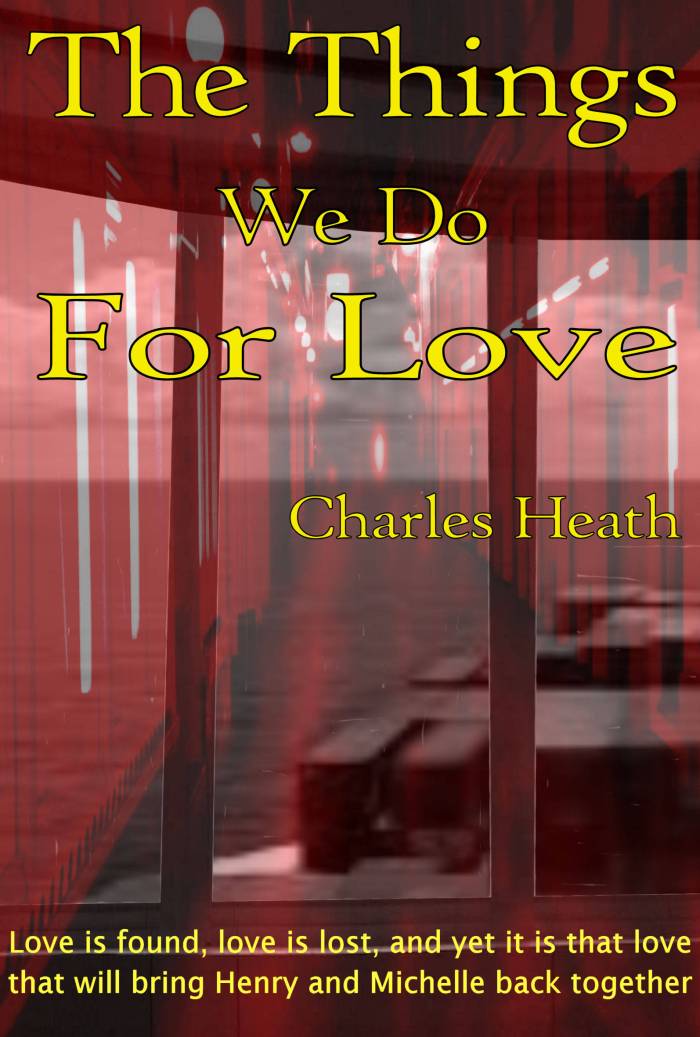
“The Things we do for Love”, the story behind the story

This story has been ongoing since I was seventeen, and just to let you know, I’m 72 this year.

Yes, it’s taken a long time to get it done.

Why, you might ask.

Well, I never gave it much interest because I started writing it after a small incident when I was 17, and working as a book packer for a book distributor in Melbourne

At the end of my first year, at Christmas, the employer had a Christmas party, and that year, it was at a venue in St Kilda.

I wasn’t going to go because at that age, I was an ordinary boy who was very introverted and basically scared of his own shadow and terrified by girls.

Back then, I would cross the street to avoid them

Also, other members of the staff in the shipping department were rough and ready types who were not backwards in telling me what happened, and being naive, perhaps they knew I’d be either shocked or intrigued.

I was both adamant I wasn’t coming and then got roped in on a dare.

Damn!

So, back then, in the early 70s, people looked the other way when it came to drinking, and of course, Dutch courage always takes away the concerns, especially when normally you wouldn’t do half the stuff you wouldn’t in a million years

I made it to the end, not as drunk and stupid as I thought I might be, and St Kilda being a salacious place if you knew where to look, my new friends decided to give me a surprise.

It didn’t take long to realise these men were ‘men about town’ as they kept saying, and we went on an odyssey.  Yes, those backstreet brothels where one could, I was told, have anything they could imagine.

Let me tell you, large quantities of alcohol and imagination were a very bad mix.

So, the odyssey in ‘The things we do’ was based on that, and then the encounter with Diana. Well, let’s just say I learned a great deal about girls that night.

Firstly, not all girls are nasty and spiteful, which seemed to be the case whenever I met one. There was a way to approach, greet, talk to, and behave.

It was also true that I could have had anything I wanted, but I decided what was in my imagination could stay there.  She was amused that all I wanted was to talk, but it was my money, and I could spend it how I liked.

And like any 17-year-old naive fool, I fell in love with her and had all these foolish notions.  Months later, I went back, but she had moved on, to where no one was saying or knew.

Needless to say, I was heartbroken and had to get over that first loss, which, like any 17-year-old, was like the end of the world.

But it was the best hour I’d ever spent in my life and would remain so until I met the woman I have been married to for the last 48 years.

As Henry, he was in part based on a rebel, the son of rich parents who despised them and their wealth, and he used to regale anyone who would listen about how they had messed up his life

If only I’d come from such a background!

And yes, I was only a run away from climbing up the stairs to get on board a ship, acting as a purser.

I worked for a shipping company and they gave their junior staff members an opportunity to spend a year at sea working as a purser on a cargo ship that sailed between Melbourne, Sydney and Hobart in Australia.

One of the other junior staff members’ turn came, and I would visit him on board when he would tell me stories about life on board, the officers, the crew, and other events. These stories, which sounded incredible to someone so impressionable, were a delight to hear.

Alas, by that time, I had tired of office work and moved on to be a tradesman at the place where my father worked.

It proved to be the right move, as that is where I met my wife.  Diana had been right; love would find me when I least expected it.

lovecoverfinal1

Writing a book in 365 days – My Story

Publication Is Not the Finish Line

Publication Is Not the Finish Line – It’s the Start of a New Race


When the last word is typed, the manuscript is formatted, the cover is designed, and the “Published” banner finally glows on the screen, a wave of relief (and often a dash of triumph) washes over any writer. We’ve all imagined that moment: the crisp “Publish” button pressed, the celebratory confetti, the instant surge of validation.

But here’s the uncomfortable truth—the moment you click “Publish” is not the finish line; it’s the start line of an entirely different race.

Whether you’re a novelist, a researcher, a marketer, or a hobbyist blogger, the real work begins the instant your creation becomes publicly accessible. In this post, we’ll unpack why publication is only the opening act, explore the stages that follow, and give you a practical roadmap to turn that freshly minted piece into lasting impact.


1. The Myth of “Done”

The “Publication = Completion” Narrative

From school assignments to best‑selling novels, we’re conditioned to view the act of publishing as the final checkpoint. We’re taught:

  • Write → Edit → Submit → Publish → Celebrate.

That tidy linear progression feels satisfying because it mirrors the way we often approach tasks—one box ticked after another.

Why This Myth Is Dangerous

Treating publication as the endpoint can:

  • Stifle Momentum: You risk slipping into a “mission accomplished” lull, letting your work gather dust.
  • Undermine Reach: Without proactive promotion, even the most brilliant piece can remain invisible.
  • Ignore Feedback Loops: Readers, reviewers, and metrics provide crucial data that can refine future work—but only if you listen.

2. The Real Work Begins: What Happens After the Ink Dries

Below is a six‑step framework that turns a fresh release into a living, breathing asset—one that continues to attract, engage, and convert audiences long after the initial launch.

PhaseWhat It Looks LikeWhy It Matters
A. Visibility & DistributionSEO, social media blasts, email newsletters, platform algorithmsWithout eyes on your work, impact is impossible
B. Audience EngagementComments, Q&A sessions, webinars, community buildingHuman connection fuels loyalty and word‑of‑mouth
C. Feedback CollectionReviews, surveys, analytics dashboardsData informs iteration and future projects
D. Iteration & RepurposingUpdates, sequels, spin‑off content, translationsKeeps the content fresh and expands its lifespan
E. Authority BuildingGuest posts, speaking gigs, citationsPositions you as a thought leader in your niche
F. Legacy & MonetizationAffiliate programs, courses, merchandiseConverts influence into sustainable revenue

Let’s dive deeper into each phase.


3. Phase A – Visibility & Distribution

3.1. SEO Isn’t a One‑Time Checklist

For blog posts, research papers, or e‑books, search engine optimisation is the engine that drives organic traffic. Here’s a quick SEO sprint:

ActionHow to Execute
Keyword ResearchUse tools like Ahrefs, SEMrush, or the free Google Keyword Planner. Identify primary and long‑tail keywords with moderate difficulty and decent search volume.
On‑Page OptimizationInsert the primary keyword in the title, first 100 words, sub‑headings, meta description, and image alt tags. Keep keyword density natural (≈1‑1.5%).
Internal LinkingLink to at least two related pieces on your site. This boosts dwell time and spreads link equity.
Schema MarkupAdd structured data (Article, Book, or AcademicArticle schema) so Google can display rich snippets.
PerformanceCompress images, enable lazy loading, and use a CDN to keep page load < 2 seconds.

3.2. Social Amplification

  • Twitter Threads: Break key takeaways into a 5‑tweet thread with a compelling hook and a link to the full piece.
  • LinkedIn Articles: Repurpose the content as a LinkedIn long‑form post, targeting professionals in your niche.
  • Instagram Carousel: Convert stats or plot points into a visually appealing carousel; use the “Link in Bio” for the full content.
  • TikTok Teasers: Quick 15‑second videos summarising the main idea can drive massive traffic, especially for younger audiences.

Pro Tip: Schedule a 30‑day “promotion calendar” post‑publish. Rotate content formats (quotes, infographics, video snippets) across platforms to avoid fatigue.

3.3. Email Marketing

Your email list is the most reliable traffic source. Craft a multi‑touch sequence:

  1. Announcement Email – “My new [book/paper/post] is live!”
  2. Value‑Add Follow‑up – Highlight a key insight with a downloadable cheat‑sheet.
  3. Community Invite – Invite readers to a private Slack/Discord or a live Q&A.
  4. Feedback Request – Ask for reviews, testimonials, or suggestions for future topics.

4. Phase B – Audience Engagement

4.1. Build a Conversation, Not a Broadcast

  • Comment Moderation: Respond within 24 hours. Acknowledge nuance, ask follow‑up questions, and keep the dialogue alive.
  • Live Sessions: Host a 30‑minute live stream (YouTube, Instagram Live, or Zoom) to discuss the work, field questions, and reveal behind‑the‑scenes stories.
  • User‑Generated Content (UGC): Encourage readers to share how they applied your ideas. Repost the best examples—social proof fuels further adoption.

4.2. Community Platforms

  • Discord/Slack: Create a dedicated channel for deep discussions. Pin resources, set up regular “office hours,” and reward active members with exclusive content.
  • Reddit AMAs: Participate in relevant subreddits. An “Ask Me Anything” session can expose your work to a massive, engaged audience.

5. Phase C – Feedback Collection

5.1. Quantitative Metrics

MetricToolBenchmark (for a new piece)
Page ViewsGoogle Analytics500–1,000 in the first week
Avg. Time on PageGA/Hotjar2–3 minutes (indicates depth)
Bounce RateGA< 50%
Conversion Rate (newsletter sign‑up)ConvertKit/HubSpot1–2%
Citation Count (academic)Google Scholar1–2 within 6 months

5.2. Qualitative Insights

  • Surveys: Use Typeform or Google Forms to ask readers what resonated, what confused them, and what topics they’d love next.
  • Review Mining: Scrape Amazon or Goodreads reviews for recurring themes, then feed those into your content pipeline.
  • Social Listening: Set up alerts on Brand24 or Mention for your title/author name to capture unsolicited chatter.

Why It Matters: Data transforms intuition into actionable strategy. It tells you where to double‑down and what to abandon.


6. Phase D – Iteration & Repurposing

6.1. Version Updates

  • Living Documents: For guides or research, schedule a quarterly “update” to incorporate new findings, case studies, or reader suggestions.
  • Errata Notices: If errors slip through, publish a transparent correction—readers respect honesty.

6.2. Spin‑Off Assets

OriginalSpin‑OffFormat
Blog Post (10k words)Slide DeckPowerPoint/Canva for webinars
NovelShort Story SetKindle Vella or Substack serialization
Academic PaperPodcast EpisodeInterview with co‑author
eBookMini‑CourseTeachable or Kajabi module

Repurposing multiplies reach without reinventing the wheel. Each new format taps into a different audience segment.


7. Phase E – Authority Building

7.1. Thought‑Leadership Platforms

  • Guest Columns: Pitch excerpts to industry newsletters or high‑traffic sites like Medium, HuffPost, or Forbes.
  • Speaking Engagements: Use your published work as a credential to land podcast interviews, conference panels, or university guest lectures.
  • Citation Campaigns: For academic pieces, share a “citation‑ready” graphic that includes a properly formatted reference. Makes it easier for others to cite you.

7.2. Awards & Recognitions

Enter relevant contests (e.g., indie book awards, research grants, content marketing accolades). Winning—or even being a finalist—adds a badge of credibility that amplifies future launches.


8. Phase F – Legacy & Monetisation

8.1. Evergreen Revenue Streams

StreamHow to Implement
Affiliate LinksEmbed relevant tools or books within your content; disclose transparently.
Online CoursesBreak the book’s concepts into a structured curriculum; host on Udemy or your own LMS.
Membership CommunityOffer premium Q&A, behind‑the‑scenes footage, or monthly masterclasses.
MerchandiseDesign quote‑centric tees, mugs, or posters for fans.
Paid ConsultingPosition yourself as the go‑to expert for businesses wanting to apply your methodology.

8.2. Long‑Term Archiving

  • Digital Preservation: Store final files in multiple formats (PDF, EPUB, HTML) on platforms like Internet Archive or a personal cloud backup.
  • Print Runs: For niche audiences, consider a limited‑edition print run (via Amazon KDP Print-on-Demand) that can become a collector’s item.

9. The Mindset Shift: From “Finish” to “Lifecycle”

So, how do you internalise this new philosophy?

  1. Adopt a Project‑Lifecycle Lens: Treat each piece as a product with a roadmap—launch, growth, maturity, and renewal phases.
  2. Allocate Post‑Launch Time: Block at least 20% of your weekly schedule for promotion, engagement, and analysis.
  3. Set Measurable Milestones: Instead of “publish today,” aim for “gain 500 newsletter sign‑ups in 30 days” or “secure 5 guest posts within 60 days.”
  4. Celebrate Incrementally: Recognise small wins—first comment, first media mention, first affiliate sale—to sustain momentum.

10. Take Action Now

Your next step is simple: Pick one piece you’ve already published and create a 30‑day post‑launch plan using the framework above.

  • Draft a quick SEO checklist.
  • Schedule three social posts per week.
  • Set up a short survey for readers.

Write down the plan, share it with a peer for accountability, and watch the ripple effect of proactive effort turn a static publication into a dynamic asset.


To summarise:

  • Publication is merely the opening act, not the finale.
  • Visibility, engagement, feedback, iteration, authority, and monetisation are the six essential post‑publish phases.
  • Treat every piece as a living product with a roadmap, not a one‑off event.

By embracing this mindset, you’ll transform a single release into a perpetual engine of influence, community, and income.

An excerpt from “Sunday in New York”

Now available on Amazon at:  https://amzn.to/2H7ALs8

Williams’ Restaurant, East 65th Street, New York, Saturday, 8:00 p.m.

We met the Blaine’s at Williams’, a rather upmarket restaurant that the Blaine’s frequently visited, and had recommended.

Of course, during the taxi ride there, Alison reminded me that with my new job, we would be able to go to many more places like Williams’.  It was, at worst, more emotional blackmail, because as far as Alison was concerned, we were well on our way to posh restaurants, the Trump Tower Apartments, and the trappings of the ‘executive set’.

It would be a miracle if I didn’t strangle Elaine before the night was over.  It was she who had filled Alison’s head with all this stuff and nonsense.

Aside from the half frown half-smile, Alison was looking stunning.  It was months since she had last dressed up, and she was especially wearing the dress I’d bought her for our 5th anniversary that cost a month’s salary.  On her, it was worth it, and I would have paid more if I had to.  She had adored it, and me, for a week or so after.

For tonight, I think I was close to getting back on that pedestal.

She had the looks and figure to draw attention, the sort movie stars got on the red carpet, and when we walked into the restaurant, I swear there were at least five seconds silence, and many more gasps.

Even I had a sudden loss of breath earlier in the evening when she came out of the dressing room.  Once more I was reminded of how lucky I was that she had agreed to marry me.  Amid all those self-doubts, I couldn’t believe she had loved me when there were so many others ‘out there’ who were more appealing.

Elaine was out of her seat and came over just as the Head Waiter hovered into sight.  She personally escorted Alison to the table, allowing me to follow like the Queen’s consort, while she and Alison basked in the admiring glances of the other patrons.

More than once I heard the muted question, “Who is she?”

Jimmy stood, we shook hands, and then we sat together.  It was not the usual boy, girl, boy, girl seating arrangement.  Jimmy and I on one side and Elaine and Alison on the other.

The battle lines were drawn.

Jimmy was looking fashionable, with the permanent blade one beard, unkempt hair, and designer dinner suit that looked like he’d slept in it.  Alison insisted I wear a tuxedo, and I looked like the proverbial penguin or just a thinner version of Alfred Hitchcock.

The bow tie had been slightly crooked, but just before we stepped out she had straightened it.  And took the moment to look deeply into my soul.  It was one of those moments when words were not necessary.

Then it was gone.

I relived it briefly as I sat and she looked at me.  A penetrating look that told me to ‘behave’.

When we were settled, Elaine said, in that breathless, enthusiastic manner of hers when she was excited, “So, Harry, you are finally moving up.”  It was not a question, but a statement.

I was not sure what she meant by ‘finally’ but I accepted it with good grace.  Sometimes Elaine was prone to using figures of speech I didn’t understand.  I guessed she was talking about the new job.  “It was supposed to be a secret.”

She smiled widely.  “There are no secrets between Al and I, are there Al?”

I looked at ‘Al’ and saw a brief look of consternation.

I was not sure Alison liked the idea of being called Al.  I tried it once and was admonished.  But it was interesting her ‘best friend forever’ was allowed that distinction when I was not.  It was, perhaps, another indicator of how far I’d slipped in her estimation.

Perhaps, I thought, it was a necessary evil.  As I understood it, the Blaine’s were our mentors at the Trump Tower, because they didn’t just let ‘anyone’ in.  I didn’t ask if the Blaine’s thought we were just ‘anyone’ before I got the job offer.

And then there was that look between Alison and Elaine, quickly stolen before Alison realized I was looking at both of them.  I was out of my depth, in a place I didn’t belong, with people I didn’t understand.  And yet, apparently, Alison did.  I must have missed the memo.

“No,” Alison said softly, stealing a glance in my direction, “No secrets between friends.”

No secrets.  Her look conveyed something else entirely.

The waiter brought champagne, Krug, and poured glasses for each of us.  It was not the cheap stuff, and I was glad I brought a couple of thousand dollars with me.  We were going to need it.

Then, a toast.

To a new job and a new life.

“When did you decide?”  Elaine was effusive at the best of times, but with the champagne, it was worse.

Alison had a strange expression on her face.  It was obvious she had told Elaine it was a done deal, even before I’d made up my mind.  Perhaps she’d assumed I might be ‘refreshingly honest’ in front of Elaine, but it could also mean she didn’t really care what I might say or do.

Instead of consternation, she looked happy, and I realized it would be churlish, even silly if I made a scene.  I knew what I wanted to say.  I also knew that it would serve little purpose provoking Elaine, or upsetting Alison.  This was not the time or the place.  Alison had been looking forward to coming here, and I was not going to spoil it.

Instead, I said, smiling, “When I woke up this morning and found Alison missing.  If she had been there, I would not have noticed the water stain on the roof above our bed, and decide there and then how much I hated the place.” I used my reassuring smile, the one I used with the customers when all hell was breaking loose, and the forest fire was out of control.  “It’s the little things.  They all add up until one day …”  I shrugged.  “I guess that one day was today.”

I saw an incredulous look pass between Elaine and Alison, a non-verbal question; perhaps, is he for real?  Or; I told you he’d come around.

I had no idea the two were so close.

“How quaint,” Elaine said, which just about summed up her feelings towards me.  I think, at that moment, I lost some brownie points.  It was all I could come up with at short notice.

“Yes,” I added, with a little more emphasis than I wanted.  “Alison was off to get some study in with one of her friends.”

“Weren’t the two of you off to the Hamptons, a weekend with some friends?” Jimmy piped up, and immediately got the ‘shut up you fool’ look, that cut that line of conversation dead.  Someone forgot to feed Jimmy his lines.

It was followed by the condescending smile from Elaine, and “I need to powder my nose.  Care to join me, Al?”

A frown, then a forced smile for her new best friend.  “Yes.”

I watched them leave the table and head in the direction of the restroom, looking like they were in earnest conversation.  I thought ‘Al’ looked annoyed, but I could be wrong.

I had to say Jimmy looked more surprised than I did.

There was that odd moment of silence between us, Jimmy still smarting from his death stare, and for me, the Alison and Elaine show.  I was quite literally gob-smacked.

I drained my champagne glass gathering some courage and turned to him.  “By the way, we were going to have a weekend away, but this legal tutorial thing came up.  You know Alison is doing her law degree.”

He looked startled when he realized I had spoken.  He was looking intently at a woman several tables over from us, one who’d obviously forgotten some basic garments when getting dressed.  Or perhaps it was deliberate.  She’d definitely had some enhancements done.

He dragged his eyes back to me.  “Yes.  Elaine said something or other about it.  But I thought she said the tutor was out of town and it had been postponed until next week.  Perhaps I got it wrong.  I usually do.”

“Perhaps I’ve got it wrong.”  I shrugged, as the dark thoughts started swirling in my head again.  “This week or next, what does it matter?”

Of course, it mattered to me, and I digested what he said with a sinking heart.  It showed there was another problem between Alison and me; it was possible she was now telling me lies.  If what he said was true and I had no reason to doubt him, where was she going tomorrow morning, and had she really been with a friend studying today?

We poured some more champagne, had a drink, then he asked, “This promotion thing, what’s it worth?”

“Trouble, I suspect.  Definitely more money, but less time at home.”

“Oh,” raised eyebrows.  Obviously, the women had not talked about the job in front of him, or, at least, not all the details.  “You sure you want to do that?”

At last the voice of reason.  “Me?  No.”

“Yet you accepted the job.”

I sucked in a breath or two while I considered whether I could trust him.  Even if I couldn’t, I could see my ship was sinking, so it wouldn’t matter what I told him, or what Elaine might find out from him.  “Jimmy, between you and me I haven’t as yet decided one way or another.  To be honest, I won’t know until I go up to Barclay’s office and he asks me the question.”

“Barclay?”

“My boss.”

“Elaine’s doing a job for a Barclay that recently moved in the tower a block down from us.  I thought I recognized the name.”

“How did Elaine get the job?”

“Oh, Alison put him onto her.”

“When?”

“A couple of months ago.  Why?”

I shrugged and tried to keep a straight face, while my insides were churning up like the wake of a supertanker.  I felt sick, faint, and wanting to die all at the same moment.  “Perhaps she said something about it, but it didn’t connect at the time.  Too busy with work I expect.  I think I seriously need to get away for a while.”

I could hardly breathe, my throat was constricted and I knew I had to keep it together.  I could see Elaine and Alison coming back, so I had to calm down.  I sucked in some deep breaths, and put my ‘manage a complete and utter disaster’ look on my face.

And I had to change the subject, quickly, so I said, “Jimmy, Elaine told Alison, who told me, you were something of a guru of the cause and effects of the global economic meltdown.  Now, I have a couple of friends who have been expounding this theory …”

Like flicking a switch, I launched into the well-worn practice of ‘running a distraction’, like at work when we needed to keep the customer from discovering the truth.  It was one of the things I was good at, taking over a conversation and pushing it in a different direction.  It was salvaging a good result from an utter disaster, and if ever there was a time that it was required, it was right here, right now.

When Alison sat down and looked at me, she knew something had happened between Jimmy and I.  I might have looked pale or red-faced, or angry or disappointed, it didn’t matter.  If that didn’t seal the deal for her, the fact I took over the dining engagement did.  She knew well enough the only time I did that was when everything was about to go to hell in a handbasket.  She’d seen me in action before and had been suitably astonished.

But I got into gear, kept the champagne flowing and steered the conversation, as much as one could from a seasoned professional like Elaine, and, I think, in Jimmy’s eyes, he saw the battle lines and knew who took the crown on points.  Neither Elaine nor Jimmy suspected anything, and if the truth be told, I had improved my stocks with Elaine.  She was at times both surprised and interested, even willing to take a back seat.

Alison, on the other hand, tried poking around the edges, and, once when Elaine and Jimmy had got up to have a cigarette outside, questioned me directly.  I chose to ignore her, and pretend nothing had happened, instead of telling her how much I was enjoying the evening.

She had her ‘secrets’.  I had mine.

At the end of the evening, when I got up to go to the bathroom, I was physically sick from the pent up tension and the implications of what Jimmy had told me.  It took a while for me to pull myself together; so long, in fact, Jimmy came looking for me.  I told him I’d drunk too much champagne, and he seemed satisfied with that excuse.  When I returned, both Alison and Elaine noticed how pale I was but neither made any comment.

It was a sad way to end what was supposed to be a delightful evening, which to a large degree it was for the other three.  But I had achieved what I set out to do, and that was to play them at their own game, watching the deception, once I knew there was a deception, as warily as a cat watches its prey.

I had also discovered Jimmy’s real calling; a professor of economics at the same University Alison was doing her law degree.  It was no surprise in the end, on a night where surprises abounded, that the world could really be that small.

We parted in the early hours of the morning, a taxi whisking us back to the Lower East Side, another taking the Blaine’s back to the Upper West Side.  But, in our case, as Alison reminded me, it would not be for much longer.  She showed concern for my health, asked me what was wrong.  It took all the courage I could muster to tell her it was most likely something I ate and the champagne, and that I would be fine in the morning.

She could see quite plainly it was anything other than what I told her, but she didn’t pursue it.  Perhaps she just didn’t care what I was playing at.

And yet, after everything that had happened, once inside our ‘palace’, the events of the evening were discarded, like her clothing, and she again reminded me of what we had together in the early years before the problems had set in.

It left me confused and lost.

I couldn’t sleep because my mind had now gone down that irreversible path that told me I was losing her, that she had found someone else, and that our marriage was in its last death throes.

And now I knew it had something to do with Barclay.

© Charles Heath 2015-2020

Sunday In New York

In a word: Toe

A toe is one of five at the end of your foot, and from time to time you wriggle.  It’s also one of the first things to go when you get frostbite.

And when was the last time you stubbed your toe?  It hurts!

It can also mean something at the tip or point, such as the toe of a country like Italy, or England.

What does it mean when someone treads on your toes?   You upset or annoy them.

What if you go toe to toe with someone?  Two people having a ‘robust discussion’.

What about that boss that keeps you on your toes, especially when he’s looking over your shoulder!

And what about a toe-poke, a hard kick of the football with your toe?

Of course, it’s not to be confused with the word tow, which basically means to pull something behind you.

Like a tow truck, pulling a broken down, or smashed up, vehicle.

But, do you toe the line, or tow the line?  Or both at different times?

It seems that to toe the line means to do as you are told, or conform to a standard.

Sadly, that doesn’t describe me!

Skeletons in the closet, and doppelgangers

A story called “Mistaken Identity”

How many of us have skeletons in the closet that we know nothing about? The skeletons we know about generally stay there, but those we do not, well, they have a habit of coming out of left field when we least expect it.

In this case, when you see your photo on a TV screen with the accompanying text that says you are wanted by every law enforcement agency in Europe, you’re in a state of shock, only to be compounded by those same police, armed and menacing, kicking the door down.

I’d been thinking about this premise for a while after I discovered my mother had a boyfriend before she married my father, a boyfriend who was, by all accounts, the man who was the love of her life.

Then, in terms of coming up with an idea for a story, what if she had a child by him that we didn’t know about, which might mean I had a half brother or sister I knew nothing about. It’s not an uncommon occurrence from what I’ve been researching.

There are many ways of putting a spin on this story.

Then, in the back of my mind, I remembered a story an acquaintance at work was once telling us over morning tea, that a friend of a friend had a mother who had a twin sister and that each of the sisters had a son by the same father, without each knowing of the father’s actions, both growing up without the other having any knowledge of their half brother, only to meet by accident on the other side of the world.

It was an encounter that in the scheme of things might never have happened, and each would have remained oblivious of the other.

For one sister, the relationship was over before she discovered she was pregnant, and therefore had not told the man he was a father. It was no surprise the relationship foundered when she discovered he was also having a relationship with her sister, a discovery that caused her to cut all ties with both of them and never speak to either from that day.

It’s a story with more twists and turns than a country lane!

And a great idea for a story.

That story is called ‘Mistaken Identity’.

The cinema of my dreams – I always wanted to write a war story – Episode 17

For a story that was conceived during those long boring hours flying in a steel cocoon, striving to keep away the thoughts that the plane and everyone in it could just simply disappear as planes have in the past, it has come a long way.

Whilst I have always had a fascination in what happened during the second world war, not the battles or fighting, but in the more obscure events that took place, I decided to pen my own little sidebar to what was a long and bitter war.

And, so, it continues…


Jack was the first to realise that Marina was coming back, hearing her outside long before I did.  He stood up and looked in the direction of where he expected to see her.

A minute later she appeared, looking and sounding out of breath, as if she had been in a hurry? 

Chased, or had some urgent news?

“Is everything OK?” I asked, waiting till she came in and shut the door behind her.

The building we were in used to be a factory or a repair shop.  The strange smell I’d picked up a few hours ago was that of machine oil.

“We need to have a chat with the two who picked you up.”

“Where are they now?”

“I’ve organised to meet them at another facility we have.  Not everyone comes here.  It’s why we are still here.  Francesco nor any of the resistance he took with him were aware of this location.

I considered myself lucky to be among the few.

“Is there a reason why I need to be there?”

“Yes.  But it’ll wait until we get there.  Let’s go.”

She had barely got in the door, nor caught her breath.  It was just enough time to collect a spare clip of ammunition for a gun she had on her, but I couldn’t see.

I followed her out into the darkness, not realising it was night, for the first time since I’d arrived, and once outside, realised that it was an underground bunker rather than a building on an allotment, so it couldn’t be easily seen from any direction.  It was surrounded by trees and bushes, looking as though they had not been tended properly for some time.

It was as much as I could see, close by because it was a moonless night.

We went up some stairs and came out in a clump of bushes, and walked several yards where there was a disguised walkway zig-zagging through the bushes.  It, too, would be hard to see from a distance.  When we came out the other side, I could just barely see a car parked under a tree, looking rather worse for wear, and I thought it had been abandoned there. 

When Marina told me to get in, I realised it was, like everything else, well disguised.

The surrounding area was that of forest and farms.  It was hard to imagine that this part of the world was in the grip of a world war, and not too far away, there was the castle, and further north, the Germans and what was left of the Italian military forces dug in for a last-ditch effort.  The tide was turning, but ever so slowly.

It was hard to imagine just how dangerous it was for those defectors to try and get through without being shot.

And, just for good measure, Marina said, there were quite a few soldiers, disguised as ordinary workers who had infiltrated the villages, and surrounding farms, and reporting back what they saw and heard.

We were, in going about in the vehicle, attracting unwanted attention, but it was why we were doing this at night, she said, perhaps gleaning from my expression the fact I was worried about getting caught.

“The people at the castle tend not to go out at night for fear of being picked off.  I’m surprised you didn’t learn this when you were there.”

“I suspect the suspended any activities from the moment I arrived.  One of the prisoners told me that all movements of people had stopped, and they were waiting to be shipped out.  Obviously, they thought I might discover what was going on.  They definitely stopped me from going below the main floor.”

“I was told you have some knowledge of the castle layout?”

“Some.  We have old plans back in London, but I suspect those would be out of date now and since the German occupation.  The only time I got to look downstairs was when I tried to escape and found an old below ground exit, then when they locked me in a cell, and then when I was set free.  It matched much of what I remember seeing on the plans.  But, I suspect there’s more because I didn’t get to see the holding cells with the other prisoners.”

“Perhaps Carlo can help you with that.”

“We spoke about it.  I think he’s going to pay them a visit and exact revenge.”

“I told him we have to wait for some reinforcements.”

“No word from London?”

“Not yet.”

We stopped and parked the car between a church and what was left of what might have been a rectory, set aside from some other buildings that looked like part of a village.  It was not that dark that I couldn’t see that several of the buildings had been bombed, minus roofs, and one had the front section reduced to rubble.  No attempt had been made to clean it up.

“German tanks,” Marina said.  “An early landing party of your army parachuted in about a kilometre behind the church.  The local commander mobilised his forces and chased them into those buildings, which, at the time, housed four families.  They were given the option to surrender.  They didn’t, so the commander gave the order to raze the buildings to the ground, with them in there.  Along with the four innocent families.  No one survived.”

“The church?”

“The commander thought it would be bad luck to destroy the house of God.  The soldiers should have hidden in there.  They shot the priest anyway.”

It seemed odd to me that any sort of group would parachute into this part of Italy for any reason, castle withstanding.  There was, as far as I knew, nothing of interest or importance here.  Perhaps I’d ask when I made it back to London.  If I made it back.

I followed her through the rubble and in through a side entrance to the church.  Inside it was dark, and Marina was using her torchlight sparingly in case someone was watching.  From what I could see, the inside of the church was untouched, but everything was covered in dust from disuse.

“No one thought to send another priest?” I asked.

“No.  When they heard what happened to the last one, they decided to wait until the war was over.  Besides, with everything that’s happened, the people around here believe God has abandoned them.”

Perhaps he had.  I know that I wasn’t all that religious to begin with, but a lot of people I knew had lost their faith in a God that allowed such tragedies to happen.

We passed through a door at the back of the church, behind the nave, and into what looked like the vestment room.  To one side was another door, and then steps down.  The church had a cellar.

At the bottom of the stairs, there was a large storage area lit by a portable lantern.

Carlo was standing to one side, his weapon ready to use.

Opposite him were a man and a woman, the woman I’d seen before, she was the one who shot me with the tranquilizer.  The man, I’d not seen him before.


© Charles Heath 2019

The fifth attempt, and now it’s a launching pad

I have a stab at improving this starting piece every now and then, a project that started about a year or so ago, and I find myself rewriting the start over and over because I’m not satisfied with the characterization.

It’s not so much the storyline, as it is in trying to create sympathy for the character, and not find him as dull as Ditchwater.  But that takes words, and no one wants to read a biography when they want full-on mayhem.

As writers, we tend to create colourful characters and shy away from those who are dull and boring, because after all, as a reader, you want to become something or someone who is far from ordinary. 

Well, Sam/Graham has a past, and it might catch up with him, but just not in the way he imagined it might. I haven’t quite decided what that past is, but hiding out under witness protection, or just hiding away from a world that he no longer understands is still in the balance.

They say trouble comes when you least expect it.

I can attest to that. It does.

I was at the end of my shift. Another shift, another bright, another 10 hours of my life gone, doing a job that, had you asked me 20 years ago would I be here, I would have said no.

Circumstances and stupidity put me here, and it’s not as if I didn’t deserve it. I was told I had choices, and I did, but I didn’t make the right one.

There are excuses, but that was all they were; excuses.

Jim was like me, and like Joe, and like Mike. My name was Sam. They were easy names to remember, we didn’t need to know much more than that, only that we had each other’s back.

“Usual weekend?” Jim asked.

I was heading towards the kitchen to get my small fridge bag, then out the back door and off home.

“The boat and the lake await.”

“You still expecting to find fish in that swamp?” Mike had been with me one weekend, and nothing took the bait.

After six or so months I was beginning to think the locals were right. There were no fish.

“Miracles can still happen.”

“Yeah, right. You should come hunting with us.”

“Don’t like guns.”

Not any more, anyway. There was a time I was happy to use one, when I had purpose, and there was a reason to use it.

“Then why pick a job that needs one?”

“Chances of having to use it, zero, Mike. If I have to I will, but until then…”

I left it there. We’d had this conversation and it always ended the same way.

I collected the bag, told them I’d see them next Monday, the start of the next shift, and stepped out the back door into the early morning dawn, that period just as the light came.

Silent, fresh, the promise of either a good day or a bad. I wasn’t sure. I glanced over towards the car and it was covered in snow.  The weather was clear now, but I could feel more snow was coming.  A white Christmas?  That’s all I needed. 

As I approached my car, the light went on inside an SUV parked next to my car.  The door opened and what looked to be a woman was getting out of the car.

“Graham?”

That was another thing about the members of my team. Our current first names were not necessarily our real names. It was a voice I was familiar with, though I hadn’t heard it for a long time.

I looked again and was shocked to see my ultra-successful sister, Penelope.  She was leaning against the front side fender, and from what I could see, didn’t look too well.

How on earth did she find me, after all the years that had passed?  Perhaps that sparked my un-conciliatory question, “What do you want?”

I could see the surprise and then the hurt in her expression.  Perhaps I had been a little harsh.  Whatever she felt, it passed and she said, “Help.”

My help?  Help with what? I was the last person who could help her, or anyone for that matter, with anything.   But curiosity got the better of me.  “Why?”

“I think my husband is trying to kill me.”

Then, with that said, she slid down the side of the car, and I could see, in the arc lamps lighting the car park, a trail of blood.

My first thought was she needed the help of a doctor, not a stupid brother, then a second thought, to call 911, which I did, and hoped like hell they got here in time.

And, yes, there was a third thought that crossed my mind.  Whether or not I would be blamed for this event.

So, from the last version to this, I decided we didn’t need a sob story, it’s one that can play out as and when circumstances require an explanation for our main character’s disposition.

And I have this renewed vigour for getting into action as soon as possible, and, as you can imagine a lot more is about to happen, in about three sentences time.

Exactly what that is, you will have to wait…

© Charles Heath 2022-2025

The 2am Rant: That’s two days of my life I won’t get back

Yep…

I just spent 26 and a half hours in planes and in airport terminals getting home, and lost two days in the process.  The 15th of January just didn’t exist for us.

This is what happens when you fly from Vancouver in Canada to Brisbane Australia, via Shanghai.  The thing is, everywhere way, way overseas is a two-stop run.  We have to break our journey somewhere, like Singapore, Hong Kong, Bangkok, Shanghai, Abu Dhabi, and for the sake of managing delays at the originating end, we usually end up with a mid airports stay of five to ten hours.

It all means that when you finally arrive in Australia, you are tired, and look it.  I feel sorry for the Immigration officials who must rarely see people looking good on their arrival.

This time we were fortunate to get back in the morning.  To save being picked up by relatives we arranged for a limousine service, and it worked out well.

I couldn’t say the same for some of the pickup services overseas, but that was more the fault of the travel agent here than anything else.

It only reinforced my thoughts on travel agents, some are excellent, and some are complacent, relying too much on travel wholesalers whose knowledge of the products they sell is appalling.

The original bookings were fine, the agent we used knew her stuff.  But she left and someone else took over, and not so good I’m afraid.

However…

On the whole, it was an incredible expedition, from temperatures of 30 plus celsius to temperatures of -21 degrees Fahrenheit, and rarely above 6 degrees Fahrenheit.

The highlight:  Lake Louise in Canada.  Everyone should see this place in Winter at least once in their lifetime.  Certainly, my wife’s 65th birthday, spent there, was something she will never forget.

And the sleigh ride, in -14 or -15 degrees, well, we might be eligible to be declared start staring mad, but seeing the frozen waterfall was just another of those magical moments that reinforces why we should be preserving the planet, not trying to destroy it.

But…

We’re back home and glad to be so.