The 2am Rant: It’s dark, it’s late, it’s raining…

Yes, it’s dark and late at night on this side of the world, and I’m guessing where you are, it’s probably winter, the sun’s disappeared, the day is freezing cold, and you’re having a hard time keeping warm.

Here, in the so-called land down under, which surprisingly a lot of people from the other side of the world do not know about, it is wet and cool, where it should be sunny and hot as well as humid.

Now, hang on, that can’t be true; others don’t know about us, because we all know the world is round and there has to be something or somewhere opposite.  I know that north we have China, and Europe, and further away, the United States.

Been to China, Europe and the United States, so I know you’re all there, somewhere.

And, as you can see, the rain and the cold have amped up the boredom factor and pushed me to do anything other than writing.  I have three jobs I’m supposed to be doing,

  1. Editing the second Walthenson PI, a Private Detective novel
  2. Writing two episodes of a serial story about surveillance going wrong, and
  3. Finishing off some new travel blog posts

None of them is appealing to me at the moment.

Instead, I find myself looking at what is shown on Winter TV in the US, one of which is reruns of Snowpiercer and is suitably cold.  It’s also complicated, and sometimes a little hard to follow, which means it takes two viewings to understand what’s going on.  It will be interesting to see where series three leads us … and I’m hoping Melanie will be back

Fascinating.

Then there are several of my favourites, FBI, The Rookie, a show called The Equaliser, a new version of an old TV show I used to watch many years ago.  Another will be the next series of Bridgerton, which was odd but interesting since we like those Jane Austen-like programs.  Now, hopefully, there will be another series of Miss Scarlett and the Duke, set in Victorian England.

And as for the blacklist, since Liz left, it had gone downhill … let’s hope they find something to lift it, like Liz’s evil twin sister!  Perhaps wisely, they wrapped it up, and it’s over.

There’s more, but I’d better get back to work.

Top 5 sights on the road less travelled – Sardinia

Sardinia is famous for its glamorous coastlines, but the island truly shines when you venture inland or to its quieter corners. For a journey on the road less travelled, here are five of the best places and activities:

1. Hike the Gola Su Gorropu Gorge

  • What it is: Often called the “Grand Canyon of Europe,” this is one of the deepest gorges on the continent, carved by the Flumineddu River in the Supramonte mountain range.
  • Why it’s less travelled: It requires a moderate-to-challenging hike (or a 4×4 transfer) to access, keeping the crowds away. This activity takes you deep into Sardinia’s rugged, wild heart, offering a dramatic contrast to the beaches.
  • Activity: Trek through the immense canyon walls, navigating the huge boulders within the gorge floor.

2. Meet the Albino Donkeys of Asinara National Park

  • What it is: A protected, uninhabited island off the northwest coast, formerly a maximum-security prison and penal colony.
  • Why it’s less travelled: Access is restricted to preserve the environment. Its primary inhabitants are the rare wild albino donkeys (known as Asinara donkeys), horses, and other wildlife.
  • Activity: Take a ferry from Stintino or Porto Torres and explore the island by bike (or e-bike), following the paths that connect coves, ancient watchtowers, and abandoned prison infrastructure.

3. Explore the Dunes of Piscinas

  • What it is: Located in the Arbus area on the west coast, this is the largest desert in Europe, with vast, rolling golden dunes that stretch for miles and meet the sea.
  • Why it’s less travelled: It’s a remote area, part of the old mining region, far from the main tourist hubs. The landscape is unique, offering a “wild-west” feel.
  • Activity: Wander through the immense dunes, admire the rust-red lagoons, and spot the abandoned mining carts illuminated by the Milky Way at night.

4. Step Back in Time at Nuraghe Su Nuraxi

  • What it is: The largest and most complete example of the nuraghi, the massive stone defence structures erected by the ancient Nuragic civilisation (1800–700 BCE). It is a UNESCO World Heritage site located inland in the village of Barumini.
  • Why it’s less travelled: It’s located deep in the countryside, away from the coastal routes. While famous, it draws a different crowd focused on deep history and archaeology.
  • Activity: Take a mandatory guided tour to explore the ruins of the fortified complex, which has re-emerged in its entirety, offering a window into one of the oldest civilisations in the Mediterranean.

5. Walk the Streets of the Open-Air Museum of San Sperate

  • What it is: A small, vibrant agricultural village about 15 minutes from Cagliari, transformed into an open-air art gallery.
  • Why it’s less travelled: It’s often overlooked by tourists heading straight for the beaches. Since the 1960s, local and international artists have covered the exterior walls of homes and shops with colourful murals depicting social, political, and historical themes.
  • Activity: Get “lost” walking the quaint streets, admiring over 200 murals and the basalt sculptures by local artist Pinuccio Sciola, who started the town’s artistic renaissance.

Top 5 sights on the road less travelled – Seoul

Beyond the Palaces: 5 Unexpected Seoul Delights Off the Beaten Path

Seoul. The name itself conjures images of shimmering skyscrapers, ancient palaces, and the pulsating energy of K-Pop. And while those iconic sights are undeniably breathtaking, what if you’re looking for something a little… different? What if you’ve already ticked off Gyeongbokgung and conquered the Namsan Tower, and your wanderlust craves a Seoul that whispers secrets rather than shouts them?

Fear not, intrepid traveller! Seoul’s magic extends far beyond the well-trodden tourist trails. If you’re ready to immerse yourself in the city’s multifaceted soul, here are five alternative experiences that will leave you with unique memories and a deeper appreciation for this dynamic metropolis.

1. Get Lost (and Found) in a Local Market’s Labyrinth

While Namdaemun and Gwangjang are famous for good reason, venture into one of Seoul’s lesser-known Dongdaemun (east gate) markets for a truly authentic adventure. Think Migun-dong Electronics Market or the sprawling Tongin Market (though it’s gaining popularity, it still offers a more intimate feel than its mega-market counterparts).

Here, you won’t just find souvenirs. You’ll witness the daily rhythm of Seoul locals. Wander through aisles overflowing with everything from vintage cameras and artisanal crafts to the freshest produce and sizzling street food. Engage with vendors, practice your basic Korean greetings, and savor the thrill of discovering treasures you never knew you needed. The vibrant chaos, the cacophony of sounds, and the intoxicating aromas are an experience in themselves.

2. Step Back in Time at a Traditional Tea House in Seongbuk-dong

While Insadong offers a taste of traditional Korea, the charming Seongbuk-dong neighbourhood offers a more serene and authentic tea house experience. Tucked away in its hilly streets are hidden gems like Moonbird Porcelain or O’Sulloc Tea House (Seongbuk Branch).

Imagine this: stepping out of the bustling city into a tranquil haven adorned with traditional Korean architecture. You’ll be presented with delicate porcelain cups, fragrant teas like omija (five-flavour berry) or barley tea, and perhaps a plate of traditional Korean sweets (hangwa). It’s an opportunity to slow down, disconnect, and engage in a centuries-old ritual of mindfulness and conversation. The quiet elegance of these spaces is a welcome antidote to the urban rush.

3. Ascend the Less-Climbed Peaks for Panoramic Views

When most people think of Seoul views, Namsan Tower comes to mind. But for a more rewarding and less crowded panoramic experience, consider hiking some of Seoul’s other magnificent peaks. Bukhansan National Park is a hiker’s paradise, but for a slightly more accessible yet equally stunning vista, try Achasan Mountain.

The trail to Achasan is relatively moderate, and the reward at the summit is immense. You’ll be greeted with breathtaking views of the Han River snaking through the city, with the iconic buildings of Gangnam and Lotte World Tower in the distance. It’s a fantastic spot for sunrise or sunset, offering a different perspective of Seoul’s sprawling beauty. Bonus points if you pack a simple picnic to enjoy amidst nature.

4. Delve into Subculture at a Themed Cafe or an Independent Bookstore

Seoul’s cafe culture is legendary, but move beyond the mainstream and discover its quirky corners. Explore the Hongdae area (beyond the main shopping street) for its abundance of independent bookstores and uniquely themed cafes. Think cat cafes, sheep cafes, board game cafes, or even cafes dedicated to specific K-Pop groups.

For book lovers, Chronicler B’s or Village offer curated selections of art, design, and independent publications, often with cozy reading nooks. These spaces are not just for sipping coffee; they are vibrant hubs of creativity and community, offering a glimpse into Seoul’s subcultures and passions.

5. Discover the Art of Hanji at a Traditional Paper Workshop

Hanji, traditional Korean paper, is renowned for its durability and beauty. While you can admire Hanji crafts in museums, why not try your hand at creating something yourself? Seek out a Hanji workshop in areas like Bukchon Hanok Village or inquire at cultural centres.

These workshops offer a hands-on experience where you can learn about the intricate process of making Hanji, from the Mulberry bark to the final paper. You might even get to create your own small piece of art, try your hand at calligraphy on Hanji, or craft a beautiful lantern. It’s a deeply satisfying way to connect with a traditional Korean craft and take home a truly unique, handmade souvenir.

So, the next time you find yourself in Seoul, dare to stray from the well-worn paths. Embrace the spirit of exploration, and you’ll discover a city that’s not just grand and modern, but also intimate, quirky, and brimming with hidden wonders waiting to be unearthed. Happy adventuring!

Top 5 sights on the road less travelled – Seoul

Beyond the Palaces: 5 Unexpected Seoul Delights Off the Beaten Path

Seoul. The name itself conjures images of shimmering skyscrapers, ancient palaces, and the pulsating energy of K-Pop. And while those iconic sights are undeniably breathtaking, what if you’re looking for something a little… different? What if you’ve already ticked off Gyeongbokgung and conquered the Namsan Tower, and your wanderlust craves a Seoul that whispers secrets rather than shouts them?

Fear not, intrepid traveller! Seoul’s magic extends far beyond the well-trodden tourist trails. If you’re ready to immerse yourself in the city’s multifaceted soul, here are five alternative experiences that will leave you with unique memories and a deeper appreciation for this dynamic metropolis.

1. Get Lost (and Found) in a Local Market’s Labyrinth

While Namdaemun and Gwangjang are famous for good reason, venture into one of Seoul’s lesser-known Dongdaemun (east gate) markets for a truly authentic adventure. Think Migun-dong Electronics Market or the sprawling Tongin Market (though it’s gaining popularity, it still offers a more intimate feel than its mega-market counterparts).

Here, you won’t just find souvenirs. You’ll witness the daily rhythm of Seoul locals. Wander through aisles overflowing with everything from vintage cameras and artisanal crafts to the freshest produce and sizzling street food. Engage with vendors, practice your basic Korean greetings, and savor the thrill of discovering treasures you never knew you needed. The vibrant chaos, the cacophony of sounds, and the intoxicating aromas are an experience in themselves.

2. Step Back in Time at a Traditional Tea House in Seongbuk-dong

While Insadong offers a taste of traditional Korea, the charming Seongbuk-dong neighbourhood offers a more serene and authentic tea house experience. Tucked away in its hilly streets are hidden gems like Moonbird Porcelain or O’Sulloc Tea House (Seongbuk Branch).

Imagine this: stepping out of the bustling city into a tranquil haven adorned with traditional Korean architecture. You’ll be presented with delicate porcelain cups, fragrant teas like omija (five-flavour berry) or barley tea, and perhaps a plate of traditional Korean sweets (hangwa). It’s an opportunity to slow down, disconnect, and engage in a centuries-old ritual of mindfulness and conversation. The quiet elegance of these spaces is a welcome antidote to the urban rush.

3. Ascend the Less-Climbed Peaks for Panoramic Views

When most people think of Seoul views, Namsan Tower comes to mind. But for a more rewarding and less crowded panoramic experience, consider hiking some of Seoul’s other magnificent peaks. Bukhansan National Park is a hiker’s paradise, but for a slightly more accessible yet equally stunning vista, try Achasan Mountain.

The trail to Achasan is relatively moderate, and the reward at the summit is immense. You’ll be greeted with breathtaking views of the Han River snaking through the city, with the iconic buildings of Gangnam and Lotte World Tower in the distance. It’s a fantastic spot for sunrise or sunset, offering a different perspective of Seoul’s sprawling beauty. Bonus points if you pack a simple picnic to enjoy amidst nature.

4. Delve into Subculture at a Themed Cafe or an Independent Bookstore

Seoul’s cafe culture is legendary, but move beyond the mainstream and discover its quirky corners. Explore the Hongdae area (beyond the main shopping street) for its abundance of independent bookstores and uniquely themed cafes. Think cat cafes, sheep cafes, board game cafes, or even cafes dedicated to specific K-Pop groups.

For book lovers, Chronicler B’s or Village offer curated selections of art, design, and independent publications, often with cozy reading nooks. These spaces are not just for sipping coffee; they are vibrant hubs of creativity and community, offering a glimpse into Seoul’s subcultures and passions.

5. Discover the Art of Hanji at a Traditional Paper Workshop

Hanji, traditional Korean paper, is renowned for its durability and beauty. While you can admire Hanji crafts in museums, why not try your hand at creating something yourself? Seek out a Hanji workshop in areas like Bukchon Hanok Village or inquire at cultural centres.

These workshops offer a hands-on experience where you can learn about the intricate process of making Hanji, from the Mulberry bark to the final paper. You might even get to create your own small piece of art, try your hand at calligraphy on Hanji, or craft a beautiful lantern. It’s a deeply satisfying way to connect with a traditional Korean craft and take home a truly unique, handmade souvenir.

So, the next time you find yourself in Seoul, dare to stray from the well-worn paths. Embrace the spirit of exploration, and you’ll discover a city that’s not just grand and modern, but also intimate, quirky, and brimming with hidden wonders waiting to be unearthed. Happy adventuring!

Top 5 sights on the road less travelled – Sydney

Beyond the Icons: Five Hidden Sydney Gems on the Road Less Travelled

Sydney is one of the world’s most beautiful cities, but let’s be honest: once you’ve seen the Opera House sails sparkle and crossed the Harbour Bridge, you might feel like you’ve checked the box.

But for the traveller yearning for authenticity—the one who prefers the local pub to the tourist trap, and a hidden bush track over a crowded promenade—Sydney holds secrets. If you’re touring New South Wales and looking to uncover the true soul of the Harbour City, you need to drive past the postcards.

Here are the top five things to do in Sydney on the road less travelled, reserved for those willing to venture just slightly off the beaten track.


1. Trace Ancient History at Ku-ring-gai Chase National Park

While the Royal National Park gets most of the glory (and the weekend crowds), the vast, stunning wilderness of Ku-ring-gai Chase, located in the north, often slips under the radar for international visitors. This is the perfect spot for a Sydney day trip that feels like a true escape from urban life.

Why it’s on the road less travelled: This park is not just known for its phenomenal bushwalking and sprawling waterways; it is a repository of irreplaceable history. Ku-ring-gai is home to some of the most significant and well-preserved Aboriginal rock art and engraving sites in the Sydney basin.

The Must-Do: Head to the captivating West Head Lookout, which offers panoramic, uninterrupted views across the juncture of the Hawkesbury River, Broken Bay, and Barrenjoey Headland. On your way back, stop and walk the short loop trail at the Basin Track to view Aboriginal engravings of marine life and human figures, remnants of the Guringai people who have called this land home for millennia.


2. Harbour Views Without the Crowds: The Hermitage Foreshore Walk

Everyone knows the walk from Bondi to Coogee, but Sydney’s most exquisite harbour views are often found on the quieter paths along the Eastern Suburbs. The Hermitage Foreshore Walk, connecting Nielsen Park to Rose Bay, is the perfect example of secluded city beauty.

Why it’s on the road less travelled: This 1.8 km track meanders through lush, protected rainforest, leading you to tiny, secret beaches that feel utterly remote, despite being minutes from million-dollar homes. You get postcard-perfect views of the Sydney Harbour Bridge and Opera House—but from across the water, framed by trees and exclusive little coves.

The Must-Do: Pack a picnic and stop at Milk Beach, a glorious sliver of sand that is largely inaccessible except via this track or boat. It is one of the most romantic spots in Sydney, ideal for watching the yachts sail by without the presence of tour buses or selfie sticks.


3. Step Back in Time (and Ruin): Cockatoo Island

Located right in the middle of Sydney Harbour, Cockatoo Island is a UNESCO World Heritage site and one of the world’s most unique islands. It’s an industrial ghost town, a former prison, shipyard, and reformatory school, offering a fascinatingly gritty contrast to the polished surrounding suburbs.

Why it’s on the road less travelled: While easily accessible by ferry from Circular Quay, most tourists jump off at Taronga Zoo or Manly. Those who make the short trip to Cockatoo Island find a raw, sprawling historical site where the massive industrial machinery and sandstone penal buildings have been left largely intact.

The Must-Do: Take a self-guided audio tour that delves into the island’s dark convict past and its role in building Australia’s naval strength. For the truly adventurous, book a waterfront glamping tent or apartment for the night. Waking up on a silent, historical island, watching the sun rise over the harbour, is an experience few visitors ever get to claim.


4. Explore Inner West’s Industrial Transformation: The Tramsheds

Sydney’s Inner West is famous for its hipster cafes and vintage shops, but the Tramsheds in Forest Lodge offer a specific culinary and architectural experience that screams “local.”

Why it’s on the road less travelled: This is not a standard food court; it’s a beautifully restored Rozelle Tram Depot, built in 1904. The massive, soaring industrial space, complete with old tram tracks and repurposed steel infrastructure, now houses a selection of artisanal retailers, high-quality restaurants, and providores focusing on local Australian produce.

The Must-Do: Skip the chain restaurants and grab lunch at a specialist venue like Bodega 1904 or pick up fresh seafood. The atmosphere is buzzing but intimate, giving you a real feel for Sydney’s industrial heritage fused seamlessly with modern dining culture. It’s a perfect pitstop for lunch if you are driving through the Inner West towards the city.


5. Discover the Tranquil Waters of Pittwater via Ferry

For a Sydney experience that truly requires a sense of adventure (and a slightly longer drive north), head to Church Point or Palm Beach and leave the car behind to explore the hidden waterways of Pittwater.

Why it’s on the road less travelled: Pittwater is Sydney’s serene northern counterpart to the bustling Harbour. It is edged by protected national parks and sprinkled with tiny, virtually car-less communities only accessible by private ferry or water taxi. This area feels less like Sydney and more like a secluded holiday destination.

The Must-Do: Catch the little commuter ferry from Church Point across to Scotland Island or The Basin (part of Ku-ring-gai Chase). The Basin offers brilliant, calm, lagoon-like swimming and excellent walking tracks leading to lookouts over the pristine water. This ferry journey itself is a charming slice of local life—you’ll be sharing the trip with residents doing their grocery runs and kids heading home from school.


Your Sydney Adventure Starts Now

Sydney’s iconic sights are worth the visit, but the true brilliance of the city lies just beyond the tourist trails. By taking the road less travelled, you don’t just observe Sydney; you immerse yourself in its history, its wild geography, and its genuine, local spirit.

So, ditch the guidebook, fire up the GPS, and go find the hidden beaches and industrial ruins that the locals try to keep secret.


Have you discovered a hidden Sydney gem that should be on this list? Share your favourite off-the-beaten-path spot in the comments below!

Top 5 sights on the road less travelled – Sydney

Beyond the Icons: Five Hidden Sydney Gems on the Road Less Travelled

Sydney is one of the world’s most beautiful cities, but let’s be honest: once you’ve seen the Opera House sails sparkle and crossed the Harbour Bridge, you might feel like you’ve checked the box.

But for the traveller yearning for authenticity—the one who prefers the local pub to the tourist trap, and a hidden bush track over a crowded promenade—Sydney holds secrets. If you’re touring New South Wales and looking to uncover the true soul of the Harbour City, you need to drive past the postcards.

Here are the top five things to do in Sydney on the road less travelled, reserved for those willing to venture just slightly off the beaten track.


1. Trace Ancient History at Ku-ring-gai Chase National Park

While the Royal National Park gets most of the glory (and the weekend crowds), the vast, stunning wilderness of Ku-ring-gai Chase, located in the north, often slips under the radar for international visitors. This is the perfect spot for a Sydney day trip that feels like a true escape from urban life.

Why it’s on the road less travelled: This park is not just known for its phenomenal bushwalking and sprawling waterways; it is a repository of irreplaceable history. Ku-ring-gai is home to some of the most significant and well-preserved Aboriginal rock art and engraving sites in the Sydney basin.

The Must-Do: Head to the captivating West Head Lookout, which offers panoramic, uninterrupted views across the juncture of the Hawkesbury River, Broken Bay, and Barrenjoey Headland. On your way back, stop and walk the short loop trail at the Basin Track to view Aboriginal engravings of marine life and human figures, remnants of the Guringai people who have called this land home for millennia.


2. Harbour Views Without the Crowds: The Hermitage Foreshore Walk

Everyone knows the walk from Bondi to Coogee, but Sydney’s most exquisite harbour views are often found on the quieter paths along the Eastern Suburbs. The Hermitage Foreshore Walk, connecting Nielsen Park to Rose Bay, is the perfect example of secluded city beauty.

Why it’s on the road less travelled: This 1.8 km track meanders through lush, protected rainforest, leading you to tiny, secret beaches that feel utterly remote, despite being minutes from million-dollar homes. You get postcard-perfect views of the Sydney Harbour Bridge and Opera House—but from across the water, framed by trees and exclusive little coves.

The Must-Do: Pack a picnic and stop at Milk Beach, a glorious sliver of sand that is largely inaccessible except via this track or boat. It is one of the most romantic spots in Sydney, ideal for watching the yachts sail by without the presence of tour buses or selfie sticks.


3. Step Back in Time (and Ruin): Cockatoo Island

Located right in the middle of Sydney Harbour, Cockatoo Island is a UNESCO World Heritage site and one of the world’s most unique islands. It’s an industrial ghost town, a former prison, shipyard, and reformatory school, offering a fascinatingly gritty contrast to the polished surrounding suburbs.

Why it’s on the road less travelled: While easily accessible by ferry from Circular Quay, most tourists jump off at Taronga Zoo or Manly. Those who make the short trip to Cockatoo Island find a raw, sprawling historical site where the massive industrial machinery and sandstone penal buildings have been left largely intact.

The Must-Do: Take a self-guided audio tour that delves into the island’s dark convict past and its role in building Australia’s naval strength. For the truly adventurous, book a waterfront glamping tent or apartment for the night. Waking up on a silent, historical island, watching the sun rise over the harbour, is an experience few visitors ever get to claim.


4. Explore Inner West’s Industrial Transformation: The Tramsheds

Sydney’s Inner West is famous for its hipster cafes and vintage shops, but the Tramsheds in Forest Lodge offer a specific culinary and architectural experience that screams “local.”

Why it’s on the road less travelled: This is not a standard food court; it’s a beautifully restored Rozelle Tram Depot, built in 1904. The massive, soaring industrial space, complete with old tram tracks and repurposed steel infrastructure, now houses a selection of artisanal retailers, high-quality restaurants, and providores focusing on local Australian produce.

The Must-Do: Skip the chain restaurants and grab lunch at a specialist venue like Bodega 1904 or pick up fresh seafood. The atmosphere is buzzing but intimate, giving you a real feel for Sydney’s industrial heritage fused seamlessly with modern dining culture. It’s a perfect pitstop for lunch if you are driving through the Inner West towards the city.


5. Discover the Tranquil Waters of Pittwater via Ferry

For a Sydney experience that truly requires a sense of adventure (and a slightly longer drive north), head to Church Point or Palm Beach and leave the car behind to explore the hidden waterways of Pittwater.

Why it’s on the road less travelled: Pittwater is Sydney’s serene northern counterpart to the bustling Harbour. It is edged by protected national parks and sprinkled with tiny, virtually car-less communities only accessible by private ferry or water taxi. This area feels less like Sydney and more like a secluded holiday destination.

The Must-Do: Catch the little commuter ferry from Church Point across to Scotland Island or The Basin (part of Ku-ring-gai Chase). The Basin offers brilliant, calm, lagoon-like swimming and excellent walking tracks leading to lookouts over the pristine water. This ferry journey itself is a charming slice of local life—you’ll be sharing the trip with residents doing their grocery runs and kids heading home from school.


Your Sydney Adventure Starts Now

Sydney’s iconic sights are worth the visit, but the true brilliance of the city lies just beyond the tourist trails. By taking the road less travelled, you don’t just observe Sydney; you immerse yourself in its history, its wild geography, and its genuine, local spirit.

So, ditch the guidebook, fire up the GPS, and go find the hidden beaches and industrial ruins that the locals try to keep secret.


Have you discovered a hidden Sydney gem that should be on this list? Share your favourite off-the-beaten-path spot in the comments below!

Top 5 sights on the road less travelled – Shanghai

Shanghai Unveiled: 5 Offbeat Adventures Beyond the Usual Tourist Trail

Shanghai. The name itself conjures images of glittering skyscrapers, historic Bund architecture, and bustling shopping streets. It’s a city of undeniable grandeur, a futuristic metropolis steeped in a fascinating past. Most visitors flock to the Oriental Pearl Tower, wander through Yu Garden, or stroll along Nanjing Road. And while these experiences are certainly iconic, they only scratch the surface of what this incredible city has to offer.

What if you’ve seen the postcard views? What if you crave a deeper connection, a glimpse into the everyday magic and quirky corners that locals cherish? You’ve come to the right place. Pack your sense of adventure, because we’re about to explore the roads less travelled in Shanghai, uncovering five unique experiences that will show you a different side of the “Pearl of the Orient.”


1. Immerse Yourself in Urban Art at M50 Creative Park (Moganshan Road 50)

Just a short walk from the Suzhou Creek, M50 is Shanghai’s answer to New York’s SoHo or London’s Shoreditch. Once a series of derelict industrial buildings and textile mills, this sprawling complex has been cleverly repurposed into a vibrant hub for contemporary art.

Why it’s off the beaten path: While known to art enthusiasts, M50 isn’t on the typical tourist itinerary. It’s not a single attraction but a collection of galleries, studios, and workshops, requiring a willingness to wander and discover.

What makes it special: You’ll find everything from cutting-edge installations and abstract paintings to photography exhibitions and quirky design shops. Many artists work on-site, offering a chance to see them in action or even purchase unique pieces directly. The raw, industrial backdrop provides a stark contrast to the sleek art, creating a unique atmosphere. Grab a coffee, chat with a gallerist, and let the creative energy inspire you.

Pro Tip: Look out for street art and graffiti that constantly change on the exterior walls, adding another layer to the artistic experience. Weekdays are generally quieter if you prefer a more contemplative visit.


2. Step Back in Time at the Shanghai Propaganda Poster Art Centre

Tucked away in the basement of a nondescript apartment building in the former French Concession, this private museum is a fascinating, if somewhat clandestine, journey into China’s revolutionary past.

Why it’s off the beaten path: Blink and you’ll miss the subtle entrance! There are no grand signs, and finding it often feels like you’re on a secret mission. It’s certainly not listed in every guidebook.

What makes it special: This veritable treasure trove houses an incredible collection of original propaganda posters from the early days of the People’s Republic of China, through the Cultural Revolution, and beyond. The posters are vibrant, historically significant, and incredibly rare. They offer a unique, visual narrative of a pivotal era, showcasing the artistic styles and political messages that shaped a nation. It’s a poignant and thought-provoking experience, often leaving visitors with a deeper understanding of modern Chinese history.

Pro Tip: Be prepared to ring a doorbell at the address (Room B, 868 Huashan Road) and navigate a residential complex. Photography is usually allowed without flash in most areas, but always double-check.


3. Dive into Local Life at a Bustling Wet Market

Forget souvenir shops; for a true taste of authentic Shanghai life, head to a local wet market. These vibrant, sensory-overload hubs are where locals buy their fresh produce, meat, fish, and unique regional ingredients.

Why it’s off the beaten path: This isn’t a “sight” in the traditional sense, but an immersive cultural experience. It can be loud, a little messy, and overwhelming for some, but that’s precisely its charm.

What makes it special: The sheer energy is infectious. Watch vendors expertly butcher meat, bargain over piles of colourful fruits and vegetables, and marvel at the exotic array of seafood, some of which you’ve probably never seen before. It’s a kaleidoscope of sights, sounds, and smells, offering an unfiltered glimpse into the daily routines of Shanghai residents. You might even discover some incredible street food stalls outside the market selling freshly made noodles, dumplings, or steamed buns.

Pro Tip: Go in the morning when the markets are most active and the produce is freshest. Popular options include the Wulumuqi Road Wet Market or smaller ones nestled in local neighbourhoods around the former French Concession. Be respectful, don’t block aisles, and be open to new sensory experiences!


4. Find Serenity at Longhua Temple & Pagoda

While Yu Garden’s classical beauty draws crowds, the Longhua Temple offers a more contemplative and authentic Buddhist experience. Located a bit further south, it’s Shanghai’s oldest and largest Buddhist complex, boasting a history that dates back nearly 1,800 years.

Why it’s off the beaten path: It requires a short Metro ride out of the absolute city centre, making it less convenient for quick tourist dashes. This results in fewer crowds and a more peaceful atmosphere.

What makes it special: The temple complex features several grand halls, each housing impressive statues of Buddha and various deities, as well as beautifully manicured gardens. The most striking feature is the magnificent 7-story Longhua Pagoda, an elegant brick and wood structure that is one of the few examples of ancient pagoda architecture remaining in Shanghai. Explore the grounds, listen to the rhythmic chanting of monks, and watch locals offer prayers, giving you a sense of ancient spirituality amidst the modern urban sprawl.

Pro Tip: Visit during a Buddhist festival for a more lively experience with special ceremonies and offerings, but avoid it if you prefer quiet reflection. The Vegetarian Restaurant within the temple grounds offers a delicious and authentic temple-fare lunch.


5. Ride the Local Ferry for Unbeatable Skyline Views (Without the Price Tag)

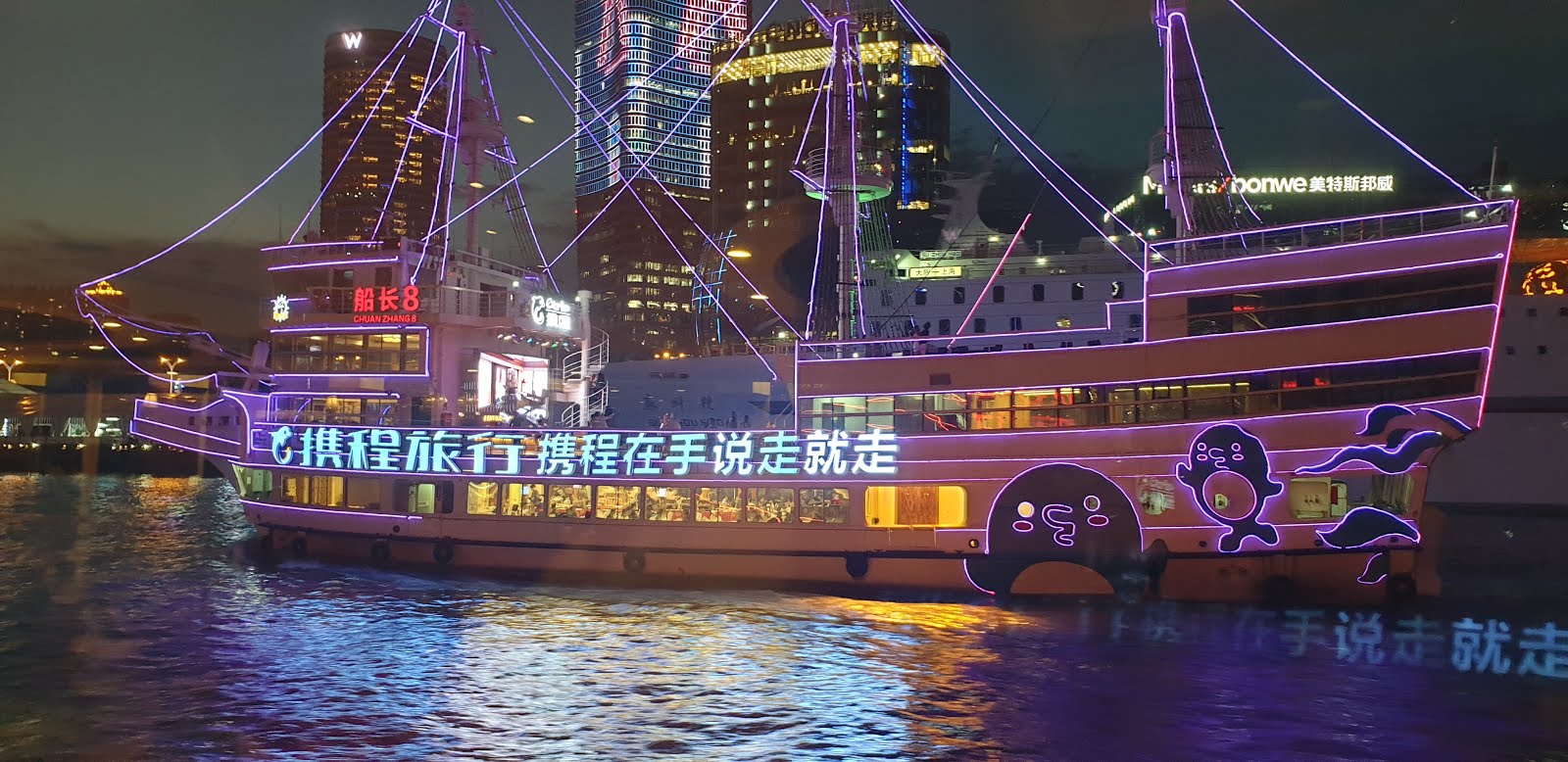
Forget expensive Huangpu River cruises! For a truly local and incredibly cheap experience with equally stunning views of Shanghai’s iconic skyline, hop on one of the regular commuter ferries.

Why it’s off the beaten path: Most tourists are directed to the fancier cruise ships. The local ferries are simply a means of transport for residents crossing the river, making them a genuine “road less travelled” experience.

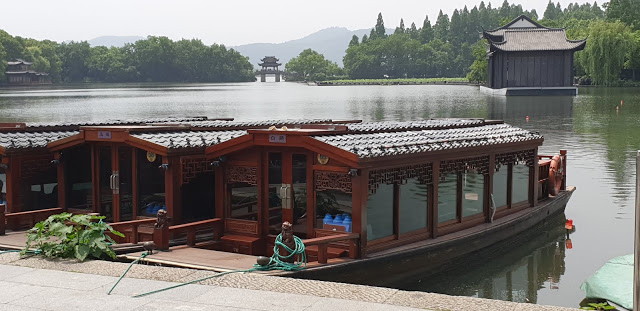
What makes it special: For just a few yuan, you can glide across the Huangpu River, enjoying panoramic vistas of both the historic Bund on the Puxi side and the futuristic Pudong skyline (Oriental Pearl Tower, Shanghai Tower, Jin Mao Tower) on the other. It’s an unpretentious, unhurried way to soak in the city’s breathtaking architecture, rub shoulders with locals, and feel the pulse of Shanghai’s daily life, all while getting incredible photo opportunities.

Pro Tip: Take the ferry from the Bund (near Chenyi Square) to Pudong, especially around sunset, for the most dramatic views as the city lights begin to twinkle. You can pay with a Shanghai Public Transportation Card or exact change (usually 2-3 RMB).


Shanghai is a city that constantly reinvents itself, but its true magic often lies just beyond the well-trodden paths. By venturing into these less-explored corners, you’ll not only discover hidden gems but also gain a richer, more authentic understanding of this dynamic metropolis. So, next time you’re in this incredible city, dare to take the road less travelled – you might just find your new favourite Shanghai memory.

What hidden gems have YOU uncovered in Shanghai? Share your tips in the comments below!

In a word: Pause

Yes, when you are going at it like a bat out of hell, it might be an idea to take a pause and regroup.

That being a pause as an interruption to an activity.

In music, it’s a mark over a note.

Perhaps it’s a good idea to pause recording a TV show while the ads are on.  Networks don’t like it, but it makes the show make more sense without the distractions of advertisements, sometimes quite inane, or annoying.

What I just said, might give pause to my opposite number in this debate.

Have you been in a conversation, someone says something quite odd, and there’s a pregnant pause?

How did the word pregnant get into the conversation?  That, of course, usually means something significant will follow, but rarely does.  But it can also be a conversation killer where no one says anything.

Is that a wide eye in awe moment?  You did WHAT?

Then there is the word pours, sounds the same but is completely different.

In this case, the man pours water from the bucket on the plants.

Or my brother pours cold water on my plans.  Not literally, but figuratively, making me think twice about whether it would work or not.  Usually not.

Or a confession pours out of a man with a guilty conscience.  AKA sings like a bird.  Don’t you just love these quaint expressions?  It reminded me of a gangster film back in Humphrey Bogart’s day.

It never rains but it pours?  Another expression, when everything goes wrong.  A bit like home renovations really.

Really, it means to flow quickly and in large quantities, ie. rain pours down.

And if that isn’t bad enough, what about paws?

Sounds the same again, but, yes it’s what an animal has as feet, especially cats, dogs, and bears.

One use of it, out of context, of course, is ‘get your paws off me!’

And one rabbit paw might be good luck, but having two rabbit pows, I might win the lottery.

If only….

Top 5 sights on the road less travelled – Shanghai

Shanghai Unveiled: 5 Offbeat Adventures Beyond the Usual Tourist Trail

Shanghai. The name itself conjures images of glittering skyscrapers, historic Bund architecture, and bustling shopping streets. It’s a city of undeniable grandeur, a futuristic metropolis steeped in a fascinating past. Most visitors flock to the Oriental Pearl Tower, wander through Yu Garden, or stroll along Nanjing Road. And while these experiences are certainly iconic, they only scratch the surface of what this incredible city has to offer.

What if you’ve seen the postcard views? What if you crave a deeper connection, a glimpse into the everyday magic and quirky corners that locals cherish? You’ve come to the right place. Pack your sense of adventure, because we’re about to explore the roads less travelled in Shanghai, uncovering five unique experiences that will show you a different side of the “Pearl of the Orient.”


1. Immerse Yourself in Urban Art at M50 Creative Park (Moganshan Road 50)

Just a short walk from the Suzhou Creek, M50 is Shanghai’s answer to New York’s SoHo or London’s Shoreditch. Once a series of derelict industrial buildings and textile mills, this sprawling complex has been cleverly repurposed into a vibrant hub for contemporary art.

Why it’s off the beaten path: While known to art enthusiasts, M50 isn’t on the typical tourist itinerary. It’s not a single attraction but a collection of galleries, studios, and workshops, requiring a willingness to wander and discover.

What makes it special: You’ll find everything from cutting-edge installations and abstract paintings to photography exhibitions and quirky design shops. Many artists work on-site, offering a chance to see them in action or even purchase unique pieces directly. The raw, industrial backdrop provides a stark contrast to the sleek art, creating a unique atmosphere. Grab a coffee, chat with a gallerist, and let the creative energy inspire you.

Pro Tip: Look out for street art and graffiti that constantly change on the exterior walls, adding another layer to the artistic experience. Weekdays are generally quieter if you prefer a more contemplative visit.


2. Step Back in Time at the Shanghai Propaganda Poster Art Centre

Tucked away in the basement of a nondescript apartment building in the former French Concession, this private museum is a fascinating, if somewhat clandestine, journey into China’s revolutionary past.

Why it’s off the beaten path: Blink and you’ll miss the subtle entrance! There are no grand signs, and finding it often feels like you’re on a secret mission. It’s certainly not listed in every guidebook.

What makes it special: This veritable treasure trove houses an incredible collection of original propaganda posters from the early days of the People’s Republic of China, through the Cultural Revolution, and beyond. The posters are vibrant, historically significant, and incredibly rare. They offer a unique, visual narrative of a pivotal era, showcasing the artistic styles and political messages that shaped a nation. It’s a poignant and thought-provoking experience, often leaving visitors with a deeper understanding of modern Chinese history.

Pro Tip: Be prepared to ring a doorbell at the address (Room B, 868 Huashan Road) and navigate a residential complex. Photography is usually allowed without flash in most areas, but always double-check.


3. Dive into Local Life at a Bustling Wet Market

Forget souvenir shops; for a true taste of authentic Shanghai life, head to a local wet market. These vibrant, sensory-overload hubs are where locals buy their fresh produce, meat, fish, and unique regional ingredients.

Why it’s off the beaten path: This isn’t a “sight” in the traditional sense, but an immersive cultural experience. It can be loud, a little messy, and overwhelming for some, but that’s precisely its charm.

What makes it special: The sheer energy is infectious. Watch vendors expertly butcher meat, bargain over piles of colourful fruits and vegetables, and marvel at the exotic array of seafood, some of which you’ve probably never seen before. It’s a kaleidoscope of sights, sounds, and smells, offering an unfiltered glimpse into the daily routines of Shanghai residents. You might even discover some incredible street food stalls outside the market selling freshly made noodles, dumplings, or steamed buns.

Pro Tip: Go in the morning when the markets are most active and the produce is freshest. Popular options include the Wulumuqi Road Wet Market or smaller ones nestled in local neighbourhoods around the former French Concession. Be respectful, don’t block aisles, and be open to new sensory experiences!


4. Find Serenity at Longhua Temple & Pagoda

While Yu Garden’s classical beauty draws crowds, the Longhua Temple offers a more contemplative and authentic Buddhist experience. Located a bit further south, it’s Shanghai’s oldest and largest Buddhist complex, boasting a history that dates back nearly 1,800 years.

Why it’s off the beaten path: It requires a short Metro ride out of the absolute city centre, making it less convenient for quick tourist dashes. This results in fewer crowds and a more peaceful atmosphere.

What makes it special: The temple complex features several grand halls, each housing impressive statues of Buddha and various deities, as well as beautifully manicured gardens. The most striking feature is the magnificent 7-story Longhua Pagoda, an elegant brick and wood structure that is one of the few examples of ancient pagoda architecture remaining in Shanghai. Explore the grounds, listen to the rhythmic chanting of monks, and watch locals offer prayers, giving you a sense of ancient spirituality amidst the modern urban sprawl.

Pro Tip: Visit during a Buddhist festival for a more lively experience with special ceremonies and offerings, but avoid it if you prefer quiet reflection. The Vegetarian Restaurant within the temple grounds offers a delicious and authentic temple-fare lunch.


5. Ride the Local Ferry for Unbeatable Skyline Views (Without the Price Tag)

Forget expensive Huangpu River cruises! For a truly local and incredibly cheap experience with equally stunning views of Shanghai’s iconic skyline, hop on one of the regular commuter ferries.

Why it’s off the beaten path: Most tourists are directed to the fancier cruise ships. The local ferries are simply a means of transport for residents crossing the river, making them a genuine “road less travelled” experience.

What makes it special: For just a few yuan, you can glide across the Huangpu River, enjoying panoramic vistas of both the historic Bund on the Puxi side and the futuristic Pudong skyline (Oriental Pearl Tower, Shanghai Tower, Jin Mao Tower) on the other. It’s an unpretentious, unhurried way to soak in the city’s breathtaking architecture, rub shoulders with locals, and feel the pulse of Shanghai’s daily life, all while getting incredible photo opportunities.

Pro Tip: Take the ferry from the Bund (near Chenyi Square) to Pudong, especially around sunset, for the most dramatic views as the city lights begin to twinkle. You can pay with a Shanghai Public Transportation Card or exact change (usually 2-3 RMB).


Shanghai is a city that constantly reinvents itself, but its true magic often lies just beyond the well-trodden paths. By venturing into these less-explored corners, you’ll not only discover hidden gems but also gain a richer, more authentic understanding of this dynamic metropolis. So, next time you’re in this incredible city, dare to take the road less travelled – you might just find your new favourite Shanghai memory.

What hidden gems have YOU uncovered in Shanghai? Share your tips in the comments below!

What I learned about writing – There are days when you should just go to bed

I fell asleep in front of the computer screen, and when I woke up, I realised that I had just had a very bad dream. Or don’t they call bad dreams nightmares?

Can you diagnose yourself as having depression?

Of course, if you were to tell someone else, in one of those very serious tones, “I think I have depression”, they will ask you what you’ve got to be depressed about.

It’s a good question. My first answer would be, “Why did the doctor put me on antidepressants?” You know the stuff they give you, some derivative of Serapax.

Then, if you tell anyone you’re on that stuff, they turn around and tell you just how bad it is and get off it right now.

That’s all very well, but you tell them you still have depression, and so the argument goes on.

But…

These days, they use low doses of antidepressants to manage pain, and in my case back pain. The first pill they gave me was Lyrica, which slowly took my memory away so that I couldn’t remember what anyone had said earlier in the day.

I thought I had early-onset Alzheimer’s, or worse, dementia.

So, I got off that, got the pain back, and moved to lesser antidepressants. Now I’m seeing things.

That might help with the imagination for writing stories sometimes, but telling people you see the patterns on tiles moving is not a good start to any conversation.

Back to depression, though. It might be caused by being locked down and not being able to go anywhere, but that has never bothered me because I hate going out.

It might be a result of my childhood coming back to haunt me, and, believe me, you would not want the childhood I had, but it’s a maybe. A lot of old people find their past creeping up on them, and what happened 60 years ago seems more relevant than what happened 60 minutes ago.

You might think you’re badly done by, that everyone else is responsible for the mess you made of your life, if it is indeed a mess, but no, that isn’t true. My life is exactly what it’s meant to be, though how I got here remains the biggest of mysteries.

It’s why I’m writing the autobiography of a very ordinary nobody.

OK, that might be a hint, thinking I’m a nobody. After all, when I go out, I always feel like I’m invisible.

A friend of mine tells me he always cries when there’s a sad part of a film on, and that’s his determination of depression.

I do too, but I don’t think it’s that.

After all, I did psychology and should understand the nuances of the human psyche, what makes us happy, what makes us sad, what makes us us.

So, rightly or wrongly, I’ve stopped taking the antidepressants.

If my blog suddenly stops, you’ll know I’ve made the wrong decision.