In every office, neighbourhood, classroom, and family, there exists a quiet force—a person whose actions speak louder than words. These are the unsung heroes: the colleague who picks up the slack without a word, the parent who works two jobs behind closed doors, the volunteer who shows up week after week, rain or shine. They rarely seek the spotlight, and that’s exactly why their stories deserve to be amplified.
But how do we take someone whose humility is their hallmark and transform them into a memorable character—one that inspires and resonates with others? The answer lies not in grand exaggeration, but in thoughtful storytelling that honours authenticity, reveals depth, and celebrates quiet strength.
Here’s how to turn the unsung hero into a character others can truly celebrate.
1. Discover the Quiet Moment That Speaks Volumes
Memorable characters are born not from dramatic acts, but from meaningful details. Instead of focusing on monumental achievements, look for the small, everyday choices that reveal character.
Maybe it’s the teacher who stayed late three days in a row to help a struggling student. Or the janitor who remembers every student’s name and greets them with a smile—even on the toughest days. These moments may go unnoticed, but they form the emotional core of a powerful story.
Tip: Ask, “What would this person do when no one is watching?” The answer often holds the essence of their character.
2. Humanise Through Vulnerability
Audiences connect not with perfection, but with authenticity. Even the most selfless individuals have fears, doubts, and dreams. Sharing a moment of vulnerability doesn’t diminish a hero—it humanises them.
Perhaps your unsung hero once failed spectacularly before finding their stride. Or maybe they help others because they once needed help themselves. These layers of complexity make their journey relatable, and their perseverance even more inspiring.
Tip: Include a moment of doubt or personal struggle. It makes the triumph—however quiet—feel earned.
3. Show, Don’t Just Tell
There’s a difference between saying “she’s kind” and showing her quietly slipping a care package under a coworker’s door after hearing about their illness. Great storytelling doesn’t announce virtues—it reveals them through action.
Use scenes, dialogue, and sensory details. Let readers see the calloused hands of the farmer who rises before dawn. Hear the voice of the mentor who patiently explains the same concept over and over. Feel the tension in the room when someone steps in to defuse a conflict with empathy.
Tip: Write as if you’re filming a movie—what would the camera capture?
4. Anchor Their Story in Purpose
Unsung heroes often act not for recognition, but because they believe in something bigger. What drives them? Is it a personal value? A painful memory? A vision for a better community?
When you reveal their why, you transform them from a background figure into a person with conviction. Purpose gives their actions weight and direction. It’s what makes their consistency remarkable.
Tip: Ask, “What would this person fight for, even if they lost?” That’s the heart of their story.
5. Invite Others to Celebrate
A memorable character doesn’t just exist in isolation—they impact others. Show how their actions create ripples. Maybe a student finally believed in themselves because of a mentor’s quiet encouragement. Maybe a community rallied because someone took the first step.
When others reflect on what the hero has done, it validates their impact. Testimonials, memories, and small acknowledgments from people they’ve helped turn individual actions into a legacy.
Tip: End with a moment of recognition—not for fame, but for appreciation. Let someone say, “I wouldn’t be here without you.”
6. Respect Their Humility
Celebrating an unsung hero doesn’t mean turning them into a caricature of selflessness. Avoid melodrama or exaggeration. Honour their quiet nature by keeping the tone grounded and respectful.
Sometimes the most powerful tribute is understated—a simple portrait, a heartfelt letter, a candid photo essay. Let their actions speak for themselves.
Tip: When in doubt, ask: “Would this person feel seen, not exposed?”
The Power of Recognition
We don’t need more superheroes in capes—we need more stories that illuminate the extraordinary within ordinary lives. When we elevate the quiet, compassionate, consistent people among us, we do more than celebrate individuals. We redefine what it means to be a hero.
By turning unsung heroes into memorable characters, we give others permission to see the value in service, in patience, in showing up—even when no one’s watching.
And perhaps, in doing so, we inspire the next generation of quiet heroes to rise.
Who’s your unsung hero? Share their story—not for applause, but for impact.
The Dark Side of Narrative: Why Certain Story Elements Fail (And How to Fix Them)
Every great story is built on a foundation of classic elements: compelling characters, gripping conflict, and immersive world-building. But what happens when these trusty narrative tools are pushed too far?
Even the most celebrated storytelling tropes can become a writer’s worst enemy if mishandled. When relied upon as crutches, certain story elements can instantly pull readers out of the narrative, destroy suspense, and leave an audience feeling cheated.
As writers, understanding the disadvantages of these common tropes is essential for crafting fresh, engaging fiction. Today, we’re breaking down four major story elements to avoid—complete with examples—so you can elevate your storytelling and keep your readers turning pages.
1. The Exposition Dump (The “As You Know, Bob” Trap)
The Problem
Exposition is necessary for world-building, but an exposition dump (or info-dump) occurs when a writer forces massive amounts of back-story, historical context, or technical data into the narrative all at once.
The biggest disadvantage of the exposition dump is that it grinds the pacing to a complete halt. Instead of showing us the world through action and reaction, the author pauses the story to lecture the reader. Worse yet is the infamous “As you know, Bob” dialogue, where two characters explain things to each other that they both already know purely for the benefit of the audience.
An Example to Avoid
“As you know, Captain, ever since the Great AI Wars of 2142—which decimated 80% of Earth’s population and led to the ban of all sentient technology—our spaceship’s hyperdrive has been powered by your rare crystal bloodline.”
How to Fix It
Weave information through action and conflict. Reveal world-building details only when they become immediately relevant to the character’s survival or goals. Let the reader piece the puzzle together organically rather than handing them a textbook.
2. Concluding with a Shootout (The Lazy Climax)
The Problem
Action is thrilling, but treating a shootout or massive physical brawl as the default climax for every story is a major narrative pitfall.
The disadvantage of relying on a shootout to wrap things up is that it often feels unearned. If the central conflict of your story is emotional, psychological, or interpersonal, resolving it with flying bullets or laser blasts is a cop-out. It swaps genuine emotional resonance for cheap spectacle, rendering the character arcs completely irrelevant.
An Example to Avoid
After a poignant, slow-burn psychological drama about a grieving father fighting for custody of his daughter, the climax abruptly features a thirty-minute warehouse shootout with a random drug cartel. (Bonus points if the cartel had nothing to do with the actual emotional core of the story.)
How to Fix It
Match your climax to your core conflict. If your story is about forgiveness, the climax should be an emotional confrontation, not a physical one. If you must have action, ensure the stakes of the battle directly mirror the internal stakes of the characters.
3. Mistaken Identities (The Forced Misunderstanding)
The Problem
Mistaken identity tropes can work wonderfully in Shakespearean comedies, but in modern drama and thrillers, they often feel manipulative and frustrating.
The primary disadvantage of mistaken identities is that they rely on manufactured conflict. When major plot developments happen simply because characters refuse to ask basic clarifying questions or because someone is wearing a slightly different hat, readers feel insulted. It creates “idiot plot syndrome”—a story that only moves forward because everyone involved is acting completely irrationally.
An Example to Avoid
The romantic leads spend 300 pages hating each other and avoiding romance because one of them overheard a heavily edited half-sentence out of context, completely ignoring years of established trust and chemistry.
How to Fix It
Raise the emotional intelligence of your characters. If characters are going to misunderstand each other, make the deception complex, systemic, or psychological—not just a contrived accident that could be resolved with a five-second conversation.
4. “And Everyone Was Dead” (The Nihilistic Ending)
The Problem
Nothing deflates a reader’s investment quite like the “and everyone was dead” ending—often accompanied by the revelation that the entire story was just a dream, or that every character perished in a meaningless twist of fate.
While gritty, tragic, and ambiguous endings can work brilliantly (think Hamlet), killing off your entire cast for shock value carries a massive disadvantage: it renders the entire journey pointless. If every character the reader cared about dies without achieving anything, the audience is left wondering why they invested their time in the first place.
An Example to Avoid
After a harrowing 400-page fantasy epic where the heroes cross continents, make ultimate sacrifices, and defeat the dark lord, a stray meteor suddenly strikes the castle during the victory celebration, instantly wiping out every single named character.
How to Fix It
Honour the reader’s emotional investment. If you want a bittersweet or tragic ending, ensure that the sacrifices made by the characters actually meant something. Even in death, characters should achieve a thematic victory or leave the world fundamentally changed for the better.
Write with Intention
Tropes and story elements aren’t inherently evil; they are tools in a writer’s toolbox. However, relying on exposition dumps, lazy shootouts, frustrating mistaken identities, or nihilistic “everyone dies” endings can quickly alienate your audience.
By recognizing the disadvantages of these tropes, you can subvert expectations, sharpen your pacing, and deliver a deeply satisfying payoff that keeps readers hooked from the first page to the last.
What’s your least favorite storytelling trope to encounter in the wild? Let us know in the comments below
Exploring Buenos Aires Beyond the Tourist Trail: 5 Unexpected Adventures
When most travellers picture Buenos Pride, they think of the tango‑filled streets of San Telmo, the grand avenues of Recoleta, and the bustling cafés of Palermo. While those neighbourhoods are undeniably iconic, the Argentine capital hides a wealth of lesser‑known gems that reveal a more intimate, quirky, and authentic side of the city.
If you’ve already checked off the classic attractions and still have a craving for something different, these five off‑the‑beaten‑path experiences will take you deeper into Buenos Aires’ soul—without the crowds. Pack a reusable water bottle, wear comfortable shoes, and get ready to wander where locals love to roam.
1. Stroll Through the Hidden Gardens of Jardín Japonés at Night
Why it’s special Most visitors see Jardín Japonés (the Japanese Garden) during daylight hours, but the garden transforms after sunset. The soft glow of lanterns, the gentle hum of koi swimming under moonlight, and the occasional echo of a distant saxophone from a nearby jazz bar create a magical, almost cinematic atmosphere.
What to do
Evening tea ceremony – Join a 30‑minute tea‑ceremony workshop (offered on Fridays at 7 pm). It’s a quiet, meditative experience that includes a short talk on the tea’s cultural meaning.
Night photography – The garden’s bridges, stone lanterns, and the iconic tea house make superb low‑light subjects. Bring a tripod and experiment with long‑exposure shots of the koi pond.
Moonlit stroll – Follow the moss‑covered stepping stones along the tea garden’s “Shinrin‑yoku” (forest‑bath) path. The silence is punctuated only by the rustle of bamboo and distant traffic, offering a rare moment of urban tranquillity.
Pro tip – The garden closes at 9 pm, but the surrounding Barrio de Palermo’s quiet side streets remain lively with hidden speakeasies. Grab a late‑night empanada from a local bakery and head to Bar Los Galgos for an after‑hours gin cocktail.
2. Take a Mini‑Cruise on the Río de la Plata in a Historic “Patache”
Why it’s special While most tourists imagine the Río de la Plata as a massive, industrial waterway, a handful of small, restored patache vessels (traditional Argentine sailing boats) offer intimate tours focusing on the river’s ecological and historical narrative.
What to do
Eco‑tour (2 hours) – Departing from Puerto Madero’s Muelle 1, this guided cruise visits the “Isla de los Pájaros” bird sanctuary. A naturalist points out native herons, cormorants, and the occasional shy black‑skinned swan.
Historical storytelling – On select evenings, a local historian narrates tales of early 19th‑century smugglers, the 1880 “Golden Age” of river trade, and the river’s role in shaping Buenos Aires’ identity.
Sunset salsa – Some night cruises feature impromptu tango or milonga lessons on deck, letting you sway to the river’s gentle lull while the city lights flicker in the distance.
Pro tip – Book the “sunset salsa” cruise for a Wednesday or Thursday—mid‑week sails are less crowded, and you’ll enjoy a complimentary glass of Malbec from a boutique vineyard in Mendoza.
3. Explore the Street Art Labyrinth of Colegio Nacional de Arquitectura (CNA)
Why it’s special The façade of the National School of Architecture (CNA) is a living canvas. Since 2015, a rotating collective of local and international muralists has turned its concrete walls into a kaleidoscope of political commentary, surreal imagery, and whimsical cartoons.
What to do
Guided “Graffiti Walk” (45 min) – Follow a self‑guided QR‑code trail that links to short video interviews with the artists. Learn the symbolism behind the giant armadillo, the floating books, and the hidden QR‑code that unlocks a secret Instagram filter.
Hands‑on stencil workshop – Every Saturday at 11 am, the school’s community art space offers a free stencil‑making class. Produce a mini‑poster to take home—a souvenir you actually made yourself.
Evening “Light‑Up” show – On the first Friday of each month, the building’s façade is illuminated with projection mapping, syncing the murals to a live DJ set. The resulting visual symphony is a must‑see for night‑owls.
Pro tip – Bring a reusable tote bag for the workshop supplies and wear comfortable shoes; the CNA campus is a sprawling, cobblestone‑strewn complex perfect for a leisurely wander.
4. Savour a Secret Supper Club in Barrio Chino (Little China)
Why it’s special Buenos Aires’ Chinatown, nestled in the heart of Belgrano, is often overlooked by tourists who flock to the more famous “Chinatown” of Buenos Aires (the restaurant strip on Avenida Corrientes). Hidden within the narrow alleys is a rotating supper club run by a collective of Chinese‑Argentine chefs who fuse traditional Sichuan flavours with Argentine ingredients.
What to do
Reserve a seat – The club operates on a “by invitation only” model. Sign up on their WeChat group or follow their Instagram (@secretchinasabado) to receive a secret code for reservations.
Taste the “Chimichurri Dumplings” – A standout dish that blends Argentine chimichurri sauce with delicate pork dumplings, served with a smoky paprika‑infused broth.
Cultural exchange – After dinner, the chef hosts a short talk about the migration story of Chinese families arriving in Buenos Aires in the early 1900s, followed by a live erhu (Chinese violin) performance.
Pro tip – Arrive a few minutes early to explore the nearby Plaza de la China, a tiny garden with a bronze statue of a dragon. The surrounding streets are lined with hidden tea houses where you can enjoy a post‑dinner té mate infused with jasmine.
5. Ride the Vintage Tram and take a short walk to the local Museum in La Boca
Why it’s special Most visitors associate La Boca with colourful houses and the famous Caminito street. Few know that a vintage 1920s tram line still operates on a short, scenic route that ends at the Museum of Industry—a former meat‑packing plant turned interactive exhibition space.
What to do
Tram ride (20 min) – Board at the historic Tram Station Plaza de la República (a modest brick building with a tiny ticket booth). The tram clatters through cobblestone streets, passing hidden murals and small workshops.
Museum tour – Visit the museum that showcases local history.
Coffee at the café.
Bonus: How to Weave These Experiences Into One Seamless Itinerary
Day
Morning
Afternoon
Evening
1
Night stroll in Jardín Japonés (7 pm)
Late‑night empanada & cocktail in Palermo
Rest
2
Mini‑cruise on Río de la Plata (2 pm)
Walk along Puerto Madero
Light‑up show at CNA (9 pm)
3
Graffiti walk at CNA (10 am)
Stencil workshop (11 am)
Dinner at secret Chinatown supper club (8 pm)
4
Tram ride and walk to La Boca Museum
Museum tour & coffee
Free night – explore local bars in La Boca
5
Free day – revisit favorite spots or relax in a park
Optional bike ride along the Ecological Reserve
Celebrate with a tango show in a hidden speakeasy
Final Thoughts
Buenos Aires is a city of layers—each neighbourhood, street, and riverbank offers a story waiting to be discovered. By stepping off the traditional tourist map, you’ll uncover hidden gardens that whisper at night, historic vessels that glide through the river’s heart, and culinary experiences that fuse continents.
These five “road‑less‑travelled” adventures give you a taste of the city’s creative, industrial, and multicultural spirit, inviting you to see Buenos Aires not just as a destination, but as a living, breathing tapestry of stories.
Ready to explore? Pack your curiosity, charge your camera, and let the hidden corners of Buenos Aires become your personal playground.
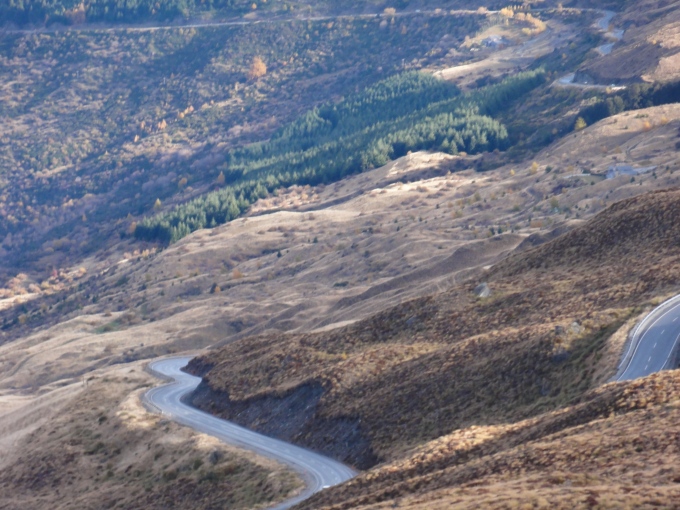
50 photographs, 50 stories, of which there is one of the 50 below.
They all start with –
A picture paints … well, as many words as you like. For instance:
And the story:
…
It was once said that a desperate man has everything to lose.
The man I was chasing was desperate, but I, on the other hand, was more desperate to catch him.
He’d left a trail of dead people from one end of the island to the other.
The team had put in a lot of effort to locate him, and now his capture was imminent. We were following the car he was in, from a discreet distance, and, at the appropriate time, we would catch up, pull him over, and make the arrest.
There was nowhere for him to go.
The road led to a dead-end, and the only way off the mountain was back down the road we were now on. Which was why I was somewhat surprised when we discovered where he was.
Where was he going?
“Damn,” I heard Alan mutter. He was driving, being careful not to get too close, but not far enough away to lose sight of him.
“What?”
“I think he’s made us.”
“How?”
“Dumb bad luck, I’m guessing. Or he expected we’d follow him up the mountain. He’s just sped up.”
“How far away?”
“A half-mile. We should see him higher up when we turn the next corner.”
It took an eternity to get there, and when we did, Alan was right, only he was further on than we thought.”
“Step on it. Let’s catch him up before he gets to the top.”
Easy to say, not so easy to do. The road was treacherous, and in places, just gravel, and there were no guard rails to stop a three-thousand-foot fall down the mountainside.
Good thing then, I had the foresight to have three agents on the hill for just such a scenario.
Ten minutes later, we were in sight of the car, still moving quickly, but we were going slightly faster. We’d catch up just short of the summit car park.
Or so we thought.
Coming quickly around another corner, we almost slammed into the car we’d been chasing.
“What the hell…” Aland muttered.
I was out of the car and over to see if he was in it, but I knew that it was only a slender possibility. The car was empty, and no indication of where he had gone.
Certainly not up the road. It was relatively straightforward for the next mile, at which we would have reached the summit. Up the mountainside from here, or down.
I looked up. Nothing.
Alan yelled out, “He’s not going down, not that I can see, but if he did, there’s hardly a foothold and that’s a long fall.”
Then where did he go?
Then a man looking very much like our quarry came out from behind a rock embedded just a short distance up the hill.
“Sorry,” he said quite calmly. “Had to go if you know what I mean.”
I’d lost him.
It was as simple as that.
I had been led a merry chase up the hill, and all the time he was getting away in a different direction.
I’d fallen for the oldest trick in the book, letting my desperation blind me to the disguise that anyone else would see through in an instant.
It was a lonely sight, looking down that road, knowing that I had to go all that way down again, only this time, without having to throw caution to the wind.
Off the Beaten Path: Top 5 Hidden Gems in Philadelphia to Explore
Philadelphia is a city steeped in history, vibrant culture, and architectural charm. While landmarks like Independence Hall and the Liberty Bell dominate guidebooks, the city’s true soul lies in the lesser-known corners that reveal its character. Ditch the tourist trail and uncover these five unique experiences that showcase Philadelphia’s quirky, historic, and artistic side.
1. Magic Gardens: A Mosaic Wonderland
Tucked in a quiet lot above a former grocery store, Magic Gardens is an enchanting outdoor art installation created by local artist Isaiah Zagar. This kaleidoscope of mosaics, sculptures, and whimsical designs feels like stepping into a fairy tale. Every wall, tree, and bench is covered in intricate, colourful art made from shards of glass, mirrors, and tiles. While it’s a local favourite, most visitors overlook it in favour of more “mainstream” attractions. Explore the playful gardens and let your imagination wander—one piece might make you smile, another might spark a memory.
Pro Tip: Visit in the late afternoon to catch the golden light illuminating the mosaics. The adjacent Zagar house is also an artist’s studio worth peeking into.
2. Morris Arboretum: A Hidden Botanical Treasure
Just a short drive from downtown, the Morris Arboretum offers a tranquil escape into nature. Established in 1887, it was the first public arboretum in the U.S. and boasts over 20 miles of walking trails, rare plant species, and serene gardens like the Rhododendron Dell and the Japanese Pavilion. While Philadelphians flock here for picnics and autumn foliage, it often misses the radar of out-of-town tourists. Don’t miss the treehouse and treetop walkway, which offer a magical perspective of the grounds.
Pro Tip: Check the seasonal programming—spring brings cherry blossoms, and fall features a spectacular pumpkin patch.
3. Laing Houses: Painted Rowhomes with Personality
Stroll through Society Hill and you’ll stumble upon South 3rd Street’s Laing Houses, a row of 18th-century townhouses with vibrantly painted facades. Each house tells a story through its colours and quirky architectural details, like the “House of Screams” (orange and black) or the “House of Love” (pink and white). This hidden gem is a local favourite for photo ops but often underappreciated by tourists. The houses were once owned by prominent Quakers and are still private residences, making their colourful exteriors all the more intriguing.
Pro Tip: Snap a photo at the corner of South 3rd and Poplar Streets for a vibrant backdrop.
4. Fairmount Water Works: History Meets Green Space
Nestled along the Schuylkill River, the Fairmount Water Works Interpretive Centre blends history, ecology, and recreation. Originally built in 1812 to supply fresh water, the Gothic Revival structure is now a free public space with interactive exhibits, walking trails, and stunning views of the river and Ben Franklin Bridge. It’s a peaceful spot to picnic, paddle a kayak, or simply gaze at the historic machinery. Few realise this is the birthplace of the United States’ public water system.
Pro Tip: Visit in the spring or summer to see the azaleas and rhododendrons in full bloom.
5. Queen Village: Charming Historic Neighbourhood
Venture into Queen Village, a neighbourhood just south of Old City, to discover cobblestone streets, Federal-style rowhomes, and a thriving arts scene. Unlike the crowded Historic District, this area feels like a living, breathing community with locally owned boutiques, cozy cafés, and the Hamilton-Wayne House (a 1768 museum with hidden passageways and a haunted legend). Don’t miss the murals, street performers, or the annual Queen Village Art Walk.
Pro Tip: Grab a cupcake at The Local or savour a meal at Dante’s Kitchen, a beloved neighbourhood favourite.
The Verdict? Philadelphia’s allure isn’t just in its history—it’s in the stories whispered through its alleys, the artistry in unexpected places, and the charm of neighbourhoods that feel like home. Pair these hidden gems with the city’s iconic landmarks for a journey that blends the best of both worlds. After all, the road less travelled often has the most unforgettable moments.
Ready to explore? Pack your curiosity and let Philadelphia reveal its secret layers.
Share your discoveries in the comments below—we’d love to hear about your favourite hidden spot in Philly!
Revenge is a dish best served cold – or preferably so when everything goes right
Of course, it rarely does, as Alistair, Zoe’s handler, discovers to his peril. Enter a wildcard, John, and whatever Alistair’s plan for dealing with Zoe was dies with him.
It leaves Zoe in completely unfamiliar territory.
…
John’s idyllic romance with a woman who is utterly out of his comfort zone is on borrowed time. She is still trying to reconcile her ambivalence after being so indifferent for so long.
They agree to take a break, during which she disappears. John, thinking she has left without saying goodbye, refuses to accept the inevitable and calls on an old friend for help in finding her.
After the mayhem and being briefly reunited, she recognises an inevitable truth: there is a price to pay for taking out Alistair; she must leave and find them first, and he would be wise to keep a low profile.
But keeping a low profile just isn’t possible, and enlisting another friend, a private detective and his sister, a deft computer hacker, they track her to the border between Austria and Hungary.
What John doesn’t realise is that another enemy is tracking him to find her too. It could have been a grand tour of Europe. Instead, it becomes a race against time before enemies old and new converge for what will be an inevitable showdown.
The Dark Side of Narrative: Why Certain Story Elements Fail (And How to Fix Them)
Every great story is built on a foundation of classic elements: compelling characters, gripping conflict, and immersive world-building. But what happens when these trusty narrative tools are pushed too far?
Even the most celebrated storytelling tropes can become a writer’s worst enemy if mishandled. When relied upon as crutches, certain story elements can instantly pull readers out of the narrative, destroy suspense, and leave an audience feeling cheated.
As writers, understanding the disadvantages of these common tropes is essential for crafting fresh, engaging fiction. Today, we’re breaking down four major story elements to avoid—complete with examples—so you can elevate your storytelling and keep your readers turning pages.
1. The Exposition Dump (The “As You Know, Bob” Trap)
The Problem
Exposition is necessary for world-building, but an exposition dump (or info-dump) occurs when a writer forces massive amounts of back-story, historical context, or technical data into the narrative all at once.
The biggest disadvantage of the exposition dump is that it grinds the pacing to a complete halt. Instead of showing us the world through action and reaction, the author pauses the story to lecture the reader. Worse yet is the infamous “As you know, Bob” dialogue, where two characters explain things to each other that they both already know purely for the benefit of the audience.
An Example to Avoid
“As you know, Captain, ever since the Great AI Wars of 2142—which decimated 80% of Earth’s population and led to the ban of all sentient technology—our spaceship’s hyperdrive has been powered by your rare crystal bloodline.”
How to Fix It
Weave information through action and conflict. Reveal world-building details only when they become immediately relevant to the character’s survival or goals. Let the reader piece the puzzle together organically rather than handing them a textbook.
2. Concluding with a Shootout (The Lazy Climax)
The Problem
Action is thrilling, but treating a shootout or massive physical brawl as the default climax for every story is a major narrative pitfall.
The disadvantage of relying on a shootout to wrap things up is that it often feels unearned. If the central conflict of your story is emotional, psychological, or interpersonal, resolving it with flying bullets or laser blasts is a cop-out. It swaps genuine emotional resonance for cheap spectacle, rendering the character arcs completely irrelevant.
An Example to Avoid
After a poignant, slow-burn psychological drama about a grieving father fighting for custody of his daughter, the climax abruptly features a thirty-minute warehouse shootout with a random drug cartel. (Bonus points if the cartel had nothing to do with the actual emotional core of the story.)
How to Fix It
Match your climax to your core conflict. If your story is about forgiveness, the climax should be an emotional confrontation, not a physical one. If you must have action, ensure the stakes of the battle directly mirror the internal stakes of the characters.
3. Mistaken Identities (The Forced Misunderstanding)
The Problem
Mistaken identity tropes can work wonderfully in Shakespearean comedies, but in modern drama and thrillers, they often feel manipulative and frustrating.
The primary disadvantage of mistaken identities is that they rely on manufactured conflict. When major plot developments happen simply because characters refuse to ask basic clarifying questions or because someone is wearing a slightly different hat, readers feel insulted. It creates “idiot plot syndrome”—a story that only moves forward because everyone involved is acting completely irrationally.
An Example to Avoid
The romantic leads spend 300 pages hating each other and avoiding romance because one of them overheard a heavily edited half-sentence out of context, completely ignoring years of established trust and chemistry.
How to Fix It
Raise the emotional intelligence of your characters. If characters are going to misunderstand each other, make the deception complex, systemic, or psychological—not just a contrived accident that could be resolved with a five-second conversation.
4. “And Everyone Was Dead” (The Nihilistic Ending)
The Problem
Nothing deflates a reader’s investment quite like the “and everyone was dead” ending—often accompanied by the revelation that the entire story was just a dream, or that every character perished in a meaningless twist of fate.
While gritty, tragic, and ambiguous endings can work brilliantly (think Hamlet), killing off your entire cast for shock value carries a massive disadvantage: it renders the entire journey pointless. If every character the reader cared about dies without achieving anything, the audience is left wondering why they invested their time in the first place.
An Example to Avoid
After a harrowing 400-page fantasy epic where the heroes cross continents, make ultimate sacrifices, and defeat the dark lord, a stray meteor suddenly strikes the castle during the victory celebration, instantly wiping out every single named character.
How to Fix It
Honour the reader’s emotional investment. If you want a bittersweet or tragic ending, ensure that the sacrifices made by the characters actually meant something. Even in death, characters should achieve a thematic victory or leave the world fundamentally changed for the better.
Write with Intention
Tropes and story elements aren’t inherently evil; they are tools in a writer’s toolbox. However, relying on exposition dumps, lazy shootouts, frustrating mistaken identities, or nihilistic “everyone dies” endings can quickly alienate your audience.
By recognizing the disadvantages of these tropes, you can subvert expectations, sharpen your pacing, and deliver a deeply satisfying payoff that keeps readers hooked from the first page to the last.
What’s your least favorite storytelling trope to encounter in the wild? Let us know in the comments below
It was in darkness. I was sure I had left several lights on, especially over the door, so I could see to unlock it.
I looked up and saw that the globe was broken.
Instant alert.
I went to the first hiding spot for the gun, and it wasn’t there. I went to the backup, and it wasn’t there either. Someone had found my carefully hidden stash of weapons and removed them.
Who?
There were four hiding spots, and all were empty. Someone had removed the weapons. That could only mean one possibility.
I had a visitor, not necessarily here for a social call.
But, of course, being the well-trained agent I’d once been and not one to be caught unawares, I crossed over to my neighbour and relieved him of a weapon that, if found, would require a lot of explaining.
Suitably armed, it was time to return the surprise.
There were three entrances to the villa: the front door, the back door, and a rather strange escape hatch. One of the more interesting attractions of the villa I’d rented was its heritage. It was built in the late 1700s by a man who was, by all accounts, a thief. It had a hidden underground room, which had been in the past a vault but was now a wine cellar, and it had an escape hatch by which the man could come and go undetected, particularly if there was a mob outside the door baying for his blood.
It now gave me the means to enter the villa without my visitors being alerted, unless, of course, they were in the vicinity of the doorway inside the villa, but that possibility was unlikely. It was not where anyone could anticipate or expect a doorway to be.
The secret entrance was at the rear of the villa, behind a large copse, two camouflaged wooden doors built into the ground. I moved aside some of the branches that covered them and lifted one side. After I’d discovered the doors and rusty hinges, I’d oiled and cleaned them, and cleared the passageway of cobwebs and fallen rocks. It had a mildew smell, but nothing would get rid of that. I’d left torches at either end so I could see.
I closed the door after me and went quietly down the steps, enveloped in darkness till I switched on the torch. I traversed the short passage, which turned ninety degrees about halfway to the door at the other end. I carried the key to this door on the keyring, found it and opened the door. It too had been oiled and swung open soundlessly.
I stepped into the darkness and closed the door.
I was on the lower level under the kitchen, now the wine cellar, the ‘door’ doubling as a set of shelves which had very little on them, less to fall and alert anyone in the villa.
Silence, an eerie silence.
I took the steps up to the kitchen, stopping when my head was level with the floor, checking to see if anyone was waiting. There wasn’t. It seemed to me to be an unlikely spot for an ambush.
I’d already considered the possibility of someone coming after me, especially because it had been Bespalov I’d killed, and I was sure he had friends, all equally as mad as he was. Equally, I’d also considered it nigh on impossible for anyone to find out it was me who killed him because the only people who knew that were Prendergast, Alisha, a few others in the Department, and Susan.
That raised the question of who told them where I was.
If I were the man I used to be, my first suspect would be Susan. The departure this morning, and now this was too coincidental. But I was not that man.
Or was I?
I reached the start of the passageway that led from the kitchen to the front door and peered into the semi-darkness. My eyes had got used to the dark, and it was no longer an inky void. Fragments of light leaked in around the door from outside and through the edge of the window curtains where they didn’t fit properly. A bone of contention upstairs in the morning, when first light shone and invariably woke me up hours before I wanted to.
Still nothing.
I took a moment to consider how I would approach the visitor’s job. I would get a plan of the villa in my head, all entrances, where a target could be led to or attacked, and where there would be no escape.
Coming in the front door. If I were not expecting anything, I’d just open the door and walk in. One shot would be all that was required.
Contract complete.
I sidled quietly up the passage, staying close to the wall, edging closer to the front door. There was an alcove where the shooter could be waiting. It was an ideal spot to wait.
Crunch.
I stepped on some nutshells.
Not my nutshells.
I felt it before I heard it. The bullet with my name on it.
And how the shooter missed, from point-blank range, and hit me in the arm, I had no idea. I fired off two shots before a second shot from the shooter went wide and hit the door with a loud thwack.
I saw a red dot wavering as it honed in on me, and I fell to the floor, stretching out, looking up where the origin of the light was coming and pulled the trigger three times, evenly spaced, and a second later I heard the sound of a body falling down the stairs and stopping at the bottom, not very far from me.
Two assassins.
I’d not expected that.
The assassin by the door was dead, a lucky shot on my part. The second was still breathing.
I checked the body for any weapons and found a second gun and two knives. Armed to the teeth!
I pulled off the balaclava; a man, early thirties, definitely Italian. I was expecting a Russian.
I slapped his face, waking him up. Blood was leaking from several slashes on his face when his head had hit the stairs on the way down. The awkward angle of his arms and legs told me there were broken bones, probably a lot worse internally. He was not long for this earth.
“Who employed you?”
He looked at me with dead eyes, a pursed mouth, perhaps a smile. “Not today, my friend. You have made a very bad enemy.” He coughed, and blood poured out of his mouth. “There will be more …”
Friends of Bespalov, no doubt.
I would have to leave. Two unexplainable bodies, I’d have a hard time explaining my way out of this mess. I dragged the two bodies into the lounge, clearing the passageway just in case someone had heard anything.
Just in case anyone was outside at the time, I sat in the dark, at the foot of the stairs, and tried to breathe normally. I was trying not to connect the dots that led back to Susan, but the coincidence was worrying me.
A half-hour passed, and I hadn’t moved. Deep in thought, I’d forgotten about being shot, unaware that blood was running down my arm and dripping onto the floor.
Until I heard a knock on my front door.
Two thoughts: it was either the police, alerted by the neighbours, or it was the second wave, though why would they be knocking on the door?
I stood and immediately felt a stabbing pain in my arm. I took out a handkerchief and turned it into a makeshift tourniquet, then wrapped a kitchen towel around the wound.
If it were the police, this was going to be a difficult situation. Holding the gun behind my back, I opened the door a fraction and looked out.
No police, just Maria. I hoped she was not part of the next ‘wave’.
“You left your phone behind on the table. I thought you might be looking for it.” She held it out in front of her.
When I didn’t open the door any further, she looked at me quizzically and then asked, “Is anything wrong?”
I was going to thank her for returning the phone, but I heard her breathe in sharply and add, breathlessly, “You’re bleeding.”
I looked at my arm and realised it was visible through the door, and not only that, the towel was soaked in blood.
“You need to go away now.”
Should I tell her the truth? It was probably too late, and if she were any sort of law-abiding citizen, she would go straight to the police.
She showed no signs of leaving, just an unnerving curiosity. “What happened?”
I ran through several explanations, but none seemed plausible. I went with the truth. “My past caught up with me.”
“You need someone to fix that before you pass out from blood loss. It doesn’t look good.”
“I can fix it. You need to leave. It is not safe to be here with me.”
The pain in my arm was not getting any better, and the blood was starting to run down my arm again as the tourniquet loosened. She was right, I needed it fixed sooner rather than later.
I opened the door and let her in. It was a mistake, a huge mistake, and I would have to deal with the consequences. Once inside, she turned on the light and saw the pool of blood just inside the door and the trail leading to the lounge. She followed the trail and turned into the lounge, turned on the light, and no doubt saw the two dead men.
I expected her to scream. She didn’t.
She gave me a good, hard look, perhaps trying to see if I was dangerous. Killing people wasn’t something you looked the other way about. She would have to go to the police.
“What happened here?”
“I came home from the cafe and two men were waiting for me. I used to work for the Government, but no longer. I suspect these men were here to repay a debt. I was lucky.”
“Not so much, looking at your arm.”
She came closer and inspected it.
“Sit down.”
She found another towel and wrapped it around the wound, retightening the tourniquet to stem the bleeding.
“Do you have medical supplies?”
I nodded. “Upstairs.” I had a medical kit, and on the road, I usually made my own running repairs. Another old habit I hadn’t quite shaken off yet.
She went upstairs, rummaged, and then came back. I wondered briefly what she would think of the unmade bed, though I was not sure why it might interest her.
She helped me remove my shirt and then cleaned the wound. Fortunately, she didn’t have to remove a bullet. It was a clean wound but it would require stitches.
When she’d finished, she said, “Your friend said one day this might happen.”
No prizes for guessing who that friend was, and it didn’t please me that she had involved Maria.
“Alisha?”
“She didn’t tell me her name, but I think she cares a lot about you. She said trouble has a way of finding you, gave me a phone and said to call her if something like this happened.”
“That was wrong of her to do that.”
“Perhaps, perhaps not. Will you call her?”
“Yes. I can’t stay here now. You should go now. Hopefully, by the time I leave in the morning, no one will ever know what happened here, especially you.”
I was walking past a fast food outlet, minding my own business when an explosion behind me first threw me about 20 feet along the sidewalk and then dumped a whole lot of building rubbish on me.
So much for minding my own business.
Dazed, half deaf, and bleeding from several shrapnel wounds, I slowly got to my feet and looked back in the direction of where I thought the explosion happened.
Wrong. It was in the other direction. No surprise with the disorientation.
Not far from me, I could see several others on the ground through the settling cloud of dust, bodies lying on the pathway, not moving. A number of cars that had been driving past had got caught almost directly by the blast and had been severely damaged. Other cars behind had crashed into them.
The storefront I had just passed was now just a pile of rubble, much like photos of houses during the blitz and anyone caught in it would not have survived.
Still slightly disorientated, I could hear sirens in the distance, and then, above that, as my hearing slightly improved, screams from people who had taken the full brunt of the explosion.
I headed towards the nearest of the injured when I was knocked abruptly to the ground by two men running away from the scene. It took a few moments to realize these men must have had something to do with the explosion and were fleeing.
I scrambled to my feet and started running after them. They were some distance in front of me as was an oncoming police car, and I thought they could take up the chase, and stopped.
Instead, it drove straight past the two men and stopped opposite me, and before knew what was happening, I was on the ground with four weapons trained on my head, and three of them yelling that if I moved they would shoot me.
I tried telling them about the two fleeing men I’d been chasing but no one was listening.
I had a knee in my back and a gun to my head. This wasn’t going to end well for someone.
My next destination in the quest was the hotel we believed Anne Merriweather had stayed at.
I was, in a sense, flying blind because we had no concrete evidence she had been there, and the message she had left behind didn’t quite name the hotel or where Vladimir was going to take her.
Mindful of the fact that someone might have been following me, I checked to see if the person I’d assumed had followed me to Elizabeth’s apartment was still in place, but I couldn’t see him. Next, I made a mental note of seven different candidates and committed them to memory.
Then I set off to the hotel, hailing a taxi. There was the possibility that the cab driver was one of them, but perhaps I was slightly more paranoid than I should be. I’d been watching the queue, and there were two others before me.
The journey took about an hour, during which time I kept an eye out the back to see if anyone had been following us. If anyone was, I couldn’t see them.
I had the cab drop me off a block from the hotel and then spent the next hour doing a complete circuit of the block the hotel was on, checking the front and rear entrances, the cameras in place, and the siting of the driveway into the underground carpark. There was a camera over the entrance, and one we hadn’t checked for footage. I sent a text message to Fritz to look into it.
The hotel lobby was large and busy, which was exactly what you’d want if you wanted to come and go without standing out. It would be different later at night, but I could see her arriving about mid-afternoon, and anonymous among the clientele the hotel attracted.
I spent an hour sitting in various positions in the lobby simply observing. I had already ascertained where the elevator lobby for the rooms was, and the elevator down to the car park. Fortunately, it was not ‘guarded’, but there was a steady stream of concierge staff coming and going to the lower levels, and, just from time to time, guests.
Then, when there was a commotion at the front door, what seemed to be a collision of guests and free-wheeling bags, I saw one of the seven potential taggers sitting by the front door. Waiting for me to leave? Or were they wondering why I was spending so much time there?
Taking advantage of that confusion, I picked my moment to head for the elevators that went down to the car park, pressed the down button, and waited.
There was no car on the ground level, so I had to wait, watching, like several others, the guests untangling themselves at the entrance, and keeping an eye on my potential surveillance, still absorbed in the confusion.
The doors to the left car opened, and a concierge stepped out, gave me a quick look, then headed back to his desk. I stepped into the car, pressed the first level down, the level I expected cars to arrive on, and waited what seemed like a long time for the doors to close.
As they did, I was expecting to see a hand poke through the gap, a latecomer. Nothing happened, and I put it down to a television moment.
There were three basement levels, and for a moment, I let my imagination run wild and considered the possibility that there were more levels. Of course, there was no indication on the control panel that there were any other floors, and I’d yet to see anything like it in reality.
With a shake of my head to return to reality, the car arrived, the doors opened, and I stepped out.
A car pulled up, and the driver stepped out, went around to the rear of his car, and pulled out a case. I half expected him to throw me the keys, but the instant glance he gave me told him he was not the concierge, and instead he brushed past me like I wasn’t there.
He bashed the up button several times impatiently and cursed when the doors didn’t open immediately. Not a happy man.
Another car drove past on its way down to a lower level.
I looked up and saw the CCTV camera, pointing towards the entrance, visible in the distance. A gate that lifted up was just about back in position, then clunked when it finally closed. The footage from the camera would not prove much, even if it had been working, because it didn’t cover the lift lobby, only what was in the direction of the car entrance.
The doors to the other elevator car opened, and a man in a suit stepped out.
“Can I help you, sir? You seem lost.”
Security, or something else. “It seems that way. I went to the elevator lobby, got in, and it went down rather than up. I must have been in the wrong place.”
“Lost it is, then, sir.” I could hear the contempt for Americans in his tone. “If you will accompany me, please.”
He put out a hand ready to guide me back into the elevator. I was only too happy to oblige him. There had been a sign near the button panel that said the basement levels were only to be accessed by the guests.
Once inside, he turned a key and pressed the lobby button. The doors closed, and we went up. He stood, facing the door, not speaking. A few seconds later, he was ushering me out to the lobby.
“Now, sir, if you are a guest…”
“Actually, I’m looking for one. She called me and said she would be staying in this hotel and to come down and visit her. I was trying to get to the sixth floor.”
“Good. Let’s go over to the desk and see what we can do for you.”
I followed him over to the reception desk, where he signalled one of the clerks, a young woman who looked and acted very efficiently, and told her of my request, but then remained to oversee the proceeding.
“Name of guest, sir?”
“Merriweather, Anne. I’m her brother, Alexander.” I reached into my coat pocket and pulled out my passport to prove that I was who I said I was. She glanced cursorily at it.
She typed the name into the computer, and then we waited a few seconds while it considered what to output. Then, she said, “That lady is not in the hotel, sir.”
Time to put on my best-confused look. “But she said she would be staying here for the week. I made a special trip to come here to see her.”
Another puzzled look from the clerk, then, “When did she call you?”
An interesting question to ask, and it set off a warning bell in my head. I couldn’t say today, it would have to be the day she was supposedly taken.
“Last Saturday, about four in the afternoon.”
Another look at the screen, then, “It appears she checked out Sunday morning. I’m afraid you have made a trip in vain.”
Indeed, I had. “Was she staying with anyone?”
I just managed to see the warning pass from the suited man to the clerk. I thought he had shown an interest when I mentioned the name, and now I had confirmation. He knew something about her disappearance. The trouble was, he wasn’t going to volunteer any information because he was more than just hotel security.
“No.”
“Odd,” I muttered. “I thought she told me she was staying with a man named Vladimir something or other. I’m not too good at pronouncing those Russian names. Are you sure?”
She didn’t look back at the screen. “Yes.”
“OK, now one thing I do know about staying in hotels is that you are required to ask guests with foreign passports their next destination, just in case they need to be found. Did she say where she was going next?” It was a long shot, but I thought I’d ask.
“Moscow. As I understand it, she lives in Moscow. That was the only address she gave us.”
I smiled. “Thank you. I know where that is. I probably should have gone there first.”
She didn’t answer; she didn’t have to, her expression did that perfectly.
The suited man spoke again, looking at the clerk. “Thank you.” He swivelled back to me. “I’m sorry we can’t help you.”
“No. You have more than you can know.”
“What was your name again, sir, just in case you still cannot find her?”
“Alexander Merriweather. Her brother. And if she is still missing, I will be posting a very large reward. At the moment, you can best contact me via the American Embassy.”
Money is always a great motivator, and that thoughtful expression on his face suggested he gave a moment’s thought to it.
I left him with that offer and left. If anything, the people who were holding her would know she had a brother, that her brother was looking for her, and equally that brother had money.


 Thrills, Spills, and just a dash of Romance