The cinema of my dreams – I always wanted to see the planets – Episode 30

Sometimes not knowing can be an advantage

“They’re hailing us,” the communications officer said, then turned expecting an order to open a channel.

“What’s the speakers tone?”

I got a blank look in return.

“Does he sound agitated, angry, arrogant…?

“Like a person of authority.”

Not much help in gauging their mood.

“OK, put him on the viewer.” I had one of the crew bring up the data we had on the vessel class.

It was once a personnel transport, one of a dozen that had been taken to the edge of space and dumped, if that was a word that could be used to describe what happened. They should have been destroyed, but another contractor took the cheap option, and abandoned them off Neptune.

The spokesman was dressed in the same suit as those I’d seen before, on the cargo ship, and in the Captains day room. Clearly he didn’t want to be identified.

“What can I do for you,” I asked, after waiting a minute or so after realising he was waiting for me to speak.

“Surrender your ship.”

Of course. They had three ships, we had one. A junior officer came over and gave me a sheet of paper. The names of the ship’s, how many life signs on each, and scans indicating possible weaponry.

Weapons needed power, and if they were anything like ours, they would need auxiliary power sources. No indication yet they intended to use any.

Life signs was interesting, six on each of the smaller ships, roughly half the crew when the ships were commercially used, and 34 for the larger vessel, including the nuclear scientist.

“Why would I do that?”

Number one’s expression was one of surprise, the Lt Colonel not so much.

“We have superior fire power, and will disable the ship if you don’t. That means taking out the life support. You can save your crew an ignominious death.”

No alien would use the word ‘ignominious’.

The two smaller ships were the closest, acting as guards for the bigger ship. I suspect they had the weapons, being smaller and more manoeuvrable.

I’d spoken to the Lt Colonel and the gunnery sergeant when he arrived on the bridge, and we agreed that the best action would be to target the bridges of the enemy vessels. After we retrieved the scientist.

“You do realise you’re targeting a research vessel, not a man of war.”

“Is that what they told you?”

“Define ‘they’.”

“Space command, that bunch on nincompoops who think the rest of the planets believes their lies.”

Well, that was the statement that proved they were not aliens, but working for one of the other countries no so happy with the deal that had been struck over space exploration. The Admiral could work out which one in his own time.

For the operation of removing our crew member, I had a direct line to the cargo bay where ? was setting up the parameters for the transport. All I had to do was keep the ship as steady as possible.

“Ready when you are,” his voice was in my ear.

“Now.”

Ten seconds later, “she’s aboard, safe.”

From the side, “There’s activity…”

“Gunnery sergeant, now,” I said.

The viewer cleared of my counterpart, and showed two explosions, where I would have said were the command centres of the two ships, and then the sudden movement of the larger ship, moving away, and at speed, to a point where it disappeared.

“Can we track that escaping ship?”

“We have sufficient information about it to send it back to HQ and let them deal with it. We achieved what we set out to do.”

The Lt Colonel was right, but it would be good to know where our enemy was.

A crew member said, “we can track it if you like, but it just jumped to high speed and out of scanner range.”

“Life signs?” I asked, looking at the two ships adrift, if that was possible. I didn’t like the idea of using force, and it was going to create a mountain of paperwork, and an investigation, but they were going to attack

“Eleven remaining on board, all deceased “

“Eleven?”

“One transported to the larger ship just before we attacked.”

Number one appeared beside me. “Do you think we should go over to the other ships and verify that the dead crew were the escaped prisoners.”

“For your report? Yes. Take a medical team, and the military.” The Lt Colonel looked over at the mention of the military. “You can arrange a squad,” I asked him.

“Yes sir.”

The third officer, Jacobs, like myself, crossing over from captaining cargo vessels, recently promoted to Second had been at his station for the duration, instead of resting, a man who wanted more experience. And spent as much time as he could on the bridge.

“Jacobs?”

“Sir.” He jumped up out of his seat, whether from fright or enthusiasm I wasn’t sure.

“You have the bridge. Try not to run into those ships out there.”

“Yes sir, I mean, no sir, no crashing sir.”

“I’ll be in medical if there’s any problems.”

© Charles Heath 2021

A photograph from the inspirational bin – 46

What story does it inspire?

This is a photograph of the Leopoldskron Palace used for exterior shots in the movie “The Sound of Music”.

It was a very bleak day when we decided to go on the Sound of Music bus tour, and, yes, there was singing.

But…

It is a sombre setting and lends a great deal of inspiration to a story.

For instance…

There was a large uninhabited house on the edge of a lake where multiple fatalities occurred in the mid-1800s. The family was cursed from the moment the house was built because a gypsy family who had lived on the land before the building commenced were murdered because they would not leave.

The original owner died when falling from a ladder fetching a book from the top shelf in his library, the wife died when she accidentally slipped and fell on a knife in the kitchen, and the eldest son died when he fell from the roof. No one could explain how he got there.

The daughter left immediately after all of these events which happened in the first week of residence, and moved far away.

Move forward about 170 years and one of the ancestors discovered they are entitled to take ownership of the building that had not been lived in for a long, long time.

But…

It does not look any different from the day the last inhabitants died, and is in perfect condition.

How could this be after 170 years?

And what exactly is going on when the descendants come to live in the house?

Is it paranormal activity or is it just gold old fashioned scare tactics to send them away?

The cinema of my dreams – Was it just another surveillance job – Episode 65

This story is now on the list to be finished so over the new few weeks, expect a new episode every few days.

The reason why new episodes have been sporadic, there are also other stories to write, and I’m not very good at prioritizing.

But, here we are, a few minutes opened up and it didn’t take long to get back into the groove.

Things are about to get complicated…


I had no idea how long I had before Monica or someone else turned up to take charge, so it was time for questions.

To Anna, “Were you having an affair with Severin back at the lab, before you hatched this plan, or was it Severin’s idea?”

“Are we playing truth or dare now?”  She was trying to be detached, but the pain must be excruciating by now.

“We’re playing how to save your life.  You can live or you can die, it’s your choice, but my patience is very thing at the moment.”

“I liked Severin.  At the time I thought he was just a security guard.  And yes, after a few months, he did suggest, in a kidding sort of way, that money could be made by stealing the formulas.  A lot of money.”

To Dobbin, “Either you or someone else had sent Severin and Maury to the lab after a mock discharge from the service and given them glowing resumes to get jobs there.  It was an odd choice given Severin had a rather interesting career, particularly in his handling of women operatives.  Was that you?”

“I don’t have to answer your questions.”

“I don’t have to shoot you in various painful places when you test my patience, but I will if I have to.”

“Do you know who you’re talking to?”

“Yes.  An inveterate liar who had been leading me down the garden path for far too long.  I will ask once more, was that you.  Don’t make me count to three.”

He glared at me, the sort of glare that mean there was going to be hell to pay eventually.

“No.  I did not.  But I was interested in the fact they were sent to Arche Laboratories.  It wasn’t until the data came up for sale on the dark web did I put two and two together.”

“That’s when you got O’Connell to handle the purchase and delivery of the data?”

“Yes.”

“Why the six-month delay between negotiation and delivery?”

“Anna’s husband in his infinite wisdom must have guessed he was going to be double-crossed and put a security protocol in place.  We made arrangements to keep her safe until the exchange.  At the appropriate time when the six months had lapsed, O’Connell was tasked to go to a specified meeting place, pay the money and collect the USB.”

“In the meantime, you arranged for Severin and Maury to put a surveillance team together.  I assume Severin came clean about what had happened, and you gave him a chance to redeem himself.”

“Yes.”

“At what point did you realize the operation was compromised?  My guess, is when O’Connell was running late, and the bomb went off on time, but before the exchange could take place.  Surely you knew O’Connell couldn’t have the USB.”

“True, so we arranged for an extraction and led him to the alley where you cornered him.  Total unexpected.  As was the sniper, who I believe had tapped into our communications with O’Connell.  I’m not sure why Severin and Maury were there, but once they saw O’Connell get shot they left.  They, for some reason, believed O’Connell had the USB and passed it to you before they got there, hence the visit you had from Severin.  Their usefulness ended at the alley.”

“Who was the sniper working for?”

“No idea.  Another interested party perhaps, that Anna forgot to tell us about.  It would be no surprise to know she had other buyers waiting.”

“I didn’t.  O’Connell was the only one as per our agreement.  You don’t think I was going to screw up a five-million-pound payday.”  Anna sounded indignant.

To Anna, “When did you and O’Connell get together, after the explosion.  Or did you think he set you up?”

“I waited a few days then called him and asked what we should do.  He said he got the impression he’d been set up, that we were both in danger and to individually go into hiding until he could find out who was after us.  He said he couldn’t trust his boss after what had happened, both at the café and then in the alley.  He mentioned that I should find you and insinuate myself into your investigation because he knew you’d find out eventually.  He was right, by the way,:” she said to no one in particular.

Back to Dobbin, “Why did O’Connell suddenly no longer trust you and for all intents and purposes disappear?”

“He didn’t say, but I suspect nearly getting killed may have pushed him in that direction.  I did not sanction that bomb, by the way.”

“What was the purpose of the surveillance team?”

“To find out where the exchange point was because it was always agreed that they should be the only two to preserve their safety.  He was not supposed to find out about the surveillance.  It’s the reason why we were not responsible for the bomb in the café because we didn’t know where the exchange was taking place.”

“If he didn’t know, and then discovered people following him, I’m not surprised he killed most of them.  That’s on you, Dobbin.”

“It was a calculated risk, but the stakes were very high, and the operation was justified.  It also afforded us the opportunity to discover a new and very accomplished agent, namely you.”

“Flattery will not stop me from shooting you if I have to.”

His look of disdain went to utter disdain.

“I’ve answered your questions, now what?”

“Anna will now give me the USBs, the real USBs with the data on them.  I will destroy them, and then we can all go about our business.”

“You…”

“If you say anything other than, Sam, here they are, you will die.  They are in this room, and I will find them, whether you are dead or alive.  Personally, if I were you I’d want to live, but then, you might have a death wish you want fulfilled.  I’ll be happy to count to three if you like?”

She thought about it, but not for too long.  She reached into a pocket and pulled out another plastic bag.

I went over and took it from her. 

Two more USBs.

“I’ll take those, thank you.”  Jennifer.  “Don’t make me do something I don’t want to.”

© Charles Heath 2020-2023

365 Days of writing, 2026 – 59/60

Days 59 and 60 – Writing Exercise

“Hate is a strong word,” I said, adopting a soothing, placatory tone.

The air in the room was fairly thick with emotion, and understandably so.  HR had just issued an edict which, to me, was utterly stupid.

“Try detest,” said another.

“Or abhor,” from yet another, a voice down the back of the room, one I instantly recognised, but kept my surprise to myself.

As I said, the mood of the room was understandable.  They were being punished because of one person’s actions. 

The crux of the matter, employees who had previously been given a five-minute leeway to get to and from the company cafeteria now had to absorb that time into the mandated half hour set for lunch, and fifteen minutes for morning and afternoon tea.

And, of course, everyone liked to push the envelope, and that extra five minutes had turned into ten, and then, at times, fifteen.  That management would eventually react was expected.

It was not expected that they had silently implemented it to begin with, put surveillance equipment in and then logged everyone breaking the rules, and then used that evidence to fire one employee.

That in itself was a violation, but times were tough, and decisions had to be made.  They issued a memo to everyone highlighting the net loss to the company in productivity, and it was staggering.

But…

It was not the fact that they had fired someone, but who they fired.

I’d heard on the grapevine that a group of employees were gathering to plan retaliatory action.  Not a good idea given that management had recently changed and the son, not the father, was now running what he called a white elephant.

He was wrong; it was just using outdated machinery and methodology, simply because there weren’t sufficient profits to reinvest, but he had a plan.

I’d sat in on the transition committee headed by the new CEO and came away with a very bad feeling.  So did most of the board members, but they were older men still clinging to the old ways, and very much attached to their paychecks.

My job:  I had to sell the plan, if and when it was completed.

And quell any intermediate spot fires.

The working hours were the first, and willful time wasting was the top of the agenda.

Then, “We all know what’s going on here.”

Yes, some would, and the voice that made that statement, Harry Bones, a man who joined the company the same day I did.

We both had dreams back then, when the company was riding the crest of popularity and prosperity.

He went into the production department, and I took administration.  The other notable recruit, Joseph Brooks, the man who was now CEO.

But back in those days in College there was no distinction; he was just one of the boys.  He only changed when his father decided to give him power, and that mean side we knew lurked beneath that affable surface started coming out.

“And what’s that, Harry?

“He invented those rules so he could get rid of a problem he created.”

And there it was.  I was surprised that his daughter Rowena would accept a role in a company she openly disparaged as toxic, let alone work for Joseph Brooks as his personal assistant, only to become his girlfriend, which for a while seemed to work.

Of course, no one in the company knew of the romantic relationship, except perhaps those in the executive, and her NDA forbade discussion of the details of her dismissal.  And adhering to that NDA, she couldn’t tell her father, so he just made the assumption that someone had to be an example, and it was the agitator’s daughter.

The reality was that neither could stay in their positions, and one had to go.  It was a pity it was her, but in situations like that, the lesser employee always loses.  All it did was embitter the agitator.

“That’s one interpretation, Harry.”

“You know exactly what I’m talking about.  You are up there in the ivory tower, you see everything.”

“Not everything, Harry.”

“You’re not that stupid, Jack.  He’s coming for all of us.  Word on the floor is that they’re replacing us with robots.”

It was true they were looking at that option.  The thing was, the initial investment was beyond their means, and I was there when the CFO got the call from the bank turning down the loan.

But then he knew that was going to happen.

There was a murmur rippling through the crowd at the mention of robots. 

The previous year, we had tendered to build those same robots and didn’t get the tender.  If we had got it, we wouldn’t be here now.

I was expecting ten or so hard-line agitators to turn up to the session, and four hundred had downed tools when they learned about the session.  I had to move the session to the cafeteria.

The executive heard there was a rumour of a strike, and asked me, as the employee liaison manager, to find out what was going on.

The fact that they didn’t realise that sacking employees on trumped up excuses because the boss’s son couldn’t manage a simple relationship, or worse, thought he could play with the affections of employees, the very definition of sexualising garnishment, beggared belief.

Legal understood the ramifications and had instituted a remedy, but HR was still stuck in the 1950s, which said a lot about our management.

I was trying to put out a forest fire with a garden hose.  Whatever I was going to suggest, that would be the equivalent of throwing petrol on that same fire.

“OK.”  I tried wresting control of the meeting and getting back on track.

“What are you going to do?  This used to be an amazing place to work.”

“The best.  My father worked here, and his father before him.”

“It was a great place, you wanted to come to work, you wanted to be part of it, you weren’t part of the success.”

“You worked hard and the company looked after you.  Where has that gone?”

That was easy.  We sat on our hands while the rest of the world moved on.  Instead, I said, “Where overseas companies that can make products cheaper are.  We once had a monopoly; now we’re just one of fifty competing in a smaller market.  Times are tough.  Everyone is feeling it.  They have avoided lay-offs, but if this place keeps going the way it is…”

It was true, but something else was also true.

The voice from the back of the room:  “And yet there’s plenty for the bosses to have their overseas holidays, live in multi-million dollar estates, and have a different car for each day of the week.  We can barely afford to put food on the table.”

It was a headline that made the papers once a month.  The cost of living is the great divide between the wealthy and the workers.

I could argue that in the beginning, it was their money and their labour that created the jobs they had, and were still providing against the odds, but that didn’t fit their optics.  But that person was also right.  I’d done the comparison.  Giving the employees that extra few minutes didn’t come close to the executive expenditure.  It’s why there were no profits, and how the board could deny promised raises, the negotiators had agreed to tie raises to profits.

It had been a strange, if not unbelievable, outcome where the negotiators had gone in hard and in the end surrendered with a whimper.

“I don’t believe you, or them.”

A roar of approval from the assembly.  Harry had become their spokesman.

“Tell them to restore the original break conditions, or there will be a strike, and there’ll be a lot more on the table.”

He stood, glared at me, and walked off, taking the others with him.

Bar one.

Rowena.

“How did you get in here?  No, don’t tell me.  The less I know, the better.  What happened between you and Joey?”

The once-upon-a-time nickname we created for the now CEO back in school days was used only out of his hearing.

“I wouldn’t bend to his will.  I’m not that type of girl.  But I should have known.  We all knew what he was like, and I fell for the charisma.  My bad.”

“But sacking you.  That was wrong.”

“Legal said as much.  A job back, same salary and conditions or a settlement.  It’s shitty he gets away with being an ass, but the money is eyewatering.”

“What did your dad say?”

“I didn’t tell him.  You of all people would understand why.  But now I’m free, I want to take up your offer.”

It was accompanied by a whimsical smile, one I knew from long ago and at a time when I was hopelessly in love with her, and all she did was ignore me.

“What makes you think it still stands?”

I remember making it, almost too drunk to care, and definitely in no condition to be anything but completely honest.  That was when I told her how I felt, believing that she liked me.  I asked her if she would like to have a trial relationship.  She laughed at me.

The hangover wasn’t the worst part of waking up the next morning.

“You did nothing wrong, Jack, but you took me by surprise, and I wasn’t ready for it.  Then I went on to make a huge mistake, and I’ve had more than enough regrets over the years.  Why are you still single?”

Did she really need an answer to that question?

“Oh.  Then what say you?”

I shook my head.  There was only one answer.  “When does this trial start?”

She smiled.  “Now.”

I could have said my arrival on the executive level was interesting in the total lack of reaction, but it was more measured than I expected.

Even wary.

That was because none of the executives knew how to handle a version of them that was at least 30 years younger than the youngest of them.

I was not the enemy, but equally, they didn’t think I was in their class of maturity and respectability.

Of course, if you had seen the members at their exclusive parties, and word respectability would have been left at the door, and replaced with others like drunkenness and debauchery.

All funded by the company and hidden in the accounts, by the creative accountant titled the Chief Financial Officer. 

The secrets I knew and could do nothing about.

Every time I sat at the board table and looked around at what this city called its most revered and respected citizens, I had to work very hard not to laugh.

But, on the other side of that, they managed to keep their benefits, and still kept over 4,000 of the townsfolk employed.  A single small percentage parish would wreck that, as projections had shown them at the last board meeting.

The next would be crunch time.  The workers were going to revolt, and there was nothing I could do to stop it.

Still…

The Chief Administrative Officer was a dour but practical man, and was the one responsible for my position.  If all went well, he had said about a year before Joey took the crown, I would succeed him.

Under old management rules, that was true.  Under new management rules, that was not necessarily the case.  I would now have to apply for the job when it came up.

It was the bad part of the good news bad news Monday briefing.

Now, it was my turn.

I knocked on his door and went in.  He was standing at the window looking down on the car park and gardens where the Christmas party was held each year.

When he turned, he had an odd, unfathomable expression.  “How was the meeting?”

“The expected ten turned into four hundred.”

“Harry?”

“As you predicted, the ring leader.  It’s not without reason, though.  We can use the lack of profits only so far.  What they don’t realise is that there is a clause in the last agreement that gives the union the right to investigate why there are no profits, if they believe there is bad management.”

I’d found it when I was asked to read through and analyse exactly what was in it.  A junior council in the department had been looking at the staff contracts and found something else, which set off alarm bells.

“What they don’t know won’t hurt them.”

“Until the first round of lay-offs.  The CFO had said quite categorically that something had to go.  Staff or management perks.”

He slumped into his chair, as it groaned under his weight.  He had been in the company for nearly 50 years, and it was approaching retirement day.

“We had a good run, but now the Chinese have taken it away.  We watched it happen.”

“It was inevitable.  Their costs are lower, even with shipping.  Tariffs aren’t going to save a sinking ship.  Does Joseph know?”

“What do you think?”

“Still pretending he’s the captain of the Titanic.  Full steam ahead?”

The one thing Joey was not was financially gifted.  He failed economics and didn’t understand rudimentary accounting.  He was an ideas man, a fearless leader, a man among men.  He told me so himself.  His father said he would find his way.

He shrugged.

“What do you believe is going to happen?”

“A strike.”

“No way you can talk them out of it?”

“Without telling them the truth, no.  And if we do tell them the truth, there will be a lynching.  More than one, possibly.”

“Then put in a report and call an extraordinary board meeting for tomorrow.”

The company was not a public company with lots of shareholders who had to be paid dividends. It was owned by Joseph and his family, all of whom had made a lot of money from it and squandered it just as quickly.

Joseph’s father had seen the tide turning too late, and had spent a lot of his fortune keeping the business going.  He knew the value of it to the town and its people and had rewarded loyalty and hard work.  Joseph didn’t understand those sentiments and was more interested in living the high life than managing the business.

He was a fly in fly out leave it to the experts kind of guy.  It only worked if the company made money and cut corners rather than investing and diversifying, as he had been told the first day he acceded the throne, it was quite possible the ship would not be about to founder on that hidden reef.

The board meeting was notable for:

The CFO reported that in three months, the positive bank balance would turn negative and would stay there.

He also tendered his resignation.

The CIO tendered a report that said the computer systems had to be replaced because the software company that provided the manufacturing systems were about to cease supporting our version, and basically said if we didn’t upgrade, they would not be responsible for the problems.

And the new version needed far better systems to run on.  The quoted upgrade was eye-watering.

HR reported that they believed a strike was imminent, but there was no way they could afford pay rises without sacrificing at least a third of the employees.  And that meant shutting down parts of the operation.

The head of Production said that without the new software the might as well close the plant.  What other ideas he had he put back in his folder.

I could see Joseph, after each report, getting more and more discouraged, perhaps wondering how his father had managed to dump the mess in his lap and escape to a well-earned retirement, in a place I noted didn’t have an extradition treaty.

I noticed before the meeting started that Joseph was talking privately with Legal, the CFO, and two board members, personal friends of the family.

He had a red file.  To me, red was a bad omen.

After all the damning reports, Joseph looked around the table.  He had not commented, nor had he looked worried.  Perhaps he had found a private investor who wanted a share in the sinking ship though I could not fathom why they would.

Unless they converted the site to make munitions, what had happened during the Second World War.  It wasn’t that hard to retool.

I had seen a report in a financial magazine about the retooling of car factories to build armoured tanks and aircraft frames.  My father had once told me that the country only flourished when there was a world war raging.

“In the face of what is going to be a losing battle, I think the way forward it the sell.  I have an offer.  It’s not startling, nor is it generous.  It’s time to walk away.”

His new PA came in on cue and handed each one a folder, the terms of the sale.  All of them would get a full payout.  The employees, next to nothing.

I hadn’t seen that coming.  No one else would either.  A private family-owned company didn’t have to advertise, so no one would know until it was too late.  And yes, the new company would be hiring.  Not the whole 4,000, but some of them.

I just managed to catch the last thing Joseph said, holding up a glass. 

“To the end of an era.”

That was the moment the workers arrived, and all hell broke loose.

©  Charles Heath  2026

What I learned about writing – When the impossible becomes possible – a book publishing deal

All writers dream of getting a publishing deal.  One book or three, that euphoric feeling is the same.

But, just because the signature is on the contract, there is a process to be followed before you get to see that precious baby you spent the best part of your life on.

Like a child bent on leaving the nest, you do feel that reluctance in parting with it.

Of course, it doesn’t appear in book form for quite a few months, even a year, before the final product arrives on your doorstep, a box of copies to gift to your friends and family.

But…

Long before that, other, more important questions were being asked.

Have you got another book in you?

Here’s the thing.  Everybody has one book in them.  Most do not have any more.  Some will have a series in mind and can churn one out every year.

Others will say they have another, but they will need time to consider what it’s going to be about, that this time they will plan rather than go with the flow, and then use any excuse not to write.

After all, don’t I have to go on a book signing tour?

As for me, when it happens, I have at least twenty other books to choose from and could publish a new one every year.

Could you?

Searching for Locations: Port Macquarie – Day 1 – Part 4

A group of churches

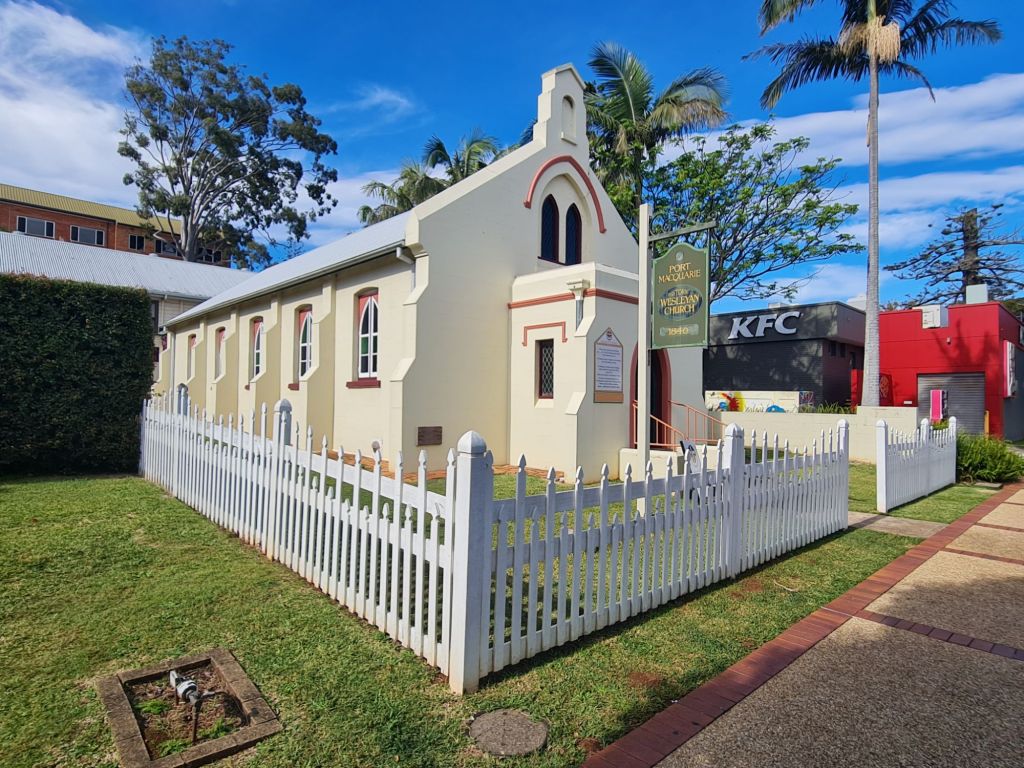
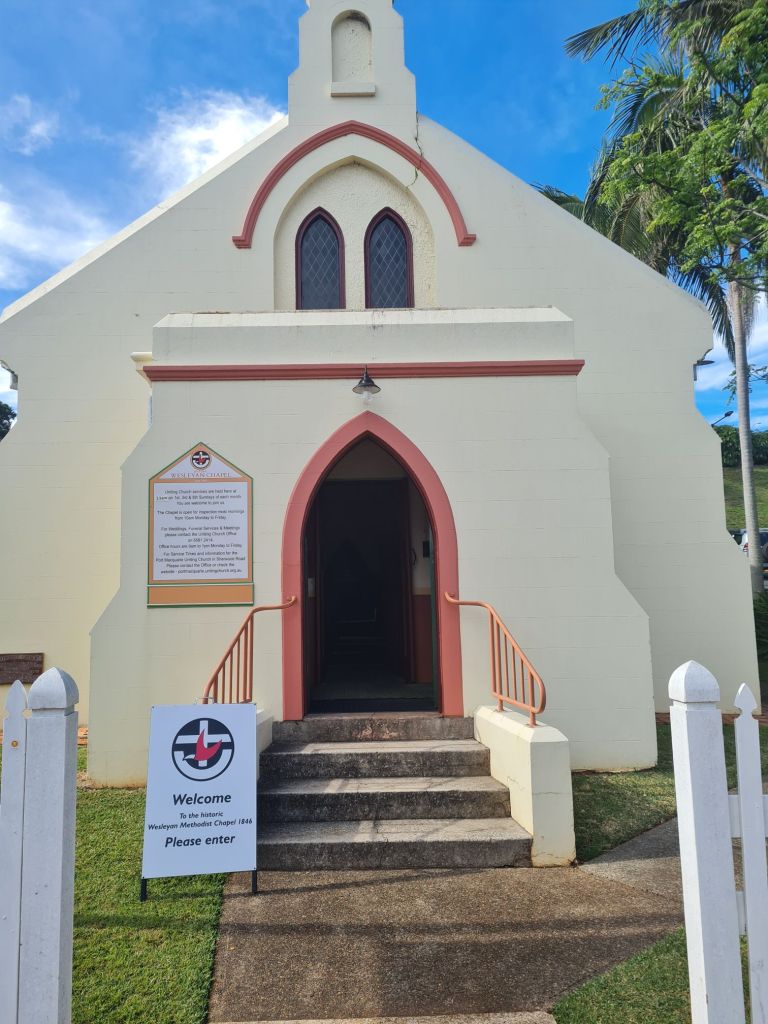
The oldest of the three is the Wesleyan Church

This Church was built between 1840 and 1846 on the Horton Street land allocated in 1835.  It was started in 1840, and then the building was suspended the same year due to bad economic times, only to be recommenced in 1844.

The first service was held in the unfinished chapel in November 1845, and the church was completed the following year.

St Thomas Church

This is the fifth oldest Anglican Church still in use in Australia and one of a few left built by convict labour.

The foundation stone was laid on 8th December 1824, took four years to build, and had the first service on the 28th February 1828.

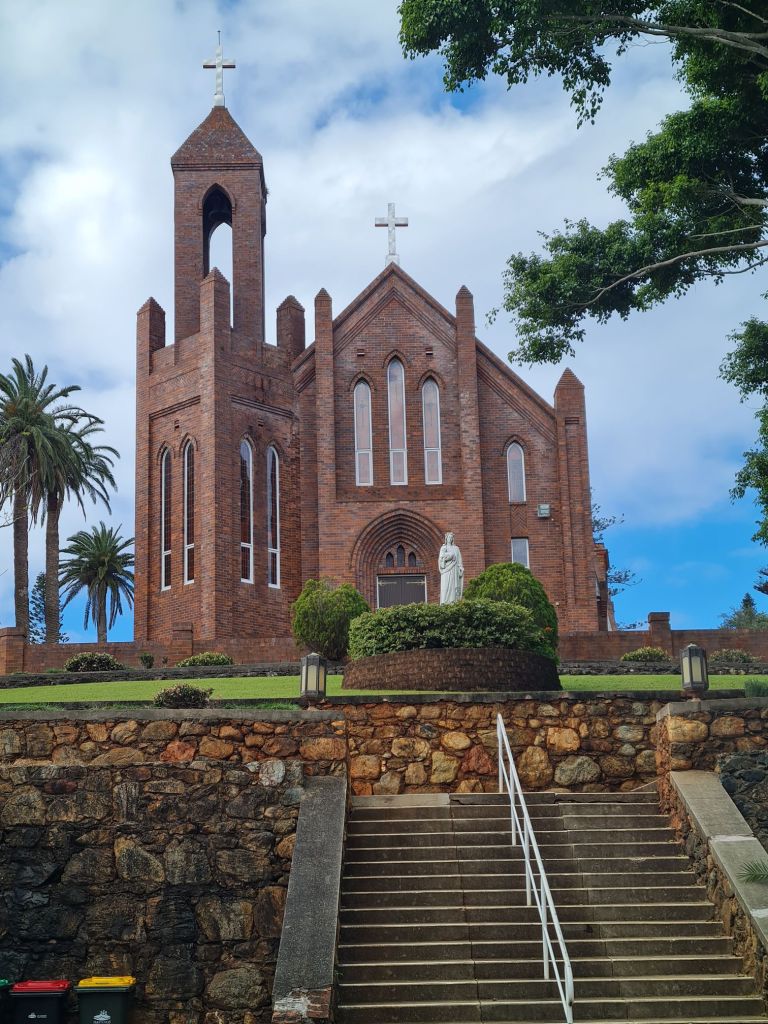
St Agnes Catholic Parish Church

The first St Agnes church was built in 1878, made of timber and stood for 62 years before it was replaced by the latest brick church finished in 1941, where it dominates the skyline.

The Surgeon General’s House on Church Hill

The former residence of the penal settlement Surgeon General is now the St Thomas Anglican church administration office. The first building was erected in 1822, as a cottage and had a number of modifications until handed over to be used as the vicarage in 1847.

The dispensary

The Surgeon’s dispensary was also built in 1822 between the doctor’s residence and the hospital, until 1847 when it was used as the parish school for several years.

An excerpt from “Amnesia”, a work in progress

I remembered a bang.

I remembered the car slewing sideways.

I remember another bang, and then it was lights out.

When I opened my eyes again, I saw the sky.

Or I could be underwater.

Everything was blurred.

I tried to focus but I couldn’t. My eyes were full of water.

What happened?

Why was I lying down?

Where was I?

I cast my mind back, trying to remember.

It was a blank.

What, when, who, why and where, are questions I should easily be able to answer. These are questions any normal person could answer.

I tried to move. Bad, bad mistake.

I did not realise the scream I heard was my own. Just before my body shut down.

“My God! What happened?”

I could hear, not see. I was moving, lying down, looking up.

I was blind. Everything was black.

“Car accident; hit a tree, sent the passenger flying through the windscreen. Pity to poor bastard didn’t get the message that seat belts save lives.”

Was I that poor bastard?

“Report?” A new voice, male, authoritative.

“Multiple lacerations, broken collar bone, broken arm in three places, both legs broken below the knees, one badly. We are not sure of internal injuries, but ruptured spleen, cracked ribs and pierced right lung are fairly evident, x-rays will confirm that and anything else.”

“What isn’t broken?”

“His neck.”

“Then I would have to say we are looking at the luckiest man on the planet.”

I heard the shuffling of pages.

“OR1 ready?”

“Yes. On standby since we were first advised.”

“Good. Let’s see if we can weave some magic.”

Magic.

It was the first word that popped into my head when I surfaced from the bottom of the lake. That first breath, after holding it for so long, was sublime, and, in reality, agonising.

Magic, because it seemed like I’d spent a long time underwater.

Or somewhere.

I tried to speak but couldn’t. The words were just in my head.

Was it night or was it day?

Was it hot, or was it cold?

Where was I?

Around me, it felt cool.

It was incredibly quiet. No noise except for the hissing of air through an air-conditioning vent. Or that was the sound of pure silence.  And with it the revelation that silence was not silent. It was noisy.

I didn’t try to move.

Instinctively, somehow, I knew not to.

A previous unpleasant experience?

I heard what sounded like a door opening, and noticeably quiet footsteps slowly came into the room. They stopped. I could hear breathing, slightly laboured, a sound I’d heard before.

My grandfather.

He had smoked all his life until he was diagnosed with lung cancer. But for years before that he had emphysema. The person in the room was on their way, down the same path. I could smell the smoke.

I wanted to tell whoever it was the hazards of smoking.

I couldn’t.

I heard a metallic clanging sound from the end of the bed. A moment later the clicking of a pen, then writing.

“You are in a hospital.” A female voice suddenly said. “You’ve been in a bad accident. You cannot talk, or move, all you can do, for the moment, is listen to me. I am a nurse. You have been here for 45 days and just came out of a medically induced coma. There is nothing to be afraid of.”

She had a very soothing voice.

Her fingers stroked the back of my hand.

“Everything is fine.”

Define fine, I thought. I wanted to ask her what ‘fine’ meant.

“Just count backwards from 10.”

Why?

I didn’t reach seven.

Over the next ten days, that voice became my lifeline to sanity. Every morning, I longed to hear it, if only for the few moments she was in the room, those few waking moments when I believed she, and someone else who never spoke, were doing tests. I knew it had to be someone else because I could smell the essence of lavender. My grandmother had worn a similar scent.

It rose above the disinfectant.

She was another doctor, not the one who had been there the day I arrived. Not the one who had used some ‘magic’ and kept me alive.

It was then, in those moments before she put me under again, that I thought, what if I was paralysed? It would explain a lot. A chill went through me.

The next morning, she was back.

“My name is Winifred. We don’t know what your name is, not yet. In a few days, you will be better, and you will be able to ask us questions. You were in an accident, and you were very severely injured, but I can assure you there will be no lasting damage.”

More tests, and then when I expected the lights to go out, they didn’t. Not for a few minutes more. This was how I would be integrated back into the world. A little bit at a time.

The next morning, she came later than usual, and I’d been awake for a few minutes. “You have bandages over your eyes and face. You had bad lacerations to your face, and glass in your eyes. We will know more when the bandages come off in a few days. Your face will take longer to heal. It was necessary to do some plastic surgery.”

Lacerations, glass in my eyes, car accidents, plastic surgery. By logical deduction, I knew I was the poor bastard thrown through the windscreen. It was a fleeting memory from the day I was admitted.

How could that happen?

That was the first of many startling revelations. The second was the fact I could not remember the crash. Equally shocking, in that same moment was the fact I could not remember before the crash either, or only vague memories after.

But the most shattering of all these revelations was the one where I realised, I could not remember my name.

I tried to calm down, sensing a rising panic.

I was just disoriented, I told myself. After 45 days in an induced coma, it had messed with my mind, and it was only a temporary lapse. Yes, that’s what it was, a temporary lapse. I will remember tomorrow. Or the next day.

Sleep was a blessed relief.

The next day I didn’t wake up feeling nauseous. I think they’d lowered the pain medication. I’d heard that morphine could have that effect. Then, how could I know that but not who I am?

Now I knew Winifred the nurse was preparing me for something unbelievably bad. She was upbeat, and soothing, giving me a new piece of information each morning. This morning, “You do not need to be afraid. Everything is going to be fine. The doctor tells me you are going to recover with little scarring. You will need some physiotherapy to recover from your physical injuries, but that’s in the future. We need to let you mend a little bit more before then.”

So, I was not going to be able to leap out of bed and walk out of the hospital any time soon. I don’t suppose I’d ever leapt out of bed, except as a young boy. I suspect I’d sustained a few broken bones. I guess learning to walk again was the least of my problems.

But there was something else. I picked it up in the timbre of her voice, a hesitation, or reluctance. It sent another chill through me.

This time I was left awake for an hour before she returned.

This time sleep was restless.

Scenes were playing in my mind, nothing I recognised, and nothing lasting longer than a glimpse. Me. Others, people I didn’t know. Or I knew them and couldn’t remember them.

Until they disappeared, slowly like the glowing dot in the centre of the computer screen, before finally fading to black.

The morning the bandages were to come off she came in early and woke me. I had another restless night, the images becoming clearer, but nothing recognisable.

“This morning the doctor will be removing the bandages over your eyes. Don’t expect an immediate effect. Your sight may come back quickly, or it may come back slowly, but we believe it will come back.”

I wanted to believe I was not expecting anything, but I was. It was human nature. I did not want to be blind as well as paralysed. I had to have at least one reason to live.

I dozed again until I felt a gentle hand on my shoulder. I could smell the lavender; the other doctor was back. And I knew the hand on my shoulder was Winifred’s. She told me not to be frightened.

I was amazed to realise at that moment, I wasn’t.

I heard the scissors cutting the bandages.

I felt the bandage being removed, and the pressure coming off my eyes. I could feel the pads covering both eyes.

Then a moment when nothing happened.

Then the pads are gently lifted and removed.

Nothing.

I blinked my eyes, once, twice. Nothing.

“Just hold on a moment,” Winifred said. A few seconds later I could feel a cool towel wiping my face, and then gently wiping my eyes. There was ointment or something else in them.

Then a flash. Well, not a flash, but like when a light is turned on and off. A moment later, it was brighter, not the inky blackness of before, but a shade of grey.

She wiped my eyes again.

I blinked a few more times, and then the light returned, and it was like looking through water, at distorted and blurry objects in the distance.

I blinked again, and she wiped my eyes again.

Blurry objects took shape. A face looking down on me, an elderly lady with a kindly face, surely Winifred, who was smiling. And on the opposite side of the bed, the doctor, a Chinese woman of indescribable beauty.

I nodded.

“You can see?”

I nodded again.

“Clearly?”

I nodded.

“Very good. We will just draw the curtains now. We don’t want to overdo it. Tomorrow we will be taking off the bandages on your face. Then, it will be the next milestone. Talking.”

I couldn’t wait.

When morning came, I found myself afraid. Winifred had mentioned scarring, there were bandages on my face. I knew, but wasn’t quite sure how I knew, I wasn’t the most handsome of men before the accident, so this might be an improvement.

I was not sure why I didn’t think it would be the case.

They came at mid-morning, the nurse, Winifred, and the doctor, the exquisite Chinese. She was the distraction, taking my mind off the reality of what I was about to see.

Another doctor came into the room before the bandages were removed, and he was introduced as the plastic surgeon who had ‘repaired’ the ravages of the accident. It had been no easy job, but, with a degree of egotism, he did say he was one of the best in the world.

I found it hard to believe, if he were, that he would be at a small country hospital.

“Now just remember, what you might see now is not how you will look in a few months.”

Warning enough.

The Chinese doctor started removing the bandages. She did it slowly and made sure it did not hurt. My skin was very tender, and I suspect still bruised, either from the accident or the surgery, I didn’t know.

Then it was done.

The plastic surgeon gave his work a thorough examination and seemed pleased with his work. “Coming along nicely,” he said to the other doctor. He issued some instructions on how to manage the skin, nodded to me, and I thanked him before he left.

I noticed Winifred had a mirror in her hand and was reticent in using it. “As I said,” she said noticing me looking at the mirror, “what you see now will not be the result. The doctor said it was going to heal with little scarring. You have been extremely fortunate he was available. Are you ready?”

I nodded.

She showed me.

I tried not to be reviled at the red and purple mess that used to be my face. At a guess, I would have to say he had to put it all back together again, but not knowing what I looked like before, I had no benchmark. All I had was a snippet of memory that told me I was not the tall, dark, and handsome type.

And I still could not talk. There was a reason, he had worked in that area too. Just breathing hurt. I think I would save up anything I had to say for another day. I could not even smile. Or frown. Or grimace.

“We’ll leave you for a while. Everyone needs a little time to get used to the change. I suspect you are not sure if there has been an improvement in last year’s model. Well, time will tell.”

A new face?

I could not remember the old one.

My memory still hadn’t returned.

©  Charles Heath  2024

Searching for locations: Port Macquarie – Day 1 – Part 3

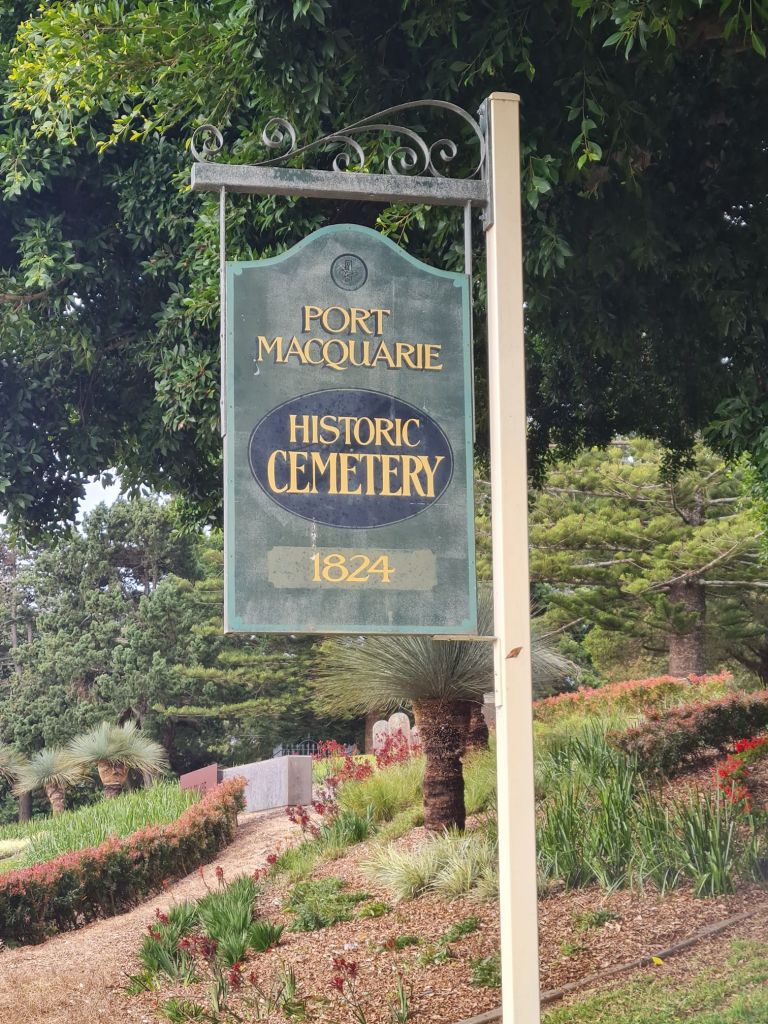
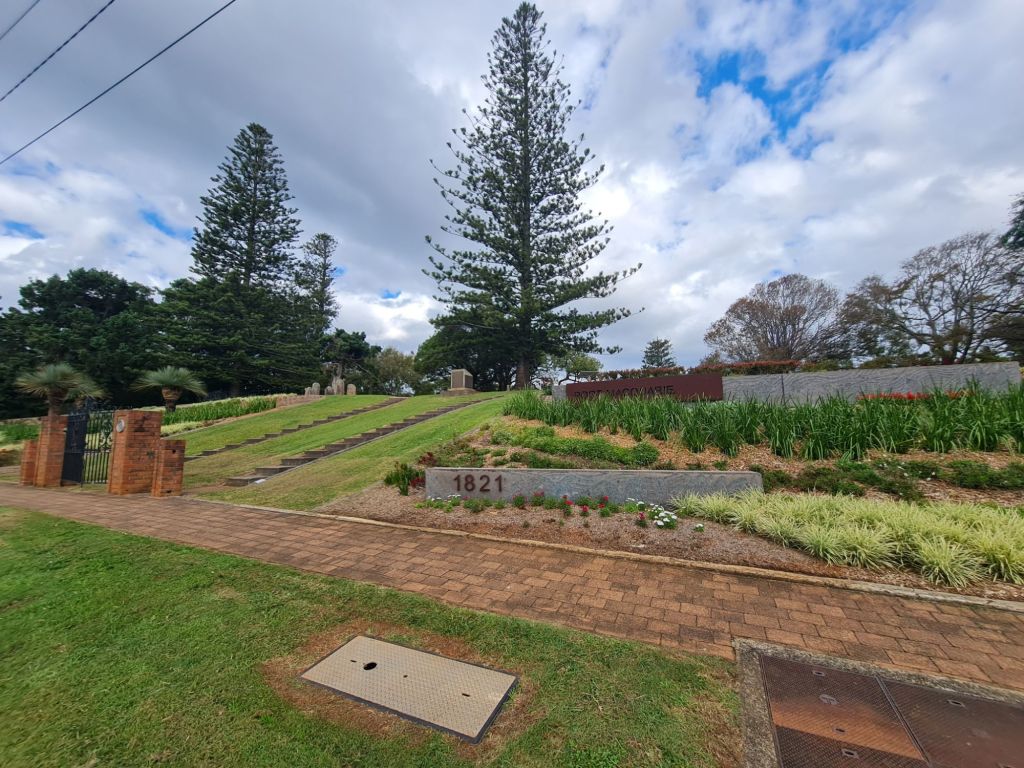
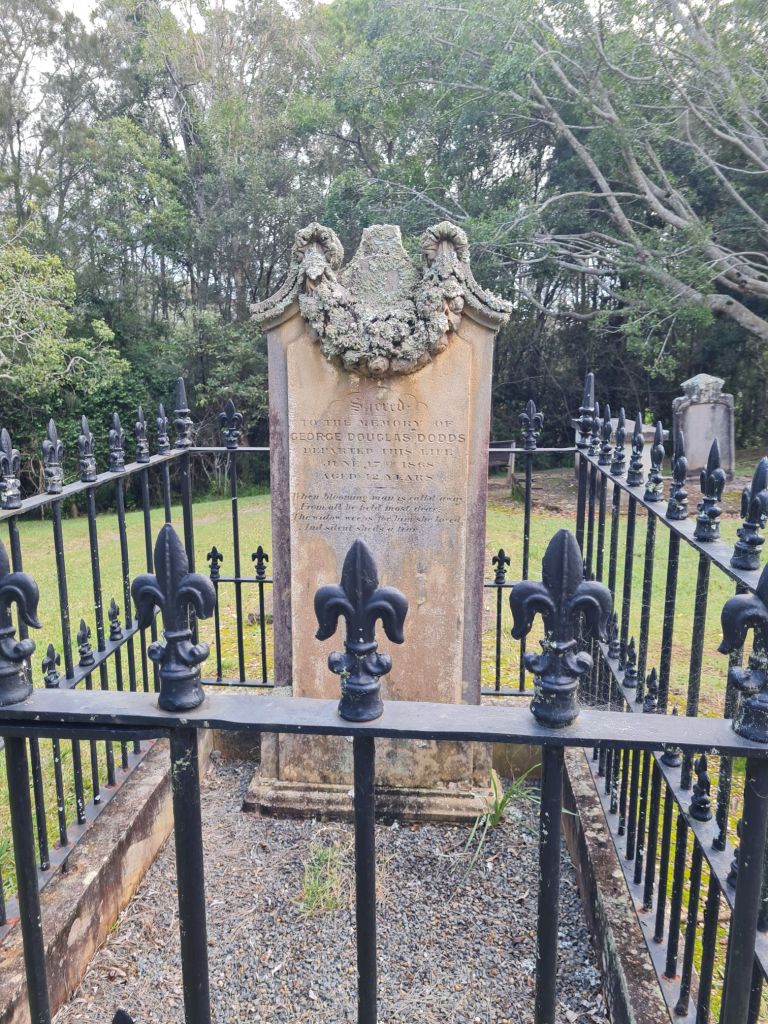
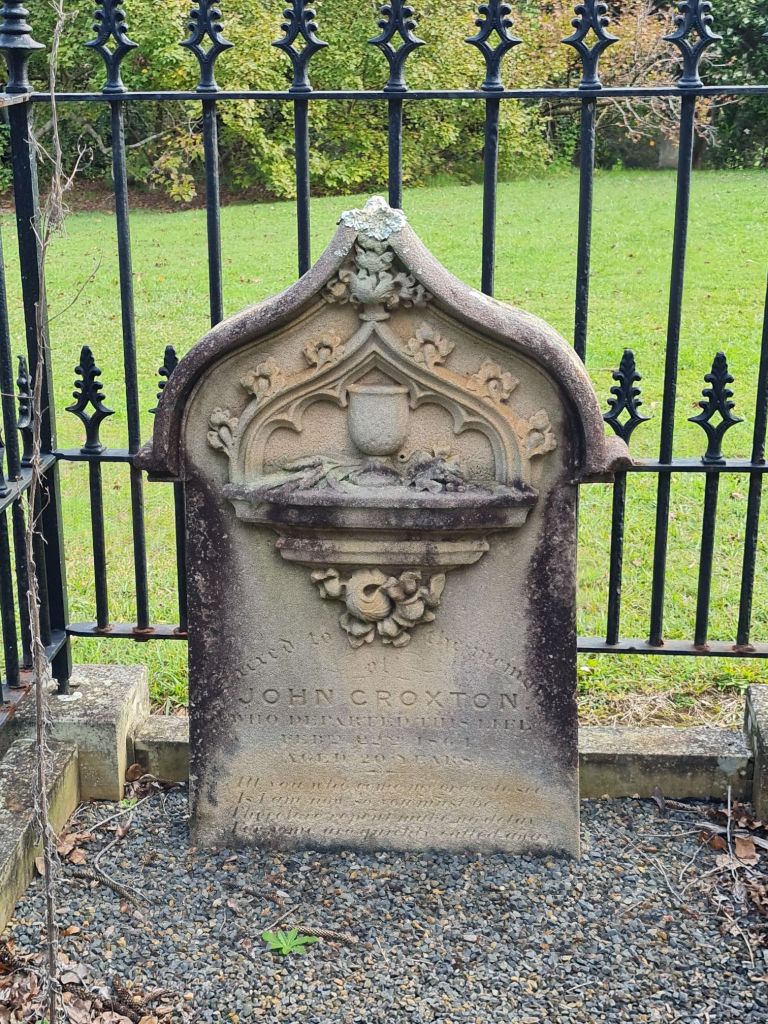
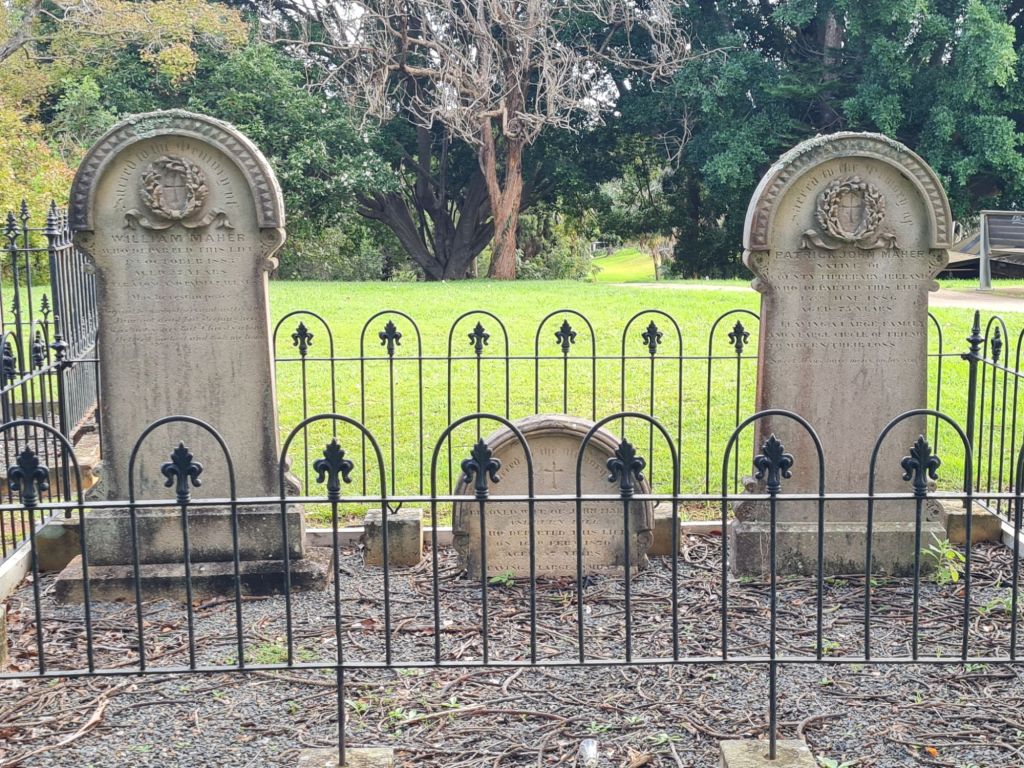
The old cemetery

This cemetery, no longer used, has graves dating back as far as 1821. 

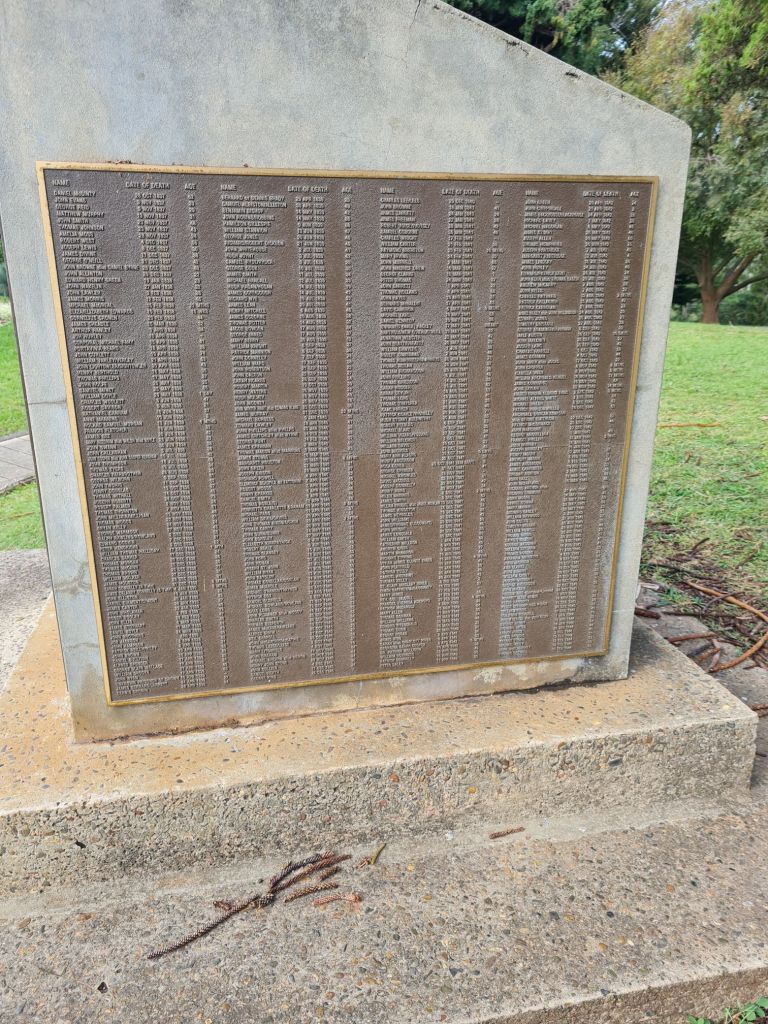
Not all of the graves are identified, but there is a monument that has the names of everyone interred there.

This monument has the names of those buried and the date they were buried

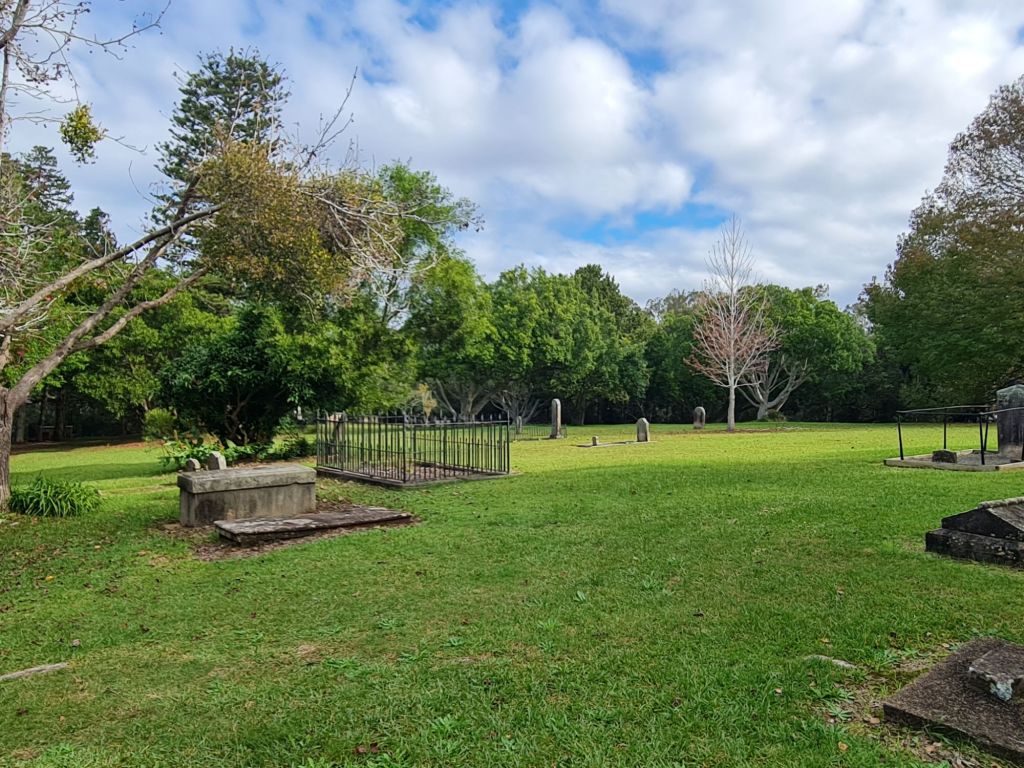
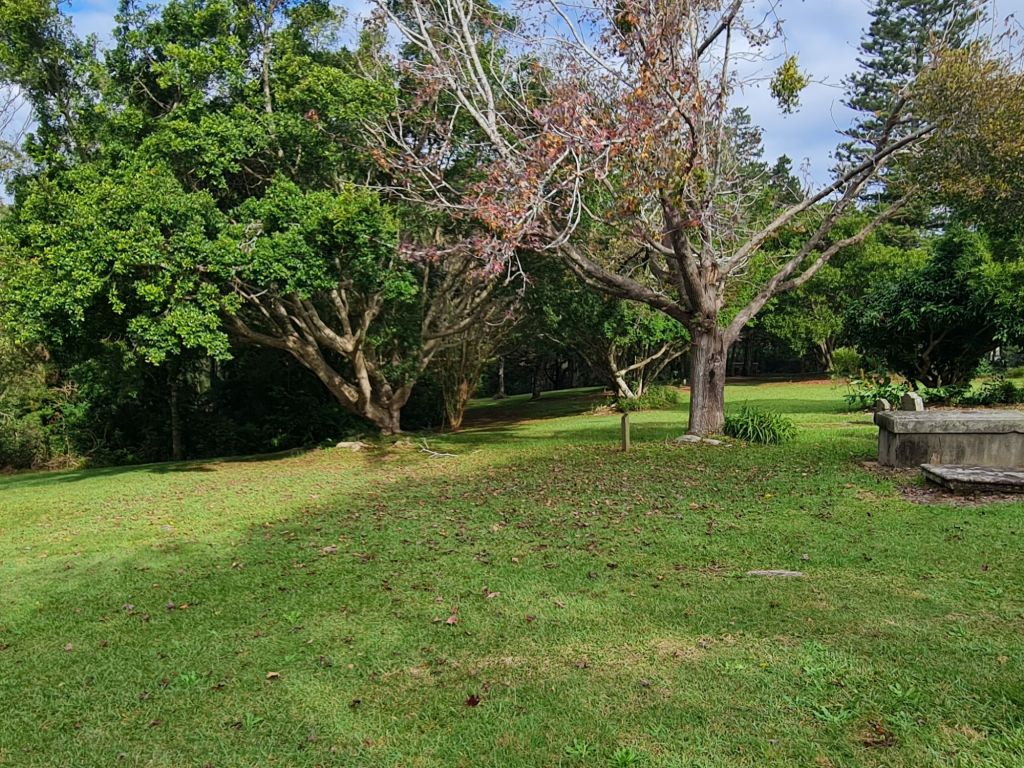
Unfortunately, there are not many headstones left, and those that are there are not necessarily readable.

“The Devil You Don’t”, she was the girl you would not take home to your mother!

Now only $0.99 at https://amzn.to/2Xyh1ow

John Pennington’s life is in the doldrums. Looking for new opportunities, and prevaricating about getting married, the only joy on the horizon was an upcoming visit to his grandmother in Sorrento, Italy.

Suddenly he is left at the check-in counter with a message on his phone telling him the marriage is off, and the relationship is over.

If only he hadn’t promised a friend he would do a favour for him in Rome.

At the first stop, Geneva, he has a chance encounter with Zoe, an intriguing woman who captures his imagination from the moment she boards the Savoire, and his life ventures into uncharted territory in more ways than one.

That ‘favour’ for his friend suddenly becomes a life-changing event, and when Zoe, the woman who he knows is too good to be true, reappears, danger and death follow.

Shot at, lied to, seduced, and drawn into a world where nothing is what it seems, John is dragged into an adrenaline-charged undertaking, where he may have been wiser to stay with the ‘devil you know’ rather than opt for the ‘devil you don’t’.

newdevilcvr6

365 Days of writing, 2026 – 59/60

Days 59 and 60 – Writing Exercise

“Hate is a strong word,” I said, adopting a soothing, placatory tone.

The air in the room was fairly thick with emotion, and understandably so.  HR had just issued an edict which, to me, was utterly stupid.

“Try detest,” said another.

“Or abhor,” from yet another, a voice down the back of the room, one I instantly recognised, but kept my surprise to myself.

As I said, the mood of the room was understandable.  They were being punished because of one person’s actions. 

The crux of the matter, employees who had previously been given a five-minute leeway to get to and from the company cafeteria now had to absorb that time into the mandated half hour set for lunch, and fifteen minutes for morning and afternoon tea.

And, of course, everyone liked to push the envelope, and that extra five minutes had turned into ten, and then, at times, fifteen.  That management would eventually react was expected.

It was not expected that they had silently implemented it to begin with, put surveillance equipment in and then logged everyone breaking the rules, and then used that evidence to fire one employee.

That in itself was a violation, but times were tough, and decisions had to be made.  They issued a memo to everyone highlighting the net loss to the company in productivity, and it was staggering.

But…

It was not the fact that they had fired someone, but who they fired.

I’d heard on the grapevine that a group of employees were gathering to plan retaliatory action.  Not a good idea given that management had recently changed and the son, not the father, was now running what he called a white elephant.

He was wrong; it was just using outdated machinery and methodology, simply because there weren’t sufficient profits to reinvest, but he had a plan.

I’d sat in on the transition committee headed by the new CEO and came away with a very bad feeling.  So did most of the board members, but they were older men still clinging to the old ways, and very much attached to their paychecks.

My job:  I had to sell the plan, if and when it was completed.

And quell any intermediate spot fires.

The working hours were the first, and willful time wasting was the top of the agenda.

Then, “We all know what’s going on here.”

Yes, some would, and the voice that made that statement, Harry Bones, a man who joined the company the same day I did.

We both had dreams back then, when the company was riding the crest of popularity and prosperity.

He went into the production department, and I took administration.  The other notable recruit, Joseph Brooks, the man who was now CEO.

But back in those days in College there was no distinction; he was just one of the boys.  He only changed when his father decided to give him power, and that mean side we knew lurked beneath that affable surface started coming out.

“And what’s that, Harry?

“He invented those rules so he could get rid of a problem he created.”

And there it was.  I was surprised that his daughter Rowena would accept a role in a company she openly disparaged as toxic, let alone work for Joseph Brooks as his personal assistant, only to become his girlfriend, which for a while seemed to work.

Of course, no one in the company knew of the romantic relationship, except perhaps those in the executive, and her NDA forbade discussion of the details of her dismissal.  And adhering to that NDA, she couldn’t tell her father, so he just made the assumption that someone had to be an example, and it was the agitator’s daughter.

The reality was that neither could stay in their positions, and one had to go.  It was a pity it was her, but in situations like that, the lesser employee always loses.  All it did was embitter the agitator.

“That’s one interpretation, Harry.”

“You know exactly what I’m talking about.  You are up there in the ivory tower, you see everything.”

“Not everything, Harry.”

“You’re not that stupid, Jack.  He’s coming for all of us.  Word on the floor is that they’re replacing us with robots.”

It was true they were looking at that option.  The thing was, the initial investment was beyond their means, and I was there when the CFO got the call from the bank turning down the loan.

But then he knew that was going to happen.

There was a murmur rippling through the crowd at the mention of robots. 

The previous year, we had tendered to build those same robots and didn’t get the tender.  If we had got it, we wouldn’t be here now.

I was expecting ten or so hard-line agitators to turn up to the session, and four hundred had downed tools when they learned about the session.  I had to move the session to the cafeteria.

The executive heard there was a rumour of a strike, and asked me, as the employee liaison manager, to find out what was going on.

The fact that they didn’t realise that sacking employees on trumped up excuses because the boss’s son couldn’t manage a simple relationship, or worse, thought he could play with the affections of employees, the very definition of sexualising garnishment, beggared belief.

Legal understood the ramifications and had instituted a remedy, but HR was still stuck in the 1950s, which said a lot about our management.

I was trying to put out a forest fire with a garden hose.  Whatever I was going to suggest, that would be the equivalent of throwing petrol on that same fire.

“OK.”  I tried wresting control of the meeting and getting back on track.

“What are you going to do?  This used to be an amazing place to work.”

“The best.  My father worked here, and his father before him.”

“It was a great place, you wanted to come to work, you wanted to be part of it, you weren’t part of the success.”

“You worked hard and the company looked after you.  Where has that gone?”

That was easy.  We sat on our hands while the rest of the world moved on.  Instead, I said, “Where overseas companies that can make products cheaper are.  We once had a monopoly; now we’re just one of fifty competing in a smaller market.  Times are tough.  Everyone is feeling it.  They have avoided lay-offs, but if this place keeps going the way it is…”

It was true, but something else was also true.

The voice from the back of the room:  “And yet there’s plenty for the bosses to have their overseas holidays, live in multi-million dollar estates, and have a different car for each day of the week.  We can barely afford to put food on the table.”

It was a headline that made the papers once a month.  The cost of living is the great divide between the wealthy and the workers.

I could argue that in the beginning, it was their money and their labour that created the jobs they had, and were still providing against the odds, but that didn’t fit their optics.  But that person was also right.  I’d done the comparison.  Giving the employees that extra few minutes didn’t come close to the executive expenditure.  It’s why there were no profits, and how the board could deny promised raises, the negotiators had agreed to tie raises to profits.

It had been a strange, if not unbelievable, outcome where the negotiators had gone in hard and in the end surrendered with a whimper.

“I don’t believe you, or them.”

A roar of approval from the assembly.  Harry had become their spokesman.

“Tell them to restore the original break conditions, or there will be a strike, and there’ll be a lot more on the table.”

He stood, glared at me, and walked off, taking the others with him.

Bar one.

Rowena.

“How did you get in here?  No, don’t tell me.  The less I know, the better.  What happened between you and Joey?”

The once-upon-a-time nickname we created for the now CEO back in school days was used only out of his hearing.

“I wouldn’t bend to his will.  I’m not that type of girl.  But I should have known.  We all knew what he was like, and I fell for the charisma.  My bad.”

“But sacking you.  That was wrong.”

“Legal said as much.  A job back, same salary and conditions or a settlement.  It’s shitty he gets away with being an ass, but the money is eyewatering.”

“What did your dad say?”

“I didn’t tell him.  You of all people would understand why.  But now I’m free, I want to take up your offer.”

It was accompanied by a whimsical smile, one I knew from long ago and at a time when I was hopelessly in love with her, and all she did was ignore me.

“What makes you think it still stands?”

I remember making it, almost too drunk to care, and definitely in no condition to be anything but completely honest.  That was when I told her how I felt, believing that she liked me.  I asked her if she would like to have a trial relationship.  She laughed at me.

The hangover wasn’t the worst part of waking up the next morning.

“You did nothing wrong, Jack, but you took me by surprise, and I wasn’t ready for it.  Then I went on to make a huge mistake, and I’ve had more than enough regrets over the years.  Why are you still single?”

Did she really need an answer to that question?

“Oh.  Then what say you?”

I shook my head.  There was only one answer.  “When does this trial start?”

She smiled.  “Now.”

I could have said my arrival on the executive level was interesting in the total lack of reaction, but it was more measured than I expected.

Even wary.

That was because none of the executives knew how to handle a version of them that was at least 30 years younger than the youngest of them.

I was not the enemy, but equally, they didn’t think I was in their class of maturity and respectability.

Of course, if you had seen the members at their exclusive parties, and word respectability would have been left at the door, and replaced with others like drunkenness and debauchery.

All funded by the company and hidden in the accounts, by the creative accountant titled the Chief Financial Officer. 

The secrets I knew and could do nothing about.

Every time I sat at the board table and looked around at what this city called its most revered and respected citizens, I had to work very hard not to laugh.

But, on the other side of that, they managed to keep their benefits, and still kept over 4,000 of the townsfolk employed.  A single small percentage parish would wreck that, as projections had shown them at the last board meeting.

The next would be crunch time.  The workers were going to revolt, and there was nothing I could do to stop it.

Still…

The Chief Administrative Officer was a dour but practical man, and was the one responsible for my position.  If all went well, he had said about a year before Joey took the crown, I would succeed him.

Under old management rules, that was true.  Under new management rules, that was not necessarily the case.  I would now have to apply for the job when it came up.

It was the bad part of the good news bad news Monday briefing.

Now, it was my turn.

I knocked on his door and went in.  He was standing at the window looking down on the car park and gardens where the Christmas party was held each year.

When he turned, he had an odd, unfathomable expression.  “How was the meeting?”

“The expected ten turned into four hundred.”

“Harry?”

“As you predicted, the ring leader.  It’s not without reason, though.  We can use the lack of profits only so far.  What they don’t realise is that there is a clause in the last agreement that gives the union the right to investigate why there are no profits, if they believe there is bad management.”

I’d found it when I was asked to read through and analyse exactly what was in it.  A junior council in the department had been looking at the staff contracts and found something else, which set off alarm bells.

“What they don’t know won’t hurt them.”

“Until the first round of lay-offs.  The CFO had said quite categorically that something had to go.  Staff or management perks.”

He slumped into his chair, as it groaned under his weight.  He had been in the company for nearly 50 years, and it was approaching retirement day.

“We had a good run, but now the Chinese have taken it away.  We watched it happen.”

“It was inevitable.  Their costs are lower, even with shipping.  Tariffs aren’t going to save a sinking ship.  Does Joseph know?”

“What do you think?”

“Still pretending he’s the captain of the Titanic.  Full steam ahead?”

The one thing Joey was not was financially gifted.  He failed economics and didn’t understand rudimentary accounting.  He was an ideas man, a fearless leader, a man among men.  He told me so himself.  His father said he would find his way.

He shrugged.

“What do you believe is going to happen?”

“A strike.”

“No way you can talk them out of it?”

“Without telling them the truth, no.  And if we do tell them the truth, there will be a lynching.  More than one, possibly.”

“Then put in a report and call an extraordinary board meeting for tomorrow.”

The company was not a public company with lots of shareholders who had to be paid dividends. It was owned by Joseph and his family, all of whom had made a lot of money from it and squandered it just as quickly.

Joseph’s father had seen the tide turning too late, and had spent a lot of his fortune keeping the business going.  He knew the value of it to the town and its people and had rewarded loyalty and hard work.  Joseph didn’t understand those sentiments and was more interested in living the high life than managing the business.

He was a fly in fly out leave it to the experts kind of guy.  It only worked if the company made money and cut corners rather than investing and diversifying, as he had been told the first day he acceded the throne, it was quite possible the ship would not be about to founder on that hidden reef.

The board meeting was notable for:

The CFO reported that in three months, the positive bank balance would turn negative and would stay there.

He also tendered his resignation.

The CIO tendered a report that said the computer systems had to be replaced because the software company that provided the manufacturing systems were about to cease supporting our version, and basically said if we didn’t upgrade, they would not be responsible for the problems.

And the new version needed far better systems to run on.  The quoted upgrade was eye-watering.

HR reported that they believed a strike was imminent, but there was no way they could afford pay rises without sacrificing at least a third of the employees.  And that meant shutting down parts of the operation.

The head of Production said that without the new software the might as well close the plant.  What other ideas he had he put back in his folder.

I could see Joseph, after each report, getting more and more discouraged, perhaps wondering how his father had managed to dump the mess in his lap and escape to a well-earned retirement, in a place I noted didn’t have an extradition treaty.

I noticed before the meeting started that Joseph was talking privately with Legal, the CFO, and two board members, personal friends of the family.

He had a red file.  To me, red was a bad omen.

After all the damning reports, Joseph looked around the table.  He had not commented, nor had he looked worried.  Perhaps he had found a private investor who wanted a share in the sinking ship though I could not fathom why they would.

Unless they converted the site to make munitions, what had happened during the Second World War.  It wasn’t that hard to retool.

I had seen a report in a financial magazine about the retooling of car factories to build armoured tanks and aircraft frames.  My father had once told me that the country only flourished when there was a world war raging.

“In the face of what is going to be a losing battle, I think the way forward it the sell.  I have an offer.  It’s not startling, nor is it generous.  It’s time to walk away.”

His new PA came in on cue and handed each one a folder, the terms of the sale.  All of them would get a full payout.  The employees, next to nothing.

I hadn’t seen that coming.  No one else would either.  A private family-owned company didn’t have to advertise, so no one would know until it was too late.  And yes, the new company would be hiring.  Not the whole 4,000, but some of them.

I just managed to catch the last thing Joseph said, holding up a glass. 

“To the end of an era.”

That was the moment the workers arrived, and all hell broke loose.

©  Charles Heath  2026