“One Last Look”, nothing is what it seems

A single event can have enormous consequences.

A single event driven by fate, after Ben told his wife Charlotte he would be late home one night, he left early, and by chance discovered his wife having dinner in their favourite restaurant with another man.

A single event where it could be said Ben was in the wrong place at the wrong time.

Who was this man? Why was she having dinner with him?

A simple truth to explain the single event was all Ben required. Instead, Charlotte told him a lie.

A single event that forces Ben to question everything he thought he knew about his wife and the people who are around her.

After a near-death experience and forced retirement into a world he is unfamiliar with, Ben finds himself once again drawn back into that life of lies, violence, and intrigue.

From London to a small village in Tuscany, little by little, Ben discovers who the woman he married is, and the real reason why fate had brought them together.

It is available on Amazon here:  http://amzn.to/2CqUBcz

In a word: Mine

Well, that’s his, and this is mine.  Possession is 9 points of the law, or so they say.

What’s mine is mine and what’s his is mine.  Sound like a divorce settlement?  Sure is!

There are often a lot of arguments over the possession of goods, and who they belong to.  Perhaps it’s best to own nothing, then no one can take it from you.

Sound like a lawyer contesting his own divorce?  Probably.

But that’s not the only mine.  Take for instance a land mine or a sea mine.

Devilish things to walk on or brush up against.  It spawned a new type of ship, a minesweeper, and I’ve read a few books about the exploits of those aboard, and how close they come to death when a ship hits one.

And land mines, the damage they can cause.

Then, of course, you can go underground, way underground, into a mine.

Gold in South Africa, coal in Wales, tin in Sumatra, copper in New Guinea.

And it doesn’t have to be underground.  You can have an open-cut mine, which accounts for a lot of coal mines in Australia.

Oddly, you can mine data, the sort that’s stored in databases on computers.  I’ve done a bit of that in a former life.

You can mine talent,

Or you can mine Bitcoin, but that’s a whole different ballgame, and everyone seems to be in on some sort of scam when it comes to Bitcoin.  It seems to me the only way you would make money out of Bitcoin was to buy units the very first day it was released.

It’s not, and never will be, something I’ll dabble in.

Harry Walthenson, Private Detective – the second case – A case of finding the “Flying Dutchman”

What starts as a search for a missing husband soon develops into an unbelievable story of treachery, lies, and incredible riches.

It was meant to remain buried long enough for the dust to settle on what was once an unpalatable truth, when enough time had passed, and those who had been willing to wait could reap the rewards.

The problem was, no one knew where that treasure was hidden or the location of the logbook that held the secret.

At stake, billions of dollars’ worth of stolen Nazi loot brought to the United States in an anonymous tramp steamer and hidden in a specially constructed vault under a specifically owned plot of land on the once docklands of New York.

It may have remained hidden and unknown to only a few, if it had not been for a mere obscure detail being overheard …

… by our intrepid, newly minted private detective, Harry Walthenson …

… and it would have remained buried.

Now, through a series of unrelated events, or are they, that well-kept secret is out there, and Harry will not stop until the whole truth is uncovered.

Even if it almost costs him his life.  Again.

The cinema of my dreams – I always wanted to see the planets – Episode 35

There’s something on the long-range scanner

I didn’t make it back to the leafy suburban late-night stroll, as much as I wanted to have that relaxing moment, going back to the bridge.

It was quiet, if not a subdued atmosphere, in other words, normal for the hour.  It was a skeleton crew, mostly volunteers, those without partners or couldn’t sleep. 

Sleep was one of the first problems because there was no real differentiation between night and day, a sort of hangover from those who worked night shift back on earth, only it extended to everyone.  I’d long since given up the notion of getting a good night’s sleep.

“Where are we?”  I asked, after sitting in the chair and casting a glance over the bridge in semi-darkness, and the view of empty, inky black space outside the ship.

The answer to the question, I thought wryly, was ‘in space’, but I doubt any of those on duty would have the desire to use humour in such a situation.

“In direct line with Pluto’s orbit.”

Salaman, the navigating officer, was not a man with a sense of humour, a just the facts sort of person.

“Any chance if seeing the planet?”

“If we sit here for the next 68 years, maybe.”

OK, so Salaman did have some humour in him if a little dry.

“Engineering.”  The Chief Engineer’s voice came over the loudspeaker.

“Good news, I hope?”

“Problem sorted.  Another item to take up with the inspection crew when we get home.  You’re free to resume.”

“Thank you.”  Then to the helmsman, “Let’s take it slowly, quarter speed.”

“Quarter speed it is, sir.”

There was a barely noticeable movement, then it was as if nothing had happened.  That was the disconcerting part, the fact we had no discernible way of knowing we were moving.

“Quarter speed, sir, all systems nominal.”

“Give it five minutes, then move to half, and so on “

“Yes, sir.”

I leaned back in the chair and closed my eyes.  I often tried to remember what it was like back home, before the weather changed for the worse, before people changed, not necessarily for the worse, but not as friendly or happy we once were.

That was a long time ago, though, and I’d spent more of my life in space than on earth now and wasn’t sure how I was going to survive once I had to retire.  That was, hopefully, a long time away.

“Sir, we have a long-range contact, not sure yet if it’s a meteor or a ship.”  The navigator’s voice cut into my reverie.

Did she just add the ship to the report, hoping to make a boring night into something more interesting?

“Should we hold off going to full speed, Sir?”

Probably a good idea until we identified the problem.  “OK.”

I stood, walked over to the window, and looked out, symbolically looking for the object.  Long-range meant, beyond a million or so earth kilometres, barely discernible to the scanners let alone a human eye.

“It’s moving at about half light speed, coming towards us.”

That might be a stretch assuming that we could possibly be on an intercepting course.

“Change our heading five degrees and see if it changes too.”

There was a slight movement as we changed course.  I remained by the window, watching and waiting.  There were a few flecks in the blackness, and I wondered if this was the outer rim of a meteor shower.  Were they too small for the sensors to pick up, or was the navigator concentrating on the one large object?

Five minutes passed, then ten.

“Object still on a collision course, sir.”

Which missed stating the obvious, that whatever was out there had also changed course.  Whoever or whatever was out there wanted to meet us.

“Revert back to the original course.  When will we have a clearer picture of this object?”

“Fifteen minutes, sir.”

I had read the specifications of the long-range sensors and scanners, the former mostly do we could avoid space debris that could damage the hull, though that would take a relatively large chunk.

It was our speed, and that of incoming objects that were the problem, and that’s why we had sn autopilot to help avoid these issues.

The scanners could see objects, magnify them, from a reasonable distance, so we could identify them if we had previous knowledge of them.  Alien spaceships, if we were to encounter one, might make that identification difficult but not impossible.  But, on the other hand, the specifications of every ship in space, that we knew about, of course, was in the database.

Anything else, it could be added.

Nothing more to see, I sat down again.  We were still sitting at half speed, and from what I could see on my console, everything was fine.

Then the screen switched to the long-range scan of the object.

It was a ship.

The scanner was going through the known ships list, looking for a match, until it reached the end, bringing up “unknown”.

The navigator stated the obvious, “it’s a ship sir, but not one in our database.  Do you think it might be the prototype the Russians were talking about making a dozen or so years ago?”

Everyone knew about the famous, if you won’t share we’ll build our own, bigger and better ship when the space alliance at the time baulked at bully tactics the Russians tried to use to take over running the alliance.

They had backed down in the face of a world united against them, but had they really?

“We’ll soon find out.”

© Charles Heath 2021-2022

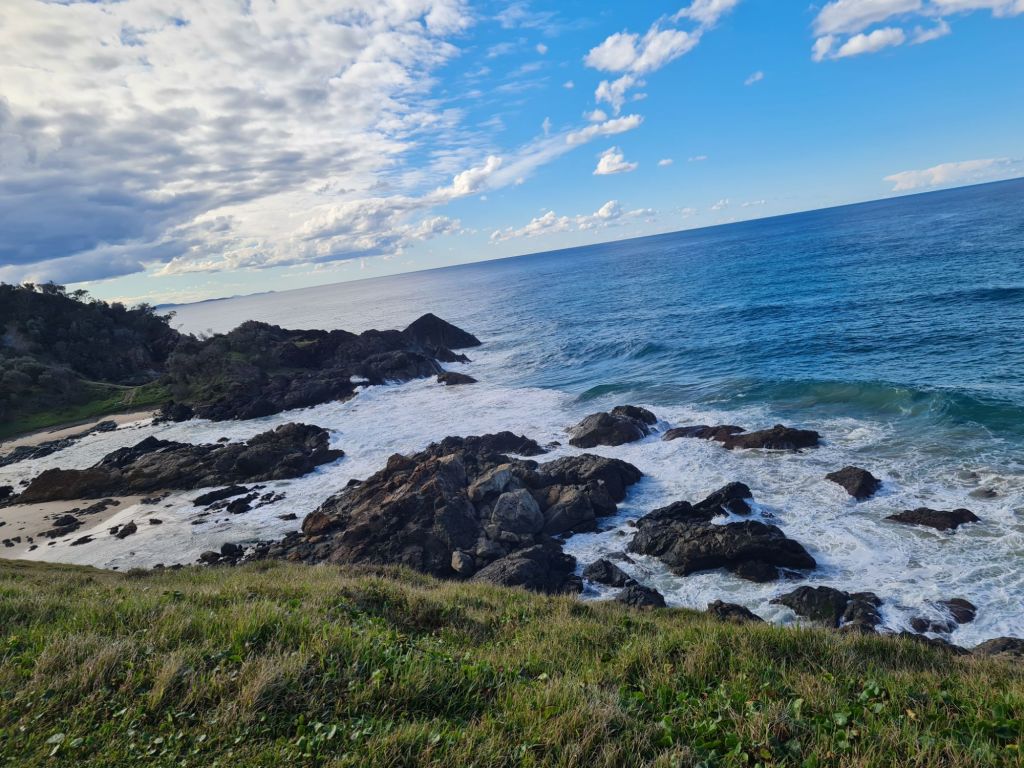
A photograph from the inspirational bin – 51

What story does it inspire?

This is taken from a rather bleak part of the coast near Coffs Harbour in New South Wales, Australia.

There was something about the sea on a particularly bleak day and not the sort of weather anyone would want to be out doing the touristy things.

We, on the other hand, are ready to visit anywhere anytime in any condition.

We never quite got as far as the end of the cliffs, but the notion that there were caves, and once upon a time, pirates or smugglers makes for a good story.

Certainly, with our convict settlement beginnings, it’s not hard to imagine the convicts stealing a boat, and sailing south from Sydney, the only settlement at the time, and landing in a place like this.

“Trouble in Store” – Short stories my way: Adding a catalyst

Just when there’s enough complication in the story, we could leave it there with the current three protagonists and see what happens.

But I like mayhem.

So rather than another customer, it’s time to add a complication; an off-duty policeman, or more to the point, policewoman.  A beat cop, if they still exist.

Her back story in a sentence or so:

It had been another long day at the office for Officer Margaret O’Donnell, or, out in the streets, coping with people who either didn’t know or didn’t care about the law.

People who couldn’t cross the road where there were crossings and lights to protect them, silly girls shoplifting on a dare, and boys who thought they were men and could walk on water.

The one they scraped off the road would never get to grow up, and his mother, well, she was not doing another call on a family to give them the bad news.

That was her day.  So far.

What is she doing near the shop?  She lives around the corner.  Perhaps she knows the reputation of the shopkeeper or perhaps not.  It’s not relevant, then, as it is a place she avoids.

Now, she may not have the option.  She sees the shop is still open, past the usual closing time.

Let’s continue:

She came around the corner into the street where she lived and saw the lights were on in the corner store.

She looked at her watch and saw it was ten minutes to midnight.  Long past closing time.  She looked through the window but from the other side of the road and could only see three heads and little else.

Damn, she thought, I’m going to have to check it out.  There were rumours, and she hoped they were not true.

Meanwhile, back in the shop how are the others faring?

The shopkeeper is in an invidious position, he can’t supply the kids with the drugs and get them out, not in front of the customer.

The fact the girl has a gun makes the situation almost impossible.  What would happen if he suggests the customer leave?  Without him, the situation would be simpler.

Alphonse had only a few moments to sum up the situation, and the sum of those deliberations was the remove the only problem, the customer.

He could still salvage this:

The shopkeeper changed his expression to one more placatory, and said quietly to the girl, ‘Look, this is not this chap’s problem.’  He nodded in the direction of the customer.  ‘I’m sure he’d rather not be here, and you would be glad of one less distraction.’

He could see she was wavering, she was not holding the gun so steadily, and the longer this dragged on, the more nervous and unpredictable she would become.

And in the longer game, the customer would sing his praises no matter what happened after he left.

The girl looked at Jack.  The shopkeeper was right.  If he wasn’t here this could be over.  But there was another problem.  It didn’t look like Simmo was in any shape to get away.  In fact, this was looking more like a suicide mission.

She waved the gun in his direction.  ‘Get out now, before I change my mind.’

As the gun turned to the shopkeeper, Jack wasn’t going to wait to be asked twice and started sidling towards the door.

What happens next?

And the story for this section, with a few minor changes:

It had been another long day at the office for Officer Margaret O’Donnell, or, out in the streets, coping with people who either didn’t know or didn’t care about the law.

People who couldn’t cross the road where there were crossings and lights to protect them, silly girls shoplifting on a dare, and boys who thought they were men and could walk on water.

The one they scraped of the road would never get to grow up, and his mother, well, she was not doing another call on a family to give them the bad news.

That was her day.  So far.  For now, she was glad to be getting home, putting her feet up, and forgetting about everything until the next morning when it would start all over again.

Coming around that last corner, the home stretch she called it, she was directly opposite the corner shop, usually closed at this hour of the night.  It was not.  The lights were still on.

She looked at her watch and saw it was ten minutes to midnight, and long past closing time.  She looked through the window but from the other side of the road and could only see three heads and little else.

Damn, she thought, I’m going to have to check it out.  There were rumours, and she hoped they were not true.

The shopkeeper changed his expression to one more placatory, and said quietly to the girl, ‘Look, this is not this chap’s problem.’  He nodded in the direction of the customer.  ‘I’m sure he’d rather not be here, and you would be glad of one less distraction.’

He could see she was wavering, she was not holding the gun so steadily, and the longer this dragged on, the more nervous and unpredictable she would become.

And in the longer game, the customer would sing his praises no matter what happened after he left.

The girl looked at Jack.  The shopkeeper was right.  If he wasn’t here this could be over.  But there was another problem.  It didn’t look like Simmo was in any shape to get away.  In fact, this was looking more like a suicide mission.

She waved the gun in his direction.  ‘Get out now, before I change my mind.’

As the gun turned to the shopkeeper, Jack wasn’t going to wait to be asked twice and started sidling towards the door.

Next:  Actions have consequences

© Charles Heath 2016-2023

365 Days of writing, 2026 – 65

Day 65 – Don’t wait for inspiration

Don’t Wait for Inspiration – Go Find It (And Write Even When It Doesn’t Show Up)

“Inspiration exists, but it has to find you working.” – Pablo Picasso

If you’re a writer, a designer, a marketer, or anyone whose craft lives on ideas, you’ve probably felt the sting of a blank page. The old myth that “inspiration will magically appear” lures us into procrastination, self‑doubt, and endless scrolling. The truth is far more practical—and far more empowering: inspiration is a habit, not a miracle.

In this post, we’ll unpack why waiting for inspiration is a dead‑end strategy, explore concrete ways to hunt down that creative spark, and learn how to write anyway when the muse is stubbornly silent.


1. The Myth of “Waiting for Inspiration”

What the myth saysWhat reality looks like
“I’ll start when I feel inspired.”Inspiration is a by‑product of work, not the other way around.
“I’m waiting for the perfect idea.”Ideas are often crude drafts that become polished through iteration.
“If I’m not excited, I’m not ready.”Excitement follows progress, not precedes it.

Why the myth is dangerous

  1. Paralysis by perfection: The moment you decide to wait, you hand the reins over to an invisible force you can’t control.
  2. Self‑fulfilling prophecy: No work → no inspiration → more “waiting.”
  3. Lost opportunities: The world moves on while you sit on the sidelines, watching deadlines and ideas slip away.

The reality check: The most prolific creators—from novelists to tech innovators—agree on a single habit: they show up first. The act of sitting down, opening a document, or sketching a line is the catalyst that lights the fire.


2. Turning Inspiration Into a Search Mission

If you’re comfortable with the idea that you have to go looking, the next step is to turn that intention into an actionable plan. Below are five proven “inspiration‑hunt” tactics, each with a quick starter exercise you can try today.

A. Change Your Physical Environment

Why it works: Your brain is wired to associate surroundings with mental states. A new view can break the monotony that fuels creative blocks.

Starter exercise:

  • The 10‑Minute Walk: Step outside for ten minutes—no phone, no playlist, just you and the street. Notice three details you’ve never observed before (e.g., the pattern on a fence, the cadence of a neighbour’s footsteps). Jot them down on a sticky note.

B. Consume Outside Your Niche

Why it works: Cross‑pollination of ideas sparks novel connections. A poet reading a physics article may discover a metaphor that reshapes a stanza.

Starter exercise:

  • Random Article Roulette: Open Wikipedia, click “Random article,” and read for five minutes. Highlight any phrase or concept that resonates, then brainstorm how it could relate to your current project.

C. Use Prompt Generators

Why it works: Prompts force your brain to think in a direction you wouldn’t have chosen on your own, breaking the “blank page” inertia.

Starter exercise:

  • Visit a prompt site (e.g., r/WritingPrompts, The Story Shack) and copy the first prompt you see. Write a 300‑word piece—don’t edit, just let the words flow.

D. Engage in “Creative Cross‑Training”

Why it works: Physical activity releases dopamine and boosts divergent thinking, while creative activities like doodling or mind‑mapping prime the brain for ideation.

Starter exercise:

  • 15‑Minute Stretch + Sketch: Do a quick stretch routine (or a short yoga flow). While your muscles relax, sketch anything that comes to mind—no rules, just shapes.

E. Set a “Bad‑Idea” Deadline

Why it works: Removing the pressure of perfection opens the floodgates. Bad ideas are just raw material; they can be refined or discarded later.

Starter exercise:

  • Set a timer for 8 minutes. Write the worst possible opening line for your piece. After the timer, read it aloud. How many elements can you salvage? Often the most surprising gems hide in the trash.

3. When Inspiration Still Plays Hard‑to‑Get: Write Anyway

You’ve tried the tactics, taken a walk, read a random article, and still hear crickets. This is the perfect moment to embrace the “write anyway” mindset. Below are strategies to turn a dry spell into productive output.

1. Free‑Writing (aka “Morning Pages”)

  • How it works: Set a timer for 10–20 minutes. Write whatever comes to mind—no editing, no judgment. Even if the only thing you write is “I don’t know what to write,” keep typing. The act of movement on the page often unblocks deeper thoughts.
  • Why it helps: It removes the mental barrier of “I have to be good.” By the end of the session, your brain is warmed up and ready for more focused work.

2. The “One‑Sentence” Rule

  • How it works: Tell yourself you only need to write a single sentence. It could be a description, a dialogue line, or a statement of intent. Once that sentence is down, you’re more likely to continue.
  • Why it helps: Small wins create momentum. The brain often resists a large task but is fine with a tiny one.

3. Reverse Outlining

  • How it works: Take an existing piece of your own writing (even a paragraph from a past blog) and outline its structure. Then, using that outline, write a brand‑new piece on a different topic.
  • Why it helps: You’re reusing a proven skeleton, which reduces the cognitive load of figuring out how to start.

4. Turn Constraints into Catalysts

  • How it works: Impose an artificial limitation: write a story without the letter “e,” or draft a blog post in exactly 150 words.
  • Why it helps: Constraints force you to think laterally, often sparking surprising ideas that would never surface in a free‑form environment.

5. Talk It Out—Verbally, Not Textually

  • How it works: Record yourself talking about your topic for five minutes, as if you were explaining it to a friend. Then transcribe the audio (or just listen back) and pull out usable sentences.
  • Why it helps: Speaking loosens the inner critic; you’re less likely to self‑edit in real time. The resulting transcript can become raw material for polished prose.

4. The Science Behind “Doing the Work”

Psychological PrincipleHow it Relates to Writing
The Zeigarnik Effect – unfinished tasks stay on our mindStarting a sentence, even a terrible one, creates a mental “open loop” that pushes us to finish it.
Flow State – deep focus occurs when challenge meets skillBy setting low‑stakes prompts (e.g., 5‑minute free‑write), you hit the sweet spot of challenge, making flow easier to achieve.
Neuroplasticity – the brain builds new pathways through repeated activityConsistently showing up to write rewires your brain to treat writing as a habit, not a rare event.

Understanding that the brain rewards action, not anticipation, flips the script: you’re not waiting for inspiration; you’re creating it through deliberate practice.


5. A Real‑World Example: From “Stuck” to Published

Case Study: Maya, freelance copywriter
Maya hit a wall on a landing‑page project for a wellness startup. She’d stared at the brief for three days, hoping a “big idea” would suddenly appear. Instead, she tried the steps above:

  1. Walked around her neighborhood, noting the colors of sunrise.
  2. Read a short article on the science of habit formation.
  3. Set a 5‑minute timer and wrote the worst possible headline (“Feel Amazing Today—Or Don’t”).
  4. She then turned that bad headline into a list of 10 alternatives, choosing the one that resonated most.
  5. Finally, she drafted the page in 30‑minute bursts, ignoring perfection.
    Result? The client loved the final copy, and Maya delivered the project ahead of schedule. She credits the “write anyway” phase for breaking the mental block that was costing her both time and confidence.

Maya’s story illustrates a simple truth: the more you move, the more ideas surface. You don’t need a mystical muse; you need momentum.


6. Quick‑Start Checklist: “Inspiration on Demand”

✔️ActionTime Needed
1Take a 10‑minute walk and note three new observations.10 min
2Read a random article from a field outside yours.5 min
3Write a 300‑word piece using a prompt.15 min
4Do a 5‑minute free‑write (any topic).5 min
5Choose the worst sentence you can think of; improve it.3 min
6Review and select one idea to develop further.5 min

Total: ~43 minutes.
If you can’t spare that much, pick any two items and repeat daily. Consistency beats intensity.


7. Take the First Step Right Now

Your challenge: Pick one of the tactics above, set a timer for 8 minutes, and start writing. Don’t worry about the outcome. When the timer dings, read what you’ve produced. Notice the shift in your mental state—often you’ll feel a spark that wasn’t there before you began.


Closing Thoughts

Waiting for inspiration is like waiting for a bus that may never arrive. By going looking—whether that means walking, reading, prompting, or simply forcing yourself to write—you become the driver of your own creative journey. And when the bus does finally pull up, you’ll be ready with a ticket, a seat, and the confidence to hop aboard.

Remember:

  • Show up first. The act of writing is the catalyst.
  • Seek stimuli actively. Your environment, consumption habits, and prompts are tools, not distractions.
  • Write anyway. Bad ideas, half‑baked sentences, and free‑writes are the raw ore from which gold is refined.

So, next time you stare at a blank screen and hear the internal mantra, “I’ll wait for inspiration,” flip it: “I’m going to find it—and I’ll write, no matter what.”

Your next masterpiece is waiting on the other side of that first typed word.

Happy hunting, and happy writing! 🚀

Searching for locations – Port Macquarie – Day 4 – Part 1

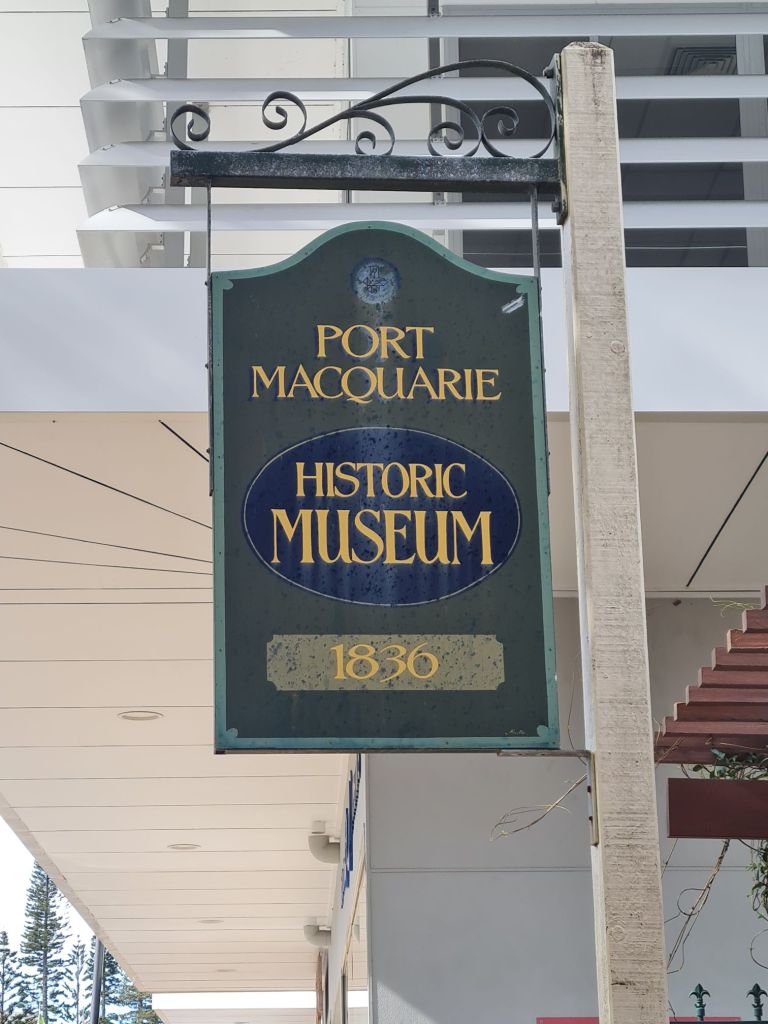
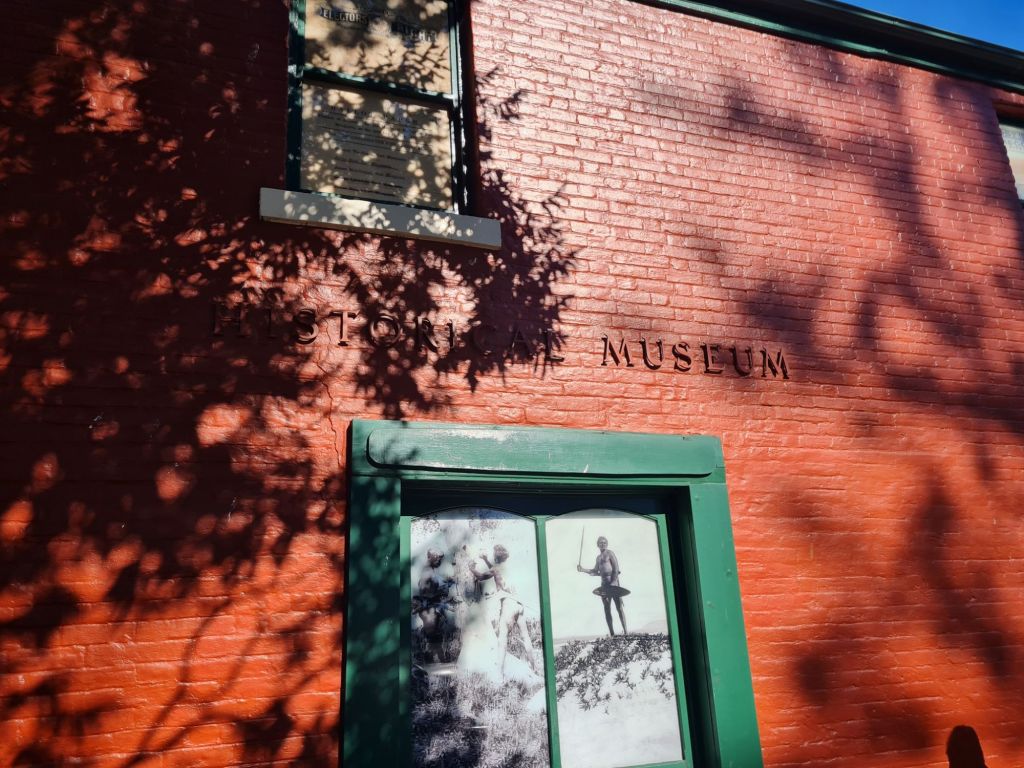
The Port Macquarie Museum

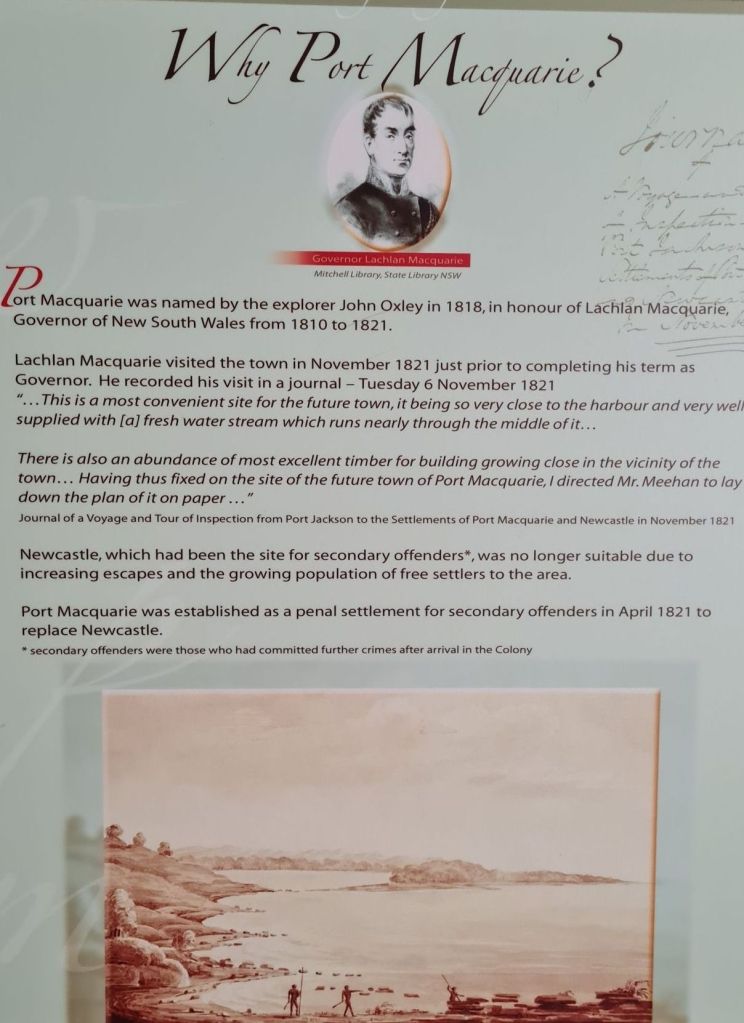
The first section of this museum relates the history, from the beginning, and through the 1800s, firstly as a convict settlement, and then for free settlers, to farm and wood logging.

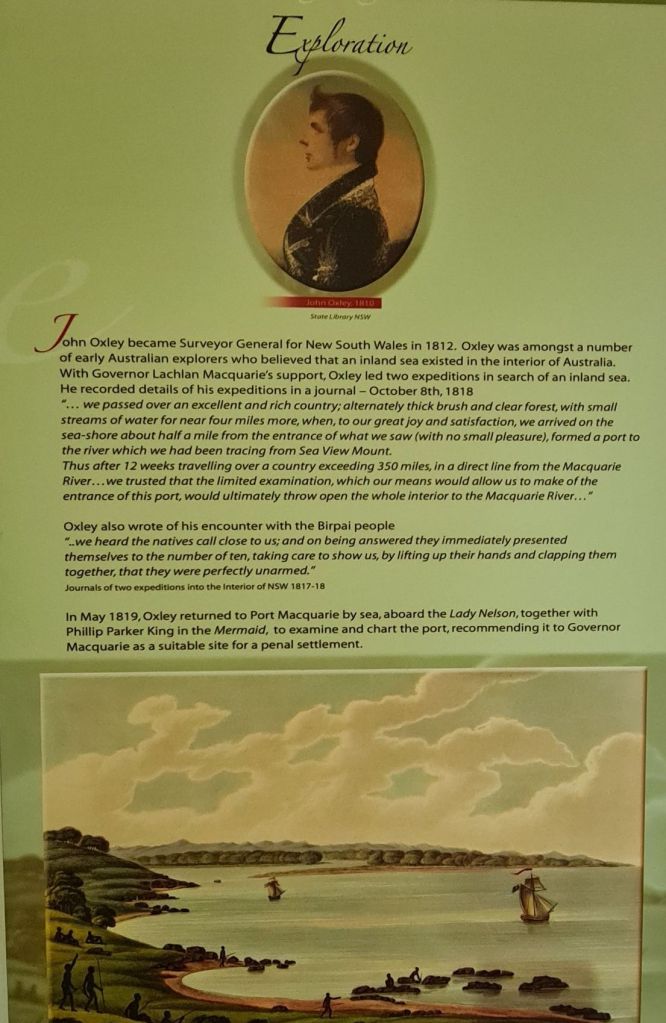
The Hastings River was named after the Governor General of India in 1818, but it was not explored until 1819 by John Oxley who recommended the site suitable for farming and logging.

In 1821, Governor Macquarie sent Captain John Allman, 40 soldiers, and 60 convicts on three ships, the Lady Nelson, the Mermaid, and the Prince Regent to establish a penal settlement.

Normally a three-day voyage the weather kept the ships 14 days at Port Stephens and more than a week at Trial Bay. It was not until almost 28 days after leaving Sydney they arrived and then wrecked the ships trying to cross the shallow sandbar across the Hastings River entrance.

Searching for locations – Port Macquarie – Day 3 – Part 2

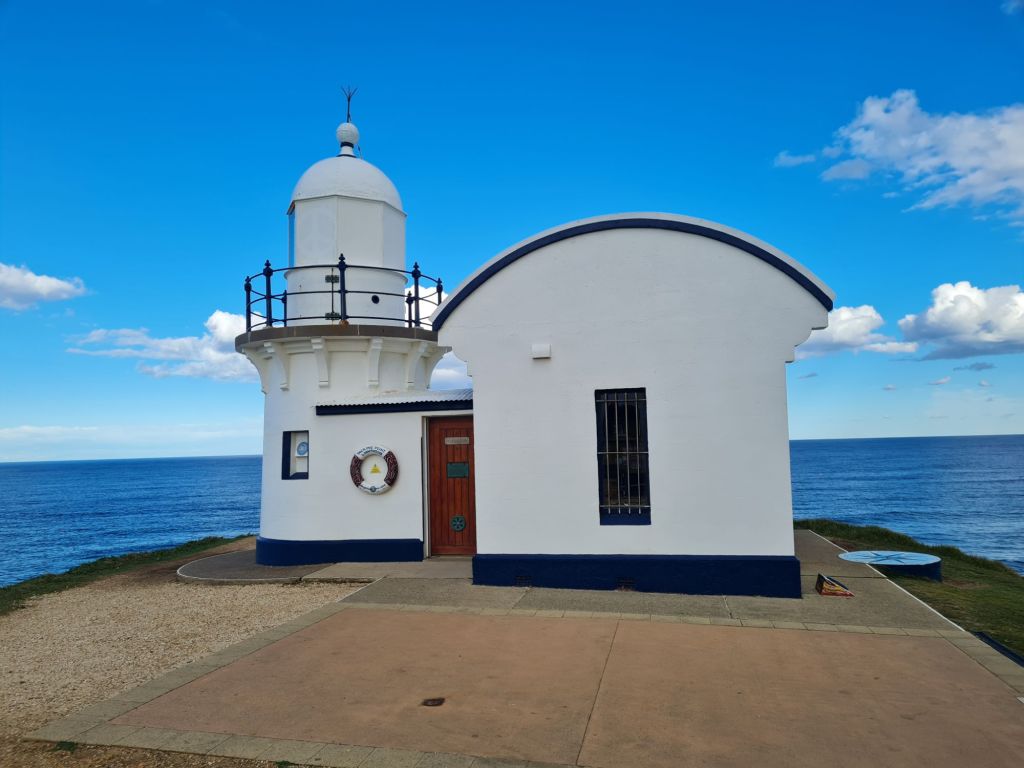
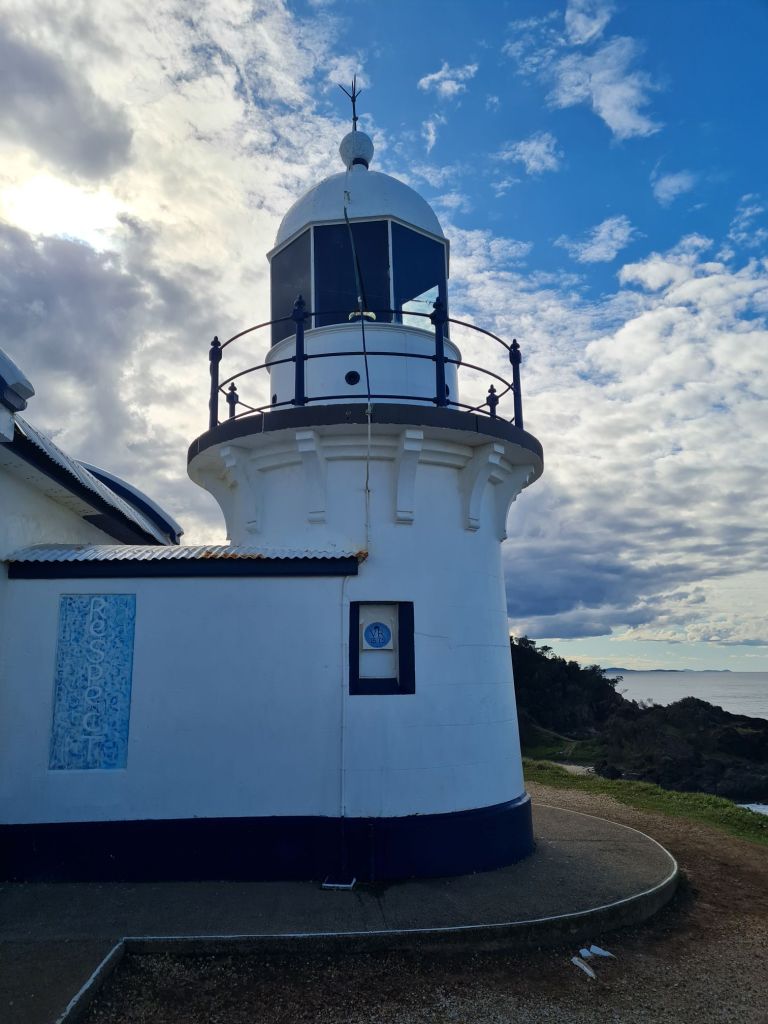
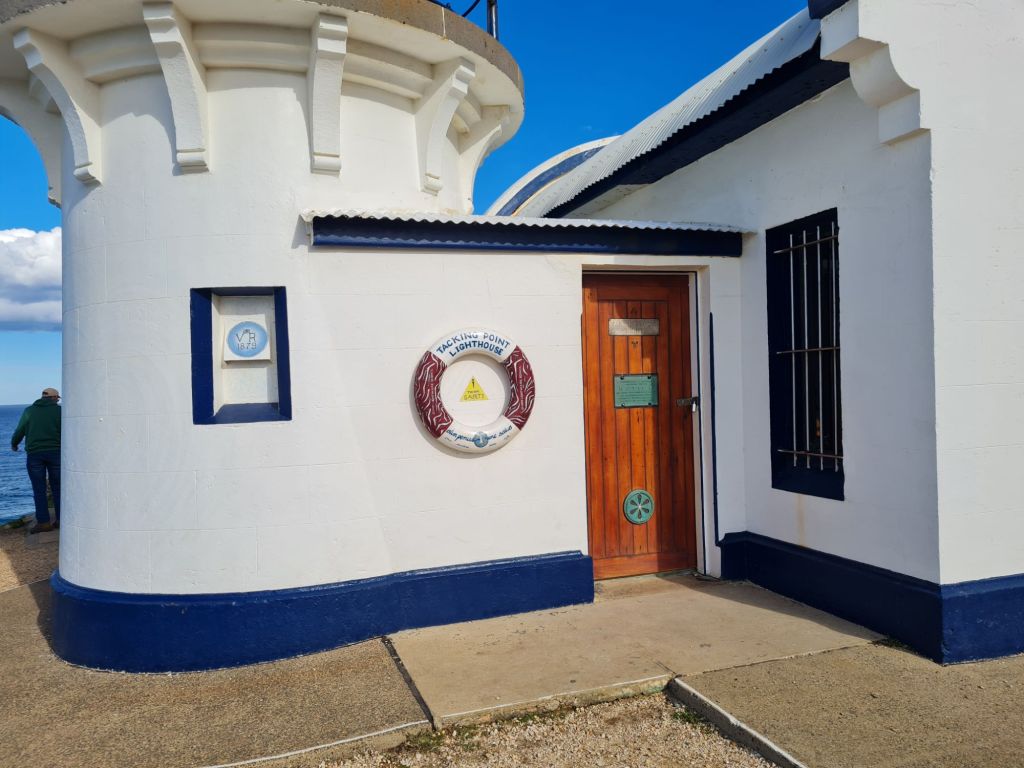
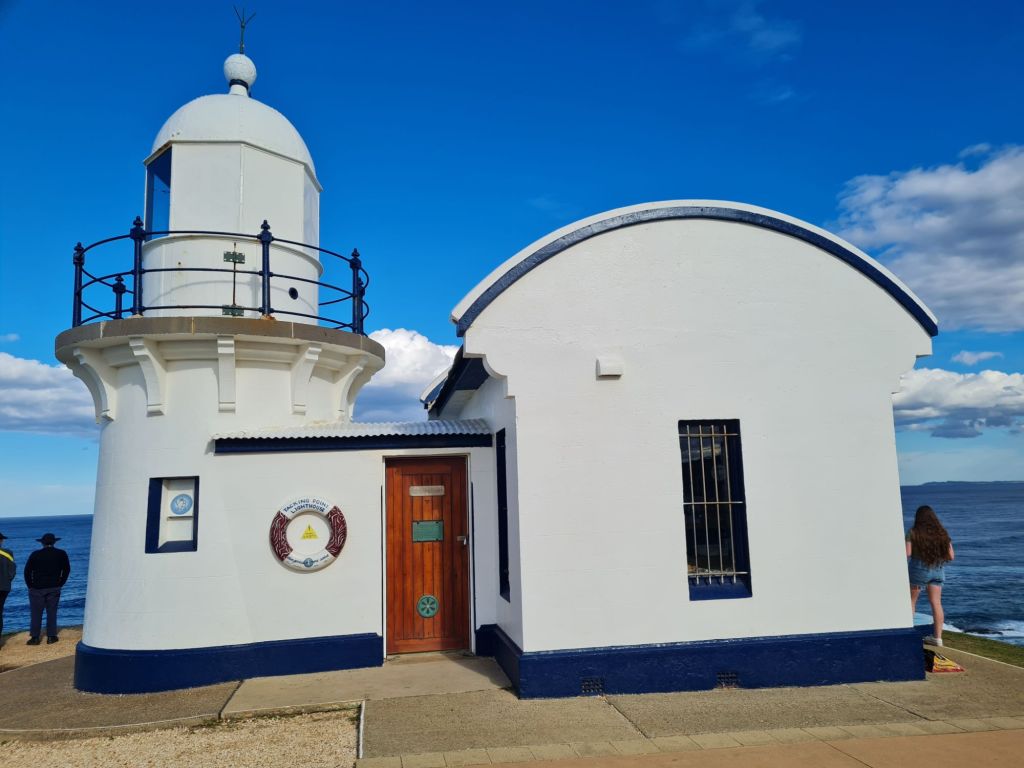
Tacking Point Lighthouse

Taking Point was named by Mathew Flinders in July 1892

It’s not the most impressive lighthouse I’ve ever seen, but it doesn’t have to be if it does the job.

This lighthouse is Australia’s thirteenth oldest lighthouse, designed by James Barnet and built in 1879 about 8km south of Port Macquarie.

After a number of shipwrecks in the area, the first of which was in 1823, it took to 1879 to build the lighthouse.

It was manned until 1920, and it’s possible to still see the foundations of the lightkeepers cottage.

The surrounding area is quite rugged, and it’s possible at times to see migrating whales offshore.

What I learned about writing – Do you write what you feel, or do you write what you must?

I don’t think I have ever written a story because I had to, well, not until now, in the process of writing a book in 365 days, from my literary calendar.

But..

The stories I write for this are not to any sort of format. Yet, I guess because I have to write something specifically asked for, then in that case, I write what I must.

But for everything else, I write what I feel like, and quite often those stories follow a set of feelings that are created or prompted by what I see around me, what I see on TV, what
I hear on the radio, and what I read.

It’s nothing to glance at the headlines and sift out one or two, or a set and weave them into an idea that might be the basis of a story. I like the idea of unconnected and random events, and from these, I weave them into a story.

For example:

There was a TV show on, one of a series, and it was in part about a spy network being wound up because they were about to be blown. I write about spies, especially those who have tried to escape from their former lives, and this was too good an opportunity to pass up.

Then there was another, of which I only saw a preview, but it had an interesting premise: what if you didn’t really know the person you had been living with for the past twenty-five years? Yes, you guessed it, a spy.