Oreti village, Pukawa Bay, North Island, New Zealand
On the southern tip of Lake Taupo
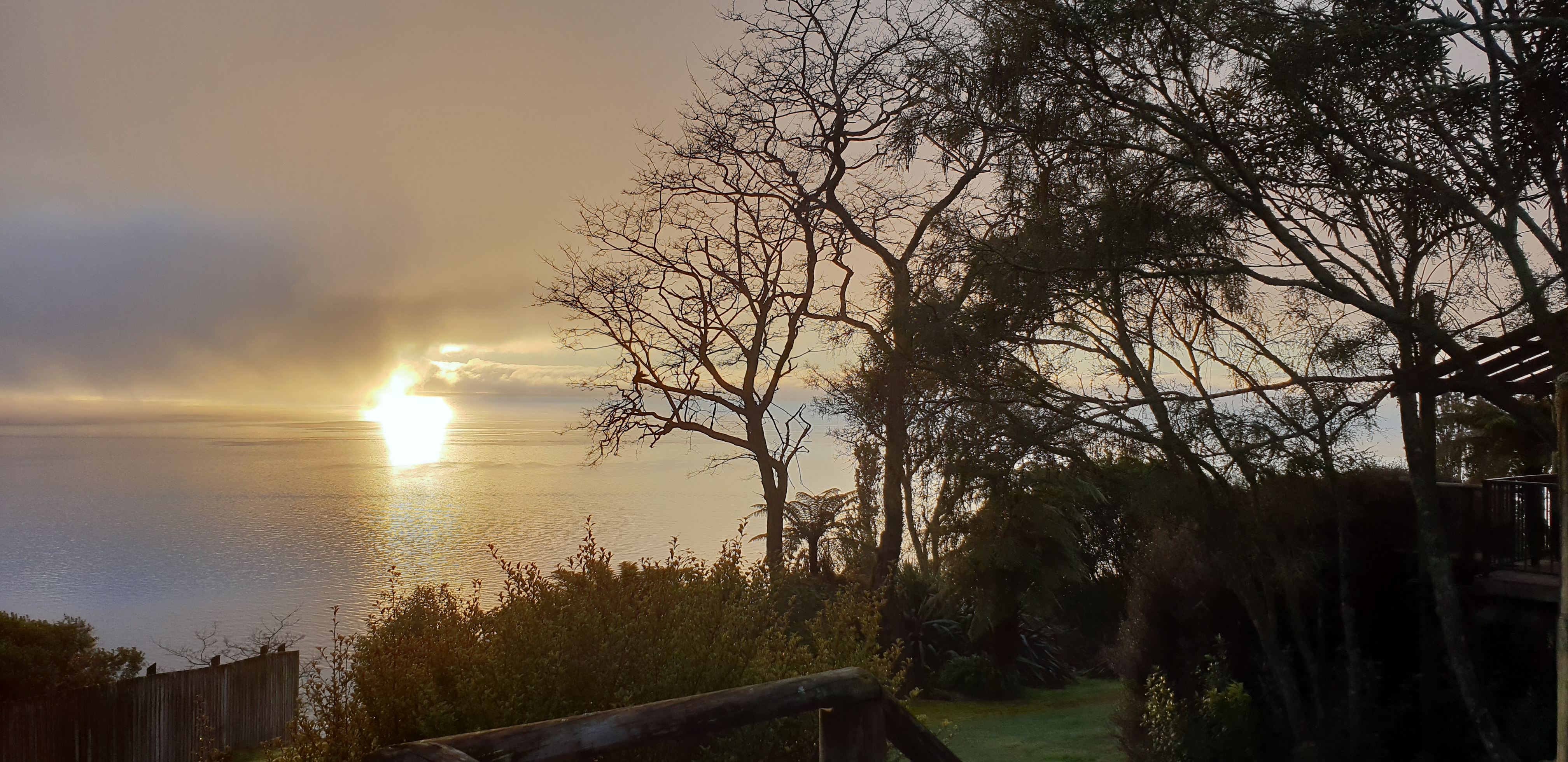
Our first morning there, a Saturday. Winter. Cold. And a beautiful sunrise.
This was taken from the balcony, overlooking the lake.
The sun is just creeping up over the horizon
It gradually gets lighter, and then the sun breaks free of the low cloud
It lights up the balcony
And the trees just beyond, a cascade of colorful ferns.
It looks like its going to be a fine day, our first for this trip, and we will be heading to the mountains to see snow, for the first time for two of our granddaughters.
Queenstown is as much about skiing in Winter as it is hiking in Summer or any other time. It is, in fact, the ideal place for a holiday any time of the year.
We have stayed there simply to relax, though with all that scenery, and stuff to do, it’s nearly impossible to stay indoors all the time.
Usually, we stay in a place called Queenstown Mews, not far from the lake, and it gives us the perfect opportunity to walk down to the lake and follow the shoreline around to the town, and have coffee and cake as a fitting reward for the exercise.
Along the way, there is the view of the Remarkables:
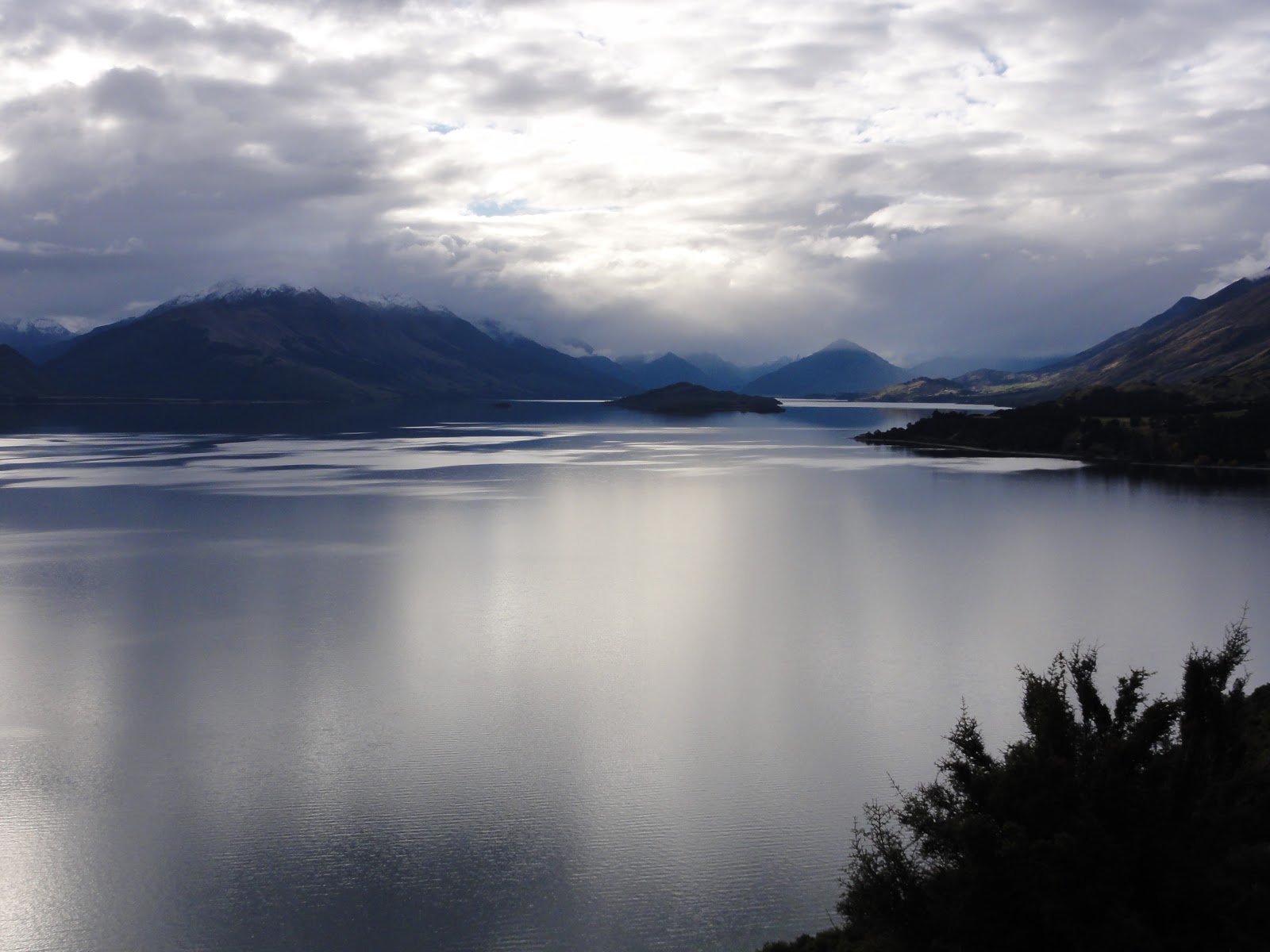
And, further around, behind the park and gardens, a spectacular view across the lake towards Walter Peak farm:
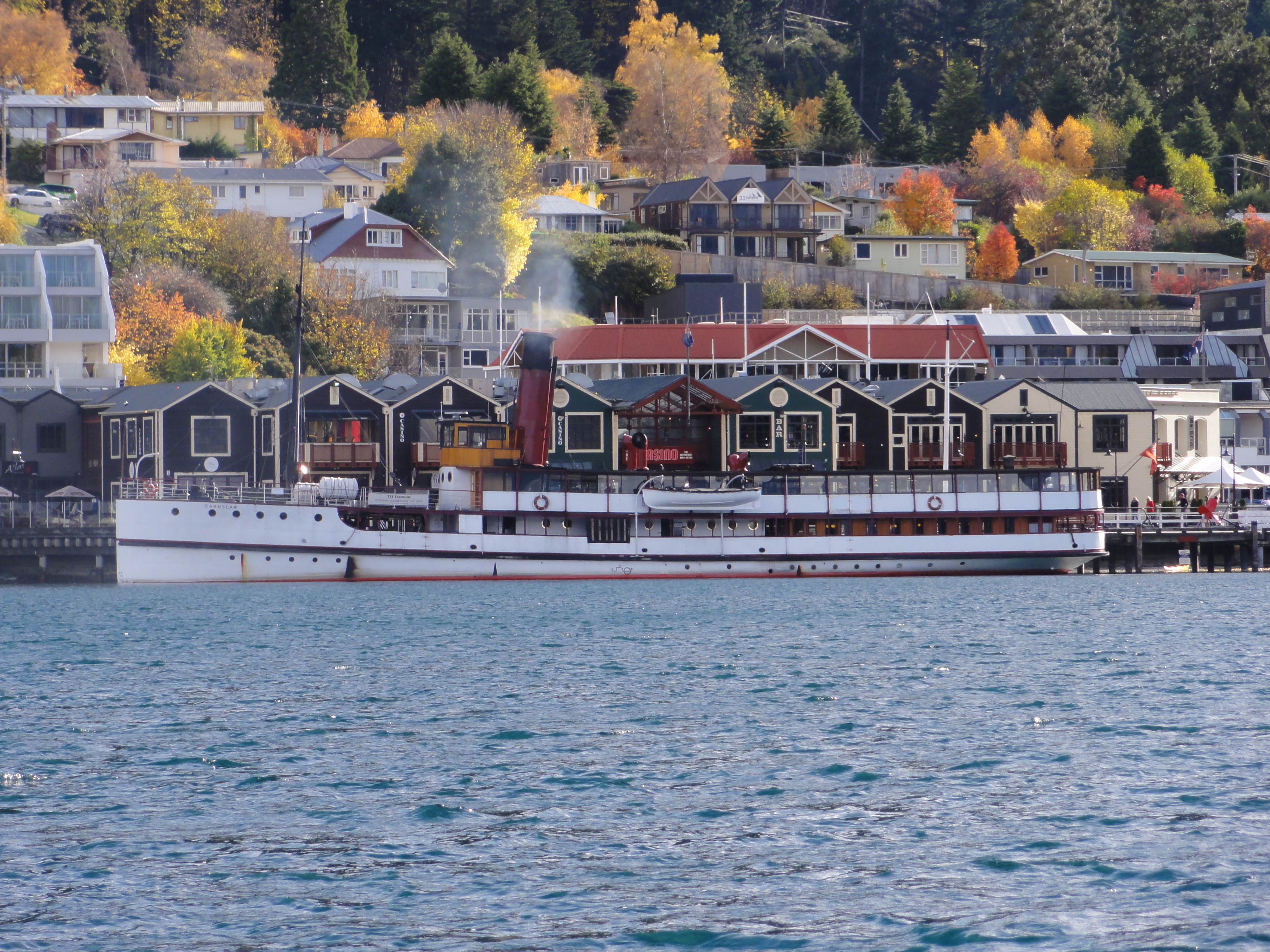
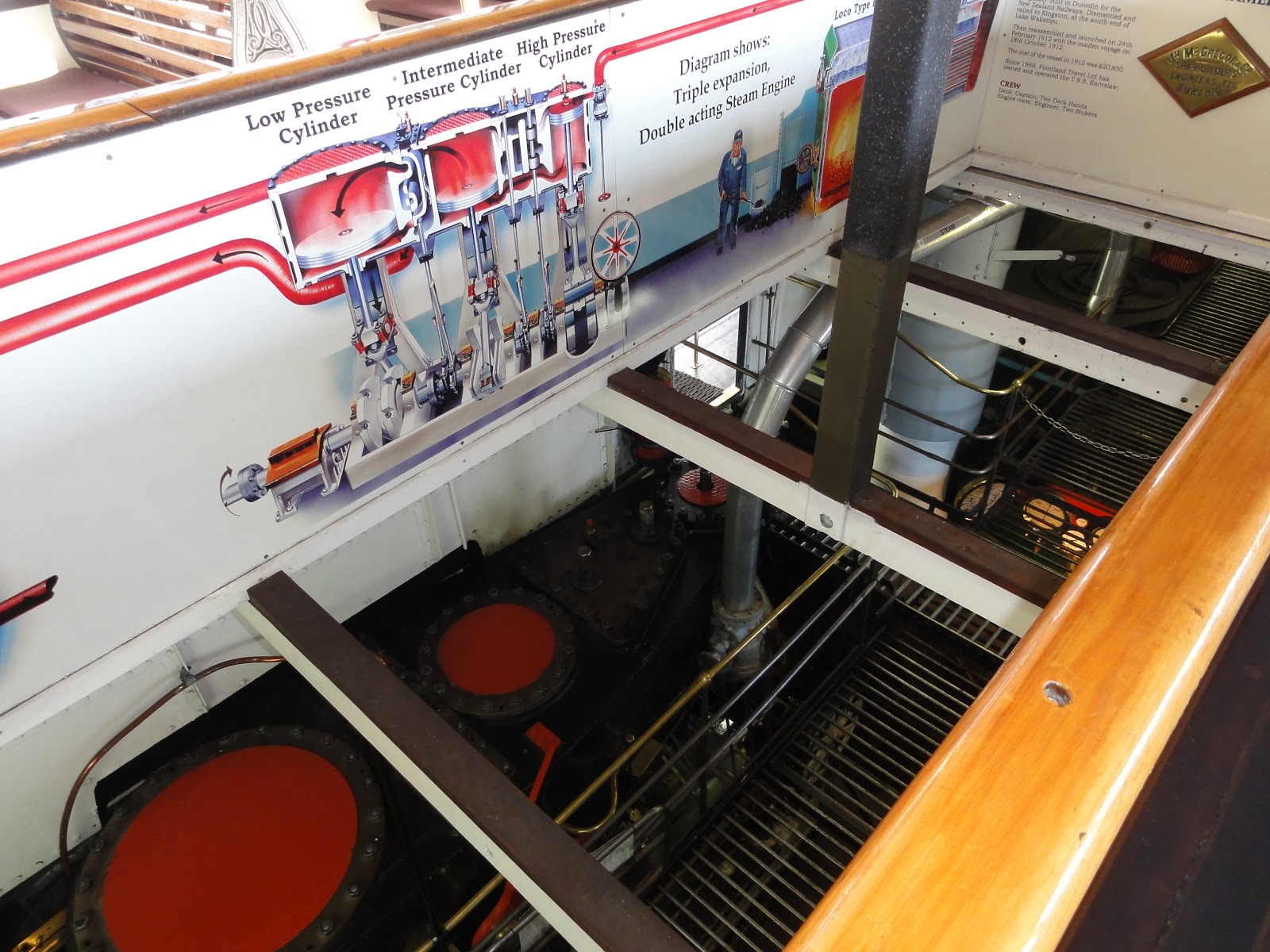
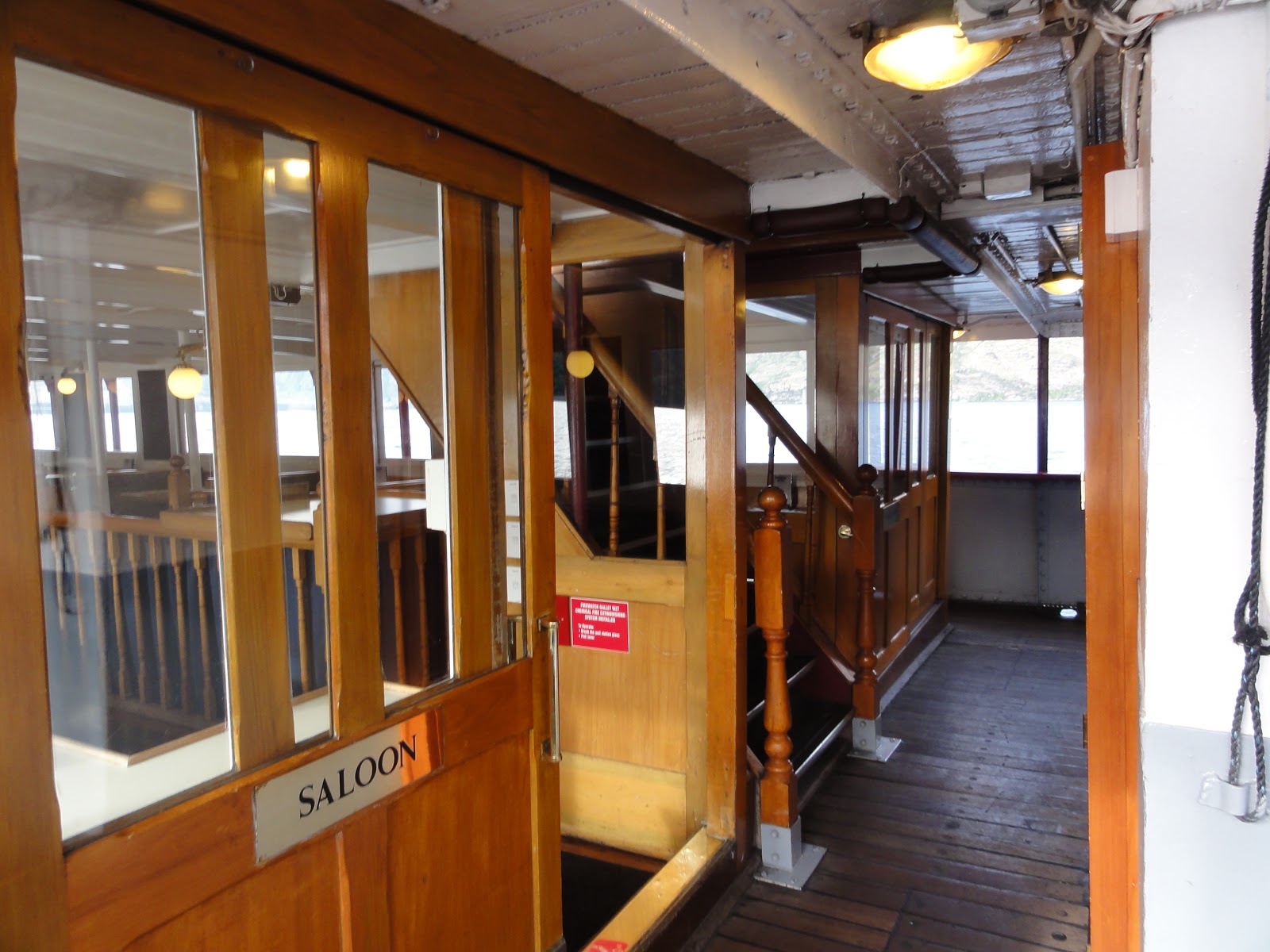
To get to the farm you can either drive a very, very long way or take the T.S.S. Earnslaw, otherwise known as the ‘Lady of the Lake’.
This vessel plies Lake Wakatipu from Queenstown to mostly Walter Peak Farm but has been known, on occasions, to go to Kingston or Glenorchy.
Here it’s sitting at the pier at Queenstown, ready to depart for Walter Peak Farm.
And this is it returning to Walter Peak Farm to take the visitors back to Queenstown.
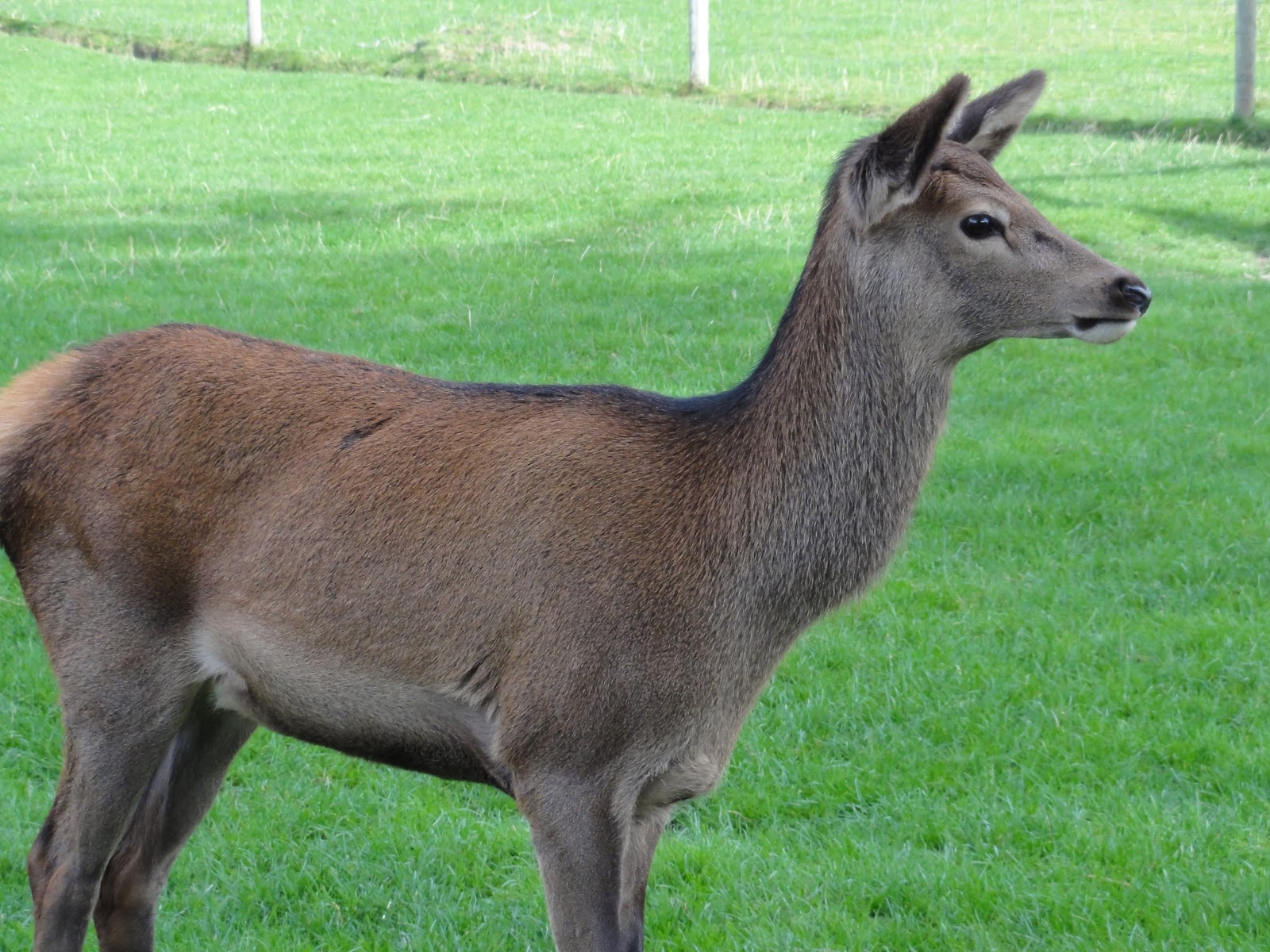
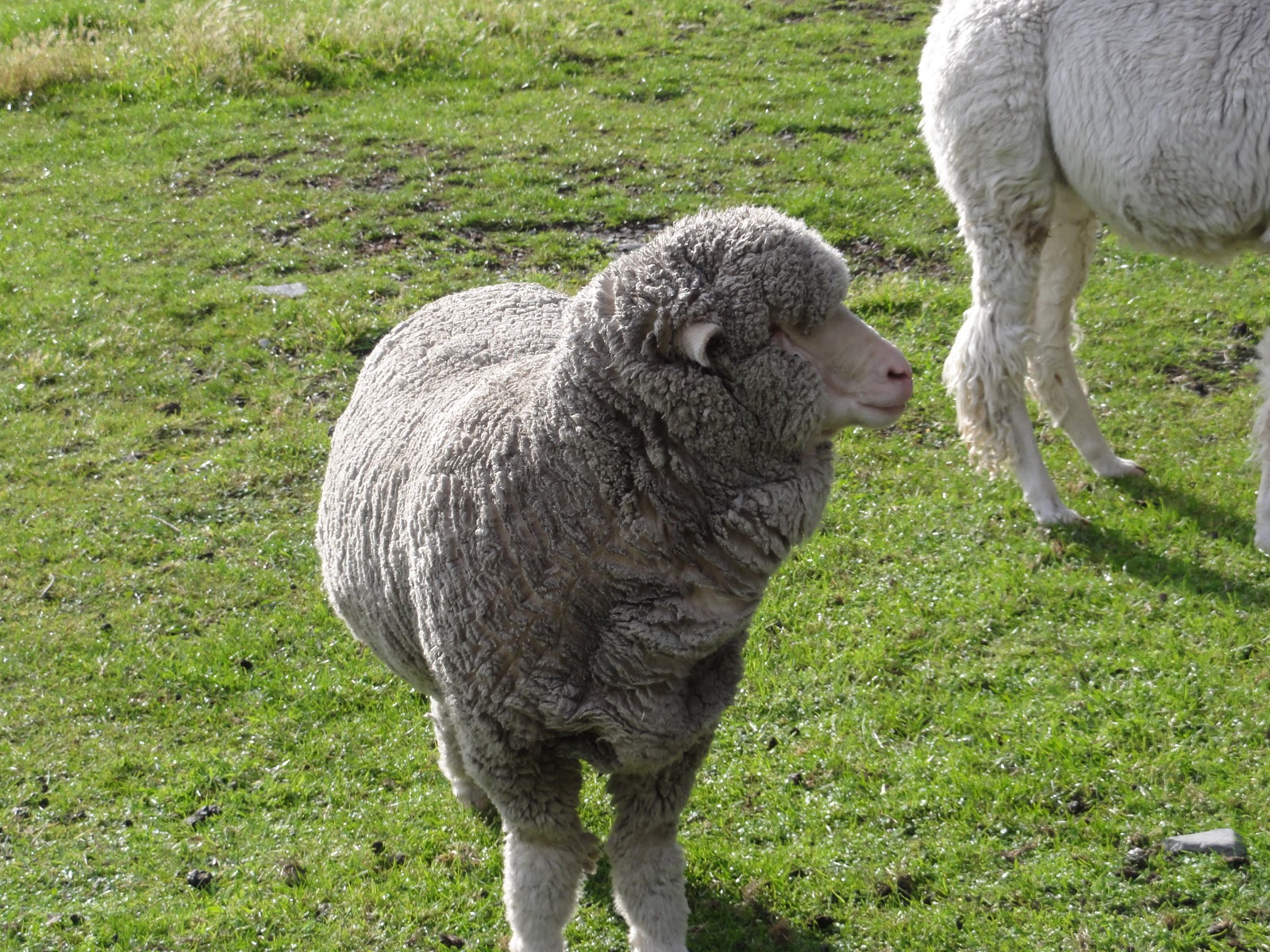
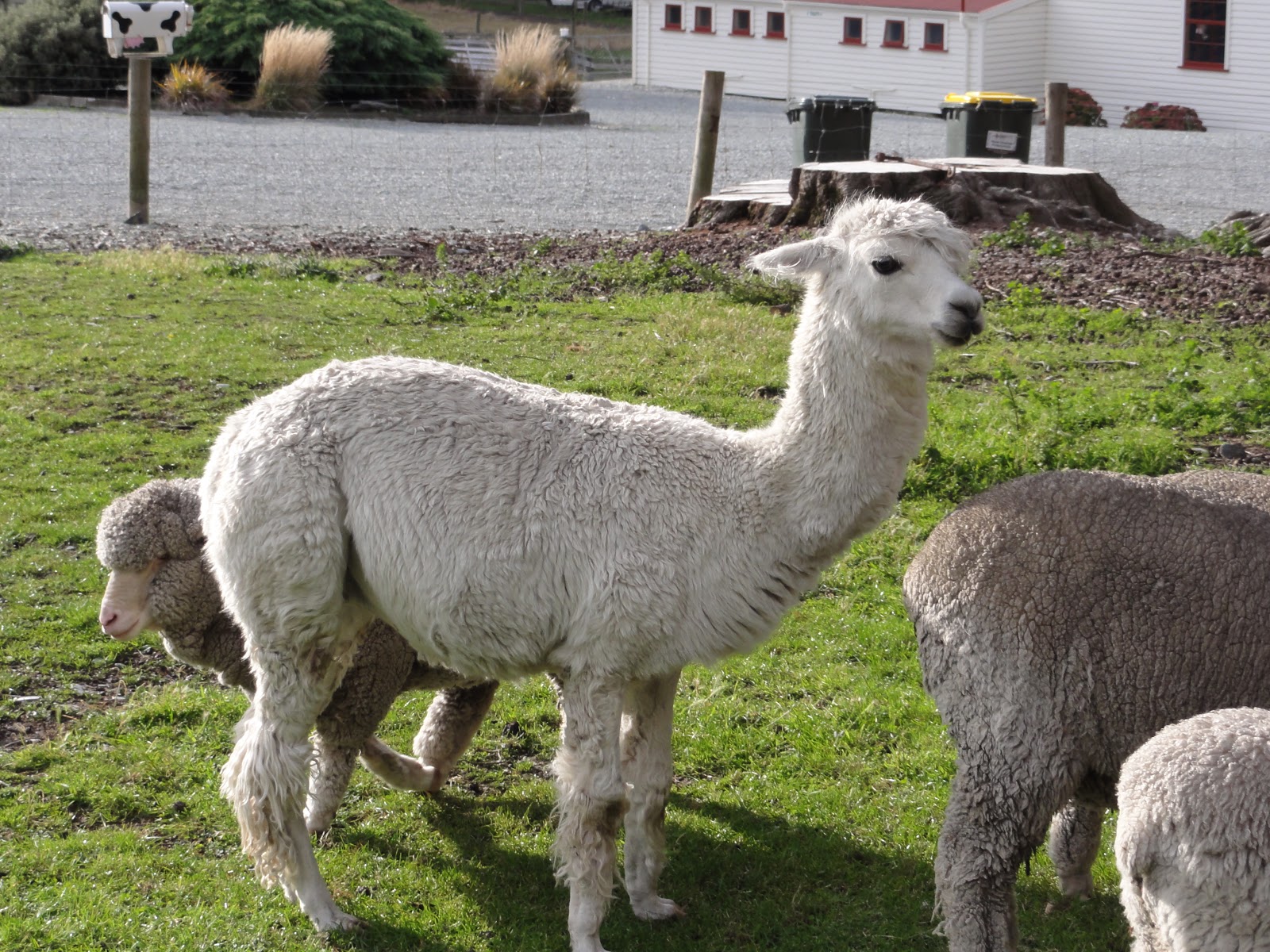
We have been to Walter Peak Farm for Afternoon Tea and Dinner, and both occasions were an amazing experience. You can also get up close and to the animals
There are other experiences to be had in Glenorchy. and the views whilst driving there are every bit as spectacular, especially as late afternoon settles in:
And in visiting the Lord Of the Rings filming locations.
Then there is Kingston, where the road follows the lake and you are literally between the mountains and the lake:
Kingston used to have a train running, which then became a tourist attraction, but for the moment does not seem to be running currently.
But for me, the real experiences is travelling on the vessel.
I’m sure a lot of people have considered the prospect of whale watching. I’m not sure how the subject came up on one of our visits to New Zealand, but I suspect it was one one of those tourist activity leaflets you find in the foyer of motels, hotels, and guesthouses.
Needless to say, it was only a short detour to go to Kaikoura and check out the prospect.
Yes, the ocean at the time seemed manageable. My wife has a bad time with sea sickness, but she was prepared to make the trip, after some necessary preparations. Seasickness tablets and special bands to wear on her wrist were recommended and used.
The boat was large and had two decks, and mostly enclosed. There were a lot of people on board, and we sat inside for the beginning of the voyage. The sea wasn’t rough, but there was about a meter and a half swell, easily managed by the boat while it was moving.
It took about a half hour or so to reach the spot where the boat stopped and a member of the crew used a listening device to see if there were any whales.
That led to the first wave of sickness.
We stopped for about ten minutes, and the boat moved up and down on the waves. It was enough to start the queasy stomachs of a number of passengers. Myself, it was a matter of going out on deck and taking in the sea air. Fortunately, I don’t get seasick.
Another longish journey to the next prospective site settled a number of the queasy stomachs, but when we stopped again, the swell had increased, along with the boat’s motion. Seasick bags were made available for the few that had succumbed.
By the time we reached the site where there was a whale, over half the passengers had been sick, and I was hoping they had enough seasick bags, and then enough bin space for them.
The whale, of course, put on a show for us, and those that could went out on deck to get their photos.
By the end of the voyage, nearly everyone on board was sick, and I was helping to hand out seasick bags.
Despite the anti sickness preparations, my wife had also succumbed. When we returned and she was asked if the device had worked, she said no.
But perhaps it had because within half an hour we were at a cafe eating lunch, fish and chips of course.
This activity has been crossed off the bucket list, and there’s no more whale watching in our traveling future. Nor, it seems, will we be going of ocean liners.
Perhaps a cruise down the Rhine might be on the cards. I don’t think that river, wide as it is in places, will ever have any sort of swell.
I’m sure a lot of people have considered the prospect of whale watching. I’m not sure how the subject came up on one of our visits to New Zealand, but I suspect it was one one of those tourist activity leaflets you find in the foyer of motels, hotels, and guesthouses.
Needless to say, it was only a short detour to go to Kaikoura and check out the prospect.
Yes, the ocean at the time seemed manageable. My wife has a bad time with sea sickness, but she was prepared to make the trip, after some necessary preparations. Seasickness tablets and special bands to wear on her wrist were recommended and used.
The boat was large and had two decks, and mostly enclosed. There were a lot of people on board, and we sat inside for the beginning of the voyage. The sea wasn’t rough, but there was about a meter and a half swell, easily managed by the boat while it was moving.
It took about a half hour or so to reach the spot where the boat stopped and a member of the crew used a listening device to see if there were any whales.
That led to the first wave of sickness.
We stopped for about ten minutes, and the boat moved up and down on the waves. It was enough to start the queasy stomachs of a number of passengers. Myself, it was a matter of going out on deck and taking in the sea air. Fortunately, I don’t get seasick.
Another longish journey to the next prospective site settled a number of the queasy stomachs, but when we stopped again, the swell had increased, along with the boat’s motion. Seasick bags were made available for the few that had succumbed.
By the time we reached the site where there was a whale, over half the passengers had been sick, and I was hoping they had enough seasick bags, and then enough bin space for them.
The whale, of course, put on a show for us, and those that could went out on deck to get their photos.
By the end of the voyage, nearly everyone on board was sick, and I was helping to hand out seasick bags.
Despite the anti sickness preparations, my wife had also succumbed. When we returned and she was asked if the device had worked, she said no.
But perhaps it had because within half an hour we were at a cafe eating lunch, fish and chips of course.
This activity has been crossed off the bucket list, and there’s no more whale watching in our traveling future. Nor, it seems, will we be going of ocean liners.
Perhaps a cruise down the Rhine might be on the cards. I don’t think that river, wide as it is in places, will ever have any sort of swell.
Hotel dining can be a very expensive experience, but if you are there as one of those bucket list fulfillments like we were, then it’s not unusual to go the whole nine yards.
Since the stay coincided with my birthday, the first day was set aside to have dinner at the Chinese restaurant upstairs and was one of those sublime experiences. Of course, it had to be Peking Duck, expensive champagne, and several cocktails.
Oddly enough, breakfast wasn’t included in the room rate, but that seems to be normal for a lot of hotels. It can be if you want to pay upfront, but we don’t always have breakfast, particularly if we have dinner the night before.
Or can be bothered getting out of bed the next morning because quite often the breakfast hours do go with staying in bed.
During this stay, we decided to have breakfast one morning, cereal, bacon and eggs, coffee, toast, you know, the usual stuff.
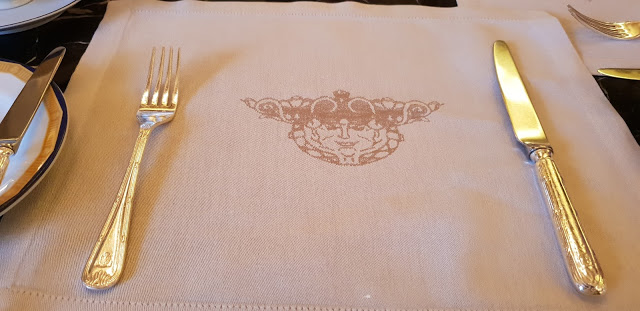
No paper placemats here and the silverware was just that, silverware. This was going to be full on old world charm.
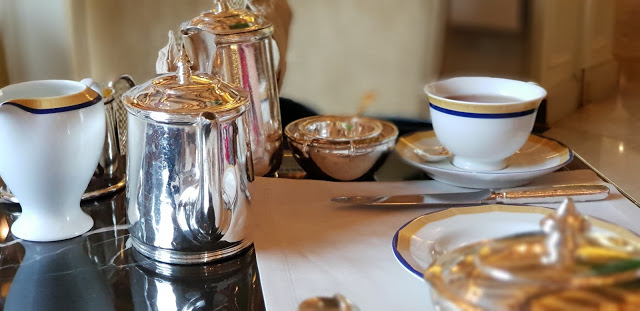
Coffee served from a silver coffee pot, fine bone china from Staffordshire, not Thailand, tea service for milk and sugar, condiments all in a row. The only disappointment, I don’t think the eggs were free-range.
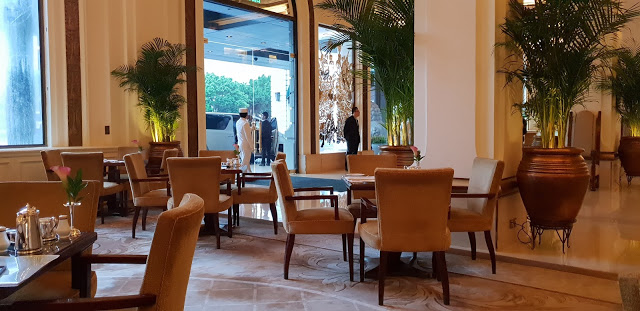
And, when the conversation dries up, there’s always a steady stream of people coming and going through the front door, and the doorman is always at the ready to open the door.
WE went once for lunch, and yes, we had to go to the famous Afternoon Tea, for which you had to book or stand in a very long line. We booked and discovered preference was given to those who were staying at the hotel.
Out came the silver tea service, and one could imagine that this was the same as what it had been a hundred years ago. I had tea, after all, it was afternoon tea!
The cakes were interesting, there were quarter sandwiches rather than finger sandwiches, and though I’m not a fan of fruit scones, I’m always up for something different. After it, it’s probably not a good idea to go out for dinner too.
We had afternoon tea in the lounge several times, and it is very pleasant in winter with the log fires burning.
The interior is still as ornate as it had been in the 1930s. The chairs are very comfortable, and the atmosphere pleasant.
Mount Ngauruhoe can be seen through the window of the lounge. This was used a backdrop in the filming of Lord of the Rings.
But…
This place is the ideal setting for a murder, and I can see a story being written very much in the mold of Agatha Christie, with a couple of amateur sleuths who are staying there, trying to solve the crime.
Given the sort of shows being produced in New Zealand currently, for Acorn and other streaming services, this could be turned into a very pleasant two hour diversion with some very unique New Zealand, and foreign, characters.
Sometimes it’s not about the destination, but getting there, because sometimes the destination is not what you were expecting.
I have had some experience it staying in iconic guest houses, both here and overseas, and I guess those stays spoiled this one. I have a preference for old, creaky but warm and inviting old mansions mostly built around the early 1900s.
That was what I was expecting this time too, given what I’d read.
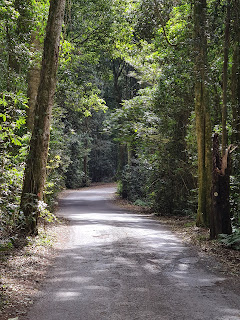
The road, from the turn-off from the Greenlee cottages, is narrow, winding, and not one you can go faster than 40ks. Buses and trucks are restricted to 20kph, but as you get further into the mountains, it’s difficult to see how they can get along the road at all.
It’s difficult enough in a mid-size SUV.
But, in all fairness, these are the sort of roads that nearly always lead to that mountaintop retreat.
At times the road is so narrow that you wonder how trucks and buses could get between the trees, because the close you get to the guest house, the narrower the road. And, at times, the car has to scrape by the overhanging branches, especially when having to make way for oncoming traffic.
The road is definitely not wide enough for two cars, and there are a lot of points where you can pull off to the side to let them pass.
It is tarred, but being in the middle of a dense tropical forest, it’s pitted and rutted, and very uneven. There is not one moment where can relax, or take your eyes off the road, as some of us do, to take in the surrounding scenery.
But, whilst most of it looks the same, it’s certainly not boring, and every now and then you break out of the darkness into a clearing. And, sometimes a house.
Yes, people do live on the side of a mountain, and, just to be clear, their view, every morning, from the back verandah must be spectacular
At the end of the three-quarters of an hour drive, we emerge onto a mountain top, and what is O’Reilly’s guest house, though, after a more investigative look around, the guests stay in motel-like rooms.
There is an old wooden structure, but if this is the original guest house, it doesn’t look like people stay there anymore.
But, it’s not the accommodation the people come here for, it’s the endless bush walks. Of course, there’s other stuff there, but it’s more about communing with nature, discovering the wildlife, and taking in the fresh country air.
The Harbour Grand Hotel, Kowloon, Hong Kong, is a modern, but luxurious hotel, one that our travel agent found for us.
I was initially worried that it might be too far away from central Hong Kong, but a free shuttle bus that runs at convenient times took us to and from the hotel to the Star Ferry terminal.
The luxuriousness of the hotel starts the moment you walk in the front entrance with a magnificent staircase that I assumed led up to the convention center (or perhaps where weddings are catered for) and a staircase where one could make a grand entrance or exit. Oh, and there’s a chandelier too.
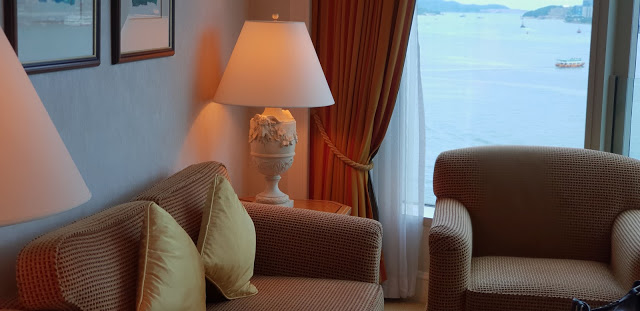
We booked into a Harbourview suite, and it was not only spacious but had that air of luxury about it that made it an experience every time you walked into it.
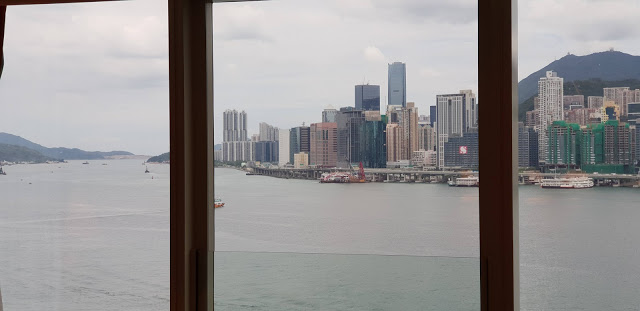
But the view of Hong Kong Harbour, that was the ‘piece de resistance’
I spent a lot of time staring out that window, and it was more interesting than watching the television, which we didn’t do much of. Most of the time, when we travel, TV is limited to International English speaking news channels.
This time we had several movies included with the room, but I still preferred to watch the endless water traffic on the harbor.
The lounge area had several comfortable chairs, an area for the bar fridge and tea or coffee making facilities and on the opposite side the usual table and chairs for those who came to conduct business
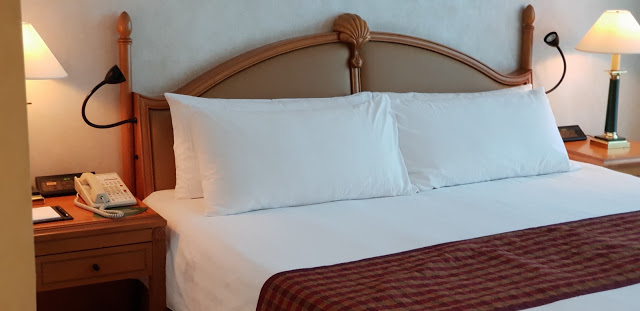
The bedroom was separate to the entrance and lounge. Notable was the fact the room had two bathrooms, one in the bedroom, and one out in the lounge, perhaps for the guests who were having friends in.
We dined in one of the restaurants, Hoi Yat Heen, where we experienced Guandong cuisine. I tried the roasted goose for the first time, and it was interesting to say the least.
There’s no doubt where we will be staying the next time we go to Hong Kong.
Sometimes it’s not about the destination, but getting there, because sometimes the destination is not what you were expecting.
I have had some experience it staying in iconic guest houses, both here and overseas, and I guess those stays spoiled this one. I have a preference for old, creaky but warm and inviting old mansions mostly built around the early 1900s.
That was what I was expecting this time too, given what I’d read.
The road, from the turn-off from the Greenlee cottages, is narrow, winding, and not one you can go faster than 40ks. Buses and trucks are restricted to 20kph, but as you get further into the mountains, it’s difficult to see how they can get along the road at all.
It’s difficult enough in a mid-size SUV.
But, in all fairness, these are the sort of roads that nearly always lead to that mountaintop retreat.
At times the road is so narrow that you wonder how trucks and buses could get between the trees, because the close you get to the guest house, the narrower the road. And, at times, the car has to scrape by the overhanging branches, especially when having to make way for oncoming traffic.
The road is definitely not wide enough for two cars, and there are a lot of points where you can pull off to the side to let them pass.
It is tarred, but being in the middle of a dense tropical forest, it’s pitted and rutted, and very uneven. There is not one moment where can relax, or take your eyes off the road, as some of us do, to take in the surrounding scenery.
But, whilst most of it looks the same, it’s certainly not boring, and every now and then you break out of the darkness into a clearing. And, sometimes a house.
Yes, people do live on the side of a mountain, and, just to be clear, their view, every morning, from the back verandah must be spectacular
At the end of the three-quarters of an hour drive, we emerge onto a mountain top, and what is O’Reilly’s guest house, though, after a more investigative look around, the guests stay in motel-like rooms.
There is an old wooden structure, but if this is the original guest house, it doesn’t look like people stay there anymore.
But, it’s not the accommodation the people come here for, it’s the endless bush walks. Of course, there’s other stuff there, but it’s more about communing with nature, discovering the wildlife, and taking in the fresh country air.
Hotel dining can be a very expensive experience, but if you are there as one of those bucket list fulfillments like we were, then it’s not unusual to go the whole nine yards.
Since the stay coincided with my birthday, the first day was set aside to have dinner at the Chinese restaurant upstairs and was one of those sublime experiences. Of course, it had to be Peking Duck, expensive champagne, and several cocktails.
Oddly enough, breakfast wasn’t included in the room rate, but that seems to be normal for a lot of hotels. It can be if you want to pay upfront, but we don’t always have breakfast, particularly if we have dinner the night before.
Or can be bothered getting out of bed the next morning because quite often the breakfast hours do go with staying in bed.
During this stay, we decided to have breakfast one morning, cereal, bacon and eggs, coffee, toast, you know, the usual stuff.
No paper placemats here and the silverware was just that, silverware. This was going to be full on old world charm.
Coffee served from a silver coffee pot, fine bone china from Staffordshire, not Thailand, tea service for milk and sugar, condiments all in a row. The only disappointment, I don’t think the eggs were free-range.
And, when the conversation dries up, there’s always a steady stream of people coming and going through the front door, and the doorman is always at the ready to open the door.
WE went once for lunch, and yes, we had to go to the famous Afternoon Tea, for which you had to book or stand in a very long line. We booked and discovered preference was given to those who were staying at the hotel.
Out came the silver tea service, and one could imagine that this was the same as what it had been a hundred years ago. I had tea, after all, it was afternoon tea!
The cakes were interesting, there were quarter sandwiches rather than finger sandwiches, and though I’m not a fan of fruit scones, I’m always up for something different. After it, it’s probably not a good idea to go out for dinner too.












 Thrills, Spills, and just a dash of Romance