Writing a book in 365 days – My Story 36

More about my story

Visiting the catacombs of the world to get background for a location in my story

Beyond the Grave: A Guide to the World’s Fascinating Catacombs

Beneath the bustling streets of some of the world’s most vibrant cities lie silent cities of the dead – the catacombs. These ancient burial grounds, often labyrinthine and filled with the echoes of centuries past, offer a unique and often profound glimpse into history, culture, and humanity’s relationship with mortality.

Far from being merely macabre, touring a catacomb is an opportunity to connect with the lives (and deaths) of those who came before us, to marvel at ancient engineering, and to contemplate the passage of time. If you’re ready to step into the cool, quiet depths below, here are some of the world’s most incredible catacombs open to visitors, and what you can expect to find.


Catacombs You Can Tour Around the World:

  1. The Catacombs of Paris, France
    • What it is: Arguably the most famous catacomb, this massive underground ossuary holds the remains of an estimated six million Parisians. It was created in the late 18th century to alleviate overcrowded cemeteries.
    • What to expect: Prepare for long queues (booking in advance is essential!). Once inside, you’ll descend 130 steps into a cool, damp, and dimly lit world. The main attraction is the “Empire of Death,” where neatly stacked femurs and skulls line miles of passages, often arranged in decorative patterns. It’s incredibly atmospheric, overwhelming in scale, and offers a powerful reflection on human mortality.
  2. The Catacombs of Rome, Italy
    • What it is: Rome boasts multiple catacomb systems, primarily early Christian burial sites dating from the 2nd to 5th centuries AD. The most famous include the Catacombs of St. CallixtusCatacombs of Priscilla, and Catacombs of Domitilla.
    • What to expect: These are less about decorative bone arrangements and more about exploring ancient, hand-dug underground cemeteries. You’ll navigate narrow, winding passages often stretching for miles. Expect to see:
      • Loculi: Simple niches carved into the walls where bodies were placed, then sealed with tiles or marble slabs.
      • Cubicula: Small chambers, often family tombs, sometimes decorated with frescoes depicting biblical scenes or everyday life.
      • Crypts: Larger, more significant burial areas for martyrs or early popes.
    • Note: Guided tours are mandatory and highly informative, covering the history of early Christianity and burial practices.
  3. The Capuchin Crypt (Santa Maria della Concezione dei Cappuccini), Rome, Italy
    • What it is: Not a catacomb in the traditional sense, but a series of small chapels beneath a church, decorated with the skeletal remains of over 3,700 Capuchin friars.
    • What to expect: An incredibly unique and artistic display. The bones (skulls, vertebrae, femurs, etc.) are meticulously arranged to form intricate patterns, chandeliers, and even full skeletal figures dressed in friar habits. It’s a “memento mori” – a reminder of the inevitability of death – designed to inspire reflection rather than fear. Photography is strictly prohibited.
  4. The Capuchin Catacombs of Palermo, Sicily, Italy
    • What it is: A truly astonishing and somewhat eerie catacomb containing the remarkably preserved bodies of thousands of Sicilians, dating from the 17th to 19th centuries.
    • What to expect: Unlike Rome’s catacombs or Paris’s ossuary, here you’ll find mummified, embalmed, and sometimes naturally desiccated bodies, often dressed in their finest clothes, standing or lying in open coffins. They are divided into sections for friars, men, women, virgins, professors, and children. The most famous resident is Rosalia Lombardo, a perfectly preserved two-year-old. It’s a poignant, sometimes unsettling, but always fascinating window into past lives and burial customs.
  5. The Catacombs of San Francisco Convent, Lima, Peru
    • What it is: Beneath one of Lima’s most beautiful and historic churches lies a vast catacomb housing the remains of an estimated 25,000 people.
    • What to expect: As part of a guided tour of the stunning convent and library above, you’ll descend into underground passages. The highlight is a series of large, circular ossuaries where bones (skulls, femurs) are meticulously organized and arranged in decorative patterns, creating a striking visual impact. It’s a blend of historical context, architectural beauty, and a powerful sense of the past.
  6. The Catacombs of San Gennaro, Naples, Italy
    • What it is: Naples’ most extensive and ancient Christian catacomb, spanning two levels and featuring grander spaces than some of Rome’s smaller catacombs.
    • What to expect: Wide tunnels, high ceilings, and an impressive sense of scale. You’ll see beautiful early Christian frescoes, mosaics, and intricate burial niches. It’s less crowded than Rome’s catacombs, offering a more intimate experience with ancient art and history. The unique two-level structure and the grandeur of some of the burial chambers are particularly striking.

What to Expect to Find & Feel When Visiting Catacombs:

  • Bones, Bones, and More Bones: This is the obvious. Skeletons, skulls, femurs, and other human remains are the primary “exhibit.” How they are presented varies wildly – from neatly stacked walls to artful arrangements, to individual mummified bodies.
  • Cool, Damp, and Dimly Lit Environments: Catacombs are underground, so expect cooler temperatures (even on a hot day) and a constant, slightly earthy dampness. Lighting is typically subdued for preservation and atmosphere, so your eyes will need time to adjust.
  • Narrow and Uneven Passages: Many catacombs feature tight, winding corridors. If you have claustrophobia, this is something to consider. Wear sturdy, comfortable shoes as the ground can be uneven.
  • A Tangible Sense of History: You are walking through spaces where people were laid to rest centuries ago. The air itself seems to carry the weight of memory. It’s a profoundly immersive historical experience.
  • Art and Architecture: Beyond the bones, look for ancient frescoes, carvings, mosaics, and ingenious engineering that allowed for the creation of these vast underground networks.
  • A Sense of Reverence and Reflection: These are sacred burial sites. Visitors are generally expected to be respectful, quiet, and reflective. Many people find catacombs to be powerful spaces for contemplating life, death, and human existence.
  • Guided Tours: For most major catacombs, especially in Rome and Naples, a guided tour is mandatory. These are invaluable for understanding the history, significance, and often intricate stories behind the bones and structures.
  • Limited Photography: Many catacombs restrict or prohibit photography to preserve the sites and maintain a respectful atmosphere. Always check the rules before you go.

Visiting catacombs is a journey into the past, a unique blend of history, archaeology, and human spirituality. While they might seem daunting, the experience is often described as awe-inspiring and deeply thought-provoking, leaving visitors with a truly unforgettable perspective on our shared human story.

Searching for Locations: The Eiffel Tower, Paris, France

Sorry, reminiscing again…

It was a cold but far from a miserable day.  We were taking our grandchildren on a tour of the most interesting sites in Paris, the first of which was the Eiffel Tower.

We took the overground train, which had double-decker carriages, a first for the girls, to get to the tower.

We took the underground, or Metro, back, and they were fascinated with the fact the train carriages ran on road tires.

Because it was so cold, and windy, the tower was only open to the second level. It was a disappointment to us, but the girls were content to stay on the second level.

There they had the French version of chips.

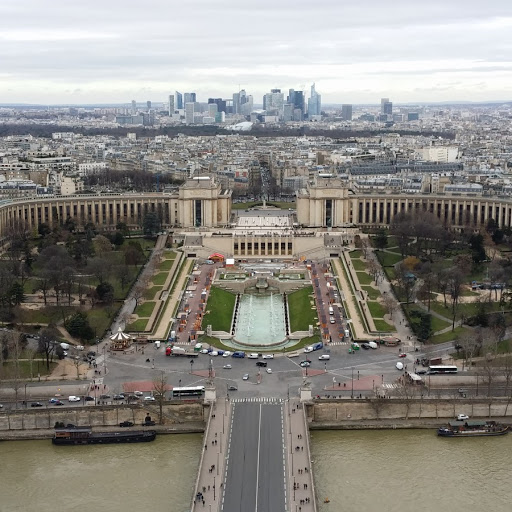
It was a dull day, but the views were magnificent.

20140107_132225

A view of the Seine

20140107_132859

20140107_132208

Sacre Coeur church at Montmartre in the distance.

Another view along the river Seine

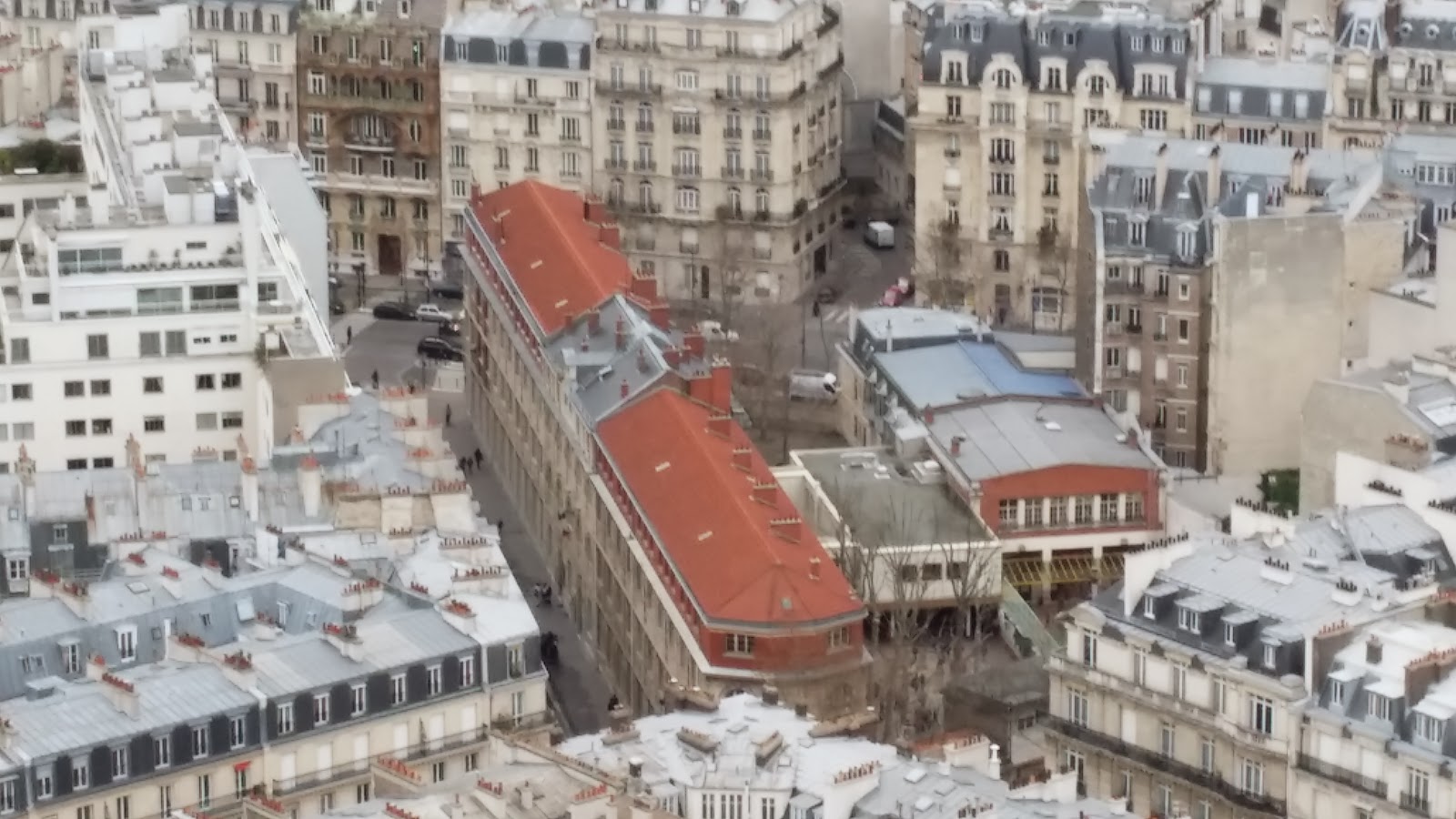
Overlooking the tightly packed apartment buildings

Looking along the opposite end of the river Seine

Writing a book in 365 days – My Story 36

More about my story

Visiting the catacombs of the world to get background for a location in my story

Beyond the Grave: A Guide to the World’s Fascinating Catacombs

Beneath the bustling streets of some of the world’s most vibrant cities lie silent cities of the dead – the catacombs. These ancient burial grounds, often labyrinthine and filled with the echoes of centuries past, offer a unique and often profound glimpse into history, culture, and humanity’s relationship with mortality.

Far from being merely macabre, touring a catacomb is an opportunity to connect with the lives (and deaths) of those who came before us, to marvel at ancient engineering, and to contemplate the passage of time. If you’re ready to step into the cool, quiet depths below, here are some of the world’s most incredible catacombs open to visitors, and what you can expect to find.


Catacombs You Can Tour Around the World:

  1. The Catacombs of Paris, France
    • What it is: Arguably the most famous catacomb, this massive underground ossuary holds the remains of an estimated six million Parisians. It was created in the late 18th century to alleviate overcrowded cemeteries.
    • What to expect: Prepare for long queues (booking in advance is essential!). Once inside, you’ll descend 130 steps into a cool, damp, and dimly lit world. The main attraction is the “Empire of Death,” where neatly stacked femurs and skulls line miles of passages, often arranged in decorative patterns. It’s incredibly atmospheric, overwhelming in scale, and offers a powerful reflection on human mortality.
  2. The Catacombs of Rome, Italy
    • What it is: Rome boasts multiple catacomb systems, primarily early Christian burial sites dating from the 2nd to 5th centuries AD. The most famous include the Catacombs of St. CallixtusCatacombs of Priscilla, and Catacombs of Domitilla.
    • What to expect: These are less about decorative bone arrangements and more about exploring ancient, hand-dug underground cemeteries. You’ll navigate narrow, winding passages often stretching for miles. Expect to see:
      • Loculi: Simple niches carved into the walls where bodies were placed, then sealed with tiles or marble slabs.
      • Cubicula: Small chambers, often family tombs, sometimes decorated with frescoes depicting biblical scenes or everyday life.
      • Crypts: Larger, more significant burial areas for martyrs or early popes.
    • Note: Guided tours are mandatory and highly informative, covering the history of early Christianity and burial practices.
  3. The Capuchin Crypt (Santa Maria della Concezione dei Cappuccini), Rome, Italy
    • What it is: Not a catacomb in the traditional sense, but a series of small chapels beneath a church, decorated with the skeletal remains of over 3,700 Capuchin friars.
    • What to expect: An incredibly unique and artistic display. The bones (skulls, vertebrae, femurs, etc.) are meticulously arranged to form intricate patterns, chandeliers, and even full skeletal figures dressed in friar habits. It’s a “memento mori” – a reminder of the inevitability of death – designed to inspire reflection rather than fear. Photography is strictly prohibited.
  4. The Capuchin Catacombs of Palermo, Sicily, Italy
    • What it is: A truly astonishing and somewhat eerie catacomb containing the remarkably preserved bodies of thousands of Sicilians, dating from the 17th to 19th centuries.
    • What to expect: Unlike Rome’s catacombs or Paris’s ossuary, here you’ll find mummified, embalmed, and sometimes naturally desiccated bodies, often dressed in their finest clothes, standing or lying in open coffins. They are divided into sections for friars, men, women, virgins, professors, and children. The most famous resident is Rosalia Lombardo, a perfectly preserved two-year-old. It’s a poignant, sometimes unsettling, but always fascinating window into past lives and burial customs.
  5. The Catacombs of San Francisco Convent, Lima, Peru
    • What it is: Beneath one of Lima’s most beautiful and historic churches lies a vast catacomb housing the remains of an estimated 25,000 people.
    • What to expect: As part of a guided tour of the stunning convent and library above, you’ll descend into underground passages. The highlight is a series of large, circular ossuaries where bones (skulls, femurs) are meticulously organized and arranged in decorative patterns, creating a striking visual impact. It’s a blend of historical context, architectural beauty, and a powerful sense of the past.
  6. The Catacombs of San Gennaro, Naples, Italy
    • What it is: Naples’ most extensive and ancient Christian catacomb, spanning two levels and featuring grander spaces than some of Rome’s smaller catacombs.
    • What to expect: Wide tunnels, high ceilings, and an impressive sense of scale. You’ll see beautiful early Christian frescoes, mosaics, and intricate burial niches. It’s less crowded than Rome’s catacombs, offering a more intimate experience with ancient art and history. The unique two-level structure and the grandeur of some of the burial chambers are particularly striking.

What to Expect to Find & Feel When Visiting Catacombs:

  • Bones, Bones, and More Bones: This is the obvious. Skeletons, skulls, femurs, and other human remains are the primary “exhibit.” How they are presented varies wildly – from neatly stacked walls to artful arrangements, to individual mummified bodies.
  • Cool, Damp, and Dimly Lit Environments: Catacombs are underground, so expect cooler temperatures (even on a hot day) and a constant, slightly earthy dampness. Lighting is typically subdued for preservation and atmosphere, so your eyes will need time to adjust.
  • Narrow and Uneven Passages: Many catacombs feature tight, winding corridors. If you have claustrophobia, this is something to consider. Wear sturdy, comfortable shoes as the ground can be uneven.
  • A Tangible Sense of History: You are walking through spaces where people were laid to rest centuries ago. The air itself seems to carry the weight of memory. It’s a profoundly immersive historical experience.
  • Art and Architecture: Beyond the bones, look for ancient frescoes, carvings, mosaics, and ingenious engineering that allowed for the creation of these vast underground networks.
  • A Sense of Reverence and Reflection: These are sacred burial sites. Visitors are generally expected to be respectful, quiet, and reflective. Many people find catacombs to be powerful spaces for contemplating life, death, and human existence.
  • Guided Tours: For most major catacombs, especially in Rome and Naples, a guided tour is mandatory. These are invaluable for understanding the history, significance, and often intricate stories behind the bones and structures.
  • Limited Photography: Many catacombs restrict or prohibit photography to preserve the sites and maintain a respectful atmosphere. Always check the rules before you go.

Visiting catacombs is a journey into the past, a unique blend of history, archaeology, and human spirituality. While they might seem daunting, the experience is often described as awe-inspiring and deeply thought-provoking, leaving visitors with a truly unforgettable perspective on our shared human story.

Writing a book in 365 days – 241

Day 241

Why don’t I like poetry, and why can’t I write it

The Poetry Puzzle: Why We Don’t Always ‘Get’ It (And Why That’s Perfectly Normal)

Ever stared at a page of poetry, felt a distinct lack of comprehension, and then wondered if there’s something fundamentally wrong with you? You’re not alone. Many of us grapple with poetry, feeling a disconnect between the words on the page and any meaningful understanding.

If you’ve ever thought, “Why don’t I like poetry, and why can’t I write it?” then this post is for you. Let’s unpack those very common, very valid feelings.

“I Just Don’t Understand It!” – The Heart of the Matter

This is perhaps the biggest barrier. We’re often taught that language should be direct, clear, and efficient. Poetry, however, often delights in the opposite.

  • It speaks in whispers, not shouts: Unlike a news report or a textbook, poetry often communicates through suggestion, metaphor, imagery, and symbolism. It’s less about telling you something directly and more about making you feel something, imagine something, or see something in a new way.
  • The “Strange Rhymes” vs. “Endless Lines”: You mentioned getting a short ditty but feeling lost with longer pieces that resemble short stories. This highlights the vast spectrum of poetry. Some poems are indeed like mini-stories, but they often use poetic devices (like rhythm, line breaks, compressed language) to elevate the narrative beyond simple prose. Other poems eschew traditional narrative altogether, focusing purely on an image, an emotion, or a moment.
  • Haiku and the Rules Conundrum: And then there are the rules! Haiku, sonnets, villanelles, limericks… each comes with its own set of constraints. For many, these rules feel like handcuffs, making the poem impenetrable or, worse, stifling any potential enjoyment. Why restrict yourself when you could just say what you mean?

Why Do People Who Do Like It, Like It?

This is the million-dollar question! When something feels elusive to you, it’s natural to wonder about its appeal to others.

  1. Emotional Resonance: Poetry often taps into universal human emotions – love, loss, joy, grief, wonder, anger – in a way that feels incredibly personal and raw. It can articulate feelings we’ve had but haven’t found the words for.
  2. Beauty of Language: For some, the sheer craft of language is exhilarating. The rhythm of the words, the sound of the rhymes (or the effective lack thereof), the surprising juxtaposition of images, the perfect word choice – it’s an art form akin to music or painting.
  3. Fresh Perspectives: A good poem can make you see an everyday object or concept in an entirely new light. It makes the familiar strange and the strange familiar, jolting us out of our habitual ways of thinking.
  4. Conciseness and Power: Poetry often distills complex ideas or deep emotions into a few potent lines. It’s a powerful punch in a small package, inviting repeated readings to unlock its layers.
  5. A Shared Secret: Unlocking a poem can feel like cracking a code, discovering a hidden meaning that connects you to the poet and the broader human experience.

Think about song lyrics – many of them are poetry set to music. We don’t always fully “understand” every line, but we feel the emotion, appreciate the imagery, and connect to the rhythm.

“Why Can’t I Write It?” – Demystifying Creation

The idea of writing poetry can be incredibly intimidating, especially if you feel you don’t “get” reading it. But here’s a truth: you don’t need to be a literary genius to write poetry.

  • Forget the “Rules” (Initially): If rules feel like a barrier, ignore them! Start with free verse. This form has no set rhyme scheme, meter, or length. It’s about expressing an idea, an image, or an emotion as authentically as possible.
  • Focus on Observation: Poetry often begins with paying close attention to the world around you. What do you see, hear, smell, taste, feel? What small detail catches your eye?
  • Explore an Emotion: What are you feeling right now? Joy, frustration, peace, anxiety? Try to describe that feeling without explicitly naming it. What does it feel like? What images come to mind when you experience it?
  • Play with Language: Think of words as building blocks. Try different combinations. Don’t worry about sounding “poetic” – worry about being honest and curious.
  • It’s for You: The first poems you write don’t have to be shared or even understood by anyone else. They can be a private form of expression, a way to process thoughts and feelings.

It’s Okay Not to “Get” It All

Ultimately, it’s perfectly normal not to connect with every poem, or even most poems. Just like not everyone loves abstract art or classical music, poetry isn’t a one-size-fits-all experience.

Rather than forcing yourself to “understand” it in a purely logical sense, try approaching it differently:

  • Read for sound and rhythm: How do the words feel in your mouth?
  • Read for images: What pictures pop into your mind?
  • Read for emotion: What does the poem make you feel, even if you can’t explain why?
  • Don’t worry about the “meaning”: Sometimes, the experience is the meaning.

So, if you find yourself staring blankly at a stanza, remember you’re in good company. Poetry can be a puzzle, a challenge, a mystery. But sometimes, in simply acknowledging that mystery, we open ourselves up to a different kind of appreciation. And who knows? Maybe one day, a little ditty or even an “endless line” will click into place, and you’ll find a poem that speaks directly to you.

What’s your relationship with poetry? Share your thoughts in the comments below!

Searching for Locations: The Eiffel Tower, Paris, France

Sorry, reminiscing again…

It was a cold but far from a miserable day.  We were taking our grandchildren on a tour of the most interesting sites in Paris, the first of which was the Eiffel Tower.

We took the overground train, which had double-decker carriages, a first for the girls, to get to the tower.

We took the underground, or Metro, back, and they were fascinated with the fact the train carriages ran on road tires.

Because it was so cold, and windy, the tower was only open to the second level. It was a disappointment to us, but the girls were content to stay on the second level.

There they had the French version of chips.

It was a dull day, but the views were magnificent.

20140107_132225

A view of the Seine

20140107_132859

20140107_132208

Sacre Coeur church at Montmartre in the distance.

Another view along the river Seine

Overlooking the tightly packed apartment buildings

Looking along the opposite end of the river Seine

Writing a book in 365 days – 241

Day 241

Why don’t I like poetry, and why can’t I write it

The Poetry Puzzle: Why We Don’t Always ‘Get’ It (And Why That’s Perfectly Normal)

Ever stared at a page of poetry, felt a distinct lack of comprehension, and then wondered if there’s something fundamentally wrong with you? You’re not alone. Many of us grapple with poetry, feeling a disconnect between the words on the page and any meaningful understanding.

If you’ve ever thought, “Why don’t I like poetry, and why can’t I write it?” then this post is for you. Let’s unpack those very common, very valid feelings.

“I Just Don’t Understand It!” – The Heart of the Matter

This is perhaps the biggest barrier. We’re often taught that language should be direct, clear, and efficient. Poetry, however, often delights in the opposite.

  • It speaks in whispers, not shouts: Unlike a news report or a textbook, poetry often communicates through suggestion, metaphor, imagery, and symbolism. It’s less about telling you something directly and more about making you feel something, imagine something, or see something in a new way.
  • The “Strange Rhymes” vs. “Endless Lines”: You mentioned getting a short ditty but feeling lost with longer pieces that resemble short stories. This highlights the vast spectrum of poetry. Some poems are indeed like mini-stories, but they often use poetic devices (like rhythm, line breaks, compressed language) to elevate the narrative beyond simple prose. Other poems eschew traditional narrative altogether, focusing purely on an image, an emotion, or a moment.
  • Haiku and the Rules Conundrum: And then there are the rules! Haiku, sonnets, villanelles, limericks… each comes with its own set of constraints. For many, these rules feel like handcuffs, making the poem impenetrable or, worse, stifling any potential enjoyment. Why restrict yourself when you could just say what you mean?

Why Do People Who Do Like It, Like It?

This is the million-dollar question! When something feels elusive to you, it’s natural to wonder about its appeal to others.

  1. Emotional Resonance: Poetry often taps into universal human emotions – love, loss, joy, grief, wonder, anger – in a way that feels incredibly personal and raw. It can articulate feelings we’ve had but haven’t found the words for.
  2. Beauty of Language: For some, the sheer craft of language is exhilarating. The rhythm of the words, the sound of the rhymes (or the effective lack thereof), the surprising juxtaposition of images, the perfect word choice – it’s an art form akin to music or painting.
  3. Fresh Perspectives: A good poem can make you see an everyday object or concept in an entirely new light. It makes the familiar strange and the strange familiar, jolting us out of our habitual ways of thinking.
  4. Conciseness and Power: Poetry often distills complex ideas or deep emotions into a few potent lines. It’s a powerful punch in a small package, inviting repeated readings to unlock its layers.
  5. A Shared Secret: Unlocking a poem can feel like cracking a code, discovering a hidden meaning that connects you to the poet and the broader human experience.

Think about song lyrics – many of them are poetry set to music. We don’t always fully “understand” every line, but we feel the emotion, appreciate the imagery, and connect to the rhythm.

“Why Can’t I Write It?” – Demystifying Creation

The idea of writing poetry can be incredibly intimidating, especially if you feel you don’t “get” reading it. But here’s a truth: you don’t need to be a literary genius to write poetry.

  • Forget the “Rules” (Initially): If rules feel like a barrier, ignore them! Start with free verse. This form has no set rhyme scheme, meter, or length. It’s about expressing an idea, an image, or an emotion as authentically as possible.
  • Focus on Observation: Poetry often begins with paying close attention to the world around you. What do you see, hear, smell, taste, feel? What small detail catches your eye?
  • Explore an Emotion: What are you feeling right now? Joy, frustration, peace, anxiety? Try to describe that feeling without explicitly naming it. What does it feel like? What images come to mind when you experience it?
  • Play with Language: Think of words as building blocks. Try different combinations. Don’t worry about sounding “poetic” – worry about being honest and curious.
  • It’s for You: The first poems you write don’t have to be shared or even understood by anyone else. They can be a private form of expression, a way to process thoughts and feelings.

It’s Okay Not to “Get” It All

Ultimately, it’s perfectly normal not to connect with every poem, or even most poems. Just like not everyone loves abstract art or classical music, poetry isn’t a one-size-fits-all experience.

Rather than forcing yourself to “understand” it in a purely logical sense, try approaching it differently:

  • Read for sound and rhythm: How do the words feel in your mouth?
  • Read for images: What pictures pop into your mind?
  • Read for emotion: What does the poem make you feel, even if you can’t explain why?
  • Don’t worry about the “meaning”: Sometimes, the experience is the meaning.

So, if you find yourself staring blankly at a stanza, remember you’re in good company. Poetry can be a puzzle, a challenge, a mystery. But sometimes, in simply acknowledging that mystery, we open ourselves up to a different kind of appreciation. And who knows? Maybe one day, a little ditty or even an “endless line” will click into place, and you’ll find a poem that speaks directly to you.

What’s your relationship with poetry? Share your thoughts in the comments below!

Writing a book in 365 days – 240

Day 240

When is it time to hang up the quill?

The Writer’s Crossroads: When Is It Time to Hang Up the Quill?

Imagine for a moment. You’ve been writing for years, pouring your heart onto the page, publishing works on free sites, trying to garner a following. You’ve self-published your books on Amazon, seeing them as the culmination of countless hours, endless revisions, and boundless passion.

People read your stories. Most comments are of praise, echoing the beauty of your prose, the depth of your characters, the compelling nature of your plots. Reviews are overwhelmingly 4 and 5 stars, a testament to the quality you know you possess.

But sales? Only a few every week. A trickle, not the torrent you dreamed of, not the steady stream you need to even consider this a sustainable path.

And your query letters – letters you know are nothing short of brilliant, honed to perfection, showcasing your voice and vision – always come back with the same result: rejection. A polite “not for us,” or worse, silent dismissal.

It’s a scenario many writers know intimately, a soul-crushing paradox where internal validation clashes brutally with external reality. The question starts small, a whisper in the dark, then grows into a gnawing doubt: When is the time to hang up the quill?

The Pain of the Unseen Success

This isn’t about lacking talent. Your readers tell you otherwise. This isn’t about lack of effort. Years of dedication speak for themselves. This is about the heartbreaking disconnect between the quality of your work and its market reception. It’s about the emotional toll of constant rejection despite undeniable praise. It’s about feeling invisible in a crowded, noisy world.

Before You Hang It Up: Revisit Your “Why”

Before you even consider putting down your pen for good, ask yourself one crucial question: Why do you write?

  • Is it for the joy of creation? Does the act of building worlds, crafting characters, and weaving narratives bring you profound satisfaction, regardless of external validation?
  • Is it because you have stories that demand to be told? Do these ideas bubble up inside you, insistent, needing to be set free?
  • Is it for the connection with readers? Do those few 4 and 5-star reviews, those occasional heartfelt comments, fuel your spirit enough to keep going?
  • Is it for fame and fortune? Be honest. If it’s only for the big advance, the bestseller list, or the movie deal, then the current reality is indeed devastating.

The answer to this “why” is your compass.

When NOT to Hang Up the Quill

You might not be ready to quit if:

  • The creative spark still ignites you. If writing still feels like breathing, like an essential part of who you are, then the fire isn’t out.
  • Those few readers truly matter. If those handful of steady sales, those glowing reviews, remind you that your words do touch people, however few, don’t underestimate that impact.
  • You haven’t truly explored all avenues. Have you tried different genres? Different marketing strategies (even self-taught ones)? Different writing communities? Different approaches to querying (pitching a different book, refining your synopsis)?
  • You’re still learning and improving. Every rejection, every low sale, can be a data point. Are you actively seeking to understand why things aren’t working and adjusting your approach?

When It Might Be Time to Re-evaluate (Not Necessarily Quit)

There are legitimate reasons to reconsider your path, or at least, your approach:

  • When the joy is gone, replaced by resentment. If writing has become a bitter chore, a source of constant stress and negativity, it might be time to protect your mental well-being.
  • When your “why” has fundamentally shifted. If you started writing purely for the love of it, but now find yourself only chasing external metrics that aren’t materializing, and that chase is draining you, it’s time to check in.
  • When you’ve genuinely exhausted all strategic and emotional resources. If you’ve tried everything you can think of, sought professional advice, taken breaks, and still feel utterly depleted with no hope in sight, take a step back.
  • When the opportunity cost is too high. Is the time and energy you pour into writing preventing you from pursuing other passions, or even just living a balanced life?

Beyond Quitting: What Else Can You Do?

Hanging up the quill doesn’t have to be a surrender; it can be a pivot.

  1. Take a Break, Not a Surrender: Step away for weeks or months. Let the creative well refill without pressure. Sometimes, absence makes the heart grow fonder, and new perspectives emerge.
  2. Re-evaluate Your Strategy (Ruthlessly):
    • Marketing: Are you doing anything to market your self-published books effectively? This is often the biggest blind spot for writers. Learn about Amazon ads, social media, building an author platform.
    • Genre/Market: Is your brilliant work in a niche that’s too small? Or is it hard to categorize? Sometimes, a slight shift in genre or understanding market trends can make a huge difference.
    • Query Letters: Are they truly brilliant, or simply well-written? A brilliant query letter is strategic. It targets the right agent, highlights marketability, and hints at the “hook.” Consider professional query critiques.
    • Professional Feedback: Move beyond friends and family. Invest in a professional editor or sensitivity reader who can give you objective, market-aware advice on your manuscript’s strengths and weaknesses.
  3. Redefine Success: Does success have to be a bestseller? Can it be the joy of finishing a manuscript? The connection with those few devoted readers? The personal growth you’ve experienced through the craft?
  4. Write for Yourself (Again): If you’ve been constantly chasing trends or trying to impress agents, go back to writing the story only you can tell, purely for your own satisfaction. Publish it anonymously if you wish.
  5. Explore Other Creative Outlets: Maybe your creative energy needs a different channel for a while – painting, music, coding, baking. It can refresh your writing perspective.

The Personal Journey

There’s no universal answer to “When is the time to hang up the quill?” It’s a deeply personal decision, one that only you can make. It’s not about being a “failure” if you choose to step back, nor is it about being “naive” if you choose to persist.

Listen to your writer’s heart. Does it still beat with the rhythm of stories untold? Does the mere thought of not writing feel like losing a part of yourself? If so, then perhaps it’s not time to hang up the quill. Perhaps, it’s simply time to sharpen it, to learn a new stroke, and to write a different kind of story – your own story of resilience, adaptation, and unwavering passion.

Writing a book in 365 days – 240

Day 240

When is it time to hang up the quill?

The Writer’s Crossroads: When Is It Time to Hang Up the Quill?

Imagine for a moment. You’ve been writing for years, pouring your heart onto the page, publishing works on free sites, trying to garner a following. You’ve self-published your books on Amazon, seeing them as the culmination of countless hours, endless revisions, and boundless passion.

People read your stories. Most comments are of praise, echoing the beauty of your prose, the depth of your characters, the compelling nature of your plots. Reviews are overwhelmingly 4 and 5 stars, a testament to the quality you know you possess.

But sales? Only a few every week. A trickle, not the torrent you dreamed of, not the steady stream you need to even consider this a sustainable path.

And your query letters – letters you know are nothing short of brilliant, honed to perfection, showcasing your voice and vision – always come back with the same result: rejection. A polite “not for us,” or worse, silent dismissal.

It’s a scenario many writers know intimately, a soul-crushing paradox where internal validation clashes brutally with external reality. The question starts small, a whisper in the dark, then grows into a gnawing doubt: When is the time to hang up the quill?

The Pain of the Unseen Success

This isn’t about lacking talent. Your readers tell you otherwise. This isn’t about lack of effort. Years of dedication speak for themselves. This is about the heartbreaking disconnect between the quality of your work and its market reception. It’s about the emotional toll of constant rejection despite undeniable praise. It’s about feeling invisible in a crowded, noisy world.

Before You Hang It Up: Revisit Your “Why”

Before you even consider putting down your pen for good, ask yourself one crucial question: Why do you write?

  • Is it for the joy of creation? Does the act of building worlds, crafting characters, and weaving narratives bring you profound satisfaction, regardless of external validation?
  • Is it because you have stories that demand to be told? Do these ideas bubble up inside you, insistent, needing to be set free?
  • Is it for the connection with readers? Do those few 4 and 5-star reviews, those occasional heartfelt comments, fuel your spirit enough to keep going?
  • Is it for fame and fortune? Be honest. If it’s only for the big advance, the bestseller list, or the movie deal, then the current reality is indeed devastating.

The answer to this “why” is your compass.

When NOT to Hang Up the Quill

You might not be ready to quit if:

  • The creative spark still ignites you. If writing still feels like breathing, like an essential part of who you are, then the fire isn’t out.
  • Those few readers truly matter. If those handful of steady sales, those glowing reviews, remind you that your words do touch people, however few, don’t underestimate that impact.
  • You haven’t truly explored all avenues. Have you tried different genres? Different marketing strategies (even self-taught ones)? Different writing communities? Different approaches to querying (pitching a different book, refining your synopsis)?
  • You’re still learning and improving. Every rejection, every low sale, can be a data point. Are you actively seeking to understand why things aren’t working and adjusting your approach?

When It Might Be Time to Re-evaluate (Not Necessarily Quit)

There are legitimate reasons to reconsider your path, or at least, your approach:

  • When the joy is gone, replaced by resentment. If writing has become a bitter chore, a source of constant stress and negativity, it might be time to protect your mental well-being.
  • When your “why” has fundamentally shifted. If you started writing purely for the love of it, but now find yourself only chasing external metrics that aren’t materializing, and that chase is draining you, it’s time to check in.
  • When you’ve genuinely exhausted all strategic and emotional resources. If you’ve tried everything you can think of, sought professional advice, taken breaks, and still feel utterly depleted with no hope in sight, take a step back.
  • When the opportunity cost is too high. Is the time and energy you pour into writing preventing you from pursuing other passions, or even just living a balanced life?

Beyond Quitting: What Else Can You Do?

Hanging up the quill doesn’t have to be a surrender; it can be a pivot.

  1. Take a Break, Not a Surrender: Step away for weeks or months. Let the creative well refill without pressure. Sometimes, absence makes the heart grow fonder, and new perspectives emerge.
  2. Re-evaluate Your Strategy (Ruthlessly):
    • Marketing: Are you doing anything to market your self-published books effectively? This is often the biggest blind spot for writers. Learn about Amazon ads, social media, building an author platform.
    • Genre/Market: Is your brilliant work in a niche that’s too small? Or is it hard to categorize? Sometimes, a slight shift in genre or understanding market trends can make a huge difference.
    • Query Letters: Are they truly brilliant, or simply well-written? A brilliant query letter is strategic. It targets the right agent, highlights marketability, and hints at the “hook.” Consider professional query critiques.
    • Professional Feedback: Move beyond friends and family. Invest in a professional editor or sensitivity reader who can give you objective, market-aware advice on your manuscript’s strengths and weaknesses.
  3. Redefine Success: Does success have to be a bestseller? Can it be the joy of finishing a manuscript? The connection with those few devoted readers? The personal growth you’ve experienced through the craft?
  4. Write for Yourself (Again): If you’ve been constantly chasing trends or trying to impress agents, go back to writing the story only you can tell, purely for your own satisfaction. Publish it anonymously if you wish.
  5. Explore Other Creative Outlets: Maybe your creative energy needs a different channel for a while – painting, music, coding, baking. It can refresh your writing perspective.

The Personal Journey

There’s no universal answer to “When is the time to hang up the quill?” It’s a deeply personal decision, one that only you can make. It’s not about being a “failure” if you choose to step back, nor is it about being “naive” if you choose to persist.

Listen to your writer’s heart. Does it still beat with the rhythm of stories untold? Does the mere thought of not writing feel like losing a part of yourself? If so, then perhaps it’s not time to hang up the quill. Perhaps, it’s simply time to sharpen it, to learn a new stroke, and to write a different kind of story – your own story of resilience, adaptation, and unwavering passion.

First Dig Two Graves

A sequel to “The Devil You Don’t”

Revenge is a dish best served cold – or preferably so when everything goes right

Of course, it rarely does, as Alistair, Zoe’s handler, discovers to his peril. Enter a wildcard, John, and whatever Alistair’s plan for dealing with Zoe was dies with him.

It leaves Zoe in completely unfamiliar territory.

John’s idyllic romance with a woman who is utterly out of his comfort zone is on borrowed time. She is still trying to reconcile her ambivalence, after being so indifferent for so long.

They agree to take a break, during which she disappears. John, thinking she has left without saying goodbye, refuses to accept the inevitable, calls on an old friend for help in finding her.

After the mayhem and being briefly reunited, she recognises an inevitable truth: there is a price to pay for taking out Alistair; she must leave and find them first, and he would be wise to keep a low profile.

But keeping a low profile just isn’t possible, and enlisting another friend, a private detective and his sister, a deft computer hacker, they track her to the border between Austria and Hungary.

What John doesn’t realise is that another enemy is tracking him to find her too. It could have been a grand tour of Europe. Instead, it becomes a race against time before enemies old and new converge for what will be an inevitable showdown.

Writing a book in 365 days – 239

Day 239

Patronage, good or bad

Three Jobs for One Dream: Is Patronage a Blessing or a Breaking Point?

Ah, the writer’s life. It’s often romanticized, conjuring images of solitary genius, ink-stained fingers, and profound insights emerging from quiet contemplation. But behind many of those published tomes and celebrated screenplays, there’s a less glamorous, often unspoken reality: the support system. Specifically, the partner who shoulders the financial burden, allowing the artist to pursue their muse.

This brings us to a crucial question that buzzes in the ears of many aspiring writers and their long-suffering loved ones: Is patronage for writers, particularly from a spouse, a noble sacrifice or a ticking time bomb?

The Romantic Ideal vs. The Hard Realities

Let’s start with the ideal. The notion that a spouse should work three jobs – the early morning shift, the afternoon grind, and the late-night gig – all to allow their other half to finally tackle that novel, screenplay, or poetry collection they’ve always dreamed of writing. On the surface, it speaks of deep love, unwavering belief, and a shared vision for a future where one partner’s creative potential is fully realized. It’s an echo of historical patronage, albeit a deeply personal and intimate one.

And sometimes, it works. Sometimes, that sacrifice leads to a breakthrough, a published work, and a shared sense of accomplishment that strengthens the bond. The story of the supportive partner becomes part of the legend, a testament to true love and artistic dedication.

But let’s be honest, those success stories are often the exception, not the rule. More frequently, this intense level of spousal patronage breeds a complex cocktail of emotions that can corrode the very foundation of a relationship.

The Weight of Expectation and the Erosion of Self

Imagine the partner working those three jobs. Their days are a blur of labor, their nights are for crashing, not connecting. Their own dreams, hobbies, and personal growth are shelved indefinitely. They’re not just bringing home the bacon; they’re the entire farm.

On the other side, the writer, theoretically freed to create, often carries a crushing weight of expectation. Every blank page feels like a failure. Every hour not spent writing feels like a betrayal of the sacrifice being made for them. The pressure to “make it” becomes immense, turning the creative process, which should be joyful, into a source of debilitating anxiety.

This imbalance isn’t just financial. It’s emotional, physical, and psychological.

  • For the working partner: Resentment begins to brew. Why are their dreams less important? Why is their exhaustion not acknowledged? Loneliness can set in, as the shared life they once had slowly morphs into one person supporting another’s isolated pursuit.
  • For the writer: Guilt gnaws. The fear of failure paralyzes. Self-doubt magnifies. The creative well, instead of being nurtured, can dry up under the immense pressure to justify the cost.

At What Point Does It Become a Breaking Point?

This is the critical question. When does a loving dedication transform into an unsustainable burden? It’s rarely a sudden explosion; it’s more often a slow, insidious erosion, like water carving a canyon.

The breaking point isn’t just about financial strain, though that’s a huge part of it. It’s when:

  1. Communication ceases: Conversations become solely about bills, children, or the writer’s progress, with no room for personal connection, shared joys, or the working partner’s struggles.
  2. Resentment openly festers: Passive-aggressive comments, silent treatments, or outright arguments become commonplace, revealing the deep-seated anger and frustration.
  3. Physical and mental health deteriorates: The working partner is constantly exhausted, stressed, or depressed. The writer is crippled by anxiety, guilt, or isolation.
  4. The “dream” becomes an excuse: When the creative project repeatedly fails to materialize, or shows no significant progress despite years of sacrifice, the partner may start to see it not as a dream, but as an endless deferment of a shared future.
  5. A lack of reciprocity: The working partner realizes their sacrifice is not being met with gratitude, practical help (where possible), or a concrete plan for future balance, but rather an expectation of continued, uncritical support.
  6. Loss of shared identity: The couple stops being a partnership and becomes a patron-artist dynamic, with clear roles but little give-and-take.

Finding a Sustainable Path Forward

So, is spousal patronage inherently bad? Not necessarily. But the extreme scenario of one partner working three jobs for years on end is almost certainly unsustainable and, frankly, unfair.

Instead of an all-or-nothing approach, consider a more balanced, communicative, and realistic path:

  • Open and Honest Communication: Regularly discuss finances, progress, expectations, and most importantly, how both partners are feeling.
  • Set Clear Timelines and Goals: “I’ll focus on writing for X months/years, and if it hasn’t generated income/interest by then, we’ll re-evaluate.” This provides a roadmap and reduces open-ended sacrifice.
  • Shared Responsibility: Can the writer contribute in other ways? Part-time work, freelancing, managing the household, picking up childcare? Even a small income can alleviate significant pressure.
  • Define Success Beyond Publication: Success can also mean completing a draft, getting positive feedback, or simply the joy of the creative process.
  • Prioritize the Relationship: Remember why you’re together. Your shared life, well-being, and happiness should take precedence over any single project.

The journey of a writer is often long and arduous. Support is invaluable. But that support should never come at the cost of the supporter’s well-being, nor should it become an endless burden that ultimately breaks the very relationship it sought to nurture. True partnership means nurturing both the individual dreams and the collective future.

What are your thoughts? Have you experienced or witnessed similar situations? Share your perspective in the comments below.