The story behind the story – Echoes from the Past

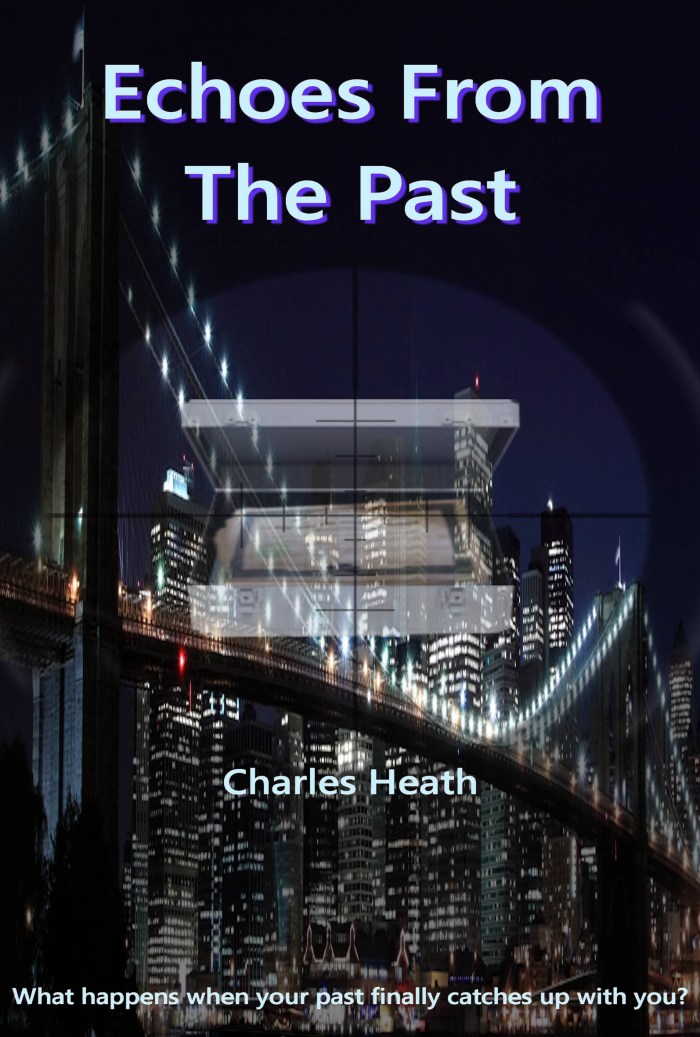
The novel ‘Echoes from the past’ started out as a short story I wrote about 30 years ago, titled ‘The birthday’.

My idea was to take a normal person out of their comfort zone and led on a short but very frightening journey to a place where a surprise birthday party had been arranged.

Thus the very large man with a scar and a red tie was created.

So was the friend with the limousine who worked as a pilot.

So were the two women, Wendy and Angelina, who were Flight Attendants that the pilot friend asked to join the conspiracy.

I was going to rework the short story, then about ten pages long, into something a little more.

And like all re-writes, especially those I have anything to do with, it turned into a novel.

There was motivation.  I had told some colleagues at the place where I worked at the time that I liked writing, and they wanted a sample.  I was going to give them the re-worked short story.  Instead, I gave them ‘Echoes from the past’

Originally it was not set anywhere in particular.

But when considering a location, I had, at the time, recently been to New York in December, and visited Brooklyn and Queens, as well as a lot of New York itself.  We were there for New Years, and it was an experience I’ll never forget.

One evening we were out late, and finished up in Brooklyn Heights, near the waterfront, and there was rain and snow, it was cold and wet, and there were apartment buildings shimmering in the street light, and I thought, this is the place where my main character will live.

It had a very spooky atmosphere, the sort where ghosts would not be unexpected.  I felt more than one shiver go up and down my spine in the few minutes I was there.

I had taken notes, as I always do, of everywhere we went so I had a ready supply of locations I could use, changing the names in some cases.

Fifth Avenue near the Rockefeller center is amazing at first light, and late at night with the Seasonal decorations and lights.

The original main character was a shy and man of few friends, hence not expecting the surprise party.  I enhanced that shyness into purposely lonely because of an issue from his past that leaves him always looking over his shoulder and ready to move on at the slightest hint of trouble.  No friends, no relationships, just a very low profile.

Then I thought, what if he breaks the cardinal rule, and begins a relationship?

But it is also as much an exploration of a damaged soul, as it is the search for a normal life, without having any idea what normal was, and how the understanding of one person can sometimes make all the difference in what we may think or feel.

And, of course, I wanted a happy ending.

Except for the bad guys.


Get it here:  https://amzn.to/2CYKxu4

newechocover5rs


Ideas come from everywhere

I have an electronic note book on my smart phone and writing pads at the ready at home in my office/writing room/library.

As soon as one hits, I get it down, either on paper, or on the phone app. I use SomNote as it’s easy to export the text to an email, or have a version of the app running on my computer and just copy and paste. SomNote is great because I can used it anywhere.

Of course, it doesn’t work so well in the shower, so I’m still waiting for a waterproof phone. Or perhaps it can wait for a few minutes until I’m finished.

But, the trouble with that it, these ideas come so quickly and are sometimes so vivid that they need to be put down as quickly as possible. I have come up with the perfect dialogue for a tricky scene, and played it all out in my head, and by the time I got to the paper, it was almost gone.

Perhaps a whiteboard and a permanent marker on the wall.

Or is that going to far?

A long time ago, I received a portable tape recorder for a present, you know, the one you can hold in your hand, and the tapes so small you wonder how much will fit on it. The gifter said that when ideas came to me, all I had to do was speak. It was also voice activated.

Needless to say that conjured up a few ideas right there.

But, I used it, but I found it quite weird to be talking, ostensibly to myself, in the car whilst driving home, or go to, work, and the curious looks I’d get from others. One thing it did teach me was that when a conversation was repkayed, it would sound ok or like most of the time, hardly what one expected a conversation would really be like.

So, because of that device, I learned to read out all conversations, and if they sounded stupid, they were.

So, ideas come in the shower, ideas come while driving, ideas come when reading the newspaper, ideas even come when reading books.

Which leads me to another point that I learned early on. Writers must read. Not only novels of their chosen genre, but any reference books that go with it. Research was, a friend and more successful author than I told me, was mandatory.

So too was the reading to the classics, old English, and sometimes American, literature, to gain an appreciation for the written word. We might not follow those styles, but we can learn the majesty of the English language.

That author taught me a lot, though at the time I didn;t realise it. Perhaps I thpought I was already smart enough to write, but I’m guessing that it took a long time before I felt my writing was worth reading before publishing it.

I don’t profess to have a fully understanding of the language. I might have loved that school subject called English, and later in University, creative writing and literature, but not all of it soaked in. But writing is one of those odd things, that it can take many forms and styles, but at the end of the day, if the reader understands where the story is going, and when at the end, is satisfied that it was ‘a good read’, then the author’s work is done.

The only trouble is, getting the next idea, and then the were withal to write a second book, or third. It is said everyone as one book in them. For those who can write more, well, that might be what might be called, a gift.

My trouble is, I have too many ideas, too many starts and brief outlines to work with, I don’t know which story to start on next. I guess being spoinlt for choice is a good thing, yes?

In a word: Clip

It was in the news, and seemed odd to me, that a word such as clip would have any significance beyond that of having a haircut, but apparently, it does.

Maybe they’re referring to the clip of ammunition for a gun?

But for us, a clip can be part of a haircut, letting the scissors loose.

And for those children who had a father who was a hard taskmaster, you would be familiar with a clip around the ears.  It can just as easily be used, say when a car clips another car when the driver loses control.

There’s a horse that runs at a fast clip, and can be anything for that matter that moves quickly.

It can be a spring-loaded device that holds all your papers together.  Or just about anything else for that matter.

You can clip an item from a newspaper, aptly known as a news clipping.

it can be a portion of a larger film or television programme, but to me, sometimes, when a series has a clip show, an episode where someone reminisces and we see clips from previous episodes.

And last but not least, clip the wings of those so-called high flyers at the office.

The story behind the story: A Case of Working With the Jones Brothers

To write a private detective serial has always been one of the items at the top of my to-do list, though trying to write novels and a serial, as well as a blog, and maintain a social media presence, well, you get the idea.

But I made it happen, from a bunch of episodes I wrote a long, long time ago, used these to start it, and then continue on, then as now, never having much of an idea where it was going to end up, or how long it would take to tell the story.

That, I think is the joy of ad hoc writing, even you, as the author, have as much idea of where it’s going as the reader does.

It’s basically been in the mill since 1990, and although I finished it last year, it looks like the beginning to end will have taken exactly 30 years.  Had you asked me 30 years ago if I’d ever get it finished, the answer would be maybe?

My private detective, Harry Walthenson

I’d like to say he’s from that great literary mold of Sam Spade, or Mickey Spillane, or Phillip Marlow, but he’s not.

But, I’ve watched Humphrey Bogart play Sam Spade with much interest, and modeled Harry and his office on it.  Similarly, I’ve watched Robert Micham play Phillip Marlow with great panache, if not detachment, and added a bit of him to the mix.

Other characters come into play, and all of them, no matter what period they’re from, always seem larger than life.  I’m not above stealing a little of Mary Astor, Peter Lorre or Sidney Greenstreet, to breathe life into beguiling women and dangerous men alike.

Then there’s the title, like

The Case of the Unintentional Mummy – this has so many meanings in so many contexts, though I image back in Hollywood in the ’30s and ’40s, this would be excellent fodder for Abbott and Costello

The Case of the Three-Legged Dog – Yes, I suspect there may be a few real-life dogs with three legs, but this plot would involve something more sinister.  And if made out of plaster, yes, they’re always something else inside.

But for mine, to begin with, it was “The Case of the …”, because I had no idea what the case was going to be about, well, I did, but not specifically.

Then I liked the idea of calling it “The Case of the Brother’s Revenge” because I began to have a notion there was a brother no one knew about, but that’s stuff for other stories, not mine, so then went the way of the others.

Now it’s called ‘A Case of Working With the Jones Brothers’, finished the first three drafts, and at the editor for the last.

I have high hopes of publishing it in early 2021.  It even has a cover.

PIWalthJones1

Searching for locations: Queenstown Gardens, Queenstown, New Zealand

Queenstown Gardens are not far from the center of Queenstown.  They are just down the hill from where we usually stay at Queenstown Mews.

More often than not we approach the Gardens from the lakeside during our morning walk from the apartment to the coffee shop.  You can walk alongside the lake, or walk through the Gardens, which, whether in summer or winter, is a very picturesque walk.

There’s a bowling club, and I’m afraid I will never be that sort of person to take it up (not enough patience) and an Ice Arena, where, in winter I have heard players practicing ice hockey.

I’m sure, at times, ice skating can also be done.

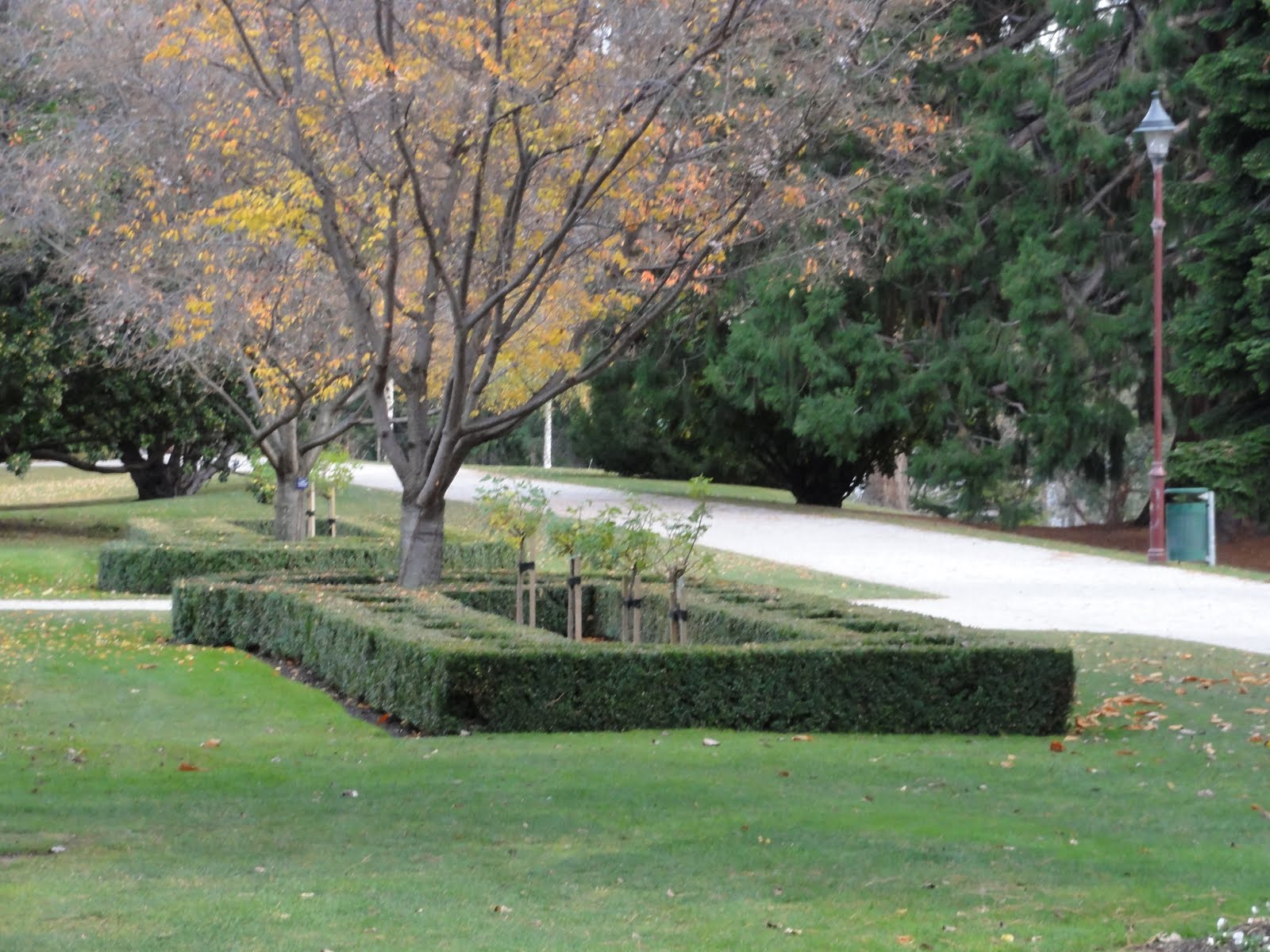
There is a stone bridge to walk across, and in Autumn/Winter the trees can add a splash of color.

There is a large water feature with fountain, and plenty of seating around the edge of the lake, to sit and absorb the tranquility, or to have a picnic.

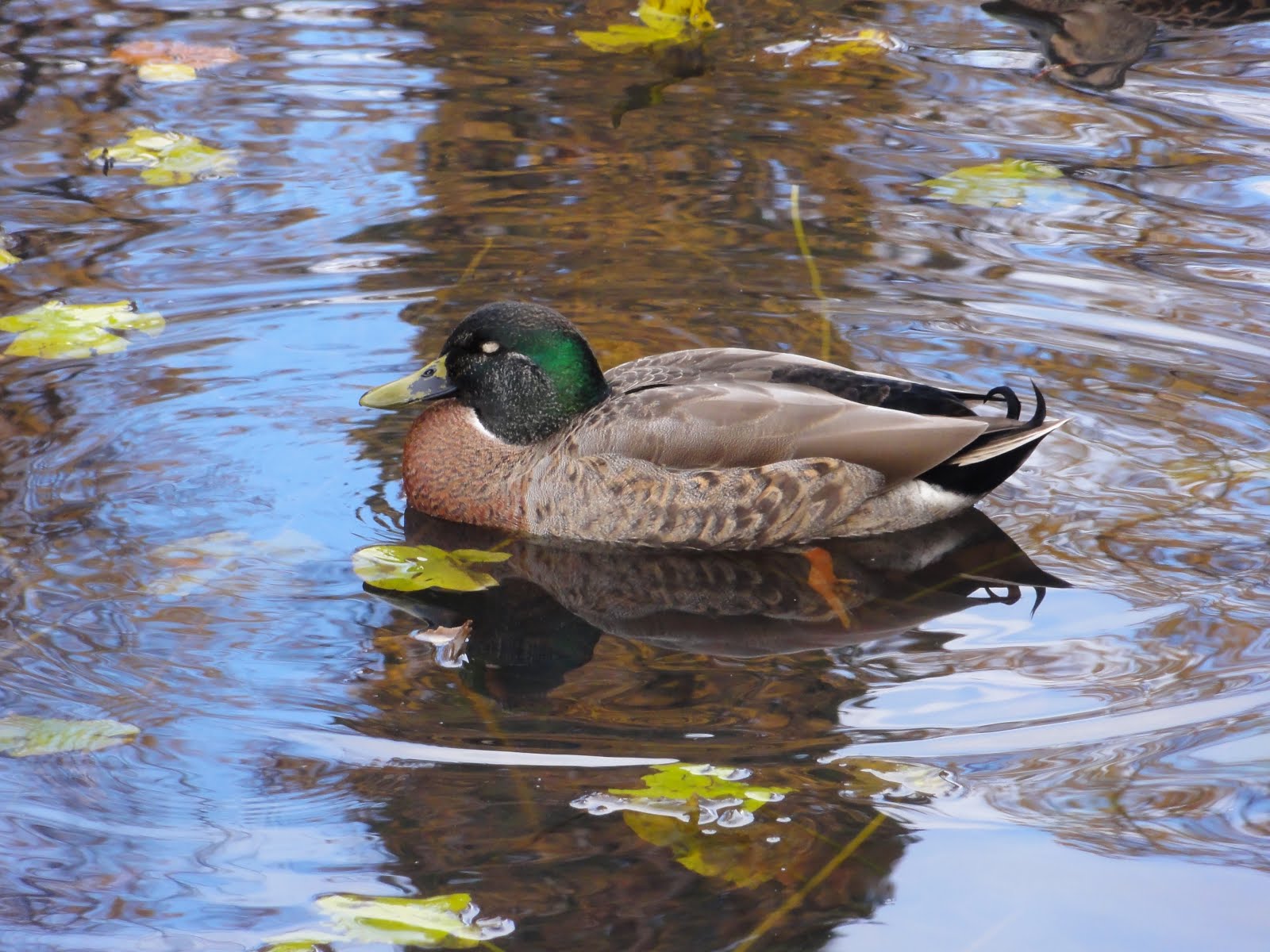
There are ducks in the pond

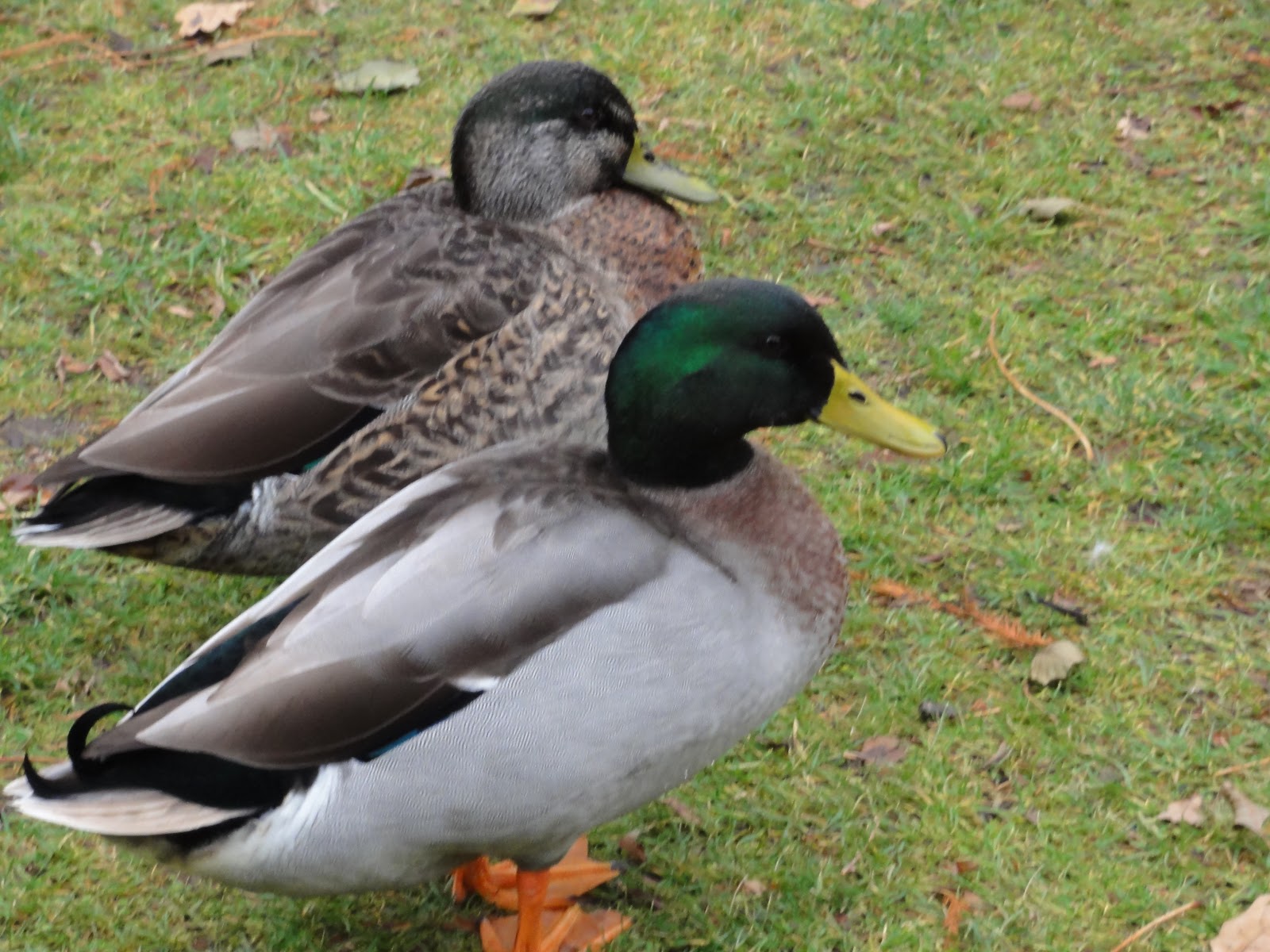
and out of the pond

and plenty of grassed areas with flower beds which are more colorful in summer.  I have also seen the lawns covered in snow, and the fir trees that line the lake side of the gardens hang heavy with icicles.

The refinement of an old idea

I write about spies, washed out, worn out, or thrown out.

It’s always in the back of my mind, sometimes fuelled by a piece in the paper that has a sense of conspiracy about it, and from there, an idea starts turning into words that need to find their way to paper.

Then, if that’s the extent of the first draft, sometimes it goes into the ‘I will come back to this later’ folder and, sometimes, it’s gone and forgotten.

Until I wake up suddenly in the middle of the night, an old story with a new idea fills my head, and I have to get it down.

Then, it will bother me over the next few days, until I give it the attention it’s calling out for.  This will often lead to more writing, but planning leading to a synopsis.

The first sentence of a novel is always the hardest. Like I guess many others, I sit and ponder what I’m going to write, whether it will be relevant, whether it will pull the reader into my world, and cause them to read on.

And that’s the objective, to capture the reader’s imagination and want to see what’s going to happen next.

The problem is, we have to set the scene.

Or do we?

Do we need to cover the who, what, where, and when criteria in that first sentence? Can we just start with the edge of the seat suspense, like,


The first bullet hit the concrete wall about six inches above my head with a resounding thwack that scared the living daylights out of me. The second, sent on its way within a fraction of a second of the first found its mark, the edge of my shoulder, slicing through the material, and creasing skin and flesh. There was blood and then panic.

Milliseconds later my brain registered the near-miss and sent the instruction: get down you idiot.

I hit the ground just as another bullet slammed into the concrete where my head had just been.


It can use some more work, less commas, perhaps shorter, sharper sentences to convey the urgency and danger.

Perhaps we could paint a picture of the main character.

He tentatively has the name of Jackson Galworthy. He has always aspired to be a ‘secret agent’ or ‘spy’ and but through luck more than anything else, he was given his opportunity. The problem is he failed his first test and failure means washing out of the program.

What had ‘they’ said? When the shit hits the fan, you need to be calm, cool, and collected. He’d been anything but.

Maybe we’ll flesh the character out as we go along.

OK, I just had another thought for an opening,


Light snow was still falling, past the stage where each flake dissolved as it hit the ground, and now starting to gather in white patches.

It was cold, very cold, and even with the three layers I still shivered.

What surprised me was the silence, but, of course, it was a graveyard beside an ancient church, and everyone who had attended the funeral service had left.

It was a short service for the few that came, and a shorter burial. No one seemed keen to hang around, not with the evening darkness and the snow setting in.

I stood, not far from the filled grave looking at it, but not looking at it. Was I expecting it’s occupant to rise again? Was I expecting forgiveness? I certainly didn’t deserve it.

The truth is, I was responsible for this person’s death, making a mistake a more seasoned professional might not, and the reason why I was shown the door. I had been given very simple instructions; protect this man at all costs.

It was going to be a simple extraction, go in, get the target, and get out before anyone noticed.

A pity then I was the only one who got that memo.


It’s a start, but with the TV going on in the background, Chester complaining about something, and the weeds in the yard are getting higher, there’s too much else going to consider this even a start.

It’s an idea.  Perhaps I can expand on it later.


© Charles Heath 2020


“One Last Look”, nothing is what it seems

A single event can have enormous consequences.

A single event driven by fate, after Ben told his wife Charlotte he would be late home one night, he left early, and by chance discovers his wife having dinner in their favourite restaurant with another man.

A single event where it could be said Ben was in the wrong place at the wrong time.

Who was this man? Why was she having dinner with him?

A simple truth to explain the single event was all Ben required. Instead, Charlotte told him a lie.

A single event that forces Ben to question everything he thought he knew about his wife, and the people who are around her.

After a near-death experience and forced retirement into a world he is unfamiliar with, Ben finds himself once again drawn back into that life of lies, violence, and intrigue.

From London to a small village in Tuscany, little by little Ben discovers who the woman he married is, and the real reason why fate had brought them together.

It is available on Amazon here:  http://amzn.to/2CqUBcz

Curious children find a curiosity

I am constantly reminded of how curious grandchildren can be when they are not asking you what it was like to live with dinosaurs!

The second eldest who is a rather clever 13-year-old considers it interesting that I’m a writer, and having just met a ‘real’ author who came to visit them at school, asked me a few questions, some of which sounded like those that had been asked of my ‘real’ counterpart.

Like, “how old were you when you first wrote a story, and what was that story about?”

I didn’t think it was when I was at school, but sometime after that, and after a lot of reading.  Perhaps it had been one of those moments when a light bulb goes on in your head, and I said to myself, I can write these stories too.

Of course, that wasn’t an answer, so she asked again, when did I start writing?

That required a little thought, and there were several triggers that gave me a date, where I lived at the time, the fact I used my mother’s old portable typewriter, and the fact I had not been long out of school.  I was, in fact, about 17.  It was 45 years ago; I’ll let you do the math!

What was it about; that I couldn’t tell her, but I said I had rescued a lot of old scribbling of mine and put them in a box to look at later when I had the time.

I guess that time had arrived.

And, yes, there was the book, the individually typed pages, some with corrections, unfinished.

The pages were brown with age.

The story, well, I read the first few pages, and it seems I’d started down the thriller path then, the story so far, an agent comes ashore from a trawler to a bleak and isolated village, perhaps on the Scottish coast.

Then there was the inevitable next question; “What was the first story you read that put you on the path to wanting to become a writer”.

That was easy, Alistair Maclean’s HMS Ulysses.  I showed her a copy of the book.

That led to, “but this is about the British Royal Navy in World War 2…”

Perhaps I didn’t answer that correctly, it was after reading about a dozen of his novels, most of which were precursors to the modern-day thriller, perhaps more along the lines of action adventures.

The next question, understandably; “What was the first book you ever finished?”

That was The Starburst Conspiracy, the manuscript of which was in the box along with another completed novel, and quite a few short stories.

Back in those days, I remembered that I had sent some of my stories off to various publishers, and had entered a number of short story competitions, all to no avail.  And for a number of years, until I because to old, used to write and enter a novel in the Vogel novel competition but never made it to the shortlist.

It’s probably why I gave up writing for a number of years, until I worked for an interesting company who had a rich history of phosphate mining in the Pacific and being given permission to look into the archives, began writing what could only be described a saga, and by the time I’d left, it was over 1200 closely typed pages long.

I showed the bulky manuscript to her, but by this time her interest had moved to something else.

For me, however, it seemed there was a lot of unfinished business.

In a word: Vision

I had one myself once, whether it was a peek into my future, or whether it was just playing out a scene for one of my stories, it was rather intense.

That variation of the word vision is one that uses one’s imagination. I do it quite a lot, and I call it the cinema of my dreams.

But…

Vision, in the simplest sense of the word, is sight, what you see.

People can try to make it better, like movie studios, who have called it rather interesting titles such as VistaVision or Panavision, either of which sounds quite remarkable, and it may have been back in the day, but it’s probably quite ordinary these days.

A vision, in another sense, might be something like a dream as mentioned before, which might happen when we are asleep, but if awake, it might be because we are very bored with our job and we’re imagining what it would be like at Santorini or the Bahamas, or anywhere but where you are now.

It might also describe our particular slant on what else we would like to happen, whether at work or somewhere else, but it’s usually confined to our closest circle of friends. Bosses never invite nor want to hear plebs ideas of improving their lot.

Hence, I have a vision…

But no one will listen. Perhaps if I was Martin Luther King, things might be different.

Then, at the end of it all…

There are visions and then there are visions, like seeing something that no one else can see, whether driven by hallucinogenic drugs or magic mushrooms, or you just happened to be there to see what no one else could.

Dragons, lizard people, or the Virgin Mary.

And no, I have not seen any of the above.

Yet.

An excerpt from “Strangers We’ve Become” – Coming Soon

I wandered back to my villa.

It was in darkness.  I was sure I had left several lights on, especially over the door so I could see to unlock it.

I looked up and saw the globe was broken.

Instant alert.

I went to the first hiding spot for the gun, and it wasn’t there.  I went to the backup and it wasn’t there either.  Someone had found my carefully hidden stash of weapons and removed them.

Who?

There were four hiding spots and all were empty.  Someone had removed the weapons.  That could only mean one possibility.

I had a visitor, not necessarily here for a social call.

But, of course, being the well-trained agent I’d once been and not one to be caught unawares, I crossed over to my neighbor and relieved him of a weapon that, if found, would require a lot of explaining.

Suitably armed, it was time to return the surprise.

There were three entrances to the villa, the front door, the back door, and a rather strange escape hatch.  One of the more interesting attractions of the villa I’d rented was its heritage.  It was built in the late 1700s, by a man who was, by all accounts, a thief.  It had a hidden underground room which had been in the past a vault but was now a wine cellar, and it had an escape hatch by which the man could come and go undetected, particularly if there was a mob outside the door baying for his blood.

It now gave me the means to enter the villa without my visitors being alerted, unless, of course, they were near the vicinity of the doorway inside the villa, but that possibility was unlikely.  It was not where anyone could anticipate or expect a doorway to be.

The secret entrance was at the rear of the villa behind a large copse, two camouflaged wooden doors built into the ground.  I move aside some of the branches that covered them and lifted one side.  After I’d discovered the doors and rusty hinges, I’d oiled and cleaned them, and cleared the passageway of cobwebs and fallen rocks.  It had a mildew smell, but nothing would get rid of that.  I’d left torches at either end so I could see.

I closed the door after me, and went quietly down the steps, enveloped in darkness till I switched on the torch.  I traversed the short passage which turned ninety degrees about halfway to the door at the other end.  I carried the key to this door on the keyring, found it and opened the door.  It too had been oiled and swung open soundlessly.

I stepped in the darkness and closed the door.

I was on the lower level under the kitchen, now the wine cellar, the ‘door’ doubling as a set of shelves which had very little on them, less to fall and alert anyone in the villa.

Silence, an eerie silence.

I took the steps up to the kitchen, stopping when my head was level with the floor, checking to see if anyone was waiting.  There wasn’t.  It seemed to me to be an unlikely spot for an ambush.

I’d already considered the possibility of someone coming after me, especially because it had been Bespalov I’d killed, and I was sure he had friends, all equally as mad as he was.  Equally, I’d also considered it nigh on impossible for anyone to find out it was me who killed him because the only people who knew that were Prendergast, Alisha, a few others in the Department, and Susan.

That raised the question of who told them where I was.

If I was the man I used to be, my first suspect would be Susan.  The departure this morning, and now this was too coincidental.  But I was not that man.

Or was I?

I reached the start of the passageway that led from the kitchen to the front door and peered into the semi-darkness.  My eyes had got used to the dark, and it was no longer an inky void.  Fragments of light leaked in around the door from outside and through the edge of the window curtains where they didn’t fit properly.  A bone of contention upstairs in the morning, when first light shone and invariably woke me up hours before I wanted to.

Still nothing.

I took a moment to consider how I would approach the visitor’s job.  I would get a plan of the villa in my head, all entrances, where a target could be led to or attacked where there would be no escape.

Coming in the front door.  If I was not expecting anything, I’d just open the door and walk-in.  One shot would be all that was required.

Contract complete.

I sidled quietly up the passage staying close to the wall, edging closer to the front door.  There was an alcove where the shooter could be waiting.  It was an ideal spot to wait.

Crunch.

I stepped on some nutshells.

Not my nutshells.

I felt it before I heard it.  The bullet with my name on it.

And how the shooter missed, from point-blank range, and hit me in the arm, I had no idea.  I fired off two shots before a second shot from the shooter went wide and hit the door with a loud thwack.

I saw a red dot wavering as it honed in on me and I fell to the floor, stretching out, looking up where the origin of the light was coming and pulled the trigger three times, evenly spaced, and a second later I heard the sound of a body falling down the stairs and stopping at the bottom, not very far from me.

Two assassins.

I’d not expected that.

The assassin by the door was dead, a lucky shot on my part.  The second was still breathing.

I checked the body for any weapons and found a second gun and two knives.  Armed to the teeth!

I pulled off the balaclava; a man, early thirties, definitely Italian.  I was expecting a Russian.

I slapped his face, waking him up.  Blood was leaking from several slashes on his face when his head had hit the stairs on the way down.  The awkward angle of his arms and legs told me there were broken bones, probably a lot worse internally.  He was not long for this earth.

“Who employed you?”

He looked at me with dead eyes, a pursed mouth, perhaps a smile.  “Not today my friend.  You have made a very bad enemy.”  He coughed and blood poured out of his mouth.  “There will be more …”

Friends of Bespalov, no doubt.

I would have to leave.  Two unexplainable bodies, I’d have a hard time explaining my way out of this mess.  I dragged the two bodies into the lounge, clearing the passageway just in case someone had heard anything.

Just in case anyone was outside at the time, I sat in the dark, at the foot of the stairs, and tried to breathe normally.  I was trying not to connect dots that led back to Susan, but the coincidence was worrying me.


A half-hour passed and I hadn’t moved.  Deep in thought, I’d forgotten about being shot, unaware that blood was running down my arm and dripping onto the floor.

Until I heard a knock on my front door.

Two thoughts, it was either the police, alerted by the neighbors, or it was the second wave, though why would they be knocking on the door?

I stood, and immediately felt a stabbing pain in my arm.  I took out a handkerchief and turned it into a makeshift tourniquet, then wrapped a kitchen towel around the wound.

If it was the police, this was going to be a difficult situation.  Holding the gun behind my back, I opened the door a fraction and looked out.

No police, just Maria.  I hoped she was not part of the next ‘wave’.

“You left your phone behind on the table.  I thought you might be looking for it.”  She held it out in front of her.

When I didn’t open the door any further, she looked at me quizzically, and then asked, “Is anything wrong?”

I was going to thank her for returning the phone, but I heard her breathe in sharply, and add, breathlessly, “You’re bleeding.”

I looked at my arm and realized it was visible through the door, and not only that, the towel was soaked in blood.

“You need to go away now.”

Should I tell her the truth?  It was probably too late, and if she was any sort of law-abiding citizen she would go straight to the police.

She showed no signs of leaving, just an unnerving curiosity.  “What happened?”

I ran through several explanations, but none seemed plausible.  I went with the truth.  “My past caught up with me.”

“You need someone to fix that before you pass out from blood loss.  It doesn’t look good.”

“I can fix it.  You need to leave.  It is not safe to be here with me.”

The pain in my arm was not getting any better, and the blood was starting to run down my arm again as the tourniquet loosened.  She was right, I needed it fixed sooner rather than later.

I opened the door and let her in.  It was a mistake, a huge mistake, and I would have to deal with the consequences.  Once inside, she turned on the light and saw the pool of blood just inside the door and the trail leading to the lounge.  She followed the trail and turned into the lounge, turned on the light, and no doubt saw the two dead men.

I expected her to scream.  She didn’t.

She gave me a good hard look, perhaps trying to see if I was dangerous.  Killing people wasn’t something you looked the other way about.  She would have to go to the police.

“What happened here?”

“I came home from the cafe and two men were waiting for me.  I used to work for the Government, but no longer.  I suspect these men were here to repay a debt.  I was lucky.”

“Not so much, looking at your arm.”

She came closer and inspected it.

“Sit down.”

She found another towel and wrapped it around the wound, retightening the tourniquet to stem the bleeding.

“Do you have medical supplies?”

I nodded.  “Upstairs.”  I had a medical kit, and on the road, I usually made my own running repairs.  Another old habit I hadn’t quite shaken off yet.

She went upstairs, rummaged, and then came back.  I wondered briefly what she would think of the unmade bed though I was not sure why it might interest her.

She helped me remove my shirt, and then cleaned the wound.  Fortunately, she didn’t have to remove a bullet.  It was a clean wound but it would require stitches.

When she’d finished she said, “Your friend said one day this might happen.”

No prizes for guessing who that friend was, and it didn’t please me that she had involved Maria.

“Alisha?”

“She didn’t tell me her name, but I think she cares a lot about you.  She said trouble has a way of finding you, gave me a phone and said to call her if something like this happened.”

“That was wrong of her to do that.”

“Perhaps, perhaps not.  Will you call her?”

“Yes.  I can’t stay here now.  You should go now.  Hopefully, by the time I leave in the morning, no one will ever know what happened here, especially you.”

She smiled.  “As you say, I was never here.”


© Charles Heath 2018-2020