Writing a book in 365 days – 143

Day 143

Start in the middle of the story, then play catch-up

Sitting across from my father, a possibility that I had always thought would be impossible, I looked at him like it was someone I’d never seen or knew before.

“Why didn’t you tell me, us?”

“Couldn’t.”

“That’s not good enough.  You had responsibilities, and had you been forthcoming, even if we had some sort of heads up, what happened wouldn’t have happened.”

“Don’t you think I know that.  I know that’s on me, and I’m going to remember it for the rest of my days.”

“Who are you, really?  And don’t even try to lie about it.  We’re way past that now?”

“I’m a trouble shooter. That’s probably the best description of my current job.  There’s a problem somewhere in the world, I go and fix it, or try to.”

He just couldn’t say he was a spy because, as far as I was concerned, he was.  As unbelievable as it sounded.  There was no other explanation for what I witnessed.

And he was only sitting in that chair in front of me because I had been in the wrong place at the wrong time.

Or maybe I wasn’t, and we had been the target, my mother, my sister, and I.  My semester was in hospital, traumatised in more ways than I could count, and my mother was dead.

She hadn’t deserved to die, not like that.  She wasn’t even supposed to be there.  That was the thing that hurt the most.

“Were we the target, any or all of us?”

“No.  You were simply collateral damage.”

I didn’t believe him.  I’d gone over the events a dozen times, creating a timeline and a storyboard of the event.

He pays us a visit, out of nowhere, the man who had unceremoniously dumped us all ten years before without so much as a by your leave, and two days later, here we were.

A hotel lobby just before he was leaving, again, for who knows where.

Leaving a train of irreparable destruction behind him.

“That’s a lie, and you know it.  If the reason you left in the first place was to protect your family, why would you come back and lead whoever it was straight to us?”

He didn’t answer, but he didn’t have to.

I was sure he came back for a reason, something he had left at the house, something he must have been very desperate to get that he would sacrifice our safety.

“It wasn’t like that.”

“Then what’s it like?  What is it you needed?  It certainly wasn’t to see Mother again.  She was adamant she had never ever wanted to see you again.”

“No one could have known who you were and where you lived.  I didn’t go there, and there was no trail leading from me to any of you.”

“Then how did they find us?”

“That’s something I intended to find out.”

A car horn sounded, and he leapt out of the chair.  “I’m sorry.  Can you apologise to Cecelia for me?  I thought I’d have time, but I have to leave.  I promise I’ll come back and tell you more.”

His promises meant nothing to me.

A last look, he grabbed a backpack, slung it over his shoulder, and left, not looking back.

A few seconds after he went through the door, I heard screams and quickly ran towards the entrance.  It wasn’t hard to see what caused the screams.  My father was sprawled backwards on the ground, blood seeping from a large hole in his chest.

I looked up at the building opposite but didn’t see anyone or anything, but that’s where the sniper was, or by now, had been.

I half expected to be the recipient of the next shot, but I wasn’t the target.  I don’t think any of us had been.  They’d been after him, and now the job was done.

Except it wasn’t over.

Back to the start…

The envelope, small, smudged with dirt and grease, wrinkled around the edges, turned up in my letter box one Saturday.

I had no idea what prompted me to look in it because no one ever sent me letters.  I was passing by, and it looked different.

It was.  There was the envelope with my name scrawled on it.  Nothing else, no address, no stamp

I looked up and down the street, as you do, thinking the person who dropped it would still be lurking to see if I collected it. 

The street was empty.

The envelope could have been sitting in the box for a month, about the length of time i last looked, but somehow, I didn’t think so.

I resisted the urge to tear it open tight there and then but instead shoved it in my back pocket, once again looked for any sign of movement, and then went inside.

My flat was on the second floor, a long trudge down a narrow corridor listening to loud music, serial TV shows, and couples arguing, intermingled with the aromas of Spanish, Italian and Korean food wafting through the cracks in the doorways.

I went up the back stairs, not quite as polished at those at the front, and then two doors along to my place.  No loud music, no eating aromas.

Inside, sparsely furnished, not many groceries and beer in the Bridge.  I’d eaten out.  I always ate out.  I had no wife, no children.  I had a mother and a sister.  Don’t ask me where my father was. He left before I was old enough to remember him

Fifteen years.  Or so I was told.

I tossed the keys and the envelope on the bench and rescued one of those bottles of beer.  I was going to turn on the TV, but I didn’t.  It was news time, and there was never any good news.

A half and three bottles of beer constituted my version of prevarication. I got the envelope and sat down again

Who would be sending me anonymous letters?  I kept to myself, I avoided everyone, I trusted no one.  That was my father’s fault.  When he left, bad people came looking for him, and we had to disappear.  Now, I was lucky to remember what my real name was.

It wasn’t the name on the envelope.  My real name was Jack, the name on the envelope was Jake.

I ripped it open.

A single sheet of equally grimy paper.

“Dock 7 warehouse, Puddle Lane, 11:30 pm. 27/6”

Nothing else, no conditions like ‘come alone’ or ‘no police’, nothing.  Tonight.  I took it to me, and someone was setting me up.

Workmates’ pranks.  I thought they’d got the message the last time.  Apparently not.

Puddle Lane was infamous.  Thirty-odd years ago, there were the Puddle Lane murders, twenty-odd bodies of teens, boys, and girls, had been discovered buried under the detritus of time and abandonment.

They would not have been discovered only for an enterprising youth thinking it was an ideal spot for a meth lab.  It would have been if it had not exploded.

Now, none went near the place, feared to be haunted by the angry hosts of the twenty victims still clamouring for justice.  Whoever did it so far had gotten away with it.

I’d been once or twice out of morbid curiosity with said workmates, but the place had rattled them too.  If this was them, it was a new low.

I chambered through the cut in the chain wire fencing, meant to keep people out, but I suspect there were homeless people about.  There was the aroma of burning timber in the air, and the path on either side of the opening was worn.

I walked about twenty yards to a door with the number 7 over the top, took a deep breath, and tried the door.  It was open.

I stepped in and closed the door behind me.  It was dark, but not that dark, with several fires burning in drums a distance away from where I was standing.  There were also the muffled sounds of voices.

The smell was of rotting wood and permanent damp.  But there was something else, something powerful enough to transcend it, a smell I’d smelled before, and a long, long time ago.

The only memory I had.

And the voice, right beside me.  “I thought you’d recognise it.  Hello, Jack.”

My father had returned.

©  Charles Heath  2025

Writing a book in 365 days – 143

Day 143

Start in the middle of the story, then play catch-up

Sitting across from my father, a possibility that I had always thought would be impossible, I looked at him like it was someone I’d never seen or knew before.

“Why didn’t you tell me, us?”

“Couldn’t.”

“That’s not good enough.  You had responsibilities, and had you been forthcoming, even if we had some sort of heads up, what happened wouldn’t have happened.”

“Don’t you think I know that.  I know that’s on me, and I’m going to remember it for the rest of my days.”

“Who are you, really?  And don’t even try to lie about it.  We’re way past that now?”

“I’m a trouble shooter. That’s probably the best description of my current job.  There’s a problem somewhere in the world, I go and fix it, or try to.”

He just couldn’t say he was a spy because, as far as I was concerned, he was.  As unbelievable as it sounded.  There was no other explanation for what I witnessed.

And he was only sitting in that chair in front of me because I had been in the wrong place at the wrong time.

Or maybe I wasn’t, and we had been the target, my mother, my sister, and I.  My semester was in hospital, traumatised in more ways than I could count, and my mother was dead.

She hadn’t deserved to die, not like that.  She wasn’t even supposed to be there.  That was the thing that hurt the most.

“Were we the target, any or all of us?”

“No.  You were simply collateral damage.”

I didn’t believe him.  I’d gone over the events a dozen times, creating a timeline and a storyboard of the event.

He pays us a visit, out of nowhere, the man who had unceremoniously dumped us all ten years before without so much as a by your leave, and two days later, here we were.

A hotel lobby just before he was leaving, again, for who knows where.

Leaving a train of irreparable destruction behind him.

“That’s a lie, and you know it.  If the reason you left in the first place was to protect your family, why would you come back and lead whoever it was straight to us?”

He didn’t answer, but he didn’t have to.

I was sure he came back for a reason, something he had left at the house, something he must have been very desperate to get that he would sacrifice our safety.

“It wasn’t like that.”

“Then what’s it like?  What is it you needed?  It certainly wasn’t to see Mother again.  She was adamant she had never ever wanted to see you again.”

“No one could have known who you were and where you lived.  I didn’t go there, and there was no trail leading from me to any of you.”

“Then how did they find us?”

“That’s something I intended to find out.”

A car horn sounded, and he leapt out of the chair.  “I’m sorry.  Can you apologise to Cecelia for me?  I thought I’d have time, but I have to leave.  I promise I’ll come back and tell you more.”

His promises meant nothing to me.

A last look, he grabbed a backpack, slung it over his shoulder, and left, not looking back.

A few seconds after he went through the door, I heard screams and quickly ran towards the entrance.  It wasn’t hard to see what caused the screams.  My father was sprawled backwards on the ground, blood seeping from a large hole in his chest.

I looked up at the building opposite but didn’t see anyone or anything, but that’s where the sniper was, or by now, had been.

I half expected to be the recipient of the next shot, but I wasn’t the target.  I don’t think any of us had been.  They’d been after him, and now the job was done.

Except it wasn’t over.

Back to the start…

The envelope, small, smudged with dirt and grease, wrinkled around the edges, turned up in my letter box one Saturday.

I had no idea what prompted me to look in it because no one ever sent me letters.  I was passing by, and it looked different.

It was.  There was the envelope with my name scrawled on it.  Nothing else, no address, no stamp

I looked up and down the street, as you do, thinking the person who dropped it would still be lurking to see if I collected it. 

The street was empty.

The envelope could have been sitting in the box for a month, about the length of time i last looked, but somehow, I didn’t think so.

I resisted the urge to tear it open tight there and then but instead shoved it in my back pocket, once again looked for any sign of movement, and then went inside.

My flat was on the second floor, a long trudge down a narrow corridor listening to loud music, serial TV shows, and couples arguing, intermingled with the aromas of Spanish, Italian and Korean food wafting through the cracks in the doorways.

I went up the back stairs, not quite as polished at those at the front, and then two doors along to my place.  No loud music, no eating aromas.

Inside, sparsely furnished, not many groceries and beer in the Bridge.  I’d eaten out.  I always ate out.  I had no wife, no children.  I had a mother and a sister.  Don’t ask me where my father was. He left before I was old enough to remember him

Fifteen years.  Or so I was told.

I tossed the keys and the envelope on the bench and rescued one of those bottles of beer.  I was going to turn on the TV, but I didn’t.  It was news time, and there was never any good news.

A half and three bottles of beer constituted my version of prevarication. I got the envelope and sat down again

Who would be sending me anonymous letters?  I kept to myself, I avoided everyone, I trusted no one.  That was my father’s fault.  When he left, bad people came looking for him, and we had to disappear.  Now, I was lucky to remember what my real name was.

It wasn’t the name on the envelope.  My real name was Jack, the name on the envelope was Jake.

I ripped it open.

A single sheet of equally grimy paper.

“Dock 7 warehouse, Puddle Lane, 11:30 pm. 27/6”

Nothing else, no conditions like ‘come alone’ or ‘no police’, nothing.  Tonight.  I took it to me, and someone was setting me up.

Workmates’ pranks.  I thought they’d got the message the last time.  Apparently not.

Puddle Lane was infamous.  Thirty-odd years ago, there were the Puddle Lane murders, twenty-odd bodies of teens, boys, and girls, had been discovered buried under the detritus of time and abandonment.

They would not have been discovered only for an enterprising youth thinking it was an ideal spot for a meth lab.  It would have been if it had not exploded.

Now, none went near the place, feared to be haunted by the angry hosts of the twenty victims still clamouring for justice.  Whoever did it so far had gotten away with it.

I’d been once or twice out of morbid curiosity with said workmates, but the place had rattled them too.  If this was them, it was a new low.

I chambered through the cut in the chain wire fencing, meant to keep people out, but I suspect there were homeless people about.  There was the aroma of burning timber in the air, and the path on either side of the opening was worn.

I walked about twenty yards to a door with the number 7 over the top, took a deep breath, and tried the door.  It was open.

I stepped in and closed the door behind me.  It was dark, but not that dark, with several fires burning in drums a distance away from where I was standing.  There were also the muffled sounds of voices.

The smell was of rotting wood and permanent damp.  But there was something else, something powerful enough to transcend it, a smell I’d smelled before, and a long, long time ago.

The only memory I had.

And the voice, right beside me.  “I thought you’d recognise it.  Hello, Jack.”

My father had returned.

©  Charles Heath  2025

Writing a book in 365 days – 142

Day 142

Don’t ease your way in; grab the reader’s attention by swarming them with flying bullets and dragging them on a roller coaster ride that simply doesn’t stop.

The bullet passed through my left sleeve, grazing the arm just below the shoulder.

I heard the shot, well, a rally of shots from the three men with automatic guns, and only realised one had almost found its mark when my arm started to hurt.

It was the least of my problems.  The three men were gaining on me, and their marksmanship could only improve as they got closer.

The darkness was supposed to cover us, but no one had predicted clear skies and a large moon.

“You said no one was home.”  The hissed statement came from the other person who’d been with me.

“Bad intel.  Shit happens.”

At the top of the hill, after running through a grove of trees to try and misdirect their aim, and skidding to a halt before going headfirst down.

Both of us were fit, but even so, the hard running, the dodging and weaving as bullets thwack into the trees beside us, we were still gasping for breath.

At least one part of the briefing had been right.

If we got into trouble, going down the hill and into the river would be the best escape route if things got bad.

“You’re joking.”  Alicia had stopped, bent over double, trying to suck air in and look at the slope at the same time.

“Death or glory,” I said.

A bullet hit the tree next to her head, and then I was following her down.  I doubted they would follow us.

A last glance back showed they had slowed down, and I got the feeling they knew something about the slope I didn’t.

Halfway there was a sudden explosion, the debris threw us sideways, and luckily, because there was another explosion just in front of where Alicia was heading.

“Mine,” I heard her gasp just before she started sliding on the loose scree.  I was right behind her.

A rocky ledge arrested the free fall, and we came to a sudden and abrasive stop.  Several bullets hitting rocks to the side of us forced us across and behind the dense shrubbery.

It was about another hundred yards to the water’s edge, but now, closer to the bottom, I could see a track.  We hadn’t been told there was a track around the lake.

And headlights in the distance.

Behind us, another two mines exploded, showering us with scree.

“Jesus.”  Alicia wasn’t used to being shot at or running through minefields.

“Better not look to the left then.”

She saw the approaching car.  “Oh, shit.  What else is going to go wrong?”

“Welcome to my world.  We need to be down and in the water before that vehicle reaches us.”

At that moment, a cloud covered the moon, and it went dark.  Or darker.

“Now.”

She didn’t need to be asked twice.

We were on the track before I could count to ten.  The headlights suddenly disappeared, perhaps going around a bend in the road.

“Ready to take a dip?”

“I always wanted to go for a midnight swim.”

The headlights started to reappear.

We slipped into the water and swam away from the shoreline, trying to make as little wake as possible, heading towards the island about eighty yards away, taking a circular track, keeping close to the rocky edge.

It took that car about forty-five seconds to reach the spot where we had got in the water, and by that time we had reached as far as the rocky outcrop that was the last cover before striking out towards the island.

At that point, we stopped to see what they were going to do.  Just as a light flickered to life.

A searchlight.

The beam slowly tracked out over the water towards the island.  Then, it slowly tracked back to the point where we had just slipped underwater.

Seconds later, we came back up for air, and I could see the search light reach the point where we had entered the water.

“What now.  They’re going to see us if we try to get to the island.”

“Go around the point and out of sight, give us time to consider options.  At the very least, get away from them.

We reached the other side just before the searchlight picked up the point where we had just been.  Around the corner was inky blackness, but it wasn’t going to last.  The clouds were breaking up, and the moon would be out again.

We climbed out and sat on the rocky ledge.  The slope leading down to the waterline was a rock climber’s paradise.  It wouldn’t have been too hard to climb up.

The thing is, we now have a new problem.

A motorboat was heading towards us, and in the distance, we could see a flashlight. At first, we pointed at the lake surface, then, when close to the shoreline, pointed at the cliff.

“We go up,” I said.

A few seconds later, we were climbing as fast as we could.

A few seconds after that, bullets started pinging off the rocks below us.

At the top and over onto the flat surface, bullets were still pinging off the rocks, but now harmlessly.

Alicia took a minute to breathe, as I did, that last part of the climb turning my legs to jelly.

“Are we safe now?”

“When we get to that treeline, about fifty yards, or a little more.”

She started running.

We’d both heard it, the thumping sound of a helicopter rotor.

These people were never going to give up.

© Charles Heath 2025

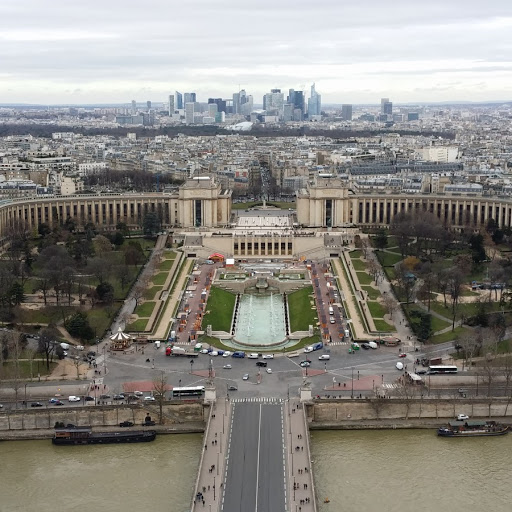
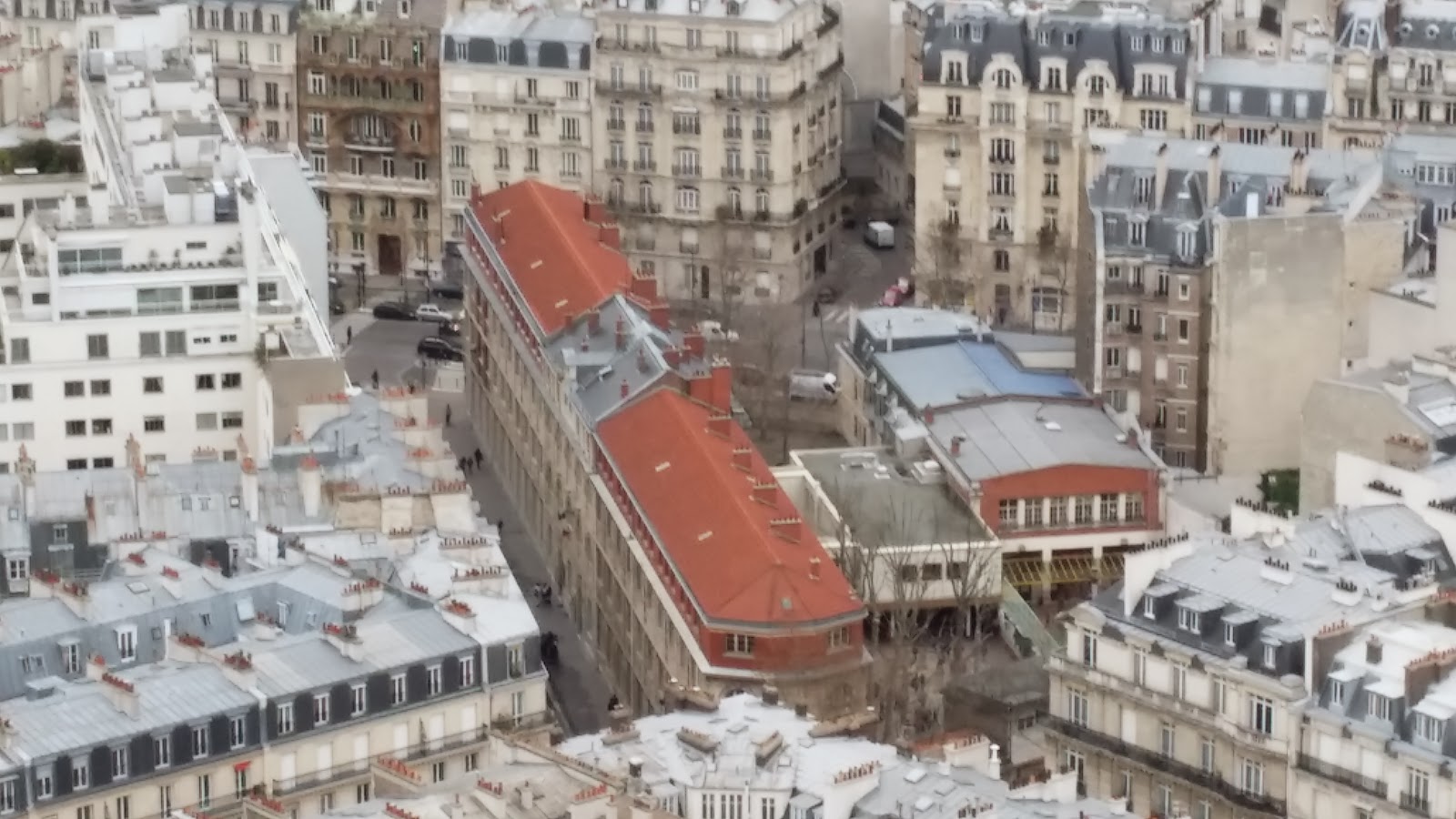
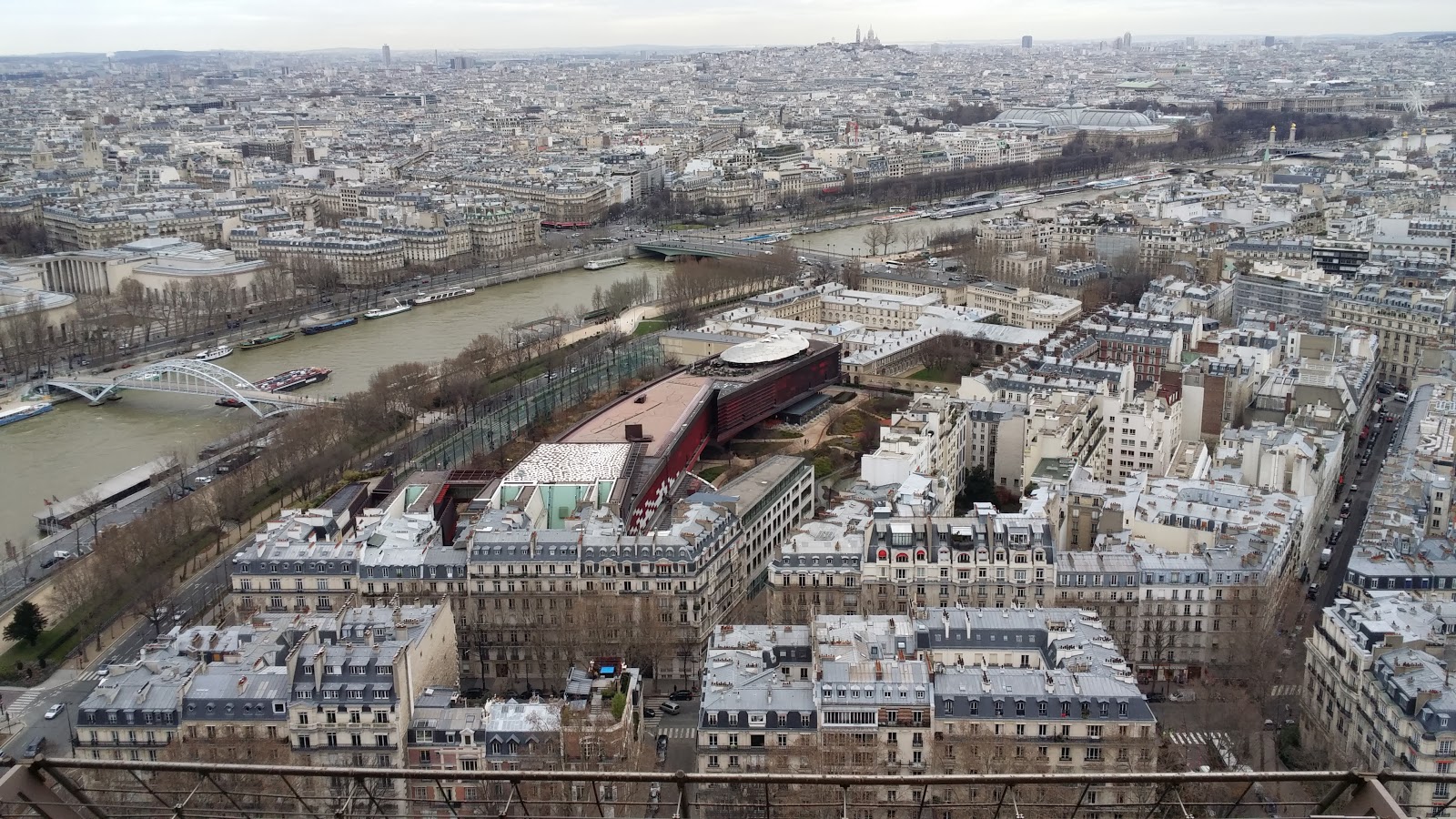
Searching for Locations: The Eiffel Tower, Paris, France

Sorry, reminiscing again…

It was a cold but far from a miserable day.  We were taking our grandchildren on a tour of the most interesting sites in Paris, the first of which was the Eiffel Tower.

We took the overground train, which had double-decker carriages, a first for the girls, to get to the tower.

We took the underground, or Metro, back, and they were fascinated with the fact the train carriages ran on road tires.

Because it was so cold, and windy, the tower was only open to the second level. It was a disappointment to us, but the girls were content to stay on the second level.

There they had the French version of chips.

It was a dull day, but the views were magnificent.

20140107_132225

A view of the Seine

20140107_132859

20140107_132208

Sacre Coeur church at Montmartre in the distance.

Another view along the river Seine

Overlooking the tightly packed apartment buildings

Looking along the opposite end of the river Seine

Writing a book in 365 days – 142

Day 142

Don’t ease your way in; grab the reader’s attention by swarming them with flying bullets and dragging them on a roller coaster ride that simply doesn’t stop.

The bullet passed through my left sleeve, grazing the arm just below the shoulder.

I heard the shot, well, a rally of shots from the three men with automatic guns, and only realised one had almost found its mark when my arm started to hurt.

It was the least of my problems.  The three men were gaining on me, and their marksmanship could only improve as they got closer.

The darkness was supposed to cover us, but no one had predicted clear skies and a large moon.

“You said no one was home.”  The hissed statement came from the other person who’d been with me.

“Bad intel.  Shit happens.”

At the top of the hill, after running through a grove of trees to try and misdirect their aim, and skidding to a halt before going headfirst down.

Both of us were fit, but even so, the hard running, the dodging and weaving as bullets thwack into the trees beside us, we were still gasping for breath.

At least one part of the briefing had been right.

If we got into trouble, going down the hill and into the river would be the best escape route if things got bad.

“You’re joking.”  Alicia had stopped, bent over double, trying to suck air in and look at the slope at the same time.

“Death or glory,” I said.

A bullet hit the tree next to her head, and then I was following her down.  I doubted they would follow us.

A last glance back showed they had slowed down, and I got the feeling they knew something about the slope I didn’t.

Halfway there was a sudden explosion, the debris threw us sideways, and luckily, because there was another explosion just in front of where Alicia was heading.

“Mine,” I heard her gasp just before she started sliding on the loose scree.  I was right behind her.

A rocky ledge arrested the free fall, and we came to a sudden and abrasive stop.  Several bullets hitting rocks to the side of us forced us across and behind the dense shrubbery.

It was about another hundred yards to the water’s edge, but now, closer to the bottom, I could see a track.  We hadn’t been told there was a track around the lake.

And headlights in the distance.

Behind us, another two mines exploded, showering us with scree.

“Jesus.”  Alicia wasn’t used to being shot at or running through minefields.

“Better not look to the left then.”

She saw the approaching car.  “Oh, shit.  What else is going to go wrong?”

“Welcome to my world.  We need to be down and in the water before that vehicle reaches us.”

At that moment, a cloud covered the moon, and it went dark.  Or darker.

“Now.”

She didn’t need to be asked twice.

We were on the track before I could count to ten.  The headlights suddenly disappeared, perhaps going around a bend in the road.

“Ready to take a dip?”

“I always wanted to go for a midnight swim.”

The headlights started to reappear.

We slipped into the water and swam away from the shoreline, trying to make as little wake as possible, heading towards the island about eighty yards away, taking a circular track, keeping close to the rocky edge.

It took that car about forty-five seconds to reach the spot where we had got in the water, and by that time we had reached as far as the rocky outcrop that was the last cover before striking out towards the island.

At that point, we stopped to see what they were going to do.  Just as a light flickered to life.

A searchlight.

The beam slowly tracked out over the water towards the island.  Then, it slowly tracked back to the point where we had just slipped underwater.

Seconds later, we came back up for air, and I could see the search light reach the point where we had entered the water.

“What now.  They’re going to see us if we try to get to the island.”

“Go around the point and out of sight, give us time to consider options.  At the very least, get away from them.

We reached the other side just before the searchlight picked up the point where we had just been.  Around the corner was inky blackness, but it wasn’t going to last.  The clouds were breaking up, and the moon would be out again.

We climbed out and sat on the rocky ledge.  The slope leading down to the waterline was a rock climber’s paradise.  It wouldn’t have been too hard to climb up.

The thing is, we now have a new problem.

A motorboat was heading towards us, and in the distance, we could see a flashlight. At first, we pointed at the lake surface, then, when close to the shoreline, pointed at the cliff.

“We go up,” I said.

A few seconds later, we were climbing as fast as we could.

A few seconds after that, bullets started pinging off the rocks below us.

At the top and over onto the flat surface, bullets were still pinging off the rocks, but now harmlessly.

Alicia took a minute to breathe, as I did, that last part of the climb turning my legs to jelly.

“Are we safe now?”

“When we get to that treeline, about fifty yards, or a little more.”

She started running.

We’d both heard it, the thumping sound of a helicopter rotor.

These people were never going to give up.

© Charles Heath 2025

Writing a book in 365 days – 141

Day 141

A writer sometimes has to be a hustler.

If you want to eat, or more to the point, if you want to make a living out of it, you will have to put yourself out there.

But, first, a sobering statistic: very few writers make an adequate living off their writing.

We all can be James Patterson, and those who are always on the top 50 best-selling list.

I’ll admit I want to want to have that New York Times Number One bestselling author title, but realistic enough to know that there’s a lot of hard work between then and now.

Now I’m just content to write.

But, seriously, writing is as much about marketing as it is writing, and unless you have a publishing contract, you are in charge of your book’s marketing campaign.

And it isn’t easy.

A lot of so-called helpful people are only too willing to tell you how easy it is, for a price.  The thing is, what worked for them, if it worked for them, doesn’t necessarily work for you.

Quite often, it’s different genres, so their success was in cosy mysteries, and you write true crime, you’re facing a completely different market.

Then, if you were to analyse the success of that particular advice offerer, which i did in one case, you might find they have no presence or sales, except for the material they are selling.

It’s a rarity indeed that a person who isn’t in the same type of market can offer any meaningful advice.

I have tried paid for and free advice, not that much of the free advice was very helpful, and a lot of it didn’t work

Even trying to give your books away for free, the sites that might see you move a dozen, perhaps twenty copies, don’t equate to the large sum of money these ‘promotion by giving away free copies’ sites demand is hardly worth the effort.

Is there a perfect plan?

No.

Is there a way to find out how to market successfully?

I like to think there is.  The thing is, I haven’t quite stumbled on the formula, but when I do, I will be happy to give it away for free.

Writing a book in 365 days – 141

Day 141

A writer sometimes has to be a hustler.

If you want to eat, or more to the point, if you want to make a living out of it, you will have to put yourself out there.

But, first, a sobering statistic: very few writers make an adequate living off their writing.

We all can be James Patterson, and those who are always on the top 50 best-selling list.

I’ll admit I want to want to have that New York Times Number One bestselling author title, but realistic enough to know that there’s a lot of hard work between then and now.

Now I’m just content to write.

But, seriously, writing is as much about marketing as it is writing, and unless you have a publishing contract, you are in charge of your book’s marketing campaign.

And it isn’t easy.

A lot of so-called helpful people are only too willing to tell you how easy it is, for a price.  The thing is, what worked for them, if it worked for them, doesn’t necessarily work for you.

Quite often, it’s different genres, so their success was in cosy mysteries, and you write true crime, you’re facing a completely different market.

Then, if you were to analyse the success of that particular advice offerer, which i did in one case, you might find they have no presence or sales, except for the material they are selling.

It’s a rarity indeed that a person who isn’t in the same type of market can offer any meaningful advice.

I have tried paid for and free advice, not that much of the free advice was very helpful, and a lot of it didn’t work

Even trying to give your books away for free, the sites that might see you move a dozen, perhaps twenty copies, don’t equate to the large sum of money these ‘promotion by giving away free copies’ sites demand is hardly worth the effort.

Is there a perfect plan?

No.

Is there a way to find out how to market successfully?

I like to think there is.  The thing is, I haven’t quite stumbled on the formula, but when I do, I will be happy to give it away for free.

Writing a book in 365 days – 140

Day 140

Writing exercise

She lost sight of him in the frozen food aisle.

That was the problem with casual surveillance. Take your eyes off the target for one second, and they’re gone.

Of course, you would think there wouldn’t be that many people in the aisle, but it wasn’t the number of people. It was the distractions.

The lady reaching into the freezer and the boy shutting the lid on her, the baby in the stroller screaming its head off, and the mother casually ignoring it, the three or four-year-old pulling stuff off shelves and throwing it on the floor in a temper tantrum.

Distractions that she was supposed to ignore.

“You do realise your target has left the building?”

Her training supervisor had just managed to sneak up on her and, at the sound of his voice, made her jump.

Nerves.

Fear of failing.

A God awful row at home with a husband who didn’t want her to work, and probably would be even more incensed if she told him what she was really doing.

What else could go wrong?

“I know.  I thought it would be easy, but you’re right, there are so many other factors involved.  But, if you say that’s why we have a team, another member would pick them up.”

“And if there was not?”

“I’d be going back and giving the person who organised the job and the team a serve.”

OK, she thought, that was not called for, but that smug, supercilious look was annoying her.

“Are you usually this rambunctious?”

“Do you after use words no one understands when you really meant pain in the ass?”

This girl was trouble.  She had the talent and the ability when she first started, but that had slowed and waned.  It wasn’t a lack of interest.  Something else was going on.

I looked around and realised this was not the place to be discussing her career prospects.

“I saw a cafe outside.  Let me treat you to a cup of coffee and talk about what’s going on.”

Her expression told me that, for her, it was not the time or place and that there probably wasn’t going to be one.

“Is that really necessary?”

“If you want to continue the training program, yes.”

From the supermarket to the cafe, I went over the aspects of her file that her training officer had used as justification for her retaining her place in the program.

It was not the first time her name had come up in the weekly meeting to decide which trainees to retire who were not making the grade.

Her name made the list the previous week and was the reason why I’d come out to observe the exercise and her performance.

Her training officer was adamant she should be retained, that whatever was affecting her performance was only temporary.  Of course, most trainees rarely discussed any outside factors that might be affecting them for fear it would get them where she was now.

I didn’t expect any candour now.

I waited until the coffee was delivered before bringing up work, and went straight to the heart of the matter.  “Do you really want to do this job.  It seems to me that you’ve lost interest.”

“I’m juggling stuff.  You know, in preparation for throwing myself into the job.”

“And your husband is on board.  You’ve told him that it will require you to go at any time and hour of the day, for weeks at a time, to places you can’t tell him about?”

It was better to accept single people with no ties and no permanent anchors like partners or residency, but laws ensured we had to take on everyone, irrespective of background.  They simply had to pass a security check.  Having a partner, particularly in the case of female recruits, came with its own particular set of problems

When she didn’t answer straight away. I knew the problem.  She hadn’t told him.

“It’s not a problem.”

“Until it is.  You haven’t told him.  What does he think you’re doing?”

“It wouldn’t matter.  We had this talk before we were married, and he would support me in anything I wanted to do.  He’s happy to see me behind a desk, nine to five, home to cook dinner.”

“That’s not what we do here.  This is anything but nine to five.  Was he like this before you got married?”

“Now I look back, I should have seen the signs.  I guess when you’re in those first initial throes, you are either not looking or choose to ignore anything bad or decide you can work on it later.”

“And now that it’s later?”

“Am I allowed to kill him?” 

I looked into her eyes, and I could see she was deadly serious.  I had no doubt that she could, she would.  My impression, if she channelled that rage into her world, even I’d be scared by her.

“Since that is off the table for obvious reasons, is there anything else that can resolve this problem?”  It was time for her to start thinking outside the box and prove she had the ability she said she had.

She sighed.

“Coffee’s nice for a mall cafe.”

No brilliant solutions.  “Go home and tell him, then decide what you want to do.  You sort that out, get your head back in the game, and there’s a place for you.  You come back, I will be asking him myself if you discussed it and what it means.  Am I understood?”

“Clearly.”

That discussion was a whole lot worse than simply losing a target in the freezer aisle.

Losing targets she could get past, at least for a while, but telling Jimmy that his ‘possession’ had a mind of her own and a way cooler job than he ever would, wasn’t going to stoke his alpha male ego.

It was a question of what she wanted.

He did say that he wanted her to pursue whatever career pleased her, but that was back in the days when the only options were law school, architecture, or scientific research.  Jobs that brought in very good salaries that would keep Jeremy in the lifestyle he wanted to become accustomed to.  His joke about her working and him staying home to look after the children was wearing a little thin.  Particularly since he wasn’t ready for children, yet. 

And what did he do?

Plod along in a nine-to-five paper shuffle with sickies once a week so he could have long weekends boozing at home or boozing away with the lads while she worked two jobs and trained.

He’d carefully hidden that trait until after she overheard him tell one of his friends, he landed the fish.  Then he could do what he liked.

Sitting on the train, going back to the flat where they agreed they would live until her studies were over, she had to ask herself why the only things about her marriage were bad memories.

Was her inner self trying to tell her something?

Once home, the trail of clothes running from the bathroom to the bedroom was waiting for her to clean up, after which there were yesterday’s dishes to clean before preparing the evening meal

She looked in the refrigerator and closed it again.  Normally, if she wanted something, she would send him a text of what she needed or to suggest eating out.  Tonight felt like an eating-out night.

Except, she was feeling the first stirrings of rebellion.

She threw everything unwashed or lying around in the kitchen into the bin.  There were two plates left, with chips in them.  She put them on the table, along with a can of beans and a can opener.

Then she tossed his mess of papers and magazines out of what had been her seat and threw it in the corner of the room.  A quick look around, then went into the bedroom and put what she considered essential items into a backpack she had recently bought and put it by the front door.

A plan was forming in her mind, one that might have been unthinkable a week ago.  Well, perhaps a month ago, to be honest.

Then she sat down, facing the door, and waited.

….

It was an hour later than usual.  It didn’t surprise her, because several times in the last month he had gone to a bar with his friends and come home half drunk.  Wisely. 

The door opened, and he burst in, with Walter, one of his friends, in tow.  Yes.  A shade more intoxicated than usual.

“Hi, honey, I’m home.  Brought Wally, didn’t want to go home to his parents, yet.  What’s for dinner?”

And then stopped when he saw her sitting with her arms crossed.

Wally said, “Hello, Agnethe.”

“Hello, Walter, goodbye Walter.”

“But…”

“Get out!”  It was almost as rapid as a bullet.

“See you tomorrow, Jeremy.  Whatever you did, I’d apologise.  Very humbly.”  Walter patted him on the back and left, closing the door very quietly behind him.

Jeremy looked shellshocked, but only for a few seconds until he realised this was his place and therefore his rules.

“You can’t talk to my friends like that. And why aren’t you cooking dinner?”

Belligerent. 

She slowly stood and walked over to him, seeing him for the first time for who he really was.  How the hell had she fallen for a guy like him?  Easy.  He had been someone completely different then.

No.  He acted like someone completely different then.  This is who he always was.

What did that say about her?

“You’re lucky I don’t get what I was going to make and shove it down your throat.”

He looked puzzled for a few moments, then smiled.  “Oh, I get it.  This is a new thing, acting all tough, making me all hot and sweaty.  Things were getting boring in the bedroom.”

She shook her head.
¹
“It’s over, Jeremy.  I’m done.  When I walk through that door, I never want to see you again.”

He finally got it, and the accompanying expression wasn’t nice.  He grabbed her by the front of her shirt and pushed her harshly up against the wall.

“You aren’t going anywhere, bitch.  I own you, and you do what I tell you.  Now, when I let you go, you’re going to make me my dinner.  Then I’ll decide what else you can do for me.”

She relaxed under his grip and put on a compliant expression.  How many times had she been in this position in training, the scenarios far more dangerous than this?

He let her go, and in five seconds, he was on the floor, face slammed into the floorboards with such a crack, she hoped she hadn’t killed him, but just to make sure, she rammed her knee into his back and elicited a grunt. 

Not dead yet.

Hands immobilised, she leaned forward and whispered in his ear, “I’m going to get up and walk out of here.  You decided, stupidly, to retaliate; I will kill you.  That isn’t a threat, it’s a promise.  What I just did then, that’s me being nice.  Trust me when I say you do not want to see me mad.”

I’d seen the same expressions on people who had been through the same experience.  Resentment of the people who were holding them back.

Her psychological profile made interesting reading, and it had been a calculated risk sending her home.  So far she hadn’t hurt him too severely, but if he was as dumb as the report on him said, then he was an inch away from becoming a statistic.

Not a good one.

I knocked on the door to her apartment, two offices, armed, ready to go through the moment she opened the door.

Nothing. 

My assistant was holding an iPad, with infrared imaging.  His hand indicated she was still holding him down.

I knocked again.  No urgency.  All her exits were cut off.

I heard a muffled voice from behind the door.  “It’s not locked.”

I looked at the others.  “Wait here, but be ready.”

The two beside me closed up and would remain at the door.  I would go in and not close it.  A voice behind me said, “We’re getting attention.”

“Sort it.”

I opened the door, went in, then left it only slightly ajar.  When I looked down, I could see the man under her was unconscious, and she was getting up slowly, hands outstretched.

When fully upright, hands outstretched, she backed up to the wall.”You’ve been busy.  Is he…?”

“Simply unconscious.  Do need to make things worse with him screaming like a stuck pig.”

“What happened?”

“I told him I was leaving.  He didn’t take it well.  I want the job more than I want him.”

She looked down at him with a look of pure malice.  Then back up at me.  “I’ll do whatever it takes.”

“In three months, you might regret saying that.”

“In three months I could be in a shit arse jail cell.  I’d prefer not to be.  Why are you here anyway?”

Perhaps it finally dawned on her that my presence was an anomaly.

“Our conversation.  You had to think that at some point, we were watching you and your husband.”

“You could have just asked me.  He’s a scumbag lowlife, him and his mates.  Surveillance for practice.  If you were at it you’d know what I know.  I was about to kill him when you arrived.”

“Wouldn’t help your cause.  We’ll take it from here.  If you want to join the group, the real group, then once you say “yes”, Agnethe ceases to exist, and a cover story is created to cover that disappearance.  You will leave here ostensibly under arrest, my team will clean the site, and poof, you’re gone.  You cannot come back, you cannot see any of your old friends, family or acquaintances.  Ever.  Do you agree?”

“Yes.”

©  Charles Heath  2025

Writing a book in 365 days – 140

Day 140

Writing exercise

She lost sight of him in the frozen food aisle.

That was the problem with casual surveillance. Take your eyes off the target for one second, and they’re gone.

Of course, you would think there wouldn’t be that many people in the aisle, but it wasn’t the number of people. It was the distractions.

The lady reaching into the freezer and the boy shutting the lid on her, the baby in the stroller screaming its head off, and the mother casually ignoring it, the three or four-year-old pulling stuff off shelves and throwing it on the floor in a temper tantrum.

Distractions that she was supposed to ignore.

“You do realise your target has left the building?”

Her training supervisor had just managed to sneak up on her and, at the sound of his voice, made her jump.

Nerves.

Fear of failing.

A God awful row at home with a husband who didn’t want her to work, and probably would be even more incensed if she told him what she was really doing.

What else could go wrong?

“I know.  I thought it would be easy, but you’re right, there are so many other factors involved.  But, if you say that’s why we have a team, another member would pick them up.”

“And if there was not?”

“I’d be going back and giving the person who organised the job and the team a serve.”

OK, she thought, that was not called for, but that smug, supercilious look was annoying her.

“Are you usually this rambunctious?”

“Do you after use words no one understands when you really meant pain in the ass?”

This girl was trouble.  She had the talent and the ability when she first started, but that had slowed and waned.  It wasn’t a lack of interest.  Something else was going on.

I looked around and realised this was not the place to be discussing her career prospects.

“I saw a cafe outside.  Let me treat you to a cup of coffee and talk about what’s going on.”

Her expression told me that, for her, it was not the time or place and that there probably wasn’t going to be one.

“Is that really necessary?”

“If you want to continue the training program, yes.”

From the supermarket to the cafe, I went over the aspects of her file that her training officer had used as justification for her retaining her place in the program.

It was not the first time her name had come up in the weekly meeting to decide which trainees to retire who were not making the grade.

Her name made the list the previous week and was the reason why I’d come out to observe the exercise and her performance.

Her training officer was adamant she should be retained, that whatever was affecting her performance was only temporary.  Of course, most trainees rarely discussed any outside factors that might be affecting them for fear it would get them where she was now.

I didn’t expect any candour now.

I waited until the coffee was delivered before bringing up work, and went straight to the heart of the matter.  “Do you really want to do this job.  It seems to me that you’ve lost interest.”

“I’m juggling stuff.  You know, in preparation for throwing myself into the job.”

“And your husband is on board.  You’ve told him that it will require you to go at any time and hour of the day, for weeks at a time, to places you can’t tell him about?”

It was better to accept single people with no ties and no permanent anchors like partners or residency, but laws ensured we had to take on everyone, irrespective of background.  They simply had to pass a security check.  Having a partner, particularly in the case of female recruits, came with its own particular set of problems

When she didn’t answer straight away. I knew the problem.  She hadn’t told him.

“It’s not a problem.”

“Until it is.  You haven’t told him.  What does he think you’re doing?”

“It wouldn’t matter.  We had this talk before we were married, and he would support me in anything I wanted to do.  He’s happy to see me behind a desk, nine to five, home to cook dinner.”

“That’s not what we do here.  This is anything but nine to five.  Was he like this before you got married?”

“Now I look back, I should have seen the signs.  I guess when you’re in those first initial throes, you are either not looking or choose to ignore anything bad or decide you can work on it later.”

“And now that it’s later?”

“Am I allowed to kill him?” 

I looked into her eyes, and I could see she was deadly serious.  I had no doubt that she could, she would.  My impression, if she channelled that rage into her world, even I’d be scared by her.

“Since that is off the table for obvious reasons, is there anything else that can resolve this problem?”  It was time for her to start thinking outside the box and prove she had the ability she said she had.

She sighed.

“Coffee’s nice for a mall cafe.”

No brilliant solutions.  “Go home and tell him, then decide what you want to do.  You sort that out, get your head back in the game, and there’s a place for you.  You come back, I will be asking him myself if you discussed it and what it means.  Am I understood?”

“Clearly.”

That discussion was a whole lot worse than simply losing a target in the freezer aisle.

Losing targets she could get past, at least for a while, but telling Jimmy that his ‘possession’ had a mind of her own and a way cooler job than he ever would, wasn’t going to stoke his alpha male ego.

It was a question of what she wanted.

He did say that he wanted her to pursue whatever career pleased her, but that was back in the days when the only options were law school, architecture, or scientific research.  Jobs that brought in very good salaries that would keep Jeremy in the lifestyle he wanted to become accustomed to.  His joke about her working and him staying home to look after the children was wearing a little thin.  Particularly since he wasn’t ready for children, yet. 

And what did he do?

Plod along in a nine-to-five paper shuffle with sickies once a week so he could have long weekends boozing at home or boozing away with the lads while she worked two jobs and trained.

He’d carefully hidden that trait until after she overheard him tell one of his friends, he landed the fish.  Then he could do what he liked.

Sitting on the train, going back to the flat where they agreed they would live until her studies were over, she had to ask herself why the only things about her marriage were bad memories.

Was her inner self trying to tell her something?

Once home, the trail of clothes running from the bathroom to the bedroom was waiting for her to clean up, after which there were yesterday’s dishes to clean before preparing the evening meal

She looked in the refrigerator and closed it again.  Normally, if she wanted something, she would send him a text of what she needed or to suggest eating out.  Tonight felt like an eating-out night.

Except, she was feeling the first stirrings of rebellion.

She threw everything unwashed or lying around in the kitchen into the bin.  There were two plates left, with chips in them.  She put them on the table, along with a can of beans and a can opener.

Then she tossed his mess of papers and magazines out of what had been her seat and threw it in the corner of the room.  A quick look around, then went into the bedroom and put what she considered essential items into a backpack she had recently bought and put it by the front door.

A plan was forming in her mind, one that might have been unthinkable a week ago.  Well, perhaps a month ago, to be honest.

Then she sat down, facing the door, and waited.

….

It was an hour later than usual.  It didn’t surprise her, because several times in the last month he had gone to a bar with his friends and come home half drunk.  Wisely. 

The door opened, and he burst in, with Walter, one of his friends, in tow.  Yes.  A shade more intoxicated than usual.

“Hi, honey, I’m home.  Brought Wally, didn’t want to go home to his parents, yet.  What’s for dinner?”

And then stopped when he saw her sitting with her arms crossed.

Wally said, “Hello, Agnethe.”

“Hello, Walter, goodbye Walter.”

“But…”

“Get out!”  It was almost as rapid as a bullet.

“See you tomorrow, Jeremy.  Whatever you did, I’d apologise.  Very humbly.”  Walter patted him on the back and left, closing the door very quietly behind him.

Jeremy looked shellshocked, but only for a few seconds until he realised this was his place and therefore his rules.

“You can’t talk to my friends like that. And why aren’t you cooking dinner?”

Belligerent. 

She slowly stood and walked over to him, seeing him for the first time for who he really was.  How the hell had she fallen for a guy like him?  Easy.  He had been someone completely different then.

No.  He acted like someone completely different then.  This is who he always was.

What did that say about her?

“You’re lucky I don’t get what I was going to make and shove it down your throat.”

He looked puzzled for a few moments, then smiled.  “Oh, I get it.  This is a new thing, acting all tough, making me all hot and sweaty.  Things were getting boring in the bedroom.”

She shook her head.
¹
“It’s over, Jeremy.  I’m done.  When I walk through that door, I never want to see you again.”

He finally got it, and the accompanying expression wasn’t nice.  He grabbed her by the front of her shirt and pushed her harshly up against the wall.

“You aren’t going anywhere, bitch.  I own you, and you do what I tell you.  Now, when I let you go, you’re going to make me my dinner.  Then I’ll decide what else you can do for me.”

She relaxed under his grip and put on a compliant expression.  How many times had she been in this position in training, the scenarios far more dangerous than this?

He let her go, and in five seconds, he was on the floor, face slammed into the floorboards with such a crack, she hoped she hadn’t killed him, but just to make sure, she rammed her knee into his back and elicited a grunt. 

Not dead yet.

Hands immobilised, she leaned forward and whispered in his ear, “I’m going to get up and walk out of here.  You decided, stupidly, to retaliate; I will kill you.  That isn’t a threat, it’s a promise.  What I just did then, that’s me being nice.  Trust me when I say you do not want to see me mad.”

I’d seen the same expressions on people who had been through the same experience.  Resentment of the people who were holding them back.

Her psychological profile made interesting reading, and it had been a calculated risk sending her home.  So far she hadn’t hurt him too severely, but if he was as dumb as the report on him said, then he was an inch away from becoming a statistic.

Not a good one.

I knocked on the door to her apartment, two offices, armed, ready to go through the moment she opened the door.

Nothing. 

My assistant was holding an iPad, with infrared imaging.  His hand indicated she was still holding him down.

I knocked again.  No urgency.  All her exits were cut off.

I heard a muffled voice from behind the door.  “It’s not locked.”

I looked at the others.  “Wait here, but be ready.”

The two beside me closed up and would remain at the door.  I would go in and not close it.  A voice behind me said, “We’re getting attention.”

“Sort it.”

I opened the door, went in, then left it only slightly ajar.  When I looked down, I could see the man under her was unconscious, and she was getting up slowly, hands outstretched.

When fully upright, hands outstretched, she backed up to the wall.”You’ve been busy.  Is he…?”

“Simply unconscious.  Do need to make things worse with him screaming like a stuck pig.”

“What happened?”

“I told him I was leaving.  He didn’t take it well.  I want the job more than I want him.”

She looked down at him with a look of pure malice.  Then back up at me.  “I’ll do whatever it takes.”

“In three months, you might regret saying that.”

“In three months I could be in a shit arse jail cell.  I’d prefer not to be.  Why are you here anyway?”

Perhaps it finally dawned on her that my presence was an anomaly.

“Our conversation.  You had to think that at some point, we were watching you and your husband.”

“You could have just asked me.  He’s a scumbag lowlife, him and his mates.  Surveillance for practice.  If you were at it you’d know what I know.  I was about to kill him when you arrived.”

“Wouldn’t help your cause.  We’ll take it from here.  If you want to join the group, the real group, then once you say “yes”, Agnethe ceases to exist, and a cover story is created to cover that disappearance.  You will leave here ostensibly under arrest, my team will clean the site, and poof, you’re gone.  You cannot come back, you cannot see any of your old friends, family or acquaintances.  Ever.  Do you agree?”

“Yes.”

©  Charles Heath  2025

Writing a book in 365 days – 139

Day 138

Just what are you saying?

So here’s the thing.

We all have points of view, nurtured from the day we are born to the day we die.

Along the way, these views can change, as does our opinion of many things.

Political beliefs, religion, and the weather.

As a rule, I tend to avoid both politics and religion, simply because most people hold very strong views.

As for the weather, I’m an expert.  After I look out the window.

But…

Even then, there are people with strong views about that because of or not climate change and secret satellites that change weather patterns…

Yes, yet another WTF moment!

So…

The point I’m trying to make is that our personal beliefs sometimes creep into the characters we create.

Al least we think we are creating this particular person, and no matter how hard we try to make them what seems to be the complete antithesis of ourselves, somehow a little shred is there.

I cannot make a completely obnoxious person, no matter how hard it try, because it’s not me.  I don’t know what it’s like to be one.  I have to read about people like that, and delved into Freud’s thoughts on psychosis to gain some level of understanding

And, sadly, I want to believe there is good somewhere in everyone.

It could possibly be one of those issues a writer has to deal with in character development.

Of course, it’s all the easier if you have had to deal with such people.

My father was a monster who beat all of us, but that may have had something to do with the war and fighting the Japanese in the jungle.

My uncle was a paedophile who assaulted both me and my brother, and a lot of others, in a time when he could get away with it

My mother had no idea how to be a mother or care for us in the way a mother should.

These people gave me the background for certain types of characters.

So did a lot of the people I worked with over the years.  People I saw, people in other countries, people from all walks of life.

All, in their own way, shaped who I am and what I believe in.

And I know enough not to impose my beliefs, such as they are, on anyone.

Jane Austen got it right

“For what do we live but to make sport for our neighbours and laughter at them in our turn?”