Writing a book in 365 days – 244

Day 244

Is there a simple way to learn and write poetry?

Unleash Your Inner Poet: The Surprisingly Simple Path to Writing Poetry

For many, the word “poetry” conjures images of dusty tomes, cryptic verses, and the terrifying prospect of iambic pentameter. It feels like a secret club with an impossible initiation. But what if I told you that, at its heart, poetry is actually one of the most accessible and freeing forms of expression?

The question “Is there a simple way to learn and write poetry?” can be answered with a resounding yes. It’s not about memorising rules, it’s about re-learning how to see, feel, and play with words.

Here’s how to demystify the process and start your own poetic journey:

1. Ditch the “Rules” (For Now)

The biggest barrier to writing poetry is the self-imposed pressure to conform to traditional structures. Forget rhyme schemes, meter, and sonnet forms when you’re starting out. Think of them as advanced techniques you can explore later, if you choose.

Your focus should be on free verse. This is poetry without a strict rhythm or rhyme, allowing you to focus purely on imagery, emotion, and word choice. It’s the perfect playground for beginners.

2. Become a Keen Observer

Poetry is born from attention. The most powerful poems often come from everyday moments, seen through a fresh lens.

  • Engage your senses: What do you see, hear, smell, taste, touch right now?
  • Notice the details: Not just “a tree,” but “the ancient oak, its bark grooved like an old man’s face, leaves shivering in the morning breeze.”
  • Capture emotions: How does a situation make you feel? Don’t just name the emotion; describe its physical manifestation. (“My heart thrums like a trapped bird.”)
  • Carry a notebook (or use your phone): Jot down interesting words, phrases, snippets of conversation, or sensory observations as they strike you. These are your raw materials.

3. Read Poetry (But Don’t Feel Intimidated)

Reading poetry isn’t about understanding every single line or deciphering hidden meanings. It’s about hearing the music of language, seeing how others play with words, and discovering what resonates with you.

  • Start with contemporary poets: Many modern poems are more accessible and relatable than historical works.
  • Explore different styles: Read free verse, haikus, spoken word, lyrical pieces.
  • Read aloud: This helps you hear the rhythm and flow, even without rhyme.
  • Don’t force it: If a poem doesn’t click, move on. There’s so much out there!

4. Play with Words Like Building Blocks

Think of words as your paint, your clay, your musical notes.

  • Metaphor & Simile: How is one thing like another? (The moon is a fingernail clipping.) How is one thing another? (The moon is a pearl in the sky.)
  • Imagery: Use words that create vivid pictures in the reader’s mind.
  • Sound: Notice alliteration (slippery silver snakes), assonance (the mellow wedding bells), and how different sounds feel in your mouth.
  • Concision: Poetry often says a lot with a little. Can you trim unnecessary words?

5. Start Small and Simple

Don’t aim for an epic poem on your first try.

  • Try a Haiku: (5-7-5 syllables, usually about nature) – forces you to be concise.
  • Write about a single object: A forgotten coffee cup, a wilting flower, a dusty book.
  • Describe a single moment: The exact second the rain started, the taste of your morning coffee, the sound of a distant train.
  • Start with a strong image or feeling: Let that lead you.

6. Embrace the First Draft (It’s Supposed to Be Messy!)

Your first attempt won’t be perfect, and that’s okay. Think of it as a brain dump. Get all your ideas and feelings down on paper.

  • Don’t edit as you go: Just write.
  • Let it sit: Come back to it later with fresh eyes.
  • Revise: This is where the magic happens. Trim, expand, rearrange, swap words, sharpen images. Read it aloud to catch awkward phrasing.

7. Share (When You’re Ready)

Sharing your work, even with one trusted friend, can be incredibly empowering. It provides a new perspective and helps you grow. Join a local writing group, an online forum, or just read it to your cat!


Poetry isn’t about being “profound” or “intellectual” from the get-go. It’s about connecting with your own voice, observing the world with fresh eyes, and finding beauty in the ordinary. The most simple way to learn and write poetry is simply to begin. Pick up a pen, open a document, and let your words flow. The world is waiting for your unique song.

Writing a book in 365 days – 244

Day 244

Is there a simple way to learn and write poetry?

Unleash Your Inner Poet: The Surprisingly Simple Path to Writing Poetry

For many, the word “poetry” conjures images of dusty tomes, cryptic verses, and the terrifying prospect of iambic pentameter. It feels like a secret club with an impossible initiation. But what if I told you that, at its heart, poetry is actually one of the most accessible and freeing forms of expression?

The question “Is there a simple way to learn and write poetry?” can be answered with a resounding yes. It’s not about memorising rules, it’s about re-learning how to see, feel, and play with words.

Here’s how to demystify the process and start your own poetic journey:

1. Ditch the “Rules” (For Now)

The biggest barrier to writing poetry is the self-imposed pressure to conform to traditional structures. Forget rhyme schemes, meter, and sonnet forms when you’re starting out. Think of them as advanced techniques you can explore later, if you choose.

Your focus should be on free verse. This is poetry without a strict rhythm or rhyme, allowing you to focus purely on imagery, emotion, and word choice. It’s the perfect playground for beginners.

2. Become a Keen Observer

Poetry is born from attention. The most powerful poems often come from everyday moments, seen through a fresh lens.

  • Engage your senses: What do you see, hear, smell, taste, touch right now?
  • Notice the details: Not just “a tree,” but “the ancient oak, its bark grooved like an old man’s face, leaves shivering in the morning breeze.”
  • Capture emotions: How does a situation make you feel? Don’t just name the emotion; describe its physical manifestation. (“My heart thrums like a trapped bird.”)
  • Carry a notebook (or use your phone): Jot down interesting words, phrases, snippets of conversation, or sensory observations as they strike you. These are your raw materials.

3. Read Poetry (But Don’t Feel Intimidated)

Reading poetry isn’t about understanding every single line or deciphering hidden meanings. It’s about hearing the music of language, seeing how others play with words, and discovering what resonates with you.

  • Start with contemporary poets: Many modern poems are more accessible and relatable than historical works.
  • Explore different styles: Read free verse, haikus, spoken word, lyrical pieces.
  • Read aloud: This helps you hear the rhythm and flow, even without rhyme.
  • Don’t force it: If a poem doesn’t click, move on. There’s so much out there!

4. Play with Words Like Building Blocks

Think of words as your paint, your clay, your musical notes.

  • Metaphor & Simile: How is one thing like another? (The moon is a fingernail clipping.) How is one thing another? (The moon is a pearl in the sky.)
  • Imagery: Use words that create vivid pictures in the reader’s mind.
  • Sound: Notice alliteration (slippery silver snakes), assonance (the mellow wedding bells), and how different sounds feel in your mouth.
  • Concision: Poetry often says a lot with a little. Can you trim unnecessary words?

5. Start Small and Simple

Don’t aim for an epic poem on your first try.

  • Try a Haiku: (5-7-5 syllables, usually about nature) – forces you to be concise.
  • Write about a single object: A forgotten coffee cup, a wilting flower, a dusty book.
  • Describe a single moment: The exact second the rain started, the taste of your morning coffee, the sound of a distant train.
  • Start with a strong image or feeling: Let that lead you.

6. Embrace the First Draft (It’s Supposed to Be Messy!)

Your first attempt won’t be perfect, and that’s okay. Think of it as a brain dump. Get all your ideas and feelings down on paper.

  • Don’t edit as you go: Just write.
  • Let it sit: Come back to it later with fresh eyes.
  • Revise: This is where the magic happens. Trim, expand, rearrange, swap words, sharpen images. Read it aloud to catch awkward phrasing.

7. Share (When You’re Ready)

Sharing your work, even with one trusted friend, can be incredibly empowering. It provides a new perspective and helps you grow. Join a local writing group, an online forum, or just read it to your cat!


Poetry isn’t about being “profound” or “intellectual” from the get-go. It’s about connecting with your own voice, observing the world with fresh eyes, and finding beauty in the ordinary. The most simple way to learn and write poetry is simply to begin. Pick up a pen, open a document, and let your words flow. The world is waiting for your unique song.

Writing a book in 365 days – 242/243

Days 242 and 243

Writing exercise – Fired from your favourite job and chose a different career

The thing about being an investigative journalist, it was at times a very dangerous job.

Because when that word ‘investigative’ is properly interpreted by the recipient of the title, you will find yourself at one time or another dealing with very nasty and sometimes life-threatening situations.

Investigations are rarely run from the comfort of a desk. It was a coal face job; it required the nurturing of contacts over time, and it required knowledge of the law, the courts, in fact, practically the whole justice system.

I wanted to be a lawyer until I realised I would have to defend scumbags. Do that, or property law, divorces, wills and inheritance, or perhaps something equally less interesting. So I chose the next best profession, journalism.

It took a few years to get to the right desk.

Then, having finally made it to the top, so to speak, there was a management restructure. Not entirely unexpected because paper media was a dying breed, and everything was going digital. It meant I had to make a few subtle changes, like deadlines, which were now same-day news, no overnight, eschewing the piece before publication the next day.

With the management upheaval came a new editor. That new editor brought his son, a so-called wunderkind, and as I learned very quickly, the person who wanted my job. I discovered this very interesting piece of information when I was called into the editor’s office and told my piece was not good enough, and they were running the ‘wunderkinds’ piece.

I read it. Flasking, full of supposition and inaccuracies, but fitted the criteria for the ‘new’ punchier news we were writing for the ‘new’ audience, the under-25s who liked their news in short, sharp sentences with no interest in whether it was true or not.

The days of true journalism were gone. We might as well send it out in test message speak.

I told the editor it hadn’t been fact-checked, it had seventeen inaccuracies or downright wrong statements, and overall, it was rubbish.

In response, he gave my desk to the wunderkind.

My response, perhaps a little hasty but definitely made in anger. I quit.

Of course, like any decision made in anger, when you wake up the next morning and realise what you have done, there is that moment of regret. That disappeared when the face of the wunderkind reappeared, staring into the editor’s office, a supercilious ‘I’ve won’ look on it, and even more elated when he saw me pack my stuff into the box.

It just made me mad all over again.

My phone vibrated, left on vibrate, so I wasn’t woken up overnight. I knew when the news leaked out that I had left, a few people would ring and ask why.

Or not. The media these days is a fickle business.

I saw the name flash up on the screen, Jane, and I would have to ring her back. She and I went through University together, fierce rivals for the campus paper job, and in writing the best articles. She was always one step ahead of me, but that was because she was better.

I like to think I’d caught up in recent months, but now I was not so sure what was going to happen.

“I’m told you quit.” No hello, no how are you? It was probably in the middle of an interview while the interviewee was taking a break from one of her relentless interrogations.

“Painted myself into a corner.” It was more or less the truth.

“More likely, Jacques screwed you over.”

Wunderkind had a name. And, no, he was not part French. It was a pretentious interpretation of his usual boring name of Jack.

“He apparently writes what children want to read. We’re diversifying from paper to instant release on the media website. Paywall subscriptions and verified hits are all the rage. My stories are too ‘heavy’ and long-winded. Murton would be turning in his grave.

Murton was the previous editor, a proper editor, feared but fair, who took me on as one of them know-it-all university types, to what a good journalist was supposed to be. The Democrats’ losing the last election killed him, literally. The night Kamala Harris conceded, he had a fatal heart attack.

“That isn’t news, that’s just waffle.”

“Not my problem any more.”

She let that sink in, and then asked, “What are you going to do. I hear there are a few posts up for grabs, especially with someone with your connections and experience.”

I had thought that too. There were at least three rival media outlets that would take me on in a heartbeat, but the thing is, what happened at my own place would inevitably happen everywhere else, because the truth of the matter was that paper was a dinosaur.

The news was going to change to that immediate, cryptic, full of lies and supposition and be damned to the consequences stuff that came from the actual source. Reporting it didn’t make it true; it just furthered the agenda of those putting it out there. Besides that, any good journalist now works for the mainstream media, and they just peddle ‘fake news’.

What was the point when half the voting population would rather believe the lies and not bother to sort the fact from fiction?

“I’m done. Time to go up the mountain to that log cabin, far removed from civilisation and let the world explode. There’s a war coming, and I don’t want to be a part of it.”

I heard her sigh. We had vowed to publish the truth and be damned if it came to that. Unfortunately, if my sources were correct, we would not be publishing the truth for much longer.

“What are you going to do. I know you would go crazy in that log cabin.”

She was right. Not very large, but big on self-sufficiency. It was also a doomsday prepper’s paradise. My father had been paranoid, as had his father before him, and ever since the 1950s, our family had a nuclear fallout shelter and supplies for a thousand years, or so it felt.

“For a while, maybe. Then I considered applying for a PI licence. There isn’t much different research for stories, as it involves taking on other people’s problems.

“Then let me guess who your first target is?”

I didn’t answer, and it elicited a second sigh. “Just get another job, I’ll send you the list of vacancies.”

“Send it. Then we’ll have dinner, on me,” I said. “Perhaps we could join forces. I have an idea you might like.”

“Tonight?”

“When you’re ready, give me a call.”

It was done. Now all I had to do was sort out the details.

©  Charles Heath  2025

Writing a book in 365 days – 242/243

Days 242 and 243

Writing exercise – Fired from your favourite job and chose a different career

The thing about being an investigative journalist, it was at times a very dangerous job.

Because when that word ‘investigative’ is properly interpreted by the recipient of the title, you will find yourself at one time or another dealing with very nasty and sometimes life-threatening situations.

Investigations are rarely run from the comfort of a desk. It was a coal face job; it required the nurturing of contacts over time, and it required knowledge of the law, the courts, in fact, practically the whole justice system.

I wanted to be a lawyer until I realised I would have to defend scumbags. Do that, or property law, divorces, wills and inheritance, or perhaps something equally less interesting. So I chose the next best profession, journalism.

It took a few years to get to the right desk.

Then, having finally made it to the top, so to speak, there was a management restructure. Not entirely unexpected because paper media was a dying breed, and everything was going digital. It meant I had to make a few subtle changes, like deadlines, which were now same-day news, no overnight, eschewing the piece before publication the next day.

With the management upheaval came a new editor. That new editor brought his son, a so-called wunderkind, and as I learned very quickly, the person who wanted my job. I discovered this very interesting piece of information when I was called into the editor’s office and told my piece was not good enough, and they were running the ‘wunderkinds’ piece.

I read it. Flasking, full of supposition and inaccuracies, but fitted the criteria for the ‘new’ punchier news we were writing for the ‘new’ audience, the under-25s who liked their news in short, sharp sentences with no interest in whether it was true or not.

The days of true journalism were gone. We might as well send it out in test message speak.

I told the editor it hadn’t been fact-checked, it had seventeen inaccuracies or downright wrong statements, and overall, it was rubbish.

In response, he gave my desk to the wunderkind.

My response, perhaps a little hasty but definitely made in anger. I quit.

Of course, like any decision made in anger, when you wake up the next morning and realise what you have done, there is that moment of regret. That disappeared when the face of the wunderkind reappeared, staring into the editor’s office, a supercilious ‘I’ve won’ look on it, and even more elated when he saw me pack my stuff into the box.

It just made me mad all over again.

My phone vibrated, left on vibrate, so I wasn’t woken up overnight. I knew when the news leaked out that I had left, a few people would ring and ask why.

Or not. The media these days is a fickle business.

I saw the name flash up on the screen, Jane, and I would have to ring her back. She and I went through University together, fierce rivals for the campus paper job, and in writing the best articles. She was always one step ahead of me, but that was because she was better.

I like to think I’d caught up in recent months, but now I was not so sure what was going to happen.

“I’m told you quit.” No hello, no how are you? It was probably in the middle of an interview while the interviewee was taking a break from one of her relentless interrogations.

“Painted myself into a corner.” It was more or less the truth.

“More likely, Jacques screwed you over.”

Wunderkind had a name. And, no, he was not part French. It was a pretentious interpretation of his usual boring name of Jack.

“He apparently writes what children want to read. We’re diversifying from paper to instant release on the media website. Paywall subscriptions and verified hits are all the rage. My stories are too ‘heavy’ and long-winded. Murton would be turning in his grave.

Murton was the previous editor, a proper editor, feared but fair, who took me on as one of them know-it-all university types, to what a good journalist was supposed to be. The Democrats’ losing the last election killed him, literally. The night Kamala Harris conceded, he had a fatal heart attack.

“That isn’t news, that’s just waffle.”

“Not my problem any more.”

She let that sink in, and then asked, “What are you going to do. I hear there are a few posts up for grabs, especially with someone with your connections and experience.”

I had thought that too. There were at least three rival media outlets that would take me on in a heartbeat, but the thing is, what happened at my own place would inevitably happen everywhere else, because the truth of the matter was that paper was a dinosaur.

The news was going to change to that immediate, cryptic, full of lies and supposition and be damned to the consequences stuff that came from the actual source. Reporting it didn’t make it true; it just furthered the agenda of those putting it out there. Besides that, any good journalist now works for the mainstream media, and they just peddle ‘fake news’.

What was the point when half the voting population would rather believe the lies and not bother to sort the fact from fiction?

“I’m done. Time to go up the mountain to that log cabin, far removed from civilisation and let the world explode. There’s a war coming, and I don’t want to be a part of it.”

I heard her sigh. We had vowed to publish the truth and be damned if it came to that. Unfortunately, if my sources were correct, we would not be publishing the truth for much longer.

“What are you going to do. I know you would go crazy in that log cabin.”

She was right. Not very large, but big on self-sufficiency. It was also a doomsday prepper’s paradise. My father had been paranoid, as had his father before him, and ever since the 1950s, our family had a nuclear fallout shelter and supplies for a thousand years, or so it felt.

“For a while, maybe. Then I considered applying for a PI licence. There isn’t much different research for stories, as it involves taking on other people’s problems.

“Then let me guess who your first target is?”

I didn’t answer, and it elicited a second sigh. “Just get another job, I’ll send you the list of vacancies.”

“Send it. Then we’ll have dinner, on me,” I said. “Perhaps we could join forces. I have an idea you might like.”

“Tonight?”

“When you’re ready, give me a call.”

It was done. Now all I had to do was sort out the details.

©  Charles Heath  2025

Writing a book in 365 days – My Story 36

More about my story

Visiting the catacombs of the world to get background for a location in my story

Beyond the Grave: A Guide to the World’s Fascinating Catacombs

Beneath the bustling streets of some of the world’s most vibrant cities lie silent cities of the dead – the catacombs. These ancient burial grounds, often labyrinthine and filled with the echoes of centuries past, offer a unique and often profound glimpse into history, culture, and humanity’s relationship with mortality.

Far from being merely macabre, touring a catacomb is an opportunity to connect with the lives (and deaths) of those who came before us, to marvel at ancient engineering, and to contemplate the passage of time. If you’re ready to step into the cool, quiet depths below, here are some of the world’s most incredible catacombs open to visitors, and what you can expect to find.


Catacombs You Can Tour Around the World:

  1. The Catacombs of Paris, France
    • What it is: Arguably the most famous catacomb, this massive underground ossuary holds the remains of an estimated six million Parisians. It was created in the late 18th century to alleviate overcrowded cemeteries.
    • What to expect: Prepare for long queues (booking in advance is essential!). Once inside, you’ll descend 130 steps into a cool, damp, and dimly lit world. The main attraction is the “Empire of Death,” where neatly stacked femurs and skulls line miles of passages, often arranged in decorative patterns. It’s incredibly atmospheric, overwhelming in scale, and offers a powerful reflection on human mortality.
  2. The Catacombs of Rome, Italy
    • What it is: Rome boasts multiple catacomb systems, primarily early Christian burial sites dating from the 2nd to 5th centuries AD. The most famous include the Catacombs of St. CallixtusCatacombs of Priscilla, and Catacombs of Domitilla.
    • What to expect: These are less about decorative bone arrangements and more about exploring ancient, hand-dug underground cemeteries. You’ll navigate narrow, winding passages often stretching for miles. Expect to see:
      • Loculi: Simple niches carved into the walls where bodies were placed, then sealed with tiles or marble slabs.
      • Cubicula: Small chambers, often family tombs, sometimes decorated with frescoes depicting biblical scenes or everyday life.
      • Crypts: Larger, more significant burial areas for martyrs or early popes.
    • Note: Guided tours are mandatory and highly informative, covering the history of early Christianity and burial practices.
  3. The Capuchin Crypt (Santa Maria della Concezione dei Cappuccini), Rome, Italy
    • What it is: Not a catacomb in the traditional sense, but a series of small chapels beneath a church, decorated with the skeletal remains of over 3,700 Capuchin friars.
    • What to expect: An incredibly unique and artistic display. The bones (skulls, vertebrae, femurs, etc.) are meticulously arranged to form intricate patterns, chandeliers, and even full skeletal figures dressed in friar habits. It’s a “memento mori” – a reminder of the inevitability of death – designed to inspire reflection rather than fear. Photography is strictly prohibited.
  4. The Capuchin Catacombs of Palermo, Sicily, Italy
    • What it is: A truly astonishing and somewhat eerie catacomb containing the remarkably preserved bodies of thousands of Sicilians, dating from the 17th to 19th centuries.
    • What to expect: Unlike Rome’s catacombs or Paris’s ossuary, here you’ll find mummified, embalmed, and sometimes naturally desiccated bodies, often dressed in their finest clothes, standing or lying in open coffins. They are divided into sections for friars, men, women, virgins, professors, and children. The most famous resident is Rosalia Lombardo, a perfectly preserved two-year-old. It’s a poignant, sometimes unsettling, but always fascinating window into past lives and burial customs.
  5. The Catacombs of San Francisco Convent, Lima, Peru
    • What it is: Beneath one of Lima’s most beautiful and historic churches lies a vast catacomb housing the remains of an estimated 25,000 people.
    • What to expect: As part of a guided tour of the stunning convent and library above, you’ll descend into underground passages. The highlight is a series of large, circular ossuaries where bones (skulls, femurs) are meticulously organized and arranged in decorative patterns, creating a striking visual impact. It’s a blend of historical context, architectural beauty, and a powerful sense of the past.
  6. The Catacombs of San Gennaro, Naples, Italy
    • What it is: Naples’ most extensive and ancient Christian catacomb, spanning two levels and featuring grander spaces than some of Rome’s smaller catacombs.
    • What to expect: Wide tunnels, high ceilings, and an impressive sense of scale. You’ll see beautiful early Christian frescoes, mosaics, and intricate burial niches. It’s less crowded than Rome’s catacombs, offering a more intimate experience with ancient art and history. The unique two-level structure and the grandeur of some of the burial chambers are particularly striking.

What to Expect to Find & Feel When Visiting Catacombs:

  • Bones, Bones, and More Bones: This is the obvious. Skeletons, skulls, femurs, and other human remains are the primary “exhibit.” How they are presented varies wildly – from neatly stacked walls to artful arrangements, to individual mummified bodies.
  • Cool, Damp, and Dimly Lit Environments: Catacombs are underground, so expect cooler temperatures (even on a hot day) and a constant, slightly earthy dampness. Lighting is typically subdued for preservation and atmosphere, so your eyes will need time to adjust.
  • Narrow and Uneven Passages: Many catacombs feature tight, winding corridors. If you have claustrophobia, this is something to consider. Wear sturdy, comfortable shoes as the ground can be uneven.
  • A Tangible Sense of History: You are walking through spaces where people were laid to rest centuries ago. The air itself seems to carry the weight of memory. It’s a profoundly immersive historical experience.
  • Art and Architecture: Beyond the bones, look for ancient frescoes, carvings, mosaics, and ingenious engineering that allowed for the creation of these vast underground networks.
  • A Sense of Reverence and Reflection: These are sacred burial sites. Visitors are generally expected to be respectful, quiet, and reflective. Many people find catacombs to be powerful spaces for contemplating life, death, and human existence.
  • Guided Tours: For most major catacombs, especially in Rome and Naples, a guided tour is mandatory. These are invaluable for understanding the history, significance, and often intricate stories behind the bones and structures.
  • Limited Photography: Many catacombs restrict or prohibit photography to preserve the sites and maintain a respectful atmosphere. Always check the rules before you go.

Visiting catacombs is a journey into the past, a unique blend of history, archaeology, and human spirituality. While they might seem daunting, the experience is often described as awe-inspiring and deeply thought-provoking, leaving visitors with a truly unforgettable perspective on our shared human story.

Searching for Locations: The Eiffel Tower, Paris, France

Sorry, reminiscing again…

It was a cold but far from a miserable day.  We were taking our grandchildren on a tour of the most interesting sites in Paris, the first of which was the Eiffel Tower.

We took the overground train, which had double-decker carriages, a first for the girls, to get to the tower.

We took the underground, or Metro, back, and they were fascinated with the fact the train carriages ran on road tires.

Because it was so cold, and windy, the tower was only open to the second level. It was a disappointment to us, but the girls were content to stay on the second level.

There they had the French version of chips.

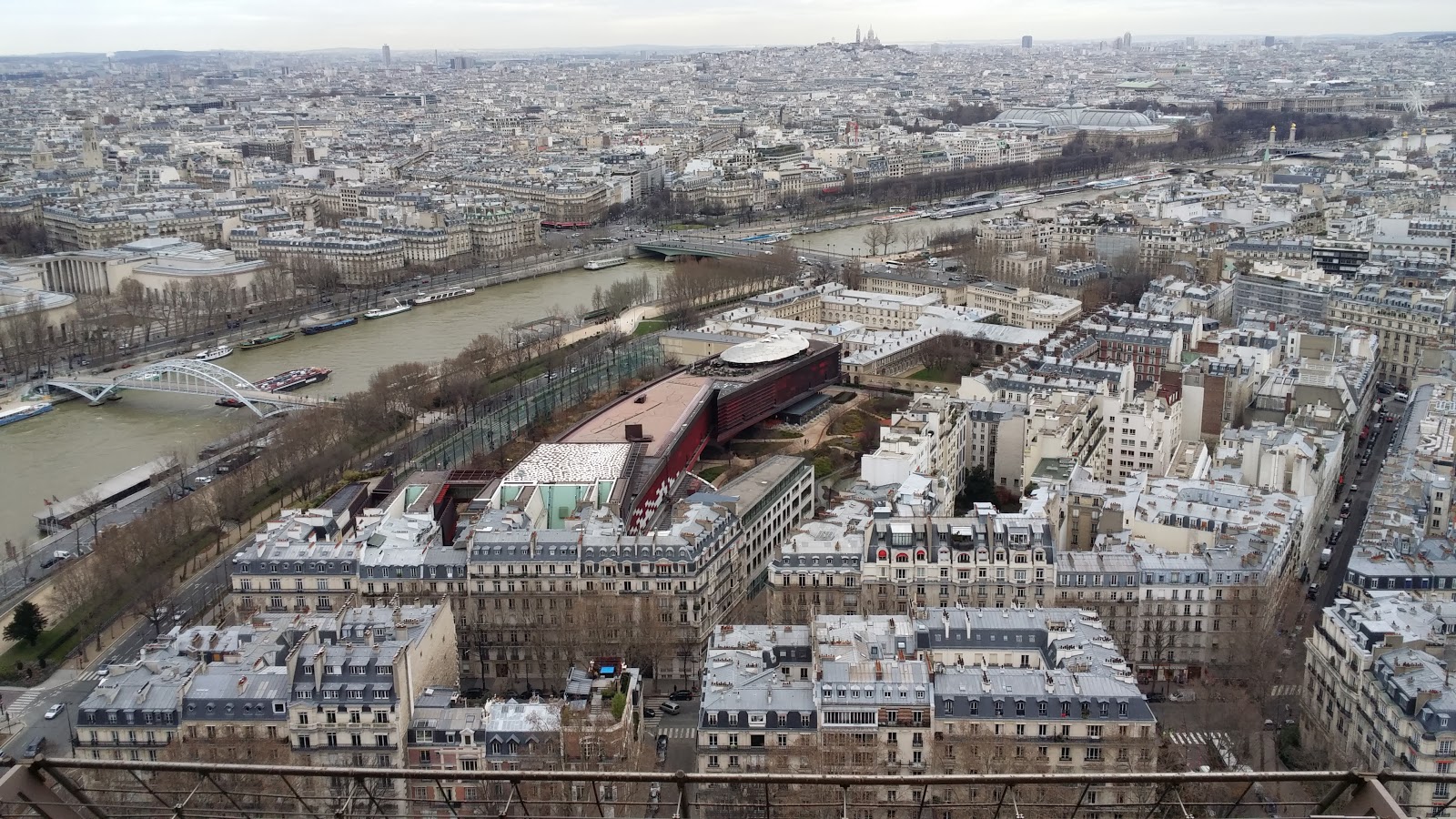
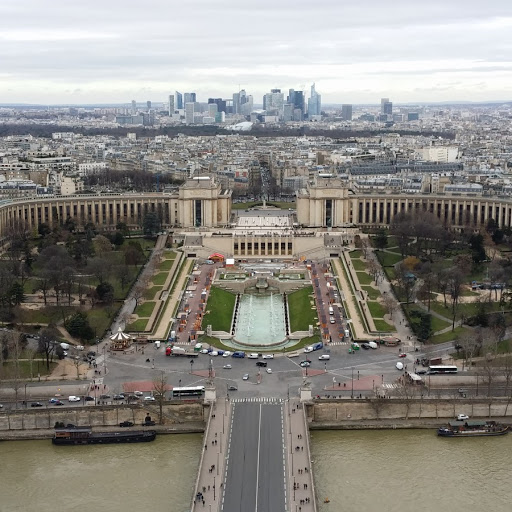
It was a dull day, but the views were magnificent.

20140107_132225

A view of the Seine

20140107_132859

20140107_132208

Sacre Coeur church at Montmartre in the distance.

Another view along the river Seine

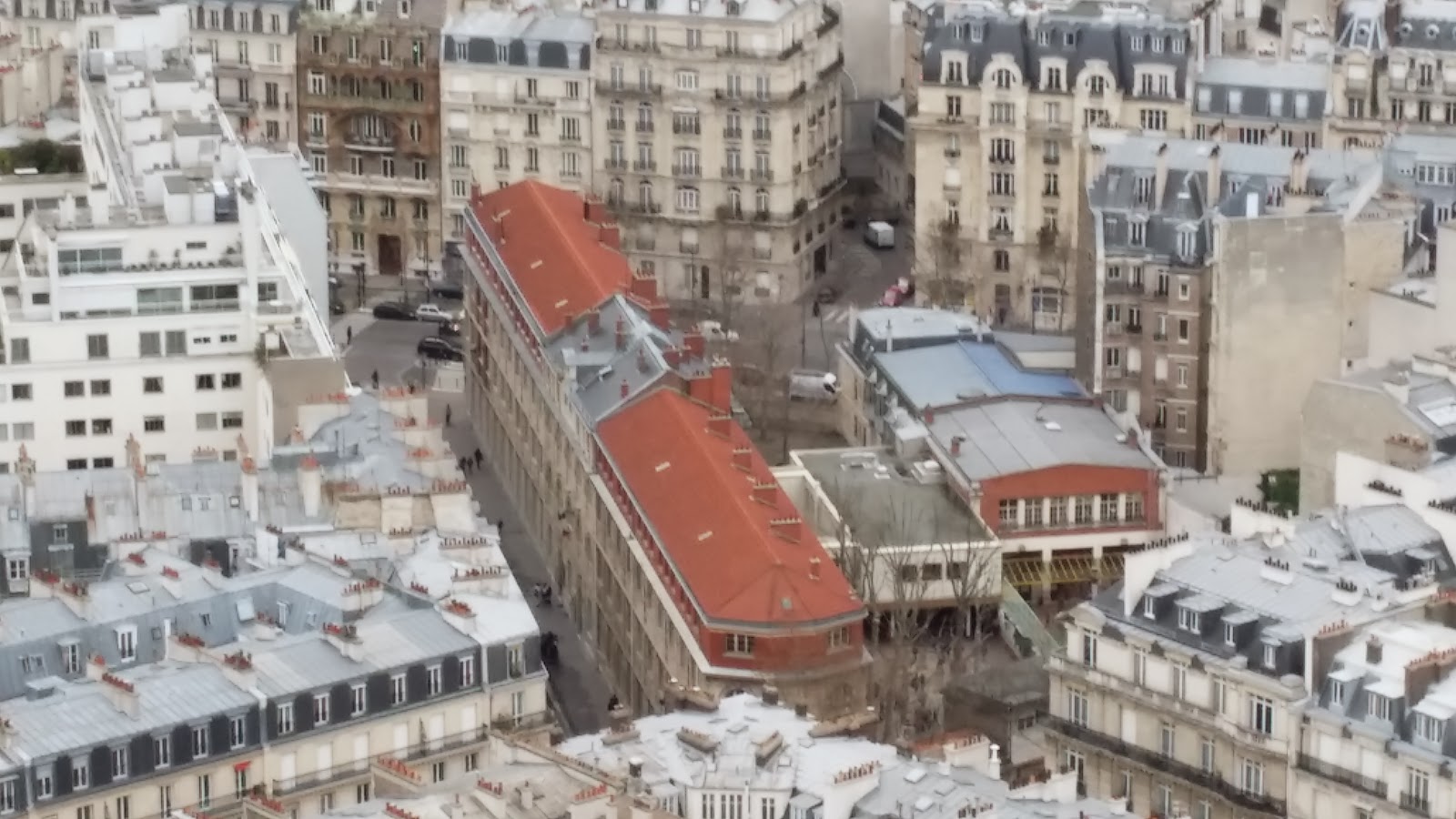
Overlooking the tightly packed apartment buildings

Looking along the opposite end of the river Seine

Writing a book in 365 days – My Story 36

More about my story

Visiting the catacombs of the world to get background for a location in my story

Beyond the Grave: A Guide to the World’s Fascinating Catacombs

Beneath the bustling streets of some of the world’s most vibrant cities lie silent cities of the dead – the catacombs. These ancient burial grounds, often labyrinthine and filled with the echoes of centuries past, offer a unique and often profound glimpse into history, culture, and humanity’s relationship with mortality.

Far from being merely macabre, touring a catacomb is an opportunity to connect with the lives (and deaths) of those who came before us, to marvel at ancient engineering, and to contemplate the passage of time. If you’re ready to step into the cool, quiet depths below, here are some of the world’s most incredible catacombs open to visitors, and what you can expect to find.


Catacombs You Can Tour Around the World:

  1. The Catacombs of Paris, France
    • What it is: Arguably the most famous catacomb, this massive underground ossuary holds the remains of an estimated six million Parisians. It was created in the late 18th century to alleviate overcrowded cemeteries.
    • What to expect: Prepare for long queues (booking in advance is essential!). Once inside, you’ll descend 130 steps into a cool, damp, and dimly lit world. The main attraction is the “Empire of Death,” where neatly stacked femurs and skulls line miles of passages, often arranged in decorative patterns. It’s incredibly atmospheric, overwhelming in scale, and offers a powerful reflection on human mortality.
  2. The Catacombs of Rome, Italy
    • What it is: Rome boasts multiple catacomb systems, primarily early Christian burial sites dating from the 2nd to 5th centuries AD. The most famous include the Catacombs of St. CallixtusCatacombs of Priscilla, and Catacombs of Domitilla.
    • What to expect: These are less about decorative bone arrangements and more about exploring ancient, hand-dug underground cemeteries. You’ll navigate narrow, winding passages often stretching for miles. Expect to see:
      • Loculi: Simple niches carved into the walls where bodies were placed, then sealed with tiles or marble slabs.
      • Cubicula: Small chambers, often family tombs, sometimes decorated with frescoes depicting biblical scenes or everyday life.
      • Crypts: Larger, more significant burial areas for martyrs or early popes.
    • Note: Guided tours are mandatory and highly informative, covering the history of early Christianity and burial practices.
  3. The Capuchin Crypt (Santa Maria della Concezione dei Cappuccini), Rome, Italy
    • What it is: Not a catacomb in the traditional sense, but a series of small chapels beneath a church, decorated with the skeletal remains of over 3,700 Capuchin friars.
    • What to expect: An incredibly unique and artistic display. The bones (skulls, vertebrae, femurs, etc.) are meticulously arranged to form intricate patterns, chandeliers, and even full skeletal figures dressed in friar habits. It’s a “memento mori” – a reminder of the inevitability of death – designed to inspire reflection rather than fear. Photography is strictly prohibited.
  4. The Capuchin Catacombs of Palermo, Sicily, Italy
    • What it is: A truly astonishing and somewhat eerie catacomb containing the remarkably preserved bodies of thousands of Sicilians, dating from the 17th to 19th centuries.
    • What to expect: Unlike Rome’s catacombs or Paris’s ossuary, here you’ll find mummified, embalmed, and sometimes naturally desiccated bodies, often dressed in their finest clothes, standing or lying in open coffins. They are divided into sections for friars, men, women, virgins, professors, and children. The most famous resident is Rosalia Lombardo, a perfectly preserved two-year-old. It’s a poignant, sometimes unsettling, but always fascinating window into past lives and burial customs.
  5. The Catacombs of San Francisco Convent, Lima, Peru
    • What it is: Beneath one of Lima’s most beautiful and historic churches lies a vast catacomb housing the remains of an estimated 25,000 people.
    • What to expect: As part of a guided tour of the stunning convent and library above, you’ll descend into underground passages. The highlight is a series of large, circular ossuaries where bones (skulls, femurs) are meticulously organized and arranged in decorative patterns, creating a striking visual impact. It’s a blend of historical context, architectural beauty, and a powerful sense of the past.
  6. The Catacombs of San Gennaro, Naples, Italy
    • What it is: Naples’ most extensive and ancient Christian catacomb, spanning two levels and featuring grander spaces than some of Rome’s smaller catacombs.
    • What to expect: Wide tunnels, high ceilings, and an impressive sense of scale. You’ll see beautiful early Christian frescoes, mosaics, and intricate burial niches. It’s less crowded than Rome’s catacombs, offering a more intimate experience with ancient art and history. The unique two-level structure and the grandeur of some of the burial chambers are particularly striking.

What to Expect to Find & Feel When Visiting Catacombs:

  • Bones, Bones, and More Bones: This is the obvious. Skeletons, skulls, femurs, and other human remains are the primary “exhibit.” How they are presented varies wildly – from neatly stacked walls to artful arrangements, to individual mummified bodies.
  • Cool, Damp, and Dimly Lit Environments: Catacombs are underground, so expect cooler temperatures (even on a hot day) and a constant, slightly earthy dampness. Lighting is typically subdued for preservation and atmosphere, so your eyes will need time to adjust.
  • Narrow and Uneven Passages: Many catacombs feature tight, winding corridors. If you have claustrophobia, this is something to consider. Wear sturdy, comfortable shoes as the ground can be uneven.
  • A Tangible Sense of History: You are walking through spaces where people were laid to rest centuries ago. The air itself seems to carry the weight of memory. It’s a profoundly immersive historical experience.
  • Art and Architecture: Beyond the bones, look for ancient frescoes, carvings, mosaics, and ingenious engineering that allowed for the creation of these vast underground networks.
  • A Sense of Reverence and Reflection: These are sacred burial sites. Visitors are generally expected to be respectful, quiet, and reflective. Many people find catacombs to be powerful spaces for contemplating life, death, and human existence.
  • Guided Tours: For most major catacombs, especially in Rome and Naples, a guided tour is mandatory. These are invaluable for understanding the history, significance, and often intricate stories behind the bones and structures.
  • Limited Photography: Many catacombs restrict or prohibit photography to preserve the sites and maintain a respectful atmosphere. Always check the rules before you go.

Visiting catacombs is a journey into the past, a unique blend of history, archaeology, and human spirituality. While they might seem daunting, the experience is often described as awe-inspiring and deeply thought-provoking, leaving visitors with a truly unforgettable perspective on our shared human story.

Writing a book in 365 days – 241

Day 241

Why don’t I like poetry, and why can’t I write it

The Poetry Puzzle: Why We Don’t Always ‘Get’ It (And Why That’s Perfectly Normal)

Ever stared at a page of poetry, felt a distinct lack of comprehension, and then wondered if there’s something fundamentally wrong with you? You’re not alone. Many of us grapple with poetry, feeling a disconnect between the words on the page and any meaningful understanding.

If you’ve ever thought, “Why don’t I like poetry, and why can’t I write it?” then this post is for you. Let’s unpack those very common, very valid feelings.

“I Just Don’t Understand It!” – The Heart of the Matter

This is perhaps the biggest barrier. We’re often taught that language should be direct, clear, and efficient. Poetry, however, often delights in the opposite.

  • It speaks in whispers, not shouts: Unlike a news report or a textbook, poetry often communicates through suggestion, metaphor, imagery, and symbolism. It’s less about telling you something directly and more about making you feel something, imagine something, or see something in a new way.
  • The “Strange Rhymes” vs. “Endless Lines”: You mentioned getting a short ditty but feeling lost with longer pieces that resemble short stories. This highlights the vast spectrum of poetry. Some poems are indeed like mini-stories, but they often use poetic devices (like rhythm, line breaks, compressed language) to elevate the narrative beyond simple prose. Other poems eschew traditional narrative altogether, focusing purely on an image, an emotion, or a moment.
  • Haiku and the Rules Conundrum: And then there are the rules! Haiku, sonnets, villanelles, limericks… each comes with its own set of constraints. For many, these rules feel like handcuffs, making the poem impenetrable or, worse, stifling any potential enjoyment. Why restrict yourself when you could just say what you mean?

Why Do People Who Do Like It, Like It?

This is the million-dollar question! When something feels elusive to you, it’s natural to wonder about its appeal to others.

  1. Emotional Resonance: Poetry often taps into universal human emotions – love, loss, joy, grief, wonder, anger – in a way that feels incredibly personal and raw. It can articulate feelings we’ve had but haven’t found the words for.
  2. Beauty of Language: For some, the sheer craft of language is exhilarating. The rhythm of the words, the sound of the rhymes (or the effective lack thereof), the surprising juxtaposition of images, the perfect word choice – it’s an art form akin to music or painting.
  3. Fresh Perspectives: A good poem can make you see an everyday object or concept in an entirely new light. It makes the familiar strange and the strange familiar, jolting us out of our habitual ways of thinking.
  4. Conciseness and Power: Poetry often distills complex ideas or deep emotions into a few potent lines. It’s a powerful punch in a small package, inviting repeated readings to unlock its layers.
  5. A Shared Secret: Unlocking a poem can feel like cracking a code, discovering a hidden meaning that connects you to the poet and the broader human experience.

Think about song lyrics – many of them are poetry set to music. We don’t always fully “understand” every line, but we feel the emotion, appreciate the imagery, and connect to the rhythm.

“Why Can’t I Write It?” – Demystifying Creation

The idea of writing poetry can be incredibly intimidating, especially if you feel you don’t “get” reading it. But here’s a truth: you don’t need to be a literary genius to write poetry.

  • Forget the “Rules” (Initially): If rules feel like a barrier, ignore them! Start with free verse. This form has no set rhyme scheme, meter, or length. It’s about expressing an idea, an image, or an emotion as authentically as possible.
  • Focus on Observation: Poetry often begins with paying close attention to the world around you. What do you see, hear, smell, taste, feel? What small detail catches your eye?
  • Explore an Emotion: What are you feeling right now? Joy, frustration, peace, anxiety? Try to describe that feeling without explicitly naming it. What does it feel like? What images come to mind when you experience it?
  • Play with Language: Think of words as building blocks. Try different combinations. Don’t worry about sounding “poetic” – worry about being honest and curious.
  • It’s for You: The first poems you write don’t have to be shared or even understood by anyone else. They can be a private form of expression, a way to process thoughts and feelings.

It’s Okay Not to “Get” It All

Ultimately, it’s perfectly normal not to connect with every poem, or even most poems. Just like not everyone loves abstract art or classical music, poetry isn’t a one-size-fits-all experience.

Rather than forcing yourself to “understand” it in a purely logical sense, try approaching it differently:

  • Read for sound and rhythm: How do the words feel in your mouth?
  • Read for images: What pictures pop into your mind?
  • Read for emotion: What does the poem make you feel, even if you can’t explain why?
  • Don’t worry about the “meaning”: Sometimes, the experience is the meaning.

So, if you find yourself staring blankly at a stanza, remember you’re in good company. Poetry can be a puzzle, a challenge, a mystery. But sometimes, in simply acknowledging that mystery, we open ourselves up to a different kind of appreciation. And who knows? Maybe one day, a little ditty or even an “endless line” will click into place, and you’ll find a poem that speaks directly to you.

What’s your relationship with poetry? Share your thoughts in the comments below!

Searching for Locations: The Eiffel Tower, Paris, France

Sorry, reminiscing again…

It was a cold but far from a miserable day.  We were taking our grandchildren on a tour of the most interesting sites in Paris, the first of which was the Eiffel Tower.

We took the overground train, which had double-decker carriages, a first for the girls, to get to the tower.

We took the underground, or Metro, back, and they were fascinated with the fact the train carriages ran on road tires.

Because it was so cold, and windy, the tower was only open to the second level. It was a disappointment to us, but the girls were content to stay on the second level.

There they had the French version of chips.

It was a dull day, but the views were magnificent.

20140107_132225

A view of the Seine

20140107_132859

20140107_132208

Sacre Coeur church at Montmartre in the distance.

Another view along the river Seine

Overlooking the tightly packed apartment buildings

Looking along the opposite end of the river Seine

Writing a book in 365 days – 241

Day 241

Why don’t I like poetry, and why can’t I write it

The Poetry Puzzle: Why We Don’t Always ‘Get’ It (And Why That’s Perfectly Normal)

Ever stared at a page of poetry, felt a distinct lack of comprehension, and then wondered if there’s something fundamentally wrong with you? You’re not alone. Many of us grapple with poetry, feeling a disconnect between the words on the page and any meaningful understanding.

If you’ve ever thought, “Why don’t I like poetry, and why can’t I write it?” then this post is for you. Let’s unpack those very common, very valid feelings.

“I Just Don’t Understand It!” – The Heart of the Matter

This is perhaps the biggest barrier. We’re often taught that language should be direct, clear, and efficient. Poetry, however, often delights in the opposite.

  • It speaks in whispers, not shouts: Unlike a news report or a textbook, poetry often communicates through suggestion, metaphor, imagery, and symbolism. It’s less about telling you something directly and more about making you feel something, imagine something, or see something in a new way.
  • The “Strange Rhymes” vs. “Endless Lines”: You mentioned getting a short ditty but feeling lost with longer pieces that resemble short stories. This highlights the vast spectrum of poetry. Some poems are indeed like mini-stories, but they often use poetic devices (like rhythm, line breaks, compressed language) to elevate the narrative beyond simple prose. Other poems eschew traditional narrative altogether, focusing purely on an image, an emotion, or a moment.
  • Haiku and the Rules Conundrum: And then there are the rules! Haiku, sonnets, villanelles, limericks… each comes with its own set of constraints. For many, these rules feel like handcuffs, making the poem impenetrable or, worse, stifling any potential enjoyment. Why restrict yourself when you could just say what you mean?

Why Do People Who Do Like It, Like It?

This is the million-dollar question! When something feels elusive to you, it’s natural to wonder about its appeal to others.

  1. Emotional Resonance: Poetry often taps into universal human emotions – love, loss, joy, grief, wonder, anger – in a way that feels incredibly personal and raw. It can articulate feelings we’ve had but haven’t found the words for.
  2. Beauty of Language: For some, the sheer craft of language is exhilarating. The rhythm of the words, the sound of the rhymes (or the effective lack thereof), the surprising juxtaposition of images, the perfect word choice – it’s an art form akin to music or painting.
  3. Fresh Perspectives: A good poem can make you see an everyday object or concept in an entirely new light. It makes the familiar strange and the strange familiar, jolting us out of our habitual ways of thinking.
  4. Conciseness and Power: Poetry often distills complex ideas or deep emotions into a few potent lines. It’s a powerful punch in a small package, inviting repeated readings to unlock its layers.
  5. A Shared Secret: Unlocking a poem can feel like cracking a code, discovering a hidden meaning that connects you to the poet and the broader human experience.

Think about song lyrics – many of them are poetry set to music. We don’t always fully “understand” every line, but we feel the emotion, appreciate the imagery, and connect to the rhythm.

“Why Can’t I Write It?” – Demystifying Creation

The idea of writing poetry can be incredibly intimidating, especially if you feel you don’t “get” reading it. But here’s a truth: you don’t need to be a literary genius to write poetry.

  • Forget the “Rules” (Initially): If rules feel like a barrier, ignore them! Start with free verse. This form has no set rhyme scheme, meter, or length. It’s about expressing an idea, an image, or an emotion as authentically as possible.
  • Focus on Observation: Poetry often begins with paying close attention to the world around you. What do you see, hear, smell, taste, feel? What small detail catches your eye?
  • Explore an Emotion: What are you feeling right now? Joy, frustration, peace, anxiety? Try to describe that feeling without explicitly naming it. What does it feel like? What images come to mind when you experience it?
  • Play with Language: Think of words as building blocks. Try different combinations. Don’t worry about sounding “poetic” – worry about being honest and curious.
  • It’s for You: The first poems you write don’t have to be shared or even understood by anyone else. They can be a private form of expression, a way to process thoughts and feelings.

It’s Okay Not to “Get” It All

Ultimately, it’s perfectly normal not to connect with every poem, or even most poems. Just like not everyone loves abstract art or classical music, poetry isn’t a one-size-fits-all experience.

Rather than forcing yourself to “understand” it in a purely logical sense, try approaching it differently:

  • Read for sound and rhythm: How do the words feel in your mouth?
  • Read for images: What pictures pop into your mind?
  • Read for emotion: What does the poem make you feel, even if you can’t explain why?
  • Don’t worry about the “meaning”: Sometimes, the experience is the meaning.

So, if you find yourself staring blankly at a stanza, remember you’re in good company. Poetry can be a puzzle, a challenge, a mystery. But sometimes, in simply acknowledging that mystery, we open ourselves up to a different kind of appreciation. And who knows? Maybe one day, a little ditty or even an “endless line” will click into place, and you’ll find a poem that speaks directly to you.

What’s your relationship with poetry? Share your thoughts in the comments below!