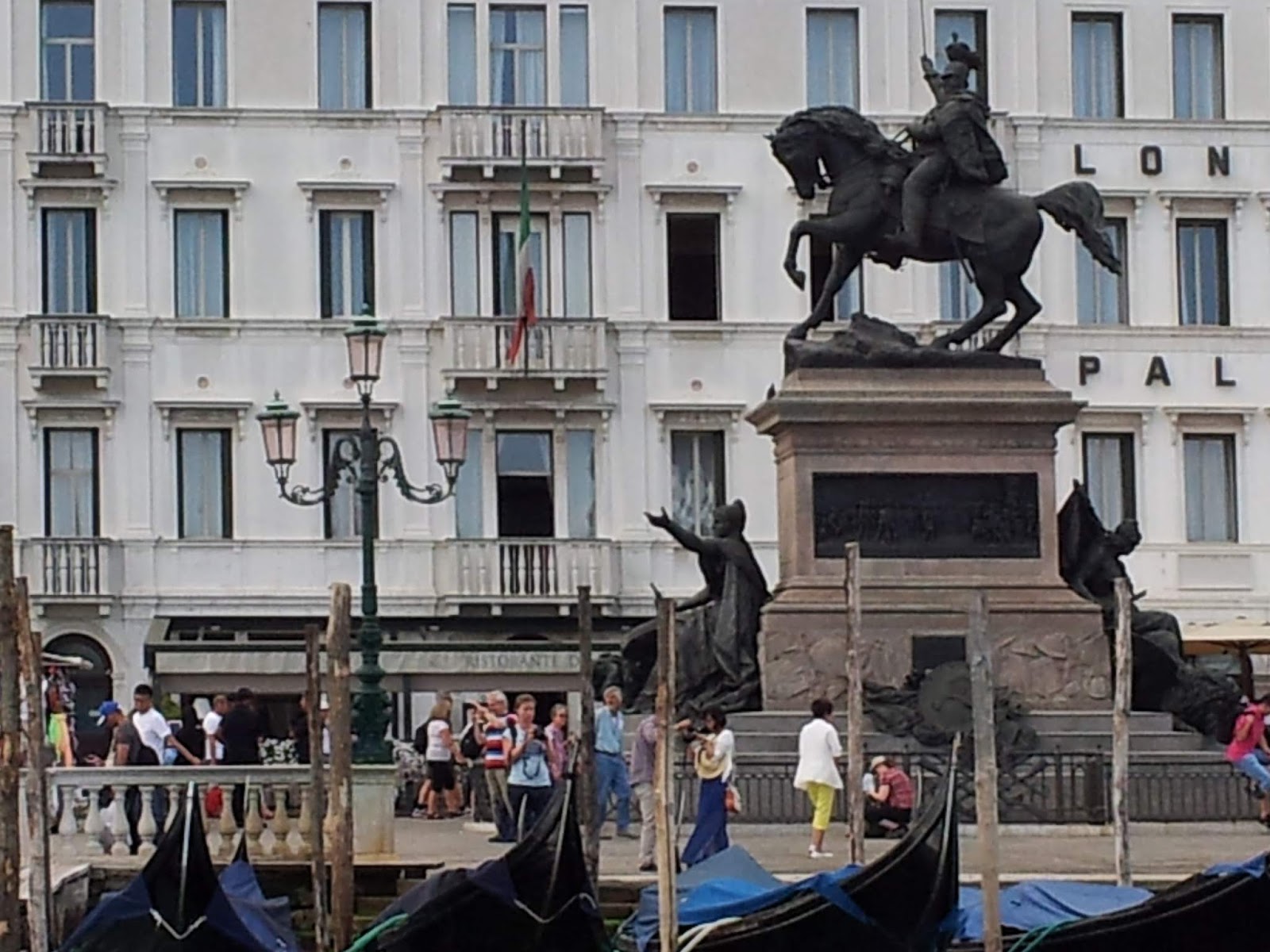
An excerpt from “Mistaken Identity” – a work in progress

The odds of any one of us having a doppelganger are quite high. Whether or not you got to meet him or her, or be confronted by them was significantly lower. Except of course, unless you are a celebrity.

It was a phenomenon remarkable only for the fact, at times, certain high-profile people, notorious or not, had doubles if only to put off enemies or the general public. Sometimes we see people in the street, people who look like someone we knew, and made the mistake of approaching them like a long lost friend, only to discover an embarrassed individual desperately trying to get away for what they perceive is a stalker or worse.

And then sometimes it is a picture that looms up on a TV screen, an almost exact likeness of you. At first, you are fascinated, and then according to the circumstances, and narrative that is attached to that picture, either flattered or horrified.

For me one turned to the other when I saw an almost likeness of me flash up on the screen when I turned the TV on in my room. What looked to be my photo, with only minor differences, was in the corner of the screen, the newsreader speaking in rapid Italian, so fast I could only translate every second or third word.

But the one word I did recognize was murder. The photo of the man up on the screen was the subject of an extensive manhunt. The crime, the murder of a woman in the very same hotel I was staying, and it was being played out live several floors above me. The gist of the story, the woman had been seen with, and staying with the man who was my double, and, less than an hour ago, the body had been discovered by a chambermaid.

The killer, the announcer said, was believed to be still in the hotel because the woman had died shortly before she had been discovered.

I watched, at first fascinated at what I was seeing. I guess I should have been horrified, but at that moment it didn’t register that I might be mistaken for that man.

Not until another five minutes had passed, and I was watching the police in full riot gear, with a camera crew following behind, coming up a passage towards a room. Live action of the arrest of the suspected killer the breathless commentator said.

Then, suddenly, there was a pounding on the door. On the TV screen, plain to see, was the number of my room.
I looked through the peephole and saw an army of police officers. It didn’t take much to realize what had happened. The hotel staff identified me as the man in the photograph on the TV and called the police.

Horrified wasn’t what I was feeling right then.

It was fear.

My last memory was the door crashing open, the wood splintering, and men rushing into the room, screaming at me, waving guns, and when I put my hands up to defend myself, I heard a gunshot.

And in one very confused and probably near-death experience, I thought I saw my mother and thought what was she doing in Rome?

I was the archetypal nobody.

I lived in a small flat, I drove a nondescript car, had an average job in a low profile travel agency, was single, and currently not involved in a relationship, no children, and according to my workmates, no life.

They were wrong. I was one of those people who preferred their own company, I had a cat, and travelled whenever I could. And I did have a ‘thing’ for Rosalie, one of the reasons why I stayed at the travel agency. I didn’t expect anything to come of it, but one could always hope.

I was both pleased and excited to be going to the conference. It was my first, and the glimpse I had seen of it had whetted my appetite for more information about the nuances of my profession.

Some would say that a travel agent wasn’t much of a job, but to me, it was every bit as demanding as being an accountant or a lawyer. You were providing a customer with a service, and arguably more people needed a travel agent than a lawyer. At least that was what I told myself, as I watched more and more people start using the internet, and our relevance slowly dissipating.

This conference was about countering that trend.

The trip over had been uneventful. I was met at the airport and taken to the hotel where the conference was being held with a number of other delegates who had arrived on the same plane. I had mingled with a number of other delegates at the pre conference get together, including one whose name was Maryanne.

She was an unusual young woman, not the sort that I usually met, because she was the one who was usually surrounded by all the boys, the life of the party. In normal circumstances, I would not have introduced myself to her, but she had approached me. Why did I think that may have been significant? All of this ran through my mind, culminating in the last event on the highlight reel, the door bursting open, men rushing into my room, and then one of the policemen opened fire.

I replayed that last scene again, trying to see the face of my assailant, but it was just a sea of men in battle dress, bullet proof vests and helmets, accompanied by screaming and yelling, some of which I identified as “Get on the floor”.

Then came the shot.

Why ask me to get on the floor if all they were going to do was shoot me. I was putting my hands up at the time, in surrender, not reaching for a weapon.

Then I saw the face again, hovering in the background like a ghost. My mother. Only the hair was different, and her clothes, and then the image was going, perhaps a figment of my imagination brought on by pain killing drugs. I tried to imagine the scene again, but this time it played out, without the image of my mother.

I opened my eyes took stock of my surroundings. What I felt in that exact moment couldn’t be described. I should most likely be dead, the result of a gunshot wound. I guess I should be thankful the shooter hadn’t aimed at anything vital, but that was the only item on the plus side.

I was in a hospital room with a policeman by the door. He was reading a newspaper, and sitting uncomfortably on a small chair. He gave me a quick glance when he heard me move slightly, but didn’t acknowledge me with either a nod, or a greeting, just went back to the paper.

If I still had a police guard, then I was still considered a suspect. What was interesting was that I was not handcuffed to the bed. Perhaps that only happened in TV shows. Or maybe they knew I couldn’t run because my injuries were too serious. Or the guard would shoot me long before my feet hit the floor. I knew the police well enough now to know they would shoot first and ask questions later.

On the physical side, I had a large bandage over the top left corner of my chest, extending over my shoulder. A little poking and prodding determined the bullet had hit somewhere between the top of my rib cage and my shoulder. Nothing vital there, but my arm might be somewhat useless for a while, depending on what the bullet hit on the way in, or through.

It didn’t feel like there were any broken or damaged bones.

That was the good news.

On the other side of the ledger, my mental state, there was only one word that could describe it. Terrified. I was looking at a murder charge and jail time, a lot of it. Murder usually had a long time in jail attached to it.

Whatever had happened, I didn’t do it. I know I didn’t do it, but I had to try and explain this to people who had already made up their minds. I searched my mind for evidence. It was there, but in the confused state brought on by the medication, all I could think about was jail, and the sort of company I was going to have.

I think death would have been preferable.

Half an hour later, maybe longer, I was drifting in an out of consciousness, a nurse, or what I thought was a nurse, came into the room. The guard stood, checked her ID card, and then stood by the door.

She came over and stood beside the bed. “How are you?” she asked, first in Italian, and when I pretended I didn’t understand, she asked the same question in accented English.

“Alive, I guess,” I said. “No one has come and told what my condition is yet. You are my first visitor. Can you tell me?”

“Of course. You are very lucky to be alive. You will be fine and make a full recovery. The doctors here are excellent at their work.”

“What happens now?”

“I check you, and then you have a another visitor. He is from the British Embassy I think. But he will have to wait until I have finished my examination.”

I realized then she was a doctor, not a nurse.

My second visitor was a man, dressed in a suit the sort of which I associated with the British Civil Service.  He was not very old which told me he was probably a recent graduate on his first posting, the junior officer who drew the short straw.

The guard checked his ID but again did not leave the room, sitting back down and going back to his newspaper.

My visitor introduced himself as Alex Jordan from the British Embassy in Rome and that he had been asked by the Ambassador to sort out what he labelled a tricky mess.

For starters, it was good to see that someone cared about what happened to me.  But, equally, I knew the mantra, get into trouble overseas, and there is not much we can do to help you.  So, after that lengthy introduction, I had to wonder why he was here.

I said, “They think I am an international criminal by the name of Jacob Westerbury, whose picture looks just like me, and apparently for them it is an open and shut case.”  I could still hear the fragments of the yelling as the police burst through the door, at the same time telling me to get on the floor with my hands over my head.

“It’s not.  They know they’ve got the wrong man, which is why I’m here.  There is the issue of what had been described as excessive force, and the fact you were shot had made it an all-round embarrassment for them.”

“Then why are you here?  Shouldn’t they be here apologizing?”

“That is why you have another visitor.  I only took precedence because I insisted I speak with you first.  I have come, basically to ask you for a favour.  This situation has afforded us with an opportunity.  We would like you to sign the official document which basically indemnifies them against any legal proceedings.”

Curious.  What sort of opportunity was he talking about?  Was this a matter than could get difficult and I could be charged by the Italian Government, even if I wasn’t guilty, or was it one of those hush hush type deals, you do this for us, we’ll help you out with that.  “What sort of opportunity?”

“We want to get our hands on Jacob Westerbury as much as they do.  They’ve made a mistake, and we’d like to use that to get custody of him if or when he is arrested in this country.  I’m sure you would also like this man brought into custody as soon as possible so you will stop being confused with him.  I can only imagine what it was like to be arrested in the manner you were.  And I would not blame you if you wanted to get some compensation for what they’ve done.  But.  There are bigger issues in play here, and you would be doing this for your country.”

I wondered what would happen if I didn’t agree to his proposal.  I had to ask, “What if I don’t?”

His expression didn’t change.  “I’m sure you are a sensible man Mr Pargeter, who is more than willing to help his country whenever he can.  They have agreed to take care of all your hospital expenses, and refund the cost of the Conference, and travel.  I’m sure I could also get them to pay for a few days at Capri, or Sorrento if you like, before you go home.  What do you say?”

There was only one thing I could say.  Wasn’t it treason if you went against your country’s wishes?

“I’m not an unreasonable man, Alex.  Go do your deal, and I’ll sign the papers.”

“Good man.”

After Alex left, the doctor came back to announce the arrival of a woman, by the way she had announced herself, the publicity officer from the Italian police. When she came into the room, she was not dressed in a uniform.

The doctor left after giving a brief report to the civilian at the door. I understood the gist of it, “The patient has recovered excellently and the wounds are healing as expected. There is no cause for concern.”

That was a relief.

While the doctor was speaking to the civilian, I speculated on who she might be. She was young, not more than thirty, conservatively dressed so an official of some kind, but not necessarily with the police. Did they have prosecutors? I was unfamiliar with the Italian legal system.

She had long wavy black hair and the sort of sultry looks of an Italian movie star, and her presence made me more curious than fearful though I couldn’t say why.

The woman then spoke to the guard, and he reluctantly got up and left the room, closing the door behind him.
She checked the door, and then came back towards me, standing at the end of the bed. Now alone, she said, “A few questions before we begin.” Her English was only slightly accented. “Your name is Jack Pargeter?”

I nodded. “Yes.”

“You are in Rome to attend the Travel Agents Conference at the Hilton Hotel?”

“Yes.”

“You attended a preconference introduction on the evening of the 25th, after arriving from London at approximately 4:25 pm.”

“About that time, yes. I know it was about five when the bus came to collect me, and several others, to take us to the hotel.”

She smiled. It was then I noticed she was reading from a small notepad.

“It was ten past five to be precise. The driver had been held up in traffic. We have a number of witnesses who saw you on the plane, on the bus, at the hotel, and with the aid of closed circuit TV we have established you are not the criminal Jacob Westerbury.”

She put her note book back in her bag and then said, “My name is Vicenza Andretti and I am with the prosecutor’s office. I am here to formally apologize for the situation that can only be described as a case of mistaken identity. I assure you it is not the habit of our police officers to shoot people unless they have a very strong reason for doing so. I understand that in the confusion of the arrest one of our officers accidentally discharged his weapon. We are undergoing a very thorough investigation into the circumstances of this event.”

I was not sure why, but between the time I had spoken to the embassy official and now, something about letting them off so easily was bugging me. I could see why they had sent her. It would be difficult to be angry or annoyed with her.

But I was annoyed.

“Do you often send a whole squad of trigger happy riot police to arrest a single man?” It came out harsher than I intended.

“My men believed they were dealing with a dangerous criminal.”

“Do I look like a dangerous criminal?” And then I realized if it was mistaken identity, the answer would be yes.

She saw the look on my face, and said quietly, “I think you know the answer to that question, Mr. Pargeter.”

“Well, it was overkill.”

“As I said, we are very sorry for the circumstances you now find yourself in. You must understand that we honestly believed we were dealing with an armed and dangerous murderer, and we were acting within our mandate. My department will cover your medical expenses, and any other amounts for the inconvenience this has caused you. I believe you were attending a conference at your hotel. I am very sorry but given the medical circumstances you have, you will have to remain here for a few more days.”

“I guess, then, I should thank you for not killing me.”

Her expression told me that was not the best thing I could have said in the circumstances.

“I mean, I should thank you for the hospital and the care. But a question or two of my own. May I?”

She nodded.

“Did you catch this Jacob Westerbury character?”

“No. In the confusion created by your arrest he escaped. Once we realized we had made a mistake and reviewed the close circuit TV, we tracked him leaving by a rear exit.”

“Are you sure it was one of your men who shot me?”

I watched as her expression changed, to one of surprise.

“You don’t think it was one of my men?”

“Oddly enough no. But don’t ask me why.”

“It is very interesting that you should say that, because in our initial investigation, it appeared none of our officer’s weapons had been discharged. A forensic investigation into the bullet tells us it was one that is used in our weapons, but…”

I could see their dilemma.

“Have you any enemies that would want to shoot you Mr Pargeter?”

That was absurd because I had no enemies, at least none that I knew of, much less anyone who would want me dead.

“Not that I’m aware of.”

“Then it is strange, and will perhaps remain a mystery. I will let you know if anything more is revealed in our investigation.”

She took an envelope out of her briefcase and opened it, pulling out several sheets of paper.

I knew what it was. A verbal apology was one thing, but a signed waiver would cover them legally. They had sent a pretty girl to charm me. Perhaps using anyone else it would not have worked. There was potential for a huge litigation payout here, and someone more ruthless would jump at the chance of making a few million out of the Italian Government.

“We need a signature on this document,” she said.

“Absolving you of any wrong doing?”

“I have apologized. We will take whatever measures are required for your comfort after this event. We are accepting responsibility for our actions, and are being reasonable.”

They were. I took the pen from her and signed the documents.

“You couldn’t add dinner with you on that list of benefits?” No harm in asking.

“I am unfortunately unavailable.”

I smiled. “It wasn’t a request for a date, just dinner. You can tell me about Rome, as only a resident can. Please.”

She looked me up and down, searching for the ulterior motive. When she couldn’t find one, she said, “We shall see once the hospital discharges you in a few days.”

“Then I’ll pencil you in?”

She looked at me quizzically. “What is this pencil me in?”

“It’s an English colloquialism. It means maybe. As when you write something in pencil, it is easy to erase it.”

A momentary frown, then recognition and a smile. “I shall remember that. Thank-you for your time and co-operation Mr. Pargeter. Good morning.”

© Charles Heath 2015-2021

365 Days of writing, 2026 – 7

Day 7 – Dealing with contentious issues

The Hot-Topic Tightrope: How to Take a Stand on Sensitive Issues Without Losing Your Following

You see it trending. A sensitive, divisive issue is lighting up social media, and a knot forms in your stomach. You have an opinion. A strong one. You feel a pull—a responsibility, even—to use your platform to say something.

But then the doubt creeps in. What if I say the wrong thing? What if half my followers unsubscribe overnight? What if I start a firestorm in my comments that I can’t control?

This is the modern public figure’s dilemma. You want to be authentic and engaged, but you fear the fallout. So, let’s get real about the question everyone is asking: Will taking a stand on a contentious issue cost you readers?

The uncomfortable answer is yes, it probably will. But that’s not the whole story.

The Inevitable (and Good) Loss of Readers

Here’s the thing about taking a stand on something that matters: it’s an act of clarification. You are drawing a line in the sand and saying, “This is what I believe in. This is what I stand for.”

The moment you do that, you create a filter. People who fundamentally disagree with your core values on that issue may indeed leave. They might unfollow, unsubscribe, or simply tune you out. And that’s okay.

In fact, it can be a good thing.

Chasing universal appeal is a recipe for being bland and forgettable. A smaller, deeply engaged audience that shares your values is infinitely more valuable than a massive list of passive followers who feel no real connection to you. The “readers” you lose were likely never your true community to begin with. They were just passers-by.

Think of it this way: you’re not losing followers; you’re refining your community. You’re attracting the people who will champion your work because they see themselves in it. You’re building a tribe, not just a crowd.

How to Avoid Problems: A 5-Step Strategic Framework

While losing some readers may be a natural consequence, starting an unnecessary war is not. You can engage with sensitive topics in a way that is thoughtful, constructive, and minimizes needless drama. The key is to be strategic, not reactive.

Before you hit “publish,” walk through this framework:

1. The ‘Why’ Check: Before You Post

Ask yourself a few critical, honest questions. Your motivation is everything.

  • Why do I need to say this? Is it to educate, to support a community, to share my unique perspective, or just to vent?
  • Am I adding value? Is what I’m about to say a new take, a personal story that illuminates the issue, or am I just echoing the noise?
  • Am I emotionally triggered? If you’re posting from a place of pure rage or fear, take a beat. A considered response is always more powerful than a knee-jerk reaction.

2. Know Your Audience and Your Brand

Context is king. A statement from a political commentator is expected; the same statement from a food blogger might seem jarring. This doesn’t mean you can’t speak out, but it does mean you should be aware of your audience’s expectations. Acknowledge the shift if you need to: “You know me for talking about baking, but today I need to talk about something else that’s on my heart…” This shows self-awareness and respects your audience.

3. Focus on Principles, Not Personalities

This is the golden rule of constructive debate. Frame your argument around your values and principles, not around attacking a person or group.

  • Instead of: “I can’t believe how ignorant Person X is!”
  • Try: “I believe in a world where everyone has access to healthcare. Here’s why that principle is so important to me.”

The first statement invites a fight. The second invites a conversation. It’s much harder to argue against someone’s deeply held principles than it is to hurl insults back and forth.

4. Embrace Nuance and Acknowledge Complexity

Few issues are truly black and white. Using absolutist, all-or-nothing language will immediately alienate people who might otherwise be receptive. Show that you’ve considered the complexity of the issue.

Phrases like:

  • “I know this is a complicated issue with many valid perspectives, but…”
  • “I’m still learning about this, but my current thinking is…”
  • “From my personal experience…”

These phrases don’t weaken your argument; they build credibility and show humility. They invite thoughtful discussion rather than a flame war.

5. Prepare for the Pushback (and Have a Plan)

Don’t post and run. Decide in advance how you’ll engage with the response.

  • Define the line: What constitutes a healthy debate versus harassment or hate speech? Have a clear comment policy in mind.
  • Decide your level of engagement: Will you reply to questions? Will you correct misinformation? Will you ignore trolls?
  • Protect your peace: It is 100% acceptable to block, mute, or delete abusive comments. Your platform is your home; you don’t have to entertain vandals.

Knowing your plan beforehand prevents you from being dragged into a draining, unproductive argument in the heat of the moment.

The Power of Knowing When Not to Speak

Finally, one of the most powerful skills you can develop is knowing when silence is the strongest statement. You do not have to comment on everything. Choosing not to speak is a valid and often wise strategic choice.

Consider staying silent if:

  • You are not deeply informed on the topic and would be adding noise rather than insight.
  • The issue doesn’t intersect with your expertise or lived experience, and your voice would end up centring yourself instead of amplifying those most affected.
  • You are not in the right headspace to engage constructively.

Your platform is a tool, not an obligation. Use it intentionally.

Walk the Tightrope with Confidence

Taking a stand as a public figure is a tightrope walk, but it doesn’t have to be a reckless one. Yes, you risk losing some followers, but in doing so, you gain something far more valuable: a clarified brand, a more loyal community, and the integrity that comes from speaking your truth.

The goal isn’t to keep everyone happy. It’s to build something meaningful around what you believe. Be thoughtful, be strategic, and be brave. Your right readers will be right there with you.

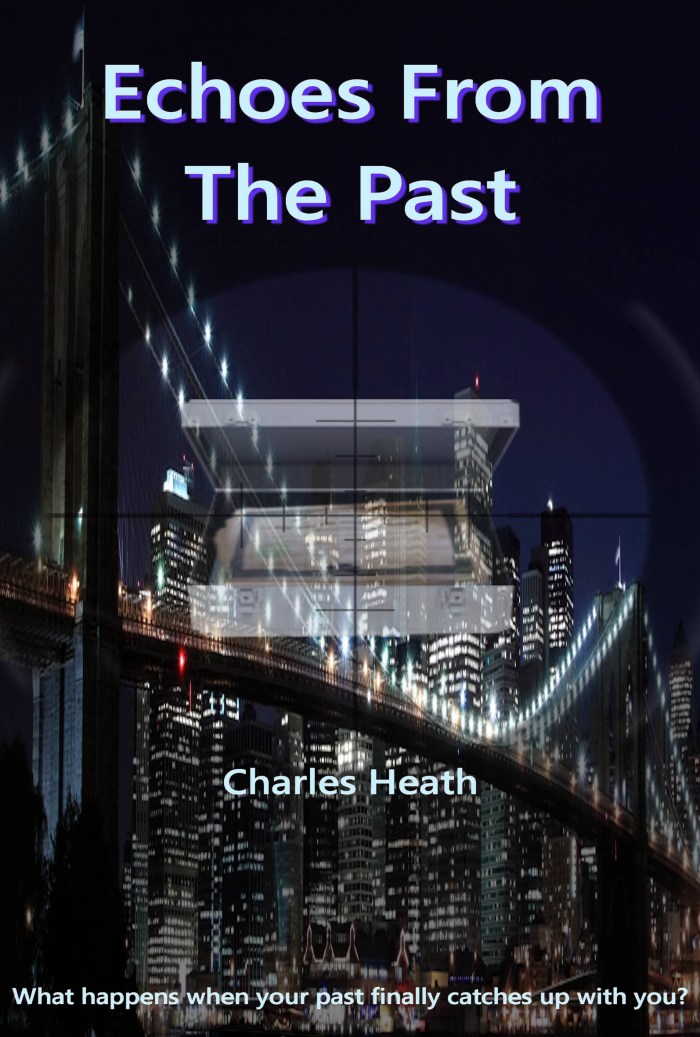
The story behind the story – Echoes from the Past

The novel ‘Echoes from the past’ started out as a short story I wrote about 30 years ago, titled ‘The birthday’.

My idea was to take a normal person out of their comfort zone and led on a short but very frightening journey to a place where a surprise birthday party had been arranged.

Thus the very large man with a scar and a red tie was created.

So was the friend with the limousine who worked as a pilot.

So were the two women, Wendy and Angelina, who were Flight Attendants that the pilot friend asked to join the conspiracy.

I was going to rework the short story, then about ten pages long, into something a little more.

And like all re-writes, especially those I have anything to do with, it turned into a novel.

There was motivation.  I had told some colleagues at the place where I worked at the time that I liked writing, and they wanted a sample.  I was going to give them the re-worked short story.  Instead, I gave them ‘Echoes from the past’

Originally it was not set anywhere in particular.

But when considering a location, I had, at the time, recently been to New York in December, and visited Brooklyn and Queens, as well as a lot of New York itself.  We were there for New Years, and it was an experience I’ll never forget.

One evening we were out late, and finished up in Brooklyn Heights, near the waterfront, and there was rain and snow, it was cold and wet, and there were apartment buildings shimmering in the street light, and I thought, this is the place where my main character will live.

It had a very spooky atmosphere, the sort where ghosts would not be unexpected.  I felt more than one shiver go up and down my spine in the few minutes I was there.

I had taken notes, as I always do, of everywhere we went so I had a ready supply of locations I could use, changing the names in some cases.

Fifth Avenue near the Rockefeller center is amazing at first light, and late at night with the Seasonal decorations and lights.

The original main character was a shy and man of few friends, hence not expecting the surprise party.  I enhanced that shyness into purposely lonely because of an issue from his past that leaves him always looking over his shoulder and ready to move on at the slightest hint of trouble.  No friends, no relationships, just a very low profile.

Then I thought, what if he breaks the cardinal rule, and begins a relationship?

But it is also as much an exploration of a damaged soul, as it is the search for a normal life, without having any idea what normal was, and how the understanding of one person can sometimes make all the difference in what we may think or feel.

And, of course, I wanted a happy ending.

Except for the bad guys.

Get it here:  https://amzn.to/2CYKxu4
newechocover5rs

365 Days of writing, 2026 – 7

Day 7 – Dealing with contentious issues

The Hot-Topic Tightrope: How to Take a Stand on Sensitive Issues Without Losing Your Following

You see it trending. A sensitive, divisive issue is lighting up social media, and a knot forms in your stomach. You have an opinion. A strong one. You feel a pull—a responsibility, even—to use your platform to say something.

But then the doubt creeps in. What if I say the wrong thing? What if half my followers unsubscribe overnight? What if I start a firestorm in my comments that I can’t control?

This is the modern public figure’s dilemma. You want to be authentic and engaged, but you fear the fallout. So, let’s get real about the question everyone is asking: Will taking a stand on a contentious issue cost you readers?

The uncomfortable answer is yes, it probably will. But that’s not the whole story.

The Inevitable (and Good) Loss of Readers

Here’s the thing about taking a stand on something that matters: it’s an act of clarification. You are drawing a line in the sand and saying, “This is what I believe in. This is what I stand for.”

The moment you do that, you create a filter. People who fundamentally disagree with your core values on that issue may indeed leave. They might unfollow, unsubscribe, or simply tune you out. And that’s okay.

In fact, it can be a good thing.

Chasing universal appeal is a recipe for being bland and forgettable. A smaller, deeply engaged audience that shares your values is infinitely more valuable than a massive list of passive followers who feel no real connection to you. The “readers” you lose were likely never your true community to begin with. They were just passers-by.

Think of it this way: you’re not losing followers; you’re refining your community. You’re attracting the people who will champion your work because they see themselves in it. You’re building a tribe, not just a crowd.

How to Avoid Problems: A 5-Step Strategic Framework

While losing some readers may be a natural consequence, starting an unnecessary war is not. You can engage with sensitive topics in a way that is thoughtful, constructive, and minimizes needless drama. The key is to be strategic, not reactive.

Before you hit “publish,” walk through this framework:

1. The ‘Why’ Check: Before You Post

Ask yourself a few critical, honest questions. Your motivation is everything.

  • Why do I need to say this? Is it to educate, to support a community, to share my unique perspective, or just to vent?
  • Am I adding value? Is what I’m about to say a new take, a personal story that illuminates the issue, or am I just echoing the noise?
  • Am I emotionally triggered? If you’re posting from a place of pure rage or fear, take a beat. A considered response is always more powerful than a knee-jerk reaction.

2. Know Your Audience and Your Brand

Context is king. A statement from a political commentator is expected; the same statement from a food blogger might seem jarring. This doesn’t mean you can’t speak out, but it does mean you should be aware of your audience’s expectations. Acknowledge the shift if you need to: “You know me for talking about baking, but today I need to talk about something else that’s on my heart…” This shows self-awareness and respects your audience.

3. Focus on Principles, Not Personalities

This is the golden rule of constructive debate. Frame your argument around your values and principles, not around attacking a person or group.

  • Instead of: “I can’t believe how ignorant Person X is!”
  • Try: “I believe in a world where everyone has access to healthcare. Here’s why that principle is so important to me.”

The first statement invites a fight. The second invites a conversation. It’s much harder to argue against someone’s deeply held principles than it is to hurl insults back and forth.

4. Embrace Nuance and Acknowledge Complexity

Few issues are truly black and white. Using absolutist, all-or-nothing language will immediately alienate people who might otherwise be receptive. Show that you’ve considered the complexity of the issue.

Phrases like:

  • “I know this is a complicated issue with many valid perspectives, but…”
  • “I’m still learning about this, but my current thinking is…”
  • “From my personal experience…”

These phrases don’t weaken your argument; they build credibility and show humility. They invite thoughtful discussion rather than a flame war.

5. Prepare for the Pushback (and Have a Plan)

Don’t post and run. Decide in advance how you’ll engage with the response.

  • Define the line: What constitutes a healthy debate versus harassment or hate speech? Have a clear comment policy in mind.
  • Decide your level of engagement: Will you reply to questions? Will you correct misinformation? Will you ignore trolls?
  • Protect your peace: It is 100% acceptable to block, mute, or delete abusive comments. Your platform is your home; you don’t have to entertain vandals.

Knowing your plan beforehand prevents you from being dragged into a draining, unproductive argument in the heat of the moment.

The Power of Knowing When Not to Speak

Finally, one of the most powerful skills you can develop is knowing when silence is the strongest statement. You do not have to comment on everything. Choosing not to speak is a valid and often wise strategic choice.

Consider staying silent if:

  • You are not deeply informed on the topic and would be adding noise rather than insight.
  • The issue doesn’t intersect with your expertise or lived experience, and your voice would end up centring yourself instead of amplifying those most affected.
  • You are not in the right headspace to engage constructively.

Your platform is a tool, not an obligation. Use it intentionally.

Walk the Tightrope with Confidence

Taking a stand as a public figure is a tightrope walk, but it doesn’t have to be a reckless one. Yes, you risk losing some followers, but in doing so, you gain something far more valuable: a clarified brand, a more loyal community, and the integrity that comes from speaking your truth.

The goal isn’t to keep everyone happy. It’s to build something meaningful around what you believe. Be thoughtful, be strategic, and be brave. Your right readers will be right there with you.

365 Days of writing, 2026 – 6

Day 6 – Writing exercise

Writing exercise

You’ve got a habit of being in the wrong place, don’t you, Sam? But this time…

Everyone was busy.  

The morning meeting, where the boss sat at the head of a long table, and the writing staff sat, waiting for either a bollocking or an assignment, had travelled along the usual path.

The boss was the typical editor, loud, opinionated, and acerbic.  Very few could remember him being complimentary.

I sat at the end of the table, the opposite end, and as far away from him as I could get.  He hated me more than any other.

I looked around.

Whether or not they liked their assignments or the request for a rewrite, it was hard to tell.  No one wanted to be seen shirking.

Yes, he called it shirking if you were not pounding the keyboard, working on tomorrow’s news today.

And because he hated me, I was last, got the full-on death stare and then in those oily words dispensed with forced amiability, “Jacobs, you got the dead guy, what’s his name, Rickard, Richard…”

“Ricardo,” a mousey voice called out, his current ‘favourite’.

“That dead guy.  A thousand scintillating words.”

Then the expansive glare around the table, “Well, what are you lot waiting for?”

Al, just up from me, muttered, under his breath, “A written invitation.”  As he did in every meeting.

Another obituary.  Another nobody that needed life breathed into the corpse. 

A gopher dropped a file on my desk as he went past, not stopping.  Not worth the five minutes of hell from the boss about wasting time on idle chatter.

A single page, a name, and an address.  Several notes that highlighted a nothing life.  Too young to have a life.  Too young to die.  Too young for scintillating words.

Cause of death?  Heart failure.

His photo belied the notion that he had anything remotely wrong with his heart.  Adonis himself would be jealous.

Coroner’s report?  Heart failure, cause unknown.

Not obese, not too thin, none of the danger signs that he was heart attack material, I knew my way around a medical report and this one?

Something was not right.  Was the boss testing me, see if I could see if there was anything more?

Of course, I’d been down this path before and come a cropper.  No, the boss took anything I requested with a grain of salt.

“Just report the facts.  Don’t embellish, don’t add your suspicions, ten times out of ten you’re going to be wrong.”

And infurioratingly he was right.

Which meant I had to get creative.

The name Freddie Ricardo brought up 100,000 plus hits on the search engine, but I found one entry that pointed to an Instagram page that loaded, then disappeared.

Like completely disappeared, returning a 404 error when I tried to reload it.  Someone had deleted it just after I found it.

Why?

Who would care?

From the fleeting look I got of it, it was just a guy’s page that had photos of him and friends guzzling beer and either hunting, fishing or acting stupid.

Very unaccountant-like. 

Next step, go to the address.

A suburban street, quiet, an old house, run down and in need of repair, garden overgrown.  Two car wrecks in the front yard, and an antique car in the driveway.

I sat outside the house for an hour, not a creature stirred, not even a mouse.  The car suggested someone was inside, but they didn’t look out the windows, and they didn’t turn any lights on.

At the end of the hour, I got out of the car and walked over to the front door.  The fence was falling over, the gate off its hinges, held up by the weeds and growth around it.

The door had peeling paint, but the lock and handle were new.  The verandah boards were rotting and in places broken.  They creaked as I walked on them.

I knocked.  No answer. 

I checked the car in the driveway.  A fine film of dust covered it, telling me it hadn’t moved in days, maybe a week.

One of the neighbours came out and looked over.

“Who are you?”  It wasn’t a polite question.

“Does Freddie Ricardo live here?”

“Did.  Who wants to know?”

“I’m from the newspaper, asked to do a small piece on him.”

“No need.  He wouldn’t want it.”

“Anyone else live here?”

“His sister.  She ain’t here at the moment.  I’m keeping an eye on the place.  Now, I suggest you leave.”

A sister.  Rather a large omission in the briefing paper provided.  Research was slipping.

“Fair enough.”

A last look, I went back to the car.  I waited, but the neighbour didn’t leave his porch.  When he reached for his cell phone, I left.

Before going back to the office, I went to the city administration building and met up with an acquaintance who got me a copy of the deed for the house.

It had belonged to the parents, then was handed down to the elder daughter, Bethany.  There were only two of them, Bethany and Freddie.  He didn’t have a stake in the house.

I ran Bethany’s name in the search engine, and it brought back a few thousand hits, the first with a picture of a brother and sister on the front porch.

The second was a photo of her in a gondola in Venice with a man, Italian perhaps.  She didn’t look happy.

From what I could see, the brother and sister were not similar, so maybe step-siblings. 

Bethany also had titles to three other houses in the city.  Perhaps she lived at one of those addresses and let her little brother stay at the address I called on.

Another acquaintance looked up the car registrations, and for the other cars the siblings had, of which there were four, including one for Freddie.

It was not mentioned in the police report at the crime scene, nor was it at the house, so it might still be somewhere else.

I had another five pieces of paper to go with the photo of the victim and the coroner’s report.  It didn’t amount to much.

I thought about inventing a thousand words and making him a traitor, but the boss would see through it.

The alternative wasn’t much better; tell him I had nothing, well, suspicions.

I knocked on the door, and he growled something unintelligible.  Not a good day.

“What have you got?”  He didn’t look up.

“Missing car, expensive.  Job belies the income to have it.   Looks belie the cause of death.”

“And you infer?”

“Drugs, using, selling.  Has a sister in Italy, or not?  Needs a deep dive.”

“Is that it?”

“Been to the house.  Looks like a mess, but I checked the values.  It’s a gold mine for someone.”

“No one home?”

“Not for a week.”

“Talk to your police friends, see if they’ve got a rap sheet.  Police miss the car?”

“Not in their report, not where he died.”

He looked up.  “Find it, find the sister, talk to the neighbours.  Go.”

No third degree, so sarcasm, just barked orders.  But I wasn’t going to count the chickens just yet.

3am was always the best time to surprise people.  My father once said that the best time to get answers was when people were unprepared.

He had been a policeman and kicked doors in at or just before dawn.  Disorientation, gear, terror at dawn.  Worked a treat.

I wasn’t kicking the door in.  I was visiting.

And hopefully the house was still empty.

The back window was unlocked and opened easily.  I was able to get to the back because of a quirk in the planning of the estate.  The house had a narrow walkway behind it, a public thoroughfare.

At 3 a.m., no one would be about.

I hope.

There wasn’t.  The back fence was as bad as the front, with a gap wide enough to squeeze through.  The back yard was worse than the front, three cars hidden by undergrowth.

Tripped once and crashed into a car.  It hurt

It took a few minutes to get inside.  It smelled badly of wet paper and damp.  The floorboards creaked.  Several pilot lights were giving off just enough light to see by, once my eyes adjusted.

Signs of recent habitation.  Fast food wrappers, health drinks, cigarette butts, and beer cans.  Half-eaten food with mould.  A week, perhaps longer, since anyone was there.

Upstairs.

The reason for the bad smell.

A body, not the sister, but a woman. 

No sign of a bag.  Dead, checked while trying not to be sick, downstairs, found the bag, wallet, ID.  Jessie Walker.  This was the residential address; her car was outside.

Long enough to find nothing else.  If the place had been tossed, it was done by a professional.

I left.

Found a phone booth and called the police to report the body.

I got back to my car to find two men waiting.  There wasn’t much use in running.

“At it again, Sam?”

The two cops that my father had asked to keep me on the straight and narrow.

“What do you mean?”

“Don’t insult us, Sam.  You know what we’re talking about.  You can’t be poking around crime scenes.”

How did they know where I’d been?  I’d only just called it in.

They knew.  I’d known my father had not exactly been clean, not as clean as he said he was, and besides, clean cops were not murdered in a mob hit. No, these were two acolytes.

“How do you…”

Lance, the more senior of the two, shook his head. “Tsk, task, Sam.  Wrong place, wrong time.  Don’t make a habit of it now, will you, son?”

I shook my head in that obedient fashion they liked.

“Good boy.”  Borg patted me on the head like I was a good boy.  I was anything but.  A chip off the old block.

“Good lad.  Leave this one alone.”

A parting pat on the back, and they left.  Was I going to heed good advice?  No.  I waited for an hour, and then I started searching for details on the internet.

Jessie Walker was famous.  Over a million hits in the search engine, and fascinating in death as much as she was in life.  For a police commissioner’s wife of three weeks.

She looked so much more interesting alive when splashed all over the front page of the city daily.  In death, she would barely rate a second glance.

And what did she have to do with Freddie and Bethany Riccardo?  Tomorrow was not going to be a good day.

©  Charles Heath  2025

365 Days of writing, 2026 – 6

Day 6 – Writing exercise

Writing exercise

You’ve got a habit of being in the wrong place, don’t you, Sam? But this time…

Everyone was busy.  

The morning meeting, where the boss sat at the head of a long table, and the writing staff sat, waiting for either a bollocking or an assignment, had travelled along the usual path.

The boss was the typical editor, loud, opinionated, and acerbic.  Very few could remember him being complimentary.

I sat at the end of the table, the opposite end, and as far away from him as I could get.  He hated me more than any other.

I looked around.

Whether or not they liked their assignments or the request for a rewrite, it was hard to tell.  No one wanted to be seen shirking.

Yes, he called it shirking if you were not pounding the keyboard, working on tomorrow’s news today.

And because he hated me, I was last, got the full-on death stare and then in those oily words dispensed with forced amiability, “Jacobs, you got the dead guy, what’s his name, Rickard, Richard…”

“Ricardo,” a mousey voice called out, his current ‘favourite’.

“That dead guy.  A thousand scintillating words.”

Then the expansive glare around the table, “Well, what are you lot waiting for?”

Al, just up from me, muttered, under his breath, “A written invitation.”  As he did in every meeting.

Another obituary.  Another nobody that needed life breathed into the corpse. 

A gopher dropped a file on my desk as he went past, not stopping.  Not worth the five minutes of hell from the boss about wasting time on idle chatter.

A single page, a name, and an address.  Several notes that highlighted a nothing life.  Too young to have a life.  Too young to die.  Too young for scintillating words.

Cause of death?  Heart failure.

His photo belied the notion that he had anything remotely wrong with his heart.  Adonis himself would be jealous.

Coroner’s report?  Heart failure, cause unknown.

Not obese, not too thin, none of the danger signs that he was heart attack material, I knew my way around a medical report and this one?

Something was not right.  Was the boss testing me, see if I could see if there was anything more?

Of course, I’d been down this path before and come a cropper.  No, the boss took anything I requested with a grain of salt.

“Just report the facts.  Don’t embellish, don’t add your suspicions, ten times out of ten you’re going to be wrong.”

And infurioratingly he was right.

Which meant I had to get creative.

The name Freddie Ricardo brought up 100,000 plus hits on the search engine, but I found one entry that pointed to an Instagram page that loaded, then disappeared.

Like completely disappeared, returning a 404 error when I tried to reload it.  Someone had deleted it just after I found it.

Why?

Who would care?

From the fleeting look I got of it, it was just a guy’s page that had photos of him and friends guzzling beer and either hunting, fishing or acting stupid.

Very unaccountant-like. 

Next step, go to the address.

A suburban street, quiet, an old house, run down and in need of repair, garden overgrown.  Two car wrecks in the front yard, and an antique car in the driveway.

I sat outside the house for an hour, not a creature stirred, not even a mouse.  The car suggested someone was inside, but they didn’t look out the windows, and they didn’t turn any lights on.

At the end of the hour, I got out of the car and walked over to the front door.  The fence was falling over, the gate off its hinges, held up by the weeds and growth around it.

The door had peeling paint, but the lock and handle were new.  The verandah boards were rotting and in places broken.  They creaked as I walked on them.

I knocked.  No answer. 

I checked the car in the driveway.  A fine film of dust covered it, telling me it hadn’t moved in days, maybe a week.

One of the neighbours came out and looked over.

“Who are you?”  It wasn’t a polite question.

“Does Freddie Ricardo live here?”

“Did.  Who wants to know?”

“I’m from the newspaper, asked to do a small piece on him.”

“No need.  He wouldn’t want it.”

“Anyone else live here?”

“His sister.  She ain’t here at the moment.  I’m keeping an eye on the place.  Now, I suggest you leave.”

A sister.  Rather a large omission in the briefing paper provided.  Research was slipping.

“Fair enough.”

A last look, I went back to the car.  I waited, but the neighbour didn’t leave his porch.  When he reached for his cell phone, I left.

Before going back to the office, I went to the city administration building and met up with an acquaintance who got me a copy of the deed for the house.

It had belonged to the parents, then was handed down to the elder daughter, Bethany.  There were only two of them, Bethany and Freddie.  He didn’t have a stake in the house.

I ran Bethany’s name in the search engine, and it brought back a few thousand hits, the first with a picture of a brother and sister on the front porch.

The second was a photo of her in a gondola in Venice with a man, Italian perhaps.  She didn’t look happy.

From what I could see, the brother and sister were not similar, so maybe step-siblings. 

Bethany also had titles to three other houses in the city.  Perhaps she lived at one of those addresses and let her little brother stay at the address I called on.

Another acquaintance looked up the car registrations, and for the other cars the siblings had, of which there were four, including one for Freddie.

It was not mentioned in the police report at the crime scene, nor was it at the house, so it might still be somewhere else.

I had another five pieces of paper to go with the photo of the victim and the coroner’s report.  It didn’t amount to much.

I thought about inventing a thousand words and making him a traitor, but the boss would see through it.

The alternative wasn’t much better; tell him I had nothing, well, suspicions.

I knocked on the door, and he growled something unintelligible.  Not a good day.

“What have you got?”  He didn’t look up.

“Missing car, expensive.  Job belies the income to have it.   Looks belie the cause of death.”

“And you infer?”

“Drugs, using, selling.  Has a sister in Italy, or not?  Needs a deep dive.”

“Is that it?”

“Been to the house.  Looks like a mess, but I checked the values.  It’s a gold mine for someone.”

“No one home?”

“Not for a week.”

“Talk to your police friends, see if they’ve got a rap sheet.  Police miss the car?”

“Not in their report, not where he died.”

He looked up.  “Find it, find the sister, talk to the neighbours.  Go.”

No third degree, so sarcasm, just barked orders.  But I wasn’t going to count the chickens just yet.

3am was always the best time to surprise people.  My father once said that the best time to get answers was when people were unprepared.

He had been a policeman and kicked doors in at or just before dawn.  Disorientation, gear, terror at dawn.  Worked a treat.

I wasn’t kicking the door in.  I was visiting.

And hopefully the house was still empty.

The back window was unlocked and opened easily.  I was able to get to the back because of a quirk in the planning of the estate.  The house had a narrow walkway behind it, a public thoroughfare.

At 3 a.m., no one would be about.

I hope.

There wasn’t.  The back fence was as bad as the front, with a gap wide enough to squeeze through.  The back yard was worse than the front, three cars hidden by undergrowth.

Tripped once and crashed into a car.  It hurt

It took a few minutes to get inside.  It smelled badly of wet paper and damp.  The floorboards creaked.  Several pilot lights were giving off just enough light to see by, once my eyes adjusted.

Signs of recent habitation.  Fast food wrappers, health drinks, cigarette butts, and beer cans.  Half-eaten food with mould.  A week, perhaps longer, since anyone was there.

Upstairs.

The reason for the bad smell.

A body, not the sister, but a woman. 

No sign of a bag.  Dead, checked while trying not to be sick, downstairs, found the bag, wallet, ID.  Jessie Walker.  This was the residential address; her car was outside.

Long enough to find nothing else.  If the place had been tossed, it was done by a professional.

I left.

Found a phone booth and called the police to report the body.

I got back to my car to find two men waiting.  There wasn’t much use in running.

“At it again, Sam?”

The two cops that my father had asked to keep me on the straight and narrow.

“What do you mean?”

“Don’t insult us, Sam.  You know what we’re talking about.  You can’t be poking around crime scenes.”

How did they know where I’d been?  I’d only just called it in.

They knew.  I’d known my father had not exactly been clean, not as clean as he said he was, and besides, clean cops were not murdered in a mob hit. No, these were two acolytes.

“How do you…”

Lance, the more senior of the two, shook his head. “Tsk, task, Sam.  Wrong place, wrong time.  Don’t make a habit of it now, will you, son?”

I shook my head in that obedient fashion they liked.

“Good boy.”  Borg patted me on the head like I was a good boy.  I was anything but.  A chip off the old block.

“Good lad.  Leave this one alone.”

A parting pat on the back, and they left.  Was I going to heed good advice?  No.  I waited for an hour, and then I started searching for details on the internet.

Jessie Walker was famous.  Over a million hits in the search engine, and fascinating in death as much as she was in life.  For a police commissioner’s wife of three weeks.

She looked so much more interesting alive when splashed all over the front page of the city daily.  In death, she would barely rate a second glance.

And what did she have to do with Freddie and Bethany Riccardo?  Tomorrow was not going to be a good day.

©  Charles Heath  2025

365 Days of writing, 2026 – 5

Day 5 – Fiction based on fact

Finding the Balance: When Factual Background Meets Narrative Flow

Introduction
Imagine being immersed in a gripping novel, only to have the story halted by a lengthy explanation of 17th-century tax policies. Or picture a documentary where key context is skipped entirely, leaving you puzzled about the stakes. This is the delicate tightrope every writer walks: providing enough factual background to ground the reader while maintaining a timeline that serves the narrative. Whether you’re crafting fiction, non-fiction, or creative non-fiction, striking this balance is essential to keep your audience engaged and informed.


The Pitfalls of Overloading Factual Background

Factual background gives readers context, but when it overpowers the narrative, it becomes a barrier. Consider these scenarios:

  • Info Dumps: A historical novel that pauses for a 500-word description of a forgotten dynasty halfway through a chase scene.
  • Date Overload: A memoir listing every event in chronological order, turning the story into an encyclopedic list rather than a journey.

Impact on Engagement
Studies show that readers lose interest when factual content disrupts the flow. Excessive background can create “cognitive overload,” where the reader becomes overwhelmed and disengages. For example, a thriller filled with period-accurate military tactics might lose readers who just want to follow the protagonist’s survival.

When It Works
However, rich detail can elevate a story. The Da Vinci Code weaves historical facts into its plot without halting action, using suspense to justify context. The key is integration—not isolation.


The Challenge of Chronological vs. Non-Chronological Timelines

Timelines guide where and how the story unfolds. Sticking to a timeline ensures clarity, but deviations can add depth.

Stick to the Script: When Chronology is Key
In non-fiction, like biographies or historical analysis, strict timelines are essential for accuracy. A book about the Cold War, for example, must present events in order to maintain logical cause-and-effect.

Creative Chronology: Bending Time for Drama
Fiction often thrives on non-linear timelines. The Social Network uses a fragmented structure to build suspense around the founding of Facebook, while Lincoln sticks to a chronological rise. The choice depends on your genre:

  • Fiction: Use flashbacks or parallel timelines to reveal character motivations (e.g., Cloud Atlas by David Mitchell).
  • Non-fiction: A memoir might jump between time periods to highlight personal growth, provided transitions are clear.

The Danger of Anachronisms
Even in creative works, respecting timelines is crucial. A medieval knight quoting Shakespearean phrases or a 1920s novel lacking air travel would shatter credibility. Research is your safeguard.


Techniques to Balance Background and Story

How can writers integrate necessary information without overload? Here are practical strategies:

  1. Show, Don’t Tell
    • Reveal historical context through a character’s actions (e.g., a soldier’s uniform indicating the time period).
    • Use dialogue to drop clues: “The war’s end came as a shock,” a character might say, subtly signalling war’s conclusion.
  2. Summarise, Then Deepen
    • Start with a brief summary of the context. Introduce deeper details only when they’re relevant to the plot. For instance, a character researching a family heirloom can naturally uncover its history.
  3. Pace Your Exposition
    • Introduce background in “micro-doses.” If writing a fantasy novel about a magical kingdom, sprinkle details about its politics through different scenes: a conversation, a newspaper article, or a character’s memory.
  4. Use Tools of the Trade
    • In Media Res: Begin in the middle of the action and provide context as the story unfolds.
    • Signposts: Guide the reader with clear transitions when shifting timelines.

Case Studies in Balance

  • Book Example: Pride and Prejudice assumes readers understand 19th-century social hierarchies—Jane Austen implies, rather than explains, the system through character interactions.
  • Film Example: Inception (2010) layers timelines with clear visual cues, ensuring the complex plot remains graspable.
  • Podcast Example: Serial uses background episodes to build context in a story-heavy format, balancing narration with interviews.

Conclusion: Striking the Right Rhythm

Finding the balance between factual background and narrative flow is as much an art as it is a craft. Ask yourself:

  • Is this detail essential to the story or character development?
  • Would a timeline shift enhance the narrative, or confuse the reader?

Remember, your audience’s expectations matter. A historical mystery might require more context than a modern workplace drama. Use beta readers to pinpoint where facts eclipse the story or where confusion lingers.

Final Takeaway: Trust your reader. Provide enough to ground them, and no more. Let the timeline serve the story, not the other way around. With practice, this balance will transform from a challenge into a narrative strength.

Now, go write—without overwriting!


Call to Action: Share your favourite example of a story that balanced context and narrative perfectly. How did it keep you hooked? Let’s discuss in the comments!

365 Days of writing, 2026 – 5

Day 5 – Fiction based on fact

Finding the Balance: When Factual Background Meets Narrative Flow

Introduction
Imagine being immersed in a gripping novel, only to have the story halted by a lengthy explanation of 17th-century tax policies. Or picture a documentary where key context is skipped entirely, leaving you puzzled about the stakes. This is the delicate tightrope every writer walks: providing enough factual background to ground the reader while maintaining a timeline that serves the narrative. Whether you’re crafting fiction, non-fiction, or creative non-fiction, striking this balance is essential to keep your audience engaged and informed.


The Pitfalls of Overloading Factual Background

Factual background gives readers context, but when it overpowers the narrative, it becomes a barrier. Consider these scenarios:

  • Info Dumps: A historical novel that pauses for a 500-word description of a forgotten dynasty halfway through a chase scene.
  • Date Overload: A memoir listing every event in chronological order, turning the story into an encyclopedic list rather than a journey.

Impact on Engagement
Studies show that readers lose interest when factual content disrupts the flow. Excessive background can create “cognitive overload,” where the reader becomes overwhelmed and disengages. For example, a thriller filled with period-accurate military tactics might lose readers who just want to follow the protagonist’s survival.

When It Works
However, rich detail can elevate a story. The Da Vinci Code weaves historical facts into its plot without halting action, using suspense to justify context. The key is integration—not isolation.


The Challenge of Chronological vs. Non-Chronological Timelines

Timelines guide where and how the story unfolds. Sticking to a timeline ensures clarity, but deviations can add depth.

Stick to the Script: When Chronology is Key
In non-fiction, like biographies or historical analysis, strict timelines are essential for accuracy. A book about the Cold War, for example, must present events in order to maintain logical cause-and-effect.

Creative Chronology: Bending Time for Drama
Fiction often thrives on non-linear timelines. The Social Network uses a fragmented structure to build suspense around the founding of Facebook, while Lincoln sticks to a chronological rise. The choice depends on your genre:

  • Fiction: Use flashbacks or parallel timelines to reveal character motivations (e.g., Cloud Atlas by David Mitchell).
  • Non-fiction: A memoir might jump between time periods to highlight personal growth, provided transitions are clear.

The Danger of Anachronisms
Even in creative works, respecting timelines is crucial. A medieval knight quoting Shakespearean phrases or a 1920s novel lacking air travel would shatter credibility. Research is your safeguard.


Techniques to Balance Background and Story

How can writers integrate necessary information without overload? Here are practical strategies:

  1. Show, Don’t Tell
    • Reveal historical context through a character’s actions (e.g., a soldier’s uniform indicating the time period).
    • Use dialogue to drop clues: “The war’s end came as a shock,” a character might say, subtly signalling war’s conclusion.
  2. Summarise, Then Deepen
    • Start with a brief summary of the context. Introduce deeper details only when they’re relevant to the plot. For instance, a character researching a family heirloom can naturally uncover its history.
  3. Pace Your Exposition
    • Introduce background in “micro-doses.” If writing a fantasy novel about a magical kingdom, sprinkle details about its politics through different scenes: a conversation, a newspaper article, or a character’s memory.
  4. Use Tools of the Trade
    • In Media Res: Begin in the middle of the action and provide context as the story unfolds.
    • Signposts: Guide the reader with clear transitions when shifting timelines.

Case Studies in Balance

  • Book Example: Pride and Prejudice assumes readers understand 19th-century social hierarchies—Jane Austen implies, rather than explains, the system through character interactions.
  • Film Example: Inception (2010) layers timelines with clear visual cues, ensuring the complex plot remains graspable.
  • Podcast Example: Serial uses background episodes to build context in a story-heavy format, balancing narration with interviews.

Conclusion: Striking the Right Rhythm

Finding the balance between factual background and narrative flow is as much an art as it is a craft. Ask yourself:

  • Is this detail essential to the story or character development?
  • Would a timeline shift enhance the narrative, or confuse the reader?

Remember, your audience’s expectations matter. A historical mystery might require more context than a modern workplace drama. Use beta readers to pinpoint where facts eclipse the story or where confusion lingers.

Final Takeaway: Trust your reader. Provide enough to ground them, and no more. Let the timeline serve the story, not the other way around. With practice, this balance will transform from a challenge into a narrative strength.

Now, go write—without overwriting!


Call to Action: Share your favourite example of a story that balanced context and narrative perfectly. How did it keep you hooked? Let’s discuss in the comments!

365 Days of writing, 2026 – 3/4

Days 3 and 4 – Writing exercise

There was a break in the proceedings, and I had just stepped out of the room to make a call.  I had excused myself for a few minutes, but for some reason, the atmosphere in the meeting room became oppressive.

Like someone had deliberately raised the temperature to just below comfortable.

The main doors opened out onto an elevator foyer, which was by a large glass observation deck that jutted out into space.  It was meant to be a feature where one could walk onto the glass floor and look down forty floors to the street below.

And if one looked out, almost the length of Central Park, and beyond.  I made the call, but there was no answer.  That was a surprise, because someone had always answered before.

Then, one moment I was looking down, all the way down to the sidewall, and the next moment, I was sitting in a chair by the double door entrance to the meeting room.

I had no idea how I got there.

It was like I had just woken from a long sleep, opened my eyes, and there I was.

But I didn’t know or couldn’t remember where that was, except I’d been there before.

“Sir?  Sir?”  A young lady in what looked like a military uniform was standing beside me, looking concerned.

I looked up, my eyes taking a moment to focus.

“Yes?”

“Are you alright?”

An odd question.  I felt alright; there didn’t seem to be anything wrong with me.

“Do you know where you are?”

Silly question.  I knew exactly where I was.

“Taking a break from the meeting.”

She looked perplexed.  “Sir, there is no meeting.  Not today.”

She addressed me as if she knew who I was.  I tried to stand, but I could not get out of the chair.  My whole body felt like a ton of weight.

I tried to think, and it was like walking under water against the tide.  I looked around me.  I know where this is, don’t I?

And yet nothing came into my mind.  Why was I here? Where exactly was here?

“I’m sorry.  It’s confusing.”

“Are you alright?”

All of a sudden if felt like the building was spinning, or perhaps I was, and the sensation was suddenly scaring me.

I closed my eyes and prayed it would stop.

It wouldn’t. 

But before I had time to ask for help, I lost consciousness.

I woke to the sound of Beethoven’s Pastoral Symphony.  In fact, it had been in my subconscious before waking, and was probably what woke me.

It wasn’t loud, it wasn’t coming from a specific place, it just felt like I was right in the middle of an orchestra that was playing it.

Except when I surfaced, as if I had been underwater, it was simply there, in the air, all around me.

I was lying on the floor.

Odd, because in the back of my mind, my last thought was of being in the middle of a speech, though what it was about, for the moment, eluded me.

I looked around, but there was no one else.

The thought of looking out over Central Park returned, and I sat up.

Not in a room with windows.  Not with anything other than a camera with a red flashing light, near the roof.

I couldn’t see a door, but then, the lighting was subdued.

I stood, taking less effort than I thought it might and did a circuit of the walls.  It was too dark to see properly, but there would be a door.

Somewhere.

I tried to remember what happened, how I ended up in this room.  That would remain a mystery.  Before that, there was still that impression I had been in the middle of a speech.

About?

The interference and demands by the government in the execution of clandestine operations that are deemed secret, for obvious reasons.

I think I’d reached the point where I was looking around at the sea of expectant faces, of men and women who were waiting for the final argument.

I stopped on one particular face, a woman, about my age, who was relatively old, and a surprise in a room full of people who at best were in their late 30s.

Why was she there?

And why was she positioned so that it would be very difficult to see, much less identify her?

A fractional moment before moving on, fractional enough to lose track of where I was, and what I was about to say next.

What was I going to say next?

I leaned against the wall and closed my eyes.

Another room, very bright, with a table and two chairs.  I was sitting on one.  It was a cheap plastic single mold very uncomfortable.

The sort used as outdoor furniture is built to endure seasons of dramatic climactic changes.  I had some myself out on the deck, back at the cabin, a place I realised I should be rather than here.

Where was here, by the way?

The door opened, and an old woman came in.  She seemed familiar; I had seen her before.

Somewhere.

I never realised my memory was so bad.

She sat opposite, squirming to find a comfortable position, her expression telling me there wasn’t one.  Not for old folks.

“Emil?”

That was one of my names, but not today.

“Who?”

She smiled.  Damn, I know that face.

“Are we going to play games?”

Did we, once?  “Anastasia?  I think once I referred to you as the Tsar’s missing daughter.  You certainly looked like a Princess.”

“You remember?”

“Not exactly.  The face is familiar, and the name was dancing on the tip of my tongue.  If it is who I think you are, you look very good for a person whose been dead for twenty years.”

“You shot me.”

“In self-defence.  I still feel the aches and pains, and limp from that shot.  What did you expect?”

“I was trying to sound you so they wouldn’t capture you.”

“So, we both assumed the worst about each other.”

“You were never culturally attached.”

“You were never a maid.”

“A charming maid.”

“A very distracting maid.  Who was a spy?”

“Which made you what?”

“Still a cultural attache.  Who was asked by a weedy little man who smoked the most disgusting pipe tobacco, to find out if you were a maid.  I didn’t want to.”

“Except…”

“Weedy little men like him always have a backup plan that includes blackmail.”

“The photograph.”

Stormson, the head of the station in Moscow, believed no one, trusted no one, and treated everyone as if they were double agents.

It was not as if I didn’t know Anastasia was most likely a honey trap, and silly boys like me on first assignment overseas were the usual wide-eyed and naive fools.

“Old times.”

Except I didn’t think we were here for old times.

“I hear you retired?”  She squirmed again, and it seemed to favour her left side.  Old injury?

“A habit, in the mountains, away from prying eyes.  Peaceful, quiet.”

“Off the grid?”

“Way, way off the grid.  Why?”

“I need a favour.  You owe me.  I saved your life.”

“You tried to kill me.”

“If I had been, do you think we would be here now?”

Interesting point.  But, oddly, I knew in that moment that all of this was in my subconscious.  It wasn’t real. 

It had been triggered by seeing a face in the audience, at a briefing that had dragged me out of blissful retirement at the insistence of the man who had taken over my last job.

Ten years before.

Except that the only truthful part of what happened to me was that I was at a conference, delivering a pre-written speech.  My name may have added weight to the subject matter, but that was not why I was there.

The department had credible evidence that an old Russian master spy from the Cold War era had slipped into the country.  They had the blurry, almost indistinct photos to prove it.

I told them she was dead.  They told me she was not dead, and she was up to something.  They believed she wanted to see me.  That was why I was there.

And yes, I’d seen her, and yes, it had triggered an episode, and yes, now I was in hospital.  Waiting, it appeared, for her to arrive.

There was more to this than her wanting to see me.  We had a relatively minor encounter and my report back then was that I killed her.  I saw it happen.  It traumatised me for years afterwards.

It didn’t happen.  She didn’t come.  I thought she was just a ghost from my past.

A month later, they let me go home, back to the wilds of the forest, where my nearest neighbour was a mile away, where the security system I’d installed could pick up a mouse at a hundred years, a security system that had more backup systems in place than could be counted.

No one could penetrate the shield.

No one.

And yet when I got out of the car and closed the door, I could hear the strains of the Pastoral Symphony wafting down from the house. 

And by the time I made it to the veranda, she was leaning in the doorway, looking as devastatingly beautiful as always.

“Welcome home, Vasily.”

I smiled.  “Olga.  Any problems?”

“None that couldn’t be buried out back,” she waved her hand vaguely, “somewhere.  You?”

“Nobody cares about the dinosaurs anymore.  Except when they think an old adversary is back to wreak havoc.”

“I am like you, a dinosaur too.  We are dinosaurs together, yes?”

I had dreamed of this moment, and hadn’t thought the plane would work.  Not only did we have to fool my people, but she had to fool herself, a much more difficult proposition.

It only worked because of my successor.  Not a man who understood the intricate details of any case.  All results driven, at any cost, and the quicker the better.

She held out her hand.  “Come.  I have prepared a feast.”

No doubt, I thought as I closed the door, in more ways than one.

©  Charles Heath  2025

365 Days of writing, 2026 – 3/4

Days 3 and 4 – Writing exercise

There was a break in the proceedings, and I had just stepped out of the room to make a call.  I had excused myself for a few minutes, but for some reason, the atmosphere in the meeting room became oppressive.

Like someone had deliberately raised the temperature to just below comfortable.

The main doors opened out onto an elevator foyer, which was by a large glass observation deck that jutted out into space.  It was meant to be a feature where one could walk onto the glass floor and look down forty floors to the street below.

And if one looked out, almost the length of Central Park, and beyond.  I made the call, but there was no answer.  That was a surprise, because someone had always answered before.

Then, one moment I was looking down, all the way down to the sidewall, and the next moment, I was sitting in a chair by the double door entrance to the meeting room.

I had no idea how I got there.

It was like I had just woken from a long sleep, opened my eyes, and there I was.

But I didn’t know or couldn’t remember where that was, except I’d been there before.

“Sir?  Sir?”  A young lady in what looked like a military uniform was standing beside me, looking concerned.

I looked up, my eyes taking a moment to focus.

“Yes?”

“Are you alright?”

An odd question.  I felt alright; there didn’t seem to be anything wrong with me.

“Do you know where you are?”

Silly question.  I knew exactly where I was.

“Taking a break from the meeting.”

She looked perplexed.  “Sir, there is no meeting.  Not today.”

She addressed me as if she knew who I was.  I tried to stand, but I could not get out of the chair.  My whole body felt like a ton of weight.

I tried to think, and it was like walking under water against the tide.  I looked around me.  I know where this is, don’t I?

And yet nothing came into my mind.  Why was I here? Where exactly was here?

“I’m sorry.  It’s confusing.”

“Are you alright?”

All of a sudden if felt like the building was spinning, or perhaps I was, and the sensation was suddenly scaring me.

I closed my eyes and prayed it would stop.

It wouldn’t. 

But before I had time to ask for help, I lost consciousness.

I woke to the sound of Beethoven’s Pastoral Symphony.  In fact, it had been in my subconscious before waking, and was probably what woke me.

It wasn’t loud, it wasn’t coming from a specific place, it just felt like I was right in the middle of an orchestra that was playing it.

Except when I surfaced, as if I had been underwater, it was simply there, in the air, all around me.

I was lying on the floor.

Odd, because in the back of my mind, my last thought was of being in the middle of a speech, though what it was about, for the moment, eluded me.

I looked around, but there was no one else.

The thought of looking out over Central Park returned, and I sat up.

Not in a room with windows.  Not with anything other than a camera with a red flashing light, near the roof.

I couldn’t see a door, but then, the lighting was subdued.

I stood, taking less effort than I thought it might and did a circuit of the walls.  It was too dark to see properly, but there would be a door.

Somewhere.

I tried to remember what happened, how I ended up in this room.  That would remain a mystery.  Before that, there was still that impression I had been in the middle of a speech.

About?

The interference and demands by the government in the execution of clandestine operations that are deemed secret, for obvious reasons.

I think I’d reached the point where I was looking around at the sea of expectant faces, of men and women who were waiting for the final argument.

I stopped on one particular face, a woman, about my age, who was relatively old, and a surprise in a room full of people who at best were in their late 30s.

Why was she there?

And why was she positioned so that it would be very difficult to see, much less identify her?

A fractional moment before moving on, fractional enough to lose track of where I was, and what I was about to say next.

What was I going to say next?

I leaned against the wall and closed my eyes.

Another room, very bright, with a table and two chairs.  I was sitting on one.  It was a cheap plastic single mold very uncomfortable.

The sort used as outdoor furniture is built to endure seasons of dramatic climactic changes.  I had some myself out on the deck, back at the cabin, a place I realised I should be rather than here.

Where was here, by the way?

The door opened, and an old woman came in.  She seemed familiar; I had seen her before.

Somewhere.

I never realised my memory was so bad.

She sat opposite, squirming to find a comfortable position, her expression telling me there wasn’t one.  Not for old folks.

“Emil?”

That was one of my names, but not today.

“Who?”

She smiled.  Damn, I know that face.

“Are we going to play games?”

Did we, once?  “Anastasia?  I think once I referred to you as the Tsar’s missing daughter.  You certainly looked like a Princess.”

“You remember?”

“Not exactly.  The face is familiar, and the name was dancing on the tip of my tongue.  If it is who I think you are, you look very good for a person whose been dead for twenty years.”

“You shot me.”

“In self-defence.  I still feel the aches and pains, and limp from that shot.  What did you expect?”

“I was trying to sound you so they wouldn’t capture you.”

“So, we both assumed the worst about each other.”

“You were never culturally attached.”

“You were never a maid.”

“A charming maid.”

“A very distracting maid.  Who was a spy?”

“Which made you what?”

“Still a cultural attache.  Who was asked by a weedy little man who smoked the most disgusting pipe tobacco, to find out if you were a maid.  I didn’t want to.”

“Except…”

“Weedy little men like him always have a backup plan that includes blackmail.”

“The photograph.”

Stormson, the head of the station in Moscow, believed no one, trusted no one, and treated everyone as if they were double agents.

It was not as if I didn’t know Anastasia was most likely a honey trap, and silly boys like me on first assignment overseas were the usual wide-eyed and naive fools.

“Old times.”

Except I didn’t think we were here for old times.

“I hear you retired?”  She squirmed again, and it seemed to favour her left side.  Old injury?

“A habit, in the mountains, away from prying eyes.  Peaceful, quiet.”

“Off the grid?”

“Way, way off the grid.  Why?”

“I need a favour.  You owe me.  I saved your life.”

“You tried to kill me.”

“If I had been, do you think we would be here now?”

Interesting point.  But, oddly, I knew in that moment that all of this was in my subconscious.  It wasn’t real. 

It had been triggered by seeing a face in the audience, at a briefing that had dragged me out of blissful retirement at the insistence of the man who had taken over my last job.

Ten years before.

Except that the only truthful part of what happened to me was that I was at a conference, delivering a pre-written speech.  My name may have added weight to the subject matter, but that was not why I was there.

The department had credible evidence that an old Russian master spy from the Cold War era had slipped into the country.  They had the blurry, almost indistinct photos to prove it.

I told them she was dead.  They told me she was not dead, and she was up to something.  They believed she wanted to see me.  That was why I was there.

And yes, I’d seen her, and yes, it had triggered an episode, and yes, now I was in hospital.  Waiting, it appeared, for her to arrive.

There was more to this than her wanting to see me.  We had a relatively minor encounter and my report back then was that I killed her.  I saw it happen.  It traumatised me for years afterwards.

It didn’t happen.  She didn’t come.  I thought she was just a ghost from my past.

A month later, they let me go home, back to the wilds of the forest, where my nearest neighbour was a mile away, where the security system I’d installed could pick up a mouse at a hundred years, a security system that had more backup systems in place than could be counted.

No one could penetrate the shield.

No one.

And yet when I got out of the car and closed the door, I could hear the strains of the Pastoral Symphony wafting down from the house. 

And by the time I made it to the veranda, she was leaning in the doorway, looking as devastatingly beautiful as always.

“Welcome home, Vasily.”

I smiled.  “Olga.  Any problems?”

“None that couldn’t be buried out back,” she waved her hand vaguely, “somewhere.  You?”

“Nobody cares about the dinosaurs anymore.  Except when they think an old adversary is back to wreak havoc.”

“I am like you, a dinosaur too.  We are dinosaurs together, yes?”

I had dreamed of this moment, and hadn’t thought the plane would work.  Not only did we have to fool my people, but she had to fool herself, a much more difficult proposition.

It only worked because of my successor.  Not a man who understood the intricate details of any case.  All results driven, at any cost, and the quicker the better.

She held out her hand.  “Come.  I have prepared a feast.”

No doubt, I thought as I closed the door, in more ways than one.

©  Charles Heath  2025