A score to settle – The Editor’s draft – Day 15

I have the story, the editor is asking for it, and I’m putting the final touches to it

It’s halfway, but it doesn’t feel like it in terms of getting the story done. It’s certainly more than halfway in terms of getting words on paper.

The problem is, at this point, I should be reasonably happy with not only the progress but the quality of the story.

The thing is, I’m going to bed completely dissatisfied with the direction it’s going, and the characters. Of course, this is usual, I always have misgivings about everything while deep in the throes of getting the initial story down.

I know I/m not going to have a masterpiece in the first draft, but that still doesn’t mean I can’t have high expectations.

Maybe I need to take a step back.

Maybe I need to go back over some of the writing and see what it is that’s making me doubt myself.

Any other time, I would put it to one side and work on something else, let the story go round and round in my head until it works itself out. That sometimes takes months, and there’s a reason why some books take a year, or more, to write.

Unfortunately, I don’t have the time.

It’s going to be an uneasy sleep, if I get any.

Today’s word count: 3,387 words, for the running total of 36,754.

Jump Now – A short story

It was 2 am, the ideal time to assemble a team that would be clandestinely boarding a vessel.

Dark and moonless, it was fortuitous rather than planned, and, dressed in black from head to toe, it was hard to see the others in the inky darkness.  At least something was on our side.

Up until this point, we’d had nothing but bad luck, though I was more of the opinion we had a traitor in our midst because some of the events could not have any other explanation.

It had caused me to be far more selective in who I gave details of the mission to.

Each of the four team members had arrived and let themselves into the shed.  It was not far from the ocean, and a small pier where there was a landing craft waiting.  From there, it would be a half-hour trip out to the ship in question, where, if we got close enough, we would either have to go over the side and swim, or pull alongside, but either way we’d have to go up a rope.

A lot depended on the crew member we had recruited getting a rope overboard, and given the luck we had so far, if there was a flaw in the plan, that was it.

Aside from the four people sitting in front of me, there were only three others privy to what was about to happen.  Now, with recent events, it was hard to imagine that one of them could betray us. That’s why I hadn’t completely told them what they were about to do, just that they needed to be prepared to get wet.

“I’m sure, now we’re here, you can tell us what’s going on.”  Robert was the most trusted of my team and my best friend.

“And why all the hush-hush,”  Linda added.  She had been amused at the secrecy and my explanation.

I was never very good at spinning a story.  She knew that but had not questioned why.

“It’s been touch and go for the last week.  It’s why we’ve all been on standby, with this last-minute call out.  We’ve been waiting for a particular ship to leave port, and now it has.  So, without further ado, let’s get to it.  A boat ride, just enough time to gather the courage to the sticking point, and then with any luck we won’t have to go into the water and swim, but a short shimmy up a rope.  I hope you’ve all been working out.”

The boat ride was in silence.  I’d worked with this group before and they were not big on talking.  Aside from the fact that noise traveled over water, and since we had a specially silenced motor on the boat, there was not going to be any unnecessary conversation.

We could see the ship once we reached the headland, and aside from it’s running lights, there were lights where I presumed the bridge was, and several in the crew quarters.  Closer again, I got the impression it was not moving, or if it was, it was very slow.  It was hard to tell in the darkness.  That same darkness aided our approach.

When we were within several hundred yards I could see that the ship was not moving, and, in fact, had the anchor out.

That was not expected.  Were they waiting for us?  Had they discovered the cream member who was working with us?  We’d know soon enough if there was no rope in the designated point, not far forward of the stern, a spot where we could maneuver the boat under the hull curvature.

The driver piloted the boat slowly to the designated point and the rope was there.  He would stay with the boat and wait.  The four of us would go up and collect what we came for.

I watched the three go up the rope before me, waiting for the last to stop at the top and then go over the side onto the deck.  It took nearly a minute before I got the signal it was clear to follow.

It had been too easy.

I went up the rope slowly, slower than the others, something else other than the object of the exercise on my mind.  Not three days before I had a conversation with my boss, telling him that I’d been doing the job too long and that it was time to retire.  Approaching forty wasn’t exactly retirement age, but in this job, lasting that long was almost a miracle.  The places I’d been, the sights I’d seen, and the people I’d met.  And how many lives I’d used up.

It was a dangerous thing, thinking about anything other than the job when you’re on the job.

I reached the top and pulled myself over the railing and onto the deck.  A little off balance it took a moment to stand.  By then it was too late.

Two of the three other members of the team were sitting by the superstructure, heads on their heads, two members of the crew were watching them, guns at the ready, and Linda had one pointing at me.

“I can’t imagine how MacIntyre thought he was going to convince Petra to defect.  Or how this charade of a rescue attempt was ever going to work.”

I put my hands up.  Not entirely unexpected.  “It was not the mission objective.”

“What…”

I was surprised that she had made her move so early.  If it was my operation, I would wait until we were well into the superstructure, heading to the cabin where Petra would be waiting, and then make the move.

Three seconds, three shots, two guards taken out, and Linda incapacitated.  She would not be moving or fighting back any time soon.  The Petra came out of the shadows, and I collected Linda’s gun and stood near her, just in case Petra missed the target.

Petra cut the two other’s bindings, and said, “get to the side and jump now.”

Linda looked up at me.  “What now?”

I shrugged.  “Time for us to leave.”  I gave Petra a nod, and she went over to the side, took one look back at Linda, shook her head, then jumped.

“You’re just going to leave me here?”

“If it were up to me, I’d shoot you, but MacIntire is getting a little soft in his old age.  But yes, I’m leaving you here.  Now, I really must go.”

I took a last look at Linda, who realized that if she moved it would only worsen her injury, and jumped, not exactly my preferred way of leaving the ship.

The boat came up alongside me and two hands dragged me on board, at the same time we could hear the sound of the anchor chain being pulled up, and the propellers creating a wash as the ship started moving.

Job done, and not one that pleased me.  “Let’s go home,” I told the driver, “it’s past my bedtime.”

—-

© Charles Heath 2020-2021

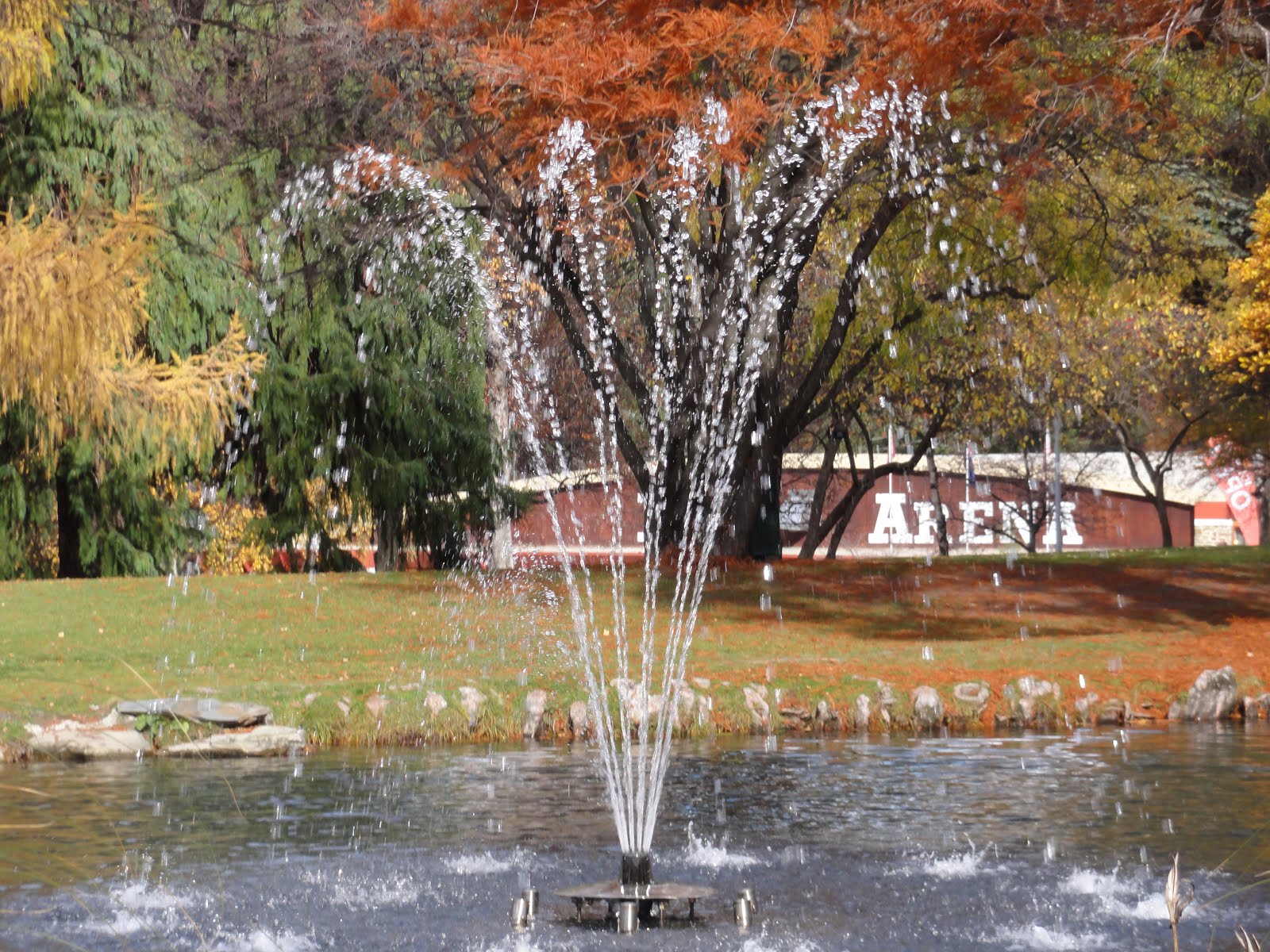
Searching for locations: Queenstown Gardens, Queenstown, New Zealand

Queenstown Gardens are not far from the center of Queenstown.  They are just down the hill from where we usually stay at Queenstown Mews.

More often than not we approach the Gardens from the lakeside during our morning walk from the apartment to the coffee shop.  You can walk alongside the lake, or walk through the Gardens, which, whether in summer or winter, is a very picturesque walk.

There’s a bowling club, and I’m afraid I will never be that sort of person to take it up (not enough patience) and an Ice Arena, where, in winter I have heard players practicing ice hockey.

I’m sure, at times, ice skating can also be done.

There is a stone bridge to walk across, and in Autumn/Winter the trees can add a splash of color.

There is a large water feature with fountain, and plenty of seating around the edge of the lake, to sit and absorb the tranquility, or to have a picnic.

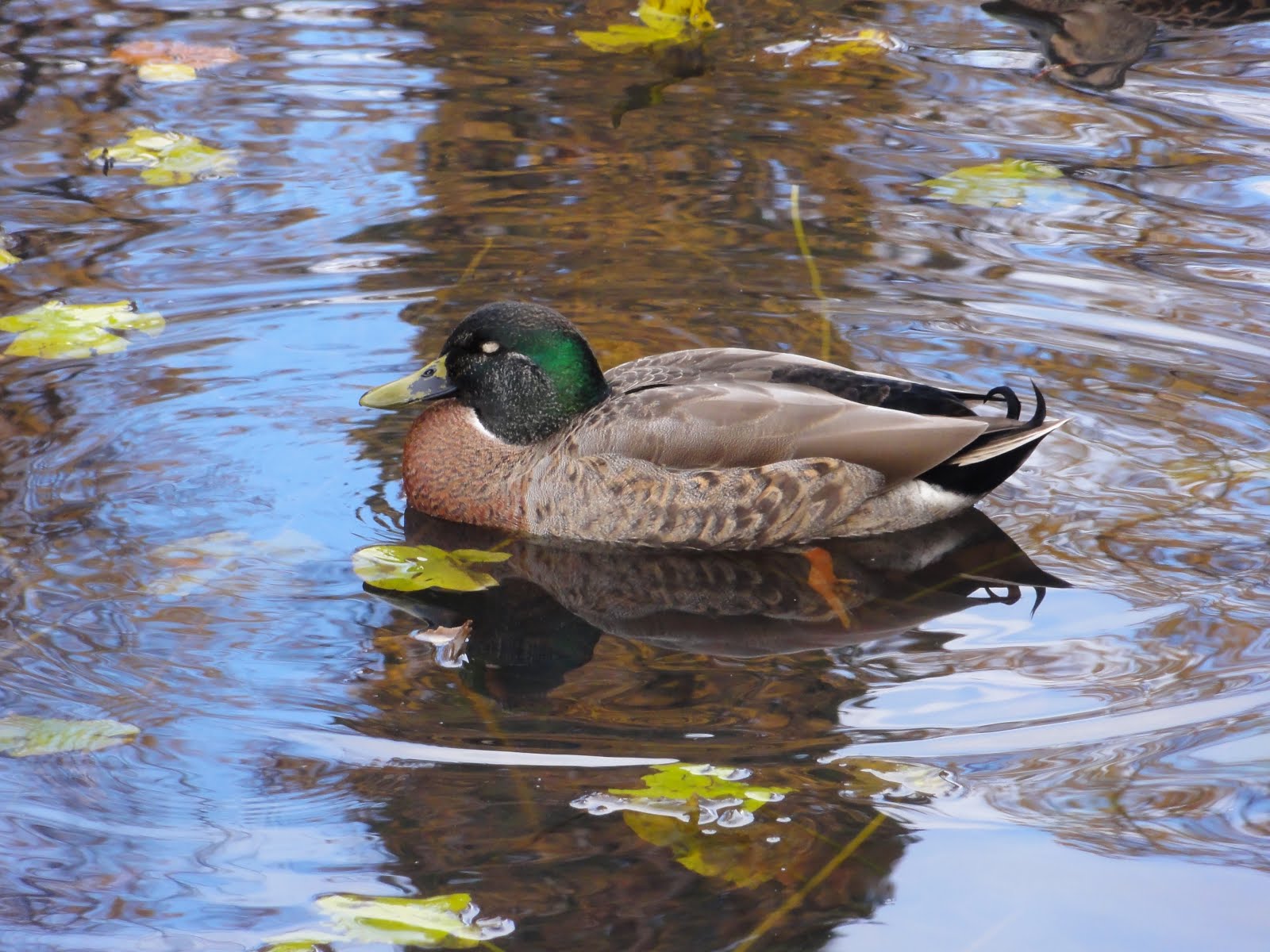
There are ducks in the pond

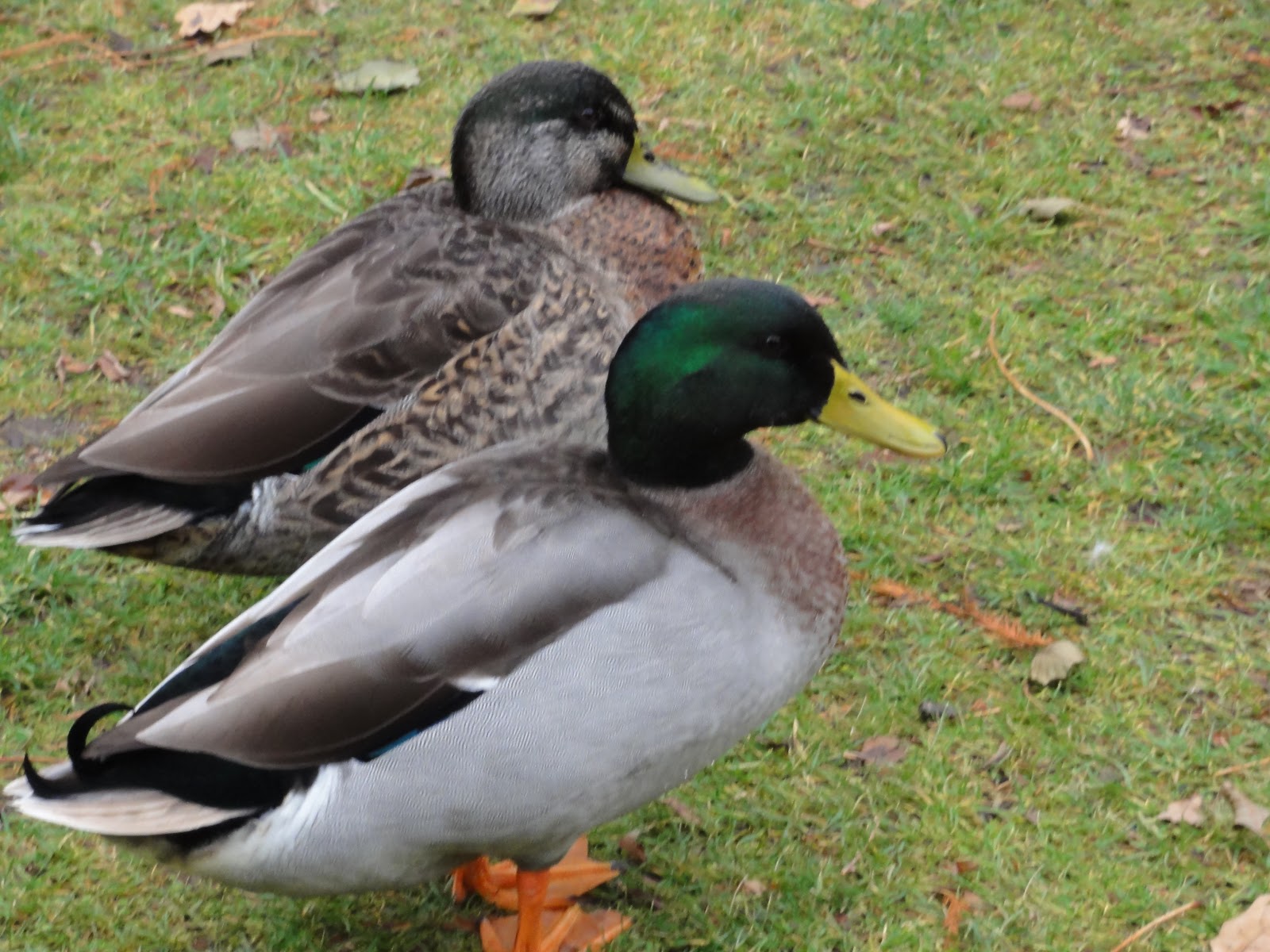
and out of the pond

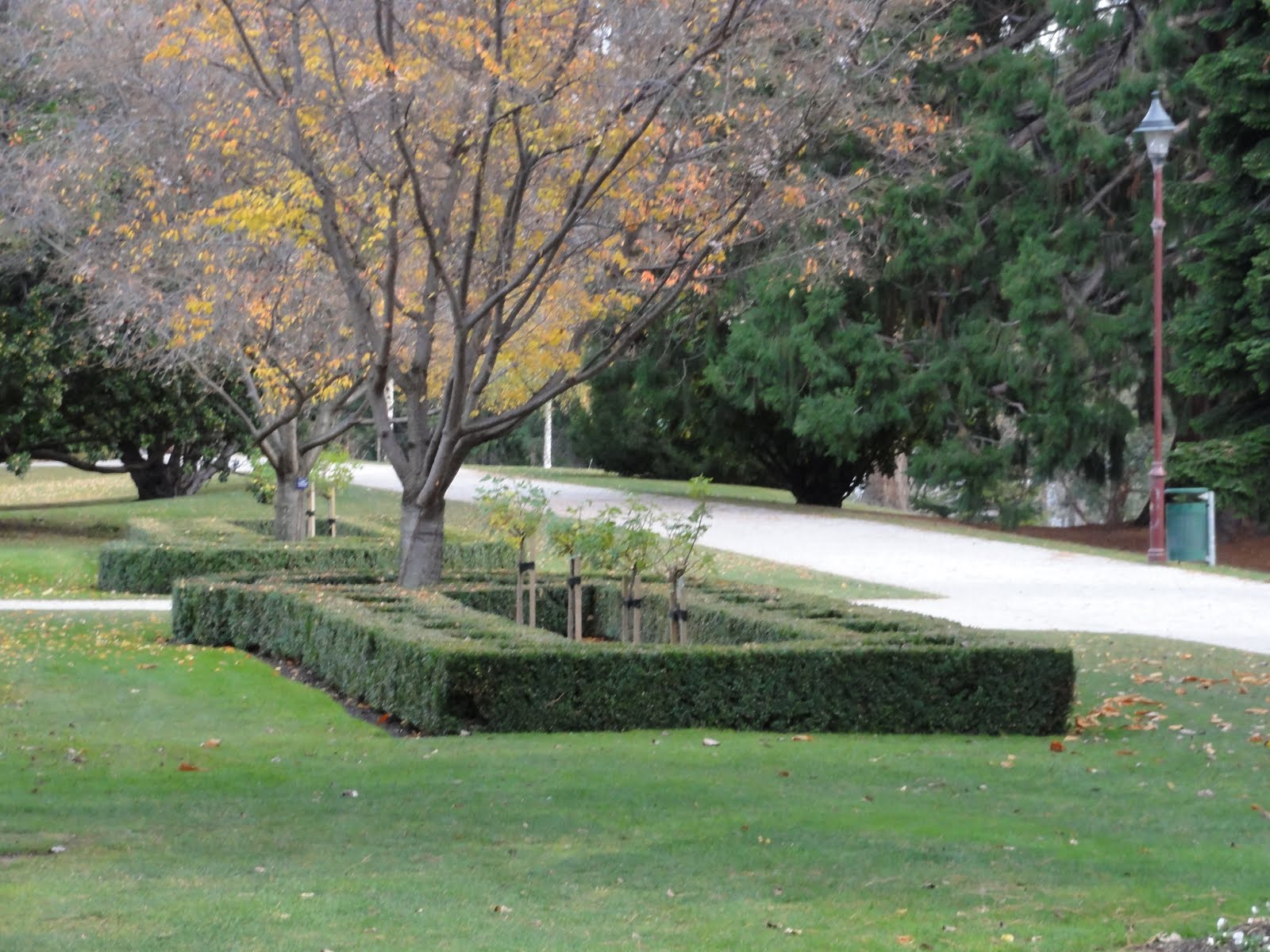
and plenty of grassed areas with flower beds which are more colorful in summer.  I have also seen the lawns covered in snow, and the fir trees that line the lake side of the gardens hang heavy with icicles.

Almost nonsensical descriptions we sometimes use without thinking

I found this explanation on the internet which seems to sum up what odd phrases like ‘you can’t judge a book by its cover’ mean: ‘a word or phrase used in a non-literal sense for rhetorical or vivid effect.’

We, as writers, are constantly reminded that we should not use these in our writing because most people might not understand their use.

But, being that unconventional, never to be told, type, I honestly think that it sometimes adds a degree of whimsy to the story.

I remember some years ago when I working with a Russian chap who’d not been in the country very long, and though he had a reasonable use of English, was not quite up with our figures of speech.

And made me realize when he kept asking me what they meant, just how many I used in everyday conversation.

Most of these figures of speech use descriptions that do not necessarily match the word being described, such as ‘I dance like I have two left feet’.

And that pretty much sums up how good I can dance.  But …

‘Like a bat out of hell’, not sure how this got into the vernacular, but it means to get the hell out of dodge quickly.  Hang on, that’s another saying, American, and the way Dodge city was in western American folklore, if you irritated a gunslinger, then best be on your way, fast.

Otherwise, yes, you guessed it, you were at the end of another saying, you would get a one-way ticket to boot hill.  In other words, the cemetery.

And while I’m digressing, again, Yul Brynner made a trip to boot hill very memorable in The Magnificent Seven.

Then,

‘Like a bull in a china shop’, describes a toddler let loose

‘More front than Myers’, as my mother used to say, but in context, Myers is the Australian version of the English Selfridges or Harrods or Paris Galleries Lafayette.  It refers to the width of street frontage of the stores

‘As mad as a hatter’, though not necessarily of the millinery kind, but, well, you can guess

‘As nutty as a fruitcake’, provided your fruitcake has nuts in it

You can see, if you get the references, they are somewhat apt, and, yes, they sometimes creep into my stories.


The cinema of my dreams – It all started in Venice – Episode 11

Verbal sparring with Juliet

I had expected Juliet would try and maneuver the conversation in the direction Larry wanted, and I thought about whether I would be obtuse in simply ignoring her and talking about anything else, or just have fun with Larry who, no doubt, would be listening in.

Her first question was hardly surprising, an effort to see if I would tell her what my work was.  I couldn’t even if I wanted to, but I could intimate certain things.  But not straight away, Juliet was going to give to ask the right questions.

“Since retirement, I spent most of my time looking after Violetta.”

“Was she unwell?”

A natural assumption that everyone made, but nothing could be further from the truth.   She had given me purpose after so long in a trade that traded in endless lies and deception.

And it had been on one of those missions she had been caught in the crossfire, as I pretended to be, and got her out.  We found each other again, by accident, literally, and it developed from there.

I was done with that job and wandering aimlessly around Europe at the time.  She knew something was wrong with me, but never pushed, just accepted that everything would be better in time.

And it was.

It was a while before I answered, several vivid memories of her rising to the surface as they did, unexpectedly at times.

“No.  I often think she was exactly what she thought I needed to be for her.  She had come from a family that had servants all their lives, and there were certain expectations.”

I could see it in her expression, that Violetta treated me like a servant.   Good, let her.

“I had always wondered what it was you did, that you could end up I’m my hospital in such bad shape.  I never bought that car accident excuse we were given, because the injuries were inconsistent.”

“You were an expert on car injuries?”

“As a matter of fact, yes, I had made it a hobby if you like, to treat as many as possible, cataloging the injuries so that other doctors might treat patients with such injuries more efficiently.”

“So, having said that, what in your humble opinion was the cause of my injuries?”

“Being tossed out of a moving car, but more likely the result of a bar fight, the sort they had in the old wild west.”

And she’d be right.  It was six against two, and at a disadvantage, and, yes, I had been thrown a short distance, but not by the enemy.  It was a gesture to save me from a worse beating.  I had been lucky that night, my partner had not.

“Well, always an interesting topic for doctors sitting around a campfire talking shop.  But I will say this, I was a policeman once, with a blue uniform too.  I did spend time on the streets, but mostly doing paperwork, as I keep telling everyone.”

“And what caused your injuries?”

She was persistent, I’ll give her that.

“Getting involved in a domestic argument.  It’s not the sort of work anyone wants to get in the middle of, and my partner at the time was killed.  You saw what happened to me.  We were just in the wrong place at the wrong time.”

She gave me a measured look, one that seemed to say she didn’t believe a word of it, and I was fine with that.  In any other circumstance, we would not be talking about it, and I had tried to put the real events of that day behind me.

It wasn’t easy.  Not when you lose someone.  It becomes that situation where at first you blame yourself for the death, and then after enough people tell you it wasn’t your fault, you begin to wonder what you could have done better to prevent it.

A lot, perhaps, but I’d been younger then, and not as wise.  That came layer with experience.

“Tell me about you,” I said, changing the focus.

“Nothing to tell.”

“I read newspapers Juliet, and I know what happened.  It might have been on page 16, but it leaped off the page.  I wanted to believe it wasn’t true.”

If she thought she was going to escape the inquisition, she was wrong.

I had been surprised to see her name, more surprised at the circumstances, a dalliance with drugs, a bad call, an avoidable death, and the downward spiral from there.

The photo of her in the paper after her arrest was not pretty.  She went to jail for a short period, lost her license to practice medicine, and lost a whole lot more.

“If you read the news, then there’s nothing left to tell.  I’m clean now, have been for a few years.”

The admission came almost reluctantly, for someone in her situation, it was like an evening ender when the truth was out.

“You were a good doctor.  What happened?”

“Too many hours, not enough sleep.  A husband who was too consumed in his own career, I took the easy way out.  Life is a series of choices, and I made a few bad ones.  Shit happens.”

“So, what do you do now?”

“Forensic medicine, assisting coroners.  I work with the dead.  I figure I can’t hurt them anymore.  I try to see the people who don’t survive car crashes, and continue my work in the hope some of the death and mayhem can be prevented.”

As well as doing Larry’s dirty work.  Had she done this before?

Sparring suspended, the main courses arrived.

© Charles Heath 2022

Searching for locations: Queenstown Gardens, Queenstown, New Zealand

Queenstown Gardens are not far from the center of Queenstown.  They are just down the hill from where we usually stay at Queenstown Mews.

More often than not we approach the Gardens from the lakeside during our morning walk from the apartment to the coffee shop.  You can walk alongside the lake, or walk through the Gardens, which, whether in summer or winter, is a very picturesque walk.

There’s a bowling club, and I’m afraid I will never be that sort of person to take it up (not enough patience) and an Ice Arena, where, in winter I have heard players practicing ice hockey.

I’m sure, at times, ice skating can also be done.

There is a stone bridge to walk across, and in Autumn/Winter the trees can add a splash of color.

There is a large water feature with fountain, and plenty of seating around the edge of the lake, to sit and absorb the tranquility, or to have a picnic.

There are ducks in the pond

and out of the pond

and plenty of grassed areas with flower beds which are more colorful in summer.  I have also seen the lawns covered in snow, and the fir trees that line the lake side of the gardens hang heavy with icicles.

The bane of our existence: social media

I’m back to writing, sitting at the desk, pad in front of me, pen in hand.

The only thing lacking is an idea.

It’s 9:03 am, too early to start on a six-pack.

I need a distraction.

Blogging, websites, Twitter, and Facebook, all of these social media problems are swirling around in my mind.

The more I read the more it bothers me that if I don’t have the right social media presence if I do not start to build an email list, all of my efforts in writing a book will come to naught.

Then I start trawling the internet for information on marketing and found a plethora of people offering any amount of advice for anything between a ‘small amount’ to a rather large amount that gives comprehensive coverage of most social media platforms for periods of a day, a week or a month.  I don’t have a book so it’s a bit early to be worrying about that.

I move on to the people who offer advice for a cost on how to build a following, how to build a web presence, how to get a thousand Twitter followers, and how to get thousands of email followers before the launch.

The trouble is I’m writing a novel, not a nonfiction book, or have some marvellous 30 page ebook on how to do something, for free just to drive people to my site.

I’m a novelist, not a handyman so those ideas while good are not going to help me.

Yet another problem to wrestle with along with actually creating a product to sell in the first place.

Except I’m supposed to be writing for the love of it without the premeditated idea of writing for gain or getting rich quick.

What am I missing here?

So should l be writing short stories and offering them for free to drive people to my site?  These would have to be genre-specific so it needs time and effort and fit into a convenient size story that will highlight or showcase my talent.

Or should I create a website for the novel and set up pages for the characters and get some interaction going that way?

It will be difficult without giving the whole plot away so if I do it will have to be carefully managed.

I don’t think I will have a good night’s sleep again with all of these social media problems I’m going to have.

Oh well, back to the book.  It’s time to have a nightmare of a different sort!

In a word: Stick

Everyone knows what a stick is, it’s a lump of wood that you throw out in front of you, and if your dog is inclined to, he will run out and fetch it back.

Of course, there’s the obstinate ones who just lie down on the ground and look at you like you’re foolishly throwing away something useful.

For instance, that stick, and a few others that would be very useful to light a campfire, or just a woodfire in the house, during winter.

Or it can be a stick of wood needed for something else, like a building project, of of those highly secret affairs that go on in the locked shed at the bottom of the garden.

I’m sure the dog who refuses to fetch sticks knows exactly what is going on there, but is disinclined to say.

But..

If you are looking at the gooey sense of the word, there is an old saying, if you throw enough mud, some of it sticks’.

Yes, you can stick stuff to stuff, such as words cut out of various newspapers to make up a ransom, or warning, note.

Too many mystery movies, I know.

Paint will stick to timber, or any surface really.

Mud sticks to the bottom of shoes or boots and then becomes analysable evidence.

I can stick to you like glue, which means, really, where you go I go, quite handy if you are trying to stop an opposition player from scoring in a game.

I can use a walking stick, beat someone with a stick, use a stick to fly a plane, or a gear stick to move a car.

I’m sure, if you think about it, you can come up with a dozen more ways to use it.


Knowledge can be dangerous… – A short story

It was, perhaps, the saddest week of my life.

It started with a phone call, then a visit by two police officers.  It was about my parents, but the news could not be imparted over the phone, only in person.  That statement alone told me it was very bad news, so I assumed the worst.

The two police officers, standing at the front door, grim expressions on their faces, completed the picture.  The news, my parents were dead, killed in a freak car accident.

At first, it didn’t sink in.  They were on their way back from another of their extensive holidays, one of many since my father had retired.  I’d seen them probably six months out of the last five years, and the only reason they were returning this time was that my mother needed an operation.

They hadn’t told me why, not that they ever told me very much any time since the day I’d been born, but that was who they were.  I thought them eccentric, being older when I’d come along, and others thought them, well, eccentric.

And being an only child, they packed me off to boarding school, then university, and then found me a job in London, and set me up so that I would only see them weekends if they were home.

I had once wondered if they ever cared about me, keeping me at arm’s length, but my mother some time ago had taken me aside and explained why.  It was my father’s family tradition.  The only part I’d missed was a nanny.

It most likely explained why I didn’t feel their passing as much as I should.

A week later, after a strange funeral where a great many people I’d never met before, and oddly who knew about me, I found myself sitting in the sunroom, a glass of scotch in one hand, and an envelope with my name on it, in the other.

The solicitor, a man I’d never met before, had given it to me at the funeral.   We had, as far as I knew an elderly fellow, one of my father’s old school friends, as the family solicitor, but he hadn’t shown at the funeral and wasn’t at home when I called in on my way home.

It was all very odd.

I refilled the glass and took another look at the envelope.  It was not new, in fact, it had the yellow tinge of age, with discoloration where the flap was.  The writing was almost a scrawl, but identifiable as my father’s handwriting, perhaps an early version as it was now definitely an illegible scrawl.

I’d compared it with the note he’d left me before they had embarked on their last adventure, everything I had to do while caretaking their house.  The last paragraph was the most interesting, instructing me to be present when the cleaning lady came, he’d all but accused her of stealing the candlesticks.

To be honest, I hadn’t realized there were candlesticks to steal, but there they were, on the mantlepiece over the fire in the dining room.  The whole house was almost like being in an adventure park, stairs going up to an array of rooms, mostly no longer used, and staircase to the attic, and then another going down to the cellar.  The attic was locked and had been for as long as I could remember, and the cellar was dank and draughty.

Much like the whole house, but not surprising, it was over 200 years old.

And perhaps it was now mine.  The solicitor, a man by the name of Sir Percival Algernon Bridgewater, had intimated that it might be the last will and testament and had asked me to tell him if it was.  I was surprised that Sir Percival didn’t have the document in question.

And equally. so that the man I knew as his solicitor, Lawerence Wellingham, didn’t have a copy of my father’s last will and testament either.

I finished the drink, picked up the envelope, and opened it.

It contained two sheets of paper, the will, and a letter.  A very short letter.

“If you are reading this I have died before my time.  You will need to find Albert Stritching, and ask him to help you find the murderer.”

Even the tenor of that letter didn’t faze me as it should have, because at this point nothing would surprise me.  In fact, as I  unfolded the document that proclaimed it was the will, I was ready for it to say that whole of his estate and belongings were to be left to some charity, and I would get an annual stipend of a thousand pounds.

In fact, it didn’t.  The whole of his estate was left to my mother should she outlive him, or in the event of her prior decease, to me.

I had to put all of those surprises on hold to answer a knock on the door.

Lawerence Wellingham.

I stood too e side, let him pass, closed the door, and followed him into the front room, the one my mother called the ‘drawing room’ though I never knew why.

He sat in one of the large, comfortable lounge chairs.  I sat in the other.

I showed him the will.  I kept the other back, not knowing what to make of it.

“No surprise there,” Wellingham said.

“Did you have any idea what my father used to do, beyond being, as he put it, a freelance diplomat?”

I thought it a rather odd description but it was better than one he once proffered, ‘I do odd jobs for the government’.

“I didn’t ask.  Knowledge can be dangerous, particularly when associated with your father.  Most of us preferred not to know, but one thing I can tell you.  If anyone tries to tell you what happened to your parents was not an accident, ignore them.  Go live your life, and keep those memories you have of them in the past, and don’t look back.  They were good people, Ken, remember them as such.”

We reminisced for the next hour, making a dent in the scotch, one of my father’s favorite, and he left.

Alone again, the thoughts went back to the second note from my father.  That’s when the house phone rang.

Before I could answer it, a voice said, “My name is Stritching.  Your father might have mentioned me?  We need to talk.”

—-

© Charles Heath 2020-2021

The cinema of my dreams – It all started in Venice – Episode 10

Could Juliet be slightly jealous?

I got back to the hotel just before Cecilia was leaving.  She was wearing what I would call her party clothes, something that left little to the imagination, but not different from the many others trying to be noticed.

I had thought of using the analogy that she was going to be a single tree in a forest of similar trees, but it was probably something she already knew.

And a pity she felt she needed to make such an entrance just to be noticed, and probably to some, for all the wrong reasons.  At least she was gaining experience for what I called her day job.

“I’ll be back to make an impression on your friend,” she said.

She didn’t need to say anymore.  Impression would be an understatement.  But it might, quite literally, shake the trees to see what falls out.

A half-hour later there was a light rapping on my door.  I was not expecting any visitors, so it could be one of three options, Cecilia was back early or changed her mind though I seriously doubted it, or Juliet was being pre emotive, or perhaps it was just one of the hotel staff.

Whomever it was, I made the necessary preparations, just like in the old days, and opened the door.  There was always that moment of unpreparedness, that someone would come crashing through the door and take you by surprise.

Happened once, not again.

“Juliet.”  More a statement than a question, it should not be a surprise but it was.

She had dressed for dinner, not as Cecilia would, but she had made an effort.  Had Cecilia made that happen?

And yet the first question to come to mind is, “How did you know I was here?”

“Simple, I saw you go into this room.  It had to be either you, or the girl, so I made a choice.  I was not sure what I was going to do or say if I was wrong.”

“It wouldn’t bother Cecilia.  She and I, were just old friends.”

“Like us?”

“Are we old friends.  It seems to me that we had something else back then, for a brief time, until I had to go back.”

“You never did explain what happened to you.”

“No, and the less said about it the better.  I was young and stupid, like all men of that age, and I cheated death.  I was lucky, very lucky, and, I might add, very lucky too that you were my doctor.”

“May I come in?”

Standing in the passage discussing personal matters might have been more embarrassing for her than for me.  I stood to one side and let her pass.  There was no fount in my mind she had a device that was sending our conversation back to Larry.

There would be questions, probing for the truth.  Who I was, what I did, where I’d been.  Now, or over dinner, it was her task

I closed the door and leaned against it.

I had to ask, “What are you doing here?”

A puzzled look came over her face, surprised perhaps I’d be that direct in asking.

“I thought you asked me to dinner.”

“I did.”

“We’re you just asking for the sake of asking?”  There was a tinge of disappointment in her tone.

“No.  I thought dinner would be good since Cecilia is out there promoting herself. She asked me to come along and see what it is like, but it’s too near the limelight for me.”

“Do you and her have a thing?”

I’m not sure what ‘a thing’ meant.  “If you mean, a romantic attachment, no.  It’s too soon after Angelina’s death.  I may never get over it, but Cecilia popped up and said she was coming and she’s good fun.  And being seen with her makes me look good for an over-the-hill retiree.”

That might make it reasonably clear if she wanted to push this to another level it wasn’t going ti work.  Larry would be disappointed.  It would be interesting to see what she had as a plan B.

“You’re not that old, just out of practice, but I get it.  That doesn’t mean we can’t have dinner.”

“No, it does not.”

I thought about taking her to the hotel restaurant, but in the end opted for a long walk to St Mark’s square, one where a band was playing Rogers and Hammerstein musical songs.

The distance between us wasn’t physical, she was right beside me, so close I could have reached out and taken her hand in mine, it was the thought of her duplicity.

If she told me what was happening, I would have tried very hard to get her out of the predicament and take away Larry’s perceived advantage.

I hadn’t activated the scrambler, so Larry was no doubt listening in, but the conversation wouldn’t be all that informative.  I spoke about Venice, deliberately, and of Angelina.  Larry could make of that whatever he wanted.

At the restaurant we sat near to the orchestra, to help obfuscate the sound, and opposite each other.  She was drinking champagne; I was having a beer.

“So, what have you been doing with yourself since I last met you?”

It begins.

© Charles Heath 2022