Searching for locations: Venice, ships come and ships go

Through this window, which wasn’t one of those floor to ceiling, walk out onto a balcony type windows, we saw big ships, little ships, small boats, and then huge ocean liners.And when that wasn’t enough, sunrise and sunset, or just the sight of Venice in the sunshine

The many vaporettos that came and went

It was simply a matter of watching ships go by, or watching the Venetians go about the daily business
Ferries that would arrive in the morning, and leave at night, small

and large

Small ocean liners

Very, very large ocean liners

And everything in between

Meanwhile at the railway station…

This was going to be about my usual taxi run, picking up one or other of the grandchildren from either school, or the railway station, to take them home, a benefit their parents have with grandparents with nothing better to do.

I say that tongue in cheek because I usually have something else to do, but it is a pleasurable experience for both of us because it means we get to spend some time with our grandchildren while they are young, and before they discover that world out there that we ‘oldies’ would know nothing about.

I have no doubt there are times when they think we have passed our use-by date. It’s the bane of all old people sooner or later unless they forge a close relationship with them in those early years.

I like to think we have, but you can never tell.

We’d like to be able to give them an independent ear, people who will listen to them and not judge, not in the way parents would. I remember myself saying that my parents would never understand the problems we had, that it was nothing like that when they were our age.

It’s the same now. The mantra never changes, but the generation has shifted, and I guess to a certain extent they are right. We didn’t have computers, mobile phones, or the endless supply of cash to go out with our friends to the mall, to the movies, to parties, sleepovers. We just didn’t have the money period, even if those activities existed in our time.

There wasn’t television, computer games, we had to find our own amusement, in the street, with other kids, using our imagination. We had to socially mix, talk to other kids, and there wasn’t the level of marriage breakups, broken homes, and distressed kids, not in our day. Divorce was a dirty word, spoken in hushed tones.

Now it seems homes with a mother and a father living together, or still talking to each other civilly, is a miracle rather than the norm. What the hell went wrong in 50 years? It seems to me that in the last 25 years we have presided over a world that has fallen to pieces, and, failing to recognize the looming disaster, we just sat by and watched it unfold.

And just how I managed to get so melancholy while waiting for a child at the railway station, I’ll never know. Perhaps it was the observance of several kids bullying another, perhaps it was because I sat in a locked car partially fearful about that trouble spilling over.

I know when I was a child my parents instilled in me a respect for others, even if I didn’t agree with them, or, god forbid, I didn’t like them. Like now, I get along with anyone and everyone because it was how we were taught.

Then.

What happened since then?

Did we forget slowly over time the virtue of tolerance and respect?

Fortunately, the train and my granddaughter have arrived, so I can cease with the rant. The children hassling each other had to run to the train and what might have been an unpleasant scene dissipated without violence.

She gets in the car after I unlock the doors and it’s the start of a fifteen-minute discussion about her day at school. It, too, is very different from my day, but, in its way, still the same battlefield between students and teachers.

At least some things never change.

“Trouble in Store” – Short stories my way: Revisiting the first section

First drafts are always a little messy.  The words spill out onto the page, and it’s rare that any or all of them are perfect.  Sometimes you get lucky, but most of the time you don’t.

That’s why there’s revision, or by the more dreaded name, editing.

Editing conjures up a lot of different images in my mind, from completely re-writing, to cutting the mss down in size.  Or where you discover the main character’s name has changed from Bill to Fred after a bad night.

Usually, though, as stories progress, they go through a number of rewrites, and sometimes because of what follows.  It depends on how long a period the story is written.  Some of mine take days, others quite a lot longer.

This is the rewrite of the first section of the short story I’m undertaking, adding some new details:


Jack was staring down the barrel of a gun.

He had gone down to the corner shop to get a pack of cigarettes.

He had to hustle because he knew the shopkeeper, Alphonse, liked to close at 11:00 pm sharp.  His momentum propelled him through the door, causing the customer warning bell to ring loudly as the door bashed into it, and before the sound had died away, he knew he was in trouble.

It took a second, perhaps three, to sum up the situation. 

Young girl, about 16 or 17, scared, looking sideways at a man on the ground, then Alphonse, and then Jack.  He recognized the gun, a Luger, German, relic of WW2, perhaps her father’s souvenir, now pointing at him then Alphonse, then back to him.

Jack to another second or two to consider if he could disarm her.  No, the distance was too great.  He put his hands out where she could see them.  No sudden movements, try to remain calm, his heart rate up to the point of cardiac arrest.

Pointing with the gun, she said, “Come in, close the door, and move towards the counter.”

Everything but her hand steady as a rock.  The only telltale sign of stress, the beads of perspiration on her brow.  It was 40 degrees Fahrenheit in the shop.

Jack shivered, and then did as he was told.  She was in the unpredictable category.

“What’s wrong with your friend?”  Jack tried the friendly approach, as he took several slow steps sideways towards the counter.

The shopkeeper, Alphonse, seemed calmer than usual, or the exact opposite spoke instead, “I suspect he’s an addict, looking for a score.  At the end of his tether, my guess, and came to the wrong place.”

Wrong time, wrong place, in more ways than one Jack thought, now realizing he had walked into a very dangerous situation.  She didn’t look like a user.  The boy on the ground, he did, and he looked like he was going through the beginnings of withdrawal.

 “Simmo said you sell shit.  You wanna live, ante up.”  She was glaring at Alphonse. 

The language, Jack thought, was not her own, she had been to a better class of school, a good girl going through a bad boy phase. Caught in a situation she was not equipped to deal with.


© Charles Heath 2016-2020

Memories of the conversations with my cat – 43

As some may be aware, but many not, Chester, my faithful writing assistant, mice catcher, and general pain in the neck, passed away some months ago.

Recently I was running a series based on his adventures, under the title of Past Conversations with my cat.

For those who have not had the chance to read about all of his exploits I will run the series again from Episode 1

These are the memories of our time together…

20161004_162739

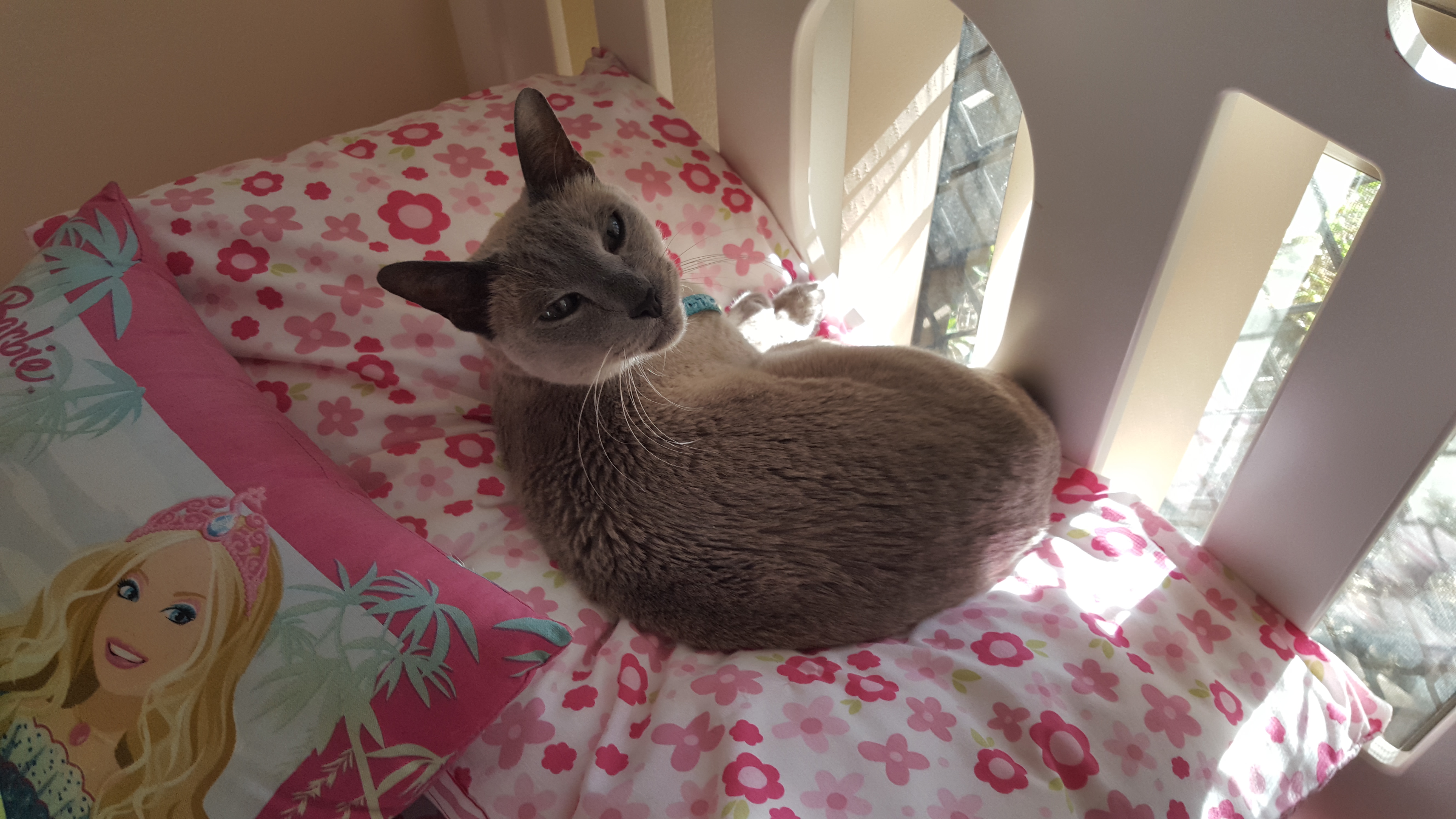
This is Chester, he’s just reminded me that it is International Cat Day.

I ask, are you really an international cat, because you live here, and haven’t travelled anywhere.

A studious glance at me, then at a map of the word, he then tells me I haven’t taken him anywhere, but he’s been with me in spirit.

Yes, and while I’m away, well, you know how it goes…

Again apparently that was my fault, I didn’t leave strict instructions on what he could or could not do.

I thought we’d set those boundaries a long time ago.

I’m old, is the quick retort,  Memory is failing.  I’m lucky if I can remember what I was doing yesterday.  You’ll have to remind me.

Every morning.

And even then I might still have trouble remembering.

Anyway, don’t you humans have a saying, respect your elders?

OK.  Now we’re back on the age thing.  And, by the way, I don’t think my granddaughter gave you permission to sleep on her pillow.

Seems it’s my turn to eave in a huff!

International cat day?????


“Trouble in Store” – Short stories my way: Revisiting the first section

First drafts are always a little messy.  The words spill out onto the page, and it’s rare that any or all of them are perfect.  Sometimes you get lucky, but most of the time you don’t.

That’s why there’s revision, or by the more dreaded name, editing.

Editing conjures up a lot of different images in my mind, from completely re-writing, to cutting the mss down in size.  Or where you discover the main character’s name has changed from Bill to Fred after a bad night.

Usually, though, as stories progress, they go through a number of rewrites, and sometimes because of what follows.  It depends on how long a period the story is written.  Some of mine take days, others quite a lot longer.

This is the rewrite of the first section of the short story I’m undertaking, adding some new details:


Jack was staring down the barrel of a gun.

He had gone down to the corner shop to get a pack of cigarettes.

He had to hustle because he knew the shopkeeper, Alphonse, liked to close at 11:00 pm sharp.  His momentum propelled him through the door, causing the customer warning bell to ring loudly as the door bashed into it, and before the sound had died away, he knew he was in trouble.

It took a second, perhaps three, to sum up the situation. 

Young girl, about 16 or 17, scared, looking sideways at a man on the ground, then Alphonse, and then Jack.  He recognized the gun, a Luger, German, relic of WW2, perhaps her father’s souvenir, now pointing at him then Alphonse, then back to him.

Jack to another second or two to consider if he could disarm her.  No, the distance was too great.  He put his hands out where she could see them.  No sudden movements, try to remain calm, his heart rate up to the point of cardiac arrest.

Pointing with the gun, she said, “Come in, close the door, and move towards the counter.”

Everything but her hand steady as a rock.  The only telltale sign of stress, the beads of perspiration on her brow.  It was 40 degrees Fahrenheit in the shop.

Jack shivered, and then did as he was told.  She was in the unpredictable category.

“What’s wrong with your friend?”  Jack tried the friendly approach, as he took several slow steps sideways towards the counter.

The shopkeeper, Alphonse, seemed calmer than usual, or the exact opposite spoke instead, “I suspect he’s an addict, looking for a score.  At the end of his tether, my guess, and came to the wrong place.”

Wrong time, wrong place, in more ways than one Jack thought, now realizing he had walked into a very dangerous situation.  She didn’t look like a user.  The boy on the ground, he did, and he looked like he was going through the beginnings of withdrawal.

 “Simmo said you sell shit.  You wanna live, ante up.”  She was glaring at Alphonse. 

The language, Jack thought, was not her own, she had been to a better class of school, a good girl going through a bad boy phase. Caught in a situation she was not equipped to deal with.


© Charles Heath 2016-2020

Memories of the conversations with my cat – 43

As some may be aware, but many not, Chester, my faithful writing assistant, mice catcher, and general pain in the neck, passed away some months ago.

Recently I was running a series based on his adventures, under the title of Past Conversations with my cat.

For those who have not had the chance to read about all of his exploits I will run the series again from Episode 1

These are the memories of our time together…

20161004_162739

This is Chester, he’s just reminded me that it is International Cat Day.

I ask, are you really an international cat, because you live here, and haven’t travelled anywhere.

A studious glance at me, then at a map of the word, he then tells me I haven’t taken him anywhere, but he’s been with me in spirit.

Yes, and while I’m away, well, you know how it goes…

Again apparently that was my fault, I didn’t leave strict instructions on what he could or could not do.

I thought we’d set those boundaries a long time ago.

I’m old, is the quick retort,  Memory is failing.  I’m lucky if I can remember what I was doing yesterday.  You’ll have to remind me.

Every morning.

And even then I might still have trouble remembering.

Anyway, don’t you humans have a saying, respect your elders?

OK.  Now we’re back on the age thing.  And, by the way, I don’t think my granddaughter gave you permission to sleep on her pillow.

Seems it’s my turn to eave in a huff!

International cat day?????


Memories of the conversations with my cat – 42

As some may be aware, but many not, Chester, my faithful writing assistant, mice catcher, and general pain in the neck, passed away some months ago.

Recently I was running a series based on his adventures, under the title of Past Conversations with my cat.

For those who have not had the chance to read about all of his exploits I will run the series again from Episode 1

These are the memories of our time together…

20161008_135142

This is Chester.  Somedays, like today, he is an accomplice.

In what, you may ask.

I got a DM (a direct mail in Twitter) from someone who wants to ask a few questions and write a little piece about me in their blog.

Why? Chester asks.  He’s been sitting beside me staring at the same screen I have, and it finally got the better of him.

They asked I replied.

But what about the last person who tried to get simple answers to simple questions?

I was in a frivolous mood, I tell him.

That’s most days, isn’t it?  Unless, of course, you’ve dozed off after a long night trying to get words on theoretical paper.

OK, so he’s trying to annoy me.  It’s working.

The first question, tell us a little about yourself.

So, what do I say?  Suave and sophisticated.

A sidelong look from an obviously amused cat.  I can tell by the expression on his face.

And then the words, don’t use words of more than two syllables, and worse, use words you don’t know the meaning of.

That’s why I have a thesaurus and dictionary on the computer.

He lets that pass.

So I have been around long enough to have many experiences, go to many places, see many people, and do stuff.

Do stuff?  What the hell is ‘stuff’?

You know, stuff.  Looking at stuff, eating stuff, sitting on stuff.

Groan.

He gets up, gives me that pitiful look of disdain, and leaves.

I shrug.  Maybe tomorrow, when he’s in a better mood.


“Trouble in Store” – Short stories my way: Actions have consequences

It’s time for the policewoman to arrive.

There is such a thing as pure dumb luck.

If she did not walk through the door when she did then Jack would have walked away.

From the policewoman’s perspective:


She crossed the street from the corner instead of remaining on the same side of the street as she did every other night.  When she reached the other sidewalk, she was about 20 yards from the nearest window of the store.

As she crossed, she got a better view of the three people in the store and noticed the woman, or girl, was acting oddly as if she had something in her hand, and, from time to time looked down beside her.

A yard or two from the window she stopped, took a deep breath, and then moved slowly, getting a better view of the scene with each step.

Then she saw the gun in the girl’s hand, and the two men, the shopkeeper and a customer facing her, hands up.

It was a convenience store robbery in progress.

She reached for her radio, but it wasn’t there.  She was off duty.  Instead, she withdrew, and called the station on her mobile phone, and reported the robbery.  The officer at the end of the phone said a car would be there in five minutes.

In five minutes there could be dead bodies.

She had to do something, and reached into her bag and pulled out a gun.  Not her service weapon, but one she carried in case of personal danger.


Guns are dangerous weapons in the hands of professional and amateur alike.  You would expect a professional who has trained to use a gun to not have a problem but consider what might happen in exceptional circumstances.

People freeze under pressure.  Alternately, some shoot first and ask questions later.

We have an edgy and frightened girl with a loaded gun, one bullet or thirteen in a magazine, it doesn’t matter.  It only takes one bullet to kill someone.

Then there’s the trigger pressure, light or heavy, the recoil after the shot and whether it causes the bullet to go into or above the intended target, especially if the person has never used a gun.

The policewoman, with training, will need two hands to take the shot, but in getting into the shop she will need one to open the door, and then be briefly distracted before using that hand to steady the other.

It will take a lifetime, even if it is only a few seconds.

Actions have consequences:


The policewoman crouched below the window shelf line so the girl wouldn’t see her, and made it to the door before straightening.  She was in dark clothes so the chances were the girl would not see her against the dark street backdrop.

Her hand was on the door handle about to push it inwards when she could feel in being yanked hard from the other side, and the momentum and surprise of it caused her to lose balance and crash into the man who was trying to get out.

What the hell…

A second or two later both were on the floor in a tangled mess, her gun hand caught underneath her, and a glance in the direction of the girl with the gun told her the situation had gone from bad to worse.

The girl had swung the gun around and aimed it at her and squeezed the trigger twice.

The two bangs in the small room were almost deafening and definitely disorientating.

Behind her, the glass door disintegrated when the bullet hit it.

Neither she nor the man beside her had been hit.

Yet.

She felt a kick in the back and the tickling of glass then broke free as the man she’d run into rolled out of the way.

Quickly on her feet, she saw the girl had gone, and wasted precious seconds getting up off the floor, then out the door to find she had disappeared.

She could hear a siren in the distance.  They’d find her.


If the policewoman had not picked that precise moment to enter the shop, maybe the man would have got away.

Maybe.

If he’d been aware of the fact he was allowed to leave.

He was lucky not to be shot.

Yet there were two shots, and we know at least one of them broke the door’s glass panel.


Next – the epilog

© Charles Heath 2016-2020

The cinema of my dreams – Was it just another surveillance job – Episode 16

As we all know, writing by the seat of your pants is almost the same as flying by the seat of your pants, a hazardous occupation.

As it happens, I like writing this way because like the reader, I don’t know what to expect next.

And equally, at times, you can write your self into a corner, much like painting, and then have to go back, make a few changes and//or repairs and then move forward.

It’s part of the writing process, only in this case, the changes occur before you’ve finished the novel if you finish.  Quite often a lot of writers get only so far, then the manuscript hits the bottom drawer, to be brought out on a distant rainy day.

Or your cat has mocked your writing ability one too many times.

Therefore, we’re winding back to Episode 16, and moving forward once again, from there.

O’Connor seemed to be more affluent than I because he was living in a flat located in an upmarket building.  Getting into the ground floor required a passkey, one I suspect might also be needed to get in the front door of his flat, but I’d worry about that later.

My first problem was that front door, and it was not until a tradesman exited that I took the opportunity to appear to arrive at the same time, pretending to find my card, and brushing past him as he was exiting.  He ignored me, his hands full, being in a hurry.

It took a day and a half of watching the building, waiting for an opportunity.  His flat was on the third floor and although there was an elevator, I took the stairs, hoping that I wouldn’t run into anyone.

Quickly and quietly, and thankfully without seeing another resident, I came out into the passageway, and it was about ten steps to his front door.  Number 37.  Not far away, in one direction, the end of the passage, and numbers 38, 39, and 40.  In the other, four more flats and the end of the corridor.  Windows at either end, perhaps an escape route.  I would not use the elevator if I had to leave in a hurry.

There were two elevators and one staircase.  Both elevators were stationary on the ground floor.

I knocked lightly on the door to number 37.

No answer.

I knocked a little harder on the door.  It was quite solid, and I had to wonder if the knocking sound penetrated the solid wood.

I checked the lock.  Simple to open.  We’d been given instruction by a master locksmith, and I’d brought my tools.

I waited a minute, checked to see if the elevators were still on the ground floor, then picked the lock and was inside within a minute.

Silence.

I felt along the wall for a light switch, usually by the door, and found it, and flicked it on.  The sudden light was almost blinding, but then my eyes adjusted.

Trashed, much the same as my flat.

But, with a difference.

A woman was stretched out on the floor, unmoving.  I could see, from where I was standing, she had been hit on the back of the head and could see the wound, and a trickle of blood through her hair.

Five steps to reach her, I reached down to check for a pulse.

Yes, she was alive.

I shook her gently.  She didn’t react.  I shook her a little more roughly and she stirred, then, as expected, lashed out.

I caught her hands, saying, “I just found you.  I’m not your enemy.”

Of course, considering I was a stranger in what could be her flat without permission, I was not surprised she continued to struggle until I tried being reassuring.  Then she stopped and asked, “Who are you?”

“A friend of O’Connor.  I worked with him.  Something happened to him at work and he said if that happened, I was to come here.  He didn’t say anything about you, though.”

“I live here, in the flat next door.  I heard a noise and came to investigate.  That’s all I remember.”

I helped her up into a sitting position, and, holding her head in her hands, looked around.  “Did you do this?”

“No.  Just got here.  But it’s the same at my place.  The people who did this are looking for something.  By the look of it, they didn’t find it here either.”

“I’ll get a damp cloth for your head.  It doesn’t look serious but there might be a slight concussion that might need attention.”

She felt the back of her head, and, when she touched the wound, gasped, “It hurts though.”

I stood and went over to the kitchenette.  O’Connor was not much of a cook, the benches looked new, and there was nothing out.  I looked in a draw near the sink and found a cloth, still with the price tag on it.  So were several utensils in the drawer.  I ran it under the water, then went back to her, now off the floor and sitting on one of the two chairs.  I handed her the wet cloth and she put it against the injured part of her head.

I made a mental note, it didn’t look like O’Connor had been here long, if at all.  Something was not right here, and if that was the case, I should take care when saying anything to this woman.

“Who are you again?” she asked.

“I worked with him.  My name is irrelevant.  It’s unlikely that he mentioned me to you, or anyone.  It’s the nature of our work.”

“Why should I believe you?  You could be my attacker.”

“If that were the case, why would I still be here trying to be helpful.”

A good question that elicited a curious expression.

“What do you do, what did Oliver do?”

Alarm bells were going off.  Oliver was not O’Connor’s first name.

“Nothing very interesting, I can assure you, and definitely nothing that would warrant this happening.  If it had only been me, I would have not thought any more of it, but since we worked together, and this has also happened to him, it seems we are mixed up in something bad.”

“Where is he, by the way?”

“I was hoping you could tell me.  If you live next door and know him well enough to be here, he might have told you.”

“No.  He never spoke about work.”

She was trying to stand so I helped her up and held on when it looked like she was about to collapse.  Last time I had a knock to the head, I had dizziness for a minute of two.  Her knock had been a lot harder.”

“Are you alright?”  She didn’t look it.

“I will be, I’m sure.”

I let her go, and she took several steps, then gave me a rather hard look.  “Why are you here again?”

“Trying to find my friend.”

“How did you get in here?”

Rather than make her disorientated, the knock must have sharpened her senses.  Time to test a theory. 

“I think we should call the police now, and report the break-in.”

I pulled out my phone.

“Look, I don’t want to get mixed up in this.  You go, and I report this when I get back home.  And, if you find him, tell him Josephine is looking for him.”

As I thought.  She was not able to explain to the authorities why she was in this flat, as I’m sure she believed I couldn’t either.

She started walking towards the door.  My staying any longer would raise her suspicions about me, and any search I was going to do would have to wait.  I opened the door, she walked out, and I followed shutting the door after me.

I left her standing outside the door and headed for the stairs.  A last glance back showed her still where I left her.  I went down to the first landing, then stopped.  It was part of the training, to treat everyone as suspicious.

Then I heard her voice, as she passed the top of the staircase, on her way back to her flat.  “He was here, looking for the files.  No, he’s gone.”  A minute’s silence, then “On my way.”

Another minute, I heard the elevator car arrive on the third floor.

I quickly ran down the stairs to the ground floor and waited at the door until she came out of the elevator, heading for the door.

Then as she passed through the front door, I came out into the foyer just in time to see a car stop out the front, and a familiar face out through the rear window.

Nobbin.

© Charles Heath 2019-2022

The cinema of my dreams – Was it just another surveillance job – Episode 16

As we all know, writing by the seat of your pants is almost the same as flying by the seat of your pants, a hazardous occupation.

As it happens, I like writing this way because like the reader, I don’t know what to expect next.

And equally, at times, you can write your self into a corner, much like painting, and then have to go back, make a few changes and//or repairs and then move forward.

It’s part of the writing process, only in this case, the changes occur before you’ve finished the novel if you finish.  Quite often a lot of writers get only so far, then the manuscript hits the bottom drawer, to be brought out on a distant rainy day.

Or your cat has mocked your writing ability one too many times.

Therefore, we’re winding back to Episode 16, and moving forward once again, from there.

O’Connor seemed to be more affluent than I because he was living in a flat located in an upmarket building.  Getting into the ground floor required a passkey, one I suspect might also be needed to get in the front door of his flat, but I’d worry about that later.

My first problem was that front door, and it was not until a tradesman exited that I took the opportunity to appear to arrive at the same time, pretending to find my card, and brushing past him as he was exiting.  He ignored me, his hands full, being in a hurry.

It took a day and a half of watching the building, waiting for an opportunity.  His flat was on the third floor and although there was an elevator, I took the stairs, hoping that I wouldn’t run into anyone.

Quickly and quietly, and thankfully without seeing another resident, I came out into the passageway, and it was about ten steps to his front door.  Number 37.  Not far away, in one direction, the end of the passage, and numbers 38, 39, and 40.  In the other, four more flats and the end of the corridor.  Windows at either end, perhaps an escape route.  I would not use the elevator if I had to leave in a hurry.

There were two elevators and one staircase.  Both elevators were stationary on the ground floor.

I knocked lightly on the door to number 37.

No answer.

I knocked a little harder on the door.  It was quite solid, and I had to wonder if the knocking sound penetrated the solid wood.

I checked the lock.  Simple to open.  We’d been given instruction by a master locksmith, and I’d brought my tools.

I waited a minute, checked to see if the elevators were still on the ground floor, then picked the lock and was inside within a minute.

Silence.

I felt along the wall for a light switch, usually by the door, and found it, and flicked it on.  The sudden light was almost blinding, but then my eyes adjusted.

Trashed, much the same as my flat.

But, with a difference.

A woman was stretched out on the floor, unmoving.  I could see, from where I was standing, she had been hit on the back of the head and could see the wound, and a trickle of blood through her hair.

Five steps to reach her, I reached down to check for a pulse.

Yes, she was alive.

I shook her gently.  She didn’t react.  I shook her a little more roughly and she stirred, then, as expected, lashed out.

I caught her hands, saying, “I just found you.  I’m not your enemy.”

Of course, considering I was a stranger in what could be her flat without permission, I was not surprised she continued to struggle until I tried being reassuring.  Then she stopped and asked, “Who are you?”

“A friend of O’Connor.  I worked with him.  Something happened to him at work and he said if that happened, I was to come here.  He didn’t say anything about you, though.”

“I live here, in the flat next door.  I heard a noise and came to investigate.  That’s all I remember.”

I helped her up into a sitting position, and, holding her head in her hands, looked around.  “Did you do this?”

“No.  Just got here.  But it’s the same at my place.  The people who did this are looking for something.  By the look of it, they didn’t find it here either.”

“I’ll get a damp cloth for your head.  It doesn’t look serious but there might be a slight concussion that might need attention.”

She felt the back of her head, and, when she touched the wound, gasped, “It hurts though.”

I stood and went over to the kitchenette.  O’Connor was not much of a cook, the benches looked new, and there was nothing out.  I looked in a draw near the sink and found a cloth, still with the price tag on it.  So were several utensils in the drawer.  I ran it under the water, then went back to her, now off the floor and sitting on one of the two chairs.  I handed her the wet cloth and she put it against the injured part of her head.

I made a mental note, it didn’t look like O’Connor had been here long, if at all.  Something was not right here, and if that was the case, I should take care when saying anything to this woman.

“Who are you again?” she asked.

“I worked with him.  My name is irrelevant.  It’s unlikely that he mentioned me to you, or anyone.  It’s the nature of our work.”

“Why should I believe you?  You could be my attacker.”

“If that were the case, why would I still be here trying to be helpful.”

A good question that elicited a curious expression.

“What do you do, what did Oliver do?”

Alarm bells were going off.  Oliver was not O’Connor’s first name.

“Nothing very interesting, I can assure you, and definitely nothing that would warrant this happening.  If it had only been me, I would have not thought any more of it, but since we worked together, and this has also happened to him, it seems we are mixed up in something bad.”

“Where is he, by the way?”

“I was hoping you could tell me.  If you live next door and know him well enough to be here, he might have told you.”

“No.  He never spoke about work.”

She was trying to stand so I helped her up and held on when it looked like she was about to collapse.  Last time I had a knock to the head, I had dizziness for a minute of two.  Her knock had been a lot harder.”

“Are you alright?”  She didn’t look it.

“I will be, I’m sure.”

I let her go, and she took several steps, then gave me a rather hard look.  “Why are you here again?”

“Trying to find my friend.”

“How did you get in here?”

Rather than make her disorientated, the knock must have sharpened her senses.  Time to test a theory. 

“I think we should call the police now, and report the break-in.”

I pulled out my phone.

“Look, I don’t want to get mixed up in this.  You go, and I report this when I get back home.  And, if you find him, tell him Josephine is looking for him.”

As I thought.  She was not able to explain to the authorities why she was in this flat, as I’m sure she believed I couldn’t either.

She started walking towards the door.  My staying any longer would raise her suspicions about me, and any search I was going to do would have to wait.  I opened the door, she walked out, and I followed shutting the door after me.

I left her standing outside the door and headed for the stairs.  A last glance back showed her still where I left her.  I went down to the first landing, then stopped.  It was part of the training, to treat everyone as suspicious.

Then I heard her voice, as she passed the top of the staircase, on her way back to her flat.  “He was here, looking for the files.  No, he’s gone.”  A minute’s silence, then “On my way.”

Another minute, I heard the elevator car arrive on the third floor.

I quickly ran down the stairs to the ground floor and waited at the door until she came out of the elevator, heading for the door.

Then as she passed through the front door, I came out into the foyer just in time to see a car stop out the front, and a familiar face out through the rear window.

Nobbin.

© Charles Heath 2019-2022