Whilst I found this tree house to be interesting, it seems to be far from practical because there was little to keep the wind and rain out, though I suppose, in the book, that might not be such a problem.
Be that as it may, and if it was relatively waterproof, then the furnishings would probably survive, and one had to also assume that much of the furnishings, such as the writing desk below, would have washed up as debris from the shipwreck.
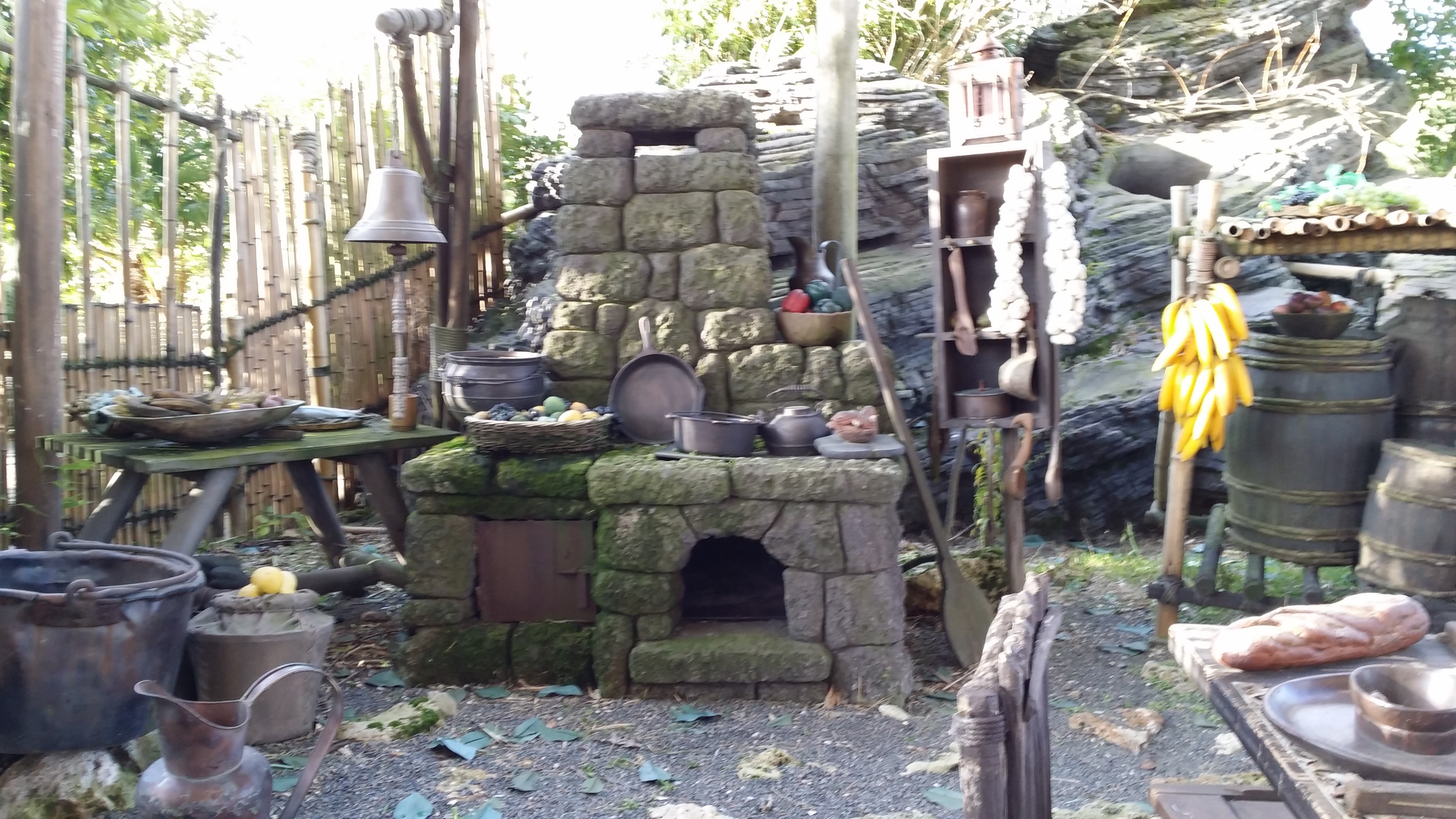
The stove and oven would have to be built by hand, and it is ‘remarkable’ such well-fitting stones were available. It doesn’t look like it’s been used for a while judging by the amount of gree on it. Perhaps it is not in a waterproof area.
The dining table and the shelf in the background have that rough-hewn look about them
A bit of man-made equipment here for drawing water from the stream
And though not made in the era of electricity, there is an opportunity to use the water wheel to do more than it appears to be doing
And tucked away in a corner the all-important study where one can read, or play a little music on the organ. One could say, for the period, one had all the comforts of home.
Overnight the rain began and hasn’t stopped. It is cold, and the heater in the room is not quite adequate for the space it has to heat up. Fortunately, the bed has electric blankets, and it was warm, lying wake listening to the raindrops. That warmth makes it difficult to get out of bed, but this is a holiday, and we have to get motivated.
We have a balcony, and from there the bleakness of the early morning is stark, but at least the rain is light if not a fine mist.
Worse, it alternates between this fine mist and a short downpour, which means the umbrella goes up and down until you give up. Later, the rain is not heavy, and just tolerable.
We head off to the Salamanca markets, happening only on Saturday morning. Unable to walk long distances, we drive, about four minutes from our apartment, but miss a turn, it takes 10, then and 5 to assess the parking situation which, in the end, was the easiest part of this expedition.
The hardest part, walking among the very large crowd of people defying the rain and cold. I can tolerate large crowds but today, they seem to want to stop suddenly, and just stand and talk in the middle of the walkways making it difficult to impossible to maintain any sort of continuity.
There were hundreds of stalls, the most predominant, micro distillers for some odd reason, selling expensive spirits for about $90 a 700ml bottle, which I regard as overly expensive. My son has made Bourbon some years ago and it cost him about $10 for 4.5 liters, so it must be a lucrative sideline, even after you’ve added the excise.
There were a great many food stands, and choices, one of which was a curly potato skewer, which was interesting to say the least. On a meat pie quest, we found a stand that sold pies, but they were warming a new batch, and the waiting line was about 50 or 60 people long.
I went back a half-hour later and they had sold out. They must be one of the highlights of the market to be so in demand, and that people would stand in the cold and rain just to get one.
Having been defeated by aches and pains, the cold and rain, as well as the large crowd, and the absence of anything we wanted, it was fortunate that time had expired on our parking space.
We had contemplated finding a restaurant to have lunch, deciding it was time to have a proper meal rather than a snack, there didn’t seem to be any places open, and the cafes were packed.
This sparked off an odyssey to find a decent restaurant.
After leaving the markets, we find a road that follows the coastline. Aside from houses either side, and at one point a marina and the Wrest Point casino, which was not a place we intended to visit, the further we went, the less chance it seemed of finding what we were looking for.
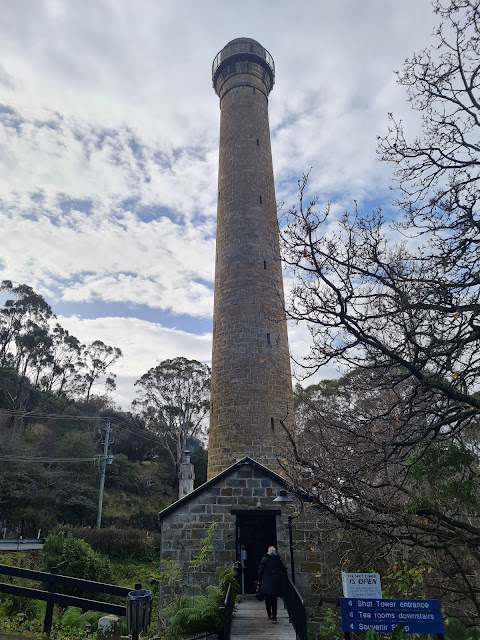
But we did find a tourist attraction, a shot tower, and a museum.
And a tea room that had afternoon tea. Not exactly what we were looking for. That said, and feeling like going any further would not fix the search parameters, I go to Google maps and search for restaurants near us.
There’s a Vietnamese restaurant, 6.1 km back the way we came, and being the best choice out of five or six others, we go.
And here’s the thing, it’s just around the corner from where we’re staying. Go figure.
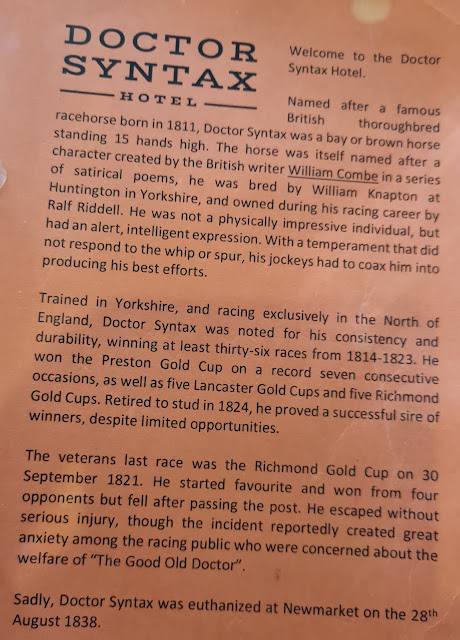
But, there is a twist, we drive past one of the hotels that were recommended to us back at the apartments, so we go there, the Hotel Doctor Syntax. We figure we’re more likely to get the vegetable component there than the other place.
It turns out to be a master stroke, getting steak, pork belly, roast potatoes, gravy, asparagus, and seafood on the side. All having generous servings as one would expect from a hotel bistro.
The food must be great because they were full and had to turn people away. We were very lucky to get the last table but one, and that one didn’t last very long.
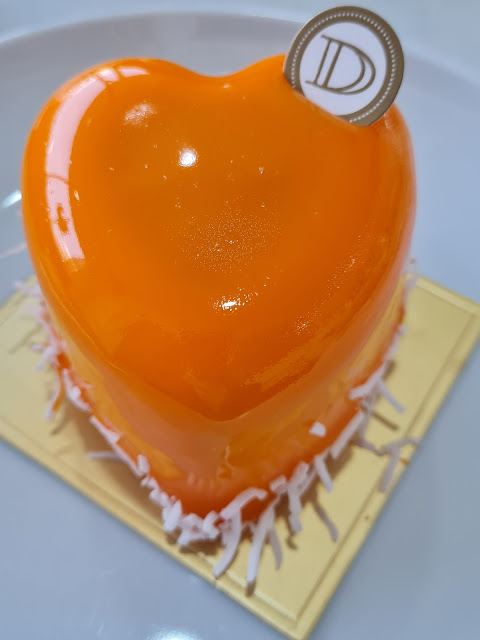
After a long, leisurely lunch surrounded by warmth and atmosphere, we had one more stop. Coffee and cake at Daci and Daci, a café recommended to us.
It was worth the experience, although it took some fortitude to fit it in after such a large lunch. I suspect before we go back for a second visit, yes, it was that good, we will make sure we are less full of lunch first. The cake I had was delicious but very filling. The coffee? Excellent.
Yes, it’s that little or big furry thing that’s also known as man’s best friend, a dog.
But the word has a number of other meanings, like a lot of three-letter words.
It can also mean to follow someone closely.
If you are going to the greyhound racing, you could say you’re going to the dogs, or it could mean something entirely different, like deteriorating in manner and ethics.
Then there are those employers who make their workers work very hard, and therefore could be described as making them work like a dog.
Some might even say that it is a dog of a thing, i.e. of poor quality.
There’s a dogleg, which could aptly name some of those monstrous golf course holes that sometimes present the challenge of going through the wood rather than around it.
Tried that and failed many times!
A dog man used to ride the crane load from the ground to the top, an occupation that would not stand the test of occupational health and safety anymore.
And of course, in a battle to the death, it’s really dog eat dog, isn’t it?
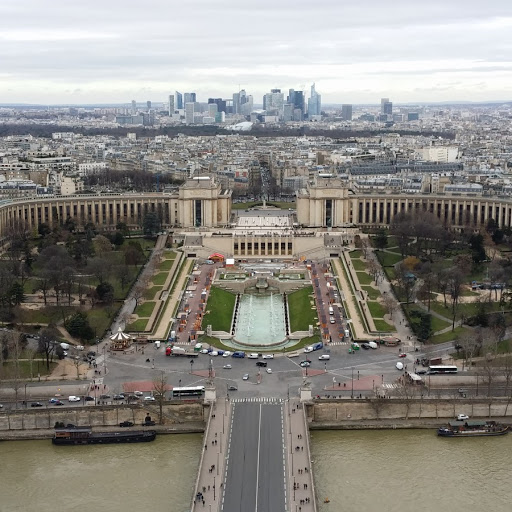
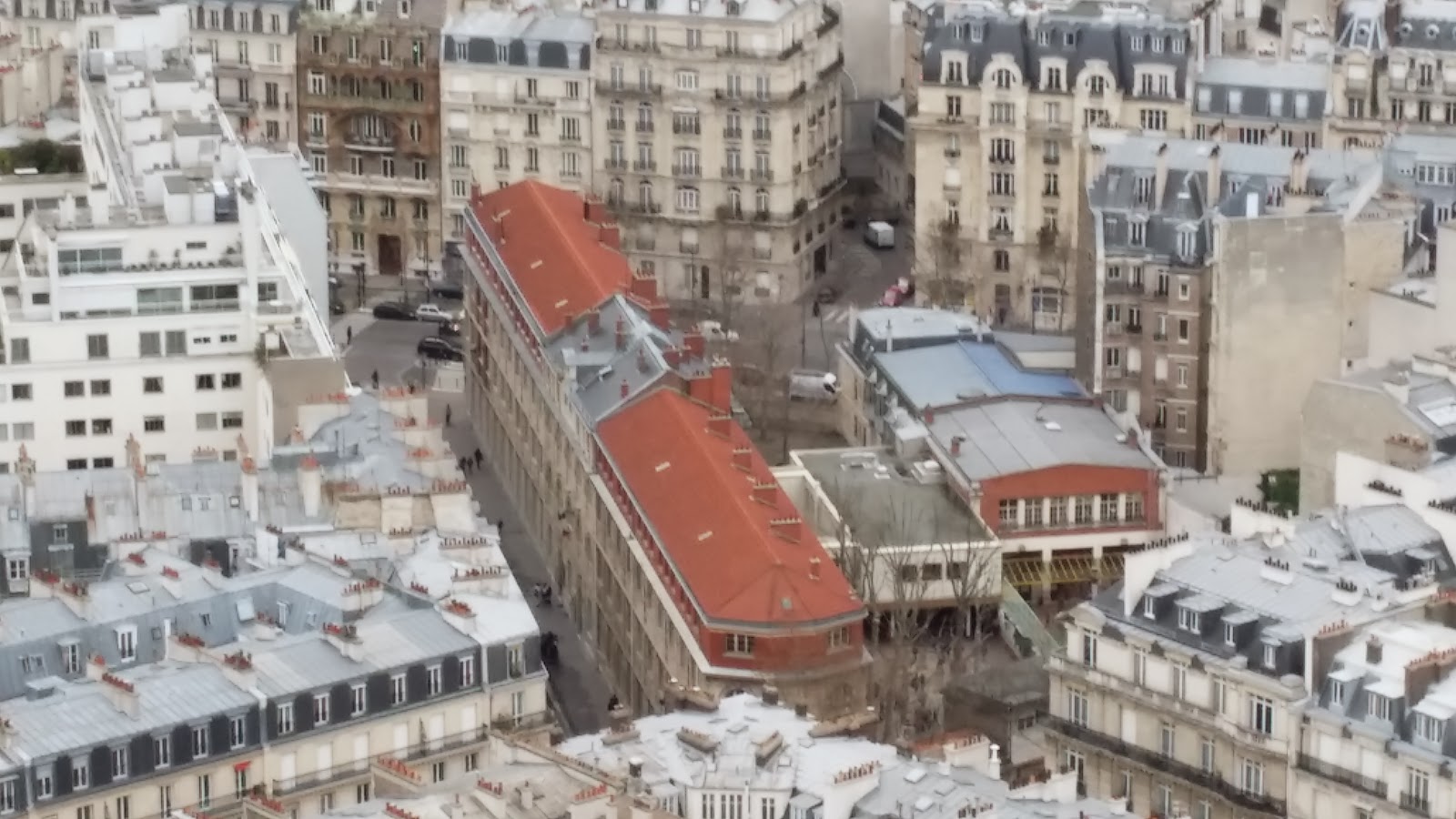
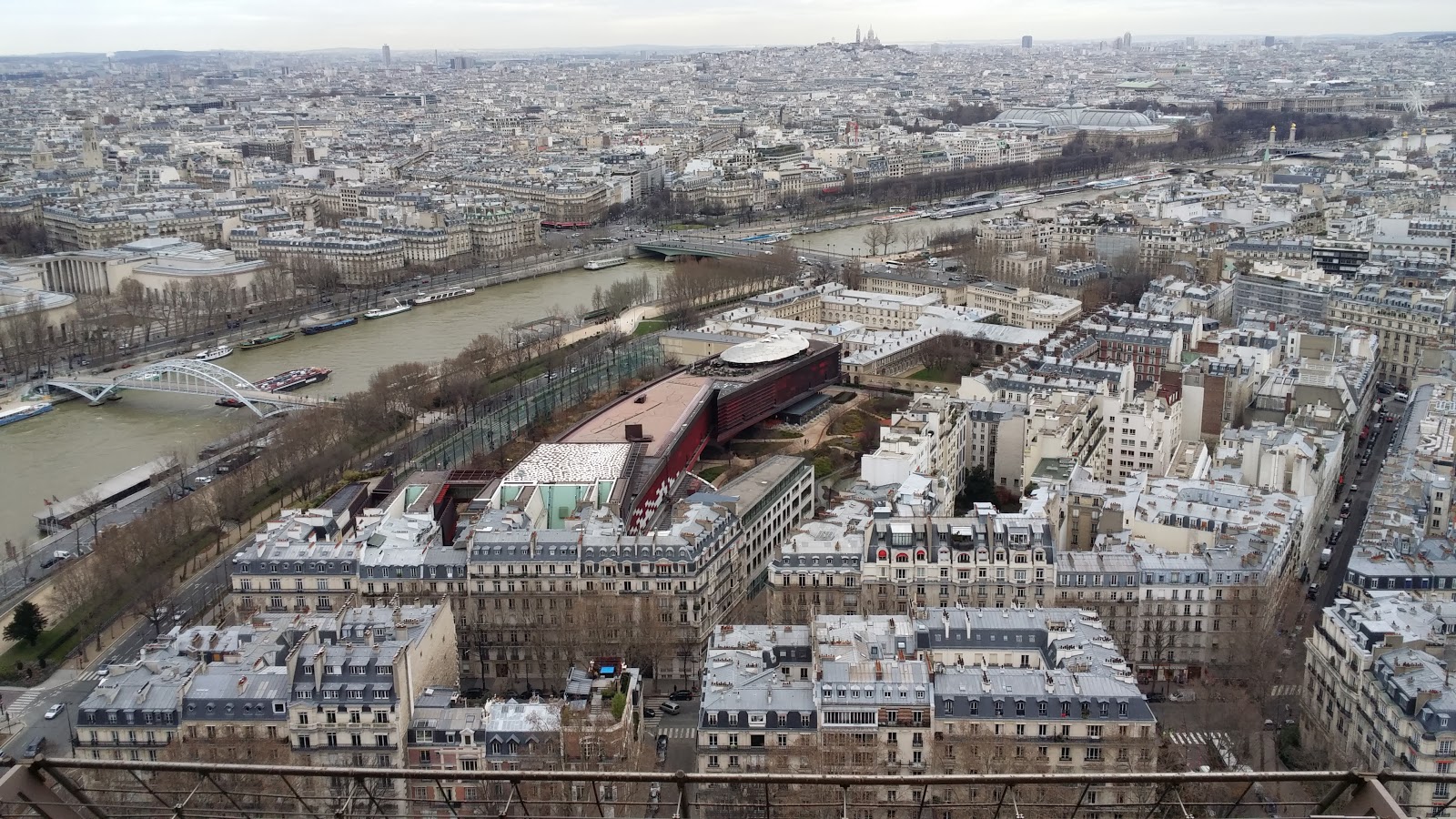
It was a cold but far from a miserable day. We were taking our grandchildren on a tour of the most interesting sites in Paris, the first of which was the Eifel Tower.
We took the overground train, which had double-decker carriages, a first for the girls, to get to the tower.
We took the underground, or Metro, back, and they were fascinated with the fact the train carriages ran on road tires.
Because it was so cold, and windy, the tower was only open to the second level. It was a disappointment to us, but the girls were content to stay on the second level.
There they had the French version of chips.
It was a dull day, but the views were magnificent.
Aside from the fact it is one of those necessary items to walk with, and the fact we can have two or four for most humans and animals, there are a few other uses for the word ‘leg’.
Like…
‘You haven’t got a leg to stand on’, doesn’t necessarily mean you have no legs, but that you are in a precarious position.
“the table had ornate legs’, yes, even non-living objects can have legs, like tables and chairs.
“It was the fifth leg of the race’, meaning it can be a stage of a race.
“He was legless’, meaning that he was too drunk to stand up. Some might think being legless is a badge of honour, but I suspect those people have been drinking a long time and the alcohol has destroyed most of their brain cells.
“leg it!’, meaning get the hell out of here before you’re caught.
Then, finally, ‘he’s on his last legs’, meaning that he’s exhausted, or about to die.
I’m sure there’s more but that’ll do for now.
I have to use my legs to get some exercise, of which the first leg is to the tripod to check if its legs are stable, and the second leg is to come back to the table and replace one of the legs which is broken. Then I’ll leg it to the pub where hopefully I won’t become legless.
I got a call this morning from my brother who has been delving into the places we have lived over the years, including those before we were born.
My recollection, hazy at best, is that my father’s parents lived in Camberwell, a suburb of Melbourne, and the boys, those that survived the war, lived there too. He had three brothers, I think, and a sister. From what I’ve read, his older brother was a sensible chap and the peacemaker between him and his parents.
Later one of his brothers went to Sydney, his sister lived among orchards out Ringwood way, and another, much later, moved to Queensland. We very rarely, if ever, saw them, and the last time I did with most in one place, was after my Grandmother died. I do remember Dora, the site, visiting us once, and being young at the time, she seemed a very forbidding woman.
But, this is about where they lived.
My father, presumably before and immediately after the war, was at home, and my mother at her home in Pakenham. There her father ran a service station and motor mechanic shop and was well known. Their house, at the time, was built over the road, just a short walk from home to work. The place, the first time I saw it, was a mechanic’s dream, with old cars and car parts outside and inside garages, and a woodworking shop with every tool imaginable.
Once the place had very elegant gardens, but by the time I got to stay there, in the 1960s, it was all overgrown, and the house was in disrepair. My mother’s brother lived there with my grandmother, and he was a fearsome, huge man who said little. All I knew about him was that a) he was the one who found his father after he had killed himself, b) he liked fishing and went to a place called Corinella, and c) he was a mechanic like his father.
So, at some point in 1948, my father must have up and left, perhaps after an argument with his parents, and moved to Keiwa House, Bogong, where the Snowy River Hydro-Electric Scheme was being built, as a projectionist, bringing films to the workers in Town Halls.
As I’ve said, my mother stayed in a boarding house for ladies during the week and went home on weekends. I have the first letter that my father wrote to her which references the fact he went calling on her, and she was not there. We’ll never know what she thought, but there’s a second letter, after she wrote back, so a friendship was struck. He told her, almost in minute detail, what he was doing, and presumably, she told him about hers.
A year later, they married.
Now it gets interesting. We both thought that their first house, after getting married was in Carrum. It wasn’t. In the pile of letters were references to the family staying in a rented flat in Camberwell.
Sometime after that, there is a contract for a war service loan in relation to a property in Carrum, which turns out to be the first house they lived in, where my brother, born in 1950) lived, and where I lived after I was born in 1953. I have interesting if vague memories of this house, and of the people who lived behind us because we could climb through the fence into their property. We knew them during, and after living in Carrum.
Now, today, some interesting new facts came to light about the Carrum house. We always assumed we owned it, but it seems that we didn’t. A copy of the title for that property never had the name Heath on it, so did we rent it? More information is required, and we need to dig deeper. Let’s hope there are no skeletons there.
And something else came out of a discussion with the daughter of my mother’s sister, that it was believed my mother’s parents bought them a house in Chelsea, but my father, apparently, refused to live in it and sold it.
OK, I never claimed that my father was the sort that might have accepted charity, so perhaps in a moment of madness, he lost the plot. The question is, what happened to the money?
It was a relic from the past, put back together by a dedicated group of volunteers who had not wanted the last vestiges of the past to disappear.
Train enthusiasts, the called themselves.
They’d put together a steam locomotive, five carriages, a restaurant car, and the conductor’s car. The original train might have been twice to three times as long, but these days, the tourist market rarely filled the train.
I was one of a group who made it their mission to visit and rate every vintage train, not only in this country, but all over the world. It was a sad state of affairs when I first began, with locomotives and carriages dropping out of the system due to lack of funds, but more disheartening, the lack of government assistance in keeping it’s heritage alive.
It seemed money was short, and there were better things to spend it on, like two brand new 737-800 jets just to ferry the prime minister and government officials around. Just think of what that quarter of a billion dollars could have bought in heritage.
But it is what it is.
What I had before me was one of the most recent restorations to check out, and on first glance, it was remarkable just how lifelike and true to age it was.
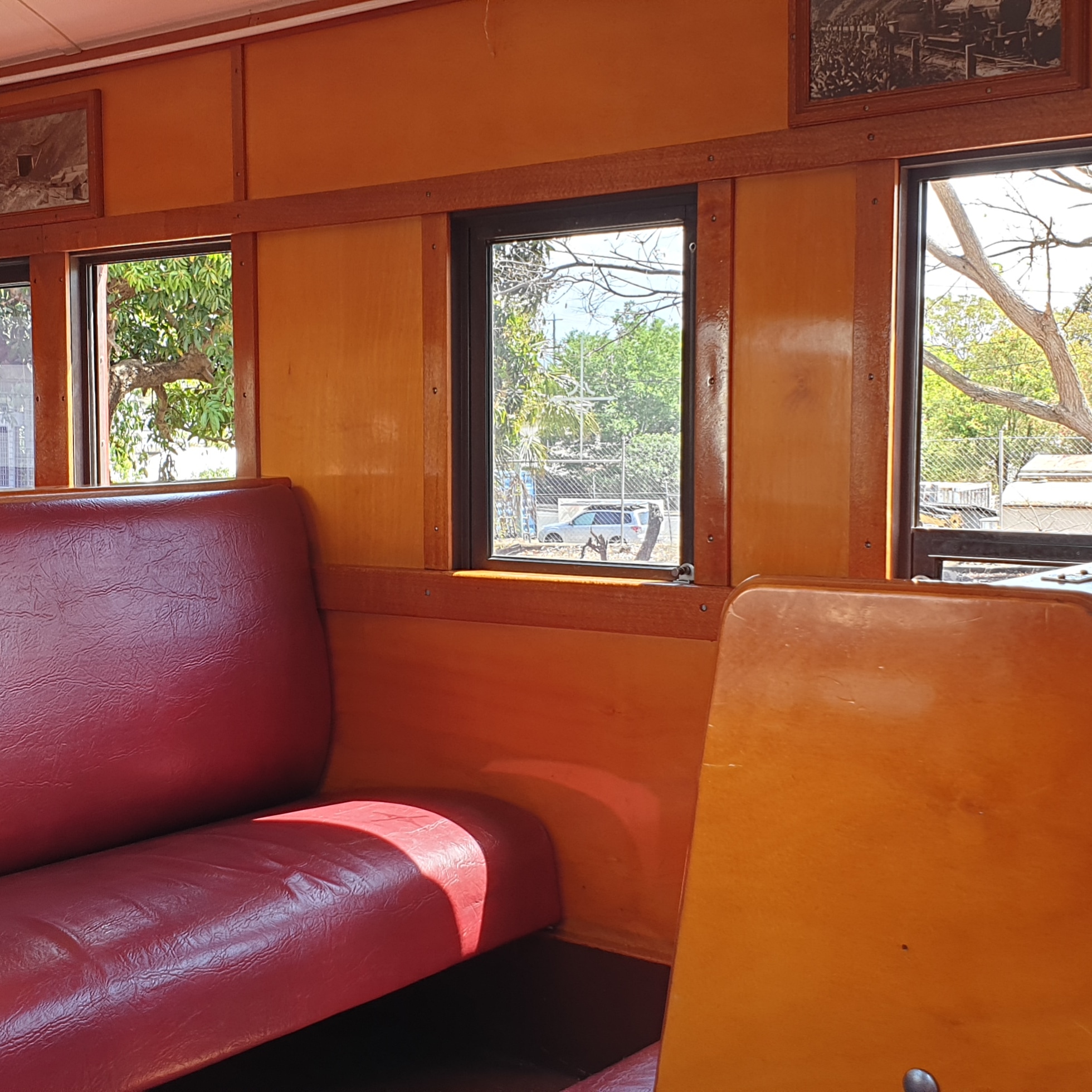
Of course, I was of an age that could remember the old railway carriages, what were called red rattlers because of the ill fitting windows that went up and down, allow fresh air, or in days gone by, smoke from the locomotive hauling the train. I had not travelled during the last glorious years of steam, but the carriages had lived on briefly before the advent of the sterile aluminum tin cans with uncomfortably hard seats.
These carriages were built for comfort, and my first experience had been a five hour trip from Melbourne to Wangaratta, in Victoria, on my way to Mt Buffalo Chalet, a guesthouse owned by the Railways.
That too had been a remarkable old chalet style guest house with a room and all the dining included. I always left after the week having put on weight. Breakfast, morning tea, lunch, afternoon tea, and dinner, every day, and high tea on Sunday.
But this carriage, the polished wood that had shellac rather than varnish, highlighting the timber’s grain, the leather seats with generous padding, the curved ceilings with hanging lights, windows the could be opened and closed, allowing fresh air to circulate.
There was also a carriage with the passageway, and five or six separate compartments, each sitting six passengers. I remembered these well, having quite often ridden in one to work for some years when the country trains still ran.
It was always remarkable how a sight or a scent could trigger such memories.
For this carriage on this train, it used to ply the Gympie to Brooloo branch line from about 1915 onwards.
That was the history. It only went as far as Amamoor these days, it was still long enough to capture the sensation of riding the rails back in what is always referred to as the good old days, even if they were not.
I’m sure a lot of people have considered the prospect of whale watching. I’m not sure how the subject came up on one of our visits to New Zealand, but I suspect it was one one of those tourist activity leaflets you find in the foyer of motels, hotels, and guesthouses.
Needless to say, it was only a short detour to go to Kaikoura and check out the prospect.
Yes, the ocean at the time seemed manageable. My wife has a bad time with sea sickness, but she was prepared to make the trip, after some necessary preparations. Seasickness tablets and special bands to wear on her wrist were recommended and used.
The boat was large and had two decks, and mostly enclosed. There were a lot of people on board, and we sat inside for the beginning of the voyage. The sea wasn’t rough, but there was about a meter and a half swell, easily managed by the boat while it was moving.
It took about a half hour or so to reach the spot where the boat stopped and a member of the crew used a listening device to see if there were any whales.
That led to the first wave of sickness.
We stopped for about ten minutes, and the boat moved up and down on the waves. It was enough to start the queasy stomachs of a number of passengers. Myself, it was a matter of going out on deck and taking in the sea air. Fortunately, I don’t get seasick.
Another longish journey to the next prospective site settled a number of the queasy stomachs, but when we stopped again, the swell had increased, along with the boat’s motion. Seasick bags were made available for the few that had succumbed.
By the time we reached the site where there was a whale, over half the passengers had been sick, and I was hoping they had enough seasick bags, and then enough bin space for them.
The whale, of course, put on a show for us, and those that could went out on deck to get their photos.
By the end of the voyage, nearly everyone on board was sick, and I was helping to hand out seasick bags.
Despite the anti sickness preparations, my wife had also succumbed. When we returned and she was asked if the device had worked, she said no.
But perhaps it had because within half an hour we were at a cafe eating lunch, fish and chips of course.
This activity has been crossed off the bucket list, and there’s no more whale watching in our traveling future. Nor, it seems, will we be going of ocean liners.
Perhaps a cruise down the Rhine might be on the cards. I don’t think that river, wide as it is in places, will ever have any sort of swell.
I remeber once being told that if you shoot for the moon, you’ll land in the clouds, if you shoot for the tree tops, you’ll finish up back where you started from.
It was a silly analogy, but I always remembered it when I looked up at the sky and saw clouds.
That was back in those hazy carefree days just after you were finished with school and you had your whole life in front of you. Your parents were there as the safety net, and were still proud of your scholastic achievements, and were not in too much of a hurry to hustle you out of the house.
But what happened when there’s a recession that came upon everyone without any warning.
Stocks plummeted, people lost their life’s savings, those with mortgages and loans suddenly finding that along with unemployment came no income, no ability to pay the bills, and therefore lost everything.
Although I never said it, I was thinking what good was an education when the whole world had gone to hell in a handbasket.
Two things I remember from back then, which in the context of disaster, wasn’t all that long ago. Firstly, my father making us children go camping from before we could walk, and with it, to survive with nothing but the clothes on our backs, and our wits.
It had happened to him, as a member of am expedition in Africa in his younger days, thinking that he might become the next great explorer, or archeologist, and finishing up getting lost, even though he asserted the other members had deliberately left him behind.
And secondly, that it was essential that we forge working relationships with any and all those who were like minded, such as those who wanted to be saved, not those who expected everyone else to so the work. It was obvious he had met a lot of those type of people too.
It served us well.
When nations began turning on each other, when essential resources like electricity and fuel stopped being distributed and rationed, when food suddenly became scarce, that’s when the real trouble started. My father said, at the outset, what would happen, and was glad our mother was not there to see it.
Then, when neighbours attacked neighbours once food became scarce, it was time to leave. The pity of it was, he died defending us, even after offering up some of the food we had stored away, but that had not appeased a hungry or angry mob.
His last words, “Go to where we said we would go, and remember everything I’ve taught you” were etched in my brain, and my brother and I did as he asked.
But, even knowing where we had to go, and how to get there, a plan of action made many years before, and trialled in recent years with success, nothing in the past could have prepared us for the journey.
A picture can paint a thousand words, or more, or less, but…
…
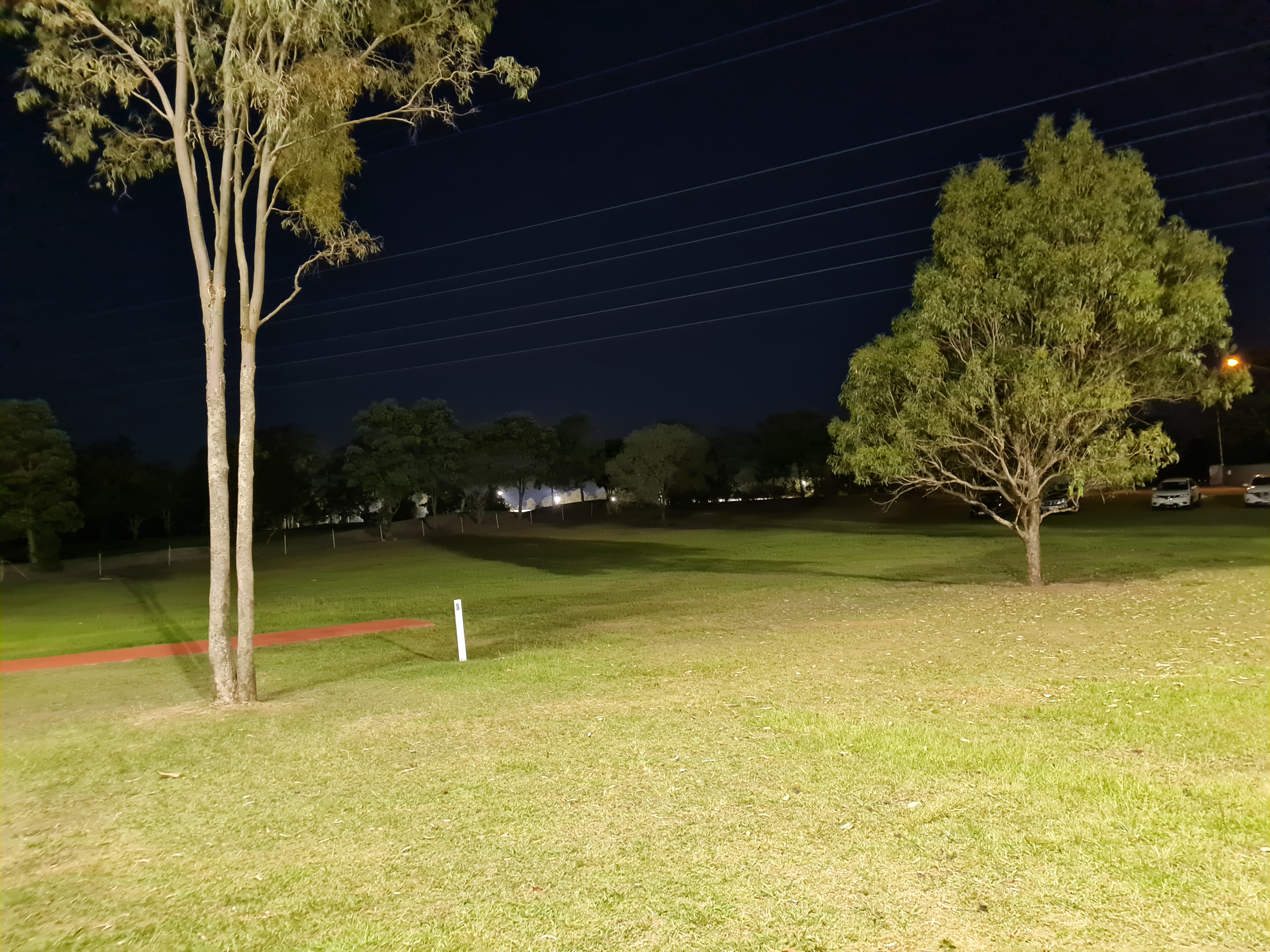
The interesting thing about a place in the dark, in the distance, and behind a chain wire fence usually means something. Especially when there are mysterious lights involved.
We were at a night sports event, watching over a thousand screaming and yelling kids from five to eighteen pretending to compete in a variety of athletic events.
I was there to nominally to support my granddaughter in her endeavours, but right at that moment, on the far side of the track, what I was really there to see was what was behind the wire fence
“Are you watching, Poppy?”
Well, at that moment I wasn’t, but I did turn just in time to see her clear a meter high high jump and execute an elegent backflip, a result no doubt of the ballet training she had since the age of four. Seven years later those lessons had transformed into a high jumper with a great future.
Except, she couldn’t really care less. It was more about the parents and athletic organisers expectations, than hers. I was there, she told me in a secretive tone, to tell everyone to back off.
if you think spying was a dangerous occupation, then let me tell you trying to navigate a safe path between child and parents, and then the rest of the word, forget it.
So, with my trusty phone camera, slightly modified, I was pretending to take pictures of surrounding trees in the high density lighting for the athletics oval, whilst zooming in on the real target.
And, about to take the money shot, I could feel a tugging on the side of my jacket.
I looked down to see the petulant face of a child not happy.
“You said you were coming to see me perform.”
I had. I looked over at the woman the boss had assigned as my ‘date’, Nancy, and whom I’d introduced as a long time friend who deigned to suffer my invitation so she could meet the girl I was always talking about.
“Yes, Poppy,” she said with an evil undertone. “You said you wanted to see her high jumps. You’d better get over there, while I take some pictures of the trees for you.”
“Why do you want pictures of dumb old trees?” That was a question I would have asked myself, and I didn’t quite have an answer for it.
Nancy did. “Because he’s odd like that. It’s one of the quirks I like about him.” She took the camera out of my hand and shooed us off.
And, heading back to the high jump, she asked, “What’s a quirk?”
“Just ask your father later. He knows all about quirks.”



.jpg)