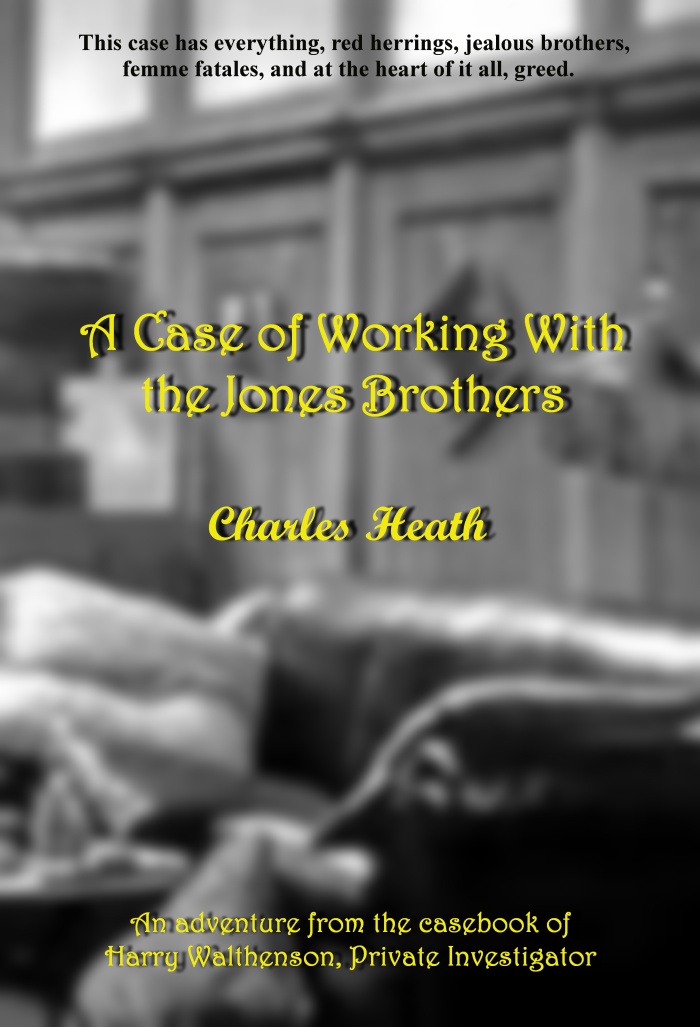
The first case of PI Walthenson – “A Case of Working With the Jones Brothers”

This case has everything, red herrings, jealous brothers, femme fatales, and at the heart of it all, greed.

See below for an excerpt from the book…

Coming soon!

PIWalthJones1

An excerpt from the book:

When Harry took the time to consider his position, a rather uncomfortable position at that, he concluded that he was somehow involved in another case that meant very little to him.

Not that it wasn’t important in some way he was yet to determine, it was just that his curiosity had got the better of him, and it had led to this: sitting in a chair, securely bound, waiting for someone one of his captors had called Doug.

It was not the name that worried him so much, it was the evil laugh that had come after the name was spoken.

Doug what? Doug the ‘destroyer’, Doug the ‘dangerous’, Doug the ‘deadly’; there was any number of sinister connotations, and perhaps that was the point of the laugh, to make it more frightening than it was.

But there was no doubt about one thing in his mind right then: he’d made a mistake. A very big. and costly, mistake. Just how big the cost, no doubt he would soon find out.

His mother, and his grandmother, the wisest person he had ever known, had once told him never to eavesdrop.

At the time he couldn’t help himself and instead of minding his own business, listening to a one-sided conversation which ended with a time and a place. The very nature of the person receiving the call was, at the very least, sinister, and, because of the cryptic conversation, there appeared to be, or at least to Harry, criminal activity involved.

For several days he had wrestled with the thought of whether he should go. Stay on the fringe, keep out of sight, observe and report to the police if it was a crime. Instead, he had willingly gone down the rabbit hole.

Now, sitting in an uncomfortable chair, several heat lamps hanging over his head, he was perspiring, and if perspiration could be used as a measure of fear, then Harry’s fear was at the highest level.

Another runnel of sweat rolled into his left eye, and, having his hands tied, literally, it made it impossible to clear it. The burning sensation momentarily took his mind off his predicament. He cursed and then shook his head trying to prevent a re-occurrence. It was to no avail.

Let the stinging sensation be a reminder of what was right and what was wrong.

It was obvious that it was the right place and the right time, but in considering his current perilous situation, it definitely was the wrong place to be, at the worst possible time.

It was meant to be his escape, an escape from the generations of lawyers, what were to Harry, dry, dusty men who had been in business since George Washington said to the first Walthenson to step foot on American soil, ‘Why don’t you become a lawyer?” when asked what he could do for the great man.

Or so it was handed down as lore, though Harry didn’t think Washington meant it literally, the Walthenson’s, then as now, were not shy of taking advice.

Except, of course, when it came to Harry.

He was, Harry’s father was prone to saying, the exception to every rule. Harry guessed his father was referring to the fact his son wanted to be a Private Detective rather than a dry, dusty lawyer. Just the clothes were enough to turn Harry off the profession.

So, with a little of the money Harry inherited from one of his aunts, he leased an office in Gramercy Park and had it renovated to look like the Sam Spade detective agency, you know the one, Spade and Archer, and The Maltese Falcon.

There’s a movie and a book by Dashiell Hammett if you’re interested.

So, there it was, painted on the opaque glass inset of the front door, ‘Harold Walthenson, Private Detective’.

There was enough money to hire an assistant, and it took a week before the right person came along, or, more to the point, didn’t just see his business plan as something sinister. Ellen, a tall cool woman in a long black dress, or so the words of a song in his head told him, fitted in perfectly.

She’d seen the movie, but she said with a grin, Harry was no Humphrey Bogart.

Of course not, he said, he didn’t smoke.

Three months on the job, and it had been a few calls, no ‘real’ cases, nothing but missing animals, and other miscellaneous items. What he really wanted was a missing person. Or perhaps a beguiling, sophisticated woman who was as deadly as she was charming, looking for an errant husband, perhaps one that she had already ‘dispatched’.

Or for a tall, dark and handsome foreigner who spoke in riddles and in heavily accented English, a spy, or perhaps an assassin, in town to take out the mayor. The man was such an imbecile Harry had considered doing it himself.

Now, in a back room of a disused warehouse, that wishful thinking might be just about to come to a very abrupt end, with none of the romanticized trappings of the business befalling him. No beguiling women, no sinister criminals, no stupid policemen.

Just a nasty little man whose only concern was how quickly or how slowly Harry’s end was going to be.

© Charles Heath 2019

In a word: Maybe

This word, where I live, had taken on a new meaning.  We have telephone scammers who ask your name when you answer the phone, and when you say yes, they hang up.

It doesn’t take much imagination how they can use that recording.

So, I now answer the phone with maybe, which confuses the real callers who want to know if it is you.

Of course, maybe is one of those words that have so many meaning, but the best one is to use it while you have time to think of a proper answer.

For example, did you get the potatoes?  You haven’t been out, it slipped your mind, or you just plain forgot, but run with a ‘maybe’ so you can judge the reaction.

Angry face, you know no matter what, you’re in trouble.

Genial face, you know that it didn’t really matter and all is forgiven.

Then there’s the person who doesn’t know you and comes up to you in a crowded room.  Are you [put name here]?

Maybe.  We want to know if we’re in trouble, or if it for something good.

Using ‘maybe’ in writing probably isn’t the best word to us, but I like defying the experts.  You can always find a maybe or two in any of my books.

The A to Z Challenge – H is for – “How is this possible…”


It started with a simple memo.

After several years of bad management, the company had decided to make a clean sweep and change upper management. Of course, that sort of change was driven by the volatility of the company’s share price and dividends, and shareholders’ discontent. Productivity was down because of low employee morale driven by what was labelled a ‘toxic work environment’. This led to production problems, quality control issues, and falling sales.

Something had to be done.

The new broom, as it was come to be known as, had made several far sweeping changes, one of which, to counter the discontent of its employees, was to institute the anonymous complaint. Any employee could make a complaint without fear of reprisals. In the past, those that had were vilified, demoted, or sacked. Now, the new broom had decided that employee input would improve the workplace, improve productivity, and provide the way back to the halcyon days.

Or so we thought.

Two phones, each on a bedside table, both chimed to indicate an incoming message.

I’d been staring at the roof, contemplating the start of a new week in a place where I had decided was not where I wanted to be. Beside me, still asleep, was the woman I wanted to spend the rest of my life with, but she was not sure about making a commitment. She’d been down that road before, and it failed miserably and was taking it slow.

I told her slow was my middle name.

I leaned over and picked up the phone, more out of curiosity than anything else, but fascinated that both phones could go off at the same time.

“In the light of a host of complaints about the catering division, it has been decided that the staff cafeteria will cease operations at the end of the month. It has for a number of years been the subject of employee dissatisfaction and the result of an extensive investigation to the feasibility of keeping it going, given the economic climate and fiscal position of the company the only viable decision is to cease operations. Staff currently working in the catering department will be transferred to other positions within the company.”

How could this be possible? I had seen the feasibility study relating to the cafeteria, and it was ‘feasible’ to keep it going. They were right though, there had been a host of complaints, but that was because the catering manager had no idea how to run a large-scale cafeteria that churned out upwards of 5,000 meals a day. Even Olga, who was right here with me now, had said that it was the most poorly managed operation she had ever worked in.

I tossed the phone back on the bedside table and got back under the covers. Too early and too cold to get out of bed.

It woke Olga.

“Trouble in paradise?”

Paradise was her euphemism for work. She had become increasingly desponded as I about working there. In her case, as q waitress in the cafeteria, it was a job she could take or leave. For me, loitering on the fringes of middle management, not so much. Not if I wanted to keep the flash apartment and upscale car.

“They have dumped the cafeteria.”

I had expected her to leap up in indignation. It barely registered on the Richter scale. “And what did you expect?” She raised her head off the pillow. “They were never going to implement your suggestions, it would make Commissar Bland look like a fool, like the fool above him.”

Her analogy transposing our fearless leaders with those back in the old Soviet Union were always an insight to what she had experienced back home before she emigrated with her parents. Commissar Bland was a dictator, and not a man to cross. She cared little about him, and treated him, like the others did, as a joke.

“So much for the new broom,” I muttered.

“You are so naive Petr, but like home, change means no change, just different faces and words that all mean the same thing.”

Petr was her pet name for me, named after an old mentor of hers.

“Aren’t you the one losing your job. Doesn’t it bother you?”

“I will become best factory worker. We are very adaptable. You should try not to lose any sleep.”

She lay down again and snuggled closer.

…

I left her at the fourth floor where my office was located, and she would continue up to the next, the location of the cafeteria.

If I remember correctly, the current CEO when the factory manager, had always wanted to reclaim the cafeteria space for a new modernised production line, but the old guard had seen the benefit of keeping it despite the cost, as a means of keeping its workforce. Even twenty years ago, it would not have made a discussion topic, even in jest.

But times change.

Herman, another of the middle management fringe dwellers, and had also seen the need to have something to ‘bribe’ the workforce. We’d only been talking about it with others on our level the other day when all manner of rumours were drifting through our building.

He was loitering in the passage, obviously waiting for me.

“You’ve seen the message?”

I nodded.

“Hell of a way to kill an institution?”

I walked into my cubicle and dumped my bag on the floor. As a first act, the new broom removed all the offices, and put everyone into an open plan, where it was easier to communicate with others and removed the barriers walls and doors presented. The jury was still out on whether it worked, I could still never get to see the people I needed to.

He followed me in and sat in a chair in the corner. I sat on the desk, it was not a large cubicle.

“It was a drain on profits. The world has moved on from pandering to workforces. It seems dividends are more important. I’m sure this will not be the only change.”

“Like managers losing their cars and credit cards, except for the upper echelon. I don’t think you’ll see them close the executive dining room.”

Yes, it was only a matter of time before that morsel would raise its head under the banner of hypocrisy.

“Probably not. But remember, we used to build cars once, and it was good advertising to hand them out to all and sundry. Now, trying to do the right thing costs too much.”

My phone on the desk rang and startled me. It was still quiet, the bulk of the cubicle population hadn’t arrived yet. My guess they were gathering in coffee shops discussing the news.

I picked up receiver mid ring, then said, “Yes?” I refused to follow the official answering sequence advised by the new broom.

Hesitation, then, “O’Hara from Administration. Can you come and see me, nine a.m.?”

Why? There was no way anyone could know I sent that memo, and I wasn’t on management’s radar, it had been O’Hara himself who told me to keep up the good work, the coded message that said I was not on the latest promotion list.

“I’ll see you then.” I was not going to say ‘yes, sir’ like other management hopefuls. O’Hara was not someone who could be buttered up, a fact only I seemed to be aware of.

“Who was that?”

“O’Hara.”

“Then your days are numbered. He never calls except to say you have a promotion or you’re fired. You aren’t on the promotion list.”

“How can you be sure?”

No one was supposed to know who was on that list for sure, it was a closely guarded secret. Herman said he knew someone who knew someone who knew Herman’s PA, and had been told who was on the list. So far, in the last two lists, he had been right about us two.

Perhaps he was right. I was going to get fired.

“Have I ever been wrong?”

Technically, no. But I never got any other names of those who were on the list. Maybe it was better to wait, and be disappointed then.

“Well, we’ll soon find out.”

…

It took twenty minutes to walk from the old administration building to the new, built recently on the outskirts of the company site, on what was once the carpark. The carpark had been relocated under the new administration building, and it gave management the perfect excuse to charge us to park our cars.

A Lot of employees had switched from car to the train, less than the weekly cost of the carpark. Another new broom initiative; getting people out of cars and onto public transport, their contribution to easing global warming.

None of us, other than those in the new administration building had passes, so we had to sign in as visitors on the ground floor, even though we spent a lot of time travelling back and forth, and visiting other members of our departments who had been moved from the old building.

No, not a new broom initiative, just the result of an obtuse security chief.

Getting the pass made me five minutes late, and O’Hara didn’t like tardy people.

A glare followed me from the door of his office to the seat in front of his desk where he motioned me to sit. The offices were better here and were offices not cubicles. Everyone else wanted to be transferred to the new office. I didn’t. Too far away from Olga.

“I called you over to discuss the ten-point plan to save the cafeteria.”

“What ten-point plan?” Perhaps they did know who wrote the memo.

“I had every written complaint checked to see whose writing it was. Next time, write it on the computer and print it out.”

I shrugged. “I did it for a laugh. Nothing’s going to change in this place.”

“You sound like you don’t like working here?”

“I do. Most days. Today, though, is one reason to leave. That cafeteria has been here since the day the factory started. The employers, once, were involved in getting employees housing, even had their own estate, and assisted them to buy cars. It was a novel thought in an age where employers, well, some employers, considered their employees assets.”

“We still do.”

I shook my head. I guess if you wanted to be in management you had to believe and repeat the new mantra. I’d heard about the management team building conferences.

“So, we’re going back to our original values?”

“This is neither the time, nor do we have the fiscal viability. But it seems some of the board members consider your proposals need fleshing out into a plan with costings so they can make a more balanced judgement.”

“Unfortunately, you just uttered the two words that make that idea redundant, fiscal viability. There is no possible way in this current world we live in that a cafeteria would ever be viable, unless we charged five-star restaurant prices for the meals.”

“Humour me and do it anyway.”

“Not my department.”

“Fixed. You now are temporarily assigned to ‘rebuilding and restructuring’. You can add three others to your team. You have a week.”

“And if I say no.”

“It’s that or your resignation. You have been given an opportunity, take it.”

I shrugged. I’d heard about the new broom’s method of culling. Give them jobs that they can’t possibly find a solution to. Devious, but devastatingly effective. One last hurrah before being tossed on the executive scrap heap.

When I came out of his office, Herman was waiting in the outer office.

“You too,” I said.

“Nine of us. Sounds like there’s a new project in the wind.”

I didn’t burst his bubble. Ten more budding executives were getting the push. I sighed.

At least now Olga and I could go visit her family on the shores of the Black Sea. There was no excuse not to.

And, yes, it really did start with a memo.

…

© Charles Heath 2021

NaNoWriMo (April) – Day 9

Today Jack is about to become as confused as he ever will be. Well, maybe not as ever, but it’s the start of a time when he will not know what is happening.

Firstly, there’s Maryanne. Whilst the full extent of the enigma she she will be for nearly three quarters of the book, may need a little adjustment when it comes to the first edit, I know something about her now, and those characteristics will gradually be dropped in front of the reader.

Some will say, after this chapter, that she is trouble. Jack has known that from the start, but that assessment really comes from a distinct lack of understand of women in general. Yes, he had had girlfriends, but not like Maryanne.

And, before you asked, yes, she is, in part, modelled on a woman I once knew, and she was nothing like any other woman I had known. She was genuinely a beautiful soul, and very much misunderstood.

Jack is fortunate in that he is hesitant to take that last step, though I suspect he might want to, but there are reasons for holding back.

These will be more apparent in the next chapter … I hope.

It’s written in my head, and I’m tempted to stay up and write it, but it’s late, and life other than being a writer will impinge on my time tomorrow.

Today’s effort amounts to 2,018 words, for a total, so far, of 22,612.

More tomorrow.

Searching for locations: Queenstown, New Zealand

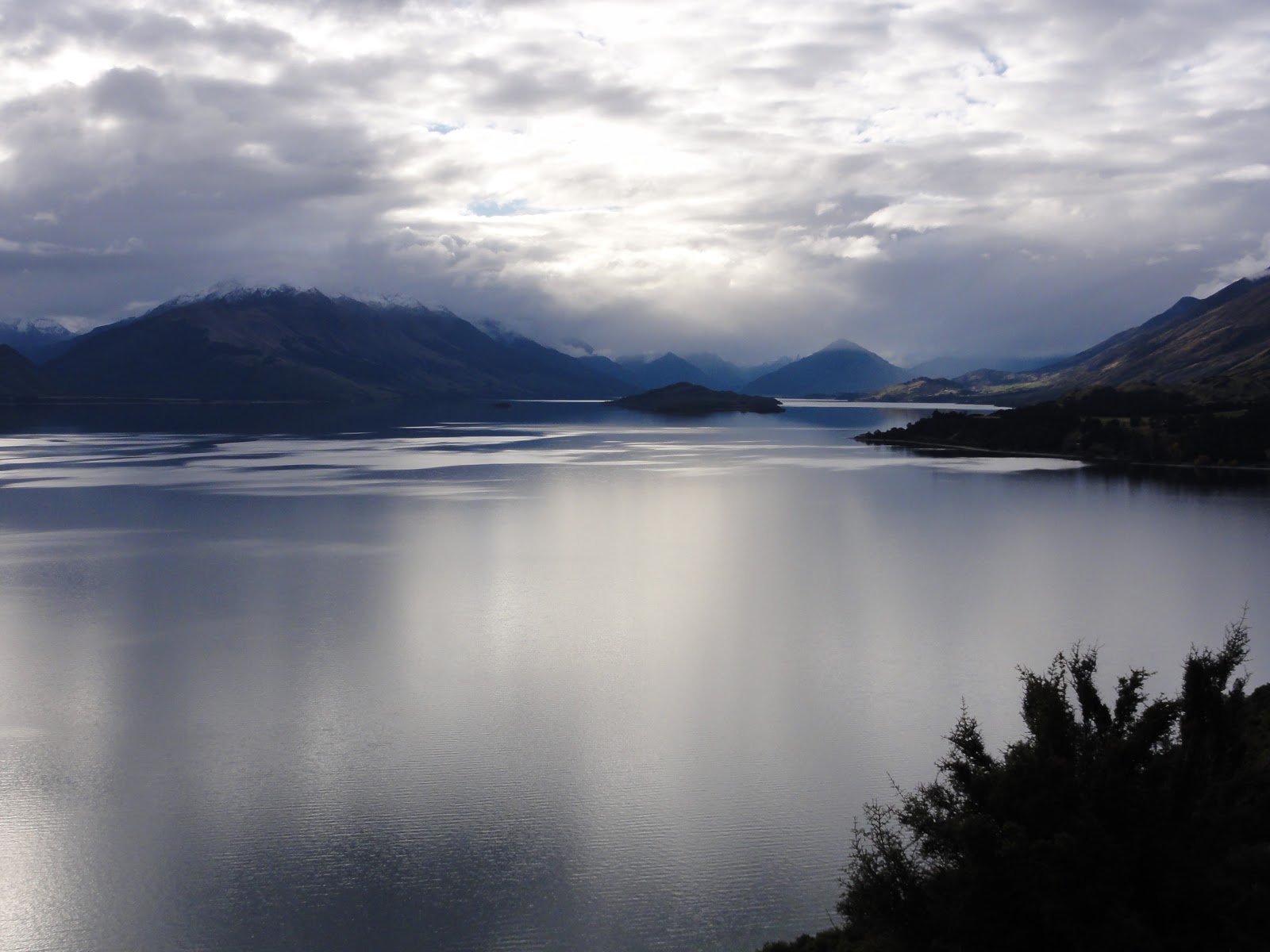
Queenstown is as much about skiing in Winter as it is hiking in Summer or any other time.  It is, in fact, the ideal place for a holiday any time of the year.

We have stayed there simply to relax, though with all that scenery, and stuff to do, it’s nearly impossible to stay indoors all the time.

Usually, we stay in a place called Queenstown Mews, not far from the lake, and it gives us the perfect opportunity to walk down to the lake and follow the shoreline around to the town, and have coffee and cake as a fitting reward for the exercise.

Along the way, there is the view of the Remarkables:

And, further around, behind the park and gardens, a spectacular view across the lake towards Walter Peak farm:

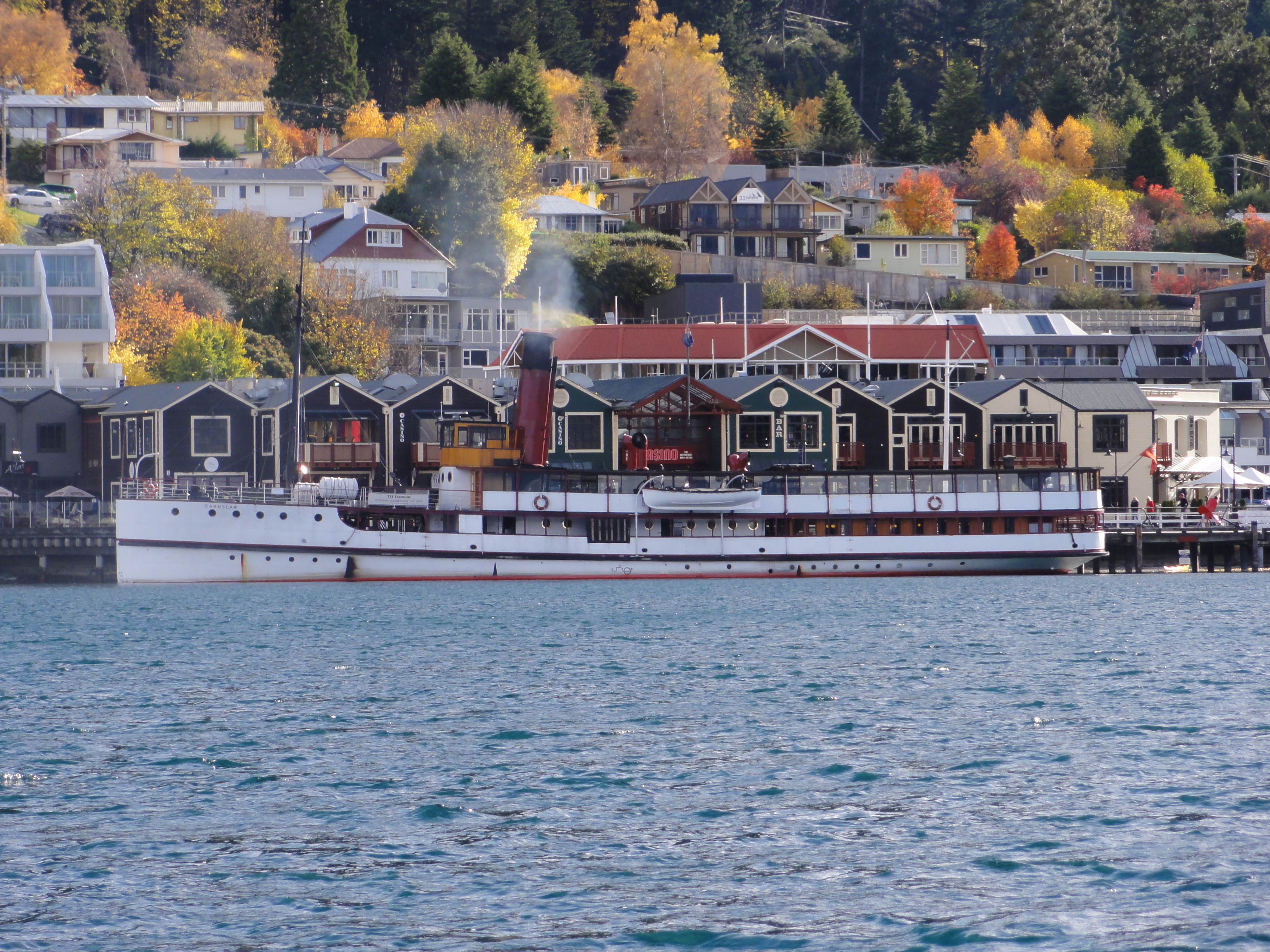
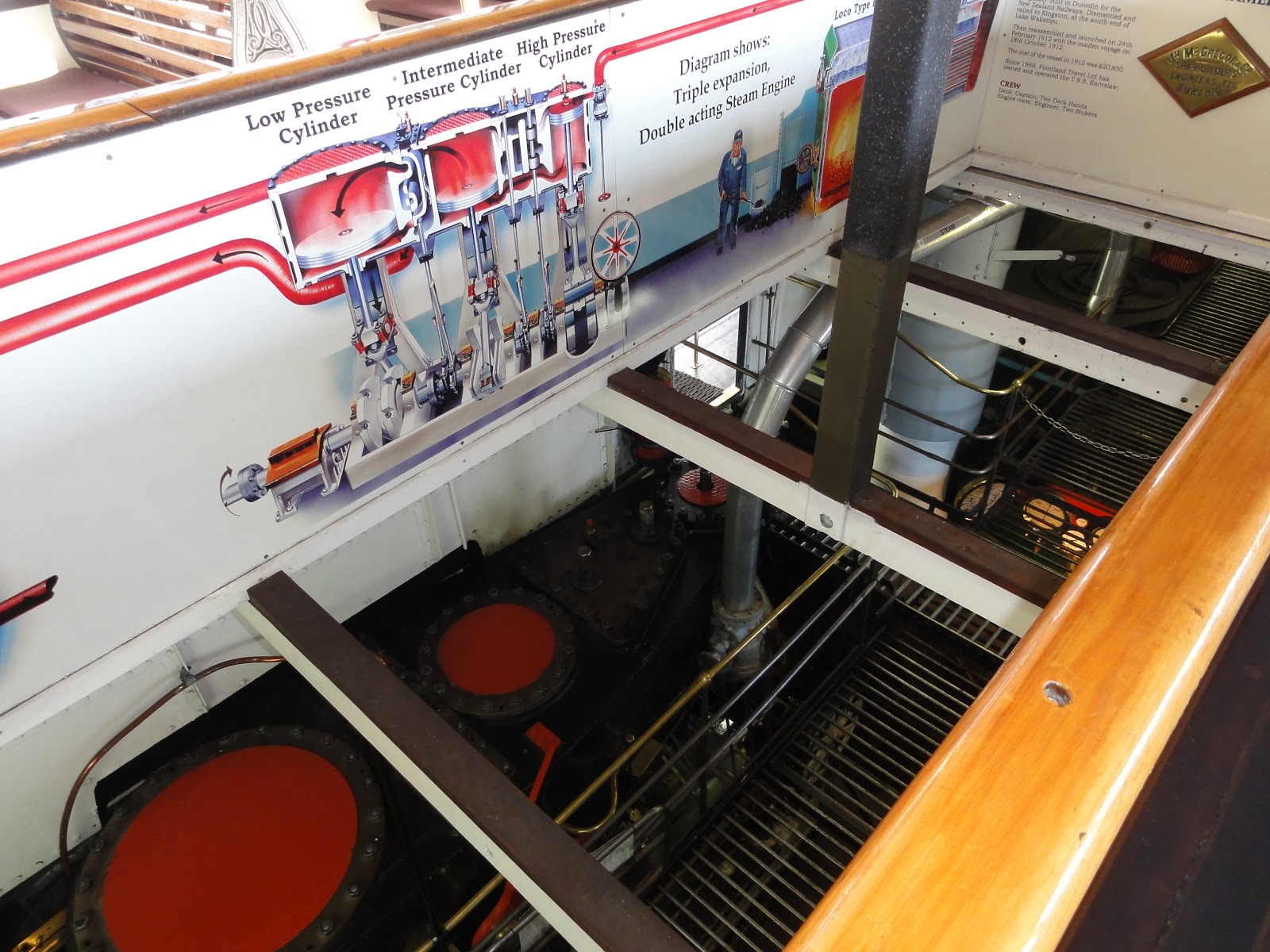
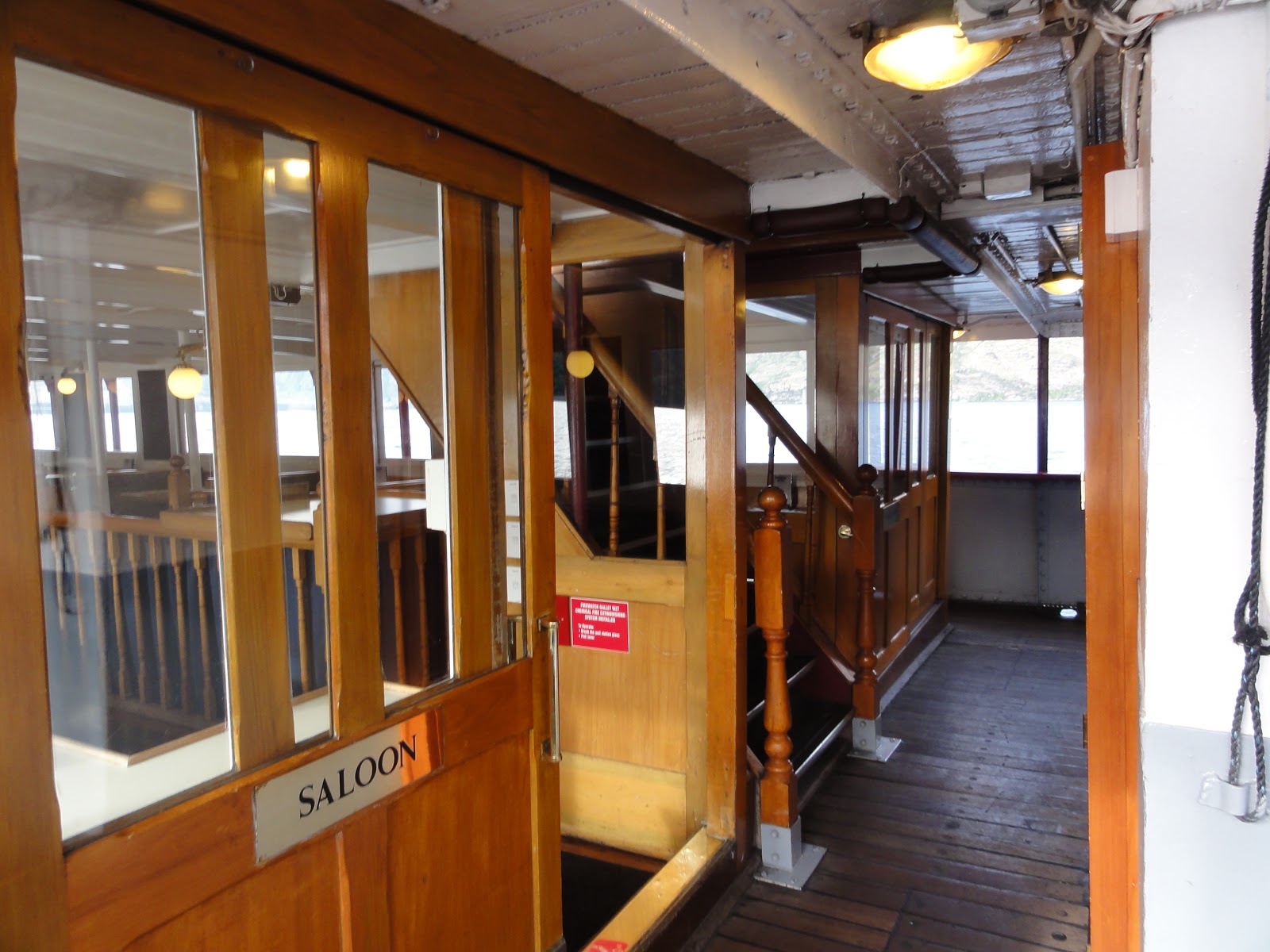
To get to the farm you can either drive a very, very long way or take the T.S.S. Earnslaw, otherwise known as the ‘Lady of the Lake’.

This vessel plies Lake Wakatipu from Queenstown to mostly Walter Peak Farm but has been known, on occasions, to go to Kingston or Glenorchy.

Here it’s sitting at the pier at Queenstown, ready to depart for Walter Peak Farm.

earnslaw1

And this is it returning to Walter Peak Farm to take the visitors back to Queenstown.

earnslaw2

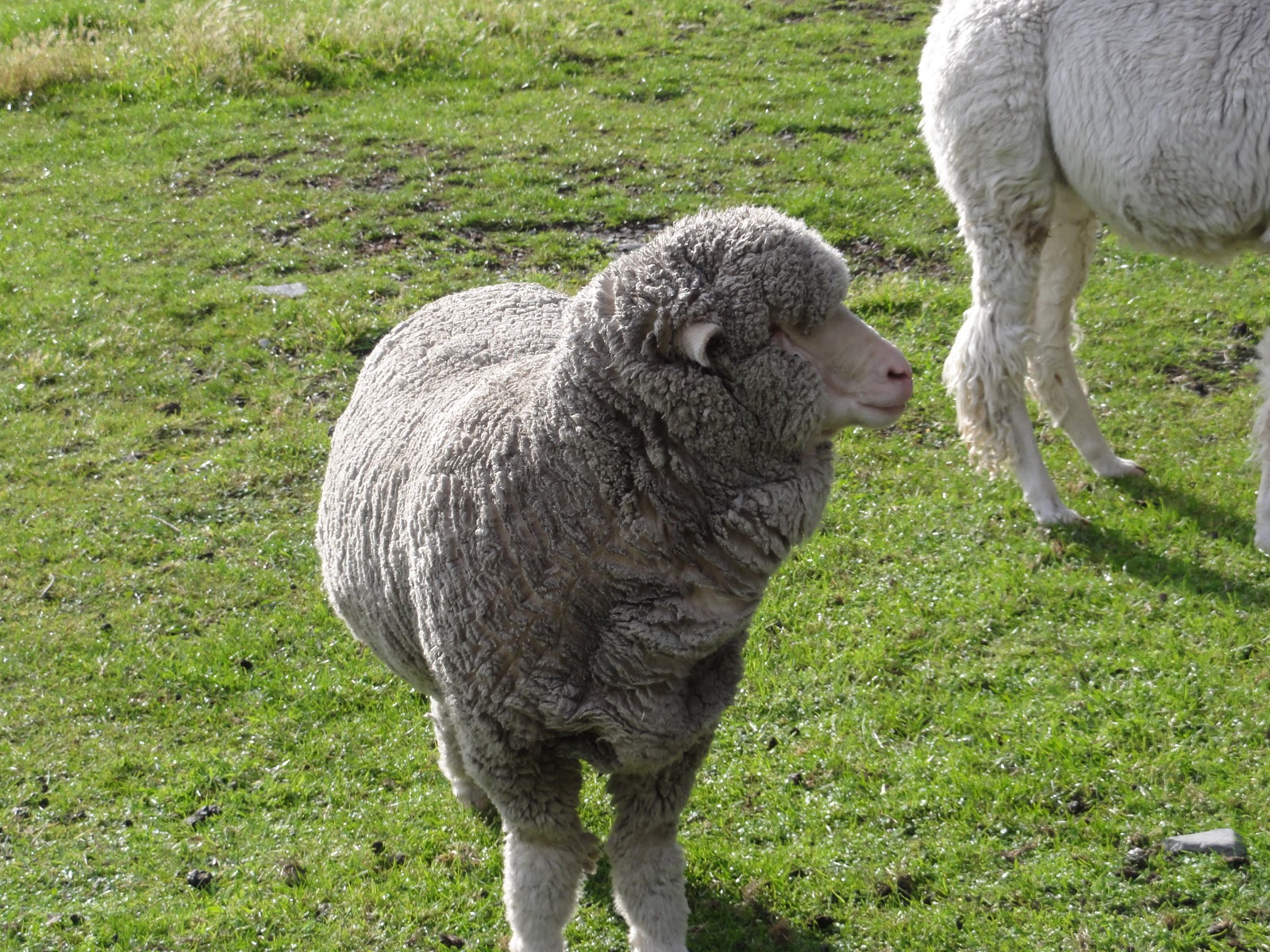
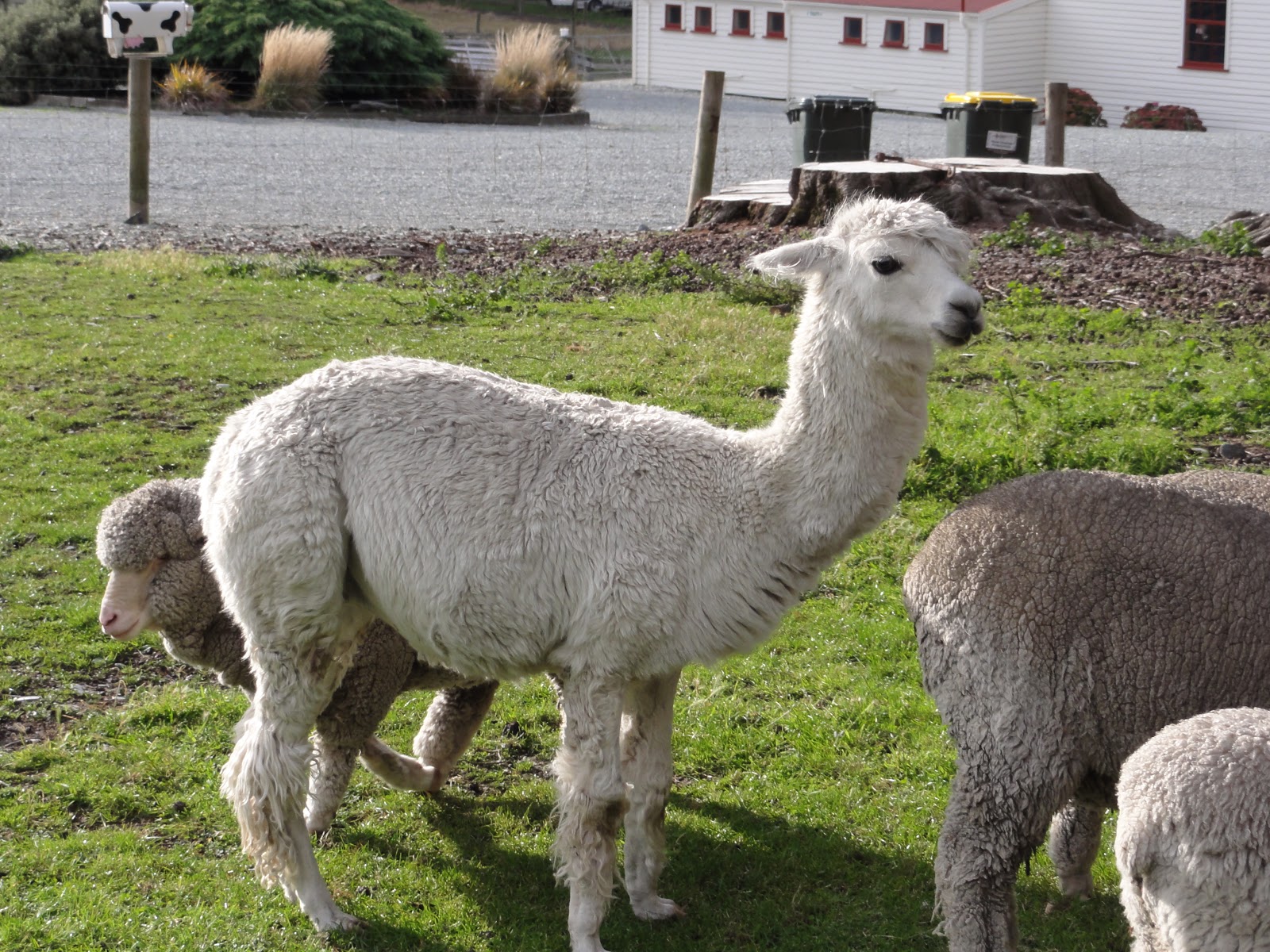
We have been to Walter Peak Farm for Afternoon Tea and Dinner, and both occasions were an amazing experience.  You can also get up close and to the animals

There are other experiences to be had in Glenorchy. and the views whilst driving there are every bit as spectacular, especially as late afternoon settles in:

And in visiting the Lord Of the Rings filming locations.

Then there is Kingston, where the road follows the lake and you are literally between the mountains and the lake:

Kingston used to have a train running, which then became a tourist attraction, but for the moment does not seem to be running currently.

But for me, the real experiences is travelling on the vessel.

Not bad for 103 years old.

“Strangers We’ve Become”, a sequel to “What Sets Us Apart”

Stranger’s We’ve Become, a sequel to What Sets Us Apart.

The blurb:

Is she or isn’t she, that is the question!

Susan has returned to David, but he is having difficulty dealing with the changes. Her time in captivity has changed her markedly, so much so that David decides to give her some time and space to re-adjust back into normal life.

But doubts about whether he chose the real Susan remain.

In the meantime, David has to deal with Susan’s new security chief, the discovery of her rebuilding a palace in Russia, evidence of an affair, and several attempts on his life. And, once again, David is drawn into another of Predergast’s games, one that could ultimately prove fatal.

From being reunited with the enigmatic Alisha, a strange visit to Susan’s country estate, to Russia and back, to a rescue mission in Nigeria, David soon discovers those whom he thought he could trust each has their own agenda, one that apparently doesn’t include him.

The Cover:

strangerscover9

Coming soon


“Echoes From The Past”, a past buried, but not deep enough


What happens when your past finally catches up with you?

Christmas is just around the corner, a time to be with family. For Will Mason, an orphan since he was fourteen, it is a time for reflection on what his life could have been, and what it could be.

Until a chance encounter brings back to life the reasons for his twenty years of self-imposed exile from a life only normal people could have. From that moment Will’s life slowly starts to unravel and it’s obvious to him it’s time to move on.

This time, however, there is more at stake.

Will has broken his number one rule, don’t get involved.

With his nemesis, Eddie Jamieson, suddenly within reach, and a blossoming relationship with an office colleague, Maria, about to change everything, Will has to make a choice. Quietly leave, or finally, make a stand.

But as Will soon discovers, when other people are involved there is going to be terrible consequences no matter what choice he makes.

https://amzn.to/2CYKxu4

newechocover5rs

The A to Z Challenge – H is for – “How is this possible…”


It started with a simple memo.

After several years of bad management, the company had decided to make a clean sweep and change upper management. Of course, that sort of change was driven by the volatility of the company’s share price and dividends, and shareholders’ discontent. Productivity was down because of low employee morale driven by what was labelled a ‘toxic work environment’. This led to production problems, quality control issues, and falling sales.

Something had to be done.

The new broom, as it was come to be known as, had made several far sweeping changes, one of which, to counter the discontent of its employees, was to institute the anonymous complaint. Any employee could make a complaint without fear of reprisals. In the past, those that had were vilified, demoted, or sacked. Now, the new broom had decided that employee input would improve the workplace, improve productivity, and provide the way back to the halcyon days.

Or so we thought.

Two phones, each on a bedside table, both chimed to indicate an incoming message.

I’d been staring at the roof, contemplating the start of a new week in a place where I had decided was not where I wanted to be. Beside me, still asleep, was the woman I wanted to spend the rest of my life with, but she was not sure about making a commitment. She’d been down that road before, and it failed miserably and was taking it slow.

I told her slow was my middle name.

I leaned over and picked up the phone, more out of curiosity than anything else, but fascinated that both phones could go off at the same time.

“In the light of a host of complaints about the catering division, it has been decided that the staff cafeteria will cease operations at the end of the month. It has for a number of years been the subject of employee dissatisfaction and the result of an extensive investigation to the feasibility of keeping it going, given the economic climate and fiscal position of the company the only viable decision is to cease operations. Staff currently working in the catering department will be transferred to other positions within the company.”

How could this be possible? I had seen the feasibility study relating to the cafeteria, and it was ‘feasible’ to keep it going. They were right though, there had been a host of complaints, but that was because the catering manager had no idea how to run a large-scale cafeteria that churned out upwards of 5,000 meals a day. Even Olga, who was right here with me now, had said that it was the most poorly managed operation she had ever worked in.

I tossed the phone back on the bedside table and got back under the covers. Too early and too cold to get out of bed.

It woke Olga.

“Trouble in paradise?”

Paradise was her euphemism for work. She had become increasingly desponded as I about working there. In her case, as q waitress in the cafeteria, it was a job she could take or leave. For me, loitering on the fringes of middle management, not so much. Not if I wanted to keep the flash apartment and upscale car.

“They have dumped the cafeteria.”

I had expected her to leap up in indignation. It barely registered on the Richter scale. “And what did you expect?” She raised her head off the pillow. “They were never going to implement your suggestions, it would make Commissar Bland look like a fool, like the fool above him.”

Her analogy transposing our fearless leaders with those back in the old Soviet Union were always an insight to what she had experienced back home before she emigrated with her parents. Commissar Bland was a dictator, and not a man to cross. She cared little about him, and treated him, like the others did, as a joke.

“So much for the new broom,” I muttered.

“You are so naive Petr, but like home, change means no change, just different faces and words that all mean the same thing.”

Petr was her pet name for me, named after an old mentor of hers.

“Aren’t you the one losing your job. Doesn’t it bother you?”

“I will become best factory worker. We are very adaptable. You should try not to lose any sleep.”

She lay down again and snuggled closer.

…

I left her at the fourth floor where my office was located, and she would continue up to the next, the location of the cafeteria.

If I remember correctly, the current CEO when the factory manager, had always wanted to reclaim the cafeteria space for a new modernised production line, but the old guard had seen the benefit of keeping it despite the cost, as a means of keeping its workforce. Even twenty years ago, it would not have made a discussion topic, even in jest.

But times change.

Herman, another of the middle management fringe dwellers, and had also seen the need to have something to ‘bribe’ the workforce. We’d only been talking about it with others on our level the other day when all manner of rumours were drifting through our building.

He was loitering in the passage, obviously waiting for me.

“You’ve seen the message?”

I nodded.

“Hell of a way to kill an institution?”

I walked into my cubicle and dumped my bag on the floor. As a first act, the new broom removed all the offices, and put everyone into an open plan, where it was easier to communicate with others and removed the barriers walls and doors presented. The jury was still out on whether it worked, I could still never get to see the people I needed to.

He followed me in and sat in a chair in the corner. I sat on the desk, it was not a large cubicle.

“It was a drain on profits. The world has moved on from pandering to workforces. It seems dividends are more important. I’m sure this will not be the only change.”

“Like managers losing their cars and credit cards, except for the upper echelon. I don’t think you’ll see them close the executive dining room.”

Yes, it was only a matter of time before that morsel would raise its head under the banner of hypocrisy.

“Probably not. But remember, we used to build cars once, and it was good advertising to hand them out to all and sundry. Now, trying to do the right thing costs too much.”

My phone on the desk rang and startled me. It was still quiet, the bulk of the cubicle population hadn’t arrived yet. My guess they were gathering in coffee shops discussing the news.

I picked up receiver mid ring, then said, “Yes?” I refused to follow the official answering sequence advised by the new broom.

Hesitation, then, “O’Hara from Administration. Can you come and see me, nine a.m.?”

Why? There was no way anyone could know I sent that memo, and I wasn’t on management’s radar, it had been O’Hara himself who told me to keep up the good work, the coded message that said I was not on the latest promotion list.

“I’ll see you then.” I was not going to say ‘yes, sir’ like other management hopefuls. O’Hara was not someone who could be buttered up, a fact only I seemed to be aware of.

“Who was that?”

“O’Hara.”

“Then your days are numbered. He never calls except to say you have a promotion or you’re fired. You aren’t on the promotion list.”

“How can you be sure?”

No one was supposed to know who was on that list for sure, it was a closely guarded secret. Herman said he knew someone who knew someone who knew Herman’s PA, and had been told who was on the list. So far, in the last two lists, he had been right about us two.

Perhaps he was right. I was going to get fired.

“Have I ever been wrong?”

Technically, no. But I never got any other names of those who were on the list. Maybe it was better to wait, and be disappointed then.

“Well, we’ll soon find out.”

…

It took twenty minutes to walk from the old administration building to the new, built recently on the outskirts of the company site, on what was once the carpark. The carpark had been relocated under the new administration building, and it gave management the perfect excuse to charge us to park our cars.

A Lot of employees had switched from car to the train, less than the weekly cost of the carpark. Another new broom initiative; getting people out of cars and onto public transport, their contribution to easing global warming.

None of us, other than those in the new administration building had passes, so we had to sign in as visitors on the ground floor, even though we spent a lot of time travelling back and forth, and visiting other members of our departments who had been moved from the old building.

No, not a new broom initiative, just the result of an obtuse security chief.

Getting the pass made me five minutes late, and O’Hara didn’t like tardy people.

A glare followed me from the door of his office to the seat in front of his desk where he motioned me to sit. The offices were better here and were offices not cubicles. Everyone else wanted to be transferred to the new office. I didn’t. Too far away from Olga.

“I called you over to discuss the ten-point plan to save the cafeteria.”

“What ten-point plan?” Perhaps they did know who wrote the memo.

“I had every written complaint checked to see whose writing it was. Next time, write it on the computer and print it out.”

I shrugged. “I did it for a laugh. Nothing’s going to change in this place.”

“You sound like you don’t like working here?”

“I do. Most days. Today, though, is one reason to leave. That cafeteria has been here since the day the factory started. The employers, once, were involved in getting employees housing, even had their own estate, and assisted them to buy cars. It was a novel thought in an age where employers, well, some employers, considered their employees assets.”

“We still do.”

I shook my head. I guess if you wanted to be in management you had to believe and repeat the new mantra. I’d heard about the management team building conferences.

“So, we’re going back to our original values?”

“This is neither the time, nor do we have the fiscal viability. But it seems some of the board members consider your proposals need fleshing out into a plan with costings so they can make a more balanced judgement.”

“Unfortunately, you just uttered the two words that make that idea redundant, fiscal viability. There is no possible way in this current world we live in that a cafeteria would ever be viable, unless we charged five-star restaurant prices for the meals.”

“Humour me and do it anyway.”

“Not my department.”

“Fixed. You now are temporarily assigned to ‘rebuilding and restructuring’. You can add three others to your team. You have a week.”

“And if I say no.”

“It’s that or your resignation. You have been given an opportunity, take it.”

I shrugged. I’d heard about the new broom’s method of culling. Give them jobs that they can’t possibly find a solution to. Devious, but devastatingly effective. One last hurrah before being tossed on the executive scrap heap.

When I came out of his office, Herman was waiting in the outer office.

“You too,” I said.

“Nine of us. Sounds like there’s a new project in the wind.”

I didn’t burst his bubble. Ten more budding executives were getting the push. I sighed.

At least now Olga and I could go visit her family on the shores of the Black Sea. There was no excuse not to.

And, yes, it really did start with a memo.

…

© Charles Heath 2021

An excerpt from “The Devil You Don’t”

Available on Amazon Kindle here:  https://amzn.to/2Xyh1ow


By the time I returned to the Savoie, the rain had finally stopped, and there was a streak of blue sky to offer some hope the day would improve.

The ship was not crowded, the possibility of bad weather perhaps holding back potential passengers.  Of those I saw, a number of them would be aboard for the lunch by Phillippe Chevrier.  I thought about it, but the Concierge had told me about several restaurants in Yvoire and had given me a hand-drawn map of the village.  I think he came from the area because he spoke with the pride and knowledge of a resident.

I was looking down from the upper deck observing the last of the boarding passengers when I saw a woman, notable for her red coat and matching shoes, making a last-minute dash to get on board just before the gangway was removed.  In fact, her ungainly manner of boarding had also captured a few of the other passenger’s attention.  Now they would have something else to talk about, other than the possibility of further rain.

I saw her smile at the deckhand, but he did not smile back.  He was not impressed with her bravado, perhaps because of possible injury.  He looked at her ticket then nodded dismissively, and went back to his duties in getting the ship underway.  I was going to check the departure time, but I, like the other passengers, had my attention diverted to the woman in red.

From what I could see there was something about her.  It struck me when the light caught her as she turned to look down the deck, giving me a perfect profile.  I was going to say she looked foreign, but here, as in almost anywhere in Europe, that described just about everyone.  Perhaps I was just comparing her to Phillipa, so definitively British, whereas this woman was very definitely not.

She was perhaps in her 30’s, slim or perhaps the word I’d use was lissom, and had the look and manner of a model.  I say that because Phillipa had dragged me to most of the showings, whether in Milan, Rome, New York, London, or Paris.  The clothes were familiar, and in the back of my mind, I had a feeling I’d seen her before.

Or perhaps, to me, all models looked the same.

She looked up in my direction, and before I could divert my eyes, she locked on.  I could feel her gaze boring into me, and then it was gone as if she had been looking straight through me.  I remained out on deck as the ship got underway, watching her disappear inside the cabin.  My curiosity was piqued, so I decided to keep an eye out for her.

I could feel the coolness of the air as the ship picked up speed, not that it was going to be very fast.  With stops, the trip would take nearly two hours to get to my destination.  It would turn back almost immediately, but I was going to stay until the evening when it returned at about half eight.  It would give me enough time to sample the local fare, and take a tour of the medieval village.

Few other passengers ventured out on the deck, most staying inside or going to lunch.  After a short time, I came back down to the main deck and headed forward.  I wanted to clear my head by concentrating on the movement of the vessel through the water, breathing in the crisp, clean air, and let the peacefulness of the surroundings envelope me.

It didn’t work.

I knew it wouldn’t be long before I started thinking about why things hadn’t worked, and what part I played in it.  And the usual question that came to mind when something didn’t work out.  What was wrong with me?

I usually blamed it on my upbringing.

I had one of those so-called privileged lives, a nanny till I was old enough to go to boarding school, then sent to the best schools in the land.  There I learned everything I needed to be the son of a Duke, or, as my father called it in one of his lighter moments, nobility in waiting.

Had this been five or six hundred years ago, I would need to have sword and jousting skills, or if it had been a few hundred years later a keen military mind.  If nothing else I could ride a horse, and go on hunts, or did until they became not the thing to do.

I learned six languages, and everything I needed to become a diplomat in the far-flung British Empire, except the Empire had become the Commonwealth, and then, when no-one was looking, Britain’s influence in the world finally disappeared.  I was a man without a cause, without a vocation, and no place to go.

Computers were the new vogue and I had an aptitude for programming.  I guess that went hand in hand with mathematics, which although I hated the subject, I excelled in.  Both I and another noble outcast used to toss ideas around in school, but when it came to the end of our education, he chose to enter the public service, and I took a few of those ideas we had mulled over and turned them into a company.

About a year ago, I was made an offer I couldn’t refuse.  There were so many zeroes on the end of it I just said yes, put the money into a very grateful bank, and was still trying to come to terms with it.

Sadly, I still had no idea what I was going to do with the rest of my life.  My parents had asked me to come back home and help manage the estate, and I did for a few weeks.  It was as long as it took for my parents to drive me insane.

Back in the city, I spent a few months looking for a mundane job, but there were very few that suited the qualifications I had, and the rest, I think I intimidated the interviewer simply because of who I was.  In that time I’d also featured on the cover of the Economist, and through my well-meaning accountant, started involving myself with various charities, earning the title ‘philanthropist’.

And despite all of this exposure, even making one of those ubiquitous ‘eligible bachelor’ lists, I still could not find ‘the one’, the woman I wanted to spend the rest of my life with.  Phillipa seemed to fit the bill, but in time she proved to be a troubled soul with ‘Daddy’ issues.  I knew that in building a relationship compromise was necessary, but with her, in the end, everything was a compromise and what had happened was always going to be the end result.

It was perhaps a by-product of the whole nobility thing.  There was a certain expectation I had to fulfill, to my peers, contemporaries, parents and family, and those who either liked or hated what it represented.  The problem was, I didn’t feel like I belonged.  Not like my friend from schooldays, and now obscure acquaintance, Sebastian.  He had been elevated to his Dukedom early when his father died when he was in his twenties.  He had managed to fade from the limelight and was rarely mentioned either in the papers or the gossip columns.  He was one of the lucky ones.

I had managed to keep a similarly low profile until I met Phillipa.  From that moment, my obscurity disappeared.  It was, I could see now, part of a plan put in place by Phillipa’s father, a man who hogged the limelight with his daughter, to raise the profile of the family name and through it their businesses.  He was nothing if not the consummate self-advertisement.

Perhaps I was supposed to be the last piece of the puzzle, the attachment to the establishment, that link with a class of people he would not normally get in the front door.  There was nothing refined about him or his family, and more than once I’d noticed my contemporaries cringe at the mention of his name, or any reference of my association with him.

Yet could I truthfully say I really wanted to go back to the obscurity I had before Phillipa?  For all her faults, there were times when she had been fun to be with, particularly when I first met her when she had a certain air of unpredictability.  That had slowly disappeared as she became part of her father’s plan for the future.  She just failed to see how much he was using her.

Or perhaps, over time, I had become cynical.

I thought about calling her.  It was one of those moments of weakness when I felt alone, more alone than usual.

I diverted my attention back to my surroundings and the shoreline.  Out of the corner of my eye, I could see the woman in the red coat, making a move.  The red coat was like a beacon, a sort of fire engine red.  It was not the sort of coat most of the women I knew would wear, but on her, it looked terrific.  In fact, her sublime beauty was the one other attribute that was distinctly noticeable, along with the fact her hair was short, rather than long, and jet black.

I had to wrench my attention away from her.

A few minutes later several other passengers came out of the cabin for a walk around the deck, perhaps to get some exercise, perhaps checking up on me, or perhaps I was being paranoid.  I waited till they passed on their way forward, and I turned and headed aft.

I watched the wake sluicing out from under the stern for a few minutes, before retracing my steps to the front of the ship and there I stood against the railing, watching the bow carve its way through the water.  It was almost mesmerizing.  There, I emptied my mind of thoughts about Phillipa, and thoughts about the woman in the red coat.

Until a female voice behind me said, “Having a bad day?”

I started, caught by surprise, and slowly turned.  The woman in the red coat had somehow got very close me without my realizing it.  How did she do that?  I was so surprised I couldn’t answer immediately.

“I do hope you are not contemplating jumping.  I hear the water is very cold.”

Closer up, I could see what I’d missed when I saw her on the main deck.  There was a slight hint of Chinese, or Oriental, in her particularly around the eyes, and of her hair which was jet black.  An ancestor twice or more removed had left their mark, not in a dominant way, but more subtle, and easily missed except from a very short distance away, like now.

Other than that, she was quite possibly Eastern European, perhaps Russian, though that covered a lot of territory.  The incongruity of it was that she spoke with an American accent, and fluent enough for me to believe English was her first language.

Usually, I could ‘read’ people, but she was a clean slate.  Her expression was one of amusement, but with cold eyes.  My first thought, then, was to be careful.

“No.  Not yet.”  I coughed to clear my throat because I could hardly speak.  And blushed, because that was what I did when confronted by a woman, beautiful or otherwise.

The amusement gave way to a hint of a smile that brightened her demeanor as a little warmth reached her eyes.  “So that’s a maybe.  Should I change into my lifesaving gear, just in case?”

It conjured up a rather interesting image in my mind until I reluctantly dismissed it.

“Perhaps I should move away from the edge,” I said, moving sideways until I was back on the main deck, a few feet further away.  Her eyes had followed me, and when I stopped she turned to face me again.  She did not move closer.

I realized then she had removed her beret and it was in her left side coat pocket.  “Thanks for your concern …?”

“Zoe.”

“Thanks for your concern, Zoe.  By the way, my name is John.”

She smiled again, perhaps in an attempt to put me at ease.  “I saw you earlier, you looked so sad, I thought …”

“I might throw myself overboard?”

“An idiotic notion I admit, but it is better to be safe than sorry.”

Then she tilted her head to one side then the other, looking intently at me.  “You seem to be familiar.  Do I know you?”

I tried to think of where I may have seen her before, but all I could remember was what I’d thought earlier when I first saw her; she was a model and had been at one of the showings.  If she was, it would be more likely she would remember Phillipa, not me.  Phillipa always had to sit in the front row.

“Probably not.”  I also didn’t mention the fact she may have seen my picture in the society pages of several tabloid newspapers because she didn’t look the sort of woman who needed a daily dose of the comings and goings, and, more often than not, scandal associated with so-called celebrities.

She gave me a look, one that told me she had just realized who I was.  “Yes, I remember now.  You made the front cover of the Economist.  You sold your company for a small fortune.”

Of course.  She was not the first who had recognized me from that cover.  It had raised my profile considerably, but not the Sternhaven’s.  That article had not mentioned Phillipa or her family.  I suspect Grandmother had something to do with that, and it was, now I thought about it, another nail in the coffin that was my relationship with Phillipa.

“I wouldn’t say it was a fortune, small or otherwise, just fortunate.”  Each time, I found myself playing down the wealth aspect of the business deal.

“Perhaps then, as the journalist wrote, you were lucky.  It is not, I think, a good time for internet-based companies.”

The latter statement was an interesting fact, one she read in the Financial Times which had made that exact comment recently.

“But I am boring you.”  She smiled again.  “I should be minding my own business and leaving you to your thoughts.  I am sorry.”

She turned to leave and took a few steps towards the main cabin.

“You’re not boring me,” I said, thinking I was letting my paranoia get the better of me.  It had been Sebastian on learning of my good fortune, who had warned me against ‘a certain element here and abroad’ whose sole aim would be to separate me from my money.  He was not very subtle when he described their methods.

But I knew he was right.  I should have let her walk away.

She stopped and turned around.  “You seem nothing like the man I read about in the Economist.”

A sudden and awful thought popped into my head.  Those words were part of a very familiar opening gambit.  “Are you a reporter?”

I was not sure if she looked surprised, or amused.  “Do I look like one?”

I silently cursed myself for speaking before thinking, and then immediately ignored my own admonishment.  “People rarely look like what they are.”

I saw the subtle shake of the head and expected her to take her leave.  Instead she astonished me.

“I fear we have got off on the wrong foot.  To be honest, I’m not usually this forward, but you seemed like you needed cheering up when probably the opposite is true.  Aside from the fact this excursion was probably a bad idea.  And,” she added with a little shrug, “perhaps I talk too much.”

I was not sure what I thought of her after that extraordinary admission. It was not something I would do, but it was an interesting way to approach someone and have them ignoring their natural instinct.  I would let Sebastian whisper in my ear for a little longer and see where this was going.

“Oddly enough, I was thinking the same thing.  I was supposed to be traveling with my prospective bride.  I think you can imagine how that turned out.”

“She’s not here?”

“No.”

“She’s in the cabin?”  Her eyes strayed in that direction for a moment then came back to me.  She seemed surprised I might be traveling with someone.

“No.  She is back in England, and the wedding is off.  So is the relationship.  She dumped me by text.”

OK, why was I sharing this humiliating piece of information with her?  I still couldn’t be sure she was not a reporter.

She motioned to an empty seat, back from the edge.  No walking the plank today.  She moved towards it and sat down.  She showed no signs of being cold, nor interested in the breeze upsetting her hair.  Phillipa would be having a tantrum about now, being kept outside, and freaking out over what the breeze might be doing to her appearance.

I wondered, if only for a few seconds if she used this approach with anyone else.  I guess I was a little different, a seemingly rich businessman alone on a ferry on Lake Geneva, contemplating the way his life had gone so completely off track.

She watched as I sat at the other end of the bench, leaving about a yard between us.  After I leaned back and made myself as comfortable as I could, she said, “I have also experienced something similar, though not by text message.  It is difficult, the first few days.”

“I saw it coming.”

“I did not.”  She frowned, a sort of lifeless expression taking over, perhaps brought on by the memory of what had happened to her.  “But it is done, and I moved on.  Was she the love of your life?”

OK, that was unexpected.

When I didn’t answer, she said, “I am sorry.  Sometimes I ask personal questions without realizing what I’m doing.  It is none of my business.”  She shivered.  “Perhaps we should go back inside.”

She stood, and held out her hand.  Should I take it and be drawn into her web?  I thought of Sebastian.  What would he do in this situation?

I took her hand in mine and let her pull me gently to my feet.  “Wise choice,” she said, looking up at the sky.

It just started to rain.


© Charles Heath 2015-2020

newdevilcvr6

NaNoWriMo (April) – Day 9

Today Jack is about to become as confused as he ever will be. Well, maybe not as ever, but it’s the start of a time when he will not know what is happening.

Firstly, there’s Maryanne. Whilst the full extent of the enigma she she will be for nearly three quarters of the book, may need a little adjustment when it comes to the first edit, I know something about her now, and those characteristics will gradually be dropped in front of the reader.

Some will say, after this chapter, that she is trouble. Jack has known that from the start, but that assessment really comes from a distinct lack of understand of women in general. Yes, he had had girlfriends, but not like Maryanne.

And, before you asked, yes, she is, in part, modelled on a woman I once knew, and she was nothing like any other woman I had known. She was genuinely a beautiful soul, and very much misunderstood.

Jack is fortunate in that he is hesitant to take that last step, though I suspect he might want to, but there are reasons for holding back.

These will be more apparent in the next chapter … I hope.

It’s written in my head, and I’m tempted to stay up and write it, but it’s late, and life other than being a writer will impinge on my time tomorrow.

Today’s effort amounts to 2,018 words, for a total, so far, of 22,612.

More tomorrow.