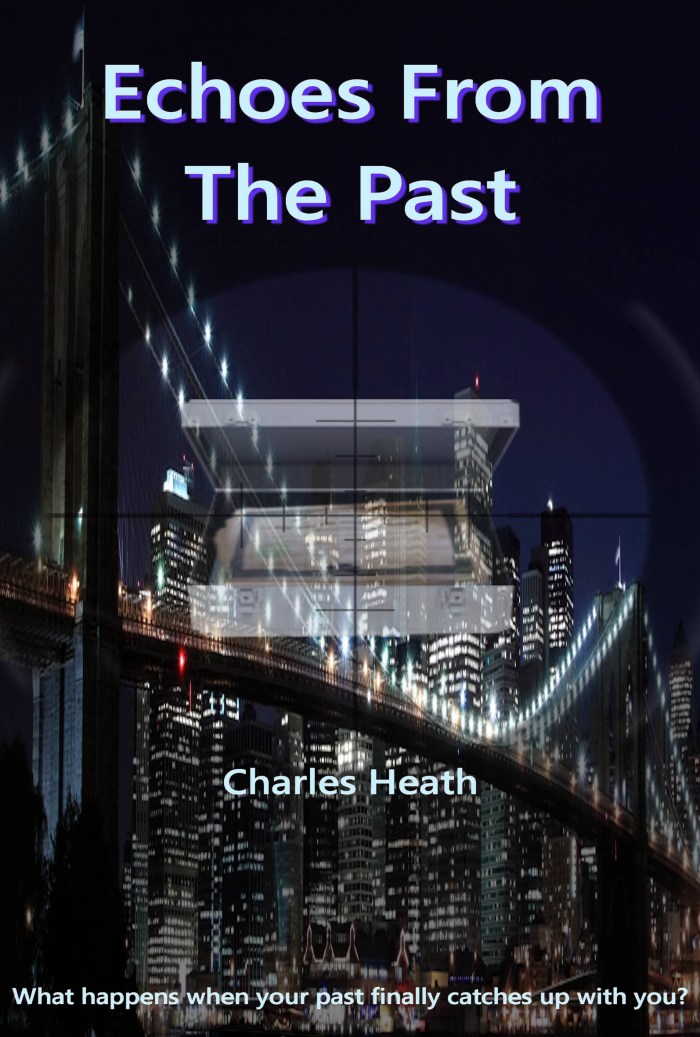
An excerpt from “Echoes from the Past”

Available on Amazon Kindle here:  https://amzn.to/2CYKxu4

With my attention elsewhere, I walked into a man who was hurrying in the opposite direction.  He was a big man with a scar running down the left side of his face from eye socket to mouth, and who was also wearing a black shirt with a red tie.

That was all I remembered as my heart almost stopped.

He apologized as he stepped to one side, the same way I stepped, as I also muttered an apology.

I kept my eyes down.  He was not the sort of man I wanted to recognize later in a lineup.  I stepped to the other side and so did he.  It was one of those situations.  Finally getting out of sync, he kept going in his direction, and I towards the bus, which was now pulling away from the curb.

Getting my breath back, I just stood riveted to the spot watching it join the traffic.  I looked back over my shoulder, but the man I’d run into had gone.  I shrugged and looked at my watch.  It would be a few minutes before the next bus arrived.

Wait, or walk?  I could also go by subway, but it was a long walk to the station.  What the hell, I needed the exercise.

At the first intersection, the ‘Walk’ sign had just flashed to ‘Don’t Walk’.  I thought I’d save a few minutes by not waiting for the next green light.  As I stepped onto the road, I heard the screeching of tires.

A yellow car stopped inches from me.

It was a high powered sports car, perhaps a Lamborghini.  I knew what they looked like because Marcus Bartleby owned one, as did every other junior executive in the city with a rich father.

Everyone stopped to look at me, then the car.  It was that sort of car.  I could see the driver through the windscreen shaking his fist, and I could see he was yelling too, but I couldn’t hear him.  I stepped back onto the sidewalk, and he drove on.  The moment had passed and everyone went back to their business.

My heart rate hadn’t come down from the last encounter.   Now it was approaching cardiac arrest, so I took a few minutes and several sets of lights to regain composure.

At the next intersection, I waited for the green light, and then a few seconds more, just to be sure.  I was no longer in a hurry.

At the next, I heard what sounded like a gunshot.  A few people looked around, worried expressions on their faces, but when it happened again, I saw it was an old car backfiring.  I also saw another yellow car, much the same as the one before, stopped on the side of the road.  I thought nothing of it, other than it was the second yellow car I’d seen.

At the next intersection, I realized I was subconsciously heading towards Harry’s new bar.   It was somewhere on 6th Avenue, so I continued walking in what I thought was the right direction.

I don’t know why I looked behind me at the next intersection, but I did.  There was another yellow car on the side of the road, not far from me.  It, too, looked the same as the original Lamborghini, and I was starting to think it was not a coincidence.

Moments after crossing the road, I heard the roar of a sports car engine and saw the yellow car accelerate past me.  As it passed by, I saw there were two people in it, and the blurry image of the passenger; a large man with a red tie.

Now my imagination was playing tricks.

It could not be the same man.  He was going in a different direction.

In the few minutes I’d been standing on the pavement, it had started to snow; early for this time of year, and marking the start of what could be a long cold winter.  I shuddered, and it was not necessarily because of the temperature.

I looked up and saw a neon light advertising a bar, coincidentally the one Harry had ‘found’ and, looking once in the direction of the departing yellow car, I decided to go in.  I would have a few drinks and then leave by the back door if it had one.

Just in case.

© Charles Heath 2015-2020

newechocover5rs

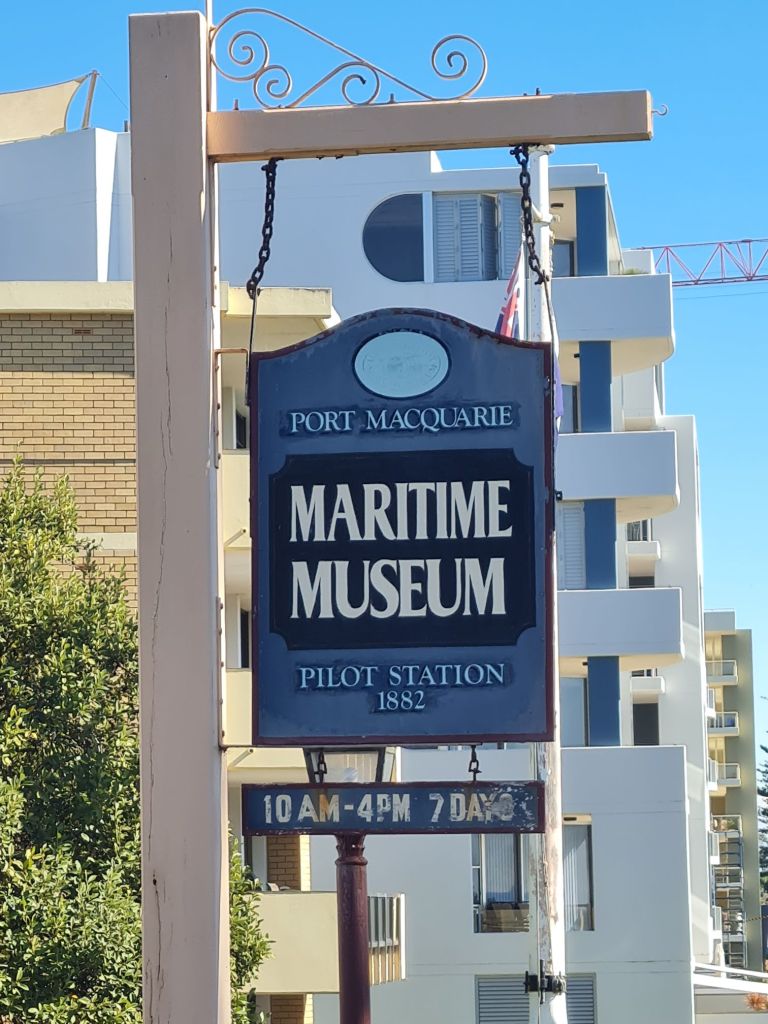
Searching for locations – Port Macquarie – Day 3 – Part 1

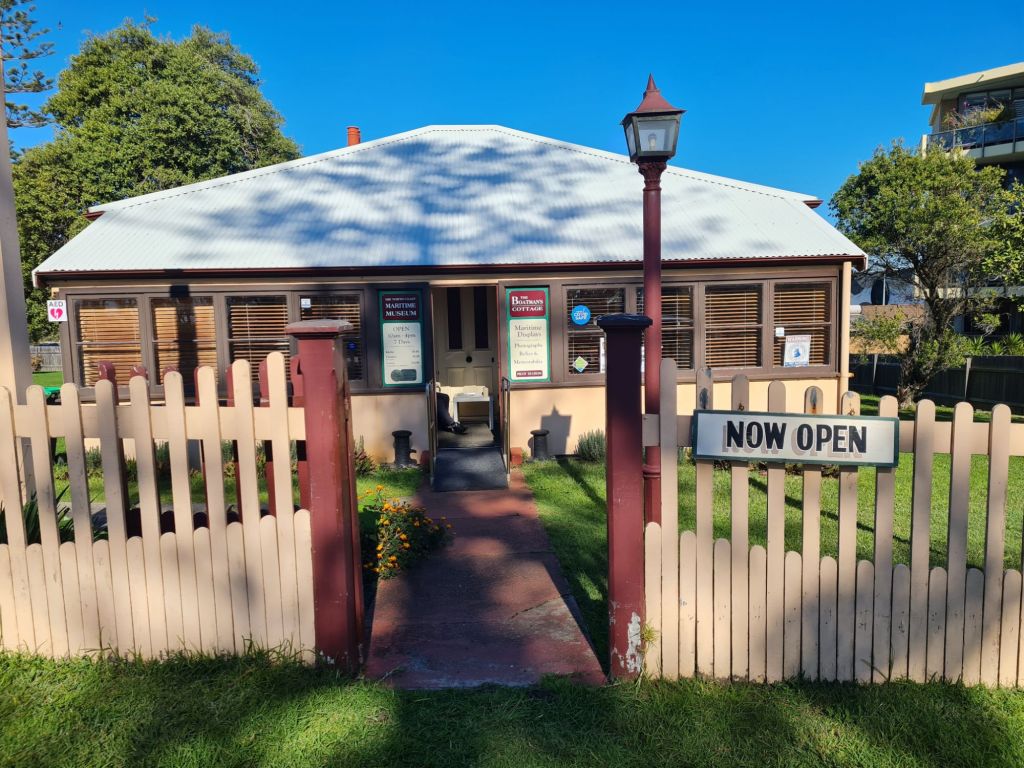
The Maritime Museum

The three houses that make up the maritime museum used to be the pilot’s houses. They were built between 1896 and 1937. There used to be four but one was relocated to another part of Port Macquarie.

In between two of the buildings is, of all things, a sea mine

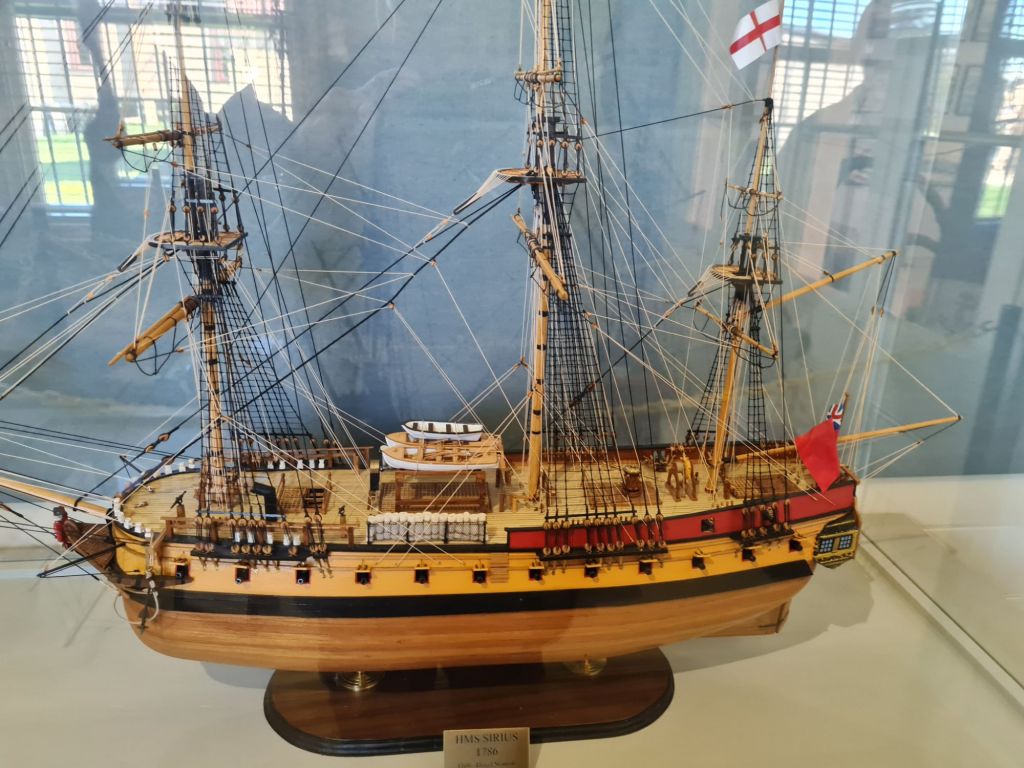
they also have several model ships which are up for sale.

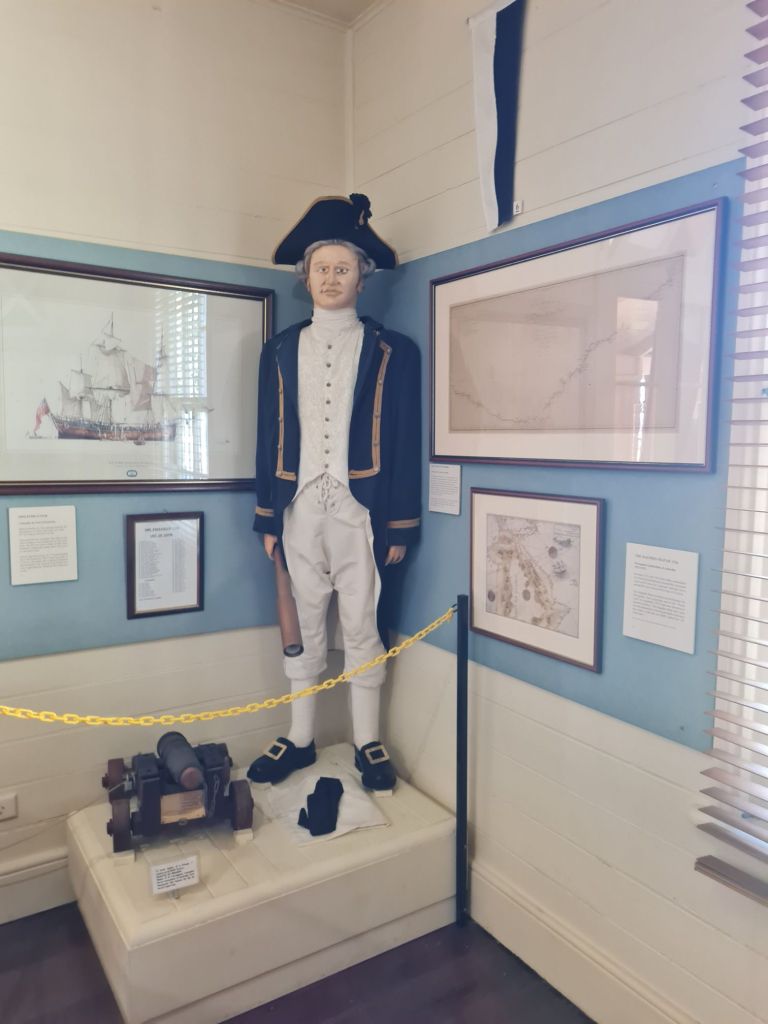
They have sailors dressed in the way they were back in the 1820s

A cannon of one their warships

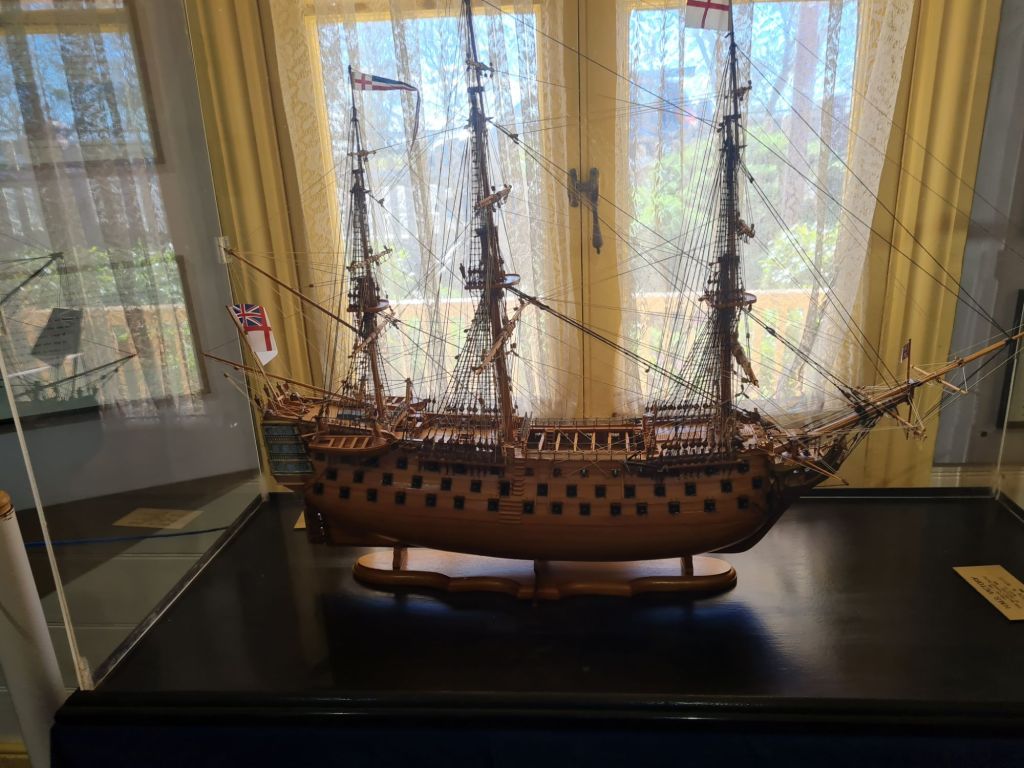
And models of the ships that brought the soldiers, convicts, and free settlers to Australia

There is an interesting collection of flags that were once used to communicate from ship to ship or shore, before the advent of radio.

Inspiration, maybe – Volume 1

50 photographs, 50 stories, of which there is one of the 50 below.

They all start with –

A picture paints … well, as many words as you like.  For instance:

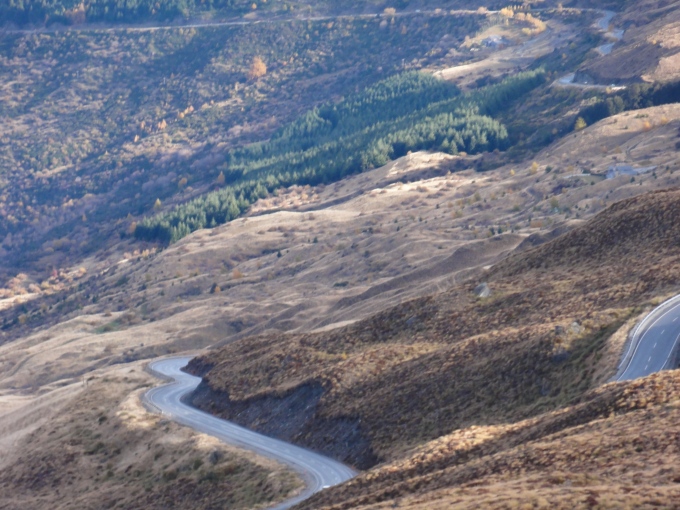
lookingdownfromcoronetpeak

And the story:

It was once said that a desperate man has everything to lose.

The man I was chasing was desperate, but I, on the other hand, was more desperate to catch him.

He’d left a trail of dead people from one end of the island to the other.

The team had put in a lot of effort to locate him, and now his capture was imminent.  We were following the car he was in, from a discrete distance, and, at the appropriate time, we would catch up, pull him over, and make the arrest.

There was nowhere for him to go.

The road led to a dead-end, and the only way off the mountain was back down the road were now on.  Which was why I was somewhat surprised when we discovered where he was.

Where was he going?

“Damn,” I heard Alan mutter.  He was driving, being careful not to get too close, but not far enough away to lose sight of him.

“What?”

“I think he’s made us.”

“How?”

“Dumb bad luck, I’m guessing.  Or he expected we’d follow him up the mountain.  He’s just sped up.”

“How far away?”

“A half-mile.  We should see him higher up when we turn the next corner.”

It took an eternity to get there, and when we did, Alan was right, only he was further on than we thought.”

“Step on it.  Let’s catch him up before he gets to the top.”

Easy to say, not so easy to do.  The road was treacherous, and in places just gravel, and there were no guard rails to stop a three thousand footfall down the mountainside.

Good thing then I had the foresight to have three agents on the hill for just such a scenario.

Ten minutes later, we were in sight of the car, still moving quickly, but we were going slightly faster.  We’d catch up just short of the summit car park.

Or so we thought.

Coming quickly around another corner we almost slammed into the car we’d been chasing.

“What the hell…” Aland muttered.

I was out of the car, and over to see if he was in it, but I knew that it was only a slender possibility.  The car was empty, and no indication where he went.

Certainly not up the road.  It was relatively straightforward for the next mile, at which we would have reached the summit.  Up the mountainside from here, or down.

I looked up.  Nothing.

Alan yelled out, “He’s not going down, not that I can see, but if he did, there’s hardly a foothold and that’s a long fall.”

Then where did he go?

Then a man looking very much like our quarry came out from behind a rock embedded just a short distance up the hill.

“Sorry,” he said quite calmly.  “Had to go if you know what I mean.”

I’d lost him.

It was as simple as that.

I had been led a merry chase up the hill, and all the time he was getting away in a different direction.

I’d fallen for the oldest trick in the book, letting my desperation blind me to the disguise that anyone else would see through in an instant.

It was a lonely sight, looking down that road, knowing that I had to go all that way down again, only this time, without having to throw caution to the wind.

“Maybe next time,” Alan said.

“We’ll get him.  It’s just a matter of time.”

© Charles Heath 2019-2021

Find this and other stories in “Inspiration, maybe”  available soon.

InspirationMaybe1v1

Writing about writing a book – Day 7 continues

Will it ever end?

I’m late.

I’m not usually late.  One thing I always pride myself on is being on time.  If other people have the courtesy to turn up on time, I should too.  It’s one of those old-fashioned traits that was hammered into me when I was young.

I apologize.

It is the first time I have seen Marilyn for over a year, though we have exchanged a few phone calls.  It was much easier to talk to her from a distance, and over something as impersonal as a telephone.

Sitting opposite her was an entirely different proposition.

Like a giddy schoolboy on a first date, I was nervous.  It took me back about 40 years when I did go out with her, but it wasn’t a date.  She wanted to ask me about Hal, the man she eventually married, and the man who was once my best friend.

I was nervous then, but for different reasons, and then I was disappointed.  I guess I had a lot to learn then about life, and women.  I’m not so sure with the passing of time I had learned much at all.

I look at her now, forty years on, and I still see the same woman in front of me that was sitting practically in the same place.  It was the same café, she had selected the venue.  I thought it had burned down long ago and been replaced by a residential tower.

That was next door.

There was something to be said for nostalgia.  I think the furnishings and the building itself was the same as it was back then.

“I’ve been meaning to tell you, Hal and I got a divorce.  It seems your initial assessment of his character all those years ago was correct.”

It had been a passing comment.   He told me monogamy was for idiots, and there was a world of women out there just waiting for the right man.  Him apparently.  All I had said to her was that I didn’t think he was ready to settle down.

“I’m sorry to hear that.  I hope it wasn’t too painful.”

I had nothing to start with so my divorce was painless.  She took everything, not that it amounted to very much.

“The lawyers won, I guess they always win.”

Someone had an eloquent saying about lawyers, but I couldn’t remember who.  I’d have to remember not to quote literature to Marilyn.  She was not a ‘book’ person.

“How come you didn’t tell me?  I’m very good at holding hands.”

She smiles, perhaps remembering the one time we went for a stroll through a park near the university, a day she had come to tell me her problems with Hal.  I was a sympathetic listener, but I longed for more, for what I couldn’t have.

I could still feel the tugs at my heartstrings.

“You had your own problems to deal with.  Besides, I finally had to stand up for myself, after living in the shadows for so long.  You know how it is.”

Yes, I did.  Sacrifice, and not necessarily by the right partner in a marriage.  My ex-wife had told me enough times until I finally agreed with her.

“So now you’re free.”

“As a bird, as they say.  You hungry?” she asks.

“Not really.”

“Neither am I.”


© Charles Heath 2016-2019

An excerpt from “Strangers We’ve Become” – Coming Soon

I wandered back to my villa.

It was in darkness.  I was sure I had left several lights on, especially over the door so I could see to unlock it.

I looked up and saw the globe was broken.

Instant alert.

I went to the first hiding spot for the gun, and it wasn’t there.  I went to the backup and it wasn’t there either.  Someone had found my carefully hidden stash of weapons and removed them.

Who?

There were four hiding spots and all were empty.  Someone had removed the weapons.  That could only mean one possibility.

I had a visitor, not necessarily here for a social call.

But, of course, being the well-trained agent I’d once been and not one to be caught unawares, I crossed over to my neighbor and relieved him of a weapon that, if found, would require a lot of explaining.

Suitably armed, it was time to return the surprise.

There were three entrances to the villa, the front door, the back door, and a rather strange escape hatch.  One of the more interesting attractions of the villa I’d rented was its heritage.  It was built in the late 1700s, by a man who was, by all accounts, a thief.  It had a hidden underground room which had been in the past a vault but was now a wine cellar, and it had an escape hatch by which the man could come and go undetected, particularly if there was a mob outside the door baying for his blood.

It now gave me the means to enter the villa without my visitors being alerted, unless, of course, they were near the vicinity of the doorway inside the villa, but that possibility was unlikely.  It was not where anyone could anticipate or expect a doorway to be.

The secret entrance was at the rear of the villa behind a large copse, two camouflaged wooden doors built into the ground.  I move aside some of the branches that covered them and lifted one side.  After I’d discovered the doors and rusty hinges, I’d oiled and cleaned them, and cleared the passageway of cobwebs and fallen rocks.  It had a mildew smell, but nothing would get rid of that.  I’d left torches at either end so I could see.

I closed the door after me, and went quietly down the steps, enveloped in darkness till I switched on the torch.  I traversed the short passage which turned ninety degrees about halfway to the door at the other end.  I carried the key to this door on the keyring, found it and opened the door.  It too had been oiled and swung open soundlessly.

I stepped in the darkness and closed the door.

I was on the lower level under the kitchen, now the wine cellar, the ‘door’ doubling as a set of shelves which had very little on them, less to fall and alert anyone in the villa.

Silence, an eerie silence.

I took the steps up to the kitchen, stopping when my head was level with the floor, checking to see if anyone was waiting.  There wasn’t.  It seemed to me to be an unlikely spot for an ambush.

I’d already considered the possibility of someone coming after me, especially because it had been Bespalov I’d killed, and I was sure he had friends, all equally as mad as he was.  Equally, I’d also considered it nigh on impossible for anyone to find out it was me who killed him because the only people who knew that were Prendergast, Alisha, a few others in the Department, and Susan.

That raised the question of who told them where I was.

If I was the man I used to be, my first suspect would be Susan.  The departure this morning, and now this was too coincidental.  But I was not that man.

Or was I?

I reached the start of the passageway that led from the kitchen to the front door and peered into the semi-darkness.  My eyes had got used to the dark, and it was no longer an inky void.  Fragments of light leaked in around the door from outside and through the edge of the window curtains where they didn’t fit properly.  A bone of contention upstairs in the morning, when first light shone and invariably woke me up hours before I wanted to.

Still nothing.

I took a moment to consider how I would approach the visitor’s job.  I would get a plan of the villa in my head, all entrances, where a target could be led to or attacked where there would be no escape.

Coming in the front door.  If I was not expecting anything, I’d just open the door and walk-in.  One shot would be all that was required.

Contract complete.

I sidled quietly up the passage staying close to the wall, edging closer to the front door.  There was an alcove where the shooter could be waiting.  It was an ideal spot to wait.

Crunch.

I stepped on some nutshells.

Not my nutshells.

I felt it before I heard it.  The bullet with my name on it.

And how the shooter missed, from point-blank range, and hit me in the arm, I had no idea.  I fired off two shots before a second shot from the shooter went wide and hit the door with a loud thwack.

I saw a red dot wavering as it honed in on me and I fell to the floor, stretching out, looking up where the origin of the light was coming and pulled the trigger three times, evenly spaced, and a second later I heard the sound of a body falling down the stairs and stopping at the bottom, not very far from me.

Two assassins.

I’d not expected that.

The assassin by the door was dead, a lucky shot on my part.  The second was still breathing.

I checked the body for any weapons and found a second gun and two knives.  Armed to the teeth!

I pulled off the balaclava; a man, early thirties, definitely Italian.  I was expecting a Russian.

I slapped his face, waking him up.  Blood was leaking from several slashes on his face when his head had hit the stairs on the way down.  The awkward angle of his arms and legs told me there were broken bones, probably a lot worse internally.  He was not long for this earth.

“Who employed you?”

He looked at me with dead eyes, a pursed mouth, perhaps a smile.  “Not today my friend.  You have made a very bad enemy.”  He coughed and blood poured out of his mouth.  “There will be more …”

Friends of Bespalov, no doubt.

I would have to leave.  Two unexplainable bodies, I’d have a hard time explaining my way out of this mess.  I dragged the two bodies into the lounge, clearing the passageway just in case someone had heard anything.

Just in case anyone was outside at the time, I sat in the dark, at the foot of the stairs, and tried to breathe normally.  I was trying not to connect dots that led back to Susan, but the coincidence was worrying me.

A half-hour passed and I hadn’t moved.  Deep in thought, I’d forgotten about being shot, unaware that blood was running down my arm and dripping onto the floor.

Until I heard a knock on my front door.

Two thoughts, it was either the police, alerted by the neighbors, or it was the second wave, though why would they be knocking on the door?

I stood, and immediately felt a stabbing pain in my arm.  I took out a handkerchief and turned it into a makeshift tourniquet, then wrapped a kitchen towel around the wound.

If it was the police, this was going to be a difficult situation.  Holding the gun behind my back, I opened the door a fraction and looked out.

No police, just Maria.  I hoped she was not part of the next ‘wave’.

“You left your phone behind on the table.  I thought you might be looking for it.”  She held it out in front of her.

When I didn’t open the door any further, she looked at me quizzically, and then asked, “Is anything wrong?”

I was going to thank her for returning the phone, but I heard her breathe in sharply, and add, breathlessly, “You’re bleeding.”

I looked at my arm and realized it was visible through the door, and not only that, the towel was soaked in blood.

“You need to go away now.”

Should I tell her the truth?  It was probably too late, and if she was any sort of law-abiding citizen she would go straight to the police.

She showed no signs of leaving, just an unnerving curiosity.  “What happened?”

I ran through several explanations, but none seemed plausible.  I went with the truth.  “My past caught up with me.”

“You need someone to fix that before you pass out from blood loss.  It doesn’t look good.”

“I can fix it.  You need to leave.  It is not safe to be here with me.”

The pain in my arm was not getting any better, and the blood was starting to run down my arm again as the tourniquet loosened.  She was right, I needed it fixed sooner rather than later.

I opened the door and let her in.  It was a mistake, a huge mistake, and I would have to deal with the consequences.  Once inside, she turned on the light and saw the pool of blood just inside the door and the trail leading to the lounge.  She followed the trail and turned into the lounge, turned on the light, and no doubt saw the two dead men.

I expected her to scream.  She didn’t.

She gave me a good hard look, perhaps trying to see if I was dangerous.  Killing people wasn’t something you looked the other way about.  She would have to go to the police.

“What happened here?”

“I came home from the cafe and two men were waiting for me.  I used to work for the Government, but no longer.  I suspect these men were here to repay a debt.  I was lucky.”

“Not so much, looking at your arm.”

She came closer and inspected it.

“Sit down.”

She found another towel and wrapped it around the wound, retightening the tourniquet to stem the bleeding.

“Do you have medical supplies?”

I nodded.  “Upstairs.”  I had a medical kit, and on the road, I usually made my own running repairs.  Another old habit I hadn’t quite shaken off yet.

She went upstairs, rummaged, and then came back.  I wondered briefly what she would think of the unmade bed though I was not sure why it might interest her.

She helped me remove my shirt, and then cleaned the wound.  Fortunately, she didn’t have to remove a bullet.  It was a clean wound but it would require stitches.

When she’d finished she said, “Your friend said one day this might happen.”

No prizes for guessing who that friend was, and it didn’t please me that she had involved Maria.

“Alisha?”

“She didn’t tell me her name, but I think she cares a lot about you.  She said trouble has a way of finding you, gave me a phone and said to call her if something like this happened.”

“That was wrong of her to do that.”

“Perhaps, perhaps not.  Will you call her?”

“Yes.  I can’t stay here now.  You should go now.  Hopefully, by the time I leave in the morning, no one will ever know what happened here, especially you.”

She smiled.  “As you say, I was never here.”

© Charles Heath 2018-2022

strangerscover9

In a word: Dog

Yes, it’s that little or big furry thing that’s also known as man’s best friend, a dog.

But the word has a number of other meanings, like a lot of three-letter words.

It can also mean to follow someone closely.

If you are going to the greyhound racing, you could say you’re going to the dogs, or it could mean something entirely different, like deteriorating in manner and ethics.

Then there are those employers who make their workers work very hard, and therefore could be described as making them work like a dog.

Some might even say that it is a dog of a thing, i.e. of poor quality.

There’s a dogleg, which could aptly name some of those monstrous golf course holes that sometimes present the challenge of going through the wood rather than around it.

Tried that and failed many times!

A dog man used to ride the crane load from the ground to the top, an occupation that would not stand the test of occupational health and safety anymore.

And of course, in a battle to the death, it’s really dog eat dog, isn’t it?

“Sunday in New York”, a romantic adventure that’s not a walk in the park!

“Sunday in New York” is ultimately a story about trust, and what happens when a marriage is stretched to its limits.

When Harry Steele attends a lunch with his manager, Barclay, to discuss a promotion that any junior executive would accept in a heartbeat, it is the fact his wife, Alison, who previously professed her reservations about Barclay, also agreed to attend, that casts a small element of doubt in his mind.

From that moment, his life, in the company, in deciding what to do, his marriage, his very life, spirals out of control.

There is no one big factor that can prove Harry’s worst fears, that his marriage is over, just a number of small, interconnecting events, when piled on top of each other, points to a cataclysmic end to everything he had believed in.

Trust is lost firstly in his best friend and mentor, Andy, who only hints of impending disaster, Sasha, a woman whom he saved, and who appears to have motives of her own, and then in his wife, Alison, as he discovered piece by piece damning evidence she is about to leave him for another man.

Can we trust what we see with our eyes or trust what we hear?

Haven’t we all jumped to conclusions at least once in our lives?

Can Alison, a woman whose self-belief and confidence is about to be put to the ultimate test, find a way of proving their relationship is as strong as it has ever been?

As they say in the classics, read on!

Purchase:

http://tinyurl.com/Amazon-SundayInNewYork

“Trouble in Store” – Short stories my way: Still working on the start

I have reworked the first part of the story with a few new elements about the characters and changed a few of the details of how the characters finish up in the shop before the policewoman makes her entrance.

This is part of the new first section that involves Jack:

Jack was staring down the barrel of a gun.

He had gone down to the corner shop to get a pack of cigarettes.

He had to hustle because he knew the shopkeeper, Alphonse, liked to close at 11:00 pm sharp.  His momentum propelled him through the door, causing the customer warning bell to ring loudly as the door bashed into it, and before the sound had died away, he knew he was in trouble.

It took a second, perhaps three, to sum up the situation. 

A young girl, about 16 or 17, scared, looking sideways at a man on the ground, then Alphonse, and then Jack.  He recognized the gun, a Luger, German, relic of WW2, perhaps her father’s souvenir, or more likely a stolen weapon, now pointing at him then Alphonse, then back to him.

Jack took another second or two to consider if he could disarm her.  No, the distance was too great.  He put his hands out where she could see them.  No sudden movements, try to remain calm, his heart rate up to the point of cardiac arrest.  No point making a bad situation worse.

Pointing with the gun, she said, “Move closer to the counter where I can see you better.”

Everything but her hand steady as a rock.  Only telltale sign of stress, the bead of perspiration on her brow.  It was 40 degrees Fahrenheit in the shop.

Jack shivered and then did as he was told. 

A few seconds more for him to decide she was in an unpredictable category.

“What’s wrong with your friend?”  Jack tried the friendly approach after he’d taken the three steps sideways necessary to reach the counter.

The shopkeeper, Alphonse, who, Jack noted seemed to have aged another ten years in the last few months, spoke instead; “I suspect he’s an addict, looking for a score.  At the end of his tether, my guess, and her to get some money.”

A simple hold up that had gone wrong.  Wrong time, wrong place, in more ways than one Jack thought, now realizing he had walked into a very dangerous situation.  She didn’t look like a user.  The boy on the ground, he did, and he looked like he was going through the beginnings of withdrawal.

Oddly, though, Jack had noticed a look pass between the shopkeeper and the girl.

 “All you had to go was give us the money, and we wouldn’t be here, now.”  She was glaring back at Alphonse.  “You can still make this right.”

A flicker of memory jumped out of the depths on Jack’s mind, something discussed at the dinner table with their neighbors, something about the shop as a pick-up point for drugs.

The boy on the floor, he was not here for the money.

Jack thought he’d try another approach.  “Look, I don’t want trouble, and you don’t want trouble.  I’ll go, forget this ever happened.  You might want to do the same.”

The girl looked like she was thinking.  The gun, though, still moved between him and the shopkeeper.

Another assessment of the girl; this was not her real home.  She was from a better class of people, a different part of town.  Caught up in a downward spiral because of her friend on the floor.

Caught in a situation she was not equipped to deal with.

That didn’t bode well for his, or anyone else in that shop right then, health.

© Charles Heath 2016-2020

The cinema of my dreams – I always wanted to see the planets – Episode 35

There’s something on the long-range scanner

I didn’t make it back to the leafy suburban late-night stroll, as much as I wanted to have that relaxing moment, going back to the bridge.

It was quiet, if not a subdued atmosphere, in other words, normal for the hour.  It was a skeleton crew, mostly volunteers, those without partners or couldn’t sleep. 

Sleep was one of the first problems because there was no real differentiation between night and day, a sort of hangover from those who worked night shift back on earth, only it extended to everyone.  I’d long since given up the notion of getting a good night’s sleep.

“Where are we?”  I asked, after sitting in the chair and casting a glance over the bridge in semi-darkness, and the view of empty, inky black space outside the ship.

The answer to the question, I thought wryly, was ‘in space’, but I doubt any of those on duty would have the desire to use humour in such a situation.

“In direct line with Pluto’s orbit.”

Salaman, the navigating officer, was not a man with a sense of humour, a just the facts sort of person.

“Any chance if seeing the planet?”

“If we sit here for the next 68 years, maybe.”

OK, so Salaman did have some humour in him if a little dry.

“Engineering.”  The Chief Engineer’s voice came over the loudspeaker.

“Good news, I hope?”

“Problem sorted.  Another item to take up with the inspection crew when we get home.  You’re free to resume.”

“Thank you.”  Then to the helmsman, “Let’s take it slowly, quarter speed.”

“Quarter speed it is, sir.”

There was a barely noticeable movement, then it was as if nothing had happened.  That was the disconcerting part, the fact we had no discernible way of knowing we were moving.

“Quarter speed, sir, all systems nominal.”

“Give it five minutes, then move to half, and so on “

“Yes, sir.”

I leaned back in the chair and closed my eyes.  I often tried to remember what it was like back home, before the weather changed for the worse, before people changed, not necessarily for the worse, but not as friendly or happy we once were.

That was a long time ago, though, and I’d spent more of my life in space than on earth now and wasn’t sure how I was going to survive once I had to retire.  That was, hopefully, a long time away.

“Sir, we have a long-range contact, not sure yet if it’s a meteor or a ship.”  The navigator’s voice cut into my reverie.

Did she just add the ship to the report, hoping to make a boring night into something more interesting?

“Should we hold off going to full speed, Sir?”

Probably a good idea until we identified the problem.  “OK.”

I stood, walked over to the window, and looked out, symbolically looking for the object.  Long-range meant, beyond a million or so earth kilometres, barely discernible to the scanners let alone a human eye.

“It’s moving at about half light speed, coming towards us.”

That might be a stretch assuming that we could possibly be on an intercepting course.

“Change our heading five degrees and see if it changes too.”

There was a slight movement as we changed course.  I remained by the window, watching and waiting.  There were a few flecks in the blackness, and I wondered if this was the outer rim of a meteor shower.  Were they too small for the sensors to pick up, or was the navigator concentrating on the one large object?

Five minutes passed, then ten.

“Object still on a collision course, sir.”

Which missed stating the obvious, that whatever was out there had also changed course.  Whoever or whatever was out there wanted to meet us.

“Revert back to the original course.  When will we have a clearer picture of this object?”

“Fifteen minutes, sir.”

I had read the specifications of the long-range sensors and scanners, the former mostly do we could avoid space debris that could damage the hull, though that would take a relatively large chunk.

It was our speed, and that of incoming objects that were the problem, and that’s why we had sn autopilot to help avoid these issues.

The scanners could see objects, magnify them, from a reasonable distance, so we could identify them if we had previous knowledge of them.  Alien spaceships, if we were to encounter one, might make that identification difficult but not impossible.  But, on the other hand, the specifications of every ship in space, that we knew about, of course, was in the database.

Anything else, it could be added.

Nothing more to see, I sat down again.  We were still sitting at half speed, and from what I could see on my console, everything was fine.

Then the screen switched to the long-range scan of the object.

It was a ship.

The scanner was going through the known ships list, looking for a match, until it reached the end, bringing up “unknown”.

The navigator stated the obvious, “it’s a ship sir, but not one in our database.  Do you think it might be the prototype the Russians were talking about making a dozen or so years ago?”

Everyone knew about the famous, if you won’t share we’ll build our own, bigger and better ship when the space alliance at the time baulked at bully tactics the Russians tried to use to take over running the alliance.

They had backed down in the face of a world united against them, but had they really?

“We’ll soon find out.”

© Charles Heath 2021-2022

You learn something new every day (3)

It is almost a year since my mother died and I’m still coming to grips with it.

The thing is, it all happened so fast, a message from the aged care home advising she had been sent to the hospital with breathing difficulties at 6:15, a call from the nurse and then doctor at 7:45 ti tell me that her death was imminent, and then the call at 8:45 to say she passed at 8:30.

Those are the facts

It was not as if we didn’t know this was going to happen, and it came out of left field.

It didn’t.

She had been suffering from dementia for about the last ten years, and it only got worse where five years ago she was no longer able to remember any of us, and then a few months ago, she was confined to bed. The writing, as they say, was on the wall. I know she is in a better place now

Another fact; we didn’t get along in those last few years before I was erased from her memory, and by the time we could have made amends it was too late. It’s a recurrent theme in so many broken relationships; words spoken in anger, an unhealthy rift, and then it’s too late.

But, I did get to see her, after she died, before she took that second to last journey to the morgue, and although it was not a pretty sight, she was as I remembered her, even though in the last stages of her life she had withered away.

After I left, it wasn’t until I got home that the truth of the matter sunk in. My mother had died, aged 94. And in all of that time, I couldn’t say I knew her. I was thinking about writing a eulogy, but realised when it came down to it, what could I say?

If was not until several years ago when my brother started delving deeply in our ancestry did we discover all those relatives we knew nothing about

Prior to that my knowledge of her family extended to a mother, whom she treated badly, a brother we only saw when we stayed with her mother on Christmas holidays, a large and forbidding man, and a system of whom she was insanely jealous, and never met other than two times in my life.

For all intents and purposes she shunned them.

What were the reasons for this?

It was the same on my father’s side, but he’s a different story, and, for the time being still alive.

So my own memories of growing up were that of someone believing she had no other relatives because we never saw them. It is odd to grow up in a sort of bubble like that. No family gatherings for Christmas, or any other events.

It seemed also that she never kept track of her sister, or her brother, and rarely visited her mother. We were, my brother and I, privileged to stay with her over two weeks of the end of year holidays

And the difference between staying with her and living at home was as dark as day and night. She actually cared about us, and made that stay memorable. It provided, very early on, a reason to start asking questions. Clearly her parents had money, but instead of accepting who she was and where she came from, it seemed to me that she resented her, and had rebelled.

Until I left home, to be married, and start a family of my own, where I met a girl with three bothers, and a mother to die for one who could actually cook, and showed genuine interest in her family. Only then did I understand the nuances of families, and what I had been missing for the first 21 years of my life.

But it was not until my parents had to move into a nursing home because the onset of her dementia made living independently impossible. Left to clean up the residue of 80 plus years of their lives we found a treasure trove of letters my mother had kept.

At first it was disjointed, until someone realised that she had a previous boyfriend to my father, a boy who lived in the same country town, a boy we could imagine had been to school with her, and they had been friends for a very long line, a boy called Eric

Like a great many young men, he signed up to go to war, and while he was there, the war was made more bearable knowing she was at home waiting for him to return

We didn’t have her letters, but she kept all of his, and they spoke of undying love, plans for the future, together. In 1944 should have been 18. She went to Dandenong High School, and then got work in the city (Melbourne), staying during the week at a ladies only boarding house and going home for the weekends.

She had friends at school, and got up to mischief like any other teenagers, but this we only discovered when my mother thought mt wife was one of her old school friends. Dementia wrecks recent memories we discovered, but the older memories they were still there.

There was also some notes in the pile of letters of her own, that spoke of a loneliness while in the city, when friends were away, and of a temper, but I was not quite sure what that meant. This was disjointed information, the sort that doesn’t make sense at time time, but later when a series of events happen, the pieces begin to fit together.

The first question: what happened to Eric.

I’m still trying to get some history on him. There’s a letter, he was back home, they met, and then…
A note, a draft of an apology, to him for losing her temper. Over what? And if their love was all conquering, what was it sge said that had him disappear they way he had?

Stay tuned, there’s more to this story.

So, those letters end in 1946 when he was about to be discharged.

Nothing started again until October 1947.

That’s when my father got an introduction card from a lady who specialised in introducing young women to prospective husbands.

Wow. A dolly Levi event.

He writes the first letter, after going to visit her and she had gone back home for the weekend. This friendship was going to be fought with absence as her was a projectionist working at the Snowy River Hydroelectric scheme, and not able to visit Melbourne as often as he would like.

It was like ships passing in the night.

And the letters of his, not hers, were completely different in tone and substance. The word love was never used or expressed. It explained a lot.

He spoke of domestication, heaven knows what she wrote about, but it was abundantly clear this to her was completely different from her first love. In fact, if we fast forward 30 odd years, it seems to me, now that I know all this, that she had given up on the idea of a marriage built on love, that her first love had drained the life out of her, and what was left was a woman going through the motions.