In a word: Flower

It’s what we expect to see when we walk past the front of some houses, but instead sometimes see lawn, rocks, or a disaster.

They are what makes the difference between a delightful street and an ugly one, and by that I mean flowers.

By definition, though, it means the state or period in which the plant’s flowers have developed and opened.

Just beware the man who turns up with a bunch of flowers that look vaguely familiar to those that grow in your neighbour’s gardens.

They are also in abundance in horticultural gardens and in florist shops.

My favourites are roses.

And just a word of warning, look out for triffids.  If you read John Wyndham’s science fiction, you’ll know what I mean.

Another meaning for the word is to reach the optimum stage of development, though the word bloom could also be used to describe the same thing.

There is another similar-sounding word, flour, but this is the stuff used to make bread, scones, and puddings.

By definition, it is the result of grinding wheat or other grains to a powder.

If something is said to be floury, then it means it is bland.

An excerpt from “What Sets Us Apart”, a mystery with a twist

See the excerpt from the story below, just a taste of what’s in store…

http://amzn.to/2Eryfth

whatsetscover

McCallister was old school, a man who would most likely fit in perfectly campaigning on the battlefields of Europe during the Second World War. He’d been like a fish out of water in the army, post-Falklands, and while he retired a hero, he still felt he’d more to give.

He’d applied and was accepted as head of a SWAT team, and, watching him now as he and his men disembarked from the truck in almost military precision, a look passed between Annette, the police liaison officer, and I that said she’d seen it all before. I know I had.

There was a one in four chance his team would be selected for this operation, and she had been hoping it would be one of the other three. While waiting for them to arrive she filled me in on the various teams. His was the least co-operative, and the more likely to make ad-hoc decisions rather than adhere to the plan, or any orders that may come from the officer in charge.

This, she said quite bluntly, was going to end badly.

I still had no idea why Prendergast instructed me to attend the scene of what looked to be a normal domestic operation, but as the nominated expert in the field in these types of situations, it was fairly clear he wasn’t taking any chances. It was always a matter of opinion between us, and generally I lost.

In this case, it was an anonymous report identifying what the authorities believed were explosives in one of the dockside sheds where explosives were not supposed to be.

The only reason why the report was given any credence was the man, while not identifying himself by name, said he’d been an explosive expert once and recognized the boxes. That could mean anything, but the Chief Constable was a cautious man.

With his men settled and preparing their weapons, McCallister came over to the command post, not much more than the SUV my liaison and I arrived in, with weapons, bulletproof vests, and rolls of tape to cordon off the area afterward. We both had coffee, steaming in the cold early morning air. Dawn was slowly approaching and although rain had been forecast it had yet to arrive.

A man by the name of Benson was in charge. He too had groaned when he saw McCallister.

“A fine morning for it.” McCallister was the only enthusiastic one here.

He didn’t say what ‘it’ was, but I thought it might eventually be mayhem.

“Let’s hope the rain stays away. It’s going to be difficult enough without it,” Benson said, rubbing his hands together. We had been waiting for the SWAT team to arrive, and another team to take up their position under the wharf, and who was in the final stages of securing their position.

While we were waiting we drew up the plan. I’d go in first to check on what we were dealing with, and what type of explosives. The SWAT team, in the meantime, were to ensure all the exits to the shed were covered. When I gave the signal, they were to enter and secure the building. We were not expecting anyone inside or out, and no movement had been detected in the last hour since our arrival and deployment.

“What’s the current situation?”

“I’ve got eyes on the building, and a team coming in from the waterside, underneath. Its slow progress, but they’re nearly there. Once they’re in place, we’re sending McKenzie in.”

He looked in my direction.

“With due respect sir, shouldn’t it be one of us?” McCallister glared at me with the contempt that only a decorated military officer could.

“No. I have orders from above, much higher than I care to argue with, so, McCallister, no gung-ho heroics for the moment. Just be ready to move on my command, and make sure you have three teams at the exit points, ready to secure the building.”

McCallister opened his mouth, no doubt to question those orders, but instead closed it again. “Yes sir,” he muttered and turned away heading back to his men.

“You’re not going to have much time before he storms the battlements,” Benson quietly said to me, a hint of exasperation in his tone. “I’m dreading the paperwork.”

It was exactly what my liaison officer said when she saw McCallister arriving.

The water team sent their ‘in position’ signal, and we were ready to go.

In the hour or so we’d been on site nothing had stirred, no arrivals, no departures, and no sign anyone was inside, but that didn’t mean we were alone. Nor did it mean I was going to walk in and see immediately what was going on. If it was a cache of explosives then it was possible the building was booby-trapped in any number of ways, there could be sentries or guards, and they had eyes on us, or it might be a false alarm.

I was hoping for the latter.

I put on the bulletproof vest, thinking it was a poor substitute for full battle armor against an exploding bomb, but we were still treating this as a ‘suspected’ case. I noticed my liaison officer was pulling on her bulletproof vest too.

“You don’t have to go. This is my party, not yours,” I said.

“The Chief Constable told me to stick to you like glue, sir.”

I looked at Benson. “Talk some sense into her please, this is not a kindergarten outing.”

He shrugged. Seeing McCallister had taken all the fight out of him. “Orders are orders. If that’s what the Chief Constable requested …”

Madness. I glared at her, and she gave me a wan smile. “Stay behind me then, and don’t do anything stupid.”

“Believe me, I won’t be.” She pulled out and checked her weapon, chambering the first round. It made a reassuring sound.

Suited up, weapons readied, a last sip of the coffee in a stomach that was already churning from nerves and tension, I looked at the target, one hundred yards distant and thought it was going to be the longest hundred yards I’d ever traversed. At least for this week.

A swirling mist rolled in and caused a slight change in plans.

Because the front of the buildings was constantly illuminated by large overhead arc lamps, my intention had been to approach the building from the rear where there was less light and more cover. Despite the lack of movement, if there were explosives in that building, there’d be ‘enemy’ surveillance somewhere, and, after making that assumption, I believed it was going to be easier and less noticeable to use the darkness as a cover.

It was a result of the consultation, and studying the plans of the warehouse, plans that showed three entrances, the main front hangar type doors, a side entrance for truck entry and exit and a small door in the rear, at the end of an internal passage leading to several offices. I also assumed it was the exit used when smokers needed a break. Our entry would be by the rear door or failing that, the side entrance where a door was built into the larger sliding doors. In both cases, the locks would not present a problem.

The change in the weather made the approach shorter, and given the density of the mist now turning into a fog, we were able to approach by the front, hugging the walls, and moving quickly while there was cover. I could feel the dampness of the mist and shivered more than once.

It was nerves more than the cold.

I could also feel rather than see the presence of Annette behind me, and once felt her breath on my neck when we stopped for a quick reconnaissance.

It was the same for McCallister’s men. I could feel them following us, quickly and quietly, and expected, if I turned around, to see him breathing down my neck too.

It added to the tension.

My plan was still to enter by the back door.

We slipped up the alley between the two sheds to the rear corner and stopped. I heard a noise coming from the rear of the building, and the light tap on the shoulder told me Annette had heard it too. I put my hand up to signal her to wait, and as a swirl of mist rolled in, I slipped around the corner heading towards where I’d last seen the glow of a cigarette.

The mist cleared, and we saw each other at the same time. He was a bearded man in battle fatigues, not the average dockside security guard.

He was quick, but my slight element of surprise was his undoing, and he was down and unconscious in less than a few seconds with barely a sound beyond the body hitting the ground. Zip ties secured his hands and legs, and tape his mouth. Annette joined me a minute after securing him.

A glance at the body then me, “I can see why they, whoever they are, sent you.”

She’d asked who I worked for, and I didn’t answer. It was best she didn’t know.

“Stay behind me,” I said, more urgency in my tone. If there was one, there’d be another.

Luck was with us so far. A man outside smoking meant no booby traps on the back door, and quite possibly there’d be none inside. But it indicated there were more men inside, and if so, it appeared they were very well trained. If that were the case, they would be formidable opponents.

The fear factor increased exponentially.

I slowly opened the door and looked in. A pale light shone from within the warehouse itself, one that was not bright enough to be detected from outside. None of the offices had lights on, so it was possible they were vacant. I realized then they had blacked out the windows. Why hadn’t someone checked this?

Once inside, the door closed behind us, progress was slow and careful. She remained directly behind me, gun ready to shoot anything that moved. I had a momentary thought for McCallister and his men, securing the perimeter.

At the end of the corridor, the extent of the warehouse stretched before us. The pale lighting made it seem like a vast empty cavern, except for a long trestle table along one side, and, behind it, stacks of wooden crates, some opened. It looked like a production line.

To get to the table from where we were was a ten-yard walk in the open. There was no cover. If we stuck to the walls, there was equally no cover and a longer walk.

We needed a distraction.

As if on cue, the two main entrances disintegrated into flying shrapnel accompanied by a deafening explosion that momentarily disoriented both Annette and I. Through the smoke and dust kicked up I saw three men appear from behind the wooden crates, each with what looked like machine guns, spraying bullets in the direction of the incoming SWAT members.

They never had a chance, cut down before they made ten steps into the building.

By the time I’d recovered, my head heavy, eyes watering and ears still ringing, I took several steps towards them, managing to take down two of the gunmen but not the third.

I heard a voice, Annette’s I think, yell out, “Oh, God, he’s got a trigger,” just before another explosion, though all I remember in that split second was a bright flash, the intense heat, something very heavy smashing into my chest knocking the wind out of me, and then the sensation of flying, just before I hit the wall.

I spent four weeks in an induced coma, three months being stitched back together and another six learning to do all those basic actions everyone took for granted. It was twelve months almost to the day when I was released from the hospital, physically, except for a few alterations required after being hit by shrapnel, looking the same as I always had.

But mentally? The document I’d signed on release said it all, ‘not fit for active duty; discharged’.

It was in the name of David Cheney. For all intents and purposes, Alistair McKenzie was killed in that warehouse, and for the first time ever, an agent left the Department, the first to retire alive.

I was not sure I liked the idea of making history.

© Charles Heath 2016-2020

Third son of a Duke – The research behind the story – 24

All stories require some form of research, quite often to place a character in a place at a particular time, especially if it is in a historical context. This series will take you through what it was like in 1914 through 1916.

There are historical records and evidence that the RMS Orontes did leave Australian ports carrying passengers in April 1915. While the ship was later formally requisitioned as a troopship, it continued to operate on the Australia-UK mail and passenger service during the early part of the war, though under significantly changed conditions. 

The April 1915 voyage of the RMS Orontes 

  • Brisbane departure: The Orontes left Brisbane on April 4, 1915.
  • Adelaide stop: On April 16, 1915, the ship stopped in the Outer Harbour at Port Adelaide. An article in the newspaper The Advertiser reports that after a few hours’ stay to take on mail and some passengers, the ship continued its “homeward” voyage.
  • Passengers and purpose: The Adelaide newspaper also noted that among the passengers on this specific sailing were 22 medical men and 29 nurses headed for England, highlighting the wartime nature of the travel. 

An itinerary for the April 1915 voyage

Based on the available records, here is a likely itinerary for the RMS Orontes on its April 1915 voyage from Australia to London:

  • Early April 1915: The ship likely originated its journey in the eastern states of Australia.
  • April 4, 1915: Departed Brisbane.
  • Mid-April 1915 (before April 16): Departed from Sydney and Melbourne.
  • April 16, 1915: Made a brief stop at Adelaide’s Outer Harbour to take on mail and some passengers before continuing on.
  • Late April 1915: Called at Fremantle, as was standard for the UK-Australia route. In March 1915, the Orontes had stopped at Fremantle, suggesting it was part of its regular route.
  • En route via Port Said: The Orient Line’s Australia route, which the Orontes served, travelled via the Suez Canal and Port Said. A stop here was standard for fueling and logistics, and it also put the vessel in the heart of a war zone, increasing the danger of the journey.
  • Mid-May 1915: The ship would have continued its journey through the Mediterranean and around the Iberian Peninsula to its final destination in London. 

Key takeaway

While the voyage was not under a formal military requisition like later in the war, the circumstances were profoundly shaped by World War I. Travel was far from routine, with a heavy emphasis on essential service and mail delivery. The presence of medical personnel bound for England highlights the military undertones of even seemingly “civilian” voyages during this period. 

Surely there’s a better way… – a short story

Surely there’s a better way…

When you have secrets, sometimes it’s very hard to hide them from others.

It was something Henry had to do since the day he could speak. The fact that his parents had been murdered because of their profession, something his grandfather told him was akin to ‘working for the government’. The fact that he was from a very wealthy and influential family. The fact he was heir to a fortune. The fact he was anything other than just another boy, who grew up to be just another man.

His whole life, to this point, had been ‘managed’ so that no one, other than a selected few chosen by his grandfather, knew who he was, or what he represented. And more to the point, he had been told to just live his life like any other of his age.

Yes, he went to a private school, but it wasn’t an exclusive one, yes he went to university, but he had got into Oxford on his own merit, and, yes, he was smart, smart enough to create his own business, and make a handsome income from it. And no, he never drew upon the stipend he had been granted by his parents will, so it just gathered dust in the bank.

Henry was an only child, and to a certain extent, introverted. It was a shyness that his grandfather knew existed in his son, Henry’s father. It could be an asset or it could be a liability. With Henry’s father, it had been an asset, a means by which many had misunderstood him. It might even serve him well for the next phase of his life.

Today, Henry was meeting his grandfather at Speaker’s Corner at Hyde Park, and an unusual meeting place because in the past it had always been at his grandfather’s club. At his grandfather’s request, he had undertaken a three-year program, one that his father had, and his father before him, and a pre-requisite for a profession that would be explained to him.

And it was all because Henry said he was bored. The business he’d built could run without him, his attempts at relationships with various girls and women hadn’t quite achieved what he was looking for, even though he had no idea what he was looking for, and, quite frankly, he told his grandfather, he needed something more exciting.

It was, he’d been told, the way of the MacCallisters. Ever since the British tried to put down the Scots.

Henry was listening to a rather animated man preaching the word of the Lord, but he was not sure what Lord that was. Anything he quoted from the bible resembled nothing he had read and remembered. Perhaps the man was on drugs.

Two or three people stopped, listened for a minute or two, shook their heads, some even laughed, and moved on.

“It’s the last bastion of freedom of speech, though I can say this man is not about to gather an army of insurrectionists any time soon. Let’s walk.”

His grandfather was getting old, and walking was getting more and more difficult. More scotch was needed, he had told Henry, to ward of the evils of arthritis. And, he added, ‘I should have had a less devil may care attitude when he was younger.’

It was a slow amble to the serpentine, which, being a bright sunny day, if not a little chilly, was alive with people.

He waited until his grandfather spoke. One lesson he had learned, speak when you’re spoken to, and if you’ve got nothing to say, best to remain silent.

“I have found a job you might like to have a go at. Nothing difficult, mind you, but a perhaps, at times, hard work. I think you’d be good at it.”

“Is that meant to be a hint, and I have to guess?”

“I think you’re smart enough to know what it might be yourself, young Henry.”

I think I did too. Everything I’d been doing over the last three years led me to believe I’d been training to walk in my father’s footsteps. It was with the Army, and I had imagined my father had been a soldier, though I’d never seen him in a uniform. But my Grandfather had said he worked for the government, so I wondered if that might be some sort of policeman, or some sort of internal agent, like MI6. It had not been boring, and the exercises had been ‘interesting’, but no one had said what the end result of this training might be; in fact no one had said who they were.

“Something hush, hush as the saying goes.”

We had gone about fifty yards and reached a cross path. As we did, a youngish woman dressed in leather appeared and walked towards us.

“I’d like you to meet a friend of mine, Henry. Her name is Marion, though I suggest you don’t call her that.”

She smiled. “Call me Mary. There’s only one person in the whole world that would dare call me that, and he’s standing here. Your grandfather has spoken a lot about you.”

Henry’s first impression; she had been to the training school he had. He could see it in her manner, and in the way she scanned the area, even though it didn’t look like she was. He’d been doing it himself, and he had seen her earlier. What made her stand out, she didn’t have a bag like all the other women.

“I hope it was good, not bad.”

“You have no bad traits?”

“Everyone had bad traits. You’ll just have to get to know me if you want to know what they are.”

“Well,” my grandfather said, “enough chit chat. Mary has a task, and she needs a little help. I thought you might want to join her.”

“Doing what?”

“She’ll explain it on the way. When it’s done, come and see me.” With that, a hug from Mary, and a handshake from his grandson, he turned and walked back the way they had come earlier.
“So,” Henry asked, “What’s the job?”

“I have to pick up a computer.”

“That doesn’t sound like something you would need help with.” In fact, if he was right in his assessment of her, he was the last person she needed, if at all. She looked to him as if she could handle anything.

“It’s one of those just in case situations.”

They walked a circuitous route back to Park Lane and crossed both roads, up Deanery Street, left where Tilney Street veered off, and then a short distance to Deanery Mews. Henry noted this was an area with a lot of expensive real estate, and scattered Embassies. If he was not mistaken, the Dorchester Hotel wasn’t far away.

Walking down the mews seemed to Henry to be walking into a trap. When he looked back towards Deanery Street he thought he saw two men position themselves, not quick enough to prevent him from getting a glimpse of them.

“You do realize that getting back out of here could be a problem.”

“It’s why I asked for help. Just in case.”

No visible sign of fear, or of what the consequences might be if this went south. Perhaps his grandfather had considered this a test. But what sort of test?

They reached the end, and, just around the corner, a van was parked with what Henry assumed was the driver, standing by the open driver’s door, smoking a cigarette.

Mary stopped about ten feet away from him. “Have you got the package?”

He reached inside the car and lifted up a computer case. There didn’t necessarily have to be a computer in it. I looked up and around. It was a good place for a meeting. No witnesses. But there were CCTV cameras. I wondered if they were working.

The man tossed the bag back in the car. “Have you got the money?”

She held up her phone. “Just need the bank account details.”

“OK. Just step over here and let’s get this done.”

She moved closer, and in a flash, he had grabbed her, holding her by the neck with a gun to her head. The two men Henry thought he’d seen at the top of the mews were now within sight, and both had guns trained on him. A trap, indeed.

“What do you want?” Henry asked.

“Tell your boss the price just doubled. Two million. You’ve got five minutes.”

I shook my head, not to clear the cobwebs, but to calm down and think rationally.

Talk first. “Surely there’s a better way to do this. You don’t need to hold a gun to her head.”

I held my hands out just to show I wasn’t a threat.

“No, probably not.” He released his grip and lowered the gun.

A very, very bad mistake.

—-

© Charles Heath 2020-2021

The 2am Rant: Curious children find a curiosity

I am constantly reminded of how curious grandchildren can be when they are not asking you what it was like to live with dinosaurs!

The second eldest who is a rather clever 17-year-old considers it interesting that I’m a writer, and having just met a ‘real’ author who came to visit them at school, asked me a few questions, some of which sounded like those that had been asked of my ‘real’ counterpart.

Like, “how old were you when you first wrote a story, and what was that story about?”

I didn’t think it was when I was at school, but sometime after that, and after a lot of reading.  Perhaps it had been one of those moments when a light bulb goes on in your head, and I said to myself, I can write these stories too.

Of course, that wasn’t an answer, so she asked again, when did I start writing?

That required a little thought, and there were several triggers that gave me a date, where I lived at the time, the fact I used my mother’s old portable typewriter, and the fact I had not been long out of school.  I was, in fact, about 17.  It was 53 years ago; I’ll let you do the math!

What was it about; that I couldn’t tell her, but I said I had rescued a lot of old scribbling of mine and put them in a box to look at later when I had the time.

I guess that time had arrived.

And, yes, there was the book, the individually typed pages, some with corrections, unfinished.

The pages were brown with age.

The story, well, I read the first few pages, and it seems I’d started down the thriller path then, the story so far, an agent comes ashore from a trawler to a bleak and isolated village, perhaps on the Scottish coast.

Then there was the inevitable next question; “What was the first story you read that put you on the path to wanting to become a writer”.

That was easy, Alistair Maclean’s HMS Ulysses.  I showed her a copy of the book.

That led to, “but this is about the British Royal Navy in World War 2…”

Perhaps I didn’t answer that correctly, it was after reading about a dozen of his novels, most of which were precursors to the modern-day thriller, perhaps more along the lines of action adventures.

The next question, understandably; “What was the first book you ever finished?”

That was The Starburst Conspiracy, the manuscript of which was in the box along with another completed novel, and quite a few short stories.

Back in those days, I remembered that I had sent some of my stories off to various publishers, and had entered a number of short story competitions, all to no avail.  And for a number of years, until I because to old, used to write and enter a novel in the Vogel novel competition but never made it to the shortlist.

It’s probably why I gave up writing for a number of years, until I worked for an interesting company who had a rich history of phosphate mining in the Pacific and being given permission to look into the archives, began writing what could only be described a saga, and by the time I’d left, it was over 1200 closely typed pages long.

I showed the bulky manuscript to her, but by this time her interest had moved to something else.

For me, however, it seemed there was a lot of unfinished business.

Writing a book in 365 days – 341/342

Days 341 and 342

The Ultimate Test: Reading Your Own Work as a Reader

As writers, we’ve all been there – pouring our hearts and souls into a project, painstakingly crafting each sentence, and meticulously editing every detail. But once we’ve finally completed our masterpiece, there’s a crucial step that many of us often overlook: reading it as a reader, not as a writer.

This concept may seem simple, but it’s a game-changer. By setting aside our writer’s hat and donning the reader’s cap, we can gain a fresh perspective on our work and determine whether it truly resonates with our target audience. The idea is straightforward: if we, as writers, find our own work enjoyable and engaging, then it’s likely that our readers will too. But if we struggle to get through our own content, then it’s back to the drawing board.

Why Reading as a Reader Matters

When we read our own work as writers, we’re often too close to the material. We’re familiar with the plot twists, character arcs, and themes, and we know exactly what we’re trying to convey. But readers don’t have this insider knowledge. They’re approaching our work with a blank slate, and it’s our job to draw them in and keep them engaged.

By reading our work as a reader, we can experience it in the same way that our audience will. We can identify areas where the pacing is slow, the dialogue is clunky, or the exposition is too dense. We can pinpoint moments where we’re confused, bored, or disconnected from the story. And we can make adjustments accordingly.

The Benefits of Reading as a Reader

So, what can we gain from reading our own work as a reader? Here are just a few benefits:

  1. Improved pacing: By reading our work from a reader’s perspective, we can identify areas where the story drags or feels rushed. We can make adjustments to the pacing to keep our readers engaged.
  2. Tighter writing: Reading our work as a reader helps us to eliminate unnecessary words, phrases, and scenes. We can streamline our writing and make every sentence count.
  3. Increased tension and suspense: By experiencing our story as a reader, we can identify moments where the tension and suspense are lacking. We can add twists and turns to keep our readers on the edge of their seats.
  4. Better character development: Reading our work as a reader helps us to see our characters through fresh eyes. We can add depth, nuance, and complexity to our characters, making them more relatable and believable.

The Ugly Truth: When It’s Not Enjoyable

But what happens when we read our work as a reader and it’s just not enjoyable? What if we find ourselves skipping sentences, zoning out, or worse, falling asleep? Well, that’s when the real work begins.

It’s time to take a step back, reassess our project, and make significant changes. This might involve rewriting entire sections, reworking our plot, or even scrapping our manuscript altogether. It’s a tough pill to swallow, but it’s better to face the music now than to publish a subpar work that fails to resonate with our readers.

Conclusion

Reading our own work as a reader is a crucial step in the writing process. It allows us to experience our story in a new way, identify areas for improvement, and make adjustments to create a more engaging and enjoyable read. So, take the time to sit down, read your work as a reader, and be honest with yourself. If it’s enjoyable, then you’re on the right track. But if not, don’t be afraid to go back to the drawing board and try again. Your readers will thank you.

Top 5 sights on the road less travelled – Copenhagen

Beyond Nyhavn: 5 Off‑the‑Beaten‑Path Adventures in Copenhagen

Copenhagen is famous for its pastel‑colored houses along Nyhavn, the Tivoli Gardens roller–coaster thrills, and the iconic Little Mermaid statue. But the Danish capital hides a treasure trove of quieter, quirkier experiences that most guidebooks overlook. If you’ve already checked the “must‑see” boxes and crave something a little more intimate, here are five low‑key activities that will make you feel like a true Copenhagen insider.


1. Wander the Secret Gardens of Kongens Have’s Hidden Corners

Why it’s special

Kongens Have (the King’s Garden) is the city’s oldest royal park, but most visitors stick to the manicured lawns and the open‑air museum of the Rosenborg Castle. Slip away into the lesser‑known north‑west quadrant—near the Kongens Nytorv entrance—where you’ll discover:

  • The “Rose Path” – a winding lane lined with centuries‑old climbing roses that burst into fragrance every June.
  • The Sculpted Herb Garden – a quiet patch of rosemary, thyme, and sage that once supplied the royal kitchen.
  • The 17th‑century Baroque Maze – a tiny, partially hidden maze that is rarely mentioned in tourist maps.

How to get there

Enter through the Nørreport side of the park (just a 2‑minute walk from the metro station). Follow the stone wall toward the old oak tree—look for a discreet wooden gate marked “Privat” (it’s actually public).

Insider tip

Bring a small picnic and a blanket. The garden’s north‑west nook is shaded by a canopy of linden trees, perfect for an impromptu lunch away from the crowds.


2. Sip Coffee in Kødbyen’s Underground Roasters

Why it’s special

Kødbyen (the Meatpacking District) is now a buzzing hub for nightlife, but beneath the industrial lofts lies a subterranean coffee scene that most tourists miss.

  • Coffee Collective’s “Basement Lab” – a speakeasy‑style tasting room that roasts beans on site and offers cupping sessions with the master roaster.
  • Brew Lab – an experimental bar where baristas play with Nordic‑foraged herbs, creating latte art that smells like birch and juniper.

How to get there

Take the København metro to Kongens Nytorv and walk 5 minutes east to the alleys behind the meatpacking warehouses. Look for the discreet black door with a minimalist “C” logo.

Insider tip

Book a 30‑minute “Coffee Journey” in advance (they only have a handful of slots each day). You’ll leave with a small bag of your favourite single‑origin beans, freshly sealed with the roastery’s stamp.


3. Explore the Abandoned Railway Tunnel of Vestamager

Why it’s special

The city’s modern architecture gets most of the applause, but an old freight tunnel underneath the Ørestad district remains untouched by tourists. This 1‑km stretch of rust‑colored steel and graffiti‑covered walls offers:

  • Street‑art murals by local collectives, ever‑changing and never photographed.
  • Echoes of the past – the tunnel once carried coal to the harbour; now it’s a quiet, echoey corridor perfect for urban photography.

How to get there

Take the M2 metro to Ørestad and follow the signs to “Vestre Fælled”. The tunnel entrance is a metal gate hidden behind a row of shipping containers.

Insider tip

Wear sturdy shoes and bring a flashlight. The tunnel is dim, and the floor can be uneven. The best time to visit is early morning, before the occasional joggers pass through.


4. Attend a Live‑Action Role‑Playing (LARP) Session at Dyrehaven

Why it’s special

Dyrehaven (the Deer Park) is a sprawling forest north of the city, famous for its majestic stags. Every summer, a group of dedicated Danes sets up an immersive LARP event that blends medieval fantasy with Danish folklore.

  • Costumed battles in the clearing near the historic Jægersborg palace.
  • Story‑driven quests that involve riddles hidden in ancient oak trees.
  • A chance to join at any skill level—no prior experience required.

How to get there

Take the S‑train to Klampenborg and walk 15 minutes through the park’s western side. Look for a large, red‑and‑black banner near the “Kongens Nærhed” clearing.

Insider tip

Bring a simple costume (a cloak or a tunic works fine) and a reusable water bottle. The events run from 2 pm to sunset, and there’s always a community potluck afterwards where you can sample traditional Danish fare like rye bread with smoked fish.


5. Dive into the Micro‑Museum of Danish Design at Købmagergade 45

Why it’s special

While the Design Museum and the National Museum attract crowds, a tiny, hardly‑noticed space tucked behind a boutique on Købmagergade showcases rotating exhibitions of obscure Danish designers—think avant‑garde furniture from the 1920s, experimental ceramics, and even a collection of vintage bike accessories.

  • “The Lost Chairs” – a series of handcrafted stools made from reclaimed ship timber.
  • “Light in the Dark” – an interactive exhibit where you can rewire vintage lamps to create new lighting moods.

How to get there

Enter the building through the glass storefront; the entrance is a narrow hallway marked “Kunst & Håndværk”. Admission is free, but donations are welcome.

Insider tip

Ask the curator (usually a friendly design student) for a short, behind‑the‑scenes tour. They love sharing the stories behind each piece, many of which involve collaborations with local artisans still active today.


Bonus: Make Your Own Copenhagen Map

If you’re the type who loves charting hidden gems, grab a blank A4 sheet and plot the five spots above with a different colour for each activity. Add a tiny icon (a rose for Kongens Have, a coffee cup for Kødbyen, etc.) and you’ll have a personalised guide that no one else in the city will have.


Wrap‑Up: Why “Road‑Less‑Travelled” Matters

Travel is more than ticking boxes; it’s about the moments that surprise you—when you stumble into a secret garden, sip a coffee brewed in a basement, or hear the echo of trains long gone. Copenhagen’s polished tourist veneer makes it easy to overlook these pockets of authenticity, but with a little curiosity (and a willingness to wander off the main streets), the capital reveals a softer, more intimate side.

So next time you’re packing for a trip to Denmark’s capital, leave a few hours open on your itinerary. Follow these five off‑beat suggestions, and you’ll return home with stories that go beyond the postcard—stories that only a true Copenhagen explorer could tell.

Ready to roam the hidden corners? Share your own secret spots in the comments below, and let’s build a community of curious travellers who love the road less travelled. Happy exploring!

What I learned about writing – Simple outings can provide insights

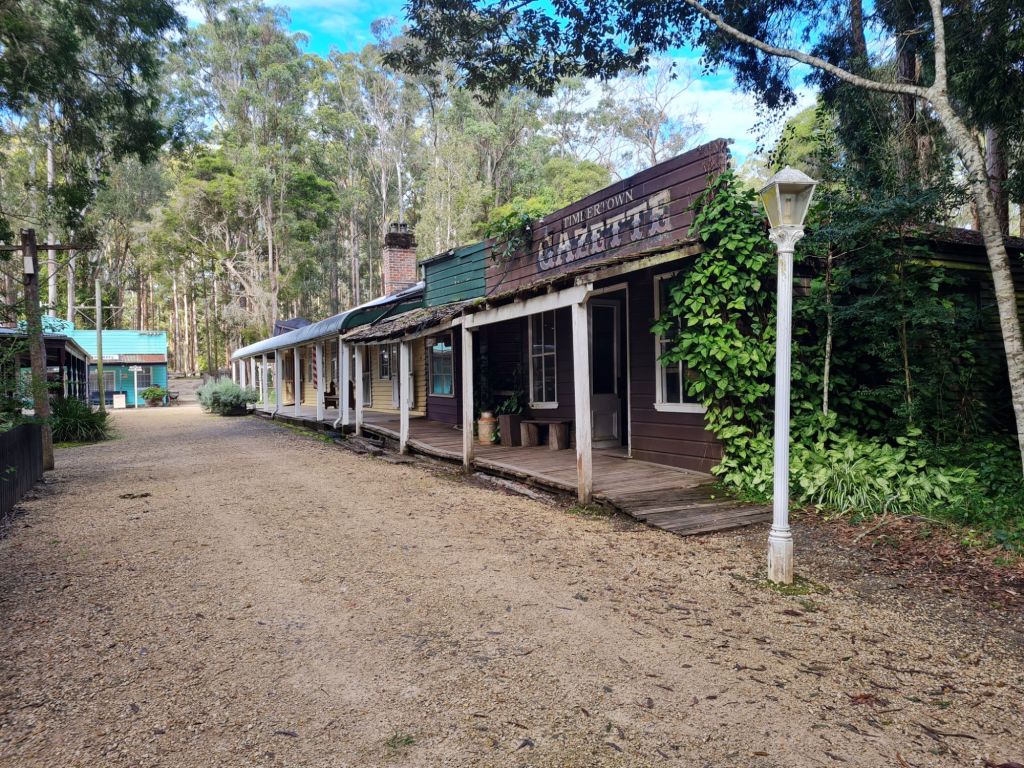
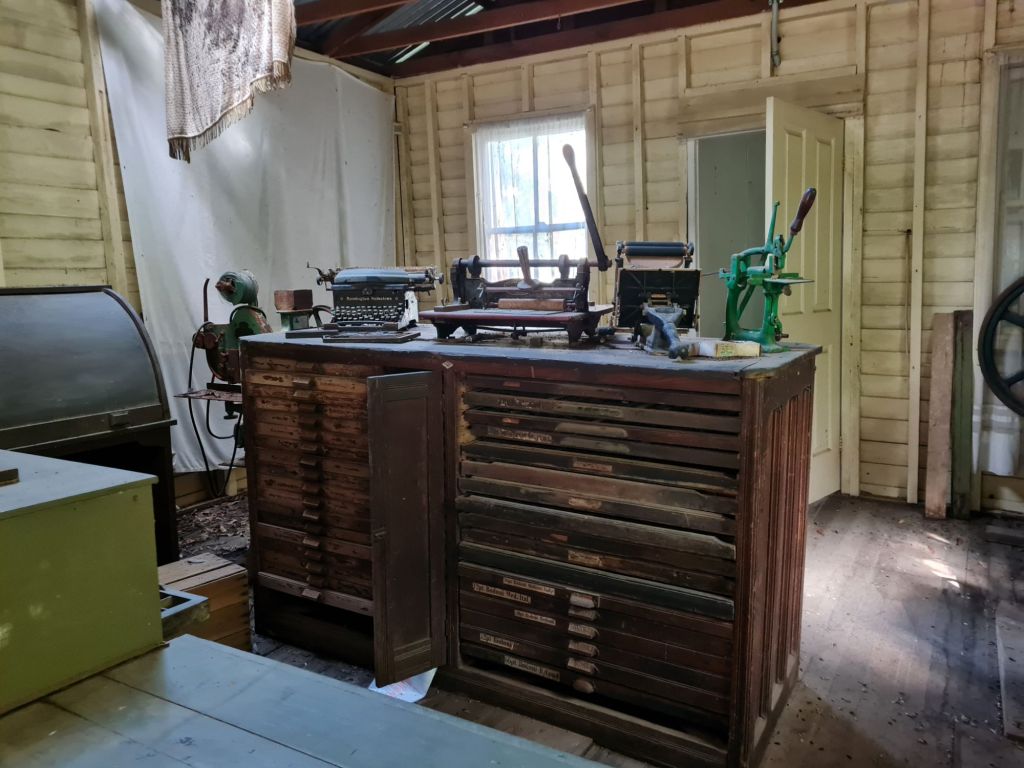
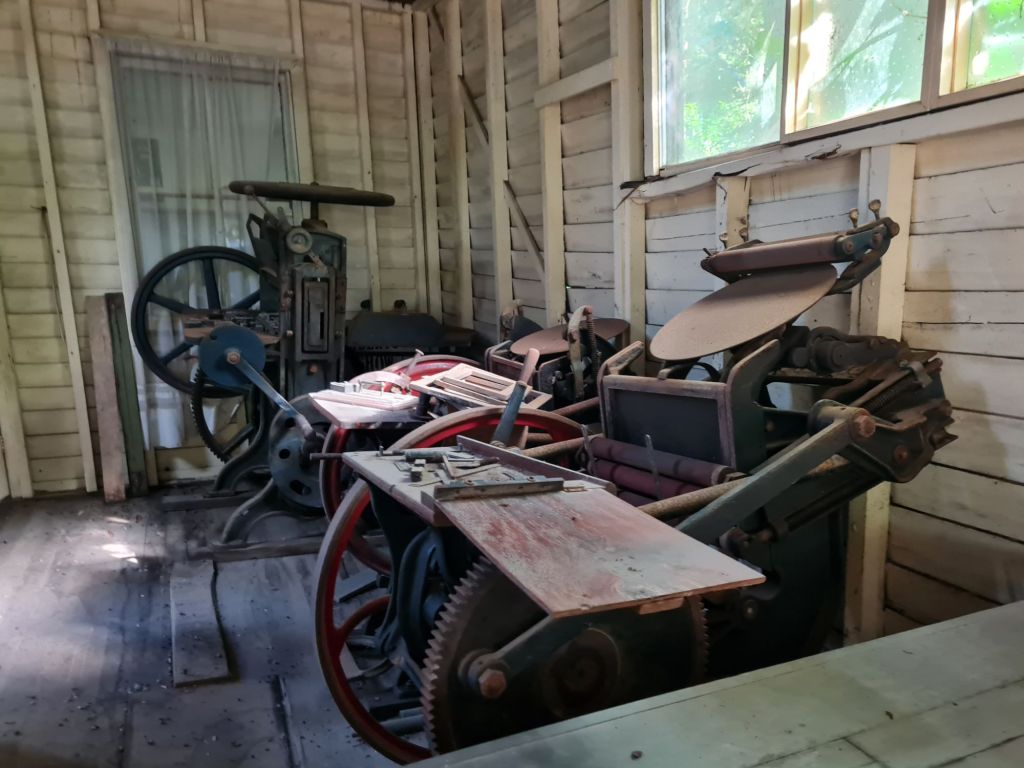
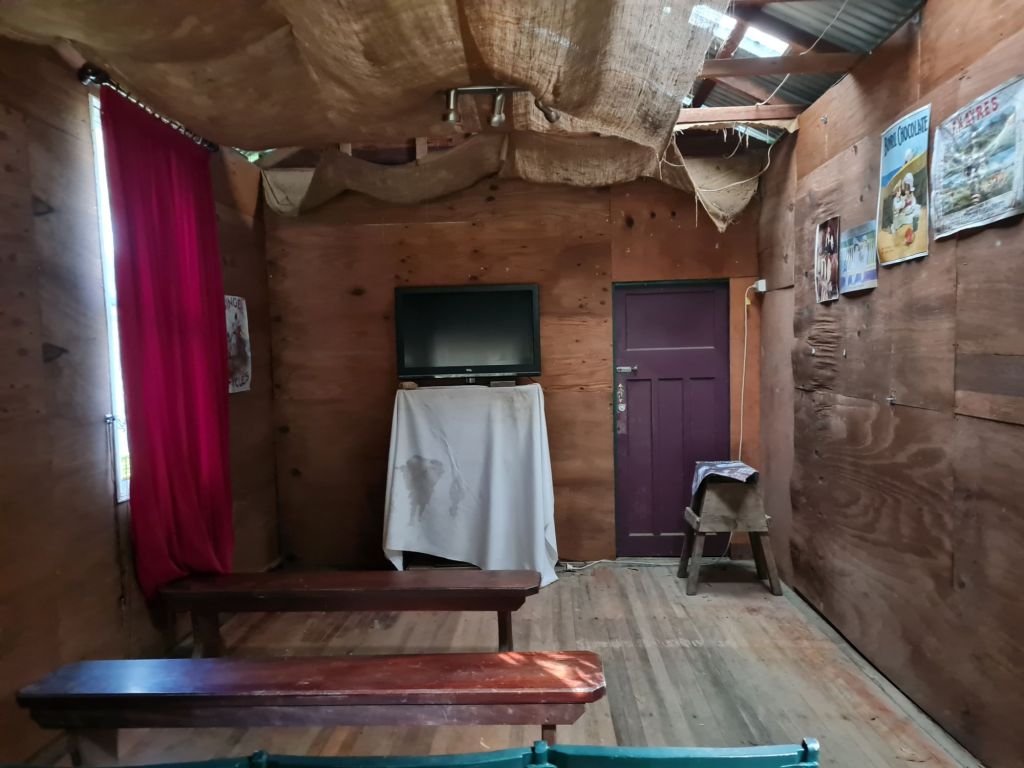
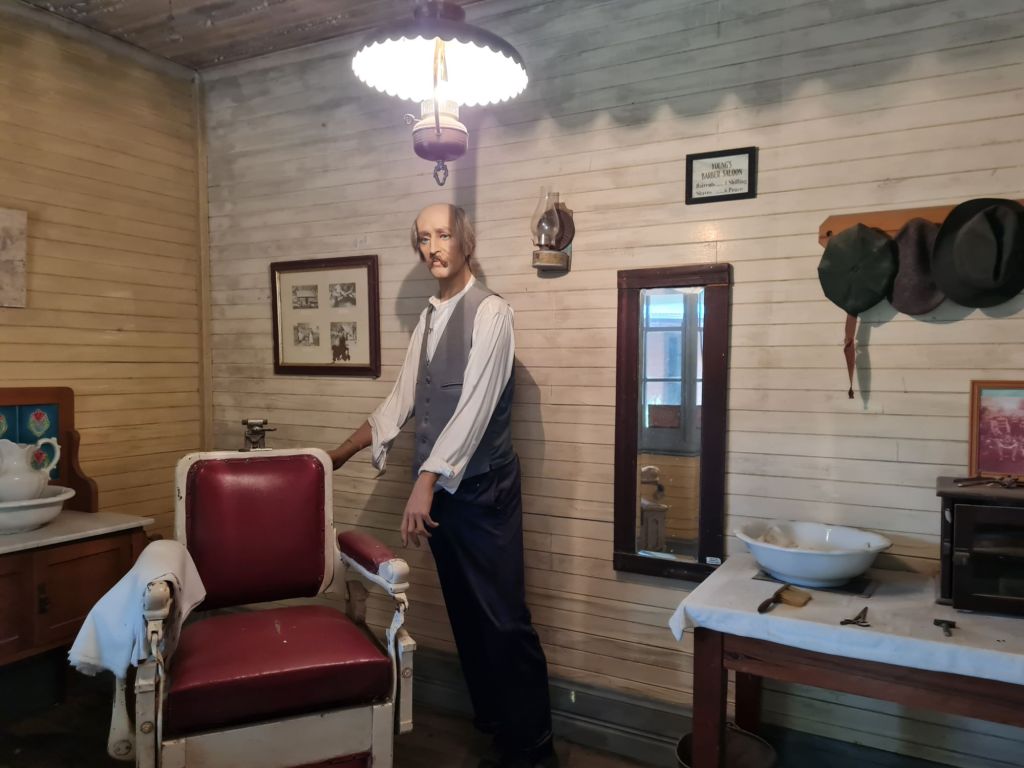
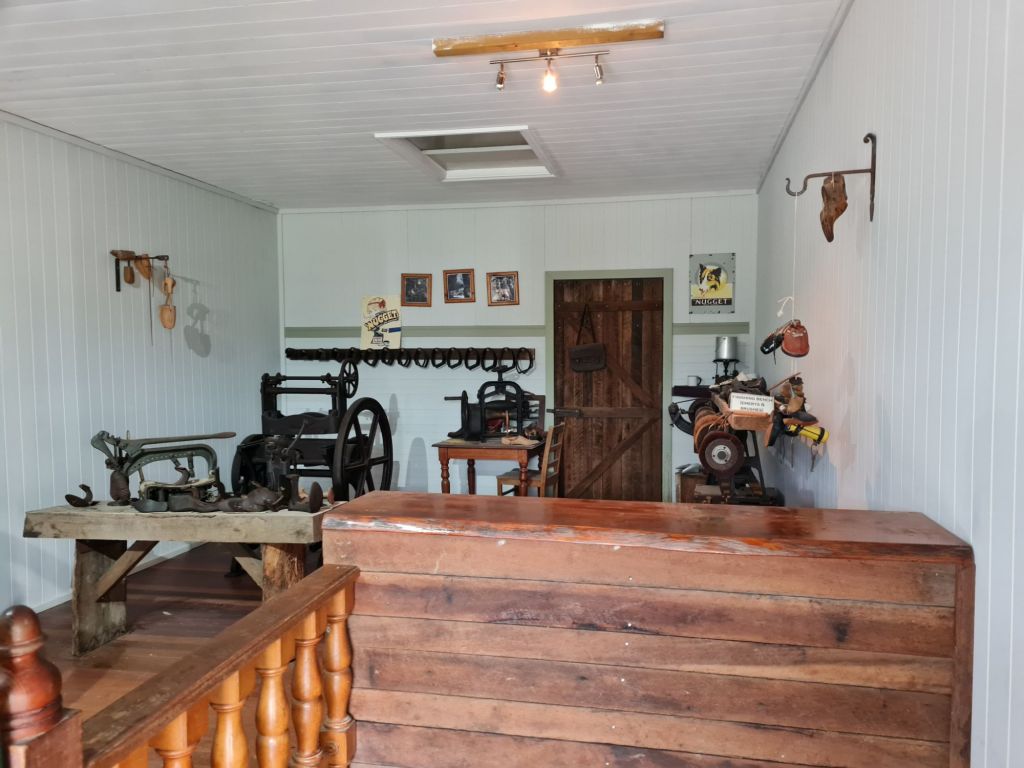
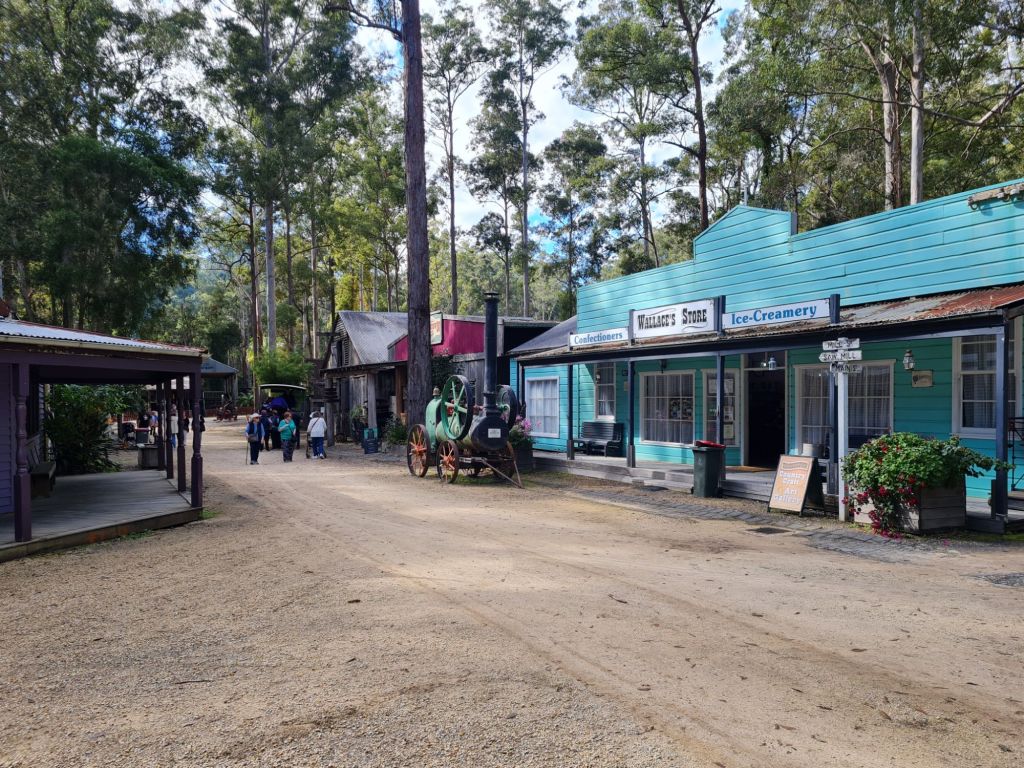
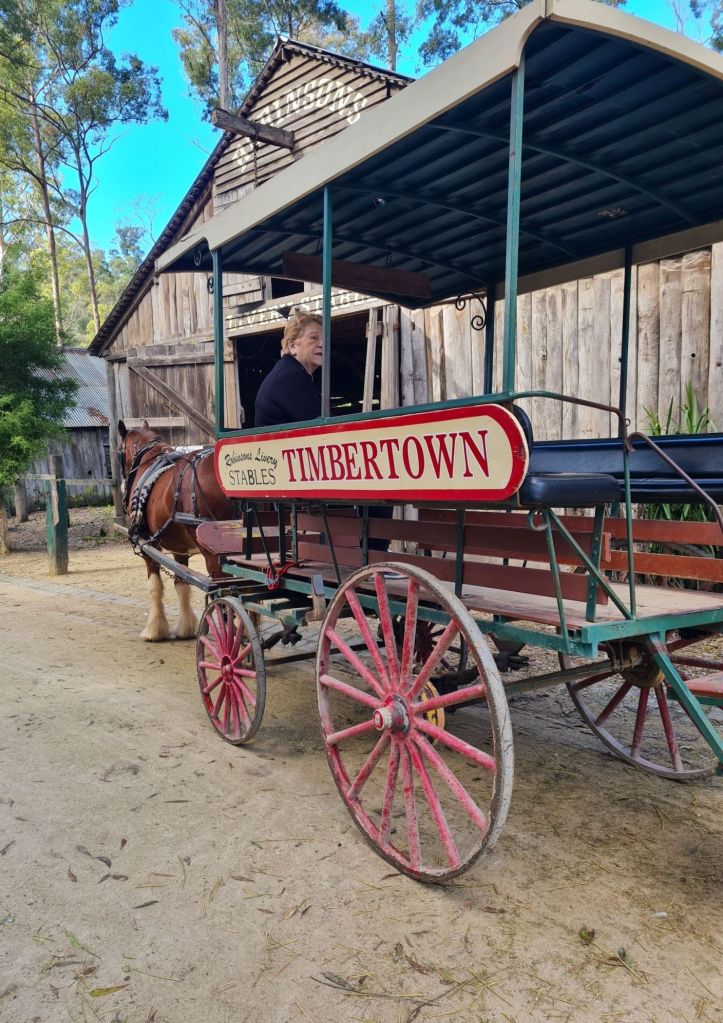
Today we have been delving into the past in a way that makes history interesting.

Also, it’s another way to get young children to take an interest in the past, seeing that is often very difficult to part them from their iPad, smartphones and computer games.

It is part of a weekend devoted to history.

First up is a ride on an old steam train, the engine dating back to the 1950s, as are some of the carriages. Now, for someone like me who is only two years younger, it doesn’t seem that old, but to them, it’s a relic.

And for the youngest of our granddaughters who tells me that this will be her first ride on a train, any train, it’s going to be vastly different from her next ride on a train.

I don’t think it went faster than about 30, whether that’s miles an hour or kilometres, so we had time to take in the bushland, the river crossings and the smell of the coal-generated smoke.

And the biggest treat was for them to climb up into the engine cabin to see who drives it, and how it all works.

I try to tell them this is a far cry from the 300kph bullet trains in China that we recently travelled on. This ride was rattly, noisy, and we were barely able to sit still, whereas on the bullet trains you hardly knew you were moving and was so smooth and silent you didn’t know you were moving until you looked out the window.

Tomorrow we’re going to a historical township, built out of digging for gold in the area. It will be of significance to the elder granddaughter as she is working on a project on Eureka, where there was a watershed between the miners and the authorities.

History, in my opinion, cannot be taught entirely by books, there must be visual and active participation in simulated events for them to get a better understanding. That, and then writing about it in the way historical fiction often brings moments in history alive.

We are all looking forward to tomorrow!

An excerpt from “The Things We Do for Love”; In love, Henry was all at sea!

In the distance, he could hear the dinner bell ringing and roused himself.  Feeling the dampness of the pillow and fearing the ravages of pent-up emotion, he considered not going down but thought it best not to upset Mrs Mac, especially after he said he would be dining.

In the event, he wished he had reneged, especially when he discovered he was not the only guest staying at the hotel.

Whilst he’d been reminiscing, another guest, a young lady, had arrived.  He’d heard her and Mrs Mac coming up the stairs and then shown to a room on the same floor, perhaps at the other end of the passage.

Henry caught his first glimpse of her when she appeared at the door to the dining room, waiting for Mrs Mac to show her to a table.

She was in her mid-twenties, slim, with long brown hair, and the grace and elegance of a woman associated with countless fashion magazines.  She was, he thought, stunningly beautiful with not a hair out of place, and make-up flawlessly applied.  Her clothes were black, simple, elegant, and expensive, the sort an heiress or wife of a millionaire might condescend to wear to a lesser occasion than dinner.

Then there was her expression; cold, forbidding, almost frightening in its intensity.  And her eyes, piercingly blue and yet laced with pain.  Dracula’s daughter was his immediate description of her.

All in all, he considered, the only thing they had in common was, like him, she seemed totally out of place.

Mrs Mac came out of the kitchen, wiping her hands on her apron.  She was, she informed him earlier, chef, waitress, hotelier, barmaid, and cleaner all rolled into one.  Coming up to the new arrival, she said, “Ah, Miss Andrews, I’m glad you decided to have dinner.  Would you like to sit with Mr Henshaw, or would you like to have a table of your own?”

Henry could feel her icy stare as she sized up his appeal as a dining companion, making the hair on the back of his neck stand up.  He purposely didn’t look back.  In his estimation, his appeal rating was minus six.  Out of a thousand!

“If Mr Henshaw doesn’t mind….”  She looked at him, leaving the query in mid-air.

He didn’t mind and said so.  Perhaps he’d underestimated his rating.

“Good.”  Mrs Mac promptly ushered her over.  Henry stood, made sure she was seated properly and sat.

“Thank you.  You are most kind.”  The way she said it suggested snobbish overtones.

“I try to be when I can.”  It was supposed to nullify her sarcastic tone, but it made him sound a little silly, and when she gave him another of her icy glares, he regretted it.

Mrs Mac quickly intervened, asking, “Would you care for the soup?”

They did, and, after writing the order on her pad, she gave them each a look, imperceptibly shook her head, and returned to the kitchen.

Before Michelle spoke to him again, she had another quick look at him, trying to fathom who and what he might be.  There was something about him.

His eyes mirrored the same sadness she felt, and, yes, there was something else, that it looked like he had been crying.  There was a tinge of redness.

Perhaps, she thought, he was here for the same reason she was.

No.  That wasn’t possible.

Then she said, without thinking, “Do you have any particular reason for coming here?”  Seconds later, she realised she’d spoken it out loud, hadn’t meant to actually ask, it just came out.

It took him by surprise, obviously not the first question he was expecting her to ask of him.

“No, other than it is as far from civilisation, and home as I could get.”

At least we agree on that, she thought.

It was obvious he was running away from something as well.

Given the isolation of the village and lack of geographic hospitality, it was, from her point of view, ideal.  All she had to do was avoid him, and that wouldn’t be difficult.

After getting through this evening first.

“Yes,” she agreed.  “It is that.”

A few seconds passed, and she thought she could feel his eyes on her and wasn’t going to look up.

Until he asked, “What’s your reason?”

Slightly abrupt in manner, perhaps, because of her question and how she asked it.

She looked up.  “Rest.  And have some time to myself.”

She hoped he would notice the emphasis she had placed on the word ‘herself’ and take due note.  No doubt, she thought, she had completely different ideas of what constituted a holiday than he, not that she had said she was here for a holiday.

Mrs Mac arrived at a fortuitous moment to save them from further conversation.

Over the entree, she wondered if she had made a mistake coming to the hotel.  Of course, there had been no conceivable way she could know that anyone else might have booked the same hotel, but she realised it was foolish to think she might end up in it by herself.

Was that what she was expecting?

Not a mistake then, but an unfortunate set of circumstances, which could be overcome by being sensible.

Yet, there he was, and it made her curious, not that he was a man, by himself, in the middle of nowhere, hiding like she was, but for quite varied reasons.

On discreet observation, whilst they ate, she gained the impression his air of light-heartedness was forced, and he had no sense of humour.

This feeling was engendered by his looks, unruly dark hair, and permanent frown.  And then there was his abysmal taste in clothes on a tall, lanky frame.  They were quality but totally unsuited to the wearer.

Rebellion was written all over him.

The only other thought crossing her mind, and incongruously, was that he could do with a decent feed.  In that respect, she knew now from the mountain of food in front of her, he had come to the right place.

“Mr Henshaw?”

He looked up.  “Henshaw is too formal.  Henry sounds much better,” he said, with a slight hint of gruffness.

“Then my name is Michelle.”

Mrs Mac came in to take their order for the only main course, gather up the entree dishes, and then return to the kitchen.

“Staying long?” she asked.

“About three weeks.  Yourself?”

“About the same.”

The conversation dried up.

Neither looked at the other, but rather at the walls, out the window, towards the kitchen, anywhere.  It was, she thought, unbearably awkward.

Mrs Mac returned with a large tray with dishes on it, setting it down on the table next to theirs.

“Not as good as the usual cook,” she said, serving up the dinner expertly, “but it comes a good second, even if I do say so myself.  Care for some wine?”

Henry looked at Michelle.  “What do you think?”

“I’m used to my dining companions making the decision.”

You would, he thought.  He couldn’t help but notice the cutting edge of her tone.  Then, to Mrs Mac, he named a particular White Burgundy he liked, and she bustled off.

“I hope you like it,” he said, acknowledging her previous comment with a smile that had nothing to do with humour.

“Yes, so do I.”

Both made a start on the main course, a concoction of chicken and vegetables that were delicious, Henry thought when compared to the bland food he received at home and sometimes aboard my ship.

It was five minutes before Mrs Mac returned with the bottle and two glasses.  After opening it and pouring the drinks, she left them alone again.

Henry resumed the conversation.  “How did you arrive?  I came by train.”

“By car.”

“Did you drive yourself?”

And he thought, a few seconds later, that was a silly question; otherwise, she would not be alone, and certainly not sitting at this table. With him.

“After a fashion.”

He could see that she was formulating a retort in her mind, then changed it, instead, smiling for the first time, and it served to lighten the atmosphere.

And in doing so, it showed him she had another, more pleasant side despite the fact she was trying not to look happy.

“My father reckons I’m just another of ‘those’ women drivers,” she added.

“Whatever for?”

“The first and only time he came with me, I had an accident.  I ran up the back of another car.  Of course, it didn’t matter to him that the other driver was driving like a startled rabbit.”

“It doesn’t help,” he agreed.

“Do you drive?”

“Mostly people up the wall.”  His attempt at humour failed.  “Actually,” he added quickly, “I’ve got a very old Morris that manages to get me where I’m going.”

The apple pie and cream for dessert came and went, and the rapport between them improved as the wine disappeared and the coffee came.  Both had found, after getting to know each other better, that their first impressions were not necessarily correct.

“Enjoy the food?” Mrs Mac asked, suddenly reappearing.

“Beautifully cooked and delicious to eat,” Michelle said, and Henry endorsed her remarks.

“Ah, it does my heart good to hear such genuine compliments,” she said, smiling.  She collected the last of the dishes and disappeared yet again.

“What do you do for a living?” Michelle asked in an offhand manner.

He had a feeling she was not particularly interested, and it was just making conversation.

“I’m a purser.”

“A what?”

“A purser.  I work on a ship doing the paperwork, that sort of thing.”

“I see.”

“And you?”

“I was a model.”

“Was?”

“Until I had an accident, a rather bad one.”

“Oh, I’m sorry.”

So that explained the odd feeling he had about her.

As the evening wore on, he began to think there might be something wrong, seriously wrong with her because she didn’t look too well.  Even the carefully applied makeup, from close, didn’t hide the very pale, tired look, or the sunken, dark-ringed eyes.

“I try not to think about it, but it doesn’t necessarily work.  I’ve come here for peace and quiet, away from doctors and parents.”

“Then you will not have to worry about me annoying you.  I’m one of those fall-asleep-reading-a-book types.”

Perhaps it would be like ships passing in the night, and then he smiled to himself about the analogy.

Dinner over, they separated.

Henry went back to the lounge to read a few pages of his book before going to bed, and Michelle went up to her room to retire for the night.

But try as he might, he was unable to read, his mind dwelling on the unusual, yet compellingly mysterious person he would be sharing the hotel with.

Overlaying that original blurred image of her standing in the doorway was another of her haunting expressions that had, he finally conceded, taken his breath away, and a look that had sent more than one tingle down his spine.

She may not have thought much of him, but she had certainly made an impression on him.

© Charles Heath 2015-2024

lovecoverfinal1

Top 5 sights on the road less travelled – San Marino

Discovering the Hidden Gems of San Marino: 5 Off-the-Beaten-Path Experiences

Tucked away in the Apennine Mountains, San Marino is a tiny, independent republic that’s often overlooked by travellers flocking to more popular Italian destinations. However, this charming microstate has a wealth of secrets waiting to be uncovered by intrepid explorers. While many visitors flock to the capital city’s historic centre and the iconic Three Towers, there’s a world of adventure and discovery to be had on the road less travelled. In this blog post, we’ll delve into the top five alternative things to do in San Marino, taking you off the beaten path and into the heart of this enchanting country.

1. Explore the scenic trails of Monte Titano

San Marino’s rugged landscape is perfect for hiking and trekking, with numerous trails that crisscross the country. One of the most breathtaking routes is the Sentiero delle Panoremi, which winds its way around the base of Monte Titano, the country’s highest peak. This moderately challenging hike offers stunning views of the surrounding countryside, as well as the chance to spot local wildlife, such as deer and wild boar. For a more leisurely stroll, try the Sentiero della Rocca, which takes you through a picturesque valley and offers breathtaking vistas of the valley below.

2. Visit the quirky Museum of Curiosities

Tucked away in a quiet alleyway in the capital city, the Museum of Curiosities (Museo delle Cere) is a bizarre and fascinating attraction that’s sure to delight. This quirky museum is home to a vast collection of wax sculptures, including historical figures, mythical creatures, and even a few San Marino legends. With its eclectic mix of art, history, and humour, the Museum of Curiosities is a must-visit for anyone looking to experience the unique culture of San Marino.

3. Sample local wines at a family-run vineyard

San Marino is renowned for its excellent wines, particularly its white wines, which are made from the Verdicchio grape. To experience the best of San Marino’s viticulture, head to a family-run vineyard, such as the Azienda Agricola Sassina or the Cantina di San Marino. Here, you can take a guided tour of the vineyards, learn about the wine-making process, and sample some of the region’s finest vintages. Many vineyards also offer delicious local cuisine, including cheese, cured meats, and homemade pasta.

4. Discover the medieval charm of Fiorentino

Just a short drive from the capital city, the medieval town of Fiorentino is a hidden gem waiting to be discovered. This picturesque village is filled with narrow cobblestone streets, quaint piazzas, and historic buildings, including a stunning 14th-century church. Visitors can explore the town’s charming centre, visit the local museum, and enjoy a leisurely lunch at one of the town’s family-run trattorias. For a truly immersive experience, try visiting Fiorentino during one of its many festivals, such as the Festa della Madonna della Pietà in September.

5. Take a scenic drive along the Strada del Castello

For a truly unique perspective on San Marino, take a drive along the Strada del Castello, a scenic road that winds its way along the country’s rugged coastline. This stunning route offers breathtaking views of the Adriatic Sea, as well as the chance to explore some of San Marino’s most picturesque towns and villages. Along the way, be sure to stop at the Castello di Fiorentino, a medieval fortress that offers panoramic views of the surrounding countryside. For a thrilling experience, try driving the Strada del Castello at sunset, when the sky is painted with hues of pink and gold.

In conclusion, San Marino is a country that’s full of surprises, from its stunning natural beauty to its quirky cultural attractions. By venturing off the beaten path, you can discover a world of hidden gems and unique experiences that will leave you with unforgettable memories of this enchanting microstate. So why not take the road less travelled and explore the secrets of San Marino? You never know what wonders you might discover.