An old story resurrected
…
Eight out of eight passengers and crew never thought they’d find themselves in what was, literally, a life and death situation.
The air hung heavy with cigarette smoke, for nearly all smoked (and some for the first time). Tension thickened the atmosphere to a point where it could almost be cut with a knife.
In the deathly quiet, all had time to reflect on the fate that had befallen them, and the resume of events read like the script of the archetypal disaster movie.
The first hint of trouble came when they’d lost one engine. The pilot had been quite nonchalant about it because, he said, they had three others. Only Harry thought he could detect a note of apprehension in his tone.
Then, after a short time, they lost another engine.
An hour later, they crashed.
Of the eight, during those precious seconds before impact, none believed they would survive, that only the pilot and co-pilot perished. All admitted it had been a spectacular piece of flying on the pilot’s part, all, that is, except Rawlings.
…
“A fine mess this blasted pilot has got us into,” Rawlings said for the umpteenth time. No one had taken much notice before, and it was debatable whether anyone was taking notice now, for Rawlings had hardly endeared himself to the other passengers.
As the only person travelling first class, he made sure he received the best service (and the only one to receive any service, for that matter) from the moment he came on board. The fact that the airline had allocated only one stewardess for the flight was the airline’s (and his fellow passengers’) problem, not his.
“After telling us how clever you are, Rawlings, why don’t you do something about it?” An indistinguishable voice came from the rear of the plane. It was an indication of the undercurrent of hate simmering beneath the icy calm.
Rawlings, still in the forward section of the plane, glared at the group, trying to put a face to the voice. “To whom am I speaking?”
No one replied.
“No matter.” He shrugged it off. “Had the pilot managed to get the plane down in one piece, I could. Since he didn’t, you can be assured I’ll think of something, which is more than I can say for some.” It was, to him, a simple statement based on his assessment of the situation, but it served only to further alienate him from the others.
…
Harry had known better days, and, not for the first time, he wished this were one of them. He’d had a premonition the previous night when he’d woken, bathed in sweat, an unconscious warning of an impending disaster.
Not that the threat of death was significant to him, for he knew it would come eventually, despite the doctor’s optimism, but not yet, not here, in the middle of nowhere, atop a mountain range in the freezing cold.
He glanced at his fellow passengers, a curious mixture of travellers he’d ever met.
Rawlings was the egotistical, bombastic, thorough son-of-a-bitch. He had gone out of his way to make the trip as miserable as possible for the others. Status, to him, was all-important, even after the crash.
Harkness, Rawlings’ assistant (and relegated to Economy class because he was a servant), was the sort who said little and suffered a lot. His defence of the pilot had caused Rawlings to ‘vent his spleen’ on him, after which, to Harkness, the silence must have been golden.
Daphne and her mother, Mrs Gaunt, two of the three women on board, were congenial, cheerful people who bore up well considering they were terrified out of their wits. Daphne, in fact, had taken over stewardess duties for the Economy passengers, a job much appreciated by them.
The remaining two passengers, geologists, were odd sorts who arrived late and drunk. After taking off, they’d fallen asleep and, in fact, had slept through the crash. They were, Harry thought, in for one hell of a shock when they finally woke.
Above all, however, the stewardess had fared the worst, after the pilots, having, after the discovery of the death of the pilots, become hysterical. It was an interesting development because she had kept a tight, calm grip on the situation all through the calamity.
Harry huddled closer under his blanket, only to remember his sore arm. He didn’t think it was broken, but it certainly felt like it. And the hell of it was, he couldn’t remember how it happened. He shuddered as a gust of icy wind came through the rent in the fuselage near his seat. But it was not only the cold which left him with almost uncontrollable shakes – it was also the onset of shock.
In the back of his mind, he relived those cataclysmic minutes after successive engines failed. It was then he wished he hadn’t been so insistent on having a window seat.
As the plane lurched sickeningly, the pilot calmly said they’d have to land immediately. Of course, he added equally as calm, it would be difficult in mountainous country. However, they were fortunate it had been snowing recently. All except Rawlings took the news with equanimity. It was odd, someone said later, that with all his knowledge and self-praise, Rawlings didn’t take over the plane and fly them to safety.
The plane was barely in the air when the order came to brace themselves, and all were prepared when the plane hit the ground moments later.
The plane came to rest abruptly in a snow-covered valley; the silence, after the cacophony of tearing metal and involuntary screams, was almost maddening. The first realisation each had was that they were still alive – the second, the icy wind coming in through the large cracks in the fuselage.
Harry was the first to move himself into action and to make an appraisal of the situation. The other passengers were more or less unharmed, except for the stewardess, who was slightly dazed. Then, Harkness joining him, he went forward to the flight deck. When they managed to wrench the door open, they were greeted by a scene of total destruction. Both pilots were dead, unrecognisable in the mass of twisted wreckage. Harry quickly reclosed the door before he was physically ill.
At least it explained why the plane had stopped so abruptly: they’d crashed into a rock in the last stage of the slide. It was miraculous that the plane hadn’t caught fire.
Harry had no intention of taking charge; it just happened. He told the others what the situation was, briefly and down to earth and then suggested they search for food and other items such as blankets. Everyone noted Rawlings’ lack of enthusiasm to help, and if it had not been for Daphne, he would not have received blankets or food. Most ignored him, wondering at the fact that he could still be so aloof in such tragic circumstances.
Because of the cold, they quickly organised themselves so they could wait for their rescue. It wouldn’t, they reasoned, relatively cheerfully, be long.
…
Whilst the others may have considered Rawlings little more than a pain in the neck, it would have surprised them to learn that he despaired for them. He couldn’t understand their attitude towards him, for all he wanted to do was make them feel better, and, if he could, help.
But there was little chance of that occurring, and, in fact, as much chance as him receiving the treatment he considered he deserved. It was clear in his own mind that there were two types of people in the world: the leaders and the led. By virtue of his station in life, he was one of the leaders. Why, he asked himself rhetorically, didn’t they realise that? He glared at them, all studiously ignoring his presence. There was, he thought bitterly, little prospect of getting any assistance from those people.
…
Conditions were unbearable during the first night. Darkness had fallen quickly, and with no hot food to ward off even a fraction of the coldness that had settled on them, their relatively good spirits quickly dissipated.
To Harry (and the others) the night seemed interminable, and he found it impossible to sleep for any length of time. He was shaking uncontrollably, despite the warm clothing and number of blankets, and, as dawn broke, he wasted no time getting up and about to get his circulation going again, urging the others to do likewise. It was something he remembered having seen in a film once: if the cold was allowed to take over, a person quickly succumbed and died.
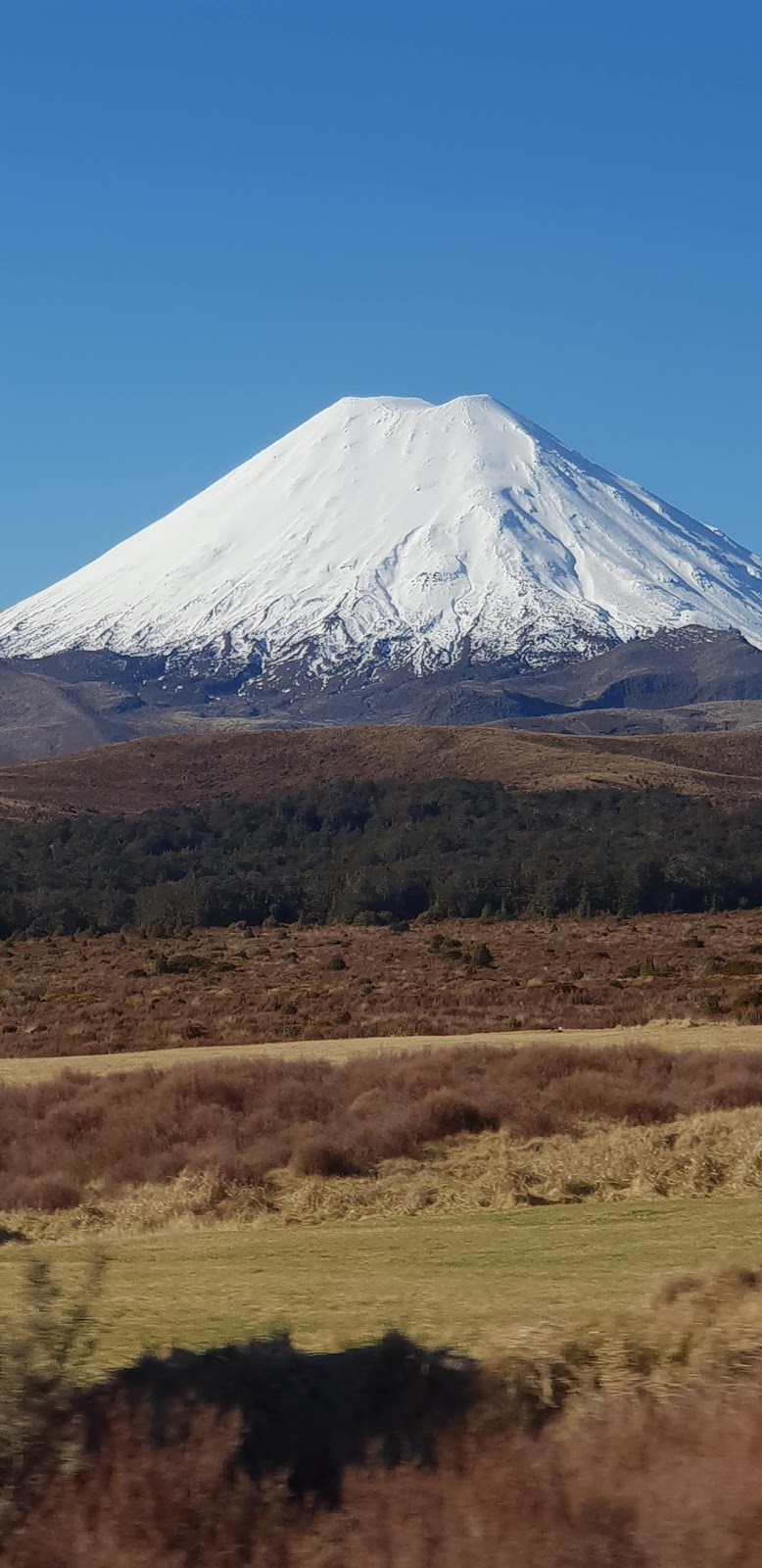
His first venture outside was something of an experience. In the first instance, it was colder outside than in, if that was possible, and in the second, the landscape was as bleak, in his opinion, as their prospects of rescue.
After trekking some distance through the rather solid snow and up a rise, he found he had a good view of the plane, and the fact that there were, strangely, no trees from one end of the valley to the other. The same could not be said for the surrounding country. It seemed an impossibility that the pilot had been able to find such a place, and, desperately unlucky, he should hit the only rock Harry could see in the line of the plane’s path.
The plane was half covered in snow. It was apparent it had been snowing during the night, and by the look of the sky, more was on the way. Low clouds continually swept through the valley, obscuring everything from view, and that, he considered, would make discovery from the air nigh on impossible.
What it really meant was that they would have to come up with their own plan of action rather than wait for hypothermia to take its toll. It was something he had been thinking about most of the night, but he had been unable to progress to any sort of workable alternatives.
During a clear period, Harry saw Harkness coming towards him slowly. He was rapidly gaining respect for Harkness, as he was not only surprisingly cheerful (despite being blunted by the more dominant Rawlings) he was resourceful.
By the time he reached Harry, he was out of breath and needed a few minutes to recover. Harry noted he looked a good deal older than he had first estimated.
“What a hike, but it sure beats the hell out of waiting down there,” Harkness said when he’d recovered sufficiently, nodding towards the wreckage. “And, God knows how, I feel warm.”
“So do I. It was one of the reasons I came here.”
“Those two geologists, or whatever they are, are finally awake. Boy, you should have seen their faces. One swore he’d give up drink forever.”
“He may get his wish sooner than he thinks.”
“You don’t rate our chances of discovery high, eh?”
“Take a look.” Harry beckoned to the mist, swirling through the valley, obliterating everything in their view. Harry, in fact, could hardly see Harkness.
“Yes. I see what you mean. What do you think we should do?”
“God knows. But one thing is for sure, I don’t think we can afford to sit and wait for someone to come and find us. Not under the current circumstances, with more snow imminent. It’ll take only another fall to completely hide us from any viewpoint.”
Harkness looked at the sky, then at the surroundings, and nodded in agreement, adding, after a minute, “It seems odd this is the only part of the country that’s clear of trees. Do you think there’s any significance in that?”
“Exactly, would you believe, what I was thinking?”
“Do you think we might be near help?”
“Who knows. But, because of the urgency of the situation, I think we should find out. The question is who the ideal person is.” There was, however, no doubt in his mind.
…
“You’re mad, stark, staring mad,” Rawlings said when Harry told the others of the plan he and Harkness had formulated on their way back to the plane.
“I agree there is an element of risk….”
“Risk?” Rawlings exploded. “Risk? It’s bloody suicide. My own view is that we should sit tight. We have enough to eat, and we’re relatively warm. It won’t be long before the search parties are out now we are overdue.”
“You haven’t been outside. Circumstances dictate that we must seek help. It’s been explained in detail. If you cannot understand the situation, then don’t interfere.” Harkness glared at his old chief, for the first time feeling more than a match for him. Rawlings would never again dominate him.
“Then you’re fools, as are all the rest of you if you condone this idiocy. I wash my hands of it.” And he ignored them, going back to his book. If that Davidson character wanted to kill himself, that was his business.
There were no other objections. The others understood the realities of the situation, both Harkness and Harry had explained at length. Harry would seek assistance. Harkness would do his best to keep the others alive.
Then, after a good meal (in the circumstances) and taking enough food for two days, Harry left. At the top of the rise, he stopped, briefly, looking at the scene. It was, he thought, exactly as it had been in the dream.
For two days, it had snowed continuously. The sub-zero temperatures had virtually sapped them all of whatever energy they had left, and, on the morning of the third day, they were all barely alive
At the end of the second day, Harkness had requested everybody to huddle together, including the standoffish Rawlings, who finally agreed, despite inner misgivings. It was probably this single action that saved them.
Harkness, though he said nothing, had given up hope that Harry would still be alive. No one could have survived the intensity of the blizzard.
Harkness had woken to inky darkness and a death-like silence, the storm having abated. His first thought was that he had died, but that passed as the cold slowly made itself felt. Soon after, finding his torch still worked, he roused everyone and cajoled or browbeat them into doing their exercises to ward off frostbite.
It was then that they heard the strange throbbing sound, and Harkness instinctively went to go outside and found they’d been snowed in. As the throbbing sound passed over them again, Harkness didn’t need to ask for assistance to make an opening in the snow. They frantically dug their way through; luckily, the snow wall was only of powder-like consistency. Not long after daylight showed through, and then Harkness was out. But the plane, or what he assumed to be a plane, had gone.
Instead, he was alone, by the snow mountain that covered the plane, greeted by a perfectly blue sky and the sun’s rays. It was, he thought wryly, perfect skiing weather, but awfully lonely if no one could see where you were.
In a minute, he was joined by Daphne, and the disappointment was written on her face. They waited, wordless, by the plane for an hour, glad to be out of the confined space of the fuselage, and were, at various times, joined by the others, escaping what Mrs Gaunt had said (now, after the rescue plane had gone) would probably be their grave. The disbelief and joy of having survived the crash had now worn off, and Harkness knew that if they had to try to survive another night, some might not make it.
He was alone, striking out for the rise when the throbbing sound returned, coming from behind him. And judging by the sound, it could not be a plane. It was too low and too slow. Thus, he was not surprised when a helicopter hovered over the rise and slowed as the occupants sighted him waving frantically, and yelling, quickly being joined by the others.
They all couldn’t believe they’d been rescued, all, that is, except Rawlings. In every instance, Rawlings had been the exception, and it was not to his credit. He was the only one who had suffered severely from frostbite. He was, however, the one to say, when they finally reached what he called civilisation, that he’d been right: that all they had to do was sit tight and wait. They’d be rescued sooner or later.
That was when the leader of the rescue operation shattered his illusion – and shocked everyone else. “That’s not necessarily so, Mr Rawlings. You would have been discovered, but late in spring, after the thaw. The plane was terribly off course, and to be honest, after the second day, we’d given up any real hope of finding you. The country around here is very rugged. No, you owe a great deal to a fellow called Davidson.”
“Davidson, you say?” Harkness muttered. “He’s alive?”
“Unfortunately, no. He died soon after he told us about the plane and where it had crashed. If he hadn’t, you’d still be there.”
“My God.” Harkness slumped into a chair, only barely able to hear Rawlings say, quietly, “I told him it was suicide, but no one listened to me. Suicide, I said. And, as for that damn pilot…..”
…
© Charles Heath 2026