The cinema of my dreams – I always wanted to write a war story – Episode 35

For a story that was conceived during those long boring hours flying in a steel cocoon, striving to keep away the thoughts that the plane and everyone in it could just simply disappear as planes have in the past, it has come a long way.

Whilst I have always had a fascination with what happened during the second world war, not the battles or fighting, but in the more obscure events that took place, I decided to pen my own little sidebar to what was a long and bitter war.

And, so, it continues…


Leonardo was a happy man.

It was quite a by coincidence that they had run into Chiara, and it hadn’t taken long to break her.  He had thought of taking her to the castle to let Jackerby extract the information, but he was tired of them telling him what to do.

He would get the information, and then act, taking the ringleaders of the remnants of the resistance back to the castle, and expect to get that well-earned pat on the back for a job well done.

He’d said he would take care of the rabble, and he had.

Until Wallace had asked him where Atherton was.

And there was that small problem of Carlo, too, though he was not going to mention that in his report to Jackerby.

Francesco had softened the three leaders of the resistance up before taking them to the castle, taking particular pleasure in attending to Martina himself.  The three could barely walk and were almost dragged up to the castle.

The first question Jackerby asked was why he had beaten them when he’d expressly been told to bring them to the castle alive and in a fit state to be questioned.  None of the three was in any sort of state to do anything other than collapse.

Jackerby’s men took them to the dungeons.

The second question Jackerby asked was where Atherton was.

“That was basically the whole point of the exercise,” he yelled at Leonardo, who, by this time was getting annoyed himself.

“He’s still out there, and you can be assured he will be causing us trouble.  Those three you dragged back, whilst a nuisance, hardly compare to what Atherton can do.”

“There’s only one of him.  There’s no way he’s going to be able to break into this castle, by himself, and do anything.”

Jackerby shook his head.  It would not matter what he said, Leonardo was just a fool, a petty little thug who quite rightly had been ostracised by the rest of the village.  And when this exercise was over and Mayer was recaptured, he was going to take extreme pleasure in killing Leonardo and his followers.

“Go get something to eat, rest, then get back out there.  I want Atherton found.  Surely there is nowhere left where he can hide.”

There was a dozen, or more, places, Leonardo thought but he wasn’t going to tell Jackerby that.  Instead, he had made up his mind to do as Jackerby asked, rest, then take a few hours the check all the entrances and exits to the castle before going back out to find Atherton.

Or at least that was what he was going to tell Jackerby.

In reality, he had had enough of these interlopers, and it was time he removed them from the castle.  It was time he took over.  The war was not going to end any time soon according to his sources further north, and there were worse places than a castle to hole up in until the war ended.  Especially considering how much wine was being stored in the cellars.


Wallace was in the dining room and had been in the middle of lunch when Leonardo came back.  Rather than talk to him, he sent Jackerby to deal with it.

Johannsen was sitting at the other end of the table, contemplating the wine.  It was not a good idea to be drinking wine in the middle of the day when trouble could arrive from any number of quarters.

In fact, he was surprised that the other resistance hadn’t made an all-out attack on them.  It seemed unlikely to him that those that hadn’t followed Leonardo up the hill, were of little consequence.

If anything, and of his experience of the resistance in France, one resistance fighters was worth 10 or more enemy soldiers.  They had a reason to fight, for their country, and liberation for the Nazis.

Of course, Leonardo and his men were oblivious to the fact that they were working for the Germans, not the British, but to them, he thought, anyone other than an Italian was worth working for if they were prepared to pay.

Leonardo and his men were mercenaries.  Guns for hire.  They didn’t care who they worked for.  But there was something else.  Leonardo hated the villagers, and it wasn’t difficult to convince him they needed to be kept in line and report any newcomers to the castle.

Adding the reward was a bonus.

“Atherton’s not going to come and present himself at the front door, you know that,” he said to Wallace.

Then he decided to have some wine.  It’s not as if the war would be arriving any time soon.

“You know him best.  A fighter, an organizer, or office boy.”

“Paper pusher, by all accounts.  I’m not sure why Thompson would send him other than he was desperately out of good agents.  You saw how much resistance he put up.”

“Jackerby seems to think there’s more to him.”

“Jackerby sees shadows where there are none.  Where did you say he came from?”

“North Africa.”

“Then he’s had too much sun.”

“A little advice then.  I wouldn’t say that to his face.”

© Charles Heath 2020

A photograph from the inspirational bin – 47

What story does it inspire?

…

…

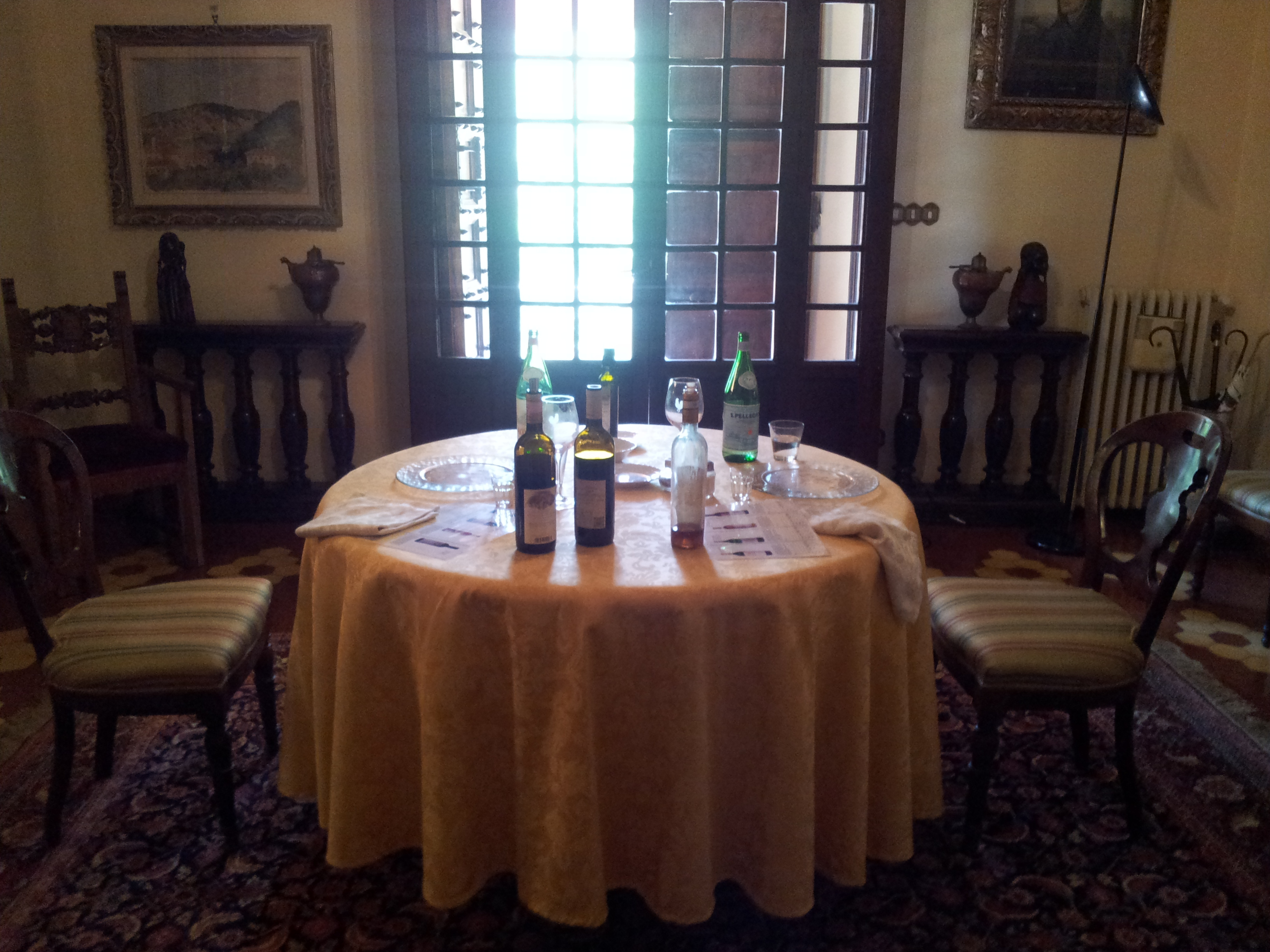
A table for two…

This was at a winery in Italy where, on the tour we took, we had lunch as part of the tour, after, of course, a tour of the winery.

It was a picturesque setting, and the food, and matching wines, were exquisite, and perhaps we may have had slightly more than we should have.

But, they did leave the wine behind…

However…

Inspirationally, we could base the story around a lunch or dinner, two people looking to get their relationship back on track, deciding to take time out alone to see if the part is still there.

How could it not in a setting like this?

It could be the setting for a chef, trying out his new menu, or working on a new menu, getting tourists to sample the courses and wines.

We’d have to make the chef a man, or woman, on the edge of disaster, and looking to recover from a disaster of some description – like a failed restaurant and the need for second chances…

Or…

A failing chateau, typified by the declining visitor number and warring family members, all of whom were left a share in the large but rapidly deteriorating mansion.

Should they renovate and turn it into a hotel with a 5 star restaurant, or should they sell to developers and see it bulldozed, or will one, secretly very wealthy, offer to buy them all out and preserve the ancestral home?

Anything is possible…

“Opposites Attract” – The Editor’s second draft – Day 20

This book has been sitting in the ‘to-be-done’ tray, so this month it is going to get the second revision and release to beta readers.

…

A proposal

…

Where in New York can you make a proposal that will be memorable.

That’s what I typed into Google, and it told me there are a lot of different places.

The one that amused me the most.  Surely, I could work that out for myself instead of asking a heatless thoughtless computer program!

Well, no I couldn’t.

So with a little tweaking and a lot of wishful thinking, it ended up in Central Park.

A carriage ride, yes, I’ve been on one of those and nothing spells more romantic than a horse-drawn carriage ride.  In the snow, under the rug.  Well, it wasn’t snowing but it was romantic.

Drop off at one of three spots in Central Park that can be booked, and decked out in ribbons, flowers and petals.

Down on one knee and the speech.

Even I teared up a little when I was writing the scene.

Good thing she said yes.

Even I was on the edge of my seat waiting…

…

Searching for locations: The Opera House, Paris, France

This was one of the more interesting experiences for the grandchildren as they were, as all young girls are, interested in ballet.

We thoroughly enjoyed our visit which included some time watching ballet practice.

I could not convince anyone to take the elevator back down to the ground floor as it was suspected we might be ‘attacked’ by the ‘phantom’.  Certainly, the elevator was very old and I think at the time it was being repaired.

20140108_124100

Part of the Grand Staircase in Palais Garnier Opera de Paris

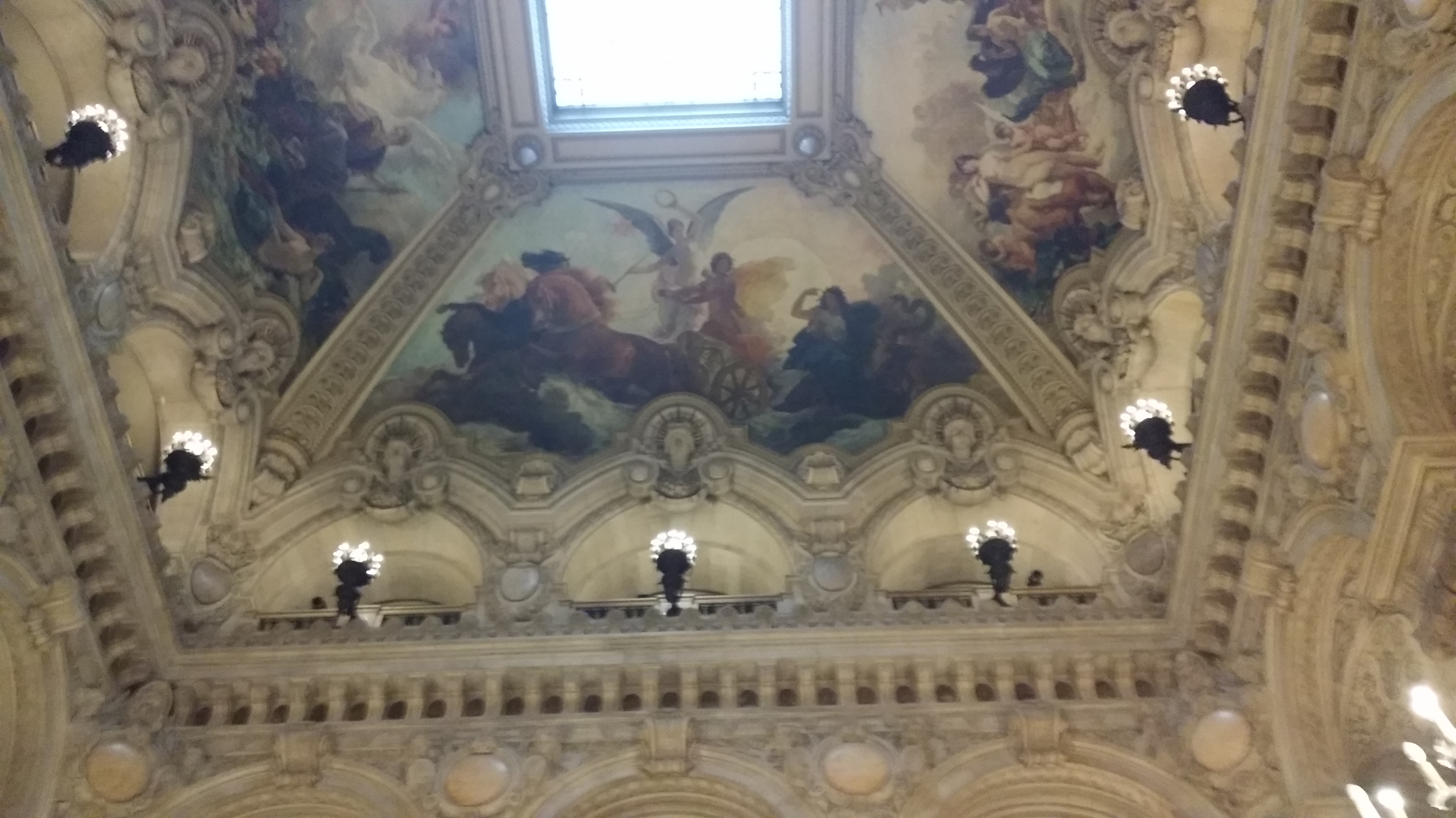
20140108_125843

The ceiling above the main staircase.  The ceiling above the staircase was painted by Isidore Pils to depict The Triumph of Apollo, The Enchantment of Music Deploying its Charms, Minerva Fighting Brutality Watched by the Gods of Olympus, and The City of Paris Receiving the Plan of the New Opéra.

20140108_123338

The ceiling of Chagall at the Palais Garnier

On 23 September 1964, the new ceiling of the Opéra Garnier was inaugurated with great pomp.  It was painted by Marc Chagall at the request of André Malraux

20140108_125807

Amphitheatre and Orchestra Pit entrance

20140108_122243

Interior, and doorways to boxes

20140108_123500

Box seats in the auditorium

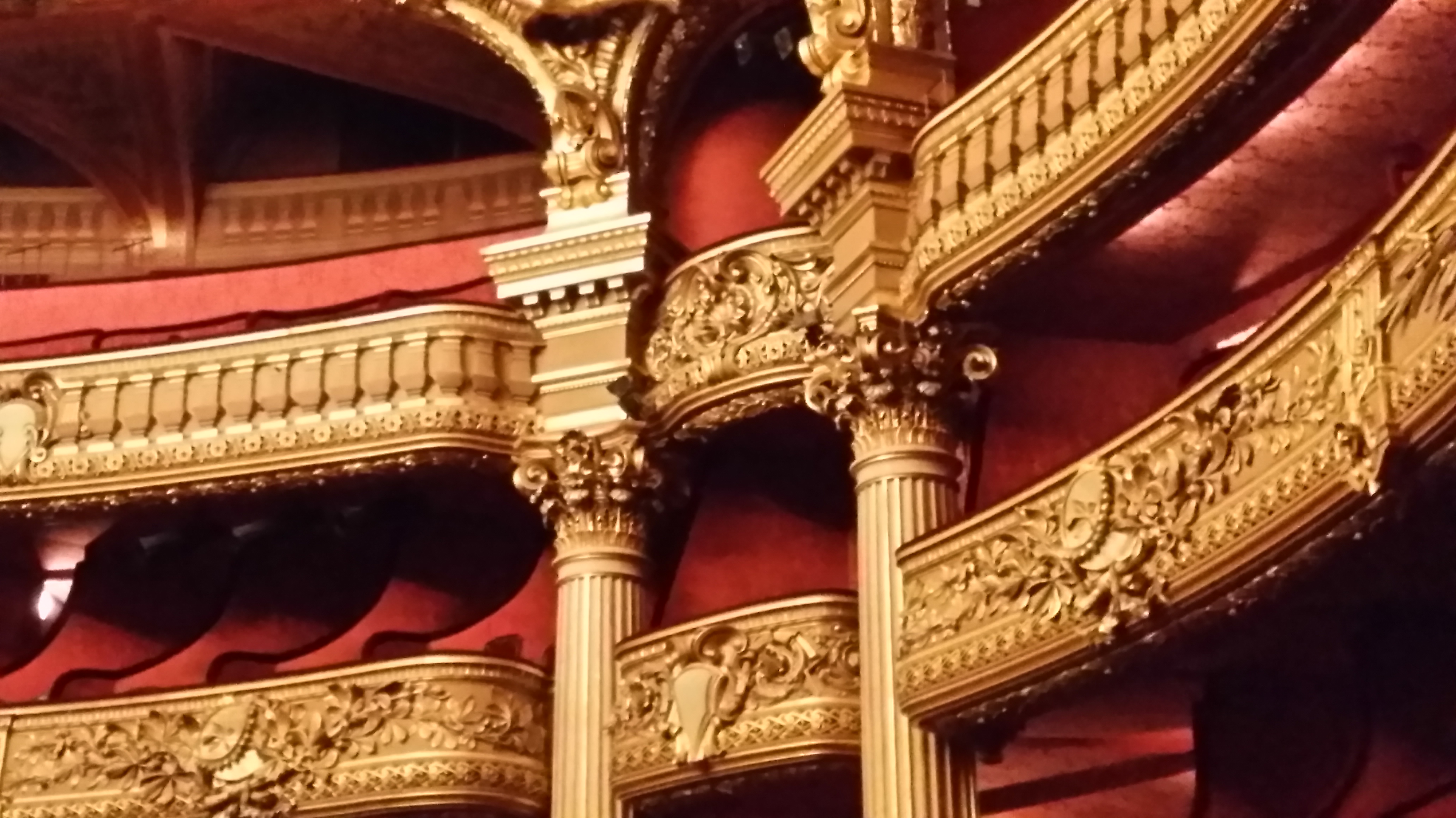
20140108_123512

Ornate ceilings and columns

20140108_123332

Seating inside the auditorium

20140108_125603

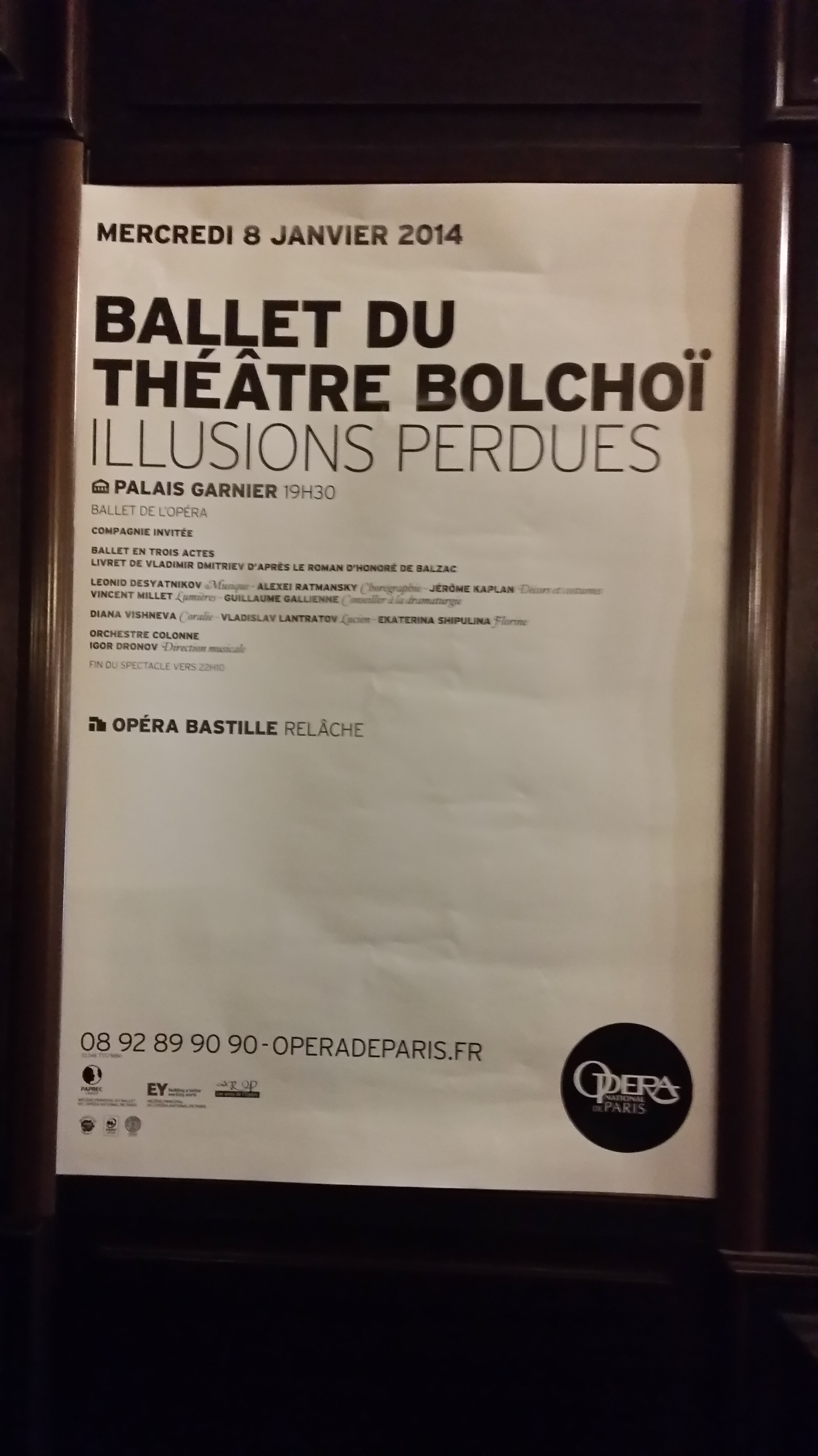
The day we were leaving Paris, was the first night of the Bolshoi Ballet.  My two granddaughters were greatly disappointed at missing out on the opportunity of a lifetime, to see the Bolshoi Ballet at the Paris Opera House.

20140108_123359

But we did get to see the principals practicing.

Figures of speech

I found this explanation on the internet: ‘a word or phrase used in a non-literal sense for rhetorical or vivid effect.’

We as writers should not use these in our writing because most people might not understand their use.  I think it sometimes adds a degree of whimsy to the story.

I remember some years ago when I working with a Russian chap who’d not been in the country very long, and though he had a reasonable use of English, was not quite up with our figures of speech.

And made me realize when he kept asking me what they meant, just how many I used in everyday use.

Most of these figures of speech use descriptions that do not necessarily match the word being described, such as ‘I dance like I have two left feet’.

And that pretty much sums up how good I can dance.  But …

‘Like a bat out of hell’, not sure how this got into the vernacular

‘Like a bull in a China shop’, describes a toddler let loose

‘More front than Myers’, as my mother used to say, but in context, Myers is the Australian version of the English Selfridges or Harrods or Paris Galleries Lafayette.  It refers to the width of the street frontage of the stores

‘As mad as a hatter’, though not necessarily of the millinery kind, but, well, you can guess

‘As nutty as a fruitcake’, provided your fruitcake has nuts in it

You can see, if you get the references, they are somewhat apt, and, yes, they sometimes creep into my stories.

“Sunday in New York”, a romantic adventure that’s not a walk in the park!

“Sunday in New York” is ultimately a story about trust, and what happens when a marriage is stretched to its limits.

When Harry Steele attends a lunch with his manager, Barclay, to discuss a promotion that any junior executive would accept in a heartbeat, it is the fact his wife, Alison, who previously professed her reservations about Barclay, also agreed to attend, that casts a small element of doubt in his mind.

From that moment, his life, in the company, in deciding what to do, his marriage, his very life, spirals out of control.

There is no one big factor that can prove Harry’s worst fears, that his marriage is over, just a number of small, interconnecting events, when piled on top of each other, points to a cataclysmic end to everything he had believed in.

Trust is lost firstly in his best friend and mentor, Andy, who only hints of impending disaster, Sasha, a woman whom he saved, and who appears to have motives of her own, and then in his wife, Alison, as he discovered piece by piece damning evidence she is about to leave him for another man.

Can we trust what we see with our eyes or trust what we hear?

Haven’t we all jumped to conclusions at least once in our lives?

Can Alison, a woman whose self-belief and confidence is about to be put to the ultimate test, find a way of proving their relationship is as strong as it has ever been?

As they say in the classics, read on!

Purchase:

http://tinyurl.com/Amazon-SundayInNewYork

Searching for Locations: The Eiffel Tower, Paris, France

Sorry, reminiscing again…

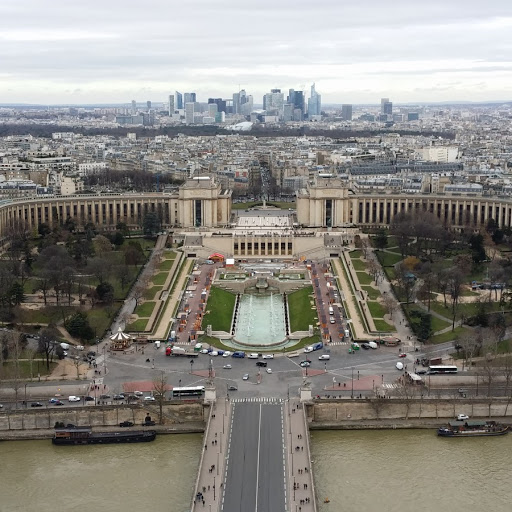
It was a cold but far from a miserable day.  We were taking our grandchildren on a tour of the most interesting sites in Paris, the first of which was the Eiffel Tower.

We took the overground train, which had double-decker carriages, a first for the girls, to get to the tower.

We took the underground, or Metro, back, and they were fascinated with the fact the train carriages ran on road tires.

Because it was so cold, and windy, the tower was only open to the second level. It was a disappointment to us, but the girls were content to stay on the second level.

There they had the French version of chips.

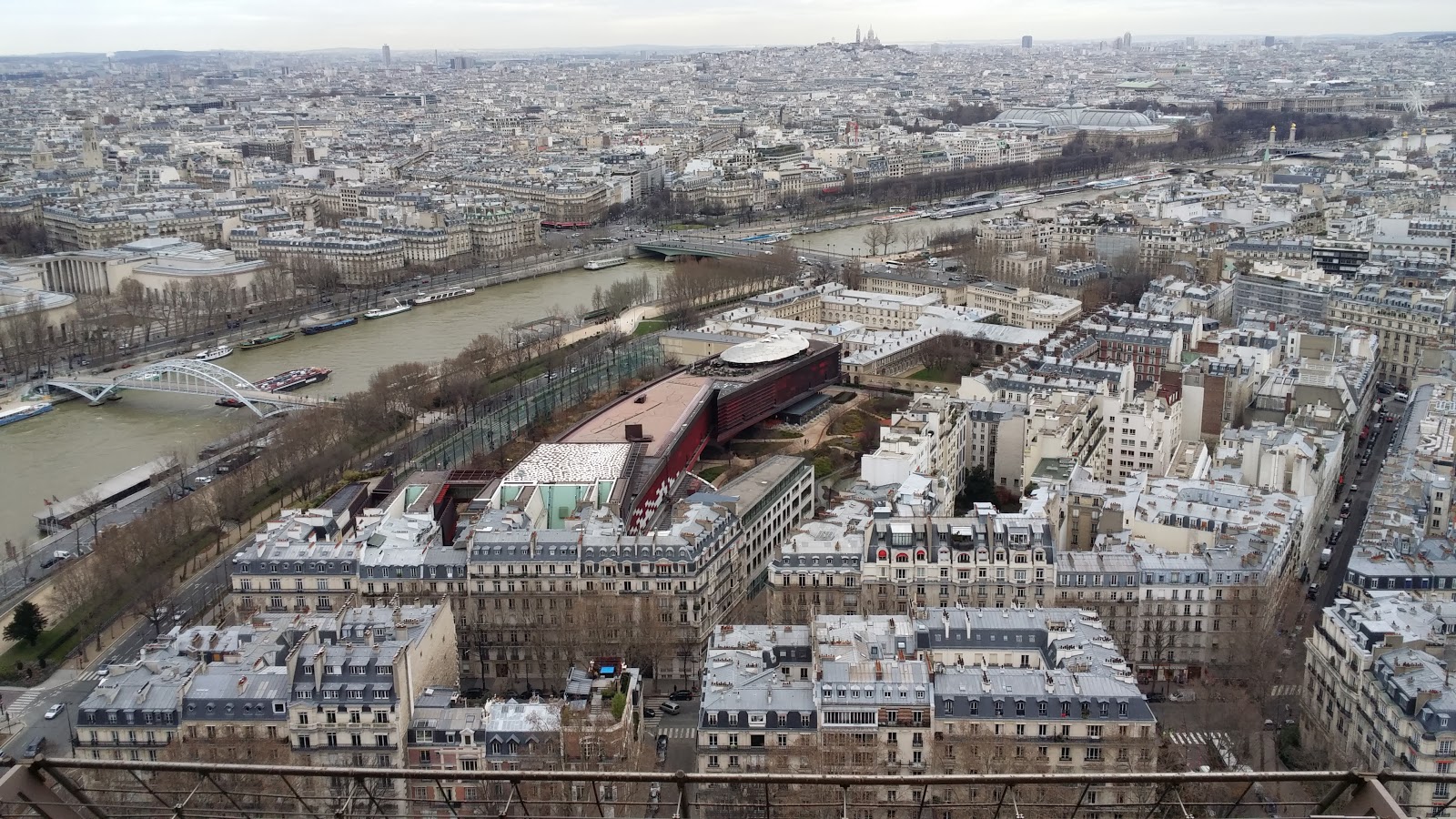
It was a dull day, but the views were magnificent.

20140107_132225

A view of the Seine

20140107_132859

20140107_132208

Sacre Coeur church at Montmartre in the distance.

Another view along the river Seine

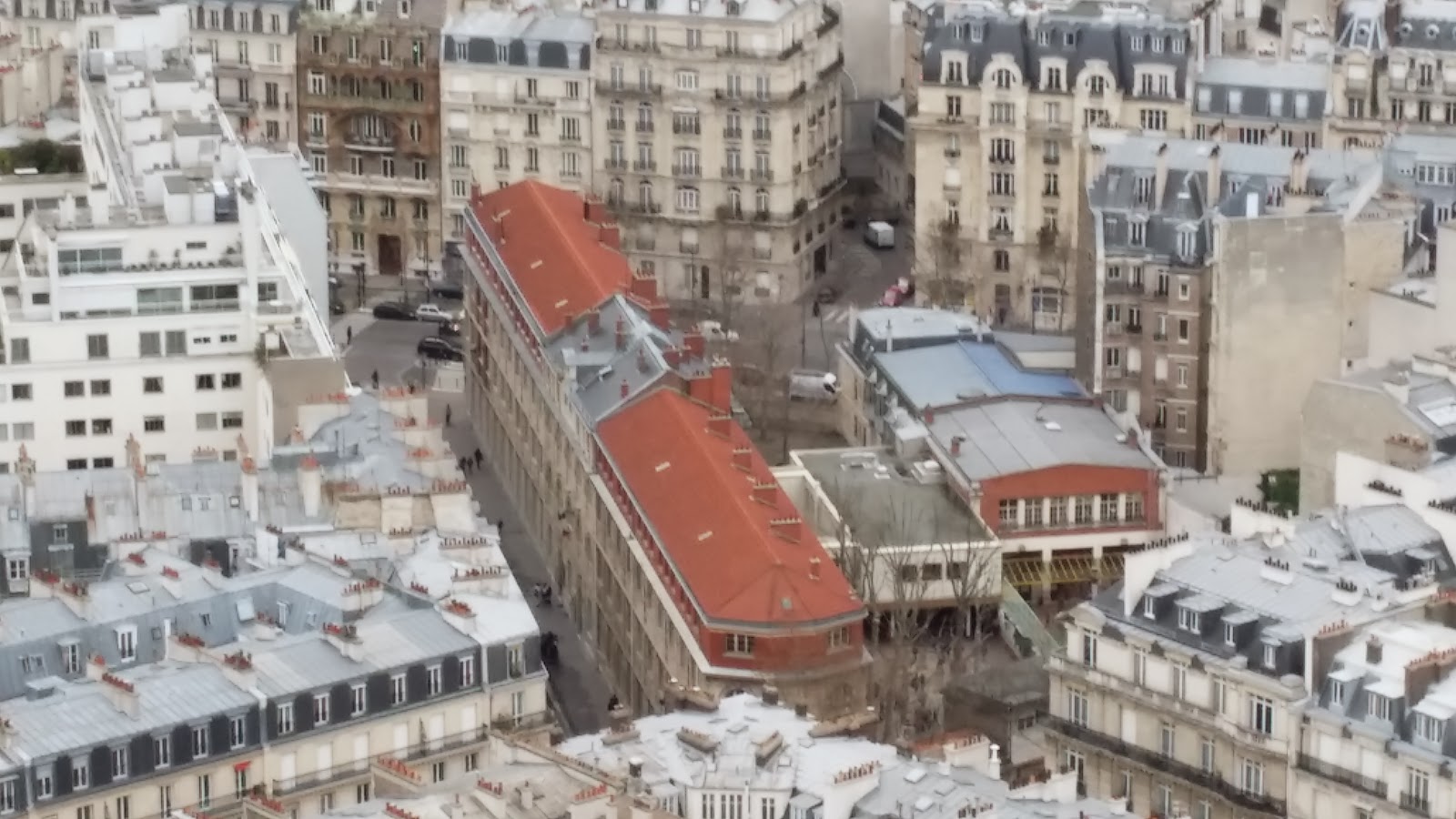
Overlooking the tightly packed apartment buildings

Looking along the opposite end of the river Seine

“Echoes From The Past”, the past doesn’t necessarily stay there


What happens when your past finally catches up with you?

…

Christmas is just around the corner, a time to be with family. For Will Mason, an orphan since he was fourteen, it is a time for reflection on what his life could have been, and what it could be.

Until a chance encounter brings back to life the reasons for his twenty years of self-imposed exile from a life only normal people could have. From that moment Will’s life slowly starts to unravel and it’s obvious to him it’s time to move on.

This time, however, there is more at stake.

Will has broken his number one rule, don’t get involved.

With his nemesis, Eddie Jamieson, suddenly within reach, and a blossoming relationship with an office colleague, Maria, about to change everything, Will has to make a choice. Quietly leave, or finally, make a stand.

But as Will soon discovers, when other people are involved there is going to be terrible consequences no matter what choice he makes.

https://amzn.to/2CYKxu4

newechocover5rs

“Opposites Attract” – The Editor’s second draft – Day 20

This book has been sitting in the ‘to-be-done’ tray, so this month it is going to get the second revision and release to beta readers.

…

A proposal

…

Where in New York can you make a proposal that will be memorable.

That’s what I typed into Google, and it told me there are a lot of different places.

The one that amused me the most.  Surely, I could work that out for myself instead of asking a heatless thoughtless computer program!

Well, no I couldn’t.

So with a little tweaking and a lot of wishful thinking, it ended up in Central Park.

A carriage ride, yes, I’ve been on one of those and nothing spells more romantic than a horse-drawn carriage ride.  In the snow, under the rug.  Well, it wasn’t snowing but it was romantic.

Drop off at one of three spots in Central Park that can be booked, and decked out in ribbons, flowers and petals.

Down on one knee and the speech.

Even I teared up a little when I was writing the scene.

Good thing she said yes.

Even I was on the edge of my seat waiting…

…

An excerpt from “What Sets Us Apart”, a mystery with a twist

See the excerpt from the story below, just a taste of what’s in store…

http://amzn.to/2Eryfth

whatsetscover

McCallister was old school, a man who would most likely fit in perfectly campaigning on the battlefields of Europe during the Second World War. He’d been like a fish out of water in the army, post-Falklands, and while he retired a hero, he still felt he’d more to give.

He’d applied and was accepted as head of a SWAT team, and, watching him now as he and his men disembarked from the truck in almost military precision, a look passed between Annette, the police liaison officer, and I that said she’d seen it all before. I know I had.

There was a one in four chance his team would be selected for this operation, and she had been hoping it would be one of the other three. While waiting for them to arrive she filled me in on the various teams. His was the least co-operative, and the more likely to make ad-hoc decisions rather than adhere to the plan, or any orders that may come from the officer in charge.

This, she said quite bluntly, was going to end badly.

I still had no idea why Prendergast instructed me to attend the scene of what looked to be a normal domestic operation, but as the nominated expert in the field in these types of situations, it was fairly clear he wasn’t taking any chances. It was always a matter of opinion between us, and generally I lost.

In this case, it was an anonymous report identifying what the authorities believed were explosives in one of the dockside sheds where explosives were not supposed to be.

The only reason why the report was given any credence was the man, while not identifying himself by name, said he’d been an explosive expert once and recognized the boxes. That could mean anything, but the Chief Constable was a cautious man.

With his men settled and preparing their weapons, McCallister came over to the command post, not much more than the SUV my liaison and I arrived in, with weapons, bulletproof vests, and rolls of tape to cordon off the area afterward. We both had coffee, steaming in the cold early morning air. Dawn was slowly approaching and although rain had been forecast it had yet to arrive.

A man by the name of Benson was in charge. He too had groaned when he saw McCallister.

“A fine morning for it.” McCallister was the only enthusiastic one here.

He didn’t say what ‘it’ was, but I thought it might eventually be mayhem.

“Let’s hope the rain stays away. It’s going to be difficult enough without it,” Benson said, rubbing his hands together. We had been waiting for the SWAT team to arrive, and another team to take up their position under the wharf, and who was in the final stages of securing their position.

While we were waiting we drew up the plan. I’d go in first to check on what we were dealing with, and what type of explosives. The SWAT team, in the meantime, were to ensure all the exits to the shed were covered. When I gave the signal, they were to enter and secure the building. We were not expecting anyone inside or out, and no movement had been detected in the last hour since our arrival and deployment.

“What’s the current situation?”

“I’ve got eyes on the building, and a team coming in from the waterside, underneath. Its slow progress, but they’re nearly there. Once they’re in place, we’re sending McKenzie in.”

He looked in my direction.

“With due respect sir, shouldn’t it be one of us?” McCallister glared at me with the contempt that only a decorated military officer could.

“No. I have orders from above, much higher than I care to argue with, so, McCallister, no gung-ho heroics for the moment. Just be ready to move on my command, and make sure you have three teams at the exit points, ready to secure the building.”

McCallister opened his mouth, no doubt to question those orders, but instead closed it again. “Yes sir,” he muttered and turned away heading back to his men.

“You’re not going to have much time before he storms the battlements,” Benson quietly said to me, a hint of exasperation in his tone. “I’m dreading the paperwork.”

It was exactly what my liaison officer said when she saw McCallister arriving.

The water team sent their ‘in position’ signal, and we were ready to go.

In the hour or so we’d been on site nothing had stirred, no arrivals, no departures, and no sign anyone was inside, but that didn’t mean we were alone. Nor did it mean I was going to walk in and see immediately what was going on. If it was a cache of explosives then it was possible the building was booby-trapped in any number of ways, there could be sentries or guards, and they had eyes on us, or it might be a false alarm.

I was hoping for the latter.

I put on the bulletproof vest, thinking it was a poor substitute for full battle armor against an exploding bomb, but we were still treating this as a ‘suspected’ case. I noticed my liaison officer was pulling on her bulletproof vest too.

“You don’t have to go. This is my party, not yours,” I said.

“The Chief Constable told me to stick to you like glue, sir.”

I looked at Benson. “Talk some sense into her please, this is not a kindergarten outing.”

He shrugged. Seeing McCallister had taken all the fight out of him. “Orders are orders. If that’s what the Chief Constable requested …”

Madness. I glared at her, and she gave me a wan smile. “Stay behind me then, and don’t do anything stupid.”

“Believe me, I won’t be.” She pulled out and checked her weapon, chambering the first round. It made a reassuring sound.

Suited up, weapons readied, a last sip of the coffee in a stomach that was already churning from nerves and tension, I looked at the target, one hundred yards distant and thought it was going to be the longest hundred yards I’d ever traversed. At least for this week.

A swirling mist rolled in and caused a slight change in plans.

Because the front of the buildings was constantly illuminated by large overhead arc lamps, my intention had been to approach the building from the rear where there was less light and more cover. Despite the lack of movement, if there were explosives in that building, there’d be ‘enemy’ surveillance somewhere, and, after making that assumption, I believed it was going to be easier and less noticeable to use the darkness as a cover.

It was a result of the consultation, and studying the plans of the warehouse, plans that showed three entrances, the main front hangar type doors, a side entrance for truck entry and exit and a small door in the rear, at the end of an internal passage leading to several offices. I also assumed it was the exit used when smokers needed a break. Our entry would be by the rear door or failing that, the side entrance where a door was built into the larger sliding doors. In both cases, the locks would not present a problem.

The change in the weather made the approach shorter, and given the density of the mist now turning into a fog, we were able to approach by the front, hugging the walls, and moving quickly while there was cover. I could feel the dampness of the mist and shivered more than once.

It was nerves more than the cold.

I could also feel rather than see the presence of Annette behind me, and once felt her breath on my neck when we stopped for a quick reconnaissance.

It was the same for McCallister’s men. I could feel them following us, quickly and quietly, and expected, if I turned around, to see him breathing down my neck too.

It added to the tension.

My plan was still to enter by the back door.

We slipped up the alley between the two sheds to the rear corner and stopped. I heard a noise coming from the rear of the building, and the light tap on the shoulder told me Annette had heard it too. I put my hand up to signal her to wait, and as a swirl of mist rolled in, I slipped around the corner heading towards where I’d last seen the glow of a cigarette.

The mist cleared, and we saw each other at the same time. He was a bearded man in battle fatigues, not the average dockside security guard.

He was quick, but my slight element of surprise was his undoing, and he was down and unconscious in less than a few seconds with barely a sound beyond the body hitting the ground. Zip ties secured his hands and legs, and tape his mouth. Annette joined me a minute after securing him.

A glance at the body then me, “I can see why they, whoever they are, sent you.”

She’d asked who I worked for, and I didn’t answer. It was best she didn’t know.

“Stay behind me,” I said, more urgency in my tone. If there was one, there’d be another.

Luck was with us so far. A man outside smoking meant no booby traps on the back door, and quite possibly there’d be none inside. But it indicated there were more men inside, and if so, it appeared they were very well trained. If that were the case, they would be formidable opponents.

The fear factor increased exponentially.

I slowly opened the door and looked in. A pale light shone from within the warehouse itself, one that was not bright enough to be detected from outside. None of the offices had lights on, so it was possible they were vacant. I realized then they had blacked out the windows. Why hadn’t someone checked this?

Once inside, the door closed behind us, progress was slow and careful. She remained directly behind me, gun ready to shoot anything that moved. I had a momentary thought for McCallister and his men, securing the perimeter.

At the end of the corridor, the extent of the warehouse stretched before us. The pale lighting made it seem like a vast empty cavern, except for a long trestle table along one side, and, behind it, stacks of wooden crates, some opened. It looked like a production line.

To get to the table from where we were was a ten-yard walk in the open. There was no cover. If we stuck to the walls, there was equally no cover and a longer walk.

We needed a distraction.

As if on cue, the two main entrances disintegrated into flying shrapnel accompanied by a deafening explosion that momentarily disoriented both Annette and I. Through the smoke and dust kicked up I saw three men appear from behind the wooden crates, each with what looked like machine guns, spraying bullets in the direction of the incoming SWAT members.

They never had a chance, cut down before they made ten steps into the building.

By the time I’d recovered, my head heavy, eyes watering and ears still ringing, I took several steps towards them, managing to take down two of the gunmen but not the third.

I heard a voice, Annette’s I think, yell out, “Oh, God, he’s got a trigger,” just before another explosion, though all I remember in that split second was a bright flash, the intense heat, something very heavy smashing into my chest knocking the wind out of me, and then the sensation of flying, just before I hit the wall.

I spent four weeks in an induced coma, three months being stitched back together and another six learning to do all those basic actions everyone took for granted. It was twelve months almost to the day when I was released from the hospital, physically, except for a few alterations required after being hit by shrapnel, looking the same as I always had.

But mentally? The document I’d signed on release said it all, ‘not fit for active duty; discharged’.

It was in the name of David Cheney. For all intents and purposes, Alistair McKenzie was killed in that warehouse, and for the first time ever, an agent left the Department, the first to retire alive.

I was not sure I liked the idea of making history.

© Charles Heath 2016-2020