Top 5 sights on the road less travelled – Pretoria

Discover Pretoria’s Hidden Gems: Top 5 Under-the-Radar Attractions with Breathtaking Character

Pretoria, South Africa’s administrative capital, is often lauded for its grand government buildings like the iconic Union Buildings and the Voortrekker Monument. However, beyond its political skyline lie quieter, lesser-known treasures that offer unique experiences without the bustling crowds. If you’re seeking tranquillity and rich cultural or natural features, here are five must-visit spots in Pretoria that are off the tourist radar but well worth exploring.


1. Tafelberg Ridge: A Hiker’s Paradise with Panoramic Vistas

Tucked just southeast of Pretoria city centre, Tafelberg Ridge is a geological marvel and a haven for outdoor enthusiasts. This iconic rock formation, also known as “The Table,” rises 150 meters above the surrounding plains and boasts the oldest known rock art in southern Africa—dating back over 2,000 years—created by the San people.

  • Why Visit?
    Hike or rock-climb to the summit for breathtaking 360° views of Pretoria and the surrounding Highveld. The well-maintained trails cater to all fitness levels, and the ridge’s historical significance adds an educational layer to your adventure.
  • Crowd Tip: Early mornings or weekdays ensure solitude and are perfect for capturing sunrise photos or soaking in the serenity.

2. Pretoria National Botanical Garden: A Verdant Escape

This 280-hectare haven, located on the banks of the Apies River, is a lush sanctuary for nature lovers. Unlike the more crowded urban parks, the Pretoria National Botanical Garden offers a diverse array of indigenous flora, serene waterways, and a suspended canopy walkway.

  • Why Visit?
    Explore themed gardens like the Veld Reserve (showcasing natural landscapes) and the Rock Garden, stroll across the sky bridge for elevated views, or enjoy a peaceful picnic by the lake. It’s a living museum of South Africa’s biodiversity.
  • Crowd Tip: Weekdays are virtually empty, making it ideal for leisurely strolls or birdwatching among over 160 species.

3. Irene Village: A Step Back in Time

Nestled just outside Pretoria, Irene Village is a quaint, centuries-old settlement that retains its original charm. Once a strategic military town, it now offers a blend of history, architecture, and artisanal flair.

  • Why Visit?
    Wander cobbled streets lined with cobalt-blue houses, visit the Irene Museum (housed in a 19th-century inn), and enjoy farm-to-table dining at local cafés. The village’s tranquillity and preserved heritage make it a time capsule of old Pretoria.
  • Crowd Tip: Sundays are the quietest, perfect for exploring with a leisurely pace.

4. Church Square: Pretoria’s Cultural Heart

Right in the heart of Pretoria, Church Square is a dynamic yet surprisingly uncluttered space. Often overshadowed by its more ostentatious neighbours, this square is the focal point of the city’s cultural identity.

  • Why Visit?
    Admire the statue of Paul Kruger (South Africa’s first president), attend one of the weekly markets (Fridays and Saturdays), or enjoy street performances and weekend festivals. The square’s mix of politics, art, and history is palpable.
  • Crowd Tip: Weekdays are calm, offering a chance to reflect among the monuments and learn about Pretoria’s contested past.

5. Pretoria Prison: A Stark Glimpse into the Past

Now a museum, Pretoria Prison is a striking example of colonial-era architecture and a sobering look into South Africa’s political history. Built in 1888, it once held prominent figures like Nelson Mandela and Paul Kruger.

  • Why Visit?
    Walk through the same concrete cells and tunnels that imprisoned freedom fighters, and explore exhibits on the evolution of South Africa’s penal system. The prison’s eerie ambience and historical weight make it a unique and thought-provoking experience.
  • Crowd Tip: Public tours are intimate, with early morning slots being the least crowded.

Final Thoughts: Pretoria’s Quiet Side Awaits

Pretoria’s lesser-known attractions offer a quieter, more personal way to connect with the city’s rich heritage and natural beauty. Whether you’re hiking to the top of Tafelberg Ridge or sipping coffee in Irene Village, these destinations reveal Pretoria’s soul away from the usual tourist trails. So next time you visit, trade the postcards for a deeper, more reflective journey.

Pro Tip: Pair these experiences with a visit to the Union Buildings or Voortrekker Monument for the perfect mix of iconic and hidden Pretoria!

Ready to discover the unsung gems of Pretoria? Let the adventure begin! 🌿🌄

What I learned about writing – The art of effective self editing

Mastering Self-Editing: 10 Practical Techniques for Polished Writing

Self-editing is a vital skill for any writer. Whether you’re crafting a blog post, an academic essay, or a novel, the ability to refine your work independently can elevate your writing from good to exceptional. While peer feedback is invaluable, mastering self-editing ensures your drafts are clear, cohesive, and compelling before sharing them with others. Here are 10 practical strategies to enhance your self-editing process.


1. Step Away, Then Return with Fresh Eyes

Before diving into edits, take a break from your work. A few hours—or even a few days—can provide a new perspective. Distance allows you to approach your text as a reader, making it easier to spot inconsistencies, redundancy, or awkward phrasing. Rushing into edits while still in your “writing mindset” often causes you to overlook errors.


2. Read Aloud to Detect Rhythm and Flow

Reading your work aloud engages your senses differently. By hearing the words, you can identify clunky sentence structures, awkward word choices, and unintentional repetition. For example, a phrase like “The man who lived in the house was tired” might sound better as “The man in the house was tired.” Use this technique to fine-tune your writing’s cadence.


3. Leverage Technology, But Stay Sceptical

Grammar-check tools like Grammarly or Hemingway Editor are handy for catching typos and readability issues. However, these tools aren’t infallible. They might suggest grammatically correct but contextually odd changes. Use them as a starting point, then double-check with your own judgment. For instance, a tool might flag “I am” as redundant in a sentence when it’s actually necessary for clarity.


4. Tackle One Task at a Time

Editing is more effective when broken into focused tasks. Start with big-picture elements like structure and argument clarity, then move to line edits for sentence flow, and finally proofread for grammar and typos. This approach prevents overwhelm and ensures no detail is missed.


5. Trim the Fat: Delete Unnecessary Words

Concise writing is powerful. Remove redundant phrases like “in order to” (simply “to”) and vague fillers like “very” or “that.” For example, “She was a tall, slender woman” becomes “She was tall and slender.” A short list of common redundancies can help you systematically cut fluff.


6. Reverse Outline for Structure Checks

For longer pieces, summarise each paragraph in a separate document. This reverse outline helps identify plot holes, repetitive sections, or tangents. If your summary reads like a disjointed list, your draft likely needs reorganisation.


7. Maintain Consistency with a Style Sheet

Track key details like character names, technical terms, or formatting in a reference sheet. For example, if a character’s surname is “McGraw” in one chapter and “McGregor” in another, this tool ensures consistency. It’s especially crucial for novels or complex projects with recurring elements.


8. Seek Peer Feedback Strategically

While this post focuses on self-editing, one round of trusted feedback can illuminate blind spots. Share your work with peers who understand your goals and ask targeted questions: “Does the argument hold?” or “Is the tone consistent?” Use their insights to prioritise edits.


9. Use the Pomodoro Technique for Focus

Self-editing can feel marathon-like. Break it into shorter, intentional sessions: 25 minutes of focused editing followed by a 5-minute break. This method combats burnout and keeps your mind sharp for small details like punctuation or word choice.


10. Audit Passive Voice and Weak Nouns/Verbs

Overusing passive voice (“The cake was eaten”) can weaken prose. Replace with active voice (“She ate the cake”) unless passive is intentional. Similarly, swap weak verbs like “made a decision” with stronger alternatives like “decided.”


Conclusion: Sharpen Your Craft with Purpose

Effective self-editing is a balance of technique, patience, and critical thinking. By incorporating these strategies, you’ll refine your writing’s clarity, impact, and professionalism. Remember, even well-known authors like Maya Angelou and Stephen King relied on meticulous editing to shape their masterpieces. Start with one or two techniques, practice consistently, and watch your confidence—and your writing—grow.

What self-editing hacks have worked for you? Share your tips in the comments below!


This blog post blends actionable advice with relatable examples, offering writers a roadmap to polish their work independently. By prioritising structure, focus, and critical distance, you’ll transform self-editing from a chore into a rewarding part of your creative process.

An excerpt from “Echoes from the Past”

Available on Amazon Kindle here:  https://amzn.to/2CYKxu4

With my attention elsewhere, I walked into a man who was hurrying in the opposite direction.  He was a big man with a scar running down the left side of his face from eye socket to mouth, and who was also wearing a black shirt with a red tie.

That was all I remembered as my heart almost stopped.

He apologized as he stepped to one side, the same way I stepped, as I also muttered an apology.

I kept my eyes down.  He was not the sort of man I wanted to recognize later in a lineup.  I stepped to the other side and so did he.  It was one of those situations.  Finally getting out of sync, he kept going in his direction, and I towards the bus, which was now pulling away from the curb.

Getting my breath back, I just stood riveted to the spot watching it join the traffic.  I looked back over my shoulder, but the man I’d run into had gone.  I shrugged and looked at my watch.  It would be a few minutes before the next bus arrived.

Wait, or walk?  I could also go by subway, but it was a long walk to the station.  What the hell, I needed the exercise.

At the first intersection, the ‘Walk’ sign had just flashed to ‘Don’t Walk’.  I thought I’d save a few minutes by not waiting for the next green light.  As I stepped onto the road, I heard the screeching of tires.

A yellow car stopped inches from me.

It was a high powered sports car, perhaps a Lamborghini.  I knew what they looked like because Marcus Bartleby owned one, as did every other junior executive in the city with a rich father.

Everyone stopped to look at me, then the car.  It was that sort of car.  I could see the driver through the windscreen shaking his fist, and I could see he was yelling too, but I couldn’t hear him.  I stepped back onto the sidewalk, and he drove on.  The moment had passed and everyone went back to their business.

My heart rate hadn’t come down from the last encounter.   Now it was approaching cardiac arrest, so I took a few minutes and several sets of lights to regain composure.

At the next intersection, I waited for the green light, and then a few seconds more, just to be sure.  I was no longer in a hurry.

At the next, I heard what sounded like a gunshot.  A few people looked around, worried expressions on their faces, but when it happened again, I saw it was an old car backfiring.  I also saw another yellow car, much the same as the one before, stopped on the side of the road.  I thought nothing of it, other than it was the second yellow car I’d seen.

At the next intersection, I realized I was subconsciously heading towards Harry’s new bar.   It was somewhere on 6th Avenue, so I continued walking in what I thought was the right direction.

I don’t know why I looked behind me at the next intersection, but I did.  There was another yellow car on the side of the road, not far from me.  It, too, looked the same as the original Lamborghini, and I was starting to think it was not a coincidence.

Moments after crossing the road, I heard the roar of a sports car engine and saw the yellow car accelerate past me.  As it passed by, I saw there were two people in it, and the blurry image of the passenger; a large man with a red tie.

Now my imagination was playing tricks.

It could not be the same man.  He was going in a different direction.

In the few minutes I’d been standing on the pavement, it had started to snow; early for this time of year, and marking the start of what could be a long cold winter.  I shuddered, and it was not necessarily because of the temperature.

I looked up and saw a neon light advertising a bar, coincidentally the one Harry had ‘found’ and, looking once in the direction of the departing yellow car, I decided to go in.  I would have a few drinks and then leave by the back door if it had one.

Just in case.

© Charles Heath 2015-2020

newechocover5rs

Top 5 sights on the road less travelled – Abuja

Hidden Gems of Abuja: 5 Off-the-Beaten-Path Attractions You Shouldn’t Miss

Abuja, Nigeria’s capital city, is often celebrated for its wide boulevards, modern architecture, and bustling political hubs. While most tourists flock to well-known spots like the National Mosque, Millennium Park, or the Aso Rock Monument, there’s a quieter, more intimate side to Abuja that often goes unnoticed. Beyond the crowds lies a collection of serene, unique, and culturally rich attractions that offer a more personal and authentic experience.

If you’re looking to explore Abuja beyond the tourist brochures, here are the top five lesser-known yet distinctive attractions that promise tranquillity, beauty, and a touch of local charm—without the hustle and bustle.


1. Abuja National Zoo

Tucked away in the quieter Gwarimpa district, the Abuja National Zoo offers a peaceful escape into the world of Nigerian wildlife. Unlike the more crowded national parks, this compact zoo is family-friendly and sees far fewer visitors, making it ideal for a relaxed afternoon.

What makes it special?
Home to indigenous species like the Nigerian dwarf crocodile, West African manatees, and various primates, the zoo also features educational exhibits on conservation. The lush, well-maintained grounds include shaded walkways and picnic spots—perfect for nature lovers and families seeking a quiet day out.

Pro Tip: Visit on weekday mornings for an even more serene experience, and don’t miss the reptile house—it’s one of the few places in the country showcasing a dedicated collection of African reptiles.


2. Jabi Lake and Boat Club (Beyond the Kayaks)

While Jabi Lake is known for its weekend kayaking activities and lakeside cafes, few visitors venture beyond the main dock or the popular eateries. However, the surrounding trails and the quieter eastern shoreline offer a completely different vibe.

What makes it special?
Early mornings at the lake are magical—fog hovers above the water, birds call from the reeds, and fishermen paddle silently in wooden canoes. The lesser-used walking paths along the eastern bank provide scenic views and a chance to observe local life along the water’s edge. It’s a photographer’s dream and a meditative retreat from city noise.

Pro Tip: Bring a coffee from a nearby café and take a quiet stroll along the back trails before 8 AM to fully appreciate the lake’s tranquil beauty.


3. Kubwa Hills and Rock Formations

Located just a short drive from the city centre in the Kubwa neighbourhood, these natural rock formations rise dramatically from the savannah, offering panoramic views and a sense of untouched wilderness.

What makes it special?
Unlike Aso Rock, which is often crowded and surveilled, the Kubwa Hills are largely unmarked and unmanaged—making them perfect for adventurous travellers who enjoy hiking and solitude. The area is rich in geological history, with unique weathered granite outcrops and hidden caves. It’s also a favorite among local artists and spiritual groups, adding a subtle cultural layer to the landscape.

Pro Tip: Visit with a local guide or a trusted companion, wear comfortable shoes, and bring water—there are no facilities on-site. Sunset here offers one of the most underrated views in Abuja.


4. Arts Market at Sheraton Hotel (Abuja Arts & Crafts Market)

While many head to city malls and souvenir shops, the weekly arts and crafts market held outside the Sheraton Hotel (Friday afternoons to Sunday evenings) is a hidden treasure trove of Nigerian creativity.

What makes it special?
Here, you’ll find hand-carved sculptures, traditional fabrics, beadwork, and pottery from artisans across Nigeria’s 36 states. Because it’s not widely advertised, it attracts more locals than tourists, making it a genuine cultural exchange. The prices are fair, and vendors are happy to share stories behind their crafts.

Pro Tip: Go on a Saturday morning to see the most variety and engage with artists while they’re setting up their stalls. It’s a fantastic place to pick up authentic, one-of-a-kind souvenirs.


5. Nigeria Nuclear Regulatory Authority (NNRA) Garden and Sculpture Park

An unexpected gem, the NNRA premises in Jabi doubles as a hidden sculpture garden and green space. While the agency is operational, its front garden is open to the public and maintained like a mini-park.

What makes it special?
The space features abstract metal sculptures by Nigerian artists, serene water features, and winding pathways through thick foliage. The blend of art, nature, and science is unique—rarely seen elsewhere in the city. It’s an oasis of calm where you can sit, reflect, and enjoy a moment of quiet contemplation.

Pro Tip: Combine your visit with a stop at the nearby Jabi Lake or a quiet lunch at one of the less crowded local restaurants in Jabi Mall.


Final Thoughts: Discover a Different Abuja

Abuja is more than government buildings and grand monuments. Its quieter corners reveal a city rich in culture, nature, and local life. By stepping off the beaten path, you not only avoid the crowds but also gain a deeper appreciation for the capital’s soul.

So the next time you’re in Abuja—or planning a visit—skip the queues and embrace the serenity. These five spots may not be on every tourist map, but they promise experiences that are authentic, memorable, and refreshingly uncrowded.

Abuja’s best-kept secrets are waiting—will you go find them?


Have you visited any of these hidden spots? Share your experience in the comments below, or tag us on social media with your Abuja off-the-grid adventures!

Inspiration, maybe – Volume 1

50 photographs, 50 stories, of which there is one of the 50 below.

They all start with –

A picture paints … well, as many words as you like.  For instance:

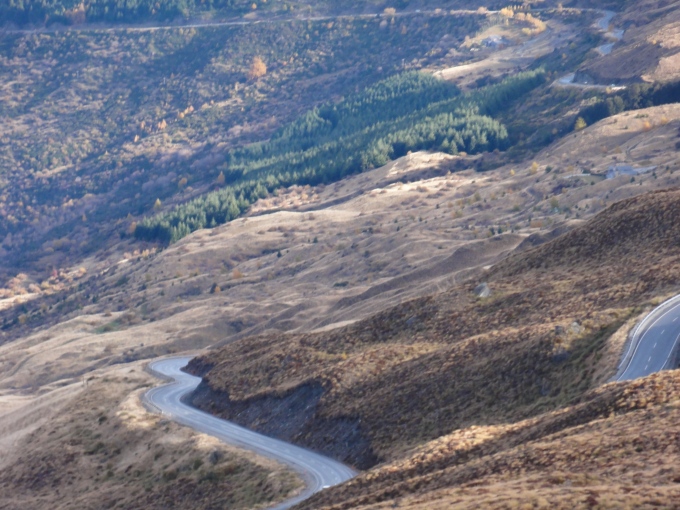
lookingdownfromcoronetpeak

And the story:

It was once said that a desperate man has everything to lose.

The man I was chasing was desperate, but I, on the other hand, was more desperate to catch him.

He’d left a trail of dead people from one end of the island to the other.

The team had put in a lot of effort to locate him, and now his capture was imminent.  We were following the car he was in, from a discrete distance, and, at the appropriate time, we would catch up, pull him over, and make the arrest.

There was nowhere for him to go.

The road led to a dead-end, and the only way off the mountain was back down the road were now on.  Which was why I was somewhat surprised when we discovered where he was.

Where was he going?

“Damn,” I heard Alan mutter.  He was driving, being careful not to get too close, but not far enough away to lose sight of him.

“What?”

“I think he’s made us.”

“How?”

“Dumb bad luck, I’m guessing.  Or he expected we’d follow him up the mountain.  He’s just sped up.”

“How far away?”

“A half-mile.  We should see him higher up when we turn the next corner.”

It took an eternity to get there, and when we did, Alan was right, only he was further on than we thought.”

“Step on it.  Let’s catch him up before he gets to the top.”

Easy to say, not so easy to do.  The road was treacherous, and in places just gravel, and there were no guard rails to stop a three thousand footfall down the mountainside.

Good thing then I had the foresight to have three agents on the hill for just such a scenario.

Ten minutes later, we were in sight of the car, still moving quickly, but we were going slightly faster.  We’d catch up just short of the summit car park.

Or so we thought.

Coming quickly around another corner we almost slammed into the car we’d been chasing.

“What the hell…” Aland muttered.

I was out of the car, and over to see if he was in it, but I knew that it was only a slender possibility.  The car was empty, and no indication where he went.

Certainly not up the road.  It was relatively straightforward for the next mile, at which we would have reached the summit.  Up the mountainside from here, or down.

I looked up.  Nothing.

Alan yelled out, “He’s not going down, not that I can see, but if he did, there’s hardly a foothold and that’s a long fall.”

Then where did he go?

Then a man looking very much like our quarry came out from behind a rock embedded just a short distance up the hill.

“Sorry,” he said quite calmly.  “Had to go if you know what I mean.”

I’d lost him.

It was as simple as that.

I had been led a merry chase up the hill, and all the time he was getting away in a different direction.

I’d fallen for the oldest trick in the book, letting my desperation blind me to the disguise that anyone else would see through in an instant.

It was a lonely sight, looking down that road, knowing that I had to go all that way down again, only this time, without having to throw caution to the wind.

“Maybe next time,” Alan said.

“We’ll get him.  It’s just a matter of time.”

© Charles Heath 2019-2021

Find this and other stories in “Inspiration, maybe”  available soon.

InspirationMaybe1v1

365 Days of writing, 2026 – 6

Day 6 – Writing exercise

Writing exercise

You’ve got a habit of being in the wrong place, don’t you, Sam? But this time…

Everyone was busy.  

The morning meeting, where the boss sat at the head of a long table, and the writing staff sat, waiting for either a bollocking or an assignment, had travelled along the usual path.

The boss was the typical editor, loud, opinionated, and acerbic.  Very few could remember him being complimentary.

I sat at the end of the table, the opposite end, and as far away from him as I could get.  He hated me more than any other.

I looked around.

Whether or not they liked their assignments or the request for a rewrite, it was hard to tell.  No one wanted to be seen shirking.

Yes, he called it shirking if you were not pounding the keyboard, working on tomorrow’s news today.

And because he hated me, I was last, got the full-on death stare and then in those oily words dispensed with forced amiability, “Jacobs, you got the dead guy, what’s his name, Rickard, Richard…”

“Ricardo,” a mousey voice called out, his current ‘favourite’.

“That dead guy.  A thousand scintillating words.”

Then the expansive glare around the table, “Well, what are you lot waiting for?”

Al, just up from me, muttered, under his breath, “A written invitation.”  As he did in every meeting.

Another obituary.  Another nobody that needed life breathed into the corpse. 

A gopher dropped a file on my desk as he went past, not stopping.  Not worth the five minutes of hell from the boss about wasting time on idle chatter.

A single page, a name, and an address.  Several notes that highlighted a nothing life.  Too young to have a life.  Too young to die.  Too young for scintillating words.

Cause of death?  Heart failure.

His photo belied the notion that he had anything remotely wrong with his heart.  Adonis himself would be jealous.

Coroner’s report?  Heart failure, cause unknown.

Not obese, not too thin, none of the danger signs that he was heart attack material, I knew my way around a medical report and this one?

Something was not right.  Was the boss testing me, see if I could see if there was anything more?

Of course, I’d been down this path before and come a cropper.  No, the boss took anything I requested with a grain of salt.

“Just report the facts.  Don’t embellish, don’t add your suspicions, ten times out of ten you’re going to be wrong.”

And infurioratingly he was right.

Which meant I had to get creative.

The name Freddie Ricardo brought up 100,000 plus hits on the search engine, but I found one entry that pointed to an Instagram page that loaded, then disappeared.

Like completely disappeared, returning a 404 error when I tried to reload it.  Someone had deleted it just after I found it.

Why?

Who would care?

From the fleeting look I got of it, it was just a guy’s page that had photos of him and friends guzzling beer and either hunting, fishing or acting stupid.

Very unaccountant-like. 

Next step, go to the address.

A suburban street, quiet, an old house, run down and in need of repair, garden overgrown.  Two car wrecks in the front yard, and an antique car in the driveway.

I sat outside the house for an hour, not a creature stirred, not even a mouse.  The car suggested someone was inside, but they didn’t look out the windows, and they didn’t turn any lights on.

At the end of the hour, I got out of the car and walked over to the front door.  The fence was falling over, the gate off its hinges, held up by the weeds and growth around it.

The door had peeling paint, but the lock and handle were new.  The verandah boards were rotting and in places broken.  They creaked as I walked on them.

I knocked.  No answer. 

I checked the car in the driveway.  A fine film of dust covered it, telling me it hadn’t moved in days, maybe a week.

One of the neighbours came out and looked over.

“Who are you?”  It wasn’t a polite question.

“Does Freddie Ricardo live here?”

“Did.  Who wants to know?”

“I’m from the newspaper, asked to do a small piece on him.”

“No need.  He wouldn’t want it.”

“Anyone else live here?”

“His sister.  She ain’t here at the moment.  I’m keeping an eye on the place.  Now, I suggest you leave.”

A sister.  Rather a large omission in the briefing paper provided.  Research was slipping.

“Fair enough.”

A last look, I went back to the car.  I waited, but the neighbour didn’t leave his porch.  When he reached for his cell phone, I left.

Before going back to the office, I went to the city administration building and met up with an acquaintance who got me a copy of the deed for the house.

It had belonged to the parents, then was handed down to the elder daughter, Bethany.  There were only two of them, Bethany and Freddie.  He didn’t have a stake in the house.

I ran Bethany’s name in the search engine, and it brought back a few thousand hits, the first with a picture of a brother and sister on the front porch.

The second was a photo of her in a gondola in Venice with a man, Italian perhaps.  She didn’t look happy.

From what I could see, the brother and sister were not similar, so maybe step-siblings. 

Bethany also had titles to three other houses in the city.  Perhaps she lived at one of those addresses and let her little brother stay at the address I called on.

Another acquaintance looked up the car registrations, and for the other cars the siblings had, of which there were four, including one for Freddie.

It was not mentioned in the police report at the crime scene, nor was it at the house, so it might still be somewhere else.

I had another five pieces of paper to go with the photo of the victim and the coroner’s report.  It didn’t amount to much.

I thought about inventing a thousand words and making him a traitor, but the boss would see through it.

The alternative wasn’t much better; tell him I had nothing, well, suspicions.

I knocked on the door, and he growled something unintelligible.  Not a good day.

“What have you got?”  He didn’t look up.

“Missing car, expensive.  Job belies the income to have it.   Looks belie the cause of death.”

“And you infer?”

“Drugs, using, selling.  Has a sister in Italy, or not?  Needs a deep dive.”

“Is that it?”

“Been to the house.  Looks like a mess, but I checked the values.  It’s a gold mine for someone.”

“No one home?”

“Not for a week.”

“Talk to your police friends, see if they’ve got a rap sheet.  Police miss the car?”

“Not in their report, not where he died.”

He looked up.  “Find it, find the sister, talk to the neighbours.  Go.”

No third degree, so sarcasm, just barked orders.  But I wasn’t going to count the chickens just yet.

3am was always the best time to surprise people.  My father once said that the best time to get answers was when people were unprepared.

He had been a policeman and kicked doors in at or just before dawn.  Disorientation, gear, terror at dawn.  Worked a treat.

I wasn’t kicking the door in.  I was visiting.

And hopefully the house was still empty.

The back window was unlocked and opened easily.  I was able to get to the back because of a quirk in the planning of the estate.  The house had a narrow walkway behind it, a public thoroughfare.

At 3 a.m., no one would be about.

I hope.

There wasn’t.  The back fence was as bad as the front, with a gap wide enough to squeeze through.  The back yard was worse than the front, three cars hidden by undergrowth.

Tripped once and crashed into a car.  It hurt

It took a few minutes to get inside.  It smelled badly of wet paper and damp.  The floorboards creaked.  Several pilot lights were giving off just enough light to see by, once my eyes adjusted.

Signs of recent habitation.  Fast food wrappers, health drinks, cigarette butts, and beer cans.  Half-eaten food with mould.  A week, perhaps longer, since anyone was there.

Upstairs.

The reason for the bad smell.

A body, not the sister, but a woman. 

No sign of a bag.  Dead, checked while trying not to be sick, downstairs, found the bag, wallet, ID.  Jessie Walker.  This was the residential address; her car was outside.

Long enough to find nothing else.  If the place had been tossed, it was done by a professional.

I left.

Found a phone booth and called the police to report the body.

I got back to my car to find two men waiting.  There wasn’t much use in running.

“At it again, Sam?”

The two cops that my father had asked to keep me on the straight and narrow.

“What do you mean?”

“Don’t insult us, Sam.  You know what we’re talking about.  You can’t be poking around crime scenes.”

How did they know where I’d been?  I’d only just called it in.

They knew.  I’d known my father had not exactly been clean, not as clean as he said he was, and besides, clean cops were not murdered in a mob hit. No, these were two acolytes.

“How do you…”

Lance, the more senior of the two, shook his head. “Tsk, task, Sam.  Wrong place, wrong time.  Don’t make a habit of it now, will you, son?”

I shook my head in that obedient fashion they liked.

“Good boy.”  Borg patted me on the head like I was a good boy.  I was anything but.  A chip off the old block.

“Good lad.  Leave this one alone.”

A parting pat on the back, and they left.  Was I going to heed good advice?  No.  I waited for an hour, and then I started searching for details on the internet.

Jessie Walker was famous.  Over a million hits in the search engine, and fascinating in death as much as she was in life.  For a police commissioner’s wife of three weeks.

She looked so much more interesting alive when splashed all over the front page of the city daily.  In death, she would barely rate a second glance.

And what did she have to do with Freddie and Bethany Riccardo?  Tomorrow was not going to be a good day.

©  Charles Heath  2025

First Dig Two Graves

A sequel to “The Devil You Don’t”

Revenge is a dish best served cold – or preferably so when everything goes right

Of course, it rarely does, as Alistair, Zoe’s handler, discovers to his peril. Enter a wildcard, John, and whatever Alistair’s plan for dealing with Zoe was dies with him.

It leaves Zoe in completely unfamiliar territory.

John’s idyllic romance with a woman who is utterly out of his comfort zone is on borrowed time. She is still trying to reconcile her ambivalence, after being so indifferent for so long.

They agree to take a break, during which she disappears. John, thinking she has left without saying goodbye, refuses to accept the inevitable, calls on an old friend for help in finding her.

After the mayhem and being briefly reunited, she recognises an inevitable truth: there is a price to pay for taking out Alistair; she must leave and find them first, and he would be wise to keep a low profile.

But keeping a low profile just isn’t possible, and enlisting another friend, a private detective and his sister, a deft computer hacker, they track her to the border between Austria and Hungary.

What John doesn’t realise is that another enemy is tracking him to find her too. It could have been a grand tour of Europe. Instead, it becomes a race against time before enemies old and new converge for what will be an inevitable showdown.

In a word: Good

There is a TV show on at the moment called ‘The Good Place’.

It’s really the bad place which makes you wonder if there really is a ‘good place’.

This started me thinking.

How many people do you know, when you ask them how they are, they say ‘good’.

Can we see behind the facade that is their expression how they really feel?

And how many of us reveal our true feelings?

It seems to me there is an acceptable level of understanding that we take people at their word and move on from there.

And how many times when we suspect there is something wrong, we tend to overlook it in what is regarded as respect for that person?

What if something awful happened?

What if we could have prevented it?

What if we could have tried to gently probe deeper?

The problem is we seem to be too polite and there is nothing wrong with that.

But maybe, just maybe, the next time …

It’s just a thought.


An excerpt from “Strangers We’ve Become” – Coming Soon

I wandered back to my villa.

It was in darkness.  I was sure I had left several lights on, especially over the door so I could see to unlock it.

I looked up and saw the globe was broken.

Instant alert.

I went to the first hiding spot for the gun, and it wasn’t there.  I went to the backup and it wasn’t there either.  Someone had found my carefully hidden stash of weapons and removed them.

Who?

There were four hiding spots and all were empty.  Someone had removed the weapons.  That could only mean one possibility.

I had a visitor, not necessarily here for a social call.

But, of course, being the well-trained agent I’d once been and not one to be caught unawares, I crossed over to my neighbor and relieved him of a weapon that, if found, would require a lot of explaining.

Suitably armed, it was time to return the surprise.

There were three entrances to the villa, the front door, the back door, and a rather strange escape hatch.  One of the more interesting attractions of the villa I’d rented was its heritage.  It was built in the late 1700s, by a man who was, by all accounts, a thief.  It had a hidden underground room which had been in the past a vault but was now a wine cellar, and it had an escape hatch by which the man could come and go undetected, particularly if there was a mob outside the door baying for his blood.

It now gave me the means to enter the villa without my visitors being alerted, unless, of course, they were near the vicinity of the doorway inside the villa, but that possibility was unlikely.  It was not where anyone could anticipate or expect a doorway to be.

The secret entrance was at the rear of the villa behind a large copse, two camouflaged wooden doors built into the ground.  I move aside some of the branches that covered them and lifted one side.  After I’d discovered the doors and rusty hinges, I’d oiled and cleaned them, and cleared the passageway of cobwebs and fallen rocks.  It had a mildew smell, but nothing would get rid of that.  I’d left torches at either end so I could see.

I closed the door after me, and went quietly down the steps, enveloped in darkness till I switched on the torch.  I traversed the short passage which turned ninety degrees about halfway to the door at the other end.  I carried the key to this door on the keyring, found it and opened the door.  It too had been oiled and swung open soundlessly.

I stepped in the darkness and closed the door.

I was on the lower level under the kitchen, now the wine cellar, the ‘door’ doubling as a set of shelves which had very little on them, less to fall and alert anyone in the villa.

Silence, an eerie silence.

I took the steps up to the kitchen, stopping when my head was level with the floor, checking to see if anyone was waiting.  There wasn’t.  It seemed to me to be an unlikely spot for an ambush.

I’d already considered the possibility of someone coming after me, especially because it had been Bespalov I’d killed, and I was sure he had friends, all equally as mad as he was.  Equally, I’d also considered it nigh on impossible for anyone to find out it was me who killed him because the only people who knew that were Prendergast, Alisha, a few others in the Department, and Susan.

That raised the question of who told them where I was.

If I was the man I used to be, my first suspect would be Susan.  The departure this morning, and now this was too coincidental.  But I was not that man.

Or was I?

I reached the start of the passageway that led from the kitchen to the front door and peered into the semi-darkness.  My eyes had got used to the dark, and it was no longer an inky void.  Fragments of light leaked in around the door from outside and through the edge of the window curtains where they didn’t fit properly.  A bone of contention upstairs in the morning, when first light shone and invariably woke me up hours before I wanted to.

Still nothing.

I took a moment to consider how I would approach the visitor’s job.  I would get a plan of the villa in my head, all entrances, where a target could be led to or attacked where there would be no escape.

Coming in the front door.  If I was not expecting anything, I’d just open the door and walk-in.  One shot would be all that was required.

Contract complete.

I sidled quietly up the passage staying close to the wall, edging closer to the front door.  There was an alcove where the shooter could be waiting.  It was an ideal spot to wait.

Crunch.

I stepped on some nutshells.

Not my nutshells.

I felt it before I heard it.  The bullet with my name on it.

And how the shooter missed, from point-blank range, and hit me in the arm, I had no idea.  I fired off two shots before a second shot from the shooter went wide and hit the door with a loud thwack.

I saw a red dot wavering as it honed in on me and I fell to the floor, stretching out, looking up where the origin of the light was coming and pulled the trigger three times, evenly spaced, and a second later I heard the sound of a body falling down the stairs and stopping at the bottom, not very far from me.

Two assassins.

I’d not expected that.

The assassin by the door was dead, a lucky shot on my part.  The second was still breathing.

I checked the body for any weapons and found a second gun and two knives.  Armed to the teeth!

I pulled off the balaclava; a man, early thirties, definitely Italian.  I was expecting a Russian.

I slapped his face, waking him up.  Blood was leaking from several slashes on his face when his head had hit the stairs on the way down.  The awkward angle of his arms and legs told me there were broken bones, probably a lot worse internally.  He was not long for this earth.

“Who employed you?”

He looked at me with dead eyes, a pursed mouth, perhaps a smile.  “Not today my friend.  You have made a very bad enemy.”  He coughed and blood poured out of his mouth.  “There will be more …”

Friends of Bespalov, no doubt.

I would have to leave.  Two unexplainable bodies, I’d have a hard time explaining my way out of this mess.  I dragged the two bodies into the lounge, clearing the passageway just in case someone had heard anything.

Just in case anyone was outside at the time, I sat in the dark, at the foot of the stairs, and tried to breathe normally.  I was trying not to connect dots that led back to Susan, but the coincidence was worrying me.

A half-hour passed and I hadn’t moved.  Deep in thought, I’d forgotten about being shot, unaware that blood was running down my arm and dripping onto the floor.

Until I heard a knock on my front door.

Two thoughts, it was either the police, alerted by the neighbors, or it was the second wave, though why would they be knocking on the door?

I stood, and immediately felt a stabbing pain in my arm.  I took out a handkerchief and turned it into a makeshift tourniquet, then wrapped a kitchen towel around the wound.

If it was the police, this was going to be a difficult situation.  Holding the gun behind my back, I opened the door a fraction and looked out.

No police, just Maria.  I hoped she was not part of the next ‘wave’.

“You left your phone behind on the table.  I thought you might be looking for it.”  She held it out in front of her.

When I didn’t open the door any further, she looked at me quizzically, and then asked, “Is anything wrong?”

I was going to thank her for returning the phone, but I heard her breathe in sharply, and add, breathlessly, “You’re bleeding.”

I looked at my arm and realized it was visible through the door, and not only that, the towel was soaked in blood.

“You need to go away now.”

Should I tell her the truth?  It was probably too late, and if she was any sort of law-abiding citizen she would go straight to the police.

She showed no signs of leaving, just an unnerving curiosity.  “What happened?”

I ran through several explanations, but none seemed plausible.  I went with the truth.  “My past caught up with me.”

“You need someone to fix that before you pass out from blood loss.  It doesn’t look good.”

“I can fix it.  You need to leave.  It is not safe to be here with me.”

The pain in my arm was not getting any better, and the blood was starting to run down my arm again as the tourniquet loosened.  She was right, I needed it fixed sooner rather than later.

I opened the door and let her in.  It was a mistake, a huge mistake, and I would have to deal with the consequences.  Once inside, she turned on the light and saw the pool of blood just inside the door and the trail leading to the lounge.  She followed the trail and turned into the lounge, turned on the light, and no doubt saw the two dead men.

I expected her to scream.  She didn’t.

She gave me a good hard look, perhaps trying to see if I was dangerous.  Killing people wasn’t something you looked the other way about.  She would have to go to the police.

“What happened here?”

“I came home from the cafe and two men were waiting for me.  I used to work for the Government, but no longer.  I suspect these men were here to repay a debt.  I was lucky.”

“Not so much, looking at your arm.”

She came closer and inspected it.

“Sit down.”

She found another towel and wrapped it around the wound, retightening the tourniquet to stem the bleeding.

“Do you have medical supplies?”

I nodded.  “Upstairs.”  I had a medical kit, and on the road, I usually made my own running repairs.  Another old habit I hadn’t quite shaken off yet.

She went upstairs, rummaged, and then came back.  I wondered briefly what she would think of the unmade bed though I was not sure why it might interest her.

She helped me remove my shirt, and then cleaned the wound.  Fortunately, she didn’t have to remove a bullet.  It was a clean wound but it would require stitches.

When she’d finished she said, “Your friend said one day this might happen.”

No prizes for guessing who that friend was, and it didn’t please me that she had involved Maria.

“Alisha?”

“She didn’t tell me her name, but I think she cares a lot about you.  She said trouble has a way of finding you, gave me a phone and said to call her if something like this happened.”

“That was wrong of her to do that.”

“Perhaps, perhaps not.  Will you call her?”

“Yes.  I can’t stay here now.  You should go now.  Hopefully, by the time I leave in the morning, no one will ever know what happened here, especially you.”

She smiled.  “As you say, I was never here.”

© Charles Heath 2018-2022

strangerscover9

The cinema of my dreams – I always wanted to write a war story – Episode 28

For a story that was conceived during those long boring hours flying in a steel cocoon, striving to keep away the thoughts that the plane and everyone in it could just simply disappear as planes have in the past, it has come a long way.

Whilst I have always had a fascination with what happened during the second world war, not the battles or fighting, but in the more obscure events that took place, I decided to pen my own little sidebar to what was a long and bitter war.

And, so, it continues…


By the time they reached the outskirts of Munich, what the Standartenfuhrer considered their biggest hurdle, it was quite dark and almost impossible to see where they were going.

The whole city seemed to have disappeared so effectively was the blackout.  

But there was one benefit, there was little or no traffic on the roads, which lessened the chance of running into another car or truck.

And it was time to refill the tank with two more petrol cans, leaving two remaining.  Filling up now, the Standartenfuhrer said, would get them to Innsbruck.

He sounded confident, but Mayer got the distinct impression it was mostly that he was putting on a brave face.  There had been one instance, the checkpoint before Munich where he nearly lost his nerve.  For the first time, there had been SS guards at the checkpoint, and which had been entirely unexpected.

An SS officer of the same rank had been summoned and he had requested their written orders.  They had paperwork, but Mayer wasn’t sure if it related to their current situation, further confirming his belief this had been a very carefully planned operation to get him out of Germany, and that there was a more pressing reason why.  It definitely had something to do with the V2’s, but had their intelligence services found out about something else, something he didn’t know about?

Given the level of risk to the two men with him, and that at every turn there was a possibility of capture or death, given the level of planning and the run so far, one he would have never thought of trying on his own, he didn’t have a very high level of confidence that they would get away with it.

Those in the SS were not fools, trusted no one, believed nothing they were told, and disregarded anything written on paper.  Check, double-check, then check again.  Take nothing as read.  The document he’d been given on what made a first-class SS officer in the eyes of the Reich, was fundamentally not him, nor most of the German population.

The officer at this checkpoint reminded him of the one who had shot the shooting in the hotel, and for at least ten tense minutes, during which time the other two had conferred quietly in English, one suggestion they cut and run.

That would have invited a hail of machine-gun fire that none of them would survive.

Both looked visibly relieved when he returned, having obviously called the name of the officer who had signed the order.  The only explanation he had for this was that the level of discontent among officers Military of SS must be greater than he thought.


They managed to cross over into Austria without any problems, the route they had taken, a series of back roads and tracks which had been given to them.  Once again, Mayer was surprised that so many people could be working against their own country, but, of what he’d seen, conditions were harsh no matter which part of Germany they were in.

The war was not going the way the German people were being told, and it was hard to see any resolution of the conflict any time soon.

Perhaps everyone in the high command was hoping the new V2 rockets were going to change the country’s fortunes in the war.  If they were, they were going to be bitterly disappointed.  What they needed was the jet-propelled fighters and bombers, something that remarkably had not been implemented years earlier, and would have given them air superiority.

He’d worked on those early jet engines and they were remarkable, and faster than anything the British or the Americans had.  It was hard to comprehend why high command had not pushed forward the new jet-propelled planes that Belin had finally decided to implement.  

And just when the trio had agreed that everything would work out about 100 kilometers from Innsbruck, on the road to the Italian border crossing, they took the wrong route.  It was a mistake brought on by tiredness, and a momentary lapse in concentration.

A checkpoint where there shouldn’t be one.

© Charles Heath 2020