365 Days of writing, 2026 – 70

Day 70 – The nine-to-five effect

The 9‑to‑5 Grind: How a “Soul‑Destroying” Day Job Can Become the Secret Sauce Behind Award‑Winning Fiction

“The work we do for a living is the very material our imagination chews on while we’re trying to stay awake at the office.” – Anon.

If you’re a writer who spends eight-plus hours a day staring at a spreadsheet, fielding angry customers, or shuffling paperwork, you’ve probably wondered whether that soul‑sucking routine is killing your creative spark. The short answer? It’s not.

In fact, for many of the world’s most celebrated authors—including the master of psychological suspense, Patricia Highsmith—the very same grind that felt like a dead‑end at the time became the fueldiscipline, and grounding that later powered their best work. Below, we’ll unpack why the daily grind can be a surprisingly potent catalyst for literary greatness, and we’ll look at real‑life writers who turned their “day‑job drudgery” into literary gold.


1. The “Soul‑Destroying” Job: Why It’s Not All Bad

Common ComplaintHidden Benefit
Monotony – “It feels like I’m watching paint dry.”Rhythmic structure. Repetitive tasks teach you timing, pacing, and the power of restraint—key ingredients in tight prose.
Lack of creative freedom – “I’m stuck following a script.”Constraint breeds invention. When you can’t control your environment, you learn to make the most of the tiny windows you do control (a notebook on a lunch break, a restless mind on the commute).
Emotional exhaustion – “I’m drained by the time I get home.”Emotional reservoir. The frustrations, absurdities, and small triumphs of office life provide a deep well of authentic human experience to mine later.
Time scarcity – “There’s never enough time to write.”Time‑management mastery. Juggling deadlines forces you to carve out micro‑moments of focus, sharpening the skill of writing with brevity.
Identity dilution – “I feel like a cog, not a creator.”Grounded perspective. A day job anchors you in the “real world,” preventing the echo chamber that can make fictional worlds feel detached from lived experience.

Think of the nine‑to‑five as a training ground rather than a trough. It may feel soul‑crushing in the moment, but the resilience you build, the people you observe, and the grit you develop often become the scaffolding for your most resonant stories.


2. How the Day Job Turns Into Narrative Gold

  1. Observation Lab – An office is a micro‑society. You see power dynamics, office politics, and the hidden rituals people perform to survive. Highsmith famously used the mundanity of a clerk’s life to study the banality of evil, later channelling it into the chilling psyche of Tom Ripley.
  2. Character Templates – The “friend who never stops complaining,” the “manager who micromanages,” the “quiet intern who overhears everything.” Real people become ready‑made character sketches that feel instantly believable.
  3. Dialogue Bank – The snappy exchange at the water cooler, the forced politeness of customer service calls, the frantic email threads—each is a masterclass in subtext, pacing, and voice.
  4. Structural Discipline – Meeting deadlines and delivering consistent output teaches you to treat your manuscript like a project with milestones, not an amorphous dream.
  5. Financial Safety Net – Money isn’t the only resource a steady job provides; it buys the psychological freedom to take creative risks later, without the pressure to “sell” immediately.

3. Real‑World Proof: Writers Who Turned the Grind Into Glory

WriterDay‑Job DragHow It Informed Their WorkNotable Works/Accolades
Patricia HighsmithCopy‑editor, office clerk, and later a full‑time mother with no literary income.The repetitive, almost mechanical nature of clerical work sharpened her ability to depict the “quiet horror” of everyday life. Her protagonists often feel trapped in dead‑end jobs, mirroring her own experience.The Talented Mr. Ripley (adapted into multiple films), Strangers on a Train (Oscar‑winning screenplay).
Raymond CarverWarehouse loader, janitor, saw‑mill worker.The stark, economical prose of minimalism mirrors the physical labor and scarcity of his jobs—every word had to earn its place, just as every broken piece of wood earned his paycheck.What We Talk About When We Talk About Love (National Book Award finalist).
J.K. RowlingUnpaid research assistant, later a single mother on welfare.Living on the edge of financial collapse fueled the poverty‑and‑hope themes in the Harry Potter series; the bureaucracy she faced informed the Ministry of Magic’s absurdities.Harry Potter series (multiple Booker‑type honors, 7‑time Hugo nominee).
Stephen King – The TeacherHigh school English teacher (full‑time).The daily rhythm of lesson planning and grading taught King the mechanics of suspense: pacing a lesson parallels pacing a chapter; the “classroom” is a micro‑stage for human drama.Carrie (1974), The Shining (1977), The Dark Tower series (Hugo, World Fantasy).
Franz KafkaInsurance clerk at the Workers’ Accident Insurance Institute.Kafka’s legal‑bureaucratic prose directly mirrors the labyrinthine paperwork of his day job—The Trial is practically a love letter to (and indictment of) bureaucratic absurdity.The MetamorphosisThe Castle (posthumous critical acclaim).
Toni MorrisonEditor at Random House (while writing).Editing other authors’ manuscripts sharpened her ear for rhythm and voice; the corporate environment gave her a front‑row seat to the politics of representation.Beloved (Pulitzer, Nobel).

Takeaway: None of these writers quit the day job because they loved it. They leveraged it—using the grind as a crucible for observation, discipline, and raw material.


4. Turning Your Own 9‑to‑5 Into a Writing Engine (Practical Steps)

  1. Carry a Pocket Notebook
    A two‑minute break? Jot down a striking phrase you overheard, a facial expression that tells a story, or a sudden burst of emotion.
  2. Set “Micro‑Writing” Goals
    • 5‑minute flash fiction during lunch.
    • One paragraph before you log off.
    • A single line of dialogue while waiting for the elevator.
  3. Create a “Work‑to‑Write” Ratio
    Example: 90 % work, 10 % writing. When you see the 10 % slice, treat it like a sacrament—no scrolling, no emails, just writing.
  4. Use the Commute as a Lab
    Audio‑record your thoughts (or a voice‑memo of a character’s monologue). Transcribe later; you’ll have a ready‑made scene while still stuck in traffic.
  5. Harvest Office Archetypes
    Make a cheat‑sheet of “the boss,” “the gossip,” “the silent observer.” When you need a character, pull from your list and tweak a few details.
  6. Schedule a “Reflection Day”
    Once a month, take a half‑day off (or use a vacation day) to sit with your notebook, reorganise ideas, and see what patterns emerge from your daily observations.
  7. Remember the Paycheck’s Purpose
    The salary isn’t just a means to survive; it’s a portfolio that lets you fund research trips, attend workshops, and ultimately leave the day job when you’re ready.

5. The Psychological Flip: From “Soul‑Destroyer” to “Soul‑Maker”

Many writers describe a pivotal moment when they stop hating their day job and start using it. Here’s a quick mental reframing exercise:

  1. Identify the Pain Point – “I hate the endless emails.”
  2. Find the Narrative Parallel – “Characters stuck in a flood of unwanted information.”
  3. Translate to Plot – “A protagonist receives a mysterious series of emails that slowly reveal a conspiracy.”
  4. Create a Symbol – The email inbox becomes a metaphor for the subconscious, a place where buried secrets surface.

When you consciously map a nuisance onto a story element, the job stops being an opponent and becomes a collaborator.


6. The Endgame: When the Lights Go Out

Your day job may eventually fade—whether you quit, get promoted, or transition to freelance—but the lessons you learned never do:

  • Structure – You now know how to break a massive manuscript into manageable sections.
  • Observation – You can paint vivid settings with a single, well‑placed detail.
  • Resilience – You’ve already survived the “soul‑destroying” grind; rejections and revisions will feel less brutal.

Patricia Highsmith herself once said, “The ordinary is an endless source of the extraordinary if you just look at it.” She didn’t escape the office to find inspiration; she stayed and listened—and the result was a body of work that still haunts readers decades later.


Bottom Line

The nine‑to‑five isn’t a curse; it’s a crucible. It strips away the illusion that writing lives in some ethereal realm and forces you to mine the real world for raw, unfiltered material. That material—filtered through discipline, observation, and a dash of rebellion—can become the backbone of award‑winning fiction.

So the next time you stare at your computer screen and feel the weight of a “soul‑destroying” task, remember:

Your desk is a front‑row seat to humanity.
Your inbox is a repository of dialogue.
Your paycheck is a safety net that lets you risk the stories that truly matter.

Embrace the grind, write in the margins, and let the ordinary become the extraordinary foundation of your next masterpiece.

Happy writing, and may your coffee be strong and your ideas stronger.


References & Further Reading

  1. The Talented Mr. Ripley – Patricia Highsmith (1955) – analysis of occupational ennui in character development.
  2. Reading Like a Writer – Francine Prose – chapters on “Writing from Experience.”
  3. On Writing – Stephen King – King’s reflections on his teaching career and its influence on his narrative pacing.
  4. The Art of Fiction – John Gardner – on using everyday life as a seed for fiction.

Want more stories of day‑job‑turned‑novelists? Subscribe to the newsletter for monthly case studies and actionable writing hacks!
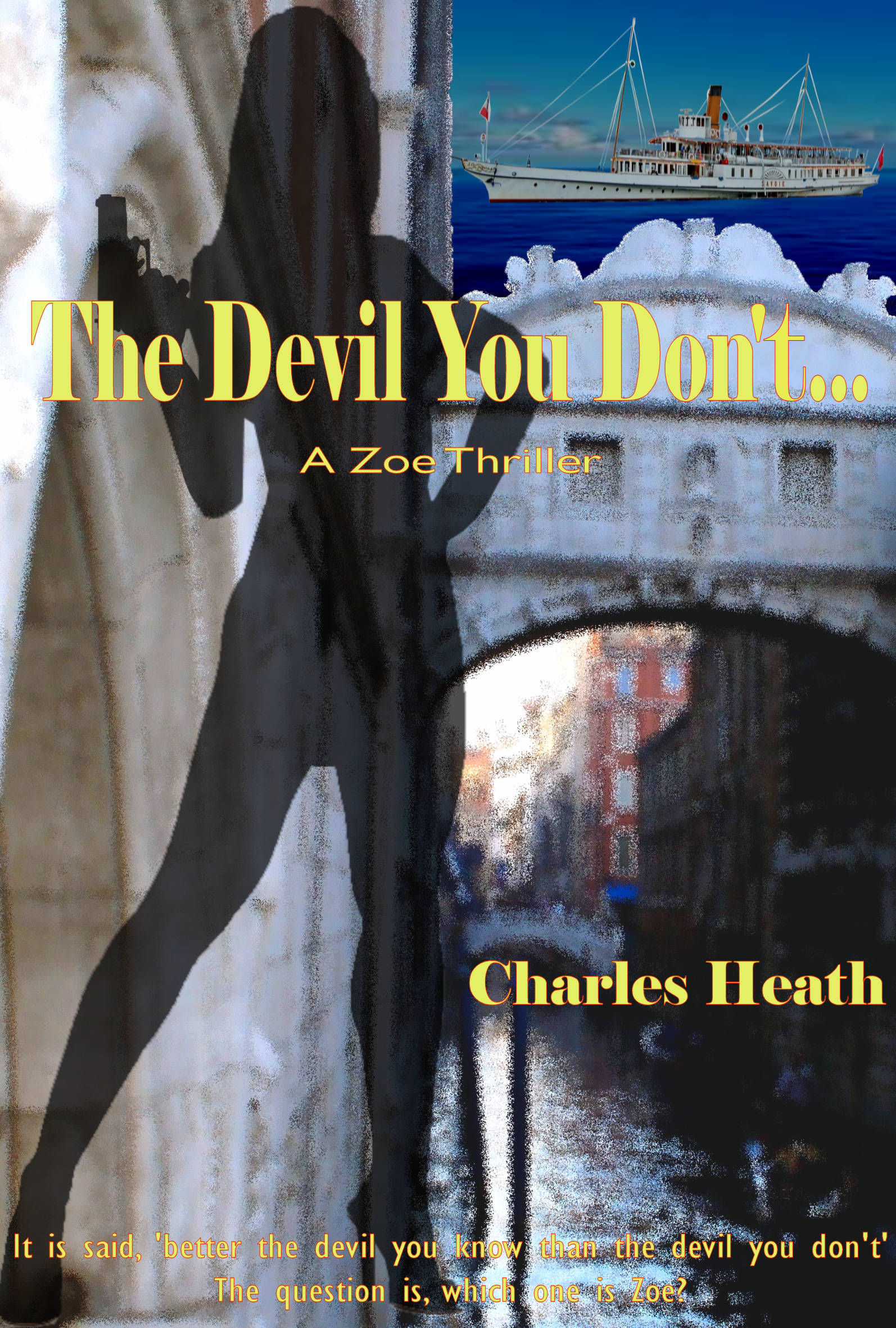
‘The Devil You Don’t’ – A beta reader’s view

It could be said that of all the women one could meet, whether contrived or by sheer luck, what are the odds it would turn out to be the woman who was being paid a very large sum to kill you?

John Pennington is a man who may be lucky in business, but not so lucky in love. He has just broken up with Phillipa Sternhaven, the woman he thought was the one, but relatives and circumstances, and perhaps because she was a ‘princess’, may also have contributed to the end result.

So, what do you do when you are heartbroken?

That is a story that slowly unfolds, from the first meeting with his nemesis on Lake Geneva, all the way to a hotel room in Sorrento, where he learns the shattering truth.

What should have been solace after disappointment turns out to be something else entirely, and from that point, everything goes to hell in a handbasket.

He suddenly realises his so-called friend Sebastian has not exactly told him the truth about a small job he asked him to do, the woman he is falling in love with is not quite who she says she is, and he is caught in the middle of a war between two men who consider people becoming collateral damage as part of their business.

The story paints the characters, cleverly displaying all their flaws and weaknesses. The locations add to the story at times, taking me back down memory lane, especially to Venice, where, in those back streets, I confess it’s not all that hard to get lost.

All in all, a thoroughly entertaining story with, for once, a satisfying end.

Available on Amazon here: https://amzn.to/2Xyh1ow

In a word: Keep

Yes, this is an easy one.

I want to keep the car.  Especially if it’s a Lamborghini and it didn’t cost $500,000.

This form of the word simply means to hang on to something, or up the proper definition, to have or retain possession of

Paring it with other words is where it gets complicated.

For instance,

Keepings off, make sure that the ball doesn’t get into someone else’s possession.

Keep it to yourself, yes, here’s your chance to become the harbinger of secrets and not tell anyone else.  Not unless a lot of money is involved, or a Lamborghini.

You guessed it, the car is the running joke on this post.

How about, keep a low profile, been there tried that, it’s a lot harder than you think.

What about keeping your cards close to your chest, yes, this had both a literal and figurative meaning which makes it sort of unique.

That might follow the second definition, to continue, or cause to continue a particular state.

Another way of using keep is by delaying or stopping someone from doing something or getting somewhere; ie, I was kept waiting at the doctor’s surgery because he was late.

There are any number of examples of using the word keep in tandem with other words

One that specifically doesn’t relate to all the former examples, is simply the word keep.

What is it?

Usually the strongest part of the castle, and the last to fall in an attack.

At least, that was the theory.

An excerpt from “Betrayal” – a work in progress

It could have been anywhere in the world, she thought, but it wasn’t.  It was in a city where if anything were to go wrong…

She sighed and came away from the window and looked around the room.  It was quite large and expensively furnished.  It was one of several she had been visiting in the last three months.

Quite elegant too, as the hotel had its origins dating back to before the revolution in 1917.  At least, currently, there would not be a team of KGB agents somewhere in the basement monitoring everything that happened in the room.

There was no such thing as the KGB anymore, though there was an FSB, but such organisations were of no interest to her.

She was here to meet with Vladimir.

She smiled to herself when she thought of him, such an interesting man whose command of English was as good as her command of Russian, though she had not told him of that ability.

All he knew of her was that she was American, worked in the Embassy as a clerk, nothing important, whose life both at work and at home was boring.  Not that she had blurted that out the first they met, or even the second.

That first time, at a function in the Embassy, was a chance meeting, a catching of his eye as he looked around the room, looking, as he had told her later, for someone who might not be as boring as the function itself.

It was a celebration, honouring one of the Embassy officials on his service in Moscow, and the fact he was returning home after 10 years.  She had been there once, and still hadn’t met all the staff.

They had talked, Vladimir knew a great deal about England, having been stationed there for a year or two, and had politely asked questions about where she lived, her family, and of course what her role was, all questions she fended off with an air of disinterested interest.

It fascinated him, as she knew it would, a sort of mental sparring as one would do with swords if this was a fencing match.

They had said they might or might not meet again when the party was over, but she suspected there would be another opportunity.  She knew the signs of a man who was interested in her, and Vladimir was interested.

The second time came in the form of an invitation to an art gallery, and a viewing of the works of a prominent Russian artist, an invitation she politely declined.  After all, invitations issued to Embassy staff held all sorts of connotations, or so she was told by the Security officer when she told him.

Then, it went quiet for a month.  There was a party at the American embassy and along with several other staff members, she was invited.  She had not expected to meet Vladimir, but it was a pleasant surprise when she saw him, on the other side of the room, talking to several military men.

A pleasant afternoon ensued.

And it was no surprise that they kept running into each other at the various events on the diplomatic schedule.

By the fifth meeting, they were like old friends.  She had broached the subject of being involved in a plutonic relationship with him with the head of security at the embassy.  Normally for a member of her rank, it would not be allowed, but in this instance it was.

She did not work in any sensitive areas, and, as the security officer had said, she might just happen upon something that might be useful.  In that regard, she was to keep her eyes and ears open and file a report each time she met him.

After that discussion, she got the impression her superiors considered Vladimir more than just a casual visitor on the diplomatic circuit.  She also formed the impression that he might consider her an ‘asset’, a word that had been used at the meeting with security and the ambassador.

It was where the word ‘spy’ popped into her head and sent a tingle down her spine.  She was not a spy, but the thought of it, well, it would be fascinating to see what happened.

A Russian friend.  That’s what she would call him.

And over time, that relationship blossomed, until, after a visit to the ballet, late and snowing, he invited her to his apartment not far from the ballet venue.  It was like treading on thin ice, but after champagne and an introduction to caviar, she felt like a giddy schoolgirl.

Even so, she had made him promise that he remain on his best behaviour.  It could have been very easy to fall under the spell of a perfect evening, but he promised, showed her to a separate bedroom, and after a brief kiss, their first, she did not see him until the next morning.

So, it began.

It was an interesting report she filed after that encounter, one where she had expected to be reprimanded.

She wasn’t.

It wasn’t until six weeks had passed when he asked her if she would like to take a trip to the country.  It would involve staying in a hotel, that they would have separate rooms.  When she reported the invitation, no objection was raised, only a caution; keep her wits about her.

Perhaps, she had thought, they were looking forward to a more extensive report.  After all, her reports on the places, and the people, and the conversations she overheard, were no doubt entertaining reading for some.

But this visit was where the nature of the relationship changed, and it was one that she did not immediately report.  She had realised at some point before the weekend away, that she had feelings for him, and it was not that he was pushing her in that direction or manipulating her in any way.

It was just one of those moments where, after a grand dinner, a lot of champagne, and delightful company, things happen.  Standing at the door to her room, a lingering kiss, not intentional on her part, and it just happened.

And for not one moment did she believe she had been compromised, but for some reason she had not reported that subtle change in the relationship to the powers that be, and so far, no one had any inkling.

She took off her coat and placed it carefully of the back of one of the ornate chairs in the room.  She stopped for a moment to look at a framed photograph on the wall, one representing Red Square.

Then, after a minute or two, she went to the mini bar and took out the bottle of champagne that had been left there for them, a treat arranged by Vladimir for each encounter.

There were two champagne flutes set aside on the bar, next to a bowl of fruit.  She picked up the apple and thought how Eve must have felt in the garden of Eden, and the temptation.

Later perhaps, after…

She smiled at the thought and put the apple back.

A glance at her watch told her it was time for his arrival.  It was if anything, the one trait she didn’t like, and that was his punctuality.  A glance at the clock on the room wall was a minute slow.

The doorbell to the room rang, right on the appointed time.

She put the bottle down and walked over to the door.

A smile on her face, she opened the door.

It was not Vladimir.  It was her worst nightmare.

© Charles Heath 2020

The cinema of my dreams – I always wanted to see the planets – Episode 39

Talk fast, and hope like hell!

Oh, to be back on a cargo ship with three other crew members and a robot that wasn’t trying to destroy ships and murder crew members.

On the cargo ship, the captain could hide in his or her cabin behind the bridge and never come out except to tell the robot he or she was doing a good job.

Sometimes you’d see the crew in the mess hall.

No major life-changing decisions.  It was point A to point B without drama, hold-ups, or anything really.

Not like being the captain of a brand-new class of explorer’s vessels with over 2,000 crewmen on the outer edges of our galaxy, on the verge of being destroyed.

“So, for the benefit of a human without the resources of countless generations of knowledge, and experience of countless alien entities, who or what are you that can make such a life-changing decision?  Especially after you said that we would be safe.”

“If you are inferring that I am a robot programmed to not look rationally at the pros and cons of any case you put to me, or that I am devoid of any empathy, you’re wrong.  That I should make such a threat, in our experience, you humans tend to do one of two possible actions, you retaliate with violence, or you make a rational argument. As for who I am, I have a living body that requires nourishment and ages not unlike your own, hosting a fully cognisant member of our race.  The only difference is that I do not appear in my true form, in deference to making your interaction simpler.  I could take any one of a hundred different forms, depending on whom we hold discussions.”

That cleared several questions that had formed in my mind.  This race was very advanced, being able to put their consciousness into another, or any, body.  Did that mean they never died?  Not the time to ask.  The fact they had found a way to assess human reaction to stress, or life or death situations so simply showed they had been observing us a long time.

“We chose not to shoot first.  You will see we might be at a battle state, but that’s only for our protection.  You cannot hold us responsible for the actions of that other ship because as far as the whole of our planet is concerned, we were the first to come here, and as the first, our mission is not to shoot first and ask questions later, as much as it is to explore, and learn.  The keyword is learning.”

“These are words, and our experiences with humans have taught us that what you say and what you do are quite often two entirely different things.”

My experience too, and it was an all too familiar scenario.  I suspect that the motives of my masters might equally be received with some skeptics, because not everyone in the alliance was on the same page, and decisions were sometimes based on possible shifting alliances.

Space travel still had a gloss on it, and everyone was looking to get a seat at the table.  I had no doubt my new friend, I’d I could call him that, would be equally aware of the situation, as it appeared he did, and it spoke volumes about the levels of their penetration in our world.

“I think, then, our best course of action is to prove we mean what we say.  You were chasing that other vessel, the one you say the occupants committed crimes upon people in your galaxy.”

“They did.  We were, but there was a measured reluctance on the part of the other crew members to pursue them beyond the limits of our galaxy.  Exploration is one thing, an offense that might cause conflict is something else.”

So, they had problems with being the instigators of actions that might be misinterpreted.

“Then let us apprehend them, and we will render the justice together.  I have no trouble bringing people who have criminal intentions to justice.  I would prefer it to be ours, but for the sake of creating at least an initial relationship between our worlds, I will accept the responsibility.”

I could see Nancy looking at me with a look that would kill mortal men and understood her concern.  This was going to be a tough sell all round

“It would be acceptable as a preliminary basis for discussions.  My people would consider your input if or when any or all of those responsible for crimes were arraigned.”

Good enough, for the moment.

“Excellent.  Now, could you lift the block you have on our communications so I can get the first officer on to finding where their ship is “

“You may have a hard job catching them.  Their ship is, as far as we are aware, the fastest your galaxy has.”

“Not quite, but that’s a discussion for another day.”

The green bar on my communicator returned.

“Number one.”

A moment later he came back with, Sir, you are OK?”

“Fine.  Have you been monitoring that Russian vessel?”

“Yes, sir.  It’s about a half-hour from here.”

“Good.  Ready the ship for pursuit.  We have a few questions that need answering.  I’ll explain more when I get back.”

“You can come with us, on our ship, or in yours.  I will communicate your existence with my superiors, just not the fact you’ve infiltrated us in deference to your people if you want to get them out, or declare their presence, a situation we can control if you agree to sit down and talk about it.  I suspect that they’ve been helping more than hindering, other than just keeping you informed of our progress.”

I didn’t get a smile, but that invisible change in expression was an interesting indicator.

“I’ll stay, we’ll follow discreetly.  Your actions will be judged, Captain.”

“No pressure then.  Could you send the names, or if not, photos, of the offenders?  How many are there?”

“Six.  We shall.  Good luck.”

The next instant I was back on the deck of my own ship.

© Charles Heath 2021-2022

A photograph from the inspirational bin – 55

What story does it inspire?

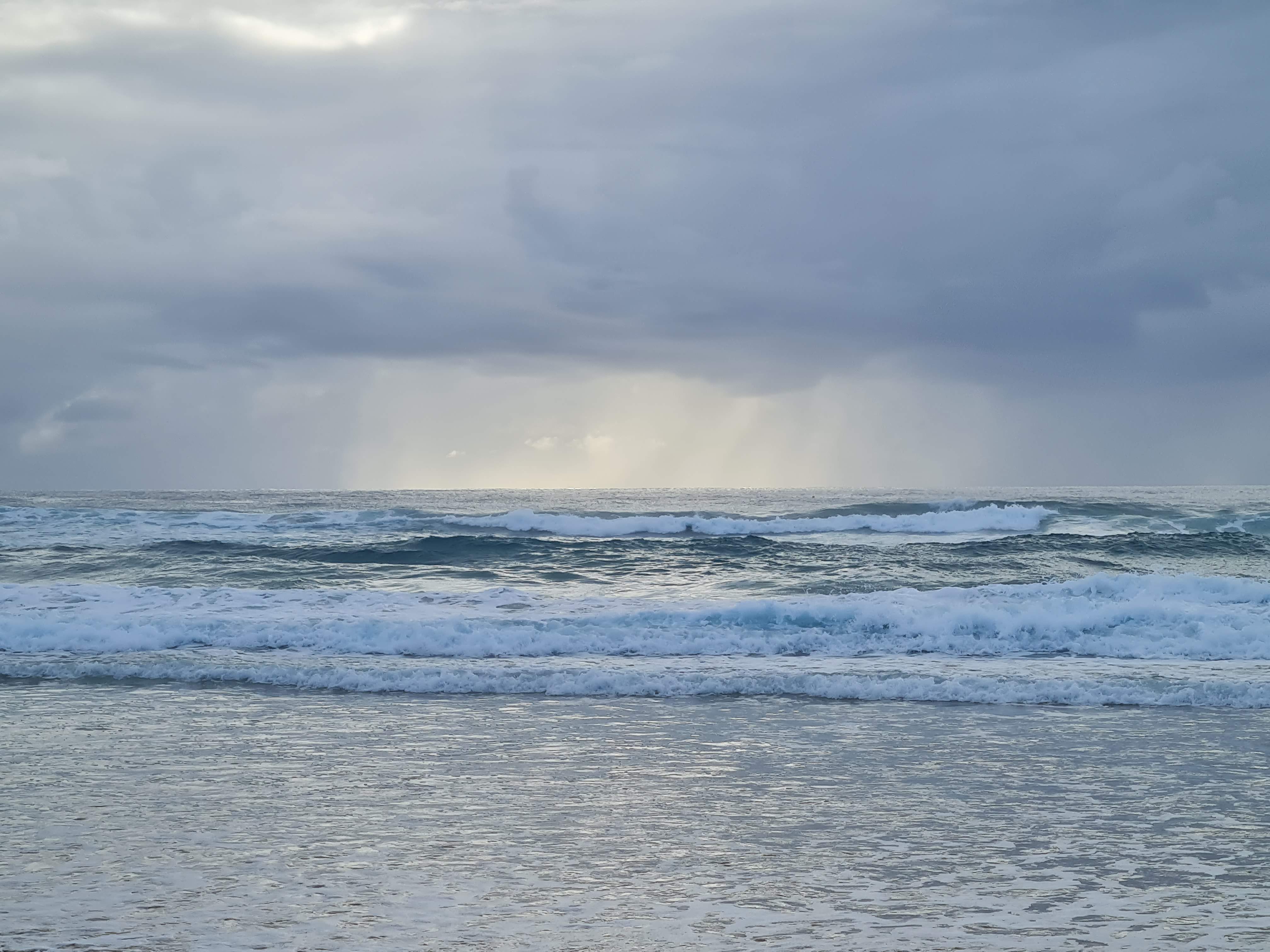
I have this thing about taking photos of the ocean. This one was taken early in the morning, after sunrise, which was pretty spectacular, and of a passing rain belt. It’s not quite as discernable as it was with the naked eye, but it was out to sea, and I wondered what it might be like aboard a large ship.

What if the rain storm followed the ship? It would be intriguing to know if that’s ever happened, but my thought would be, a ship in the middle of the ocean, with limited engine power because of a mysterious breakdown, pouring rain continuously pounding the ship keeping everyone inside, and then people start dying.

Of course, there’s no visible reason why they should be, no wounds, no strangulation, no gunshot or knife attacks, people just dropping dead.

Is it the shroud that has enveloped the ship?

Is it unworldly?

Is it nature’s retribution?

It might be the latter, because on board is a large group of industrialists responsible for more of the carbon dioxide output that is destroying the ozone layer and worsening climate change.

Now, there’s a story!

“Trouble in Store” – Short stories my way: Adding more to the second part

The story fleshed out for the second section, discussed in Point of View


Annalisa looked at the two men facing her, a shopkeeper who, despite his protestations, was a dealer, and the other man, a customer scared shitless.

The poor bastard was not the only one scared. 

It was meant to be simple, arrive at the shop just before closing, force the shopkeeper to hand over the shit, and leave.

What had happened?

The shopkeeper laughed at them and  told them to get out.  Simmo started ranting and waving the gun around, then all of a sudden collapsed. 

There was a race for the gun which spilled out of Simmo’s hand, and she won.  No more arguments, the shopkeeper was getting the stuff when the customer burst into the shop.

This was worse than any bad hair day, or getting out of the wrong side of bed day, this was, she was convinced, the last day of her life.

Her mother said she would never amount to anything, and here she was with a drug addict coming apart because she had been cut off from her money and could no longer pay for his supply, which had led them to this inevitable ending.

She heard a strange sound come from beside her and looked down.  Simmo was getting worse, like he had a fever, and was moaning.


If Alphonse had thought his day was going to get any better after the delivery disaster earlier that day, he was wrong.

If he thought he could maintain his real business and his under the counter business with no one finding out, in that he was wrong too.  He’s know, inevitably, some useless punk would come and do exactly what Simmo was doing.

It might have been salvageable before the customer came in the door, but now it was not.  The customer had heard the words, and given him ‘the look’.  A drug addict telling the cops he was a dealer, it was his word against an  unreliable addict, but this local chap, he had that air of respectability the cops would listen too.

Damn.

But he had to try and salvage the situation, there was a lot of money involved, and other people depending on him.  He looked at the boy, on the floor, then  the girl.

“Listen to me, young lady, I have no idea what you are talking about.  Please, put the gun down before someone gets hurt.  Your friend needs medical help and I can call an ambulance.”

The girl switched her attention back to him.  “Shut up, let me think.  Shit.”

The storekeeper glanced over at the customer.  He’s been in once or twice, probably lived in the neighborhood, but looked the sort who’d  prefer to be anywhere but in his shop.  More so now.  If only he hadn’t burst in when he did.  He would have the gun, called the police, and brazened his way out of trouble.  Now, that remedy was off the table.

Now he had to deal with the fallout, especially if the girl started talking.


© Charles Heath 2016-2020

365 Days of writing, 2026 – 69

Day 69 – Writing exercise

We don’t have a lot of time

This was the thing about end-of-world stuff.

You honestly believe that people could not be that stupid, and how simple it was to create the conditions where the only answer is nuclear Armageddon.

We go to the movies, we watch television shows that portray what it’s like before the war, during the war and then after the war, what we are calling World War 3.

If there’s a war, because some shows are about people building bunkers in anticipation of a war, and then when there wasn’t, they blew everything up anyway.

And sadly, that just about sums up what is happening to us now.

Let’s go back.  It wasn’t all that long ago.  We had a particular country in the Middle East deciding that it was sick of missiles randomly raining down on it.

Maybe that’s a bit of an exaggeration, but the intent was the same.  Certain Arab states didn’t like Israel, that certain country, so Israel started bombing the Palestinians. 

Meanwhile, elements in Yemen sent missiles, elements in Lebanon sent missiles, and a larger oil-rich country, Iran, financed all these splinter Arab groups.

Then there’s the Russians and the Ukrainians.  There’s the Chinese posturing over Taiwan.  The United States posturing over oil and terrorism, and the rest of the world, basically horrified, are nervously watching on.

We are in Australia, as far away from all this stuff as you could get, but we do have a problem.  Oil.  We import it all, so if the Middle East explodes, we will be in trouble.

We could live with posturing.  We could live with the superpowers flexing their muscles.  What we don’t want or need is a full-scale war that would become a black hole and suck everyone in.

We even said so, multiple times. Preceful negotiations, not bombs.

Did anyone listen….

I was reading a book, a work of fiction, written a few years ago now.

The premise ..

If someone blows up the oil pipelines in the Middle East, and a country on the borders of the Hormuz Strait decided to sink a few ships and block it, how long would it take for society to break down?

This book should be mandatory reading for every politician in the world because what happens when the scenario plays out is Armageddon.

No oil, no petrol, no cars or trucks, no deliveries.  No oil for the power station generators, no industry, no food moving.  People don’t store food.  They buy it daily.  When the food runs out…

Rationing?  Tell that to the guy with the gun, pointing it at you.  He’s desperate and will pull the trigger.  All semblance of sanity is finished.

You get the picture. Two weeks, anarchy, four goodbye to sanity and everything else.

I’m reading this book, and a newsflash comes on the screen.
.
Israel and America have bombed Iran.

Why?  They think the Iranians are about to launch a nuclear warhead. 

Where?  Israel, America?

Do they not know that if the Iranians exploded a nuclear bomb anywhere, there’s going to be retaliation?

I’m sitting staring at the TV screen in utter disbelief.

Of course, Iran is going to fire back, and because America is involved, they will retaliate against all the US bases in the other Arab States.

What was the reason for this seemingly unprovoked attack, other than the alleged nuclear weapon?

Pick one out of 157 random reasons, none quite a making up a coherent sentence.  We are told it will last two days, the war will be won, Iran will lose everything, the country will be taken back by the people, and everything will be fine.

That’s right, after the alleged nuclear bomb, the next reason was to kill the radical leadership and have the people revolt.

Two days at the most.  Bomb their nuclear facilities and some infrastructure, one of which was apparently next to a girl’s school, and it was hit instead with horrifying results.   But they did kill the leader.

I guess what happens next would be the same if the Iranians killed the President of the USA, and I hpe they weren’t thinking there would be no retaliation.

Admittedly, we all think that Iran is run a little too religiously, and that the regime is harsh in meting out punishment to dissenters and women, but it is a sovereign country, and no other country has the right to bomb them simply because we don’t like their religion or customs.

Of course, we in Australia denounced the attack as illegal, along with just about every sane country in the world.  But again, we are reminded that this is allegedly about killing the leadership and hoping for an uprising.

Yep.  Good luck with that.  Day two, the expert commentators, yes, like sport, we have commentators for wars, the experts are saying that in killing heads of state, they will be replaced, quite possibly with more radical heads of state, with the warning they will never forget what the enemy did.  And yes, there might be protesters in the streets, hoping for a change in government, but we’ll shoot them.

Day four, no to the regime change and no to surrender.  This war is just getting started. Reading between the lines, the Iranians saw this coming, have seen it coming for years, and have made appropriate arrangements.

And a little daunting on the side, the message sent to Israel and America, bring it on.

Day five, we are told Iran is a spent force, with no munitions, destroyed launching sites, and no leadership. 

Until a barrage of missiles lands in places where no missiles were expected, leaving a few dead soldiers for someone to explain how this had happened when their infrastructure had been, so-called, blasted to bits.

And no, just because it’s war and there are always casualties, it just doesn’t cut it when you tell a mother who has lost her son that they have to expect casualties in war, when they had been told no more wars, ending existing wars, and their President is the President of Peace.

This isn’t going to win anyone a Nobel Peace Prize any time soon.

The two-day, worst-case-scenario war is now a week along, and there is no end in sight.  Iran seems to have an inexhaustible supply of missiles.

That one week suddenly turns into two weeks, and the world is now panicking over the loss of oil getting through. Oil prices per barrel are rocketing, ships are not moving, insurance is withdrawn, and stock markets are tanking.

Here’s a thought. Let’s let Russia sell oil to ease the shortages. They won’t use the funds to fuel the war with Ukraine. Will they? Or supply intelligence to the Iranians. Or is China selling arms and missile defence systems?

And not forgetting their own little skirmish, it seems the initial efforts are not working, so let’s start bombing infrastructure.  Not outhouses and portable toilets, let’s start taking out gas and oil fields and make it hard for them to produce anything. Like their major gas field.

Haven’t they heard of retaliation?  You know when the other side goes for your stuff?

Obviously not.  But who didn’t expect Iran to target the other Arab countries’ infrastructure, and now it’s getting serious.

You can see a pattern forming here. Drop bombs on us, we sent missiles and drones back, you target our gas and oil fields, we will target yours. They even stand up and tell us in plain language what they’re going to do.

Week three, we don’t want to know.  Israel has bombarded and damaged a large Iranian facility.  And no, I didn’t hear them surrendering, I hear them going for American and Arab states’ gas and oil fields with the same intensity.

This is a war.  There are no good guys when it comes to running wars.  It’s about destroying the enemy, plain and simple.

OMG.

By this time, we are beginning to realise they’re using missiles which we apparently didn’t or can’t find or destroy because they’re, well, hidden, 500 meters below ground level, and therefore can launch barrages with impunity on friendly Arab states, and it seems longer range targets.

And if they can hit long-range targets, nothing is safe, no one is safe, and you have to think that this war is becoming the mother of all disasters.

So, here we are, each side bombing and destroying part of the other’s oil and gas-producing facilities, and now the world is suffering because of it. Where will it end?

Two world wars, and we apparently haven’t learned anything.

Three weeks, and we’re on a knife-edge. It’s that time when, turning on the TV to get the latest news, we are barraged with destruction and posturing.

And, this morning, an ultimatum. We are telling them they have 48 hours to surrender or they will be totally destroyed.

What?

An ultimatum that says, basically, you’re in a no-win situation. I can literally see the Iranian leadership behind closed doors, discussing the latest threat.

Imagining that they do not have nuclear weapons at their disposal would be a mistake. We want to believe they don;t but I suspect, as so a lot of others, they do.

The question is whether they would use them.

Is anyone, on either side, asking the question?

If you shoot, they shoot, and there will be nothing left.  There will be no world left for either side to claim any sort of victory. And all those who didn’t want to be involved will suffer the same fate.

Nuclear annihilation.

So, here’s the thing.

In many different TV shows where someone is backed into a corner, and there’s no way out, the only way outcome is the worst possible eventuality.

You see the people who finally realise that it’s a no-win situation, and try to calm things down, but it’s usually one person or a group in an isolated situation.  The damage, as catastrophic as it is, is confined.

When you corner someone into believing the only way out is annihilation, well, hold onto your hats because this is one in, all in.

And as is the nature of our society and its thirst for instant news, we’re going to see the end of the world in real time.

We may not die instantly like the lucky ones, no, we’ll get to die a lingering death, a day, or two, or a week.  Maybe a month, but the thought of that is too horrific to contemplate.

You just have to wonder who the madman is who will authorise the first strike.

The Iranians, the Israelis or the Americans?

In the end, it doesn’t matter.  They will condemn this planet to extinction. 

Somewhere out there, the aliens who put us here as an experiment will be saying, yep. What a bunch of nihilistic dumbasses.  Money will change hands as the bets are paid, and the universe will go about its business, happy that Elon Musk isn’t going to live on Mars, and the Chinese aren’t going to take over the moon.

And the self-immolation tendencies of the human race will not spread its disease through the universe.

Except…

Flip-flop has just flipped the 48-hour deadline to five days, and then it will be the infamous two weeks that never end.

The stock market was cratering. It needed to hear positive news, that peace is within reach.

Even if it isn’t. Maybe money with trump annihilation.

We all collectively hold our breath, knowing that inevitably the end of this world is coming, and we can blame the person who invented the atomic bomb.  I was going to say that it’s the aliens’ fault because they could have come and stopped all this nonsense before it started. 

I guess they tried when they landed at Area 51, but our ‘shoot first and ask questions later; basically basically sealed our fate.

So?

We have a four-day breather before everything starts over again.

Is it any wonder I do not like roller coasters?

  .

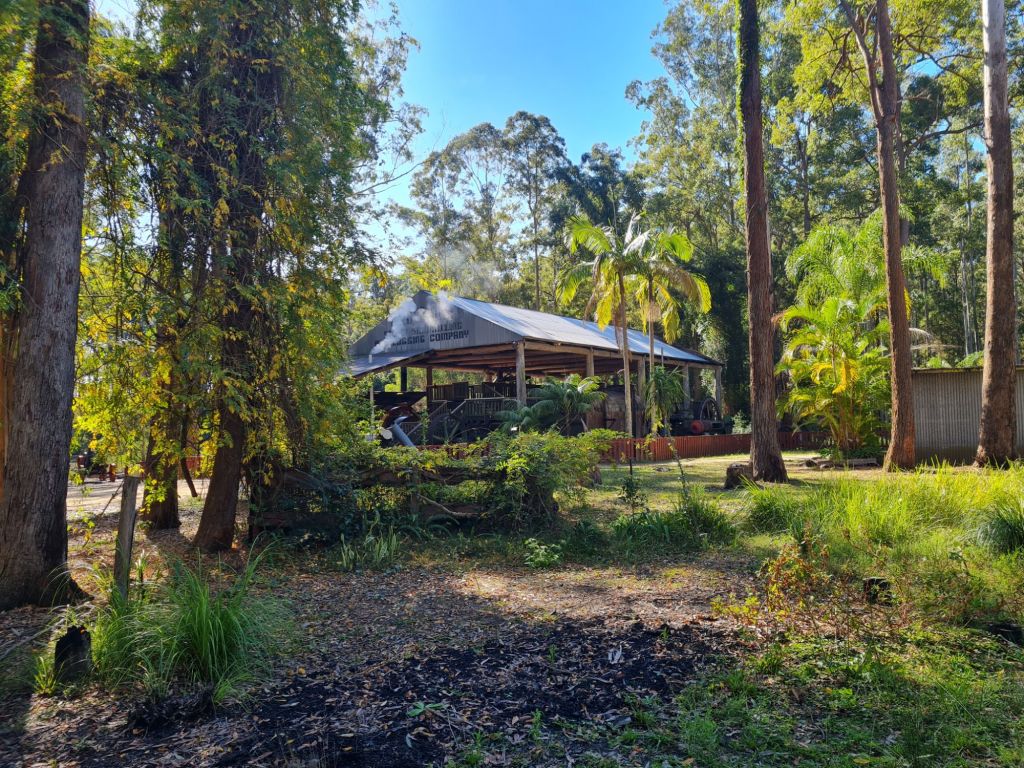
Searching for locations – Port Macquarie – Day 5 – Part 3

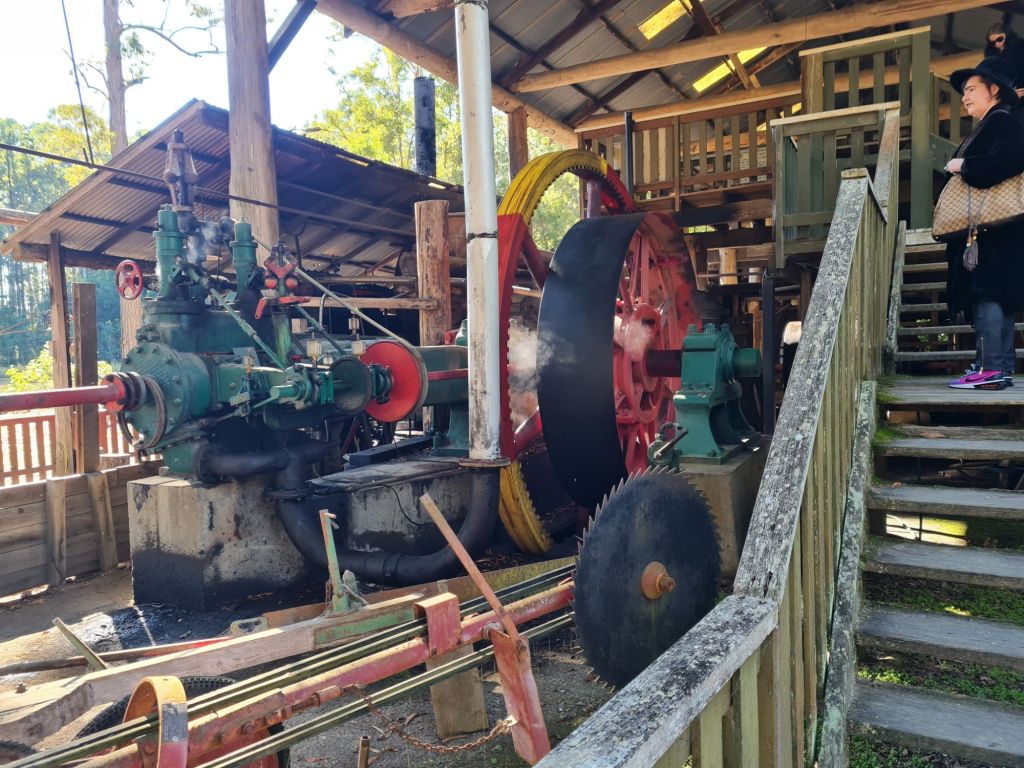
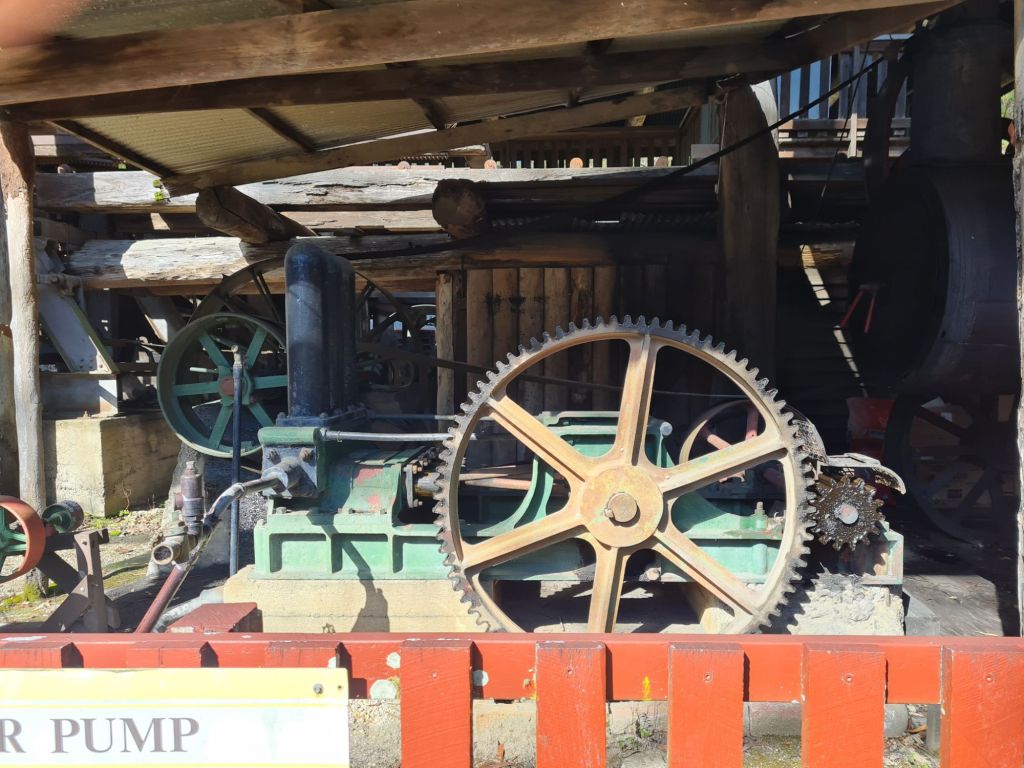
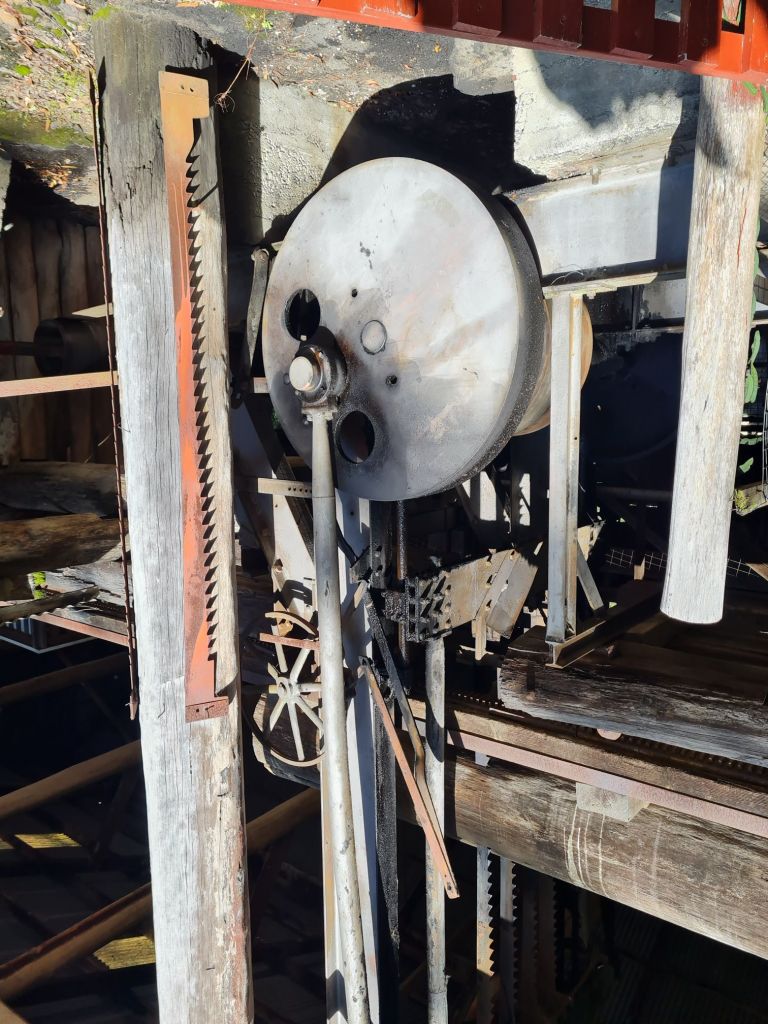
The timber mill

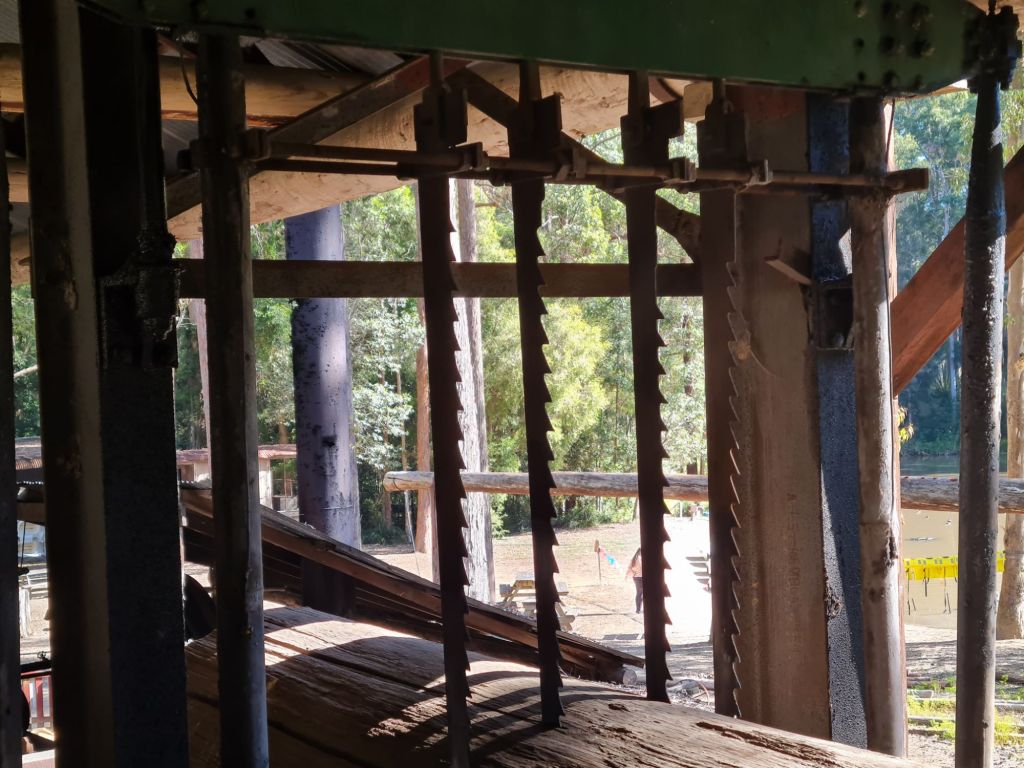
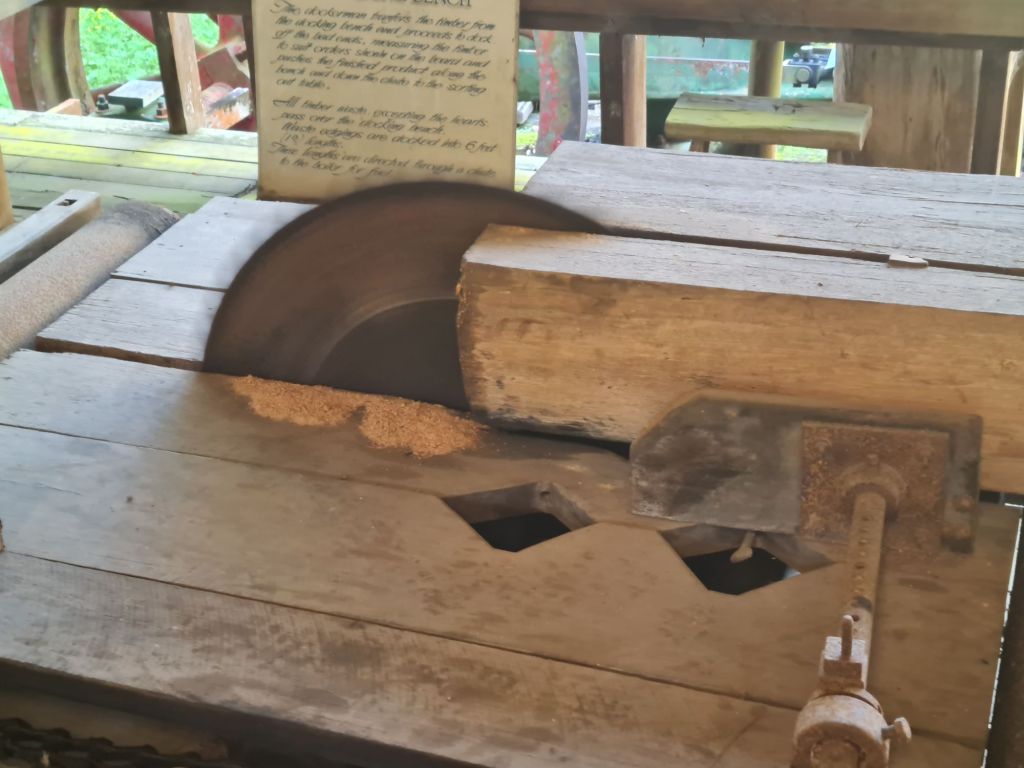
This timber mill was typical of the time, the mid to late 1800’s and into the 1900’s. It could be assembled and disassembled quite quickly and moved to where the wood was being felled.

It was run by a single portable steam engine which made it possible to have a mill near where the trees were being felled

The engine drives vertical and horizontal saw blades by a series of belts and driveshafts

What I learned about writing – The use and abuse of obscenities.

I’ll say it straight up: I don’t believe it’s necessary to use obscenities in most of my stories, and I don’t. They do appear in the odd story, but you can count on the fingers of one hand how many times I use these words.

Sometimes, the odd ‘f’ word or the ‘s’ word is used for dramatic effect, but there are others that I would never use. The point is that I rarely use those words in general speech myself. I don’t see the point.

But..

All around me, wherever I go, the language is terrible, and by people so young they should not, and probably don’t know the meaning of the words they are using. My grandchildren use that language as a matter of speaking and forget sometimes that we don’t like to hear it, but they are getting better. i know for a fact that my two children use it all the time, so it’s a case of what you hear all the time in the home is what you consider normal.

I’m told all the kids at school swear, so I’m guessing there’s no discipline to stamp it out. These days, teachers have no authority to do anything, so it’s only going to get worse.

So, while I don’t appreciate it and try not to go to any movies that have obscene language, which means we don’t see very many, or watch TV shows with it, I don’t use it as an excuse not to read something that I’ve been asked to critique. I have to get on board with the way the wind is blowing.

But I don’t have to like it.

And yes, as you’ve probably guessed, I’m one of those really old fuddy-duddies.