Searching for locations: The Mary Valley Rattler, Gympie, Queensland, Australia

I have a passion for visiting transport museums, to see old trains, planes, buses, cars, even ships if it’s possible.

This has led to taking a number of voyages on the TSS Earnslaw in Queenstown, New Zealand.

Many, many, many years ago on Puffing Billy, a steam train in the Dandenongs, Victoria, Australia.

The steam train in Kingston, New Zealand, before it was closed down, but hopefully it will reopen sometime in the future.

The London Transport Museum in London England, which had a lot of buses.

The Workshops Railway Museum in Ipswich, Queensland, where once the many steam engines were built and maintained, and now had only a handful of engines remaining.

However, in the quest for finding and experiencing old transportation methods, we came across the Mary Valley Rattler, which runs out of Gympie, Queensland, Australia.

The ride begins in Gympie at the old Gympie Railway station, and as can be seen below, is one of the relics of the past, and, nothing like the new more modern stations.  Thankfully.

If you’re going to have a vintage train, then you have to have a vintage station.

The Class of engine, seen below, is the C17, a superheated upgrade to the C16 it was based on, and first run in 1903.  This particular engine was built in 1951, although the first of its type was seen in  1920 and the last of 227 made in 1953.  It was the most popular of the steam engines used by Queensland Railways.

The C designation meant it had four driving axels and 17 was the diameter of the cylinder, 17 inches.  It is also known as a 4-8-0 steam locomotive
 and nicknamed one of the “Brown Bombers” because of its livery, brown with green and red trimming.

Also, this engine was built in Maryborough, not far from Gympie by Walkers Limited, one of 138.

This photo was taken as the train returned from Amamoor, a trip that takes up to an hour.

The locomotive is detached from the carriages, then driven to the huge turntable to turn around for the return journey to Amamoor.

This is the locomotive heading down to the water station, and then taking on water.  After that, it will switch lines, and reverse back to reconnect the carriages for the trip to Amamoor.

The carriages are completely restored and are extremely comfortable.  It brings back, for me, many memories of riding in older trains in Melbourne when I was a child.

The trains, then, were called Red Rattlers.

This is the locomotive climbing one of the hilly parts of the line before crossing over the Mary River on a trestle bridge.
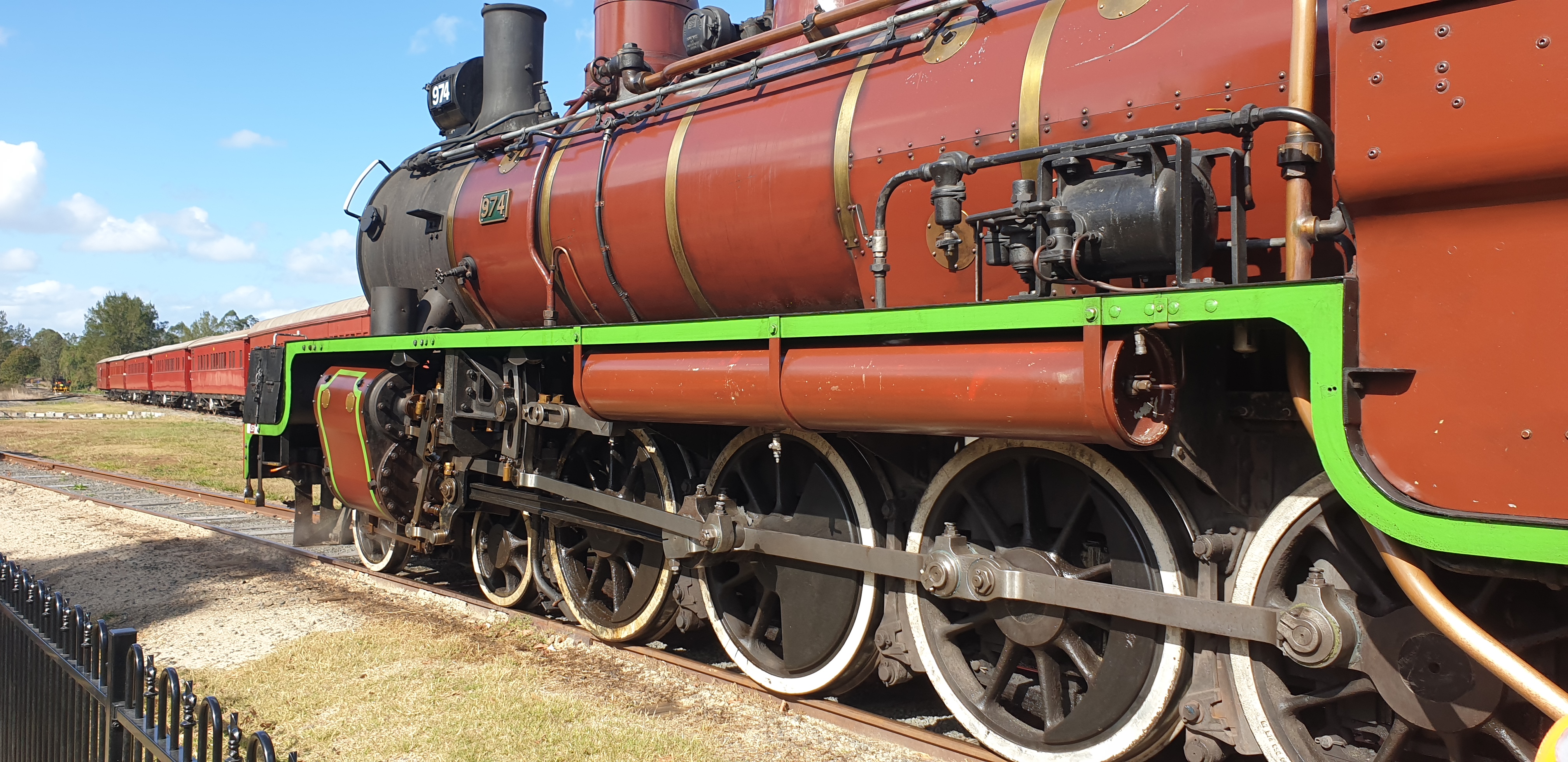
This is the engine at Amamoor near the picnic area where young children and excited parents and grandparents can get on the locomotive itself and look inside where the driver sits.

And, no, I didn’t volunteer to shovel coal.

This particular locomotive spent most of its working life between Townsville and Mount Isa and was based in Cloncurry, Charters Towers, and Townsville, before being sent, at the end of its useful days in the late 1960s, to the Ipswich Railway Workshops.

Searching for locations: Queenstown, New Zealand

Queenstown is as much about skiing in Winter as it is hiking in Summer or any other time.  It is, in fact, the ideal place for a holiday any time of the year.

We have stayed there simply to relax, though with all that scenery, and stuff to do, it’s nearly impossible to stay indoors all the time.

Usually, we stay in a place called Queenstown Mews, not far from the lake, and it gives us the perfect opportunity to walk down to the lake and follow the shoreline around to the town, and have coffee and cake as a fitting reward for the exercise.

Along the way, there is the view of the Remarkables:

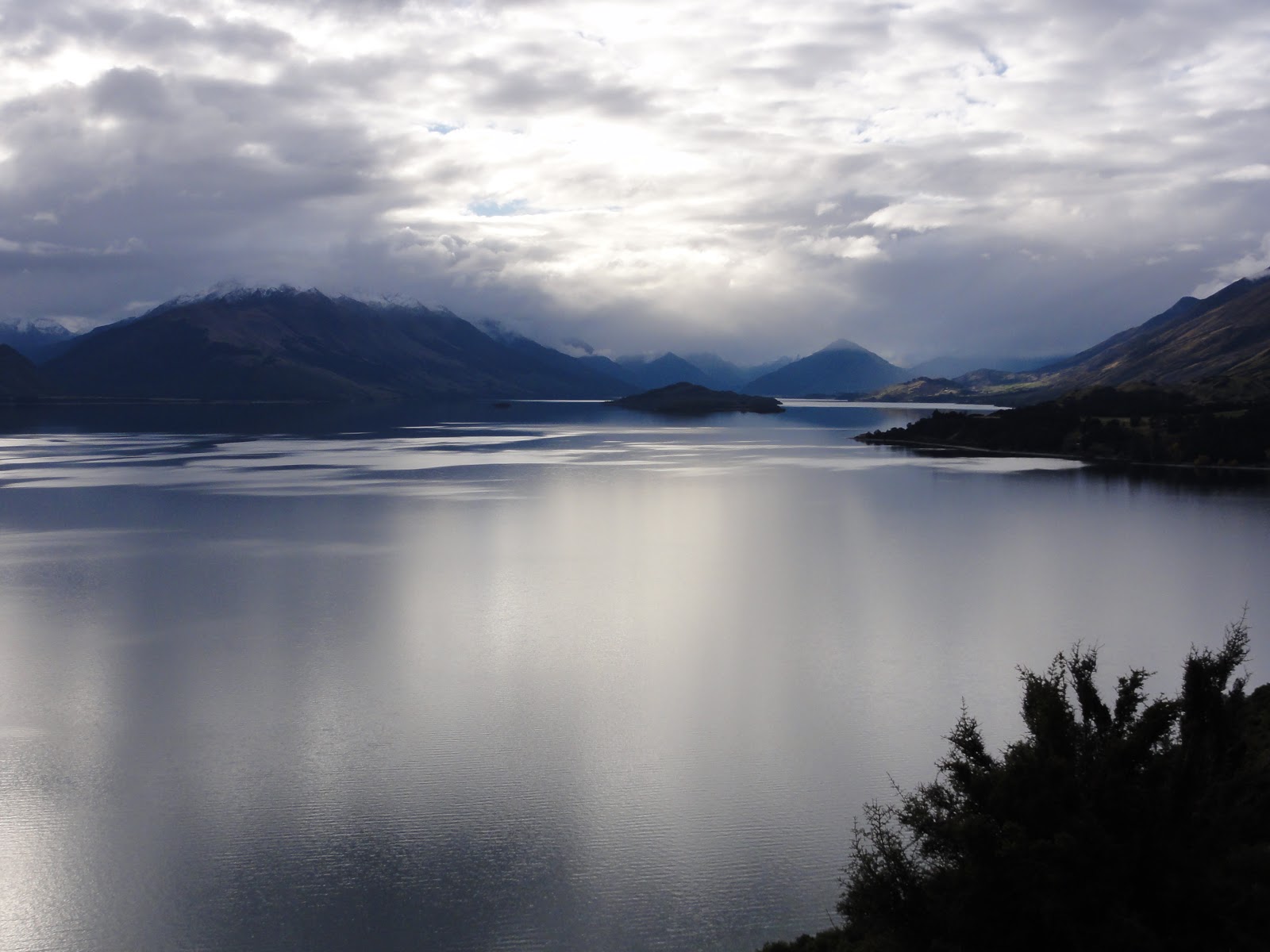
And, further around, behind the park and gardens, a spectacular view across the lake towards Walter Peak farm:

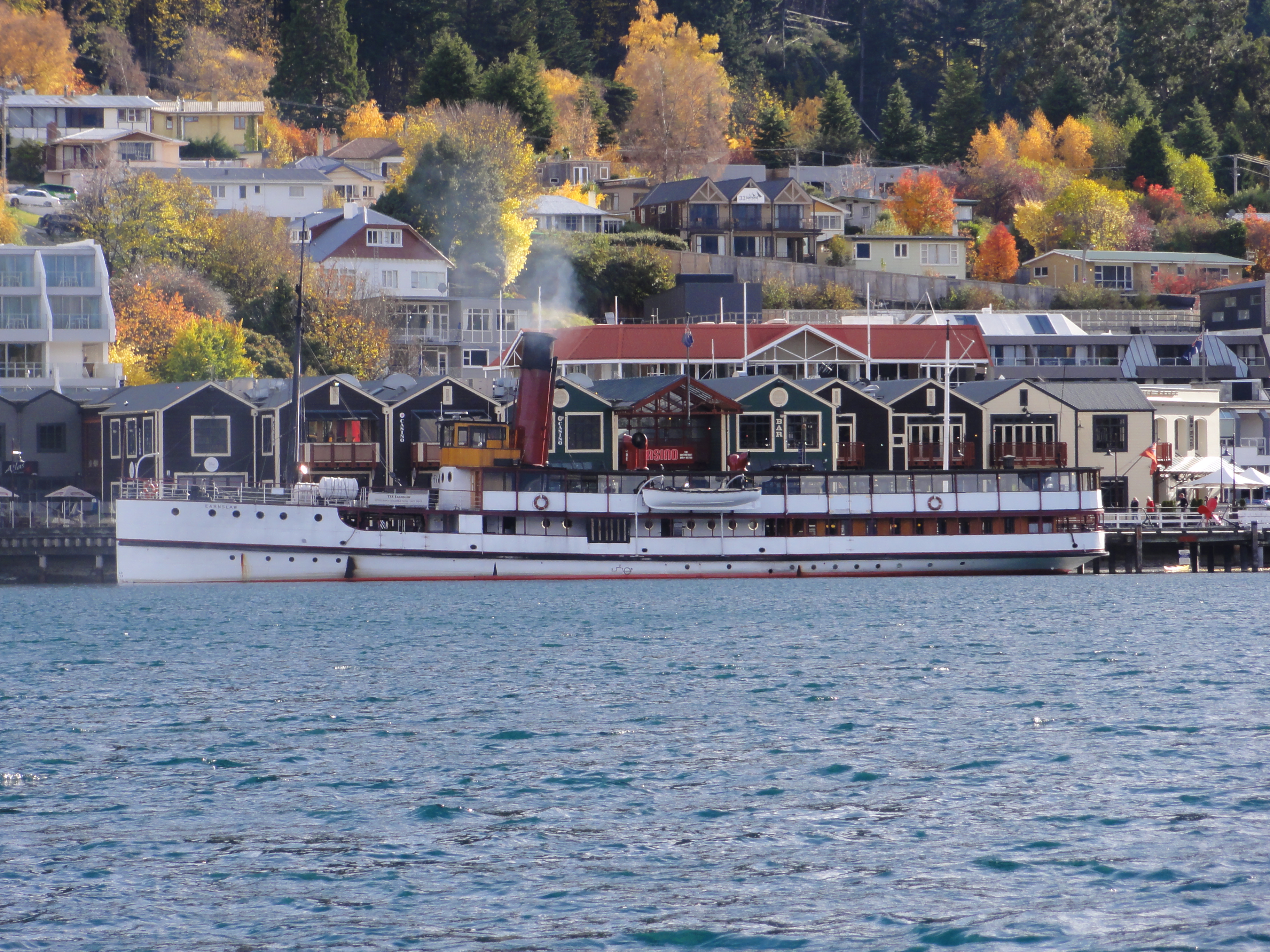
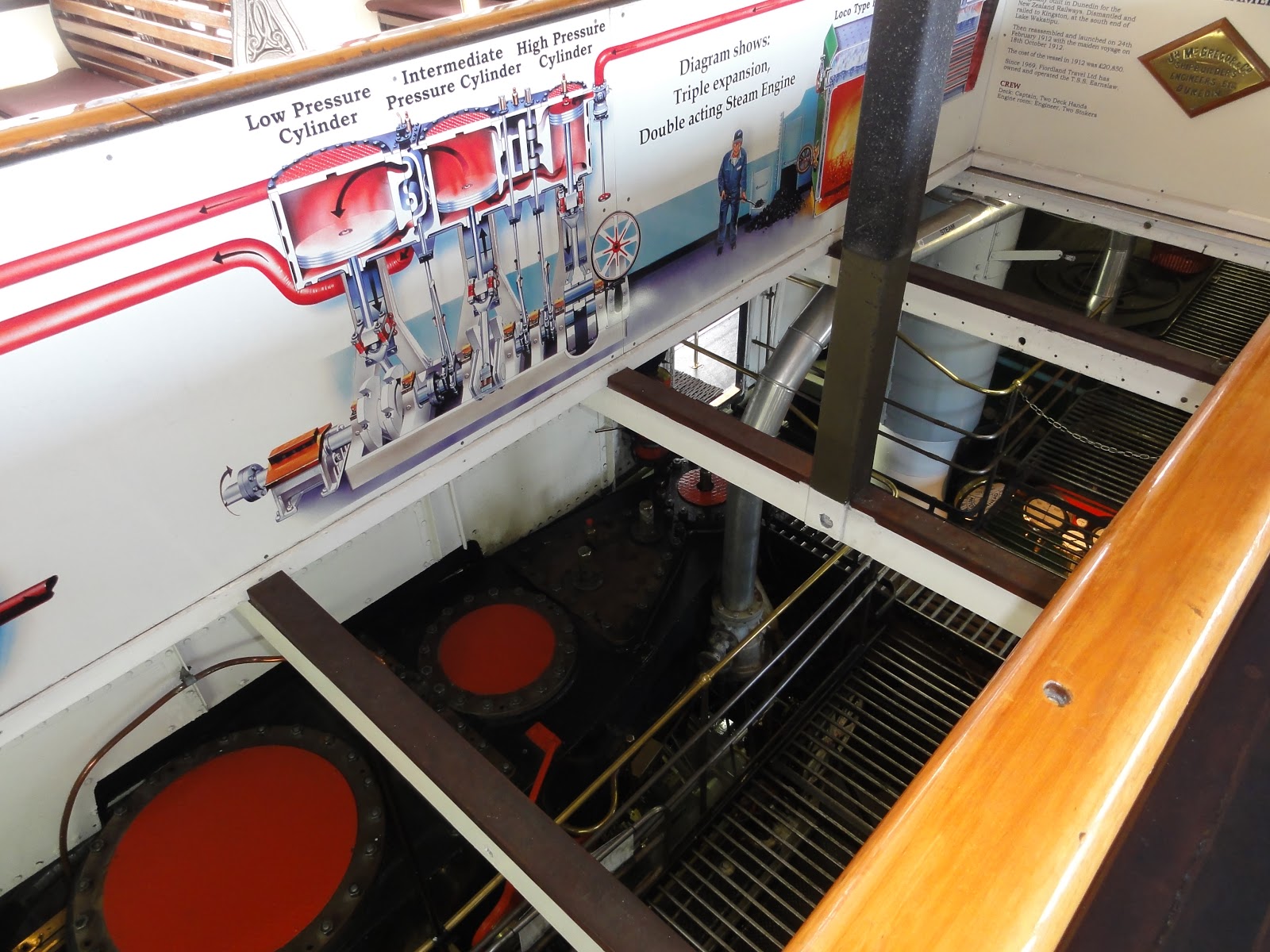
To get to the farm you can either drive a very, very long way or take the T.S.S. Earnslaw, otherwise known as the ‘Lady of the Lake’.

This vessel plies Lake Wakatipu from Queenstown to mostly Walter Peak Farm but has been known, on occasions, to go to Kingston or Glenorchy.

Here it’s sitting at the pier at Queenstown, ready to depart for Walter Peak Farm.

earnslaw1

And this is it returning to Walter Peak Farm to take the visitors back to Queenstown.

earnslaw2

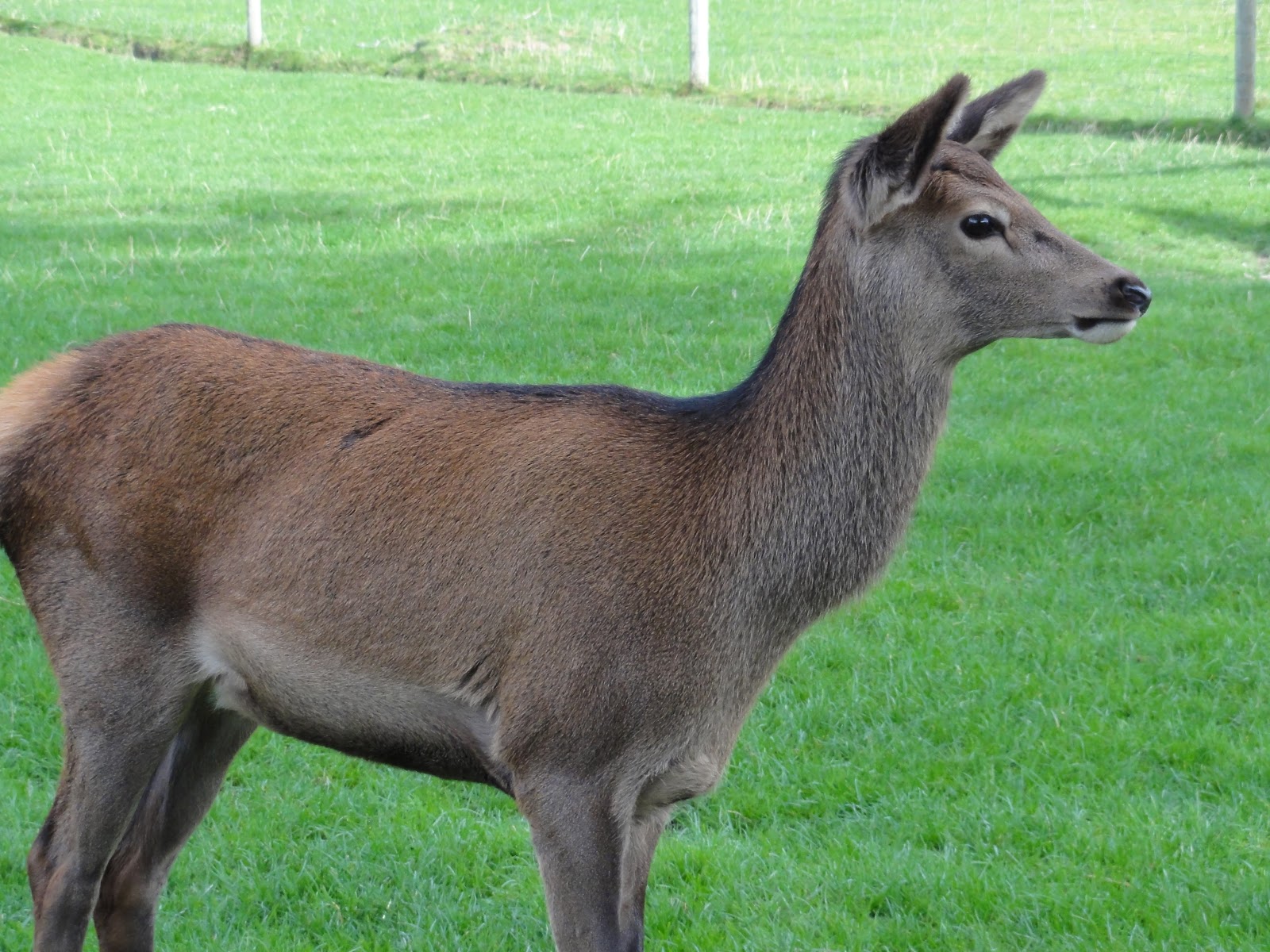
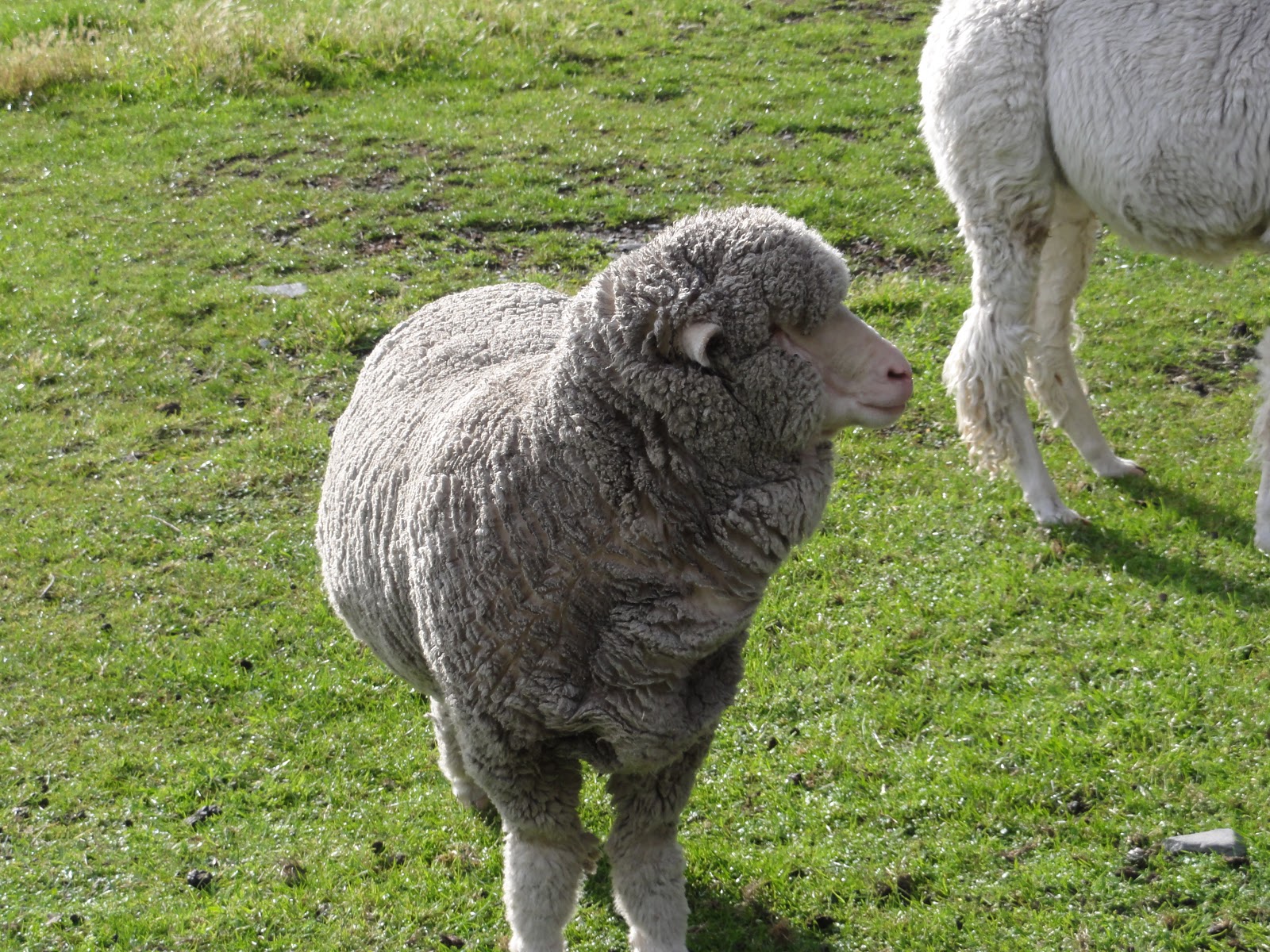
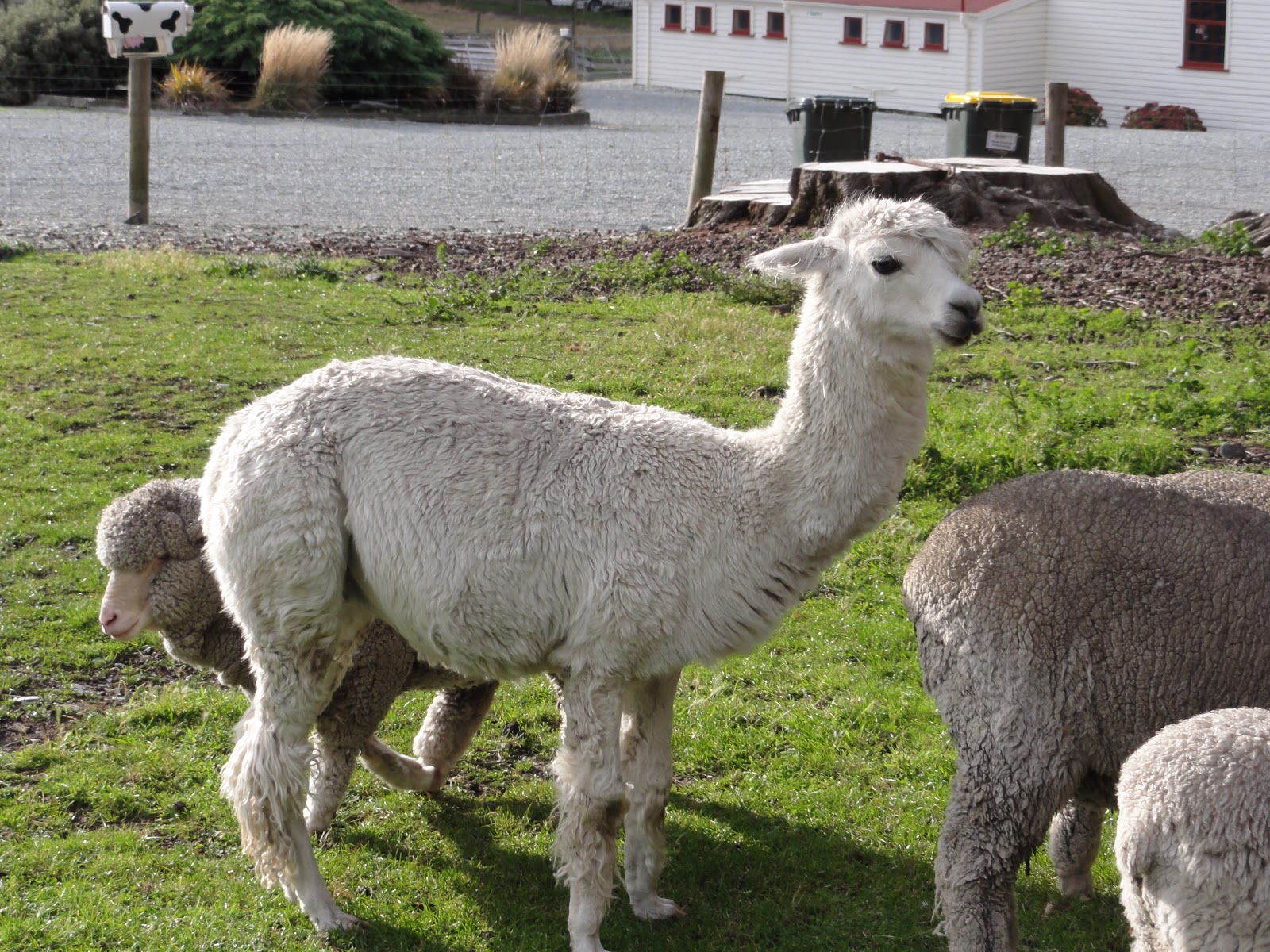
We have been to Walter Peak Farm for Afternoon Tea and Dinner, and both occasions were an amazing experience.  You can also get up close and to the animals

There are other experiences to be had in Glenorchy. and the views whilst driving there are every bit as spectacular, especially as late afternoon settles in:

And in visiting the Lord Of the Rings filming locations.

Then there is Kingston, where the road follows the lake and you are literally between the mountains and the lake:

Kingston used to have a train running, which then became a tourist attraction, but for the moment does not seem to be running currently.

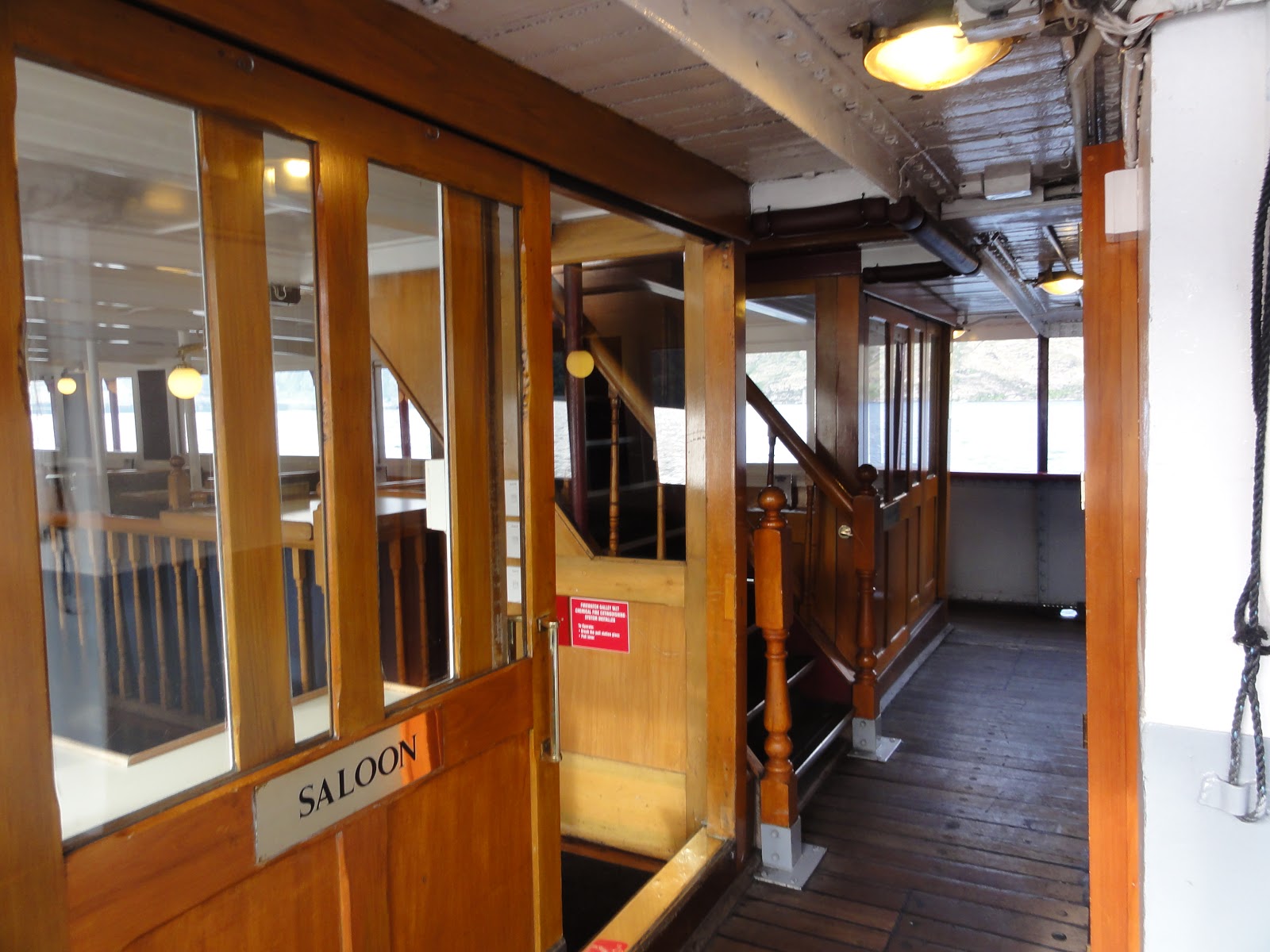
But for me, the real experiences is travelling on the vessel.

Not bad for 103 years old.

Searching for locations: Queenstown, New Zealand, from the top of a mountain

You take the gondola up to the Skyline and get some of the most amazing views.

Below is a photo of The Remarkables, one of several ski resorts near Queenstown.

You can see the winding road going up the mountainside.  We have made this trip several times and it is particularly frightening in winter when chains are required.

theremarkables3

In the other direction, heading towards Kingston, the views of the mountains and the lake are equally as magnificent.

theviewfromthegondolaquwwnstown

Or manage to capture a photo of the Earnslaw making its way across the lake towards Walter Peak Farm.  It seems almost like a miniature toy.

Searching for locations: Chateau Tongariro, New Zealand

This chateau was built in 1929 and was originally intended as a hostel for hikers.

It is now near the  Whakapapa skifield on the slopes of Mount Ruapehu and within  the boundary of the Tongariro National Park

chateautongoriro

We had afternoon tea in the lounge several times, and it is very pleasant in winter with the log fires burning.

togariro2

The interior is still as ornate as it had been in the 1930s.  The chairs are very comfortable, and the atmosphere pleasant.

Mount Ngauruhoe can be seen through the window of the lounge.  This was used a backdrop in the filming of Lord of the Rings.

mount-nz

Searching for locations: Gollums Pool, New Zealand

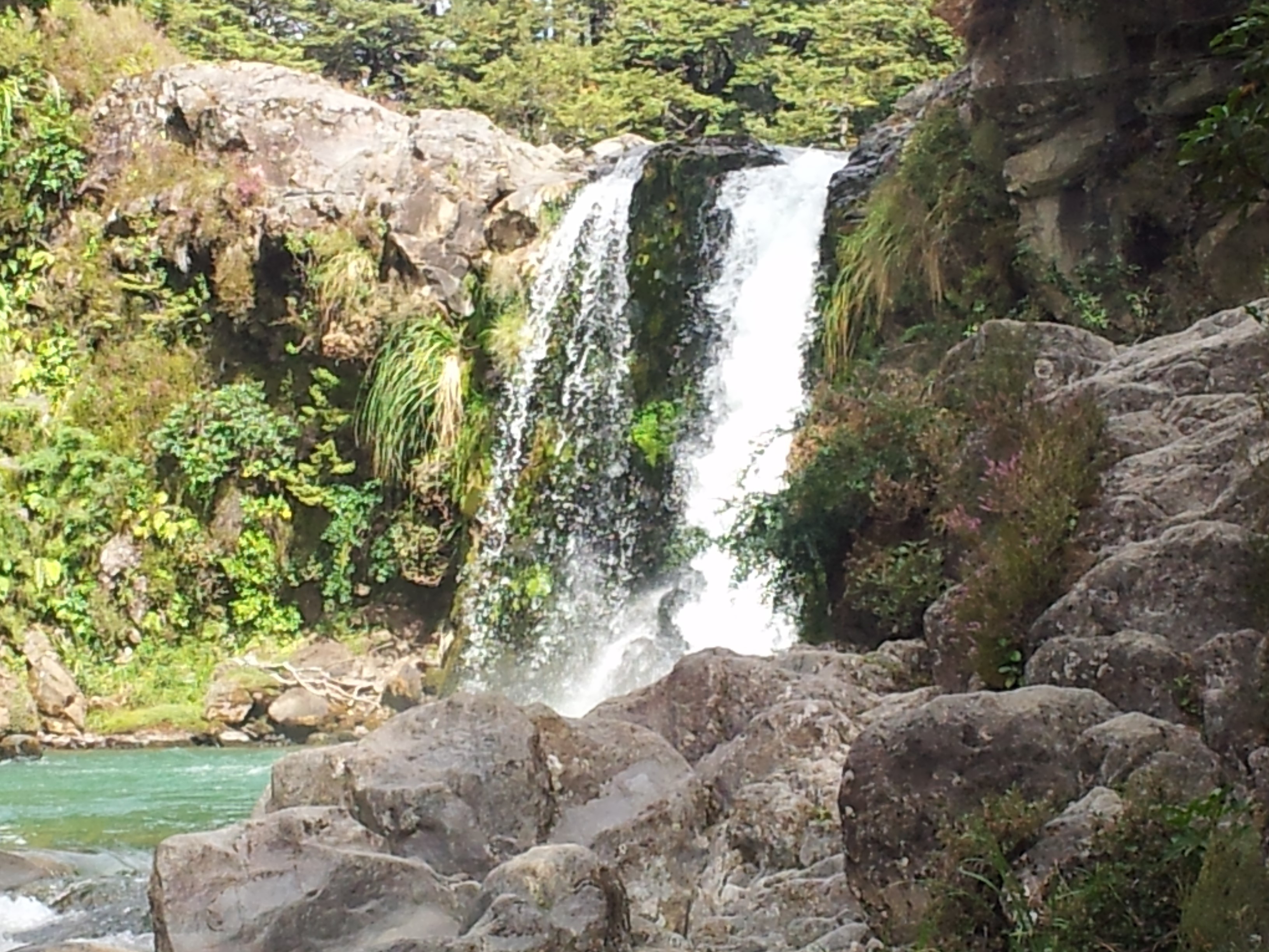
Tawhai Falls is a 13-meter high waterfall located in Tongariro National Park.

It is located about 4 km from the Tongariro National Park Visitor Centre, on State Highway 48.

An easy walk takes just 10-15 minutes to reach the waterfall’s lookout.

2013-03-13 14.47.53

The top of the falls.  There was not much water coming down the river to feed the falls when we were there in May

2013-03-13 14.48.18

Tawhai Falls is also the filming location of Gollum’s pool where Faramir and his archers are watching Gollum fish.

2013-03-13 14.51.45

It’s a rocky walk once you are down at ground level, and it may be not possible to walk along the side of the stream if the falls have more water coming down the river from the mountain.

2013-03-13 14.51.37

Searching for locations: West Lake, Hangzhou, China

West Lake is a freshwater lake in Hangzhou, China. It is divided into five sections by three causeways. There are numerous temples, pagodas, gardens, and artificial islands within the lake.

Measuring 3.2 kilometers (2 miles) in length, 2.8 kilometers (1.7 miles) in width, and 2.3 meters (7.5 feet) in average depth, the lake spreads itself in an area totaling 6.5 square kilometers (2.5 square miles).

The earliest recorded name for West Lake was the “Wu Forest River”, but over time it changed to two distinct names.  One is “Qiantang Lake”, due to the fact that Hangzhou was called “Qiantang” in ancient times.  The other, “West Lake”, due to the lake being west of the city

It’s about to get busy, with a number of activities planned, and the warmth of the day is starting to make an impact.

The tour starts in the car park about a kilometer away, but the moment we left the car park we were getting a taste of the park walking along a tree-lined avenue.

When we cross the road, once again dicing with death with the silent assassins on motor scooters.

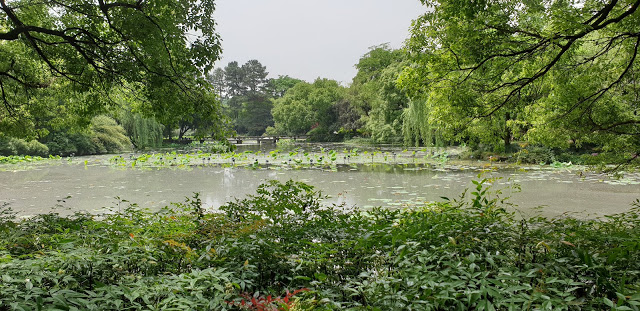
We are in the park proper, and it is magnificent, with flowers, mostly at the start hydrangeas and then any number of other trees and shrubs, some carved into other flower shapes like a lotus.

Then there was the lake and the backdrop of bridges and walkways.

.

And if you can tune out the background white noise the place would be great for serenity and relaxation.

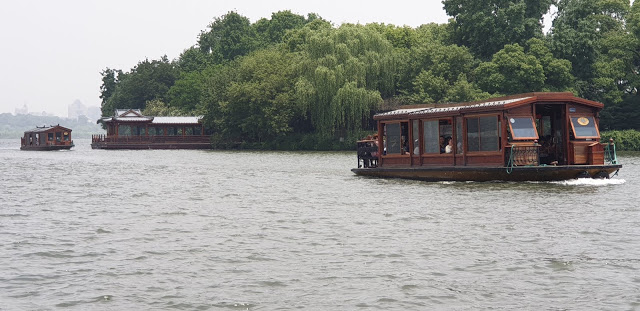
That, in fact, was how the boat ride panned out, about half an hour or more gliding across the lake in an almost silent boat, by an open window, with the air and the majestic scenery.

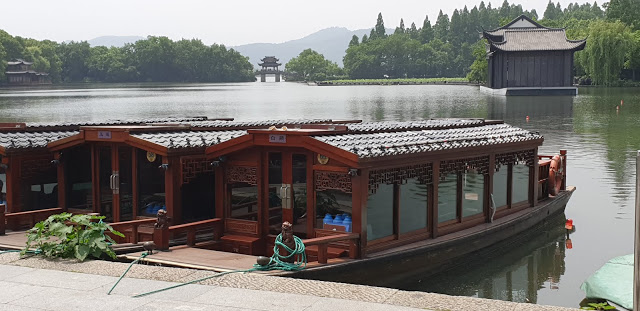
No, not that boat, which would be great to have lunch on while cruising, but the boat below:

Not quite in the same class, but all the same, very easy to tune out and soak it in.

It was peaceful, amazingly quiet, on a summery day

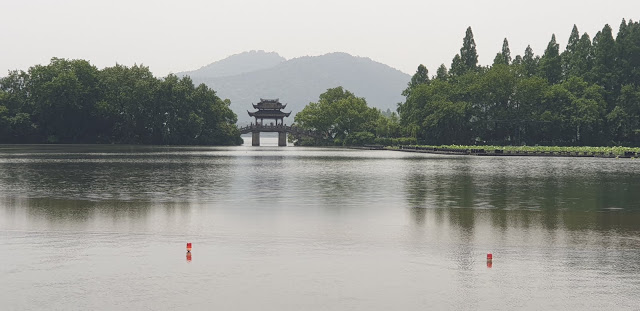
A pagoda in the hazy distance, an island we were about to circumnavigate.

Of all the legends, the most touching one is the love story between Bai Suzhen and Xu Xi’an. Bai Suzhen was a white snake spirit and Xu Xi’an was a mortal man.

They fell in love when they first met on a boat on the West Lake, and got married very soon after.

However, the evil monk Fa Hai attempted to separate the couple by imprisoning Xu Xi’an. Bai Suzhen fought against Fa Hai and tried her best to rescue her husband, but she failed and was imprisoned under the Leifeng Pagoda by the lake.

Years later the couple was rescued by Xiao Qing, the sister of Baisuzhen, and from then on, Bai Suzhen and Xu Xi’an lived together happily.

The retelling of the story varied between tour guides, and on the cruise boat, we had two.  Our guide kept to the legend, the other tour guide had a different ending.

Suffice to say it had relevance to the two pagodas on the far side of the lake.

There was a cafe or restaurant on the island, but that was not our lunch destination.

Nor were the buildings further along from where we disembarked.

All in all the whole cruise took about 45 minutes and was an interesting break from the hectic nature of the tour.

Oh yes, and the boat captain had postcards for sale.  We didn’t buy any.

Lunch

At the disembarkation point there was a mall that sold souvenirs and had a few ‘fast food’ shops, and a KFC, not exactly what we came to China for, but it seemed like the only place in town a food cautious Australian could eat at.

And when tried to get in the door, that’s where at least 3 busloads were, if they were not in the local Starbucks.  Apparently, these were the places of first choice wherever we went.

The chicken supply by the time we got to the head of the line amounted to pieces at 22.5 RMB a piece and nuggets.  Everything else had run out, and for me, there were only 5 pieces left.  Good thing there were chips.

And Starbucks with coffee and cheesecake.

At least the setting for what could have been a picnic lunch was idyllic.

Searching for locations: West Lake, Hangzhou, China

West Lake is a freshwater lake in Hangzhou, China. It is divided into five sections by three causeways. There are numerous temples, pagodas, gardens, and artificial islands within the lake.
Measuring 3.2 kilometers (2 miles) in length, 2.8 kilometers (1.7 miles) in width, and 2.3 meters (7.5 feet) in average depth, the lake spreads itself in an area totaling 6.5 square kilometers (2.5 square miles).

The earliest recorded name for West Lake was the “Wu Forest River”, but over time it changed to two distinct names.  One is “Qiantang Lake”, due to the fact that Hangzhou was called “Qiantang” in ancient times.  The other, “West Lake”, due to the lake being west of the city

It’s about to get busy, with a number of activities planned, and the warmth of the day is starting to make an impact.

The tour starts in the car park about a kilometer away, but the moment we left the car park we were getting a taste of the park walking along a tree-lined avenue.

When we cross the road, once again dicing with death with the silent assassins on motor scooters.

We are in the park proper, and it is magnificent, with flowers, mostly at the start hydrangeas and then any number of other trees and shrubs, some carved into other flower shapes like a lotus.

Then there was the lake and the backdrop of bridges and walkways.

.

And if you can tune out the background white noise the place would be great for serenity and relaxation.

That, in fact, was how the boat ride panned out, about half an hour or more gliding across the lake in an almost silent boat, by an open window, with the air and the majestic scenery.

No, not that boat, which would be great to have lunch on while cruising, but the boat below:

Not quite in the same class, but all the same, very easy to tune out and soak it in.

It was peaceful, amazingly quiet, on a summery day

A pagoda in the hazy distance, an island we were about to circumnavigate.

Of all the legends, the most touching one is the love story between Bai Suzhen and Xu Xi’an. Bai Suzhen was a white snake spirit and Xu Xi’an was a mortal man.

They fell in love when they first met on a boat on the West Lake, and got married very soon after.

However, the evil monk Fa Hai attempted to separate the couple by imprisoning Xu Xi’an. Bai Suzhen fought against Fa Hai and tried her best to rescue her husband, but she failed and was imprisoned under the Leifeng Pagoda by the lake.

Years later the couple was rescued by Xiao Qing, the sister of Baisuzhen, and from then on, Bai Suzhen and Xu Xi’an lived together happily.

The retelling of the story varied between tour guides, and on the cruise boat, we had two.  Our guide kept to the legend, the other tour guide had a different ending.

Suffice to say it had relevance to the two pagodas on the far side of the lake.

There was a cafe or restaurant on the island, but that was not our lunch destination.

Nor were the buildings further along from where we disembarked.

All in all the whole cruise took about 45 minutes and was an interesting break from the hectic nature of the tour.

Oh yes, and the boat captain had postcards for sale.  We didn’t buy any.

Lunch

At the disembarkation point there was a mall that sold souvenirs and had a few ‘fast food’ shops, and a KFC, not exactly what we came to China for, but it seemed like the only place in town a food cautious Australian could eat at.

And when tried to get in the door, that’s where at least 3 busloads were, if they were not in the local Starbucks.  Apparently, these were the places of first choice wherever we went.

The chicken supply by the time we got to the head of the line amounted to pieces at 22.5 RMB a piece and nuggets.  Everything else had run out, and for me, there were only 5 pieces left.  Good thing there were chips.

And Starbucks with coffee and cheesecake.

At least the setting for what could have been a picnic lunch was idyllic.

Searching for locations: The Shaolin Temple, near Zhengzhou City, Henan Province, China

The Shaolin Temple

Where is the Shaolin Temple?

Dengfeng Maps, Map of Shaolin Temple & Mount Song

It is located in Dengfeng Ave, Dengfeng, Zhengzhou, Henan, China, at the southern foot of Mount Song, 13 km northwest of Dengfeng City, Zhengzhou City, Henan Province.

A map of the Temple grounds, which would come in handy before you enter the grounds, so that you have some idea of what there is to see:

The structures and architecture of Shaolin Temple | Kung fu ...

A bit of history:

The Shaolin Temple was originally built in 495 during the Northern Wei Dynasty (368-534).  For over 1500 years, Shaolin Temple has developed through good and bad times.  The temple was firstly destroyed in the Northern Zhou Dynasty (557-581), then rebuilt much later as the Zhihu Temple.  In the Sui Dynasty (581-618) the temple was renamed Shaolin and became one of the largest Buddhism monasteries in North China.

Good fortune in the early Tang Dynasty (618-907) was followed by bad fortune in the later of Tang Dynasty, it improved during the Song Dynasty (960-1279) until 1312 in Yuan Dynasty (1271-1368) where it returned to its former glory.  The Ming Dynasty (1368-1644) also made contributions to the development of Shaolin Temple.

Due to the wars of the modern era much of the Temple was destroyed.

The Shaolin Temple, nestled in the forested mountains of Henan, its the birthplace of Kung Fu and Zen Buddhism. The Shaolin Temple embraces many exciting attractions, such as the Hall of Heavenly Kings (Tianwangdian), and the Mahavira Hall (Daxiongbaodian)

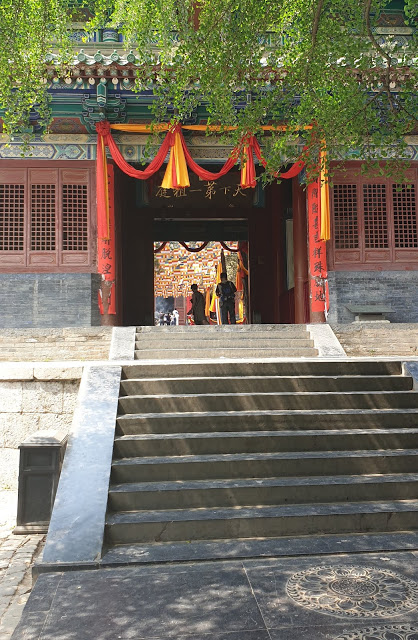
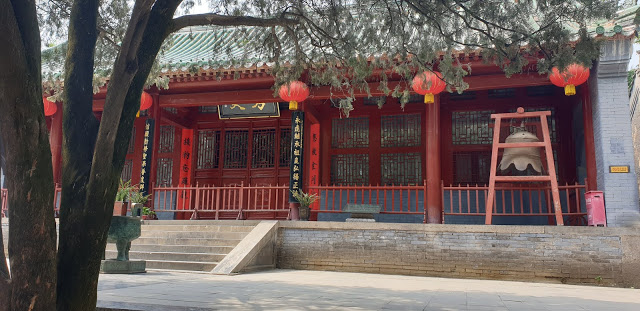
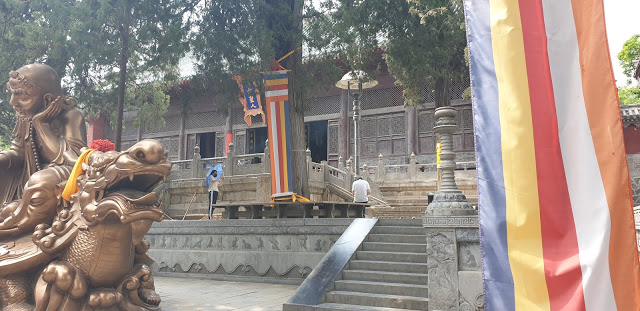
This is not a single building, that’s not how the Chinese work.  It’s a whole host of buildings, the first of which is up some steps, through a gate, then along a tree-lined avenue with monument stones to some more steps, past a cauldron burning incense, and then to the temple.  There are several monks inside.

The front entrance:

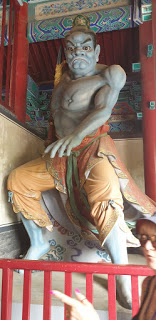
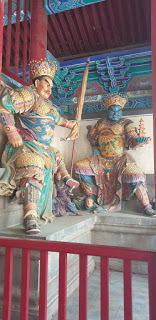
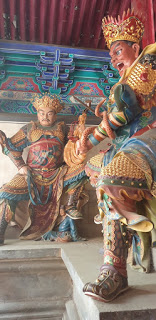
Inside the entrance building, there are some large statues that I’m guessing are there to scare away the wrong sort of people

Once past these characters, you are on a walkway between pagodas where there are trees, and sculptures

and through the next pagoda brings you to the first of the temples.  There are three doors and three buddas.  This is through the middle door

And no you can’t go inside, you just stand on the outside looking in.

In one part of the temple there were three monks, and, believe it or not, they were all on their mobile phones.

This is certainly not ancient times, so what did the monks do before mobile communications?

Up some more stairs to the next building,

And so on till we reach the one at the top.  Outside each is a cauldron burning incense, and that aroma hangs on the air everywhere you go in the compound.

Then it’s a case of what goes up must come down, and strangely enough, it doesn’t take as long to go back down, and in doing so we got to see and hear a bit of singing by the monks.

There was a story to go with the various buildings and other aspects but I didn’t hear half of it, and couldn’t understand our guide for the rest.

All in all, it was an interesting place, but still not worth the money we paid.

Searching for locations: Shanghai, China, by night.

When we arrive at the embarkation site we find at least 100 buses all lined up and parked, and literally thousands of Chinese and other Asians streaming through the turnstiles to get on another boat leaving earlier than ours.

Buses were just literally arriving one after the other stopping near where we were standing with a dozen or so other groups waiting patiently, and with people were everywhere it could only be described as organized chaos.

Someone obviously knew where everyone was supposed to go, and when it was our turn, we joined the queue.  There were a lot of people in front of us, and a lot more behind, so I had to wonder just how big the boat was.

We soon found out.

And it was amusing to watch people running, yes, they were actually running, to get to the third level, or found available seating.  Being around the first to board, we had no trouble finding a seat on the second level.

I was not quite sure what the name of the boat was, but it had 3 decks and VIP rooms and it was huge, with marble staircases, the sort you could make a grand entrance on.  The last such ornate marble staircase we had seen was in a hotel in Hong Kong, and that was some staircase.

But who has marble staircases in a boat?

We’re going out across the water as far as the Bund and then turn around and come back about 30 to 40 minutes.   By the time everyone was on board, there was no room left on the third level, no seats on the second level nor standing room at the end of the second level where the stairs up to the third level were.

No one wanted to pay the extra to go into the VIP lounge.

We were sitting by very large windows where it was warm enough watching the steady procession of the colored lights of other vessels, and outside the buildings.

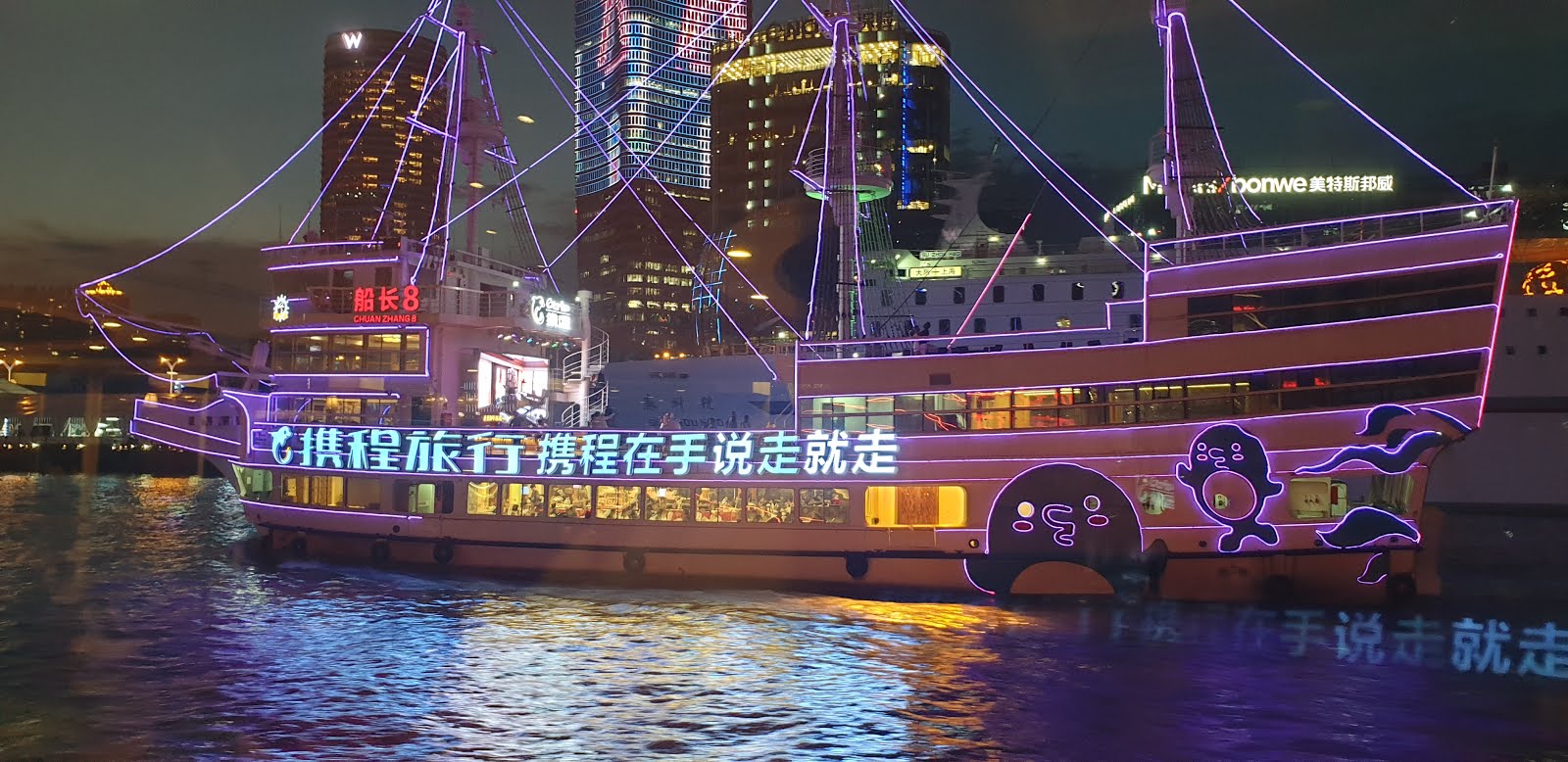
It was quite spectacular, as were some of the other boats going out on the harbor.

All the buildings of the Bund were lit up

And along that part of the Bund was a number of old English style buildings made from sandstone, and very impressive to say the least.

On the other side of the harbour were the more modern buildings, including the communications tower, a rather impressive structure.

I had to go to the rear of the vessel to get a photo, a very difficult proposition given here was no space on the railing, not even on the stairs going up or down.  It was just luck I managed to get some photos between passengers heads.

And, another view of that communications tower:

There was no doubt this was one of the most colourful night-time boat tours I’ve ever been on.  Certainly, when we saw the same buildings the following day, they were not half as spectacular in daylight.

I never did get up to the third level to see what the view was like.