The first time we visited Venice, there was not enough time left to visit the glass-blowing factories on Murano. We saved this for the next visit, and now more comfortable with taking the Vaporetto, boarded at San Marco for the short journey.
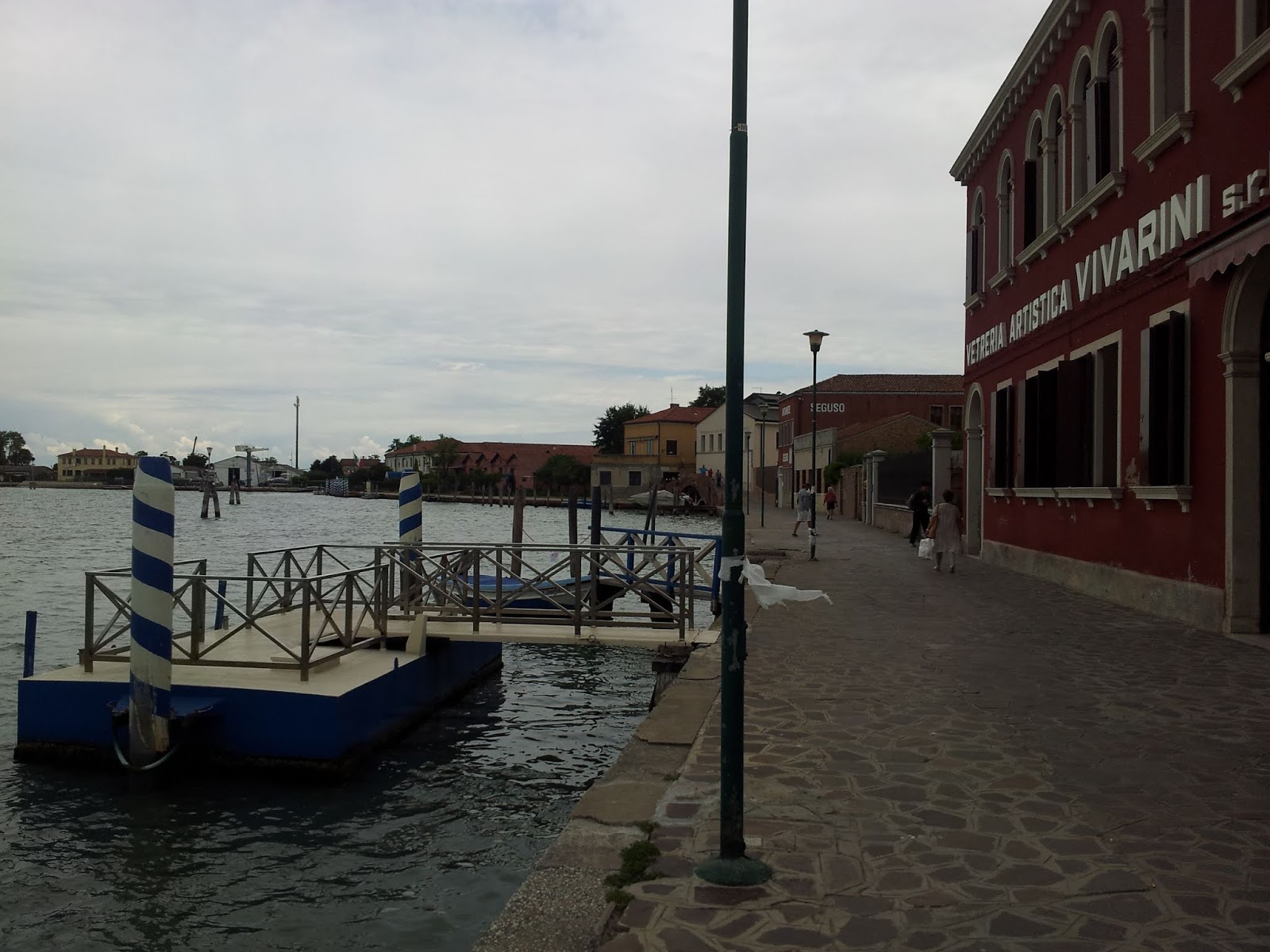
The view looking towards the cemetery:
The view looking down what I think was the equivalent to the main street, or where several of the glass-blowing factories and display shops were located:
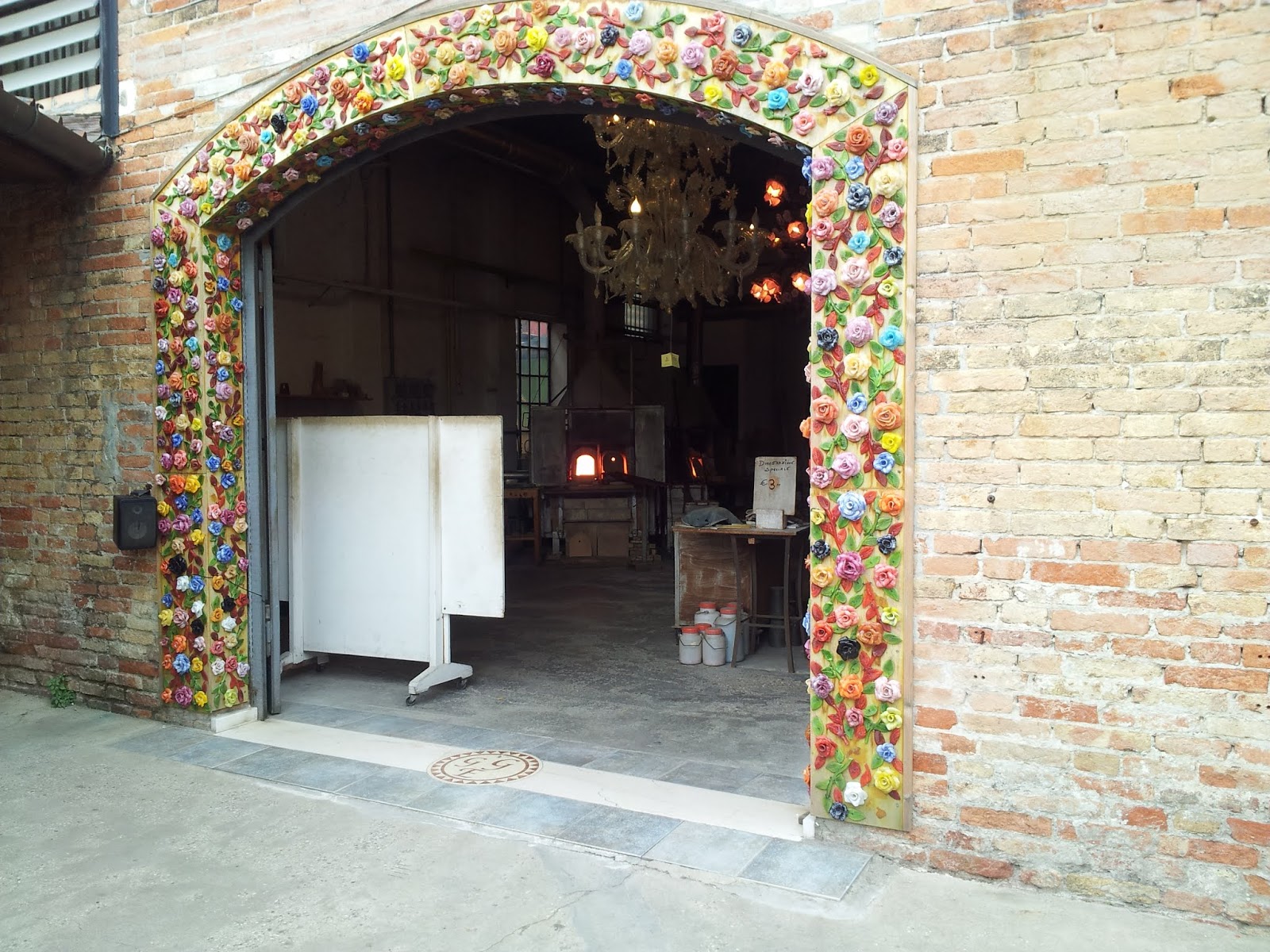
Looking towards a workshop, this one costs us each a Euro to go in and observe a demonstration of glass blowing, and it still surprises me that some people would not pay
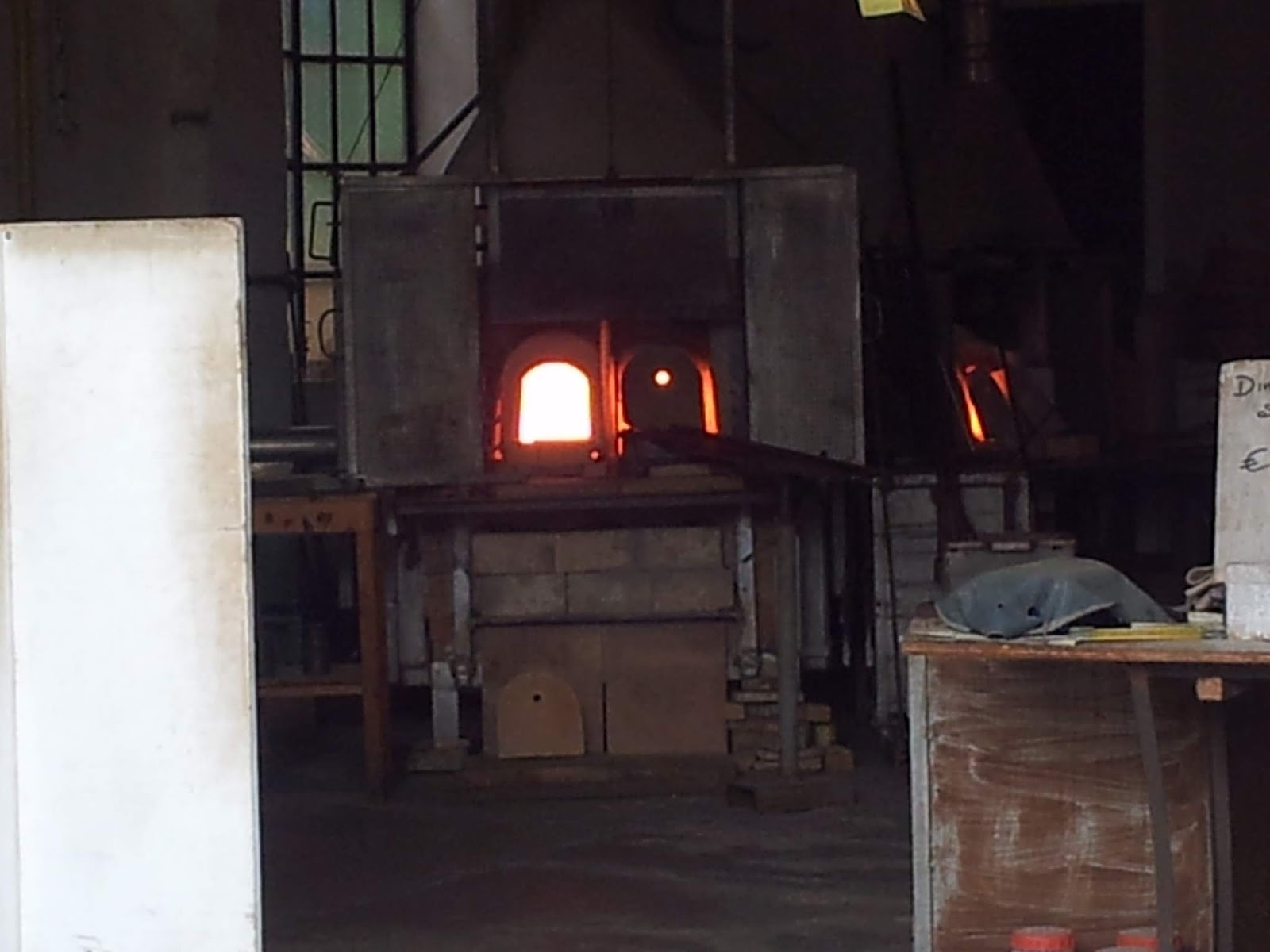
The oven where the glass is heated
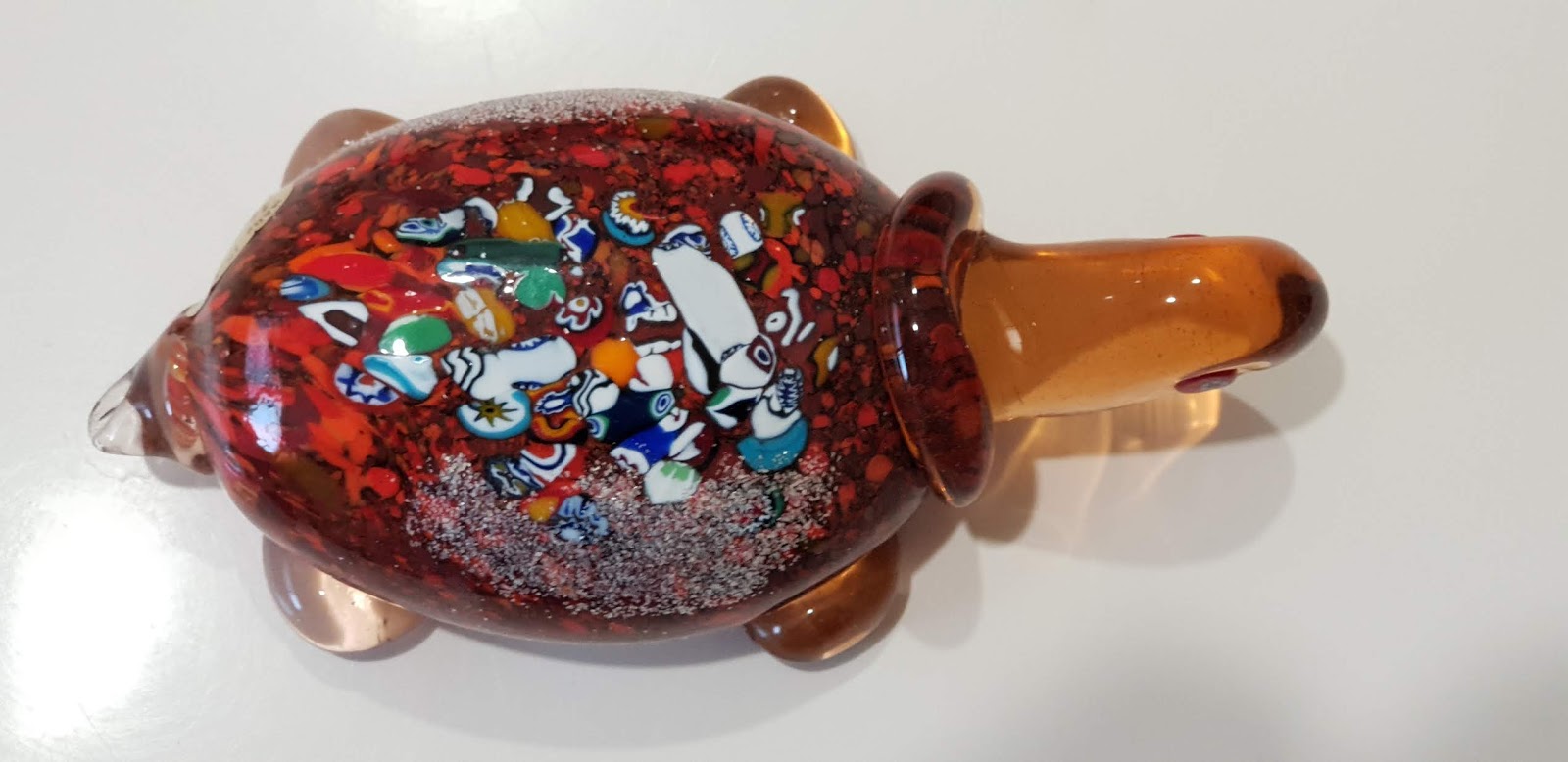
And the finished product, the retail version of the horse that the glassblower created during the demonstration:
Then we bought some other glassware from the retail storefront, a candle holder
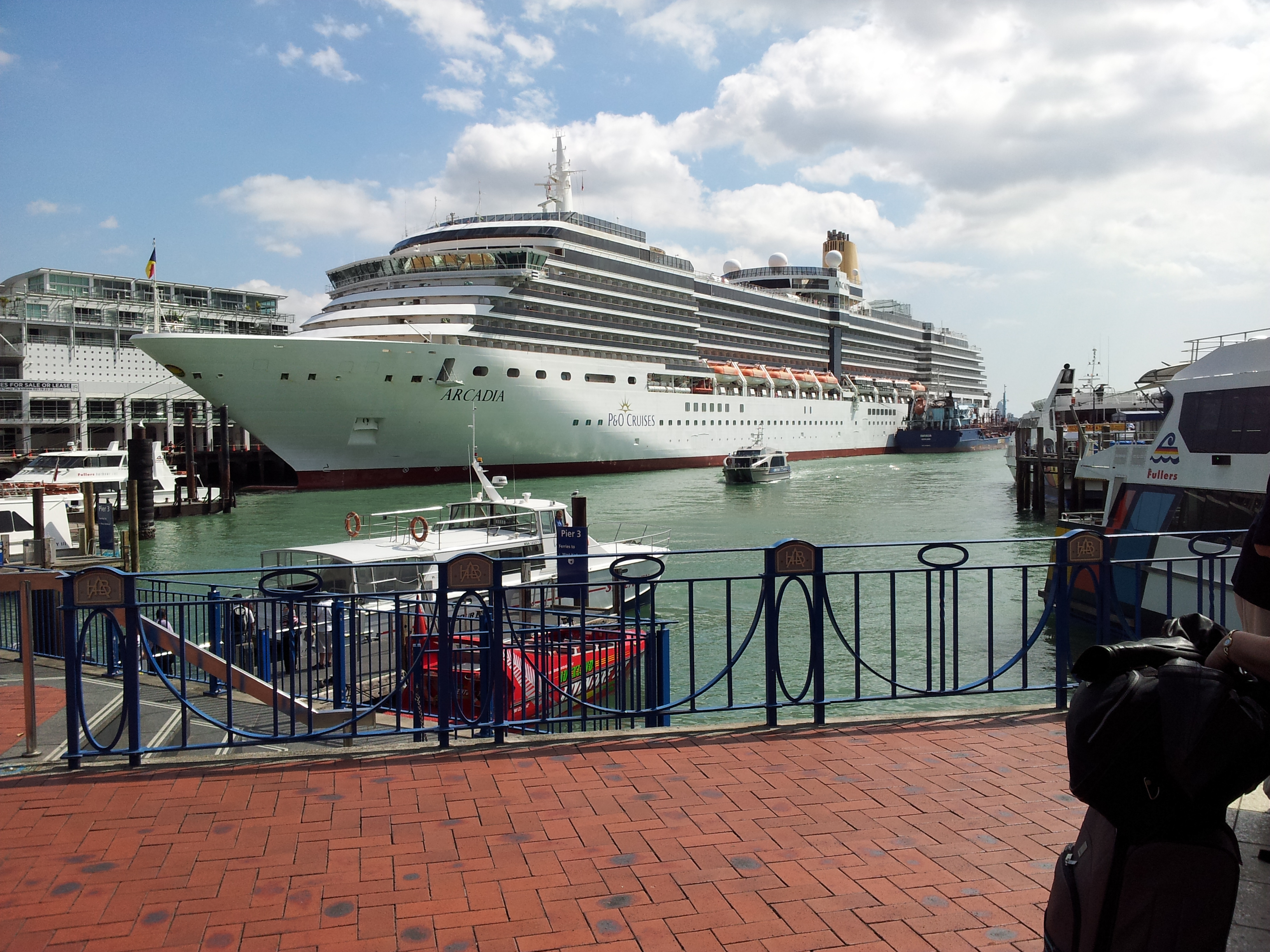
We were staying at the Hilton and advised there would be a large cruise liner berthing next to the hotel. There was the Arcadia.
This is the view from the other side of the hotel. Where our room was, we could almost walk onto the aft end of the ship.
We were also told this was a rather extraordinary day because there were two cruise ships in the port. particularly because it was near the end of the cruising season.
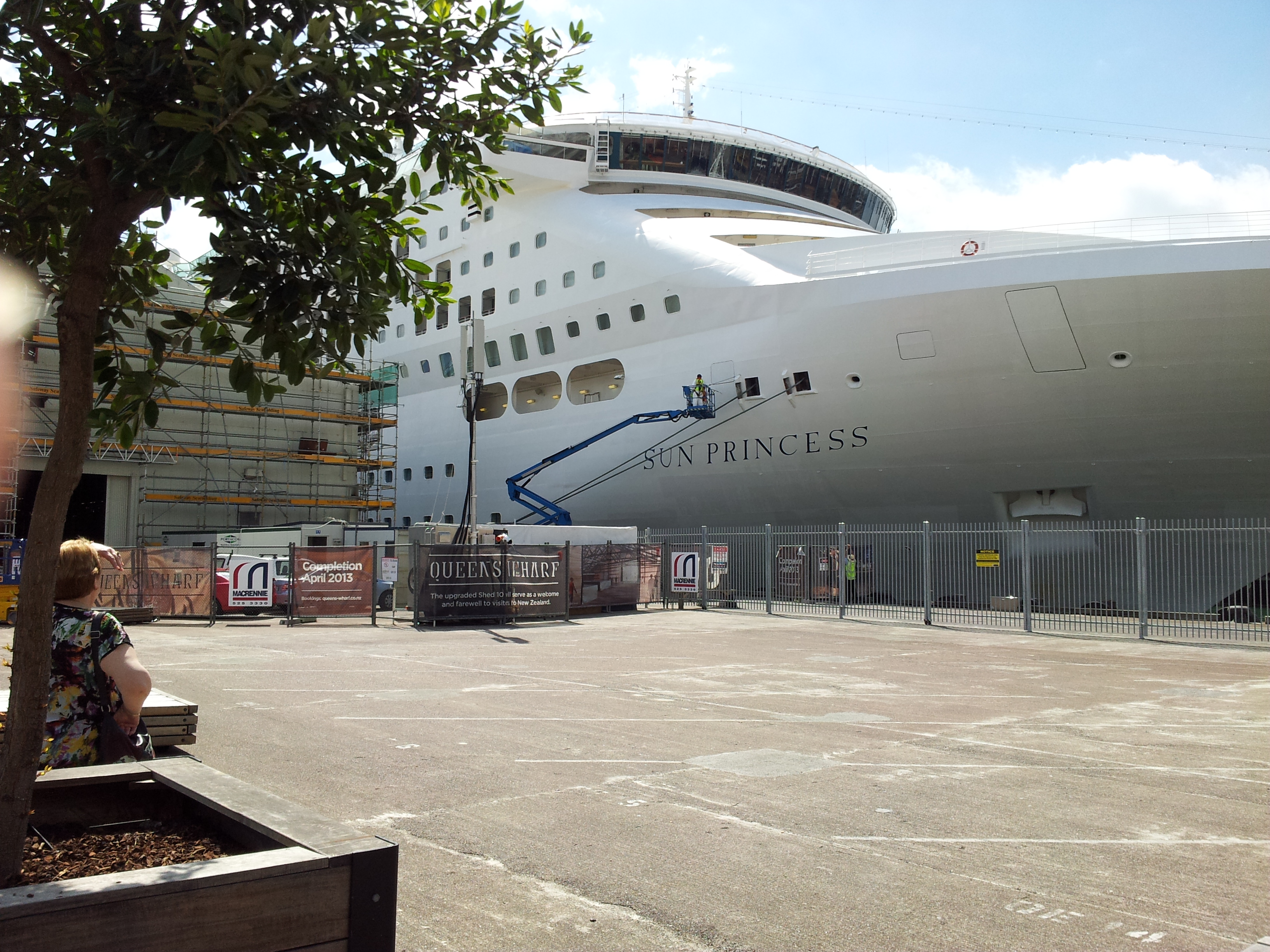
The other ship was two berths along, the Sun Princess.
Not as big as the Arcadia, up close it was still very impressive.
A lot of locations for stories are based on places that I’ve visited. So, any time I’m on holiday, I’m also discreetly observing, and noting, the places with an ulterior motive.
At some point in time they’ll finish up in a story.
Places like Florence, London, Paris, New York and Venice have all been used in recent stories.
Of course places change, and there are some that I can’t get to, so it’s useful having Google Maps and Street View. These can either make up for lack of memory and a be a refresher.
Especially if you need to visit Africa. Parts of several stories are set in Nigeria, not exactly a place I would go, no matter how much I wanted to get the lie of the land, nor would I go to the Democratic Republic of Congo.
Rwanda, maybe, but in investigating locations, it is interesting to discover that places like Kenya and Rwanda are reasonbly safe. Uganda is more or less the same, but whether I’d visit, as inviting as it might be to see the wildlife (animals that is) I’m thinking Google Maps will do for now.
And, of course, at the moment there is another reason why I can’t get a practical look at overseas locations. Covid-19.
I have always had a fascination for other places, from way back when I was in school and we did a subject called geography. Back then, nearly 60 years ago, we had school atlases that had all of the British colonies, even if they had become independent, coloured red on the maps, and there was a lot of them.
Places like London, of which we also studied in history, always held a fascination for me, and, in particular, the royal family. Oddly enough, I knew all of the kings and queens from 1066 onwards, and yet had no idea who our Prime Ministers in Australia were.
It wasn’t until much later we learned about Australian history.
But seeing places foreign are only part of the story. I have had time during the pandemic when we were not allowed to leave home, to delve into the historical side of Australia, and it has created a fascination for writing a story that has basis in fact.
This was unwittingly pushed along when my grand daughter came home from school with the assignment of writing a story about a character that was affected by a historical event. Thus Eliza at the Eureka Stockade was created.
I remember back in university days when working on the narrative part of my literature stream we were set an assignment based on pictures from a certain period, and a series of written documents to put together a story. Mine was about a passenger on a ship from Melbourne to Geelong in the days before rail around the time of the gold rush.
I’m guessing that’s what is called historical fiction.
The first time we visited Venice, there was not enough time left to visit the glass-blowing factories on Murano. We saved this for the next visit, and now more comfortable with taking the Vaporetto, boarded at San Marco for the short journey.
The view looking towards the cemetery:
The view looking down what I think was the equivalent to the main street, or where several of the glass-blowing factories and display shops were located:
Looking towards a workshop, this one costs us each a Euro to go in and observe a demonstration of glass blowing, and it still surprises me that some people would not pay
The oven where the glass is heated
And the finished product, the retail version of the horse that the glassblower created during the demonstration:
Then we bought some other glassware from the retail storefront, a candle holder
We were staying at the Hilton and advised there would be a large cruise liner berthing next to the hotel. There was the Arcadia.
This is the view from the other side of the hotel. Where our room was, we could almost walk onto the aft end of the ship.
We were also told this was a rather extraordinary day because there were two cruise ships in the port. particularly because it was near the end of the cruising season.
The other ship was two berths along, the Sun Princess.
Not as big as the Arcadia, up close it was still very impressive.
A lot of locations for stories are based on places that I’ve visited. So, any time I’m on holiday, I’m also discreetly observing, and noting, the places with an ulterior motive.
At some point in time they’ll finish up in a story.
Places like Florence, London, Paris, New York and Venice have all been used in recent stories.
Of course places change, and there are some that I can’t get to, so it’s useful having Google Maps and Street View. These can either make up for lack of memory and a be a refresher.
Especially if you need to visit Africa. Parts of several stories are set in Nigeria, not exactly a place I would go, no matter how much I wanted to get the lie of the land, nor would I go to the Democratic Republic of Congo.
Rwanda, maybe, but in investigating locations, it is interesting to discover that places like Kenya and Rwanda are reasonbly safe. Uganda is more or less the same, but whether I’d visit, as inviting as it might be to see the wildlife (animals that is) I’m thinking Google Maps will do for now.
And, of course, at the moment there is another reason why I can’t get a practical look at overseas locations. Covid-19.
I have always had a fascination for other places, from way back when I was in school and we did a subject called geography. Back then, nearly 60 years ago, we had school atlases that had all of the British colonies, even if they had become independent, coloured red on the maps, and there was a lot of them.
Places like London, of which we also studied in history, always held a fascination for me, and, in particular, the royal family. Oddly enough, I knew all of the kings and queens from 1066 onwards, and yet had no idea who our Prime Ministers in Australia were.
It wasn’t until much later we learned about Australian history.
But seeing places foreign are only part of the story. I have had time during the pandemic when we were not allowed to leave home, to delve into the historical side of Australia, and it has created a fascination for writing a story that has basis in fact.
This was unwittingly pushed along when my grand daughter came home from school with the assignment of writing a story about a character that was affected by a historical event. Thus Eliza at the Eureka Stockade was created.
I remember back in university days when working on the narrative part of my literature stream we were set an assignment based on pictures from a certain period, and a series of written documents to put together a story. Mine was about a passenger on a ship from Melbourne to Geelong in the days before rail around the time of the gold rush.
I’m guessing that’s what is called historical fiction.
Or in other words, going up the mountain to O’Reilly’s Rainforest Retreat.
…
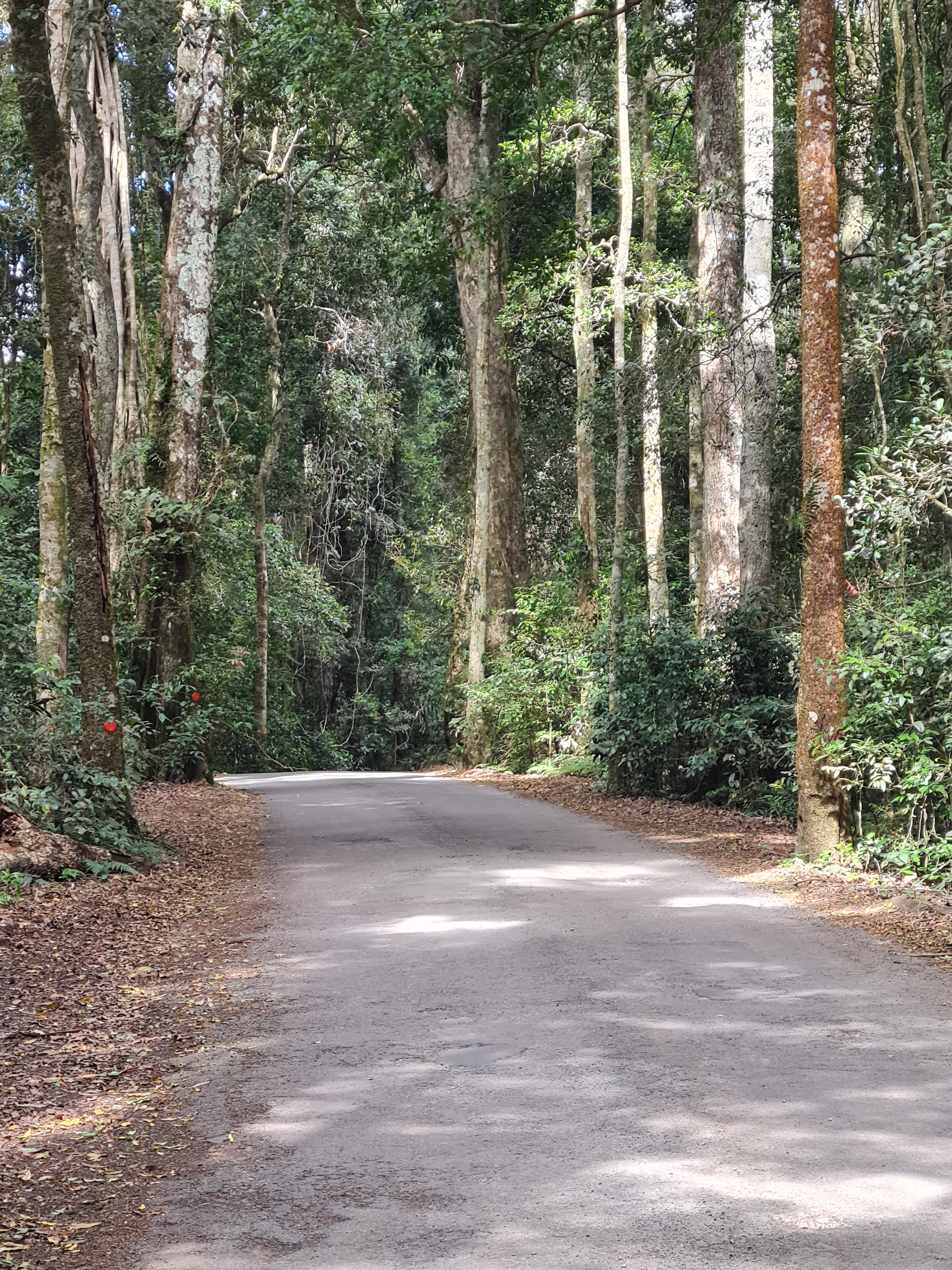
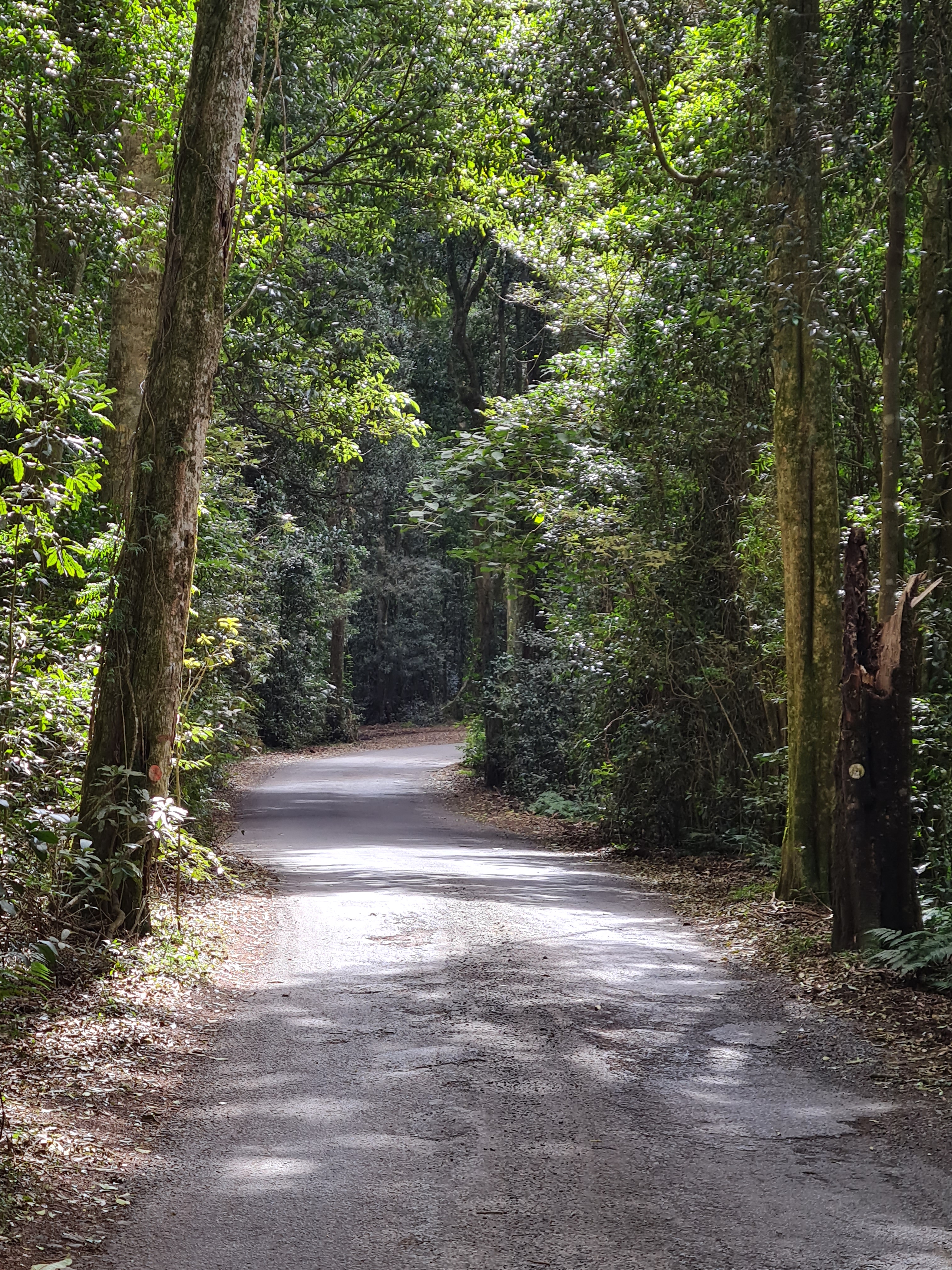
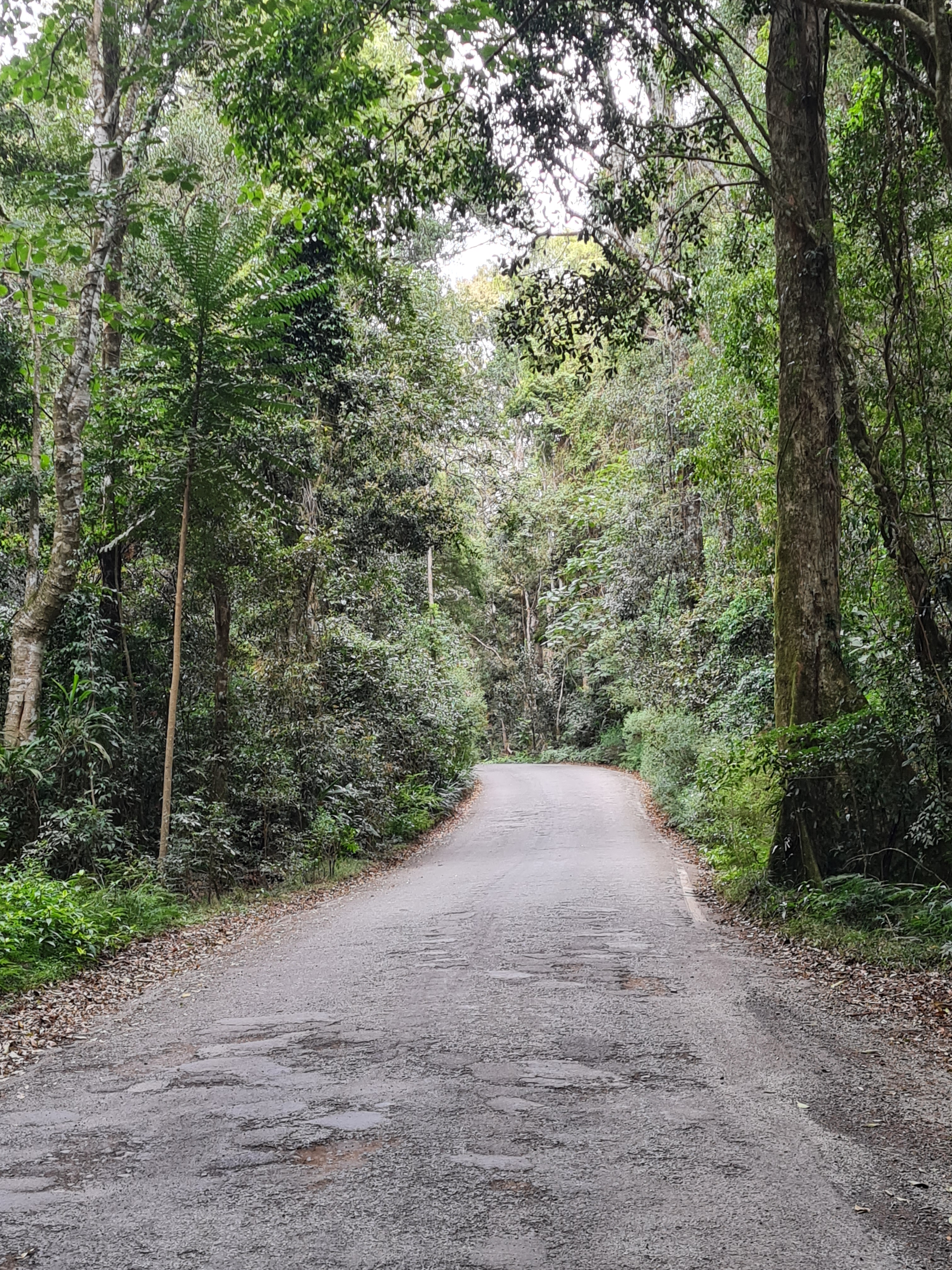
The road, from the turn off the Greenlee cottages, Is narrow, winding, and not one you can go faster than 40kph. Buses and trucks are restricted to 20kph, but as you get further into the mountains, it’s difficult to see how they can get along the road at all.
It’s difficult enough in a mid-size SUV.
At times the road is so narrow that you wonder how trucks and buses could get between the trees, because the close you get to the guest house, the narrower the road. And, at times, the car has to scrape by the overhanging branches, especially when having to make way for oncoming traffic.
The road in places is definitely not wide enough for two cars, but there are a lot of points where you can pull off to the side to let them pass.
It is tarred, but being in the middle of a dense tropical forest, it’s pitted and rutted, and very uneven. There is not one moment where can relax, or tale your eyes off the road, as some of us do, to take in the surrounding scenery.
But, whilst most of it looks the same, it’s certainly not boring, and every now and then you break out of the darkness into a clearing. And, sometimes a house.
Yes, people do live on the side of a mountain, and, just to be clear, their view, every morning, from the back verandah must be spectacular
At the end of the three quarters of an hour drive we emerge onto a mountain top, and what is O’Reilly’s guest house, though after a more investigative look around, the guests stay in motel like rooms. Those were the rooms we could see, but apparently there are villas that are part of the rainforest, but we did not get to see them.
That would be where I would stay, if I was going to stay up here.
There is an old wooden structure, but if this is the original guest house, it doesn’t look like people stay there any more.
But, it’s not the accommodation the people come here for, it’s the endless bush walks. Of course, there’s other stuff there, but I suspect for most people, it’s more about communing with nature, discovering the wildlife, and taking in the fresh country air.
Oh, and a plane, like one that had crashed nearby, with an interesting story to go with it.
We went into the souvenir story and whilst the prices are higher than I expected, there’s a wide variety of items that are worthy of being a reminder of the place.
We also went into the cafe, a large cavernous space that was a reminder of the chalet style building in alpine areas, made completely of wood. I was expecting it to be older than it was, but certainly, it was more atmospheric than the modern cafes. The food, though expensive, was good, and the coffee excellent.
It was a pity that we could not do more walking that day, but it was a pleasant interlude, and a place I would go back to.
Or in other words, going up the mountain to O’Reilly’s Rainforest Retreat.
…
The road, from the turn off the Greenlee cottages, Is narrow, winding, and not one you can go faster than 40kph. Buses and trucks are restricted to 20kph, but as you get further into the mountains, it’s difficult to see how they can get along the road at all.
It’s difficult enough in a mid-size SUV.
At times the road is so narrow that you wonder how trucks and buses could get between the trees, because the close you get to the guest house, the narrower the road. And, at times, the car has to scrape by the overhanging branches, especially when having to make way for oncoming traffic.
The road in places is definitely not wide enough for two cars, but there are a lot of points where you can pull off to the side to let them pass.
It is tarred, but being in the middle of a dense tropical forest, it’s pitted and rutted, and very uneven. There is not one moment where can relax, or tale your eyes off the road, as some of us do, to take in the surrounding scenery.
But, whilst most of it looks the same, it’s certainly not boring, and every now and then you break out of the darkness into a clearing. And, sometimes a house.
Yes, people do live on the side of a mountain, and, just to be clear, their view, every morning, from the back verandah must be spectacular
At the end of the three quarters of an hour drive we emerge onto a mountain top, and what is O’Reilly’s guest house, though after a more investigative look around, the guests stay in motel like rooms. Those were the rooms we could see, but apparently there are villas that are part of the rainforest, but we did not get to see them.
That would be where I would stay, if I was going to stay up here.
There is an old wooden structure, but if this is the original guest house, it doesn’t look like people stay there any more.
But, it’s not the accommodation the people come here for, it’s the endless bush walks. Of course, there’s other stuff there, but I suspect for most people, it’s more about communing with nature, discovering the wildlife, and taking in the fresh country air.
Oh, and a plane, like one that had crashed nearby, with an interesting story to go with it.
We went into the souvenir story and whilst the prices are higher than I expected, there’s a wide variety of items that are worthy of being a reminder of the place.
We also went into the cafe, a large cavernous space that was a reminder of the chalet style building in alpine areas, made completely of wood. I was expecting it to be older than it was, but certainly, it was more atmospheric than the modern cafes. The food, though expensive, was good, and the coffee excellent.
It was a pity that we could not do more walking that day, but it was a pleasant interlude, and a place I would go back to.
Or to be more precise, the homestead at what is now O’Reilly’s vineyard, where there is a pleasant lawn out back running down to the river for picnics, an alpaca farm next door, and the homestead plays host to functions, and wine tastings.
My interest was that we had assumed there was a restaraunt, and we were going to have lunch. There might be one, but not the day we visited, it was just cafe food or a picnic available.
I was more interested in the old homestead, because it was a fine example of the homesteads built in the ‘outback’.
…
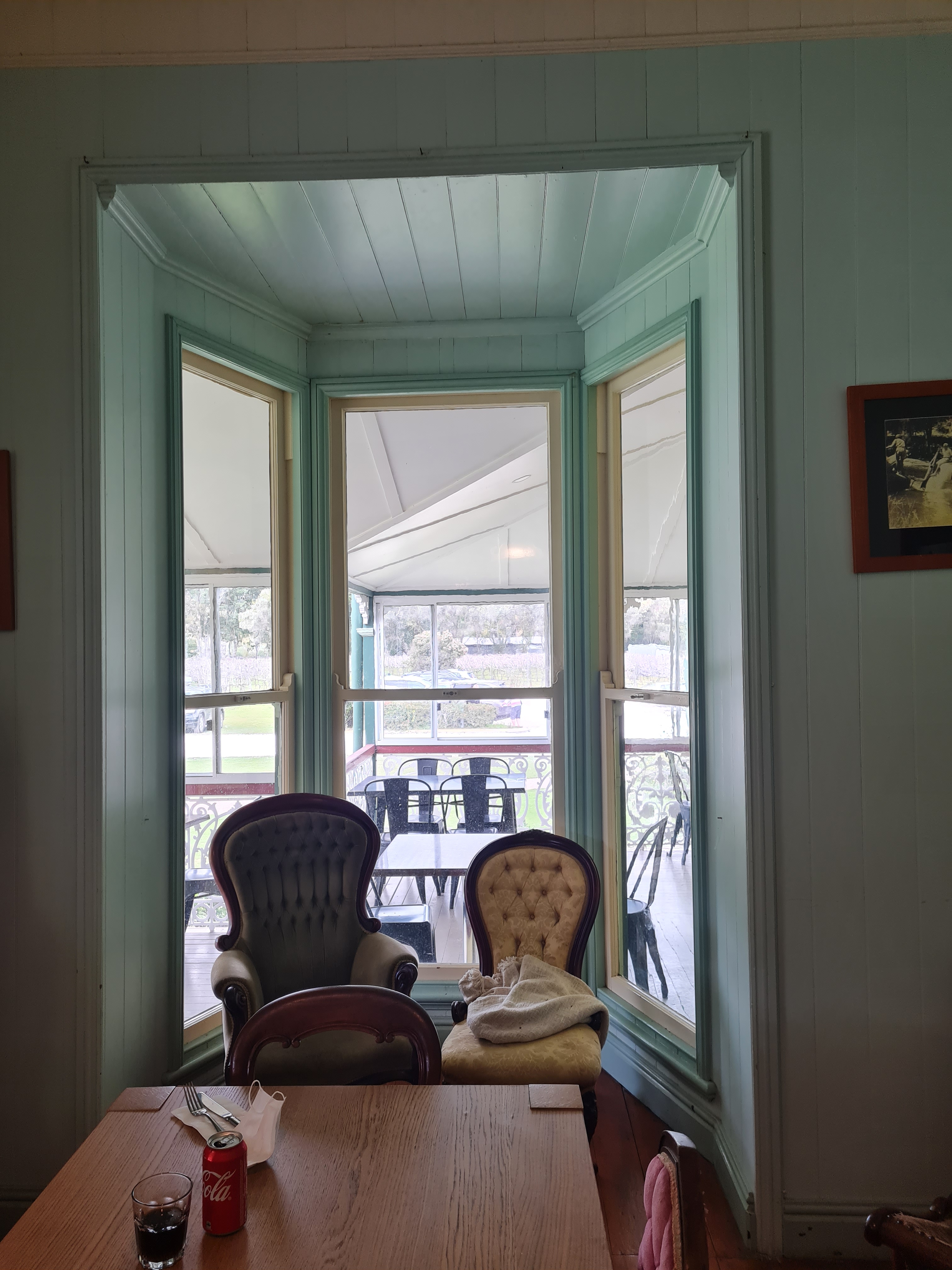
Today we are having lunch in the Platypus room, in the O’Reilly’s vineyard farmhouse, which, if you close your eyes and let your imagination run free, could see it as the master bedroom of a homestead.
Certainly the building is old, made completely of timber, inside and out, with the traditional high ceilings to keep the heat at bay.
At one end, a large bay window, which would be ideal to sir and view the outside, past the sweeping verandah. There is a small lawn and a rotunda, but beyond that what might have been extended gardens, is the vineyard.
The homestead is in an ideal position midway between the main road and the river, has the traditional surrounding verandah, and shows signs of being extended on almost all sides.
On the other side of the wide corridor that leads you to the bar, and, coincidentally, down the centre of the house, is a smaller bedroom, also used as a dining room, and ubiquitously named the library.
It may be small but it does have a fireplace. Which the assumed master bedroom does not, but now I’m thinking that room might have been the morning room.
Behind the room we’re in is another bedroom, or perhaps this might be the master, because it does have a fireplace and is quite large. And a name, the Ambassador room. Now it serves as the pick up place for picnic baskets.
There is another room on the opposite side of the corridor called the Drawing Room, but is not open to the public. But, going into the room with the fireplace adjacent to it, you can sell the aroma of pizzas, so it’s probably an extension of the kitchen, and, walking around the outside that side of the house proves it to be case.
After all, they do catering for weddings and need a very large food preparation area which I discovered runs down the whole of that side of the house.
At the end of the corridor I’d the bar and spare space, and running off that and behind that is where there is a large dining area, perhaps prior to COVID, the restaurant.
It’s not hard to imagine that area as a very large entertaining area, either for very large dinner parties, or dancing.
As for the food, it’s either a picnic basket, or pizzas. We chose the latter, not realising the bases were not home made, but bought in.
The toppings however were both plentiful and tasty. It could have been hotter, because it was a cold day, and it was cold in the room.
As for something to do other than taste the wine, and buy a few bottles, you can get up close to the vines, which, at this time of the year gave been pruned back and look quite dead, look at or walk an alpaca, even feed it, or all of them, or go down to the river and see if you can spot a Platypus.
Perhaps next time we’ll have a picnic down by the river.
It was one of those beautiful Autumn mornings, blue sky with a smattering of clouds but a sunny day all the same. It’s Sunday so there is not as much traffic on the road.
Anyone with any sense would be going to eat their favorite coffee place and settling down to your choice of coffee and perhaps a toaster or muffin to accompany the conversation.
This is what’s happening at the cafe we go for coffee. 9:00 in the morning it is packed. But great coffee is hard to find, and this is great coffee.
It’s that in-between time before it gets windy, cold and wet, with the sort of chill you can feel in your bones, rather it’s the time when you have a barbeque in the mid-afternoon and get home before the cold sets in, or take the kids to the park for some healthy exercise.
Today I have to take a drive from one side of suburbia to the other, taking as a network of main roads with rather anonymous names such as North and South
We travel through the older suburbs, those with a collection of red or white bricks and timber dating back to the fifties and sixties. They are not, for the most part, in a good state of repair, and rather than looking ramshackle, it’s more like they are slowly decaying.
Fences are rotting or falling over, extensions like they have been glued on rather than added by an architect, and paint either fading or missing.
Some have been bulldozed and replaced, blocks are cleared awaiting new development, others are being renovated. Any way you look at them they are still worth a great deal of money being in the close to the city part of suburbia.
It’s a location we could never afford. Because we were not affluent we were pushed out to the less expensive outer suburbs. This was of course 50 years ago, and now those outer suburbs are now the new medium suburbs and people are buying 20 km further out in the new estates. When I was young these suburbs were farms and open land.
It also surprises me that people would want to live on the main road because with traffic as it is heading into the city, it would be difficult to leave or return by car. At least for these people, public transport is better than it is in the outer suburbs.
Because it’s Sunday my trip takes a lot less time, except for those unpredictable traffic lights, some of which I missed and took a while to cycle through the other traffic before it was our time to move.
Time enough for reflection, and realize that nothing stands still and that everything was always in a constant state of change.
Next time I come this way, I doubt anything will be the same, except perhaps, the traffic lights