It’s been an interesting day

Today we have been delving into the past in a way that makes history interesting.

Also, it’s another way to get young children to take an interest in the past, seeing that is often very difficult to part them from their ipads, smartphones and computer games.

It is part of a weekend devoted to history.

First up is a ride on an old steam train, the engine dating back to the 1950s, as are some of the carriages. Now, for someone like me who is only two years younger, it doesn’t seem that old, but to them, it’s a relic.

And for the youngest of our granddaughters who tells me that this will be her first ride on a train, any train, it’s going to be vastly different from her next ride on a train.

I don’t think it went faster than about 30, whether that’s miles an hour or kilometres, so we had time to take in the bushland, the river crossings and the smell of the coal-generated smoke.

And the biggest treat was for them to climb up into the engine cabin to see who drives it, and how it all works.

I try to tell them this is a far cry from the 300kph bullet trains in China that we recently travelled on. This ride was rattly, noisy, and we were barely able to sit still, whereas on the bullet trains you hardly knew you were moving and was so smooth and silent you didn’t know you were moving until you looked out the window.

Tomorrow we’re going to a historical township, built out of digging for gold in the area. It will be of significance to the elder granddaughter as she is working on a project on Eureka, where there was a watershed between the miners and the authorities.

History, in my opinion, cannot be taught entirely by books, there must be visual and active participation in simulated events for them to get a better understanding. That, and then writing about it in the way historical fiction often brings moments in history alive.

We are all looking forward to tomorrow!
Searching for locations: Coffs Harbour, New South Wales, Australia, and resorts Wyndham style

We have stayed in two different types of accommodation in Coffs Harbour, New South Wales, Australia, as a timeshare owner who can trade their week for a week anywhere in the world.

Both are resorts, but different sorts of resorts.  The first was a typical RCI resort, where everything is laid back and relaxing, with all the amenities one can expect from a resort.

The other, this one, the Wyndham in Coffs Harbour, is very different, and you notice it when you walk in the front door.  You are virtually assaulted by hard-nosed timeshare sales staff who really don’t take no for an answer, and then when you finally escape, ring you every day to make an appointment.

I left the phone off the hook.

Aside from that, the place is excellent, the accommodation very good, and the situation one of the best with what could be called a private beach.  There are also a number of bushwalks that cater to old people like me.

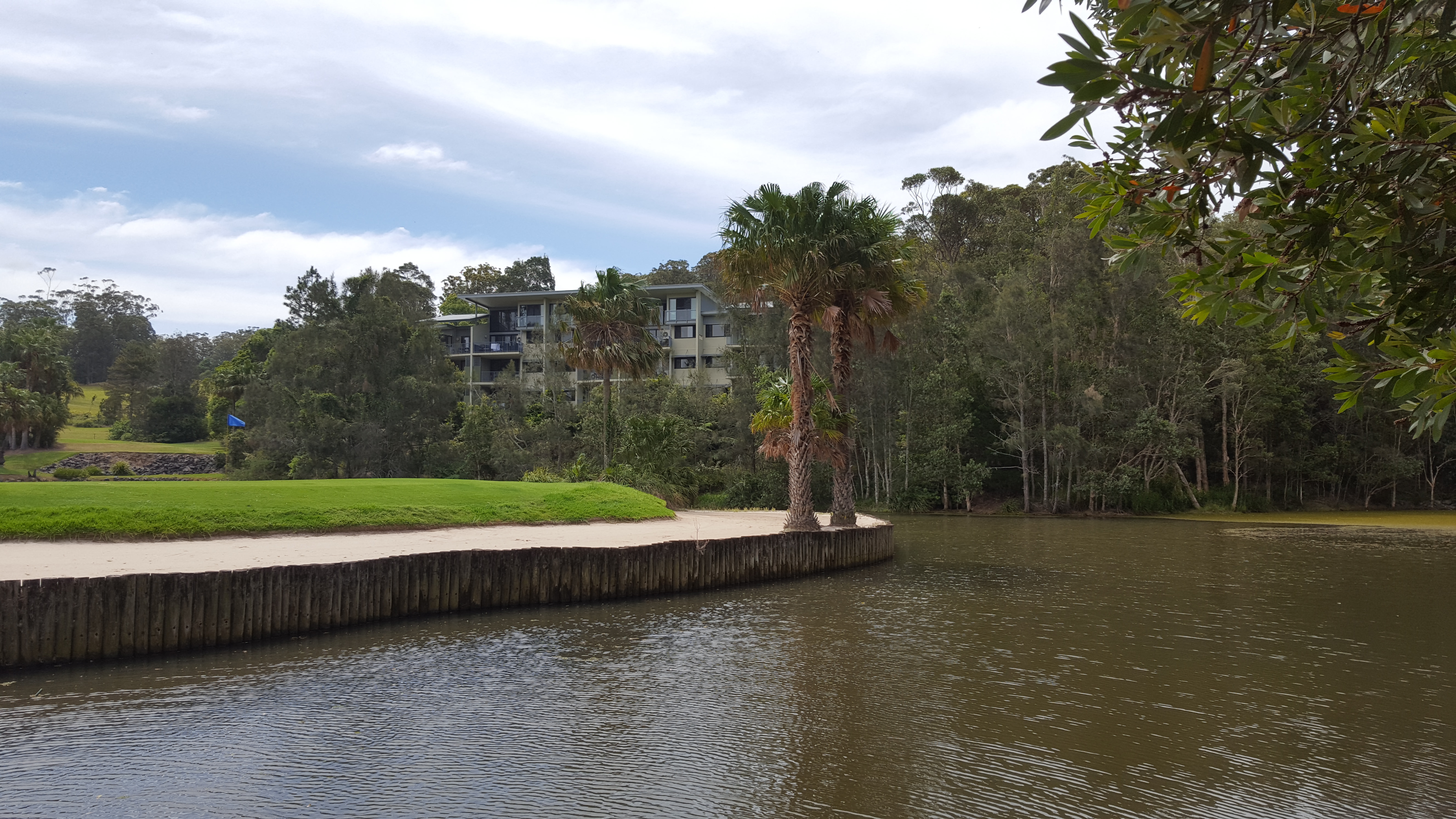
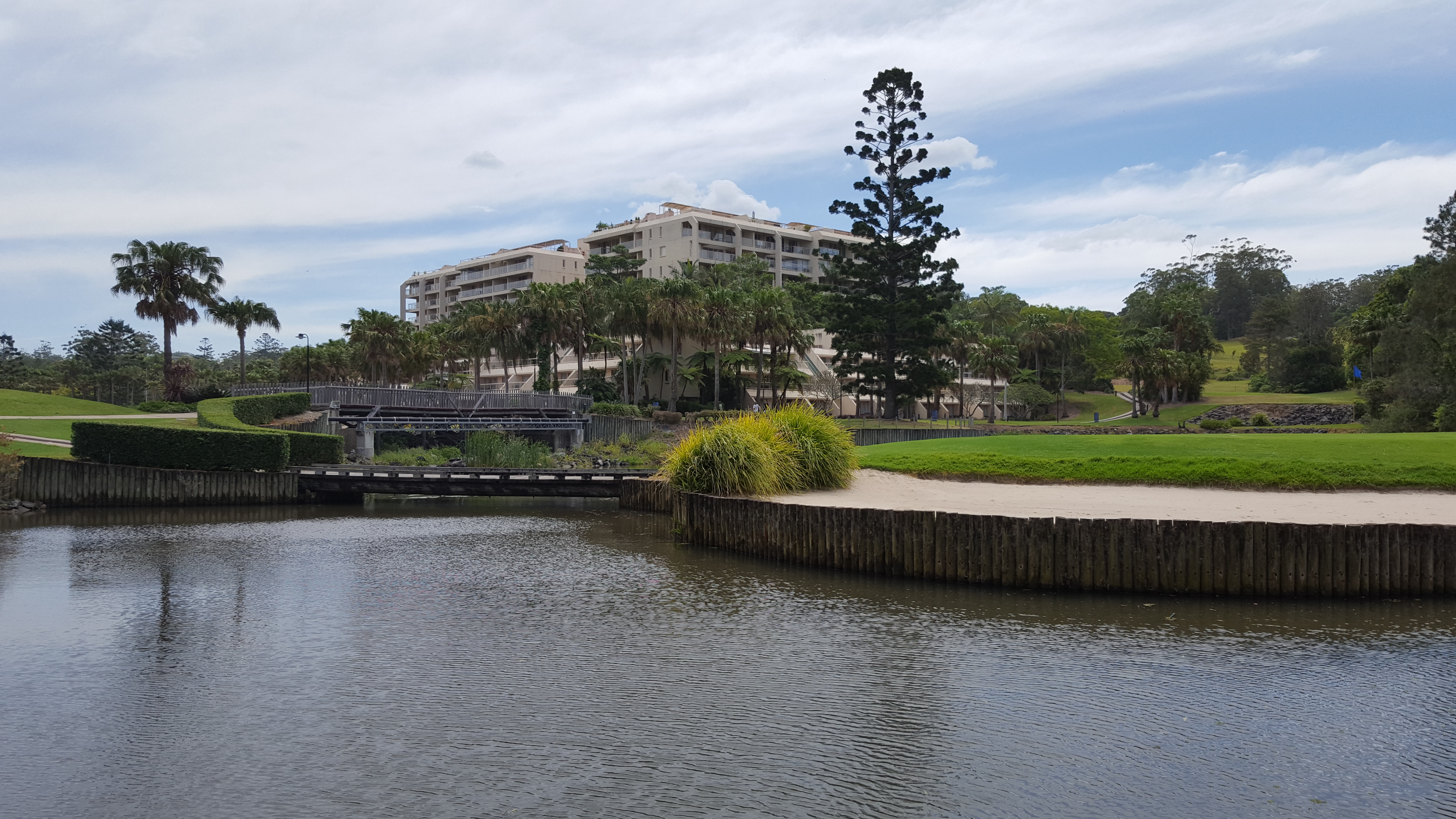
As you can see, lakes and greenery, and even a putting green.

20161030_141653

And in places, they try very hard to hide the ugly multi-story buildings in amongst the trees

20161030_141706

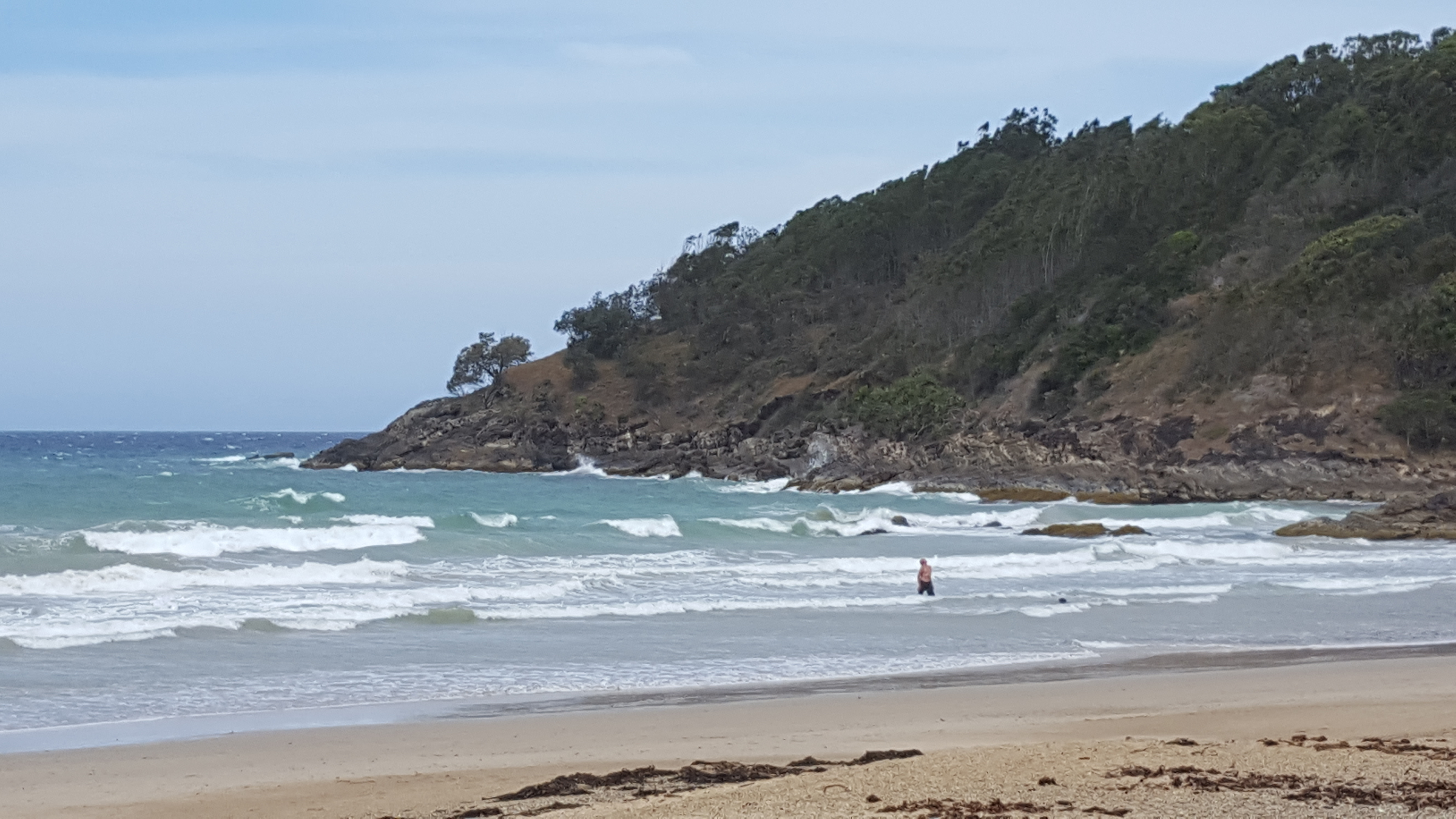
It is only a short walk to the ‘private beach’ and it is sufficiently long enough for a morning walk before breakfast.  You could even try to catch some fish for breakfast, though I’m not sure if anyone actually caught anything

20161030_142237

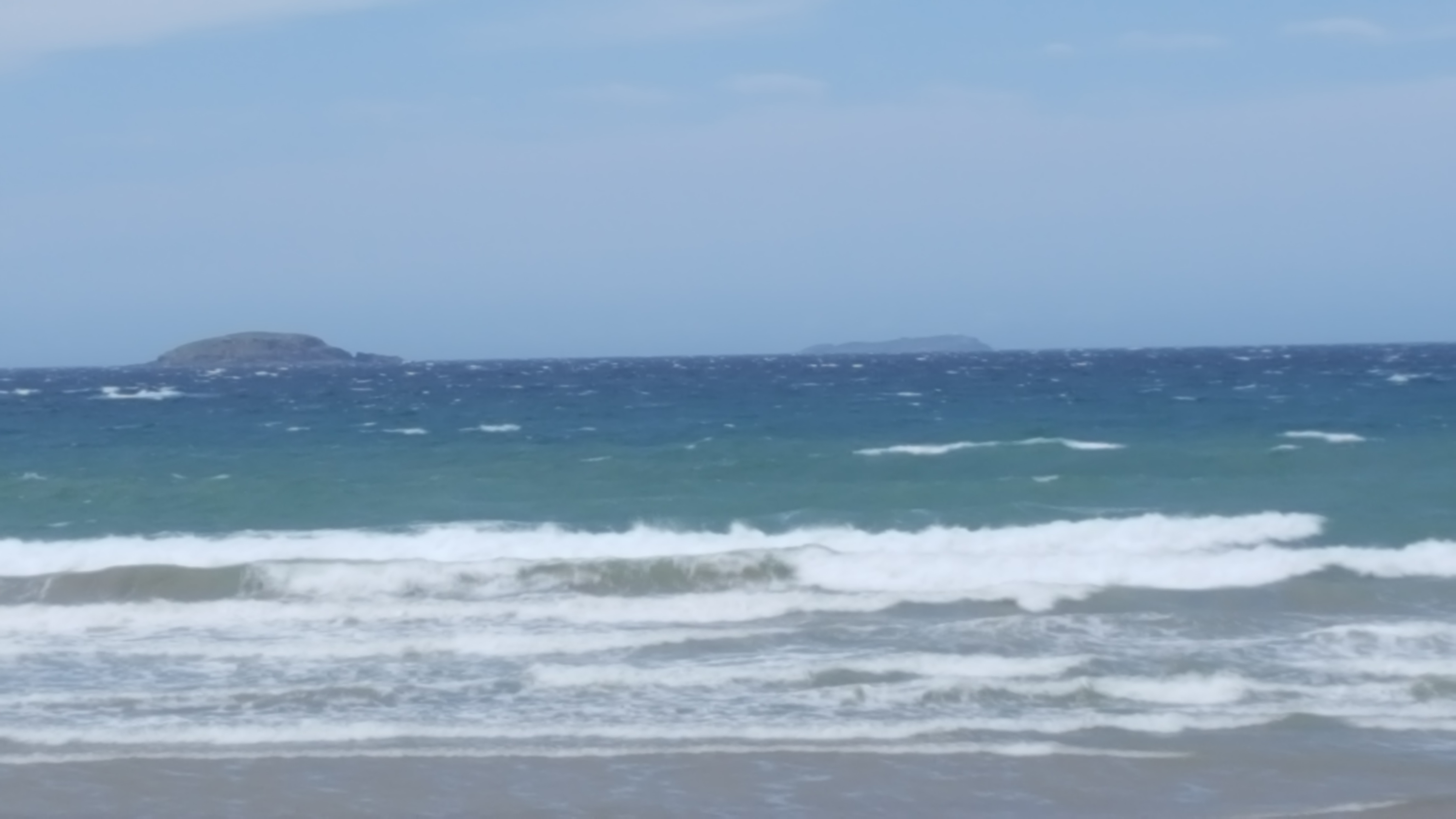
Or you can just stare out to sea

20161030_142225

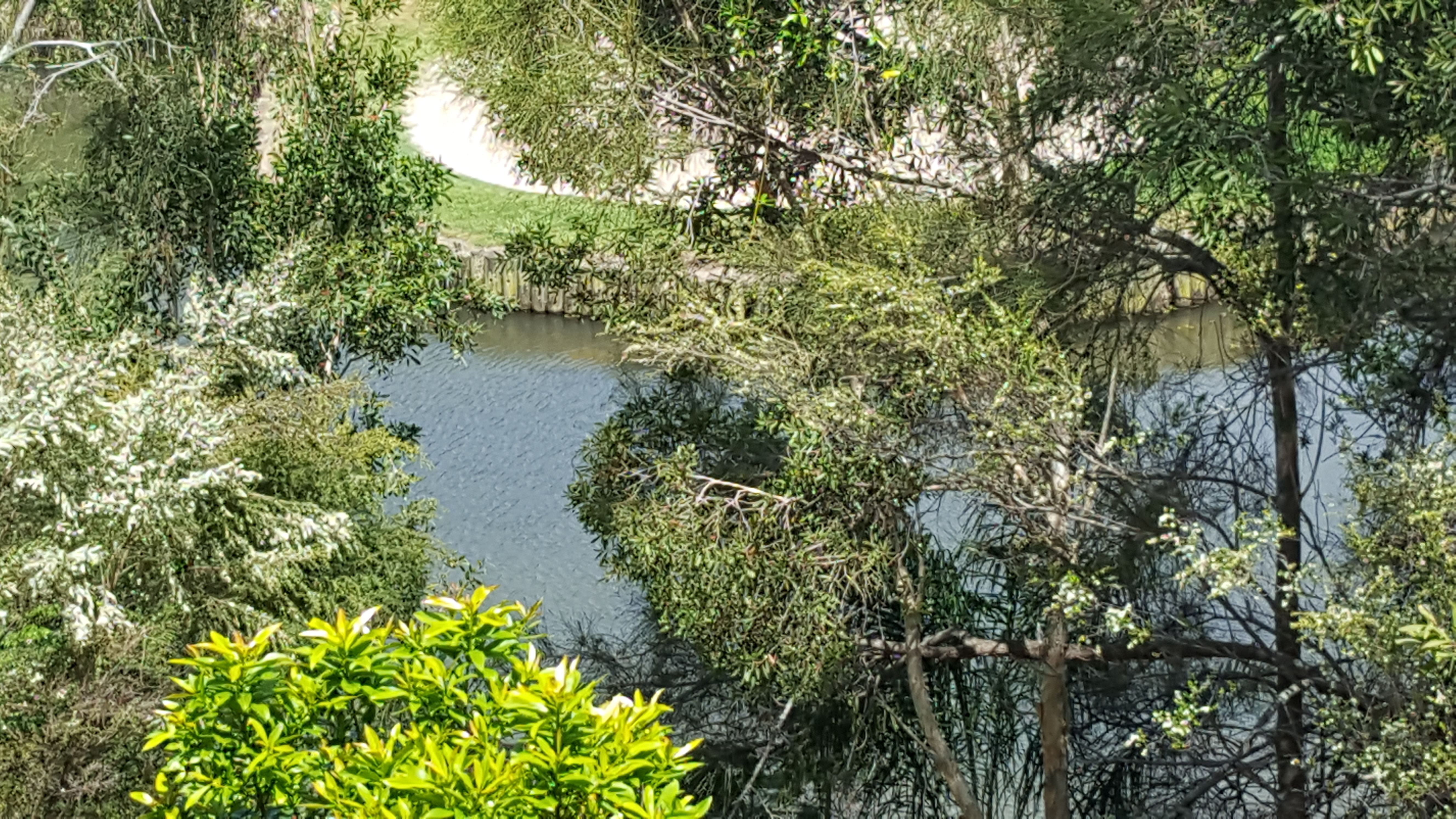
And, back in the room, this is the view we had from our verandah

20161030_134910 - Copy

A photograph from the inspirational bin – 10

It was a relic from the past, put back together by a dedicated group of volunteers who had not wanted the last vestiges of the past to disappear.

Train enthusiasts, the called themselves.

They’d put together a steam locomotive, five carriages, a restaurant car, and the conductor’s car. The original train might have been twice to three times as long, but these days, the tourist market rarely filled the train.

I was one of a group who made it their mission to visit and rate every vintage train, not only in this country, but all over the world. It was a sad state of affairs when I first began, with locomotives and carriages dropping out of the system due to lack of funds, but more disheartening, the lack of government assistance in keeping it’s heritage alive.

It seemed money was short, and there were better things to spend it on, like two brand new 737-800 jets just to ferry the prime minister and government officials around. Just think of what that quarter of a billion dollars could have bought in heritage.

But it is what it is.

What I had before me was one of the most recent restorations to check out, and on first glance, it was remarkable just how lifelike and true to age it was.

Of course, I was of an age that could remember the old railway carriages, what were called red rattlers because of the ill fitting windows that went up and down, allow fresh air, or in days gone by, smoke from the locomotive hauling the train. I had not travelled during the last glorious years of steam, but the carriages had lived on briefly before the advent of the sterile aluminum tin cans with uncomfortably hard seats.

These carriages were built for comfort, and my first experience had been a five hour trip from Melbourne to Wangaratta, in Victoria, on my way to Mt Buffalo Chalet, a guesthouse owned by the Railways.

That too had been a remarkable old chalet style guest house with a room and all the dining included. I always left after the week having put on weight. Breakfast, morning tea, lunch, afternoon tea, and dinner, every day, and high tea on Sunday.

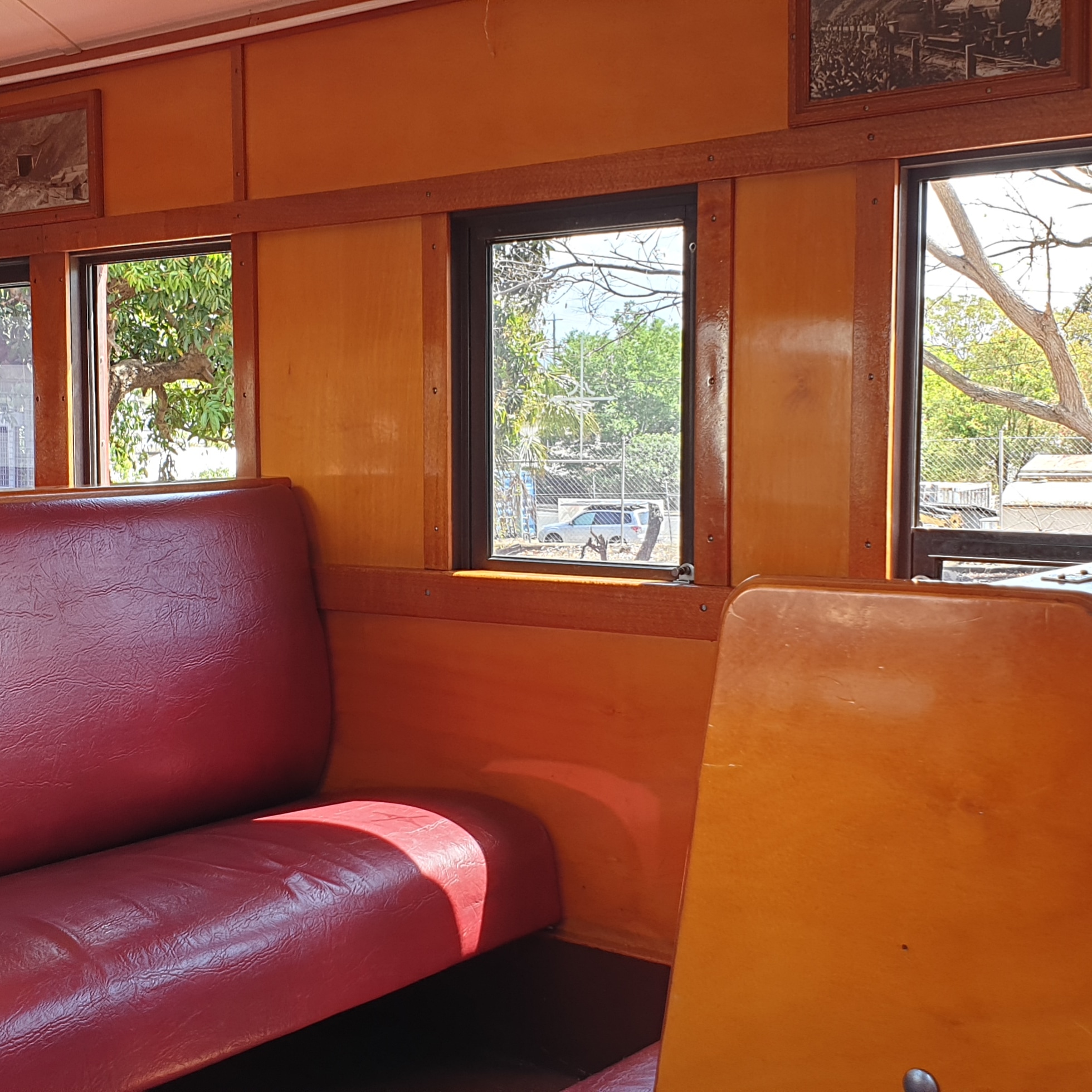
But this carriage, the polished wood that had shellac rather than varnish, highlighting the timber’s grain, the leather seats with generous padding, the curved ceilings with hanging lights, windows the could be opened and closed, allowing fresh air to circulate.

There was also a carriage with the passageway, and five or six separate compartments, each sitting six passengers. I remembered these well, having quite often ridden in one to work for some years when the country trains still ran.

It was always remarkable how a sight or a scent could trigger such memories.

For this carriage on this train, it used to ply the Gympie to Brooloo branch line from about 1915 onwards.

That was the history. It only went as far as Amamoor these days, it was still long enough to capture the sensation of riding the rails back in what is always referred to as the good old days, even if they were not.

Now for the ride….

…

© Charles Heath 2021

Searching for locations: Flinders Street Station, Melbourne, Australia

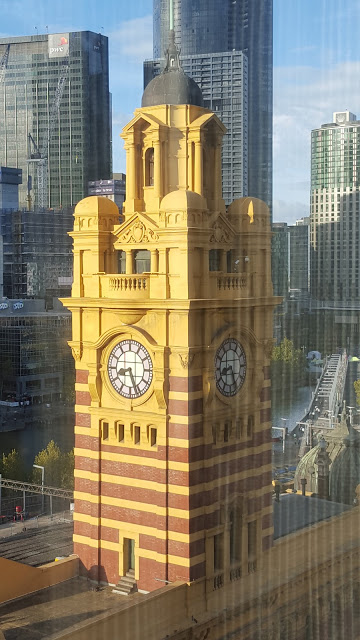
This is the famous clock tower of the Flinders Street Station (the main train station for suburban trains) in Melbourne.

We were staying in a hotel (The Doubletree) directly opposite to the station and our room overlooked the station and the clock tower.  I took photos of it during the day:

and this one, at night.  It came out better than I thought it would.

20160302_215639

A photograph from the inspirational bin – 9

…

I remeber once being told that if you shoot for the moon, you’ll land in the clouds, if you shoot for the tree tops, you’ll finish up back where you started from.

It was a silly analogy, but I always remembered it when I looked up at the sky and saw clouds.

That was back in those hazy carefree days just after you were finished with school and you had your whole life in front of you. Your parents were there as the safety net, and were still proud of your scholastic achievements, and were not in too much of a hurry to hustle you out of the house.

But what happened when there’s a recession that came upon everyone without any warning.

Stocks plummeted, people lost their life’s savings, those with mortgages and loans suddenly finding that along with unemployment came no income, no ability to pay the bills, and therefore lost everything.

Although I never said it, I was thinking what good was an education when the whole world had gone to hell in a handbasket.

Two things I remember from back then, which in the context of disaster, wasn’t all that long ago. Firstly, my father making us children go camping from before we could walk, and with it, to survive with nothing but the clothes on our backs, and our wits.

It had happened to him, as a member of am expedition in Africa in his younger days, thinking that he might become the next great explorer, or archeologist, and finishing up getting lost, even though he asserted the other members had deliberately left him behind.

And secondly, that it was essential that we forge working relationships with any and all those who were like minded, such as those who wanted to be saved, not those who expected everyone else to so the work. It was obvious he had met a lot of those type of people too.

It served us well.

When nations began turning on each other, when essential resources like electricity and fuel stopped being distributed and rationed, when food suddenly became scarce, that’s when the real trouble started. My father said, at the outset, what would happen, and was glad our mother was not there to see it.

Then, when neighbours attacked neighbours once food became scarce, it was time to leave. The pity of it was, he died defending us, even after offering up some of the food we had stored away, but that had not appeased a hungry or angry mob.

His last words, “Go to where we said we would go, and remember everything I’ve taught you” were etched in my brain, and my brother and I did as he asked.

But, even knowing where we had to go, and how to get there, a plan of action made many years before, and trialled in recent years with success, nothing in the past could have prepared us for the journey.

It was, literally, time to shoot for the moon.

—

© Charles Heath 2021

Skeletons in the closet, and doppelgangers

A story called “Mistaken Identity”

…

How many of us have skeletons in the closet that we know nothing about? The skeletons we know about generally stay there, but those we do not, well, they have a habit of coming out of left field when we least expect it.

In this case, when you see your photo on a TV screen with the accompanying text that says you are wanted by every law enforcement agency in Europe, you’re in a state of shock, only to be compounded by those same police, armed and menacing, kicking the door down.

I’d been thinking about this premise for a while after I discovered my mother had a boyfriend before she married my father, a boyfriend who was, by all accounts, the man who was the love of her life.

Then, in terms of coming up with an idea for a story, what if she had a child by him that we didn’t know about, which might mean I had a half brother or sister I knew nothing about. It’s not an uncommon occurrence from what I’ve been researching.

There are many ways of putting a spin on this story.

Then, in the back of my mind, I remembered a story an acquaintance at work was once telling us over morning tea, that a friend of a friend had a mother who had a twin sister and that each of the sisters had a son by the same father, without each knowing of the father’s actions, both growing up without the other having any knowledge of their half brother, only to meet by accident on the other side of the world.

It was an encounter that in the scheme of things might never have happened, and each would have remained oblivious of the other.

For one sister, the relationship was over before she discovered she was pregnant, and therefore had not told the man he was a father. It was no surprise the relationship foundered when she discovered he was also having a relationship with her sister, a discovery that caused her to cut all ties with both of them and never speak to either from that day.

It’s a story with more twists and turns than a country lane!

And a great idea for a story.

That story is called ‘Mistaken Identity’.

Read an extract tomorrow.