Searching For Locations: Disneyland, Paris, France

Whilst I found this tree house to be interesting, it seems to be far from practical because there was little to keep the wind and rain out, though I suppose, in the book, that might not be such a problem.

Be that as it may, and if it was relatively waterproof, then the furnishings would probably survive, and one had to also assume that much of the furnishings, such as the writing desk below, would have washed up as debris from the shipwreck.

20140104_141622 (1)

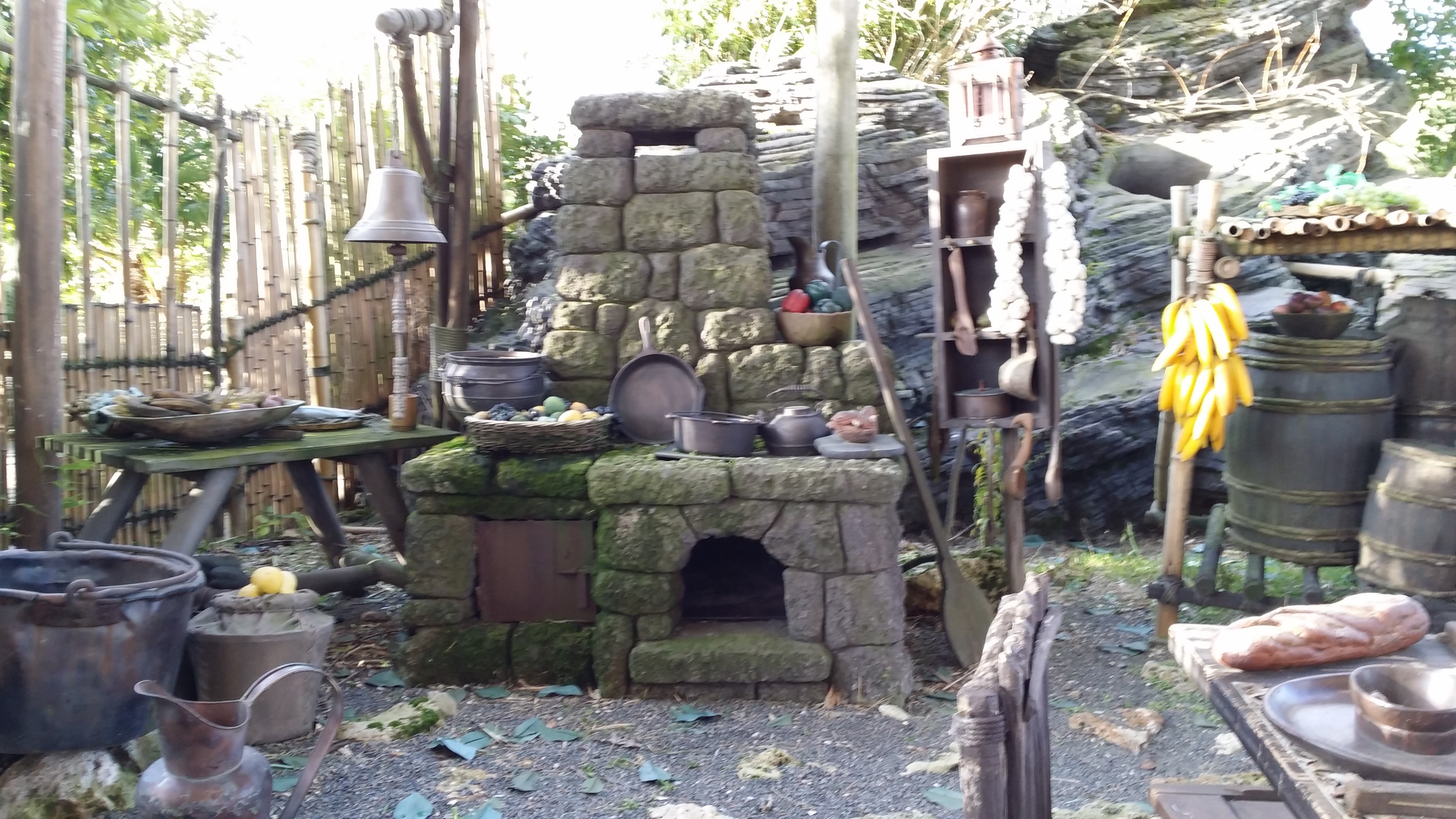
The stove and oven would have to be built by hand, and it is ‘remarkable’ such well-fitting stones were available.  It doesn’t look like it’s been used for a while judging by the amount of gree on it.  Perhaps it is not in a waterproof area.

20140104_141556 (2)

The dining table and the shelf in the background have that rough-hewn look about them

20140104_141553

A bit of man-made equipment here for drawing water from the stream

20140104_141703 (1)

And though not made in the era of electricity, there is an opportunity to use the water wheel to do more than it appears to be doing

20140104_141539 (2)

And tucked away in a corner the all-important study where one can read, or play a little music on the organ.  One could say, for the period, one had all the comforts of home.

20140104_141800 (2)

Searching For Locations: Disneyland, Paris, France

Whilst I found this tree house to be interesting, it seems to be far from practical because there was little to keep the wind and rain out, though I suppose, in the book, that might not be such a problem.

Be that as it may, and if it was relatively waterproof, then the furnishings would probably survive, and one had to also assume that much of the furnishings, such as the writing desk below, would have washed up as debris from the shipwreck.

20140104_141622 (1)

The stove and oven would have to be built by hand, and it is ‘remarkable’ such well-fitting stones were available.  It doesn’t look like it’s been used for a while judging by the amount of gree on it.  Perhaps it is not in a waterproof area.

20140104_141556 (2)

The dining table and the shelf in the background have that rough-hewn look about them

20140104_141553

A bit of man-made equipment here for drawing water from the stream

20140104_141703 (1)

And though not made in the era of electricity, there is an opportunity to use the water wheel to do more than it appears to be doing

20140104_141539 (2)

And tucked away in a corner the all-important study where one can read, or play a little music on the organ.  One could say, for the period, one had all the comforts of home.

20140104_141800 (2)

Searching for locations: The Opera House, Paris, France

This was one of the more interesting experiences for the grandchildren as they were, as all young girls are, interested in ballet.

We thoroughly enjoyed our visit which included some time watching ballet practice.

I could not convince anyone to take the elevator back down to the ground floor as it was suspected we might be ‘attacked’ by the ‘phantom’.  Certainly, the elevator was very old and I think at the time it was being repaired.

20140108_124100

Part of the Grand Staircase in Palais Garnier Opera de Paris

20140108_125843

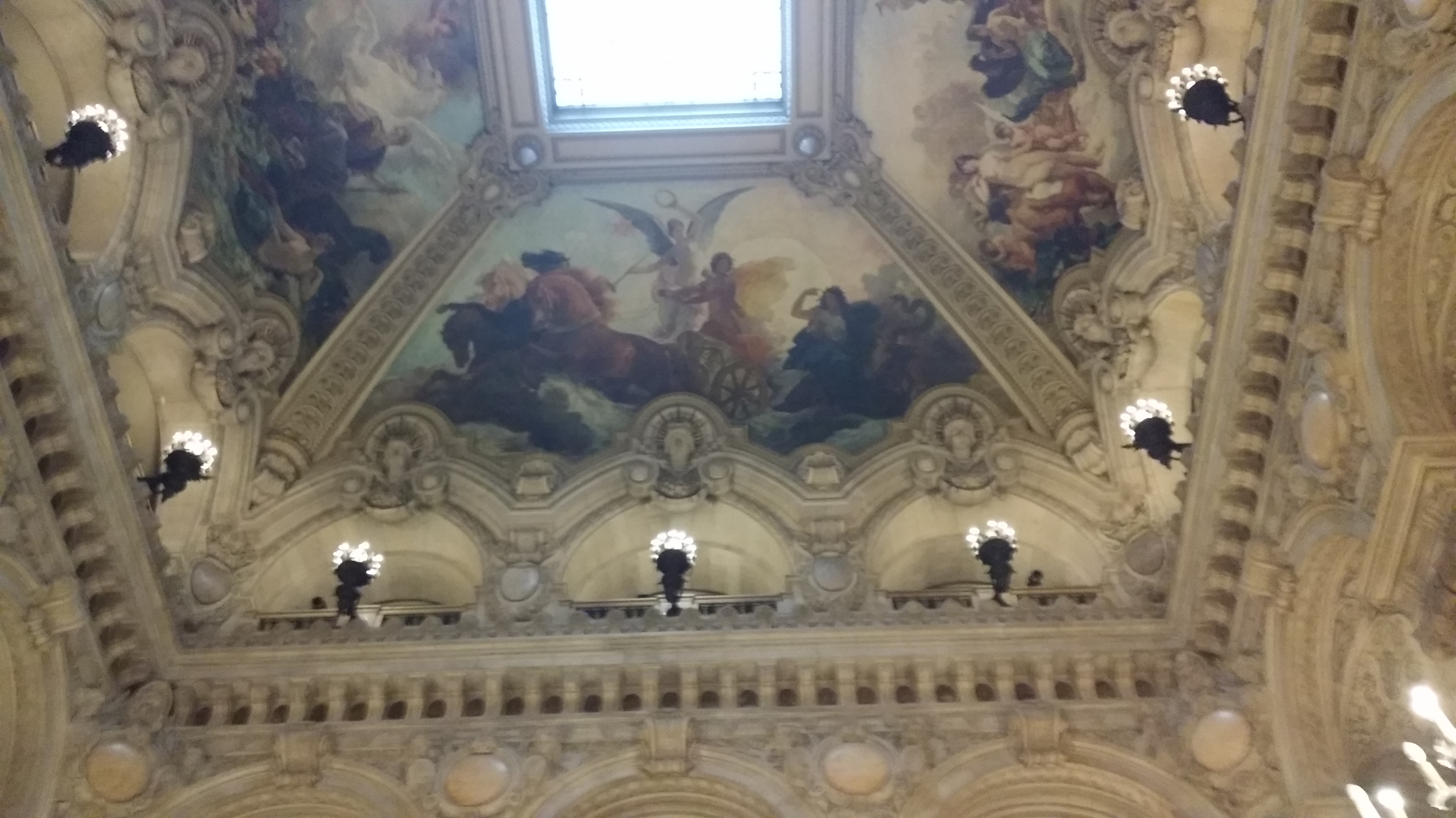
The ceiling above the main staircase.  The ceiling above the staircase was painted by Isidore Pils to depict The Triumph of Apollo, The Enchantment of Music Deploying its Charms, Minerva Fighting Brutality Watched by the Gods of Olympus, and The City of Paris Receiving the Plan of the New Opéra.

20140108_123338

The ceiling of Chagall at the Palais Garnier

On 23 September 1964, the new ceiling of the Opéra Garnier was inaugurated with great pomp.  It was painted by Marc Chagall at the request of André Malraux

20140108_125807

Amphitheatre and Orchestra Pit entrance

20140108_122243

Interior, and doorways to boxes

20140108_123500

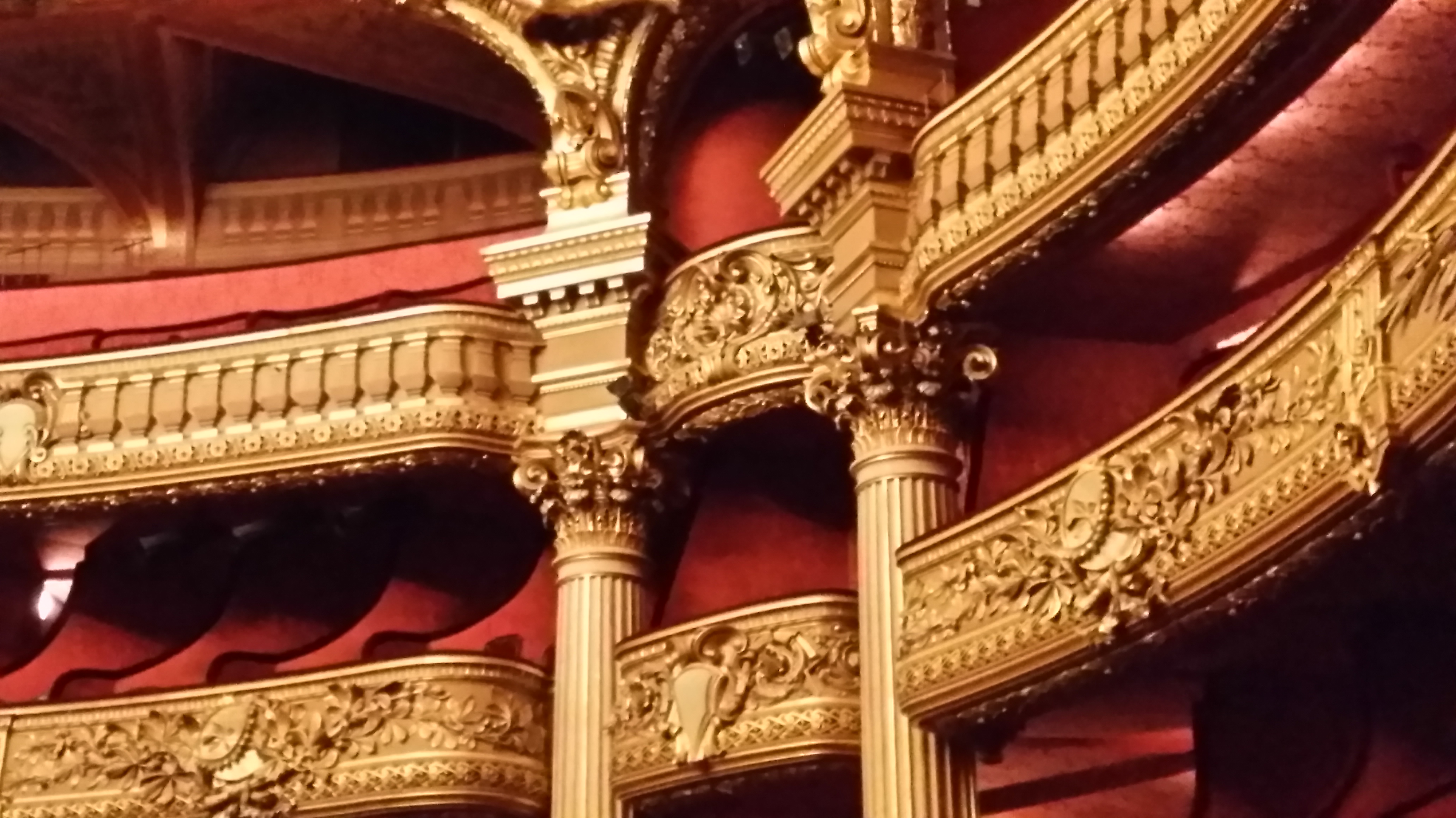
Box seats in the auditorium

20140108_123512

Ornate ceilings and columns

20140108_123332

Seating inside the auditorium

20140108_125603

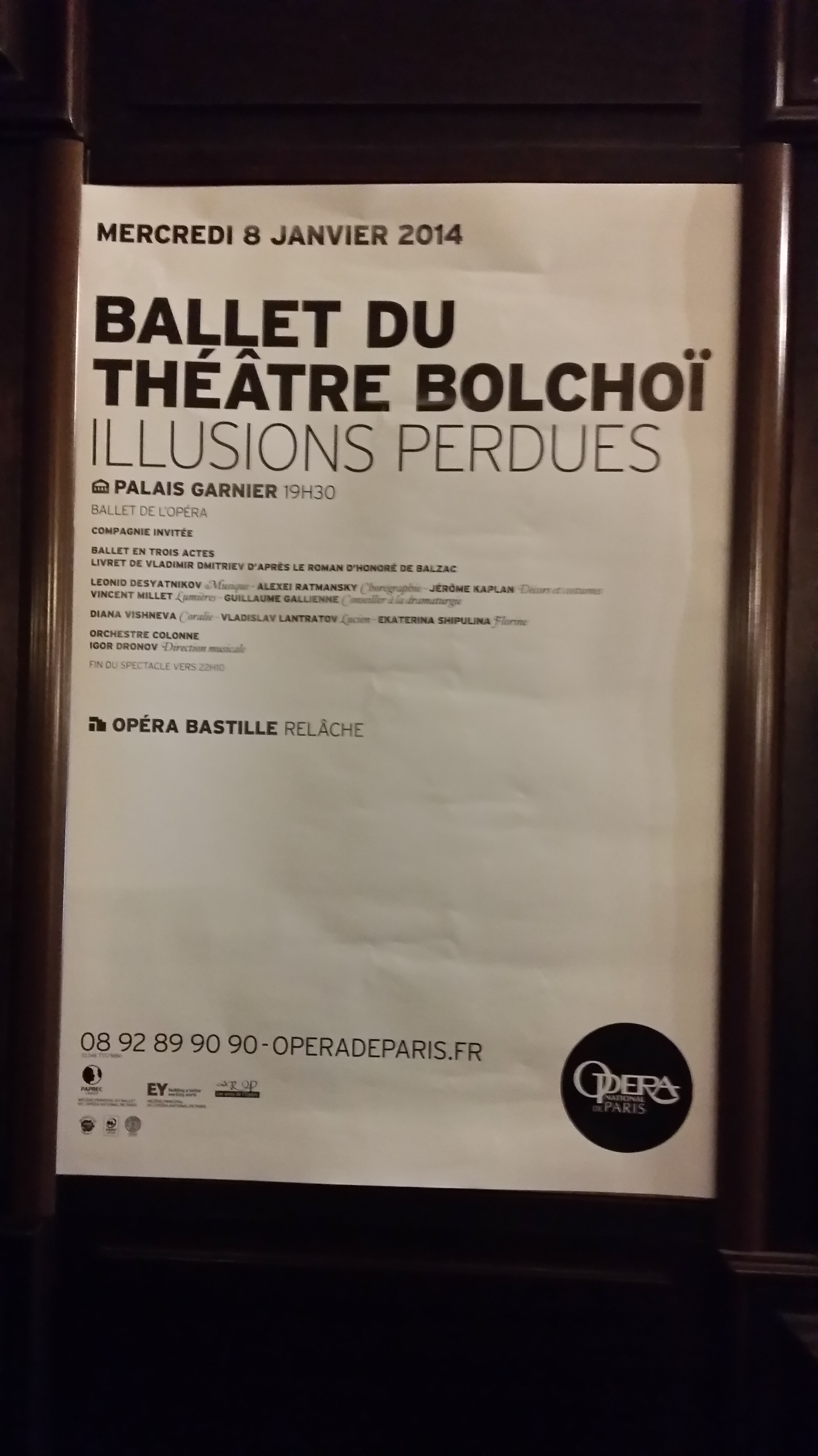
The day we were leaving Paris, was the first night of the Bolshoi Ballet.  My two granddaughters were greatly disappointed at missing out on the opportunity of a lifetime, to see the Bolshoi Ballet at the Paris Opera House.

20140108_123359

But we did get to see the principals practicing.

It’s not a writing room unless…

You have this incredible fully working to scale model of an Airbus A380 coming into land…

20200123_202225

This plane is over a meter long and has actually flown as a model aircraft, complete with remote control.

The thrust from the four engines was enough to almost blow the lounge room curtains off their hooks from 40 feet away … and it was a struggle to hold the plane down.

Now I can simulate tornados.

And, I have to say it’s rather awe-inspiring to look at it.

20200123_203706

For those who like the technical details:

The A380 is the largest EPO model you will ever see and with a wingspan of 1520mm and 4 x 56mm ducted fans it is sure to make an impression at any airfield!

Despite it’s size, the A380 is very light and economical to fly, only requiring a 3000mAh 3S battery.

This huge A380 (EPO) model aircraft comes 95% pre-built and includes a powerful 4 x 25A brushless EDF system and steerable nose wheel, just include your own Tx/Rx and battery.

Specs:

Length: 1410mm (55.51in)
Wing span: 1520mm (59.84in)
Flying weight: 1800g
Motor: 2826 Brushless outrunner (3200KV)
ESC: 4 x 25A
Servo: 9g * 5pcs
Battery: 3000~5000mAh 3S1P 45C~65C Lipoly Pack (Required)
EDF Diameter: 4 x 56mm

Searching for locations: The Opera House, Paris, France

This was one of the more interesting experiences for the grandchildren as they were, as all young girls are, interested in ballet.

We thoroughly enjoyed our visit which included some time watching ballet practice.

I could not convince anyone to take the elevator back down to the ground floor as it was suspected we might be ‘attacked’ by the ‘phantom’.  Certainly, the elevator was very old and I think at the time it was being repaired.

20140108_124100

Part of the Grand Staircase in Palais Garnier Opera de Paris

20140108_125843

The ceiling above the main staircase.  The ceiling above the staircase was painted by Isidore Pils to depict The Triumph of Apollo, The Enchantment of Music Deploying its Charms, Minerva Fighting Brutality Watched by the Gods of Olympus, and The City of Paris Receiving the Plan of the New Opéra.

20140108_123338

The ceiling of Chagall at the Palais Garnier

On 23 September 1964, the new ceiling of the Opéra Garnier was inaugurated with great pomp.  It was painted by Marc Chagall at the request of André Malraux

20140108_125807

Amphitheatre and Orchestra Pit entrance

20140108_122243

Interior, and doorways to boxes

20140108_123500

Box seats in the auditorium

20140108_123512

Ornate ceilings and columns

20140108_123332

Seating inside the auditorium

20140108_125603

The day we were leaving Paris, was the first night of the Bolshoi Ballet.  My two granddaughters were greatly disappointed at missing out on the opportunity of a lifetime, to see the Bolshoi Ballet at the Paris Opera House.

20140108_123359

But we did get to see the principals practicing.

It’s not a writing room unless…

You have this incredible fully working to scale model of an Airbus A380 coming into land…

20200123_202225

This plane is over a meter long and has actually flown as a model aircraft, complete with remote control.

The thrust from the four engines was enough to almost blow the lounge room curtains off their hooks from 40 feet away … and it was a struggle to hold the plane down.

Now I can simulate tornados.

And, I have to say it’s rather awe-inspiring to look at it.

20200123_203706

For those who like the technical details:

The A380 is the largest EPO model you will ever see and with a wingspan of 1520mm and 4 x 56mm ducted fans it is sure to make an impression at any airfield!

Despite it’s size, the A380 is very light and economical to fly, only requiring a 3000mAh 3S battery.

This huge A380 (EPO) model aircraft comes 95% pre-built and includes a powerful 4 x 25A brushless EDF system and steerable nose wheel, just include your own Tx/Rx and battery.

Specs:

Length: 1410mm (55.51in)
Wing span: 1520mm (59.84in)
Flying weight: 1800g
Motor: 2826 Brushless outrunner (3200KV)
ESC: 4 x 25A
Servo: 9g * 5pcs
Battery: 3000~5000mAh 3S1P 45C~65C Lipoly Pack (Required)
EDF Diameter: 4 x 56mm

Searching for Locations: The Eiffel Tower, Paris, France

Sorry, reminiscing again…

It was a cold but far from a miserable day.  We were taking our grandchildren on a tour of the most interesting sites in Paris, the first of which was the Eifel Tower.

We took the overground train, which had double-decker carriages, a first for the girls, to get to the tower.

We took the underground, or Metro, back, and they were fascinated with the fact the train carriages ran on road tires.

Because it was so cold, and windy, the tower was only open to the second level. It was a disappointment to us, but the girls were content to stay on the second level.

There they had the French version of chips.

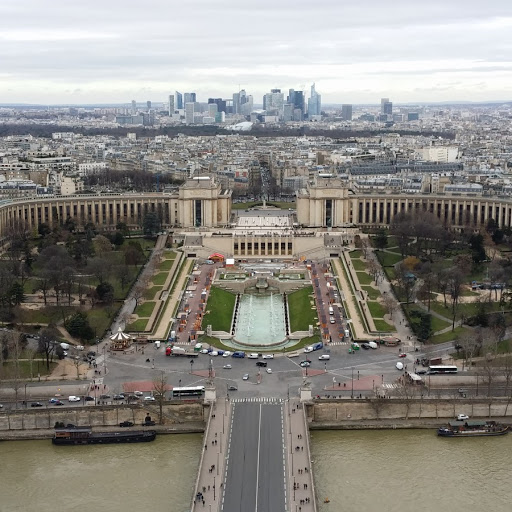
It was a dull day, but the views were magnificent.

20140107_132225

A view of the Seine

20140107_132859

20140107_132208

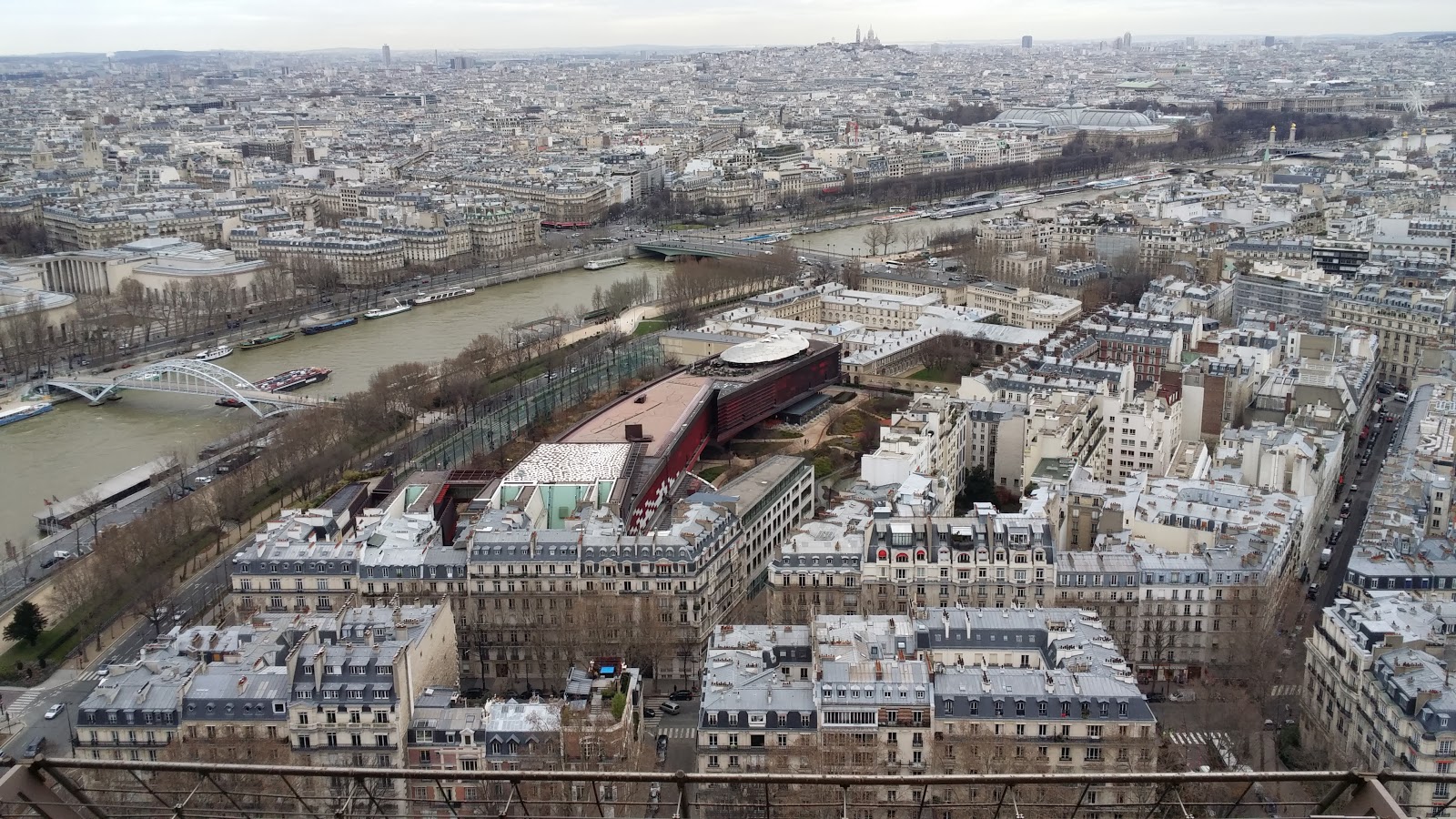
Sacre Coeur church at Montmartre in the distance.

Another view along the river Seine

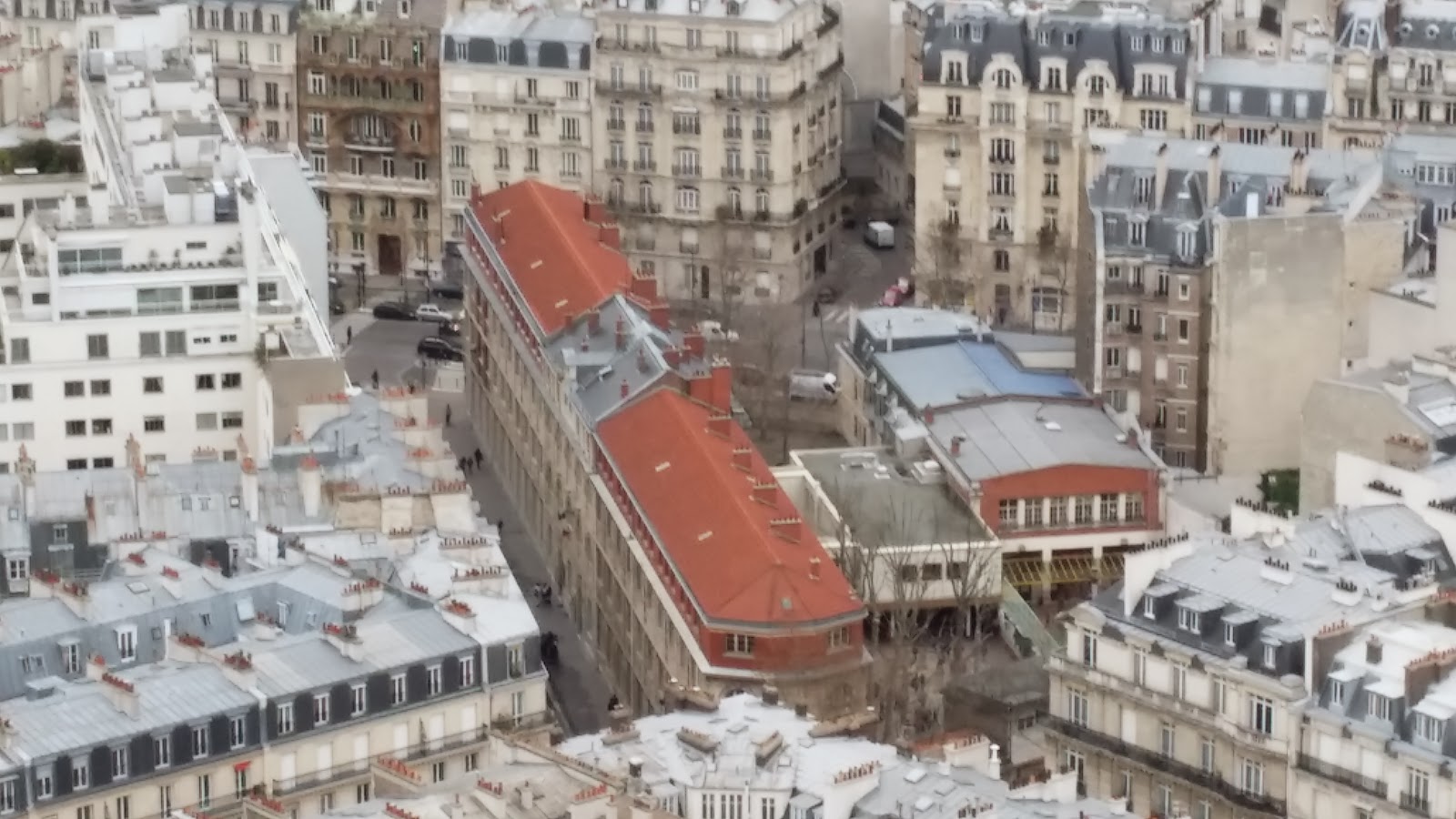
Overlooking the tightly packed apartment buildings

Looking along the opposite end of the river Seine

Getting the lie of the land

A lot of locations for stories are based on places that I’ve visited. So, any time I’m on holiday, I’m also discreetly observing, and noting, the places with an ulterior motive.

At some point in time they’ll finish up in a story.

Places like Florence, London, Paris, New York and Venice have all been used in recent stories.

Of course places change, and there are some that I can’t get to, so it’s useful having Google Maps and Street View. These can either make up for lack of memory and a be a refresher.

Especially if you need to visit Africa. Parts of several stories are set in Nigeria, not exactly a place I would go, no matter how much I wanted to get the lie of the land, nor would I go to the Democratic Republic of Congo.

Rwanda, maybe, but in investigating locations, it is interesting to discover that places like Kenya and Rwanda are reasonbly safe. Uganda is more or less the same, but whether I’d visit, as inviting as it might be to see the wildlife (animals that is) I’m thinking Google Maps will do for now.

And, of course, at the moment there is another reason why I can’t get a practical look at overseas locations. Covid-19.

I have always had a fascination for other places, from way back when I was in school and we did a subject called geography. Back then, nearly 60 years ago, we had school atlases that had all of the British colonies, even if they had become independent, coloured red on the maps, and there was a lot of them.

Places like London, of which we also studied in history, always held a fascination for me, and, in particular, the royal family. Oddly enough, I knew all of the kings and queens from 1066 onwards, and yet had no idea who our Prime Ministers in Australia were.

It wasn’t until much later we learned about Australian history.

But seeing places foreign are only part of the story. I have had time during the pandemic when we were not allowed to leave home, to delve into the historical side of Australia, and it has created a fascination for writing a story that has basis in fact.

This was unwittingly pushed along when my grand daughter came home from school with the assignment of writing a story about a character that was affected by a historical event. Thus Eliza at the Eureka Stockade was created.

I remember back in university days when working on the narrative part of my literature stream we were set an assignment based on pictures from a certain period, and a series of written documents to put together a story. Mine was about a passenger on a ship from Melbourne to Geelong in the days before rail around the time of the gold rush.

I’m guessing that’s what is called historical fiction.

Well, it’s time to get back to the mists of time…


Searching for Locations: The Eiffel Tower, Paris, France

Sorry, reminiscing again…

It was a cold but far from a miserable day.  We were taking our grandchildren on a tour of the most interesting sites in Paris, the first of which was the Eifel Tower.

We took the overground train, which had double-decker carriages, a first for the girls, to get to the tower.

We took the underground, or Metro, back, and they were fascinated with the fact the train carriages ran on road tires.

Because it was so cold, and windy, the tower was only open to the second level. It was a disappointment to us, but the girls were content to stay on the second level.

There they had the French version of chips.

It was a dull day, but the views were magnificent.

20140107_132225

A view of the Seine

20140107_132859

20140107_132208

Sacre Coeur church at Montmartre in the distance.

Another view along the river Seine

Overlooking the tightly packed apartment buildings

Looking along the opposite end of the river Seine

Getting the lie of the land

A lot of locations for stories are based on places that I’ve visited. So, any time I’m on holiday, I’m also discreetly observing, and noting, the places with an ulterior motive.

At some point in time they’ll finish up in a story.

Places like Florence, London, Paris, New York and Venice have all been used in recent stories.

Of course places change, and there are some that I can’t get to, so it’s useful having Google Maps and Street View. These can either make up for lack of memory and a be a refresher.

Especially if you need to visit Africa. Parts of several stories are set in Nigeria, not exactly a place I would go, no matter how much I wanted to get the lie of the land, nor would I go to the Democratic Republic of Congo.

Rwanda, maybe, but in investigating locations, it is interesting to discover that places like Kenya and Rwanda are reasonbly safe. Uganda is more or less the same, but whether I’d visit, as inviting as it might be to see the wildlife (animals that is) I’m thinking Google Maps will do for now.

And, of course, at the moment there is another reason why I can’t get a practical look at overseas locations. Covid-19.

I have always had a fascination for other places, from way back when I was in school and we did a subject called geography. Back then, nearly 60 years ago, we had school atlases that had all of the British colonies, even if they had become independent, coloured red on the maps, and there was a lot of them.

Places like London, of which we also studied in history, always held a fascination for me, and, in particular, the royal family. Oddly enough, I knew all of the kings and queens from 1066 onwards, and yet had no idea who our Prime Ministers in Australia were.

It wasn’t until much later we learned about Australian history.

But seeing places foreign are only part of the story. I have had time during the pandemic when we were not allowed to leave home, to delve into the historical side of Australia, and it has created a fascination for writing a story that has basis in fact.

This was unwittingly pushed along when my grand daughter came home from school with the assignment of writing a story about a character that was affected by a historical event. Thus Eliza at the Eureka Stockade was created.

I remember back in university days when working on the narrative part of my literature stream we were set an assignment based on pictures from a certain period, and a series of written documents to put together a story. Mine was about a passenger on a ship from Melbourne to Geelong in the days before rail around the time of the gold rush.

I’m guessing that’s what is called historical fiction.

Well, it’s time to get back to the mists of time…