Top 5 sights on the road less travelled – Zagreb

Beyond Ban Jelačić: 5 Hidden Gems That Define the Real Zagreb

Zagreb. The name conjures images of the iconic red roofs of the Upper Town, the vibrant café culture of the Lower Town, and the mandatory selfies by the Funicular. It’s a beautifully manageable European capital, often praised for its charm and easy walkability.

But for the seasoned traveller—the one who seeks the unvarnished truth of a city—the real magic often lies where the tourist map runs thin.

If you’ve already checked off the Museum of Broken Relationships and sipped your coffee on Cvjetni Trg, it’s time to venture deeper. We’ve compiled the five essential experiences that will take you off the beaten path and into the authentic heart of Zagreb.


1. Descend into History: The Grič Tunnel

While many tourists stick to the surface, locals know that a fascinating, slightly eerie piece of history lies just beneath the cobblestones of the Upper Town.

The Grič Tunnel is a 350-meter-long passage originally constructed during World War II as an air-raid shelter. For decades, it was mostly forgotten, dark, and damp. Today, it has been beautifully renovated and repurposed as a public walkway, linking Radićeva Street (near the main square) to the other side of Grič Hill (near Mesnička Street).

It’s often used for fashion shows, art installations, and even the spectacular Advent in Zagreb Christmas market features sections here. But even on a quiet Tuesday afternoon, walking through its vast, vaulted halls offers a cool, dramatic escape and a poignant reminder of Zagreb’s turbulent past.

  • Why it’s RLT (Road Less Travelled): Many tourists assume it’s a construction site or just a side alley, missing the entrance entirely.
  • Insider Tip: While there are several entrances, try the one on Radićeva Street for the full dramatic walk-through experience.

2. A Silent Architectural Masterpiece: Mirogoj Cemetery

Admittedly, the word “cemetery” might not immediately sound like a key tourist destination, but Mirogoj is unlike any other burial ground. Designed in 1876 by the famed architect Hermann Bollé, Mirogoj is less a cemetery and more an open-air art gallery and park.

What defines the space are the massive, sweeping neo-Renaissance arcades clad in green ivy, housing the tombs of Croatia’s most influential figures, from writers and artists to politicians. The central dome and the rows of elegant statues create an atmosphere of serene, melancholy beauty.

This is a space that speaks volumes about Croatian history, artistry, and respect for the departed. It’s quiet, reflective, and stunningly photogenic—a short bus ride from the city centre, but a world away from the city noise.

  • Why it’s RLT (Road Less Travelled): It requires a slight detour (Bus 106 from Kaptol), discouraging day-trippers focused solely on the centre.
  • Best Time to Visit: Early morning or late afternoon, when the sun casts dramatic shadows across the ivy-covered arcades.

3. The Unassuming Heart of Local Life: Trešnjevka Market

To truly feel the pulse of local Zagreb life, you need to leave the polished centre and head west to the bustling district of Trešnjevka. While Dolac Market is mandatory viewing, Trešnjevački plac (Trešnjevka Market) is where real Zagreb families shop.

This market is large, chaotic, affordable, and incredibly authentic. You won’t just find your typical kumice (market grandmothers) selling produce; you’ll find everything from hardware stalls and used clothing to cheap, traditional dining halls (gableci) serving hearty lunch deals.

Wander the indoor stalls filled with vintage clothing and household trinkets, or browse the outdoor stands overflowing with local cheeses, fresh meats, and flowers. This is the perfect place to grab a ridiculously inexpensive lunch and observe the daily rhythm of the city’s working class.

  • Why it’s RLT (Road Less Travelled): Located outside the traditional tourist triangle, it requires using the tram system (Trams 3, 9, 12).
  • What to Try: Look for a gablec (daily lunch) sign—usually a simple, filling meal like goulash or stuffed peppers for under €7.

4. Find the Inventors’ Spirit: The Technical Museum Nikola Tesla

While art and history museums abound in Zagreb, the Technical Museum often gets overlooked in favor of flashier attractions. This is a mistake, especially for those interested in science, industry, and the incredible contributions of Croatian minds.

Named after the world-famous inventor Nikola Tesla, this museum is a fantastic throwback, filled with retro industrial machinery, firefighting equipment, and displays dedicated to engineering breakthroughs. Highlights include a full-scale coal mine model (which you can walk through!), vintage trams, and a dedicated room honouring Tesla himself.

It’s hands-on, slightly dusty in a charming way, and a beautiful testament to Croatia’s industrial history and inventive spirit.

  • Why it’s RLT (Road Less Travelled): It isn’t located directly in the central museum quadrant, requiring a short tram ride south of the main train station.
  • Must-See: Check the schedule for the planetarium shows. They are highly rated and offer an excellent break from walking.

5. Escape to the Peak: Medvednica Nature Park

If you feel the need for fresh mountain air and stunning city views that rival those from Lotrščak Tower, hop on a bus or drive toward the northern edge of the city and ascend the Medvednica mountain range.

Medvednica, with its highest peak, Sljeme, is Zagreb’s essential backyard playground. It offers miles of hiking/biking trails, the historic Medvedgrad (a medieval fortified town), and, most importantly, numerous traditional mountain huts (planinarski domovi) serving classic, hearty Croatian mountain food.

Spend a day hiking to one of the lookouts, explore the Veternica cave, or just drive up for lunch at the top. The views are spectacular, and the atmosphere is entirely different from the busy city below.

  • Why it’s RLT (Road Less Travelled): Requires dedicated travel time and is not a quick walk-by attraction.
  • What to Try: Order štrukli (baked cheese pastry) at a mountain hut after a long walk—it’s the ultimate Croatian comfort food, and it tastes better high up in the woods.

The Reward of the Detour

Zagreb is a city built on layers of history, culture, and architecture. While the central squares offer undeniable beauty, the true reward comes when you step off the main path.

These five spots provide a window into the life that sustains the city, whether that’s the silent dignity of a historic park, the daily bustle of a working market, or the rugged landscape that surrounds it.

So, put away the polished guidebook, grab a tram, and go discover the real, complex, and captivating Zagreb.

Travelling after a pandemic: Destination Hobart – Day 2

Hobart in June – Winter – Day 2 – Sunday

…

It is not raining when we woke, but it had been most of the night.  After a cold start, the weather, seems to have improved, if only for the time being.

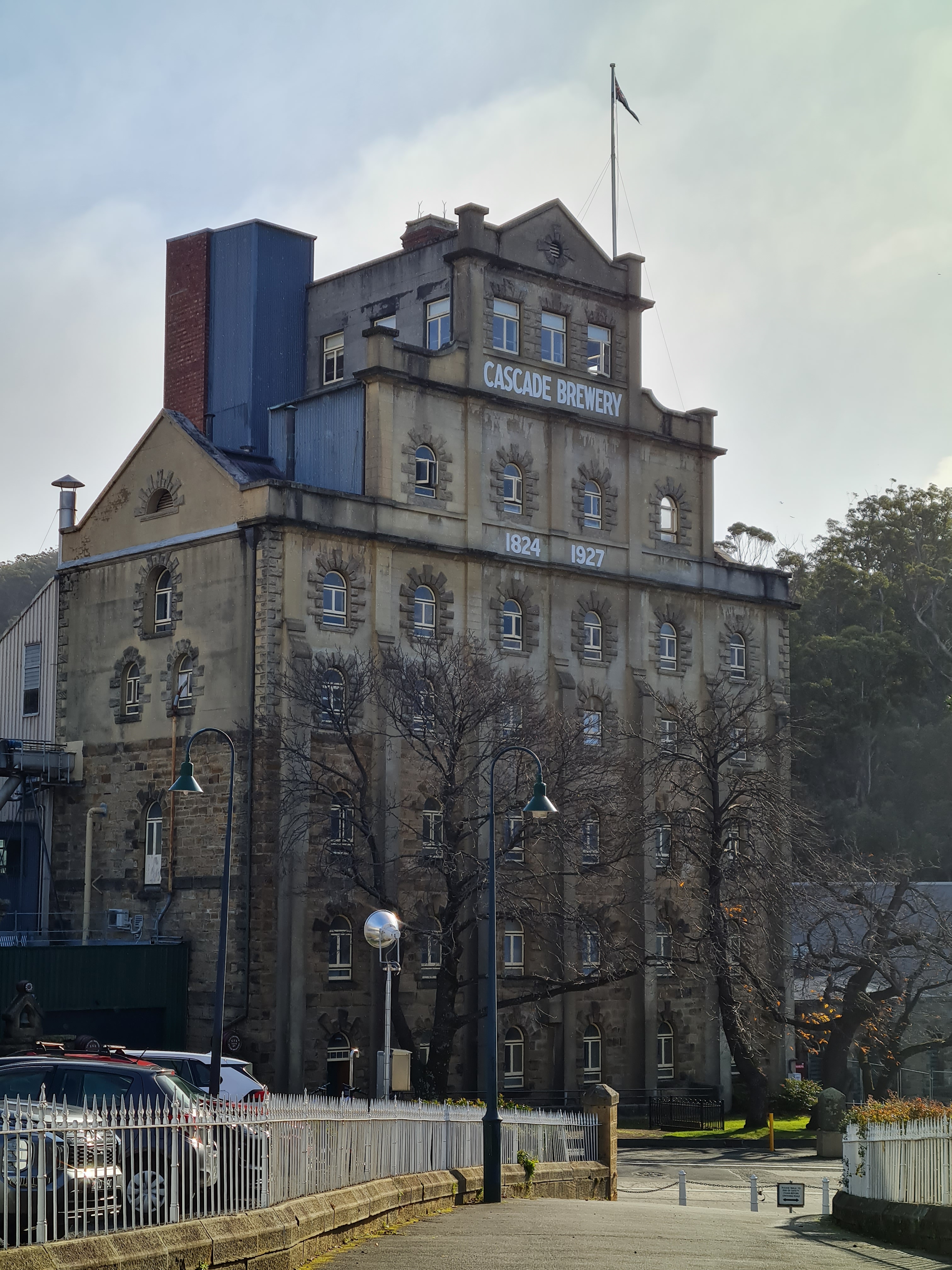
Today’s expedition is the Cascade Brewery, which doesn’t have tours at the moment because of staff issues with Covid, but does have a bar and restaurant.  There is also a historic site, an old women’s prison, and botanical gardens.  I’m not sure how far we’ll get in the gardens, but the bar and restaurant is looking good.

We get there and decide on lunch first then a visit to the women’s prison.

Fail.  The bar and restaurant are packed and there are no tables left.  Time for a photograph of the old brewery, and move on.

Instead of going to the prison, just down the road, we go off in a different direction, to Mt Wellington, thinking it might give excellent views of Hobart.

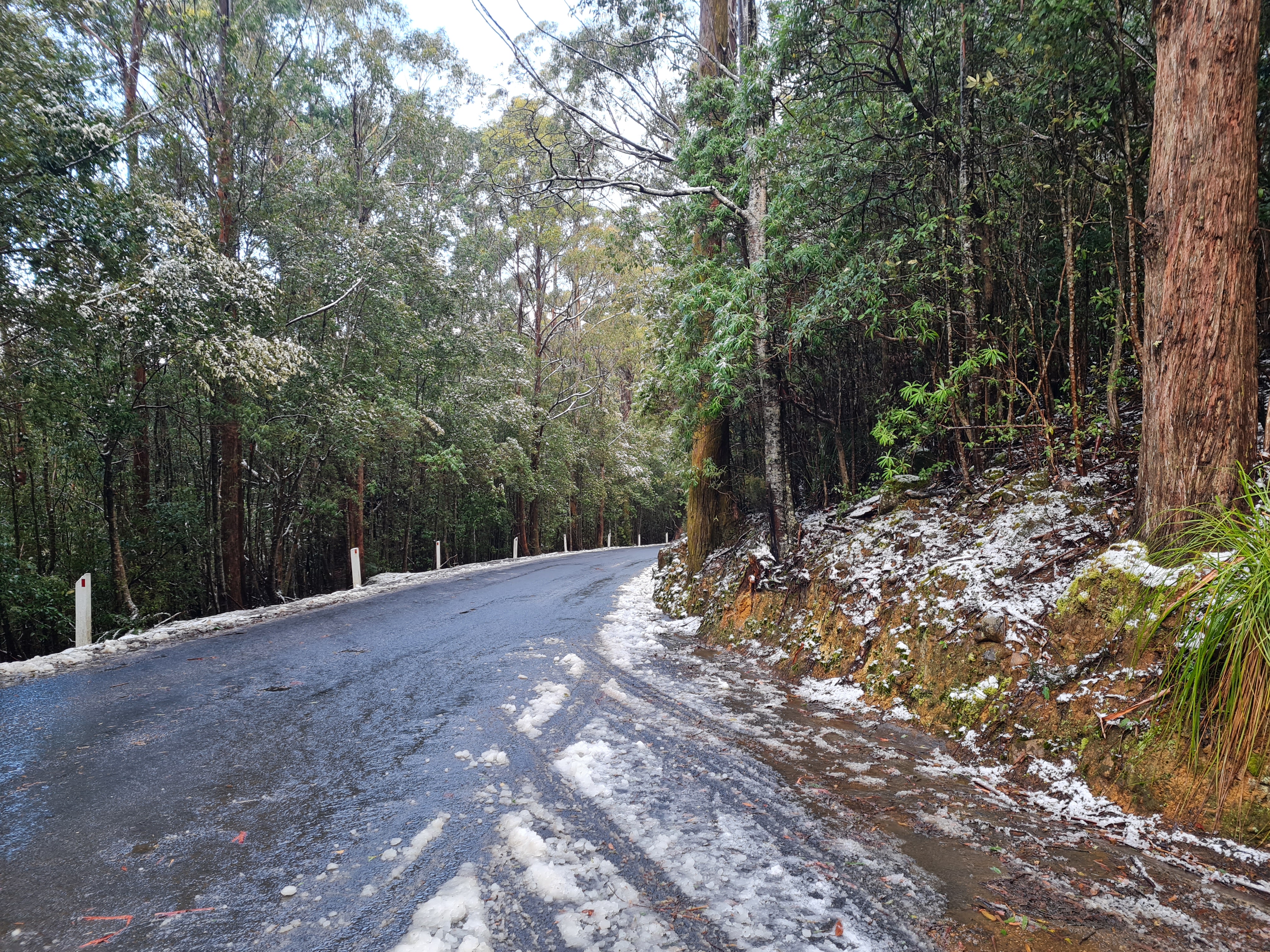
Only a sign says the road is supposed to be closed, but it is not, so we and a dozen others are venturing up the road towards the summit.

The road was probably opened temporarily, but it is getting more treacherous as the snow appears and the road is wet.  We make it about 2km before deciding it’s unsafe.

The adventure continues because at the bottom of the hill we decided to go to Huonville, hoping to chance upon the apple orchards and all things apple.

It was an immense letdown.  There was nothing, except for one innocuous building with a sign out front saying it was open, but for all intents and purposes looked like it was completely empty.

Until you drove around the back to the carpark where there were hundreds of cars, and inside, totally packed.

It’s where everyone in Huonville had gone.

And not where we were going to get a distinctly Tasmanian meal.

We had to settle for another pie from Banjo’s in Sandy Bay.

Top 5 sights on the road less travelled – Zagreb

Beyond Ban Jelačić: 5 Hidden Gems That Define the Real Zagreb

Zagreb. The name conjures images of the iconic red roofs of the Upper Town, the vibrant café culture of the Lower Town, and the mandatory selfies by the Funicular. It’s a beautifully manageable European capital, often praised for its charm and easy walkability.

But for the seasoned traveller—the one who seeks the unvarnished truth of a city—the real magic often lies where the tourist map runs thin.

If you’ve already checked off the Museum of Broken Relationships and sipped your coffee on Cvjetni Trg, it’s time to venture deeper. We’ve compiled the five essential experiences that will take you off the beaten path and into the authentic heart of Zagreb.


1. Descend into History: The Grič Tunnel

While many tourists stick to the surface, locals know that a fascinating, slightly eerie piece of history lies just beneath the cobblestones of the Upper Town.

The Grič Tunnel is a 350-meter-long passage originally constructed during World War II as an air-raid shelter. For decades, it was mostly forgotten, dark, and damp. Today, it has been beautifully renovated and repurposed as a public walkway, linking Radićeva Street (near the main square) to the other side of Grič Hill (near Mesnička Street).

It’s often used for fashion shows, art installations, and even the spectacular Advent in Zagreb Christmas market features sections here. But even on a quiet Tuesday afternoon, walking through its vast, vaulted halls offers a cool, dramatic escape and a poignant reminder of Zagreb’s turbulent past.

  • Why it’s RLT (Road Less Travelled): Many tourists assume it’s a construction site or just a side alley, missing the entrance entirely.
  • Insider Tip: While there are several entrances, try the one on Radićeva Street for the full dramatic walk-through experience.

2. A Silent Architectural Masterpiece: Mirogoj Cemetery

Admittedly, the word “cemetery” might not immediately sound like a key tourist destination, but Mirogoj is unlike any other burial ground. Designed in 1876 by the famed architect Hermann Bollé, Mirogoj is less a cemetery and more an open-air art gallery and park.

What defines the space are the massive, sweeping neo-Renaissance arcades clad in green ivy, housing the tombs of Croatia’s most influential figures, from writers and artists to politicians. The central dome and the rows of elegant statues create an atmosphere of serene, melancholy beauty.

This is a space that speaks volumes about Croatian history, artistry, and respect for the departed. It’s quiet, reflective, and stunningly photogenic—a short bus ride from the city centre, but a world away from the city noise.

  • Why it’s RLT (Road Less Travelled): It requires a slight detour (Bus 106 from Kaptol), discouraging day-trippers focused solely on the centre.
  • Best Time to Visit: Early morning or late afternoon, when the sun casts dramatic shadows across the ivy-covered arcades.

3. The Unassuming Heart of Local Life: Trešnjevka Market

To truly feel the pulse of local Zagreb life, you need to leave the polished centre and head west to the bustling district of Trešnjevka. While Dolac Market is mandatory viewing, Trešnjevački plac (Trešnjevka Market) is where real Zagreb families shop.

This market is large, chaotic, affordable, and incredibly authentic. You won’t just find your typical kumice (market grandmothers) selling produce; you’ll find everything from hardware stalls and used clothing to cheap, traditional dining halls (gableci) serving hearty lunch deals.

Wander the indoor stalls filled with vintage clothing and household trinkets, or browse the outdoor stands overflowing with local cheeses, fresh meats, and flowers. This is the perfect place to grab a ridiculously inexpensive lunch and observe the daily rhythm of the city’s working class.

  • Why it’s RLT (Road Less Travelled): Located outside the traditional tourist triangle, it requires using the tram system (Trams 3, 9, 12).
  • What to Try: Look for a gablec (daily lunch) sign—usually a simple, filling meal like goulash or stuffed peppers for under €7.

4. Find the Inventors’ Spirit: The Technical Museum Nikola Tesla

While art and history museums abound in Zagreb, the Technical Museum often gets overlooked in favor of flashier attractions. This is a mistake, especially for those interested in science, industry, and the incredible contributions of Croatian minds.

Named after the world-famous inventor Nikola Tesla, this museum is a fantastic throwback, filled with retro industrial machinery, firefighting equipment, and displays dedicated to engineering breakthroughs. Highlights include a full-scale coal mine model (which you can walk through!), vintage trams, and a dedicated room honouring Tesla himself.

It’s hands-on, slightly dusty in a charming way, and a beautiful testament to Croatia’s industrial history and inventive spirit.

  • Why it’s RLT (Road Less Travelled): It isn’t located directly in the central museum quadrant, requiring a short tram ride south of the main train station.
  • Must-See: Check the schedule for the planetarium shows. They are highly rated and offer an excellent break from walking.

5. Escape to the Peak: Medvednica Nature Park

If you feel the need for fresh mountain air and stunning city views that rival those from Lotrščak Tower, hop on a bus or drive toward the northern edge of the city and ascend the Medvednica mountain range.

Medvednica, with its highest peak, Sljeme, is Zagreb’s essential backyard playground. It offers miles of hiking/biking trails, the historic Medvedgrad (a medieval fortified town), and, most importantly, numerous traditional mountain huts (planinarski domovi) serving classic, hearty Croatian mountain food.

Spend a day hiking to one of the lookouts, explore the Veternica cave, or just drive up for lunch at the top. The views are spectacular, and the atmosphere is entirely different from the busy city below.

  • Why it’s RLT (Road Less Travelled): Requires dedicated travel time and is not a quick walk-by attraction.
  • What to Try: Order štrukli (baked cheese pastry) at a mountain hut after a long walk—it’s the ultimate Croatian comfort food, and it tastes better high up in the woods.

The Reward of the Detour

Zagreb is a city built on layers of history, culture, and architecture. While the central squares offer undeniable beauty, the true reward comes when you step off the main path.

These five spots provide a window into the life that sustains the city, whether that’s the silent dignity of a historic park, the daily bustle of a working market, or the rugged landscape that surrounds it.

So, put away the polished guidebook, grab a tram, and go discover the real, complex, and captivating Zagreb.

Top 5 sights on the road less travelled – Bratislava

Beyond the Castle: 5 Offbeat Adventures in Bratislava You Won’t Find on Every Postcard

Bratislava. The name itself conjures images of a charming Old Town, the majestic castle perched above the Danube, and perhaps a quirky statue or two. And while these icons are undeniably wonderful, there’s a whole other side to Slovakia’s capital waiting to be discovered – a side that reveals the city’s true character, its rich history, and its vibrant local life, far from the well-trodden tourist paths.

If you’re ready to peel back the layers and experience Bratislava like a true explorer, here are five “road less travelled” adventures that promise unique memories and a deeper connection to this captivating city.


1. Ascend to Slavin Memorial: History, Views, and Serenity

While Bratislava Castle offers fantastic views, for a truly poignant and panoramic experience, head to Slavin Memorial. This colossal war memorial and cemetery honours the Soviet soldiers who fell liberating Bratislava during World War II. It’s a powerful, solemn place, but also one offering some of the most breathtaking, unobstructed views of the city, the Danube, and even the distant Austrian Alps.

Why it’s less travelled: Many tourists stick to the immediate Old Town. Slavin requires a short, scenic bus ride or a determined uphill walk, making it feel like a discovered secret.

What to expect: A grand staircase leading to an obelisk crowned with a triumphant soldier statue. Spend time walking among the graves, decorated with red stars, and then simply soak in the epic vista. It’s a place for reflection and stunning photography, especially at sunset.

How to get there: Take a local bus (such as number 203 or 207) from Hodžovo námestie (Presidential Palace) or take a taxi/ride-sharing service.


2. Explore the Small Carpathian Wine Route: A Taste of Local Tradition

Did you know Bratislava is the gateway to a historic wine region? Just a short drive or train ride from the city lies the Small Carpathian Wine Route (Malokarpatská Vínna Cesta), a picturesque trail dotted with charming winemaking villages like Pezinok and Modra. This region has been producing wine for centuries, and it’s a delightful escape from urban life.

Why it’s less travelled: While some tour operators offer trips, many independent travellers miss this authentic experience, opting for day trips to neighbouring capitals instead.

What to expect: Hop on a local train to Pezinok or Modra, and wander through their quaint streets. Look for traditional wine cellars (“vínne pivnice”) offering tastings of local varietals like Grüner Veltliner, Frankovka Modrá (Blaufränkisch), and Müller-Thurgau. Many wineries offer delicious regional snacks to accompany your tasting. If visiting in autumn, look out for the “burčiak,” a partially fermented young wine – a local delicacy!

How to get there: Take a regional train from Bratislava Hlavná Stanica (Main Station) to Pezinok or Modra. The journey takes around 20-30 minutes.


3. Discover the Danubiana Meulensteen Art Museum: Art on the Water

For a dose of contemporary art in an utterly unique setting, make your way to the Danubiana Meulensteen Art Museum. Located on a peninsula in the Danube River, about 15km south of Bratislava, this modern art gallery is a masterpiece in itself, offering stunning architecture, thought-provoking exhibitions, and incredible river views.

Why it’s less travelled: Its location outside the immediate city centre means it’s often overlooked by visitors with limited time.

What to expect: A captivating journey through modern and contemporary art, primarily by Slovak and international artists. The museum’s design allows natural light to flood the spaces, and the outdoor sculpture park, with its whimsical pieces set against the river backdrop, is a joy to explore. You can even enjoy a coffee with a view from their café.

How to get there: The most scenic (and recommended) way is by a special tourist boat that departs from Fajnorovo nábrežie near the Old Town (check seasonal schedules). Alternatively, take a local bus (number 90) from Nový Most (UFO Bridge) or a taxi/ride-sharing service.


4. Hike to Kamzík TV Tower & Koliba: Nature, Adventure, and Views

Escape the city hustle and immerse yourself in nature by heading up to the forested hills of Koliba, home to the iconic Kamzík TV Tower. This area is a beloved recreational spot for locals, offering hiking trails, a bobsled track, and, of course, the observation deck of the TV tower for breathtaking panoramic views.

Why it’s less travelled: Many tourists don’t realise such an extensive green space, complete with a TV tower offering great views, is so accessible from the city.

What to expect: Take the historic Kamzík cable car (Železná studnička – Koliba) up the hill, or hike one of the many well-marked trails. Once at the top, you can ascend the TV tower for 360-degree vistas (there’s also a rotating restaurant at the top if you’re feeling fancy!). In winter, it’s a popular spot for sledding, and in warmer months, you’ll find families picnicking and enjoying the fresh air.

How to get there: Take tram number 3 or 9 to the “Železná studnička” stop, then walk or take the cable car up to Koliba. Alternatively, bus number 203 or 207 will get you closer to the TV Tower area.


5. Dive into Local Life at Miletičova Tržnica (Market): A Sensory Feast

For an authentic slice of everyday Bratislava life, head to Miletičova Tržnica, the city’s largest outdoor and indoor market. This isn’t a quaint artisan market; it’s a bustling, vibrant hub where locals come to buy fresh produce, clothes, household goods, and indulge in hearty Slovak street food.

Why it’s less travelled: It’s located outside the immediate city centre in a residential area, away from the typical tourist routes.

What to expect: A kaleidoscope of sights, sounds, and smells! Browse stalls overflowing with seasonal fruits, vegetables, cheeses, and smoked meats. Discover quirky fashion, electronics, and souvenirs. But the real highlight is the food: grab a langoš (fried dough with garlic, cheese, and sour cream), a pecené kura (roasted chicken), or a classic halušky (potato dumplings) from one of the many unassuming food stands. It’s an affordable and delicious way to sample local flavours.

How to get there: Take a tram (e.g., number 8 or 9) or bus (e.g., number 50 or 53) to the “Miletičova” stop.


Bratislava is a city that rewards those who dare to venture beyond the obvious. These five experiences offer a taste of its diverse history, natural beauty, artistic spirit, and authentic local charm. So, next time you find yourself in Slovakia’s captivating capital, step off the well-worn path and create your own unique Bratislava story. You won’t regret it!

Travelling after a pandemic: Destination Hobart – Day 0

 Brisbane to Hobart by … is it Qantas or not?

…

I knew there was a reason why we don’t travel anymore.

And now, everyone is letting go of the Covid shackles, and the airports are overwhelmed.

Yesterday, the Qantas baggage system broke down and caused endless delays.  Today, we’re in a queue that’s literally a mile long, just to be screened before we even get into the terminal.

And, we are in a smaller plane operated by Qantas Link, the main airline’s feeder.  Confusingly, it has two names, National Jet Systems, and Qantas Link, the name painted on the aircraft.

Our plane is a Boeing 717, but it is actually an MD 95, made by McDonnell Douglas before Boeing took them over.


And so, it begins…

Boarding time comes and goes, as it always seems to, this time that age-old excuse, the flight attendants are on an incoming flight that is delayed but is on the ground.

That could mean almost anything, but in this case, we’re told, that they are coming from another satellite some distance away.  Well, at least they will get some exercise.

9:56. The attendants arrived.  They just got off the plane from Newcastle, so it can be confusing, going from destination to destination, well, at least for me it would be.  For them, it’s all in a day’s work.

I asked for early boarding because Rosemary cannot walk very well, so it remains to be seen if this happens.

It does, and it’s a slow walk downstairs, and upstairs, but we have to wait because there is a sewerage spill and while waiting to get clearance to board, we’re getting a birds-eye view of the poor man who has to clean it up doesn’t make the wait any easier.

By 10:10, we were on the plane and seated.

We’re organizing a wheelchair and assistance at Hobart, to make things easier.

Minutes later our traveling companions are boarding.

Some confusion reigns, we are sitting in the wrong seats, row 5 instead of row 6.  A bit of seat shuffling and everything is good.

10:30:  The sewerage spill has been cleaned up.  The front door is still open, but they just connected the tow vehicle.

10:33: Doors closed.  10:35:  Push back.  10:40: Heading to the runway.  10:45: Take off, or is that wheels up? It’s not on the new second runway, perhaps because there are so many complaints from the residents nearby.

11:00: Time for a snack.  It’s Tomato Salsa with corn chips, almonds, and pretzels.  60 grams worth, small but reasonably tasty.

Now we’re left to our own devices, as there is no onboard entertainment, and the plane is too small and too old to have onboard Wi-Fi.

Perhaps a siesta, but the seat is too uncomfortable to find a position that will allow it, so I guess a bit of writing is in order.

That and staring out the window and noticing that we have been hugging the coastline almost all the way south, except for when we were crossing Bass Strait, 32,000 feet above the waves.

Bass Strait is not a waterway you want to willingly cross at the best of times, and I have, once, crossed it at the worst of times, and it wasn’t fun.

1:00: Startin that, you would expect from such conditions.

I had expected, given the forecast for rain and heavy winds that we would have a treacherous landing but it was not, the rain had passed and the wind not as bad, and got on the ground without much ado.

It was exactly as the pilot said, 1:30 pm.

We were the last to disembark, with a wheelchair at the end of the disembarkation ramp, there are no air bridges here in Hobart.

My first impression of the airport, it’s like a country town with a tin shed, though the terminal looks a lot different inside than outside. And they do have international flights.

Our bags we out by the time we reached the baggage carousel, then it was off to the car rental counter for an effortless and pain-free pickup.

The worst thing was the distance from the terminal to where the car was parked.

Top 5 sights on the road less travelled – Bratislava

Beyond the Castle: 5 Offbeat Adventures in Bratislava You Won’t Find on Every Postcard

Bratislava. The name itself conjures images of a charming Old Town, the majestic castle perched above the Danube, and perhaps a quirky statue or two. And while these icons are undeniably wonderful, there’s a whole other side to Slovakia’s capital waiting to be discovered – a side that reveals the city’s true character, its rich history, and its vibrant local life, far from the well-trodden tourist paths.

If you’re ready to peel back the layers and experience Bratislava like a true explorer, here are five “road less travelled” adventures that promise unique memories and a deeper connection to this captivating city.


1. Ascend to Slavin Memorial: History, Views, and Serenity

While Bratislava Castle offers fantastic views, for a truly poignant and panoramic experience, head to Slavin Memorial. This colossal war memorial and cemetery honours the Soviet soldiers who fell liberating Bratislava during World War II. It’s a powerful, solemn place, but also one offering some of the most breathtaking, unobstructed views of the city, the Danube, and even the distant Austrian Alps.

Why it’s less travelled: Many tourists stick to the immediate Old Town. Slavin requires a short, scenic bus ride or a determined uphill walk, making it feel like a discovered secret.

What to expect: A grand staircase leading to an obelisk crowned with a triumphant soldier statue. Spend time walking among the graves, decorated with red stars, and then simply soak in the epic vista. It’s a place for reflection and stunning photography, especially at sunset.

How to get there: Take a local bus (such as number 203 or 207) from Hodžovo námestie (Presidential Palace) or take a taxi/ride-sharing service.


2. Explore the Small Carpathian Wine Route: A Taste of Local Tradition

Did you know Bratislava is the gateway to a historic wine region? Just a short drive or train ride from the city lies the Small Carpathian Wine Route (Malokarpatská Vínna Cesta), a picturesque trail dotted with charming winemaking villages like Pezinok and Modra. This region has been producing wine for centuries, and it’s a delightful escape from urban life.

Why it’s less travelled: While some tour operators offer trips, many independent travellers miss this authentic experience, opting for day trips to neighbouring capitals instead.

What to expect: Hop on a local train to Pezinok or Modra, and wander through their quaint streets. Look for traditional wine cellars (“vínne pivnice”) offering tastings of local varietals like Grüner Veltliner, Frankovka Modrá (Blaufränkisch), and Müller-Thurgau. Many wineries offer delicious regional snacks to accompany your tasting. If visiting in autumn, look out for the “burčiak,” a partially fermented young wine – a local delicacy!

How to get there: Take a regional train from Bratislava Hlavná Stanica (Main Station) to Pezinok or Modra. The journey takes around 20-30 minutes.


3. Discover the Danubiana Meulensteen Art Museum: Art on the Water

For a dose of contemporary art in an utterly unique setting, make your way to the Danubiana Meulensteen Art Museum. Located on a peninsula in the Danube River, about 15km south of Bratislava, this modern art gallery is a masterpiece in itself, offering stunning architecture, thought-provoking exhibitions, and incredible river views.

Why it’s less travelled: Its location outside the immediate city centre means it’s often overlooked by visitors with limited time.

What to expect: A captivating journey through modern and contemporary art, primarily by Slovak and international artists. The museum’s design allows natural light to flood the spaces, and the outdoor sculpture park, with its whimsical pieces set against the river backdrop, is a joy to explore. You can even enjoy a coffee with a view from their café.

How to get there: The most scenic (and recommended) way is by a special tourist boat that departs from Fajnorovo nábrežie near the Old Town (check seasonal schedules). Alternatively, take a local bus (number 90) from Nový Most (UFO Bridge) or a taxi/ride-sharing service.


4. Hike to Kamzík TV Tower & Koliba: Nature, Adventure, and Views

Escape the city hustle and immerse yourself in nature by heading up to the forested hills of Koliba, home to the iconic Kamzík TV Tower. This area is a beloved recreational spot for locals, offering hiking trails, a bobsled track, and, of course, the observation deck of the TV tower for breathtaking panoramic views.

Why it’s less travelled: Many tourists don’t realise such an extensive green space, complete with a TV tower offering great views, is so accessible from the city.

What to expect: Take the historic Kamzík cable car (Železná studnička – Koliba) up the hill, or hike one of the many well-marked trails. Once at the top, you can ascend the TV tower for 360-degree vistas (there’s also a rotating restaurant at the top if you’re feeling fancy!). In winter, it’s a popular spot for sledding, and in warmer months, you’ll find families picnicking and enjoying the fresh air.

How to get there: Take tram number 3 or 9 to the “Železná studnička” stop, then walk or take the cable car up to Koliba. Alternatively, bus number 203 or 207 will get you closer to the TV Tower area.


5. Dive into Local Life at Miletičova Tržnica (Market): A Sensory Feast

For an authentic slice of everyday Bratislava life, head to Miletičova Tržnica, the city’s largest outdoor and indoor market. This isn’t a quaint artisan market; it’s a bustling, vibrant hub where locals come to buy fresh produce, clothes, household goods, and indulge in hearty Slovak street food.

Why it’s less travelled: It’s located outside the immediate city centre in a residential area, away from the typical tourist routes.

What to expect: A kaleidoscope of sights, sounds, and smells! Browse stalls overflowing with seasonal fruits, vegetables, cheeses, and smoked meats. Discover quirky fashion, electronics, and souvenirs. But the real highlight is the food: grab a langoš (fried dough with garlic, cheese, and sour cream), a pecené kura (roasted chicken), or a classic halušky (potato dumplings) from one of the many unassuming food stands. It’s an affordable and delicious way to sample local flavours.

How to get there: Take a tram (e.g., number 8 or 9) or bus (e.g., number 50 or 53) to the “Miletičova” stop.


Bratislava is a city that rewards those who dare to venture beyond the obvious. These five experiences offer a taste of its diverse history, natural beauty, artistic spirit, and authentic local charm. So, next time you find yourself in Slovakia’s captivating capital, step off the well-worn path and create your own unique Bratislava story. You won’t regret it!

Top 5 sights on the road less travelled – Prague

Prague Beyond the Crowds: Five Distinctive Gems for a Serene Escape

Prague. The very name conjures images of fairytale castles, winding cobblestone streets, and the timeless beauty of a city steeped in history. It’s truly magical – but that magic often comes with a hefty dose of crowds, especially in peak season.

If you’re dreaming of experiencing Prague’s unique charm without the elbow-to-elbow shuffling, you’re in luck! The Golden City holds countless hidden treasures that are just as distinctive, beautiful, and rich in history as their more famous counterparts, yet remain wonderfully uncrowded.

As a seasoned traveller and admirer of Prague, I’ve curated a list of five visitor attractions that offer a distinctive experience, breathtaking beauty, and, most importantly, a peaceful retreat from the madding crowds.


1. Vyšehrad: Prague’s Ancient Citadel with Panoramic Views

Often overshadowed by Prague Castle, Vyšehrad is older, equally significant, and immensely more tranquil. Perched on a dramatic rock overlooking the Vltava River, this historic fort and castle complex offers a captivating journey through Czech history, mythology, and art.

Why it’s distinctive:

  • Historical Significance: Believed to be the original seat of the Czech princes before Prague Castle.
  • St. Peter and Paul Basilica: A stunning neo-Gothic church with intricate frescoes and a peaceful atmosphere.
  • Slavín Cemetery: The final resting place of many famous Czech artists, writers, and composers (Dvořák, Smetana, and Mucha), featuring elaborate and beautiful tombstones.
  • Panoramic Views: Breathtaking vistas of the Vltava River, Prague Castle, and the entire city.
  • Rotunda of St. Martin: Prague’s oldest surviving Romanesque rotunda.

Why it’s not crowded: It’s slightly outside the immediate city centre, requiring a short tram or metro ride, which deters many casual tourists. Those who make the effort are rewarded with space, serenity, and discovery.


2. Strahov Monastery Library: A Baroque Masterpiece of Knowledge

Tucked away near Prague Castle, the Strahov Monastery Library is a truly awe-inspiring sight that feels like stepping into another world. While part of a larger monastery that sees some visitors, the library itself often requires pre-booked tours or specific entry, which naturally limits crowd size, allowing for a more intimate viewing experience.

Why it’s distinctive:

  • Philosophical Hall & Theological Hall: Two magnificent Baroque halls housing over 200,000 volumes.
  • Stunning Frescoes: Intricate ceiling frescoes depicting the history of mankind and the pursuit of knowledge.
  • Historical Globes & Curiosities: A collection of ancient globes, natural history specimens, and other fascinating artifacts.
  • Architectural Grandeur: The sheer scale and ornamentation of the halls are breathtaking.

Why it’s not crowded: Its location, slightly up a hill from Prague Castle (though easily walkable), and its specific entry requirements mean it’s not a place for a quick glance. Those who visit are genuinely interested in its unique beauty and history.


3. Wallenstein Garden (Valdštejnská Zahrada): Baroque Splendor in Malá Strana

Just a stone’s throw from the bustling Malá Strana (Lesser Town) square, the Wallenstein Garden is a Baroque masterpiece that often gets overlooked. Belonging to the Wallenstein Palace (home to the Czech Senate), this meticulously maintained garden is a tranquil oasis.

Why it’s distinctive:

  • Manicured Lawns & Hedges: Perfect geometric designs characteristic of Baroque gardens.
  • Exquisite Statues: Bronze sculptures by Adriaen de Vries, depicting mythological figures.
  • The Salla Terrena: A grand triple arch loggia adorned with frescoes, hosting concerts in summer.
  • Artificial Grotto (Grotta): A fantastical, stalactite-lined cave structure that’s utterly unique.
  • Peacocks: Elegant white peacocks roam freely, adding to the garden’s enchanting atmosphere.

Why it’s not crowded: It’s a bit hidden from the main tourist routes, and while many walk past the palace, fewer venture into the garden’s entrance. It’s often free to enter, making it an incredible value for such beauty. (Check seasonal opening times, as it’s typically closed in winter).


4. Vrtba Garden (Vrtbovská Zahrada): A Hidden Terraced Gem

Considered one of Prague’s most beautiful Baroque gardens, the Vrtba Garden is a true hidden gem, tucked away behind a modest archway in Malá Strana. This terraced garden ascends steeply, offering increasingly spectacular views as you climb.

Why it’s distinctive:

  • Intimate Baroque Design: Smaller and more secluded than Wallenstein, with a romantic, secret garden feel.
  • Terraced Levels: Each level reveals new perspectives, fountains, statues, and intricate floral arrangements.
  • Stunning Views: From the top terrace, you get a unique, close-up vista of Prague Castle, St. Nicholas Church, and the red rooftops of Malá Strana.
  • Rich Sculpture & Frescoes: Adorned with works by Matthias Braun and frescoes by Reiner.

Why it’s not crowded: Its rather unassuming entrance on Karmelitská Street means it’s easily missed. There’s a small entrance fee, which further deters casual visitors, ensuring a peaceful and exclusive experience for those who seek it out. (Another seasonal garden, typically closed in winter).


5. Letná Park (Letenské Sady): Iconic Views and Local Vibe

While popular with locals, Letná Park rarely sees the kind of tourist throngs that flood the Charles Bridge. This expansive park stretches along a plateau on the left bank of the Vltava River, offering some of the most iconic panoramic views of Prague.

Why it’s distinctive:

  • The Metronome: Standing on the former site of a gigantic Stalin monument, Prague’s giant metronome is a symbol of passing time and offers a fantastic photo op.
  • Beer Garden: A beloved spot, particularly in warmer months, where you can enjoy a Czech beer with an unparalleled backdrop of the city’s bridges and Old Town.
  • Skate Park & Open Spaces: Popular with skateboarders and locals enjoying a stroll, picnic, or simply relaxing.
  • Breathtaking Vistas: Arguably the best spot to capture the iconic shot of all of Prague’s bridges spanning the Vltava.

Why it’s not crowded: It’s a park designed for space and relaxation, so even with many people, it rarely feels cramped. It requires a bit of an uphill walk (or a short tram ride) from the river, which means it’s a destination rather than a stop on a crowded route.


Embark on a Prague adventure that’s truly yours. By venturing slightly off the most beaten path, you’ll discover a Prague that’s just as magnificent, but far more serene. You’ll not only see distinctive features but also gain a deeper connection to the city’s enduring charm, away from the hustle and bustle.

Have you discovered any other uncrowded Prague gems? Share your favourites in the comments below!

The 2 am Rant: Life’s little experiences seem to have disappeared

I’m on a riverboat, sailing slowly down the Nile, ahead of us the Pyramids, a sight, I’m told, to behold despite the ravages of time.

There are others, a curious bunch of people, drawn from all over the globe, and from different classes, in a time when that seemed to matter.

Of course, it’s 1935.

And it’s all in my head.  Something I’d seen somewhere, or read perhaps, and now that I come to think of it, it was an Agatha Christie murder mystery.

Even now, nearly a hundred years later, it may have been possible to replicate it; only a world war, British Empire aspirations and later abandonment, and civil strife made it difficult, but not impossible.

And then, closing off travel anywhere, COVID-19 finished the job.

For someone who likes to travel the world, looking for locations and inspiration for my stories, that had made life far more unbearable than just having to remain locked up for fear of catching it. And, even though it is gone, we now seem to have was popping up everywhere, closing off things that we just took for granted would be there forever.

Not any more. Nationalism, greed, and in some cases, utter stupidity, are closing off countries that are no longer safe to visit. Even the United States was once thought to be the safest place on earth.

Gone are those treasured moments…

Like sitting at an outside cafe overlooking the main piazza in San Gimignano, having a pizza, an authentic pizza, and a bottle of Moretti beer.

Like wandering the narrow cobbled streets of Florence, staying in what was once a 12th-century monastery, having wild boar pasta, and just a short distance away, a gelato.

Like wandering around similarly narrow and cobbled laneways in Montmartre, stopping at a corner crepe restaurant, where the crepes are to die for.

Taking that away is like taking away a hand or a leg.

How long will it be before the world returns to normal, or will it?

In my conspiracy theory mind, it seems to me there is more going on than just viruses and greed; it has overtones of world domination, or worse, watching the destruction of the world economy, and capitalism for want of a better word, at the same pace that climate change is changing the planet.

Neither occurrence is new; it’s happened time and time again over many millennia, and it’s just that we don’t seem to learn from it.   

Well, maybe not in my lifetime. 

Let’s hope generations to come do.


Top 5 sights on the road less travelled – Prague

Prague Beyond the Crowds: Five Distinctive Gems for a Serene Escape

Prague. The very name conjures images of fairytale castles, winding cobblestone streets, and the timeless beauty of a city steeped in history. It’s truly magical – but that magic often comes with a hefty dose of crowds, especially in peak season.

If you’re dreaming of experiencing Prague’s unique charm without the elbow-to-elbow shuffling, you’re in luck! The Golden City holds countless hidden treasures that are just as distinctive, beautiful, and rich in history as their more famous counterparts, yet remain wonderfully uncrowded.

As a seasoned traveller and admirer of Prague, I’ve curated a list of five visitor attractions that offer a distinctive experience, breathtaking beauty, and, most importantly, a peaceful retreat from the madding crowds.


1. Vyšehrad: Prague’s Ancient Citadel with Panoramic Views

Often overshadowed by Prague Castle, Vyšehrad is older, equally significant, and immensely more tranquil. Perched on a dramatic rock overlooking the Vltava River, this historic fort and castle complex offers a captivating journey through Czech history, mythology, and art.

Why it’s distinctive:

  • Historical Significance: Believed to be the original seat of the Czech princes before Prague Castle.
  • St. Peter and Paul Basilica: A stunning neo-Gothic church with intricate frescoes and a peaceful atmosphere.
  • Slavín Cemetery: The final resting place of many famous Czech artists, writers, and composers (Dvořák, Smetana, and Mucha), featuring elaborate and beautiful tombstones.
  • Panoramic Views: Breathtaking vistas of the Vltava River, Prague Castle, and the entire city.
  • Rotunda of St. Martin: Prague’s oldest surviving Romanesque rotunda.

Why it’s not crowded: It’s slightly outside the immediate city centre, requiring a short tram or metro ride, which deters many casual tourists. Those who make the effort are rewarded with space, serenity, and discovery.


2. Strahov Monastery Library: A Baroque Masterpiece of Knowledge

Tucked away near Prague Castle, the Strahov Monastery Library is a truly awe-inspiring sight that feels like stepping into another world. While part of a larger monastery that sees some visitors, the library itself often requires pre-booked tours or specific entry, which naturally limits crowd size, allowing for a more intimate viewing experience.

Why it’s distinctive:

  • Philosophical Hall & Theological Hall: Two magnificent Baroque halls housing over 200,000 volumes.
  • Stunning Frescoes: Intricate ceiling frescoes depicting the history of mankind and the pursuit of knowledge.
  • Historical Globes & Curiosities: A collection of ancient globes, natural history specimens, and other fascinating artifacts.
  • Architectural Grandeur: The sheer scale and ornamentation of the halls are breathtaking.

Why it’s not crowded: Its location, slightly up a hill from Prague Castle (though easily walkable), and its specific entry requirements mean it’s not a place for a quick glance. Those who visit are genuinely interested in its unique beauty and history.


3. Wallenstein Garden (Valdštejnská Zahrada): Baroque Splendor in Malá Strana

Just a stone’s throw from the bustling Malá Strana (Lesser Town) square, the Wallenstein Garden is a Baroque masterpiece that often gets overlooked. Belonging to the Wallenstein Palace (home to the Czech Senate), this meticulously maintained garden is a tranquil oasis.

Why it’s distinctive:

  • Manicured Lawns & Hedges: Perfect geometric designs characteristic of Baroque gardens.
  • Exquisite Statues: Bronze sculptures by Adriaen de Vries, depicting mythological figures.
  • The Salla Terrena: A grand triple arch loggia adorned with frescoes, hosting concerts in summer.
  • Artificial Grotto (Grotta): A fantastical, stalactite-lined cave structure that’s utterly unique.
  • Peacocks: Elegant white peacocks roam freely, adding to the garden’s enchanting atmosphere.

Why it’s not crowded: It’s a bit hidden from the main tourist routes, and while many walk past the palace, fewer venture into the garden’s entrance. It’s often free to enter, making it an incredible value for such beauty. (Check seasonal opening times, as it’s typically closed in winter).


4. Vrtba Garden (Vrtbovská Zahrada): A Hidden Terraced Gem

Considered one of Prague’s most beautiful Baroque gardens, the Vrtba Garden is a true hidden gem, tucked away behind a modest archway in Malá Strana. This terraced garden ascends steeply, offering increasingly spectacular views as you climb.

Why it’s distinctive:

  • Intimate Baroque Design: Smaller and more secluded than Wallenstein, with a romantic, secret garden feel.
  • Terraced Levels: Each level reveals new perspectives, fountains, statues, and intricate floral arrangements.
  • Stunning Views: From the top terrace, you get a unique, close-up vista of Prague Castle, St. Nicholas Church, and the red rooftops of Malá Strana.
  • Rich Sculpture & Frescoes: Adorned with works by Matthias Braun and frescoes by Reiner.

Why it’s not crowded: Its rather unassuming entrance on Karmelitská Street means it’s easily missed. There’s a small entrance fee, which further deters casual visitors, ensuring a peaceful and exclusive experience for those who seek it out. (Another seasonal garden, typically closed in winter).


5. Letná Park (Letenské Sady): Iconic Views and Local Vibe

While popular with locals, Letná Park rarely sees the kind of tourist throngs that flood the Charles Bridge. This expansive park stretches along a plateau on the left bank of the Vltava River, offering some of the most iconic panoramic views of Prague.

Why it’s distinctive:

  • The Metronome: Standing on the former site of a gigantic Stalin monument, Prague’s giant metronome is a symbol of passing time and offers a fantastic photo op.
  • Beer Garden: A beloved spot, particularly in warmer months, where you can enjoy a Czech beer with an unparalleled backdrop of the city’s bridges and Old Town.
  • Skate Park & Open Spaces: Popular with skateboarders and locals enjoying a stroll, picnic, or simply relaxing.
  • Breathtaking Vistas: Arguably the best spot to capture the iconic shot of all of Prague’s bridges spanning the Vltava.

Why it’s not crowded: It’s a park designed for space and relaxation, so even with many people, it rarely feels cramped. It requires a bit of an uphill walk (or a short tram ride) from the river, which means it’s a destination rather than a stop on a crowded route.


Embark on a Prague adventure that’s truly yours. By venturing slightly off the most beaten path, you’ll discover a Prague that’s just as magnificent, but far more serene. You’ll not only see distinctive features but also gain a deeper connection to the city’s enduring charm, away from the hustle and bustle.

Have you discovered any other uncrowded Prague gems? Share your favourites in the comments below!

An excerpt from “Mistaken Identity” – a work in progress

The odds of any one of us having a doppelganger are quite high. Whether or not you got to meet them or be confronted by them was significantly lower. Except, of course, unless you are a celebrity.

It was a phenomenon remarkable only for the fact that, at times, certain high-profile people, notorious or not, had doubles if only to put off enemies or the general public. Sometimes we see people in the street who look like someone we knew and make the mistake of approaching them like a long-lost friend, only to discover an embarrassed individual desperately trying to get away from what they perceive as a stalker, or worse.

And then sometimes it is a picture that looms up on a TV screen, an almost exact likeness of you. At first, you are fascinated, and then, according to the circumstances and narrative that is attached to that picture, either flattered or horrified.

For me, one turned to the other when I saw an almost likeness of me flash up on the screen when I turned the TV on in my room. What looked to be my photo, with only minor differences, was in the corner of the screen, the newsreader speaking in rapid Italian, so fast I could only translate every second or third word.

But the one word I did recognise was murder. The photo of the man on the screen was the subject of an extensive manhunt. The crime, the murder of a woman in the very same hotel I was staying, and it was being played out live several floors above me. The gist of the story, the woman had been seen with and staying with the man who was my double, and, less than an hour ago, the body had been discovered by a chambermaid.

The killer, the announcer said, was believed to be still in the hotel because the woman had died shortly before she had been discovered.

I watched, at first fascinated by what I was seeing. I guess I should have been horrified, but at that moment it didn’t register that I might be mistaken for that man.

Not until another five minutes had passed, and I was watching the police in full riot gear, with a camera crew following behind, coming up a passage towards a room. Live action of the arrest of the suspected killer, the breathless commentator said.

Then, suddenly, there was a pounding on the door. On the TV screen, plain to see, was the number of my room. I looked through the peephole and saw an army of police officers. It didn’t take much to realise what had happened. The hotel staff identified me as the man in the photograph on the TV and called the police.

Horrified wasn’t what I was feeling right then.

It was fear.

My last memory was the door crashing open, the wood splintering, and men rushing into the room, screaming at me, waving guns, and when I put my hands up to defend myself, I heard a gunshot.

And in one very confused and probably near-death experience, I thought I saw my mother and thought what was she doing in Rome?

…

I was the archetypal nobody.

I lived in a small flat, I drove a nondescript car, had an average job in a low-profile travel agency, was single, and currently not involved in a relationship, had no children, and, according to my workmates, no life.

They were wrong. I was one of those people who preferred their own company; I had a cat, and travelled whenever I could. And I did have a ‘thing’ for Rosalie, one of the reasons why I stayed at the travel agency. I didn’t expect anything to come of it, but one could always hope.

I was both pleased and excited to be going to the conference. It was my first, and the glimpse I had seen of it had whetted my appetite for more information about the nuances of my profession.

Some would say that a travel agent wasn’t much of a job, but to me, it was every bit as demanding as being an accountant or a lawyer. You were providing a customer with a service, and arguably, more people needed a travel agent than a lawyer. At least that was what I told myself as I watched more and more people start using the internet, and our relevance slowly dissipating.

This conference was about countering that trend.

The trip over had been uneventful. I was met at the airport and taken to the hotel where the conference was being held with several other delegates who had arrived on the same plane. I had mingled with several other delegates at the pre-conference get-together, including one whose name was Maryanne.

She was an unusual young woman, not the sort that I usually met, because she was the one who was usually surrounded by all the boys, the life of the party. In normal circumstances, I would not have introduced myself to her, but she had approached me. Why did I think that may have been significant? All of this ran through my mind, culminating in the last event on the highlight reel, the door bursting open, men rushing into my room, and then one of the policemen opened fire.

I replayed that last scene again, trying to see the face of my assailant, but it was just a sea of men in battle dress, bulletproof vests and helmets, accompanied by screaming and yelling, some of which I identified as “Get on the floor”.

Then came the shot.

Why ask me to get on the floor if all they were going to do was shoot me? I was putting my hands up at the time, in surrender, not reaching for a weapon.

Then I saw the face again, hovering in the background like a ghost. My mother. Only the hair was different, and her clothes, and then the image was going, perhaps a figment of my imagination brought on by pain-killing drugs. I tried to imagine the scene again, but this time it played out without the image of my mother.

I opened my eyes and took stock of my surroundings. What I felt in that exact moment couldn’t be described. I should most likely be dead, the result of a gunshot wound. I guess I should be thankful the shooter hadn’t aimed at anything vital, but that was the only item on the plus side.

I was in a hospital room with a policeman by the door. He was reading a newspaper and sitting uncomfortably on a small chair. He gave me a quick glance when he heard me move slightly, but didn’t acknowledge me with either a nod or a greeting, just went back to the paper.

If I still had a police guard, then I would still be considered a suspect. What was interesting was that I was not handcuffed to the bed. Perhaps that only happened in TV shows. Or maybe they knew I couldn’t run because my injuries were too serious. Or the guard would shoot me long before my feet hit the floor. I knew the police well enough now to know they would shoot first and ask questions later.

On the physical side, I had a large bandage over the top left corner of my chest, extending over my shoulder. A little poking and prodding determined the bullet had hit somewhere between the top of my rib cage and my shoulder. Nothing vital there, but my arm might be somewhat useless for a while, depending on what the bullet hit on the way in or through.

It didn’t feel like there were any broken or damaged bones.

That was the good news.

On the other side of the ledger, my mental state, there was only one word that could describe it. Terrified. I was looking at a murder charge and jail time, a lot of it. Murder usually had a long time in jail attached to it.

Whatever had happened, I didn’t do it. I know I didn’t do it, but I had to try to explain this to people who had already made up their minds. I searched my mind for evidence. It was there, but in the confused state brought on by the medication, all I could think about was jail, and the sort of company I was going to have.

I think death would have been preferable.

…

Half an hour later, maybe longer, I was drifting in and out of consciousness. A nurse, or what I thought was a nurse, came into the room. The guard stood, checked her ID card, and then stood by the door.

She came over and stood beside the bed. “How are you?” she asked, first in Italian, and when I pretended I didn’t understand, she asked the same question in accented English.

“Alive, I guess,” I said. “No one has come and told me what my condition is yet. You are my first visitor. Can you tell me?”

“Of course. You are very lucky to be alive. You will be fine and make a full recovery. The doctors here are excellent at their work.”

“What happens now?”

“I check you, and then you have another visitor. He is from the British Embassy, I think. But he will have to wait until I have finished my examination.”

I realised then she was a doctor, not a nurse.

…

My second visitor was a man, dressed in a suit, the sort of which I associated with the British Civil Service.  He was not very old, which told me he was probably a recent graduate on his first posting, the junior officer who drew the short straw.

The guard checked his ID but again did not leave the room, sitting back down and going back to his newspaper.

My visitor introduced himself as Alex Jordan from the British Embassy in Rome, and he had been asked by the Ambassador to sort out what he labelled a tricky mess.

For starters, it was good to see that someone cared about what happened to me.  But, equally, I knew the mantra, get into trouble overseas, and there is not much we can do to help you.  So, after that lengthy introduction, I had to wonder why he was here.

I said, “They think I am an international criminal by the name of Jacob Westerbury, whose picture looks just like me, and apparently, for them, it is an open and shut case.”  I could still hear the fragments of the yelling as the police burst through the door, at the same time telling me to get on the floor with my hands over my head.

“It’s not.  They know they’ve got the wrong man, which is why I’m here.  There is the issue of what had been described as excessive force, and the fact that you were shot had made it an all-around embarrassment for them.”

“Then why are you here?  Shouldn’t they be here apologising?”

“That is why you have another visitor.  I only took precedence because I insisted on speaking with you first.  I have come, basically, to ask you for a favour.  This situation has afforded us an opportunity.  We would like you to sign the official document, which basically indemnifies them against any legal proceedings.”

Curious.  What sort of opportunity was he talking about?  Was this a matter that could get difficult and I could be charged by the Italian Government, even if I wasn’t guilty, or was it one of those hush-hush type deals, you do this for us, we’ll help you out with that?  “What sort of opportunity?”

“We want to get our hands on Jacob Westerbury as much as they do.  They’ve made a mistake, and we’d like to use that to get custody of him if or when he is arrested in this country.  I’m sure you would also like this man brought into custody as soon as possible, so you will stop being confused with him.  I can only imagine what it was like to be arrested in the manner you were.  And I would not blame you if you wanted to get some compensation for what they’ve done.  But.  There are bigger issues in play here, and you would be doing this for your country.”

I wondered what would happen if I didn’t agree to his proposal.  I had to ask, “What if I don’t?”

His expression didn’t change.  “I’m sure you are a sensible man, Mr Pargeter, who is more than willing to help his country whenever he can.  They have agreed to take care of all your hospital expenses, refund the cost of the Conference, and travel.  I’m sure I could also get them to pay for a few days at Capri or Sorrento, if you like, before you go home.  What do you say?”

There was only one thing I could say.  Wasn’t it treason if you went against your country’s wishes?

“I’m not an unreasonable man, Alex.  Go do your deal, and I’ll sign the papers.”

“Good man.”

…

After Alex left, the doctor came back to announce the arrival of a woman, who had announced herself as the publicity officer from the Italian police. When she came into the room, she was not dressed in a uniform.

The doctor left after giving a brief report to the civilian at the door. I understood the gist of it: “The patient has recovered excellently, and the wounds are healing as expected. There is no cause for concern.”

That was a relief.

While the doctor was speaking to the civilian, I speculated on who she might be. She was young, not more than thirty, conservatively dressed, so an official of some kind, but not necessarily with the police. Did they have prosecutors? I was unfamiliar with the Italian legal system.

She had long, wavy black hair and the sort of sultry looks of an Italian movie star, and her presence made me more curious than fearful, though I couldn’t say why.

The woman then spoke to the guard, and he reluctantly got up and left the room, closing the door behind him. She checked the door and then came back towards me, standing at the end of the bed. Now alone, she said, “A few questions before we begin.” Her English was only slightly accented. “Your name is Jack Pargeter?”

I nodded. “Yes.”

“You are in Rome to attend the Travel Agents Conference at the Hilton Hotel?”

“Yes.”

“You attended a preconference introduction on the evening of the 25th, after arriving from London at approximately 4:25 pm.”

“About that time, yes. I know it was about five when the bus came to collect me, and several others, to take us to the hotel.”

She smiled. It was then that I noticed she was reading from a small notepad.

“It was ten past five to be precise. The driver had been held up in traffic. We have several witnesses who saw you on the plane, on the bus, at the hotel, and with the aid of closed-circuit TV, we have established you are not the criminal Jacob Westerbury.”

She put her notebook back in her bag and then said, “My name is Vicenza Andretti, and I am with the prosecutor’s office. I am here to formally apologise for the situation that can only be described as a case of mistaken identity. I assure you, it is not the habit of our police officers to shoot people unless they have a very strong reason for doing so. I understand that in the confusion of the arrest, one of our officers accidentally discharged his weapon. We are undergoing a very thorough investigation into the circumstances of this event.”

I was not sure why, but between the time I had spoken to the embassy official and now, something about letting them off so easily was bugging me. I could see why they had sent her. It would be difficult to be angry or annoyed with her.

But I was annoyed.

“Do you often send a whole squad of trigger-happy riot police to arrest a single man?” It came out harsher than I intended.

“My men believed they were dealing with a dangerous criminal.”

“Do I look like a dangerous criminal?” And then I realised if it was mistaken identity, the answer would be yes.

She saw the look on my face and said quietly, “I think you know the answer to that question, Mr Pargeter.”

“Well, it was overkill.”

“As I said, we are very sorry for the circumstances you now find yourself in. You must understand that we honestly believed we were dealing with an armed and dangerous murderer, and we were acting within our mandate. My department will cover your medical expenses and any other amounts for the inconvenience this has caused you. I believe you were attending a conference at your hotel. I am very sorry, but given the medical circumstances you have, you will have to remain here for a few more days.”

“I guess, then, I should thank you for not killing me.”

Her expression told me that was not the best thing I could have said in the circumstances.

“I mean, I should thank you for the hospital and the care. But a question or two of my own. May I?”

She nodded.

“Did you catch this Jacob Westerbury character?”

“No. In the confusion created by your arrest, he escaped. Once we realised we had made a mistake and reviewed the closed-circuit TV, we tracked him leaving by a rear exit.”

“Are you sure it was one of your men who shot me?”

I watched as her expression changed to one of surprise.

“You don’t think it was one of my men?”

“Oddly enough, no. But don’t ask me why.”

“It is very interesting that you should say that, because in our initial investigation, it appeared none of our officers’ weapons had been discharged. A forensic investigation into the bullet tells us it was one that is used in our weapons, but…”

I could see their dilemma.

“Have you any enemies that would want to shoot you, Mr Pargeter?”

That was absurd because I had no enemies, at least none that I knew of, much less anyone who would want me dead.

“Not that I’m aware of.”

“Then it is strange, and will perhaps remain a mystery. I will let you know if anything more is revealed in our investigation.”

She took an envelope out of her briefcase and opened it, pulling out several sheets of paper.

I knew what it was. A verbal apology was one thing, but a signed waiver would cover them legally. They had sent a pretty girl to charm me. Perhaps using anyone else would not have worked. There was potential for a huge litigation payout here, and someone more ruthless would jump at the chance of making a few million out of the Italian Government.

“We need a signature on this document,” she said.

“Absolving you of any wrongdoing?”

“I have apologised. We will take whatever measures are required for your comfort after this event. We are accepting responsibility for our actions and are being reasonable.”

They were. I took the pen from her and signed the documents.

“You couldn’t add dinner with you on that list of benefits?” No harm in asking.

“I am unfortunately unavailable.”

I smiled. “It wasn’t a request for a date, just dinner. You can tell me about Rome, as only a resident can. Please.”

She looked me up and down, searching for the ulterior motive. When she couldn’t find one, she said, “We shall see once the hospital discharges you in a few days.”

“Then I’ll pencil you in?”

She looked at me quizzically. “What is this pencil me in?”

“It’s an English colloquialism. It means maybe. As when you write something in pencil, it is easy to erase it.”

A momentary frown, then recognition and a smile. “I shall remember that. Thank you for your time and cooperation, Mr Pargeter. Good morning.”

…

© Charles Heath 2015-2021