Travelling is always a good source of material to add to the writing store. Writers collect anecdotes, descriptions of their fellow travellers, more the idiosyncrasies than an actual physical description, and of the experience, though it is all the better if it turns out to be really, really bad than good. This equally applies to experiences in hotels, with hire cars, tourist spots and especially with fellow travellers.
Start with the airline. This can make or break the start of a holiday and could be the difference between a great start or a horrid one.
We can usually accept the sardine arrangements, the lack of leg room, being within earshot of a screaming baby, or put up with the constant kicking in the back of the seat by the wretched uncontrollable child sitting behind you.
It’s having the person in front fully reclining their seat in your face that gets your goat. For an hour and a half or eight hours, it is still the biggest bone of contention when flying.
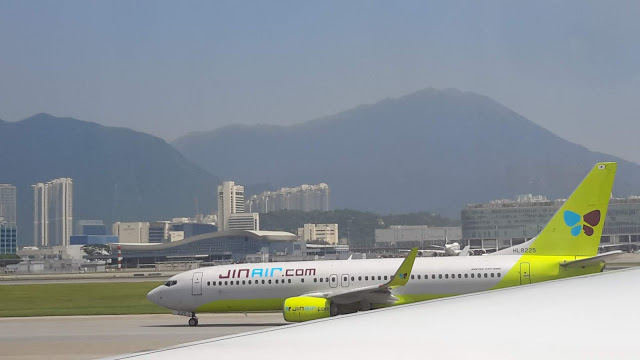
We are taking one airline down to Melbourne the one that makes a big deal out of the full service it provides, and another airline back, formerly a low-cost airline but now trying to match its so-called full-service rival.
The flight down is smooth and the food was reasonably good. The landing, even though the pilot was battling sharp crosswinds, was very heavy and left us in no doubt we had reached terra firma again. I’ve been on worse.
Hire cars are a rich field to pick over and I’ve read about some interesting experiences involving even the best. So far I’ve not had a problem. I pre-booked as far in advance as possible to get a small fuel-efficient vehicle. Sometimes we are upgraded and while they think they are doing you a favour it is not necessarily the case, especially when you finish up with a large car that barely fits small provincial French roads one lane wide. It does happen.
There is also the waiting time at the car rental desk, particularly when it’s the rental company you picked, while other company desks are empty. You also quickly discover that most of the people in the queue didn’t think of pre-booking a car, which to my mind is expecting trouble with it being the peak holiday period.
We had to wait in a long queue after taking a chance it would be less crowded at the pickup point than at the desk in the airport terminal. It was no surprise to discover that a lot of other travellers had the same thought.
We get a small spritely economy car that is clean and has no sign of being in an end-to-end freeway crash. It will do us nicely.
Let me sum up this experience at the start, in one word.
Terrible.
I know it’s not much past post-Covid, but tell me, what were the airport administrators doing for two years, other than lamenting the lack of plane traffic and sitting on their hands? Did they think no one was ever going to travel again?
Let me suggest what they should have been doing, getting onto every one of the retailers that had to close, and making sure that from day one of reopening, it was back to pre-Covid.
Instead, it’s a desolate nightmare. There was only one dedicated Cafe and a bar and two bookshops down the Qantas end.
And the food was basically stale sandwiches and muffins. And if you don’t like muffins…
We had to walk a mile to get to the Cafe and get a decent cup of coffee and a toastie, which the Cafe itself and coffee and food scored a ten out of ten.
If you didn’t know it was there, God only knows what you would do if you wanted something decent.
Score out of ten for the Airport Administrators – minus 5
Since scoring that I had the unhappy experience of going to the men’s restroom. It was filthy. How hard could be for someone to check every half hour to clean up the obvious mess? I’ll let you imagine how that will affect their current score.
My other bugbear about airports is the scanning of bags before getting to the gate.
Melbourne for some reason has been the worst experience in quite literally the world because it is a complete mess, particularly if one thing goes wrong.
I hate it, and it was no better today and left me shaking, which only happens when I’m extremely stressed.
I can only hope it eventually gets better, but, sorry to say this but they’ve had nearly two years to get the process right and run much smoother, but it’s clear they’ve also just sat on their hands.
Maybe one day someone might do something about it, but we’re talking government here, and it takes them ten years just to create a green discussion paper.
So, not holding my breath.
Of course, in reading about the current parlous state of air travel throughout the world, it seems we are not the only ones having problems. I guess we should spare a thought for those going to Heathrow in London. The many times we’ve been there, it’s been borderline organized chaos, and yes, once, we had to wait an hour for our baggage, but now it seems it just disappears.
Glad I’m not going there any time soon.
But, soon, we’re taking the plunge again, and going to Hobart.
Let me sum up this experience at the start, in one word.
Terrible.
I know it’s not much past post-Covid, but tell me, what were the airport administrators doing for two years, other than lamenting the lack of plane traffic and sitting on their hands? Did they think no one was ever going to travel again?
Let me suggest what they should have been doing, getting onto every one of the retailers that had to close, and making sure that from day one of reopening, it was back to pre-Covid.
Instead, it’s a desolate nightmare. There was only one dedicated Cafe and a bar and two bookshops down the Qantas end.
And the food was basically stale sandwiches and muffins. And if you don’t like muffins…
We had to walk a mile to get to the Cafe and get a decent cup of coffee and a toastie, which the Cafe itself and coffee and food scored a ten out of ten.
If you didn’t know it was there, God only knows what you would do if you wanted something decent.
Score out of ten for the Airport Administrators – minus 5
Since scoring that I had the unhappy experience of going to the men’s restroom. It was filthy. How hard could be for someone to check every half hour to clean up the obvious mess? I’ll let you imagine how that will affect their current score.
My other bugbear about airports is the scanning of bags before getting to the gate.
Melbourne for some reason has been the worst experience in quite literally the world because it is a complete mess, particularly if one thing goes wrong.
I hate it, and it was no better today and left me shaking, which only happens when I’m extremely stressed.
I can only hope it eventually gets better, but, sorry to say this but they’ve had nearly two years to get the process right and run much smoother, but it’s clear they’ve also just sat on their hands.
Maybe one day someone might do something about it, but we’re talking government here, and it takes them ten years just to create a green discussion paper.
So, not holding my breath.
Of course, in reading about the current parlous state of air travel throughout the world, it seems we are not the only ones having problems. I guess we should spare a thought for those going to Heathrow in London. The many times we’ve been there, it’s been borderline organized chaos, and yes, once, we had to wait an hour for our baggage, but now it seems it just disappears.
Glad I’m not going there any time soon.
But, soon, we’re taking the plunge again, and going to Hobart.
The course of plane travel can run like clockwork, or rapidly come apart at the seems.
Every time you go to the airport, it can become an adventure. Checking in, battling the airline’s kiosk, printing and attaching bag labels, going to bag drop, remembering that every airline does it differently.
Hong Kong airport is huge and there are endless boarding gates. Being dropped off in the zone that belongs to the airline you’re flying is simple. The next step is to find the aisle letter where your flight is checking in and then do the automated boarding pass and baggage label.
If it’s international travel which it is today, there’s the added stress of negotiating immigration and the duty-free stores. We followed the rules, got there early, had the usual problems at the kiosk requiring the assistance of two Cathay Pacific staff, and finally made it to the initial departure concourse.
Next, there’s the temptation of overpriced airport food if you’re hungry which we are not. But we have a McCafe coffee to satisfy a caffeine fix before the flight.
The shops are all expensive at the initial departure concourse, so we decide to see if there are other shops near our departure gate. To get to our particular departure gate we descend to the train and get off at the 40-80 station. It’s a short journey, and once back up on the concourse level we find a collection of more affordable shops where we buy every man and his dog a selection of sweets.
From there it’s a couple of travellators, which sounds rediculously short, but are, in reality, very, very long, to our gate and we get there ten minutes before boarding is supposed to commence. Today we are traveling on an Airbus A350-900, a relatively new plane so you would think there couldn’t be anything wrong with it. We had the same plane coming to Hong Kong and was, literally, plain sailing.
We find a seat in the gate lounge and wait along with everyone else. I’m still surprised at the number of able-bodied people who take the disabled seats for the sake of being closer to the start of the line and worse was a woman who not only took up one of the seats but also another for her cabin baggage which was extensive.
Boarding starts late, and routinely for the first and business, and disabled passengers. The rest now start to line up in the economy line. Some people haven’t moved, perhaps they know something we don’t.
We eventually join the line and go through initial formalities while waiting. And waiting. As the minute’s tick by nothing is happening other than what appears to be growing consternation by the gate staff. The tipping point for immediate concern is when the previously boarded passengers begin to come back through the boarding gate.
One of those who had been on board came our way and said there was a problem with the plane. They were told it was due to technical difficulties the official non-scary description for your plane Is broken. Because of consternation among the queued economy passengers, there was an official announcement that advised of the technical difficulties, and boarding would be delayed.
We all sit back down, but this time there were a number of disabled and elderly people who needed seats, and our able-bodied lady and her baggage didn’t move. Shame on her. We are lucky that where we were in the waiting line it was adjacent to nearby seats putting us closer to the head of the line when it reformed.
Now we were able to watch the other passengers jockeying for position to race to be first in the economy class boarding queue the second time around. I think they realize they have the same seat if they are at the front of the line or the back. Because we were all asked to sit down, those at the front of the queue would now find themselves at the end if they’d decided to sit and wait.
After a delay of about an hour and a half, we are finally boarding. The worst aspect of this delay is losing our slot in the departures and I’m guessing this was going to have an effect on our actual takeoff time. It appears to be the case. Boarding does not take very long and shortly after the doors are closed we’re pushing back from the gate.
From there, it becomes a chess game when we get a slot. We are in a queue of planes waiting their turn, and before the main runway planes are separated into two queues, and we are in the second. Since we are the only one, I suspect we’re in the delayed take-off queue, and sit watching four or so other planes take off before we finally get on the runway.
All around us, planes seem to be going by and taking off while we wait, and wait, and wait…
On the plane, we discover one of the toilets is out of action so perhaps that was the technical difficulty. It’s not full so one toilet down will have little effect.
Leaving in the early afternoon will get us into Brisbane late at night. It was meant to be around 11 pm, but with the delays, and possibly making up time in flight, it will now be after midnight when we arrive. Fortunately, we have a 24-hour airport.
The flight from HongKong to Brisbane is without event. Lunch after takeoff, then a few hours later, an hour or so before landing, we have dinner. Both of us are not hungry.
We land after midnight, tired but glad to be home. I guess it could have been worse.
The course of plane travel can run like clockwork, or rapidly come apart at the seems.
Every time you go to the airport, it can become an adventure. Checking in, battling the airline’s kiosk, printing and attaching bag labels, going to bag drop, remembering that every airline does it differently.
Hong Kong airport is huge and there are endless boarding gates. Being dropped off in the zone that belongs to the airline you’re flying is simple. The next step is to find the aisle letter where your flight is checking in and then do the automated boarding pass and baggage label.
If it’s international travel which it is today, there’s the added stress of negotiating immigration and the duty-free stores. We followed the rules, got there early, had the usual problems at the kiosk requiring the assistance of two Cathay Pacific staff, and finally made it to the initial departure concourse.
Next, there’s the temptation of overpriced airport food if you’re hungry which we are not. But we have a McCafe coffee to satisfy a caffeine fix before the flight.
The shops are all expensive at the initial departure concourse, so we decide to see if there are other shops near our departure gate. To get to our particular departure gate we descend to the train and get off at the 40-80 station. It’s a short journey, and once back up on the concourse level we find a collection of more affordable shops where we buy every man and his dog a selection of sweets.
From there it’s a couple of travellators, which sounds rediculously short, but are, in reality, very, very long, to our gate and we get there ten minutes before boarding is supposed to commence. Today we are traveling on an Airbus A350-900, a relatively new plane so you would think there couldn’t be anything wrong with it. We had the same plane coming to Hong Kong and was, literally, plain sailing.
We find a seat in the gate lounge and wait along with everyone else. I’m still surprised at the number of able-bodied people who take the disabled seats for the sake of being closer to the start of the line and worse was a woman who not only took up one of the seats but also another for her cabin baggage which was extensive.
Boarding starts late, and routinely for the first and business, and disabled passengers. The rest now start to line up in the economy line. Some people haven’t moved, perhaps they know something we don’t.
We eventually join the line and go through initial formalities while waiting. And waiting. As the minute’s tick by nothing is happening other than what appears to be growing consternation by the gate staff. The tipping point for immediate concern is when the previously boarded passengers begin to come back through the boarding gate.
One of those who had been on board came our way and said there was a problem with the plane. They were told it was due to technical difficulties the official non-scary description for your plane Is broken. Because of consternation among the queued economy passengers, there was an official announcement that advised of the technical difficulties, and boarding would be delayed.
We all sit back down, but this time there were a number of disabled and elderly people who needed seats, and our able-bodied lady and her baggage didn’t move. Shame on her. We are lucky that where we were in the waiting line it was adjacent to nearby seats putting us closer to the head of the line when it reformed.
Now we were able to watch the other passengers jockeying for position to race to be first in the economy class boarding queue the second time around. I think they realize they have the same seat if they are at the front of the line or the back. Because we were all asked to sit down, those at the front of the queue would now find themselves at the end if they’d decided to sit and wait.
After a delay of about an hour and a half, we are finally boarding. The worst aspect of this delay is losing our slot in the departures and I’m guessing this was going to have an effect on our actual takeoff time. It appears to be the case. Boarding does not take very long and shortly after the doors are closed we’re pushing back from the gate.
From there, it becomes a chess game when we get a slot. We are in a queue of planes waiting their turn, and before the main runway planes are separated into two queues, and we are in the second. Since we are the only one, I suspect we’re in the delayed take-off queue, and sit watching four or so other planes take off before we finally get on the runway.
All around us, planes seem to be going by and taking off while we wait, and wait, and wait…
On the plane, we discover one of the toilets is out of action so perhaps that was the technical difficulty. It’s not full so one toilet down will have little effect.
Leaving in the early afternoon will get us into Brisbane late at night. It was meant to be around 11 pm, but with the delays, and possibly making up time in flight, it will now be after midnight when we arrive. Fortunately, we have a 24-hour airport.
The flight from HongKong to Brisbane is without event. Lunch after takeoff, then a few hours later, an hour or so before landing, we have dinner. Both of us are not hungry.
We land after midnight, tired but glad to be home. I guess it could have been worse.
Everyone knows that if you are on the last flight out on a Friday night the chances of you getting away on time are remote.
Yep.
We’re on the last flight out.
Yep.
There’s no way in hell we’re leaving on time.
But, here’s the thing.
Our incoming plane arrives 6 minutes late, so there’s every hope of getting away on time.
We are, of course, delusional.
Planes can’t fly without a crew, and part of our crew on another incoming plane, which is, yep, delayed.
In fact, the whole arrivals board is lit up with the word “delayed” for every flight but our incoming plane and one other from Sydney.
And, no, our missing crew members are not on either.
So, it becomes a waiting game and placating messages from the gate crew first to tell us we’re waiting for crew and two more times to tell us we will be boarding soon.
The look on some faces says they’ve been through all this before.
Then, one of the gate staff, communicator in hand goes out to see if the errant crew members are coming. She waits a few minutes but it probably takes longer than that for them to finalize their duties on the incoming plane and get to our gate.
She returns to the gate counter just as an electric car comes towards us from one of the satellites.
Crew found.
Boarding starts.
We leave 35 minutes late. About the average time, all the delayed planes were, well, delayed.
Everyone knows that if you are on the last flight out on a Friday night the chances of you getting away on time are remote.
Yep.
We’re on the last flight out.
Yep.
There’s no way in hell we’re leaving on time.
But, here’s the thing.
Our incoming plane arrives 6 minutes late, so there’s every hope of getting away on time.
We are, of course, delusional.
Planes can’t fly without a crew, and part of our crew on another incoming plane, which is, yep, delayed.
In fact, the whole arrivals board is lit up with the word “delayed” for every flight but our incoming plane and one other from Sydney.
And, no, our missing crew members are not on either.
So, it becomes a waiting game and placating messages from the gate crew first to tell us we’re waiting for crew and two more times to tell us we will be boarding soon.
The look on some faces says they’ve been through all this before.
Then, one of the gate staff, communicator in hand goes out to see if the errant crew members are coming. She waits a few minutes but it probably takes longer than that for them to finalize their duties on the incoming plane and get to our gate.
She returns to the gate counter just as an electric car comes towards us from one of the satellites.
Crew found.
Boarding starts.
We leave 35 minutes late. About the average time, all the delayed planes were, well, delayed.
As part of a day tour by Very Tuscany Tours, we came to this quiet corner of Tuscany to have a look at an Italian winery, especially the Sangiovese grapes, and the Chianti produced here.
And what better way to sample the wine than to have a long leisurely lunch with matched wines. A very, very long lunch.
But first, a wander through the gardens to hone the appetite:
And a photo I recognize from many taken of the same building:
Then a tour of the wine cellar:
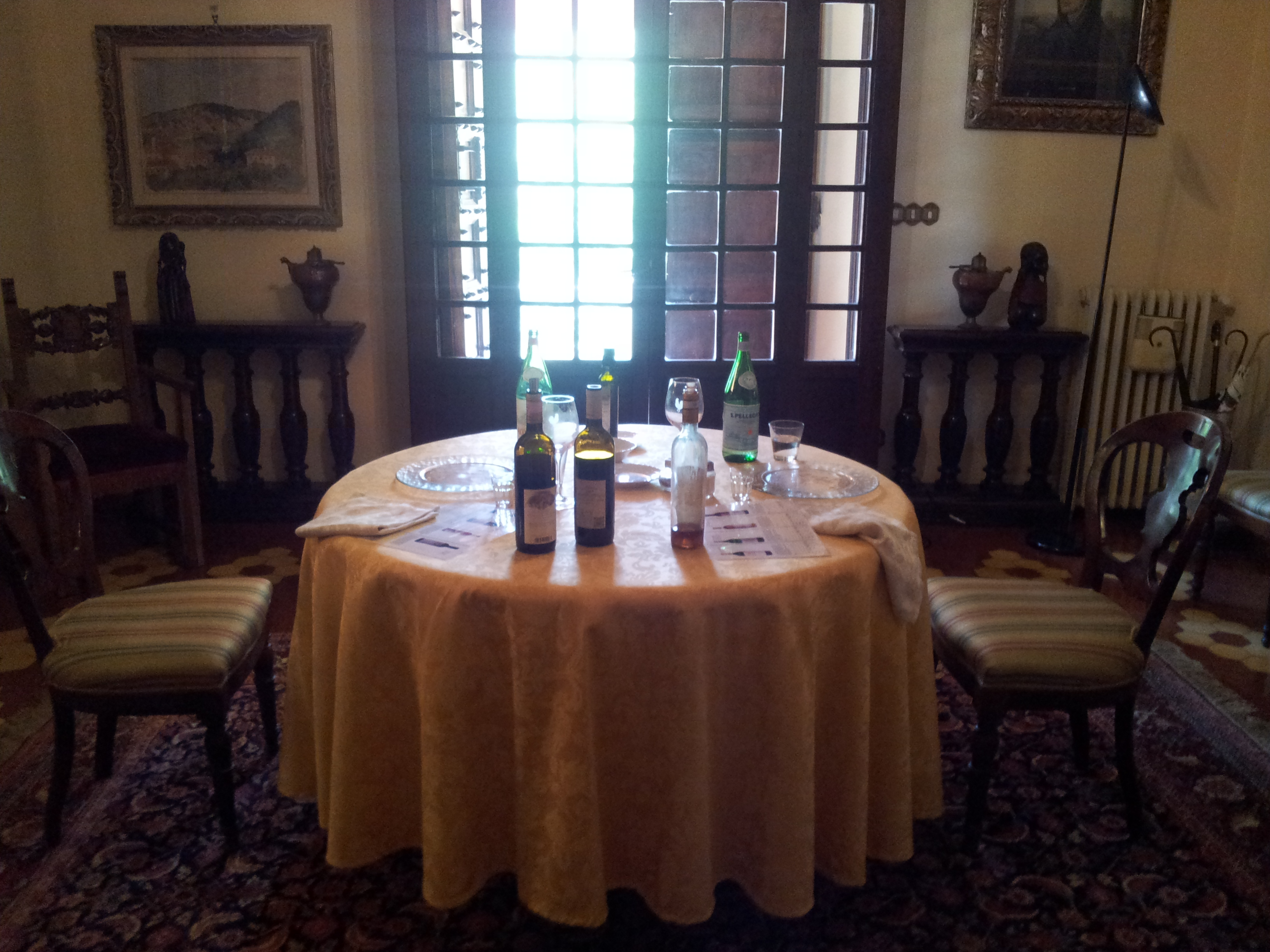
Then on to the most incredible and exquisite lunch and wine we have had. It was the highlight of our stay in Tuscany. Of course, we had our own private dining room:
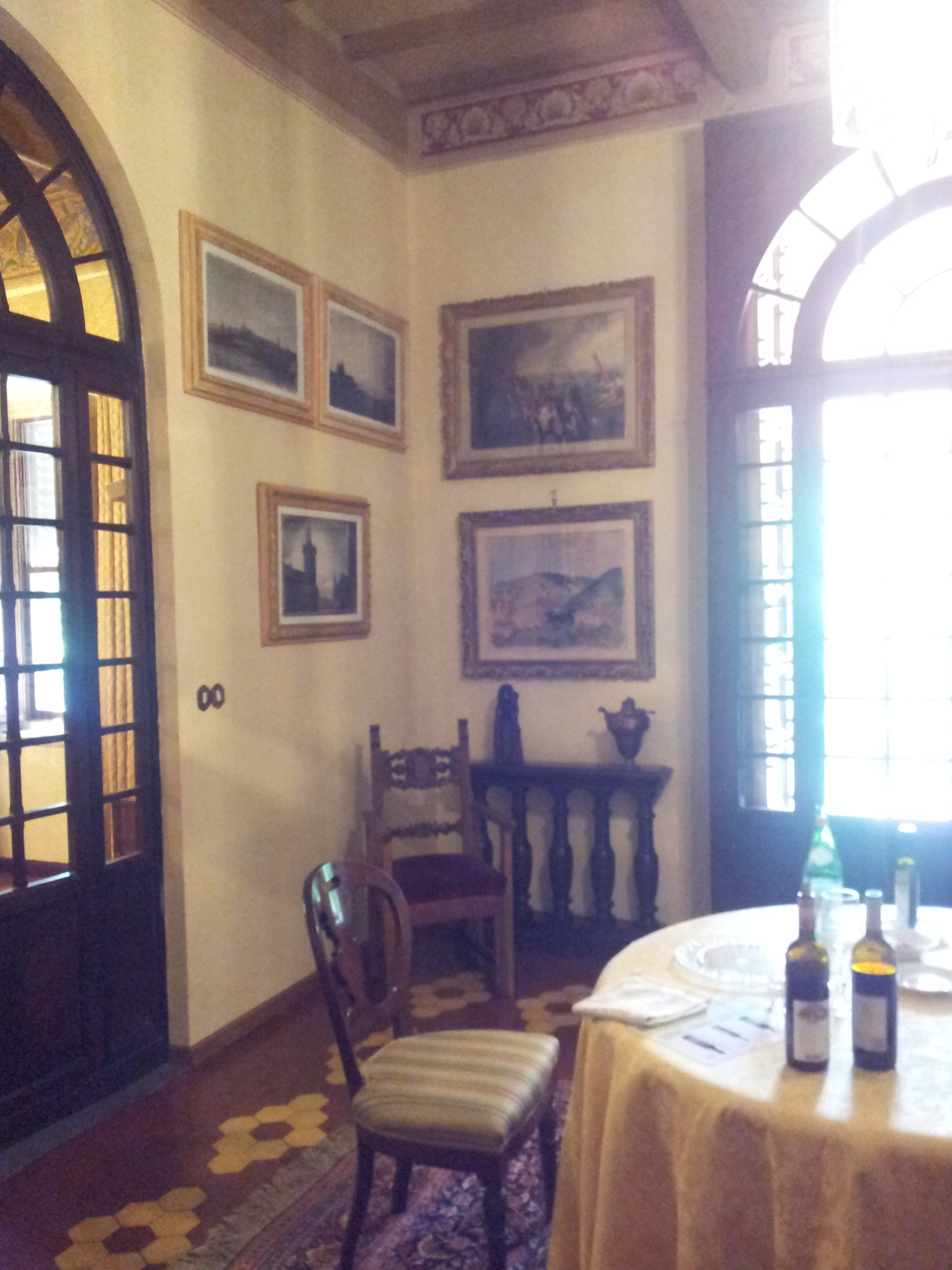
And time to study the paintings and prints on the walls while we finished with coffee and a dessert wine.
And of course, more wine, just so we could remember the occasion.
The next day we try a different fish and chips vendor. It was a good idea to go back to Mures and have the flathead, but I was foolish and wanted a different experience
And not be disappointed.
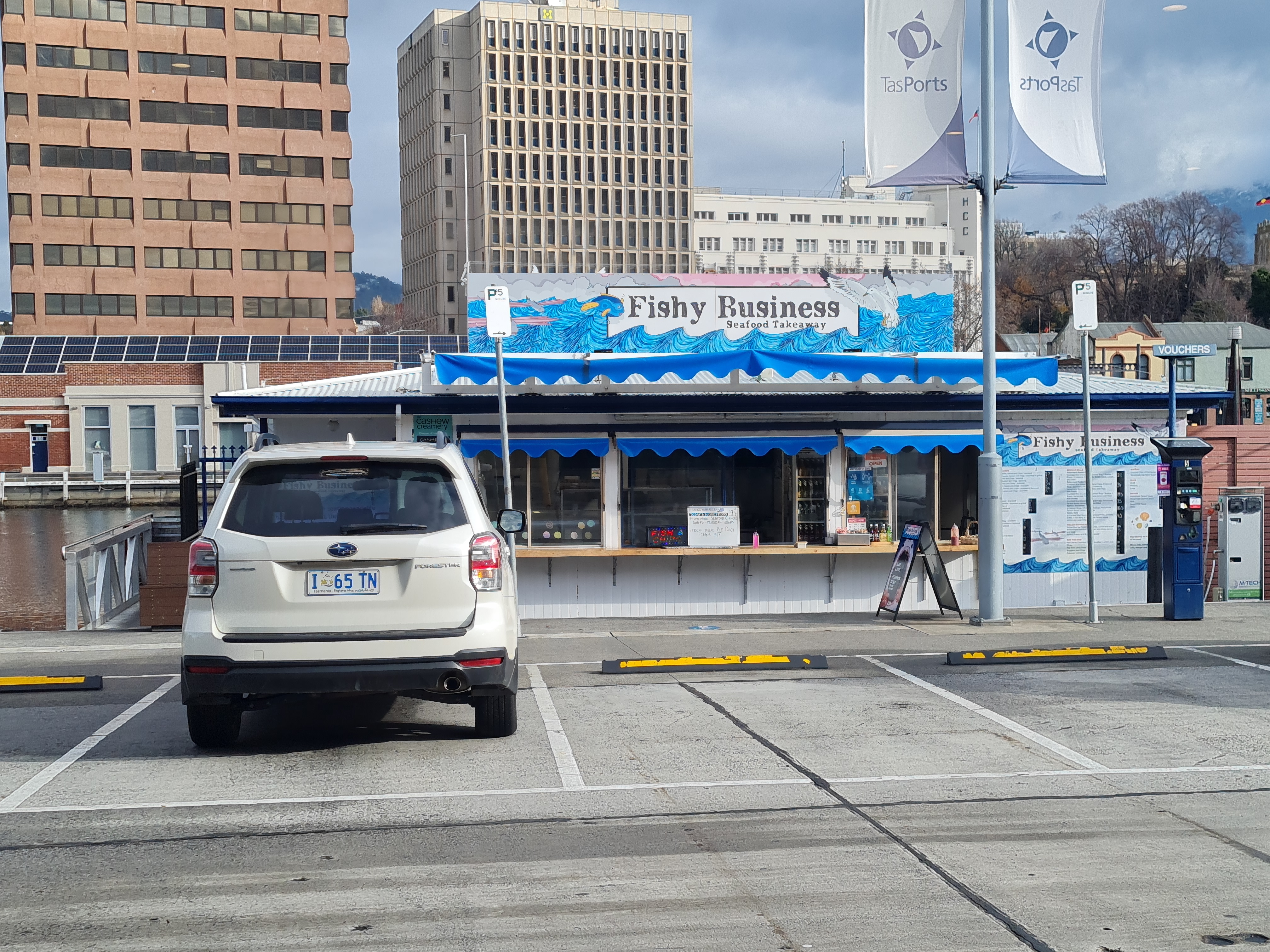
In the end, we selected Fishy Business
This order comprised battered flake, battered flathead, hoping that it would be similar to yesterday, sea scallops in batter, chips, two potato cakes, and tartar sauce.
The battered flake was excellent.
The battered flathead was scraps, three small pieces which were probably imported from Vietnam, definitely not fresh or local and, sadly, terrible.
The scallops were delicious.
The potato cakes were alright, but not strictly potatoes cakes, but the sort you get from a supplier. The real potato cakes game batter around a thin slice of potato. They had mashed potatoes, and the batter was not very nice.
For the price we paid, it was enough to say I’d never go back there again. You’d think as a place on the sea they could get it right, making the food themselves, but it gets a mega fail. Only the flake was definitely local.
Maybe next time we’ll try Flippers.
Maybe.
There were other sights and on the obligatory walk after eating, we came across a sailing ship
This ship is called the Windeward Bound, a two-masted brigantine-rigged vessel, and for the sailing buffs, Windeward Bound is rigged with four square sails, three headsails, three staysails between the masts, a gaff mainsail and gaff topsail, totalling 12 sails in all. The total sail area is 402 m2 (4,330 sq ft)
Later we visited the Mawson Hut Replica Museum, and it is authentic in almost every detail. And amazing that 17 men could actually stay together in it and not feel claustrophobic.
It was an eerie experience, and extremely interesting. I could not imagine myself staying in it down in Antarctica, in the freezing conditions.
As part of a day tour by Very Tuscany Tours, we came to this quiet corner of Tuscany to have a look at an Italian winery, especially the Sangiovese grapes, and the Chianti produced here.
And what better way to sample the wine than to have a long leisurely lunch with matched wines. A very, very long lunch.
But first, a wander through the gardens to hone the appetite:
And a photo I recognize from many taken of the same building:
Then a tour of the wine cellar:
Then on to the most incredible and exquisite lunch and wine we have had. It was the highlight of our stay in Tuscany. Of course, we had our own private dining room:
And time to study the paintings and prints on the walls while we finished with coffee and a dessert wine.
And of course, more wine, just so we could remember the occasion.