Top 5 sights on the road less travelled – Rome

Escape the Crowds: Rome’s Top 5 Unsung Tourist Gems

Rome. Just the name conjures images of the Colosseum, the Trevi Fountain, and endless lines of eager tourists. While these iconic sights are essential, the Eternal City offers so much more—especially for those willing to venture slightly off the beaten path.

If you’re looking to soak up Rome’s history, beauty, and distinctive character without battling the massive crowds, we’ve curated a list of the top five visitor attractions that are surprisingly peaceful and utterly captivating.

Here are Rome’s best-kept secrets, proving you don’t need a huge crowd to have a monumental experience.


1. The Centrale Montemartini Museum (Museo della Centrale Montemartini)

Why Visit: This museum offers one of the most stunning juxtapositions in all of Rome: pristine classical statues set against the backdrop of a decommissioned early 20th-century thermoelectric power plant.

The Distinctive Feature: Imagine towering, oily industrial machinery—boilers, engines, and generators—acting as the unlikely stage for brilliant white marble statues of gods and emperors. Originally intended as temporary storage for overflow artifacts from the Capitoline Museums, the exhibit became permanent and breathtaking. It’s an unforgettable blend of industrial archaeology and ancient art, offering a quiet, contemplative space far from the bustling Capitoline Hill.

Crowd Level: Extremely low. Often, you’ll feel like you have entire halls to yourself.

2. The Baths of Caracalla (Terme di Caracalla)

Why Visit: Everyone knows the Roman Forum, but fewer people explore the vast, evocative ruins of the ancient Roman baths. The Baths of Caracalla were a massive public complex, more like a modern leisure center than just a place to wash, accommodating thousands of Romans daily.

The Distinctive Feature: Unlike the Forum, where structures are densely packed, Caracalla’s ruins are sprawling, allowing you to truly appreciate the sheer scale of Imperial Roman architecture. The remaining walls and arches soar towards the sky, hinting at the dome-covered halls and mosaic-tiled floors that once existed. Visiting here is an atmospheric experience, particularly beautiful at sunset, offering a powerful sense of quiet grandeur.

Crowd Level: Low to moderate. While tour buses occasionally stop, the immense size of the site easily disperses visitors.

3. The Basilica di Santo Stefano Rotondo al Celio

Why Visit: If you’re tired of the gilded splendor and tourist throngs of the major papal basilicas, head to Rome’s oldest circular church. Dedicated to Saint Stephen, this basilica is an architectural curiosity unlike any other in the city.

The Distinctive Feature: Built in the 5th century, the church utilizes a striking circular plan with concentric rings of columns. Inside, the walls are lined with graphic frescoes depicting the horrific martyrdoms of early Christian saints. While certainly macabre, these 16th-century paintings are historically fascinating—a unique and somber art gallery within a classical structure. Its isolated location on the quiet Celian Hill ensures a serene, thought-provoking visit.

Crowd Level: Very low. You are likely to find peace and solitude here.

4. The Quartiere Coppedè

Why Visit: Leave the Roman ruins behind for a moment and step into a fantastical, fairytale neighborhood that feels lifted straight out of a storybook.

The Distinctive Feature: Though technically a small urban area within the larger Trieste district, Quartiere Coppedè is an architectural masterpiece designed by Gino Coppedè in the early 20th century. Walk through the stunning archway (the Arco di Coppedè) and discover whimsical palaces, fountains (like the famous Fountain of the Frogs), and facades adorned with sculptures of nymphs, animals, and mythical creatures. It’s a hidden gem of Art Nouveau and Baroque fusion—a completely unexpected visual delight perfect for photography and quiet exploration.

Crowd Level: Minimal. This is a residential area primarily visited by local residents and architecture enthusiasts.

5. The Protestant Cemetery (Cimitero Acattolico)

Why Visit: Tucked away beside the Pyramid of Cestius, this cemetery is one of the most beautiful and tranquil spots in Rome. It is the final resting place for non-Catholics, including famous figures like the poets John Keats and Percy Bysshe Shelley.

The Distinctive Feature: Far more than just a graveyard, this site is a lush, perfectly manicured garden park often referred to as “the most beautiful corner of Rome.” Cypress trees cast shadows over elaborate, touching monuments and tombstones written in dozens of languages. It offers a poignant, introspective break from the city noise, blending art, history, and nature in a profoundly moving way. The air of quiet contemplation is palpable.

Crowd Level: Low, though the small entrance fee helps maintain its peaceful atmosphere.


Rome’s true magic isn’t just in its famous landmarks, but in the countless layers of history waiting to be quietly discovered. By seeking out these distinctive, less-trafficked attractions, you can enjoy a richer, more personal experience of the Eternal City. Happy exploring!

Top 5 sights on the road less travelled – Rome

Escape the Crowds: Rome’s Top 5 Unsung Tourist Gems

Rome. Just the name conjures images of the Colosseum, the Trevi Fountain, and endless lines of eager tourists. While these iconic sights are essential, the Eternal City offers so much more—especially for those willing to venture slightly off the beaten path.

If you’re looking to soak up Rome’s history, beauty, and distinctive character without battling the massive crowds, we’ve curated a list of the top five visitor attractions that are surprisingly peaceful and utterly captivating.

Here are Rome’s best-kept secrets, proving you don’t need a huge crowd to have a monumental experience.


1. The Centrale Montemartini Museum (Museo della Centrale Montemartini)

Why Visit: This museum offers one of the most stunning juxtapositions in all of Rome: pristine classical statues set against the backdrop of a decommissioned early 20th-century thermoelectric power plant.

The Distinctive Feature: Imagine towering, oily industrial machinery—boilers, engines, and generators—acting as the unlikely stage for brilliant white marble statues of gods and emperors. Originally intended as temporary storage for overflow artifacts from the Capitoline Museums, the exhibit became permanent and breathtaking. It’s an unforgettable blend of industrial archaeology and ancient art, offering a quiet, contemplative space far from the bustling Capitoline Hill.

Crowd Level: Extremely low. Often, you’ll feel like you have entire halls to yourself.

2. The Baths of Caracalla (Terme di Caracalla)

Why Visit: Everyone knows the Roman Forum, but fewer people explore the vast, evocative ruins of the ancient Roman baths. The Baths of Caracalla were a massive public complex, more like a modern leisure center than just a place to wash, accommodating thousands of Romans daily.

The Distinctive Feature: Unlike the Forum, where structures are densely packed, Caracalla’s ruins are sprawling, allowing you to truly appreciate the sheer scale of Imperial Roman architecture. The remaining walls and arches soar towards the sky, hinting at the dome-covered halls and mosaic-tiled floors that once existed. Visiting here is an atmospheric experience, particularly beautiful at sunset, offering a powerful sense of quiet grandeur.

Crowd Level: Low to moderate. While tour buses occasionally stop, the immense size of the site easily disperses visitors.

3. The Basilica di Santo Stefano Rotondo al Celio

Why Visit: If you’re tired of the gilded splendor and tourist throngs of the major papal basilicas, head to Rome’s oldest circular church. Dedicated to Saint Stephen, this basilica is an architectural curiosity unlike any other in the city.

The Distinctive Feature: Built in the 5th century, the church utilizes a striking circular plan with concentric rings of columns. Inside, the walls are lined with graphic frescoes depicting the horrific martyrdoms of early Christian saints. While certainly macabre, these 16th-century paintings are historically fascinating—a unique and somber art gallery within a classical structure. Its isolated location on the quiet Celian Hill ensures a serene, thought-provoking visit.

Crowd Level: Very low. You are likely to find peace and solitude here.

4. The Quartiere Coppedè

Why Visit: Leave the Roman ruins behind for a moment and step into a fantastical, fairytale neighborhood that feels lifted straight out of a storybook.

The Distinctive Feature: Though technically a small urban area within the larger Trieste district, Quartiere Coppedè is an architectural masterpiece designed by Gino Coppedè in the early 20th century. Walk through the stunning archway (the Arco di Coppedè) and discover whimsical palaces, fountains (like the famous Fountain of the Frogs), and facades adorned with sculptures of nymphs, animals, and mythical creatures. It’s a hidden gem of Art Nouveau and Baroque fusion—a completely unexpected visual delight perfect for photography and quiet exploration.

Crowd Level: Minimal. This is a residential area primarily visited by local residents and architecture enthusiasts.

5. The Protestant Cemetery (Cimitero Acattolico)

Why Visit: Tucked away beside the Pyramid of Cestius, this cemetery is one of the most beautiful and tranquil spots in Rome. It is the final resting place for non-Catholics, including famous figures like the poets John Keats and Percy Bysshe Shelley.

The Distinctive Feature: Far more than just a graveyard, this site is a lush, perfectly manicured garden park often referred to as “the most beautiful corner of Rome.” Cypress trees cast shadows over elaborate, touching monuments and tombstones written in dozens of languages. It offers a poignant, introspective break from the city noise, blending art, history, and nature in a profoundly moving way. The air of quiet contemplation is palpable.

Crowd Level: Low, though the small entrance fee helps maintain its peaceful atmosphere.


Rome’s true magic isn’t just in its famous landmarks, but in the countless layers of history waiting to be quietly discovered. By seeking out these distinctive, less-trafficked attractions, you can enjoy a richer, more personal experience of the Eternal City. Happy exploring!

Top 5 sights on the road less travelled – Paris

Escape the Crowds: Paris’s Top 5 Hidden Gems (That Deserve Your Visit)

Paris. The City of Lights, romance, and… endless queues? While the Eiffel Tower and the Louvre are undoubtedly must-sees, experiencing the best of Paris doesn’t have to mean battling shoulder-to-shoulder with thousands of fellow tourists.

If you’re looking to explore distinctive Parisian culture and history without the notorious bottlenecks, we’ve uncovered five incredible visitor attractions. These spots boast unique charm, fascinating features, and best of all: relative tranquility.

Pack your walking shoes, grab your camera, and prepare to discover a side of Paris few tourists ever see.


1. Musée Rodin (The Gardens)

While the Musée Rodin itself—home to iconic works like The Thinker and The Kiss—is popular, the vast, sculpted gardens surrounding the mansion are often overlooked as a place to linger, making them a true, peaceful escape.

Distinctive Features:

  • Sculpture Meets Serenity: The three-hectare garden is an open-air gallery, where Rodin’s profound bronze figures are set against lush lawns, rose bushes, and towering hedges. It creates one of the most sublime atmospheres in Paris.
  • The Reflection Pool: A large, tranquil pool reflects the 18th-century Hôtel Biron (the main museum building), providing stunning photographic opportunities and a space for quiet contemplation.
  • The Workshop: You can catch glimpses of the former studio spaces, helping you connect directly with the creative process of one of history’s greatest sculptors.

Why It’s Worth the Trip: You get world-class art without the crush of a major museum, allowing the beauty of the artwork and the landscape to truly sink in.

2. Butte-aux-Cailles

Forget the tourist trap boutiques of Montmartre; head instead to the Butte-aux-Cailles in the 13th arrondissement. This small, elevated neighborhood feels like a secret village preserved within the modern city, rarely appearing on mainstream tourist itineraries.

Distinctive Features:

  • Village Atmosphere: The area escaped the sweeping renovations of Baron Haussmann in the 19th century, leaving behind narrow, cobbled streets (like Rue des Cinq Diamants) lined with low, charming houses and hidden courtyards.
  • Art Nouveau Architecture: Look out for beautiful examples of brick and stone façades and original lampposts.
  • Street Art Hub: While peaceful, the Butte-aux-Cailles is also a discreet, vibrant center for Parisian street art, featuring colorful, high-quality murals and stencils often tucked away on small side streets.
  • The Artesian Wells: The area is famous for its natural hot springs, and you can still find the historic communal swimming pool—Piscine de la Butte-aux-Cailles—fed by underground water.

Why It’s Worth the Trip: It offers an authentic glimpse into local Parisian life, complete with wonderful traditional bistros and quiet cafés, far removed from the noise of the center.

3. Parc des Buttes-Chaumont

When most visitors think of Parisian parks, they picture the Tuileries or the Luxembourg Gardens. But for truly dramatic landscapes and peaceful seclusion, the Parc des Buttes-Chaumont in the 19th arrondissement is unbeatable.

Distinctive Features:

  • Dramatic Topography: Built on a former gypsum quarry and landfill, the park features steep cliffs, grottoes, artificial waterfalls, and a large central lake.
  • The Temple de la Sibylle: Perched atop a sheer, 50-meter-high cliff (known as the Belvédère Island) is a miniature Roman-style temple offering one of the most spectacular, yet uncrowded, panoramic views of Paris, including Sacré-Cœur in the distance.
  • Rustic Charm: Unlike the manicured symmetry of other parks, Buttes-Chaumont embraces a rugged, romantic English garden style, complete with a charming suspension bridge designed by Gustave Eiffel’s company.

Why It’s Worth the Trip: It is a breathtaking feat of landscape architecture, providing dramatic views and quiet walking paths that make you forget you are in a major European capital.

4. The Archives Nationales (Hôtel de Soubise)

Tucked away in the historic Marais district, the Archives Nationales houses France’s national historical archives. While the documents themselves are fascinating, the primary draw is the opportunity to wander through one of the most beautiful and best-preserved 18th-century aristocratic residences in Paris, the Hôtel de Soubise.

Distinctive Features:

  • Rococo Masterpieces: The most stunning features are the magnificent state rooms, particularly the oval salons, which are considered peerless examples of French Rococo interior design. The intricate gilded woodwork, ceiling frescoes, and elaborate ornamentation are breathtaking.
  • Courtyard Grandeur: The cour d’honneur (main courtyard) immediately transports you back to the age of Louis XV, showcasing the sheer scale and opulence of Parisian high society.
  • Historical Significance: Visitors can tour selected exhibits showcasing pivotal documents from French history, offering a deep dive into the nation’s past within a spectacular setting.

Why It’s Worth the Trip: You get to explore hidden architectural gems that rival the palace interiors of Versailles, but without the mandatory entry lines and huge tour groups.

5. Musée de la Vie Romantique (Museum of Romantic Life)

The name truly says it all. Located in the residential Nouvelle Athènes neighborhood (near Pigalle), this delightful museum occupies two charming small buildings and a lush garden courtyard that celebrate the artistic and literary life of the 19th-century Romantic era.

Distinctive Features:

  • Intimate Scale: Housed in the former home of painter Ary Scheffer, the museum is dedicated to the works of George Sand, Ernest Renan, and other Romantic figures. It feels more like visiting a well-preserved family home than a traditional museum.
  • Literary History: Artifacts include portraits, jewelry, and personal items associated with the writer George Sand, offering a deeply personal look at her life and times.
  • The Best Tearoom in Paris: The garden courtyard transforms into a glorious, ivy-covered tearoom (operated by Café Renoir) during the warmer months. It is hands-down one of the most idyllic spots in Paris for a restorative coffee or lunch.

Why It’s Worth the Trip: It offers a deeply atmospheric and gentle cultural experience. It is the perfect antidote to the high-intensity visit of a major museum, wrapped up in Parisian charm and elegance.


The magic of Paris extends far beyond the well-trodden paths. By seeking out these distinctive, less-crowded attractions, you can enjoy the city’s profound history, stunning architecture, and unparalleled beauty at your own pace. Happy exploring!

Top 5 sights on the road less travelled – Paris

Escape the Crowds: Paris’s Top 5 Hidden Gems (That Deserve Your Visit)

Paris. The City of Lights, romance, and… endless queues? While the Eiffel Tower and the Louvre are undoubtedly must-sees, experiencing the best of Paris doesn’t have to mean battling shoulder-to-shoulder with thousands of fellow tourists.

If you’re looking to explore distinctive Parisian culture and history without the notorious bottlenecks, we’ve uncovered five incredible visitor attractions. These spots boast unique charm, fascinating features, and best of all: relative tranquillity.

Pack your walking shoes, grab your camera, and prepare to discover a side of Paris few tourists ever see.


1. Musée Rodin (The Gardens)

While the Musée Rodin itself—home to iconic works like The Thinker and The Kiss—is popular, the vast, sculpted gardens surrounding the mansion are often overlooked as a place to linger, making them a true, peaceful escape.

Distinctive Features:

  • Sculpture Meets Serenity: The three-hectare garden is an open-air gallery, where Rodin’s profound bronze figures are set against lush lawns, rose bushes, and towering hedges. It creates one of the most sublime atmospheres in Paris.
  • The Reflection Pool: A large, tranquil pool reflects the 18th-century Hôtel Biron (the main museum building), providing stunning photographic opportunities and a space for quiet contemplation.
  • The Workshop: You can catch glimpses of the former studio spaces, helping you connect directly with the creative process of one of history’s greatest sculptors.

Why It’s Worth the Trip: You get world-class art without the crush of a major museum, allowing the beauty of the artwork and the landscape to truly sink in.

2. Butte-aux-Cailles

Forget the tourist trap boutiques of Montmartre; head instead to the Butte-aux-Cailles in the 13th arrondissement. This small, elevated neighborhood feels like a secret village preserved within the modern city, rarely appearing on mainstream tourist itineraries.

Distinctive Features:

  • Village Atmosphere: The area escaped the sweeping renovations of Baron Haussmann in the 19th century, leaving behind narrow, cobbled streets (like Rue des Cinq Diamants) lined with low, charming houses and hidden courtyards.
  • Art Nouveau Architecture: Look out for beautiful examples of brick and stone façades and original lampposts.
  • Street Art Hub: While peaceful, the Butte-aux-Cailles is also a discreet, vibrant center for Parisian street art, featuring colorful, high-quality murals and stencils often tucked away on small side streets.
  • The Artesian Wells: The area is famous for its natural hot springs, and you can still find the historic communal swimming pool—Piscine de la Butte-aux-Cailles—fed by underground water.

Why It’s Worth the Trip: It offers an authentic glimpse into local Parisian life, complete with wonderful traditional bistros and quiet cafés, far removed from the noise of the center.

3. Parc des Buttes-Chaumont

When most visitors think of Parisian parks, they picture the Tuileries or the Luxembourg Gardens. But for truly dramatic landscapes and peaceful seclusion, the Parc des Buttes-Chaumont in the 19th arrondissement is unbeatable.

Distinctive Features:

  • Dramatic Topography: Built on a former gypsum quarry and landfill, the park features steep cliffs, grottoes, artificial waterfalls, and a large central lake.
  • The Temple de la Sibylle: Perched atop a sheer, 50-meter-high cliff (known as the Belvédère Island) is a miniature Roman-style temple offering one of the most spectacular, yet uncrowded, panoramic views of Paris, including Sacré-Cœur in the distance.
  • Rustic Charm: Unlike the manicured symmetry of other parks, Buttes-Chaumont embraces a rugged, romantic English garden style, complete with a charming suspension bridge designed by Gustave Eiffel’s company.

Why It’s Worth the Trip: It is a breathtaking feat of landscape architecture, providing dramatic views and quiet walking paths that make you forget you are in a major European capital.

4. The Archives Nationales (Hôtel de Soubise)

Tucked away in the historic Marais district, the Archives Nationales houses France’s national historical archives. While the documents themselves are fascinating, the primary draw is the opportunity to wander through one of the most beautiful and best-preserved 18th-century aristocratic residences in Paris, the Hôtel de Soubise.

Distinctive Features:

  • Rococo Masterpieces: The most stunning features are the magnificent state rooms, particularly the oval salons, which are considered peerless examples of French Rococo interior design. The intricate gilded woodwork, ceiling frescoes, and elaborate ornamentation are breathtaking.
  • Courtyard Grandeur: The cour d’honneur (main courtyard) immediately transports you back to the age of Louis XV, showcasing the sheer scale and opulence of Parisian high society.
  • Historical Significance: Visitors can tour selected exhibits showcasing pivotal documents from French history, offering a deep dive into the nation’s past within a spectacular setting.

Why It’s Worth the Trip: You get to explore hidden architectural gems that rival the palace interiors of Versailles, but without the mandatory entry lines and huge tour groups.

5. Musée de la Vie Romantique (Museum of Romantic Life)

The name truly says it all. Located in the residential Nouvelle Athènes neighborhood (near Pigalle), this delightful museum occupies two charming small buildings and a lush garden courtyard that celebrate the artistic and literary life of the 19th-century Romantic era.

Distinctive Features:

  • Intimate Scale: Housed in the former home of painter Ary Scheffer, the museum is dedicated to the works of George Sand, Ernest Renan, and other Romantic figures. It feels more like visiting a well-preserved family home than a traditional museum.
  • Literary History: Artifacts include portraits, jewelry, and personal items associated with the writer George Sand, offering a deeply personal look at her life and times.
  • The Best Tearoom in Paris: The garden courtyard transforms into a glorious, ivy-covered tearoom (operated by Café Renoir) during the warmer months. It is hands-down one of the most idyllic spots in Paris for a restorative coffee or lunch.

Why It’s Worth the Trip: It offers a deeply atmospheric and gentle cultural experience. It is the perfect antidote to the high-intensity visit of a major museum, wrapped up in Parisian charm and elegance.


The magic of Paris extends far beyond the well-trodden paths. By seeking out these distinctive, less-crowded attractions, you can enjoy the city’s profound history, stunning architecture, and unparalleled beauty at your own pace. Happy exploring!

Top 5 sights on the road less travelled – London

London’s Secret Charms: 5 Uncrowded Gems with Unforgettable Features

London. The very name conjures images of iconic landmarks, bustling streets, and a vibrant energy that pulses through its historic veins. But let’s be honest, that energy often translates into crowds – a beautiful, diverse, fascinating crowd, but a crowd nonetheless.

What if you yearn for a different rhythm? A London where you can connect with history, art, and nature without constantly jostling for a view? A London where distinctive features truly shine, allowing you to savour every unique detail?

Fear not, intrepid explorer! I’ve curated a list of five phenomenal London attractions that deliver on distinctive character without the typical tourist throngs. These are the places where you can breathe, ponder, and truly absorb the magic of this incredible city.


1. Sir John Soane’s Museum: A Collector’s Labyrinth of Wonders

What makes it distinctive? Imagine stepping into the mind of an eccentric 19th-century architect, where every surface, every nook, and every cranny is crammed with art, antiquities, and architectural fragments. Sir John Soane’s Museum is not a typical museum; it’s a meticulously preserved house that he designed to display his vast and eclectic collection exactly as he wanted it. Expect a fascinating, almost overwhelming, visual feast. Highlights include an Egyptian sarcophagus, a room of hidden paintings on hinged panels, and ceilings adorned with fragments of Roman sculpture.

Why it’s uncrowded: Its very nature – a house packed to the rafters – means visitor numbers are carefully controlled. It’s a small, intimate space, encouraging quiet contemplation rather than rapid sightseeing. You’ll often find yourself with plenty of room to explore.

Insider Tip: Look out for the “picture rooms” where walls literally open up to reveal more art behind them. It’s a delightful, theatrical surprise!


2. The Wallace Collection: Opulence and Masterpieces in a Grand Mansion

What makes it distinctive? Housed in Hertford House, a magnificent stately home in Marylebone, The Wallace Collection offers a truly unique experience: a peerless collection of 18th-century French art, furniture, porcelain, and old master paintings, all displayed in the sumptuous setting of a historic private residence. It feels less like a public gallery and more like you’ve been invited into a wealthy collector’s home. From rococo masterpieces like Fragonard’s “The Swing” to an impressive armoury, the sheer quality and variety are astonishing.

Why it’s uncrowded: While well-known, it often gets overlooked in favour of the larger, more public museums. Its location, slightly off the main tourist drag, also helps keep numbers manageable. Plus, it’s completely free to enter!

Insider Tip: Don’t miss the stunning central courtyard, which has been beautifully enclosed to create a light-filled restaurant – perfect for a refined coffee or lunch break.


3. Chelsea Physic Garden: London’s Oldest Botanic Oasis

What makes it distinctive? Tucked away behind high walls near the Thames, the Chelsea Physic Garden is a living museum of plants with a fascinating history. Established in 1673 by the Worshipful Society of Apothecaries, it was created specifically for the study of medicinal plants. Today, it’s a tranquil four-acre oasis showcasing around 5,000 different species, including the largest fruiting olive tree in Britain and the world’s most northerly grapefruit tree. It’s a place where history, science, and nature intertwine beautifully.

Why it’s uncrowded: It charges a modest entrance fee and isn’t on the primary tourist routes, ensuring a peaceful atmosphere. It’s a favourite among locals seeking serenity, rather than a must-see for first-time visitors ticking off landmarks.

Insider Tip: Check their website for workshops, talks, and guided tours which offer deeper insights into the garden’s extensive collections and history.


4. St. Dunstan in the East Church Garden: A Ruined Beauty Reclaimed by Nature

What makes it distinctive? This is perhaps one of London’s most visually stunning “hidden” gems. What once was a grand medieval church, later rebuilt by Sir Christopher Wren, was largely destroyed during the Blitz in 1941. Instead of rebuilding, the ruins were transformed into a public garden. Ivy-clad walls, elegant Gothic arches, and a Wren tower now frame a vibrant collection of trees and plants. It’s an ethereal, almost magical space that perfectly blends history with nature’s resilience.

Why it’s uncrowded: Despite its proximity to the Tower of London and Monument, it’s tucked away down a side street, making it easy to miss if you don’t know it’s there. It’s a favourite spot for city workers on their lunch break and photographers, but rarely overwhelmed by tourists.

Insider Tip: Visit on a sunny day when the light filters through the archways and foliage, creating a truly enchanting atmosphere. Find a bench and simply soak in the tranquility.


5. Leighton House: An Artist’s Victorian Fantasy

What makes it distinctive? Step into the fantastical home and studio of Victorian artist Frederic, Lord Leighton, and prepare to be mesmerised. The crowning glory is the “Arab Hall,” a breathtaking space inspired by Leighton’s travels to the Middle East. Adorned with over 1,000 iridescent Islamic tiles, a golden dome, and a tranquil fountain, it’s like stepping into a dream. Beyond this, the house offers beautiful period rooms, Leighton’s grand studio, and a collection of his and his contemporaries’ art. It’s a truly unique architectural and artistic vision.

Why it’s uncrowded: Located in Holland Park, West London, it’s a little further out than central attractions, which naturally reduces footfall. It also requires a timed ticket, ensuring a pleasant visitor experience.

Insider Tip: Look closely at the tiles in the Arab Hall – many are original 16th and 17th-century pieces, carefully acquired by Leighton himself.


So, the next time you find yourself in the magnificent city of London, consider taking a detour from the main thoroughfares. These five distinctive, uncrowded attractions offer a chance to connect with a different side of the capital – one that’s rich in history, beauty, and quiet wonder. Happy exploring!

Have you discovered any other uncrowded London treasures? Share them in the comments below!

Top 5 sights on the road less travelled – London

London’s Secret Charms: 5 Uncrowded Gems with Unforgettable Features

London. The very name conjures images of iconic landmarks, bustling streets, and a vibrant energy that pulses through its historic veins. But let’s be honest, that energy often translates into crowds – a beautiful, diverse, fascinating crowd, but a crowd nonetheless.

What if you yearn for a different rhythm? A London where you can connect with history, art, and nature without constantly jostling for a view? A London where distinctive features truly shine, allowing you to savour every unique detail?

Fear not, intrepid explorer! I’ve curated a list of five phenomenal London attractions that deliver on distinctive character without the typical tourist throngs. These are the places where you can breathe, ponder, and truly absorb the magic of this incredible city.


1. Sir John Soane’s Museum: A Collector’s Labyrinth of Wonders

What makes it distinctive? Imagine stepping into the mind of an eccentric 19th-century architect, where every surface, every nook, and every cranny is crammed with art, antiquities, and architectural fragments. Sir John Soane’s Museum is not a typical museum; it’s a meticulously preserved house that he designed to display his vast and eclectic collection exactly as he wanted it. Expect a fascinating, almost overwhelming, visual feast. Highlights include an Egyptian sarcophagus, a room of hidden paintings on hinged panels, and ceilings adorned with fragments of Roman sculpture.

Why it’s uncrowded: Its very nature – a house packed to the rafters – means visitor numbers are carefully controlled. It’s a small, intimate space, encouraging quiet contemplation rather than rapid sightseeing. You’ll often find yourself with plenty of room to explore.

Insider Tip: Look out for the “picture rooms” where walls literally open up to reveal more art behind them. It’s a delightful, theatrical surprise!


2. The Wallace Collection: Opulence and Masterpieces in a Grand Mansion

What makes it distinctive? Housed in Hertford House, a magnificent stately home in Marylebone, The Wallace Collection offers a truly unique experience: a peerless collection of 18th-century French art, furniture, porcelain, and old master paintings, all displayed in the sumptuous setting of a historic private residence. It feels less like a public gallery and more like you’ve been invited into a wealthy collector’s home. From rococo masterpieces like Fragonard’s “The Swing” to an impressive armoury, the sheer quality and variety are astonishing.

Why it’s uncrowded: While well-known, it often gets overlooked in favour of the larger, more public museums. Its location, slightly off the main tourist drag, also helps keep numbers manageable. Plus, it’s completely free to enter!

Insider Tip: Don’t miss the stunning central courtyard, which has been beautifully enclosed to create a light-filled restaurant – perfect for a refined coffee or lunch break.


3. Chelsea Physic Garden: London’s Oldest Botanic Oasis

What makes it distinctive? Tucked away behind high walls near the Thames, the Chelsea Physic Garden is a living museum of plants with a fascinating history. Established in 1673 by the Worshipful Society of Apothecaries, it was created specifically for the study of medicinal plants. Today, it’s a tranquil four-acre oasis showcasing around 5,000 different species, including the largest fruiting olive tree in Britain and the world’s most northerly grapefruit tree. It’s a place where history, science, and nature intertwine beautifully.

Why it’s uncrowded: It charges a modest entrance fee and isn’t on the primary tourist routes, ensuring a peaceful atmosphere. It’s a favourite among locals seeking serenity, rather than a must-see for first-time visitors ticking off landmarks.

Insider Tip: Check their website for workshops, talks, and guided tours which offer deeper insights into the garden’s extensive collections and history.


4. St. Dunstan in the East Church Garden: A Ruined Beauty Reclaimed by Nature

What makes it distinctive? This is perhaps one of London’s most visually stunning “hidden” gems. What once was a grand medieval church, later rebuilt by Sir Christopher Wren, was largely destroyed during the Blitz in 1941. Instead of rebuilding, the ruins were transformed into a public garden. Ivy-clad walls, elegant Gothic arches, and a Wren tower now frame a vibrant collection of trees and plants. It’s an ethereal, almost magical space that perfectly blends history with nature’s resilience.

Why it’s uncrowded: Despite its proximity to the Tower of London and Monument, it’s tucked away down a side street, making it easy to miss if you don’t know it’s there. It’s a favourite spot for city workers on their lunch break and photographers, but rarely overwhelmed by tourists.

Insider Tip: Visit on a sunny day when the light filters through the archways and foliage, creating a truly enchanting atmosphere. Find a bench and simply soak in the tranquility.


5. Leighton House: An Artist’s Victorian Fantasy

What makes it distinctive? Step into the fantastical home and studio of Victorian artist Frederic, Lord Leighton, and prepare to be mesmerised. The crowning glory is the “Arab Hall,” a breathtaking space inspired by Leighton’s travels to the Middle East. Adorned with over 1,000 iridescent Islamic tiles, a golden dome, and a tranquil fountain, it’s like stepping into a dream. Beyond this, the house offers beautiful period rooms, Leighton’s grand studio, and a collection of his and his contemporaries’ art. It’s a truly unique architectural and artistic vision.

Why it’s uncrowded: Located in Holland Park, West London, it’s a little further out than central attractions, which naturally reduces footfall. It also requires a timed ticket, ensuring a pleasant visitor experience.

Insider Tip: Look closely at the tiles in the Arab Hall – many are original 16th and 17th-century pieces, carefully acquired by Leighton himself.


So, the next time you find yourself in the magnificent city of London, consider taking a detour from the main thoroughfares. These five distinctive, uncrowded attractions offer a chance to connect with a different side of the capital – one that’s rich in history, beauty, and quiet wonder. Happy exploring!

Have you discovered any other uncrowded London treasures? Share them in the comments below!

Searching For Locations: Disneyland, Paris, France

Whilst I found this tree house to be interesting, it seems to be far from practical because there was little to keep the wind and rain out, though I suppose, in the book, that might not be such a problem.

Be that as it may, and if it was relatively waterproof, then the furnishings would probably survive, and one had to also assume that much of the furnishings, such as the writing desk below, would have washed up as debris from the shipwreck.

20140104_141622 (1)

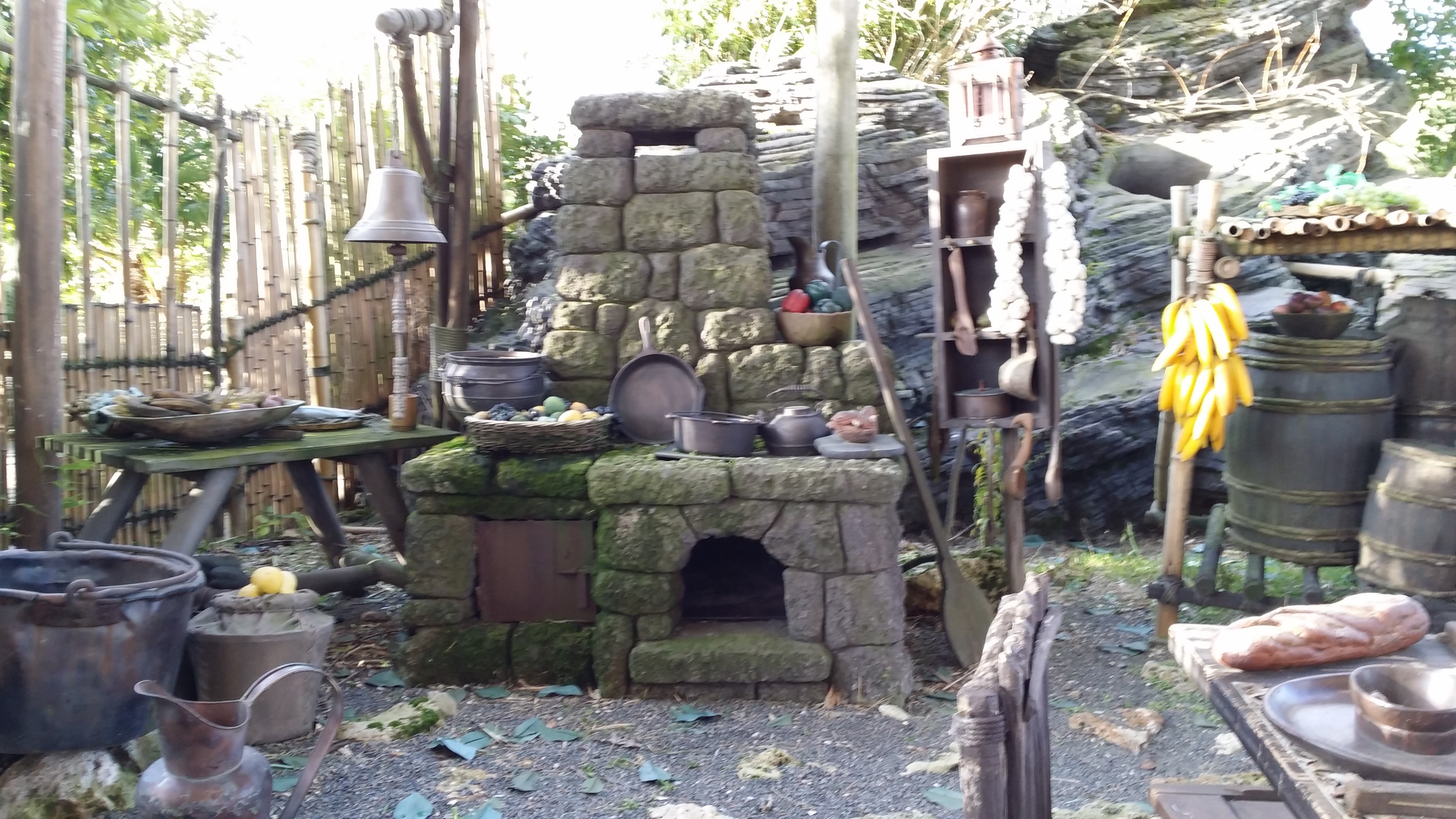
The stove and oven would have to be built by hand, and it is ‘remarkable’ such well-fitting stones were available.  It doesn’t look like it’s been used for a while judging by the amount of gree on it.  Perhaps it is not in a waterproof area.

20140104_141556 (2)

The dining table and the shelf in the background have that rough-hewn look about them

20140104_141553

A bit of man-made equipment here for drawing water from the stream

20140104_141703 (1)

And though not made in the era of electricity, there is an opportunity to use the water wheel to do more than it appears to be doing

20140104_141539 (2)

And tucked away in a corner the all-important study where one can read, or play a little music on the organ.  One could say, for the period, one had all the comforts of home.

20140104_141800 (2)

Searching For Locations: Disneyland, Paris, France

Whilst I found this tree house to be interesting, it seems to be far from practical because there was little to keep the wind and rain out, though I suppose, in the book, that might not be such a problem.

Be that as it may, and if it was relatively waterproof, then the furnishings would probably survive, and one had to also assume that much of the furnishings, such as the writing desk below, would have washed up as debris from the shipwreck.

20140104_141622 (1)

The stove and oven would have to be built by hand, and it is ‘remarkable’ such well-fitting stones were available.  It doesn’t look like it’s been used for a while judging by the amount of gree on it.  Perhaps it is not in a waterproof area.

20140104_141556 (2)

The dining table and the shelf in the background have that rough-hewn look about them

20140104_141553

A bit of man-made equipment here for drawing water from the stream

20140104_141703 (1)

And though not made in the era of electricity, there is an opportunity to use the water wheel to do more than it appears to be doing

20140104_141539 (2)

And tucked away in a corner the all-important study where one can read, or play a little music on the organ.  One could say, for the period, one had all the comforts of home.

20140104_141800 (2)

Searching for locations: Paris, France: Place de la Republique

Whilst a rather important place for the French, for us visitors, it has a convenient hotel located just behind the square, and an underground, or Metro station, underneath.

2014-01-07 11.43.05

Added to that was equally convenient cafes, one of which, The Cafe Republique, we had dinner every night.  The service and food were excellent, and we had no problems with the language barriers.

At the top of the monument is a bronze statue of Marianne, said to be the personification of France.

2014-01-07 11.43.41

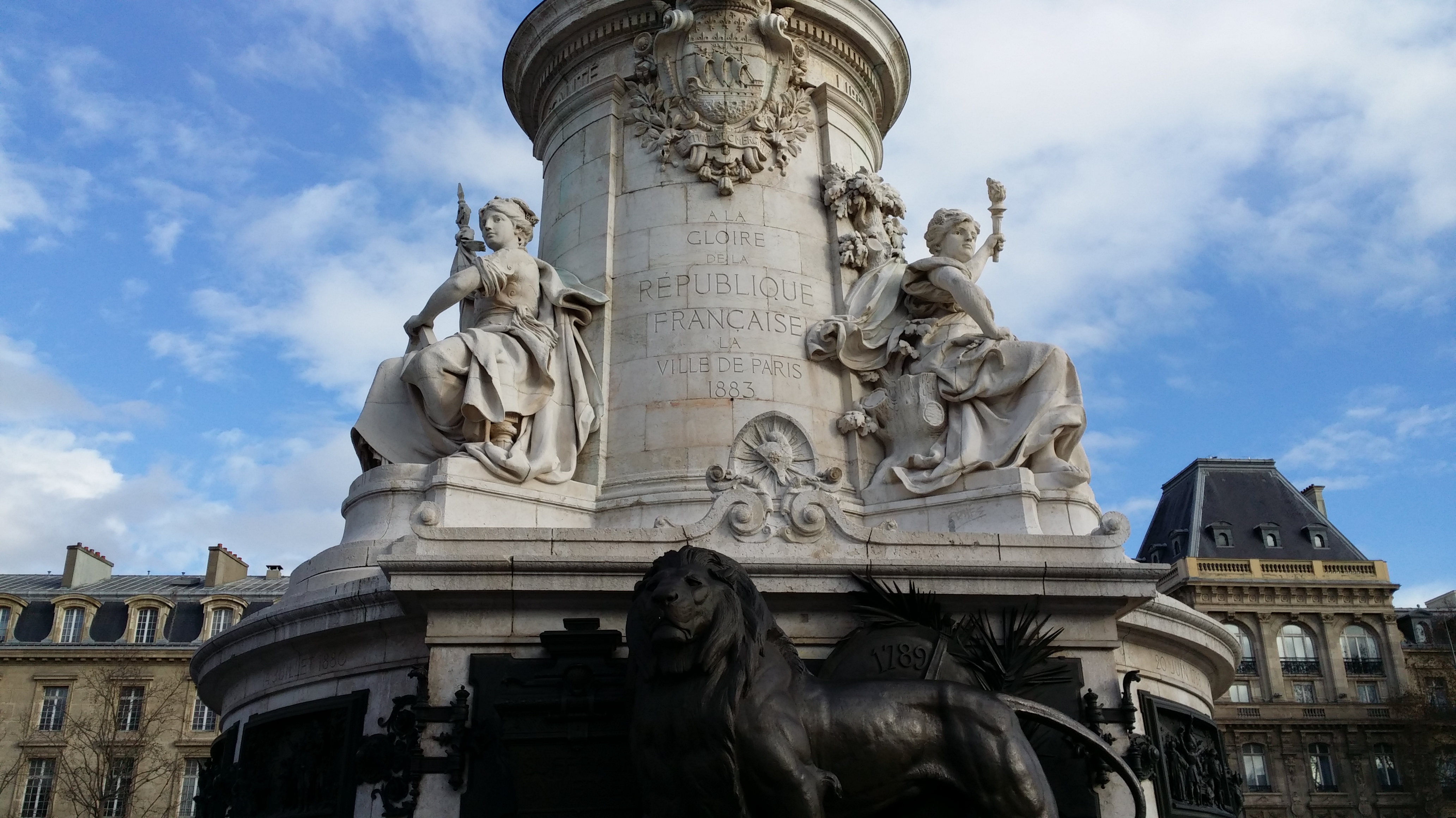
Surrounding Marianne is three more statues, representing liberty, equality, and fraternity.

2014-01-07 11.43.32

At the base is a lion guarding what is said to be a ballot box.

Searching for locations: Paris, France: Place de la Republique

Whilst a rather important place for the French, for us visitors, it has a convenient hotel located just behind the square, and an underground, or Metro station, underneath.

2014-01-07 11.43.05

Added to that was equally convenient cafes, one of which, The Cafe Republique, we had dinner every night.  The service and food were excellent, and we had no problems with the language barriers.

At the top of the monument is a bronze statue of Marianne, said to be the personification of France.

2014-01-07 11.43.41

Surrounding Marianne is three more statues, representing liberty, equality, and fraternity.

2014-01-07 11.43.32

At the base is a lion guarding what is said to be a ballot box.