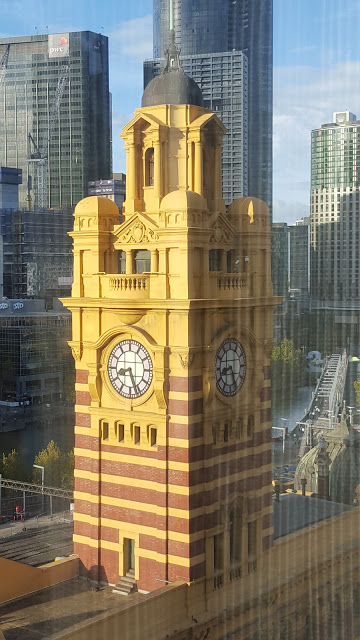
This is the famous clock tower of the Flinders Street Station (the main train station for suburban trains) in Melbourne.
We were staying in a hotel (The Doubletree) directly opposite to the station and our room overlooked the station and the clock tower. I took photos of it during the day:
and this one, at night. It came out better than I thought it would.
I was told a long time ago I wasn’t perfect, and it didn’t bother me. Then.
But it’s true. I don’t always get it right, sometimes I get annoyed and say things in the heat of the moment that perhaps shouldn’t be said, and sometimes I can be ‘difficult’.
I’ll be the first in line to say my blog isn’t perfect, in fact sometimes it bothers me some of the bits and pieces that go up because I doubt if they’re interesting, at the time, to anyone but me.
Perhaps it’s because I chose to be a writer.
It’s a hard slog at the best of times. Getting ideas, carving out time to write, having to live a normal life as distinct from that of living in a garret, on your own, writing that next great Nobel prize for literature, or is it a Pulitzer?
I don’t get that, I don’t have that, and I don’t want that.
For those of us living on that ‘edge’ of finding time to write, maintain a blog, keep up with social media, do the daily chores and watch some television, something has to give.
So, I’m not getting any writing done if I’m working on the blog, or I’m on social media. If I’m doing the blog, something else has to be sacrificed.
Mostly it’s my blog. My blog is about writing stuff, visiting places that have been or will be used in stories, and once, a recalcitrant cat who sadly has passed on. It also has running episodic stories, usually four different at a time.
It also had about 2,000 past posts. When I don’t get the time to do my blog, which has been mostly for the last three months off and on, I sometimes repackage or repeat past posts, just to keep it ticking over, much like a scoreboard.
It is also a tool for advertising my books and stories, and what’s coming (if only I stopped using social media) and these are repeated every four or five days. It’d the equivalent of advertising because I can’t afford other advertising. If this is an annoyance, I’m sorry.
And just so everyone knows, I will always keep writing, not because I want to become the next James Patterson, though it would be nice, I write because I want to, and it pleases me when someone reads something I write, and they like it. It is the greatest compliment of all, and I believe in encouragement. It’s why I spend a lot of that social media time highlighting other writers so they can build a following.
After all, we are all in the same boat, it would just be nice if we were all rowing in the same direction.
Of course, it could easily be Collingwood depending on who you barrack for in the local football competition, as it is Fitzroy, but the map and my GPS tells me the street is, for all intents and purposes, in Fitzroy.
Not that there is a football team for Fitzroy any more, that moved north to Queensland a long, long time ago.
But…
Going for a wander up and down the street shows two or three very different sides to inner suburban living, and the effect that comes from a diverse range of cultures, the city has acquired over the past few decades.
Once viewed as almost the slums of Melbourne, these inner suburban areas have moved upscale to become havens for the more wealthy middle classes and a home for many diverse outlets, not the least of which are eateries.
And. In just this small section of Smith Street, there are a lot of eating establishments, from the Old Kingdom Peking duck restaurant to a small place selling Falafel, and then everything in between. It says a lot about how Australian eating habits have changed in a single generation, where back in those infamous old days you would be lucky to have a fish and chips/ hamburger shop and one or two Chinese restaurants.
Now, intermingled with gourmet bakeries and cozy coffee shops, there are a plethora of other eating establishments that cater to any cuisine you can imagine. In fact, it’s possible to dine out on a different cuisine every night for a fortnight and only traverse about half a kilometre up and down the street. It could be ideal if you lived in one of the small fronted houses just off the main carriageway in a leafy narrow side street or laneway.
And, as you would expect in an inner-city suburb, the streets are narrow and made more hazardous for traffic because of the trams, a familiar sight in many of the streets in this area, and a much-used form of transport for workers making the short trip into the city. It’s almost possible to take the extra half hour, and walk.
The street is lined with old buildings, some dating back to about 1868, there’s around the turn of the century, but most are not inhabited except for the street level where there is an eclectic mixture of furniture, haberdashery, and clothing stores catering to a particular group of people, what some call yuppies or upwardly mobile men and women who are between 25-35, with high paying jobs, and preferably no children.
Then there a subgroup walking there streets, homosexual men, some wheeling adopted children in pushers, others walking hand in hand out for a Saturday afternoon stroll where they can feel safe among many others. It’s very different from other places I’ve been, but one can imagine there are places like this in every city all over the world.
But as a backdrop to the appearance of wealth, the shopfronts that cater to those upwardly mobile upper middle classes, there’s that exact opposite in full view, the homeless, and beggars, sitting on the ground outside the more run down shops soliciting alms, asking for a spare dollar, and even one asking for a cigarette.
Everyone walks past them, imagining no doubt there are not there, or that if they ignore them, they will go away. I think not. And, I suspect, more will come out of their daytime hiding places and take up residence in Smith Street itself.
The only surprise is that the local council has not asked the police to move them on. It’s an interesting juxtaposition of inhabitants in an area that no doubt can only attract the upper middle classes, as anything and everything is relatively expensive, particularly real estate, and permit driven parking spaces.
Would I live here? No.
Would I come here to wine and dine?
Maybe, if I could get parking, which there appear to be very few spots or any other form of parking such as under the local supermarket which can be very expensive. And if you are lucky enough to find a spot, who has the time or the memory if continually feeding a parking meter every two hours, particularly if you’re having a good time.
Equally, it’s a place I would not feel comfortable, even if it was once a safe haven, which up to a few years ago, I’d probably think it not. In fact, at times I was not sure what to make of some of the people on the street, but I guess if I lived here, it would no doubt be the norm.
Would I recommend people to come here?
Of course. One of the more interesting places in Melbourne to experience grassroots cuisine that is incredibly diverse in it range and price, and even from a place with tables and chairs that may have seen better days, but you haven’t come to see the furniture.
And to my mind, the dining is definitely better, here than perhaps Carlton, which in itself is Mecca to a plethora of university types, both teachers and students alike, and the coffee culture that pervade that area of Melbourne.
I have no doubt you will come and leave with a very good opinion of the place.
As for me, I came here for an engagement party held at the Hotelito de Jesus, a Mexican restaurant, serving a variety of Mexican dishes. As I’m no expert of that particular cuisine, everything was going to be new.
It was. It’s spicy but not too spicy, the pork belly excellent, the canapés delicious, and both the mushroom-based and shredded beef based mini tacos were equally scrumptious.
All of this was washed down with two particular Mexican beers, two of several available in bottles, cans, or by the glass.
Oh, and you can get sangria by the jug too if you like. I would have, but my passion for trying different beers won out.
The time has come to work on the second draft for the editor, taking into account all of the suggested changes, and there are quite a few. So much for thinking I could put in an almost flawless manuscript.
…
Those first thoughts were, what led up to the start of the story, a veritable getting back in the saddle after the metaphorical horse has tossed you off with life-threatening injuries were met with enthusiasm.
That’s basically the first chapter, or it might finish up as a prologue. There are arguments for and against prologues, so perhaps as the month and the story progresses, it might become clearer what is needed.
So, where are we?
Somewhere in Africa, a country that is run by the military with a so-called puppet president. A country that is ripe for revolution, where the people are plotting to take their country back.
With help, but just whose help is nebulous.
In the meantime, there’s a human rights conference about to happen, a rather ironic event in a country supposedly at the forefront of perpetrating such offences.
Why is our fractured main character there? To protect one of the keynote speakers and convenors of the conference, supposedly without her knowledge, but of course, secrets are only secrets if they remain so.
And with governments involved, nothing remains secret for long.
That’s the premise so far.
Today is much about fine-tuning the background of the main character, and what came before.
Of course, it could easily be Collingwood depending on who you barrack for in the local football competition, as it is Fitzroy, but the map and my GPS tells me the street is, for all intents and purposes, in Fitzroy.
Not that there is a football team for Fitzroy any more, that moved north to Queensland a long, long time ago.
But…
Going for a wander up and down the street shows two or three very different sides to inner suburban living, and the effect that comes from a diverse range of cultures, the city has acquired over the past few decades.
Once viewed as almost the slums of Melbourne, these inner suburban areas have moved upscale to become havens for the more wealthy middle classes and a home for many diverse outlets, not the least of which are eateries.
And. In just this small section of Smith Street, there are a lot of eating establishments, from the Old Kingdom Peking duck restaurant to a small place selling Falafel, and then everything in between. It says a lot about how Australian eating habits have changed in a single generation, where back in those infamous old days you would be lucky to have a fish and chips/ hamburger shop and one or two Chinese restaurants.
Now, intermingled with gourmet bakeries and cozy coffee shops, there are a plethora of other eating establishments that cater to any cuisine you can imagine. In fact, it’s possible to dine out on a different cuisine every night for a fortnight and only traverse about half a kilometre up and down the street. It could be ideal if you lived in one of the small fronted houses just off the main carriageway in a leafy narrow side street or laneway.
And, as you would expect in an inner-city suburb, the streets are narrow and made more hazardous for traffic because of the trams, a familiar sight in many of the streets in this area, and a much-used form of transport for workers making the short trip into the city. It’s almost possible to take the extra half hour, and walk.
The street is lined with old buildings, some dating back to about 1868, there’s around the turn of the century, but most are not inhabited except for the street level where there is an eclectic mixture of furniture, haberdashery, and clothing stores catering to a particular group of people, what some call yuppies or upwardly mobile men and women who are between 25-35, with high paying jobs, and preferably no children.
Then there a subgroup walking there streets, homosexual men, some wheeling adopted children in pushers, others walking hand in hand out for a Saturday afternoon stroll where they can feel safe among many others. It’s very different from other places I’ve been, but one can imagine there are places like this in every city all over the world.
But as a backdrop to the appearance of wealth, the shopfronts that cater to those upwardly mobile upper middle classes, there’s that exact opposite in full view, the homeless, and beggars, sitting on the ground outside the more run down shops soliciting alms, asking for a spare dollar, and even one asking for a cigarette.
Everyone walks past them, imagining no doubt there are not there, or that if they ignore them, they will go away. I think not. And, I suspect, more will come out of their daytime hiding places and take up residence in Smith Street itself.
The only surprise is that the local council has not asked the police to move them on. It’s an interesting juxtaposition of inhabitants in an area that no doubt can only attract the upper middle classes, as anything and everything is relatively expensive, particularly real estate, and permit driven parking spaces.
Would I live here? No.
Would I come here to wine and dine?
Maybe, if I could get parking, which there appear to be very few spots or any other form of parking such as under the local supermarket which can be very expensive. And if you are lucky enough to find a spot, who has the time or the memory if continually feeding a parking meter every two hours, particularly if you’re having a good time.
Equally, it’s a place I would not feel comfortable, even if it was once a safe haven, which up to a few years ago, I’d probably think it not. In fact, at times I was not sure what to make of some of the people on the street, but I guess if I lived here, it would no doubt be the norm.
Would I recommend people to come here?
Of course. One of the more interesting places in Melbourne to experience grassroots cuisine that is incredibly diverse in it range and price, and even from a place with tables and chairs that may have seen better days, but you haven’t come to see the furniture.
And to my mind, the dining is definitely better, here than perhaps Carlton, which in itself is Mecca to a plethora of university types, both teachers and students alike, and the coffee culture that pervade that area of Melbourne.
I have no doubt you will come and leave with a very good opinion of the place.
As for me, I came here for an engagement party held at the Hotelito de Jesus, a Mexican restaurant, serving a variety of Mexican dishes. As I’m no expert of that particular cuisine, everything was going to be new.
It was. It’s spicy but not too spicy, the pork belly excellent, the canapés delicious, and both the mushroom-based and shredded beef based mini tacos were equally scrumptious.
All of this was washed down with two particular Mexican beers, two of several available in bottles, cans, or by the glass.
Oh, and you can get sangria by the jug too if you like. I would have, but my passion for trying different beers won out.
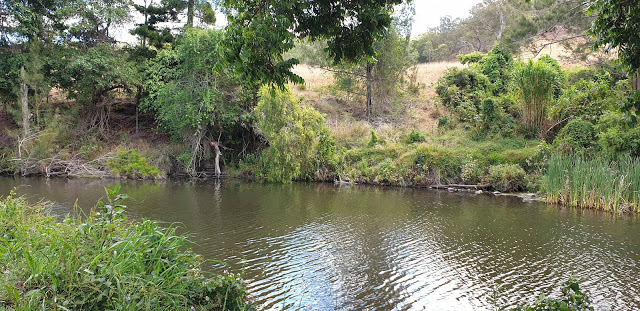
O’Reilly’s Canungra Valley Vineyards located on Lamington National Park Road, Canungra, Queensland, is a 15-acre vineyard with the 163-year-old historic homestead ‘Killowen’ set up with dining rooms and long verandahs, and extensive grounds that are next to the Canungra creek where it is possible to find Platypus and turtles while partaking in a picnic.
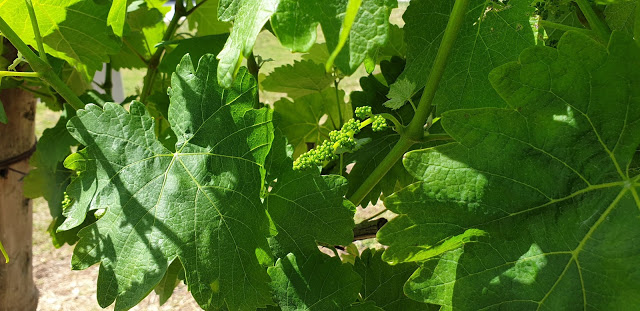
There are about 6,000 vines of the (white) Semillon, Verdelho and (red) Chambourcin, Shiraz and Petit Vedot varieties.
We visited there in December when the vines were just starting to produce fruit.
That fruit is usually harvested in February and then turned into wine. The setting for picnics is, on a warm Summer’s day is idyllic, where you can wade in the creek, or go looking for a platypus. We did not see one there the day we visited but did spend some time sitting beside the creek.
Of course, it could easily be Collingwood depending on who you barrack for in the local football competition, as it is Fitzroy, but the map and my GPS tells me the street is, for all intents and purposes, in Fitzroy.
Not that there is a football team for Fitzroy any more, that moved north to Queensland a long, long time ago.
But…
Going for a wander up and down the street shows two or three very different sides to inner suburban living, and the effect that comes from a diverse range of cultures, the city has acquired over the past few decades.
Once viewed as almost the slums of Melbourne, these inner suburban areas have moved upscale to become havens for the more wealthy middle classes and a home for many diverse outlets, not the least of which are eateries.
And. In just this small section of Smith Street, there are a lot of eating establishments, from the Old Kingdom Peking duck restaurant to a small place selling Falafel, and then everything in between. It says a lot about how Australian eating habits have changed in a single generation, where back in those infamous old days you would be lucky to have a fish and chips/ hamburger shop and one or two Chinese restaurants.
Now, intermingled with gourmet bakeries and cozy coffee shops, there are a plethora of other eating establishments that cater to any cuisine you can imagine. In fact, it’s possible to dine out on a different cuisine every night for a fortnight and only traverse about half a kilometre up and down the street. It could be ideal if you lived in one of the small fronted houses just off the main carriageway in a leafy narrow side street or laneway.
And, as you would expect in an inner-city suburb, the streets are narrow and made more hazardous for traffic because of the trams, a familiar sight in many of the streets in this area, and a much-used form of transport for workers making the short trip into the city. It’s almost possible to take the extra half hour, and walk.
The street is lined with old buildings, some dating back to about 1868, there’s around the turn of the century, but most are not inhabited except for the street level where there is an eclectic mixture of furniture, haberdashery, and clothing stores catering to a particular group of people, what some call yuppies or upwardly mobile men and women who are between 25-35, with high paying jobs, and preferably no children.
Then there a subgroup walking there streets, homosexual men, some wheeling adopted children in pushers, others walking hand in hand out for a Saturday afternoon stroll where they can feel safe among many others. It’s very different from other places I’ve been, but one can imagine there are places like this in every city all over the world.
But as a backdrop to the appearance of wealth, the shopfronts that cater to those upwardly mobile upper middle classes, there’s that exact opposite in full view, the homeless, and beggars, sitting on the ground outside the more run down shops soliciting alms, asking for a spare dollar, and even one asking for a cigarette.
Everyone walks past them, imagining no doubt there are not there, or that if they ignore them, they will go away. I think not. And, I suspect, more will come out of their daytime hiding places and take up residence in Smith Street itself.
The only surprise is that the local council has not asked the police to move them on. It’s an interesting juxtaposition of inhabitants in an area that no doubt can only attract the upper middle classes, as anything and everything is relatively expensive, particularly real estate, and permit driven parking spaces.
Would I live here? No.
Would I come here to wine and dine?
Maybe, if I could get parking, which there appear to be very few spots or any other form of parking such as under the local supermarket which can be very expensive. And if you are lucky enough to find a spot, who has the time or the memory if continually feeding a parking meter every two hours, particularly if you’re having a good time.
Equally, it’s a place I would not feel comfortable, even if it was once a safe haven, which up to a few years ago, I’d probably think it not. In fact, at times I was not sure what to make of some of the people on the street, but I guess if I lived here, it would no doubt be the norm.
Would I recommend people to come here?
Of course. One of the more interesting places in Melbourne to experience grassroots cuisine that is incredibly diverse in it range and price, and even from a place with tables and chairs that may have seen better days, but you haven’t come to see the furniture.
And to my mind, the dining is definitely better, here than perhaps Carlton, which in itself is Mecca to a plethora of university types, both teachers and students alike, and the coffee culture that pervade that area of Melbourne.
I have no doubt you will come and leave with a very good opinion of the place.
As for me, I came here for an engagement party held at the Hotelito de Jesus, a Mexican restaurant, serving a variety of Mexican dishes. As I’m no expert of that particular cuisine, everything was going to be new.
It was. It’s spicy but not too spicy, the pork belly excellent, the canapés delicious, and both the mushroom-based and shredded beef based mini tacos were equally scrumptious.
All of this was washed down with two particular Mexican beers, two of several available in bottles, cans, or by the glass.
Oh, and you can get sangria by the jug too if you like. I would have, but my passion for trying different beers won out.
Or to be more precise, the homestead at what is now O’Reilly’s vineyard, where there is a pleasant lawn out back running down to the river for picnics, an alpaca farm next door, and the homestead plays host to functions and wine tastings
My interest was that we had assumed there was a restaurant, and we were going to have lunch. There might be one, but not the day we visited, it was just cafe food or a picnic available.
I was more interested in the old homestead because it was a fine example of the homesteads built in the ‘outback’.
…
Today we are having lunch in the Platypus room, in the O’Reilly’s vineyard farmhouse, which, if you close your eyes and let your imagination run free, could see it as the master bedroom of a homestead.
Certainly, the building is old, made completely of timber, inside and out, with the traditional high ceilings to keep the heat at bay.
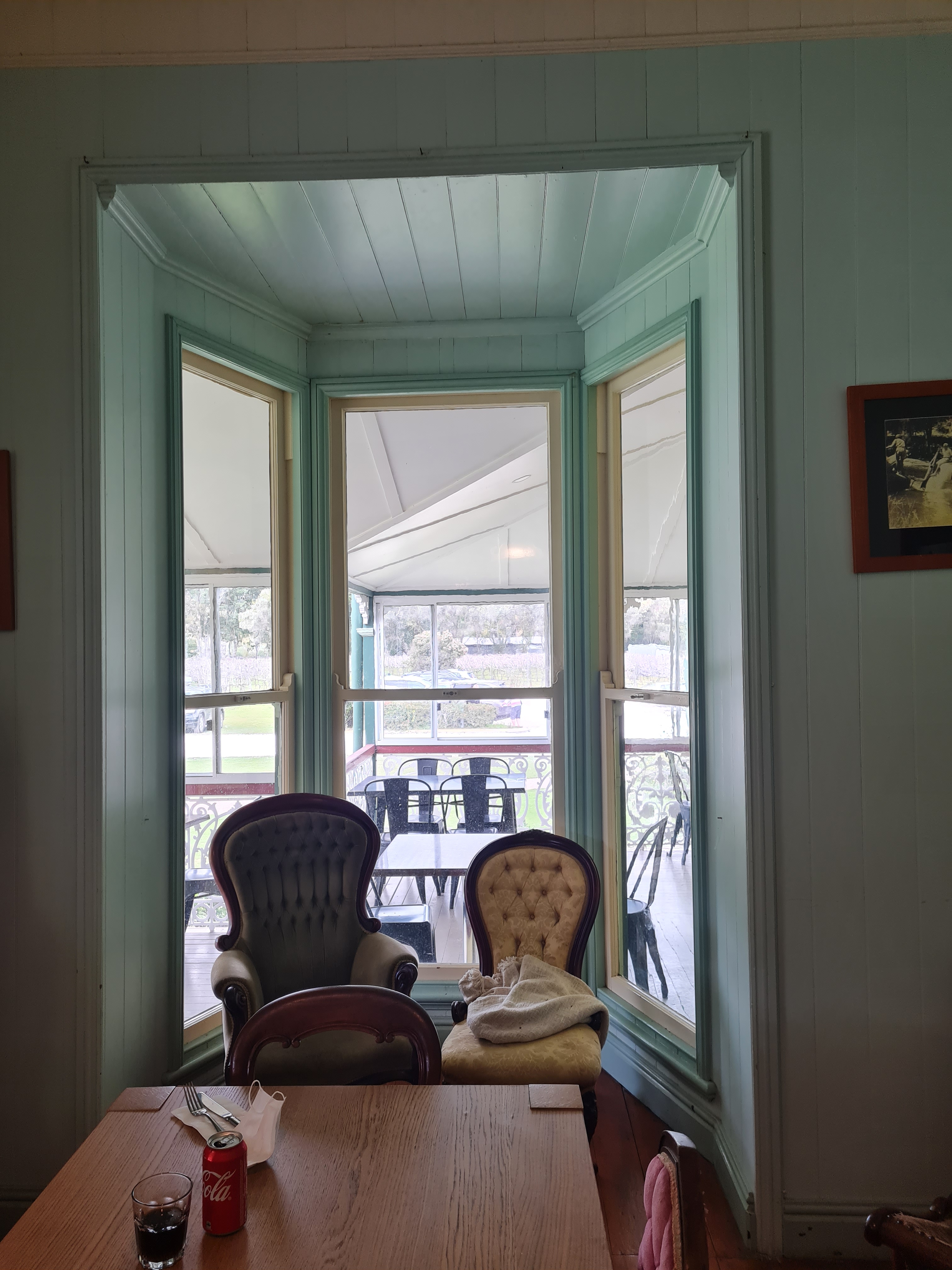
At one end, a large bay window, which would be ideal to sit and view the outside, past the sweeping verandah. There is a small lawn and a rotunda, but beyond that what might have been extended gardens, is the vineyard.
The homestead is in an ideal position midway between the main road and the river, has the traditional surrounding verandah, and shows signs of being extended on almost all sides.
On the other side of the wide corridor that leads you to the bar, and, coincidentally, down the centre of the house, is a smaller bedroom, also used as a dining room, and ubiquitously named the library.
It may be small but it does have a fireplace, which the assumed master bedroom does not, but now I’m thinking that room might have been the morning room.
Behind the room, we’re in is another bedroom, or perhaps this might be the master because it does have a fireplace and is quite large. And a name, the Ambassador room. Now it serves as the pickup place for picnic baskets.
There is another room on the opposite side of the corridor called the Drawing Room but is not open to the public. But, going into the room with the fireplace adjacent to it, you can sell the aroma of pizzas, so it’s probably an extension of the kitchen, and, walking around the outside that side of the house proves it to be the case.
After all, they do catering for weddings and need a very large food preparation area which I discovered runs down the whole of that side of the house.
At the end of the corridor I’d the bar and spare space, and running off that and behind that is where there is a large dining area, perhaps prior to COVID, the restaurant.
It’s not hard to imagine that area as a very large entertaining area, either for very large dinner parties, or dancing.
As for the food, it’s either a picnic basket or pizzas. We chose the latter, not realising the bases were not homemade, but bought in.
The toppings however were both plentiful and tasty. It could have been hotter, because it was a cold day, and it was cold in the room.
As for something to do other than taste the wine, and buy a few bottles, you can get up close to the vines, which, at this time of the year gave been pruned back and look quite dead, look at or walk an alpaca, even feed it, or all of them, or go down to the river and see if you can spot a Platypus.
Perhaps next time we’ll have a picnic down by the river.








 Thrills, Spills, and just a dash of Romance