Searching for locations: Innsbruck, Austria

On this occasion, we drove from Florence to Innsbruck, a journey of about 500 kilometers and via the E45, a trip that would take us about five and a half hours.

We drove conservatively, stopped once for lunch and took about seven hours, arriving in Innsbruck late in the afternoon

The main reason for this stay was to go to Swarovski in Wattens for the second time, to see if anything had changed, and to buy some pieces.  We were still members of the club, and looking forward to a visit to the exclusive lounge and some Austrian champagne.

Sadly, there were no new surprises waiting, and we came away a little disappointed.

We were staying at the Innsbruck Hilton, where we stayed the last time, and it only a short walk to the old town.

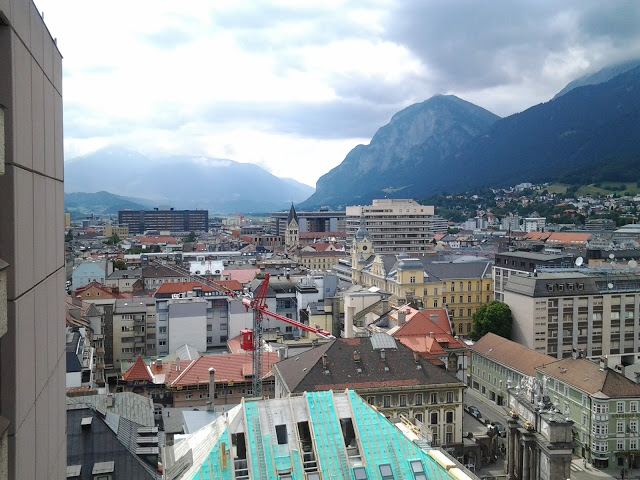
From the highest level of the hotel, it is possible to get a look at the mountains that surround the city.  This view is in the direction we had driven earlier, from Florence.

The change in the weather was noticeable the moment we entered the mountain ranges.

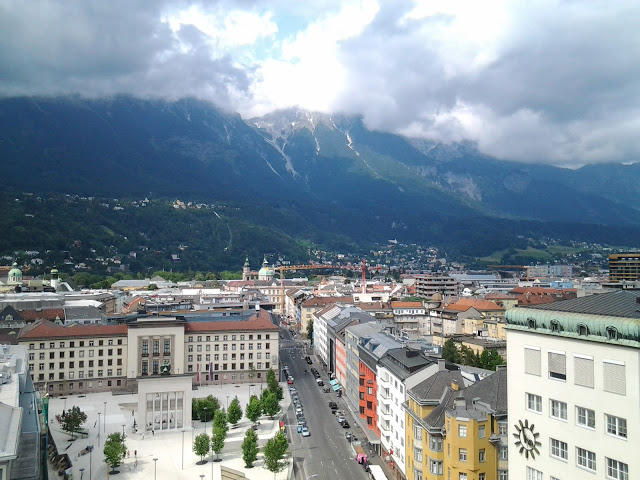
This view looks towards the old town and overlooks a public square.
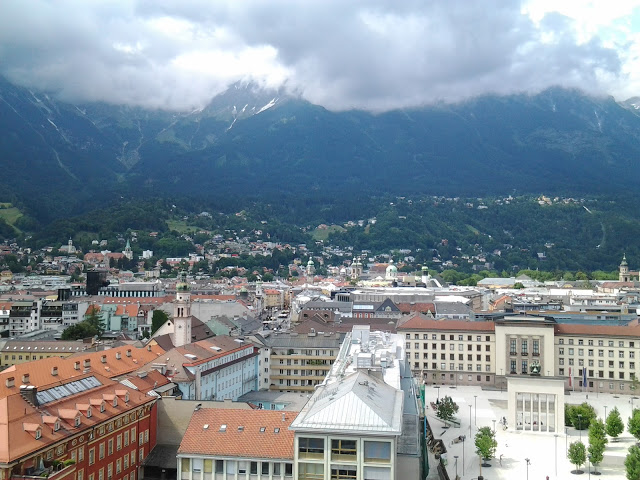
This view shows some signs of the cold, but in summer, I doubted we were going to see any snow.

We have been here in winter, and it is quite cold, and there is a lot of snow.  The ski resorts are not very far away, and the airport is on the way to Salzburg.

There is a host of restaurants in the old town, and we tried a few during our stay.  The food, beer, and service were excellent.

On a previous visit, we did get Swiss Army Knives, literally, from a small store called Victorinox.

And, yes, we did see the golden roof.
Searching for locations: Innsbruck, Austria

On this occasion, we drove from Florence to Innsbruck, a journey of about 500 kilometers and via the E45, a trip that would take us about five and a half hours.

We drove conservatively, stopped once for lunch and took about seven hours, arriving in Innsbruck late in the afternoon

The main reason for this stay was to go to Swarovski in Wattens for the second time, to see if anything had changed, and to buy some pieces.  We were still members of the club, and looking forward to a visit to the exclusive lounge and some Austrian champagne.

Sadly, there were no new surprises waiting, and we came away a little disappointed.

We were staying at the Innsbruck Hilton, where we stayed the last time, and it only a short walk to the old town.

From the highest level of the hotel, it is possible to get a look at the mountains that surround the city.  This view is in the direction we had driven earlier, from Florence.

The change in the weather was noticeable the moment we entered the mountain ranges.

This view looks towards the old town and overlooks a public square.

This view shows some signs of the cold, but in summer, I doubted we were going to see any snow.

We have been here in winter, and it is quite cold, and there is a lot of snow.  The ski resorts are not very far away, and the airport is on the way to Salzburg.

There is a host of restaurants in the old town, and we tried a few during our stay.  The food, beer, and service were excellent.

On a previous visit, we did get Swiss Army Knives, literally, from a small store called Victorinox.

And, yes, we did see the golden roof.

Why is writing so hard

In just about every book about how to be a good writer, there seems to be a pile of problems that at some time in a writer’s life will need to be overcome.

Writer’s block

Don’t have it.  The ideas pour out of my head like water over a waterfall

Don’t use abstract descriptions in your writing

Damn, I do that all the time

But, back to writer’s block, is that where you write 37 chapters and there the story stops?

Oops.

Plan your book and have an outline so you can write it from start to finish

Plan?  What Plan?

That only happens when I’ve written the book and prior to the first edit, I make a precise of each chapter to make sure of continuity.

Plan your characters and give them a timeline

Oh God is that why characters’ names are often changing as the story progresses.

Believe it or not, I’m working on this issue.

Manage your time.

Still can’t get it right.

Write at least a thousand words a day, no matter if it’s rubbish or not.

Does that include writing for social media?

Apparently not.

At least this is one of the requirements I follow religiously. Sometimes it’s a lot more words but a least some writing finished up either on paper in on the word processor.

Now it’s time to write those thousand words.

Look, there, I’ve at least got one part of time management under control.

Searching for locations: The Kingston Flyer, Kingston, New Zealand

The Kingston Flyer was a vintage train that ran about 14km to Fairlight from Kingston, at the southern end of Lake Wakatipu, and back.

This tourist service was suspended in December 2012 because of locomotive issues.

However, before that, we managed to go on one of the tours, and it was a memorable trip.  Trying to drink a cup of tea from the restaurant car was very difficult, given how much the carriages moved around on the tracks.

The original Kingston Flyer ran between Kingston, Gore, Invercargill, and sometimes Dunedin, from the 1890s through to 1957.

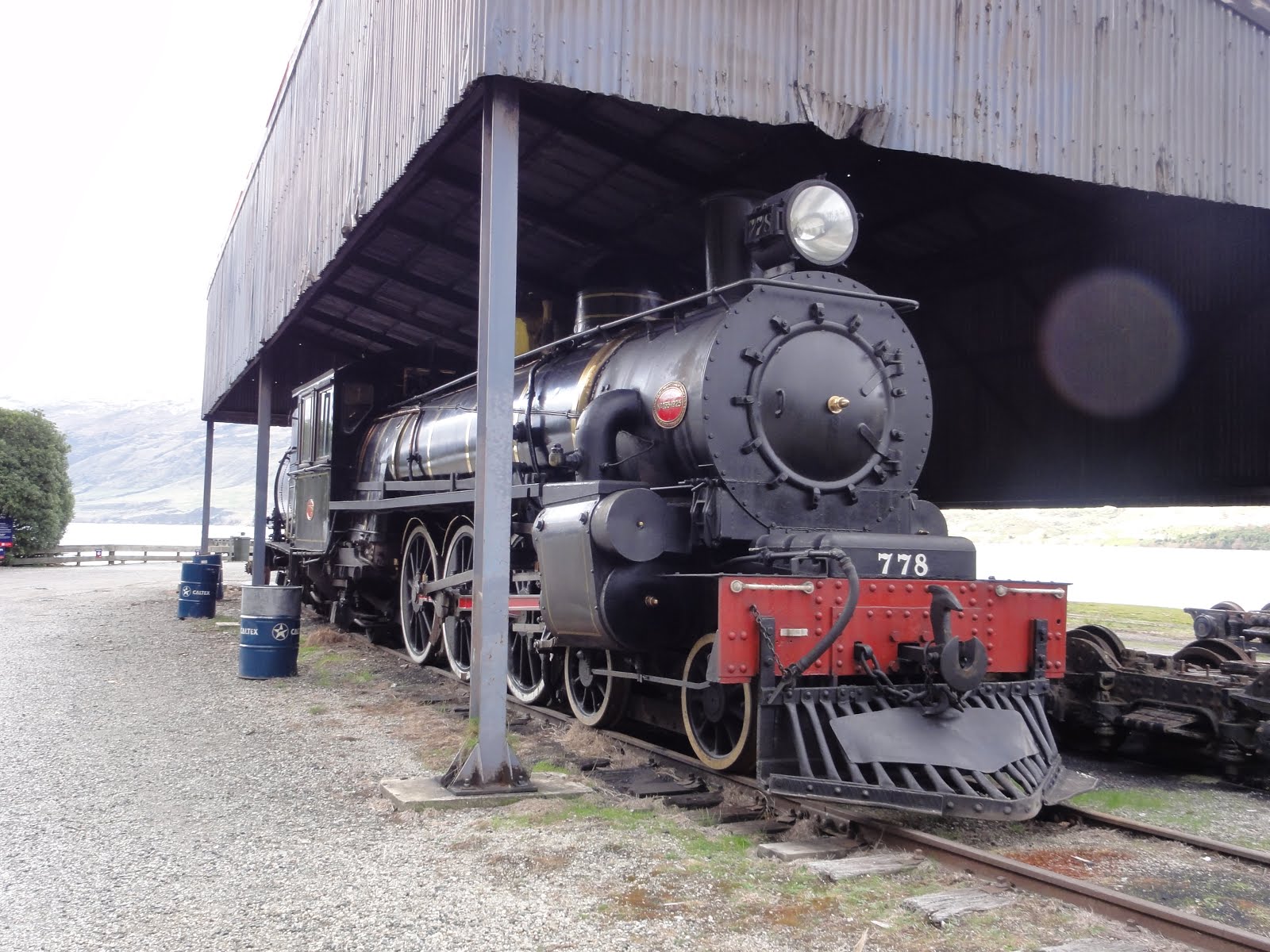
There are two steam locomotives used for the Kingston Flyer service, the AB778 starting service in 1925, and the AB795 which started service in 1927.

The AB class locomotive was a 4-6-2 Pacific steam locomotive with a Vanderbilt tender, of which 141 were built between 1915 and 1927 some of which by New Zealand Railways Addington Workshops.

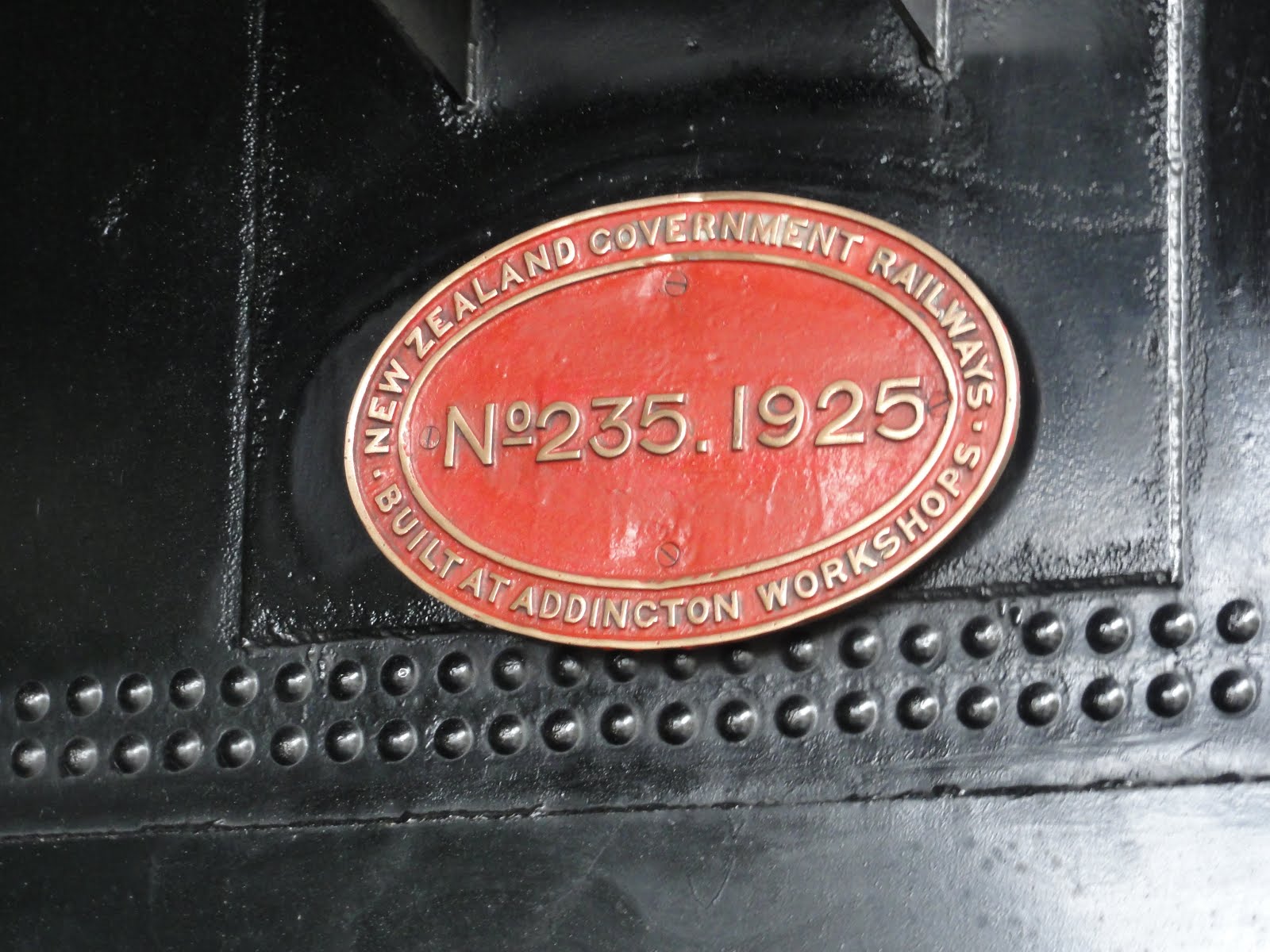
No 235 is the builder’s number for the AB778

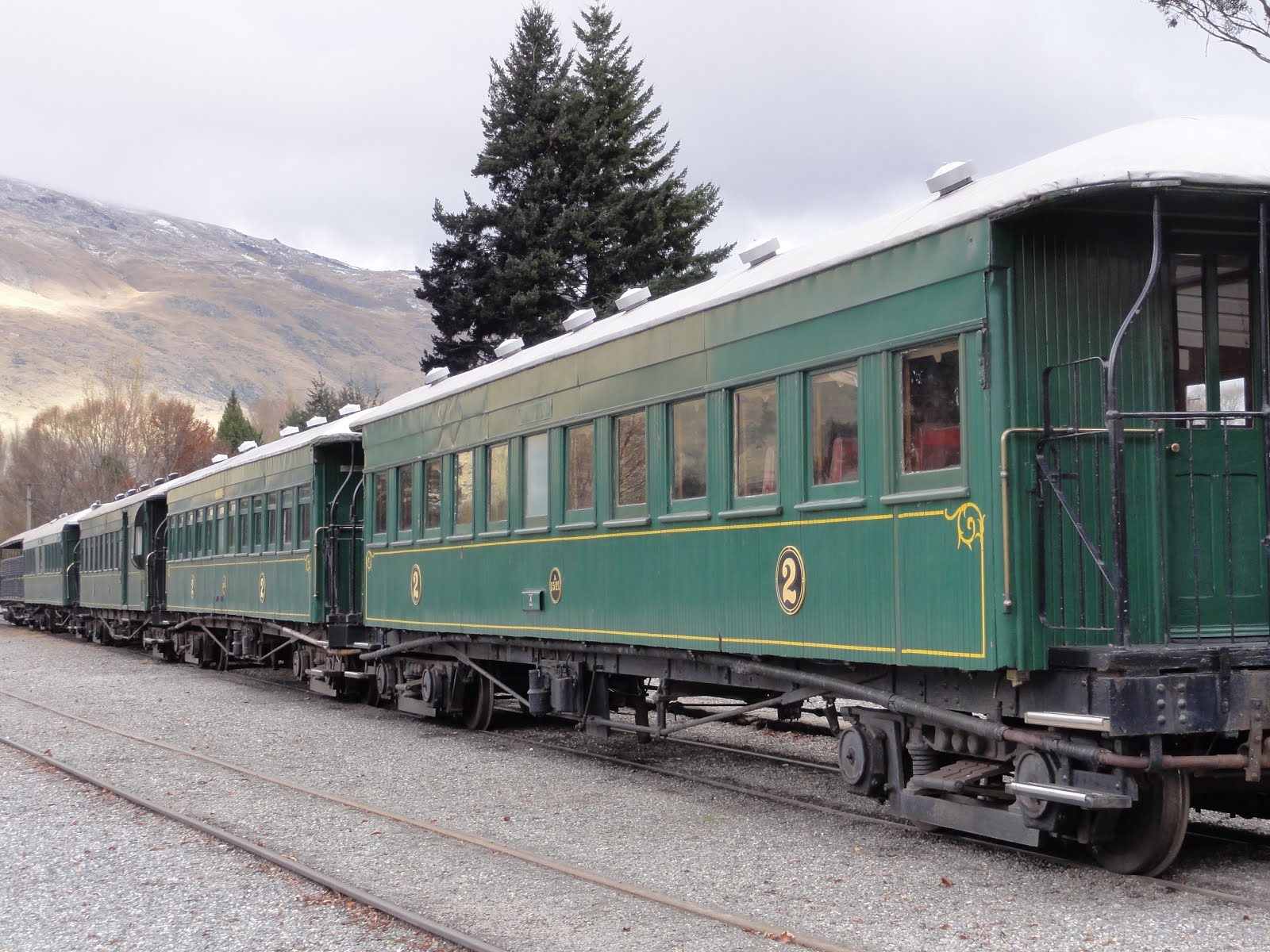
There were seven wooden bodied passenger carriages, three passenger coaches, one passenger/refreshments carriage and two car/vans.  The is also a Birdcage gallery coach.  Each of the rolling stock was built between 1900 and 1923.  They were built at either of Addington, Petone, or Hillside.

I suspect the 2 on the side means second class

The passenger coach we traveled in was very comfortable.

This is one of the guard’s vans, and for transporting cargo.

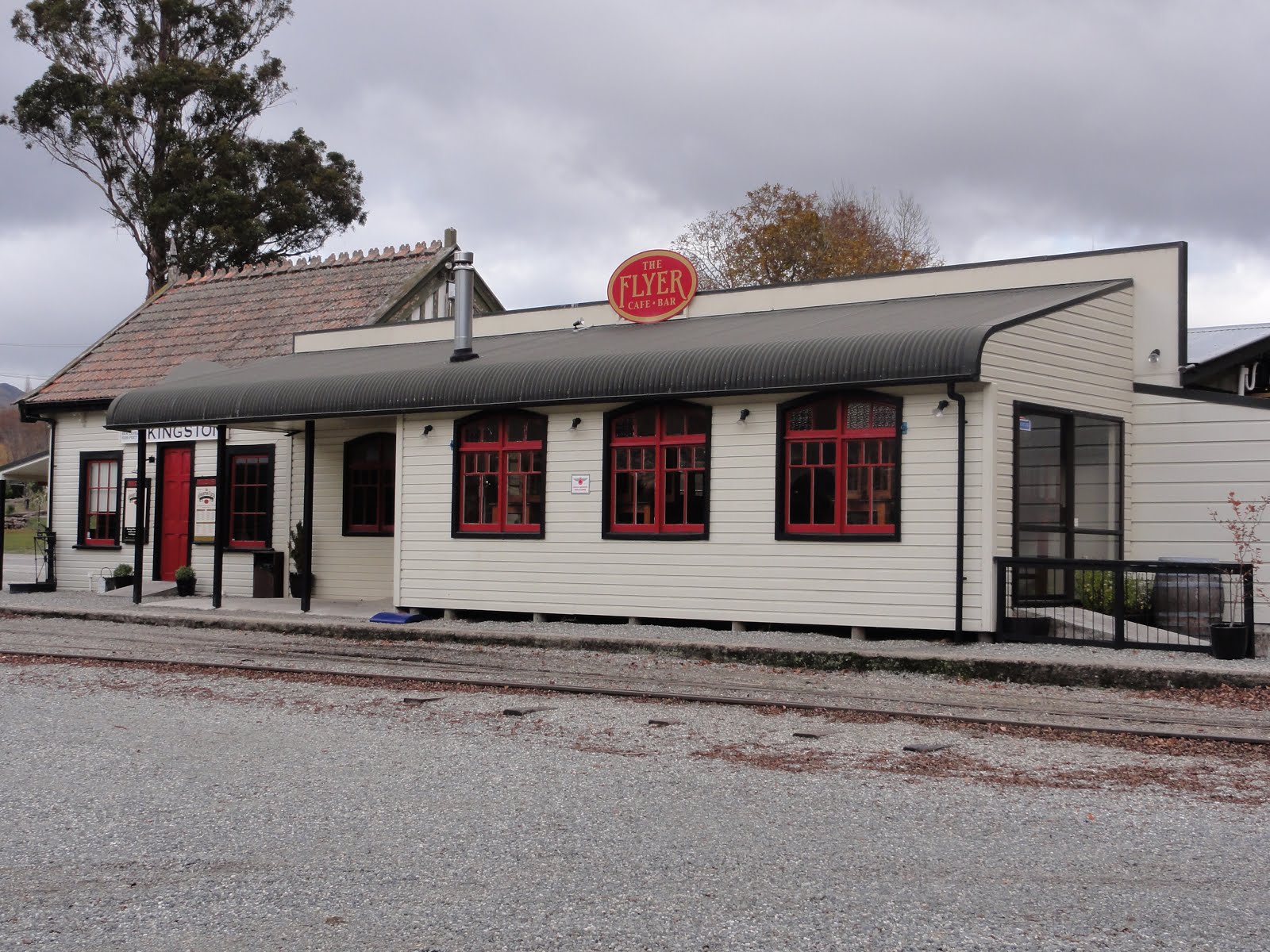
The Kingston Railway Station

and cafe.

A poster sign advertising the Kingston Flyer

The running times for the tourist services, when it was running.

In a word: Meat

We all know what meat is, the flesh of an animal like cattle, pigs, sheep, even goats.

It can be used to describe a pie, such as a meat pie, but the odd thing is that it doesn’t have to have 100% meat in it.

It can be used in the context of humans, depending on when you eat certain types of food that will put meat on your bones.

Meat can also be used to describe the fleshy part of nuts, fruit, or eggs.

Then there’s the meat of the matter, which is the crux or basis of the argument or message you want to get across.

And a rather interesting if not obscure meaning is to describe a favorite occupation or activity.

Another form of the word is meet; what we do at a coffee shop, on a date, at a pub, or any number of different places.

We can gather together for a meeting, such as a board of directors or a committee.

It can be used to describe an athletic or swimming carnival.

How about you meet me halfway, in a negotiation, not on a long road trip

To dole out or allot something like punishment, is to mete it out.

Good thing then, we don’t live in the dark ages, all manner of bad punishments were meted put to the serfs.

Searching for locations: Innsbruck, Austria

On this occasion, we drove from Florence to Innsbruck, a journey of about 500 kilometers and via the E45, a trip that would take us about five and a half hours.

We drove conservatively, stopped once for lunch and took about seven hours, arriving in Innsbruck late in the afternoon

The main reason for this stay was to go to Swarovski in Wattens for the second time, to see if anything had changed, and to buy some pieces.  We were still members of the club, and looking forward to a visit to the exclusive lounge and some Austrian champagne.

Sadly, there were no new surprises waiting, and we came away a little disappointed.

We were staying at the Innsbruck Hilton, where we stayed the last time, and it only a short walk to the old town.

From the highest level of the hotel, it is possible to get a look at the mountains that surround the city.  This view is in the direction we had driven earlier, from Florence.

The change in the weather was noticeable the moment we entered the mountain ranges.

This view looks towards the old town and overlooks a public square.

This view shows some signs of the cold, but in summer, I doubted we were going to see any snow.

We have been here in winter, and it is quite cold, and there is a lot of snow.  The ski resorts are not very far away, and the airport is on the way to Salzburg.

There is a host of restaurants in the old town, and we tried a few during our stay.  The food, beer, and service were excellent.

On a previous visit, we did get Swiss Army Knives, literally, from a small store called Victorinox.

And, yes, we did see the golden roof.
Why is writing so hard

In just about every book about how to be a good writer, there seems to be a pile of problems that at some time in a writer’s life will need to be overcome.

Writer’s block

Don’t have it.  The ideas pour out of my head like water over a waterfall

Don’t use abstract descriptions in your writing

Damn, I do that all the time

But, back to writer’s block, is that where you write 37 chapters and there the story stops?

Oops.

Plan your book and have an outline so you can write it from start to finish

Plan?  What Plan?

That only happens when I’ve written the book and prior to the first edit, I make a precise of each chapter to make sure of continuity.

Plan your characters and give them a timeline

Oh God is that why characters’ names are often changing as the story progresses.

Believe it or not, I’m working on this issue.

Manage your time.

Still can’t get it right.

Write at least a thousand words a day, no matter if it’s rubbish or not.

Does that include writing for social media?

Apparently not.

At least this is one of the requirements I follow religiously. Sometimes it’s a lot more words but a least some writing finished up either on paper in on the word processor.

Now it’s time to write those thousand words.

Look, there, I’ve at least got one part of time management under control.

Searching for locations: The Kingston Flyer, Kingston, New Zealand

The Kingston Flyer was a vintage train that ran about 14km to Fairlight from Kingston, at the southern end of Lake Wakatipu, and back.

This tourist service was suspended in December 2012 because of locomotive issues.

However, before that, we managed to go on one of the tours, and it was a memorable trip.  Trying to drink a cup of tea from the restaurant car was very difficult, given how much the carriages moved around on the tracks.

The original Kingston Flyer ran between Kingston, Gore, Invercargill, and sometimes Dunedin, from the 1890s through to 1957.

There are two steam locomotives used for the Kingston Flyer service, the AB778 starting service in 1925, and the AB795 which started service in 1927.

The AB class locomotive was a 4-6-2 Pacific steam locomotive with a Vanderbilt tender, of which 141 were built between 1915 and 1927 some of which by New Zealand Railways Addington Workshops.

No 235 is the builder’s number for the AB778

There were seven wooden bodied passenger carriages, three passenger coaches, one passenger/refreshments carriage and two car/vans.  The is also a Birdcage gallery coach.  Each of the rolling stock was built between 1900 and 1923.  They were built at either of Addington, Petone, or Hillside.

I suspect the 2 on the side means second class

The passenger coach we traveled in was very comfortable.

This is one of the guard’s vans, and for transporting cargo.

The Kingston Railway Station

and cafe.

A poster sign advertising the Kingston Flyer

The running times for the tourist services, when it was running.

In a word: needle

In the current times, the word needle is very polarising.

Will you have the vaccine, or not.  Is one of the reasons simply because you hate needles?

I know I do and have a fear factor of 100%.  Fortunately, I got very sick a few years ago and spent 10 days in the hospital, and was forced to have multiple needles every day.

Now it’s not so hard

But, I digress.

A needle is one of those things used in the medical profession mainly to deliver vaccines and medicine.  It is a very small cylinder.

A needle can be used to sew up a garment or make repairs.  This is a smallish piece of metal with an eyelet.

A needle can also be used to stitch up wounds, though it’s best you have a local anesthetic first.

Another way of using needles is to describe tiny icicles which hurt when they hit your face or your eyes.  It is called a needle effect.

Then, another use of the word, is to needle someone, that is to say, bombard them with questions, or annoy them.

It’s a pointer on a dial, like that of a fuel gauge, which for me, always seems to hover just above empty.  It can also be on a compass, where heading north is not always clear especially where magnets are nearby.

A fir tree’s leaves are more like needles.

You need one to play a record on a gramophone, not that they exist anymore.

Paradoxically it can also be used to describe a pointy rock or an obelisk-like “Cleopatra’s Needle”

It is also an etching tool.

Searching for locations: The Kingston Flyer, Kingston, New Zealand

The Kingston Flyer was a vintage train that ran about 14km to Fairlight from Kingston, at the southern end of Lake Wakatipu, and back.

This tourist service was suspended in December 2012 because of locomotive issues.

However, before that, we managed to go on one of the tours, and it was a memorable trip.  Trying to drink a cup of tea from the restaurant car was very difficult, given how much the carriages moved around on the tracks.

The original Kingston Flyer ran between Kingston, Gore, Invercargill, and sometimes Dunedin, from the 1890s through to 1957.

There are two steam locomotives used for the Kingston Flyer service, the AB778 starting service in 1925, and the AB795 which started service in 1927.

The AB class locomotive was a 4-6-2 Pacific steam locomotive with a Vanderbilt tender, of which 141 were built between 1915 and 1927 some of which by New Zealand Railways Addington Workshops.

No 235 is the builder’s number for the AB778

There were seven wooden bodied passenger carriages, three passenger coaches, one passenger/refreshments carriage and two car/vans.  The is also a Birdcage gallery coach.  Each of the rolling stock was built between 1900 and 1923.  They were built at either of Addington, Petone, or Hillside.

I suspect the 2 on the side means second class

The passenger coach we traveled in was very comfortable.

This is one of the guard’s vans, and for transporting cargo.

The Kingston Railway Station

and cafe.

A poster sign advertising the Kingston Flyer

The running times for the tourist services, when it was running.