In a word: Left

The word left conjures up many interesting connotations such as:

Left at the altar, not a very nice occurrence but an oft-used scenario to fuel a Romcom

Should have turned left at Albuquerque, used by Bugs Bunny in a cartoon I saw once, and now basically is the go-to phrase when you get lost and have to tell someone

Lefties, not exactly the word but oft used to describe one side of politics usually leaning towards socialism or communism, or perhaps simply because they don’t agree with us

They’re coming at us left, right, and centre, meaning people, or some other object, are coming from everywhere, that is, from all directions

But one of some more simple explanations, I’m left-handed, which means I write with my left hand.

Only that doesn’t mean that I’m left-handed at everything because I’m right-handed using a bat and playing golf.  How does that work?

Turn left which means you turn in a specific direction, directly opposite to another direction, right, but I defy you to describe exactly how to turn left!

Oh, and by the way, I often get left and right mixed up.

There was only one slice of cake left, which means someone else ate it all, or that there’s one slice remaining, and you’d better be quick getting it.

Or probably the saddest of the examples, I left London to go home, meaning that I had to depart a place I wanted to stay but circumstances dictated I had to leave.  Usually, you have to go back to work where you came from, but more realistically you couldn’t afford to stay.

In politics, if you are a right-wing conservative, anyone from the other side is a left-wing lunatic.  Politics can be very polarising and there is often an all-or-nothing approach to the opposition. Rarely is there a middle of the road.
If I only had one day to stop over in – Barcelona – what would I do?

One Day in Barcelona? The One Spot That Will Make It Unforgettable

If you’ve only got a single day to soak up the magic of Barcelona, there’s no better way to turn a quick stopover into a memory that lasts a lifetime than to spend it at the Sagrada Familia.

The towering spires, the kaleidoscopic light that dances through stained glass, and the sheer audacity of Antoni Gaudí’s masterpiece make this basilica the ultimate “must‑see” for any traveller pressed for time. Below, I’ll walk you through why the Sagrada Familia deserves top billing, how to experience it efficiently, and what you can squeeze in around it so your twelve‑hour layover feels like a full‑blown Barcelona adventure.


Why the Sagrada Familia Wins the One‑Place Vote

FactorWhat It Means for a One‑Day Visitor
Iconic statusRecognisable worldwide, a single photo here instantly says “I’ve been to Barcelona.”
Architectural wonderGaudí’s evolving vision combines Gothic verticality with natural forms—an immersive lesson in art, engineering, and spirituality.
Compact yet completeYou can explore the interior, the crypt, and the towers in 2–3 hours, leaving plenty of time for a bite and a stroll.
AccessibilityCentral location (Eixample district) is on the main metro line (L2, L5) and a short walk from the city’s bus network.
Year‑round appealNo seasonal closures; the light inside changes dramatically with the sun, giving you a fresh experience any day you visit.

In short: it’s the perfect blend of visual impact, cultural depth, and logistical convenience for a traveller with a clock ticking.


Making the Most of Your Visit

1. Book Your Ticket Ahead of Time

  • Online reservation: Purchase a timed‑entry ticket on the official site (or a reputable reseller) at least 24 hours in advance.
  • Choose the “Tower + Audio Guide” upgrade if you want panoramic city views and a deeper narrative (extra €15–€20).
  • Arrive 10‑15 minutes early; security is brisk, but the basilica fills up fast, especially in summer.

2. Timing Is Everything

  • Morning slot (9:30 am‑11:30 am): Sunlight streams through the Nativity façade, highlighting the intricate stonework.
  • Mid‑day slot (12:30 pm‑2:30 pm): The interior glows with a warm, diffused light—perfect for photography.
  • Late afternoon (4:30 pm‑6:30 pm): The Passion façade faces the setting sun, casting dramatic shadows.

If your flight lands early in the morning, aim for the 9:30 am slot; if you arrive later, the 4:30 pm slot gives you a chance to explore a bit of the city first.

3. Navigate the Space Efficiently

  1. Entry Hall – Quick video intro (3 min) runs on the screen; pay attention for a concise overview of Gaudí’s vision.
  2. Main Nave – Follow the audio guide’s highlighted points: the column forest, the ceiling’s ribbed “cocoon,” and the stained‑glass windows.
  3. Crypt & Museum – Spend 20 minutes here; the crypt holds Gaudí’s tomb, and the museum explains the construction timeline.
  4. Towers – If you opted for the tower experience, the lift ride (about 5 min) ends with a 360° panorama that includes the Mediterranean, Montjuïc, and the city grid—a perfect final shot for your travel diary.

Quick “Around the Basilica” Itinerary

You’ll have roughly 5‑6 hours left after the Sagrada Familia. Here’s a streamlined loop that maximises flavour, fun, and photogenic moments without straying far.

TimeActivityReason
12:30 pmTapas on Carrer de Mallorca (e.g., Bar Mut or Cerveseria Catalana)A short 5‑minute walk; try “patatas bravas,” “jamón ibérico,” and a glass of cava.
1:30 pmPasseig de Gràcia stroll – admire Casa Batlló & La Pedrera (exteriors)You get a second Gaudí glimpse without buying extra tickets; perfect for quick photos.
2:15 pmMetro to Plaça Catalunya (L2 to Passeig de Gràcia, then L1)Central hub for a short walk to the next highlight.
2:30 pmLa Rambla & Boqueria Market – a sensory sprint10‑minute walk; sample a fresh fruit juice or a quick jamón bite.
3:15 pmGothic Quarter (Barri Gòtic) – snap the Cathedral façade, narrow alleys, and Roman wallsA 20‑minute walk from La Rambla; you can wander until your next transport.
4:00 pmHead back to the airport – Metro L3 from Liceu to Zona Universitària, then transfer to the Aerobus (A1) or direct train (R2 Nord)Gives you ~45‑60 min buffer for security and boarding.

Adjust the times according to your flight schedule; the whole loop can be trimmed to a “quick bite + photo sprint” if you’re pressed for minutes.


Insider Tips for a Smooth Stopover

  1. Carry a lightweight, waterproof backpack – You’ll need space for a water bottle, a portable charger, and a small umbrella (Barcelona’s micro‑showers love to appear unexpectedly).
  2. Download the Sagrada Familia app – It syncs with your ticket QR code, offers an offline audio guide, and shows real‑time tower wait times.
  3. Speak “Catalan” greetings – A friendly “Bon dia!” (good morning) earns smiles from locals and staff alike.
  4. Avoid the “free ticket” scams – Only buy from the official website or authorised vendors; the price is consistent (€26‑€32 for basic entry).
  5. Take a moment to just look up – The basilica’s interior is designed to make you feel small and infinite simultaneously; a few silent seconds are worth the crowded schedule.

Wrap‑Up: The One‑Place Rule for One‑Day Travellers

When a city as vibrant as Barcelona squeezes into a single day, the temptation is to hop from museum to market to beach. Yet the true essence of Barcelona lives in a single, unforgettable structure that ties together its spiritual past, avant‑garde art, and bustling present—the Sagrada Familia.

A brief but intentional visit gives you:

  • Instant visual identity (those spires are instantly recognisable worldwide)
  • A deep cultural touchpoint (Gaudí’s philosophy of nature and faith)
  • A logistical hub (central, well‑served by public transport)

Add a quick tapas stop, a dash of modernist architecture on Passeig de Gràcia, and a stroll through the Gothic Quarter, and you’ll leave Barcelona feeling like you’ve truly lived the city—even if the clock says you’ve only been there for a day.

So next time you find yourself with a 24‑hour layover, remember: a single visit to the Sagrada Familia converts a fleeting stopover into a lifelong story.


Happy travels, and may your Barcelona day be as unforgettable as the basilica’s soaring towers!

If I only had one day to stop over in – Moscow – what would I do?

Making the Most of Your One-Day Stopover in Moscow: The Ultimate Guide to Red Square

If you’re whisked away on a one-day stopover in Moscow, you’re in for a whirlwind of history, grandeur, and unforgettable vistas. While the city teems with landmarks, there’s one place that captures Moscow’s soul and serves as the perfect hub for a memorable day: Red Square. This iconic plaza isn’t just a single attraction—it’s the heart of Russia’s capital, where centuries of imperial history, stunning architecture, and vibrant culture converge. Here’s how to make the most of your day.


Morning: Arrival and the Majesty of Red Square

Start your day early to beat the crowds and soak in the serene, pre-dawn atmosphere of Red Square (Красная площадь). As the sun rises, the golden domes of St. Basil’s Cathedral shimmer, and the Kremlin’s fortress walls glow in the light. Begin your stroll here, taking photographs and marvelling at the square’s historical energy.

  • St. Basil’s Cathedral: Pop into this kaleidoscopic masterpiece. Climb its domes for panoramic views of Moscow, or simply admire its colourful onion-shaped roofs.
  • GUM Department Store: Adjacent to the square, this neoclassical shopping arcade has sold luxury goods to Russian elites for centuries. Grab a coffee at its open-air café to people-watch.

Midday: Kremlin Intrigue

A short walk away lies the Kremlin—Moscow’s most powerful symbol. This fortified complex is a labyrinth of palaces, cathedrals, and museums. Allocate 2–3 hours here to explore:

  • Kremlin Walls and Towers: Walk along the 19th-century fortress walls, with stunning views of the city below.
  • Cathedrals of the Assumption and St. George: Tour these UNESCO-listed churches, where Russian emperors and Soviet leaders are buried.
  • The Armory Chamber: Discover opulent treasures like the Diamond Fund and Fabergé eggs.

Pro Tip: Book your Kremlin tickets in advance to skip the lines—especially recommended if you’re short on time.


Afternoon: The State Historical Museum

Head back to Red Square for a deeper dive into Russia’s past at the State Historical Museum (Gosudarstvennyy istoricheskiy muzei). Its gold-domed façade is a masterpiece itself, but inside, you’ll find exhibits spanning Byzantine icons to Soviet memorabilia. This is a must for history buffs, offering context for the landmarks you’ve seen.

Alternatively, take a lunch break at Ermolaevskiy (just steps from the square). This historic restaurant serves traditional Russian dishes like borscht and pelmeni in a lively, old-world setting.


Evening: A Walk to the Kremlin Wall and Beyond

As the sun sets, stroll along the Kremlin Wall Gardens, a hidden gem with a prime view of the Kremlin and St. Basil’s. For a romantic finale, visit Sparrow Hills (Vorobyevy Gory) in Moscow’s southwest. The 200-meter hill offers sweeping views of the city’s skyline and is lit up at night—a magical way to cap your day.

In a word: Hear

Which reminds me, I am told I have selective hearing, that I only hear what I want to hear

But what if you overhear someone?  Would it be by accident or on purpose?  Of course, some people talk so loudly you can’t help but hear them

In reality, to hear is to perceive with the ear something or someone

If you pay attention in class, you might hear what is being said

The judge, far from being dismissive, said he would hear the case

And I’m sure we sometimes wonder if God can hear our prayers

Did you hear the news?  If it’s anything other than COVID I probably did.

Hear hear, now what does that really mean when someone cries it out after someone else makes a statement?

This is not to be confused with the word here

Like when someone asks where you are, you say I’m here, but forget to add that you are invisible

This is going to end here and now!

Here is a book I think you should read

Here, let me take that bag of groceries

How many times did you consider not saying ‘here’ when the teacher called your name at roll-call?  I know I did, a few times

If I only had one day to stop over in – Moscow – what would I do?

Making the Most of Your One-Day Stopover in Moscow: The Ultimate Guide to Red Square

If you’re whisked away on a one-day stopover in Moscow, you’re in for a whirlwind of history, grandeur, and unforgettable vistas. While the city teems with landmarks, there’s one place that captures Moscow’s soul and serves as the perfect hub for a memorable day: Red Square. This iconic plaza isn’t just a single attraction—it’s the heart of Russia’s capital, where centuries of imperial history, stunning architecture, and vibrant culture converge. Here’s how to make the most of your day.


Morning: Arrival and the Majesty of Red Square

Start your day early to beat the crowds and soak in the serene, pre-dawn atmosphere of Red Square (Красная площадь). As the sun rises, the golden domes of St. Basil’s Cathedral shimmer, and the Kremlin’s fortress walls glow in the light. Begin your stroll here, taking photographs and marvelling at the square’s historical energy.

  • St. Basil’s Cathedral: Pop into this kaleidoscopic masterpiece. Climb its domes for panoramic views of Moscow, or simply admire its colourful onion-shaped roofs.
  • GUM Department Store: Adjacent to the square, this neoclassical shopping arcade has sold luxury goods to Russian elites for centuries. Grab a coffee at its open-air café to people-watch.

Midday: Kremlin Intrigue

A short walk away lies the Kremlin—Moscow’s most powerful symbol. This fortified complex is a labyrinth of palaces, cathedrals, and museums. Allocate 2–3 hours here to explore:

  • Kremlin Walls and Towers: Walk along the 19th-century fortress walls, with stunning views of the city below.
  • Cathedrals of the Assumption and St. George: Tour these UNESCO-listed churches, where Russian emperors and Soviet leaders are buried.
  • The Armory Chamber: Discover opulent treasures like the Diamond Fund and Fabergé eggs.

Pro Tip: Book your Kremlin tickets in advance to skip the lines—especially recommended if you’re short on time.


Afternoon: The State Historical Museum

Head back to Red Square for a deeper dive into Russia’s past at the State Historical Museum (Gosudarstvennyy istoricheskiy muzei). Its gold-domed façade is a masterpiece itself, but inside, you’ll find exhibits spanning Byzantine icons to Soviet memorabilia. This is a must for history buffs, offering context for the landmarks you’ve seen.

Alternatively, take a lunch break at Ermolaevskiy (just steps from the square). This historic restaurant serves traditional Russian dishes like borscht and pelmeni in a lively, old-world setting.


Evening: A Walk to the Kremlin Wall and Beyond

As the sun sets, stroll along the Kremlin Wall Gardens, a hidden gem with a prime view of the Kremlin and St. Basil’s. For a romantic finale, visit Sparrow Hills (Vorobyevy Gory) in Moscow’s southwest. The 200-meter hill offers sweeping views of the city’s skyline and is lit up at night—a magical way to cap your day.

If I only had one day to stop over in – Budapest – what would I do?

One Day in Budapest: The One Place You Must Visit to Make It Unforgettable

Budapest, the radiant capital of Hungary, straddles the mighty Danube River with regal grace. If you’re passing through with just a 24-hour stopover, time is precious—and every minute counts. You could scramble to tick off museums, thermal baths, and ruin bars, but to make your brief encounter with this city truly memorable, there’s one place that captures the soul, history, and breathtaking beauty of Budapest in a single panoramic view:

The Fisherman’s Bastion (Halászbástya).

Perched atop Castle Hill in the historic Buda district, the Fisherman’s Bastion isn’t just a viewpoint—it’s a fairytale come to life. Built between 1895 and 1902 in a neo-Gothic and neo-Romanesque style, this ornate terrace was originally constructed as part of Budapest’s millennium celebrations. Legend says it was named after the medieval guild of fishermen who once defended this stretch of the city walls.

But why prioritise this over Budapest’s many other wonders?

1. The View That Defines Budapest

From the seven turrets and arcaded terraces of Fisherman’s Bastion, you get the postcard panorama of the city. To the east, across the shimmering Danube, lies the grand Hungarian Parliament Building—its domed silhouette glowing in the morning light or illuminated like a crown at night. The Chain Bridge stretches beneath, connecting Buda and Pest in elegant symmetry. At sunrise or sunset, the city feels like a living painting.

This view alone makes the climb worth it. It’s not just scenery—it’s a moment of awe that crystallises your entire Budapest experience.

2. A Fairytale Atmosphere

With its whitewashed stone turrets, intricate balconies, and stairways that seem lifted from a storybook, the Bastion feels like something out of a dream. It’s especially enchanting in the early morning, when the crowds are thinner, and the golden light spills over the rooftops of the old town.

Don’t miss the underground section—originally a fish market—now housing exhibitions and offering unique angles of the Danube and Parliament.

3. Next-Door to the Magic

The Fisherman’s Bastion sits right beside Matthias Church, a stunning 13th-century Gothic church with a kaleidoscopic tiled roof and an interior glittering with gold and stained glass. Spend 15 quiet minutes inside, and you’ll feel like you’ve stepped back centuries.

Together, these two landmarks form the heart of Budapest’s medieval heritage—compact, walkable, and utterly Instagram-worthy.

4. The Perfect Starting (or Ending) Point

Whether you begin your day here at sunrise or end it with the city lights flickering to life, Fisherman’s Bastion sets the tone. After soaking in the view, you can easily descend into the charming Vörösmarty Square, explore Váci Street for coffee and souvenirs, or hop on a Danube cruise to see the city from the water—all within your tight schedule.

Pro Tips for Your One-Day Stopover:

  • Arrive early. Beat the tour groups by getting there right at opening time (typically 9:00 AM).
  • Visit at dusk. The city lights reflect off the river, and Parliament glows in golden illumination—a sight you’ll remember forever.
  • Combine it with Castle Hill. Take 30 minutes to wander the cobbled streets of the Buda Castle district—quaint cafés, artisan shops, and hidden courtyards await.
  • Use public transport. Take Tram 19 or 47 to Széll Kálmán tér, then the funicular up to the Castle—fast, scenic, and efficient.

Final Thoughts

In just one day, you can’t see everything Budapest offers—but you can feel its spirit. And at Fisherman’s Bastion, with the wind in your hair and the Danube gleaming below, you’ll feel it deeply. It’s more than a sightseeing stop; it’s the soul of the city in a single, breathtaking moment.

So when your plane touches down for that brief layover, let Fisherman’s Bastion be your destination. Because sometimes, one perfect place is all it takes to fall in love with an entire city.

One day. One view. A lifetime of memories.

In a word: haul

Well, I know a lot about long haul, because living in Australia it’s a long, long way to anywhere in the northern hemisphere, in what is known as a long haul airline.

For the rest, haul means to pull a load along with effort or force.

Or a haul can be the plunder of a thief, stolen goods.  It can be something different though, but generally lots of something taken away, such as fish.

You can haul yourself up the side of a hill, or up a cliff face

And for those who are nautically minded, and love sailing boats, you’ll know to haul offshore

If you’re an Olympian, you’ll know that seven medal haul was always going to be an uphill task.

This is not to be confused with hall, what you walk down in a building heading to a particular room.

Or it can be the name of a stately residence or building, for instance Toad Hall.

It can also be a university room where students are housed.

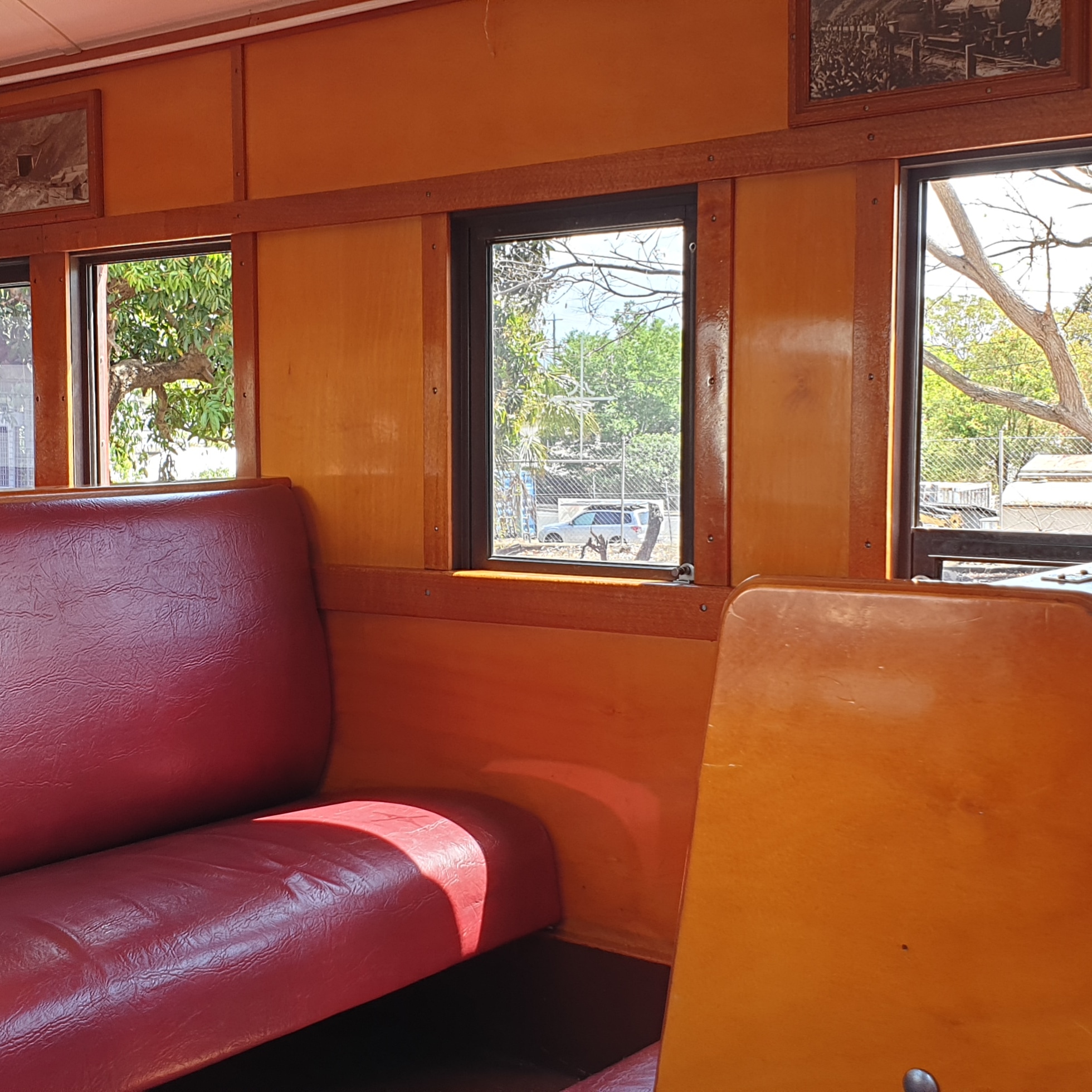
A photograph from the inspirational bin – 10

It was a relic from the past, put back together by a dedicated group of volunteers who had not wanted the last vestiges of the past to disappear.

Train enthusiasts, the called themselves.

They’d put together a steam locomotive, five carriages, a restaurant car, and the conductor’s car. The original train might have been twice to three times as long, but these days, the tourist market rarely filled the train.

I was one of a group who made it their mission to visit and rate every vintage train, not only in this country, but all over the world. It was a sad state of affairs when I first began, with locomotives and carriages dropping out of the system due to lack of funds, but more disheartening, the lack of government assistance in keeping it’s heritage alive.

It seemed money was short, and there were better things to spend it on, like two brand new 737-800 jets just to ferry the prime minister and government officials around. Just think of what that quarter of a billion dollars could have bought in heritage.

But it is what it is.

What I had before me was one of the most recent restorations to check out, and on first glance, it was remarkable just how lifelike and true to age it was.

Of course, I was of an age that could remember the old railway carriages, what were called red rattlers because of the ill fitting windows that went up and down, allow fresh air, or in days gone by, smoke from the locomotive hauling the train. I had not travelled during the last glorious years of steam, but the carriages had lived on briefly before the advent of the sterile aluminum tin cans with uncomfortably hard seats.

These carriages were built for comfort, and my first experience had been a five hour trip from Melbourne to Wangaratta, in Victoria, on my way to Mt Buffalo Chalet, a guesthouse owned by the Railways.

That too had been a remarkable old chalet style guest house with a room and all the dining included. I always left after the week having put on weight. Breakfast, morning tea, lunch, afternoon tea, and dinner, every day, and high tea on Sunday.

But this carriage, the polished wood that had shellac rather than varnish, highlighting the timber’s grain, the leather seats with generous padding, the curved ceilings with hanging lights, windows the could be opened and closed, allowing fresh air to circulate.

There was also a carriage with the passageway, and five or six separate compartments, each sitting six passengers. I remembered these well, having quite often ridden in one to work for some years when the country trains still ran.

It was always remarkable how a sight or a scent could trigger such memories.

For this carriage on this train, it used to ply the Gympie to Brooloo branch line from about 1915 onwards.

That was the history. It only went as far as Amamoor these days, it was still long enough to capture the sensation of riding the rails back in what is always referred to as the good old days, even if they were not.

Now for the ride….

© Charles Heath 2021

If I only had one day to stop over in – Budapest – what would I do?

One Day in Budapest: The One Place You Must Visit to Make It Unforgettable

Budapest, the radiant capital of Hungary, straddles the mighty Danube River with regal grace. If you’re passing through with just a 24-hour stopover, time is precious—and every minute counts. You could scramble to tick off museums, thermal baths, and ruin bars, but to make your brief encounter with this city truly memorable, there’s one place that captures the soul, history, and breathtaking beauty of Budapest in a single panoramic view:

The Fisherman’s Bastion (Halászbástya).

Perched atop Castle Hill in the historic Buda district, the Fisherman’s Bastion isn’t just a viewpoint—it’s a fairytale come to life. Built between 1895 and 1902 in a neo-Gothic and neo-Romanesque style, this ornate terrace was originally constructed as part of Budapest’s millennium celebrations. Legend says it was named after the medieval guild of fishermen who once defended this stretch of the city walls.

But why prioritise this over Budapest’s many other wonders?

1. The View That Defines Budapest

From the seven turrets and arcaded terraces of Fisherman’s Bastion, you get the postcard panorama of the city. To the east, across the shimmering Danube, lies the grand Hungarian Parliament Building—its domed silhouette glowing in the morning light or illuminated like a crown at night. The Chain Bridge stretches beneath, connecting Buda and Pest in elegant symmetry. At sunrise or sunset, the city feels like a living painting.

This view alone makes the climb worth it. It’s not just scenery—it’s a moment of awe that crystallises your entire Budapest experience.

2. A Fairytale Atmosphere

With its whitewashed stone turrets, intricate balconies, and stairways that seem lifted from a storybook, the Bastion feels like something out of a dream. It’s especially enchanting in the early morning, when the crowds are thinner, and the golden light spills over the rooftops of the old town.

Don’t miss the underground section—originally a fish market—now housing exhibitions and offering unique angles of the Danube and Parliament.

3. Next-Door to the Magic

The Fisherman’s Bastion sits right beside Matthias Church, a stunning 13th-century Gothic church with a kaleidoscopic tiled roof and an interior glittering with gold and stained glass. Spend 15 quiet minutes inside, and you’ll feel like you’ve stepped back centuries.

Together, these two landmarks form the heart of Budapest’s medieval heritage—compact, walkable, and utterly Instagram-worthy.

4. The Perfect Starting (or Ending) Point

Whether you begin your day here at sunrise or end it with the city lights flickering to life, Fisherman’s Bastion sets the tone. After soaking in the view, you can easily descend into the charming Vörösmarty Square, explore Váci Street for coffee and souvenirs, or hop on a Danube cruise to see the city from the water—all within your tight schedule.

Pro Tips for Your One-Day Stopover:

  • Arrive early. Beat the tour groups by getting there right at opening time (typically 9:00 AM).
  • Visit at dusk. The city lights reflect off the river, and Parliament glows in golden illumination—a sight you’ll remember forever.
  • Combine it with Castle Hill. Take 30 minutes to wander the cobbled streets of the Buda Castle district—quaint cafés, artisan shops, and hidden courtyards await.
  • Use public transport. Take Tram 19 or 47 to Széll Kálmán tér, then the funicular up to the Castle—fast, scenic, and efficient.

Final Thoughts

In just one day, you can’t see everything Budapest offers—but you can feel its spirit. And at Fisherman’s Bastion, with the wind in your hair and the Danube gleaming below, you’ll feel it deeply. It’s more than a sightseeing stop; it’s the soul of the city in a single, breathtaking moment.

So when your plane touches down for that brief layover, let Fisherman’s Bastion be your destination. Because sometimes, one perfect place is all it takes to fall in love with an entire city.

One day. One view. A lifetime of memories.

If I only had one day to stop over in – Vienna – what would I do?

One Day in Vienna: A Symphony of Splendour at Schönbrunn Palace

Vienna is a city of emperors, composers, and unparalleled grandeur—a place where history, art, and music intertwine. But if you’re stuck with a one-day stopover, how do you choose just one place to visit? Amid the city’s iconic attractions, Schönbrunn Palace rises as the perfect answer. This UNESCO World Heritage Site is more than a palace; it’s a portal to the opulence of the Habsburg Empire and a living testament to Vienna’s legacy. Here’s how to make the most of your day in this majestic setting.


Why Schönbrunn? A Journey Through Time and Taste

Nestled in the heart of Vienna’s 11th district, Schönbrunn Palace served as the summer residence of the Habsburg dynasty for centuries. Its name, which means Beautiful Spring, nods to the natural spring discovered by a shepherd in the 11th century. By the 17th century, it had transformed into a Baroque masterpiece under the direction of Emperor Leopold I. The palace’s grandeur is matched only by its history: it witnessed imperial triumphs, the horrors of WWI, and the resilience of Austrian culture.

Walking through its gates, you’re instantly transported into a world of gilded halls, stately gardens, and stories whispered in marble corridors. Whether you’re a history buff, an art lover, or a seeker of beauty, Schönbrunn offers layers of experience that resonate with every visitor.


The Highlights: A Gilded Itinerary

1. The Grand Tour of the Palace
Start with the Imperial Apartments, where the Habsburgs lived and ruled. The opulent rooms—like the Mirrors Hall and the Kleiner Prunksaal—showcase the dynasty’s wealth and taste. Don’t miss the intricate frescoes, Venetian chandeliers, and the Schönbrunn Silver Museum, home to over 6000 pieces of exquisite tableware.

2. The Gloriette: A Garden’s Jewel
No visit is complete without ascending to the Gloriette, the garden’s crowning glory. This neoclassical pavilion, framed by 500 sculpted cypress trees, offers panoramic views of the city. The surrounding Parc de la Thomayer is a tranquil spot to take a break, its geometric pathways and fountains a nod to Versailles.

3. The Baroque Gardens
Spanning 180,000 square meters, the gardens are a masterclass in design. Walk through the Esterházy Gate into “Maria Therese’s Garden,” where flowerbeds bloom in vibrant symmetry. Stop by the Orangery, once vital for protecting tropical plants in winter, or the Children’s Zoo, where a mirror maze adds whimsy to the imperial ambience.


Practical Tips for a Perfect Day

  • Skip the Line: Book tickets in advance to avoid long waits, especially on weekends.
  • Timing is Everything: Arrive early to maximise your time. A full visit to the palace and gardens can take 3–4 hours; allow extra if you stroll the gardens thoroughly.
  • Guided Tours or Self-Guided? Opt for a guided Palatine Tour (45 minutes) for context, then explore on your own.
  • Grab a Coffee Break: The Palace Café serves classic Austrian pastries and coffee. For a more hidden gem, stop by Café Gloriette in the gardens for light bites with a view.

Why Schönbrunn Makes the Day Memorable

Schönbrunn is the essence of Vienna in one location. It’s where history breathes in frescoed walls and where nature dances in meticulously designed gardens. As the sun sets, casting golden light on the palace’s façade, you’ll understand why this place remains the heartbeat of Austria’s imperial past.

In just a day, Schönbrunn offers a narrative of power, artistry, and human ambition. It’s a place where even fleeting moments feel eternal, and where you’ll leave with not just photos, but a sense of wonder. For a one-day stopover, there’s no better choice to make Vienna unforgettable.


Schönbrunn Palace is open daily from 9:00 AM to 6:30 PM (season-dependent). For more details, visit www.schoenbrunn.at.

What would you do with a day in Vienna? Let us know in the comments!


📸 Pro Tip: Bring a camera—every corner of Schönbrunn is a postcard waiting to be snapped.