“Oh, my, God!” – a short story


I was one of six people who answered a house-sitting ad.  What stood out was the money, as was intended.

When I arrived at the interview, held in an accountant’s office downtown, there was no suggestion that it was a trick, or that there were ulterior motives.

Just $5,000 for a week’s work.  Move-in, act as a security guard, and check all entrances and exits, and all rooms that had windows to the outside every four or so hours, particularly at night.

The reason?

The owner had to maintain residence in the house for the week, as he was going away, under a clause in the sale contract.  The reason for hiring civilians was that it was too expensive to get live-in people from a security company.

The owner freely admitted he was a cheapskate.

But for someone like me, the $5,000 was a lot of money and would help pay back everyone I owed money to.

I earnestly pleaded my case, submitted myself to a background check, and then waited to hear back.

When I didn’t hear anything by the due date, I figured some other lucky person had pleaded a better case, and then, exactly a week later I got the call.

The next day a courier delivered the keys to the house and the address.  My week started at exactly 9am the next morning.

The cab dropped me off at the front gate of the house, only it wasn’t a house so much as a mansion, and one that had seen better days.

It was at the end of the street, behind two large gates, and a high brick fence.  I could see the driveway on the other side, and just make out the house behind the unkempt shrubbery.

I had a bunch of keys, and it took a few attempts to find the one that fitted the lock and chain preventing the gates from opening.

I just unlocked it when another car pulled up in the same place my car had, and a young woman got out.  She rescued her sports bag from the trunk and paid the cabbie.

“Who are you,” she said.

“The caretaker for the next week.  I might ask the same question.”

“The ex-wife with nowhere to go.”

No one mentioned an ex-wife that was part of the deal. “I wasn’t told anyone else would be here, so it would be best you left.”

I slipped the lock back in place and stood my ground.  She could be anyone.

She pulled out her phone and rang a number. I heard the voice on the other end say hello.

“You can tell your deadhead caretaker that I’m staying for a few days.”

Then I watched her expression turn very dark, and then the words, “I have nowhere else to go, and it will only be a few days.”  Then silence and an accompanying ground, ending with, “You don’t want me to come after you because you know how that will end”.

She listened, then handed the phone to me.

“Hello.”

“I’m the owner requesting the service.  You are not responsible for her, but if she becomes a problem, lock her in the basement.”

Then he hung up. It was not the best answer to the problem.

“Are you going to open the gate?”

I shook my head and then pretended to fumble through the keys looking for the right one.  “You own this place,” I asked without turning around.

“No.  The bastard didn’t tell me about a lot of the stuff he owns.”  Her tone bristled with resentment.

I ‘found’ the key and opened the lock and started pulling the chain through the fence.  I could feel her eyes burning into my back.

When I swung open the gate, she barged past and kept walking.  I stepped through and immediately felt the change in the temperature.  It was cold, even though the sun was out, and I could feel an unnatural chill go through me.

By the time I closed and relocked the gate she had gone ahead and round a slight bend in the driveway.  I thought about hurrying to catch up, but I didn’t think it mattered, she didn’t have a key to the house.  Or perhaps I hoped she didn’t have one.

I headed towards the house at a leisurely pace.  I didn’t have to be there in the next instant, and I wanted to do a little survey of the grounds.  I checked some of the windows to see what access might be through any of them. Barred and locked, very little could get through.

As I got closer to the house, the overgrowth was worse, but that might have been because no one could see it from the roadside, or through the iron gate. Accessibility via the gardens would be problematic for anyone who attempted it because there was no easy access.  It was one less immediate problem to deal with.

The driveway widened out into a large gravel-covered square outside the front of the house.  It had a portico under which cars could stop and let out passengers undercover, ideal for ballgoers, which meant the house had been built somewhere during the last two centuries.

These were aspects that would warrant me taking a look on the internet about its history.

She was waiting outside the door, showing signs of some exertion and the mad dash had been for nothing.

“I take it you have a key?”

I decided to ignore that.  I hoped she would disappear to another part of the house and leave me alone.  I had too much to do without having to worry about where she was, or what she was doing.  It seemed, based on the short time I spoke to him, that the owner had made a mistake marrying her if they were in fact married.  Ex could mean almost anything these days.

Again, I made a show of trying to find the right key, though in the end it was hit and miss, and it took the fourth or fifth attempt to find it.

The door was solid oak, but it swung open easily and silently.  I had expected it to make a squeaking sound, one associated with rusty hinges.  This time she was a little more circumspect when she passed by me.  I followed and closed and locked the door behind me.

Inside was nothing like I expected.  Whilst the outside looked like the building hadn’t been tended to for years, the inside had been recently renovated and had that new house smell of new carpets and painted walls.

There was a high vaulted roof and a mezzanine that was accessed by a beautifully restored marble staircase and ran around the whole upper floor so that anyone could stand anywhere near the balustrading and look down into the living space, and, towards the back, the kitchen and entertaining area.

The walls had strategically placed paintings, real paintings, that looked old, but I doubted were originals because if they were similar to those I’d seen in a lot of English country estates they would be priceless, but not left in an empty building.

I had also kept her in the corner of my eye, watching her look around almost in awe.

“What do you think these paintings are worth?”

Was she going to suddenly take an inventory?

“Not a lot.  You don’t leave masterpieces in an abandoned house.  I suspect nothing in here would be worth much, and really only for decorative purposes so the owner can have a better chance of selling the place.  Empty cavernous buildings do not sell well.”

“What are you again?”

“No one of any particular note.  I’ve been asked to look after the place for the next week until it is handed over to the new owners.  Aside from that, I know nothing about the place, nor do I want to.  According to the note I got with the key, there are bedrooms off that mezzanine you can see up there.”  I pointed to the balustrading.  The kitchen has food, enough for the few days I’ll be here, but I’m sure there’s enough to share.”

“Good.  You won’t see me again if I can help it.”

I watched her walk to the staircase and go upstairs.  The mud map told me there were bedrooms up off the mezzanine level, and also across from this area.  There was another large room adjacent to this, a games area or room big enough to hold a ball, a part of the original house, and which led out onto the side lawns.  I’d check later to see what the access was like because I suspected there would be a few doors that led out from the hall to the garden.

When she disappeared along the upstairs passageway, I headed towards the next room.  It was large, larger than that next door, and had another grand staircase leading down to the dance floor.  I guess the people used to stay in rooms upstairs, get dressed, then make a grand entrance down those stairs.

I hadn’t expected this house to be anything like the old country estates, and it was a little like icing on the cake.  I would have to explore, and transport myself back to the old days, and imagine what it was like.

She was true to her word, and I didn’t see her the next morning.  I was staying a world away from her.  I was in the refurbished old section and she was staying in the newly renovated and modernized part of the house.

I did discover, on the first day of getting my bearings and checking all of the entrances and windows ready for my rounds, that above the bedrooms on the second floor of the old section, there was a third floor with several smaller rooms which I assumed were where the servants lived.

I stayed in one of those rooms.  The other main bedrooms, with ornate fireplaces and large shuttered windows, smelled a little too musty for me, and I wasn’t about to present someone with an open window.  The views from the balconies were remarkable too or would have been in the garden had been kept in its original state.

In the distance, I could see what might have once been a summerhouse and promised myself a look at it later.  A long day had come to a tiring end, and I was only destined for a few hours’ sleep before embarking on the midnight run.   I was going to do one at eight, after eating, another at midnight, and another at six in the morning.  I’d make adjustments to the schedule after running the first full night’s program.

I brought my special alarm with me, the one that didn’t make a sound but was very effective in waking me.  It was fortuitous, because I had not expected someone else to come along for the ride, and didn’t want them to know where and when I would be doing the rounds.

It had taken longer than I expected to get to sleep, the sounds of the house keeping me awake.  Usually a sound sleeper, perhaps it was the first night in different, and unusual surroundings.

I shuddered as I got out of bed, a cold air surrounding me, a feeling like that when I walked through the gate.  I had the sensation that someone was in the room with me, but in the harsh light after putting the bedside light on, it was clearly my imagination playing tricks.

I dressed quickly and headed out.

The inside of the house was very dark, and the light from my torch stabbed a beam of light through what might have been an inky void.  The circle of light on the walls was never still, and I realized that my hand had acquired a touch of the shakes.

Creaking sounds as I walked across the flooring had not been discernible the previous night, and it was odd they only happened at night.  The thought that the house may be haunted went through my mind, but I didn’t believe in ghosts or anything like that.

The creaking sounds followed me as I started my inspection.  I headed downstairs, and once I reached the back end of what I was going to call the ballroom.  Before I went to bed the previous evening, I drew up a rough map of the places I would be going, ticking them off as I went.

The first inspection was of the doors that led out onto the lawns.  The floor-to-ceiling windows were not curtained, and outside the undergrowth was partially illuminated by moonlight.  The day had been warm, that period in autumn leading into winter where the days were clear but getting colder.  Outside I could see a clear starry night.

Then, out of the corner of my eye, I thought I saw the flash of a torchlight in the gardens.  I stopped and looked more carefully, but there was nothing.  I waited for about ten minutes, but there was still no movement.

I was going to have to park my imagination before starting rounds or I’d never get the job done.

I went out of the room and into the living area.  There seemed to be lights all around me, those small pilot lights that told you appliances were on standby.

I was heading towards the stairs when suddenly there was a blood-curdling scream, followed by what sounded like a gunshot, a sharp loud bang that, on top of the scream, made me jump.

The woman.

I raced as fast as I could up the stairs.  The sounds had come from there, but when I reached the top of the stairs, I realized I had no idea in which direction it came from.  Pointing the torch in both directions, there was nothing to see.

I could see a passage that might lead to the bedrooms on this level, and headed towards it, moving slowly, keeping as quiet as I could, listening for anything, or if someone else was lurking.

I heard a door slam, the echo coming down the passage.  I flashed the light up the passage, but it didn’t seem to penetrate the darkness.  I moved quickly towards the end, half expecting to see someone.

Then I tripped over, and as I tried to get to my feet, realized it was a body.  I flashed the torch on it, and it was the woman.

Dead, a gunshot wound in the chest, and blood everywhere.

I scrambled to my feet and ran towards the end of the passage, stopping at what appeared to be a dead end.  With nowhere to go, I turned.

I wasn’t alone, just hearing before seeing the presence of another person, but it was too late to react.  I felt an object hitting me on the back of the head, and after that, nothing.

I could feel a hand shaking me, and a voice coming out of the fog.  I opened my eyes and found myself in completely different surroundings.

A large ornate bedroom, and a four-poster bed, like I had been transported back to another age.  Then I remembered I had been in a large house that had been renovated, and this was probably one of the other bedrooms on the floor where the woman had been staying.

Then I remembered the body, being hit, and sat up.

A voice beside me was saying, “You’re having that nightmare again, aren’t you?”

It was a familiar voice.

I turned to see the woman who I had just moments before had seen dead, the body on the floor of the passage.

“You’re dead,” I said, in a strangely detached tone.

“I know.  I’m supposed to be.  You helped me set it up so I could escape that lunatic ex-husband of mine.”

I must have looked puzzled.

“Don’t worry.  The doctor says your memory will return, one day.  But, for now, all you need to do is rest.  All you need to know is that we’re safe, thanks to you.”

© Charles Heath 2021

The 2am Rant: Will it be time to get on the plane yet?

What I wanted to say is the world is going to hell in a handbasket, but the truth is, it’s probably just me.

If it’s possible and seeing it’s the only time we can go away, as we live in the southern hemisphere, it seems logical to go north.

OK, that’s probably not as rational as it sounded in my head a few seconds ago, because where we’re planning to go it’s about minus 16 degrees.

Where on earth could it be that cold, other than the North Pole?  Lake Louise.  Canada.  Somewhere up in those snow-peaked mountains.

Why do we want to go there?

Because it’s there.  Because we have been there before, and it literally took our breath away (notwithstanding the severe cold).  And no doubt after we’ve been there in the dead of winter, we might have decided we won’t want to go back?  Who knows.

But…

Oh, yes, there’s a but…

I need some good background for a story I’m writing, and if you’re going to do the winter thing, or the white Christmas thing, when your Christmases are usually 40 degrees Celsius in the shade, then Canada is the place to do it.

Aside from the fact, we might run into Detective Murdoch (from Murdoch Mysteries) in Toronto, and, definitely, the Maple Leafs, yes, I can see myself saying ‘go leafs go’, whilst sipping on a large glass of Molsen beer.

Then, perhaps we’ll go to New York for a week.  Perhaps everything will be back to normal, but maybe not.  Hopefully, there will be snow in Central Park, or, if not, the squirrels, and if not them, perhaps a movie star or two walking their dog.

One can always hope.

Writing a book in 365 days – 331

Day 331

With Only Six Minutes to Live – What Would Your Story Look Like?

“If you could see the end of your life, would you want to?”
A question that feels like a scene ripped straight from a thriller, yet it lives in the quiet corners of our minds every time we glance at a ticking clock. Imagine the timer on your life’s narrative dropping to six minutes. No more coffee breaks, no “later, I’ll finish that project,” and no chance to scroll through one more meme. What would your story look like in that final, frantic, beautiful sprint?


1. The Flash‑Forward: A Rapid‑Fire Montage

When we think of dying, movies often give us a slow‐motion, tear‑stained goodbye. In six minutes, there’s no room for a soundtrack that swells over a long farewell. Instead, your brain would likely fast‑forward through the most vivid moments — a rapid montage that feels both cinematic and intimate.

MinuteWhat Pops UpWhy It Matters
0–1The first time you felt truly alive – maybe standing on a mountaintop, your first kiss, or that “aha!” moment at work.A reminder that life is made of peaks, not just the plateau.
1–2The faces of people who shaped you – a parent’s smile, a mentor’s steady hand, a friend’s reckless laugh.They’re the anchors that kept you tethered to humanity.
2–3The mistakes you regretted – a broken promise, a missed chance, a harsh word.In the end, we’re rarely defined by perfection; we’re defined by how we learned from the cracks.
3–4Small joys you rarely mentioned – the smell of rain, a favorite song, the feel of a dog’s head on your lap.These are the sensory stitches that quilt our daily comfort.
4–5Your “why” – the purpose that pulled you through the mundane: a child’s hopeful eyes, a cause you championed, a dream you pursued.Purpose gives the story its spine, the reason we keep turning pages.
5–6A single, final image: a blank page waiting for the next writer, or perhaps a sunrise you’ll never see.The ending is both a conclusion and a promise that stories never truly stop.

2. The Tone of a Six‑Minute Story

If a novel can be a slow burn, a six‑minute story is a sprint. The tone shifts from reflective to urgent, from lingering nostalgia to a fierce gratitude. Think of it as a haiku rather than an epic: every word must count, every image must hit.

“In six breaths, I’m whole.” – a line you might whisper to yourself as the seconds slip away.

This rapid cadence forces us to strip away fluff and get to the marrow. It’s less about the how and more about the what that matters most.


3. What We Usually Forget in the Rush

When the clock is ticking, we often overlook the small, uncelebrated moments that actually define a life.

  • The Quiet Acts: Holding a door, sharing a joke, listening without judgment.
  • The Unfinished Projects: Not the grand visions, but the half‑drawn doodles, the recipes you never perfected.
  • The “Almost” Stories: The road not taken, the love that could’ve been.

These are the hidden threads that, when pulled quickly, reveal the texture of who we really are.


4. A Mini‑Exercise: Write Your Six‑Minute Story

Grab a pen, your phone, or whatever medium feels natural. Set a timer for six minutes. Then answer these three prompts as fast as you can:

  1. Who made you feel seen?
  2. What moment made you feel truly alive?
  3. What simple pleasure would you share with the world right now?

Don’t edit. Don’t overthink. Let the words flow like a sprint through a hallway you’ve run down a thousand times.

Example (under 60 seconds):
“My mother’s laugh, the smell of pine after a winter storm, and the way my cat curls around my ankle when I’m reading.”

You’ll notice that, even in a frantic rush, the core of your narrative shines through.


5. Why This Thought Experiment Matters

a. It Re-Prioritises

By confronting the imminent end, we’re forced to reorder our priorities. The next time you’re stuck in a meeting that could be an email, ask yourself: “Will this be part of my six‑minute montage?”

b. It Sparks Empathy

If we all imagined our own six‑minute finale, we might speak softer, listen harder, and love deeper. Empathy becomes the default setting, not an afterthought.

c. It Fuels Action

A vivid, finite timeline can be a catalyst. You might finally call that friend you’ve been meaning to, start that side project, or simply put your phone down and look at the sky.


6. The Gift of a Blank Page

Six minutes may sound like a cruel limit, but it’s also a gift: the chance to see your story stripped down to its essential narrative arc. It asks you to:

  • Celebrate the peaks.
  • Own the valleys.
  • Embrace the in‑betweens.

And when the timer finally hits zero, the story doesn’t end; it passes – like a baton handed to the next generation, a memory whispered to a child, or an idea that sparks a future conversation.


Closing Thought: The Six‑Minute Challenge

I challenge you: live each day as if you only had six minutes left. Not in a morbid, anxiety‑inducing way, but as a reminder that time is precious, finite, and spectacularly yours.

When you next scroll past a notification, pause. When you hear a stranger’s laugh, linger. When you feel the weight of a deadline, ask: “Will this matter in my six‑minute story?”

Because in the end, the measure of a life isn’t the number of seconds it occupies, but the quality of moments we choose to fill them with.

What would your six‑minute story look like? Share in the comments – I’m eager to read the flash‑forwards that make us all feel a little more alive.


If you had only six minutes left, your story would be a rapid montage of peaks, people, regrets, tiny joys, purpose, and a final image of continuation. This thought experiment helps us re-prioritise, build empathy, and act with intention. Try the six‑minute writing exercise and see what truly matters to you.

Top 5 sights on the road less travelled – Santorini

That is a fantastic shift! Santorini is world-famous for the caldera view, but if you venture away from the main settlements of Fira and Oia, you’ll find the authentic, Cycladic heart of the island.

Here are five next best places or activities to explore on the road less travelled in Santorini:

1. Pyrgos Kallistis Village

  • What it is: The highest village on Santorini, offering 360-degree views of the entire island. It was the former capital until 1800.
  • Why it’s less travelled: While tour buses stop here, they rarely spend the evening, meaning it’s wonderfully quiet outside of midday. Its labyrinthine, uphill streets were built to confuse pirates, and its architecture is a beautiful mix of Cycladic and Venetian styles, culminating in a Venetian castle (Kasteli) at the peak.
  • Activity: Wander the quiet alleyways in the late afternoon, climb to the top of the Kasteli, and have dinner at a traditional taverna as the sun sets, without the shoulder-to-shoulder crowds of Oia.

2. Akrotiri Lighthouse

  • What it is: Located on the southernmost tip of the island, this is one of the oldest lighthouses in Greece, built in 1892.
  • Why it’s less travelled: It requires a dedicated drive, and most tourists stop short at the famous Akrotiri archeological site or Red Beach. This spot offers a stunning, completely different perspective on the caldera and the Aegean Sea.
  • Activity: Pack a small picnic and head here for a truly quiet and spectacular sunset view. You’ll be watching the sun sink into the sea from a peaceful, historic spot, rather than looking at it over the main villages.

3. Vlychada Beach and its Volcanic Cliffs

  • What it is: A beach on the south side of the island famous for its towering, sculpted white cliffs composed of volcanic ash, which have been eroded by wind and sea into incredible, moon-like shapes.
  • Why it’s less travelled: It’s far from the main villages and has a wilder, more remote feel than the popular black sand beaches (Perissa/Perivolos).
  • Activity: Take a long walk along the unique shoreline, where the “moonscape” cliffs provide a naturally shaded, artistic backdrop. The beach itself is a mix of black sand and pebbles, offering a dramatic setting for relaxation and photography.

4. Hiking to Ancient Thera

  • What it is: The ruins of an ancient city built on the steep, rocky Mesa Vouno mountain, which separates the beaches of Perissa and Kamari.
  • Why it’s less travelled: It requires a rigorous 30-45 minute uphill hike (or a drive up a steep, winding road) to reach, which deters most casual tourists.
  • Activity: Climb up in the morning before the heat hits, and explore the remains of Hellenistic temples, Roman baths, and Byzantine walls. You’ll be rewarded with incredible panoramic views over the black sand beaches on one side and the eastern coast on the other.

5. Wine Tasting in Mesa Gonia (Ghost Village)

  • What it is: A collection of traditional wineries located in the inland vineyards, away from the caldera, in a village often referred to as a “ghost village” because many inhabitants left after the 1956 earthquake.
  • Why it’s less travelled: The island’s wine culture (using the unique kouloura basket-pruning technique) is often overlooked in favour of beach time. The village itself is authentic and unrenovated.
  • Activity: Visit a local winery like Gavalas or Koutsoyannopoulos Wine Museum (which is underground) to taste the local Assyrtiko, Nykteri, and Vinsanto wines. This gives you a true appreciation for the island’s unique volcanic soil and agricultural traditions.

What I learned about writing – Inspiration comes from the most unlikely sources

A hotel bar can be a writer’s paradise for characters

I’m not a night person and even less so a pub person, except perhaps for a Sunday lunch, for what is usually an incomparable steak.

But tonight is different.

We’re meeting people who have come up from Melbourne for a wedding, people we haven’t seen for a long time.

I’m not a conversationalist, so I leave them to it, and go on a character hunt.

And the pickings are rich.

My first victim, If she could be called that, is the one I call the lady in the red dress.

She’s on the other side of 40, with a sort of earthy attractiveness about her.  The first thing to notice, for her age, the dress is too short.  Maybe that’s the fashion and I’m just an old fogey, but it does say something.

She’s definitely single, or perhaps a player, certainly a flirt.  She holds the stage, and talks with her hands, and those around her are captivated.

The untidy hair loosely collected in a hair tie tells me she carries a sort of messy but not messy look, and I wonder at the state of her residence.  It’s a leap I know, but small signs indicate bigger things.

I’ve counted two glasses of beer in an hour and a half, so she is sensible, aware of her surroundings, and of the three men she has spent her time with, it’s hard to pick a winner.  It’s not hard to captivate a loser.

Next comes the party girls three 20 somethings dressed to be noticed, and overly animated and screams look at us.

Oops, they just parked themselves nearby with the very expensive and exotic-looking matching cocktails.  There’s the obligatory selfie together, and then a casual look around to see what’s on offer.

I don’t think there’s a lot, but my standards and their standards are most likely miles apart.

Hang on, news flash, they’re a part of another group nearby, several older office workers who could be the so-called chaperones, or just having a quiet drink before having to go home to any of, a family, a car, an empty flat, or blessed relief the week is finally over.

Next door to us is a family group, the kids are teens, and I’m wondering if the boys are boyfriends.  The mother is an older, very attractive version of the daughter.

Perhaps it’s an experience for the girls because I don’t see a man who could act as a husband unless it’s the second time around with a younger version.

Why not.  Men do it, why can’t women.  But out on the town with your teenage children?

The bar’s entertainment … a single guy playing the guitar, along with backing music that makes him sound better, but people seem to agree that it’s good but not brilliant.

He’s singing covers, which may have made him just so so, perhaps if he sang his own material it might take him to the next level.

But, who cares, no one seems to be listening, the noise level of what seems like a thousand concurrent conversations drowning out any appreciation.  

Of course, it’s headache-inducing because he has the volume so high, just to get over the ambient noise, and in doing so, it takes away the intrinsic musicality of it all, and it’s just more noise to contend with.

I suppose it’s better than canned music.

OK, news flash, the red dress had moved down the table and settled on a prospect, about 15 years younger.  Her animation has intensified, and yes, there’s the casual brushing against him, like a cat marking its territory.

The night is young, and it’s looking good.  I’m not going to pretend I have given a passing thought to spending a few minutes with her, for character creation purposes only.

And yes, we now have a sing-along.  At half-past eight, it’s a bit early for the crowd to be too exuberant.

A squeal shatters the, well, not silence, and is one of the groups pretending like someone had dripped ice down the back of a dress that has no back, the next phase of attention-getting.

And, attention directed their way, they do a little dance, skol the drinks, and with all eyes on them, head to the bar for round two, or is that three.  Several others join them, but they don’t need to do the dance.  The lack of clothes more than makes up for the squeals.

If these are the modern mating rituals a lot has changed in the last 50 years.  Or perhaps not, I’m just too old to remember.

‘Sunday in New York’ – A beta reader’s view

I’m not a fan of romance novels but …

There was something about this one that resonated with me.

This is a novel about a world generally ruled by perception, and how people perceive what they see, what they are told, and what they want to believe.

I’ve been guilty of it myself as I’m sure we all have at one time or another.

For the main characters Harry and Alison there are other issues driving their relationship.

For Alison, it is a loss of self-worth through losing her job and from losing her mother and, in a sense, her sister.

For Harry, it is the fact he has a beautiful and desirable wife, and his belief she is the object of other men’s desires, and one in particular, his immediate superior.

Between observation, the less than honest motives of his friends, a lot of jumping to conclusions based on very little fact, and you have the basis of one very interesting story.

When it all comes to a head, Alison finds herself in a desperate situation, she realises only the truth will save their marriage.

But is it all the truth?

What would we do in similar circumstances?

Rarely does a book have me so enthralled that I could not put it down until I knew the result. They might be considered two people who should have known better, but as is often the case, they had to get past what they both thought was the truth.

And the moral of this story, if it could be said there is one, nothing is ever what it seems.

Available on Amazon here: amzn.to/2H7ALs8

Top 5 sights on the road less travelled – Rhodes

That’s a great question! While Rhodes is famous for its Colossus and the Old Town, the island is large enough to hide numerous quieter corners.

Here are five places or activities to explore on a road less travelled in Rhodes:

1. The Medieval Fortress of Monolithos

  • What it is: A picturesque, ruined 15th-century castle built by the Knights of St. John, perched atop a massive, isolated rock overlooking the sea on the southwest coast.
  • Why it’s less travelled: It’s located far from the main resort towns and requires a dedicated drive. The destination itself is just the ruin and a small, functional chapel (Agios Panteleimonas), offering a quiet, reflective experience.
  • Activity: Climb the stone steps to the top for incredible panoramic views of the rugged coastline, the sea, and the nearby small island of Halki, especially beautiful at sunset.

2. Exploring the South Coast Beaches (e.g., Agathi or Prasonisi)

While the northern beaches are packed, the southern tip of the island offers wilder, quieter, and more remote stretches of sand.

  • Prasonisi: This is a small peninsula connected to Rhodes by a narrow strip of sand, creating two bays. It’s a spectacular natural spot.
    • Activity: It’s famous for windsurfing and kitesurfing due to the strong winds, offering an active alternative to sunbathing. One side is calm, and the other is wavy.
  • Agathi Beach (Golden Sand Beach): Though not completely unknown, it is significantly quieter than Faliraki or Tsambika, featuring fine golden sand and shallow, crystal-clear water.

3. The Seven Springs (Epta Piges) Tunnel Walk

Located inland, this is a cool, forested area offering a unique, slightly adventurous activity away from the beaches.

  • What it is: A lush oasis where seven natural springs converge to feed a river. The water is channelled through a dark, narrow, man-made tunnel built in 1931.
  • Activity: Walk the 186-meter-long tunnel! The water is shallow, but it’s pitch black, cold, and narrow, making it an adventurous and refreshing walk (if you prefer to stay dry, there is a path overground). It leads to a small lake where you can relax.

4. The Petaloudes Valley (Valley of the Butterflies)

While it attracts visitors, the Valley of the Butterflies offers a unique natural experience that takes you away from the coastal towns and focuses on nature conservation.

  • What it is: A unique habitat and one of the only places in Europe where the Panaxia Quadripunctaria (Jersey Tiger Moth) gathers in large numbers during the summer months (usually July and August).
  • Activity: Follow the gentle hiking path that winds through the cool, shaded valley, crossing small wooden bridges and waterfalls. It’s less about beach time and more about appreciating the island’s biodiversity and unique microclimate.

5. The Kamiros Ruins and Traditional Village of Embona

Kamiros and Embona offer a deep dive into the island’s history and local life, away from the bustling tourist centres.

  • Kamiros: Located on the west coast, this is one of the three ancient cities of Rhodes (alongside Lindos and Ialysos). It is a quieter, less-visited archaeological site.
    • Activity: Explore the well-preserved ruins of the Hellenistic city, which was abandoned centuries ago, giving you a sense of a genuine, unearthed ancient town without the crowds of a major landmark.
  • Embona: A traditional, mountainous village located on the slopes of Mount Attavyros (the island’s highest peak).
    • Activity: Embona is the centre of the island’s wine production. Visit a local winery, taste the indigenous varieties, and enjoy a traditional Greek lunch far from the tourist tavernas.

An excerpt from “Echoes from the Past”

Available on Amazon Kindle here:  https://amzn.to/2CYKxu4

With my attention elsewhere, I walked into a man who was hurrying in the opposite direction.  He was a big man with a scar running down the left side of his face from eye socket to mouth, and who was also wearing a black shirt with a red tie.

That was all I remembered as my heart almost stopped.

He apologized as he stepped to one side, the same way I stepped, as I also muttered an apology.

I kept my eyes down.  He was not the sort of man I wanted to recognize later in a lineup.  I stepped to the other side and so did he.  It was one of those situations.  Finally getting out of sync, he kept going in his direction, and I towards the bus, which was now pulling away from the curb.

Getting my breath back, I just stood riveted to the spot watching it join the traffic.  I looked back over my shoulder, but the man I’d run into had gone.  I shrugged and looked at my watch.  It would be a few minutes before the next bus arrived.

Wait, or walk?  I could also go by subway, but it was a long walk to the station.  What the hell, I needed the exercise.

At the first intersection, the ‘Walk’ sign had just flashed to ‘Don’t Walk’.  I thought I’d save a few minutes by not waiting for the next green light.  As I stepped onto the road, I heard the screeching of tires.

A yellow car stopped inches from me.

It was a high powered sports car, perhaps a Lamborghini.  I knew what they looked like because Marcus Bartleby owned one, as did every other junior executive in the city with a rich father.

Everyone stopped to look at me, then the car.  It was that sort of car.  I could see the driver through the windscreen shaking his fist, and I could see he was yelling too, but I couldn’t hear him.  I stepped back onto the sidewalk, and he drove on.  The moment had passed and everyone went back to their business.

My heart rate hadn’t come down from the last encounter.   Now it was approaching cardiac arrest, so I took a few minutes and several sets of lights to regain composure.

At the next intersection, I waited for the green light, and then a few seconds more, just to be sure.  I was no longer in a hurry.

At the next, I heard what sounded like a gunshot.  A few people looked around, worried expressions on their faces, but when it happened again, I saw it was an old car backfiring.  I also saw another yellow car, much the same as the one before, stopped on the side of the road.  I thought nothing of it, other than it was the second yellow car I’d seen.

At the next intersection, I realized I was subconsciously heading towards Harry’s new bar.   It was somewhere on 6th Avenue, so I continued walking in what I thought was the right direction.

I don’t know why I looked behind me at the next intersection, but I did.  There was another yellow car on the side of the road, not far from me.  It, too, looked the same as the original Lamborghini, and I was starting to think it was not a coincidence.

Moments after crossing the road, I heard the roar of a sports car engine and saw the yellow car accelerate past me.  As it passed by, I saw there were two people in it, and the blurry image of the passenger; a large man with a red tie.

Now my imagination was playing tricks.

It could not be the same man.  He was going in a different direction.

In the few minutes I’d been standing on the pavement, it had started to snow; early for this time of year, and marking the start of what could be a long cold winter.  I shuddered, and it was not necessarily because of the temperature.

I looked up and saw a neon light advertising a bar, coincidentally the one Harry had ‘found’ and, looking once in the direction of the departing yellow car, I decided to go in.  I would have a few drinks and then leave by the back door if it had one.

Just in case.

© Charles Heath 2015-2020

newechocover5rs

Writing a book in 365 days – 331

Day 331

With Only Six Minutes to Live – What Would Your Story Look Like?

“If you could see the end of your life, would you want to?”
A question that feels like a scene ripped straight from a thriller, yet it lives in the quiet corners of our minds every time we glance at a ticking clock. Imagine the timer on your life’s narrative dropping to six minutes. No more coffee breaks, no “later, I’ll finish that project,” and no chance to scroll through one more meme. What would your story look like in that final, frantic, beautiful sprint?


1. The Flash‑Forward: A Rapid‑Fire Montage

When we think of dying, movies often give us a slow‐motion, tear‑stained goodbye. In six minutes, there’s no room for a soundtrack that swells over a long farewell. Instead, your brain would likely fast‑forward through the most vivid moments — a rapid montage that feels both cinematic and intimate.

MinuteWhat Pops UpWhy It Matters
0–1The first time you felt truly alive – maybe standing on a mountaintop, your first kiss, or that “aha!” moment at work.A reminder that life is made of peaks, not just the plateau.
1–2The faces of people who shaped you – a parent’s smile, a mentor’s steady hand, a friend’s reckless laugh.They’re the anchors that kept you tethered to humanity.
2–3The mistakes you regretted – a broken promise, a missed chance, a harsh word.In the end, we’re rarely defined by perfection; we’re defined by how we learned from the cracks.
3–4Small joys you rarely mentioned – the smell of rain, a favorite song, the feel of a dog’s head on your lap.These are the sensory stitches that quilt our daily comfort.
4–5Your “why” – the purpose that pulled you through the mundane: a child’s hopeful eyes, a cause you championed, a dream you pursued.Purpose gives the story its spine, the reason we keep turning pages.
5–6A single, final image: a blank page waiting for the next writer, or perhaps a sunrise you’ll never see.The ending is both a conclusion and a promise that stories never truly stop.

2. The Tone of a Six‑Minute Story

If a novel can be a slow burn, a six‑minute story is a sprint. The tone shifts from reflective to urgent, from lingering nostalgia to a fierce gratitude. Think of it as a haiku rather than an epic: every word must count, every image must hit.

“In six breaths, I’m whole.” – a line you might whisper to yourself as the seconds slip away.

This rapid cadence forces us to strip away fluff and get to the marrow. It’s less about the how and more about the what that matters most.


3. What We Usually Forget in the Rush

When the clock is ticking, we often overlook the small, uncelebrated moments that actually define a life.

  • The Quiet Acts: Holding a door, sharing a joke, listening without judgment.
  • The Unfinished Projects: Not the grand visions, but the half‑drawn doodles, the recipes you never perfected.
  • The “Almost” Stories: The road not taken, the love that could’ve been.

These are the hidden threads that, when pulled quickly, reveal the texture of who we really are.


4. A Mini‑Exercise: Write Your Six‑Minute Story

Grab a pen, your phone, or whatever medium feels natural. Set a timer for six minutes. Then answer these three prompts as fast as you can:

  1. Who made you feel seen?
  2. What moment made you feel truly alive?
  3. What simple pleasure would you share with the world right now?

Don’t edit. Don’t overthink. Let the words flow like a sprint through a hallway you’ve run down a thousand times.

Example (under 60 seconds):
“My mother’s laugh, the smell of pine after a winter storm, and the way my cat curls around my ankle when I’m reading.”

You’ll notice that, even in a frantic rush, the core of your narrative shines through.


5. Why This Thought Experiment Matters

a. It Re-Prioritises

By confronting the imminent end, we’re forced to reorder our priorities. The next time you’re stuck in a meeting that could be an email, ask yourself: “Will this be part of my six‑minute montage?”

b. It Sparks Empathy

If we all imagined our own six‑minute finale, we might speak softer, listen harder, and love deeper. Empathy becomes the default setting, not an afterthought.

c. It Fuels Action

A vivid, finite timeline can be a catalyst. You might finally call that friend you’ve been meaning to, start that side project, or simply put your phone down and look at the sky.


6. The Gift of a Blank Page

Six minutes may sound like a cruel limit, but it’s also a gift: the chance to see your story stripped down to its essential narrative arc. It asks you to:

  • Celebrate the peaks.
  • Own the valleys.
  • Embrace the in‑betweens.

And when the timer finally hits zero, the story doesn’t end; it passes – like a baton handed to the next generation, a memory whispered to a child, or an idea that sparks a future conversation.


Closing Thought: The Six‑Minute Challenge

I challenge you: live each day as if you only had six minutes left. Not in a morbid, anxiety‑inducing way, but as a reminder that time is precious, finite, and spectacularly yours.

When you next scroll past a notification, pause. When you hear a stranger’s laugh, linger. When you feel the weight of a deadline, ask: “Will this matter in my six‑minute story?”

Because in the end, the measure of a life isn’t the number of seconds it occupies, but the quality of moments we choose to fill them with.

What would your six‑minute story look like? Share in the comments – I’m eager to read the flash‑forwards that make us all feel a little more alive.


If you had only six minutes left, your story would be a rapid montage of peaks, people, regrets, tiny joys, purpose, and a final image of continuation. This thought experiment helps us re-prioritise, build empathy, and act with intention. Try the six‑minute writing exercise and see what truly matters to you.

Inspiration, maybe – Volume 1

50 photographs, 50 stories, of which there is one of the 50 below.

They all start with –

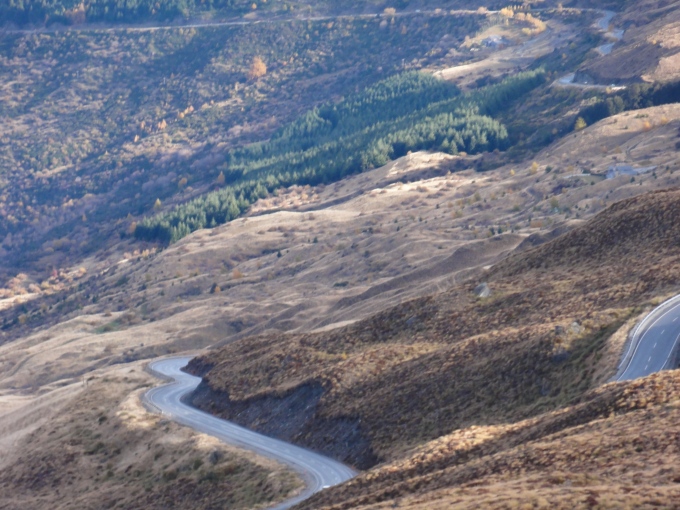
A picture paints … well, as many words as you like.  For instance:

lookingdownfromcoronetpeak

And the story:

It was once said that a desperate man has everything to lose.

The man I was chasing was desperate, but I, on the other hand, was more desperate to catch him.

He’d left a trail of dead people from one end of the island to the other.

The team had put in a lot of effort to locate him, and now his capture was imminent.  We were following the car he was in, from a discrete distance, and, at the appropriate time, we would catch up, pull him over, and make the arrest.

There was nowhere for him to go.

The road led to a dead-end, and the only way off the mountain was back down the road were now on.  Which was why I was somewhat surprised when we discovered where he was.

Where was he going?

“Damn,” I heard Alan mutter.  He was driving, being careful not to get too close, but not far enough away to lose sight of him.

“What?”

“I think he’s made us.”

“How?”

“Dumb bad luck, I’m guessing.  Or he expected we’d follow him up the mountain.  He’s just sped up.”

“How far away?”

“A half-mile.  We should see him higher up when we turn the next corner.”

It took an eternity to get there, and when we did, Alan was right, only he was further on than we thought.”

“Step on it.  Let’s catch him up before he gets to the top.”

Easy to say, not so easy to do.  The road was treacherous, and in places just gravel, and there were no guard rails to stop a three thousand footfall down the mountainside.

Good thing then I had the foresight to have three agents on the hill for just such a scenario.

Ten minutes later, we were in sight of the car, still moving quickly, but we were going slightly faster.  We’d catch up just short of the summit car park.

Or so we thought.

Coming quickly around another corner we almost slammed into the car we’d been chasing.

“What the hell…” Aland muttered.

I was out of the car, and over to see if he was in it, but I knew that it was only a slender possibility.  The car was empty, and no indication where he went.

Certainly not up the road.  It was relatively straightforward for the next mile, at which we would have reached the summit.  Up the mountainside from here, or down.

I looked up.  Nothing.

Alan yelled out, “He’s not going down, not that I can see, but if he did, there’s hardly a foothold and that’s a long fall.”

Then where did he go?

Then a man looking very much like our quarry came out from behind a rock embedded just a short distance up the hill.

“Sorry,” he said quite calmly.  “Had to go if you know what I mean.”

I’d lost him.

It was as simple as that.

I had been led a merry chase up the hill, and all the time he was getting away in a different direction.

I’d fallen for the oldest trick in the book, letting my desperation blind me to the disguise that anyone else would see through in an instant.

It was a lonely sight, looking down that road, knowing that I had to go all that way down again, only this time, without having to throw caution to the wind.

“Maybe next time,” Alan said.

“We’ll get him.  It’s just a matter of time.”

© Charles Heath 2019-2021

Find this and other stories in “Inspiration, maybe”  available soon.

InspirationMaybe1v1