In a word: Loose

We’ve all heard of the expression, he’s playing it fast and loose, or more interestingly, he’s fast and loose with the truth.

I’ve never really got a proper definition of that expression, but it sounds good, and people have to use their imaginations and put their own interpretation to it.

And if this was the 1930s, and Clarke Gable was playing opposite Jean Harlow, it’s exactly how the posters would describe the blonde bombshell.

Loose, however, in a more literal sense means not tight, so a loose nut on a bolt might be the cause of a catastrophe.

And speaking of catastrophes, there’s a fox loose in the hen house.  Sadly it would be very difficult to catch and tie up.

Of course, in hot weather, you’d rather be wearing something loose, to keep cool.

Women, in particular, can wear their hair loose, as distinct from ‘up’, or in a ponytail or braids.

Some people make a loose interpretation, which inevitably creates grey areas, and loose lips, well, they’ve been known to sink ships.

This word can sometimes be confused with lose, which means something else entirely.

Like, lose a watch, lose your head, in more ways than one, lose your life, as if it was one of nine when it isn’t, and lose everything, perhaps, in the 1930’s stock market crash.

Quite literally, it means to be deprived of, or cease to gain or have.

You can lose weight, have a clock that loses time, or you can lose your temper.

Sometimes I lose the plot.

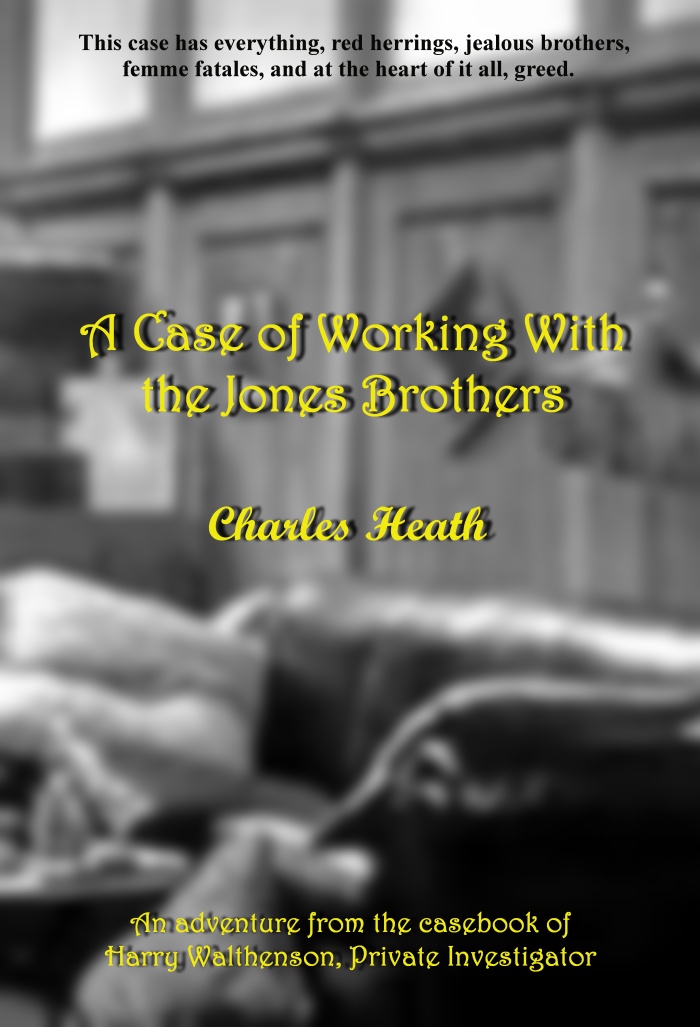
The first case of PI Walthenson – “A Case of Working With the Jones Brothers”

This case has everything, red herrings, jealous brothers, femme fatales, and at the heart of it all, greed.

See below for an excerpt from the book…

Coming soon!

PIWalthJones1

An excerpt from the book:

When Harry took the time to consider his position, a rather uncomfortable position at that, he concluded that he was somehow involved in another case that meant very little to him.

Not that it wasn’t important in some way he was yet to determine, it was just that his curiosity had got the better of him, and it had led to this: sitting in a chair, securely bound, waiting for someone one of his captors had called Doug.

It was not the name that worried him so much, it was the evil laugh that had come after the name was spoken.

Doug what? Doug the ‘destroyer’, Doug the ‘dangerous’, Doug the ‘deadly’; there was any number of sinister connotations, and perhaps that was the point of the laugh, to make it more frightening than it was.

But there was no doubt about one thing in his mind right then: he’d made a mistake. A very big. and costly, mistake. Just how big the cost, no doubt he would soon find out.

His mother, and his grandmother, the wisest person he had ever known, had once told him never to eavesdrop.

At the time he couldn’t help himself and instead of minding his own business, listening to a one-sided conversation which ended with a time and a place. The very nature of the person receiving the call was, at the very least, sinister, and, because of the cryptic conversation, there appeared to be, or at least to Harry, criminal activity involved.

For several days he had wrestled with the thought of whether he should go. Stay on the fringe, keep out of sight, observe and report to the police if it was a crime. Instead, he had willingly gone down the rabbit hole.

Now, sitting in an uncomfortable chair, several heat lamps hanging over his head, he was perspiring, and if perspiration could be used as a measure of fear, then Harry’s fear was at the highest level.

Another runnel of sweat rolled into his left eye, and, having his hands tied, literally, it made it impossible to clear it. The burning sensation momentarily took his mind off his predicament. He cursed and then shook his head trying to prevent a re-occurrence. It was to no avail.

Let the stinging sensation be a reminder of what was right and what was wrong.

It was obvious that it was the right place and the right time, but in considering his current perilous situation, it definitely was the wrong place to be, at the worst possible time.

It was meant to be his escape, an escape from the generations of lawyers, what were to Harry, dry, dusty men who had been in business since George Washington said to the first Walthenson to step foot on American soil, ‘Why don’t you become a lawyer?” when asked what he could do for the great man.

Or so it was handed down as lore, though Harry didn’t think Washington meant it literally, the Walthenson’s, then as now, were not shy of taking advice.

Except, of course, when it came to Harry.

He was, Harry’s father was prone to saying, the exception to every rule. Harry guessed his father was referring to the fact his son wanted to be a Private Detective rather than a dry, dusty lawyer. Just the clothes were enough to turn Harry off the profession.

So, with a little of the money Harry inherited from one of his aunts, he leased an office in Gramercy Park and had it renovated to look like the Sam Spade detective agency, you know the one, Spade and Archer, and The Maltese Falcon.

There’s a movie and a book by Dashiell Hammett if you’re interested.

So, there it was, painted on the opaque glass inset of the front door, ‘Harold Walthenson, Private Detective’.

There was enough money to hire an assistant, and it took a week before the right person came along, or, more to the point, didn’t just see his business plan as something sinister. Ellen, a tall cool woman in a long black dress, or so the words of a song in his head told him, fitted in perfectly.

She’d seen the movie, but she said with a grin, Harry was no Humphrey Bogart.

Of course not, he said, he didn’t smoke.

Three months on the job, and it had been a few calls, no ‘real’ cases, nothing but missing animals, and other miscellaneous items. What he really wanted was a missing person. Or perhaps a beguiling, sophisticated woman who was as deadly as she was charming, looking for an errant husband, perhaps one that she had already ‘dispatched’.

Or for a tall, dark and handsome foreigner who spoke in riddles and in heavily accented English, a spy, or perhaps an assassin, in town to take out the mayor. The man was such an imbecile Harry had considered doing it himself.

Now, in a back room of a disused warehouse, that wishful thinking might be just about to come to a very abrupt end, with none of the romanticized trappings of the business befalling him. No beguiling women, no sinister criminals, no stupid policemen.

Just a nasty little man whose only concern was how quickly or how slowly Harry’s end was going to be.

© Charles Heath 2019

“What are the odds…”, a short story


I’m not a betting man.

I’d been to the horse races a few times, but every time I backed a horse to win, it would come last, and if I backed it to place, it would come fourth.

Then, every time I bought a lottery ticket, my numbers never seemed to come out, as if they were heavier than the others.

You get the picture, gambling, and I didn’t get along.

That being said, Vernon, a friend from school days, and then, having made the graduate program for the same company, remained friends into adult life. He was a betting man, he bet me he would be married first, he picked horses that came first, and always walked out of a casino with more than he walked in with.

And he was right, he got married first, had children first, settled into a manager’s role, and was content.

I was not so eager to follow in his footsteps; I often said that I hadn’t found the right girl yet, but the truth was, I wasn’t exactly putting myself out there. A couple of bad experiences had put me off the whole idea.

He had a side bet with another of our friends that I would not get married before I was forty. He had mentioned it to me some time ago, and I’d agreed with him; it was a safe bet.

The thing was, Evie had learned about that bet, and it was, in her mind, a situation tailor-made for her, being Vernon’s very popular wife, and not one to pass up a romantic challenge. Not after Vernon had suddenly decided to make a bet with her, to find me a girlfriend. With a time limit, of course, of six weeks. Just to make it interesting.

Of course, I had no clue this challenge existed, not until much later.

What I did knew was that she had a vast array of both married and single girlfriends and acquaintances, and was known to throw memorable parties on a Friday night. She had issued me with a standing invitation a long time ago, one that kept promising to honour, but I never seemed to get there.

I knew some of her friends were singles, and that she had a reputation of being something of a matchmaker. Vernon told me that those Friday night affairs were where some of his other friends had found romance and that it wouldn’t surprise him if I was not a target.

I agreed with him, but coincidentally, right after he said this, I got a call from Evie who all but ordered me to attend this Friday’s festivities. I was going to decline, but she added it was Chloe’s fifth birthday, and as her Godfather, I was obligated to attend.

It had been an honour when Vernon first asked me, it still is, but it seemed to me it was going to be used for some other reason, so I was going to have to be on my guard.

Over the years I had met most of Evie’s girlfriends and they were fun, yes, I’d heard about the exploits on weekends in Vegas, but it was not for me. I was the quiet, shy type, and they, in a nutshell, were not.
I’d met most of Evie’s family. She was one of five girls, the one in the middle. The two older sisters were professionals, one a doctor, the other, Geraldine, a lawyer. The two younger sisters were more hands-on, the second youngest, Zoe, was a home caterer, and the youngest, Yasmine, with no head for, or desire to own, a business, was more carefree. Like Evie, she was family orientated and still lived with her parents. The most level-headed, and the one they all turned to for advice, was Melanie, the eldest.

She was the first person I saw after I arrived. I thought I would get there early because I never wanted to make an entrance.

“I haven’t seen you around for a while,” Melanie said, already a champagne flute filled, in her hand. Something else I knew, she liked to drink wine. She was also married, but I remembered her husband was away a lot.

“Part of the low profile I try to keep. How is Leonard, still the king of frequent flyer points?” His travels had finally earned him a special card reserved for very few.

“He’s in Paris, probably with his mistress.” She shrugged. “Husbands are like accessories these days. You can keep them or throw them out. I’m sure Genevieve will get tired of his soon and send him back.”

A unique attitude, for one who was supposed to give advice.

“You’re still not married, I see, Good choice. Marriage these days seems to be only good for a year or two, then sue the other for everything they’ve got. Sorry, I lost a case today, so I’m feeling a little cynical. Come back when I’ve had a dozen champagnes.”

She suddenly spotted one of Vernon’s neighbours and headed in his direction.

Zoe was walking past with a tray of canapes in her hand and stopped. “Ian? It is you. It’s so long since I’ve seen you.”

“Geraldine’s wedding. You catered that. A splendid feast I might add.”

Geraldine’s wedding had been a year ago, and after everyone had gone home, I found Zoe out the back in tears. She didn’t tell me then what had happened, but we talked for hours. Out of all the Wolverhampton’s, she was the most sensible, and the one I liked the most. But, like all those like her, she was spoken for.

“It was. How have you been?”

“Working, eating, sleeping, repeat.”

“It’s a bit like that, isn’t it? It gets to the point where all the days seem to run into each other, and in the end, you don’t know what day it is. That’s why I have a smartphone. It’s certainly smarter than I am.”

Something I had learned in that discussion was the fact she suffered from low self-esteem, perhaps from being a younger sister, perhaps because her parents had higher hopes for her than just being a caterer. Given her grades at school and later university, she could have been anything.

I was going to disagree with her and sing her praises, but one of her serving staff came up, and told her there was a problem.

She sighed, handed the tray to the new girl, and with a wan smile, disappeared towards the back of the house.

I thought then that I should leave because I doubted I would be missed.
Whenever I had to go to a party, particularly like one of these, where no one was sitting, and everyone was mingling, I usually set myself a task, picking a focal point and then following it all night. This night it turned out to be Zoe. I was curious about how she managed, running staff, organizing food and drinks, organizing the waitstaff, and managing crises.

In between times, Evie was introducing me to various people, married and unmarried, without appearing to do her ‘magical’ thing. Vernon made sure I remained in the mainstream, and not ‘hiding’ as he called it, and the conversation centred on football and baseball when I was with the men, and about vacations and children when I was with the married women and their husbands, and gossip when I was with the single and divorced women.

And all the while I kept an eye on Zoe, zipping in and out of the back rooms, in earnest discussion with what I assumed were prospective new clients, and occasionally on the phone. Not once did she take a spell, and relax for a few minutes.

It was, I had to admit by the end of the night, a pleasant way to spend a few hours, made all the more pleasant by not having to worry about Evie trying to ‘match; me to any of her single friends, though she made sure I knew who they were. Of course, as always, there was not one or another that fitted what was my subconscious selection test. There was one whom I agreed to call and have coffee, but that was an open-ended arrangement, done to please Evie more than anything else.

After the last guest left, I wandered out the back. Vernon had asked me to stay, and sample a new after-dinner wine he had discovered.

I’d been there for about half an hour when, instead of Vernon, Zoe came out with two glasses in hand.

“Vernon has stood you up, I’m afraid. He’s getting to be an old married man who had to be in bed before midnight. You’ll just have to settle for my company.”

“So long as you are going to tell me how I should be married, have two and a half children, and be living in a grand house in the suburbs, your company will be fine.”

She handed me a glass and sat next to me on the swing seat. It was a clear, cool night, and I’d been spending time searching the stars for constellations. Sorry, I was never very good at astronomy.

“You don’t want that?”

“I don’t know what I want. Wouldn’t that all fall into place when you found the perfect partner?”

“Is there such a thing as a perfect partner? We start out thinking that, think we’ve found it, then the bastard goes off and had an affair.”

There was a lot of anger in those last few words of her statement. It explained the few heated exchanges I’d seen her have in what she thought were private moments. I wasn’t prying, I just happened to be nearby at the time.

“Then perhaps my expectations have been set too high. I’m sorry.”

“Don’t be. Everyone told me what he was like.” She shrugged. “Another box ticked for life’s experiences.”

We drank wine and sat in silence. Unlike some others that evening, where it was kind of awkward, I didn’t feel that with Zoe. In fact, I was not sure what it felt like. Companionable?

“Look, I don’t have the best sort of shoulder to cry on, but if you need someone to listen, it’s one thing I’m good at.”

There were tears forming in her eyes and I’d only just noticed them in the moonlight.

“I could do with a hug. Are you any good at those?”

“I could try, and you could let me know. Always looking to add strings to that proverbial bow.”

She smiled. “What are you doing tomorrow?”

“Nothing in particular. Why?”

“I need someone to just take me away from all this, if only for an hour or two. Vernon said you have a cabin by the lake, and I’ve never been fishing. Is it too forward for me to ask, I mean, sorry, sometimes I just speak before I think.”

“One thing at a time. Hug first, then fishing. Maybe.”
Upstairs, Evie rested her head on Vernon’s shoulder as they both looked out over the back garden, and, more specifically at Ian and Zoe on the swing chair.

“What are the odds, Eve. I told you he had a thing for her,” Vernon said.

“I would have said ten to one against. It’s so unlike her. I mean, he’s just so boring.”

“Is he now? That’s just the impression he gives everyone else. So much for your matchmaking.”

…

© Charles Heath 2020-2022

On the research trail…

Or as it might more commonly be known as, spending a few hours in a historical museum. which just happens to cover some of the material you need for a school project.

I brought up the subject of living history yesterday after we all packed off to have an hour ride on a steam train and accompanying equally aged carriages.

Since these trains have been missing for nearly fifty years, there is basically two generations of people who have never had the chance to travel in such a manner in their lifetime, unless, of course, they have found a tourist train like our example, the Mary Valley Rattler.

It’s the same as the early days of finding gold in Gympie, in Queensland, Australia.  It dates back to the 1860s, and one can only imagine what it was like because most of the history is in books.  Yes, they have sketches, and sometimes photographs, but these do not generally date back to the middle of the nineteenth century.

But, visiting a living example of what it was like in ‘the old days’ can give those generations a glimpse of what it was like.

Single room schools, because unlike today when schools now cater to over 1,000 children in varying years, one school held about 20 or 30 in all grades, with a single teacher.

In fact, today, I saw a collection of readers that I remember reading when I was in grade school, a long time ago.  Even the desks and the ink wells brought back interesting memories, one of which when I was ink monitor.

But housed in a number of old-style buildings was the information on the diggings, the mines and the impact of gold in general, and, at the very end, the children got to do a little panning for gold, and found a number of small fragments of real gold.

Once they’d been shown by a panning expert that looked as if he had been transported into this time from the past.

There are similar places elsewhere in this country that preserve the past to show future generations what it was like.

After this weekend, we have more than enough information to work on the project, based around gold mining, and it’s impact on the people, the area, and the government.

And best of all, it has generated an interest in the past, reading more, and perhaps if we’re lucky, an interest in writing something based on history, which sometimes is quite difficult when it has to compete with more interesting pastimes like computer games.

The cinema of my dreams – I always wanted to write a war story – Episode 4

This is a story inspired by a visit to an old castle in Italy. It was, of course, written while travelling on a plane, though I’m not sure if it was from Calgary to Toronto, or New York to Vancouver.

But, there’s more to come. Those were long flights…

And sadly when I read what I’d written, off the plane and in the cold hard light of dawn, there were problems, which now in the second draft, should provide the proper start.

…

Another fifty or so feet along, I stopped at an overhead grill.  The metal was showing on the tunnel side, but on the other, I could see bushes.

I think I knew where we were.  This was where the road crossed a small bridge and headed towards the castle entrance.  It was on the northeastern side of the old battlements, and going straight under the road would take us to the eastern wall.

Whether we could get out of the castle there remained to be seen.

I took a step and saw Jack stop and turn around to look back the way we had come.  A moment later a beam of light came from the break in the roof of the tunnel.  Perhaps the man had decided there might not be ghosts in the hole.

I heard the man’s voice travel up the tunnel.  “Looks like a cavern of something.”

That is something he might guess to be a tunnel.

We had to go.

I moved quickly in the opposite direction, into the dark, the sound of more rocks falling from the roof following us.


After another hundred feet or so we reached a wall, a dead end to the tunnel.  It looked to me that it had been bricked in the recent past because it consisted of house bricks, not cobblestones.

The surface was wet, and there was the sound of dripping nearby.

Jack sat on the floor.  Nowhere to go, for him it was time to rest.

We couldn’t go back.

I pulled out a knife and poked it into the mortar, and the blade disappeared when I pushed it.  The mortar was soft.

I pushed hard on the wall midway up, and it moved.  I decided it might be wiser to kick at the wall, making it easier if it collapsed.

It created a hole about a foot around.  Further kicking made it bigger so that I could stoop down and climb through.  Jack went first, and I followed.

It came out into a clearing surrounded by trees.  Through the branches, I could see the forest on the other side of a paddock.

Jack once again stopped.

Voices.

Jackerby and one of his men.

“I’m sure there used to be a drainage tunnel somewhere here.  Those men got into the tunnel yet?”

“Working on making a hole so they can jump down.  No long now.”

“Go back and help them.  I’ll keep an eye out here in case they find the exit.”

I heard the other man leave.

A minute passed, then two.  Then Jackerby said, “I know you’re there Sam.  I’m alone out here, and I’m on your side.”

© Charles Heath 2022

A score to settle – The Editor’s draft – Day 29

I have the story, the editor is asking for it, and I’m putting the final touches to it

…

I’m not going to get this finished, but there is an upside.

After writing the latest parts to the story, it gave me a sense of how it is going to end.

This story is probably the first where I had the end written before it started, a novel idea to writing stories, and it’s good to realize that after neatly 80,000 words, the end ties up the story exactly the way I wanted it to end.

It’s just what happens between the beginning and the end changed a lot during the month.

I dropped out the revenge part, which became a short story in itself, so it will be told later in a novella, and it made sense to stick to the original plan, the main character starts out as the protector, and is slowly drawn into the revolution.

He doesn’t have an active role in it, just maintaining a presence in the background, until Teresa forces his hand.

The rest, well, you’ll have to read the story when it’s finished. Tomorrow I’m going to try and write a blurb, that will give the reader some idea of what the story is about.

…

Today’s word count: 2,088 words, for the running total of 81,393.

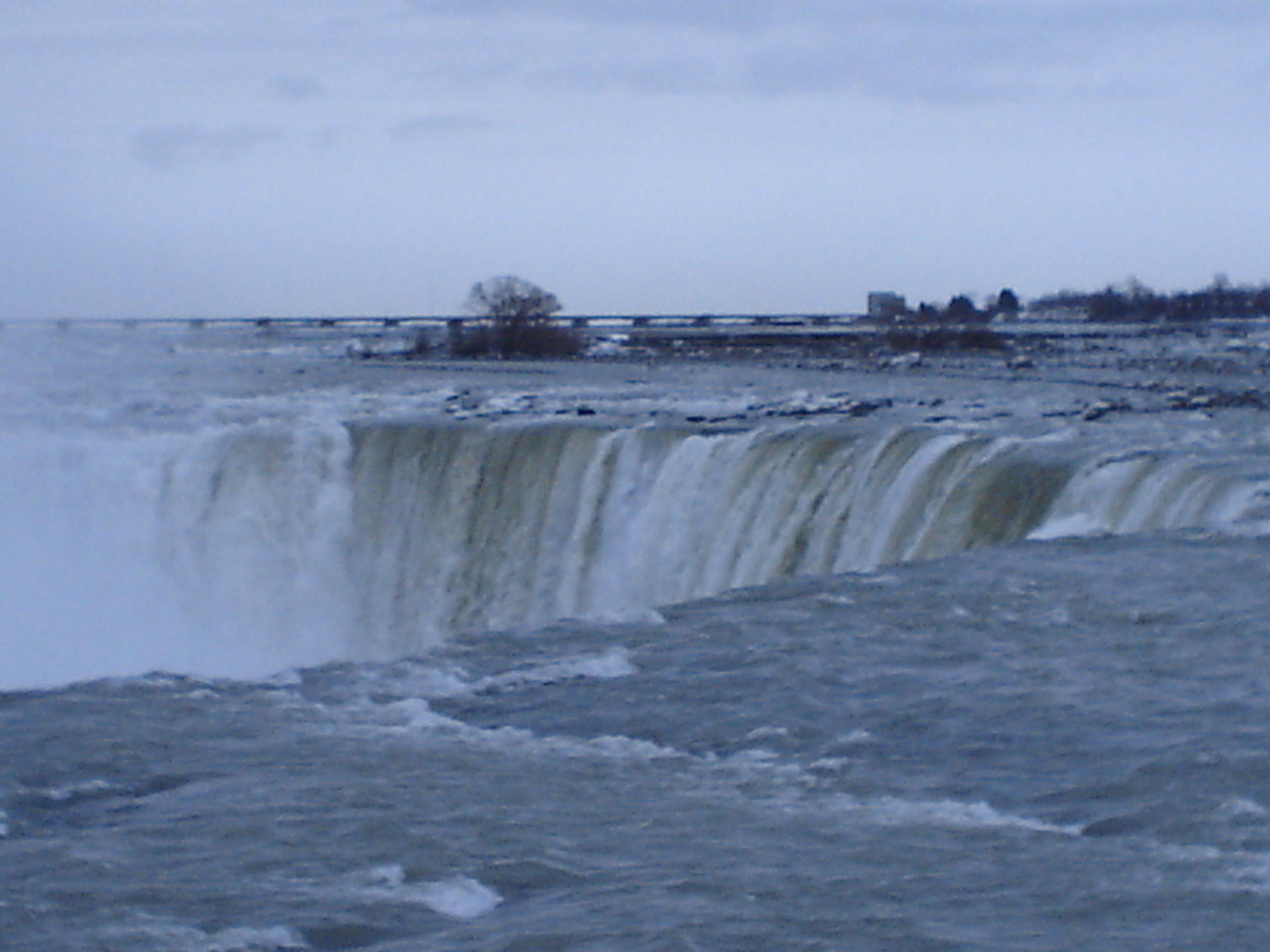
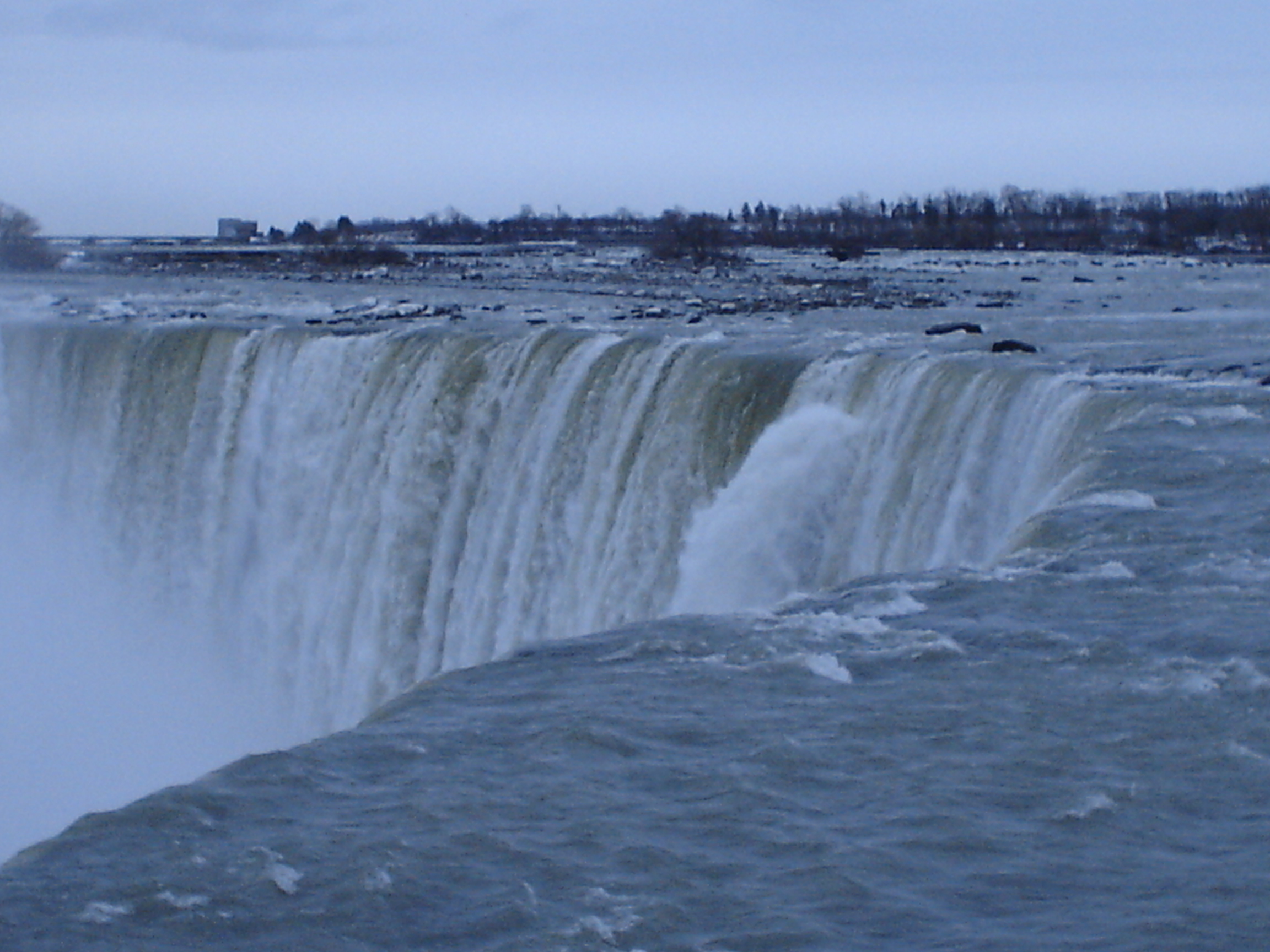
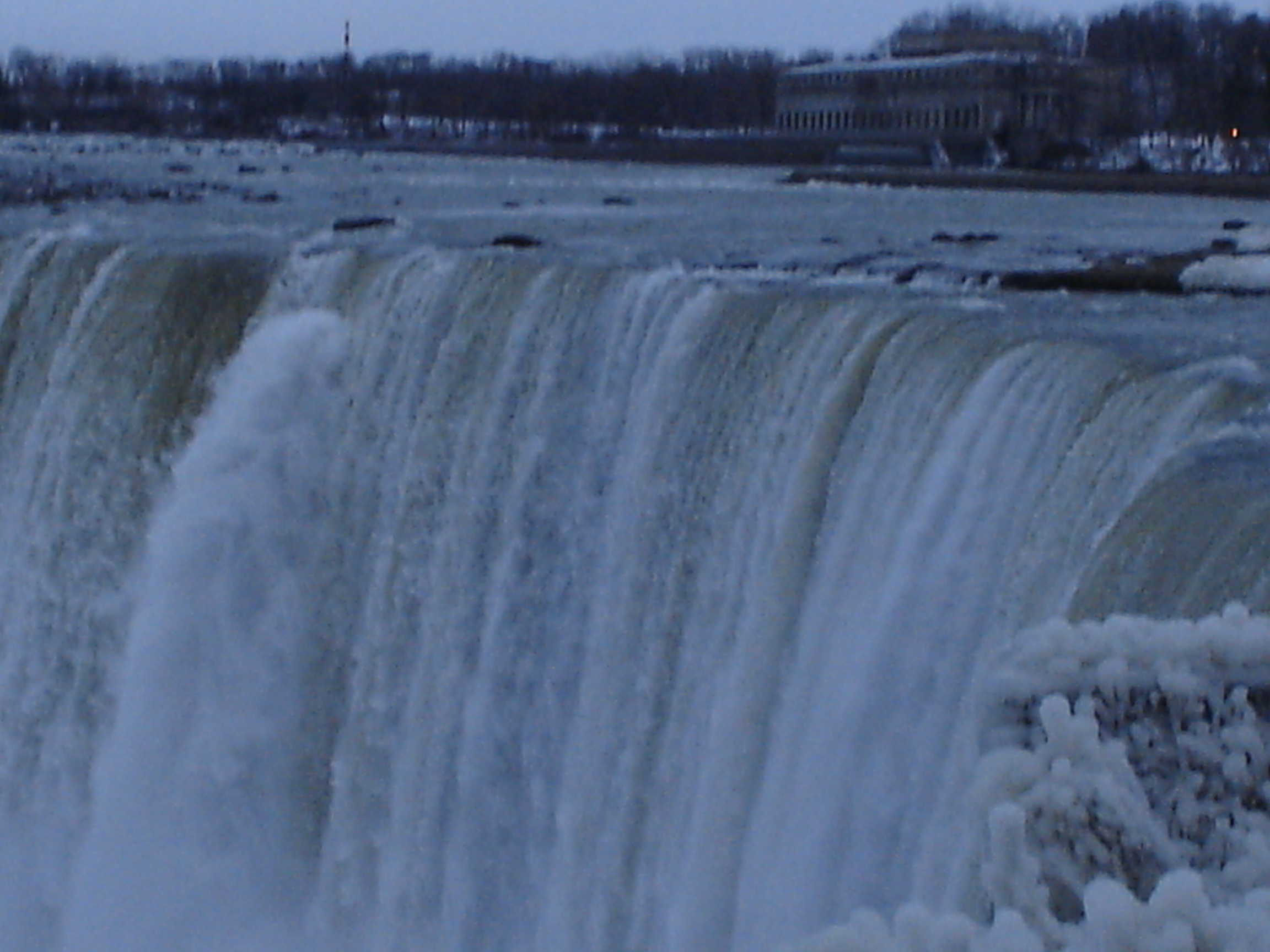
Searching for locations: Niagara Falls, Canada

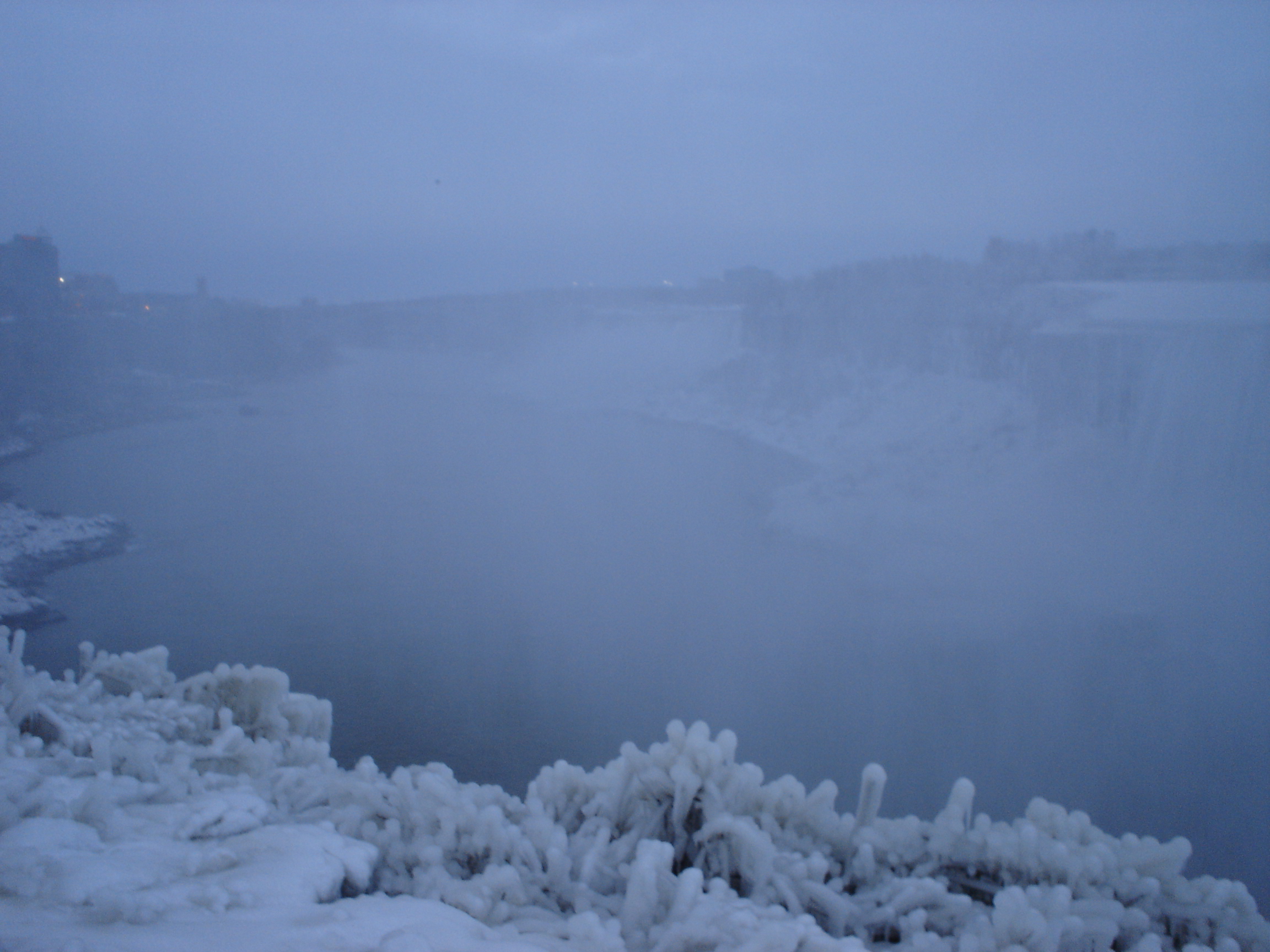
We visited the falls in winter, just after Christmas when it was all but frozen.

The weather was freezing, it was snowing, and very icy to walk anywhere near the falls

DSC00755

Getting photos is a matter of how much you want to risk your safety.

I know I slipped and fell a number of times on the ice just below the snowy surface in pursuit of the perfect photograph.  Alas, I don’t think I succeeded.

DSC00754

DSC00758

DSC00767

DSC00768

DSC00761

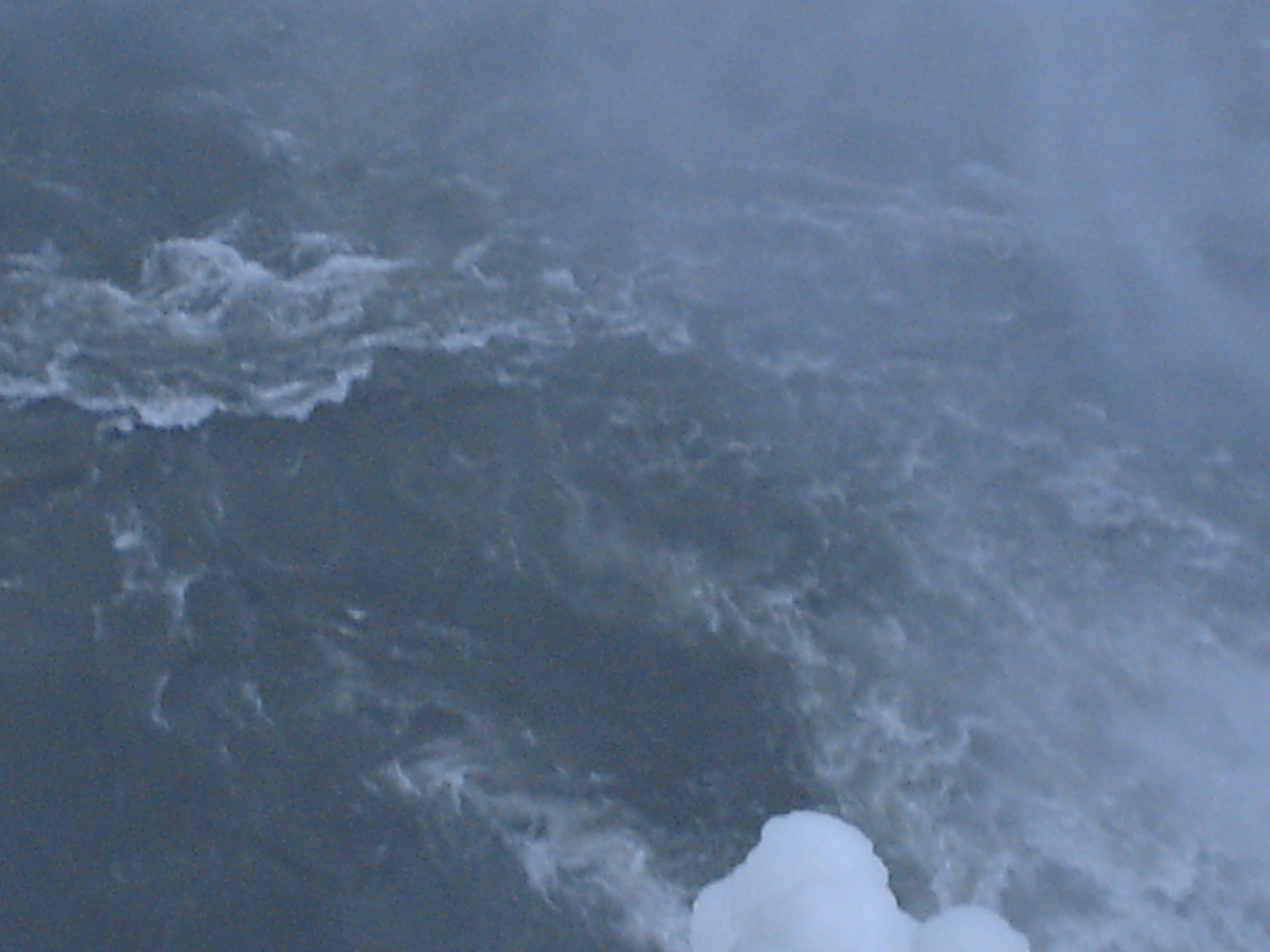
The mist was generated from both the waterfall and the low cloud.  It was impossible not to get wet just watching the falls.

DSC00771

Of course, unlike the braver people, you could not get me into one of the boats that headed towards the falls.  I suspect there might be icebergs and wasn’t going to tempt the fate of another Titanic, even on a lesser scale.  The water would be freezing.

Is it a problem to get lost in your make-believe world for a while?

It seems that we can be completely focused on a single task to the detriment of all else, and, when that task is complete, suddenly we feel totally drained.

That’s how I feel right now.

The current year is almost half over…  Where did the time go?

All I have to do is get past the publication of my next two books, take some time away from writing, and then I should be invigorated.  Perhaps COVID will have something to do with it because it will be more of the same, rather than a brave new world, we will be counteracting new surges and variations with resultant isolations, so it will be more of a case of head down, tail up, with nowhere to go, no travel to plan, and not able to go anywhere other than the shops, the doctor or the chemist.

This is despite our fearless leaders telling us that COVID is no longer a problem.  Sadly, for people with compromised immune systems, it is, and we are being thrown under the bus for the sake of getting the economy going again.  What are a few lives for the greater good, eh?

And for computer programmers who never leave their semi-darkened lair, ordering pizza and Coke, it must have been a Godsend.

Given that I prefer to be at home, working on any number of stories, it usually is for me too.

But, have I been working too hard, and it’s finally got to me.  I mean, you can only write so much before the brain starts to fry?

But, at the very least. I have been working on the two novels that needed to be completed, and they are finally there, and other than NaNoWriMo which saw another go through the mill I’m still writing a few pages a night, and another two that I have been working on here and there are now ready for the first edit.

This has all happened to the detriment of my episodic stories, which have lain idle since almost a year ago, but in recent weeks I picked up one or two and wrote two or three more episodes, just to keep it ticking over.  Another has five episodes I hope to publish soon.  The last I’ve finally finished and I am feeling pleased with myself.  My editor has it now.

Something else that pleases me, and is entirely unexpected, is that I have sold a number of copies of my books in the last few months or so.  I know I’m not about to be vying for the top of the bestseller list, but it’s still satisfying.

The cinema of my dreams – I never wanted to go to Africa – Episode 30

Our hero knows he’s in serious trouble.

The problem is, there are familiar faces and the question of who is a friend and who is a foe is made all the more difficult because of the enemy, if it was the enemy, simply because it didn’t look or sound or act like the enemy.

Now, it appears, his problems stem from another operation he participated in.

…

At the end of the discussion, which began to get quite heated, I was escorted from the room and taken to another interrogation room.

Fresh from his intimidatory success with Jacobi, Lallo was, no doubt, going to try and press on his advantage with me though I was not quite sure what it was he thought I could help him with, other than to dissuade him from his current plan.

I had to wait an hour in that small, stuffy room considering the possibilities.  Surely he wasn’t expecting me to join his band of merry men.

When he finally came, he arrived with a folder and two bottles of cold water, one of which he gave to me before he sat down.

I took a sip of water out of the bottle, after checking the seal hadn’t been broken.  I still didn’t trust him, and with good reason considering the trick he’d played on me.

“Now, I’m sure you saw and heard everything that happened with Jacobi.”

I nodded.

“He’s the reason your mission failed.  He met the other team on the ground and was supposed to lead them to the building where the targets were hiding.  Instead, he told the Government forces, Bahti, the plan for their rescue and their location.  It was a double-cross brought on by greed.”

“It always is.  But he’s more than likely right about the fate of the two prisoners.”

“Half dead, yes, pressed into working on a prison farm, but neither has been cracked yet.  After the last attempt at rescuing them, we cultivated new agents on the ground.  Their advice has led to us being able to formulate a new attempt to rescue them.”

Had they asked my opinion long before the first attempt, I would have told them to have more than one source, particularly if they were paying handsomely for information.  It was always an opportunity for double-crossing.

There still was, but I don’t think that eventuality was factored into Lallo’s thinking.

“Who’s the fool you have in mind to lead this disaster.”

“You.”

Good thing I’d braced myself for the bad news, and it came as no surprise.  In that hour of considering possibilities, they all seemed to come back to one person.  I was the only one left who’d been there, if only for a few hours.

It had also given me time to work on an excuse not to go.

“I don’t think so…”

Lallo put his hand up to stop me.  My protestations might have worked on a reasonable man, but Lallo wasn’t reasonable.

“Well, you, too, have a choice.  Stay and be court marshalled for your failure to follow orders in the last attempt or redeem yourself and volunteer to lead the next.”

“I did nothing wrong the last time.”

“Not according to the investigation I’ve just completed, the one that I intend to submit to the JAG if you are unwilling to follow orders.”

And there it was.  All the time I’d been in Lallo’s hands he had been compiling a feasible case against me, just so that I could be induced to do his bidding.  I was stupid not to connect the dots long before this and shut my mouth.  Everything I had denied, was the same evidence he could use against me.

n typical military style, someone had to shoulder the blame for the previous mess.

And to be given a choice, one that made me as expendable as Jacobi, was, as far as Lallo was concerned, a masterstroke.

If I went and was killed in action, he would have a scapegoat he needed.  If I didn’t go, I would be court marshalled and thrown in a cell for the rest of my life.  And if I went, and succeeded, he would become the golden boy in the intelligence services, and the same fate as any other scenario would befall me.  It was a lose-lose.

“You’re not throwing out any bones?”

“Don’t have to.  But you get to pick the team you want to go with you.”  He tossed a file across the table to me, and I opened it.  Several pages, with photos attached.

A who’s who of the military types that spent more time in the stockade than on the battlefield.  Men who would do anything to stay out, men who had nothing to lose.  Men who were expendable.

“You’re kidding?”  I looked up at him, but his expression told me he wasn’t.

“Are you sure any of these will obey orders?”

“You have my assurance they will.  We’re sending an observer, just to make sure everyone stays on mission.  You have three days to pick a team of four men, establish command, and prepare to leave.”

Something else I thought about in that hour, other than it was probably the last time I would have for reflection, was that it would have been better to die in the helicopter crash.

I waited until he left the room before I reopen the file.

© Charles Heath 2019-2023

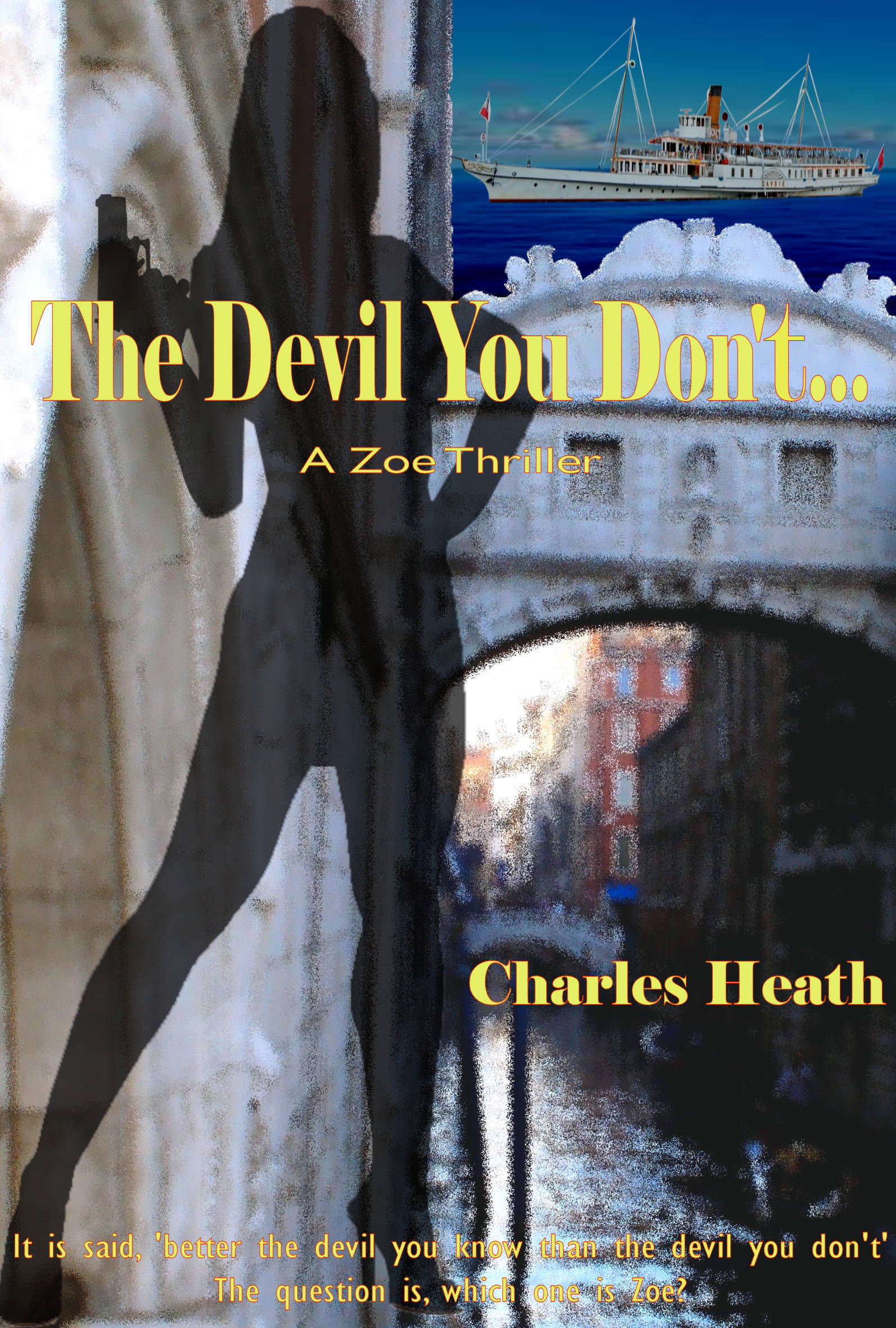
An excerpt from “The Devil You Don’t”

Available on Amazon Kindle here:  https://amzn.to/2Xyh1ow

…

By the time I returned to the Savoie, the rain had finally stopped, and there was a streak of blue sky to offer some hope the day would improve.

The ship was not crowded, the possibility of bad weather perhaps holding back potential passengers.  Of those I saw, a number of them would be aboard for the lunch by Phillippe Chevrier.  I thought about it, but the Concierge had told me about several restaurants in Yvoire and had given me a hand-drawn map of the village.  I think he came from the area because he spoke with the pride and knowledge of a resident.

I was looking down from the upper deck observing the last of the boarding passengers when I saw a woman, notable for her red coat and matching shoes, making a last-minute dash to get on board just before the gangway was removed.  In fact, her ungainly manner of boarding had also captured a few of the other passenger’s attention.  Now they would have something else to talk about, other than the possibility of further rain.

I saw her smile at the deckhand, but he did not smile back.  He was not impressed with her bravado, perhaps because of possible injury.  He looked at her ticket then nodded dismissively, and went back to his duties in getting the ship underway.  I was going to check the departure time, but I, like the other passengers, had my attention diverted to the woman in red.

From what I could see there was something about her.  It struck me when the light caught her as she turned to look down the deck, giving me a perfect profile.  I was going to say she looked foreign, but here, as in almost anywhere in Europe, that described just about everyone.  Perhaps I was just comparing her to Phillipa, so definitively British, whereas this woman was very definitely not.

She was perhaps in her 30’s, slim or perhaps the word I’d use was lissom, and had the look and manner of a model.  I say that because Phillipa had dragged me to most of the showings, whether in Milan, Rome, New York, London, or Paris.  The clothes were familiar, and in the back of my mind, I had a feeling I’d seen her before.

Or perhaps, to me, all models looked the same.

She looked up in my direction, and before I could divert my eyes, she locked on.  I could feel her gaze boring into me, and then it was gone as if she had been looking straight through me.  I remained out on deck as the ship got underway, watching her disappear inside the cabin.  My curiosity was piqued, so I decided to keep an eye out for her.

I could feel the coolness of the air as the ship picked up speed, not that it was going to be very fast.  With stops, the trip would take nearly two hours to get to my destination.  It would turn back almost immediately, but I was going to stay until the evening when it returned at about half eight.  It would give me enough time to sample the local fare, and take a tour of the medieval village.

Few other passengers ventured out on the deck, most staying inside or going to lunch.  After a short time, I came back down to the main deck and headed forward.  I wanted to clear my head by concentrating on the movement of the vessel through the water, breathing in the crisp, clean air, and let the peacefulness of the surroundings envelope me.

It didn’t work.

I knew it wouldn’t be long before I started thinking about why things hadn’t worked, and what part I played in it.  And the usual question that came to mind when something didn’t work out.  What was wrong with me?

I usually blamed it on my upbringing.

I had one of those so-called privileged lives, a nanny till I was old enough to go to boarding school, then sent to the best schools in the land.  There I learned everything I needed to be the son of a Duke, or, as my father called it in one of his lighter moments, nobility in waiting.

Had this been five or six hundred years ago, I would need to have sword and jousting skills, or if it had been a few hundred years later a keen military mind.  If nothing else I could ride a horse, and go on hunts, or did until they became not the thing to do.

I learned six languages, and everything I needed to become a diplomat in the far-flung British Empire, except the Empire had become the Commonwealth, and then, when no-one was looking, Britain’s influence in the world finally disappeared.  I was a man without a cause, without a vocation, and no place to go.

Computers were the new vogue and I had an aptitude for programming.  I guess that went hand in hand with mathematics, which although I hated the subject, I excelled in.  Both I and another noble outcast used to toss ideas around in school, but when it came to the end of our education, he chose to enter the public service, and I took a few of those ideas we had mulled over and turned them into a company.

About a year ago, I was made an offer I couldn’t refuse.  There were so many zeroes on the end of it I just said yes, put the money into a very grateful bank, and was still trying to come to terms with it.

Sadly, I still had no idea what I was going to do with the rest of my life.  My parents had asked me to come back home and help manage the estate, and I did for a few weeks.  It was as long as it took for my parents to drive me insane.

Back in the city, I spent a few months looking for a mundane job, but there were very few that suited the qualifications I had, and the rest, I think I intimidated the interviewer simply because of who I was.  In that time I’d also featured on the cover of the Economist, and through my well-meaning accountant, started involving myself with various charities, earning the title ‘philanthropist’.

And despite all of this exposure, even making one of those ubiquitous ‘eligible bachelor’ lists, I still could not find ‘the one’, the woman I wanted to spend the rest of my life with.  Phillipa seemed to fit the bill, but in time she proved to be a troubled soul with ‘Daddy’ issues.  I knew that in building a relationship compromise was necessary, but with her, in the end, everything was a compromise and what had happened was always going to be the end result.

It was perhaps a by-product of the whole nobility thing.  There was a certain expectation I had to fulfill, to my peers, contemporaries, parents and family, and those who either liked or hated what it represented.  The problem was, I didn’t feel like I belonged.  Not like my friend from schooldays, and now obscure acquaintance, Sebastian.  He had been elevated to his Dukedom early when his father died when he was in his twenties.  He had managed to fade from the limelight and was rarely mentioned either in the papers or the gossip columns.  He was one of the lucky ones.

I had managed to keep a similarly low profile until I met Phillipa.  From that moment, my obscurity disappeared.  It was, I could see now, part of a plan put in place by Phillipa’s father, a man who hogged the limelight with his daughter, to raise the profile of the family name and through it their businesses.  He was nothing if not the consummate self-advertisement.

Perhaps I was supposed to be the last piece of the puzzle, the attachment to the establishment, that link with a class of people he would not normally get in the front door.  There was nothing refined about him or his family, and more than once I’d noticed my contemporaries cringe at the mention of his name, or any reference of my association with him.

Yet could I truthfully say I really wanted to go back to the obscurity I had before Phillipa?  For all her faults, there were times when she had been fun to be with, particularly when I first met her when she had a certain air of unpredictability.  That had slowly disappeared as she became part of her father’s plan for the future.  She just failed to see how much he was using her.

Or perhaps, over time, I had become cynical.

I thought about calling her.  It was one of those moments of weakness when I felt alone, more alone than usual.

I diverted my attention back to my surroundings and the shoreline.  Out of the corner of my eye, I could see the woman in the red coat, making a move.  The red coat was like a beacon, a sort of fire engine red.  It was not the sort of coat most of the women I knew would wear, but on her, it looked terrific.  In fact, her sublime beauty was the one other attribute that was distinctly noticeable, along with the fact her hair was short, rather than long, and jet black.

I had to wrench my attention away from her.

A few minutes later several other passengers came out of the cabin for a walk around the deck, perhaps to get some exercise, perhaps checking up on me, or perhaps I was being paranoid.  I waited till they passed on their way forward, and I turned and headed aft.

I watched the wake sluicing out from under the stern for a few minutes, before retracing my steps to the front of the ship and there I stood against the railing, watching the bow carve its way through the water.  It was almost mesmerizing.  There, I emptied my mind of thoughts about Phillipa, and thoughts about the woman in the red coat.

Until a female voice behind me said, “Having a bad day?”

I started, caught by surprise, and slowly turned.  The woman in the red coat had somehow got very close me without my realizing it.  How did she do that?  I was so surprised I couldn’t answer immediately.

“I do hope you are not contemplating jumping.  I hear the water is very cold.”

Closer up, I could see what I’d missed when I saw her on the main deck.  There was a slight hint of Chinese, or Oriental, in her particularly around the eyes, and of her hair which was jet black.  An ancestor twice or more removed had left their mark, not in a dominant way, but more subtle, and easily missed except from a very short distance away, like now.

Other than that, she was quite possibly Eastern European, perhaps Russian, though that covered a lot of territory.  The incongruity of it was that she spoke with an American accent, and fluent enough for me to believe English was her first language.

Usually, I could ‘read’ people, but she was a clean slate.  Her expression was one of amusement, but with cold eyes.  My first thought, then, was to be careful.

“No.  Not yet.”  I coughed to clear my throat because I could hardly speak.  And blushed, because that was what I did when confronted by a woman, beautiful or otherwise.

The amusement gave way to a hint of a smile that brightened her demeanor as a little warmth reached her eyes.  “So that’s a maybe.  Should I change into my lifesaving gear, just in case?”

It conjured up a rather interesting image in my mind until I reluctantly dismissed it.

“Perhaps I should move away from the edge,” I said, moving sideways until I was back on the main deck, a few feet further away.  Her eyes had followed me, and when I stopped she turned to face me again.  She did not move closer.

I realized then she had removed her beret and it was in her left side coat pocket.  “Thanks for your concern …?”

“Zoe.”

“Thanks for your concern, Zoe.  By the way, my name is John.”

She smiled again, perhaps in an attempt to put me at ease.  “I saw you earlier, you looked so sad, I thought …”

“I might throw myself overboard?”

“An idiotic notion I admit, but it is better to be safe than sorry.”

Then she tilted her head to one side then the other, looking intently at me.  “You seem to be familiar.  Do I know you?”

I tried to think of where I may have seen her before, but all I could remember was what I’d thought earlier when I first saw her; she was a model and had been at one of the showings.  If she was, it would be more likely she would remember Phillipa, not me.  Phillipa always had to sit in the front row.

“Probably not.”  I also didn’t mention the fact she may have seen my picture in the society pages of several tabloid newspapers because she didn’t look the sort of woman who needed a daily dose of the comings and goings, and, more often than not, scandal associated with so-called celebrities.

She gave me a look, one that told me she had just realized who I was.  “Yes, I remember now.  You made the front cover of the Economist.  You sold your company for a small fortune.”

Of course.  She was not the first who had recognized me from that cover.  It had raised my profile considerably, but not the Sternhaven’s.  That article had not mentioned Phillipa or her family.  I suspect Grandmother had something to do with that, and it was, now I thought about it, another nail in the coffin that was my relationship with Phillipa.

“I wouldn’t say it was a fortune, small or otherwise, just fortunate.”  Each time, I found myself playing down the wealth aspect of the business deal.

“Perhaps then, as the journalist wrote, you were lucky.  It is not, I think, a good time for internet-based companies.”

The latter statement was an interesting fact, one she read in the Financial Times which had made that exact comment recently.

“But I am boring you.”  She smiled again.  “I should be minding my own business and leaving you to your thoughts.  I am sorry.”

She turned to leave and took a few steps towards the main cabin.

“You’re not boring me,” I said, thinking I was letting my paranoia get the better of me.  It had been Sebastian on learning of my good fortune, who had warned me against ‘a certain element here and abroad’ whose sole aim would be to separate me from my money.  He was not very subtle when he described their methods.

But I knew he was right.  I should have let her walk away.

She stopped and turned around.  “You seem nothing like the man I read about in the Economist.”

A sudden and awful thought popped into my head.  Those words were part of a very familiar opening gambit.  “Are you a reporter?”

I was not sure if she looked surprised, or amused.  “Do I look like one?”

I silently cursed myself for speaking before thinking, and then immediately ignored my own admonishment.  “People rarely look like what they are.”

I saw the subtle shake of the head and expected her to take her leave.  Instead she astonished me.

“I fear we have got off on the wrong foot.  To be honest, I’m not usually this forward, but you seemed like you needed cheering up when probably the opposite is true.  Aside from the fact this excursion was probably a bad idea.  And,” she added with a little shrug, “perhaps I talk too much.”

I was not sure what I thought of her after that extraordinary admission. It was not something I would do, but it was an interesting way to approach someone and have them ignoring their natural instinct.  I would let Sebastian whisper in my ear for a little longer and see where this was going.

“Oddly enough, I was thinking the same thing.  I was supposed to be traveling with my prospective bride.  I think you can imagine how that turned out.”

“She’s not here?”

“No.”

“She’s in the cabin?”  Her eyes strayed in that direction for a moment then came back to me.  She seemed surprised I might be traveling with someone.

“No.  She is back in England, and the wedding is off.  So is the relationship.  She dumped me by text.”

OK, why was I sharing this humiliating piece of information with her?  I still couldn’t be sure she was not a reporter.

She motioned to an empty seat, back from the edge.  No walking the plank today.  She moved towards it and sat down.  She showed no signs of being cold, nor interested in the breeze upsetting her hair.  Phillipa would be having a tantrum about now, being kept outside, and freaking out over what the breeze might be doing to her appearance.

I wondered, if only for a few seconds if she used this approach with anyone else.  I guess I was a little different, a seemingly rich businessman alone on a ferry on Lake Geneva, contemplating the way his life had gone so completely off track.

She watched as I sat at the other end of the bench, leaving about a yard between us.  After I leaned back and made myself as comfortable as I could, she said, “I have also experienced something similar, though not by text message.  It is difficult, the first few days.”

“I saw it coming.”

“I did not.”  She frowned, a sort of lifeless expression taking over, perhaps brought on by the memory of what had happened to her.  “But it is done, and I moved on.  Was she the love of your life?”

OK, that was unexpected.

When I didn’t answer, she said, “I am sorry.  Sometimes I ask personal questions without realizing what I’m doing.  It is none of my business.”  She shivered.  “Perhaps we should go back inside.”

She stood, and held out her hand.  Should I take it and be drawn into her web?  I thought of Sebastian.  What would he do in this situation?

I took her hand in mine and let her pull me gently to my feet.  “Wise choice,” she said, looking up at the sky.

It just started to rain.

…

© Charles Heath 2015-2023
newdevilcvr6