The cinema of my dreams – I always wanted to go on a treasure hunt – Episode 49

Here’s the thing…

Every time I close my eyes, I see something different.

I’d like to think the cinema of my dreams is playing a double feature but it’s a bit like a comedy cartoon night on Fox.

But these dreams are nothing to laugh about.

Once again there’s a new installment of an old feature, and we’re back on the treasure hunt.

…

A dark look crossed Boggs’ face telling me the name Ormiston wasn’t associated with anything good. I was still wondering how I had never heard anything about the family.

“How did you stumble across Fredrich Ormiston?”

“I told you I was keeping an eye on Alex. He and some chap who was, coincidentally, one of the guards we saw at the mall yesterday, they were talking about Ormiston. I’ve never heard of him.”

“That’s because the Ormiston’s disappeared from around here before the second world war. What did Alex have to say about him?”

“From what I overheard, he owned a large tract of land near Patterson’s Reach, that it stretched back to something called the fault line, that he sold the coastal area to the Navy and that’s where they put the dockyard, and other than that, not much. That guard had been doing some investigating for Alex and said he went to the library to ask Gwen. She’s still there by the way. She didn’t tell him very much, and even if she did know anything, she hates Alex and his friends as much as we do so she wouldn’t tell him.”

“She’d know of him. But she would be only one of a few, and those that do would be in the old folks’ home or dead.”

“And yet the name lights up your face, Boggs. How do you know about him?”

“Not me personally. My family. He and my grandfather were friends back in the day. He sold our family a large block near the river to run some cattle. My father wasn’t the first to have information about the treasure, and in fact, according to my dad’s diary, that original map we have was my grandfather’s.”

“How come you didn’t tell me about this before?”

“Not relevant. The map has always been in my family’s possession. My grandfather had made several attempts to find the treasure, and, one day, in a moment of forgetfulness, he told Ormiston about it. Well, you know how the thought of finding treasure can turn heads, Ormiston persuaded my grandfather to provide him with a copy of the map, and in return, he would fund a proper search party to see if they could find it. After all, he said, fifty percent of a trove was better than zero percent of nothing. By that time my grandfather was getting old, and the idea of finding the treasure was slipping through his fingers, so he agreed. Worst days work he ever did.”

“But Ormiston never found the treasure, did he?”

“That’s not the point. He did as he promised in the first instance, and they found nothing. It was a lot of money in pursuit of what could be compared to the holy grail. When my grandfather died, Ormiston decided he was no longer bound to any agreement, and mounted several more treasure hunts, and when my father tried to get him to adhere to the original agreement, Ormiston just brushed him off.”

“He still didn’t find anything. In the end, he lost his fortune and had to sell the land, hence the Naval Base. Do you know who got the rest?”

“Ormiston died on the last treasure hunt, and left massive debts behind, and a widow. They had several kids but no one knows where they went, and it was a long time ago. They had to sell the property to repay the debts. It went to property developers and then the Cossatino’s bought it. They moved in after Ormiston moved out. It’s why Patterson’s Reach is basically a no-go zone.”

I’d often wondered how the Cossatino’s came to town, and why it was they camped in Patterson’s Reach, away from the Benderby’s.

“Alex’s mate was talking about looking for relatives, though I’m not sure why.”

“There are no relatives, not according to my mother, but there were rumors that Ormiston had made extensive notes on all of his hunts, so from that perspective, if the documents existed, it would be useful to align what he knew with what my father says in his journal.”

A good point, and it might be still a possibility if the documents held at the library were to contain any journals. It also made sense, in my mind, why the Cossatino’s decided to run a map scam; had they come across Ormiston’s journals, and maps, and got Boggs father to base his fakes around those? It was starting to throw a giant cold shadow over the whole of this project, and that Boggs was simply missing the point.

If Ormiston couldn’t find anything, and he had money to burn when he mounted the searches, perhaps it was just a myth. And who’s to say that Boggs’s grandfather didn’t make the whole thing up himself?

Just the same, until I was certain, I was going to keep the existence of the papers in the library to myself for the time being.

But, something else just occurred to me. “Do you have anything from your grandfather, in particular about the searches he made, with or without Ormiston?”

“Only that one with Ormiston. In the end, he concluded that it was his belief that Ormiston had deliberately set the wrong course, which was why they never found anything. He had used two different river heads as his basis, to which my grandfather tried to convince him otherwise. Of course, there were considerable differences of opinion, and after they returned, never spoke to each other again.”

Not surprising.

“Well, that adds some more background to the quest. Are you sure you have the right rivers as markers? I mean there are quite a few rivers and streams as well as a few lakes up and down the coastline?”

“My father was certain, and his father was before him. As am I. Let me know when you free next so we can continue the quest.”

I should not have doubted him, but the more he talked about Ormiston, the darker he was looking. It was probably for the best I left him alone for the afternoon if only to calm down.

He didn’t even say goodbye.

I went inside and got ready for work.

…

© Charles Heath 2020-2021

“Strangers We’ve Become” – A final countdown to publishing in 5 Days

Not according to plan

…

In the spy business, it pays not to make solid plans, just have an idea of what you might do, and execute it.

When it goes wrong, as it inevitably does, then you can always say, “I knew it was going to fail” and feel good about it.

Expecting a plan to work without it going south is like winning the lottery.  What are the odds?

What you can rely on every time is human nature.  Yes, sometimes the bad guy is thoroughly bad and goes off the reservation, but that’s the exception.  Counterspy measures always include an element of ‘what’s in it for me’ when an opportunity comes up.

So, David and Alisha get captured.  It’s the easiest way in.

Then Alisha escapes in the middle of a freak storm with torrential rain that has a visibility range of ten feet at best.  Enough time for her to disappear.

It’s all part of the plan.

Others search for her, while David is taken to the main compound, assessing the odds and situation as he goes.  He ends up in a cell, left to ponder his fate, and then dragged out for interrogation.

Not exactly part of the plan, but he does learn something new, and quite disconcerting.  Someone close to him is a traitor.

…

Searching for locations: The Lingering Gardens, Suzhou, China

The Lingering Garden

These gardens are very tightly put together and are interspersed with buildings that you can go in and look at as distinct from just looking in from the outside.

There are lots of paths that wind around interspersed with rocks which may or may not be sculpted, and equally interspersed with trees, bushes, and small plants.  In the middle is a lake which usually has lotus plants in bloom, but they are not in season.

The gardens were built around a small lake that was filled with fish of all sizes and colours

The buildings were also a contrast for those built for the men

and those for the women

In the middle of the garden was a significant rock pillar

surrounded by certain areas of the garden that had smaller rock formations


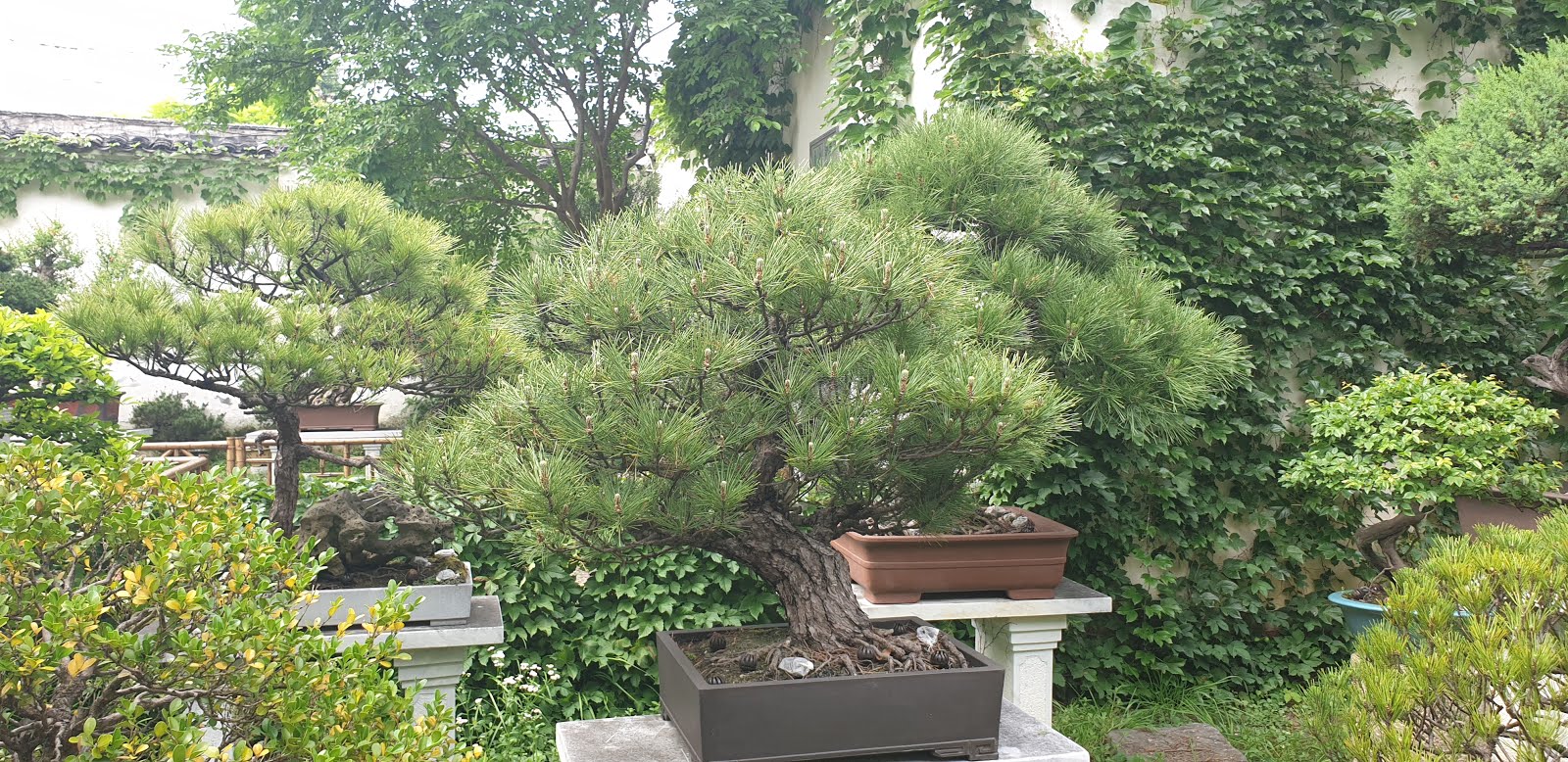
At the end of the garden is a large collection of bonsai trees, some of which are quite exquisite.

That word: Home – in sayings

I’m always on the lookout for inspiration for stories, especially the short stories I attach to photographs in my Being Inspired series, and one of the topics that has been suggested is along the lines of the following.

There is certainly a lot of scope with these.

Home is where the heart is

One’s home is the preferred place to all others, the one you are most emotionally attached, i.e. you have the deepest affection for. It may not necessarily be a physical place though.

I must say I tend to agree with this because every time I go away, I’m always looking forward to coming home.

Even when I’ve had to stay away for a few months, it’s not possible to call that home, it’s just another place to stay.

On the other hand…

It’s the name of a song by Elvis Presley.

And it has been the title of several films.

The Hallmark channel presses this point home time and time again.

Pliny the Elder is credited with coming up with the saying.

Home is what you make it

This is a similar saying, but, to me, it means something completely different

Though many will say this means that it’s where family and friends can come to, a place where memories can be made, I don’t believe it’s the same as the first saying.

What you make of it depends on your circumstances, you can hate it because it might be because you’re stuck with one parent with perhaps a step-parent. Or you might love it because you’ve escaped a bad situation.

But it’s not necessarily where your heart is.

Wherever I hang my hat I call home

Barbra Streisand made this song famous, and probably means that no matter where you are, it is home to you. It would be more fitting for someone who doesn’t necessarily see their true home very often, ie you work in the diplomatic service or in the military and you move around a lot.

Home away from home

This is a place that is as good as your real home.

After the anger, the serenity

I wanted to write a bit about how my day was going, and then I got angry.  It was a slow fuse because most of what I was angry about I’d been reading this morning.

And, yes, it’s about political leaders, those in power and those in opposition, and how inept they are in a crisis.

Listening to our opposition leader, briefly before I turned him off to watch a rerun of McHale’s Navy, it annoyed me that he had no answers to offer, only criticism.

Unfortunately, he’s not alone in the world.

Political leaders tended to blame everyone else for problems of their own making, whether it was when they were once in power, which happens a lot, or once they’re in opposition, conveniently forgetting they, too, hoped that by ignoring the problem, it might go away.

Or that the long-suffering public will have forgotten.  That’s why we have pugnacious journalists who remember for us.

The incompetence of the people who are supposedly in charge beggars belief.

Oh, God, I’m back on my soapbox.

Forgive me.

I’ll shut up about it now.

I’m trying to imagine what it’s like in the cold because it’s the height of summer here.  It’s not helping my imagination,  so let’s try…

It’s cold today, about 14 degrees Celsius, when it’s usually 27 degrees Celsius.  The sun is letting us down, and I suppose I should be grateful that we are not suffering from an ice age.

To be honest, I was seriously considering lighting the log fire.  Instead, we have reverse cycle air-conditioning, which is probably, in the long run, cheaper.

Have you seen how much it costs to buy wood?

But…

That could have made it difficult to write.

Not to come up with inspiration, but literally write, because my office is colder than a chiller room.  My beer in storage out here is colder than it is in the fridge.  Well, that sounded better in my head than on paper, but you get what I mean.

So, instead of writing, I sat down and binge-watched Sweet Magnolias, a light-hearted series from Netflix, which is of the same vein as Chesapeake Shores, etc, and more the sort of program I’d expect from Hallmark.

It was good.  It hooked me.

Three sets of lives intertwined in a large town in middle America perhaps.  I heard Charleston mentioned so perhaps it was in South Carolina.

The good thing about it?  Not one mention of political stupidity.

Just good old-fashioned heartache and trials and tribulations of trying to live your life, bumping up against the obstacles life throws up at you.

The town was called Serenity, so there’s a pun in there somewhere.

Maybe I’ll get some writing done tomorrow.

Searching for locations: The canals of Suzhou, China

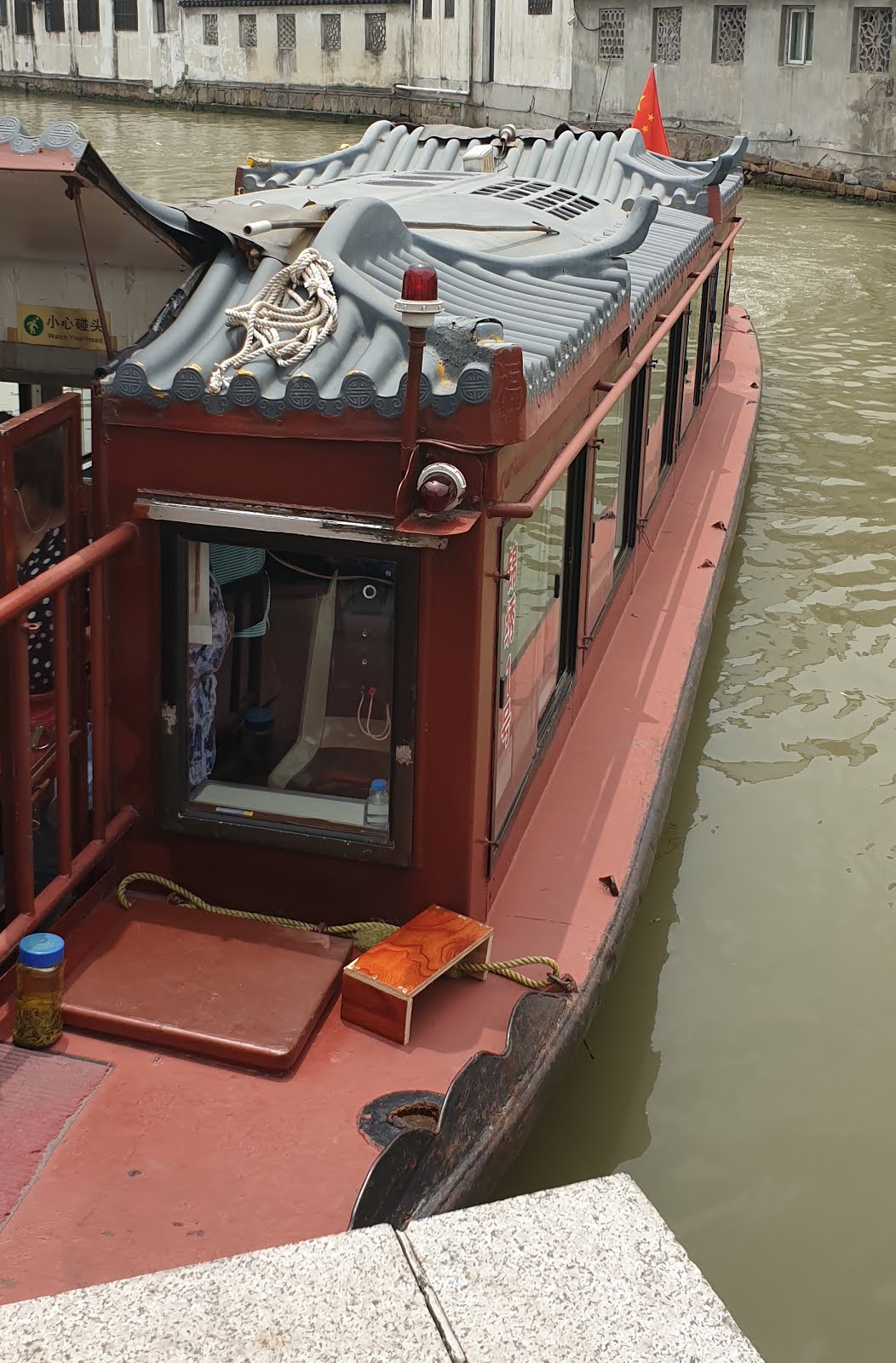
This morning is a boat ride that will take us along a small portion of the main canal, and we head through a number of back streets, to a landing where there are a number of boats all vying with each other to get us passengers on boats.

But…

These boats don’t have a wharf to tie up to and then put out a stable gangplank.  No.  They just more into a concrete step and you take your life in your hands getting on.  One wrong step and you’re in the canal.  And not a very clean one at that.

That’s if another boat doesn’t come along and bumps you, knocking you off balance.  We managed not to lose anyone in boarding the vessel.

This is where we get on the boat

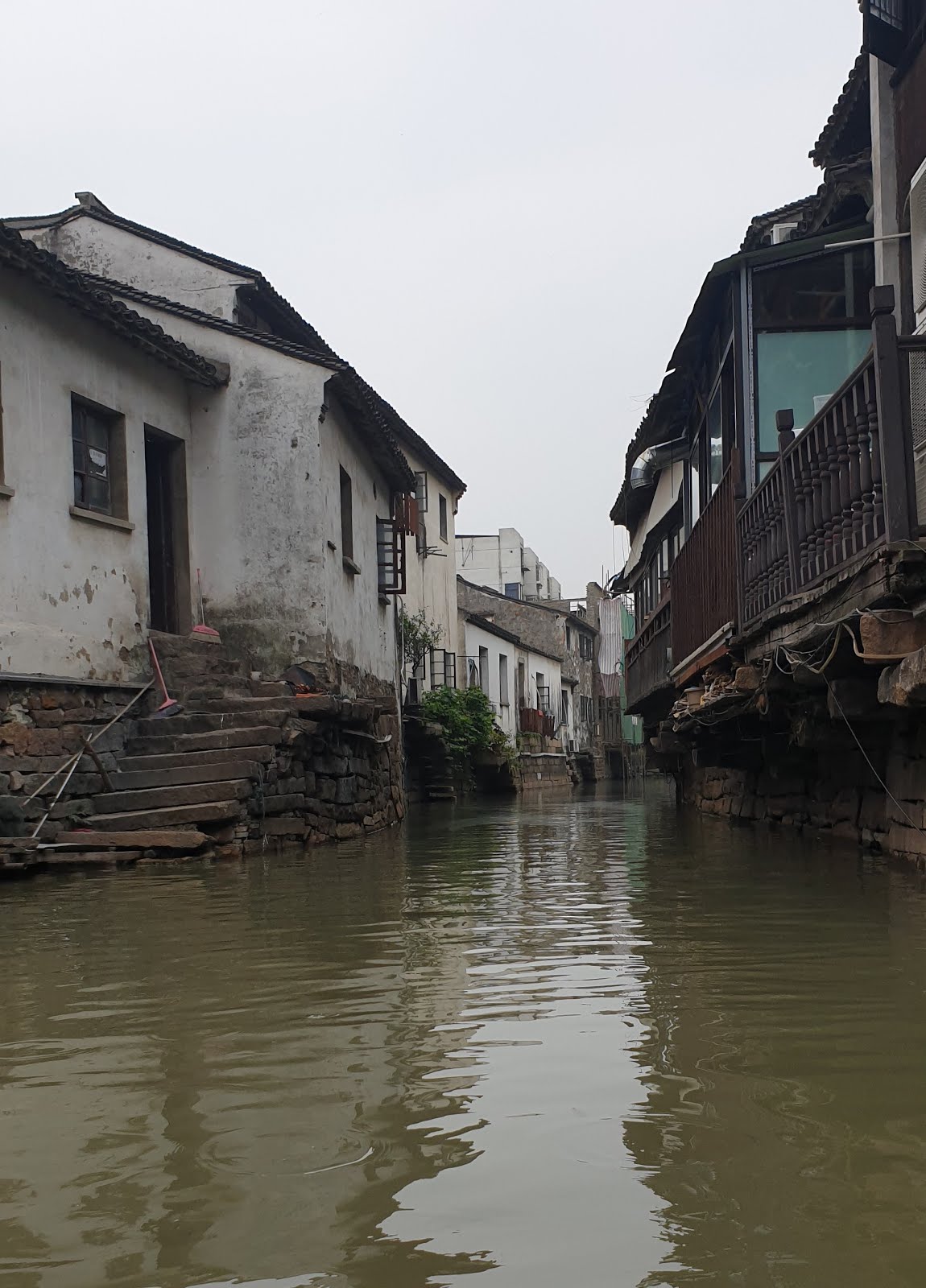
We go along what appears to be downstream towards another larger canal, past tree-lined streets until the canal narrows and we’re looking at the backs of houses, which look very dilapidated.

And the canals?  Well, it’s not quite like it is in Venice

Though some parts of the canal look better than others

What doesn’t bear thinking about is the electrical wiring which is a nightmarish spider web of cables going off in all directions.  How anyone could troubleshoot problems is beyond me.

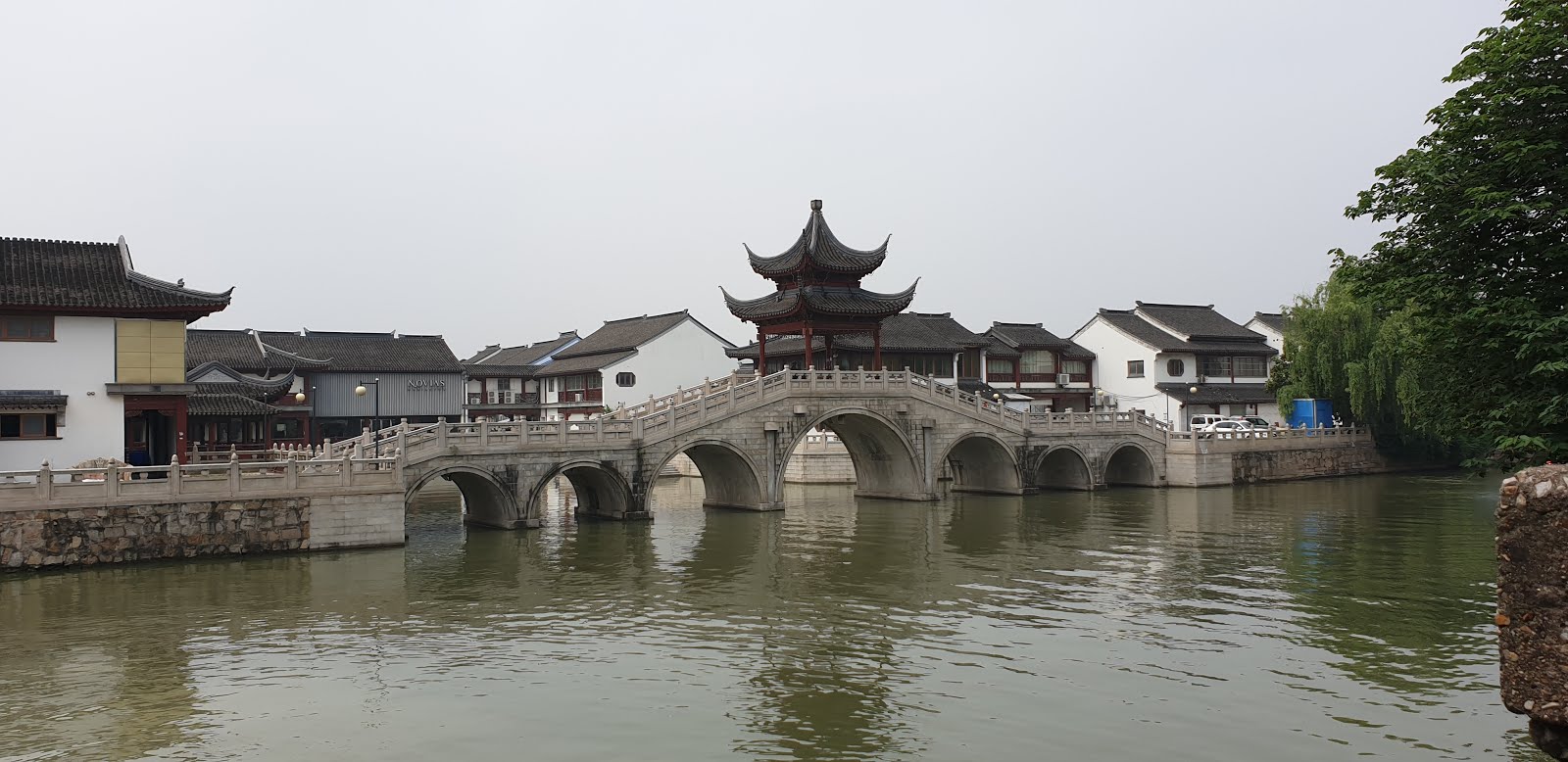
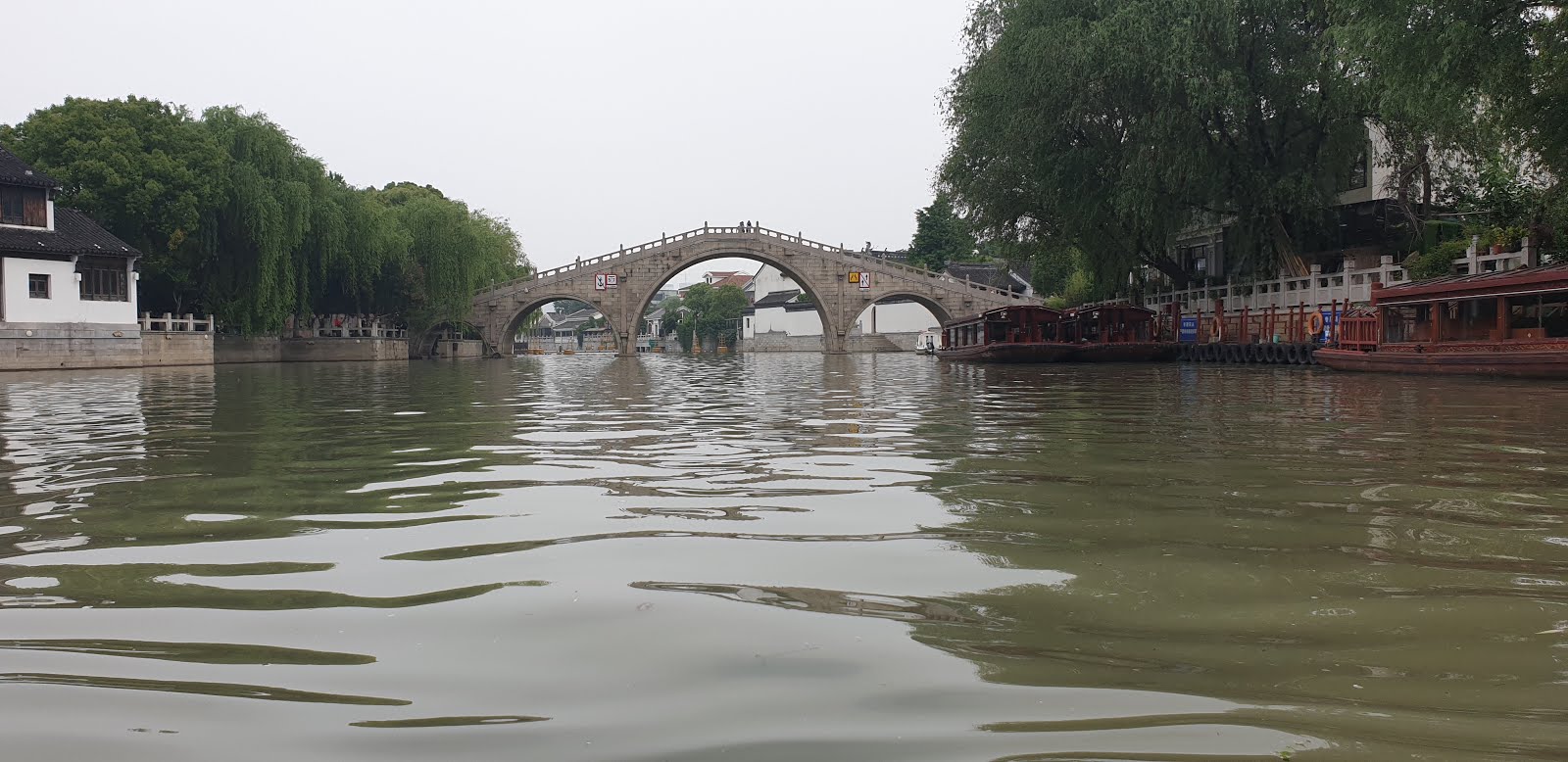
We pass under a number of bridges, and then, about 30 minutes after leaving, we reach a larger canal and do a 180-degree turn, and head back to a drop off point the will enable us to walk through a typical everyday Chinese market for food and the other items.

This drop off point is much the same as the starting point, a concrete step which is as hazardous as the first.  At least we don’t have to compete with other boats for the landing spot.

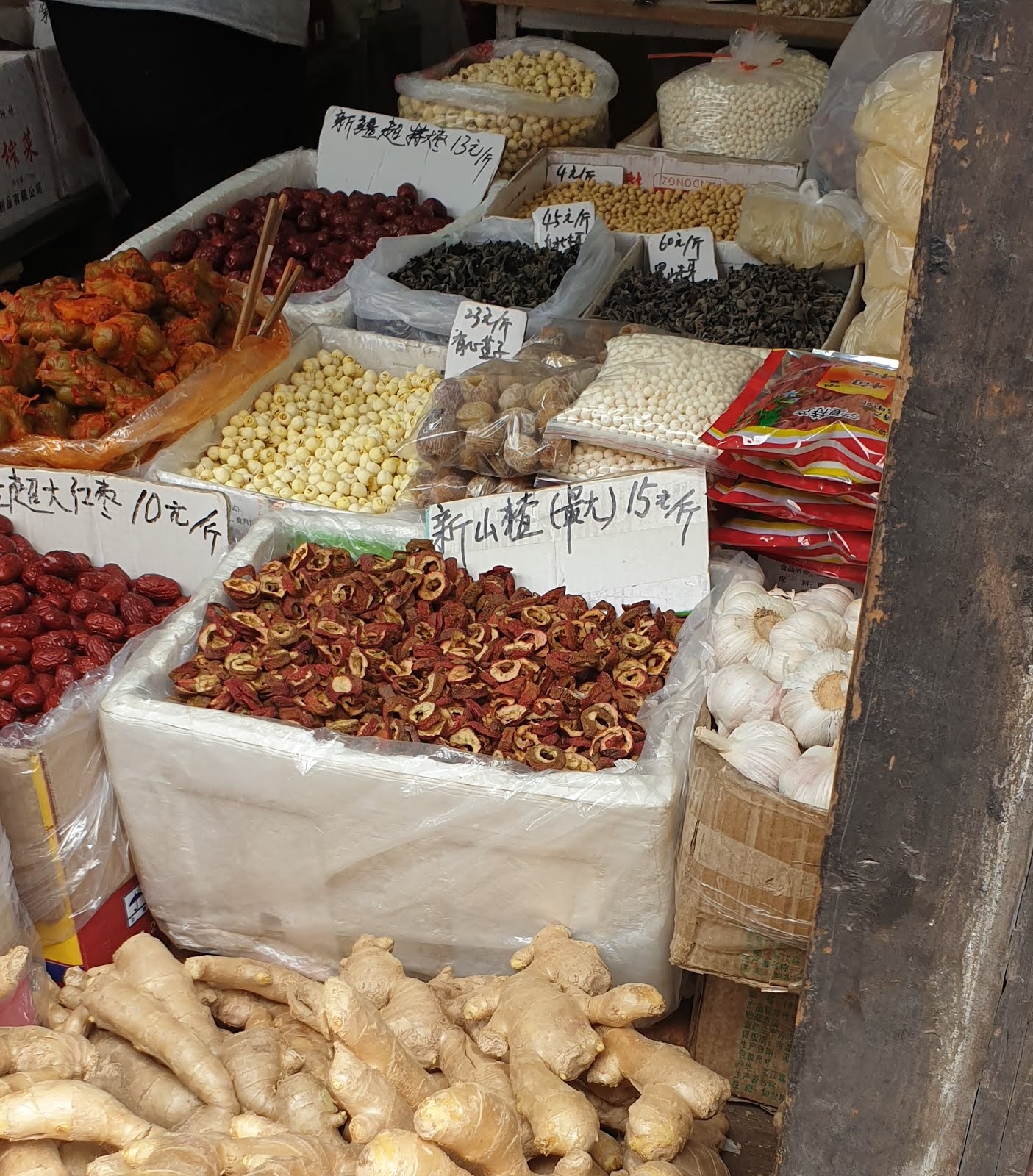
We take a leisurely stroll down a small section of Pingjiang Road with small shops on either side, selling all manner of goods

but my interest is in the food and the prices, which at times seem quite expensive for so-called local people, so maybe because the tourists go down this street every day, the prices have been inflated accordingly.

I find it rather disappointing.

We walk to the bridge, go under to the other side crossing the canal and find the coffee shop which is also the meeting place.

So…

When is a coffee shop not a coffee shop, when it takes an eternity to make a cup of coffee, we waited 25 minutes?

We also ordered beef black pepper rice and it took 20 minutes before it arrived, but it was well worth the wait.  Strands of perfectly cooked beef with onion, carrot, and capsicum, with a very peppery and spicy sauce, with a side of boiled rice.

A pizza was ordered too but it did not arrive at all before we left.

An excerpt from “The Things We Do For Love”; In love, Henry was all at sea!

In the distance he could hear the dinner bell ringing and roused himself.  Feeling the dampness of the pillow, and fearing the ravages of pent up emotion, he considered not going down but thought it best not to upset Mrs. Mac, especially after he said he would be dining.

In the event, he wished he had reneged, especially when he discovered he was not the only guest staying at the hotel.

Whilst he’d been reminiscing, another guest, a young lady, had arrived.  He’d heard her and Mrs. Mac coming up the stairs, and then shown to a room on the same floor, perhaps at the other end of the passage.

Henry caught his first glimpse of her when she appeared at the door to the dining room, waiting for Mrs. Mac to show her to a table.

She was about mid-twenties, slim, long brown hair, and the grace and elegance of a woman associated with countless fashion magazines.  She was, he thought, stunningly beautiful with not a hair out of place, and make-up flawlessly applied.  Her clothes were black, simple, elegant, and expensive, the sort an heiress or wife of a millionaire might condescend to wear to a lesser occasion than dinner.

Then there was her expression; cold, forbidding, almost frightening in its intensity.  And her eyes, piercingly blue and yet laced with pain.  Dracula’s daughter was his immediate description of her.

All in all, he considered, the only thing they had in common was, like him, she seemed totally out of place.

Mrs. Mac came out of the kitchen, wiping her hands on her apron.  She was, she informed him earlier, chef, waitress, hotelier, barmaid, and cleaner all rolled into one.  Coming up to the new arrival she said, “Ah, Miss Andrews, I’m glad you decided to have dinner.  Would you like to sit with Mr. Henshaw, or would you like to have a table of your own?”

Henry could feel her icy stare as she sized up his appeal as a dining companion, making the hair on the back on his neck stand up.  He purposely didn’t look back.  In his estimation, his appeal rating was minus six.  Out of a thousand!

“If Mr. Henshaw doesn’t mind….”  She looked at him, leaving the query in mid-air.

He didn’t mind and said so.  Perhaps he’d underestimated his rating.

“Good.”  Mrs. Mac promptly ushered her over.  Henry stood, made sure she was seated properly and sat.

“Thank you.  You are most kind.”  The way she said it suggested snobbish overtones.

“I try to be when I can.”  It was supposed to nullify her sarcastic tone but made him sound a little silly, and when she gave him another of her icy glares, he regretted it.

Mrs. Mac quickly intervened, asking, “Would you care for the soup?”

They did, and, after writing the order on her pad, she gave them each a look, imperceptibly shook her head, and returned to the kitchen.

Before Michelle spoke to him again, she had another quick look at him, trying to fathom who and what he might be.  There was something about him.

His eyes, they mirrored the same sadness she felt, and, yes, there was something else, that it looked like he had been crying?  There was a tinge of redness.

Perhaps, she thought, he was here for the same reason she was.

No.  That wasn’t possible.

Then she said, without thinking, “Do you have any particular reason for coming here?”  Seconds later she realized she’s spoken it out loud, had hadn’t meant to actually ask, it just came out.

It took him by surprise, obviously not the first question he was expecting her to ask of him.

“No, other than it is as far from civilization, and home, as I could get.”

At least we agree on that, she thought.

It was obvious he was running away from something as well.

Given the isolation of the village and lack of geographic hospitality, it was, from her point of view, ideal.  All she had to do was avoid him, and that wouldn’t be difficult.

After getting through this evening first.

“Yes,” she agreed.  “It is that.”

A few seconds passed, and she thought she could feel his eyes on her and wasn’t going to look up.

Until he asked, “What’s your reason?”

Slight abrupt in manner, perhaps as a result of her question, and the manner in which she asked it.

She looked up.  “Rest.  And have some time to myself.”

She hoped he would notice the emphasis she had placed on the word ‘herself’ and take due note.  No doubt, she thought,  she had completely different ideas of what constituted a holiday than he, not that she had actually said she was here for a holiday.

Mrs. Mac arrived at a fortuitous moment to save them from further conversation.

Over the entree, she wondered if she had made a mistake coming to the hotel.  Of course, there had been no possible way she could know than anyone else might have booked the same hotel, but realized it was foolish to think she might end up in it by herself.

Was that what she was expecting?

Not a mistake then, but an unfortunate set of circumstances, which could be overcome by being sensible.

Yet, there he was, and it made her curious, not that he was a man, by himself, in the middle of nowhere, hiding like she was, but for very different reasons.

On discreet observance whilst they ate, she gained the impression his air of light-heartedness was forced and he had no sense of humor.

This feeling was engendered by his looks, unruly dark hair, and permanent frown.  And then there was his abysmal taste in clothes on a tall, lanky frame.  They were quality but totally unsuited to the wearer.

Rebellion was written all over him.

The only other thought crossing her mind, and rather incongruously, was he could do with a decent feed.  In that respect, she knew now from the mountain of food in front of her, he had come to the right place.

“Mr. Henshaw?”

He looked up.  “Henshaw is too formal.  Henry sounds much better,” he said, with a slight hint of gruffness.

“Then my name is Michelle.”

Mrs. Mac came in to take their order for the only main course, gather up the entree dishes, then return to the kitchen.

“Staying long?” she asked.

“About three weeks.  Yourself?”

“About the same.”

The conversation dried up.

Neither looked at the other, rather at the walls, out the window, towards the kitchen, anywhere.  It was, she thought, almost unbearably awkward.

Mrs. Mac returned with a large tray with dishes on it, setting it down on the table next to theirs.

“Not as good as the usual cook,” she said, serving up the dinner expertly, “but it comes a good second, even if I do say so myself.  Care for some wine?”

Henry looked at Michelle.  “What do you think?”

“I’m used to my dining companions making the decision.”

You would, he thought.  He couldn’t help but notice the cutting edge of her tone.  Then, to Mrs. Mac, he named a particular White Burgundy he liked and she bustled off.

“I hope you like it,” he said, acknowledging her previous comment with a smile that had nothing to do with humor.

“Yes, so do I.”

Both made a start on the main course, a concoction of chicken and vegetables that were delicious, Henry thought, when compared to the bland food he received at home and sometimes aboard my ship.

It was five minutes before Mrs. Mac returned with the bottle and two glasses.  After opening it and pouring the drinks, she left them alone again.

Henry resumed the conversation.  “How did you arrive?  I came by train.”

“By car.”

“Did you drive yourself?”

And he thought, a few seconds later, that was a silly question, otherwise she would not be alone, and certainly not sitting at this table. With him.

“After a fashion.”

He could see that she was formulating a retort in her mind, then changed it, instead, smiling for the first time, and it served to lighten the atmosphere.

And in doing so, it showed him she had another more pleasant side despite the fact she was trying not to look happy.

“My father reckons I’m just another of ‘those’ women drivers,” she added.

“Whatever for?”

“The first and only time he came with me I had an accident.  I ran up the back of another car.  Of course, it didn’t matter to him the other driver was driving like a startled rabbit.”

“It doesn’t help,” he agreed.

“Do you drive?”

“Mostly people up the wall.”  His attempt at humor failed.  “Actually,” he added quickly, “I’ve got a very old Morris that manages to get me where I’m going.”

The apple pie and cream for dessert came and went and the rapport between them improved as the wine disappeared and the coffee came.  Both had found, after getting to know each other better, their first impressions were not necessarily correct.

“Enjoy the food?” Mrs. Mac asked, suddenly reappearing.

“Beautifully cooked and delicious to eat,” Michelle said, and Henry endorsed her remarks.

“Ah, it does my heart good to hear such genuine compliments,” she said, smiling.  She collected the last of the dishes and disappeared yet again.

“What do you do for a living,” Michelle asked in an off-hand manner.

He had a feeling she was not particularly interested and it was just making conversation.

“I’m a purser.”

“A what?”

“A purser.  I work on a ship doing the paperwork, that sort of thing.”

“I see.”

“And you?”

“I was a model.”

“Was?”

“Until I had an accident, a rather bad one.”

“Oh, I’m sorry.”

So that explained the odd feeling he had about her.

As the evening had worn on, he began to think there might be something wrong, seriously wrong with her because she didn’t look too well.  Even the carefully applied makeup, from close up, didn’t hide the very pale, and tired look, or the sunken, dark ringed eyes.

“I try not to think about it, but it doesn’t necessarily work.  I’ve come here for peace and quiet, away from doctors and parents.”

“Then you will not have to worry about me annoying you.  I’m one of those fall-asleep-reading-a-book types.”

Perhaps it would be like ships passing in the night and then smiled to himself about the analogy.

Dinner now over, they separated.

Henry went back to the lounge to read a few pages of his book before going to bed, and Michelle went up to her room to retire for the night.

But try as he might, he was unable to read, his mind dwelling on the unusual, yet the compellingly mysterious person he would be sharing the hotel with.

Overlaying that original blurred image of her standing in the doorway was another of her haunting expressions that had, he finally conceded, taken his breath away, and a look that had sent more than one tingle down his spine.

She may not have thought much of him, but she had certainly made an impression on him.

© Charles Heath 2015-2020

lovecoverfinal1

“Strangers We’ve Become” – A final countdown to publishing in 6 Days

I ought to be on holiday

…

Now that David has finally worked out what it is that Prendergast wants, and what is required to get back to living in the London residence, though he’s not sure he really wants to go back, arrangements are made by Alisha’s trusty assistants.

Of course, Alicia has to go too, despite the short recovery time, but it seems everyone wants to get back to work, and David realizes that being at the coal face is really what he’s been missing.

Nigeria is probably not the best place to be going, and the head of station there is a rather odd fellow who doesn’t quite understand the subtleties of secrecy.  He’s also Prendergast’s man and that means he can’t be trusted.

David pulls in some old friends he used to work with, and the team assembles in Lagos, and will be travelling to the vicinity of the guerrilla’s camp in the Nigerian Delta by float plane landing near a village whose people have been having trouble, and who will take them by boat to the ‘back door’ of the camp.

It seems the villagers have been petitioning the Queen to help them as members of the Commonwealth.  It provides David and his team a perfect excuse to go there if anyone is asking.

All of this works like clockwork.  And the means to gain entry is simply enough, they are going to present themselves at the gate, and allow themselves to be ‘detained’.  As for being shot on sight, David understands the local warlord ‘type’; he would use David and his team as a bargaining chip with the British Government.

Not that it was going to happen, the warlord was about to discover what war was really like.

…

“One Last Look”, nothing is what it seems

A single event can have enormous consequences.

A single event driven by fate, after Ben told his wife Charlotte he would be late home one night, he left early, and by chance discovers his wife having dinner in their favourite restaurant with another man.

A single event where it could be said Ben was in the wrong place at the wrong time.

Who was this man? Why was she having dinner with him?

A simple truth to explain the single event was all Ben required. Instead, Charlotte told him a lie.

A single event that forces Ben to question everything he thought he knew about his wife, and the people who are around her.

After a near-death experience and forced retirement into a world he is unfamiliar with, Ben finds himself once again drawn back into that life of lies, violence, and intrigue.

From London to a small village in Tuscany, little by little Ben discovers who the woman he married is, and the real reason why fate had brought them together.

It is available on Amazon here:  http://amzn.to/2CqUBcz

In a word: Story

All of us writers know what this is, the sort of combination of words that all come together as a story.  A tale about anything whether it is true or just plain fiction.

A story can be long, or it can be short.  It could be a magazine or newspaper article, or it could be what a child tells his or her mother or father when they get into trouble.

Come to think of it, I think that’s where I got an interest in writing stories because as a child I was always in trouble.

Of course, if you are telling certain types of stories, then it’s bound to be a lie.  And made even worse if it is gossip!

That story might even be my interpretation of events, and as it happens, it’s possible no two stories are the same, especially if I and others had witnessed the same event.

This is not to be confused with the other version, storey, which is a single level in a building, one that might have thirty or more stories.

And, just to add to the confusion, living in Brisbane in Australia we have the Storey Bridge.