“The Things We Do For Love”

Would you give up everything to be with the one you love?

…

Is love the metaphorical equivalent to ‘walking the plank’; a dive into uncharted waters?

For Henry, the only romance he was interested in was a life at sea, and when away from it, he strived to find sanctuary from his family and perhaps life itself.  It takes him to a small village by the sea, a place he never expected to find another just like him, Michelle, whom he soon discovers is as mysterious as she is beautiful.

Henry had long since given up the notion of finding romance, and Michelle couldn’t get involved for reasons she could never explain, but in the end, both acknowledge that something happened the moment they first met.  

Plans were made, plans were revised, and hopes were shattered.

A chance encounter causes Michelle’s past to catch up with her, and whatever hope she had of having a normal life with Henry, or anyone else, is gone.  To keep him alive she has to destroy her blossoming relationship, an act that breaks her heart and shatters his.

But can love conquer all?

It takes a few words of encouragement from an unlikely source to send Henry and his friend Radly on an odyssey into the darkest corners of the red-light district in a race against time to find and rescue the woman he finally realizes is the love of his life.

The cover, at the moment, looks like this:

lovecoverfinal1

Is love the metaphorical equivalent to ‘walking the plank’; a dive into uncharted waters?

For Henry the only romance he was interested in was a life at sea, and when away from it, he strived to find sanctuary from his family and perhaps life itself.  It takes him to a small village by the sea, s place he never expected to find another just like him, Michelle, whom he soon discovers is as mysterious as she is beautiful.

Henry had long since given up the notion of finding romance, and Michelle couldn’t get involved for reasons she could never explain, but in the end both acknowledge that something happened the moment they first met.  

Plans were made, plans were revised, and hopes were shattered.

A chance encounter causes Michelle’s past to catch up with her, and whatever hope she had of having a normal life with Henry, or anyone else, is gone.  To keep him alive she has to destroy her blossoming relationship, an act that breaks her heart and shatters his.

But can love conquer all?

It takes a few words of encouragement from an unlikely source to send Henry and his friend Radly on an odyssey into the darkest corners of the red light district in a race against time to find and rescue the woman he finally realizes is the love of his life.

The cover, at the moment, looks like this:

lovecoverfinal1

In a word: Course

Yes, of course there’s a golf course.

Firstly, of course, means definitely so, and can be said when a revelation is realised, or sarcastically if the answer is obvious.

Then there’s a course, like a golf course where people chase a small usually white ball, sometimes to be found on a fairway, but more often than not in a bunker, in the water, or in the thicket.

It’s meant to be calming, but I’m betting more than one heart attack has been brought on by a slice, a six shot bunker exit, or any more than three putts on the green.

There’s also mini golf courses, less challenging, sometimes.

That course could also be the part of a creek or a river.

It can be a set of classes that makes up a course, I did a course in English literature

Then, rather topically, over the course of the election there was [you fill in the rest]

Then there’s my favourite, a four course dinner

Or when I’m unwell a course of antibiotics.

And lastly, in a supermarket how often does the trolley in front of you unexpectedly and randomly change course?

This is not to be confused with coarse

Which to be honest can be used sometimes to describe people who swear or are abrupt.  They were coarse people, that is unrefined.  These people often use coarse language and tell course jokes, meaning crude and offensive

It had a coarse texture, ie it was rough not smooth

And then there’s Corse which is not exactly an English word, but can refer to a corpse or dead body.

An excerpt from “If Only” – a work in progress

Investigation of crimes doesn’t always go according to plan, nor does the perpetrator get either found or punished.

That was particularly true in my case.  The murderer was incredibly careful in not leaving any evidence behind, to the extent that the police could not rule out whether it was a male or a female.

At one stage the police thought I had murdered my own wife though how I could be on a train at the time of the murder was beyond me.  I had witnesses and a cast-iron alibi.

The officer in charge was Detective First Grade Gabrielle Walters.  She came to me on the day after the murder seeking answers to the usual questions like, when was the last time you saw your wife, did you argue, the neighbors reckon there were heated discussions the day before.

Routine was the word she used.

Her fellow detective was a surly piece of work whose intention was to get answers or, more likely, a confession by any or all means possible.  I could sense the raging violence within him.  Fortunately, common sense prevailed.

Over the course of the next few weeks, once I’d been cleared of committing the crime, Gabrielle made a point of keeping me informed of the progress.

After three months the updates were more sporadic, and when, for lack of progress, it became a cold case, communication ceased.

But it was not the last I saw of Gabrielle.

The shock of finding Vanessa was more devastating than the fact she was now gone, and those images lived on in the same nightmare that came to visit me every night when I closed my eyes.

For months I was barely functioning, to the extent I had all but lost my job, and quite a few friends, particularly those who were more attached to Vanessa rather than me.

They didn’t understand how it could affect me so much, and since it had not happened to them, my tart replies of ‘you wouldn’t understand’ were met with equally short retorts.  Some questioned my sanity, even, for a time, so did I.

No one, it seemed, could understand what it was like, no one except Gabrielle.

She was by her own admission, damaged goods, having been the victim of a similar incident, a boyfriend who turned out to be an awfully bad boy.  Her story varied only in she had been made to witness his execution.  Her nightmare, in reliving that moment in time, was how she was still alive and, to this day, had no idea why she’d been spared.

It was a story she told me one night, some months after the investigation had been scaled down.  I was still looking for the bottom of a bottle and an emotional mess.  Perhaps it struck a resonance with her; she’d been there and managed to come out the other side.

What happened become our secret, a once-only night together that meant a great deal to me, and by mutual agreement, it was not spoken of again.  It was as if she knew exactly what was required to set me on the path to recovery.

And it had.

Since then, we saw each about once a month in a cafe.   I had been surprised to hear from her again shortly after that eventful night when she called to set it up, ostensibly for her to provide me with any updates on the case, but perhaps we had, after that unspoken night, formed a closer bond than either of us wanted to admit.

We generally talked for hours over wine, then dinner and coffee.  It took a while for me to realize that all she had was her work, personal relationships were nigh on impossible in a job that left little or no spare time for anything else.

She’d always said that if I had any questions or problems about the case, or if there was anything that might come to me that might be relevant, even after all this time, all I had to do was call her.

I wondered if this text message was in that category.  I was certain it would interest the police and I had no doubt they could trace the message’s origin, but there was that tiny degree of doubt, about whether or not I could trust her to tell me what the message meant.

I reached for the phone then put it back down again.  I’d think about it and decide tomorrow.

© Charles Heath 2018-2020

Writing about writing a book – Day 6

It’s been a long morning, and I sleep in.  I think the extra time is warranted because I wrote until there was nothing left in the tank.  Then, I let the plot unfold in my mind as I slept.

I had a dream.

I have IT experience.  I know the how hard it was, in the early days of networking, to get it right.  And all of the factors that have to be in place to keep it working.

I become Bill Chandler.

Servers, server software, wiring, Ethernet. Internet, wan, lan, hub, switch, meltdown.   The days when desks had terminals, not personal computers, and then the sudden disappearance of the mainframe, to local area networks.

The bottle of Scotch in the bottom drawer of the filing cabinet (in the days when occupational health and safety was not so strictly enforced) for celebrations when it worked, or commiserations when it didn’t.

So, today I’m expanding on the plot lines:

Chandler, recently divorced, and now on his first holiday on his own, contemplated what he’s going to do.  It doesn’t last long and is recalled to the office to manage a crisis.

Back in the office, Benton unavailable, Chandler goes to see Aitchison, Security chief.  There he learns of Richardson’s murder, of which suicide, the police theory, the least likely cause, and that of Halligan, whose death is also questionable.  There is also a question over the computer network and that of another running within their current system.  This is something Chandler knows nothing about.   There is a way of finding out if such a network existed.  Meanwhile, the implications are frightening, and Aitchison is clearly afraid of something.

OK, another character has popped up, Halligan, but we’ll worry about that later.

Back on familiar territory, Chandler gets down to the job of finding out what information he can.  Before beginning the physical search, he is questioned closely by Gator, the policeman, on external communications involving their computer systems.

OK, that’ll need a bit of background on Gator and what information he has.

After Gator departs, Chandler goes to find Jennifer.  By now, the whole network is down and they discover several servers have been tampered with, in fact, the very ones believed to be the gateway to the ‘hidden’ network.  Alas, the evidence had been removed.

Deciding there was nothing that could be done because the maintenance contractors have been called in, Chandler and Jennifer go to lunch.  Chandler runs into a very frightened Aitchison who cryptically says he fears for his life.  About the same time shots are fired, Aitchison is killed, and Chandler seriously wounded.

Wow, I’m getting better at this planning stuff, though it’s early days yet.  There are several ideas about the ramifications of Bill getting shot, but that can wait till later.

Time to flesh this plotline out in words.

Doesn’t look like Sunday is going to be a day off.

© Charles Heath 2016 – 2023

Mistaken Identity – The Third Editor’s Draft – Day 11

I have been working on the story, the editor is asking for a second draft after making suggested changes – and I’m now working on it

…

So now the truth, or a version of it, is out there, Jack now needs to find out who this Jacob is.

Well, he thinks he knows who it is, but he needs some confirmation from his mother about what she apparently has been hiding from him all his life.

Of course, as expected, his mother is being elusive.

In the meantime, I’ve been playing around with the backstory, which, sometimes never finds its way into the book. It serves me to get a better understanding of a character, of several, in what some might call a background paper.

I also wonder if this type of scenario plays out in other families, and if they were, or are, referred to as the skeletons in the closet.

We didn’t have any in our family, well, none that I knew about, anyway. I’m sure there were, we just never got to hear about them.

I guess that’s why often members of a family will go searching the genealogical records, and find out if they are related to someone famous. My wife reckons that she is somehow related to Harriet Beecher Stowe, the writer of Uncle Tom’s Cabin. On our side, we had a Luddite (who wasn’t really a Luddite – long story) transported to Van Diemen’s Land from England.

I know who won that forebear contest!

Today’s effort amounts to 2,438 words, for a total, so far, of 27,923.

More tomorrow.

The cinema of my dreams – I always wanted to go on a treasure hunt – Episode 69

Here’s the thing…

Every time I close my eyes, I see something different.

I’d like to think the cinema of my dreams is playing a double feature but it’s a bit like a comedy cartoon night on Fox.

But these dreams are nothing to laugh about.

Once again there’s a new installment of an old feature, and we’re back on the treasure hunt.

…

With Nadia seeking gold at the beach at The Grove

…

I was waiting to be picked up at the bus depot by Nadia, trying to keep out of the public eye, knowing very few people I knew would be there at that hour.

It was early for me, not long after getting home from the night shift, with just enough time to change and get something to eat at the diner a block from the depot.

Nadia didn’t understand my obsession with anonymity, but being seen with her was just going to raise questions, and, if either my mother or Boggs found out, that would be two very interesting conversations.

I just didn’t need the aggravation.

I was not sure what to wear so I dug out the clothes I wore to a farm that a friend of my mothers owned and my mother had graciously offered my services.  It hadn’t been such a bad day, but it was hard work.

The clothes had the added advantage of making me almost invisible among the many seasonal workers currently in town.

I nearly missed her because I had been looking for her usual car, but when a large pickup truck pulled up at the curb where I was standing, it took a moment to recognize her behind the wheel.  A very unglamorous plain Jane, without make-up and her hair a mess, or so it looked to me.  I knew well enough not to make a comment.

The truck was battered and seen better days, but the engine sounded like that of a racing car.  A Cossatino’s getaway car.  Oddly, I could imagine her behind the wheel waiting for a team of bank robbers, fuelled no doubt by the many old movies I’d seen in my younger days.

I climbed up into the cabin and she had driven off before the car door was closed

“Are we in a hurry?”

“No parking zone.  Don’t need the sheriff’s deputies giving us a hard time.”

No, indeed.

“Where’s your car?”

“Too recognizable.  Where we’re going it’s better not to be recognized.”

That didn’t exactly fill me with confidence.  I knew it was going to be somewhere along the coastline, her idea to see if any more of the gold coins had fallen out of the treasure chests as they were being brought ashore.

The question was, was there any part of the coastline that hadn’t been surveyed?  That was when it occurred to me she might be headed for that stretch of coastline that belonged to The Grove, split by the coast road, either side of the road fenced off and signs telling people they would be shot on sight if caught trespassing.

There had been rumors of shootings but nothing ever made it to the sheriff’s office.  I hoped she told someone where she was going if that’s where she was taking me.

“You’re quiet this morning?”

“Just got off shift, and a little tired.”

“You should have said something.  I didn’t think…”

“It’s fine.  You’re currently the one ray of light on a very dark horizon.”

She looked sideways at me.  “That is a compliment.”

“I hope you take it that way.  With Boggs on some sort of crusade, my mother giving me dating tips, and Benderby hanging around, being with you Breaks the gloom and doom.” 

I turned slightly to get a better look at her.  If it was anyone else, I could fall in love with her, but knowing a Cossatino was a dance with the devil, and dangerous for your health.

“Well, I’m glad I bring some light into someone’s life.  It seems I can’t do anything right at home.”

“Why did you come home.  It seems to me you were happier away from this place.”

“Reasons I now think were stupid.”  There was a finality in her tone that warned not to go any further with it.

Instead, we were passing the old mall and I saw the transformation.  Fort Knox would be easier to get into.

“Do you know what’s going on at the old mall?”

“The Benderby’s are demolishing it, mainly because they have to, and do a lot of remediation, whatever that is, before they build the new marina and condos. They’re going to tap into the retirement market.”

That premise, according to a financial market magazine left on my desk, and which made interesting reading, was the next gold mine for those who had the foresight, and the financial means.

Benderby had both, and in another article, which to me at the time seemed to be profiling Benderby, opining the fact some of the new rich had not all made their fortunes legitimately, harking back to the war days and profiteering.  Had Benderby’s father and his before him, plowed this path to success, and the son and grandson found other Illegitimate means like drugs and worse to perpetuate it?

Was it possible, in this day and age to make a fortune without crossing the line somewhere?  No one could link Benderby to anything crooked, but rumors, there were plenty, including the mall, and the fact it was a huge insurance write-off.

Lenny seemed to think so, but cleverly, never quite put what he thought into words.

“Lucky them,” I muttered.

Several miles past the mall, she turned off the main road onto a track that had not been used for some time, heading towards the ocean

I could see now why we were in the truck.  A car would not be able to make it without getting bogged.  It was wet and muddy, with pools of water forming in ruts. 

When we hit a couple and got soundly shaken up, she slowed down.  Then, suddenly, the ocean came into view, and the track headed for the cliff, veering at the last minute, and going down the side of the hill until at the bottom we stopped outside a weather-beaten shack about the size of a large room.

She switched off the engine and let the silence surround us until I could just hear the sound of waves breaking on the rocky shoreline.

“Welcome to my castle.”

There was a whimsical expression on her face.

I opened the door and climbed out, in an instant the temperature dropped 10 degrees, and the effect of the wind almost knocking me over.

She slammed the door shut and went to the door of the shack, unlocking, then opening the door, then switching on a light, giving the inside a gloomy yellowish aura.  She motioned me to go in, then followed behind closing the door, and immediately it was much quieter.

“Not much of a castle.”

“It is when you want to get away from the rest of the family.  It used to be a bathing shack, but the waters around here got too treacherous for swimming, and it fell into disrepair.  I had it fixed up and this is where I come when I want to disappear.”

It didn’t look like it had been used in a while, a thin film of dust settled in everything, and smudged footprints on the floor, showing recent signs of habitation.  Two metal detectors were sitting on the table.

“It’s like a different world to be in when you have the family I have.”

“They don’t know about this place?”

“They probably do, but it’s been a wreck for years, and no one ever comes here, not anymore.  I found it one day, wandering along the coastline, exploring the boundaries of The Grove.  This is the southernmost tip.  There’s one on the northernmost tip too, where the building is much larger and used for storage.”

Say no more, I thought.  The Cossatino’s were allegedly smugglers on top of everything else, and that’s probably where the smuggled good were stored.  This part of the coastline was treacherous at best, with underwater reefs and craggy rocks along the cliff line.  There were some sandy stretches, but it was hard work to reach them, and at a guess, Nadia knew how to get there without slipping and falling.

Boats could only get within 50 years of the shoreline before the possibility of being dashed on the rocks, and for that reason, Boggs told me, that whole beachfront could not have been used by the pirate to bring his treasure ashore.

The little I’d seen from where the truck was parked verified that, at least for this section.

“But we’re here to check for gold coins, see if there is a possibility the treasure cane ashore somewhere along the Grove’s shoreline.  I know the consensus of opinion said it’s not possible, but from my explorations, I reckon there are at least a dozen spots where a longboat could land, especially if you came on the tide.”

That, I was guessing, was high tide, and it may have been a coincidence when the pirate arrived on this shore.

“The reefs would be submerged and even more dangerous.”

“There are ways.  I’ve been out there in a canoe once or twice with Vince, looking for passageways.  And, before you jump to any conclusions, I’m not a smuggler, and we may have been once, but an accident ten years ago put paid to that.  We lost four of the family, and six others in a hair-brained night landing in rough weather.”

I remembered a piece in the paper, the coastguard had been trailing a large yacht with suspected drugs aboard, waited until the Cossatino’s had transferred to the longboat that had gone out to meet the yacht, then chased it to the reef where a navigation mistake saw the longboat hit the reef, sink with all the evidence, and all but Vince had drowned in the heavy surf.

“Vince was lucky.”

“Vince was an idiot then and a bigger idiot now.  It made him believe he was invincible.  He’s not.  But let’s not talk about him, or the rest of them, we’re not exactly on speaking terms at the moment.”

She went to the table and picked up one of the metal detectors and held it out.  “Yours.”

I came over and took it, and it was heavier than I expected.

She picked up the other.  “Ready?”

For anything, I thought, then nodded.

…

© Charles Heath 2020-2022

The Things We Do For Love – The final editor’s draft – Day 15

…

Time, it seems, does not heal all wounds.

It’s time for Michelle to return to the snake pit, her nickname for the Parlour she had been sent to work, and the only good thing about it, she is reunited with her two friends, Angie and Millie.

She’s also back to dulling the senses with the drugs left at the house, and when Felix comes to make sure she is ready to return, he realises she has gone back to her old ways.  He is not pleased.

Henry is getting to the end of another tour, with a few weeks to go, and is admiring the sunset from the bridge.  The captain, hoping he does not have to put him off the ship, finds that a  talk to the Chief Officer has put him back on track.

At least one of them is happy.

Henry is still trying to reconcile the girl he met in Morganville with the girl he met last break and finds no suitable answers, just a whole host more questions.

Perhaps he should accept that he doesn’t understand women and one in particular.

…

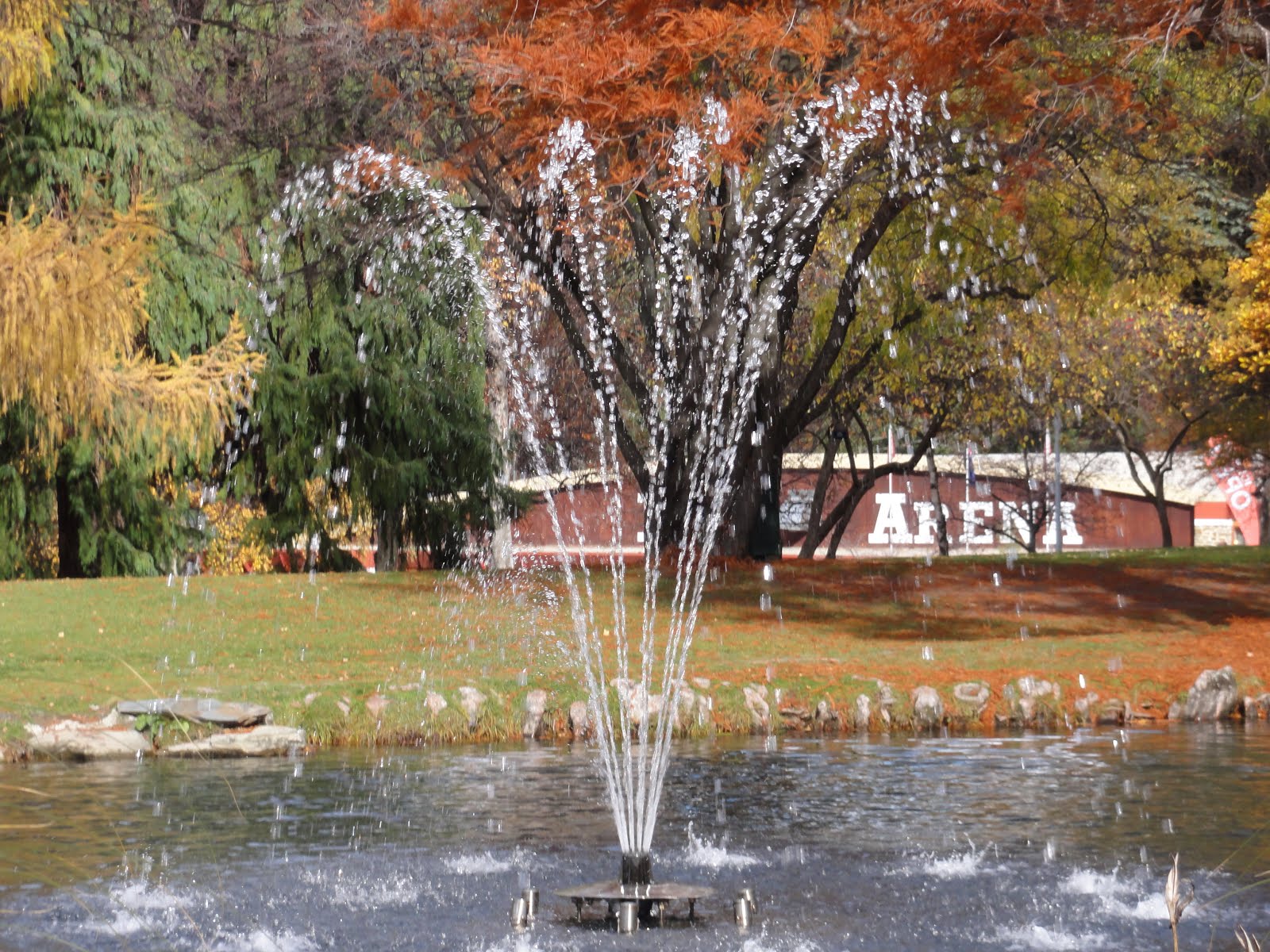
Searching for locations: Queenstown Gardens, Queenstown, New Zealand

Queenstown Gardens are not far from the center of Queenstown.  They are just down the hill from where we usually stay at Queenstown Mews.

More often than not we approach the Gardens from the lakeside during our morning walk from the apartment to the coffee shop.  You can walk alongside the lake, or walk through the Gardens, which, whether in summer or winter, is a very picturesque walk.

There’s a bowling club, and I’m afraid I will never be that sort of person to take it up (not enough patience) and an Ice Arena, where, in winter I have heard players practicing ice hockey.

I’m sure, at times, ice skating can also be done.

There is a stone bridge to walk across, and in Autumn/Winter the trees can add a splash of color.

There is a large water feature with fountain, and plenty of seating around the edge of the lake, to sit and absorb the tranquility, or to have a picnic.

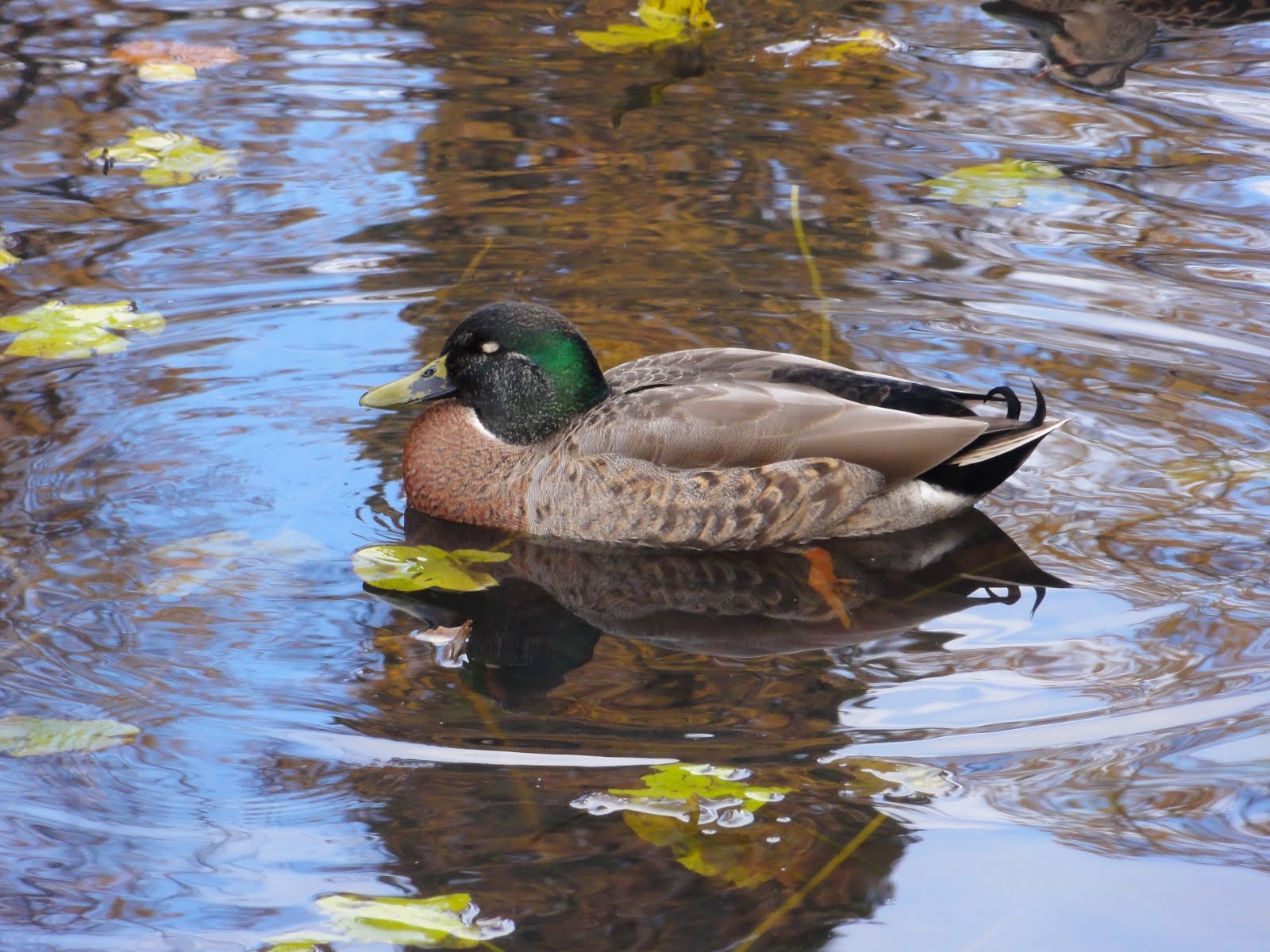
There are ducks in the pond

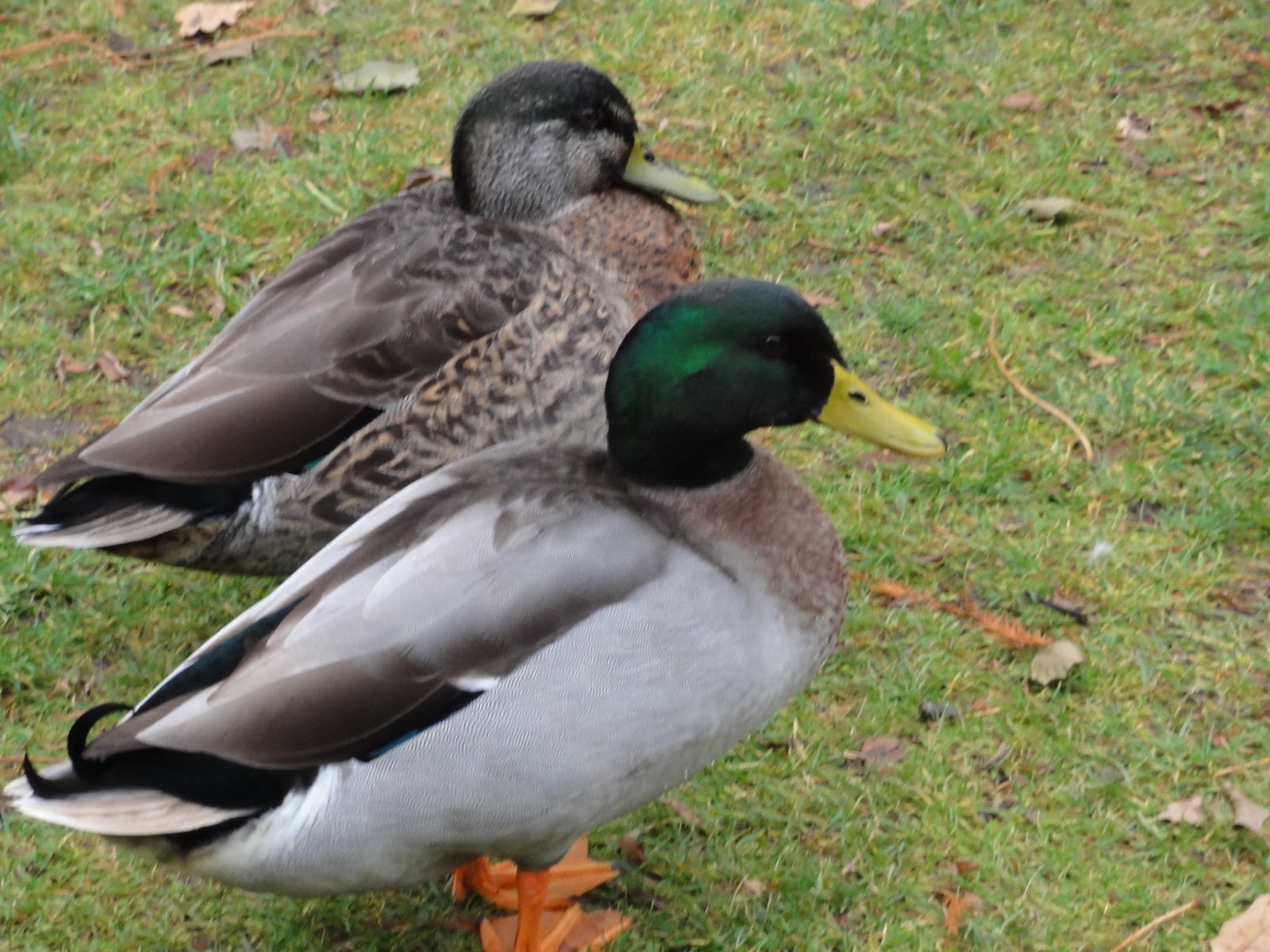
and out of the pond

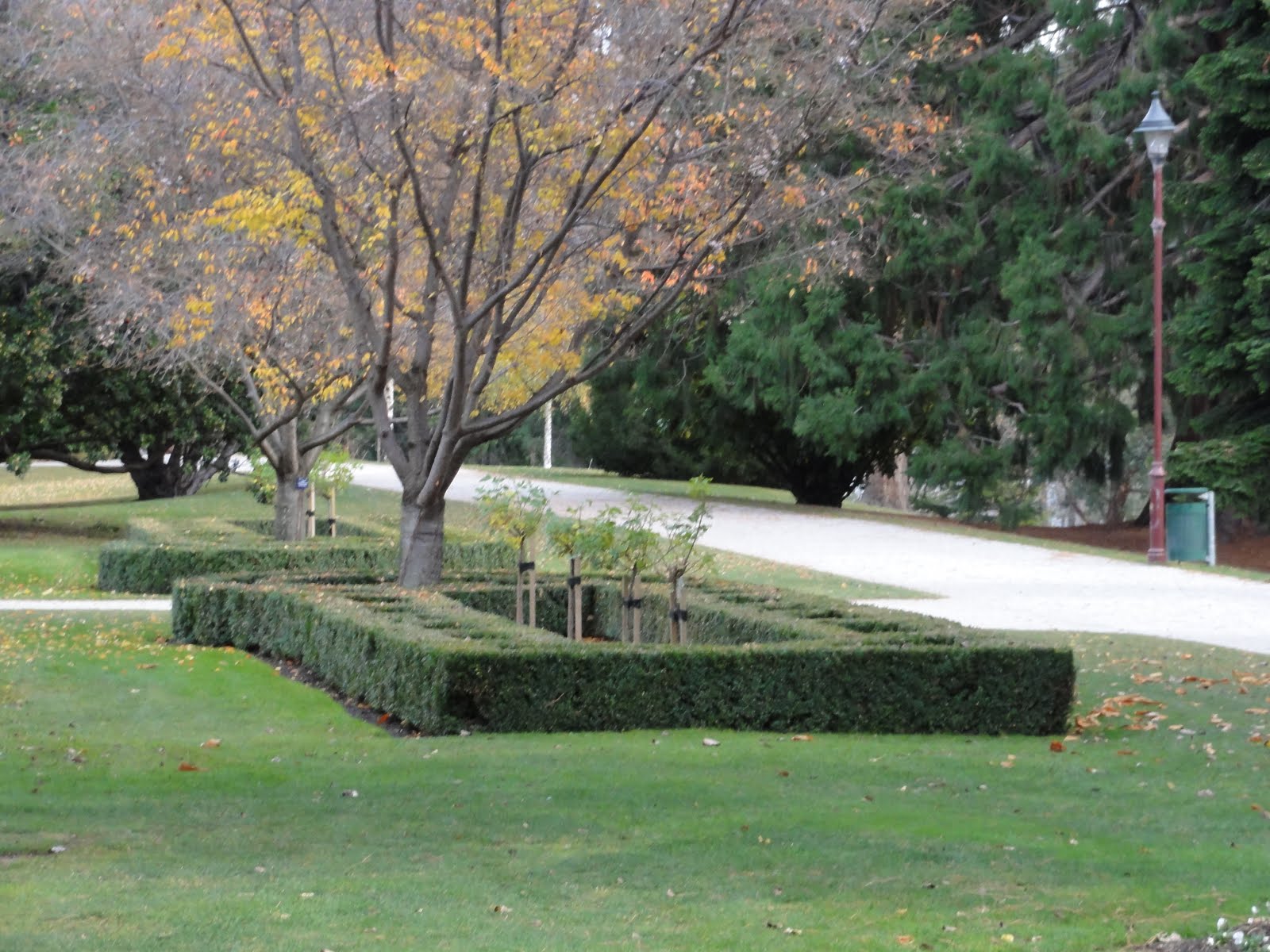
and plenty of grassed areas with flower beds which are more colorful in summer.  I have also seen the lawns covered in snow, and the fir trees that line the lake side of the gardens hang heavy with icicles.

All the days seem the same

I feel like I’m on the outside looking in at this poor fellow struggling to work out what needs to be done, and in the end, getting nothing done.

Writing had suddenly become all that more difficult to do, not because I can’t, there’s an endless supply of ideas running around in my head, it’s just wanting to sit down and do it.

What are my expectations? 

I had set a list of projects I wanted to work on, more episodes for the three continuing stories, and a start to the next episodic story, ‘motive, means, and opportunity’, though for this story I have brought together all the writing I’ve been doing in past few months.

Then there is the completion of ‘the things we do for love’ which at long last now has a completed second draft with a lot of updates and changes to properly reflect the situation of the characters.  I have also got ‘strangers we’ve become’ to a point where it can finally get editorial sign-off. Publishing is not far away after that.

It would be easy to blame COVID 19 for the delays or the lack of commitment to the task, but that’s not the problem.  I’ve been home and had the time, but there have been a number of distractions, and ideas for new stories always seem to divert my attention from what I should be doing.

It’s not writer’s block.  It’s not laziness.  It seems that I just don’t have the time to work on them, and that might be because my subconscious is telling me there are problems with the narrative, and I’m just not ready to address them.

What has got my attention then?

I’m not sure how or why, but something triggered the idea of passing through a portal into another time, in the past.  I think I might have been looking for photographs to write another photo/story, and I came across a covered bridge, and which led to looking for photographs of ghost towns.  What topped it off, there was an old western in black and white, High Noon, which provoked a whole lot of memories of many westerns I’d seen in the past.

What other reason do you need to write your own story?

Then, when visiting my grandchildren, we just happened to do some stargazing, using Google Sky Map, picking out the planets.  Somehow I managed to take a photo, and looking at it, took me back to the days of Star Trek, and the many series, which sort of gave me an idea for another story, which has been running off and on over the last few months.

Equally, I’m always on the lookout for photo opportunities that I can use to write short stories, and these continue apace, the latest, number 150.  These are being formed into anthologies, stories 1 to 50, and stories 51 to 100.  The first has been assembled into book form and is awaiting the editor’s first reading and report.  I’m still working on the second.

And, now there is the next, stories 101 to 150.

Perhaps some of the time has been spent keeping up with Twitter, where over the last six months, and more recently, sales of my books on Amazon have been increasing.  Not to best-seller numbers, but people are reading my stories, and the reviews have been very good.

It has, of course, pushed me to work harder on marketing and that has consumed some of my time, which unfortunately takes me away from writing.  It sometimes feels like a self-defeating exercise, but it is the same for all of us.

Oh, and something else that cropped up this month, my brother has been digging into our family history, and around the middle of the month, he found some interesting revelations about some family members, including a pseudo-Luddite that ended up in Tasmania of all places, and then later on, when chasing down the places that we, as a family, lived, and this brought out some very interesting information about our father.

I’m discovering for what I’d always assumed was an ordinary man, he had done a lot of very interesting things in his life, and not only that, I’ve been fictionalizing the story.  I have potted pieces written over various stages, and, one day, it might come together as a sort of biography.  It is astonishing just how much you don’t know about your family, until much later on, at least for some of us.  Our relatives have always been a mystery to me, and it’s fascinating as each one is brought to life with a new detail here and there.

Looking back on what I’ve just written, perhaps the passing of time had been more productive than I first thought.  It just seems like nothing major has happened.

An excerpt from “The Things We Do For Love”; In love, Henry was all at sea!

In the distance he could hear the dinner bell ringing and roused himself.  Feeling the dampness of the pillow, and fearing the ravages of pent up emotion, he considered not going down but thought it best not to upset Mrs. Mac, especially after he said he would be dining.

In the event, he wished he had reneged, especially when he discovered he was not the only guest staying at the hotel.

Whilst he’d been reminiscing, another guest, a young lady, had arrived.  He’d heard her and Mrs. Mac coming up the stairs, and then shown to a room on the same floor, perhaps at the other end of the passage.

Henry caught his first glimpse of her when she appeared at the door to the dining room, waiting for Mrs. Mac to show her to a table.

She was about mid-twenties, slim, long brown hair, and the grace and elegance of a woman associated with countless fashion magazines.  She was, he thought, stunningly beautiful with not a hair out of place, and make-up flawlessly applied.  Her clothes were black, simple, elegant, and expensive, the sort an heiress or wife of a millionaire might condescend to wear to a lesser occasion than dinner.

Then there was her expression; cold, forbidding, almost frightening in its intensity.  And her eyes, piercingly blue and yet laced with pain.  Dracula’s daughter was his immediate description of her.

All in all, he considered, the only thing they had in common was, like him, she seemed totally out of place.

Mrs. Mac came out of the kitchen, wiping her hands on her apron.  She was, she informed him earlier, chef, waitress, hotelier, barmaid, and cleaner all rolled into one.  Coming up to the new arrival she said, “Ah, Miss Andrews, I’m glad you decided to have dinner.  Would you like to sit with Mr. Henshaw, or would you like to have a table of your own?”

Henry could feel her icy stare as she sized up his appeal as a dining companion, making the hair on the back on his neck stand up.  He purposely didn’t look back.  In his estimation, his appeal rating was minus six.  Out of a thousand!

“If Mr. Henshaw doesn’t mind….”  She looked at him, leaving the query in mid-air.

He didn’t mind and said so.  Perhaps he’d underestimated his rating.

“Good.”  Mrs. Mac promptly ushered her over.  Henry stood, made sure she was seated properly and sat.

“Thank you.  You are most kind.”  The way she said it suggested snobbish overtones.

“I try to be when I can.”  It was supposed to nullify her sarcastic tone but made him sound a little silly, and when she gave him another of her icy glares, he regretted it.

Mrs. Mac quickly intervened, asking, “Would you care for the soup?”

They did, and, after writing the order on her pad, she gave them each a look, imperceptibly shook her head, and returned to the kitchen.

Before Michelle spoke to him again, she had another quick look at him, trying to fathom who and what he might be.  There was something about him.

His eyes, they mirrored the same sadness she felt, and, yes, there was something else, that it looked like he had been crying?  There was a tinge of redness.

Perhaps, she thought, he was here for the same reason she was.

No.  That wasn’t possible.

Then she said, without thinking, “Do you have any particular reason for coming here?”  Seconds later she realized she’s spoken it out loud, had hadn’t meant to actually ask, it just came out.

It took him by surprise, obviously not the first question he was expecting her to ask of him.

“No, other than it is as far from civilization, and home, as I could get.”

At least we agree on that, she thought.

It was obvious he was running away from something as well.

Given the isolation of the village and lack of geographic hospitality, it was, from her point of view, ideal.  All she had to do was avoid him, and that wouldn’t be difficult.

After getting through this evening first.

“Yes,” she agreed.  “It is that.”

A few seconds passed, and she thought she could feel his eyes on her and wasn’t going to look up.

Until he asked, “What’s your reason?”

Slight abrupt in manner, perhaps as a result of her question, and the manner in which she asked it.

She looked up.  “Rest.  And have some time to myself.”

She hoped he would notice the emphasis she had placed on the word ‘herself’ and take due note.  No doubt, she thought,  she had completely different ideas of what constituted a holiday than he, not that she had actually said she was here for a holiday.

Mrs. Mac arrived at a fortuitous moment to save them from further conversation.

Over the entree, she wondered if she had made a mistake coming to the hotel.  Of course, there had been no possible way she could know than anyone else might have booked the same hotel, but realized it was foolish to think she might end up in it by herself.

Was that what she was expecting?

Not a mistake then, but an unfortunate set of circumstances, which could be overcome by being sensible.

Yet, there he was, and it made her curious, not that he was a man, by himself, in the middle of nowhere, hiding like she was, but for very different reasons.

On discreet observance whilst they ate, she gained the impression his air of light-heartedness was forced and he had no sense of humor.

This feeling was engendered by his looks, unruly dark hair, and permanent frown.  And then there was his abysmal taste in clothes on a tall, lanky frame.  They were quality but totally unsuited to the wearer.

Rebellion was written all over him.

The only other thought crossing her mind, and rather incongruously, was he could do with a decent feed.  In that respect, she knew now from the mountain of food in front of her, he had come to the right place.

“Mr. Henshaw?”

He looked up.  “Henshaw is too formal.  Henry sounds much better,” he said, with a slight hint of gruffness.

“Then my name is Michelle.”

Mrs. Mac came in to take their order for the only main course, gather up the entree dishes, then return to the kitchen.

“Staying long?” she asked.

“About three weeks.  Yourself?”

“About the same.”

The conversation dried up.

Neither looked at the other, rather at the walls, out the window, towards the kitchen, anywhere.  It was, she thought, almost unbearably awkward.

Mrs. Mac returned with a large tray with dishes on it, setting it down on the table next to theirs.

“Not as good as the usual cook,” she said, serving up the dinner expertly, “but it comes a good second, even if I do say so myself.  Care for some wine?”

Henry looked at Michelle.  “What do you think?”

“I’m used to my dining companions making the decision.”

You would, he thought.  He couldn’t help but notice the cutting edge of her tone.  Then, to Mrs. Mac, he named a particular White Burgundy he liked and she bustled off.

“I hope you like it,” he said, acknowledging her previous comment with a smile that had nothing to do with humor.

“Yes, so do I.”

Both made a start on the main course, a concoction of chicken and vegetables that were delicious, Henry thought, when compared to the bland food he received at home and sometimes aboard my ship.

It was five minutes before Mrs. Mac returned with the bottle and two glasses.  After opening it and pouring the drinks, she left them alone again.

Henry resumed the conversation.  “How did you arrive?  I came by train.”

“By car.”

“Did you drive yourself?”

And he thought, a few seconds later, that was a silly question, otherwise she would not be alone, and certainly not sitting at this table. With him.

“After a fashion.”

He could see that she was formulating a retort in her mind, then changed it, instead, smiling for the first time, and it served to lighten the atmosphere.

And in doing so, it showed him she had another more pleasant side despite the fact she was trying not to look happy.

“My father reckons I’m just another of ‘those’ women drivers,” she added.

“Whatever for?”

“The first and only time he came with me I had an accident.  I ran up the back of another car.  Of course, it didn’t matter to him the other driver was driving like a startled rabbit.”

“It doesn’t help,” he agreed.

“Do you drive?”

“Mostly people up the wall.”  His attempt at humor failed.  “Actually,” he added quickly, “I’ve got a very old Morris that manages to get me where I’m going.”

The apple pie and cream for dessert came and went and the rapport between them improved as the wine disappeared and the coffee came.  Both had found, after getting to know each other better, their first impressions were not necessarily correct.

“Enjoy the food?” Mrs. Mac asked, suddenly reappearing.

“Beautifully cooked and delicious to eat,” Michelle said, and Henry endorsed her remarks.

“Ah, it does my heart good to hear such genuine compliments,” she said, smiling.  She collected the last of the dishes and disappeared yet again.

“What do you do for a living,” Michelle asked in an off-hand manner.

He had a feeling she was not particularly interested and it was just making conversation.

“I’m a purser.”

“A what?”

“A purser.  I work on a ship doing the paperwork, that sort of thing.”

“I see.”

“And you?”

“I was a model.”

“Was?”

“Until I had an accident, a rather bad one.”

“Oh, I’m sorry.”

So that explained the odd feeling he had about her.

As the evening had worn on, he began to think there might be something wrong, seriously wrong with her because she didn’t look too well.  Even the carefully applied makeup, from close up, didn’t hide the very pale, and tired look, or the sunken, dark ringed eyes.

“I try not to think about it, but it doesn’t necessarily work.  I’ve come here for peace and quiet, away from doctors and parents.”

“Then you will not have to worry about me annoying you.  I’m one of those fall-asleep-reading-a-book types.”

Perhaps it would be like ships passing in the night and then smiled to himself about the analogy.

Dinner now over, they separated.

Henry went back to the lounge to read a few pages of his book before going to bed, and Michelle went up to her room to retire for the night.

But try as he might, he was unable to read, his mind dwelling on the unusual, yet the compellingly mysterious person he would be sharing the hotel with.

Overlaying that original blurred image of her standing in the doorway was another of her haunting expressions that had, he finally conceded, taken his breath away, and a look that had sent more than one tingle down his spine.

She may not have thought much of him, but she had certainly made an impression on him.

© Charles Heath 2015-2020

lovecoverfinal1