The cinema of my dreams – I never wanted to go to Africa – Episode 42

Our hero knows he’s in serious trouble.

The problem is, there are familiar faces and a question of who is a friend and who is foe made all the more difficult because of the enemy, if it was the enemy, simply because it didn’t look or sound or act like the enemy.

Now, it appears, his problems stem from another operation he participated in, and because of it, he has now been roped into what might be called a suicide mission.

I was not sure how the Congo commander was going to react when four cars with people who looked more like mercenaries than a film crew turned up at the front gate.

Not that we had the film equipment to use as a cover. I guess that was the reason the kidnappers had removed it from our cars. One less reason to believe our story. I would have been curious to hear just how the commander had described us to his Congo counterpart.

Or what sort of treatment we were going to get. I don’t think the hostages were going to like the idea of becoming hostages again, albeit with a new set of ransom demands, and probably a lot of harsher treatment. Mercenaries could be rough, but they needed resources, and trying to negotiate with overly damaged goods wouldn’t set much of an example.

The Government military, on the other hand, would not be too particular. And capturing an invading enemy force, spies if you will, well, that was going to be a feather in the cap of the airfield commander.

But would he tip his hand at the gate or wait till we pulled up outside the headquarters building. If there was one.

We were about to find out. The gate was in sight and flanked by two very bright lights which we had all seen for about the last half mile, flickering through the undergrowth. The road was well made, and we would have made good time, but I deliberately slowed down to give Monroe time to get into place.

Another brief report from the Colonel told me they reckoned on 20 troops deployed at different parts of the field, just in case we decided to ‘sneak’ in on foot.

At the gate the road widened into a large turning circle for turning back cars.

I stopped right on top of the gate. A non-commissioned officer came out of a small shack by the gate and joined two men standing either side of the gate. Weapons weren’t pointed in our direction, but that could change quickly.

I was going with the film crew going home story first.

“Who are you?” I noticed the officer had a clipboard and made a show of looking at it, and the page underneath. “You are not on my list.”

“Probably not. We have been filming a documentary, and it’s time to go home. We have an aircraft coming in tomorrow morning to pick us up.”

One of the guards came through the gate and went down one side of each car, then came back up the other side, peering in through the windows. Back at the gate, he spoke to the officer.

“You have weapons. That is unusual for a film crew isn’t it?”

Highly, if we were anywhere else in the world. “We were warned about militias. Luckily we didn’t run into any.”

“Then, before you enter the airfield I suggest you, and your men, surrender any weapons.”

“Of course.” I relayed the instruction back through the cars. The soldier then came down the car and collected the weapons in a bag. As I’d assumed, we were not going to gain admission to the airstrip armed. It was probably also a law which in any country made perfect sense.

Once the soldier returned the officer had the gate opened, and came over to me.

“Fill in the form, and we’ll get you on your way soon enough.”

He handed me the clipboard, and then stepped away, taking out a radio unit of his own and spoke into it in a language I didn’t understand. Perhaps we should have kept Jacobi with us for a little longer so he could interpret.

When I filled out the form and handed it back, he said, “Drive up the road about a half-mile to a hanger and park your cars out the front. I suggest when getting out of the cars not to make any sudden or suspicious moves.”

Like we’d been told almost word for word back at the commander’s camp. Interesting.

The men at the gate didn’t follow us, but I did see, coming from two separate points back from the runway, or what looked to be the runway, two groups of five soldiers in each, in a proper formation. That was not the actions of a motley militia.

Serious soldiers perhaps.

It didn’t take long to reach the hanger, quite large, but in a sorry state of repair. Beside it was two old army huts that were in better repair and lit up. At the top of the steps of one stood the commander, a Captain. Clean, fresh, snug-fitting uniform, looking the part. Newly promoted, with something to prove.

With him were another six soldiers, armed and ready. That made 16 plus him. Where were the others?

Another non-commissioned officer came out of the hut and briefly spoke to his commander. Then he went back inside, and the commander came down the stairs to greet me. The rest of the team stood together, in front of the third car, and about 20 feet away. They were trying their best to cover the two hostages.

“Good evening Mr. James.” Reasonably good English, polite, but there was a slight edge to his tone.

“Good evening.”

“May I ask, which way do you come?”

“From Faradje, on the way to Nagero. I was going to drive into Nagero but changed my mind. Best to get here and be ready.”

“I heard there were some elements of the militia on the road. Did you meet any?”

“No. I was told that this country is quite safe and that we would not be harmed, thanks, I’m told to the good services of the Government’s military. You will be pleased to learn that it is quite safe, a point I will be spreading when I return home. Hopefully that will bring in more tourists.”

“If, as you say, you’ve been making a documentary, it seems odd to me that on one hand, you don’t have any equipment, and on the other, that you have not included Garamba.”

“A valid observation. We had to call the shooting off because two of our crew are ill and need to be returned home, and we left the equipment back in Faradje, our last stop, ready for the replacement crew who will be scheduled to fly in, in the next week or so.”

I had considered what I might say and tried to make it sound plausible, but in the end I don’t think it mattered what I said, especially if the other commander had forewarned the Captain of our impending arrival.

“Yes. That may be true, or it might not. I’m assuming the two sick members of your team are over next to the film crew. In that case, I believe both of us know that those men do not belong to your crew, but are escaped prisoners.”

He gestured towards his men and they went over to the group and extracted the two hostages.

Seemingly it was game over.

“So Commander Ntumba called you after we left?”

“Not a lot happens here without my knowing it. It was in his best interest to inform me.”

Something in the distance caught his eye, and I moved my line of sight to match his. Shurl, hands in the air, with two more soldiers behind him, coming from the bush line on the other side of the runway.

Commander Ntumba would also have told him about our sniper, as I’d surmised, and there was no mistaking the look of glee on his face. Outsmarting what he would consider a crack team of mercenaries from the United States.

I turned back and shrugged.

“Yes, he also told us about your sniper Mr. James. You didn’t think he was going to sneak up on us like he did Commander Ntumba did you?”

“It was worth a try,” I said in my best-defeated tone.

“Right. For the time being you will be kept in detention until I speak to my commander. You will not be leaving this airport. Your rescue plane, when it arrives, will be detained. I will have further questions for you later. Film crew indeed. Take them to B Block,” he said to the officer, then headed back up the stairs to his office.

As far as he was concerned, it had been all too easy.

© Charles Heath 2020

What I learned about writing – 306/306

Running the beta reader gauntlet – what to change and what not to…

The Beta Feedback Gauntlet: Taming Your Ego and Choosing Your Critics

You’ve done it. You reached The End.

After months (or years) in the writing cave, fueled by caffeine and sheer willpower, you finally sent your prized manuscript out into the wild. You waited for the champagne feeling to settle, and then—the emails started trickling back in.

This is the moment every writer both craves and dreads. Feedback is the necessary acid bath that turns a rough stone into a polished gem. But when you open those documents filled with tracked changes and margins plastered with notes like “Confusing,” “Pacing slow,” or “Didn’t connect with this character,” the defenses snap into place.

Suddenly, the voice in your head screams: “My work is a masterpiece! What do these amateurs know?”

Welcome to the Beta Feedback Gauntlet—the ultimate test of a writer’s maturity. The challenge isn’t just getting feedback; it’s discerning whose voices to heed and how to shake that reflexive, stubborn refusal to listen.


1. Confronting the Masterpiece Delusion

The belief that your just-finished draft is perfect is natural. It’s a necessary psychological mechanism that allows you to finish the book in the first place. But that mindset is lethal in the revision stage.

If you are struggling with the feeling that your betas “just don’t get it,” remind yourself of this fundamental truth: You are too close to the work to see it objectively.

Your beta readers are your first genuine audience. They are experiencing the story for the first time, free from the context of the 80 notebooks, the frantic deleted scenes, and the emotional labour you poured into every sentence.

When you feel that throe of superiority, take a breath and reframe the goal: I am not looking for validation; I am looking for clarity.


2. The Hierarchy of Heeding: Who to Listen To

Once you’ve accepted that revisions are necessary, the strategic challenge remains: How do you prioritise conflicting advice? Not all feedback is created equal.

The key to navigating the notes is understanding the difference between A diagnosis (what is broken) and A prescription (how to fix it). Always trust the diagnosis, but treat the prescription as merely a suggestion.

A. The Weight of Recurring Advice

If one beta reader tells you your opening scene is slow, that’s interesting. If three beta readers tell you the opening scene is slow, you have a problem with the opening scene.

This is the golden rule of feedback: Recurring notes always signal a systemic issue.

It doesn’t matter if you disagree with the specific language used (e.g., one says “the protagonist is whiny,” another says “I didn’t root for her”), the underlying diagnosis is the same: the protagonist’s presentation or motives are failing to land with the reader.

Action Item: Use a spreadsheet or a separate document to track recurring comments. If a point is raised by 30% or more of your readers, it must be addressed, regardless of your personal feelings.

B. The Shock of the Single Insight

While recurring comments are supreme, don’t dismiss the powerful, precise note that only one beta provides. This usually applies to:

  1. Genre Expectations: If one reader who specialises in your genre (e.g., a huge fan of dark fantasy) tells you that the magic system doesn’t make sense, heed them. They speak for a crucial segment of your market.
  2. Structural Integrity: Sometimes, one sharp-eyed reader catches a massive plot hole or a continuity error that everyone else missed because they were swept up in the story. This single note can save the entire manuscript.

If a single comment causes your stomach to clench and you immediately think, “Oh, they found the weak spot I tried to hide,” that note is often more valuable than twenty comments on typos.

C. Listening to the ‘Wrong’ Reader

One of the greatest mistakes a writer makes is only giving their work to other writers. While writer betas are useful for craft notes, you also need readers who are simply fans of the genre.

The non-writer reader is crucial because they don’t analyse; they read. They tell you when they got bored, when they stopped caring, or when a scene made them cry. They represent the market. If they struggled with the pacing, the pacing is probably the real problem, even if your writer friends told you the structure was brilliant.


3. Shaking the ‘I Refuse to Listen’ Attitude

That defensive, “I refuse to listen” attitude is a form of procrastination disguised as artistic integrity. To move past it, you need practical strategies for detachment.

1. Institute a 48-Hour Freeze

Never read feedback and start acting on it immediately. Your brain needs time to process the emotional shock. When the notes come in, read them quickly, close the document, and walk away. Go work out, cook dinner, or watch a bad movie.

The goal is to let the emotional heat dissipate so that when you sit down 48 hours later, you can approach the feedback as a detective solving a puzzle, not a defendant on trial.

2. Focus on the Effect, Not the Suggestion

When a beta reader gives a prescription—saying something like, “You should make the villain a woman instead of a man”—don’t focus on their suggested fix. Focus on the implied diagnosis.

  • Beta says: “I didn’t care about the villain’s motivation.”
  • The Problem: The motivation is weak.
  • Your Solution: Brainstorm five new motivations. Maybe one is a female character, but maybe another is a male character with a deeper backstory. You solve the problem without implementing the suggestion.

3. Seek the Root Cause

Often, a dozen different pieces of feedback point back to one central flaw.

  • Notes: “Dialogue is clunky,” “Pacing slows in the middle,” “I didn’t understand why they went to the abandoned factory,” “The stakes felt low.”
  • Root Cause: The protagonist lacks a clear, compelling goal that drives the entire second act.

When you find that single, vital root cause, the other twelve symptoms (clunky dialogue, weak pacing) often heal themselves once the main structural adjustment is made.


Feedback Is Fuel

Receiving beta feedback feels like a verdict, but it is actually a gift. It is the roadmap to the best possible version of your book.

Your job as a successful, professional writer is not to defend your work, but to elevate it. That means putting your ego aside and strategically choosing which voices to heed. Trust the patterns, focus on the reader’s experience, and remember: Every great masterpiece started as a messy draft that stubbornly resisted the first round of changes.

Top 5 sights on the road less travelled – Warsaw

Beyond the Big Five: Warsaw’s Hidden Gems That Will Captivate You (Without the Crowds)

Warsaw is a city that whispers tales of resilience and rebirth, and while the Royal Castle and the Old Town Market Square rightfully draw admirers, there’s a magic to be found in its less-trodden paths. If you’re looking to experience the true soul of the Polish capital without battling a sea of selfie sticks, then this list is for you. Forget the predictable queues; we’re diving into Warsaw’s top five tourist attractions that boast distinctive charm and a serene atmosphere.

Here are five must-visit spots that offer a unique perspective on Warsaw, perfect for the discerning traveller:

1. The Palace of Culture and Science – The Observatory Deck (and beyond!)

Yes, the Palace of Culture and Science is a prominent landmark, but many visitors only see its imposing exterior. The real magic for those seeking fewer crowds lies in its observatory deck on the 30th floor. While it’s a known spot, it rarely experiences the overwhelming throngs of other city viewpoints. The 360-degree panorama of Warsaw from here is breathtaking, particularly at sunset when the city lights begin to twinkle.

Why it’s distinctive: It’s not just the view; it’s the architectural style (a controversial “gift” from the Soviet Union) and the sheer scale of the building that make it a talking point. Venture beyond the deck, and you’ll find cinema complexes, theatres, and museums within its walls, offering a glimpse into Warsaw’s cultural heart without the typical tourist hustle.

2. POLIN Museum of the History of Polish Jews – Immersive Storytelling

While gaining well-deserved recognition, the POLIN Museum is often overlooked by those solely focused on pre-war history. This isn’t just a museum; it’s an immersive journey through a thousand years of Jewish life in Poland. Through stunning architectural design and innovative exhibits, you’ll walk through recreated historical spaces, interact with multimedia displays, and gain a profound understanding of a community that shaped Polish heritage.

Why it’s distinctive: The sheer scale and ambition of its narrative, covering centuries of history, art, and culture. It’s a space that educates, inspires, and often deeply moves visitors. The building itself is a masterpiece, representing a modern interpretation of Jewish heritage.

3. Łazienki Park – Royal Retreat and Artistic Haven

Łazienki Park is Warsaw’s largest green space, and while it’s a popular spot for locals, it rarely feels overrun by tourists. This 18th-century royal complex is a tranquil oasis, featuring opulent palaces, charming gardens, and an amphitheatre. The iconic Palace on the Isle, perched on a picturesque lake, is a sight to behold. You might even spot some resident peacocks strutting their stuff!

Why it’s distinctive: It’s a harmonious blend of natural beauty and neoclassical architecture. Unlike meticulously manicured gardens, Łazienki Park feels like a truly lived-in royal retreat. The open-air Chopin concerts held here in the summer (check schedules!) are a truly magical experience, usually with plenty of space to spread out.

4. The Neon Museum – A Vibrant Flashback

Step into a world of glowing colours and retro charm at the Neon Museum. This unique institution showcases remnants of the Cold War era’s communist-era neon signs, meticulously restored and displayed within a former factory. It’s a visually striking and surprisingly poignant collection that tells a story of Polish urbanism and design during a specific historical period.

Why it’s distinctive: It’s an unconventional museum dedicated to a specific, visually captivating art form. The sheer density of vibrant, luminous signs creates an unforgettable atmosphere. It’s a photographer’s dream and a fascinating glimpse into a bygone era of Polish advertising and urban character.

5. Praga District – The Authentic “Wild East”

For a truly authentic Warsaw experience, venture across the Vistula River to the Praga district. Once considered the “wild east” of Warsaw, Praga has retained much of its pre-war architectural character, with crumbling facades, hidden courtyards, and a distinct bohemian vibe. It’s a stark contrast to the meticulously reconstructed Old Town and offers a more raw, gritty, and intriguing side of the city.

Why it’s distinctive: It’s a living testament to Warsaw’s pre-war past, defying the city’s narrative of complete destruction and reconstruction. Explore its intricate street art, independent galleries, and charming cafes for a taste of Warsaw’s evolving artistic scene. Take a guided walking tour to truly appreciate the hidden stories etched into its buildings.


So, next time you find yourself in Warsaw, dare to stray from the beaten path. These five attractions offer not just unique sights, but also a chance to connect with the city’s diverse history, vibrant culture, and captivating spirit, all without the overwhelming crowds. Happy exploring!

An excerpt from “Echoes from the Past”

Available on Amazon Kindle here:  https://amzn.to/2CYKxu4

With my attention elsewhere, I walked into a man who was hurrying in the opposite direction.  He was a big man with a scar running down the left side of his face from eye socket to mouth, and who was also wearing a black shirt with a red tie.

That was all I remembered as my heart almost stopped.

He apologized as he stepped to one side, the same way I stepped, as I also muttered an apology.

I kept my eyes down.  He was not the sort of man I wanted to recognize later in a lineup.  I stepped to the other side and so did he.  It was one of those situations.  Finally getting out of sync, he kept going in his direction, and I towards the bus, which was now pulling away from the curb.

Getting my breath back, I just stood riveted to the spot watching it join the traffic.  I looked back over my shoulder, but the man I’d run into had gone.  I shrugged and looked at my watch.  It would be a few minutes before the next bus arrived.

Wait, or walk?  I could also go by subway, but it was a long walk to the station.  What the hell, I needed the exercise.

At the first intersection, the ‘Walk’ sign had just flashed to ‘Don’t Walk’.  I thought I’d save a few minutes by not waiting for the next green light.  As I stepped onto the road, I heard the screeching of tires.

A yellow car stopped inches from me.

It was a high powered sports car, perhaps a Lamborghini.  I knew what they looked like because Marcus Bartleby owned one, as did every other junior executive in the city with a rich father.

Everyone stopped to look at me, then the car.  It was that sort of car.  I could see the driver through the windscreen shaking his fist, and I could see he was yelling too, but I couldn’t hear him.  I stepped back onto the sidewalk, and he drove on.  The moment had passed and everyone went back to their business.

My heart rate hadn’t come down from the last encounter.   Now it was approaching cardiac arrest, so I took a few minutes and several sets of lights to regain composure.

At the next intersection, I waited for the green light, and then a few seconds more, just to be sure.  I was no longer in a hurry.

At the next, I heard what sounded like a gunshot.  A few people looked around, worried expressions on their faces, but when it happened again, I saw it was an old car backfiring.  I also saw another yellow car, much the same as the one before, stopped on the side of the road.  I thought nothing of it, other than it was the second yellow car I’d seen.

At the next intersection, I realized I was subconsciously heading towards Harry’s new bar.   It was somewhere on 6th Avenue, so I continued walking in what I thought was the right direction.

I don’t know why I looked behind me at the next intersection, but I did.  There was another yellow car on the side of the road, not far from me.  It, too, looked the same as the original Lamborghini, and I was starting to think it was not a coincidence.

Moments after crossing the road, I heard the roar of a sports car engine and saw the yellow car accelerate past me.  As it passed by, I saw there were two people in it, and the blurry image of the passenger; a large man with a red tie.

Now my imagination was playing tricks.

It could not be the same man.  He was going in a different direction.

In the few minutes I’d been standing on the pavement, it had started to snow; early for this time of year, and marking the start of what could be a long cold winter.  I shuddered, and it was not necessarily because of the temperature.

I looked up and saw a neon light advertising a bar, coincidentally the one Harry had ‘found’ and, looking once in the direction of the departing yellow car, I decided to go in.  I would have a few drinks and then leave by the back door if it had one.

Just in case.

© Charles Heath 2015-2020

newechocover5rs

Top 5 sights on the road less travelled – Riga

Beyond the Crowds: Riga’s Top 5 Distinctive & Unforgettable Hidden Gems

Riga. The name itself conjures images of cobblestone streets, vibrant Art Nouveau facades, and the bustling energy of its UNESCO-listed Old Town. And while these iconic sights are undoubtedly charming, sometimes the most profound travel experiences are found just a little off the well-trodden path.

For the discerning traveller who yearns for authenticity without the elbow-to-elbow crowds, who seeks distinctive features and stories that resonate long after the trip is over, Riga holds a treasure trove of quieter wonders. So, put down that mainstream guide and join me on a journey to uncover five visitor attractions in Riga that promise unique character and peaceful exploration.


1. The Zanis Lipke Memorial: A Testament to Humanity

More than just a museum, the Zanis Lipke Memorial is a profound architectural and emotional experience. Hidden away on Ķīpsala island, this striking black tarred wooden structure resembles an inverted Noah’s Ark, built directly over the secret bunker where Zanis Lipke, a dockworker, hid and saved over 50 Jews from the Holocaust during WWII.

Distinctive Features: The building itself is an architectural marvel – stark, symbolic, and deeply moving. Inside, a narrow, dark passage leads down into the actual bunker, immersing you in the chilling reality of those hidden. The design perfectly complements the powerful story of courage and sacrifice, creating a space for quiet introspection and remembrance. It’s rarely crowded, allowing you to absorb its sombre beauty and the incredible human spirit it honours at your own pace.

2. The Latvian Ethnographic Open-Air Museum: A Walk Through Time

Escape the city entirely and step into rural Latvia from centuries past at the Latvian Ethnographic Open-Air Museum. Sprawling across a vast, picturesque forest on the shores of Lake Jugla, this is one of Europe’s largest open-air museums. It features nearly 120 traditional Latvian buildings – farmsteads, churches, windmills, and fishing villages – painstakingly moved from various regions of Latvia and reconstructed here.

Distinctive Features: Each building tells a story, showcasing the lifestyle, crafts, and traditions of Latvian peasants, fishermen, and artisans from the 17th to the 20th centuries. You can wander through authentic homes, see traditional tools, and often witness artisans demonstrating ancient crafts. Due to its sheer size and slightly out-of-the-way location (easily reachable by bus), it rarely feels crowded, offering ample space to stroll, reflect, and enjoy the tranquil natural surroundings. It’s a living history book under the open sky.

3. Kalnciema Quarter: Wooden Architecture & Bohemian Vibes

While parts of Riga are famous for Art Nouveau, the Kalnciema Quarter offers a different, equally captivating architectural experience: beautifully restored wooden buildings. This charming neighbourhood, a bit west of the Old Town, is a vibrant cultural hub, especially on weekends.

Distinctive Features: The cluster of meticulously renovated 19th-century wooden houses, each with intricate carvings and pastel hues, creates an almost fairytale-like atmosphere. Beyond the architecture, the quarter hosts organic food and craft markets, open-air concerts, art exhibitions, and pop-up cafes – all within a relaxed, community-focused setting. While market days bring a lively buzz, it’s a far cry from the tourist throngs, offering a genuine glimpse into Riga’s modern bohemian culture against a stunning historical backdrop.

4. The Corner House (KGB Museum): A Chilling Echo of the Past

For a powerful and sobering experience, visit “The Corner House” (Stūra Māja), the former headquarters of the Soviet KGB in Latvia. This imposing building, now a museum, is a stark reminder of Latvia’s turbulent 20th century.

Distinctive Features: A visit here is not just about exhibits; it’s about walking through history. You can explore the original cells, interrogation rooms, the former waiting rooms, and the chilling exercise yard. The atmosphere is sombre and reflective, offering a raw and unfiltered look at the methods and impact of the Soviet regime. While popular, the nature of the visit (often guided tours through specific areas) means it rarely feels overwhelmingly crowded, allowing for a deeply personal engagement with this poignant piece of history.

5. Miera Iela & The Great Cemetery: Artisanal Charm Meets Serene History

Combine two distinctive, less-trafficked experiences by exploring Miera Iela (Peace Street) and its adjacent Great Cemetery. Miera Iela has earned the nickname “hipster street” for its collection of independent cafes, artisan boutiques, small art galleries, and vintage shops.

Distinctive Features: Miera Iela offers a refreshing contrast to the Old Town, showcasing Riga’s contemporary, creative pulse. Stroll, grab a coffee, browse unique items. Just a stone’s throw away, you’ll find the Great Cemetery (Lielie Kapi). Far from morbid, this historic cemetery is a sprawling, peaceful park adorned with magnificent sculptures, grand mausoleums, and ancient trees. It’s a place of quiet beauty and historical significance, where many notable Latvians are laid to rest, and where you can enjoy a serene walk amidst stunning funerary art and natural tranquillity, almost always in solitude.


Riga is a city that keeps on giving, especially when you’re willing to venture slightly off the beaten path. These five distinctive attractions offer not just sights, but stories, emotions, and a deeper connection to the heart of Latvia, all within the tranquil embrace of fewer crowds.

Have you visited any of these hidden gems in Riga, or found other distinctive, uncrowded spots? Share your experiences in the comments below!

Inspiration, maybe – Volume 1

50 photographs, 50 stories, of which there is one of the 50 below.

They all start with –

A picture paints … well, as many words as you like.  For instance:

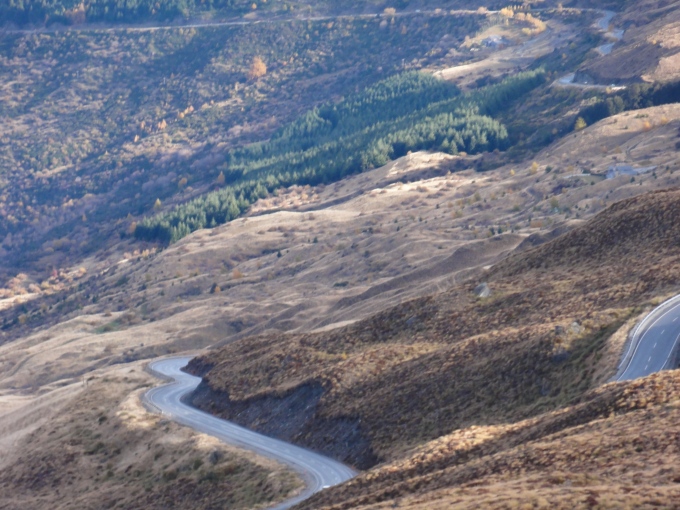
lookingdownfromcoronetpeak

And the story:

It was once said that a desperate man has everything to lose.

The man I was chasing was desperate, but I, on the other hand, was more desperate to catch him.

He’d left a trail of dead people from one end of the island to the other.

The team had put in a lot of effort to locate him, and now his capture was imminent.  We were following the car he was in, from a discrete distance, and, at the appropriate time, we would catch up, pull him over, and make the arrest.

There was nowhere for him to go.

The road led to a dead-end, and the only way off the mountain was back down the road were now on.  Which was why I was somewhat surprised when we discovered where he was.

Where was he going?

“Damn,” I heard Alan mutter.  He was driving, being careful not to get too close, but not far enough away to lose sight of him.

“What?”

“I think he’s made us.”

“How?”

“Dumb bad luck, I’m guessing.  Or he expected we’d follow him up the mountain.  He’s just sped up.”

“How far away?”

“A half-mile.  We should see him higher up when we turn the next corner.”

It took an eternity to get there, and when we did, Alan was right, only he was further on than we thought.”

“Step on it.  Let’s catch him up before he gets to the top.”

Easy to say, not so easy to do.  The road was treacherous, and in places just gravel, and there were no guard rails to stop a three thousand footfall down the mountainside.

Good thing then I had the foresight to have three agents on the hill for just such a scenario.

Ten minutes later, we were in sight of the car, still moving quickly, but we were going slightly faster.  We’d catch up just short of the summit car park.

Or so we thought.

Coming quickly around another corner we almost slammed into the car we’d been chasing.

“What the hell…” Aland muttered.

I was out of the car, and over to see if he was in it, but I knew that it was only a slender possibility.  The car was empty, and no indication where he went.

Certainly not up the road.  It was relatively straightforward for the next mile, at which we would have reached the summit.  Up the mountainside from here, or down.

I looked up.  Nothing.

Alan yelled out, “He’s not going down, not that I can see, but if he did, there’s hardly a foothold and that’s a long fall.”

Then where did he go?

Then a man looking very much like our quarry came out from behind a rock embedded just a short distance up the hill.

“Sorry,” he said quite calmly.  “Had to go if you know what I mean.”

I’d lost him.

It was as simple as that.

I had been led a merry chase up the hill, and all the time he was getting away in a different direction.

I’d fallen for the oldest trick in the book, letting my desperation blind me to the disguise that anyone else would see through in an instant.

It was a lonely sight, looking down that road, knowing that I had to go all that way down again, only this time, without having to throw caution to the wind.

“Maybe next time,” Alan said.

“We’ll get him.  It’s just a matter of time.”

© Charles Heath 2019-2021

Find this and other stories in “Inspiration, maybe”  available soon.

InspirationMaybe1v1

What I learned about writing – 306/306

Running the beta reader gauntlet – what to change and what not to…

The Beta Feedback Gauntlet: Taming Your Ego and Choosing Your Critics

You’ve done it. You reached The End.

After months (or years) in the writing cave, fueled by caffeine and sheer willpower, you finally sent your prized manuscript out into the wild. You waited for the champagne feeling to settle, and then—the emails started trickling back in.

This is the moment every writer both craves and dreads. Feedback is the necessary acid bath that turns a rough stone into a polished gem. But when you open those documents filled with tracked changes and margins plastered with notes like “Confusing,” “Pacing slow,” or “Didn’t connect with this character,” the defenses snap into place.

Suddenly, the voice in your head screams: “My work is a masterpiece! What do these amateurs know?”

Welcome to the Beta Feedback Gauntlet—the ultimate test of a writer’s maturity. The challenge isn’t just getting feedback; it’s discerning whose voices to heed and how to shake that reflexive, stubborn refusal to listen.


1. Confronting the Masterpiece Delusion

The belief that your just-finished draft is perfect is natural. It’s a necessary psychological mechanism that allows you to finish the book in the first place. But that mindset is lethal in the revision stage.

If you are struggling with the feeling that your betas “just don’t get it,” remind yourself of this fundamental truth: You are too close to the work to see it objectively.

Your beta readers are your first genuine audience. They are experiencing the story for the first time, free from the context of the 80 notebooks, the frantic deleted scenes, and the emotional labour you poured into every sentence.

When you feel that throe of superiority, take a breath and reframe the goal: I am not looking for validation; I am looking for clarity.


2. The Hierarchy of Heeding: Who to Listen To

Once you’ve accepted that revisions are necessary, the strategic challenge remains: How do you prioritise conflicting advice? Not all feedback is created equal.

The key to navigating the notes is understanding the difference between A diagnosis (what is broken) and A prescription (how to fix it). Always trust the diagnosis, but treat the prescription as merely a suggestion.

A. The Weight of Recurring Advice

If one beta reader tells you your opening scene is slow, that’s interesting. If three beta readers tell you the opening scene is slow, you have a problem with the opening scene.

This is the golden rule of feedback: Recurring notes always signal a systemic issue.

It doesn’t matter if you disagree with the specific language used (e.g., one says “the protagonist is whiny,” another says “I didn’t root for her”), the underlying diagnosis is the same: the protagonist’s presentation or motives are failing to land with the reader.

Action Item: Use a spreadsheet or a separate document to track recurring comments. If a point is raised by 30% or more of your readers, it must be addressed, regardless of your personal feelings.

B. The Shock of the Single Insight

While recurring comments are supreme, don’t dismiss the powerful, precise note that only one beta provides. This usually applies to:

  1. Genre Expectations: If one reader who specialises in your genre (e.g., a huge fan of dark fantasy) tells you that the magic system doesn’t make sense, heed them. They speak for a crucial segment of your market.
  2. Structural Integrity: Sometimes, one sharp-eyed reader catches a massive plot hole or a continuity error that everyone else missed because they were swept up in the story. This single note can save the entire manuscript.

If a single comment causes your stomach to clench and you immediately think, “Oh, they found the weak spot I tried to hide,” that note is often more valuable than twenty comments on typos.

C. Listening to the ‘Wrong’ Reader

One of the greatest mistakes a writer makes is only giving their work to other writers. While writer betas are useful for craft notes, you also need readers who are simply fans of the genre.

The non-writer reader is crucial because they don’t analyse; they read. They tell you when they got bored, when they stopped caring, or when a scene made them cry. They represent the market. If they struggled with the pacing, the pacing is probably the real problem, even if your writer friends told you the structure was brilliant.


3. Shaking the ‘I Refuse to Listen’ Attitude

That defensive, “I refuse to listen” attitude is a form of procrastination disguised as artistic integrity. To move past it, you need practical strategies for detachment.

1. Institute a 48-Hour Freeze

Never read feedback and start acting on it immediately. Your brain needs time to process the emotional shock. When the notes come in, read them quickly, close the document, and walk away. Go work out, cook dinner, or watch a bad movie.

The goal is to let the emotional heat dissipate so that when you sit down 48 hours later, you can approach the feedback as a detective solving a puzzle, not a defendant on trial.

2. Focus on the Effect, Not the Suggestion

When a beta reader gives a prescription—saying something like, “You should make the villain a woman instead of a man”—don’t focus on their suggested fix. Focus on the implied diagnosis.

  • Beta says: “I didn’t care about the villain’s motivation.”
  • The Problem: The motivation is weak.
  • Your Solution: Brainstorm five new motivations. Maybe one is a female character, but maybe another is a male character with a deeper backstory. You solve the problem without implementing the suggestion.

3. Seek the Root Cause

Often, a dozen different pieces of feedback point back to one central flaw.

  • Notes: “Dialogue is clunky,” “Pacing slows in the middle,” “I didn’t understand why they went to the abandoned factory,” “The stakes felt low.”
  • Root Cause: The protagonist lacks a clear, compelling goal that drives the entire second act.

When you find that single, vital root cause, the other twelve symptoms (clunky dialogue, weak pacing) often heal themselves once the main structural adjustment is made.


Feedback Is Fuel

Receiving beta feedback feels like a verdict, but it is actually a gift. It is the roadmap to the best possible version of your book.

Your job as a successful, professional writer is not to defend your work, but to elevate it. That means putting your ego aside and strategically choosing which voices to heed. Trust the patterns, focus on the reader’s experience, and remember: Every great masterpiece started as a messy draft that stubbornly resisted the first round of changes.

First Dig Two Graves

A sequel to “The Devil You Don’t”

Revenge is a dish best served cold – or preferably so when everything goes right

Of course, it rarely does, as Alistair, Zoe’s handler, discovers to his peril. Enter a wildcard, John, and whatever Alistair’s plan for dealing with Zoe was dies with him.

It leaves Zoe in completely unfamiliar territory.

John’s idyllic romance with a woman who is utterly out of his comfort zone is on borrowed time. She is still trying to reconcile her ambivalence, after being so indifferent for so long.

They agree to take a break, during which she disappears. John, thinking she has left without saying goodbye, refuses to accept the inevitable, calls on an old friend for help in finding her.

After the mayhem and being briefly reunited, she recognises an inevitable truth: there is a price to pay for taking out Alistair; she must leave and find them first, and he would be wise to keep a low profile.

But keeping a low profile just isn’t possible, and enlisting another friend, a private detective and his sister, a deft computer hacker, they track her to the border between Austria and Hungary.

What John doesn’t realise is that another enemy is tracking him to find her too. It could have been a grand tour of Europe. Instead, it becomes a race against time before enemies old and new converge for what will be an inevitable showdown.

An excerpt from “Strangers We’ve Become” – Coming Soon

I wandered back to my villa.

It was in darkness.  I was sure I had left several lights on, especially over the door so I could see to unlock it.

I looked up and saw the globe was broken.

Instant alert.

I went to the first hiding spot for the gun, and it wasn’t there.  I went to the backup and it wasn’t there either.  Someone had found my carefully hidden stash of weapons and removed them.

Who?

There were four hiding spots and all were empty.  Someone had removed the weapons.  That could only mean one possibility.

I had a visitor, not necessarily here for a social call.

But, of course, being the well-trained agent I’d once been and not one to be caught unawares, I crossed over to my neighbor and relieved him of a weapon that, if found, would require a lot of explaining.

Suitably armed, it was time to return the surprise.

There were three entrances to the villa, the front door, the back door, and a rather strange escape hatch.  One of the more interesting attractions of the villa I’d rented was its heritage.  It was built in the late 1700s, by a man who was, by all accounts, a thief.  It had a hidden underground room which had been in the past a vault but was now a wine cellar, and it had an escape hatch by which the man could come and go undetected, particularly if there was a mob outside the door baying for his blood.

It now gave me the means to enter the villa without my visitors being alerted, unless, of course, they were near the vicinity of the doorway inside the villa, but that possibility was unlikely.  It was not where anyone could anticipate or expect a doorway to be.

The secret entrance was at the rear of the villa behind a large copse, two camouflaged wooden doors built into the ground.  I move aside some of the branches that covered them and lifted one side.  After I’d discovered the doors and rusty hinges, I’d oiled and cleaned them, and cleared the passageway of cobwebs and fallen rocks.  It had a mildew smell, but nothing would get rid of that.  I’d left torches at either end so I could see.

I closed the door after me, and went quietly down the steps, enveloped in darkness till I switched on the torch.  I traversed the short passage which turned ninety degrees about halfway to the door at the other end.  I carried the key to this door on the keyring, found it and opened the door.  It too had been oiled and swung open soundlessly.

I stepped in the darkness and closed the door.

I was on the lower level under the kitchen, now the wine cellar, the ‘door’ doubling as a set of shelves which had very little on them, less to fall and alert anyone in the villa.

Silence, an eerie silence.

I took the steps up to the kitchen, stopping when my head was level with the floor, checking to see if anyone was waiting.  There wasn’t.  It seemed to me to be an unlikely spot for an ambush.

I’d already considered the possibility of someone coming after me, especially because it had been Bespalov I’d killed, and I was sure he had friends, all equally as mad as he was.  Equally, I’d also considered it nigh on impossible for anyone to find out it was me who killed him because the only people who knew that were Prendergast, Alisha, a few others in the Department, and Susan.

That raised the question of who told them where I was.

If I was the man I used to be, my first suspect would be Susan.  The departure this morning, and now this was too coincidental.  But I was not that man.

Or was I?

I reached the start of the passageway that led from the kitchen to the front door and peered into the semi-darkness.  My eyes had got used to the dark, and it was no longer an inky void.  Fragments of light leaked in around the door from outside and through the edge of the window curtains where they didn’t fit properly.  A bone of contention upstairs in the morning, when first light shone and invariably woke me up hours before I wanted to.

Still nothing.

I took a moment to consider how I would approach the visitor’s job.  I would get a plan of the villa in my head, all entrances, where a target could be led to or attacked where there would be no escape.

Coming in the front door.  If I was not expecting anything, I’d just open the door and walk-in.  One shot would be all that was required.

Contract complete.

I sidled quietly up the passage staying close to the wall, edging closer to the front door.  There was an alcove where the shooter could be waiting.  It was an ideal spot to wait.

Crunch.

I stepped on some nutshells.

Not my nutshells.

I felt it before I heard it.  The bullet with my name on it.

And how the shooter missed, from point-blank range, and hit me in the arm, I had no idea.  I fired off two shots before a second shot from the shooter went wide and hit the door with a loud thwack.

I saw a red dot wavering as it honed in on me and I fell to the floor, stretching out, looking up where the origin of the light was coming and pulled the trigger three times, evenly spaced, and a second later I heard the sound of a body falling down the stairs and stopping at the bottom, not very far from me.

Two assassins.

I’d not expected that.

The assassin by the door was dead, a lucky shot on my part.  The second was still breathing.

I checked the body for any weapons and found a second gun and two knives.  Armed to the teeth!

I pulled off the balaclava; a man, early thirties, definitely Italian.  I was expecting a Russian.

I slapped his face, waking him up.  Blood was leaking from several slashes on his face when his head had hit the stairs on the way down.  The awkward angle of his arms and legs told me there were broken bones, probably a lot worse internally.  He was not long for this earth.

“Who employed you?”

He looked at me with dead eyes, a pursed mouth, perhaps a smile.  “Not today my friend.  You have made a very bad enemy.”  He coughed and blood poured out of his mouth.  “There will be more …”

Friends of Bespalov, no doubt.

I would have to leave.  Two unexplainable bodies, I’d have a hard time explaining my way out of this mess.  I dragged the two bodies into the lounge, clearing the passageway just in case someone had heard anything.

Just in case anyone was outside at the time, I sat in the dark, at the foot of the stairs, and tried to breathe normally.  I was trying not to connect dots that led back to Susan, but the coincidence was worrying me.

A half-hour passed and I hadn’t moved.  Deep in thought, I’d forgotten about being shot, unaware that blood was running down my arm and dripping onto the floor.

Until I heard a knock on my front door.

Two thoughts, it was either the police, alerted by the neighbors, or it was the second wave, though why would they be knocking on the door?

I stood, and immediately felt a stabbing pain in my arm.  I took out a handkerchief and turned it into a makeshift tourniquet, then wrapped a kitchen towel around the wound.

If it was the police, this was going to be a difficult situation.  Holding the gun behind my back, I opened the door a fraction and looked out.

No police, just Maria.  I hoped she was not part of the next ‘wave’.

“You left your phone behind on the table.  I thought you might be looking for it.”  She held it out in front of her.

When I didn’t open the door any further, she looked at me quizzically, and then asked, “Is anything wrong?”

I was going to thank her for returning the phone, but I heard her breathe in sharply, and add, breathlessly, “You’re bleeding.”

I looked at my arm and realized it was visible through the door, and not only that, the towel was soaked in blood.

“You need to go away now.”

Should I tell her the truth?  It was probably too late, and if she was any sort of law-abiding citizen she would go straight to the police.

She showed no signs of leaving, just an unnerving curiosity.  “What happened?”

I ran through several explanations, but none seemed plausible.  I went with the truth.  “My past caught up with me.”

“You need someone to fix that before you pass out from blood loss.  It doesn’t look good.”

“I can fix it.  You need to leave.  It is not safe to be here with me.”

The pain in my arm was not getting any better, and the blood was starting to run down my arm again as the tourniquet loosened.  She was right, I needed it fixed sooner rather than later.

I opened the door and let her in.  It was a mistake, a huge mistake, and I would have to deal with the consequences.  Once inside, she turned on the light and saw the pool of blood just inside the door and the trail leading to the lounge.  She followed the trail and turned into the lounge, turned on the light, and no doubt saw the two dead men.

I expected her to scream.  She didn’t.

She gave me a good hard look, perhaps trying to see if I was dangerous.  Killing people wasn’t something you looked the other way about.  She would have to go to the police.

“What happened here?”

“I came home from the cafe and two men were waiting for me.  I used to work for the Government, but no longer.  I suspect these men were here to repay a debt.  I was lucky.”

“Not so much, looking at your arm.”

She came closer and inspected it.

“Sit down.”

She found another towel and wrapped it around the wound, retightening the tourniquet to stem the bleeding.

“Do you have medical supplies?”

I nodded.  “Upstairs.”  I had a medical kit, and on the road, I usually made my own running repairs.  Another old habit I hadn’t quite shaken off yet.

She went upstairs, rummaged, and then came back.  I wondered briefly what she would think of the unmade bed though I was not sure why it might interest her.

She helped me remove my shirt, and then cleaned the wound.  Fortunately, she didn’t have to remove a bullet.  It was a clean wound but it would require stitches.

When she’d finished she said, “Your friend said one day this might happen.”

No prizes for guessing who that friend was, and it didn’t please me that she had involved Maria.

“Alisha?”

“She didn’t tell me her name, but I think she cares a lot about you.  She said trouble has a way of finding you, gave me a phone and said to call her if something like this happened.”

“That was wrong of her to do that.”

“Perhaps, perhaps not.  Will you call her?”

“Yes.  I can’t stay here now.  You should go now.  Hopefully, by the time I leave in the morning, no one will ever know what happened here, especially you.”

She smiled.  “As you say, I was never here.”

© Charles Heath 2018-2022

strangerscover9

NANOWRIMO – November 2025 – Day 18

The Third Son of a Duke

48 plus hours with Margaret can do a lot to simply not think about the war.

His plan to be in Melbourne shortly before the ship leaves is, of course, thwarted by wars and circumstances.

The ship is the Orontes.  It is real, it did leave Melbourne in April of 1915, and it had nearly 600 passengers that I can find, but these ships could take more.  It was also laden with cargo mostly for the mother country, among which would be war materials.

There are also nurses and doctors making the ship’s departure very emotional.

The time in Melbourne is spent in the Grand Hotel, and it’s not entirely clear whether he invites Margaret to stay or she invites herself, but after dinner on that first night, she is there the next morning.

It is not that sort of relationship.  Both are acutely aware of his commitment to Louise.  Margaret is just happy to be spoiled.  He is happy to spend some time with a friend before going to war.

While writing about this odd relationship, I find it hard not to romantically entangle them, but I have taken a step back and considered the ramifications of the day and age, of proprieties, and opinions of young women and the expectations of their peers.

It means having to completely block out current-day sexual mores and the sort of happy-go-lucky attitude and promiscuity that is the modern way of doing things.  Perhaps it happened then, too, but I’m trying to make this simple.

Dinner, dancing, sightseeing, being together — but not.

Of course, reading about the city I grew up in and never really seeing it for what it was then, is fascinating, and some of it is still there; that desire to replace architectural marvels with obscene glass and concrete has not yet completely taken over.

How marvellous it must have been to live in such an age.

1995 words, for a total of 29185 words.