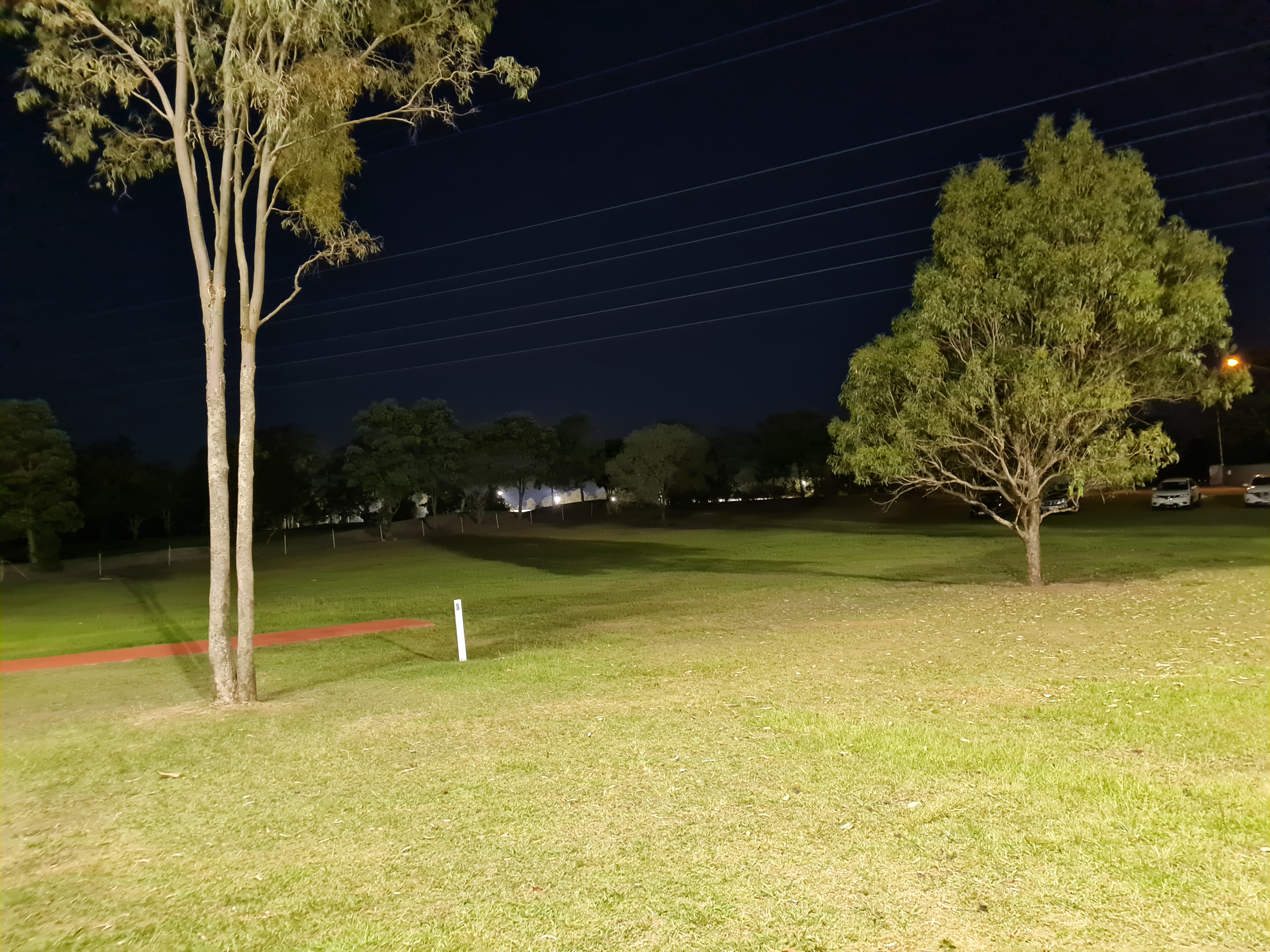
Another excerpt from ‘Betrayal’; a work in progress

My next destination in the quest was the hotel we believed Anne Merriweather had stayed at.

I was, in a sense, flying blind because we had no concrete evidence she had been there, and the message she had left behind didn’t quite name the hotel or where Vladimir was going to take her.

Mindful of the fact that someone might have been following me, I checked to see if the person I’d assumed had followed me to Elizabeth’s apartment was still in place, but I couldn’t see him. Next, I made a mental note of seven different candidates and committed them to memory.

Then I set off to the hotel, hailing a taxi. There was the possibility the cab driver was one of them, but perhaps I was slightly more paranoid than I should be. I’d been watching the queue, and there were two others before me.

The journey took about an hour, during which time I kept an eye out the back to see if anyone had been following us. If anyone was, I couldn’t see them.

I had the cab drop me off a block from the hotel and then spent the next hour doing a complete circuit of the block the hotel was on, checking the front and rear entrances, the cameras in place, and the siting of the driveway into the underground carpark. There was a camera over the entrance, and one we hadn’t checked for footage. I sent a text message to Fritz to look into it.

The hotel lobby was large and busy, which was exactly what you’d want if you wanted to come and go without standing out. It would be different later at night, but I could see her arriving about mid-afternoon, and anonymous among the type of clientele the hotel attracted.

I spent an hour sitting in various positions in the lobby simply observing. I had already ascertained where the elevator lobby for the rooms was, and the elevator down to the car park. Fortunately, it was not ‘guarded’ but there was a steady stream of concierge staff coming and going to the lower levels, and, just from time to time, guests.

Then, when there was a commotion at the front door, what seemed to be a collision of guests and free-wheeling bags, I saw one of the seven potential taggers sitting by the front door. Waiting for me to leave? Or were they wondering why I was spending so much time there?

Taking advantage of that confusion, I picked my moment to head for the elevators that went down to the car park, pressed the down button, and waited.

The was no car on the ground level, so I had to wait, watching, like several others, the guests untangling themselves at the entrance, and an eye on my potential surveillance, still absorbed in the confusion.

The doors to the left car opened, and a concierge stepped out, gave me a quick look, then headed back to his desk. I stepped into the car, pressed the first level down, the level I expected cars to arrive on, and waited what seemed like a long time for the doors to close.

As they did, I was expecting to see a hand poke through the gap, a latecomer. Nothing happened, and I put it down to a television moment.

There were three basement levels, and for a moment, I let my imagination run wild and considered the possibility that there were more levels. Of course, there was no indication on the control panel that there were any other floors, and I’d yet to see anything like it in reality.

With a shake of my head to return to reality, the car arrived, the doors opened, and I stepped out.

A car pulled up, and the driver stepped out, went around to the rear of his car, and pulled out a case. I half expected him to throw me the keys, but the instant glance he gave me told him was not the concierge, and instead brushed past me like I wasn’t there.

He bashed the up button several times impatiently and cursed when the doors didn’t open immediately. Not a happy man.

Another car drove past on its way down to a lower level.

I looked up and saw the CCTV camera, pointing towards the entrance, visible in the distance. A gate that lifted up was just about back in position and then made a clunk when it finally closed. The footage from the camera would not prove much, even if it had been working, because it didn’t cover the life lobby, only in the direction of the car entrance.

The doors to the other elevator car opened, and a man in a suit stepped out.

“Can I help you, sir? You seem lost.”

Security, or something else. “It seems that way. I went to the elevator lobby, got in, and it went down rather than up. I must have been in the wrong place.”

“Lost it is, then, sir.” I could hear the contempt for Americans in his tone. “If you will accompany me, please.”

He put out a hand ready to guide me back into the elevator. I was only too happy to oblige him. There had been a sign near the button panel that said the basement levels were only to be accessed by the guests.

Once inside, he turned a key and pressed the lobby button. The doors closed, and we went up. He stood, facing the door, not speaking. A few seconds later, he was ushering me out to the lobby.

“Now, sir, if you are a guest…”

“Actually, I’m looking for one. She called me and said she would be staying in this hotel and to come down and visit her. I was trying to get to the sixth floor.”

“Good. Let’s go over the the desk and see what we can do for you.”

I followed him over to the reception desk, where he signalled one of the clerks, a young woman who looked and acted very efficiently, and told her of my request, but then remained to oversee the proceeding.

“Name of guest, sir?”

“Merriweather, Anne. I’m her brother, Alexander.” I reached into my coat pocket and pulled out my passport to prove that I was who I said I was. She glanced cursorily at it.

She typed the name into the computer, and then we waited a few seconds while it considered what to output. Then, she said, “That lady is not in the hotel, sir.”

Time to put on my best-confused look. “But she said she would be staying here for the week. I made a special trip to come here to see her.”

Another puzzled look from the clerk, then, “When did she call you?”

An interesting question to ask, and it set off a warning bell in my head. I couldn’t say today, it would have to be the day she was supposedly taken.

“Last Saturday, about four in the afternoon.”

Another look at the screen, then, “It appears she checked out Sunday morning. I’m afraid you have made a trip in vain.”

Indeed, I had. “Was she staying with anyone?”

I just managed to see the warning pass from the suited man to the clerk. I thought he had shown an interest when I mentioned the name, and now I had confirmation. He knew something about her disappearance. The trouble was, he wasn’t going to volunteer any information because he was more than just hotel security.

“No.”

“Odd,” I muttered. “I thought she told me she was staying with a man named Vladimir something or other. I’m not too good at pronouncing those Russian names. Are you sure?”

She didn’t look back at the screen. “Yes.”

“OK, now one thing I do know about staying in hotels is that you are required to ask guests with foreign passports their next destination, just in case they need to be found. Did she say where she was going next?” It was a long shot, but I thought I’d ask.

“Moscow. As I understand it, she lives in Moscow. That was the only address she gave us.”

I smiled. “Thank you. I know where that is. I probably should have gone there first.”

She didn’t answer; she didn’t have to, her expression did that perfectly.

The suited man spoke again, looking at the clerk. “Thank you.” He swivelled back to me. “I’m sorry we can’t help you.”

“No. You have more than you can know.”

“What was your name again, sir, just in case you still cannot find her?”

“Alexander Merriweather. Her brother. And if she is still missing, I will be posting a very large reward. At the moment, you can best contact me via the American Embassy.”

Money is always a great motivator, and that thoughtful expression on his face suggested he gave a moment’s thought to it.

I left him with that offer and left. If anything, the people who were holding her would know she had a brother, that her brother was looking for her, and equally that brother had money.

© Charles Heath – 2018-2025

In a word: Deal

Deal or no deal.  That was a game show on TV once, involving briefcases.

Then, if you win…

It’s a big deal!

Or, of course, it is if you get in on the ground floor, which is to say, you’re one of the original investors, it becomes a great deal; it’s meaning, taking part in a financial transaction.

The word ‘deal’ along with big, great, tremendous, and once in a lifetime, feature prominently, but if you are like me by the time you invest the pyramid is about to collapse!

Then you’re in a great deal of trouble, meaning a lot of trouble — at the time, it feels catastrophic.

Or you’re working impossibly long hours to enrich the others above you, it a good deal of effort on your part for no reward.

Or deal with a problem, which is to say cope with or control, though if it’s a problem child, good luck with that.

But enough of the depressing descriptions,

When you play a card game, the first thing to happen is to deal the cards.

The second is to ask yourself if the dealer is dealing from the bottom of the deck, even if it looks like the top.

My father called these dealers ‘card sharps’.

Then there is a piece of wood commonly called deal, usually thin and square though not always so; it can also be a plank of pine or fir.

“Sunday in New York”, a romantic adventure that’s not a walk in the park!

“Sunday in New York” is ultimately a story about trust, and what happens when a marriage is stretched to its limits.

When Harry Steele attends a lunch with his manager, Barclay, to discuss a promotion that any junior executive would accept in a heartbeat, it is the fact his wife, Alison, who previously professed her reservations about Barclay, also agreed to attend, that casts a small element of doubt in his mind.

From that moment, his life, in the company, in deciding what to do, his marriage, his very life, spirals out of control.

There is no one big factor that can prove Harry’s worst fears, that his marriage is over, just a number of small, interconnecting events, when piled on top of each other, points to a cataclysmic end to everything he had believed in.

Trust is lost firstly in his best friend and mentor, Andy, who only hints of impending disaster, Sasha, a woman whom he saved, and who appears to have motives of her own, and then in his wife, Alison, as he discovered piece by piece damning evidence she is about to leave him for another man.

Can we trust what we see with our eyes or trust what we hear?

Haven’t we all jumped to conclusions at least once in our lives?

Can Alison, a woman whose self-belief and confidence is about to be put to the ultimate test, find a way of proving their relationship is as strong as it has ever been?

As they say in the classics, read on!

Purchase:

http://tinyurl.com/Amazon-SundayInNewYork

The cinema of my dreams – I always wanted to write a war story – Episode 44

For a story that was conceived during those long boring hours flying in a steel cocoon, striving to keep away the thoughts that the plane and everyone in it could just simply disappear as planes have in the past, it has come a long way.

Whilst I have always had a fascination with what happened during the second world war, not the battles or fighting, but in the more obscure events that took place, I decided to pen my own little sidebar to what was a long and bitter war.

And, so, it continues…

——

Mayer was woken by the abrupt jolting of the guard van, and for a few moments was disorientated.  It was no longer dark, and the light was coming in through the cracks of the windows, and he could see now the van was quite old and battered.

And that odd smell was the residue of many fires in the potbelly stove, that presumably kept the guard warm in winter.  There were a few scattered coals on the floor.

Then he remembered he was in the van and it felt like it was being connected to a shunting loco.

That, and the sound of voices outside the van.

“How long has this lot been sitting here?”

“Three weeks, the shunting crew seem to have just forgotten about these wagons.  They were supposed to be sent back south months ago.”

Suddenly there was the sound of footsteps on the stones outside.

Mayer slipped down off the bunk, taking the blanket with him, and looked for somewhere to hide.  There was a door in the panel under the bed; he opened it and saw an empty space.

It was not very big, and in places, daylight could be seen through cracks in the outside wall.  It was smelly but manageable, and he wriggled into the space and jammed the door closed so if they tried to open it, it would not, and they would assume it had not been used in a long time.  Or he was hoping that’s what they’d think.

Just in time, steps on the ladder, and the door bang open.

“Ghastly, it’s ready for the scrap heap.”

“It’s for the war effort, even scrap is good.  You staying?”

“Until they hook it up, but outside.  This place feels like someone died in it.”

Mayer squirmed until he was in a more comfortable position, thankful that the space was large enough to stretch out, though cold.

He could see through the cracks, back up the track where another train was waiting.

His watch said it was near seven in the morning, and that mean he had slept for about four hours.  He had intended to get off before anyone would notice, but it was too late for that now.

At least he would be going in the right direction, it was just a matter of where the wagons would end up.  Maybe he would get lucky, and that would be Florence.

But, the chances were he would be discovered before then because if the man who had boarded before was going to stay with the train, the chances were he’d come back to the van, it would very likely he’d explore out of sheer boredom, and that would include that space behind the door.

For now, though, the two men were still outside beside the van, waiting for the signal to get aboard.

Another hour passed before there was more clanking and jolting as another engine connected to the wagons.  It was only a matter of time before the men came back.

A minute passed, two, five, ten, then the shrill sound of the whistle of a steam engine, followed by the stretching of wagon joiners and the slow movement forward.  The men had not returned, but, Mayer knew, they were aboard the train somewhere.

For the moment, it didn’t matter.  With each passing minute, he was closer to his objective, Florence.

It was slow progress, with a stop nearly once an hour, shunted aside while a more important train raced by.  People going about their business as if there was no war.  Mayer had time to lament his foolishness of being swept up in the fervor of restoring the Reich to its rightful place in the world.

It had also sounded legitimate, but, as it wore on, the news that they were winning the war and it would all be over soon, turned to disenchantment.  They could not have so many victories and not have won already.

Several of his friends had private said they believed the war was going badly, hence the pressure on his group to create better weapons so they could turn the tide.  Of course, no one would openly say things were going bad, that would invite the Gestapo on your doorstep, but people were beginning to suspect.

Mayer was not the first to consider turning himself over to the other side before it was too late.

The sporadic stop-start motion of the train went on all day, and into the night, after passing through several large rail yards, and cities.  He couldn’t be sure, but he believed they had passed through Verona, and then hours later, Bologna.

At Bologna, the stay was protracted, and once again the men came to the wagon, and this time, as he feared, they had a look around, rattled the door that he had barricaded, and at least they didn’t stay, one of them saying it had probably rusted with age.

Still, he didn’t breathe again until they left.

Nighttime, and very cold, he tried to get comfortable, and finally fell into a fitful sleep.

——-

© Charles Heath 2020-2022

A photograph from the inspirational bin – 8

A picture can paint a thousand words, or more, or less, but…

The interesting thing about a place in the dark, in the distance, and behind a chain wire fence usually means something. Especially when there are mysterious lights involved.

We were at a night sports event, watching over a thousand screaming and yelling kids from five to eighteen pretending to compete in a variety of athletic events.

I was there to nominally to support my granddaughter in her endeavours, but right at that moment, on the far side of the track, what I was really there to see was what was behind the wire fence

“Are you watching, Poppy?”

Well, at that moment I wasn’t, but I did turn just in time to see her clear a meter high high jump and execute an elegent backflip, a result no doubt of the ballet training she had since the age of four. Seven years later those lessons had transformed into a high jumper with a great future.

Except, she couldn’t really care less. It was more about the parents and athletic organisers expectations, than hers. I was there, she told me in a secretive tone, to tell everyone to back off.

if you think spying was a dangerous occupation, then let me tell you trying to navigate a safe path between child and parents, and then the rest of the word, forget it.

So, with my trusty phone camera, slightly modified, I was pretending to take pictures of surrounding trees in the high density lighting for the athletics oval, whilst zooming in on the real target.

And, about to take the money shot, I could feel a tugging on the side of my jacket.

I looked down to see the petulant face of a child not happy.

“You said you were coming to see me perform.”

I had. I looked over at the woman the boss had assigned as my ‘date’, Nancy, and whom I’d introduced as a long time friend who deigned to suffer my invitation so she could meet the girl I was always talking about.

“Yes, Poppy,” she said with an evil undertone. “You said you wanted to see her high jumps. You’d better get over there, while I take some pictures of the trees for you.”

“Why do you want pictures of dumb old trees?” That was a question I would have asked myself, and I didn’t quite have an answer for it.

Nancy did. “Because he’s odd like that. It’s one of the quirks I like about him.” She took the camera out of my hand and shooed us off.

And, heading back to the high jump, she asked, “What’s a quirk?”

“Just ask your father later. He knows all about quirks.”

© Charles Heath 2021

The cinema of my dreams – Was it just another surveillance job – Episode 27

I’m back home and this story has been sitting on a back burner for a few months, waiting for some more to be written.

The trouble is, there are also other stories to write, and I’m not very good at prioritizing.

But, here we are, a few minutes opened up and it didn’t take long to get back into the groove.

Chasing leads, maybe

“Who’s coming?” snapped Maury.

“Some nice men in white coats, to take you away to a dark and dank hole somewhere in this city where you may tell us what you know, or you might not survive the experience. You got one shot at the easy way, now it looks like it’s going to be the hard way.”

I had to admire her. She had gone all gung-ho on him and, frankly, it was a frightening side to her that you wouldn’t normally see, or even guess that she had.

“This is a big mistake, Jackson. I suggest you call Severin and get this straightened out very quickly.”

“I’m going to call him, eventually. After I find the USB and see what’s on it. What it is that you seem to be so desperate to get to first?”

“That’s a matter of national security.”

“I suspect it’s a matter that involves you and Severin. O’Connell was working for a man called Nobbin. He runs another department, it’s starting to sound like there are wheels within wheels, who’s part in all of this I’m yet to understand.”

“He’s after the USB too?”

“Of course. If it’s evidence against you, and or others conspiring to do God knows what, he probably needs to know so he can put a stop to it. Apparently, since no one has heard of you or your operation, I’ve been transferred to his department.”

“How do you know the information is not about him? It’s not unheard of for an agent to discovered irregularities against his commander.”

“Then let’s hope I find the USB first. And, just out of curiosity, why did you kill O’Connell. Wouldn’t it be a better idea to capture him and make sure he had the USB before you did anything irrational.”

“It wasn’t my idea.”

“That’s what most of the Nazi’s said at Nuremberg.”

There was a knock on her door.

Jan went over and opened it. It was, I thought, the wrong thing to do when we had a man as dangerous as Maury in the room.

Of course, with the benefit of hindsight, I could say it was the wrong thing to do, but at the time, even I didn’t think Severin would know what was happening to his attach dog.

Apparently, he did.

The door crashed open sending Jan into a fall that saw her head hit by the swinging door. Three men with guns came bursting in, followed by a fourth, Severin.

Severin took in the room with a single sweep, then glared at me. “You need to pick a side, and soon, Jackson.”

One of the other men cut the ties and helped Maury to his feet. He also glared at me as he left with the other two. “You’ll keep,” Maury muttered as he went past, then was gone.

Severin looked at Jan, now a crumpled heap on the floor.

“Don’t play with MI5. They never see the big picture. Maury doesn’t forget, Jackson, so there will be a reckoning later. I suggest you find a way of redeeming yourself in his eyes. Perhaps it would be better if you cut ties with Nobbin and disappeared for a while. This matter is too big for a newbie like you.”

I heard a groan by the door, Jan waking.

“Just keep out of the way, Jackson. And her, if she knows what’s good for her.”

He left, closing the door behind him.

I went over to Jan and checked to see what injuries she had other than to her pride. A gash on the side of the head, with a little blood. It would give her a huge headache though.

“I’ll get a wet towel,” I said, helping her into a sitting position.

She still looked groggy.

“What happened?”

“You answered the door before finding out who was on the other side.”

“Maury?”

“Gone. He must have signaled Severin somehow that he was in trouble, or they were tracking him. Either way, they got here rather quickly to rescue him.”

“My people?”

“Not here yet.”

I left her to find a towel and run water over one end.

When I came back, she was on her phone, having got up off the floor. She still looked quite shaken.

“Yes, sir.” was all I heard of the conversation before she disconnected the call.

“Did you call off the collection team?”

“They weren’t coming. They said apparently I had rung back to say it was a false alarm.”

“And they believed that?”

“Whoever called had my special code, so yes, they did.”

Call finished, she sat down in one of the chairs and pressed the wet part of the towel against her head.

“Next time you might consider looking first before opening the door,” I said, realizing that it was not the advice she would be looking for.

“It’s a mistake I won’t make again, I can assure you,” she said. “but, we haven’t lost him yet.”

“How so?”

“I slipped a tracker onto his clothes, not one he’ll easily recognize or find, and as we speak, he’s being tracked through outer London. We’ll soon know where he’s going, and perhaps second time lucky.”

She was more resourceful than I would normally give anyone credit for.

Now it was a matter of waiting. Would he lead us to the heart of Severin’s operation? Only time would tell.

© Charles Heath 2020

365 Days of writing, 2026 – 21

Day 21 – The nuts and bolts of grammar

Master English Grammar Without the Headache: Simplified Rules for Real-World Success

English grammar can feel like a labyrinth of rules, exceptions, and quirks. But what if you could cut through the complexity and focus on just the essentials? Whether you’re a language learner, a writer, or someone who wants to communicate with confidence, this post will simplify grammar basics into actionable, easy-to-remember tips. Let’s turn “how-tos” into “how-easies.”


Why Grammar Feels Overwhelming (and How to Fix It)

English grammar isn’t inherently impossible, but its irregularities and exceptions can trip anyone up. The key to mastering it lies in simplifying the basics and practising consistently. Here’s how to tackle the most critical areas with confidence.


1. Subject-Verb Agreement: Match Like Clockwork

Rule: A singular subject needs a singular verb; a plural subject needs a plural verb.

  • Singular: The cat paws at the door.
  • Plural: The cats paw at the door.

Common Mistake: Forgetting to adjust the verb when the subject is plural.

  • ❌ The team are late.
  • ✅ The team is late. (Collective nouns like team often take singular verbs.)

2. Tenses: Stay in Your Time Zone

Rule: Use the correct verb form to show when an action happened.

  • Present: I write every day.
  • Past: I wrote yesterday.
  • Future: I will write tomorrow.

Pro Tip: Tenses shift in conditionals and habitual actions.

  • Present Continuous for Future Plans: I am writing a blog post tonight.

3. Articles: “A,” “An,” and “The” Made Simple

Rule:

  • Use “a” before words starting with consonants (a book).
  • Use “an” before vowels (an apple).
  • Use “the” when referring to a specific noun (the sun).

Common Mistake: Overusing or omitting articles.

  • ❌ “I want to study history.” → ✅ “I want to study the history of art.”

4. Prepositions: Follow the Verb, Not Your Brain

Prepositions (e.g., on, in, at) often tie directly to verbs. Learn common pairs instead of second-guessing.

  • Depend on someone.
  • Wait for me.

Memory Hack: Watch movies, read books, or listen to songs to internalise how native speakers pair verbs and prepositions.


5. Punctuation: Keep It Clean

Rule of Thumb: Use commas to separate items in a list or in compound sentences.

  • “I bought bread, eggs, and milk.”
  • “I love coffee, but I hate tea.”

Quick Fix: Drop the comma before and in a list unless ending with a conjunction.


6. Commonly Confused Words: Know Your “Its” from “It’s”

Rule:

  • “It’s” = it + is (contraction: It’s raining).
  • “Its” = possession (The cat licked its paws).
  • “Your” vs. “You’re: Your book vs. You’re welcome.

Pro Tip: Replace contractions with full words to double-check.


BONUS: Practice Strategies to Build Confidence

  • Read Daily: Novels, articles, and even social media expose you to natural grammar patterns.
  • Write and Revise: Journal for 10 minutes a day; review and correct your own work.
  • Leverage Tools: Use grammar-check apps (like Grammarly) as a starting point, not a crutch.
  • Embrace Mistakes: Every error is a chance to learn. Ask for feedback or use free online tools like Grammar Blogs.

Final Thoughts: Grammar is a Tool, Not a Chainsaw

English grammar isn’t here to trip you up—it’s a tool to express your ideas clearly. Focus on the core rules and gradually expand your skills. With practice, what once felt complex will become second nature.

Remember: Native speakers make mistakes too! Confidence and clarity matter more than perfection. So write boldly, speak freely, and keep simplifying.

Got a grammar question? Drop it in the comments—we’ll tackle it together!


This blog post blends actionable advice with a lighthearted tone, making grammar less intimidating and more approachable. By focusing on practical rules and common pitfalls, readers can apply these tips immediately—no labyrinth required!

If I only had one day to stop over in – Madrid – what would I do?

One Day in Madrid? Make It Unforgettable With a Single Stop at The Prado Museum

You’ve just landed in Spain’s bustling capital for a brief, 24‑hour layover. The clock’s ticking, the city’s energy is buzzing, and you want one experience that captures the soul of Madrid without feeling rushed.

Answer: Spend the heart of your day at the Museo Nacional del Prado—the world‑renowned art palace that is, in a nutshell, the cultural heartbeat of the city.

Below is a full‑fledged guide that shows why the Prado is the ideal “one‑place” itinerary, how to squeeze the most out of your visit, and where to refuel before and after your artistic pilgrimage.


1. Why the Prado Beats All Other Options

FactorHow the Prado Excels
Iconic StatusThe Prado houses over 8,600 works, including masterpieces by Velázquez, Goya, El Greco, Bosch, and Titian. It’s the museum that put Madrid on the global art map.
Central LocationSituated on Paseo del Prado, a UNESCO‑listed boulevard, it’s a short 10‑minute walk from Puerta del Sol, Atocha, and the historic centre. Perfect for quick transit.
Time‑EfficientYou can see the museum’s “highlights route” in ~2‑3 hours—an expertly curated path that ensures you don’t miss the crown jewels.
AtmosphereThe 19th‑century neoclassical building, marble staircases, and tranquil courtyards provide a serene escape from the city’s hustle—a perfect micro‑retreat during a layover.
Culinary BonusRight outside the museum are historic cafés (e.g., Café de Oriente and Café Montalbán) where you can savor a quick bite of Madrid’s famous tapas and café con leche.

In short, the Prado gives you art, architecture, history, and a taste of local life—all in one compact, easily reachable location.


2. Practicalities: Getting There & Getting In

ItemDetails
Nearest MetroLine 2 (Red) – Banco de España (2‑minute walk) or Line 1 (Light Blue) – Atocha (5‑minute walk).
Entrance Ticket€15 (adult) – includes free entry to the Royal Botanical Garden (a bonus if you have extra minutes).
Free entry on Monday‑Thursday evenings (19:00‑21:00) and on the last Saturday of each month (09:00‑14:00).
Skip‑the‑Line OptionsBuy tickets online in advance (PDF or QR code). The “Fast‑Track” ticket (€18) gives you a dedicated entry line—worth it if you land during peak tourist hours (10:00‑12:00).
Opening Hours10:00‑20:00 (Tue‑Sat), 10:00‑19:00 (Sun, Mon). Closed on Tuesdays.
Time Needed2‑3 hours for the “Highlights Route.” Add a 30‑minute coffee break if you wish.

Pro tip: If your layover lands early in the morning, head straight to the museum as soon as you clear customs. The first hour (10:00‑11:00) is usually the quietest.


3. The “Highlights Route” – A 2‑Hour Guided Walkthrough

  1. “Las Meninas” – Diego Velázquez (1656)
    Why: The quintessential Spanish masterpiece; a study in perspective and courtly intrigue.
  2. “The Garden of Earthly Delights” – Hieronymus Bosch (c. 1490‑1510)
    Why: A surreal trip through heaven, earth, and hell that sparks conversation.
  3. “The Third of May 1808” – Francisco Goya (1814)
    Why: Goya’s powerful anti‑war statement—emotionally resonant and instantly recognisable.
  4. “The Annunciation” – Fra Angelico (c. 1435)
    Why: A glimpse of early Renaissance serenity amidst the Baroque grandeur.
  5. “The Adoration of the Magi” – Titian (c. 1518)
    Why: Shows the museum’s breadth—Italian Renaissance at its vibrant best.

How to navigate: Pick up a free Map of “Highlights” at the information desk, or download the official Prado app (offline mode works with Wi‑Fi). The route is clearly signposted and takes you clockwise through the main halls, minimizing back‑track.


4. Lunch (or “Tapas‑break”) – Eat Like a Madrileño

SpotWhat to TryWhy It Fits
Café Montalbán (inside the museum’s foyer)Tortilla de Patatas + Café con lecheQuick, high‑quality Spanish staple, just steps from your next gallery.
Mercado de San Miguel (5‑minute walk)Jamón ibéricocroquetaspimientos de padrónA foodie market with a lively atmosphere—perfect for a post‑museum stroll.
Casa Lucio (near Plaza Mayor, 10‑minute walk)Huevos rotos (broken eggs over ham)A classic Madrid dish if you have a little extra time and want to feel truly local.

If you’re watching the clock, a tapas platter at the market paired with a glass of vermut (a favourite Madrileño apéritif) will keep you under an hour.


5. Making the Most of Your Remaining Hours

Time SlotSuggested Activity
After the Prado (≈14:00‑15:30)Take a leisurely 15‑minute walk through the Retiro Park—pop into the Crystal Palace or rent a rowboat on the pond.
Early Evening (≈16:00‑18:00)Wander the Puerta del Sol and Plaza Mayor for a quick photo op and a final espresso.
If your flight is late (≥20:00)Return to the museum for the free evening session (19:00‑21:00) for a quieter, candle‑lit experience.

6. Insider Hacks – Avoid the “Layover Stress”

  1. Pack Light, Travel Smart – Use a small, anti‑theft day‑bag; large luggage can’t go inside the museum.
  2. Carry a Portable Charger – You’ll likely rely on the Prado app and digital tickets.
  3. Mind the “Siesta” – Some smaller cafés close around 14:30‑15:30; plan your main meal before then.
  4. Reserve a Taxi or ride-share in advance for the airport ride back—Madrid’s traffic can surge during rush hour (17:00‑19:00).
  5. Check Flight‑Status Alerts – Keep an eye on any gate changes; the museum is only a 20‑minute metro ride from both Barajas (T4) and Atocha stations.

7. The Takeaway: One Place, Endless Memories

A one‑day stopover in Madrid can feel like a sprint through a bustling metropolis. By centring your adventure around the Museo Nacional del Prado, you:

  • Absorb a micro‑history of Spain (from the Golden Age to modernism) in a single, inspiring venue.
  • Stay centrally located, allowing easy transitions to Madrid’s other iconic sites if time permits.
  • Enjoy a seamless blend of culture, cuisine, and convenience—the three pillars of any perfect travel day.

So, when the aeroplane doors open and the city’s pulse beckons, head straight for the Prado. Walk the halls where centuries of genius converse, sip a café in a historic courtyard, and leave Madrid with a story you’ll retell for years—all in a single unforgettable day.


Happy travels, and may your Madrid layover be as vibrant as a Velázquez brushstroke!

What I learned about writing – The importance of backstories for characters

This is an interesting topic to pop up, especially after the writing of the previous blog post in this series.

I always create legends for my characters, and perhaps the only planning I do for any story is that notion I should know each of the characters inside out so that I have a good idea of where they’re going to go.

There’s no point in suddenly deciding the main character has an allergic reaction to cats. All this stuff needs to be known before putting pen to paper.

Then there are locations. I’m a bit like a movie studio in that I have the script and then send out the scouts to find places to follow the story. In this case, I’m looking for locations and writing the story after I have found them.

All the background work starts to feed the story. I usually have an idea before I start, and rather than sketch it out on a running board, at this beginning stage, nothing is concrete.

Sometimes this creation process can evolve over a long time, or, in others, it could go from a spark of an idea to the first draft complete, in a month.

Like the novel I’m going to write over the course of the 365 days. Just yesterday I was working on the main character’s back story.

“Echoes From The Past”, the past doesn’t necessarily stay there


What happens when your past finally catches up with you?

Christmas is just around the corner, a time to be with family. For Will Mason, an orphan since he was fourteen, it is a time for reflection on what his life could have been, and what it could be.

Until a chance encounter brings back to life the reasons for his twenty years of self-imposed exile from a life only normal people could have. From that moment, Will’s life slowly starts to unravel, and it’s obvious to him that it’s time to move on.

This time, however, there is more at stake.

Will has broken his number one rule: don’t get involved.

With his nemesis, Eddie Jamieson, suddenly within reach, and a blossoming relationship with an office colleague, Maria, about to change everything, Will has to make a choice. Quietly leave, or finally, make a stand.

But as Will soon discovers, when other people are involved there is going to be terrible consequences no matter what choice he makes.

https://amzn.to/2CYKxu4

newechocover5rs