Inspiration, maybe – Volume 1

50 photographs, 50 stories, of which there is one of the 50 below.

They all start with –

A picture paints … well, as many words as you like.  For instance:

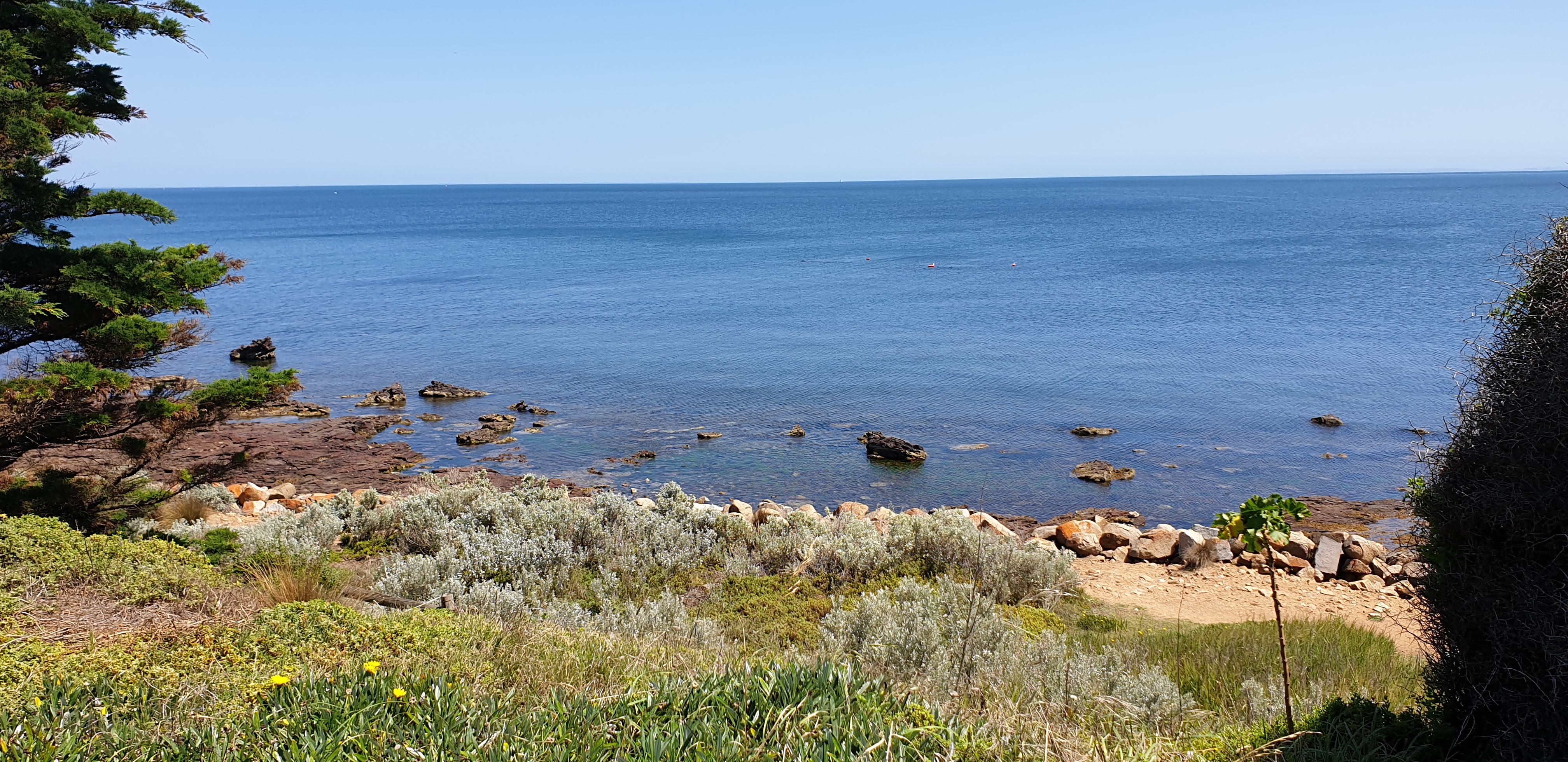
lookingdownfromcoronetpeak

And the story:

It was once said that a desperate man has everything to lose.

The man I was chasing was desperate, but I, on the other hand, was more desperate to catch him.

He’d left a trail of dead people from one end of the island to the other.

The team had put in a lot of effort to locate him, and now his capture was imminent.  We were following the car he was in, from a discreet distance, and, at the appropriate time, we would catch up, pull him over, and make the arrest.

There was nowhere for him to go.

The road led to a dead-end, and the only way off the mountain was back down the road we were now on.  Which was why I was somewhat surprised when we discovered where he was.

Where was he going?

“Damn,” I heard Alan mutter.  He was driving, being careful not to get too close, but not far enough away to lose sight of him.

“What?”

“I think he’s made us.”

“How?”

“Dumb bad luck, I’m guessing.  Or he expected we’d follow him up the mountain.  He’s just sped up.”

“How far away?”

“A half-mile.  We should see him higher up when we turn the next corner.”

It took an eternity to get there, and when we did, Alan was right, only he was further on than we thought.”

“Step on it.  Let’s catch him up before he gets to the top.”

Easy to say, not so easy to do.  The road was treacherous, and in places, just gravel, and there were no guard rails to stop a three-thousand-foot fall down the mountainside.

Good thing then, I had the foresight to have three agents on the hill for just such a scenario.

Ten minutes later, we were in sight of the car, still moving quickly, but we were going slightly faster.  We’d catch up just short of the summit car park.

Or so we thought.

Coming quickly around another corner, we almost slammed into the car we’d been chasing.

“What the hell…” Aland muttered.

I was out of the car and over to see if he was in it, but I knew that it was only a slender possibility.  The car was empty, and no indication of where he had gone.

Certainly not up the road.  It was relatively straightforward for the next mile, at which we would have reached the summit.  Up the mountainside from here, or down.

I looked up.  Nothing.

Alan yelled out, “He’s not going down, not that I can see, but if he did, there’s hardly a foothold and that’s a long fall.”

Then where did he go?

Then a man looking very much like our quarry came out from behind a rock embedded just a short distance up the hill.

“Sorry,” he said quite calmly.  “Had to go if you know what I mean.”

I’d lost him.

It was as simple as that.

I had been led a merry chase up the hill, and all the time he was getting away in a different direction.

I’d fallen for the oldest trick in the book, letting my desperation blind me to the disguise that anyone else would see through in an instant.

It was a lonely sight, looking down that road, knowing that I had to go all that way down again, only this time, without having to throw caution to the wind.

“Maybe next time,” Alan said.

“We’ll get him.  It’s just a matter of time.”

© Charles Heath 2019-2026

Find this and other stories in “Inspiration, maybe”, available soon.

InspirationMaybe1v1

The Cinema of My Dreams – It ended in Sorrento – Episode 68

None of it made sense

I preferred the version of Martha Rodby that I met the night of the opera.  Now I could also understand why Rodby spent so much time at the office.

Yes, I had met her before when I was with Violetta and she was a much more amiable person then, but that was probably because of Violetta.  She had that effect on people.

Maybe she was simply angry that Rodby’s work life had impinged on her private life, but that was one of the downsides of being involved with an intelligence agent.

It was a lesson I learned and why I gave it all up for Violetta.  I wanted her more than I wanted that other life, that one I once thought was exciting.  Perhaps this would be the excuse he needed to retire and have a peaceful rest of his life with her.

Or not.

Rodby was staying at the same hotel I was in, and by the time I arrived back there from Rome, Cecelia and the others were about a half hour away, and Rodby was there to greet his rather dishevelled wife in the lobby.

It was not a tearful reunion.

She had barely spoken on the entire four-hour drive, and any chance of Giulietta striking up a conversation was stopped dead by an icy glare in her direction.

As for myself, I was unimpressed by her attitude, and Rodby for that matter, though the circumstances were quite odd.

I waited an hour before I could no longer hold it in.

“Quite frankly,” I said, “I find it quite astonishing that you were able to hide the fact you had a stepsister from one of the top intelligence officers and research departments in the country.  He had me investigated to the point he could tell me I was related to one of the seamen on James Cook’s Endeavour.  But you, nothing.  How is that possible?”

I gave her one of my icy stares just for good measure.

“He chose not to.  I told him if he couldn’t trust me, then it would never work.”

Love trumps common sense.  Yes, I could see how that would never be in his playbook.

“I live in a world of lies and deceit.  Now your dirty little secret is out, welcome to my world.  It’ll never be the same, you know that.”

She didn’t answer.  Perhaps she was not used to the rabble talking to her in such a manner.

“Answer one question, did Heidi have a twin?”

She looked at me very strangely. “What?”

“I thought it was a pretty straightforward question.”

“No, she did not.”

“Was she incarcerated with you?”

“No.  We were both snatched off the street and separated.  I’ve been held by a bunch of thugs since.”

“Were they going to ransom you?”

“No one said anything until yesterday when I was handed a paper and shoved in front of a camera.”

“Did you see any of your captors?”

“No.”

“Would you recognise them later by other means?”

“Maybe.”

“Just one more question.  Do you get together with Heidi often?”

“No.  I hadn’t seen her for quite a few years, she called me saying she was in London for a few days, we went out, and that’s all I remember till I woke up in a dark room.  That’s it.”

The look from Juliet in the back of the car was fascinating.

I had no doubt she was putting two and two together and coming up with anything other than four.

If there was no twin, then the woman who was pretending to be the countess was the countess pretending to be a twin.  Convoluted and confusing?  Yes.  Make any sense, no.

Has she been masquerading as a pretend twin to Dicostini so that she could have an affair, or were they always having an affair, and she was going to … No, don’t go down the rabbit hole.  None of it made any sense, and as Martha Rodby said. That’s it.  Enough.

An hour after he had taken his wife up to the room and got her settled, Rodby came to see me.

“What the hell happened?”

It was not the polities of tones.

“Take the win.”

“I want to know what happened?  One minute I’m getting information that tells me one thing, then next something else entirely.”

“Lies and deceit.  It’s the world we live in.”

“Is that what you’re going to run with?”

“It’s all I know.  You ask Mrs Rodby for the details.  I’m sure she knows a lot more than all of us.  Just the fact the Countess was her step-sister should be ample proof that no one is ever going to get to the bottom of this affair.  So, like I said, take the win.”

Of course, I could see it in his face, the man who would make the world’s best poker player.  Maybe once.  He’s known all along about her secret.  Had he been hoping it wouldn’t come out?

I shook my head.  “Go away, Rodby.  I’m done for good this time.  I’m going back to Venice, and spending the rest of my days waiting for the canals to clear up.”

“With Juliet?”

“Maybe.  Maybe not.”

“You ask her, her story before you do anything else.”

It was all he said.

© Charles Heath 2023

The 2am Rant: There are few words that are so universally noncommittal as ‘maybe’

This word, where I live, has taken on a new meaning.  We have telephone scammers who ask your name when you answer the phone, and when you say yes, they hang up.

It doesn’t take much imagination to consider how they can use that recording.

So, I now answer the phone with ‘maybe’, which confuses the real callers who want to know if it is you.

Of course, ‘maybe’ is one of those words that can have so many meanings, but the best one is to use it while you have time to think of a proper answer.

For example, did you get the potatoes?  You haven’t been out, it slipped your mind, or you just plain forgot, but run with a ‘maybe’ so you can judge the reaction.

Angry face, you know, no matter what, you’re in trouble.

Genial face, you know that it didn’t really matter, and all is forgiven.

Then there’s the person who doesn’t know you and comes up to you in a crowded room.  Are you [put name here]?

Maybe.  We want to know if we’re in trouble, or if it’s for something good, or if it is the husband or wife of the person you’ve just spent the last twenty minutes in animated conversation with.

Using ‘maybe’ in writing probably isn’t the best word for us, but I like defying the experts.  You can always find a ‘maybe’ or two in any of my books.

What I learned about writing – The literary writer, not pulp fiction

A quote by George Sand…

“I knew human nature well enough to depict it; in short, that all of the small tasks of which I was capable, literature, properly speaking, was the one that offered the most chance of success as a profession and – let us not mince words – was the way to earn my bread.”

When the Muse Meets the Mortgage: The Unromantic Truth of My Literary Calling

We’ve all heard the romanticised tales of artists, poets, and writers – struck by inspiration, driven by an insatiable passion, toiling away in garrets for the sheer love of their craft. While there’s undeniable truth to the passion part, there’s another, often unspoken, dimension to the creative life that an ancient, surprisingly honest quote brings into sharp focus:

“I knew human nature well enough to depict it; in short, that all of the small tasks of which I was capable, literature, properly speaking, was the one that offered the most chance of success as a profession and – let us not mince words – was the way to earn my bread.”

Let’s unpack this gem, because it speaks volumes about the pragmatic, often unromantic, journey of finding one’s professional purpose, especially in the arts.

The Unseen Power of Observation

“I knew human nature well enough to depict it.” This isn’t vanity; it’s a profound self-awareness, the very bedrock of a good writer. It speaks to an innate empathy, a keen eye for detail, and an understanding of the intricate dance of human emotions, motivations, and contradictions. Before words can flow, understanding must exist. This is the writer’s superpower: to see beyond the surface, to connect dots, and to translate the universal human experience into relatable narratives.

Many of us possess this kind of observational skill to varying degrees. We notice things others miss. We’re the friends people come to for advice because we “just get it.” For some, this skill is a social asset; for others, it’s the quiet engine of a potential career.

The Litany of “Small Tasks”

“All of the small tasks of which I was capable…” This is where most of us live, isn’t it? We shuffle through life, picking up skills, trying on different hats. We might be competent at a dozen different things – organising, problem-solving, number-crunching, designing. We can do them, often well enough. But there’s a difference between capability and calling, between competence and conviction.

This phrase beautifully captures the process of elimination. It’s the quiet concession that while we might be able to handle a variety of “small tasks,” none of them ignite that spark, none of them feel like the one. It’s a realistic appraisal of one’s diverse but perhaps diffuse talents, paving the way for the singular realisation.

Literature: The Most Probable Path to “Success”

“…literature, properly speaking, was the one that offered the most chance of success as a profession…” This is the pivotal moment. It’s not just about what you love to do, but what you can actually succeed at. And success, in this context, isn’t necessarily about fame or fortune, but about creating a sustainable livelihood from your distinct abilities.

For our anonymous author, the ability to depict human nature wasn’t just a passion; it was a skill that, when applied to literature, offered genuine professional viability. It wasn’t a whimsical choice but a strategic one. “Properly speaking” suggests a serious commitment to the craft – not just dabbling, but mastering the tools, understanding the market (even if that market was different centuries ago), and treating it as a legitimate profession.

It challenges the modern narrative that “following your passion” is enough. Sometimes, passion needs a sturdy bridge of practicality to cross into a career.

Let’s Not Mince Words: Earning My Bread

“…and – let us not mince words – was the way to earn my bread.” This is the mic drop. The raw, beautiful, and utterly human truth. Stripped of all artistic pretence, it comes down to survival. To put food on the table. To pay the rent.

This isn’t a cynical statement; it’s an honest one. For many creatives, the initial lure of their chosen field might be passion or talent, but the sustained effort, the diligent practice, and the strategic career decisions are often fueled by the fundamental need to make a living. There’s immense dignity in earning your bread through your craft, through the very expression of your unique insights and abilities.

The Modern Resonance

This centuries-old observation still holds remarkable power today. How many of us choose our careers not just because we love them, but because through them, we are best equipped to contribute, to find a sense of purpose, and yes, to earn our living?

Perhaps your “literature” isn’t writing stories, but is:

  • Designing elegant user interfaces because you understand human interaction.
  • Building innovative software because you can conceive of efficient systems.
  • Teaching complex subjects because you excel at simplifying knowledge.
  • Crafting beautiful objects because you have an eye for form and function.

The lesson is clear: true professional fulfillment often lies at the intersection of what you’re genuinely good at, what you find meaningful, and what can realistically sustain you. It’s less about a lightning bolt of inspiration and more about a thoughtful, pragmatic assessment of your unique place in the world, and how best to earn your bread with the gifts you possess.

So, what’s your “literature”? What’s the one thing, among all the small tasks you’re capable of, that truly offers you a chance at success, and allows you to earn your bread, no mincing of words required?

365 Days of writing, 2026 – 154

Day 154 – A Writer’s Journey – Ian Fleming

From Desk Jobs to Espionage: Why the “Accidental” Writer is More Common Than You Think

We often imagine the “Great Author” as someone born with an ink-stained soul—a tortured genius who spent their childhood reciting poetry and their adolescence crafting sprawling manuscripts in the glow of a candle.

But the history of literature tells a very different story. Take Ian Fleming, the creator of the world’s most iconic secret agent.

Before Fleming became a household name, he was a man desperately trying to outrun his own shadow. He cycled through jobs in journalism, merchant banking, and stockbroking, eventually landing in Naval Intelligence during World War II. It wasn’t until he retreated to his estate in Jamaica—suffering from a classic case of mid-life post-war boredom—that he sat down at a typewriter and hammered out Casino Royale.

Fleming didn’t start as a “writer.” He started as a man with a rich, complicated life who realised he had stories to tell.

As it turns out, Fleming isn’t an anomaly. In fact, he’s the archetype.

The “Portfolio Career” of the Author

If you look at the biographies of the world’s most beloved writers, you’ll find that very few of them spent their twenties in an MFA program. Instead, they were living.

  • Franz Kafka spent his days as an insurance clerk, navigating the crushing bureaucracy that would later inspire the bleak, surreal landscapes of The Trial.
  • Harper Lee worked as an airline ticket agent while struggling to write To Kill a Mockingbird.
  • Charles Bukowski ground out years at the post office, convinced that his life was a series of mundane failures until his prose finally caught fire.

For these writers, the “day job” wasn’t a distraction—it was the fuel. It provided the frustration, the observation, and the grit required to build a believable world.

Why Boredom and Disillusionment are Catalysts

Fleming’s transition from intelligence officer to novelist is a quintessential example of creative displacement. When you have spent your life in high-stakes, high-pressure environments—like intelligence work or banking—the sudden silence of civilian life can feel deafening.

Many writers emerge from this exact place:

  1. The Escape Hatch: Writing is often a way to reconcile with a past we can’t change. Fleming used the pages of Bond novels to process the shadowy, often morally grey world he had inhabited during the war.
  2. The Need to Orchestrate: People who have worked in rigid systems (like banking or the military) often turn to fiction because, for the first time, they are in total control. The author is the ultimate intelligence chief; they decide who lives, who dies, and how the plot unfolds.
  3. The “What If” Factor: Many accidental authors start writing because they are bored with reality. They find the world as it exists to lack adventure, mystery, or romance. Writing becomes the tool they use to build a version of the world that is, frankly, more interesting.

The “Ian Fleming Path” to Creativity

If you are currently sitting in a cubicle, working a job that feels worlds away from your creative ambitions, take heart. You aren’t “not a writer” because you aren’t currently writing. You are, like Fleming, building your archive.

You are observing office politics, understanding the nuances of human manipulation, learning how systems break, and experiencing the distinct, soul-sucking weight of boredom. These are not wasted years. These are the bricks you will use to build your own “Casino Royale.”

Many of the best writers in history didn’t start by chasing the dream of being an author. They started by living through enough reality that they eventually had to write it down to make sense of it.

So, if you’re looking for a sign to start that manuscript, look at Fleming in Jamaica. He didn’t wait for inspiration to strike; he waited until he was bored enough, experienced enough, and ready enough to translate his life into a legend.

Your day job is not a detour. It’s the prologue.

Top 5 sights on the road less travelled – Madrid

Beyond the Postcards: 5 Unique Madrid Experiences on the Road Less Travelled

Madrid. The very name conjures images of grand boulevards, world-class art museums, and bustling tapas bars. And while the Prado, the Royal Palace, and Retiro Park are undeniably magnificent, there’s a whole other layer to Spain’s vibrant capital, waiting to be discovered by those willing to stray from the well-trodden path.

If you’re like me – a traveller who loves to peel back the layers and uncover the authentic pulse of a city – then pack your sense of adventure. Here are my top five “road less travelled” experiences that will show you Madrid most tourists never see.


1. Dive into the Multicultural Heart of Lavapiés & the Mercado de San Fernando

Forget the polished tourist markets; head straight to Lavapiés, one of Madrid’s most historic and multicultural neighbourhoods. This isn’t just about street art (though there’s plenty of incredible murals to discover); it’s about the aroma of spices, the sound of different languages, and the genuine buzz of local life.

Your main mission here? The Mercado de San Fernando. Unlike the famous Mercado de San Miguel, San Fernando is a working neighbourhood market that has embraced a new life while retaining its authentic charm. Here, you can buy “libros al peso” (books by weight), sample craft beers, indulge in delicious Ethiopian food, browse artisanal goods, or grab a traditional Spanish tapa alongside locals doing their daily shopping. It’s a sensory feast and a true microcosm of modern Madrid.

  • Why it’s special: Authentic, multicultural, affordable, and a peek into Madrid’s real daily life.
  • Don’t miss: The book stall, the craft beer vendors, and simply soaking in the atmosphere.

2. Catch Sunset (and a Panorama) at Parque de las Siete Tetas

Looking for the best panoramic view of Madrid, away from the tourist crowds? Ditch the rooftop bars and head to Parque del Cerro del Tío Pío, affectionately known by locals as “Parque de las Siete Tetas” (Park of the Seven Tits) due to its seven rolling hills.

Located in the Vallecas district (easily accessible by metro), this park offers an unparalleled, uninterrupted vista of the entire city skyline, with the majestic Sierra de Guadarrama mountains as a backdrop. Grab a picnic, a bottle of wine, and join Madrileños as they gather here to watch the sun dip below the horizon, painting the city in hues of orange and gold. It’s a truly magical and unpretentious experience.

  • Why it’s special: The best, most local sunset spot with breathtaking views.
  • Don’t miss: The golden hour – arrive 45 minutes before sunset for the full spectacle.

3. Step into a Tranquil Oasis at the Sorolla Museum

While the Prado and Reina Sofía are essential, escape the crowds at the beautiful Sorolla Museum, dedicated to the luminous works of Spanish impressionist Joaquín Sorolla. Housed in the artist’s former home and studio, this museum is a serene retreat.

Wander through light-filled rooms filled with his vibrant paintings, many depicting sun-drenched beaches and family life. But the real hidden gem here are the exquisite Andalusian-style gardens, designed by Sorolla himself. They offer a tranquil escape from the city bustle, making you feel as though you’ve stumbled into a private, sun-drenched oasis. It’s a personal and intimate experience with art and history.

  • Why it’s special: A stunning house-museum with beautiful art and serene gardens, far less crowded than the major museums.
  • Don’t miss: The gardens are as much a work of art as the paintings themselves.

4. Immerse Yourself in a Traditional Vermutería Experience

Forget the generic sangria; dive into a truly Madrileño tradition: the vermutería. While tapas bars are everywhere, a dedicated vermutería offers a unique glimpse into a cherished cultural ritual. Vermouth, often served on tap (vermut de grifo), is a fortified wine infused with botanicals, and it’s experiencing a massive revival.

Seek out a classic spot like Casa Camacho in Malasaña or Bodega de la Ardosa (also in Malasaña, though it’s more broadly a classic tavern). Order a “vermút de grifo” (vermouth on tap), often served with an olive and a slice of orange. Pair it with their specific, often pickle-laden, tapas. It’s a delicious, slightly bitter, and utterly authentic way to start your evening, surrounded by locals engaging in lively conversation.

  • Why it’s special: A distinct Madrid tradition, away from tourist traps, with a unique drink and specific food pairings.
  • Don’t miss: Trying a “yayo” at Casa Camacho – a local concoction of vermouth, soda, and gin.

5. Explore the Opulent World of the Museo Cerralbo

For a glimpse into the extravagant life of a 19th-century Spanish aristocrat, the Museo Cerralbo is an absolute treasure, yet surprisingly overlooked by many guidebooks. The Marqués de Cerralbo, a passionate collector, bequeathed his entire palace and its vast contents to the state.

Walking through its ornately decorated rooms, you’ll find an astonishing collection of art, weaponry, ancient artifacts, and opulent furnishings, all preserved as if the family just stepped out for the afternoon. It’s a time capsule that offers a fascinating contrast to the often more institutional feel of other museums, providing an intimate look at the aesthetics and lifestyle of Madrid’s elite.

  • Why it’s special: A beautifully preserved opulent palace and private collection, offering a unique historical perspective.
  • Don’t miss: The stunning grand staircase and the ballroom – imagine the parties that took place here!

Madrid is a city of endless discoveries, and sometimes the most memorable experiences are found when you venture just a little bit off the well-worn path. So, ditch the guidebook for an afternoon, follow your curiosity, and let Madrid truly reveal itself to you.

What are your favourite hidden gems in Madrid? Share them in the comments below!

In a word: Minor

It’s, on the one hand, the opposite of major, and not the military rank, but the lesser of two evils.

It was a minor misdemeanor, so you won’t be going to jail for life, just 20 years, maybe.

Or perhaps you’re referring to a child who is also known as a minor.

And, once upon a time, there was a car called a Morris Minor. I know, my father owned one.

And one of my uncles owned a Morris Major, yea, the Morris car company didn’t have much imagination.

Music-wise it is having intervals of a semitone between the second and third degrees, and others.

It is also qualifying in a subsidiary subject in college in America.

And while we’re still in America, there are the minors, a rather interesting description for the minor baseball league.

Something I remember when reading books about children in British private schools, was where there were two boys in different grades, one would have minor attached to his name, e.g. Smith minor.

The Billy Bunter books spring to mind, but the discrimination police would have them banned these days.

Of course, there’s another word that sounds somewhat similar, miner.

We all know that a miner digs ore out of the ground, a name given to a single man, or a huge corporation.

A computer program could be called a data miner.

A miner is a South American bird, and it’s also an Australian bird.

It also describes a person who obtains units of cryptocurrency using a specific computer program.

There is another variation, mynah, but that used to describe a bird.

First Dig Two Graves

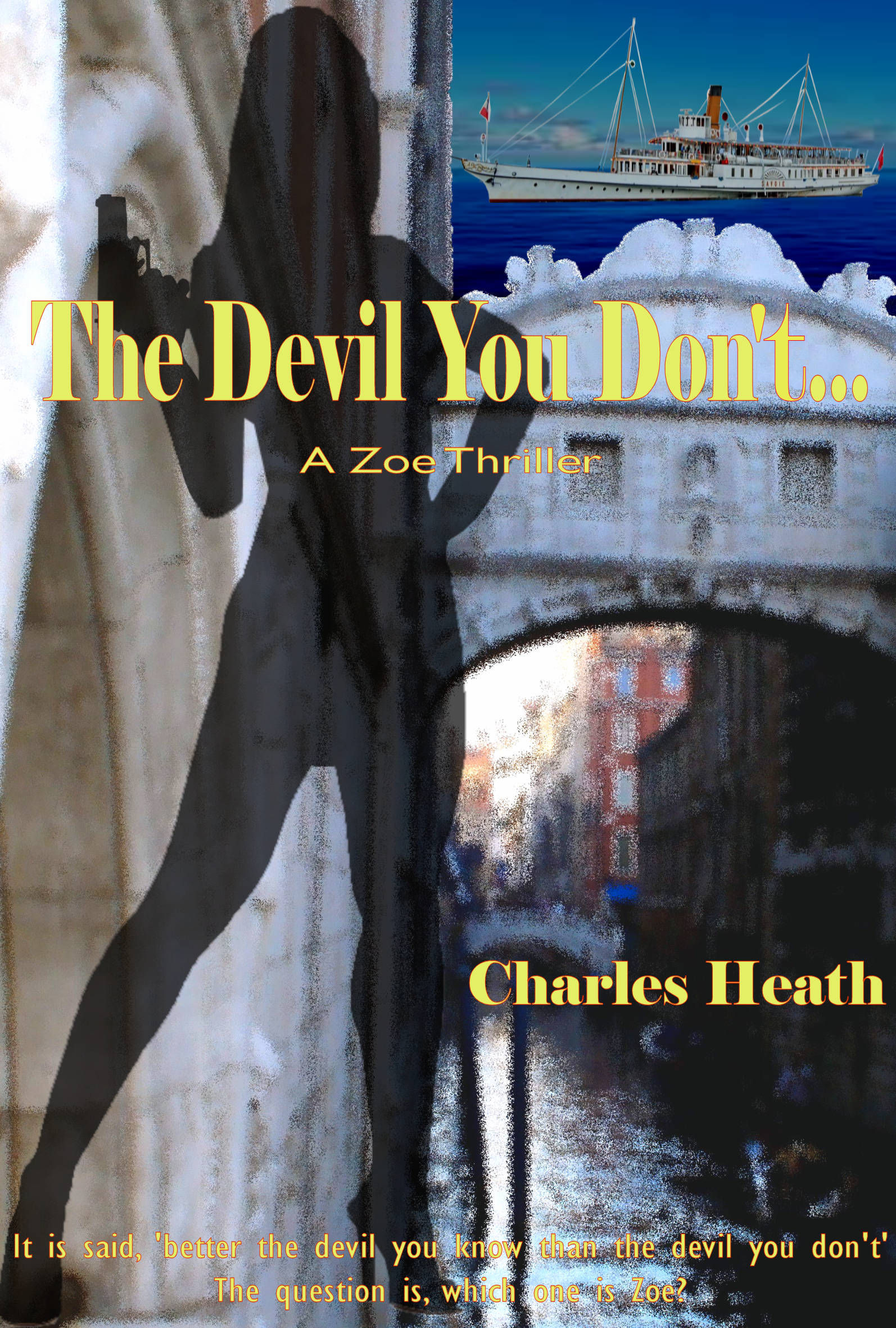
A sequel to “The Devil You Don’t”

Revenge is a dish best served cold – or preferably so when everything goes right

Of course, it rarely does, as Alistair, Zoe’s handler, discovers to his peril. Enter a wildcard, John, and whatever Alistair’s plan for dealing with Zoe was dies with him.

It leaves Zoe in completely unfamiliar territory.

John’s idyllic romance with a woman who is utterly out of his comfort zone is on borrowed time. She is still trying to reconcile her ambivalence after being so indifferent for so long.

They agree to take a break, during which she disappears. John, thinking she has left without saying goodbye, refuses to accept the inevitable and calls on an old friend for help in finding her.

After the mayhem and being briefly reunited, she recognises an inevitable truth: there is a price to pay for taking out Alistair; she must leave and find them first, and he would be wise to keep a low profile.

But keeping a low profile just isn’t possible, and enlisting another friend, a private detective and his sister, a deft computer hacker, they track her to the border between Austria and Hungary.

What John doesn’t realise is that another enemy is tracking him to find her too. It could have been a grand tour of Europe. Instead, it becomes a race against time before enemies old and new converge for what will be an inevitable showdown.

Top 5 sights on the road less travelled – Venice

The Unbeaten Path: 5 Hidden Treasures in Venice (That Aren’t St. Mark’s)

Venice. The name alone conjures images of shimmering canals, graceful gondolas, and the architectural masterpiece that is the Doge’s Palace. It is, undeniably, one of the most beautiful cities on earth.

But let’s be honest: the magic can quickly evaporate when you’re battling a thousand other tourists just to get a photo of the Rialto Bridge.

The true, deep magic of Venice—the one that smells of salt-laced air and centuries of history—isn’t found on the main tourist arteries. It’s found in the quiet, echoing calle (streets) and the forgotten, sun-drenched squares of the districts that rarely make the postcard racks.

If you’re ready to trade the packed piazza for unique local discoveries, ditch the map of the standard tourist loop. Here are five essential, off-the-beaten-path things to do in Venice that will give you a taste of the city’s authentic heart.


1. Swap Grand Palaces for the Cemetery Island: Isola di San Michele

While most visitors focus on Murano or Burano, the island of San Michele offers a profound and beautiful experience few tourists seek out. This is the official cemetery island of Venice, and it offers a silence and solitude that is impossible to find on the main islands.

A short vaporetto ride (Line 4.1 or 4.2) across the lagoon transports you to a walled sanctuary where cypress trees stand sentinel over generations of Venetians, including famous residents like Igor Stravinsky and Ezra Pound.

Why it’s worth the detour: The stunning, stark beauty of the Renaissance Chiesa di San Michele in Isola, combined with the meticulously maintained gardens and marble tombs, offers a reflective pause in your itinerary. It truly feels like stepping into a different world—one without shops, crowds, or noise. It’s a poignant reminder of the ebb and flow of Venetian life.

2. Embrace the Bacaro Trail in Dorsoduro

If you want to eat and drink like a Venetian, you must embrace the bacaro culture. A bacaro is a traditional, often hole-in-the-wall Venetian bar specializing in cicchetti (small, tapas-style snacks) and ombra (a small glass of local wine).

While you can find bacari near the main spots, the Dorsoduro district, particularly near Ca’ Foscari University, is where the scene is truly vibrant and local. This area is filled with students and residents, not tour groups.

How to do it right: Forget sitting down for a lengthy, expensive dinner. Between 5 PM and 7 PM, join the locals and hop between a few chosen spots, ordering a couple of cicchetti (perhaps salted cod, polpetta, or marinated artichokes) and an ombra at each.

  • Try: Cantinone Già Schiavi (famous for its wine selection) or Al Squero (offering fantastic views across the canal to the boatyard where gondolas are repaired).

3. Seek Out the Hidden Staircase: Scala Contarini del Bovolo

In a city known for its bridges and canals, architecture often takes a supporting role. However, if you are drawn to hidden architectural gems, the Scala Contarini del Bovolo is a must-see.

Tucked away in a tiny, almost impossible-to-find courtyard near the Rialto, the Palazzo Contarini del Bovolo features an extraordinary exterior spiral staircase. Known as the “staircase of the snail” (bovolo), this Renaissance masterpiece combines Gothic and Byzantine elements, curling up five stories to an open loggia.

The payoff: Climbing the staircase is an adventure in itself, but the true reward is the panoramic view from the top. You get a unique, intimate perspective of Venice’s terracotta rooftops and bell towers without the claustrophobic crowds of St. Mark’s Campanile. Finding it is half the fun—put the address into your phone and be prepared to wander down several dead-end alleys.

4. Explore the Authentic Heart of Cannaregio and the Ghetto

To experience genuine Venetian daily life—the sight of laundry dangling over canals, residents chatting in dialect, and non-chain grocery stores—head north to the Cannaregio district.

This area, which stretches toward the Mestre train station, is largely residential and offers excellent, affordable dining options. More importantly, it is home to the Ghetto Nuovo, the world’s first Jewish Ghetto, established in 1516.

Why it’s special: The Ghetto Nuovo is a place of powerful history and resilient culture. Due to space constraints imposed by the Republic, the buildings here are some of the tallest in Venice, stacked upon medieval foundations. Walk through the quiet central square, observe the five historic synagogues (many offer guided tours), and soak up the unique atmosphere. It’s a perfect way to step back into a complex, vital layer of Venetian history often overlooked by visitors rushing to the main sites.

5. Capture the Pastel Hues of Burano (But Go Early)

Yes, Burano is often listed on the main island tours, but most visitors arrive mid-day when the ferry lines are long, and the narrow canals are choked with people attempting the perfect photograph. To truly experience the magic of the famous rainbow-colored island, you must commit to the early start.

The secret timing: Take one of the first vaporetti out to Burano (via Murano and Torcello). Arriving just as the golden morning light hits the facades allows you to wander the lanes in near solitude. The local fishermen and lace makers are just beginning their day, and the lack of crowds amplifies the whimsical, fairy-tale quality of the architecture.

Tip: Since the island is famous for lacemaking, skip the mass-produced trinkets and seek out a small workshop where you can see the intricate craft being actively practiced.


Don’t Just Visit Venice—Live It

To travel the road less travelled in Venice isn’t about ticking off lesser-known sights; it’s about slow travel. It’s about getting lost, turning down the alley that looks too narrow, and replacing the tourist map with genuine curiosity.

When you allow yourself to wander away from the golden routes, you stop being a hurried observer and start becoming a temporary resident. The Venice you discover in these quiet pockets is richer, deeper, and far more rewarding.

An excerpt from “Strangers We’ve Become” – Coming Soon

I wandered back to my villa.

It was in darkness.  I was sure I had left several lights on, especially over the door, so I could see to unlock it.

I looked up and saw that the globe was broken.

Instant alert.

I went to the first hiding spot for the gun, and it wasn’t there.  I went to the backup, and it wasn’t there either.  Someone had found my carefully hidden stash of weapons and removed them.

Who?

There were four hiding spots, and all were empty.  Someone had removed the weapons.  That could only mean one possibility.

I had a visitor, not necessarily here for a social call.

But, of course, being the well-trained agent I’d once been and not one to be caught unawares, I crossed over to my neighbour and relieved him of a weapon that, if found, would require a lot of explaining.

Suitably armed, it was time to return the surprise.

There were three entrances to the villa: the front door, the back door, and a rather strange escape hatch.  One of the more interesting attractions of the villa I’d rented was its heritage.  It was built in the late 1700s by a man who was, by all accounts, a thief.  It had a hidden underground room, which had been in the past a vault but was now a wine cellar, and it had an escape hatch by which the man could come and go undetected, particularly if there was a mob outside the door baying for his blood.

It now gave me the means to enter the villa without my visitors being alerted, unless, of course, they were in the vicinity of the doorway inside the villa, but that possibility was unlikely.  It was not where anyone could anticipate or expect a doorway to be.

The secret entrance was at the rear of the villa, behind a large copse, two camouflaged wooden doors built into the ground.  I moved aside some of the branches that covered them and lifted one side.  After I’d discovered the doors and rusty hinges, I’d oiled and cleaned them, and cleared the passageway of cobwebs and fallen rocks.  It had a mildew smell, but nothing would get rid of that.  I’d left torches at either end so I could see.

I closed the door after me and went quietly down the steps, enveloped in darkness till I switched on the torch.  I traversed the short passage, which turned ninety degrees about halfway to the door at the other end.  I carried the key to this door on the keyring, found it and opened the door.  It too had been oiled and swung open soundlessly.

I stepped into the darkness and closed the door.

I was on the lower level under the kitchen, now the wine cellar, the ‘door’ doubling as a set of shelves which had very little on them, less to fall and alert anyone in the villa.

Silence, an eerie silence.

I took the steps up to the kitchen, stopping when my head was level with the floor, checking to see if anyone was waiting.  There wasn’t.  It seemed to me to be an unlikely spot for an ambush.

I’d already considered the possibility of someone coming after me, especially because it had been Bespalov I’d killed, and I was sure he had friends, all equally as mad as he was.  Equally, I’d also considered it nigh on impossible for anyone to find out it was me who killed him because the only people who knew that were Prendergast, Alisha, a few others in the Department, and Susan.

That raised the question of who told them where I was.

If I were the man I used to be, my first suspect would be Susan.  The departure this morning, and now this was too coincidental.  But I was not that man.

Or was I?

I reached the start of the passageway that led from the kitchen to the front door and peered into the semi-darkness.  My eyes had got used to the dark, and it was no longer an inky void.  Fragments of light leaked in around the door from outside and through the edge of the window curtains where they didn’t fit properly.  A bone of contention upstairs in the morning, when first light shone and invariably woke me up hours before I wanted to.

Still nothing.

I took a moment to consider how I would approach the visitor’s job.  I would get a plan of the villa in my head, all entrances, where a target could be led to or attacked, and where there would be no escape.

Coming in the front door.  If I were not expecting anything, I’d just open the door and walk in.  One shot would be all that was required.

Contract complete.

I sidled quietly up the passage, staying close to the wall, edging closer to the front door.  There was an alcove where the shooter could be waiting.  It was an ideal spot to wait.

Crunch.

I stepped on some nutshells.

Not my nutshells.

I felt it before I heard it.  The bullet with my name on it.

And how the shooter missed, from point-blank range, and hit me in the arm, I had no idea.  I fired off two shots before a second shot from the shooter went wide and hit the door with a loud thwack.

I saw a red dot wavering as it honed in on me, and I fell to the floor, stretching out, looking up where the origin of the light was coming and pulled the trigger three times, evenly spaced, and a second later I heard the sound of a body falling down the stairs and stopping at the bottom, not very far from me.

Two assassins.

I’d not expected that.

The assassin by the door was dead, a lucky shot on my part.  The second was still breathing.

I checked the body for any weapons and found a second gun and two knives.  Armed to the teeth!

I pulled off the balaclava; a man, early thirties, definitely Italian.  I was expecting a Russian.

I slapped his face, waking him up.  Blood was leaking from several slashes on his face when his head had hit the stairs on the way down.  The awkward angle of his arms and legs told me there were broken bones, probably a lot worse internally.  He was not long for this earth.

“Who employed you?”

He looked at me with dead eyes, a pursed mouth, perhaps a smile.  “Not today, my friend.  You have made a very bad enemy.”  He coughed, and blood poured out of his mouth.  “There will be more …”

Friends of Bespalov, no doubt.

I would have to leave.  Two unexplainable bodies, I’d have a hard time explaining my way out of this mess.  I dragged the two bodies into the lounge, clearing the passageway just in case someone had heard anything.

Just in case anyone was outside at the time, I sat in the dark, at the foot of the stairs, and tried to breathe normally.  I was trying not to connect the dots that led back to Susan, but the coincidence was worrying me.

A half-hour passed, and I hadn’t moved.  Deep in thought, I’d forgotten about being shot, unaware that blood was running down my arm and dripping onto the floor.

Until I heard a knock on my front door.

Two thoughts: it was either the police, alerted by the neighbours, or it was the second wave, though why would they be knocking on the door?

I stood and immediately felt a stabbing pain in my arm.  I took out a handkerchief and turned it into a makeshift tourniquet, then wrapped a kitchen towel around the wound.

If it were the police, this was going to be a difficult situation.  Holding the gun behind my back, I opened the door a fraction and looked out.

No police, just Maria.  I hoped she was not part of the next ‘wave’.

“You left your phone behind on the table.  I thought you might be looking for it.”  She held it out in front of her.

When I didn’t open the door any further, she looked at me quizzically and then asked, “Is anything wrong?”

I was going to thank her for returning the phone, but I heard her breathe in sharply and add, breathlessly, “You’re bleeding.”

I looked at my arm and realised it was visible through the door, and not only that, the towel was soaked in blood.

“You need to go away now.”

Should I tell her the truth?  It was probably too late, and if she were any sort of law-abiding citizen, she would go straight to the police.

She showed no signs of leaving, just an unnerving curiosity.  “What happened?”

I ran through several explanations, but none seemed plausible.  I went with the truth.  “My past caught up with me.”

“You need someone to fix that before you pass out from blood loss.  It doesn’t look good.”

“I can fix it.  You need to leave.  It is not safe to be here with me.”

The pain in my arm was not getting any better, and the blood was starting to run down my arm again as the tourniquet loosened.  She was right, I needed it fixed sooner rather than later.

I opened the door and let her in.  It was a mistake, a huge mistake, and I would have to deal with the consequences.  Once inside, she turned on the light and saw the pool of blood just inside the door and the trail leading to the lounge.  She followed the trail and turned into the lounge, turned on the light, and no doubt saw the two dead men.

I expected her to scream.  She didn’t.

She gave me a good, hard look, perhaps trying to see if I was dangerous.  Killing people wasn’t something you looked the other way about.  She would have to go to the police.

“What happened here?”

“I came home from the cafe and two men were waiting for me.  I used to work for the Government, but no longer.  I suspect these men were here to repay a debt.  I was lucky.”

“Not so much, looking at your arm.”

She came closer and inspected it.

“Sit down.”

She found another towel and wrapped it around the wound, retightening the tourniquet to stem the bleeding.

“Do you have medical supplies?”

I nodded.  “Upstairs.”  I had a medical kit, and on the road, I usually made my own running repairs.  Another old habit I hadn’t quite shaken off yet.

She went upstairs, rummaged, and then came back.  I wondered briefly what she would think of the unmade bed, though I was not sure why it might interest her.

She helped me remove my shirt and then cleaned the wound.  Fortunately, she didn’t have to remove a bullet.  It was a clean wound but it would require stitches.

When she’d finished, she said, “Your friend said one day this might happen.”

No prizes for guessing who that friend was, and it didn’t please me that she had involved Maria.

“Alisha?”

“She didn’t tell me her name, but I think she cares a lot about you.  She said trouble has a way of finding you, gave me a phone and said to call her if something like this happened.”

“That was wrong of her to do that.”

“Perhaps, perhaps not.  Will you call her?”

“Yes.  I can’t stay here now.  You should go now.  Hopefully, by the time I leave in the morning, no one will ever know what happened here, especially you.”

She smiled.  “As you say, I was never here.”

© Charles Heath 2018-2022

strangerscover9