The cinema of my dreams – Was it just another surveillance job – Episode 66

This story is now on the list to be finished so over the new few weeks, expect a new episode every few days.

The reason why new episodes have been sporadic, there are also other stories to write, and I’m not very good at prioritizing.

But, here we are, a few minutes opened up and it didn’t take long to get back into the groove.

Things are about to get complicated…


Behind me, I could see Dobbin moving towards the door.

“You really don’t want to do this,” I said.

“He offered me a better deal.”

“I give you these, you will probably have about an hour, two at the most before he kills you.”

She shrugged.   She was a deadly shot, so it was not an option to talk her out of it.  I threw the plastic bag to her.

“This way, at least, you live.  You’re good, but too trusting.”

Dobbin opened the door.  “Enough chit-chat; let’s go before someone else turns up.  Walk away Jackson, don’t do anything you’ll regret.”

I watched them leave, then turned to Anna.  “This should please you immensely.”

“You mean you couldn’t see it coming?  Hell, with all that analysis it wasn’t hard to work out Dobbin was the one orchestrating everything.”

I pulled out my phone and dialled Joanne’s number.  When she answered I said, “They just left.”

“With the data?”

“With what they think is the data.”

“You have it?”

“No.  O’Connell had it, and someone got to him.  He’s dead next door, by the way, and we have two medical cases, one relatively serious, both requiring an ambulance sooner rather than later.”

“On it.  And thanks.”

I went over to Anna and sat beside her.

Jan was glaring at us.  “You said no one would get shot.”

We watched her slide over and join us against the wall.

“I said Jennifer was an unknown quantity.  I didn’t think she’d take me so literally, but on the other hand, the signs were there.  In training, she shot at three of the recruits.”

“Well, she didn’t recognise me, which, I guess, is something.”

“Who are you again?” Jan asked her.

“Yolanda.  I was at the training camp with Sam.  Severin made a pass at me, I kicked him in the you know what’s, and he kicked me out.  I never gave back the comms unit, and I used to listen in to the exercises and discovered they’d finally been activated, so I went to have a look.  Things got very scary when the target started taking out the surveillance team.  They were out of their depth.  Then I caught up with Sam, called him, and asked him what was going on.  He said the target was going to the café and for me to go around the back, no time for hello’s.  A minute or so later I see a guy toss something into the back of the café and take off.  Then it goes up and all hell broke loose.  Naturally, I got the hell out of there, and called him later, asked if he needed some off-book help, and here I am.”

“Could have been the death of you.”

“Nah.  Sam and I were the best two of that bunch, and then maybe Jennifer.  Damn that bitch to hell now.  Hope they give us five minutes with her.”

“So,” I could see Jan was still wrestling with details.  “Anna died in that explosion?”

“Yes.”

“Did you know who Anna was?”

“Not at first, but when I saw a photo of her, and the similarities I shared with her, Sam suggested I take her place, and we took it from there.  Sam told me where I could find O’Connell and it wasn’t hard to reconnect, it was six months and he didn’t notice the changes in Anna, which, to me, is a sign of bad tradecraft.  He still had the money, I pretended to still have the USB but not with me but back at the flat.  He tested the USB and found the right level of encryption, then gave me the five million pounds, and we parted.  Now he’s dead.  When Sam arrived, I thought it was going to be me next.”

“How did you know what sort of encryption was on the USB?”

Good question.  Jan was thinking outside the box, which is what any agent should be doing.

“We spend a few weeks off and on in training, studying encryption techniques, but concentrated on one, for reasons we were never told.  I realized that it was related to the eventual mission.  It wasn’t hard to emulate.  I made up about a dozen USBs just in case.”

“Just out of curiosity, what’s on those USB’s?”

“A PDF copy of War and Peace.”

© Charles Heath 2020-2023

365 Days of writing, 2026 – 61

Day 61 – Relativity

Creating the Un‑Relatable to Be Truly Relatable

What Barry Jenkins’ paradoxical warning tells us about art, storytelling, and the quest for genuine connection


“If you try to create something that everyone can relate to, you’re gonna make something that no‑one can relate to.” – Barry Jenkins

When the Academy‑winning director of Moonlight and If Beale Street Could Talk drops this line, it lands like a well‑timed plot twist: it feels obvious, yet it rattles the comfortable assumptions we make about “universal” storytelling. In the age of algorithm‑driven content and mass‑appeal franchises, Jenkins’ warning feels both a warning sign and a rallying cry for creators who dare to be specific, risky, and, paradoxically, deeply human.

Below, we unpack the paradox, trace its roots in Jenkins’s own work, explore why “universal” often translates to “vague,” and walk away with concrete takeaways you can apply to any creative medium—whether you’re writing a novel, directing a short, designing a product, or crafting a brand story.


1. The Myth of the “Everyone‑Can‑Relate” Story

1.1. A Comfort Zone for Studios and Marketers

In Hollywood boardrooms, “universal appeal” is a budget line item. It promises box‑office safety: “Make a love story that anyone, anywhere, can get.” The same logic runs through advertising agencies (“a message that resonates with every demographic”) and even software design (“features that anyone can use”).

But, as marketers define it, universality often collapses into genericness. When you try to flatten the myriad shades of human experience into one “average” feeling, you lose the texture that makes any emotion or situation feel real.

1.2. The Psychological Counter‑Strike

Human brains are wired to recognise patterns and seek novelty. When a story leans too heavily on clichés—“the underdog triumphs,” “the love triangle resolves,” “the hero’s journey”—the brain flags it as “already known.” The emotional impact dwindles, and the audience disengages.

Aiming for “everyone” inadvertently triggers that disengagement because the work becomes predictable and impersonal.


2. Barry Jenkins: From the Specific to the Universal

2.1. The Personal Lens of Moonlight

Moonlight follows three chapters of Chiron’s life—a Black, gay boy growing up in a Miami housing project. The specifics are unmistakable:

  • The heat of a Miami night.
  • The rhythm of a neighbourhood barbershop.
  • The ache of a mother battling addiction.

Yet the film’s emotional core—searching for identity, yearning for love, the pain of invisibility—resonates far beyond the particularity of Chiron’s experience. Jenkins never diluted those specifics; he amplified them with lyrical cinematography and an intimate sound design that let any viewer feel the ache, regardless of background.

2.2. The Power of “Specificity as a Gateway”

Jenkins has spoken about his writing process: “I write what I know, and I hope that what I know is something someone else has felt but can’t name.” The mantra is simple—be true to the moment you inhabit, and the universality will follow. In practice:

Specific ElementWhy It Connects Universally
A single, lingering glance between two strangersCaptures the universal tension of unspoken longing
The sound of a sprinkler in a summer backyardEvokes any memory of a quiet, nostalgic summer
The smell of burnt toast on a rainy morningTriggers a sensory flashback that anyone can recall

Jenkins doesn’t “add a universal subtitle” after the fact; his specifics are the universal signposts.


3. Why “Everybody‑Can‑Relate” = “No‑One‑Can‑Relate”

PitfallWhat It Looks LikeWhy It Fails
Over‑GeneralizationA love story where the couple never experiences conflict, and the conflict is always “a misunderstanding that’s quickly resolved.”Conflict drives narrative tension; without it, stakes evaporate.
Cultural SanitizationRemoving regional dialects, customs, or context to make a story “more global.”Strips away authenticity; the audience feels a lack rather than a bridge.
Emotion Dilution“Feeling sad” becomes the only emotional cue, with no particular cause.Sadness alone is a vague umbrella; audiences need a why to empathize.
Predictable StructureRelying solely on the classic three‑act model without twists.Predictability leads to emotional numbness—viewers already know the destination.

When creators chase a one‑size‑fits‑all, they often erase the very details that give an experience its magnetic pull. The result is a bland, “every person in the world” product that no one sees themselves in.


4. The Counter‑Intuitive Path to True Relatability

4.1. Start With a “Micro‑Truth”

A micro‑truth is a tiny, observable slice of life that feels honest—the way a mother’s hand trembles while she folds laundry, or how a teenager’s fingers ache after a night of gaming. Write it down. Let it be the seed.

Exercise: Pick a mundane habit you have (e.g., the way you sip coffee on a rainy day). Write a 100‑word vignette that captures the sensory details, emotions, and internal monologue. Now ask: what larger feeling does this tiny moment point to? (comfort? anxiety? nostalgia?)

4.2. Layer the Universal Emotion

Once you have the micro‑truth, ask: What universal feeling does this moment embody? The answer becomes the emotional core of your piece. The specifics remain the scaffolding; the universal feeling is the roof that shelters the audience.

  • Micro‑truth: A dad’s hands shaking as he ties his son’s shoelaces before school.
  • Universal Core: Fear of letting go / love in everyday gestures.

4.3. Show, Don’t Explain

Instead of telling the audience “this is about fear of loss,” let the scene show it. The audience will infer the universality themselves—an experience far more powerful than an explicit statement.

4.4. Invite Multiple Interpretations

When a story is steeped in specific detail, each viewer projects their own memories onto it. Moonlight contains a scene of two boys sharing a moment in a bathroom; Black viewers might recall similar spaces in their own neighbourhoods, while others may remember any cramped, intimate place where secrets were whispered. The specificity creates a canvas; the audience supplies their own colours.


5. Real‑World Applications

5.1. Brand Storytelling

Instead of a generic tagline like “We’re here for everyone,” craft a narrative around a real customer’s specific moment: “When Maya, a single mom in Detroit, pulled her son’s sock off after a long night shift, she needed shoes that wouldn’t slip.” The brand then becomes the solution to that precise pain point—yet anyone who’s ever struggled with tired feet can see themselves in Maya’s story.

5.2. Product Design

Designers often chase “the user who wants everything.” The opposite is to focus on a niche use case and then let that insight inform broader usability. For example, the Dyson Airwrap was built around a specific problem—protecting hair from heat damage. By mastering that micro‑need, it appealed to a massive market of hair‑care enthusiasts who value health over convenience.

5.3. Content Creation (YouTube, Podcast, Blog)

Instead of a “how‑to be productive” video that covers every generic tip, zero in on a concrete scenario: “How I built a writing habit while caring for a newborn in a two‑room apartment.” The specificity gives viewers a hook, while the underlying desire for productivity speaks to anyone juggling responsibilities.


6. A Checklist for Avoiding the “Everybody‑Can‑Relate” Trap

✅ Check❓ Ask Yourself
Specific SettingDo I name the city, the street, the sensory details?
Distinct VoiceDoes my character speak in a dialect or use phrasing unique to their background?
Concrete ConflictWhat is the exact obstacle (e.g., a broken faucet, an overdue bill, a silent phone call)?
Show, Not TellHave I shown the emotion through actions, not just dialogue?
Universal CoreWhat larger feeling does this moment tap into?
Room for ProjectionDoes the scene leave space for the audience’s personal memories to fill in?
Avoid Cliché FixesHave I resisted the urge to replace a specific detail with a generic shorthand?

If you can tick all of these boxes, you’re on the right side of Jenkins’s paradox.


7. The Takeaway: Embrace the Particular, Trust the Universal

Barry Jenkins didn’t coin the idea that “specificity breeds universality”; he lived it. His films prove that when you dig deep into a singular experience, you create a mirror in which a multitude can see their own reflections—even if those reflections are of lives you never walked.

In a world where data analytics push creators toward mass‑appeal formulas, Jenkins’s counsel feels rebellious—and it should. The rebellion is not against the audience; it is against the notion that the audience is a monolith. The rebellion is a call to honour the jagged edges of our stories, trusting that those edges are precisely what make a story graspable for anyone willing to reach out.

So the next time you sit down to write, design, or pitch, remember:

“Don’t try to be everyone’s every‑thing. Be someone’s something.”

When you choose a single, authentic voice, a single, vivid moment, you open a doorway—one that countless strangers will step through, each carrying their own stories, each finding a fragment of themselves in yours.


📚 Further Reading & Viewing

FormatTitleWhy It Helps
FilmMoonlight (2016) – Barry JenkinsA masterclass in specific storytelling that feels universal
BookThe Art of Possibility – Rosamund & Benjamin ZanderExplores how reframing specifics can unlock broader impact
Article“The Power of Specificity in Storytelling” – Harvard Business ReviewAcademic perspective on why details matter in brand narratives
PodcastStorytelling with Data – Episode “When Numbers Get Personal”Shows how data can be humanized through specific anecdotes

Ready to make something that truly resonates?

Pick one micro‑truth from your life today, flesh it out with sensory detail, and watch as the universal feeling behind it begins to surface. Your audience isn’t looking for a bland universal formula—they’re craving the real you, and that, paradoxically, is the most relatable thing of all.

What I learned about writing – Does your story germinate or evolve in your sleep?

There are sweet dreams, and there are nightmares.

For writers, they can be something else entirely.

Because I write mostly late at night and into the early morning hours, the story I’m working in is still fresh on my mind, and sometimes when I’m not sure where the story is going to go next, I put my head on the pillow with the express desire of working out what the next plot point is.

Most of the time, it works.  Sometimes, other ideas pop into my head.

The good thing is that I can use that time just before going to sleep to review what I have written and where it can go.  The real problem with that process is that I sometimes forget what I came up with when I wake up the next morning.

This is aside from the fact that I have been known to have nightmares, things from a past life that I’ve tried very hard to repress.  These are not the sort of dreams that fuel stories, but can lead to becoming an activist to prevent it from happening to others.

Not everyone has suffered in such a manner.

Then there are the dreams, not that there are many and those that I remember are quite weird, and sometimes when I could have a dream interpreter, I just don’t get how or why they happened. 

Or perhaps I should be questioning the interpretation.

What I would seriously like is to be able to drop back into a particular period and actually observe what it was like.  A story I am writing goes back to 1928. In London, I’m catching the night version of the Flying Scotsman, and it’s difficult because there aren’t many photographs or diaries from those who travelled back then.

I can imagine, but it’s not the same as being there.

There is another kind of dream I have had, and, to be honest, it was scary because it felt so real.  I went back in time, I don’t know how far back it had to be, 1700s or 1800s, a small cabin, sleeping in a bed near the kitchen, in a hut with no rooms. 

Could it be something to do with reincarnation, and I was dreaming of being back there in a previous life?  I know now for a fact our forbears lived in the country in the late 1800s, but before that, in Dorset, England, in villages, so it is quite possible they could have been there then.

It’s only happened twice, but it was very real. 

Searching for locations – Port Macquarie -Day 2 – Part 1

Wherever we go, we are always looking for historical sites, and points of interest.

For Coffs Harbour, it was the largest collection of old trains, both steam engines and passenger carriages, in the southern hemisphere.

And, of course, an old disused logging railway.

Here in Port Macquarie, there are no trains.

Here, there are a few remnants of the colonial past, and being on the coast, a rich history of ship wrecks.

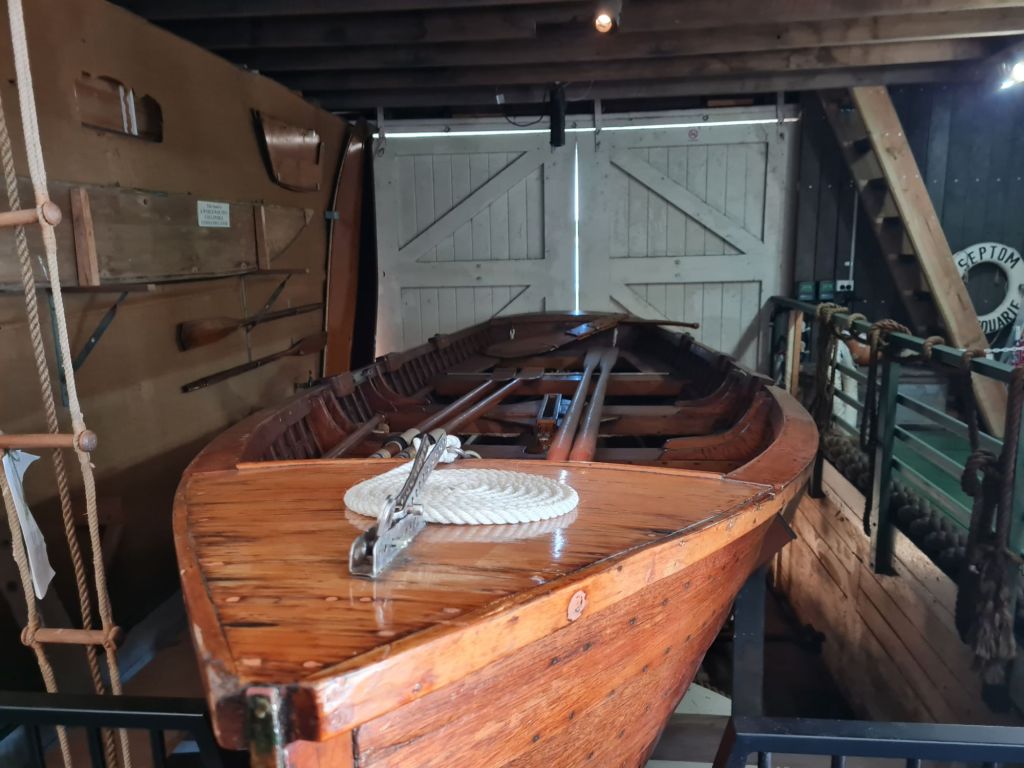
But, sadly, I don’t dive, but they do have an excellent Maritime Museum, spread over various locations.

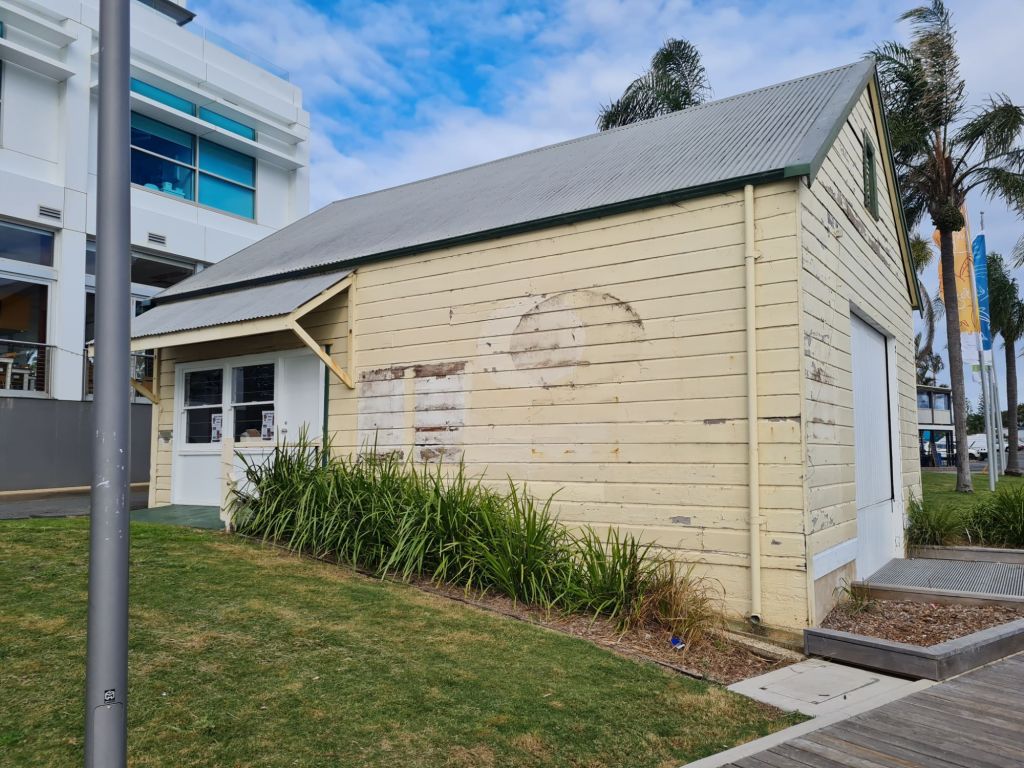
The first site we visited was the Pilot Boathouse.

Not exactly to sort of boat I would want to go out to a ship in, especially if it was a dark and stormy night.

Unfortunately, the sign doesn’t face the shed.

That’s the boatshed.

Inside, they also have model ships, which are for sale, if you like that sort of thing.

An excerpt from “Betrayal” – a work in progress

It could have been anywhere in the world, she thought, but it wasn’t.  It was in a city where if anything were to go wrong…

She sighed and came away from the window and looked around the room.  It was quite large and expensively furnished.  It was one of several she had been visiting in the last three months.

Quite elegant too, as the hotel had its origins dating back to before the revolution in 1917.  At least, currently, there would not be a team of KGB agents somewhere in the basement monitoring everything that happened in the room.

There was no such thing as the KGB anymore, though there was an FSB, but such organisations were of no interest to her.

She was here to meet with Vladimir.

She smiled to herself when she thought of him, such an interesting man whose command of English was as good as her command of Russian, though she had not told him of that ability.

All he knew of her was that she was American, worked in the Embassy as a clerk, nothing important, whose life both at work and at home was boring.  Not that she had blurted that out the first they met, or even the second.

That first time, at a function in the Embassy, was a chance meeting, a catching of his eye as he looked around the room, looking, as he had told her later, for someone who might not be as boring as the function itself.

It was a celebration, honouring one of the Embassy officials on his service in Moscow, and the fact he was returning home after 10 years.  She had been there once, and still hadn’t met all the staff.

They had talked, Vladimir knew a great deal about England, having been stationed there for a year or two, and had politely asked questions about where she lived, her family, and of course what her role was, all questions she fended off with an air of disinterested interest.

It fascinated him, as she knew it would, a sort of mental sparring as one would do with swords if this was a fencing match.

They had said they might or might not meet again when the party was over, but she suspected there would be another opportunity.  She knew the signs of a man who was interested in her, and Vladimir was interested.

The second time came in the form of an invitation to an art gallery, and a viewing of the works of a prominent Russian artist, an invitation she politely declined.  After all, invitations issued to Embassy staff held all sorts of connotations, or so she was told by the Security officer when she told him.

Then, it went quiet for a month.  There was a party at the American embassy and along with several other staff members, she was invited.  She had not expected to meet Vladimir, but it was a pleasant surprise when she saw him, on the other side of the room, talking to several military men.

A pleasant afternoon ensued.

And it was no surprise that they kept running into each other at the various events on the diplomatic schedule.

By the fifth meeting, they were like old friends.  She had broached the subject of being involved in a plutonic relationship with him with the head of security at the embassy.  Normally for a member of her rank, it would not be allowed, but in this instance it was.

She did not work in any sensitive areas, and, as the security officer had said, she might just happen upon something that might be useful.  In that regard, she was to keep her eyes and ears open and file a report each time she met him.

After that discussion, she got the impression her superiors considered Vladimir more than just a casual visitor on the diplomatic circuit.  She also formed the impression that he might consider her an ‘asset’, a word that had been used at the meeting with security and the ambassador.

It was where the word ‘spy’ popped into her head and sent a tingle down her spine.  She was not a spy, but the thought of it, well, it would be fascinating to see what happened.

A Russian friend.  That’s what she would call him.

And over time, that relationship blossomed, until, after a visit to the ballet, late and snowing, he invited her to his apartment not far from the ballet venue.  It was like treading on thin ice, but after champagne and an introduction to caviar, she felt like a giddy schoolgirl.

Even so, she had made him promise that he remain on his best behaviour.  It could have been very easy to fall under the spell of a perfect evening, but he promised, showed her to a separate bedroom, and after a brief kiss, their first, she did not see him until the next morning.

So, it began.

It was an interesting report she filed after that encounter, one where she had expected to be reprimanded.

She wasn’t.

It wasn’t until six weeks had passed when he asked her if she would like to take a trip to the country.  It would involve staying in a hotel, that they would have separate rooms.  When she reported the invitation, no objection was raised, only a caution; keep her wits about her.

Perhaps, she had thought, they were looking forward to a more extensive report.  After all, her reports on the places, and the people, and the conversations she overheard, were no doubt entertaining reading for some.

But this visit was where the nature of the relationship changed, and it was one that she did not immediately report.  She had realised at some point before the weekend away, that she had feelings for him, and it was not that he was pushing her in that direction or manipulating her in any way.

It was just one of those moments where, after a grand dinner, a lot of champagne, and delightful company, things happen.  Standing at the door to her room, a lingering kiss, not intentional on her part, and it just happened.

And for not one moment did she believe she had been compromised, but for some reason she had not reported that subtle change in the relationship to the powers that be, and so far, no one had any inkling.

She took off her coat and placed it carefully of the back of one of the ornate chairs in the room.  She stopped for a moment to look at a framed photograph on the wall, one representing Red Square.

Then, after a minute or two, she went to the mini bar and took out the bottle of champagne that had been left there for them, a treat arranged by Vladimir for each encounter.

There were two champagne flutes set aside on the bar, next to a bowl of fruit.  She picked up the apple and thought how Eve must have felt in the garden of Eden, and the temptation.

Later perhaps, after…

She smiled at the thought and put the apple back.

A glance at her watch told her it was time for his arrival.  It was if anything, the one trait she didn’t like, and that was his punctuality.  A glance at the clock on the room wall was a minute slow.

The doorbell to the room rang, right on the appointed time.

She put the bottle down and walked over to the door.

A smile on her face, she opened the door.

It was not Vladimir.  It was her worst nightmare.

© Charles Heath 2020

Searching for Locations: Port Macquarie – Day 1 – Part 4

A group of churches

The oldest of the three is the Wesleyan Church

This Church was built between 1840 and 1846 on the Horton Street land allocated in 1835.  It was started in 1840, and then the building was suspended the same year due to bad economic times, only to be recommenced in 1844.

The first service was held in the unfinished chapel in November 1845, and the church was completed the following year.

St Thomas Church

This is the fifth oldest Anglican Church still in use in Australia and one of a few left built by convict labour.

The foundation stone was laid on 8th December 1824, took four years to build, and had the first service on the 28th February 1828.

St Agnes Catholic Parish Church

The first St Agnes church was built in 1878, made of timber and stood for 62 years before it was replaced by the latest brick church finished in 1941, where it dominates the skyline.

The Surgeon General’s House on Church Hill

The former residence of the penal settlement Surgeon General is now the St Thomas Anglican church administration office. The first building was erected in 1822, as a cottage and had a number of modifications until handed over to be used as the vicarage in 1847.

The dispensary

The Surgeon’s dispensary was also built in 1822 between the doctor’s residence and the hospital, until 1847 when it was used as the parish school for several years.

“The Things we do for Love”, the story behind the story

This story has been ongoing since I was seventeen, and just to let you know, I’m 72 this year.

Yes, it’s taken a long time to get it done.

Why, you might ask.

Well, I never gave it much interest because I started writing it after a small incident when I was 17, and working as a book packer for a book distributor in Melbourne

At the end of my first year, at Christmas, the employer had a Christmas party, and that year, it was at a venue in St Kilda.

I wasn’t going to go because at that age, I was an ordinary boy who was very introverted and basically scared of his own shadow and terrified by girls.

Back then, I would cross the street to avoid them

Also, other members of the staff in the shipping department were rough and ready types who were not backwards in telling me what happened, and being naive, perhaps they knew I’d be either shocked or intrigued.

I was both adamant I wasn’t coming and then got roped in on a dare.

Damn!

So, back then, in the early 70s, people looked the other way when it came to drinking, and of course, Dutch courage always takes away the concerns, especially when normally you wouldn’t do half the stuff you wouldn’t in a million years

I made it to the end, not as drunk and stupid as I thought I might be, and St Kilda being a salacious place if you knew where to look, my new friends decided to give me a surprise.

It didn’t take long to realise these men were ‘men about town’ as they kept saying, and we went on an odyssey.  Yes, those backstreet brothels where one could, I was told, have anything they could imagine.

Let me tell you, large quantities of alcohol and imagination were a very bad mix.

So, the odyssey in ‘The things we do’ was based on that, and then the encounter with Diana. Well, let’s just say I learned a great deal about girls that night.

Firstly, not all girls are nasty and spiteful, which seemed to be the case whenever I met one. There was a way to approach, greet, talk to, and behave.

It was also true that I could have had anything I wanted, but I decided what was in my imagination could stay there.  She was amused that all I wanted was to talk, but it was my money, and I could spend it how I liked.

And like any 17-year-old naive fool, I fell in love with her and had all these foolish notions.  Months later, I went back, but she had moved on, to where no one was saying or knew.

Needless to say, I was heartbroken and had to get over that first loss, which, like any 17-year-old, was like the end of the world.

But it was the best hour I’d ever spent in my life and would remain so until I met the woman I have been married to for the last 48 years.

As Henry, he was in part based on a rebel, the son of rich parents who despised them and their wealth, and he used to regale anyone who would listen about how they had messed up his life

If only I’d come from such a background!

And yes, I was only a run away from climbing up the stairs to get on board a ship, acting as a purser.

I worked for a shipping company and they gave their junior staff members an opportunity to spend a year at sea working as a purser on a cargo ship that sailed between Melbourne, Sydney and Hobart in Australia.

One of the other junior staff members’ turn came, and I would visit him on board when he would tell me stories about life on board, the officers, the crew, and other events. These stories, which sounded incredible to someone so impressionable, were a delight to hear.

Alas, by that time, I had tired of office work and moved on to be a tradesman at the place where my father worked.

It proved to be the right move, as that is where I met my wife.  Diana had been right; love would find me when I least expected it.

lovecoverfinal1

365 Days of writing, 2026 – 61

Day 61 – Relativity

Creating the Un‑Relatable to Be Truly Relatable

What Barry Jenkins’ paradoxical warning tells us about art, storytelling, and the quest for genuine connection


“If you try to create something that everyone can relate to, you’re gonna make something that no‑one can relate to.” – Barry Jenkins

When the Academy‑winning director of Moonlight and If Beale Street Could Talk drops this line, it lands like a well‑timed plot twist: it feels obvious, yet it rattles the comfortable assumptions we make about “universal” storytelling. In the age of algorithm‑driven content and mass‑appeal franchises, Jenkins’ warning feels both a warning sign and a rallying cry for creators who dare to be specific, risky, and, paradoxically, deeply human.

Below, we unpack the paradox, trace its roots in Jenkins’s own work, explore why “universal” often translates to “vague,” and walk away with concrete takeaways you can apply to any creative medium—whether you’re writing a novel, directing a short, designing a product, or crafting a brand story.


1. The Myth of the “Everyone‑Can‑Relate” Story

1.1. A Comfort Zone for Studios and Marketers

In Hollywood boardrooms, “universal appeal” is a budget line item. It promises box‑office safety: “Make a love story that anyone, anywhere, can get.” The same logic runs through advertising agencies (“a message that resonates with every demographic”) and even software design (“features that anyone can use”).

But, as marketers define it, universality often collapses into genericness. When you try to flatten the myriad shades of human experience into one “average” feeling, you lose the texture that makes any emotion or situation feel real.

1.2. The Psychological Counter‑Strike

Human brains are wired to recognise patterns and seek novelty. When a story leans too heavily on clichés—“the underdog triumphs,” “the love triangle resolves,” “the hero’s journey”—the brain flags it as “already known.” The emotional impact dwindles, and the audience disengages.

Aiming for “everyone” inadvertently triggers that disengagement because the work becomes predictable and impersonal.


2. Barry Jenkins: From the Specific to the Universal

2.1. The Personal Lens of Moonlight

Moonlight follows three chapters of Chiron’s life—a Black, gay boy growing up in a Miami housing project. The specifics are unmistakable:

  • The heat of a Miami night.
  • The rhythm of a neighbourhood barbershop.
  • The ache of a mother battling addiction.

Yet the film’s emotional core—searching for identity, yearning for love, the pain of invisibility—resonates far beyond the particularity of Chiron’s experience. Jenkins never diluted those specifics; he amplified them with lyrical cinematography and an intimate sound design that let any viewer feel the ache, regardless of background.

2.2. The Power of “Specificity as a Gateway”

Jenkins has spoken about his writing process: “I write what I know, and I hope that what I know is something someone else has felt but can’t name.” The mantra is simple—be true to the moment you inhabit, and the universality will follow. In practice:

Specific ElementWhy It Connects Universally
A single, lingering glance between two strangersCaptures the universal tension of unspoken longing
The sound of a sprinkler in a summer backyardEvokes any memory of a quiet, nostalgic summer
The smell of burnt toast on a rainy morningTriggers a sensory flashback that anyone can recall

Jenkins doesn’t “add a universal subtitle” after the fact; his specifics are the universal signposts.


3. Why “Everybody‑Can‑Relate” = “No‑One‑Can‑Relate”

PitfallWhat It Looks LikeWhy It Fails
Over‑GeneralizationA love story where the couple never experiences conflict, and the conflict is always “a misunderstanding that’s quickly resolved.”Conflict drives narrative tension; without it, stakes evaporate.
Cultural SanitizationRemoving regional dialects, customs, or context to make a story “more global.”Strips away authenticity; the audience feels a lack rather than a bridge.
Emotion Dilution“Feeling sad” becomes the only emotional cue, with no particular cause.Sadness alone is a vague umbrella; audiences need a why to empathize.
Predictable StructureRelying solely on the classic three‑act model without twists.Predictability leads to emotional numbness—viewers already know the destination.

When creators chase a one‑size‑fits‑all, they often erase the very details that give an experience its magnetic pull. The result is a bland, “every person in the world” product that no one sees themselves in.


4. The Counter‑Intuitive Path to True Relatability

4.1. Start With a “Micro‑Truth”

A micro‑truth is a tiny, observable slice of life that feels honest—the way a mother’s hand trembles while she folds laundry, or how a teenager’s fingers ache after a night of gaming. Write it down. Let it be the seed.

Exercise: Pick a mundane habit you have (e.g., the way you sip coffee on a rainy day). Write a 100‑word vignette that captures the sensory details, emotions, and internal monologue. Now ask: what larger feeling does this tiny moment point to? (comfort? anxiety? nostalgia?)

4.2. Layer the Universal Emotion

Once you have the micro‑truth, ask: What universal feeling does this moment embody? The answer becomes the emotional core of your piece. The specifics remain the scaffolding; the universal feeling is the roof that shelters the audience.

  • Micro‑truth: A dad’s hands shaking as he ties his son’s shoelaces before school.
  • Universal Core: Fear of letting go / love in everyday gestures.

4.3. Show, Don’t Explain

Instead of telling the audience “this is about fear of loss,” let the scene show it. The audience will infer the universality themselves—an experience far more powerful than an explicit statement.

4.4. Invite Multiple Interpretations

When a story is steeped in specific detail, each viewer projects their own memories onto it. Moonlight contains a scene of two boys sharing a moment in a bathroom; Black viewers might recall similar spaces in their own neighbourhoods, while others may remember any cramped, intimate place where secrets were whispered. The specificity creates a canvas; the audience supplies their own colours.


5. Real‑World Applications

5.1. Brand Storytelling

Instead of a generic tagline like “We’re here for everyone,” craft a narrative around a real customer’s specific moment: “When Maya, a single mom in Detroit, pulled her son’s sock off after a long night shift, she needed shoes that wouldn’t slip.” The brand then becomes the solution to that precise pain point—yet anyone who’s ever struggled with tired feet can see themselves in Maya’s story.

5.2. Product Design

Designers often chase “the user who wants everything.” The opposite is to focus on a niche use case and then let that insight inform broader usability. For example, the Dyson Airwrap was built around a specific problem—protecting hair from heat damage. By mastering that micro‑need, it appealed to a massive market of hair‑care enthusiasts who value health over convenience.

5.3. Content Creation (YouTube, Podcast, Blog)

Instead of a “how‑to be productive” video that covers every generic tip, zero in on a concrete scenario: “How I built a writing habit while caring for a newborn in a two‑room apartment.” The specificity gives viewers a hook, while the underlying desire for productivity speaks to anyone juggling responsibilities.


6. A Checklist for Avoiding the “Everybody‑Can‑Relate” Trap

✅ Check❓ Ask Yourself
Specific SettingDo I name the city, the street, the sensory details?
Distinct VoiceDoes my character speak in a dialect or use phrasing unique to their background?
Concrete ConflictWhat is the exact obstacle (e.g., a broken faucet, an overdue bill, a silent phone call)?
Show, Not TellHave I shown the emotion through actions, not just dialogue?
Universal CoreWhat larger feeling does this moment tap into?
Room for ProjectionDoes the scene leave space for the audience’s personal memories to fill in?
Avoid Cliché FixesHave I resisted the urge to replace a specific detail with a generic shorthand?

If you can tick all of these boxes, you’re on the right side of Jenkins’s paradox.


7. The Takeaway: Embrace the Particular, Trust the Universal

Barry Jenkins didn’t coin the idea that “specificity breeds universality”; he lived it. His films prove that when you dig deep into a singular experience, you create a mirror in which a multitude can see their own reflections—even if those reflections are of lives you never walked.

In a world where data analytics push creators toward mass‑appeal formulas, Jenkins’s counsel feels rebellious—and it should. The rebellion is not against the audience; it is against the notion that the audience is a monolith. The rebellion is a call to honour the jagged edges of our stories, trusting that those edges are precisely what make a story graspable for anyone willing to reach out.

So the next time you sit down to write, design, or pitch, remember:

“Don’t try to be everyone’s every‑thing. Be someone’s something.”

When you choose a single, authentic voice, a single, vivid moment, you open a doorway—one that countless strangers will step through, each carrying their own stories, each finding a fragment of themselves in yours.


📚 Further Reading & Viewing

FormatTitleWhy It Helps
FilmMoonlight (2016) – Barry JenkinsA masterclass in specific storytelling that feels universal
BookThe Art of Possibility – Rosamund & Benjamin ZanderExplores how reframing specifics can unlock broader impact
Article“The Power of Specificity in Storytelling” – Harvard Business ReviewAcademic perspective on why details matter in brand narratives
PodcastStorytelling with Data – Episode “When Numbers Get Personal”Shows how data can be humanized through specific anecdotes

Ready to make something that truly resonates?

Pick one micro‑truth from your life today, flesh it out with sensory detail, and watch as the universal feeling behind it begins to surface. Your audience isn’t looking for a bland universal formula—they’re craving the real you, and that, paradoxically, is the most relatable thing of all.

In a word: Loose

We’ve all heard of the expression, he’s playing it fast and loose, or more interestingly, he’s fast and loose with the truth.

I’ve never really got a proper definition of that expression, but it sounds good, and people have to use their imaginations and put their own interpretation to it.

And if this was the 1930s, and Clarke Gable was playing opposite Jean Harlow, it’s exactly how the posters would describe the blonde bombshell.

Loose, however, in a more literal sense means not tight, so a loose nut on a bolt might be the cause of a catastrophe.

And speaking of catastrophes, there’s a fox loose in the hen house.  Sadly it would be very difficult to catch and tie up.

Of course, in hot weather, you’d rather be wearing something loose, to keep cool.

Women, in particular, can wear their hair loose, as distinct from ‘up’, or in a ponytail or braids.

Some people make a loose interpretation, which inevitably creates grey areas, and loose lips, well, they’ve been known to sink ships.

This word can sometimes be confused with lose, which means something else entirely.

Like, lose a watch, lose your head, in more ways than one, lose your life, as if it was one of nine when it isn’t, and lose everything, perhaps, in the 1930’s stock market crash.

Quite literally, it means to be deprived of, or cease to gain or have.

You can lose weight, have a clock that loses time, or you can lose your temper.

Sometimes I lose the plot.

Skeletons in the closet, and doppelgangers

A story called “Mistaken Identity”

How many of us have skeletons in the closet that we know nothing about? The skeletons we know about generally stay there, but those we do not, well, they have a habit of coming out of left field when we least expect it.

In this case, when you see your photo on a TV screen with the accompanying text that says you are wanted by every law enforcement agency in Europe, you’re in a state of shock, only to be compounded by those same police, armed and menacing, kicking the door down.

I’d been thinking about this premise for a while after I discovered my mother had a boyfriend before she married my father, a boyfriend who was, by all accounts, the man who was the love of her life.

Then, in terms of coming up with an idea for a story, what if she had a child by him that we didn’t know about, which might mean I had a half brother or sister I knew nothing about. It’s not an uncommon occurrence from what I’ve been researching.

There are many ways of putting a spin on this story.

Then, in the back of my mind, I remembered a story an acquaintance at work was once telling us over morning tea, that a friend of a friend had a mother who had a twin sister and that each of the sisters had a son by the same father, without each knowing of the father’s actions, both growing up without the other having any knowledge of their half brother, only to meet by accident on the other side of the world.

It was an encounter that in the scheme of things might never have happened, and each would have remained oblivious of the other.

For one sister, the relationship was over before she discovered she was pregnant, and therefore had not told the man he was a father. It was no surprise the relationship foundered when she discovered he was also having a relationship with her sister, a discovery that caused her to cut all ties with both of them and never speak to either from that day.

It’s a story with more twists and turns than a country lane!

And a great idea for a story.

That story is called ‘Mistaken Identity’.