A photograph from the inspirational bin – 51

What story does it inspire?

This is taken from a rather bleak part of the coast near Coffs Harbour in New South Wales, Australia.

There was something about the sea on a particularly bleak day and not the sort of weather anyone would want to be out doing the touristy things.

We, on the other hand, are ready to visit anywhere anytime in any condition.

We never quite got as far as the end of the cliffs, but the notion that there were caves, and once upon a time, pirates or smugglers makes for a good story.

Certainly, with our convict settlement beginnings, it’s not hard to imagine the convicts stealing a boat, and sailing south from Sydney, the only settlement at the time, and landing in a place like this.

“Trouble in Store” – Short stories my way: Adding a catalyst

Just when there’s enough complication in the story, we could leave it there with the current three protagonists and see what happens.

But I like mayhem.

So rather than another customer, it’s time to add a complication; an off-duty policeman, or more to the point, policewoman.  A beat cop, if they still exist.

Her back story in a sentence or so:

It had been another long day at the office for Officer Margaret O’Donnell, or, out in the streets, coping with people who either didn’t know or didn’t care about the law.

People who couldn’t cross the road where there were crossings and lights to protect them, silly girls shoplifting on a dare, and boys who thought they were men and could walk on water.

The one they scraped off the road would never get to grow up, and his mother, well, she was not doing another call on a family to give them the bad news.

That was her day.  So far.

What is she doing near the shop?  She lives around the corner.  Perhaps she knows the reputation of the shopkeeper or perhaps not.  It’s not relevant, then, as it is a place she avoids.

Now, she may not have the option.  She sees the shop is still open, past the usual closing time.

Let’s continue:

She came around the corner into the street where she lived and saw the lights were on in the corner store.

She looked at her watch and saw it was ten minutes to midnight.  Long past closing time.  She looked through the window but from the other side of the road and could only see three heads and little else.

Damn, she thought, I’m going to have to check it out.  There were rumours, and she hoped they were not true.

Meanwhile, back in the shop how are the others faring?

The shopkeeper is in an invidious position, he can’t supply the kids with the drugs and get them out, not in front of the customer.

The fact the girl has a gun makes the situation almost impossible.  What would happen if he suggests the customer leave?  Without him, the situation would be simpler.

Alphonse had only a few moments to sum up the situation, and the sum of those deliberations was the remove the only problem, the customer.

He could still salvage this:

The shopkeeper changed his expression to one more placatory, and said quietly to the girl, ‘Look, this is not this chap’s problem.’  He nodded in the direction of the customer.  ‘I’m sure he’d rather not be here, and you would be glad of one less distraction.’

He could see she was wavering, she was not holding the gun so steadily, and the longer this dragged on, the more nervous and unpredictable she would become.

And in the longer game, the customer would sing his praises no matter what happened after he left.

The girl looked at Jack.  The shopkeeper was right.  If he wasn’t here this could be over.  But there was another problem.  It didn’t look like Simmo was in any shape to get away.  In fact, this was looking more like a suicide mission.

She waved the gun in his direction.  ‘Get out now, before I change my mind.’

As the gun turned to the shopkeeper, Jack wasn’t going to wait to be asked twice and started sidling towards the door.

What happens next?

And the story for this section, with a few minor changes:

It had been another long day at the office for Officer Margaret O’Donnell, or, out in the streets, coping with people who either didn’t know or didn’t care about the law.

People who couldn’t cross the road where there were crossings and lights to protect them, silly girls shoplifting on a dare, and boys who thought they were men and could walk on water.

The one they scraped of the road would never get to grow up, and his mother, well, she was not doing another call on a family to give them the bad news.

That was her day.  So far.  For now, she was glad to be getting home, putting her feet up, and forgetting about everything until the next morning when it would start all over again.

Coming around that last corner, the home stretch she called it, she was directly opposite the corner shop, usually closed at this hour of the night.  It was not.  The lights were still on.

She looked at her watch and saw it was ten minutes to midnight, and long past closing time.  She looked through the window but from the other side of the road and could only see three heads and little else.

Damn, she thought, I’m going to have to check it out.  There were rumours, and she hoped they were not true.

The shopkeeper changed his expression to one more placatory, and said quietly to the girl, ‘Look, this is not this chap’s problem.’  He nodded in the direction of the customer.  ‘I’m sure he’d rather not be here, and you would be glad of one less distraction.’

He could see she was wavering, she was not holding the gun so steadily, and the longer this dragged on, the more nervous and unpredictable she would become.

And in the longer game, the customer would sing his praises no matter what happened after he left.

The girl looked at Jack.  The shopkeeper was right.  If he wasn’t here this could be over.  But there was another problem.  It didn’t look like Simmo was in any shape to get away.  In fact, this was looking more like a suicide mission.

She waved the gun in his direction.  ‘Get out now, before I change my mind.’

As the gun turned to the shopkeeper, Jack wasn’t going to wait to be asked twice and started sidling towards the door.

Next:  Actions have consequences

© Charles Heath 2016-2023

365 Days of writing, 2026 – 65

Day 65 – Don’t wait for inspiration

Don’t Wait for Inspiration – Go Find It (And Write Even When It Doesn’t Show Up)

“Inspiration exists, but it has to find you working.” – Pablo Picasso

If you’re a writer, a designer, a marketer, or anyone whose craft lives on ideas, you’ve probably felt the sting of a blank page. The old myth that “inspiration will magically appear” lures us into procrastination, self‑doubt, and endless scrolling. The truth is far more practical—and far more empowering: inspiration is a habit, not a miracle.

In this post, we’ll unpack why waiting for inspiration is a dead‑end strategy, explore concrete ways to hunt down that creative spark, and learn how to write anyway when the muse is stubbornly silent.


1. The Myth of “Waiting for Inspiration”

What the myth saysWhat reality looks like
“I’ll start when I feel inspired.”Inspiration is a by‑product of work, not the other way around.
“I’m waiting for the perfect idea.”Ideas are often crude drafts that become polished through iteration.
“If I’m not excited, I’m not ready.”Excitement follows progress, not precedes it.

Why the myth is dangerous

  1. Paralysis by perfection: The moment you decide to wait, you hand the reins over to an invisible force you can’t control.
  2. Self‑fulfilling prophecy: No work → no inspiration → more “waiting.”
  3. Lost opportunities: The world moves on while you sit on the sidelines, watching deadlines and ideas slip away.

The reality check: The most prolific creators—from novelists to tech innovators—agree on a single habit: they show up first. The act of sitting down, opening a document, or sketching a line is the catalyst that lights the fire.


2. Turning Inspiration Into a Search Mission

If you’re comfortable with the idea that you have to go looking, the next step is to turn that intention into an actionable plan. Below are five proven “inspiration‑hunt” tactics, each with a quick starter exercise you can try today.

A. Change Your Physical Environment

Why it works: Your brain is wired to associate surroundings with mental states. A new view can break the monotony that fuels creative blocks.

Starter exercise:

  • The 10‑Minute Walk: Step outside for ten minutes—no phone, no playlist, just you and the street. Notice three details you’ve never observed before (e.g., the pattern on a fence, the cadence of a neighbour’s footsteps). Jot them down on a sticky note.

B. Consume Outside Your Niche

Why it works: Cross‑pollination of ideas sparks novel connections. A poet reading a physics article may discover a metaphor that reshapes a stanza.

Starter exercise:

  • Random Article Roulette: Open Wikipedia, click “Random article,” and read for five minutes. Highlight any phrase or concept that resonates, then brainstorm how it could relate to your current project.

C. Use Prompt Generators

Why it works: Prompts force your brain to think in a direction you wouldn’t have chosen on your own, breaking the “blank page” inertia.

Starter exercise:

  • Visit a prompt site (e.g., r/WritingPrompts, The Story Shack) and copy the first prompt you see. Write a 300‑word piece—don’t edit, just let the words flow.

D. Engage in “Creative Cross‑Training”

Why it works: Physical activity releases dopamine and boosts divergent thinking, while creative activities like doodling or mind‑mapping prime the brain for ideation.

Starter exercise:

  • 15‑Minute Stretch + Sketch: Do a quick stretch routine (or a short yoga flow). While your muscles relax, sketch anything that comes to mind—no rules, just shapes.

E. Set a “Bad‑Idea” Deadline

Why it works: Removing the pressure of perfection opens the floodgates. Bad ideas are just raw material; they can be refined or discarded later.

Starter exercise:

  • Set a timer for 8 minutes. Write the worst possible opening line for your piece. After the timer, read it aloud. How many elements can you salvage? Often the most surprising gems hide in the trash.

3. When Inspiration Still Plays Hard‑to‑Get: Write Anyway

You’ve tried the tactics, taken a walk, read a random article, and still hear crickets. This is the perfect moment to embrace the “write anyway” mindset. Below are strategies to turn a dry spell into productive output.

1. Free‑Writing (aka “Morning Pages”)

  • How it works: Set a timer for 10–20 minutes. Write whatever comes to mind—no editing, no judgment. Even if the only thing you write is “I don’t know what to write,” keep typing. The act of movement on the page often unblocks deeper thoughts.
  • Why it helps: It removes the mental barrier of “I have to be good.” By the end of the session, your brain is warmed up and ready for more focused work.

2. The “One‑Sentence” Rule

  • How it works: Tell yourself you only need to write a single sentence. It could be a description, a dialogue line, or a statement of intent. Once that sentence is down, you’re more likely to continue.
  • Why it helps: Small wins create momentum. The brain often resists a large task but is fine with a tiny one.

3. Reverse Outlining

  • How it works: Take an existing piece of your own writing (even a paragraph from a past blog) and outline its structure. Then, using that outline, write a brand‑new piece on a different topic.
  • Why it helps: You’re reusing a proven skeleton, which reduces the cognitive load of figuring out how to start.

4. Turn Constraints into Catalysts

  • How it works: Impose an artificial limitation: write a story without the letter “e,” or draft a blog post in exactly 150 words.
  • Why it helps: Constraints force you to think laterally, often sparking surprising ideas that would never surface in a free‑form environment.

5. Talk It Out—Verbally, Not Textually

  • How it works: Record yourself talking about your topic for five minutes, as if you were explaining it to a friend. Then transcribe the audio (or just listen back) and pull out usable sentences.
  • Why it helps: Speaking loosens the inner critic; you’re less likely to self‑edit in real time. The resulting transcript can become raw material for polished prose.

4. The Science Behind “Doing the Work”

Psychological PrincipleHow it Relates to Writing
The Zeigarnik Effect – unfinished tasks stay on our mindStarting a sentence, even a terrible one, creates a mental “open loop” that pushes us to finish it.
Flow State – deep focus occurs when challenge meets skillBy setting low‑stakes prompts (e.g., 5‑minute free‑write), you hit the sweet spot of challenge, making flow easier to achieve.
Neuroplasticity – the brain builds new pathways through repeated activityConsistently showing up to write rewires your brain to treat writing as a habit, not a rare event.

Understanding that the brain rewards action, not anticipation, flips the script: you’re not waiting for inspiration; you’re creating it through deliberate practice.


5. A Real‑World Example: From “Stuck” to Published

Case Study: Maya, freelance copywriter
Maya hit a wall on a landing‑page project for a wellness startup. She’d stared at the brief for three days, hoping a “big idea” would suddenly appear. Instead, she tried the steps above:

  1. Walked around her neighborhood, noting the colors of sunrise.
  2. Read a short article on the science of habit formation.
  3. Set a 5‑minute timer and wrote the worst possible headline (“Feel Amazing Today—Or Don’t”).
  4. She then turned that bad headline into a list of 10 alternatives, choosing the one that resonated most.
  5. Finally, she drafted the page in 30‑minute bursts, ignoring perfection.
    Result? The client loved the final copy, and Maya delivered the project ahead of schedule. She credits the “write anyway” phase for breaking the mental block that was costing her both time and confidence.

Maya’s story illustrates a simple truth: the more you move, the more ideas surface. You don’t need a mystical muse; you need momentum.


6. Quick‑Start Checklist: “Inspiration on Demand”

✔️ActionTime Needed
1Take a 10‑minute walk and note three new observations.10 min
2Read a random article from a field outside yours.5 min
3Write a 300‑word piece using a prompt.15 min
4Do a 5‑minute free‑write (any topic).5 min
5Choose the worst sentence you can think of; improve it.3 min
6Review and select one idea to develop further.5 min

Total: ~43 minutes.
If you can’t spare that much, pick any two items and repeat daily. Consistency beats intensity.


7. Take the First Step Right Now

Your challenge: Pick one of the tactics above, set a timer for 8 minutes, and start writing. Don’t worry about the outcome. When the timer dings, read what you’ve produced. Notice the shift in your mental state—often you’ll feel a spark that wasn’t there before you began.


Closing Thoughts

Waiting for inspiration is like waiting for a bus that may never arrive. By going looking—whether that means walking, reading, prompting, or simply forcing yourself to write—you become the driver of your own creative journey. And when the bus does finally pull up, you’ll be ready with a ticket, a seat, and the confidence to hop aboard.

Remember:

  • Show up first. The act of writing is the catalyst.
  • Seek stimuli actively. Your environment, consumption habits, and prompts are tools, not distractions.
  • Write anyway. Bad ideas, half‑baked sentences, and free‑writes are the raw ore from which gold is refined.

So, next time you stare at a blank screen and hear the internal mantra, “I’ll wait for inspiration,” flip it: “I’m going to find it—and I’ll write, no matter what.”

Your next masterpiece is waiting on the other side of that first typed word.

Happy hunting, and happy writing! 🚀

Searching for locations – Port Macquarie – Day 4 – Part 1

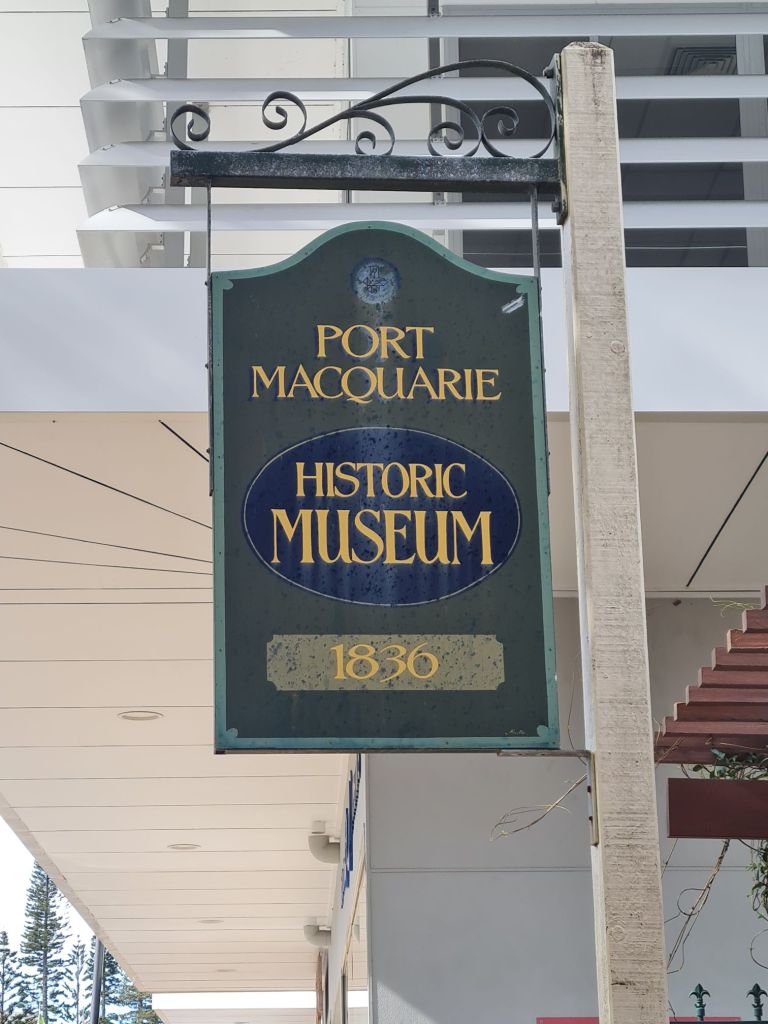
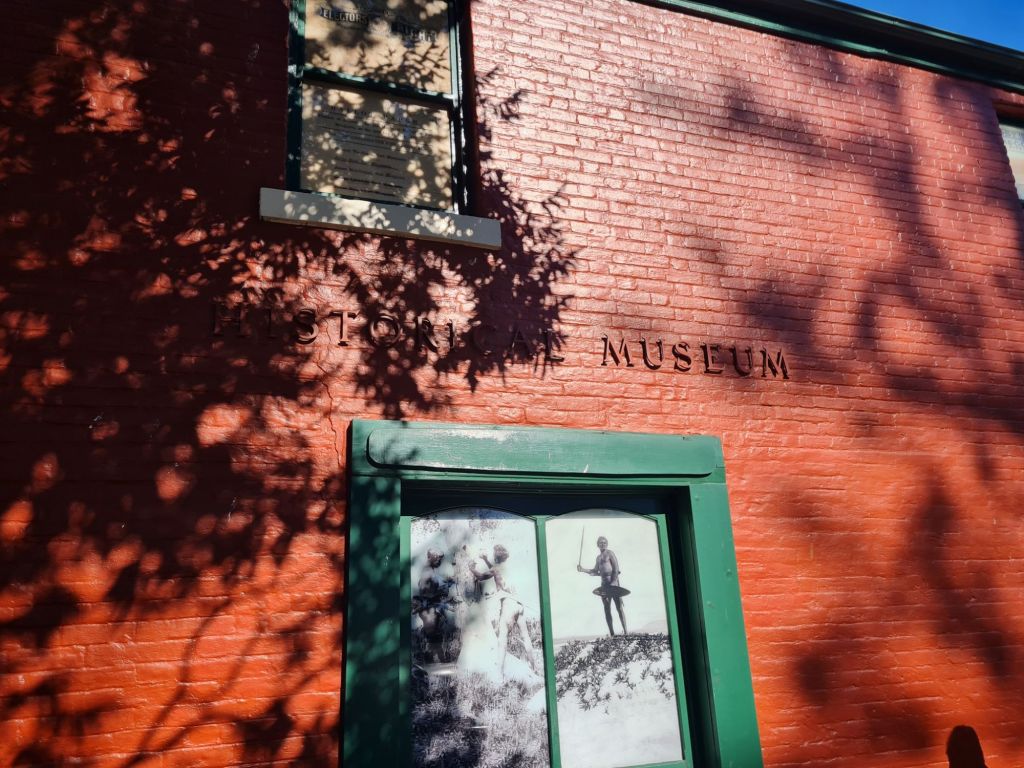
The Port Macquarie Museum

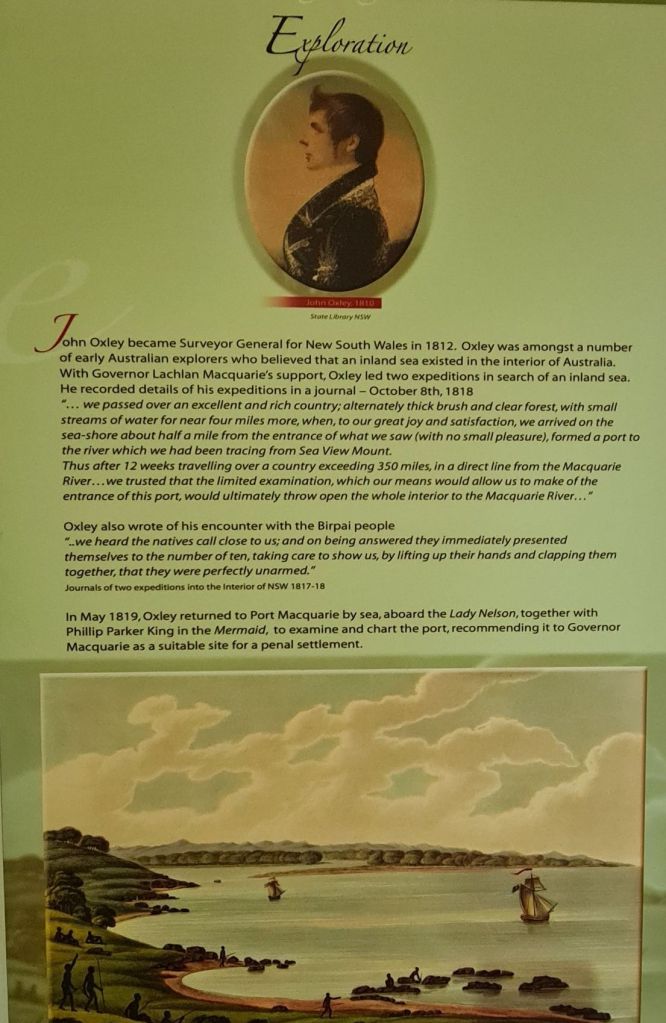
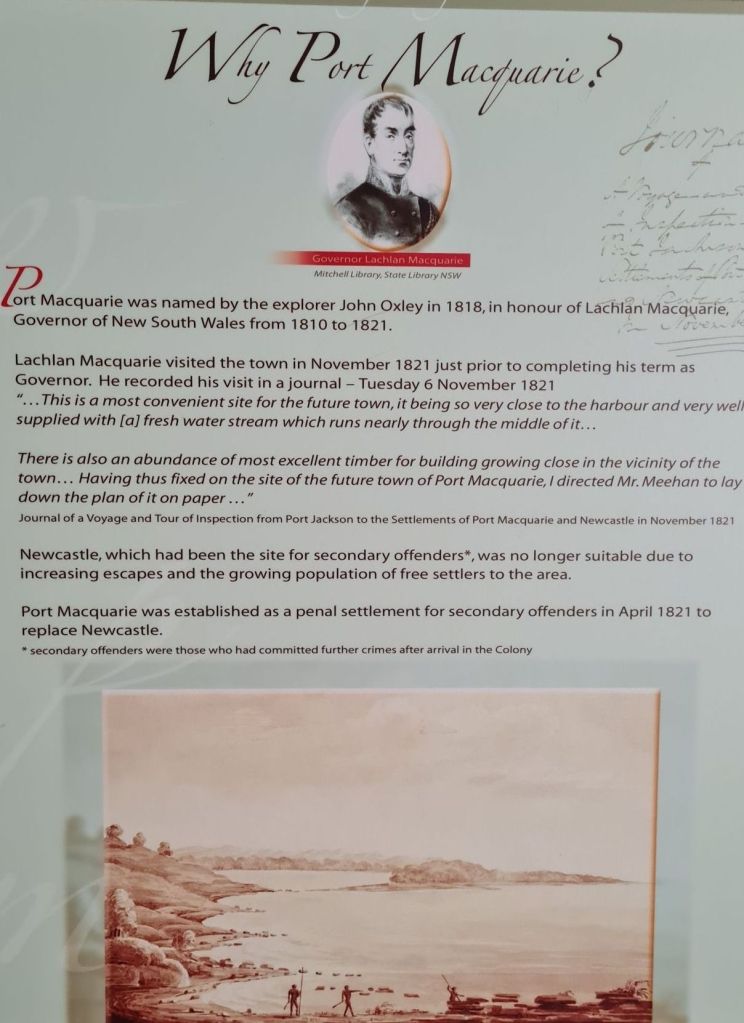
The first section of this museum relates the history, from the beginning, and through the 1800s, firstly as a convict settlement, and then for free settlers, to farm and wood logging.

The Hastings River was named after the Governor General of India in 1818, but it was not explored until 1819 by John Oxley who recommended the site suitable for farming and logging.

In 1821, Governor Macquarie sent Captain John Allman, 40 soldiers, and 60 convicts on three ships, the Lady Nelson, the Mermaid, and the Prince Regent to establish a penal settlement.

Normally a three-day voyage the weather kept the ships 14 days at Port Stephens and more than a week at Trial Bay. It was not until almost 28 days after leaving Sydney they arrived and then wrecked the ships trying to cross the shallow sandbar across the Hastings River entrance.

Searching for locations – Port Macquarie – Day 3 – Part 2

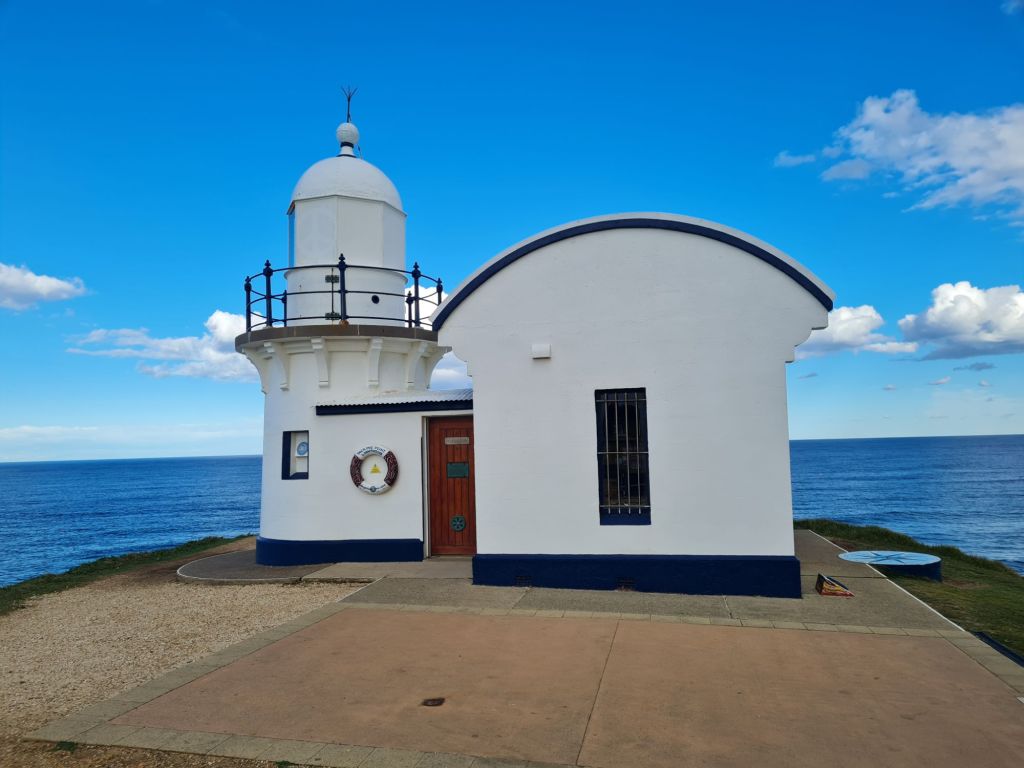
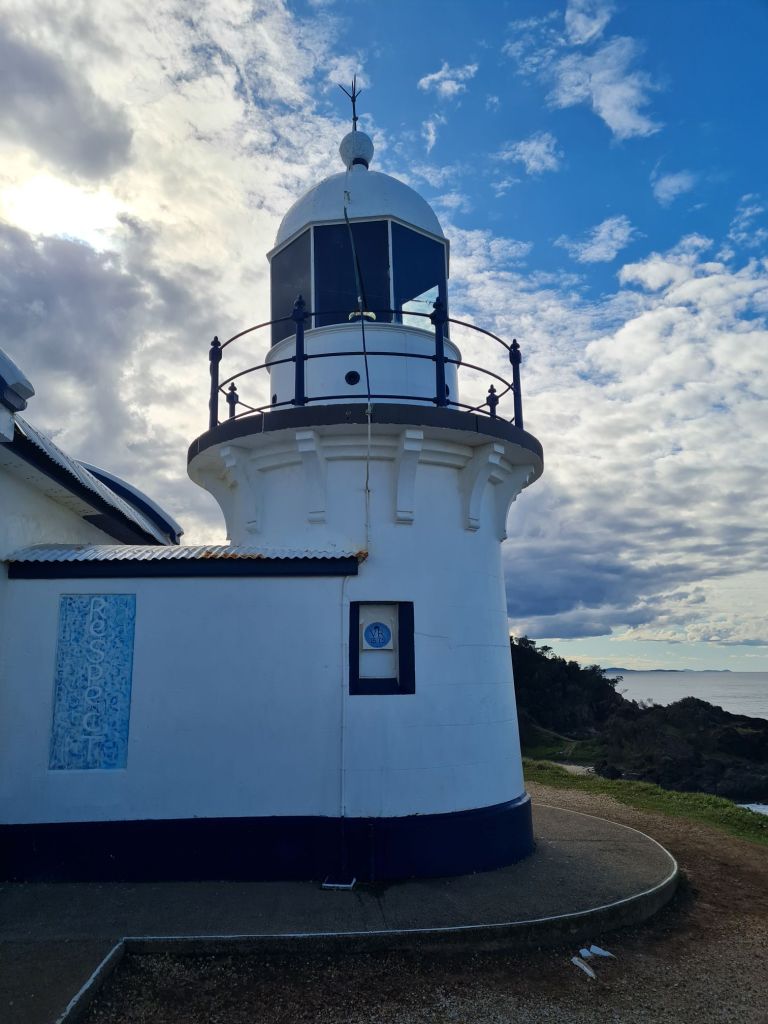
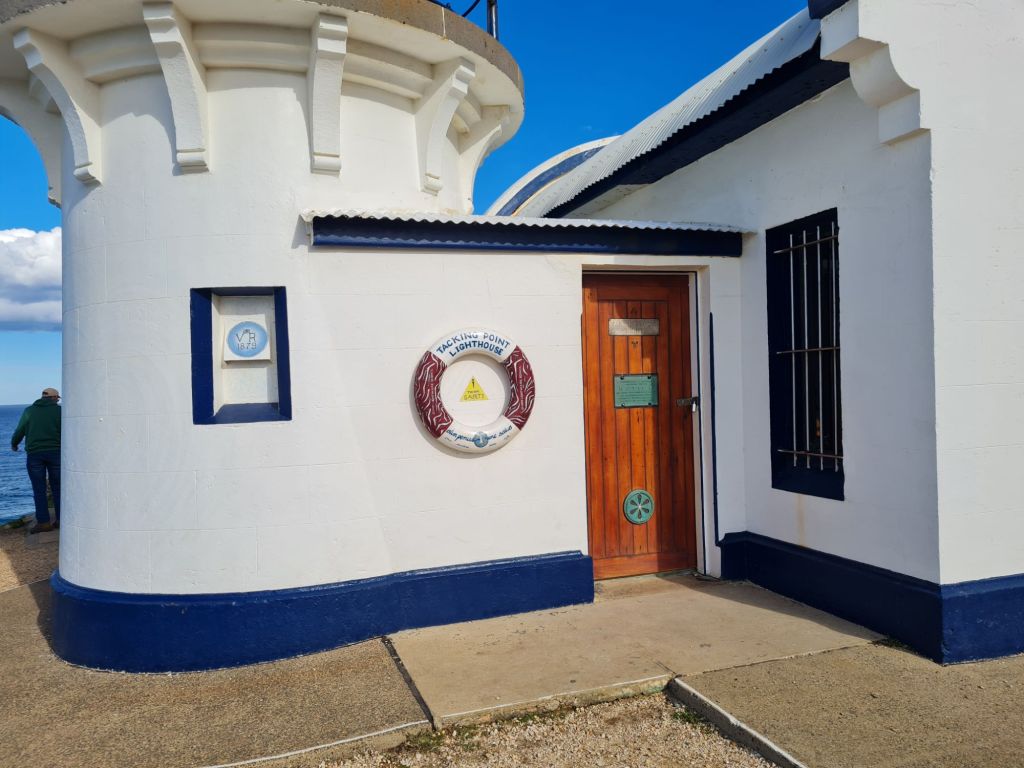
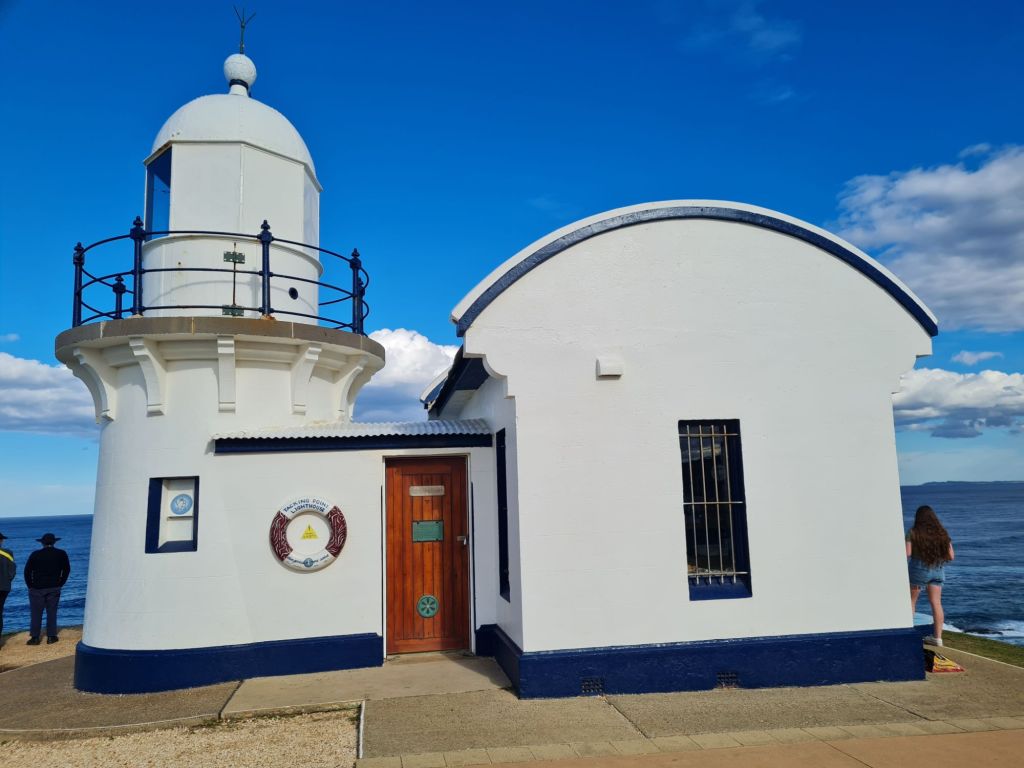
Tacking Point Lighthouse

Taking Point was named by Mathew Flinders in July 1892

It’s not the most impressive lighthouse I’ve ever seen, but it doesn’t have to be if it does the job.

This lighthouse is Australia’s thirteenth oldest lighthouse, designed by James Barnet and built in 1879 about 8km south of Port Macquarie.

After a number of shipwrecks in the area, the first of which was in 1823, it took to 1879 to build the lighthouse.

It was manned until 1920, and it’s possible to still see the foundations of the lightkeepers cottage.

The surrounding area is quite rugged, and it’s possible at times to see migrating whales offshore.

What I learned about writing – Do you write what you feel, or do you write what you must?

I don’t think I have ever written a story because I had to, well, not until now, in the process of writing a book in 365 days, from my literary calendar.

But..

The stories I write for this are not to any sort of format. Yet, I guess because I have to write something specifically asked for, then in that case, I write what I must.

But for everything else, I write what I feel like, and quite often those stories follow a set of feelings that are created or prompted by what I see around me, what I see on TV, what
I hear on the radio, and what I read.

It’s nothing to glance at the headlines and sift out one or two, or a set and weave them into an idea that might be the basis of a story. I like the idea of unconnected and random events, and from these, I weave them into a story.

For example:

There was a TV show on, one of a series, and it was in part about a spy network being wound up because they were about to be blown. I write about spies, especially those who have tried to escape from their former lives, and this was too good an opportunity to pass up.

Then there was another, of which I only saw a preview, but it had an interesting premise: what if you didn’t really know the person you had been living with for the past twenty-five years? Yes, you guessed it, a spy.

An excerpt from “Mistaken Identity” – a work in progress

The odds of any one of us having a doppelganger are quite high. Whether or not you got to meet him or her, or be confronted by them was significantly lower. Except of course, unless you are a celebrity.

It was a phenomenon remarkable only for the fact, at times, certain high-profile people, notorious or not, had doubles if only to put off enemies or the general public. Sometimes we see people in the street, people who look like someone we knew, and made the mistake of approaching them like a long lost friend, only to discover an embarrassed individual desperately trying to get away for what they perceive is a stalker or worse.

And then sometimes it is a picture that looms up on a TV screen, an almost exact likeness of you. At first, you are fascinated, and then according to the circumstances, and narrative that is attached to that picture, either flattered or horrified.

For me one turned to the other when I saw an almost likeness of me flash up on the screen when I turned the TV on in my room. What looked to be my photo, with only minor differences, was in the corner of the screen, the newsreader speaking in rapid Italian, so fast I could only translate every second or third word.

But the one word I did recognize was murder. The photo of the man up on the screen was the subject of an extensive manhunt. The crime, the murder of a woman in the very same hotel I was staying, and it was being played out live several floors above me. The gist of the story, the woman had been seen with, and staying with the man who was my double, and, less than an hour ago, the body had been discovered by a chambermaid.

The killer, the announcer said, was believed to be still in the hotel because the woman had died shortly before she had been discovered.

I watched, at first fascinated at what I was seeing. I guess I should have been horrified, but at that moment it didn’t register that I might be mistaken for that man.

Not until another five minutes had passed, and I was watching the police in full riot gear, with a camera crew following behind, coming up a passage towards a room. Live action of the arrest of the suspected killer the breathless commentator said.

Then, suddenly, there was a pounding on the door. On the TV screen, plain to see, was the number of my room.
I looked through the peephole and saw an army of police officers. It didn’t take much to realize what had happened. The hotel staff identified me as the man in the photograph on the TV and called the police.

Horrified wasn’t what I was feeling right then.

It was fear.

My last memory was the door crashing open, the wood splintering, and men rushing into the room, screaming at me, waving guns, and when I put my hands up to defend myself, I heard a gunshot.

And in one very confused and probably near-death experience, I thought I saw my mother and thought what was she doing in Rome?

I was the archetypal nobody.

I lived in a small flat, I drove a nondescript car, had an average job in a low profile travel agency, was single, and currently not involved in a relationship, no children, and according to my workmates, no life.

They were wrong. I was one of those people who preferred their own company, I had a cat, and travelled whenever I could. And I did have a ‘thing’ for Rosalie, one of the reasons why I stayed at the travel agency. I didn’t expect anything to come of it, but one could always hope.

I was both pleased and excited to be going to the conference. It was my first, and the glimpse I had seen of it had whetted my appetite for more information about the nuances of my profession.

Some would say that a travel agent wasn’t much of a job, but to me, it was every bit as demanding as being an accountant or a lawyer. You were providing a customer with a service, and arguably more people needed a travel agent than a lawyer. At least that was what I told myself, as I watched more and more people start using the internet, and our relevance slowly dissipating.

This conference was about countering that trend.

The trip over had been uneventful. I was met at the airport and taken to the hotel where the conference was being held with a number of other delegates who had arrived on the same plane. I had mingled with a number of other delegates at the pre conference get together, including one whose name was Maryanne.

She was an unusual young woman, not the sort that I usually met, because she was the one who was usually surrounded by all the boys, the life of the party. In normal circumstances, I would not have introduced myself to her, but she had approached me. Why did I think that may have been significant? All of this ran through my mind, culminating in the last event on the highlight reel, the door bursting open, men rushing into my room, and then one of the policemen opened fire.

I replayed that last scene again, trying to see the face of my assailant, but it was just a sea of men in battle dress, bullet proof vests and helmets, accompanied by screaming and yelling, some of which I identified as “Get on the floor”.

Then came the shot.

Why ask me to get on the floor if all they were going to do was shoot me. I was putting my hands up at the time, in surrender, not reaching for a weapon.

Then I saw the face again, hovering in the background like a ghost. My mother. Only the hair was different, and her clothes, and then the image was going, perhaps a figment of my imagination brought on by pain killing drugs. I tried to imagine the scene again, but this time it played out, without the image of my mother.

I opened my eyes took stock of my surroundings. What I felt in that exact moment couldn’t be described. I should most likely be dead, the result of a gunshot wound. I guess I should be thankful the shooter hadn’t aimed at anything vital, but that was the only item on the plus side.

I was in a hospital room with a policeman by the door. He was reading a newspaper, and sitting uncomfortably on a small chair. He gave me a quick glance when he heard me move slightly, but didn’t acknowledge me with either a nod, or a greeting, just went back to the paper.

If I still had a police guard, then I was still considered a suspect. What was interesting was that I was not handcuffed to the bed. Perhaps that only happened in TV shows. Or maybe they knew I couldn’t run because my injuries were too serious. Or the guard would shoot me long before my feet hit the floor. I knew the police well enough now to know they would shoot first and ask questions later.

On the physical side, I had a large bandage over the top left corner of my chest, extending over my shoulder. A little poking and prodding determined the bullet had hit somewhere between the top of my rib cage and my shoulder. Nothing vital there, but my arm might be somewhat useless for a while, depending on what the bullet hit on the way in, or through.

It didn’t feel like there were any broken or damaged bones.

That was the good news.

On the other side of the ledger, my mental state, there was only one word that could describe it. Terrified. I was looking at a murder charge and jail time, a lot of it. Murder usually had a long time in jail attached to it.

Whatever had happened, I didn’t do it. I know I didn’t do it, but I had to try and explain this to people who had already made up their minds. I searched my mind for evidence. It was there, but in the confused state brought on by the medication, all I could think about was jail, and the sort of company I was going to have.

I think death would have been preferable.

Half an hour later, maybe longer, I was drifting in an out of consciousness, a nurse, or what I thought was a nurse, came into the room. The guard stood, checked her ID card, and then stood by the door.

She came over and stood beside the bed. “How are you?” she asked, first in Italian, and when I pretended I didn’t understand, she asked the same question in accented English.

“Alive, I guess,” I said. “No one has come and told what my condition is yet. You are my first visitor. Can you tell me?”

“Of course. You are very lucky to be alive. You will be fine and make a full recovery. The doctors here are excellent at their work.”

“What happens now?”

“I check you, and then you have a another visitor. He is from the British Embassy I think. But he will have to wait until I have finished my examination.”

I realized then she was a doctor, not a nurse.

My second visitor was a man, dressed in a suit the sort of which I associated with the British Civil Service.  He was not very old which told me he was probably a recent graduate on his first posting, the junior officer who drew the short straw.

The guard checked his ID but again did not leave the room, sitting back down and going back to his newspaper.

My visitor introduced himself as Alex Jordan from the British Embassy in Rome and that he had been asked by the Ambassador to sort out what he labelled a tricky mess.

For starters, it was good to see that someone cared about what happened to me.  But, equally, I knew the mantra, get into trouble overseas, and there is not much we can do to help you.  So, after that lengthy introduction, I had to wonder why he was here.

I said, “They think I am an international criminal by the name of Jacob Westerbury, whose picture looks just like me, and apparently for them it is an open and shut case.”  I could still hear the fragments of the yelling as the police burst through the door, at the same time telling me to get on the floor with my hands over my head.

“It’s not.  They know they’ve got the wrong man, which is why I’m here.  There is the issue of what had been described as excessive force, and the fact you were shot had made it an all-round embarrassment for them.”

“Then why are you here?  Shouldn’t they be here apologizing?”

“That is why you have another visitor.  I only took precedence because I insisted I speak with you first.  I have come, basically to ask you for a favour.  This situation has afforded us with an opportunity.  We would like you to sign the official document which basically indemnifies them against any legal proceedings.”

Curious.  What sort of opportunity was he talking about?  Was this a matter than could get difficult and I could be charged by the Italian Government, even if I wasn’t guilty, or was it one of those hush hush type deals, you do this for us, we’ll help you out with that.  “What sort of opportunity?”

“We want to get our hands on Jacob Westerbury as much as they do.  They’ve made a mistake, and we’d like to use that to get custody of him if or when he is arrested in this country.  I’m sure you would also like this man brought into custody as soon as possible so you will stop being confused with him.  I can only imagine what it was like to be arrested in the manner you were.  And I would not blame you if you wanted to get some compensation for what they’ve done.  But.  There are bigger issues in play here, and you would be doing this for your country.”

I wondered what would happen if I didn’t agree to his proposal.  I had to ask, “What if I don’t?”

His expression didn’t change.  “I’m sure you are a sensible man Mr Pargeter, who is more than willing to help his country whenever he can.  They have agreed to take care of all your hospital expenses, and refund the cost of the Conference, and travel.  I’m sure I could also get them to pay for a few days at Capri, or Sorrento if you like, before you go home.  What do you say?”

There was only one thing I could say.  Wasn’t it treason if you went against your country’s wishes?

“I’m not an unreasonable man, Alex.  Go do your deal, and I’ll sign the papers.”

“Good man.”

After Alex left, the doctor came back to announce the arrival of a woman, by the way she had announced herself, the publicity officer from the Italian police. When she came into the room, she was not dressed in a uniform.

The doctor left after giving a brief report to the civilian at the door. I understood the gist of it, “The patient has recovered excellently and the wounds are healing as expected. There is no cause for concern.”

That was a relief.

While the doctor was speaking to the civilian, I speculated on who she might be. She was young, not more than thirty, conservatively dressed so an official of some kind, but not necessarily with the police. Did they have prosecutors? I was unfamiliar with the Italian legal system.

She had long wavy black hair and the sort of sultry looks of an Italian movie star, and her presence made me more curious than fearful though I couldn’t say why.

The woman then spoke to the guard, and he reluctantly got up and left the room, closing the door behind him.
She checked the door, and then came back towards me, standing at the end of the bed. Now alone, she said, “A few questions before we begin.” Her English was only slightly accented. “Your name is Jack Pargeter?”

I nodded. “Yes.”

“You are in Rome to attend the Travel Agents Conference at the Hilton Hotel?”

“Yes.”

“You attended a preconference introduction on the evening of the 25th, after arriving from London at approximately 4:25 pm.”

“About that time, yes. I know it was about five when the bus came to collect me, and several others, to take us to the hotel.”

She smiled. It was then I noticed she was reading from a small notepad.

“It was ten past five to be precise. The driver had been held up in traffic. We have a number of witnesses who saw you on the plane, on the bus, at the hotel, and with the aid of closed circuit TV we have established you are not the criminal Jacob Westerbury.”

She put her note book back in her bag and then said, “My name is Vicenza Andretti and I am with the prosecutor’s office. I am here to formally apologize for the situation that can only be described as a case of mistaken identity. I assure you it is not the habit of our police officers to shoot people unless they have a very strong reason for doing so. I understand that in the confusion of the arrest one of our officers accidentally discharged his weapon. We are undergoing a very thorough investigation into the circumstances of this event.”

I was not sure why, but between the time I had spoken to the embassy official and now, something about letting them off so easily was bugging me. I could see why they had sent her. It would be difficult to be angry or annoyed with her.

But I was annoyed.

“Do you often send a whole squad of trigger happy riot police to arrest a single man?” It came out harsher than I intended.

“My men believed they were dealing with a dangerous criminal.”

“Do I look like a dangerous criminal?” And then I realized if it was mistaken identity, the answer would be yes.

She saw the look on my face, and said quietly, “I think you know the answer to that question, Mr. Pargeter.”

“Well, it was overkill.”

“As I said, we are very sorry for the circumstances you now find yourself in. You must understand that we honestly believed we were dealing with an armed and dangerous murderer, and we were acting within our mandate. My department will cover your medical expenses, and any other amounts for the inconvenience this has caused you. I believe you were attending a conference at your hotel. I am very sorry but given the medical circumstances you have, you will have to remain here for a few more days.”

“I guess, then, I should thank you for not killing me.”

Her expression told me that was not the best thing I could have said in the circumstances.

“I mean, I should thank you for the hospital and the care. But a question or two of my own. May I?”

She nodded.

“Did you catch this Jacob Westerbury character?”

“No. In the confusion created by your arrest he escaped. Once we realized we had made a mistake and reviewed the close circuit TV, we tracked him leaving by a rear exit.”

“Are you sure it was one of your men who shot me?”

I watched as her expression changed, to one of surprise.

“You don’t think it was one of my men?”

“Oddly enough no. But don’t ask me why.”

“It is very interesting that you should say that, because in our initial investigation, it appeared none of our officer’s weapons had been discharged. A forensic investigation into the bullet tells us it was one that is used in our weapons, but…”

I could see their dilemma.

“Have you any enemies that would want to shoot you Mr Pargeter?”

That was absurd because I had no enemies, at least none that I knew of, much less anyone who would want me dead.

“Not that I’m aware of.”

“Then it is strange, and will perhaps remain a mystery. I will let you know if anything more is revealed in our investigation.”

She took an envelope out of her briefcase and opened it, pulling out several sheets of paper.

I knew what it was. A verbal apology was one thing, but a signed waiver would cover them legally. They had sent a pretty girl to charm me. Perhaps using anyone else it would not have worked. There was potential for a huge litigation payout here, and someone more ruthless would jump at the chance of making a few million out of the Italian Government.

“We need a signature on this document,” she said.

“Absolving you of any wrong doing?”

“I have apologized. We will take whatever measures are required for your comfort after this event. We are accepting responsibility for our actions, and are being reasonable.”

They were. I took the pen from her and signed the documents.

“You couldn’t add dinner with you on that list of benefits?” No harm in asking.

“I am unfortunately unavailable.”

I smiled. “It wasn’t a request for a date, just dinner. You can tell me about Rome, as only a resident can. Please.”

She looked me up and down, searching for the ulterior motive. When she couldn’t find one, she said, “We shall see once the hospital discharges you in a few days.”

“Then I’ll pencil you in?”

She looked at me quizzically. “What is this pencil me in?”

“It’s an English colloquialism. It means maybe. As when you write something in pencil, it is easy to erase it.”

A momentary frown, then recognition and a smile. “I shall remember that. Thank-you for your time and co-operation Mr. Pargeter. Good morning.”

© Charles Heath 2015-2021

Searching for locations – Port Macquarie – Day 3 – Part 2

Tacking Point Lighthouse

Taking Point was named by Mathew Flinders in July 1892

It’s not the most impressive lighthouse I’ve ever seen, but it doesn’t have to be if it does the job.

This lighthouse is Australia’s thirteenth oldest lighthouse, designed by James Barnet and built in 1879 about 8km south of Port Macquarie.

After a number of shipwrecks in the area, the first of which was in 1823, it took to 1879 to build the lighthouse.

It was manned until 1920, and it’s possible to still see the foundations of the lightkeepers cottage.

The surrounding area is quite rugged, and it’s possible at times to see migrating whales offshore.

Coming soon – “Strangers We’ve Become”, the sequel to “What Sets Us Apart”

Stranger’s We’ve Become, a sequel to What Sets Us Apart.

The blurb:

Is she or isn’t she, that is the question!

Susan has returned to David, but he is having difficulty dealing with the changes. Her time in captivity has changed her markedly, so much so that David decides to give her some time and space to re-adjust back into normal life.

But doubts about whether he chose the real Susan remain.

In the meantime, David has to deal with Susan’s new security chief, the discovery of her rebuilding a palace in Russia, evidence of an affair, and several attempts on his life. And, once again, David is drawn into another of Predergast’s games, one that could ultimately prove fatal.

From being reunited with the enigmatic Alisha, a strange visit to Susan’s country estate, to Russia and back, to a rescue mission in Nigeria, David soon discovers those whom he thought he could trust each has their own agenda, one that apparently doesn’t include him.

The Cover:

strangerscover9

Coming soon


365 Days of writing, 2026 – 65

Day 65 – Don’t wait for inspiration

Don’t Wait for Inspiration – Go Find It (And Write Even When It Doesn’t Show Up)

“Inspiration exists, but it has to find you working.” – Pablo Picasso

If you’re a writer, a designer, a marketer, or anyone whose craft lives on ideas, you’ve probably felt the sting of a blank page. The old myth that “inspiration will magically appear” lures us into procrastination, self‑doubt, and endless scrolling. The truth is far more practical—and far more empowering: inspiration is a habit, not a miracle.

In this post, we’ll unpack why waiting for inspiration is a dead‑end strategy, explore concrete ways to hunt down that creative spark, and learn how to write anyway when the muse is stubbornly silent.


1. The Myth of “Waiting for Inspiration”

What the myth saysWhat reality looks like
“I’ll start when I feel inspired.”Inspiration is a by‑product of work, not the other way around.
“I’m waiting for the perfect idea.”Ideas are often crude drafts that become polished through iteration.
“If I’m not excited, I’m not ready.”Excitement follows progress, not precedes it.

Why the myth is dangerous

  1. Paralysis by perfection: The moment you decide to wait, you hand the reins over to an invisible force you can’t control.
  2. Self‑fulfilling prophecy: No work → no inspiration → more “waiting.”
  3. Lost opportunities: The world moves on while you sit on the sidelines, watching deadlines and ideas slip away.

The reality check: The most prolific creators—from novelists to tech innovators—agree on a single habit: they show up first. The act of sitting down, opening a document, or sketching a line is the catalyst that lights the fire.


2. Turning Inspiration Into a Search Mission

If you’re comfortable with the idea that you have to go looking, the next step is to turn that intention into an actionable plan. Below are five proven “inspiration‑hunt” tactics, each with a quick starter exercise you can try today.

A. Change Your Physical Environment

Why it works: Your brain is wired to associate surroundings with mental states. A new view can break the monotony that fuels creative blocks.

Starter exercise:

  • The 10‑Minute Walk: Step outside for ten minutes—no phone, no playlist, just you and the street. Notice three details you’ve never observed before (e.g., the pattern on a fence, the cadence of a neighbour’s footsteps). Jot them down on a sticky note.

B. Consume Outside Your Niche

Why it works: Cross‑pollination of ideas sparks novel connections. A poet reading a physics article may discover a metaphor that reshapes a stanza.

Starter exercise:

  • Random Article Roulette: Open Wikipedia, click “Random article,” and read for five minutes. Highlight any phrase or concept that resonates, then brainstorm how it could relate to your current project.

C. Use Prompt Generators

Why it works: Prompts force your brain to think in a direction you wouldn’t have chosen on your own, breaking the “blank page” inertia.

Starter exercise:

  • Visit a prompt site (e.g., r/WritingPrompts, The Story Shack) and copy the first prompt you see. Write a 300‑word piece—don’t edit, just let the words flow.

D. Engage in “Creative Cross‑Training”

Why it works: Physical activity releases dopamine and boosts divergent thinking, while creative activities like doodling or mind‑mapping prime the brain for ideation.

Starter exercise:

  • 15‑Minute Stretch + Sketch: Do a quick stretch routine (or a short yoga flow). While your muscles relax, sketch anything that comes to mind—no rules, just shapes.

E. Set a “Bad‑Idea” Deadline

Why it works: Removing the pressure of perfection opens the floodgates. Bad ideas are just raw material; they can be refined or discarded later.

Starter exercise:

  • Set a timer for 8 minutes. Write the worst possible opening line for your piece. After the timer, read it aloud. How many elements can you salvage? Often the most surprising gems hide in the trash.

3. When Inspiration Still Plays Hard‑to‑Get: Write Anyway

You’ve tried the tactics, taken a walk, read a random article, and still hear crickets. This is the perfect moment to embrace the “write anyway” mindset. Below are strategies to turn a dry spell into productive output.

1. Free‑Writing (aka “Morning Pages”)

  • How it works: Set a timer for 10–20 minutes. Write whatever comes to mind—no editing, no judgment. Even if the only thing you write is “I don’t know what to write,” keep typing. The act of movement on the page often unblocks deeper thoughts.
  • Why it helps: It removes the mental barrier of “I have to be good.” By the end of the session, your brain is warmed up and ready for more focused work.

2. The “One‑Sentence” Rule

  • How it works: Tell yourself you only need to write a single sentence. It could be a description, a dialogue line, or a statement of intent. Once that sentence is down, you’re more likely to continue.
  • Why it helps: Small wins create momentum. The brain often resists a large task but is fine with a tiny one.

3. Reverse Outlining

  • How it works: Take an existing piece of your own writing (even a paragraph from a past blog) and outline its structure. Then, using that outline, write a brand‑new piece on a different topic.
  • Why it helps: You’re reusing a proven skeleton, which reduces the cognitive load of figuring out how to start.

4. Turn Constraints into Catalysts

  • How it works: Impose an artificial limitation: write a story without the letter “e,” or draft a blog post in exactly 150 words.
  • Why it helps: Constraints force you to think laterally, often sparking surprising ideas that would never surface in a free‑form environment.

5. Talk It Out—Verbally, Not Textually

  • How it works: Record yourself talking about your topic for five minutes, as if you were explaining it to a friend. Then transcribe the audio (or just listen back) and pull out usable sentences.
  • Why it helps: Speaking loosens the inner critic; you’re less likely to self‑edit in real time. The resulting transcript can become raw material for polished prose.

4. The Science Behind “Doing the Work”

Psychological PrincipleHow it Relates to Writing
The Zeigarnik Effect – unfinished tasks stay on our mindStarting a sentence, even a terrible one, creates a mental “open loop” that pushes us to finish it.
Flow State – deep focus occurs when challenge meets skillBy setting low‑stakes prompts (e.g., 5‑minute free‑write), you hit the sweet spot of challenge, making flow easier to achieve.
Neuroplasticity – the brain builds new pathways through repeated activityConsistently showing up to write rewires your brain to treat writing as a habit, not a rare event.

Understanding that the brain rewards action, not anticipation, flips the script: you’re not waiting for inspiration; you’re creating it through deliberate practice.


5. A Real‑World Example: From “Stuck” to Published

Case Study: Maya, freelance copywriter
Maya hit a wall on a landing‑page project for a wellness startup. She’d stared at the brief for three days, hoping a “big idea” would suddenly appear. Instead, she tried the steps above:

  1. Walked around her neighborhood, noting the colors of sunrise.
  2. Read a short article on the science of habit formation.
  3. Set a 5‑minute timer and wrote the worst possible headline (“Feel Amazing Today—Or Don’t”).
  4. She then turned that bad headline into a list of 10 alternatives, choosing the one that resonated most.
  5. Finally, she drafted the page in 30‑minute bursts, ignoring perfection.
    Result? The client loved the final copy, and Maya delivered the project ahead of schedule. She credits the “write anyway” phase for breaking the mental block that was costing her both time and confidence.

Maya’s story illustrates a simple truth: the more you move, the more ideas surface. You don’t need a mystical muse; you need momentum.


6. Quick‑Start Checklist: “Inspiration on Demand”

✔️ActionTime Needed
1Take a 10‑minute walk and note three new observations.10 min
2Read a random article from a field outside yours.5 min
3Write a 300‑word piece using a prompt.15 min
4Do a 5‑minute free‑write (any topic).5 min
5Choose the worst sentence you can think of; improve it.3 min
6Review and select one idea to develop further.5 min

Total: ~43 minutes.
If you can’t spare that much, pick any two items and repeat daily. Consistency beats intensity.


7. Take the First Step Right Now

Your challenge: Pick one of the tactics above, set a timer for 8 minutes, and start writing. Don’t worry about the outcome. When the timer dings, read what you’ve produced. Notice the shift in your mental state—often you’ll feel a spark that wasn’t there before you began.


Closing Thoughts

Waiting for inspiration is like waiting for a bus that may never arrive. By going looking—whether that means walking, reading, prompting, or simply forcing yourself to write—you become the driver of your own creative journey. And when the bus does finally pull up, you’ll be ready with a ticket, a seat, and the confidence to hop aboard.

Remember:

  • Show up first. The act of writing is the catalyst.
  • Seek stimuli actively. Your environment, consumption habits, and prompts are tools, not distractions.
  • Write anyway. Bad ideas, half‑baked sentences, and free‑writes are the raw ore from which gold is refined.

So, next time you stare at a blank screen and hear the internal mantra, “I’ll wait for inspiration,” flip it: “I’m going to find it—and I’ll write, no matter what.”

Your next masterpiece is waiting on the other side of that first typed word.

Happy hunting, and happy writing! 🚀