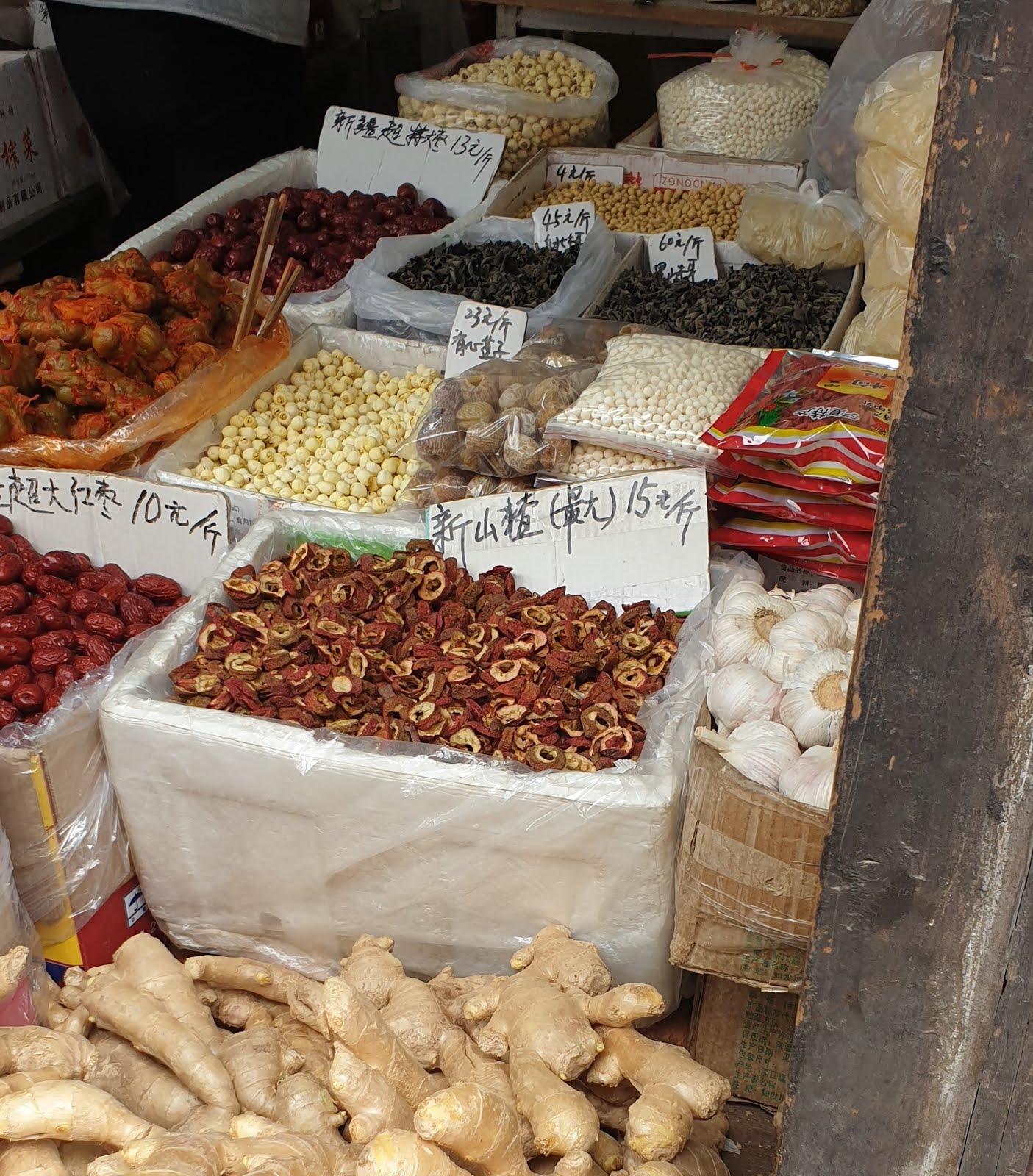
In a word: Port

So, I wonder if it’s true, any port in a storm, except perhaps Marseilles.

Or, if you are a lothario-type sailor, you would have a girl in every port.

Yes, the most common definition of a port is a place where ships dock.

And, while talking of ships we don’t call the sides left and right, we call them port and starboard.  Just in case you didn’t know, port is on the left side of the ship when facing forward.

And of course, ships have portholes, i.e. windows, traditionally round and rather small.

It could be an alcoholic drink, imbibed mostly after dinner with coffee and cigars, though no one seems to smoke cigars anymore.

There is still coffee, for now.  No doubt sometime in the future someone will link it to death and dying, and it will fall out of favour, like sugar, weedkillers and asbestos.

The best port seems to come from Portugal, strange about that.

You can port a program (app in phone speak) from one platform to another, which basically means from Android to Apple IOS, but not without a reasonable amount of work.

It can also be an outlet plug on a computer that accepts cables from other devices (USB) and many years ago, a printer port, and a serial port.

In certain places in the world a port is a child’s schoolbag, a definition I was not aware of until we moved to a different state.

I’m still having a problem with it 30 years on.

Inspiration, Maybe – Volume 2

50 photographs, 50 stories, of which there is one of the 50 below.

They all start with –

A picture paints … well, as many words as you like.  For instance:

And, the story:

Have you ever watched your hopes and dreams simply just fly away?

Everything I thought I wanted and needed had just left in an aeroplane, and although I said I was not going to, i came to the airport to see the plane leave.  Not the person on it, that would have been far too difficult and emotional, but perhaps it was symbolic, the end of one life and the start of another.

But no matter what I thought or felt, we had both come to the right decision.  She needed the opportunity to spread her wings.  It was probably not the best idea for her to apply for the job without telling me, but I understood her reasons.

She was in a rut.  Though her job was a very good one, it was not as demanding as she had expected, particularly after the last promotion, but with it came resentment from others on her level, that she, the youngest of the group would get the position.

It was something that had been weighing down of her for the last three months, and if noticed it, the late nights, the moodiness, sometimes a flash of temper.  I knew she had one, no one could have such red hair and not, but she had always kept it in check.

And, then there was us, together, and after seven years, it felt like we were going nowhere.  Perhaps that was down to my lack of ambition, and though she never said it, lack of sophistication.  It hadn’t been an issue, well, not until her last promotion, and the fact she had to entertain more, and frankly I felt like an embarrassment to her.

So, there it was, three days ago, the beginning of the weekend, and we had planned to go away for a few days and take stock.  We both acknowledged we needed to talk, but it never seemed the right time.

It was then she said she had quit her job and found a new one.  Starting the following Monday.

Ok, that took me by surprise, not so much that it something I sort of guessed might happen, but that she would just blurt it out.

I think that right then, at that moment, I could feel her frustration with everything around her.

What surprised her was my reaction.  None.

I simply asked where who, and when.

A world-class newspaper, in New York, and she had to be there in a week.

A week.

It was all the time I had left with her.

I remember I just shrugged and asked if the planned weekend away was off.

She stood on the other side of the kitchen counter, hands around a cup of coffee she had just poured, and that one thing I remembered was the lone tear that ran down her cheek.

Is that all you want to know?

I did, yes, but we had lost that intimacy we used to have when she would have told me what was happening, and we would have brainstormed solutions. I might be a cabinet maker but I still had a brain, was what I overheard her tell a friend once.

There’s not much to ask, I said.  You’ve been desperately unhappy and haven’t been able to hide it all that well, you have been under a lot of pressure trying to deal with a group of troglodytes, and you’ve been leaning on Bentley’s shoulder instead of mine, and I get it, he’s got more experience in that place,  and the politics that go with it, and is still an ally.

Her immediate superior and instrumental in her getting the position, but unlike some men in his position he had not taken advantage of a situation like some men would.  And even if she had made a move, which I doubted, that was not the sort of woman she was, he would have politely declined.

One of the very few happily married men in that organisation, so I heard.

So, she said, you’re not just a pretty face.

Par for the course for a cabinet maker whose university degree is in psychology.  It doesn’t take rocket science to see what was happening to you.  I just didn’t think it was my place to jump in unless you asked me, and when you didn’t, well, that told me everything I needed to know.

Yes, our relationship had a use by date, and it was in the next few days.

I was thinking, she said, that you might come with me,  you can make cabinets anywhere.

I could, but I think the real problem wasn’t just the job.  It was everything around her and going with her, that would just be a constant reminder of what had been holding her back. I didn’t want that for her and said so.

Then the only question left was, what do we do now?

Go shopping for suitcases.  Bags to pack, and places to go.

Getting on the roller coaster is easy.  On the beginning, it’s a slow easy ride, followed by the slow climb to the top.  It’s much like some relationships, they start out easy, they require a little work to get to the next level, follows by the adrenaline rush when it all comes together.

What most people forget is that what comes down must go back up, and life is pretty much a roller coaster with highs and lows.

Our roller coaster had just come or of the final turn and we were braking so that it stops at the station.

There was no question of going with her to New York.  Yes, I promised I’d come over and visit her, but that was a promise with crossed fingers behind my back.  After a few months in t the new job the last thing shed want was a reminder of what she left behind.  New friends new life.

We packed her bags, three out everything she didn’t want, a free trips to the op shop with stiff she knew others would like to have, and basically, by the time she was ready to go, there was nothing left of her in the apartment, or anywhere.

Her friends would be seeing her off at the airport, and that’s when I told her I was not coming, that moment the taxi arrived to take her away forever.  I remember standing there, watching the taxi go.  It was going to be, and was, as hard as it was to watch the plane leave.

So, there I was, finally staring at the blank sky, around me a dozen other plane spotters, a rather motley crew of plane enthusiasts.

Already that morning there’s been 6 different types of plane depart, and I could hear another winding up its engines for take-off.

People coming, people going.

Maybe I would go to New York in a couple of months, not to see her, but just see what the attraction was.  Or maybe I would drop in, just to see how she was.

As one of my friends told me when I gave him the news, the future is never written in stone, and it’s about time you broadened your horizons.

Perhaps it was.


© Charles Heath 2020-2021

Coming soon.  Find the above story and 49 others like it in:

NANOWRIMO – November 2025 – Day

The Third Son of a Duke

Day 0 – What’s it all about

So this is what happens when you become so wrapped up in your family history that a story screams out from under the names, dates, and places.

Perhaps it’s not the history you were hoping for, but some of your ancestors could be incorporated into a story.

A lot of mine came out from England on various ships, from sail to steam, small and large.

A lot of them were farmers, farmhands, or the modern-day roustabout called a labourer.

A lot of these came to Australia to improve their lot in life.  Some did.

WE had no convict ancestors

We had no rich people, perhaps the one that might have been was a builder and stone mason from Dorchester in England.

It was his daughter who was the reason for my existence.

But a story can’t be just about ancestors; it needs a thread to pull it all together.  That’s why I’m working on a package to wrap my family story in.

It starts in England over Christmas 1913, with the third son of a Duke, David.

His parents are sending him to Australia to check on how his father’s investment in his uncle’s enterprise, a cattle station in outback Queensland, is performing.

The real reason, his parents want to shield him from the possibility of war, just around the corner in 1914.

In going to Australia, he will meet my grandmother, on her way out to visit relatives in Footscray, but I think something else was afoot.

It’s going to be a fun ride imagining what my grandmother might have been like at the age of 25, coming to Australia as an adventure, and definitely not the sort of thing girls her age did.

Writing about writing a book – Day 15

Our main character Bill probably needs to give an account of the situation he found himself in.  I have, for a while, considered that he is just another soldier who found himself in the wrong place at the wrong time, but now, I want to add a dimension.

He finishes up where he is, in the end, because he chose to be there, and it was something of a rocky ride to get there.

That I’m still planning in my head.

In the meantime, this is the initial piece I wrote for his situation description:

I used to joke about telling people my middle name was ‘danger’.  It seemed I was not the only one, and for a time, worked with a group of soldiers and ex-soldiers in a capacity similar to that of being a mercenary.

Each one of us had a specialty.  Mine was being the sniper.  Johnny had knife skills and not the sort that was used in a kitchen.  Freddie, explosives, Bill, well, you just left Bill alone because he had a grudge against the world and everyone in it.

The Colonel used to say we were all handpicked, but that wasn’t necessarily the case.  I knew for a fact some of the team came straight out of the stockade before their time was up.

Because some of us were expendable.

The thing was; none of us cared.  For those who were ‘rescued’, it was better out in the jungle, dodging bullets, than being inside, your fate left in the hands of the Gods. 

I knew how it was.  I’d been there once or twice myself.

This morning had started the same as many others.  Rise and shine, a breakfast of sorts, into the chopper, and after an hour or so, dropping into a grassy patch, with nothing but jungle in every direction.  Our mission was to find and liberate a number of our people who had gone missing, read captured, on the border between Cambodia and Vietnam.  It was a familiar country because I had, over the last year or so, gone hunting missing POW’s in the area.  Old prisons had been converted into drug laboratories, and we’d broken up a few of those too.

The noise of the chopper put paid to any sort of stealthy approach and, by the time it dropped us off, if there was anyone nearby, our advantage, if we ever had one, was gone.  The trouble was, to cover the same distance by foot would take a week, and, by the time we arrived, if we arrived, more than half the team would be dead.  We may have been good, but we were not that good.  It was not our home turf.

It was hot, sticky, and nothing like home.  There wasn’t a day that passed when I thought to myself it was getting harder and harder to remember when I wasn’t constantly hot and sweaty, nor as frightened.  It happened that way, towards the end of a tour.

Once on the ground, every man was on full alert.  We changed the lead and tail end constantly, to make sure we didn’t lose anyone.  And it was hard going, the constant heat, sweat, punctuated with slight relief when it rained.

Then as quickly as it came, it went, leaving you wet then sticky.

And if that wasn’t enough to contend with, there was the enemy.   You couldn’t see them, nor hear them yet you had the feeling he was watching you the whole time, and it made your skin crawl.

Sometimes the enemy attacked when we had to camp, invisibly swooping, shooting from the trees, and firing a mortar or two, then disappearing back into the luminous greenery without a trace.  These were the remnants of the Viet Cong, Cambodian armed forces, disaffected Laotians, or the Chinese, or so we believed, but they were well-trained mercenaries and just the sort of people the drug cartels would use.

And surviving the operation, any operation, was like playing Russian roulette.  Was it your turn this time, or someone else’s?  You could be walking along, straining your eyes and ears, and next minute, find the man who was covering your back, dead.  Booby traps were silent and swift.  Landmines are loud and very messy.  Both hangovers from the war, and never cleaned up.  People you’d meet, you never knew whose side they were on, so it was best to avoid all contact.

© Charles Heath 2015-2023

The cinema of my dreams – I never wanted to go to Africa – Episode 23

Our hero knows he’s in serious trouble.

The problem is, there are familiar faces and a question of who is a friend and who is foe made all the more difficult because of the enemy, if it was the enemy, simply because it didn’t look or sound or act like the enemy.

Now, it appears, his problems stem from another operation he participated in.


“As I understand it, you were to fly to the drop off point about two miles from the abandoned farm where the operatives were hiding, and not far from the farm, where a group of enemy soldiers had set up camp.  The plan was one team was to create a diversion, while the other rescued the operatives.”

It sounded quite simple and equally workable when said out loud, now.

But, at the time and on the ground, nothing could be further from the truth.  It had sounded equally simple when we discussed the final plan before we moved out.  My team would provide the diversion; Treen’s would affect the rescue.

“In your post operational debriefing, you said you encountered the enemy not far from the drop zone.”  He looked down at his notebook, and then up again, after checking what the question was, “but you didn’t exactly say how that affected moving forward, or whether you thought they had been informed prior to your arrival.”

“It was basically unexpected and both Treen and I had to adjust the plan on the fly so to speak.  It was a setback, but it wasn’t what might be called a show stopper.  Not initially, anyway.”

Except Treen had lost it because I soon discovered he didn’t like changes.  The plan was the plan, come what may.

“And, now, after you’ve had time to think about it?”

“I did say, at the briefing, that if the source of the ground had gone silent, it might mean he’d been caught, and if so, may have told the enemy of our intentions.”

“And this suggestion was given no credence?”

“It was left to Treen to factor that into his decision as the officer in charge.  I’m sure that decision was based on more than just my input. but, on the other hand, no one else asked seemed to consider that a possibility.  So, if it was you, would it not seem strange the enemy would let the choppers land, drop us off, and take off again, then give us time to set up before attacking.  If I’d been told anyone was coming, I’d use rockets to take out the choppers in the air, kill the raid before it started.”

Lallo had his best poker face on, so I had no idea what he thought, but he did make a note.

“Where was Treen after you landed?”

“With his group.  We’d re-worked the plan while in the air, and to minimise the choppers exposure, we were to hit the ground running.  We had different destinations, so I didn’t see him or his team.  It was dark, and not possible to see where anyone other than your immediate team members were.”

But as it turned out, their chopper had landed closer to the pickup zone, and we had enemy soldiers between us and them.  We were as soon as we landed effectively cut off from Tree, and he would not get any support from us.

“The choppers didn’t land together?”

“No.  We were a hundred yards, maybe more, apart.”

“But you knew they were close.  You said you heard shots fired not long after your chopper took off.  Was the gunfire theirs or ours?”

“All guns sound the same at night.  It was impossible to say.  It was the first indication that there was a group of enemy soldiers near the drop zone, coincidentally or otherwise, and Treen’s team had been seen.   I sent Sycamore to find out what had happened, and the rest of the team waited.  No point walking into a firefight.  I trusted Treen to get the job done whatever the circumstances.”

“Your man didn’t come back?”

“No.”

“What happened then?”

My team members disobeyed orders to stay on mission, and not wanting to remain alone in the field, I followed them on what I thought was suicide.  If the other members of their team had been killed, or, worse, captured, and it was certainly looking like it, then the odds were they were going to join them.

It’s a perfect situation where being the odd man out works in your favour.

I saw Andrews and Ledgeman go over the hill and disappear, and seconds later the sound of automatic fire.  It was exactly as I thought it would be.  I broke for cover and made it just in time to see a dozen enemy soldiers come over the hill, heading towards our drop zone.  I assumed they’d done a head count and found one was missing.

“It was over before it started.”


© Charles Heath 2019

Writing a book in 365 days – 287

Day 287

Writing exercise

The race was over before it began

If something is too good to be true, then it generally is.  Those words bounced around in my head only moments after the winner of the award had been announced.

And it wasn’t me.  I had worked hard, done everything that was asked of me, and yet at the eleventh hour, I had been usurped

Of course, I had only myself to blame.

Some other words that rattled around in what could probably now be called an empty space in my head, because no sane person would have believed that McGurk was a worthy recipient, were that good guys come last.

They did.

I have been too trusting.

I wanted to believe that McGurk honestly wanted to help me win, but all the time he was getting the information needed to win the award for himself.

After all, the prize was worth a million pounds.

And he was never going to stay long enough to show them anything for the money.  The proposal was slick, the pitch was slick, and the man himself was slick personified.

However, one item I did know about him was that he had done this before.  A number of times, and after each success, he disappeared with the money and wasn’t seen again.

It was exactly what he would do this time if we let him.

Everyone was also oblivious to the deception.  He was far too affable, far too obliging, far too kind.  And too accommodating.  He was everybody’s friend.

Except mine.

Jason McMaster, the head of the selection committee, came over to offer his commiserations.

“Sorry, old boy,” he began, “but it was a close call, 4 to 5.  You put in a brilliant prospectus, but the numbers didn’t quite add up.”

I noticed far too late that someone had slipped in a revised budget, and it had the look of a grade six student’s horrible attempt to balance a small budget.

I had tried to fix it, but the committee decided the submissions would be as is, where is.  I knew McGurk had a hand in getting those papers, and I was sure it was someone on the selection team who helped him; without proof, I was not going to change the result.

At least one of the members dared to tell me what had happened and not let me be shocked on the night.

Evelyn had worked as hard as I had, and it seemed to me he had not approached her.  Perhaps she would have seen him for what he was.  More than once, she told me to be wary.

Like I said, it was on me.

McGurk was in his element, the centre of attention, soaking in the adulation as the man who had beaten the sure thing.

Some people didn’t like me, not many, because what they mistook for determination was really the desire to be fair and equitable.

His acceptance speech was the sort to be expected, praising the competition, acknowledging the help I’d given him, and stating that he was going to make a lot of people’s futures much brighter.

I was not sure who those people were, because no one in this county would.

After shaking the selection committee’s hands and thanking them all, he wandered over to see me.

He was brave or stupid, I wasn’t sure which, but then he didn’t know what I knew.

“You do realise the race was over before it began.”

He was all smiles and shaking my hand for the cameras.

I was all smiles for a different reason.

“Not at first, but I did get a sense of it towards the end.”

“You didn’t seem to be all that well-liked.”

No.  I got that.  Alfred Knopper, next door neighbour and staunch enemy when I won the council election over him, was on the committee.

I should have tried harder to win him over.

“Happens in small towns.  You can’t please everyone all of the time.  You will discover that “

“I’m sure I won’t.  I understand the brief.”

I smiled.  “I hope you do.”

I could see Evelyn coming over, and so could he.  Her face was set, and I could feel the heat from where I was standing.  Seeing her approach, he quickly excused himself.

Her eyes followed him as he retreated.

“Snake.”

“He’s the one they deserve.”

“No one deserves a creature like that.”

I shrugged.  “Well, like him or lump him, he’s all they’ve got.”

Until he cashed the check.

A week is a long time in politics, or so I was told the first time I ran for council.

I didn’t want to, but a lot of people said that it was time for a change.

I rode the crest of that wave of change for three terms, after which those same people voted for another change.  It didn’t bother me. I had tried to be fair and equitable, but not everybody’s definition of those words was the same.

I tried to please all of the people all of the time and failed miserably.

We lived in a different world from the one I thought I knew.

It was time to move on, and the plans Evelyn and I had made a few months before, plan B, were in motion.  The children had moved on.  We had sold the house, where I had lived my whole life and my father before me.

All I was waiting for was…

The phone rang, its shrill insistence penetrating the fog of sleep, and only years of training forced me to answer it.

“Yes.”

“He’s gone.”  Jason McMaster sounded panicked.

“Who has gone?”

“McGurk.  Office cleaned out, residence as clean as the day he walked into it.”

McMaster had been very generous in giving him the house rent-free until he was settled.

“The funding.”

Silence.  Then, it’s not in the corporate account.”

Of course not.

“It was transferred to a Cayman Islands bank.”

“You called them?”

“Transferred to a JN Corporation, a shell company.  It’s going to take an army of forensic accountants to find it, and McGurk, if that’s his real name.”

It wasn’t, but I wasn’t going to tell him that.

“Why are you telling me?”

“The selection committee asked me to ask you to come back and maintain continuity while we sort this mess out.”

“Too late.  I’m off on holiday this morning.  Time to take a break from everything.”

“Then, in a few weeks, when you get back.  We’ll talk.”

“Can’t.  Not coming back.  Not getting the award settled a few things for me, and the main one, our future.  Twelve months in a cottage in Tuscany and then, well, who knows.  Have a nice life, Jason.”

I hung up.

Evelyn rolled over. “McGurk?”

“Not at the office for his first day.”

“Jason?”

“Nearly hysterical.  He went to the house, and there’s no sign he had ever been there.”

“McGurk wasn’t.  He’s been dead since the day after he was born, but Michael Oliphant, that’s a different story.”

“That his real name?”

“So Viktor told me.  Took three days, but he broke him.  They all break eventually.”

“And the money.”

“It’ll be in Geneva by the time we get there.  Now, come back to bed.”

©  Charles Heath  2025

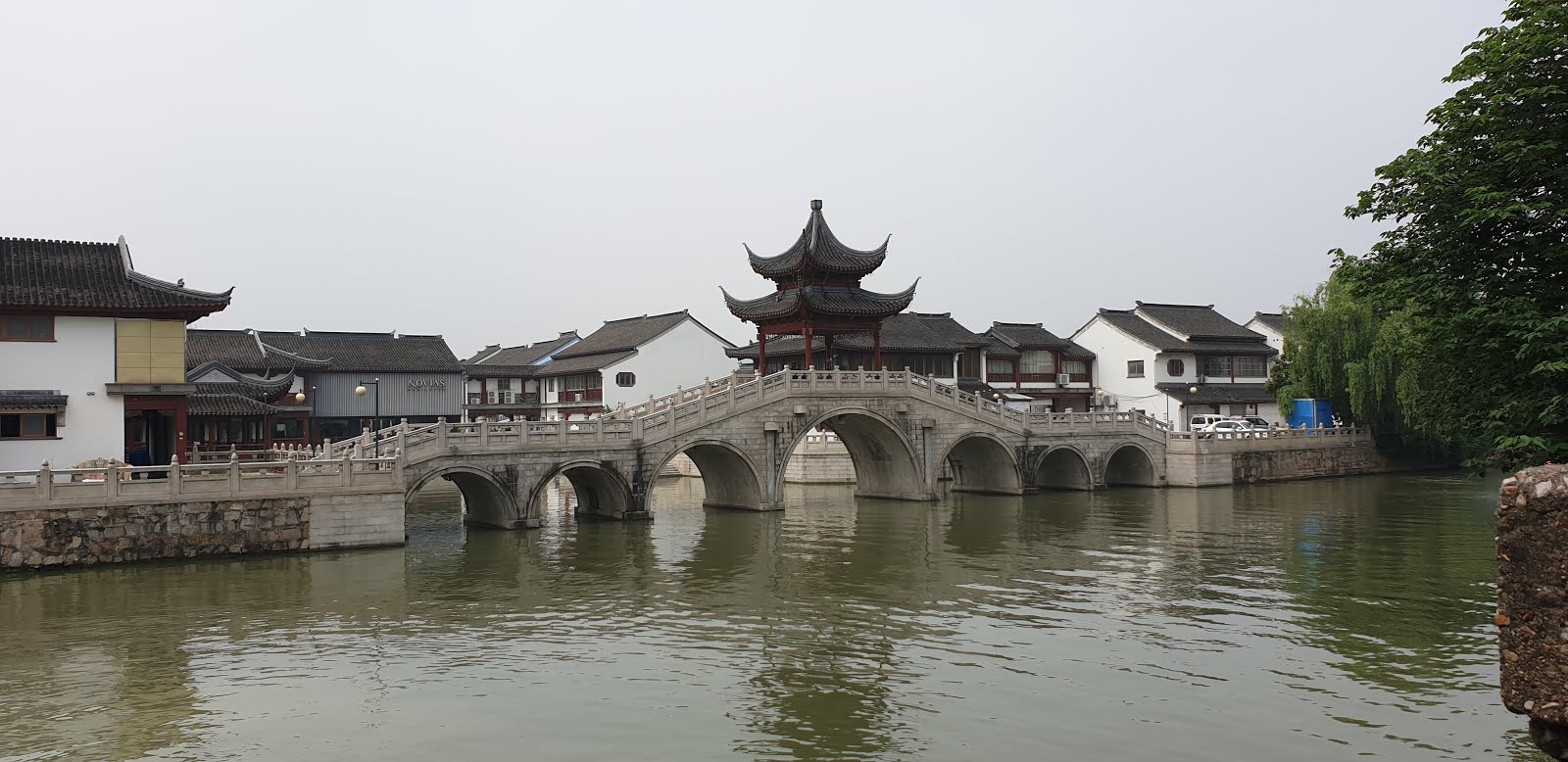
Searching for locations: The canals of Suzhou, China

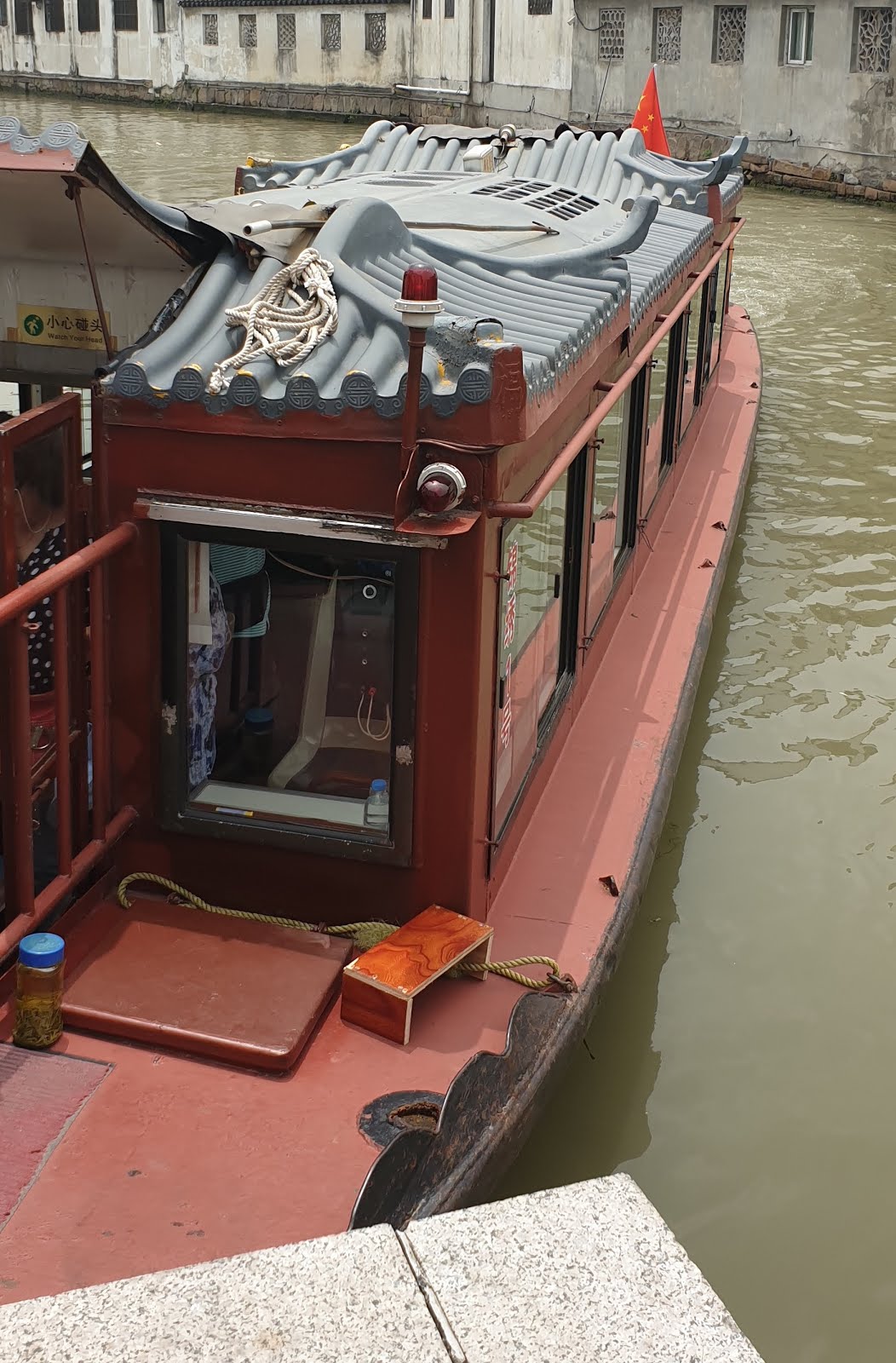
This morning is a boat ride that will take us along a small portion of the main canal, and we head through a number of back streets, to a landing where there are a number of boats all vying with each other to get us passengers on boats.

But…

These boats don’t have a wharf to tie up to and then put out a stable gangplank.  No.  They just more into a concrete step and you take your life in your hands getting on.  One wrong step and you’re in the canal.  And not a very clean one at that.

That’s if another boat doesn’t come along and bumps you, knocking you off balance.  We managed not to lose anyone in boarding the vessel.

This is where we get on the boat

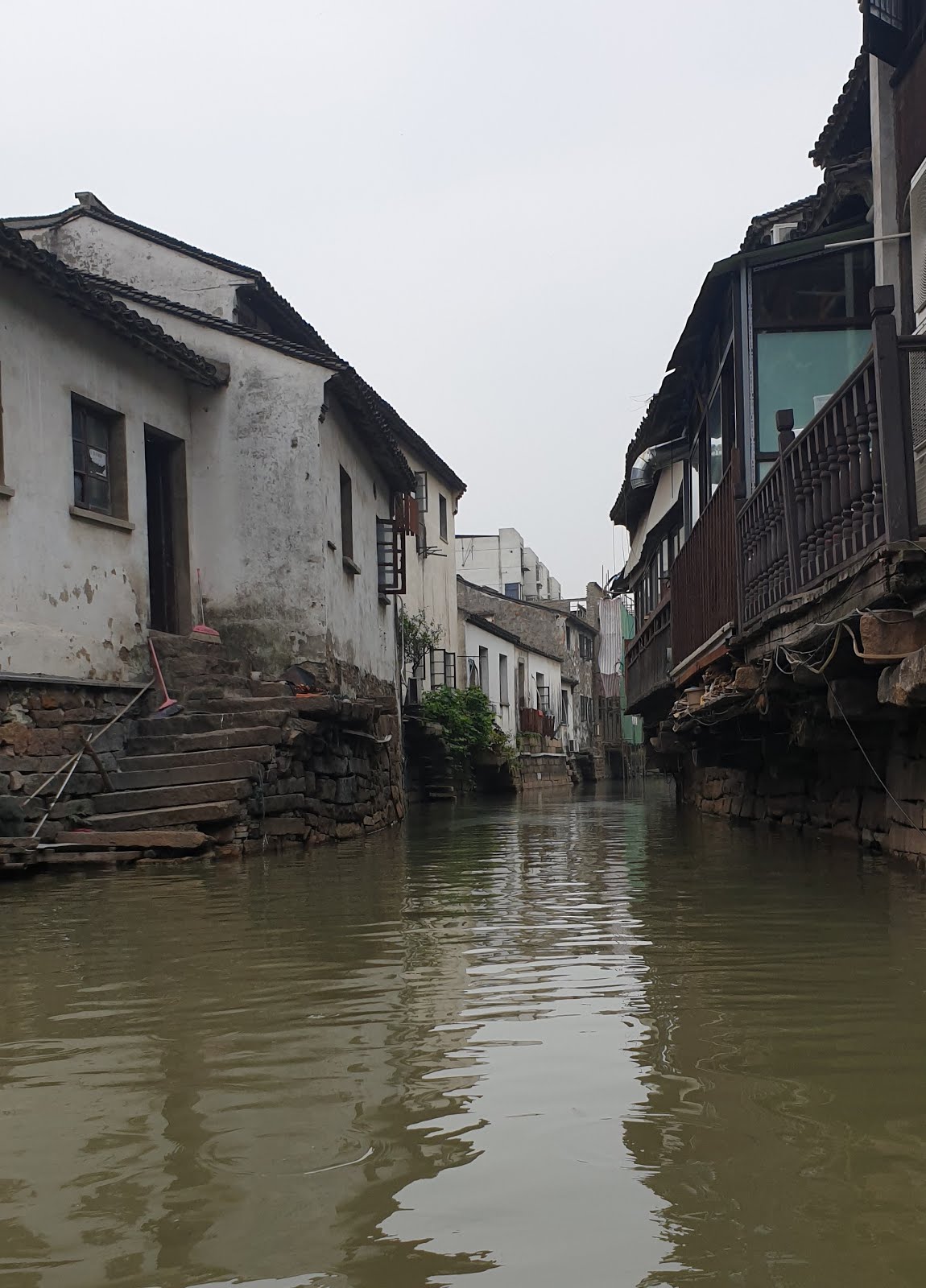
We go along what appears to be downstream towards another larger canal, past tree-lined streets until the canal narrows and we’re looking at the backs of houses, which look very dilapidated.

And the canals?  Well, it’s not quite like it is in Venice

Though some parts of the canal look better than others

What doesn’t bear thinking about is the electrical wiring which is a nightmarish spider web of cables going off in all directions.  How anyone could troubleshoot problems is beyond me.

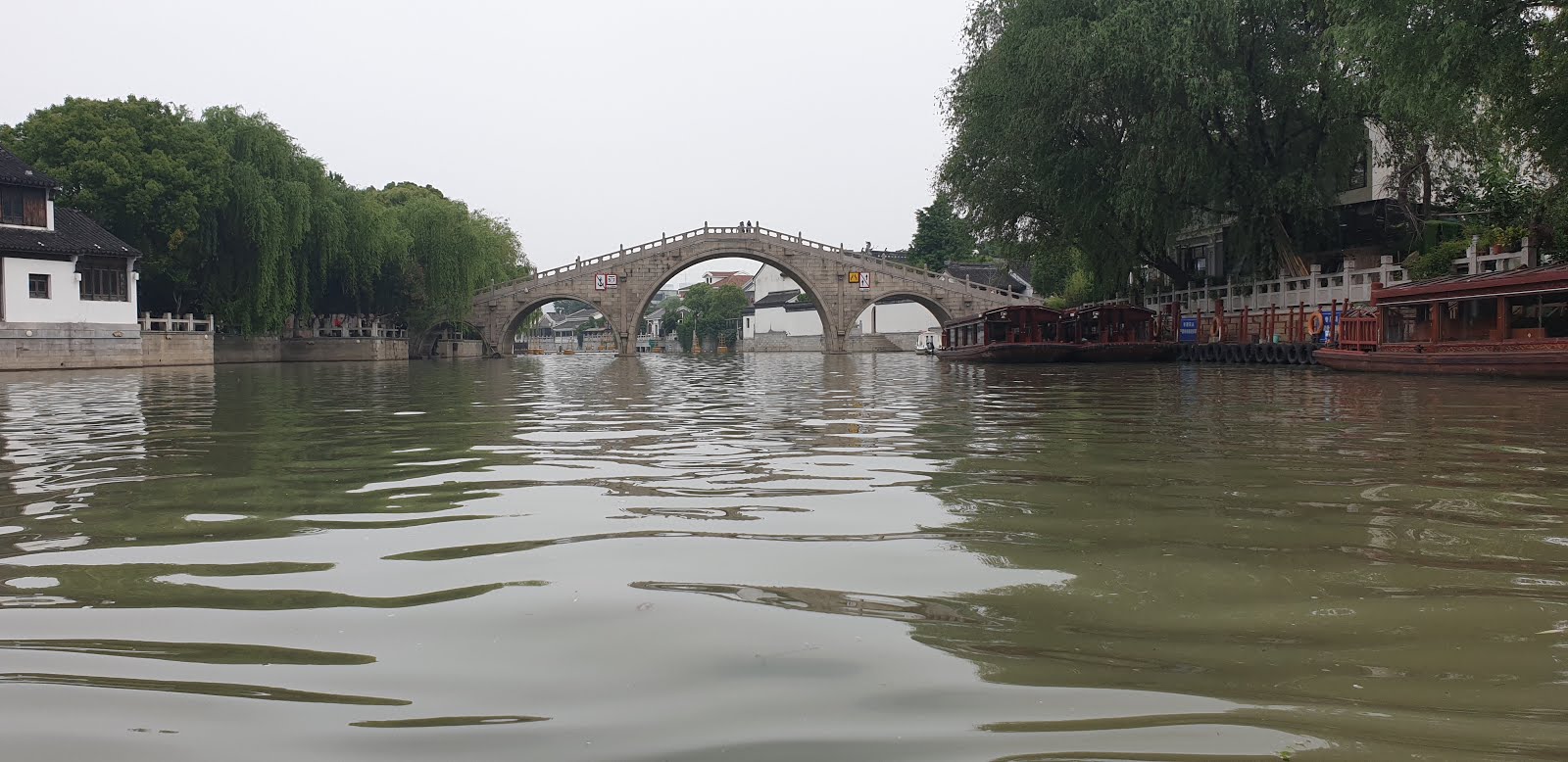
We pass under a number of bridges, and then, about 30 minutes after leaving, we reach a larger canal and do a 180-degree turn, and head back to a drop off point the will enable us to walk through a typical everyday Chinese market for food and the other items.

This drop off point is much the same as the starting point, a concrete step which is as hazardous as the first.  At least we don’t have to compete with other boats for the landing spot.

We take a leisurely stroll down a small section of Pingjiang Road with small shops on either side, selling all manner of goods

but my interest is in the food and the prices, which at times seem quite expensive for so-called local people, so maybe because the tourists go down this street every day, the prices have been inflated accordingly.

I find it rather disappointing.

We walk to the bridge, go under to the other side crossing the canal and find the coffee shop which is also the meeting place.

So…

When is a coffee shop not a coffee shop, when it takes an eternity to make a cup of coffee, we waited 25 minutes?

We also ordered beef black pepper rice and it took 20 minutes before it arrived, but it was well worth the wait.  Strands of perfectly cooked beef with onion, carrot, and capsicum, with a very peppery and spicy sauce, with a side of boiled rice.

A pizza was ordered too but it did not arrive at all before we left.

What I learned about writing – ‘The End’ is never the end!

The End… Or Just the Beginning? Why “The End” of Your Novel Is Never Truly the End

You’ve done it. Stared down the endless white expanse of the page, wrestled with characters who refused to cooperate, and battled plot holes that threatened to swallow your narrative whole. After months, maybe even years, of dedication, you finally type those two glorious words: “The End.”

For a fleeting moment, there’s a sense of triumphant finality. The story is complete. The world you’ve meticulously crafted is now bound between covers, waiting to be discovered. You might even allow yourself a daydream or two – the bestseller lists, the glowing reviews, the Hollywood deal for that blockbuster movie you’ve always envisioned.

But if you’re an author, you know deep down that “The End”… is never quite the end, is it?

This isn’t about the gruelling process of revisions, the agonising search for an agent, or the nail-biting wait for a publisher’s acceptance. Those are the necessary hurdles after you’ve reached that initial conclusion. This is about something more profound, a shift in perspective that redefines what “finished” truly means.

“The End” is a Birth Certificate, Not a Tombstone.

When you type those final words, you’re not burying your story. You’re giving it life. You’ve breathed it into existence, and now it has the potential to live, to breathe, to impact lives beyond your own.

Think about it:

  • The Reader’s Journey Begins: Your “End” is the starting point for countless readers. They will embark on their own journey through your words, interpreting your characters, feeling your emotions, and drawing their own conclusions. The story truly comes alive in their minds, a unique experience for each individual.
  • The Sequel Whispers: Even if you had no intention of writing a sequel, the characters you’ve created, the world you’ve built, can linger. They might start whispering ideas for new adventures, new conflicts, new possibilities. The “End” of one chapter often feels like the fertile ground for another.
  • The Adaptations Unfold: As you so accurately predicted, that blockbuster movie deal might be on the horizon. This new phase of your story, translated into a visual medium, brings a whole new set of challenges and triumphs. The characters you envisioned will be embodied, your dialogue spoken aloud, your settings brought to life on screen. It’s the same story, yet utterly new.
  • The Author’s Evolution: “The End” also marks a significant point in your own evolution as a writer. You’ve learned, you’ve grown, you’ve conquered. The skills honed during this project will inevitably inform your next. The very act of finishing has changed you, making you a more capable storyteller.
  • The Legacy Takes Root: A completed novel, especially one with potential, becomes a part of a larger legacy. It can spark conversations, influence other artists, become a touchstone for readers. That “End” begins a quiet, yet powerful, ripple effect in the world.

So, the next time you type “The End,” take a moment. Bask in the satisfaction, yes. Dream of those bestseller lists and movie deals. But also understand that you haven’t closed a door; you’ve opened a universe. Your novel’s journey is just beginning, and the true “end” is a concept that perhaps, as storytellers, we’ll never truly reach.

What does “The End” mean to you as a writer? Share your thoughts in the comments below!

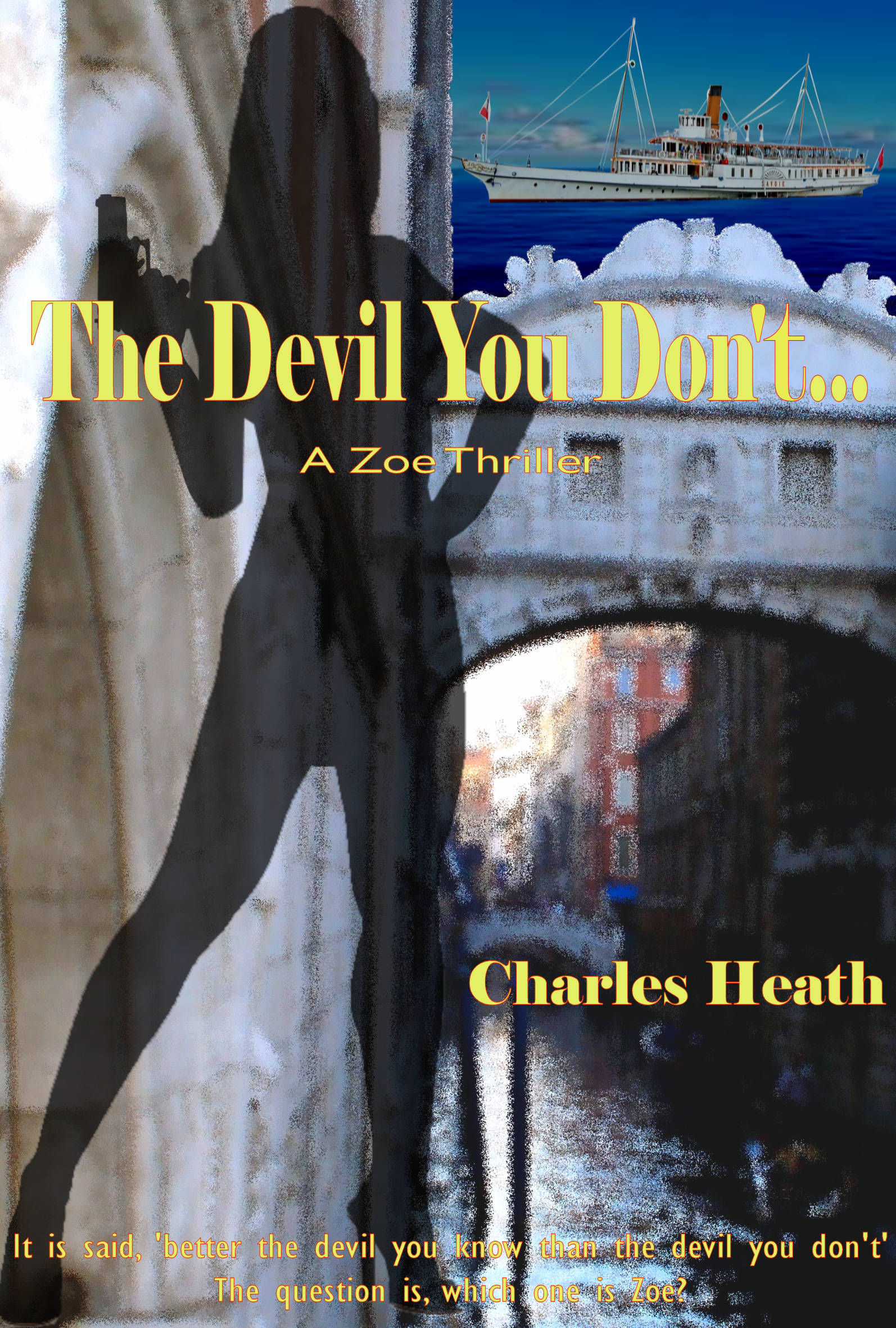
‘The Devil You Don’t’ – A beta reader’s view

It could be said that of all the women one could meet, whether contrived or by sheer luck, what are the odds it would turn out to be the woman who was being paid a very large sum to kill you.

John Pennington is a man who may be lucky in business, but not so lucky in love. He has just broken up with Phillipa Sternhaven, the woman he thought was the one, but relatives and circumstances, and perhaps because she was a ‘princess’, may also have contributed to the end result.

So, what do you do when you are heartbroken?

That is a story that slowly unfolds, from the first meeting with his nemesis on Lake Geneva, all the way to a hotel room in Sorrento, where he learns the shattering truth.

What should have been solace after disappointment, turns out to be something else entirely, and from that point, everything goes to hell in a handbasket.

He suddenly realizes his so-called friend Sebastian has not exactly told him the truth about a small job he asked him to do, the woman he is falling in love with is not quite who she says she is, and he is caught in the middle of a war between two men who consider people becoming collateral damage as part of their business.

The story paints the characters cleverly displaying all their flaws and weaknesses. The locations add to the story at times taking me back down memory lane, especially to Venice where, in those back streets I confess it’s not all that hard to get lost.

All in all a thoroughly entertaining story with, for once, a satisfying end.

Available on Amazon here: https://amzn.to/2Xyh1ow

Searching for locations: The Silk Factory, Suzhou, China

China is renowned for its exquisite silk, so naturally, a visit to the Silk Spinning Factory is part of today’s tour.

After that, we will be heading downtown to an unspecified location where we’re getting a boat ride, walk through a typical Chinese shopping experience, and coffee at a coffee shop that is doubling as the meeting place, after we soak up the local atmosphere.

The problem with that is that if the entire collective trip a deal tourists take this route then the savvy shopkeepers will jack up their prices tenfold because we’re tourists with money.  It’ll be interesting to see how expensive everything is.

So…

Before we reach the silk factory, we are told that Suzhou is the main silk area of China, and we will be visiting a nearly 100 years old, Suzhou No 1 Silk Mill, established in 1926.  Suzhou has a 4,700-year history of making silk products.  It is located at No. 94, Nanmen Road, Suzhou, Jiangsu, China.

Then we arrive at the Silk Factory, another government-owned establishment with a castiron guarantee of quality and satisfaction.

The look and feel of the doona cover certainly backs up that claim

And the colors and variety is amazing (as is the cost of those exquisite sets)

We get to see the silk cocoon stretched beyond imagination, and see how the silk thread is extracted, then off to the showroom for the sales pitch.

It isn’t a hard sell, and the sheets, doonas, pillows, and pillowcases, are reasonably priced, and come with their own suitcase (for free) so you can take them with you, or free shipping, by slow boat, if you prefer not to take the goods with you.

We opt for the second choice, as there’s no room left in our baggage after packing the Chinese Medicine.