Writing a book in 365 days – 203

Day 203

Writing exercise

You have heard this story a million times, but not quite.

It was a mad dash from the office to the airport, and like most times when it came to personal travel, I just made it, or I was five minutes too late.

Of course, this time, I had a legitimate reason.  Because I had to clear the vacation days, I needed to go home and be with my mother whose health had taken a turn for the worse, and it meant visiting HR.

And in HR was Adeline, the woman I had met at a staff function the week before and had spent a rather interesting evening.  I had a strict policy on not dating work colleagues, but for some reason, she seemed different.

It was not a date, and we had parted without any commitment to continue, though something inside me told me it might be worth pursuing.

I had to sign the vacation form, and she was the dury officer on the desk.  In the end, I had to run, but she had asked to exchange phone numbers.  I had no idea how long i would be gone, a few days or much longer, given my mother’s doctors wasn’t sure himself.

All I knew was that her time was almost up.  Stage four cancer was as unpredictable as it was relentless.  The only positive is that it had given me the time to get home and spend those last few weeks with her.

My brother and sister were on the other side of the world and wouldn’t be able to make it, though they were trying to get home.  The thing was, our mother was not all that keen for them to return.  It was an odd response and one I couldn’t understand.

Perhaps I would find out when I got there.

On a trip that involved two planes, one made at least a dozen times over the past two years without a glitch, was expected, given the circumstances, to be equally as easy.

Wrong.

It was like the universe was trying to tell me something.  A surplus bag left behind stopped my outward-bound first flight, delaying it to the point it was scrubbed and everyone had to return the next day.

That killed the connecting flight, so that when I was finally on the ground, the second flight wasn’t leaving for another eleven hours.

I finally got home two days after I started out.  I was glad she was not at death’s door, or I would have missed seeing her alive and have those last few meaningless words we say to people who are dying.

It was a given that I would automatically ask how she was, knowing she was never going to feel well again.  And yet there was no stopping us because we had been indoctrinated a long time ago with such human concern.

She was propped up in a comfortable chair by the fire, reading a book when I got there, fighting off the beginnings of a snowstorm, and driving an unfamiliar car.

At best, I was expecting to be snowed in.  My mother’s last conversation over the phone while I was waiting for the second plane was upbeat, though I could hear the pain in her voice. She was on regulated morphine shots to manage that same pain.

I dumped my bag at the foot of the stairs and went into the large living space.  In winter, it could get very cold, but it was the views in spring and summer that more than made up for the other two seasons.

“How could you read a book when the falling snow is so breathtaking?”

In more ways than one.  The intense cold outside could make breathing difficult.  It used to affect me when I was younger.

“Richie, at last.”

I went over and gave her a hug.

Mrs Davis, her carer, came in carrying a tray with tea and coffee.  My mother had never acquired the taste for coffee, perhaps because of her family origins back in England.  

She was, she always said, with a mischievous twinkle in her eye, that she should have been a princess, and only the thought of all that pomp and ceremony that came with the title had put her off, running away to America and a different sort of life.

And when we asked her what she meant, she would always say, ‘That’s for me to know and for you to find out’.  But it never escaped me that Dad always used to call her his ‘Princess’ with one of his enigmatic smiles, along with their story on how she came second in the Prom Queen stakes, and therefore would always be his Princess.

I never understood what he meant, and the others just thought he was simply crazy in love with her.

It was the sort of love I wanted to find, but so far, I had not.

Mrs Davis poured the tea and left us.  I sat in the seat beside her, where Dad always sat.  It was strange that he always called the living room ‘the throne room’.

“You were lucky.  The airport just closed.  The snow is going to set in for a few days.”

God’s will, perhaps.

“Any word from the others?”  I could see the inadequate beside her, a sure sign she had been video conferencing with my brother and sister.

“I told them it’s not urgent.  They have obligations and children to consider.  Unlike you, free as a bird.”

It was a blessing and, ironically, a curse.  She had hoped that she would have at least one grandchild from each of her children, and I had disappointed her.

There had been several candidates over the years, but i was not what they were looking for, and in the end, I decided not to try.  If it was meant to happen, it would.

“I’m sorry.”

“Don’t be.  I’d rather she were perfect for you than second best.”

“You were, according to Dad, and that’s all I ask for.”

“You’re not a second-best sort of person, Richie.  She’s out there. You just haven’t met her yet.”

It was the same every time I came home.  It saddened me that this would be the last time and that it was going to be hard to remain upbeat.

Several weeks passed, and it was very hard to watch her slowly decline.  Her bed was set up in the living room, making it easier for her to get from the bed to the seat

A steady stream of visitors showed how much the townsfolk adored her, everyone coming to pat their respects while she had the strength.

Now it was deserting her, so she remained in bed and held court from there.  A different colour dressing gown for each day of the week.

Our conversations were of childhood memories, hers and mine, though there were hard any of my mine that she wasn’t aware of, and a whole swathe of hers I had no idea about.  I don’t think any of us did, Dad included

And, then, when I thought she had drifted off into a morphine induced dream state, she said, with conviction, “You have heard this story a million times, but not quite.”

At first, I thought she was actually talking in her sleep, but she was not.  She had opened her eyes and was looking straight at me.

“What more could there be?”

“More than you could ever imagine.”

©  Charles Heath  2025

An excerpt from “The Things We Do For Love”; In love, Henry was all at sea!

In the distance, he could hear the dinner bell ringing and roused himself.  Feeling the dampness of the pillow, and fearing the ravages of pent-up emotion, he considered not going down but thought it best not to upset Mrs. Mac, especially after he said he would be dining.

In the event, he wished he had reneged, especially when he discovered he was not the only guest staying at the hotel.

Whilst he’d been reminiscing, another guest, a young lady, had arrived.  He’d heard her and Mrs. Mac coming up the stairs and then shown to a room on the same floor, perhaps at the other end of the passage.

Henry caught his first glimpse of her when she appeared at the door to the dining room, waiting for Mrs. Mac to show her to a table.

She was in her mid-twenties, slim, with long brown hair, and the grace and elegance of a woman associated with countless fashion magazines.  She was, he thought, stunningly beautiful with not a hair out of place, and make-up flawlessly applied.  Her clothes were black, simple, elegant, and expensive, the sort an heiress or wife of a millionaire might condescend to wear to a lesser occasion than dinner.

Then there was her expression; cold, forbidding, almost frightening in its intensity.  And her eyes, piercingly blue and yet laced with pain.  Dracula’s daughter was his immediate description of her.

All in all, he considered, the only thing they had in common was, like him, she seemed totally out of place.

Mrs. Mac came out of the kitchen, wiping her hands on her apron.  She was, she informed him earlier, chef, waitress, hotelier, barmaid, and cleaner all rolled into one.  Coming up to the new arrival she said, “Ah, Miss Andrews, I’m glad you decided to have dinner.  Would you like to sit with Mr. Henshaw, or would you like to have a table of your own?”

Henry could feel her icy stare as she sized up his appeal as a dining companion, making the hair on the back of his neck stand up.  He purposely didn’t look back.  In his estimation, his appeal rating was minus six.  Out of a thousand!

“If Mr. Henshaw doesn’t mind….”  She looked at him, leaving the query in mid-air.

He didn’t mind and said so.  Perhaps he’d underestimated his rating.

“Good.”  Mrs. Mac promptly ushered her over.  Henry stood, made sure she was seated properly and sat.

“Thank you.  You are most kind.”  The way she said it suggested snobbish overtones.

“I try to be when I can.”  It was supposed to nullify her sarcastic tone but made him sound a little silly, and when she gave him another of her icy glares, he regretted it.

Mrs. Mac quickly intervened, asking, “Would you care for the soup?”

They did, and, after writing the order on her pad, she gave them each a look, imperceptibly shook her head, and returned to the kitchen.

Before Michelle spoke to him again, she had another quick look at him, trying to fathom who and what he might be.  There was something about him.

His eyes, they mirrored the same sadness she felt, and, yes, there was something else, that it looked like he had been crying?  There was a tinge of redness.

Perhaps, she thought, he was here for the same reason she was.

No.  That wasn’t possible.

Then she said, without thinking, “Do you have any particular reason for coming here?”  Seconds later she realized she’d spoken it out loud, had hadn’t meant to actually ask, it just came out.

It took him by surprise, obviously not the first question he was expecting her to ask of him.

“No, other than it is as far from civilization, and home, as I could get.”

At least we agree on that, she thought.

It was obvious he was running away from something as well.

Given the isolation of the village and lack of geographic hospitality, it was, from her point of view, ideal.  All she had to do was avoid him, and that wouldn’t be difficult.

After getting through this evening first.

“Yes,” she agreed.  “It is that.”

A few seconds passed, and she thought she could feel his eyes on her and wasn’t going to look up.

Until he asked, “What’s your reason?”

Slightly abrupt in manner, perhaps, because of her question and how she asked it.

She looked up.  “Rest.  And have some time to myself.”

She hoped he would notice the emphasis she had placed on the word ‘herself’ and take due note.  No doubt, she thought, she had completely different ideas of what constituted a holiday than he, not that she had said she was here for a holiday.

Mrs. Mac arrived at a fortuitous moment to save them from further conversation.

Over the entree, she wondered if she had made a mistake coming to the hotel.  Of course, there had been no conceivable way she could know that anyone else might have booked the same hotel, but realized it was foolish to think she might end up in it by herself.

Was that what she was expecting?

Not a mistake then, but an unfortunate set of circumstances, which could be overcome by being sensible.

Yet, there he was, and it made her curious, not that he was a man, by himself, in the middle of nowhere, hiding like she was, but for quite varied reasons.

On discreet observance, whilst they ate, she gained the impression his air of light-heartedness was forced, and he had no sense of humour.

This feeling was engendered by his looks, unruly dark hair, and permanent frown.  And then there was his abysmal taste in clothes on a tall, lanky frame.  They were quality but totally unsuited to the wearer.

Rebellion was written all over him.

The only other thought crossing her mind, and incongruously, was he could do with a decent feed.  In that respect, she knew now from the mountain of food in front of her, he had come to the right place.

“Mr. Henshaw?”

He looked up.  “Henshaw is too formal.  Henry sounds much better,” he said, with a slight hint of gruffness.

“Then my name is Michelle.”

Mrs. Mac came in to take their order for the only main course, gather up the entree dishes, and then return to the kitchen.

“Staying long?” she asked.

“About three weeks.  Yourself?”

“About the same.”

The conversation dried up.

Neither looked at the other, rather at the walls, out the window, towards the kitchen, anywhere.  It was, she thought, unbearably awkward.

Mrs. Mac returned with a large tray with dishes on it, setting it down on the table next to theirs.

“Not as good as the usual cook,” she said, serving up the dinner expertly, “but it comes a good second, even if I do say so myself.  Care for some wine?”

Henry looked at Michelle.  “What do you think?”

“I’m used to my dining companions making the decision.”

You would, he thought.  He couldn’t help but notice the cutting edge of her tone.  Then, to Mrs. Mac, he named a particular White Burgundy he liked, and she bustled off.

“I hope you like it,” he said, acknowledging her previous comment with a smile that had nothing to do with humour.

“Yes, so do I.”

Both made a start on the main course, a concoction of chicken and vegetables that were delicious, Henry thought when compared to the bland food he received at home and sometimes aboard my ship.

It was five minutes before Mrs Mac returned with the bottle and two glasses.  After opening it and pouring the drinks, she left them alone again.

Henry resumed the conversation.  “How did you arrive?  I came by train.”

“By car.”

“Did you drive yourself?”

And he thought, a few seconds later, that was a silly question, otherwise she would not be alone, and certainly not sitting at this table. With him.

“After a fashion.”

He could see that she was formulating a retort in her mind, then changed it, instead, smiling for the first time, and it served to lighten the atmosphere.

And in doing so, it showed him she had another more pleasant side despite the fact she was trying not to look happy.

“My father reckons I’m just another of ‘those’ women drivers,” she added.

“Whatever for?”

“The first and only time he came with me I had an accident.  I ran up the back of another car.  Of course, it didn’t matter to him the other driver was driving like a startled rabbit.”

“It doesn’t help,” he agreed.

“Do you drive?”

“Mostly people up the wall.”  His attempt at humour failed.  “Actually,” he added quickly, “I’ve got a very old Morris that manages to get me where I’m going.”

The apple pie and cream for dessert came and went and the rapport between them improved as the wine disappeared and the coffee came.  Both had found, after getting to know each other better, their first impressions were not necessarily correct.

“Enjoy the food?” Mrs. Mac asked, suddenly reappearing.

“Beautifully cooked and delicious to eat,” Michelle said, and Henry endorsed her remarks.

“Ah, it does my heart good to hear such genuine compliments,” she said, smiling.  She collected the last of the dishes and disappeared yet again.

“What do you do for a living,” Michelle asked in an off-hand manner.

He had a feeling she was not particularly interested, and it was just making conversation.

“I’m a purser.”

“A what?”

“A purser.  I work on a ship doing the paperwork, that sort of thing.”

“I see.”

“And you?”

“I was a model.”

“Was?”

“Until I had an accident, a rather bad one.”

“Oh, I’m sorry.”

So that explained the odd feeling he had about her.

As the evening wore on, he began to think there might be something wrong, seriously wrong with her because she didn’t look too well.  Even the carefully applied makeup, from close, didn’t hide the very pale, and tired look, or the sunken, dark-ringed eyes.

“I try not to think about it, but it doesn’t necessarily work.  I’ve come here for peace and quiet, away from doctors and parents.”

“Then you will not have to worry about me annoying you.  I’m one of those fall-asleep-reading-a-book types.”

Perhaps it would be like ships passing in the night and then smiled to himself about the analogy.

Dinner over, they separated.

Henry went back to the lounge to read a few pages of his book before going to bed, and Michelle went up to her room to retire for the night.

But try as he might, he was unable to read, his mind dwelling on the unusual, yet compellingly mysterious person he would be sharing the hotel with.

Overlaying that original blurred image of her standing in the doorway was another of her haunting expressions that had, he finally conceded, taken his breath away, and a look that had sent more than one tingle down his spine.

She may not have thought much of him, but she had certainly made an impression on him.

© Charles Heath 2015-2024

lovecoverfinal1

In a word: Quick

Go get your stuff and be quick about it.

I’ve tried on many occasion to be quick, but it’s like my shoes have lead soles, or it’s like walking through water.

Perhaps I should just stop finding excuses and admit it’s old age and I am slowing down!

I’m guessing that in using the expressing the quick and the dead, I’ve got one foot in the grave.

But when you use the word quick it generally means moving fast or doing something at a rapid rate.

It could also refer to someone who picks up knowledge rapidly, that is to say, that boy is quick, maybe quick as a flash.

I’ve been cut to the quick. An interesting expression which basically means you’ve been hurt very badly.

It also makes reference to the more sensitive side to us, hence the above expression.

It has a more literal meaning, referring to the quick, under your fingernails, and you know how much that hurts when you cut the nail too short, or remove the nail from the quick.

And like most of us, I’ve been caught more than once in metaphorical quicksand.

It doesn’t pay to go near or test out what real quicksand is, but if you have to, make sure you tie yourself to an anchored rope first.

An excerpt from “If Only” – a work in progress

Investigation of crimes doesn’t always go according to plan, nor does the perpetrator get either found or punished.

That was particularly true in my case.  The murderer was incredibly careful in not leaving any evidence behind, to the extent that the police could not rule out whether it was a male or a female.

At one stage the police thought I had murdered my own wife though how I could be on a train at the time of the murder was beyond me.  I had witnesses and a cast-iron alibi.

The officer in charge was Detective First Grade Gabrielle Walters.  She came to me on the day after the murder seeking answers to the usual questions like, when was the last time you saw your wife, did you argue, the neighbors reckon there were heated discussions the day before.

Routine was the word she used.

Her fellow detective was a surly piece of work whose intention was to get answers or, more likely, a confession by any or all means possible.  I could sense the raging violence within him.  Fortunately, common sense prevailed.

Over the course of the next few weeks, once I’d been cleared of committing the crime, Gabrielle made a point of keeping me informed of the progress.

After three months the updates were more sporadic, and when, for lack of progress, it became a cold case, communication ceased.

But it was not the last I saw of Gabrielle.

The shock of finding Vanessa was more devastating than the fact she was now gone, and those images lived on in the same nightmare that came to visit me every night when I closed my eyes.

For months I was barely functioning, to the extent I had all but lost my job, and quite a few friends, particularly those who were more attached to Vanessa rather than me.

They didn’t understand how it could affect me so much, and since it had not happened to them, my tart replies of ‘you wouldn’t understand’ were met with equally short retorts.  Some questioned my sanity, even, for a time, so did I.

No one, it seemed, could understand what it was like, no one except Gabrielle.

She was by her own admission, damaged goods, having been the victim of a similar incident, a boyfriend who turned out to be an awfully bad boy.  Her story varied only in she had been made to witness his execution.  Her nightmare, in reliving that moment in time, was how she was still alive and, to this day, had no idea why she’d been spared.

It was a story she told me one night, some months after the investigation had been scaled down.  I was still looking for the bottom of a bottle and an emotional mess.  Perhaps it struck a resonance with her; she’d been there and managed to come out the other side.

What happened become our secret, a once-only night together that meant a great deal to me, and by mutual agreement, it was not spoken of again.  It was as if she knew exactly what was required to set me on the path to recovery.

And it had.

Since then, we saw each about once a month in a cafe.   I had been surprised to hear from her again shortly after that eventful night when she called to set it up, ostensibly for her to provide me with any updates on the case, but perhaps we had, after that unspoken night, formed a closer bond than either of us wanted to admit.

We generally talked for hours over wine, then dinner and coffee.  It took a while for me to realize that all she had was her work, personal relationships were nigh on impossible in a job that left little or no spare time for anything else.

She’d always said that if I had any questions or problems about the case, or if there was anything that might come to me that might be relevant, even after all this time, all I had to do was call her.

I wondered if this text message was in that category.  I was certain it would interest the police and I had no doubt they could trace the message’s origin, but there was that tiny degree of doubt, about whether or not I could trust her to tell me what the message meant.

I reached for the phone then put it back down again.  I’d think about it and decide tomorrow.

© Charles Heath 2018-2020

The fourth attempt, other factors, and people

Two other characters will be used in this rewrite; the second is an addition to give the main character a means of letting the reader get to know a bit about him.

His name is Milt, an African American who’s always been on the fringe.  Another is a victim of his circumstances, but not letting it get the better of him, the sort of man who makes the best of a bad situation.

He’s seen active service in the army, honourably discharged, but still affected, though not as bad as some of those he served with.  He is, in fact, the ideal man for the job, with combat experience, so he’s not likely to get flustered in a shit storm.

And probably not the man you want on this site.  Being in desperate circumstances doesn’t mean you do desperate things.

He is one of a team of four, and our main character drew the straw to partner with him.  There are two others, based on the other side of the park, neither of whom is trustworthy: Smithy, the overall leader, to whom they all report at shift start and end, and Carruthers, an Englishman reputed to be ex-SAS, but no one is inclined to believe him. 

The scars on his neck tell a story, but it was left to the other’s imagination, as he doesn’t talk about it.  Milt believed he was captured in Afghanistan and tortured, but that could just be canteen scuttlebutt.

Whatever the circumstances, Graham kept away from him as much as possible and was glad when he didn’t have to partner with him for the shift.

The other character, Penelope, is featured in the earlier versions of the story.  Over the changes, her background has changed, but I’ve settled on a medical surgeon career, renowned for doing tricky procedures with a high success rate, and in doing so, gained a reputation, some not always good.

Wealth and ego don’t always make a good pair, and marrying wealth brings its own rewards and pitfalls, particularly when you discover the man you married isn’t exactly who you thought he was.

It is, of course, a typical scenario, but I’m going to try and weave it differently.  There will be no more teasers until the story starts.

But she will be introduced earlier than in the previous iterations because she needs some backstory, too; otherwise, just arriving at Graham’s work and getting shot, while provoking a volatile situation that drags the reader in and out of left field, is not exactly the best start.

So, let’s begin.

© Charles Heath 2024

Memories of the conversations with my cat – 39

As some may be aware, but many are not, Chester, my faithful writing assistant, mouse catcher, and general pain in the neck, passed away some years ago.

Recently, I was running a series based on his adventures, titled “Past Conversations with My Cat.”

For those who have not had the chance to read about all of his exploits, I will run the series again from Episode 1

These are the memories of our time together…


20161008_135142

This is Chester.  He’s amused by the new Google Home device we have.

It sits on the table next to the dining table, and only today did he discover that we talk to it.

You know, you say, “Hey Google”, and it listens and fairly accurately types out the voice request you’ve made, such as, “Hey Google, play some Creedence Clearwater Revival”.

Of course, Chester doesn’t like their songs and covers his ears when he hears them.  It might be the reason why I request it often, but

Sometimes he’ll sit in front of it, waiting.  I suspect he thinks it will work on thought transference, and it will play ‘the meowing of a thousand cats’, to get his revenge.

Sorry, great minds don’t think alike in your case.

Then play something I would like.”

Right.

I ask Google to play the Pastoral Symphony.  Not exactly Vivaldi’s Four Seasons, but it has its moments, like turning up the volume and waiting for the cannon fire.

Scares him every time.

But that was last week.  This week, he’s requesting Ravel’s Bolero.  I think he’s been watching late-night movies again.

I say, “Hey Google, play Ravel’s Bolero.”

Instead of music, I get the instruction to reinstall Spotify.  It seems my subscription has run out.

Ugh, technology at its finest!


The cinema of my dreams – Was it just another surveillance job? – Episode 5

I’m back home and this story has been sitting on a back burner for a few months, waiting for some more to be written.

The trouble is, there are also other stories to write, and I’m not very good at prioritising.

But, here we are, a few minutes opened up and it didn’t take long to get back into the groove.

Is it going to be revenge or just plain bewilderment?


There were protocols to handle every situation.  It’s why I was stuck in a room with a dozen others for nearly six months, learning the ropes.

That’s what Alex called it.  He’d also said it was a waste of time because by the time we made it out into the field all the bad guys would be locked up.  Patience wasn’t one of his virtues.

That’s why Alex didn’t make it through the first cut.

It had been a long six months but it had been worth it when ten of us out of the original intake of 24 made it.  I considered myself lucky.

Now three of those men were missing, and I believed they were dead, or if not dead, incapacitated.  This was our first live mission.  We had been excited but held that in check.  We could celebrate our first mission together, and then if it was a success.

At this moment, in my mind, it was anything but a success.

And my anger was building.  I kept the target in sight, and once or twice he nearly slipped away, but I knew the area having studied the maps the day before.  I liked to know what it was like on the ground, and if it was the target’s home turf, then I didn’t want him to have the advantage.

It was those little things, our instructor said, that could make a difference.

It did.

I knew or thought I knew where he was going.

At some point, I was going to have to take a chance, and head him off.  It also meant I might lose him, but I had a point on the map where I believed if he didn’t go where I was anticipating, he’d still be within range to find him again.

Time.

He went right, I went straight ahead.

His most likely destination, the train station.  His training wasn’t much different from mine.  After a calamity, look to make an unexpected exit.  There were buses, but they led basically to the same place.

Five minutes, and I’d know.

I came out on the main street that ran alongside the train tracks, the station was behind me, and he would have to pass me to get there.

There was also a dead end lane between him and me, and that was where I would corral him.

Almost a minute passed, and it was too long.  Two.  The thought of possibly being wrong leapt into my mind, along with the sickening feeling in my stomach of failure.

Two and a half.  I took several steps in his possible direction, then I saw him turn the corner.  I stepped back and out of sight.  I needed him to get to the lane entrance before I made a move.

He was wary and looking around.  He knew I was on his tail.

As he approached the laneway, I stepped out and started walking slowly towards him.  It took a few steps before he realised it was me, and stopped.  Was he surprised at my enterprise, or shocked.

Predictably he turned into the lane.

I ran.

At the entrance to the lane, I stopped and saw him reach the dead end.  There was no climbing over the fence at the end,. Nor were there any ladders or climbable points either side.

He would have to get past me.

I had him, and he knew it.


© Charles Heath 2018-2019

Writing a book in 365 days – 202

Day 202

Start badly, end worse

I’ve always liked that expression, ‘I’ve painted myself into a corner’.  I did it once, not literally painting but laying tiles.  It was a weird sensation to discover I could do such a thing.

And yet, I’ve done it a few times when writing stories.  I get so far, and there doesn’t seem to be anywhere to go.  More than once, I have had to delete several chapters and start again.

In fact, at the moment, I have one such story, where we go through the crisis and on our way, and there’s another.  The fact that we’re in outer space makes it just a little more interesting.

This is one of the perils of panthers, you know, the writers who fly by the seat of their pants, as much in the dark as the reader moving forward.

There’s always a good argument for planning, but my problem is that I get an idea, I get it down and run with it until it’s exhausted.  Or I am.

Sometimes, there’s more to the initial story, and ideas come to write more, and, again, I will run with it.  If not, and there are further ideas, I jot them down and come back later.

It was how a short story I wrote for A-to-Z month two years ago turned into the November NaNoWriMo novel that same year.  I got down the story, but then the next part was fresh, then the next, and over the next three months, the whole story, all 52,000 odd words came tumbling out.

Oddly, the same thing happened the following year: an A-to-Z story just wouldn’t stop until the 50,000 words had been written.

But…

Like every writer, I have stories that I started and never ended, though in my case, I quite often have too many other projects on the go to finish them, rather than a lack of ideas.

Still, the reason why I didn’t go back?  Subconsciously, I must have thought they were not very good to begin with.

Perhaps this might prompt an article. Writers can be the worst hoarders! 

Searching for locations: Queenstown Gardens, Queenstown, New Zealand

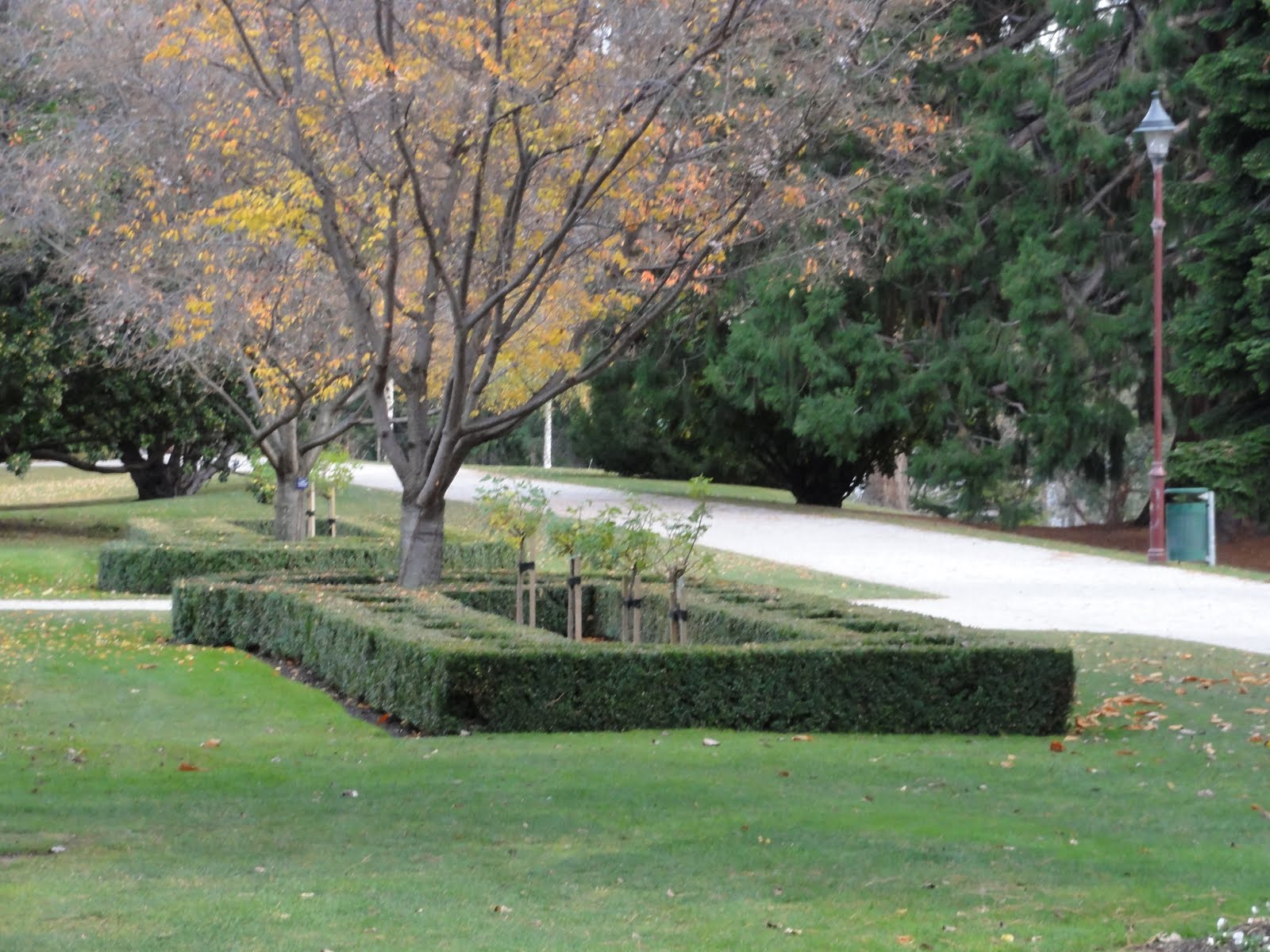
Queenstown Gardens are not far from the center of Queenstown.  They are just down the hill from where we usually stay at Queenstown Mews.

More often than not we approach the Gardens from the lakeside during our morning walk from the apartment to the coffee shop.  You can walk alongside the lake, or walk through the Gardens, which, whether in summer or winter, is a very picturesque walk.

There’s a bowling club, and I’m afraid I will never be that sort of person to take it up (not enough patience) and an Ice Arena, where, in winter I have heard players practicing ice hockey.

I’m sure, at times, ice skating can also be done.

There is a stone bridge to walk across, and in Autumn/Winter the trees can add a splash of color.

There is a large water feature with fountain, and plenty of seating around the edge of the lake, to sit and absorb the tranquility, or to have a picnic.

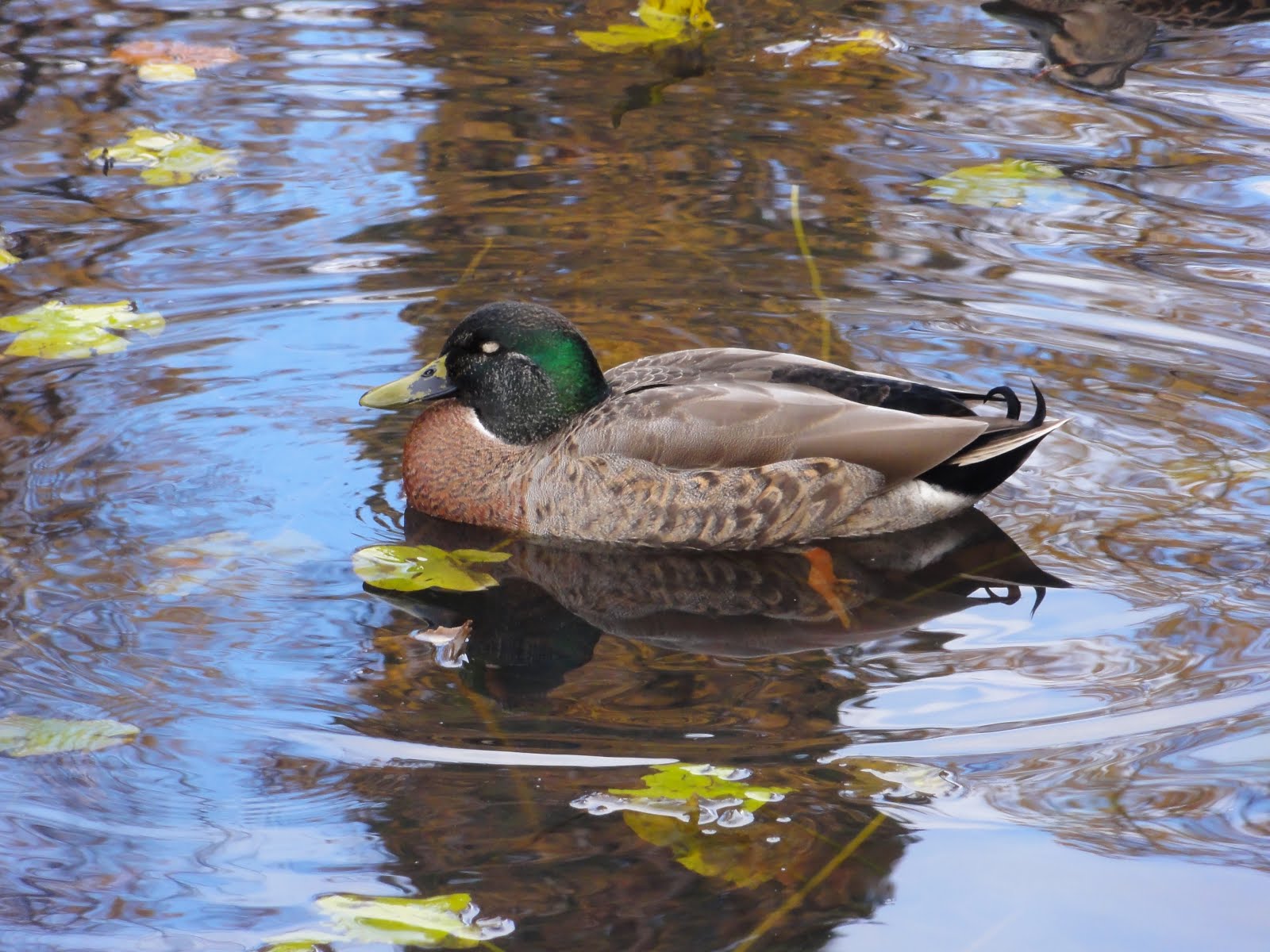
There are ducks in the pond

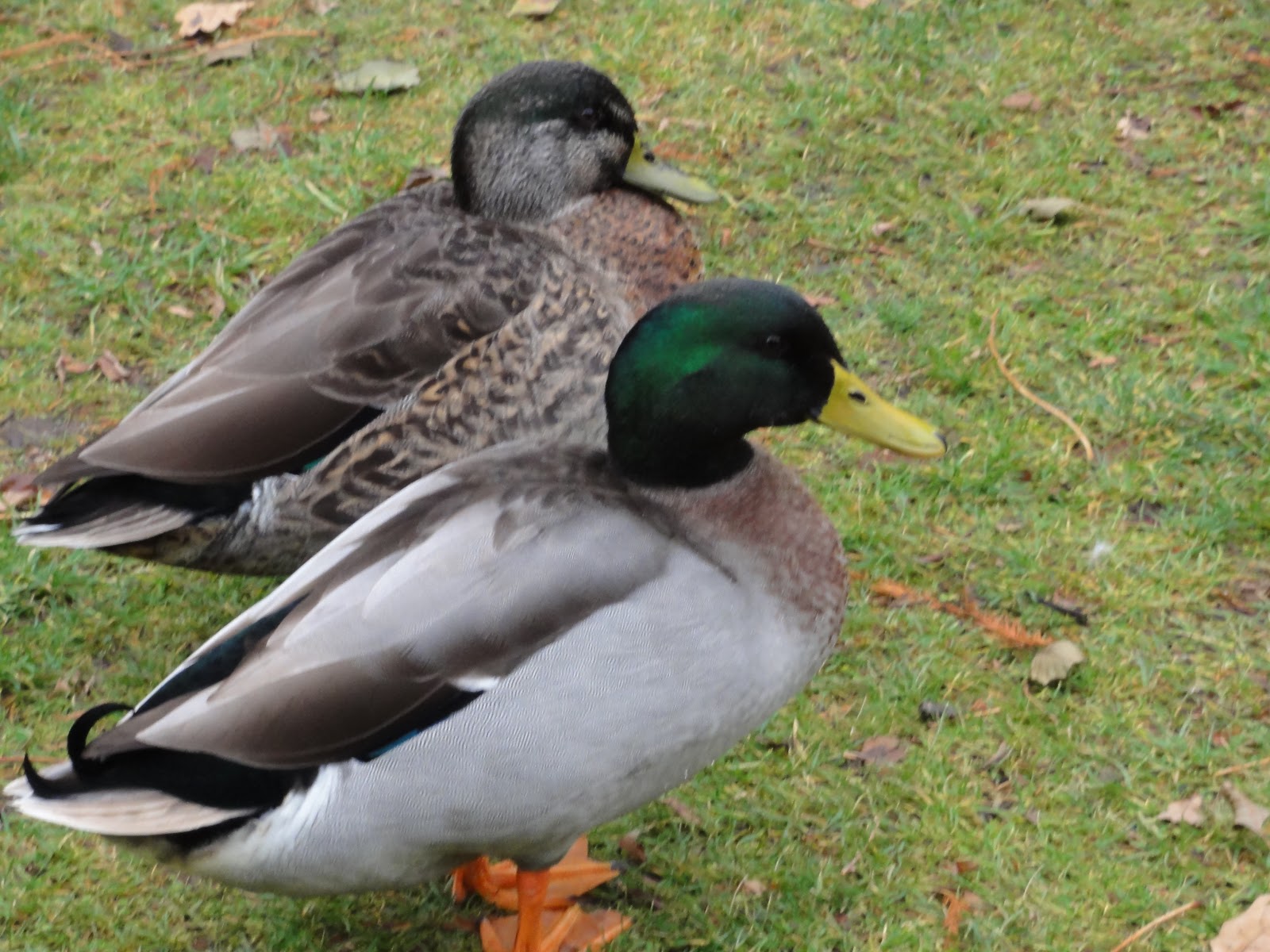
and out of the pond

and plenty of grassed areas with flower beds which are more colorful in summer.  I have also seen the lawns covered in snow, and the fir trees that line the lake side of the gardens hang heavy with icicles.

And then I woke up

One minute I was sitting out in my office, working on some tweets, and the next I woke up, staring at a black screen.

I thought we’d lost power.

No, I’d been asleep for a long time.

To be honest, I’m worn out.  It’s the end of the year and when it’s supposed to be a time to relax, go on holidays, do something else, I find life is getting more and more hectic.

Yes, I’m going on holiday, but it will be a time when I’m subconsciously looking for new locales for stories, the people, the places, what goes on, all different to my usual humdrum.

So, not a holiday in the true sense of the word.

What put me into this trance-like state was writing the next line, yep, it was as simple as that.  I stopped at a particular point where I had something else to say, and it just felt like the train had come to the end of the track, out there, in the middle of nowhere.

I wrote that line in my mind, and it sounded good, much the same as we sometimes say something in our mind before we speak, and when we finally do, it sounded better in my head than out loud.

Perhaps I’m losing my touch.

Perhaps that ability to sum up everything I want to say in less than 200 characters is beginning to desert me, and old age and decrepitude is setting in.

Which reminds me, pills before bed.

Perhaps I’m just tired and it’s time to go to bed.

I keep putting it off because sometimes I can’t go to sleep and I’m just lying there staring at the ceiling, sometimes the cinema of my dreams.

I imagine I’m somewhere else, someone else, doing something else.

But not in a helicopter.  Not tonight.

Tonight it’s a sinking ship.

Gotta run!