I should have paid more attention…

When I was back in school in what seems like a lifetime ago, I realise I should have paid more attention.

Why?

Because for some odd reason, we were taught more about American and English history than that of our own country, Australia.

We cannot use the excuse that we haven’t been around all that long, because we have, something like 1770, which led to settlement by the English in 1788 or so, but the first landing was in 1606 by a Dutchman.

Of course, these are vague memories of a social studies lesson that briefly touched on our origins, but only to re-affirm our allegiances to Britain. While it wasn’t the Empire when I was in school, it was the Commonwealth and our atlases still had the ‘wherever the map is red is where the British claimed as theirs’, and there were quite a lot of red countries.

But, hey, that pales into insignificance the stuff we learned about England, from the time of William the Conqueror in 1066 through to the modern day. I could at one stage of my life relate from memory all of the kings and queens of England.

I know all about the industrial revolution, and travel between Australia and England from the days of sailing, right through to the Airbus A380.

It’s why I have a preference for reading the English classics of Jane Austen and others of that golden era and watching period TV, recreated so lavishly by the BBC and ITV in England.

And of course, we were brought up on a steady diet of American TV shows, and films, like our country never existed, and was notorious for producing laughable TV shows of the poorest quality, despite the actors who tried very hard to make it seem believable.

I could not name one Australian prime minister and have trouble telling who is the current prime minister. Well maybe not, this Covid thing has had his face on the TV every day for nearly a year, but he’s the first. I couldn’t tell you who he took over from, nor who the leader of the opposition is.

It’s probably the reason why over the years people have often said we should become one of the states of the US.

Nowadays we’re trying to put a wall between us and them so China might not see us as an outpost of the US, and come in and attack us. The trouble is 28 million people versus 1.6 billion doesn’t give us any leverage. Come to think of it, the 360 million Americans wouldn’t stand a chance against an invasion of 1.6 billion either.

I’m not sure why it matters any more, because we’ll soon be back to the heady heights of the cold war days in the 50s and 60s, where the only deterrent to perceived enemies was the threat of nuclear annihilation.

It’s the one option where 360 million people could defeat an enemy of 16. billion.

But … there’s only one small problem …

We’ll all be dead.

As horrifying as that might sound, there is one other problem that might just do the same but not destroy any infrastructure. A pandemic. A virus that can’t be cured, a virus that can mutate and adapt so there is no effective vaccine.

Dystopian? It’s sure a great idea for a story. There’s been a few, but those always have a few survivors, ready willing and able to get along and rebuild the world having learned the lessons of past failures.

This time? I don’t think the next story will have a happy ending. In it though, the aggressors are not going to be better off than the rest, because they forget to build in a fail-safe, or couldn’t. Or it just got out before they finished perfecting it and synthesizing an antidote.

That’s something else we learned a lot about. Nuclear holocausts, and their effect. It reminds me of the day our class was taken to see a movie about the effects of a nuclear war. Was it to scare us, or prepare us? Back then, a nuclear war was more likely than a change of government in this country.

If it was to educate my generation of people who are now the in the government and positions of power, they failed.

So, if I had my time over, I would insist on learning about my country, and the people who have inhabited it for tens of thousands of years, without the need for cars, houses, cigarettes and booze, and definitely without the need for nuclear weapons and ideals of aggression towards other countries.

Now, where’s that pesky time machine…

The cinema of my dreams – I always wanted to see the planets – Episode 11

Perhaps we are not alone…

I guess there was more to be worried about than a few scorch marks on the side of a ship.

It did beg the question, in those milliseconds I had to pull myself together, that the agreement everyone was a party to on Earth was that we were not going to have ships with weapons, and the ability to attack one another in space, was just that, between nations on Earth.

What if there was life other than on Earth?

The person I was looking at didn’t look like an alien, or at least not one of our endless stereotypes, but what if there was life other than us, and this was a representation of it?

I guess it was time to take the first step.

“I’m assuming this is some sort of dispute over cargo, or perhaps interstellar freight lines, and if it is, there are proper channels to resolve your issues, not at the end of a laser.” I looked at the weapon in the person’s hand and it looked nothing like anything I’d seen before.

Well, not outside our weapons lab, our there on the edge of space where the occupants were not likely to get snooping visitors.

The helmet with the reflective glass panel gave no indication who was behind it.

“It is not an issue over freight.”

OK. A humanised voice, spoke slowly as if by one feeling their way around the language. Yes, English, but why didn’t they pick French or Spanish, or even Japanese? English was not exactly universal, and the translators in our ears reduced everything to our native tongue. Myrtle’s language was Italian, so she would not be hearing this in English.

“Space lane violation?”

Yes, there were lanes in space so ships didn’t crash into each other. There was some degree of civilization out her in no man’s land.

Time for a different tack.

“Just exactly where are you from?”

In that same moment I heard the Captain’s voice coming over my private communicator, in a very uncaptain like manner. “What in God’s name is that?”

© Charles Heath 2021-2022

A photograph from the inspirational bin – 11

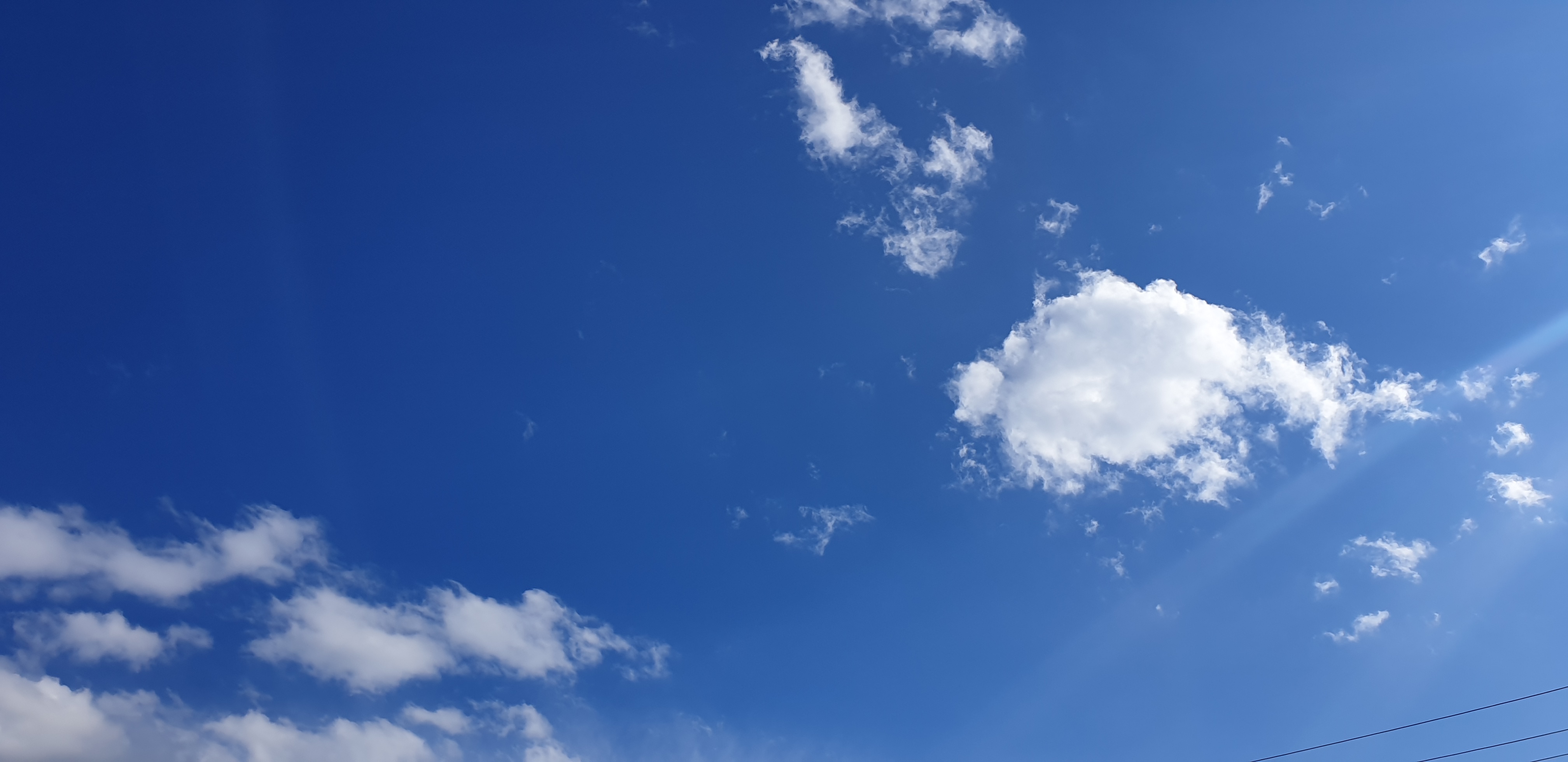
I remember hearing one day, a line from a poem, ‘I wandered lonely as a cloud’.

Little did I know at the time it was the first line of a poem by William Wordsworth, and mentioned something else, daffodils, and I had a moment where a memory came back from when I was about five, gathering daffodils in a field behind the house we lived in.

But, how often is it we look at clouds and try to make them into something else we’ve seen before?

Clouds are the subject of many conversations, like he’s got his head in the clouds, not literally of course in this instance, just that he, or it could be a she, if far removed from reality.

Dark clouds are associated with ill will and infamy, e.g. he was born under a dark cloud. I heard my grandmother use that expression once, and wondered what she meant by it, because, being a child, it was a literal interpretation, that dark clouds brought heavy rain, and he go ‘very wet’.

I’ve been caught out by dark clouds too, misjudging how long before they arrive, and it always seems like next to no time before you, and the washing on the line get a thorough soaking.

These days, the cloud now means something else entirely, though based on an old analogy, that we store our computer files in the cloud, which simply means at a remote location on someone else’s computer. With file sizes the way they are, it’s not practical to store them on our own smallish computers.

And, isn’t it fun when you are flying through the clouds?

Not!

In those cases, going up or going down in a plane, it’s a very bumpy ride, and isn’t it quite strange when you are flying above the clouds, or can just see mountain tops appearing through the blanket of white.

Of course, you can have your head in the clouds and not be off with the fairies, if you are on a mountain when the clouds have come down so low you can touch them. Sometimes it’s called mist or fog, but there are such things as low clouds. I’ve seen them.

And, as for a single cloud as inspiration…

The story starts,

I was sitting down in a quiet corner of the park, the sound of children playing just audible in the background, along with a lawn mower, and the distant sounds of civilization.

I wanted to get as far away as possible, but in the concrete jungle that was not possible.

IT had bene a difficult morning, juggling customer complaints with the the call from the girl I thought was the one, but who had decided we were going in different directions and it was time.

Yes, we were literally going in different directions, she was heading off to Boston to start a new job, one that she only just decided to tell me about.

Was I disappointed? Just a little. Was it inevitable? My best friend thought so, and had said he had noticed a change in her. I had too, but was hoping it was a passing phaze.

I looked up, and there was a single cloud moving slowly across the sky, perhaps chasing after others that had passed before it.

Was it an omen. Would I become like that cloud, alone, always chasing after the impossible dream?

My phone vibrated, and I took it out. A message.

It was from the girl once of my dreams. I had not expected to hear from her again.

It was a short message, just one word.

“Help”

© Charles Heath 2021

Writing a book in 365 days – 118

Day 118

Easy reading/Hard writing

I often wondered when reading other authors’ works if it was as hard for them to write the story as it is for me.

I mean it’s not that hard to get that initial first draft down on paper, what is hard is honing that messy, often shapeless story into the finished product, which often is an easy read for the reader.

I used to devour a book in a night, sometimes a day or two, but the reading never reflected the blood, sweat and tears the author put into it.

And I doubt the reader gets that.

Everything takes time to create.  A car, a house, a factory, an apartment block.  You can cut corners, and the object will fall to pieces or fail in some other manner.

If you cut corners when polishing a story, making it easy for the reader to devour, when it is not, no one will buy your books.

So, creating that polished book is no easy task.  It’s not simply a matter of getting the words on paper and sending them off to the publisher.

It doesn’t work that way.

I’m sure after writing that first draft, and when you pick it up some months later to start the editing process, that first read will be like climbing a sheer mountain without climbing gear.

It certainly will not read the way a reader expects it to.  In fact, you will probably not recognise what it is you wrote, or if you did, you don’t remember writing it that way.

That’s why you have beta readers.

That’s why you have an editor.

Just hope they realise perfection takes time. 

Searching for locations – Port Macquarie – Day 3 – Part 2

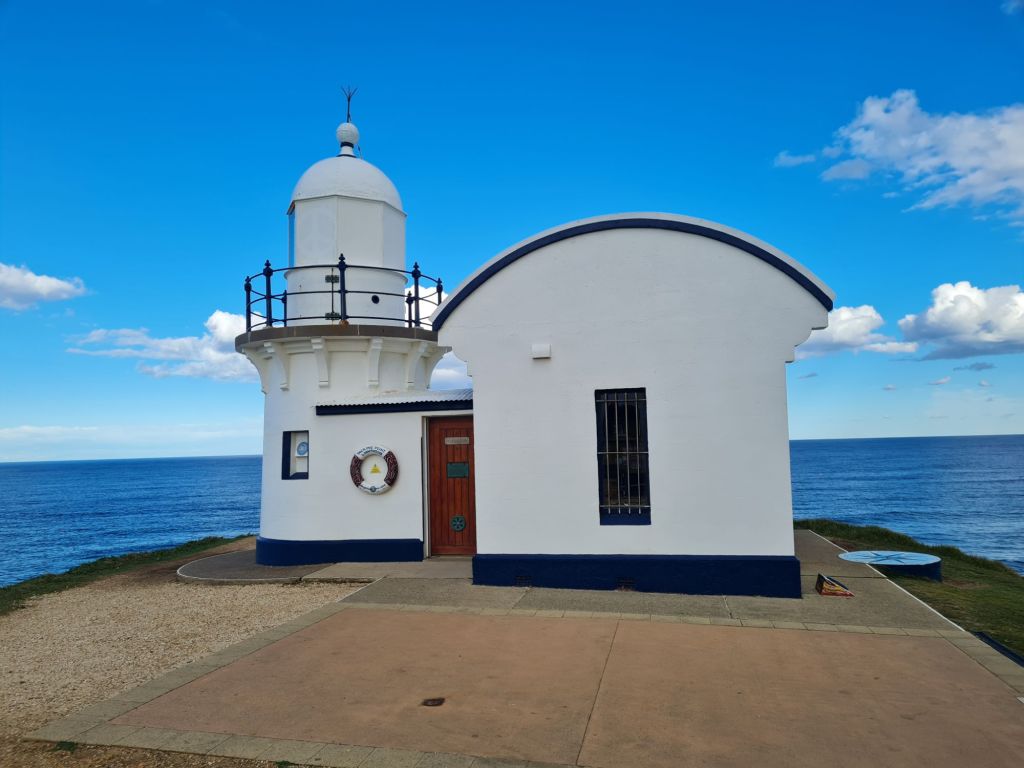
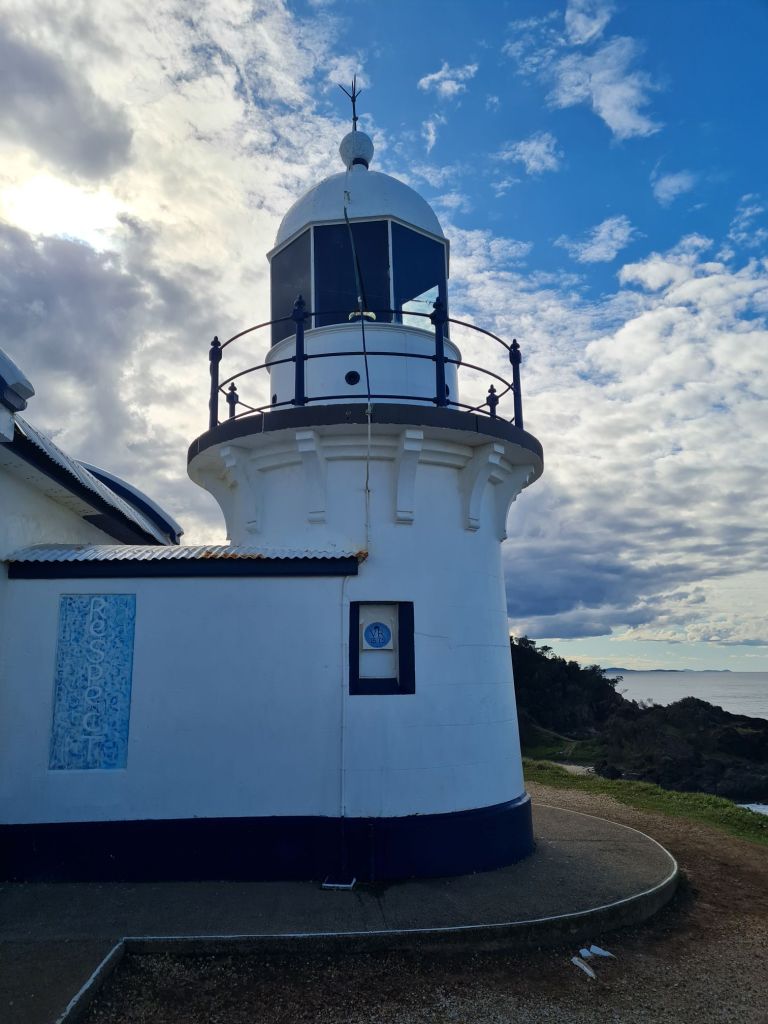
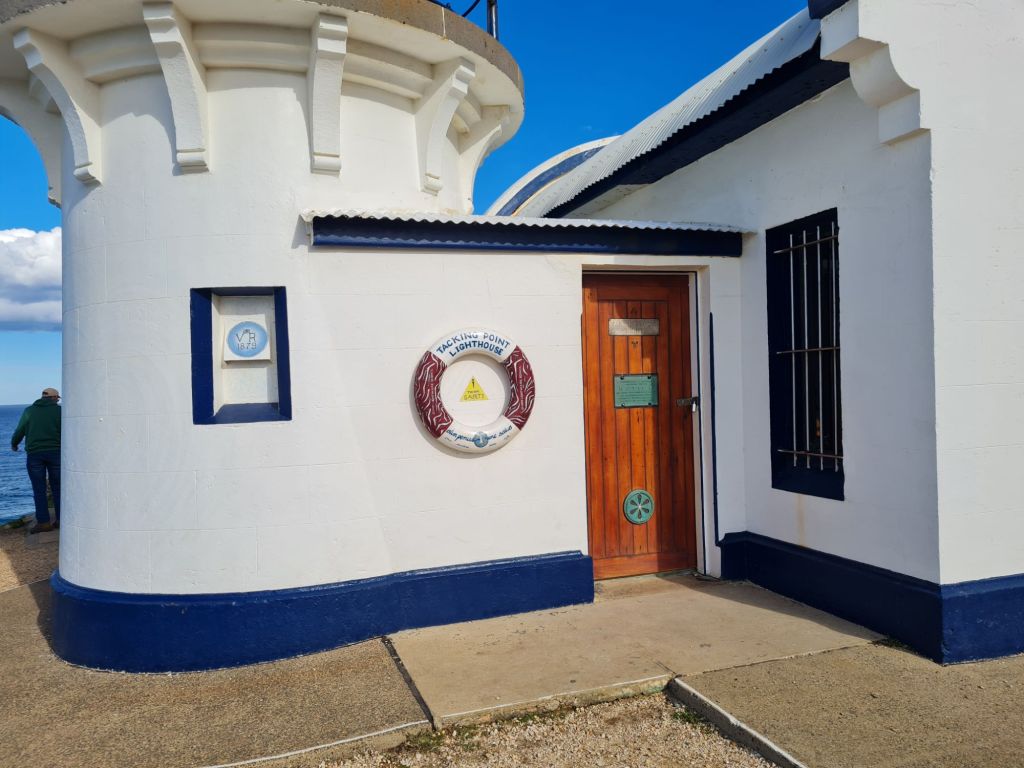
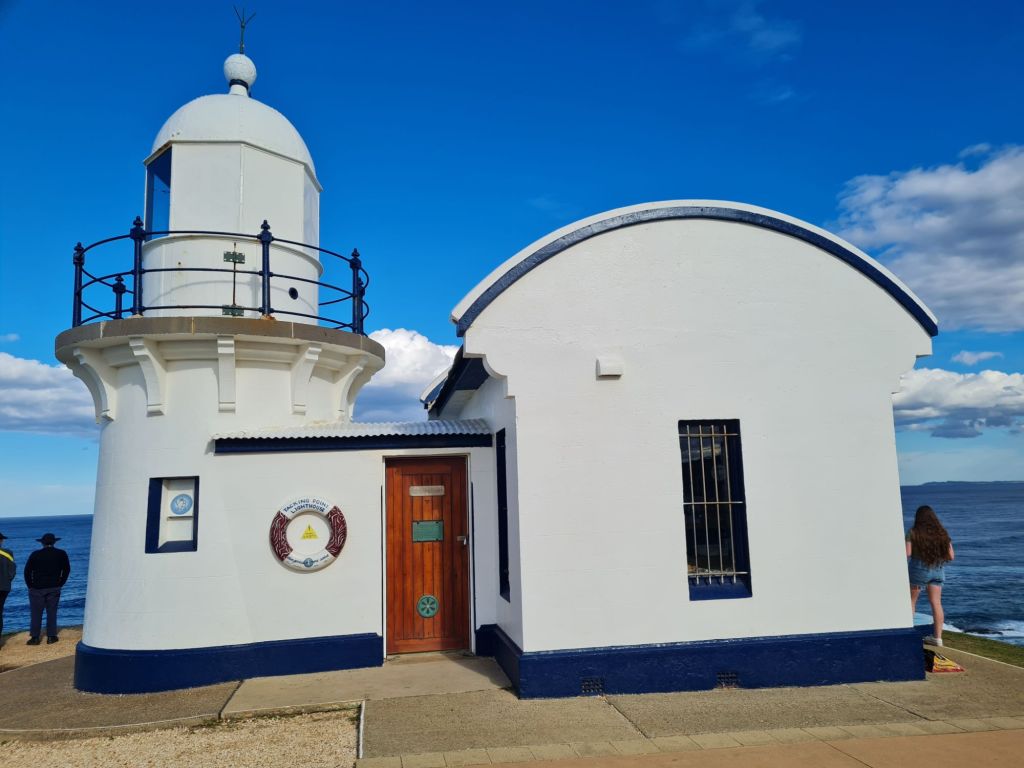
Tacking Point Lighthouse

Taking Point was named by Mathew Flinders in July 1892

It’s not the most impressive lighthouse I’ve ever seen, but it doesn’t have to be if it does the job.

This lighthouse is Australia’s thirteenth oldest lighthouse, designed by James Barnet and built in 1879 about 8km south of Port Macquarie.

After a number of shipwrecks in the area, the first of which was in 1823, it took to 1879 to build the lighthouse.

It was manned until 1920, and it’s possible to still see the foundations of the lightkeepers cottage.

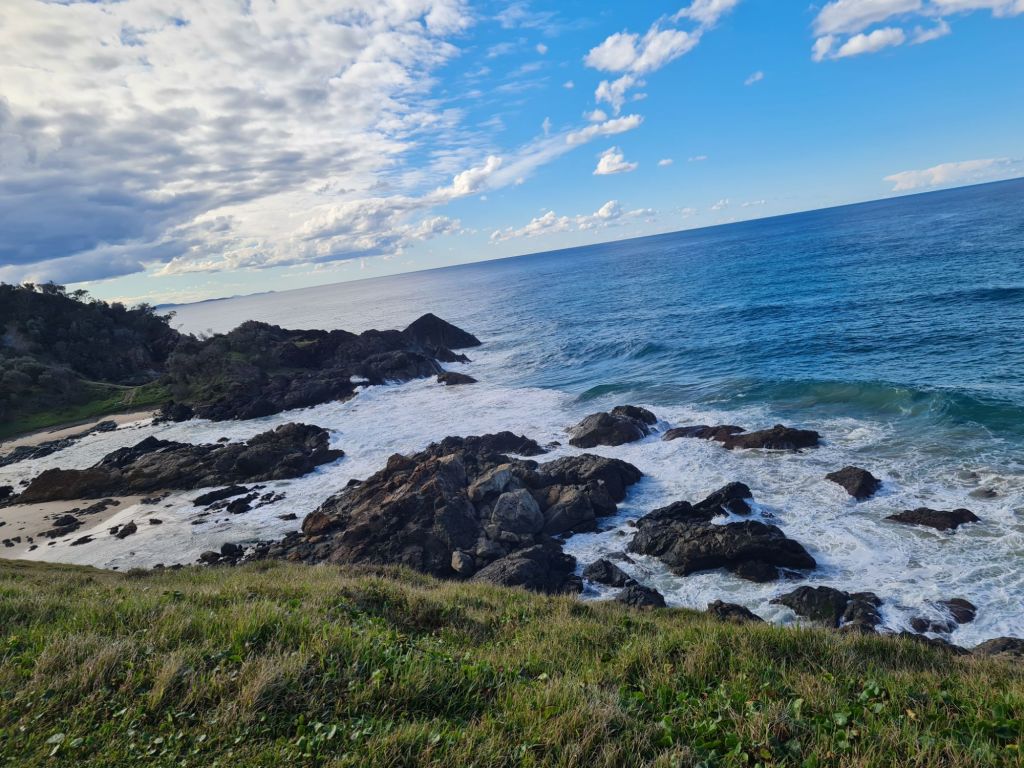
The surrounding area is quite rugged, and it’s possible at times to see migrating whales offshore.

The cinema of my dreams – I always wanted to go on a treasure hunt – Episode 14

Here’s the thing…

Every time I close my eyes, I see something different.

I’d like to think the cinema of my dreams is playing a double feature but it’s a bit like a comedy cartoon night on Fox.

But these dreams are nothing to laugh about.

Once again there’s a new instalment of an old feature, and we’re back on the treasure hunt.

Before the waterfront cleanup, the Shingle Inn was another of those places respectable people didn’t go to.  And those from out of town only stayed there if everything else was taken, or they were looking for a reason to visit a hospital.

I knew this not because it was advertised on the radio or television, or it was in the newspapers, or it probably was but I never read any of them, but because several of my senior year classmates went there on a dare to sample ‘the fare’.

They learned the lesson the hard way so all the rest of us wouldn’t make the same mistake.

So, the question I had to ask myself when I reached the safety of a bus shelter about 100 yards from the bar, was the reason Nadia was staying there, or if she was not, how did she have a room key.

I was hoping she had not fallen into the ways some of the girls did, going down the path of drugs, loans they couldn’t pay, and ending being owned by some seedy man.  That had happened too, and to girls, I had believed knew better.

I guess I was no judge of character, then or now.

Should I go there now and wait for her, perhaps check the place out, and the room, and see if she was staying there.

Or should I read between the lines, and consider this might be a trap of some sort, and that her brother, Vince, would turn up and ‘teach me a lesson not to meddle in their affairs’.  The latter seemed more likely.

And yet it was the dumb ass stupid streak I had that was telling me to go, just to see what happened.  I wasn’t looking for nor did I expect that she was offering me anything, so, giving her the benefit of the doubt, it might mean she was entertaining my suggestion of getting the map to get her off Alex’s hook.

That would then leave only one question, what did I want from her in return.

Fifteen minuted before the hour was up, I was standing in the shadows watching the Inn.  In the hour since the bar, the sun had gone down, and now the Inn, shrouded in gaudy colours from broken neon lights, and a sign that made it look like a hotel in paradise, looked like it was, a den of iniquity.

The girls for hire were still there.  The rooms had different lights above the door of each room that I could see, one red one green which I guessed let others know the room was free or occupied.

The room the key Nadia had given me had no lights on, so I was not sure what that meant.

Ten minutes to go, a car pulled up outside the office, and I saw Vince get out.

Illusion shattered.  It was a setup, she was upset by my appearance at the bar and had called in the punishment crew.  Two minutes later he came back out of the office with a briefcase, got in the car, and drove off.

Was the Inn one of the Cossatino’s establishments, or was that for protection, or picking up drugs?  Or all three?

I shrugged.  Time to find out what Nadia’s intentions were.

I kept to the shadows, crossed the road where it was darkest, and came upon the room from the rear fire stairs.  The room was the second from the end, so I would not have to walk along the balcony very far, and risk being seen.

At the door, a look in either direction, I unlocked the door, opened it, and waited to see if there were any surprises inside waiting, nothing stirred, so I went in and closed the door behind me.

There were no surprises inside; it was just a room with two beds and a bathroom.  A suitcase was beside one of the beds, and its contents spread over the bed.

The aroma of some recognisable perfume came from the bathroom, looking a mess with worn clothes on the floor in one corner, and used towels in the other.

She was staying here.  One of the questions I was going to ask was why?

© Charles Heath 2019-2023

An excerpt from “What Sets Us Apart”, a mystery with a twist

See the excerpt from the story below, just a taste of what’s in store…

http://amzn.to/2Eryfth

whatsetscover

McCallister was old school, a man who would most likely fit in perfectly campaigning on the battlefields of Europe during the Second World War. He’d been like a fish out of water in the army, post-Falklands, and while he retired a hero, he still felt he’d more to give.

He’d applied and was accepted as head of a SWAT team, and, watching him now as he and his men disembarked from the truck in almost military precision, a look passed between Annette, the police liaison officer, and I that said she’d seen it all before. I know I had.

There was a one in four chance his team would be selected for this operation, and she had been hoping it would be one of the other three. While waiting for them to arrive she filled me in on the various teams. His was the least co-operative, and the more likely to make ad-hoc decisions rather than adhere to the plan, or any orders that may come from the officer in charge.

This, she said quite bluntly, was going to end badly.

I still had no idea why Prendergast instructed me to attend the scene of what looked to be a normal domestic operation, but as the nominated expert in the field in these types of situations, it was fairly clear he wasn’t taking any chances. It was always a matter of opinion between us, and generally I lost.

In this case, it was an anonymous report identifying what the authorities believed were explosives in one of the dockside sheds where explosives were not supposed to be.

The only reason why the report was given any credence was the man, while not identifying himself by name, said he’d been an explosive expert once and recognized the boxes. That could mean anything, but the Chief Constable was a cautious man.

With his men settled and preparing their weapons, McCallister came over to the command post, not much more than the SUV my liaison and I arrived in, with weapons, bulletproof vests, and rolls of tape to cordon off the area afterward. We both had coffee, steaming in the cold early morning air. Dawn was slowly approaching and although rain had been forecast it had yet to arrive.

A man by the name of Benson was in charge. He too had groaned when he saw McCallister.

“A fine morning for it.” McCallister was the only enthusiastic one here.

He didn’t say what ‘it’ was, but I thought it might eventually be mayhem.

“Let’s hope the rain stays away. It’s going to be difficult enough without it,” Benson said, rubbing his hands together. We had been waiting for the SWAT team to arrive, and another team to take up their position under the wharf, and who was in the final stages of securing their position.

While we were waiting we drew up the plan. I’d go in first to check on what we were dealing with, and what type of explosives. The SWAT team, in the meantime, were to ensure all the exits to the shed were covered. When I gave the signal, they were to enter and secure the building. We were not expecting anyone inside or out, and no movement had been detected in the last hour since our arrival and deployment.

“What’s the current situation?”

“I’ve got eyes on the building, and a team coming in from the waterside, underneath. Its slow progress, but they’re nearly there. Once they’re in place, we’re sending McKenzie in.”

He looked in my direction.

“With due respect sir, shouldn’t it be one of us?” McCallister glared at me with the contempt that only a decorated military officer could.

“No. I have orders from above, much higher than I care to argue with, so, McCallister, no gung-ho heroics for the moment. Just be ready to move on my command, and make sure you have three teams at the exit points, ready to secure the building.”

McCallister opened his mouth, no doubt to question those orders, but instead closed it again. “Yes sir,” he muttered and turned away heading back to his men.

“You’re not going to have much time before he storms the battlements,” Benson quietly said to me, a hint of exasperation in his tone. “I’m dreading the paperwork.”

It was exactly what my liaison officer said when she saw McCallister arriving.

The water team sent their ‘in position’ signal, and we were ready to go.

In the hour or so we’d been on site nothing had stirred, no arrivals, no departures, and no sign anyone was inside, but that didn’t mean we were alone. Nor did it mean I was going to walk in and see immediately what was going on. If it was a cache of explosives then it was possible the building was booby-trapped in any number of ways, there could be sentries or guards, and they had eyes on us, or it might be a false alarm.

I was hoping for the latter.

I put on the bulletproof vest, thinking it was a poor substitute for full battle armor against an exploding bomb, but we were still treating this as a ‘suspected’ case. I noticed my liaison officer was pulling on her bulletproof vest too.

“You don’t have to go. This is my party, not yours,” I said.

“The Chief Constable told me to stick to you like glue, sir.”

I looked at Benson. “Talk some sense into her please, this is not a kindergarten outing.”

He shrugged. Seeing McCallister had taken all the fight out of him. “Orders are orders. If that’s what the Chief Constable requested …”

Madness. I glared at her, and she gave me a wan smile. “Stay behind me then, and don’t do anything stupid.”

“Believe me, I won’t be.” She pulled out and checked her weapon, chambering the first round. It made a reassuring sound.

Suited up, weapons readied, a last sip of the coffee in a stomach that was already churning from nerves and tension, I looked at the target, one hundred yards distant and thought it was going to be the longest hundred yards I’d ever traversed. At least for this week.

A swirling mist rolled in and caused a slight change in plans.

Because the front of the buildings was constantly illuminated by large overhead arc lamps, my intention had been to approach the building from the rear where there was less light and more cover. Despite the lack of movement, if there were explosives in that building, there’d be ‘enemy’ surveillance somewhere, and, after making that assumption, I believed it was going to be easier and less noticeable to use the darkness as a cover.

It was a result of the consultation, and studying the plans of the warehouse, plans that showed three entrances, the main front hangar type doors, a side entrance for truck entry and exit and a small door in the rear, at the end of an internal passage leading to several offices. I also assumed it was the exit used when smokers needed a break. Our entry would be by the rear door or failing that, the side entrance where a door was built into the larger sliding doors. In both cases, the locks would not present a problem.

The change in the weather made the approach shorter, and given the density of the mist now turning into a fog, we were able to approach by the front, hugging the walls, and moving quickly while there was cover. I could feel the dampness of the mist and shivered more than once.

It was nerves more than the cold.

I could also feel rather than see the presence of Annette behind me, and once felt her breath on my neck when we stopped for a quick reconnaissance.

It was the same for McCallister’s men. I could feel them following us, quickly and quietly, and expected, if I turned around, to see him breathing down my neck too.

It added to the tension.

My plan was still to enter by the back door.

We slipped up the alley between the two sheds to the rear corner and stopped. I heard a noise coming from the rear of the building, and the light tap on the shoulder told me Annette had heard it too. I put my hand up to signal her to wait, and as a swirl of mist rolled in, I slipped around the corner heading towards where I’d last seen the glow of a cigarette.

The mist cleared, and we saw each other at the same time. He was a bearded man in battle fatigues, not the average dockside security guard.

He was quick, but my slight element of surprise was his undoing, and he was down and unconscious in less than a few seconds with barely a sound beyond the body hitting the ground. Zip ties secured his hands and legs, and tape his mouth. Annette joined me a minute after securing him.

A glance at the body then me, “I can see why they, whoever they are, sent you.”

She’d asked who I worked for, and I didn’t answer. It was best she didn’t know.

“Stay behind me,” I said, more urgency in my tone. If there was one, there’d be another.

Luck was with us so far. A man outside smoking meant no booby traps on the back door, and quite possibly there’d be none inside. But it indicated there were more men inside, and if so, it appeared they were very well trained. If that were the case, they would be formidable opponents.

The fear factor increased exponentially.

I slowly opened the door and looked in. A pale light shone from within the warehouse itself, one that was not bright enough to be detected from outside. None of the offices had lights on, so it was possible they were vacant. I realized then they had blacked out the windows. Why hadn’t someone checked this?

Once inside, the door closed behind us, progress was slow and careful. She remained directly behind me, gun ready to shoot anything that moved. I had a momentary thought for McCallister and his men, securing the perimeter.

At the end of the corridor, the extent of the warehouse stretched before us. The pale lighting made it seem like a vast empty cavern, except for a long trestle table along one side, and, behind it, stacks of wooden crates, some opened. It looked like a production line.

To get to the table from where we were was a ten-yard walk in the open. There was no cover. If we stuck to the walls, there was equally no cover and a longer walk.

We needed a distraction.

As if on cue, the two main entrances disintegrated into flying shrapnel accompanied by a deafening explosion that momentarily disoriented both Annette and I. Through the smoke and dust kicked up I saw three men appear from behind the wooden crates, each with what looked like machine guns, spraying bullets in the direction of the incoming SWAT members.

They never had a chance, cut down before they made ten steps into the building.

By the time I’d recovered, my head heavy, eyes watering and ears still ringing, I took several steps towards them, managing to take down two of the gunmen but not the third.

I heard a voice, Annette’s I think, yell out, “Oh, God, he’s got a trigger,” just before another explosion, though all I remember in that split second was a bright flash, the intense heat, something very heavy smashing into my chest knocking the wind out of me, and then the sensation of flying, just before I hit the wall.

I spent four weeks in an induced coma, three months being stitched back together and another six learning to do all those basic actions everyone took for granted. It was twelve months almost to the day when I was released from the hospital, physically, except for a few alterations required after being hit by shrapnel, looking the same as I always had.

But mentally? The document I’d signed on release said it all, ‘not fit for active duty; discharged’.

It was in the name of David Cheney. For all intents and purposes, Alistair McKenzie was killed in that warehouse, and for the first time ever, an agent left the Department, the first to retire alive.

I was not sure I liked the idea of making history.

© Charles Heath 2016-2020

Searching for locations – Port Macquarie – Day 3 – Part 1

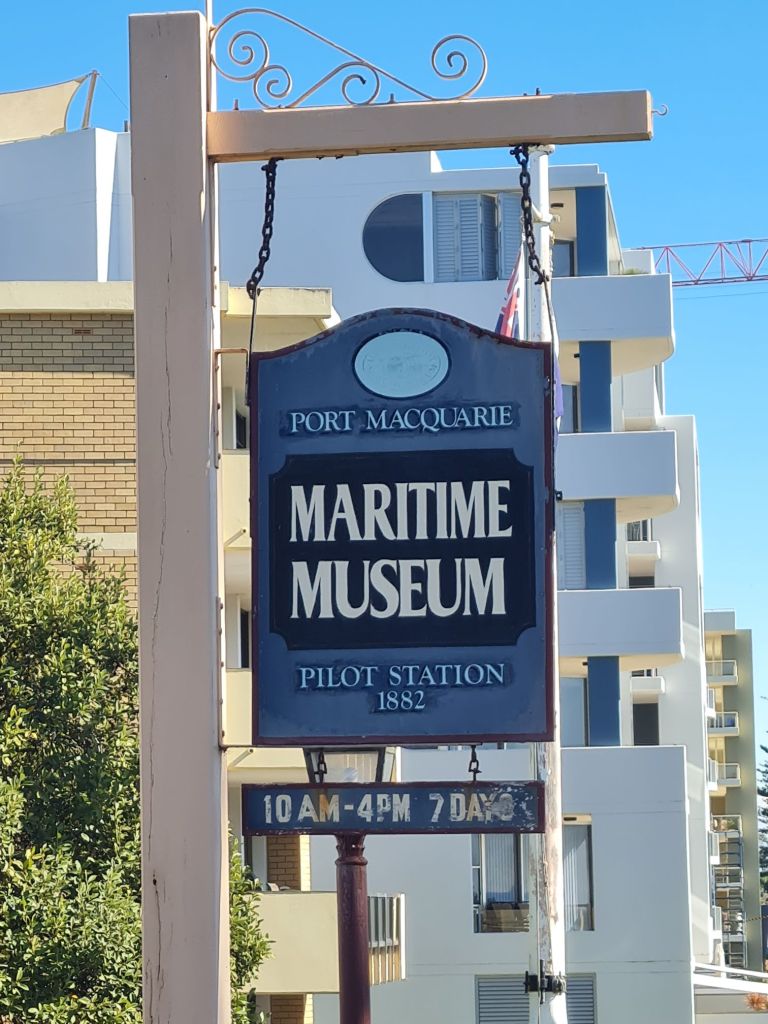
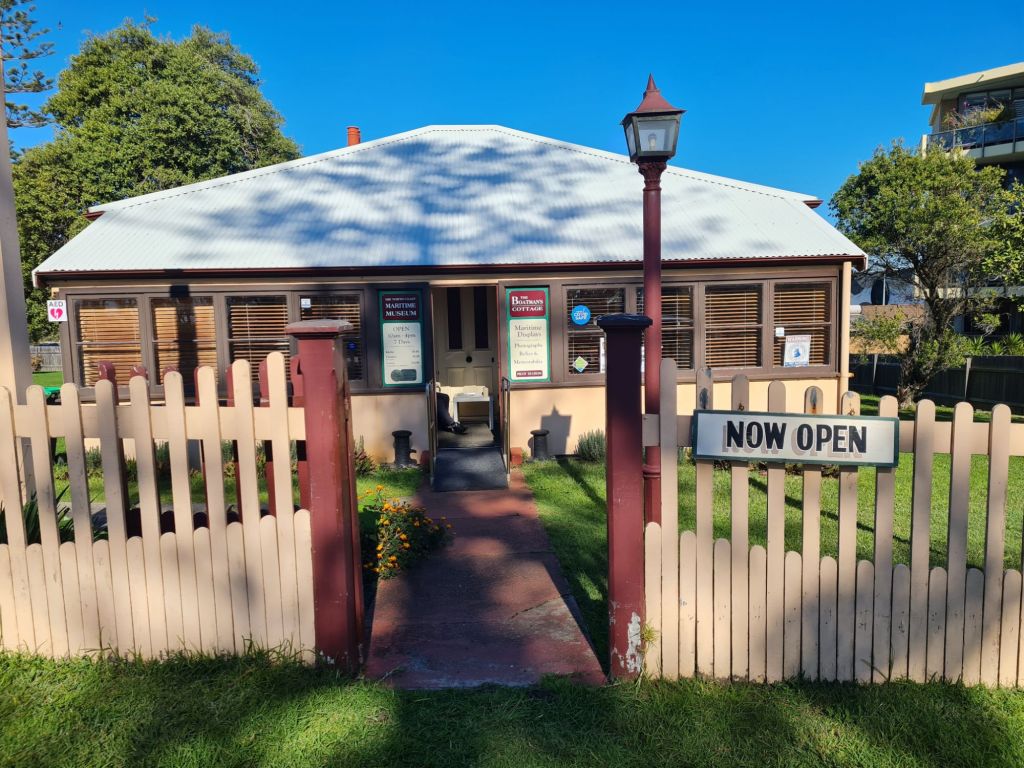
The Maritime Museum

The three houses that make up the maritime museum used to be the pilot’s houses. They were built between 1896 and 1937. There used to be four but one was relocated to another part of Port Macquarie.

In between two of the buildings is, of all things, a sea mine

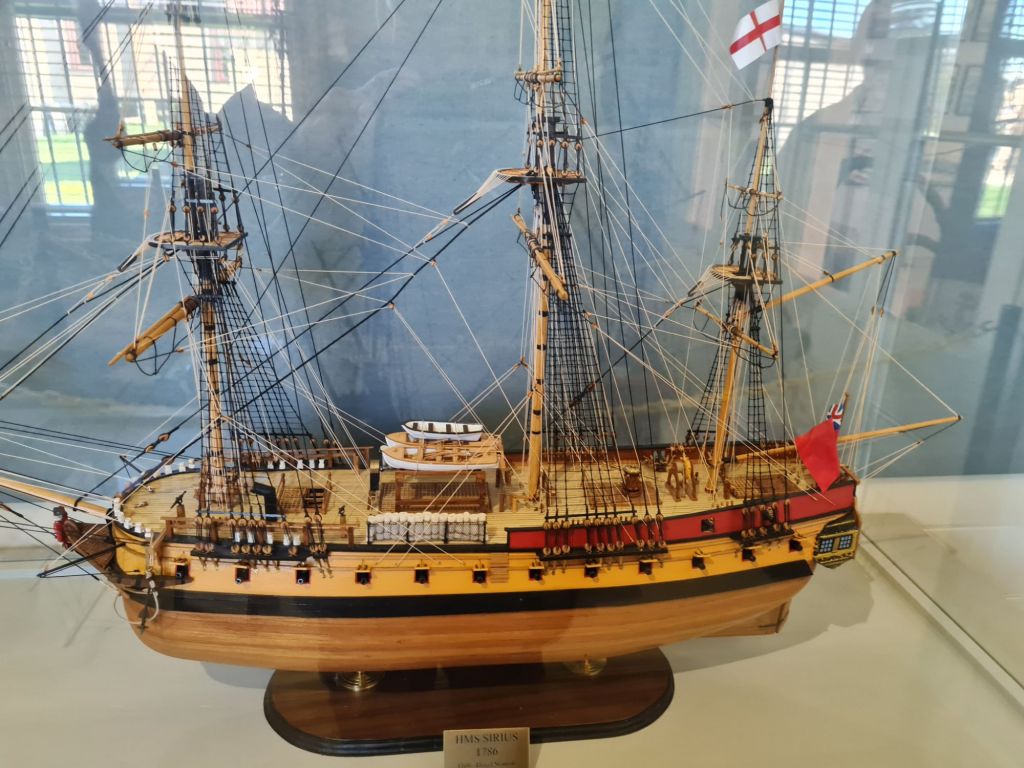
they also have several model ships which are up for sale.

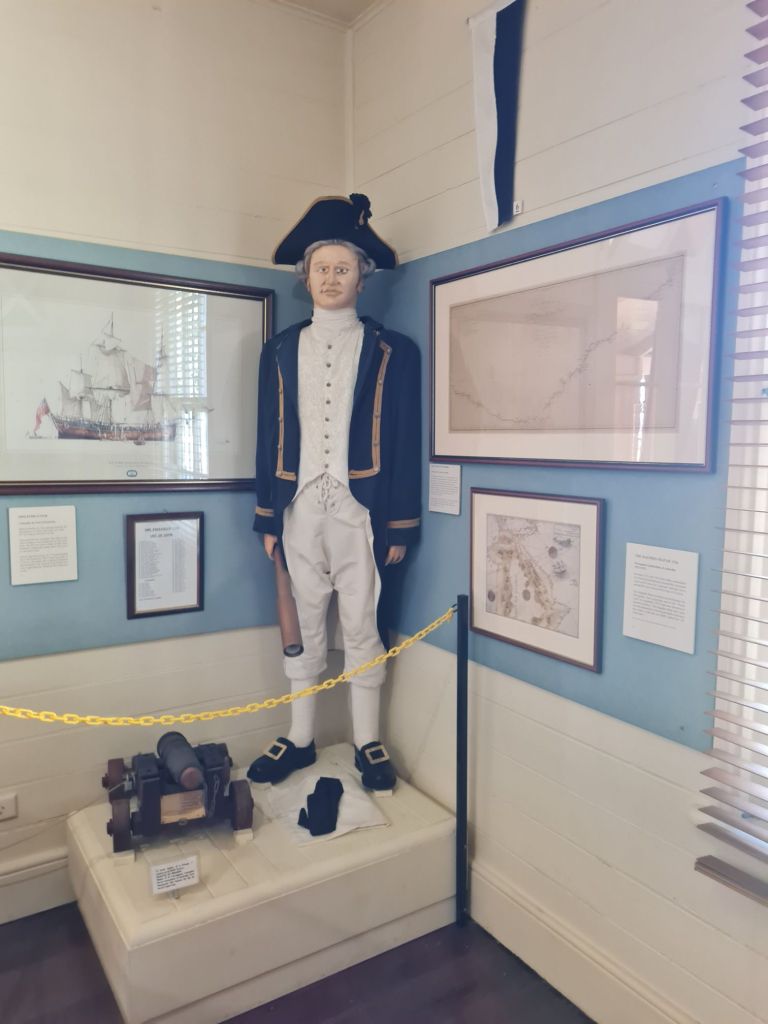
They have sailors dressed in the way they were back in the 1820s

A cannon of one their warships

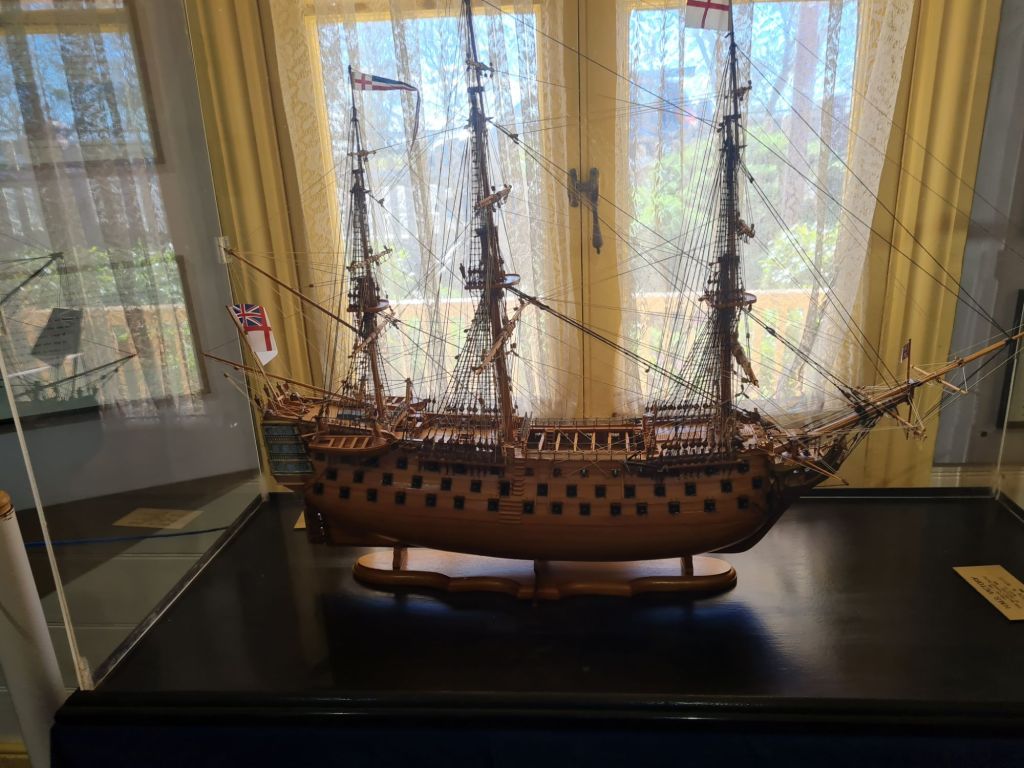
And models of the ships that brought the soldiers, convicts, and free settlers to Australia

There is an interesting collection of flags that were once used to communicate from ship to ship or shore, before the advent of radio.

Inspiration, Maybe – Volume 2

50 photographs, 50 stories, of which there is one of the 50 below.

They all start with –

A picture paints … well, as many words as you like.  For instance:

And, the story:

Have you ever watched your hopes and dreams simply just fly away?

Everything I thought I wanted and needed had just left in an aeroplane, and although I said I was not going to, i came to the airport to see the plane leave.  Not the person on it, that would have been far too difficult and emotional, but perhaps it was symbolic, the end of one life and the start of another.

But no matter what I thought or felt, we had both come to the right decision.  She needed the opportunity to spread her wings.  It was probably not the best idea for her to apply for the job without telling me, but I understood her reasons.

She was in a rut.  Though her job was a very good one, it was not as demanding as she had expected, particularly after the last promotion, but with it came resentment from others on her level, that she, the youngest of the group would get the position.

It was something that had been weighing down of her for the last three months, and if noticed it, the late nights, the moodiness, sometimes a flash of temper.  I knew she had one, no one could have such red hair and not, but she had always kept it in check.

And, then there was us, together, and after seven years, it felt like we were going nowhere.  Perhaps that was down to my lack of ambition, and though she never said it, lack of sophistication.  It hadn’t been an issue, well, not until her last promotion, and the fact she had to entertain more, and frankly I felt like an embarrassment to her.

So, there it was, three days ago, the beginning of the weekend, and we had planned to go away for a few days and take stock.  We both acknowledged we needed to talk, but it never seemed the right time.

It was then she said she had quit her job and found a new one.  Starting the following Monday.

Ok, that took me by surprise, not so much that it something I sort of guessed might happen, but that she would just blurt it out.

I think that right then, at that moment, I could feel her frustration with everything around her.

What surprised her was my reaction.  None.

I simply asked where who, and when.

A world-class newspaper, in New York, and she had to be there in a week.

A week.

It was all the time I had left with her.

I remember I just shrugged and asked if the planned weekend away was off.

She stood on the other side of the kitchen counter, hands around a cup of coffee she had just poured, and that one thing I remembered was the lone tear that ran down her cheek.

Is that all you want to know?

I did, yes, but we had lost that intimacy we used to have when she would have told me what was happening, and we would have brainstormed solutions. I might be a cabinet maker but I still had a brain, was what I overheard her tell a friend once.

There’s not much to ask, I said.  You’ve been desperately unhappy and haven’t been able to hide it all that well, you have been under a lot of pressure trying to deal with a group of troglodytes, and you’ve been leaning on Bentley’s shoulder instead of mine, and I get it, he’s got more experience in that place,  and the politics that go with it, and is still an ally.

Her immediate superior and instrumental in her getting the position, but unlike some men in his position he had not taken advantage of a situation like some men would.  And even if she had made a move, which I doubted, that was not the sort of woman she was, he would have politely declined.

One of the very few happily married men in that organisation, so I heard.

So, she said, you’re not just a pretty face.

Par for the course for a cabinet maker whose university degree is in psychology.  It doesn’t take rocket science to see what was happening to you.  I just didn’t think it was my place to jump in unless you asked me, and when you didn’t, well, that told me everything I needed to know.

Yes, our relationship had a use by date, and it was in the next few days.

I was thinking, she said, that you might come with me,  you can make cabinets anywhere.

I could, but I think the real problem wasn’t just the job.  It was everything around her and going with her, that would just be a constant reminder of what had been holding her back. I didn’t want that for her and said so.

Then the only question left was, what do we do now?

Go shopping for suitcases.  Bags to pack, and places to go.

Getting on the roller coaster is easy.  On the beginning, it’s a slow easy ride, followed by the slow climb to the top.  It’s much like some relationships, they start out easy, they require a little work to get to the next level, follows by the adrenaline rush when it all comes together.

What most people forget is that what comes down must go back up, and life is pretty much a roller coaster with highs and lows.

Our roller coaster had just come or of the final turn and we were braking so that it stops at the station.

There was no question of going with her to New York.  Yes, I promised I’d come over and visit her, but that was a promise with crossed fingers behind my back.  After a few months in t the new job the last thing shed want was a reminder of what she left behind.  New friends new life.

We packed her bags, three out everything she didn’t want, a free trips to the op shop with stiff she knew others would like to have, and basically, by the time she was ready to go, there was nothing left of her in the apartment, or anywhere.

Her friends would be seeing her off at the airport, and that’s when I told her I was not coming, that moment the taxi arrived to take her away forever.  I remember standing there, watching the taxi go.  It was going to be, and was, as hard as it was to watch the plane leave.

So, there I was, finally staring at the blank sky, around me a dozen other plane spotters, a rather motley crew of plane enthusiasts.

Already that morning there’s been 6 different types of plane depart, and I could hear another winding up its engines for take-off.

People coming, people going.

Maybe I would go to New York in a couple of months, not to see her, but just see what the attraction was.  Or maybe I would drop in, just to see how she was.

As one of my friends told me when I gave him the news, the future is never written in stone, and it’s about time you broadened your horizons.

Perhaps it was.


© Charles Heath 2020-2021

Coming soon.  Find the above story and 49 others like it in:

Writing a book in 365 days – 118

Day 118

Easy reading/Hard writing

I often wondered when reading other authors’ works if it was as hard for them to write the story as it is for me.

I mean it’s not that hard to get that initial first draft down on paper, what is hard is honing that messy, often shapeless story into the finished product, which often is an easy read for the reader.

I used to devour a book in a night, sometimes a day or two, but the reading never reflected the blood, sweat and tears the author put into it.

And I doubt the reader gets that.

Everything takes time to create.  A car, a house, a factory, an apartment block.  You can cut corners, and the object will fall to pieces or fail in some other manner.

If you cut corners when polishing a story, making it easy for the reader to devour, when it is not, no one will buy your books.

So, creating that polished book is no easy task.  It’s not simply a matter of getting the words on paper and sending them off to the publisher.

It doesn’t work that way.

I’m sure after writing that first draft, and when you pick it up some months later to start the editing process, that first read will be like climbing a sheer mountain without climbing gear.

It certainly will not read the way a reader expects it to.  In fact, you will probably not recognise what it is you wrote, or if you did, you don’t remember writing it that way.

That’s why you have beta readers.

That’s why you have an editor.

Just hope they realise perfection takes time.