“The Things We Do For Love”

Would you give up everything to be with the one you love?

Is love the metaphorical equivalent to ‘walking the plank’; a dive into uncharted waters?

For Henry, the only romance he was interested in was a life at sea, and when away from it, he strived to find sanctuary from his family and perhaps life itself.  It takes him to a small village by the sea, a place he never expected to find another just like him, Michelle, whom he soon discovers is as mysterious as she is beautiful.

Henry had long since given up the notion of finding romance, and Michelle couldn’t get involved for reasons she could never explain, but in the end, both acknowledge that something happened the moment they first met.  

Plans were made, plans were revised, and hopes were shattered.

A chance encounter causes Michelle’s past to catch up with her, and whatever hope she had of having a normal life with Henry, or anyone else, is gone.  To keep him alive she has to destroy her blossoming relationship, an act that breaks her heart and shatters his.

But can love conquer all?

It takes a few words of encouragement from an unlikely source to send Henry and his friend Radly on an odyssey into the darkest corners of the red-light district in a race against time to find and rescue the woman he finally realizes is the love of his life.

The cover, at the moment, looks like this:

lovecoverfinal1

Is love the metaphorical equivalent to ‘walking the plank’; a dive into uncharted waters?

For Henry the only romance he was interested in was a life at sea, and when away from it, he strived to find sanctuary from his family and perhaps life itself.  It takes him to a small village by the sea, s place he never expected to find another just like him, Michelle, whom he soon discovers is as mysterious as she is beautiful.

Henry had long since given up the notion of finding romance, and Michelle couldn’t get involved for reasons she could never explain, but in the end both acknowledge that something happened the moment they first met.  

Plans were made, plans were revised, and hopes were shattered.

A chance encounter causes Michelle’s past to catch up with her, and whatever hope she had of having a normal life with Henry, or anyone else, is gone.  To keep him alive she has to destroy her blossoming relationship, an act that breaks her heart and shatters his.

But can love conquer all?

It takes a few words of encouragement from an unlikely source to send Henry and his friend Radly on an odyssey into the darkest corners of the red light district in a race against time to find and rescue the woman he finally realizes is the love of his life.

The cover, at the moment, looks like this:

lovecoverfinal1

In a word: Dear

Yes, it’s that simple word that we use to call someone affectionately.

Or sometimes, with a little accent on the word; yes, dear and no, dear.

In other words, it’s a person regarded with deep affection.

It can also mean expensive, by saying, that’s a bit dear, isn’t it, when we’re really saying it’s way overpriced.

I can’t remember how many times I’ve said something is ‘too dear’ to the children.

Grannies tend to use the expression, ‘be a dear and…’, to get you do do something for them.

Friends, sometimes tongue in cheek, will say, ‘oh dear, I’ve upset you’, when that was exactly what they meant to do.  Friends you say?  Yes, friends indeed.

And then we always start a letter (always?  Who writes letters any more?) with

Dear John (oops, not one of THOSE letters)

Dear Sir/Madam

Of course, instead of swearing, you could simply say ‘Oh dear, you’ve let us down again!’.

And when you lose your job, which is happening a lot at the moment, it is said it would cost you dear, though sometimes it would be more appropriate to use the adverb, dearly.

It is not to be confused with the word deer which is an animal, the males of which have antlers.

There are a number of different types of deer, such as reindeer and elk.  In Canada, they are called caribou.

In Robin Hood’s day, killing deer brought you very harsh punishment.

And one of my favourite meats is venison, meat from a deer, which are farmed in New Zealand along with sheep.

An excerpt from “If Only” – a work in progress

Investigation of crimes doesn’t always go according to plan, nor does the perpetrator get either found or punished.

That was particularly true in my case.  The murderer was incredibly careful in not leaving any evidence behind, to the extent that the police could not rule out whether it was a male or a female.

At one stage the police thought I had murdered my own wife though how I could be on a train at the time of the murder was beyond me.  I had witnesses and a cast-iron alibi.

The officer in charge was Detective First Grade Gabrielle Walters.  She came to me on the day after the murder seeking answers to the usual questions like, when was the last time you saw your wife, did you argue, the neighbors reckon there were heated discussions the day before.

Routine was the word she used.

Her fellow detective was a surly piece of work whose intention was to get answers or, more likely, a confession by any or all means possible.  I could sense the raging violence within him.  Fortunately, common sense prevailed.

Over the course of the next few weeks, once I’d been cleared of committing the crime, Gabrielle made a point of keeping me informed of the progress.

After three months the updates were more sporadic, and when, for lack of progress, it became a cold case, communication ceased.

But it was not the last I saw of Gabrielle.

The shock of finding Vanessa was more devastating than the fact she was now gone, and those images lived on in the same nightmare that came to visit me every night when I closed my eyes.

For months I was barely functioning, to the extent I had all but lost my job, and quite a few friends, particularly those who were more attached to Vanessa rather than me.

They didn’t understand how it could affect me so much, and since it had not happened to them, my tart replies of ‘you wouldn’t understand’ were met with equally short retorts.  Some questioned my sanity, even, for a time, so did I.

No one, it seemed, could understand what it was like, no one except Gabrielle.

She was by her own admission, damaged goods, having been the victim of a similar incident, a boyfriend who turned out to be an awfully bad boy.  Her story varied only in she had been made to witness his execution.  Her nightmare, in reliving that moment in time, was how she was still alive and, to this day, had no idea why she’d been spared.

It was a story she told me one night, some months after the investigation had been scaled down.  I was still looking for the bottom of a bottle and an emotional mess.  Perhaps it struck a resonance with her; she’d been there and managed to come out the other side.

What happened become our secret, a once-only night together that meant a great deal to me, and by mutual agreement, it was not spoken of again.  It was as if she knew exactly what was required to set me on the path to recovery.

And it had.

Since then, we saw each about once a month in a cafe.   I had been surprised to hear from her again shortly after that eventful night when she called to set it up, ostensibly for her to provide me with any updates on the case, but perhaps we had, after that unspoken night, formed a closer bond than either of us wanted to admit.

We generally talked for hours over wine, then dinner and coffee.  It took a while for me to realize that all she had was her work, personal relationships were nigh on impossible in a job that left little or no spare time for anything else.

She’d always said that if I had any questions or problems about the case, or if there was anything that might come to me that might be relevant, even after all this time, all I had to do was call her.

I wondered if this text message was in that category.  I was certain it would interest the police and I had no doubt they could trace the message’s origin, but there was that tiny degree of doubt, about whether or not I could trust her to tell me what the message meant.

I reached for the phone then put it back down again.  I’d think about it and decide tomorrow.

© Charles Heath 2018-2020

The cinema of my dreams – I always wanted to go on a treasure hunt – Episode 23

Here’s the thing…

Every time I close my eyes, I see something different.

I’d like to think the cinema of my dreams is playing a double feature but it’s a bit like a comedy cartoon night on Fox.

But these dreams are nothing to laugh about.

Once again there’s a new instalment of an old feature, and we’re back on the treasure hunt.

I was not sure what to make of Nadia.  It would have been better if she hadn’t said she liked me.  Perhaps she was just toying with my emotions.

Whatever she said, she was right about one thing, that it put a spoke in the works with my plan to get her the map and ease her problems with Alex.  Of course, I knew that wouldn’t be the end of her issues with Alex, he was not the sort to let a fish off the hook.

And despite her protestations to the contrary, she looked very much at ease in his company.  Had she told Alex what my plan was, and got Rico out of the way so he could set his sights on me?

Had Alex something to do with Rico’s current predicament?  Based on the information that Nadia had given me, the proximity of his boat, and the divers, what were they for?  I suspect it was not to remove fishing line from the propeller shaft.

No, this had the smell of the Benderby’s all over it.

I finished my drink and left.  Once outside, I could see there was still activity on Rico’s boat, and two men from the coroner’s office were just removing the body from the cabin.  I could see a group of white jump suit clad people waiting to board, the crime scene investigators.

I thought about going back to the boat, but there was a policeman standing on the start of the pier making sure only those with a legitimate reason were let through.

Enough excitement for one day.  It was time to go to work.  I had just enough time to get home, change, and get to the warehouse.

When I stepped into the office, Alex was waiting by my desk and that could only mean one thing, I was in some sort of trouble.  Usually, he just ignored me, unless there was something no one else wanted to do like taking inventory.

“A few minutes in my office Smidge.”

Trouble it was.  He only called me Smidge when he was annoyed with me.

I followed him in and closed the door.  His office was the same as his father’s, in the main building, only smaller.

He didn’t invite me to sit down.  He sat on the edge of his desk, facing me.  It brought back bad memories of being in the principal’s office at school.

“What were you doing talking to Nadia?”

How could he know?  Knowing Alex, he, or more to the point, his father, had spies everywhere.

“She came and sat next to me, Alex, not the other way around.  She was reminding me of how insignificant I was, and then she was asking questions about Rico.  I was there when they found a body on his boat, Alex.  You wouldn’t know anything about that, would you?”

I watched his expression change for just a moment.  He didn’t have the same set in granite features as his father, a man who could lie to your face and stab you in the back at the same time.

“Why would I?  I was out testing Dad’s boat, and all I could see what police everywhere.  I wouldn’t put anything past Rico.”

Then I had an idea that might rattle Alex’s cage a little.

“There’s a rumour going around that Rico had a copy of a more detailed treasure map.  I mean, Boggs seems to think his father had a more detailed treasure map than the one doing the rounds, and maybe Rico had got his hands on it, and perhaps that man on the boat was a treasure hunter who was trying to buy it, or steal it, and got on the wrong side of an argument with someone, and not necessarily Rico.  To be honest, Alex, I don’t think Rico is that stupid he would murder someone on his boat.”

There was a definite interest in his eyes, one that sparked whenever I mentioned the treasure map, and it was more than a passing phase.

“You and I both know that Boggs is little more than a brainless idiot who’s always trying to make out his father wasn’t the world’s worst treasure hunter.  Those rumours are just that, Smidge, rumours.  There is no treasure and there is no map.  And it’s debatable whether Rico had anything other than a quick temper.  If I were you, I’d go looking for a better class of friend, and forget about this so-called treasure.”

Put as casually as he could, the problem was Alex could not keep the veiled threat out of his tone.  He was definitely telling me to back off.  But, then I had another thought, just to stir the pot a little more.

“Funny thing Alex, that was what Nadia told me too.  What if the Cossatino’s think the exact opposite, that the rumours are true.  She could have been sizing me up as a potential source for the map, seeing how Boggs and I are such good friends.”

Mentioning the Cossatino’s made Alex uncomfortable.  I could see it, and feel it.  The tension in the room was rising.

“You should keep well away from the Cossatino’s, and particularly Nadia.  They are very, very dangerous people.  If she’s talking to you, then I’d been running away as fast as I could.”

“Because you’re interested in her?”

“Are you, I mean seriously Smidge, what would she see in you?”

That, of course, was a good question, and from his perspective, quite a valid point.  I had nothing that he knew of to offer.

“Everyone has something someone else wants, Alex.  I’ll admit, at the moment, I don’t have anything to offer a woman like that, and she is way above my pay grade, but if you like, I’ll try to find out what it is she does want.  I work here, so perhaps she thinks I might be able to get some dirt on you unless you are good friends and she’s just trying to make my life more miserable than it already is.”

Yes, I could see the wheels turning, the Alex that didn’t trust anyone, no matter who they were.

“If she tries, you tell me.”

“Of course.  Now I’d better get back to work.  Your dad is supposed to be coming over for an inspection.”

He waved his hand, indicating I was dismissed.

Consider the cat thrown among the pigeons.

© Charles Heath 2019-2021

The cinema of my dreams – I never wanted to go to Africa – Episode 45

Our hero knows he’s in serious trouble.

The problem is, there are familiar faces and a question of who is a friend and who is foe made all the more difficult because of the enemy, if it was the enemy, simply because it didn’t look or sound or act like the enemy.

Now, it appears, his problems stem from another operation he participated in, and because of it, he has now been roped into what might be called a suicide mission.


We flew north at low altitude, crossing the border into the Sudan, then ran along the border, heading back to the landing field we’d arrived on in Uganda.

It was basically a two-hour flight that in the end was eventless.  After everything that had happened over the past 24 hours, it wasn’t hard to doze off, leaving Davies to get us back.

I was woken suddenly by a thump on my arm.

“Need your help landing this crate,” a squeaky voice in my ear said.

I could feel the plane losing altitude, and the engines not making the same noise as they had just before I’d dropped off to sleep.  It seemed like it was only a few minutes ago we were taking off.

She leveled the plane at 1000 feet, and flew over the airfield, the landing lights on, and I could see the strip from start to end.  It looked a lot longer than the one we’d taken off from.

Turning sharply, I could hear the landing gear being activated and saw green lights come on one the dashboard.  Down and locked I assumed.

She then went through a series of landing checks and told me what she wanted me to do to assists, and then everything seemingly OK, we came in to land.

This landing was a lot bumpier than that in the C130 earlier, but she got us there, throttled back, and slowed the speed before heading for the terminal buildings.

Once there, she let the engines run for about a minute or so before switching them off.

Once the propellers stopped turning, the silence in the cockpit was strange.  At the rear, the door was opened, and everyone was getting off, the Colonel first to make sure none of his men shot anyone by mistake, and then the rest of the team.

Davies and I were the last to leave.  I got the impression she would have stayed, just a little longer, and it was telling that she patted the dashboard in what I would call a loving manner, thanking the aircraft for its service.

“I can see you like flying these old planes,” I said, still seated and taking in the moment.

“There’s something about them.  You have to fly them, they don’t fly you, not like the F15’s or any of those other jets that have autopilots.  No, this comes from the days of real flying.”

“You said your Dad has one?”

“Yep.”

“Then the art of flying is not lost on you.  Perhaps one day when I get lost, somewhere where this plane lives, you can take me up.”

“Any time.”

She dragged herself out of the left seat and headed towards the rear of the plane.  I took a moment longer, then followed her.

Maybe she could teach me how to fly.

Or maybe not.

I keep forgetting I hate flying in planes.

As I stepped off the plane onto terra firma again, I could see just inside the range of my peripheral vision, some activity by the terminal building.

Suddenly, a man was running towards us.  He was also yelling out, words to the effect, ‘they’re coming’.

Who?

The Colonel looked up just as the man, almost hunched over out of breath, reached him.

“They’re coming.  A helicopter, heading towards us.”  Several more huge breaths, then, “An hour at best.”  He looked at me.  “You have to go.”

Then he handed the Colonel a sheet of paper, and he quickly scanned it.

Then he said, “Your friendly militia decided the ransom wasn’t enough and they’re coming to take them back.”

“How is that possible?  Can they just cross borders like that?”

“This is Africa.  Anything can happen.  By the time their mission is done, it’ll be too late for us to scramble anything to attack them.  You need to go.”

Davies had come back, assuming it had something to do with the plane, and after taking in what the Colonel had to say, said, “We need more fuel.  Not much, but it’ll take time.”

The fuel truck had already come out and begun the refueling.

“Go tell the driver how much you need.  You’ve probably got a half-hour, a little more before you take off and go before, they get here.”

She headed towards the fuel truck, muttering under her breath.

I yelled out to Monroe, “Round up everyone and get them back on the plane.  Wheels up in half an hour.”

I could see her mouth the word why.

“Seems we’re about to get a visit from some very unfriendly people.”

Enough said.


© Charles Heath 2020

A photograph from the inspirational bin – 10

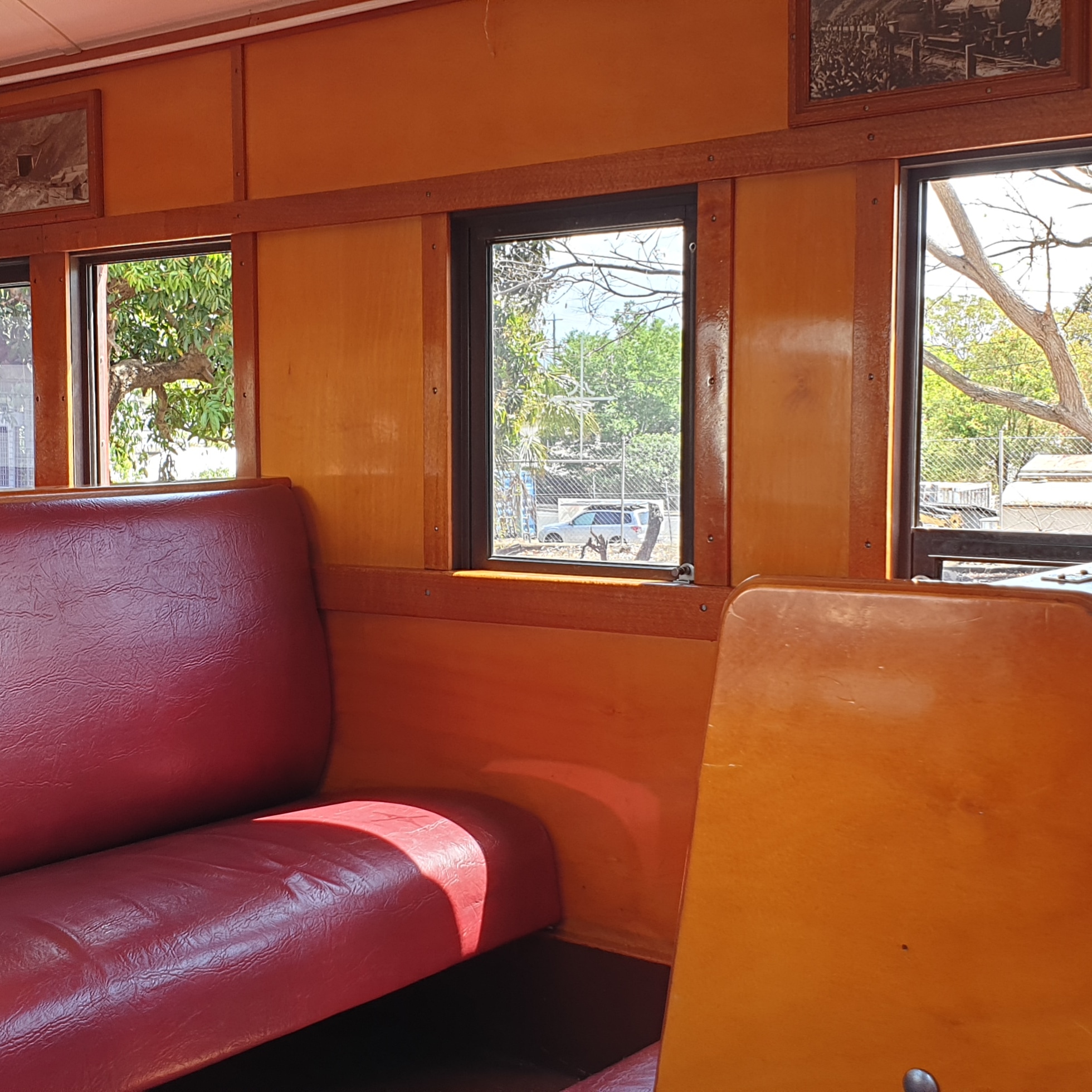
It was a relic from the past, put back together by a dedicated group of volunteers who had not wanted the last vestiges of the past to disappear.

Train enthusiasts, the called themselves.

They’d put together a steam locomotive, five carriages, a restaurant car, and the conductor’s car. The original train might have been twice to three times as long, but these days, the tourist market rarely filled the train.

I was one of a group who made it their mission to visit and rate every vintage train, not only in this country, but all over the world. It was a sad state of affairs when I first began, with locomotives and carriages dropping out of the system due to lack of funds, but more disheartening, the lack of government assistance in keeping it’s heritage alive.

It seemed money was short, and there were better things to spend it on, like two brand new 737-800 jets just to ferry the prime minister and government officials around. Just think of what that quarter of a billion dollars could have bought in heritage.

But it is what it is.

What I had before me was one of the most recent restorations to check out, and on first glance, it was remarkable just how lifelike and true to age it was.

Of course, I was of an age that could remember the old railway carriages, what were called red rattlers because of the ill fitting windows that went up and down, allow fresh air, or in days gone by, smoke from the locomotive hauling the train. I had not travelled during the last glorious years of steam, but the carriages had lived on briefly before the advent of the sterile aluminum tin cans with uncomfortably hard seats.

These carriages were built for comfort, and my first experience had been a five hour trip from Melbourne to Wangaratta, in Victoria, on my way to Mt Buffalo Chalet, a guesthouse owned by the Railways.

That too had been a remarkable old chalet style guest house with a room and all the dining included. I always left after the week having put on weight. Breakfast, morning tea, lunch, afternoon tea, and dinner, every day, and high tea on Sunday.

But this carriage, the polished wood that had shellac rather than varnish, highlighting the timber’s grain, the leather seats with generous padding, the curved ceilings with hanging lights, windows the could be opened and closed, allowing fresh air to circulate.

There was also a carriage with the passageway, and five or six separate compartments, each sitting six passengers. I remembered these well, having quite often ridden in one to work for some years when the country trains still ran.

It was always remarkable how a sight or a scent could trigger such memories.

For this carriage on this train, it used to ply the Gympie to Brooloo branch line from about 1915 onwards.

That was the history. It only went as far as Amamoor these days, it was still long enough to capture the sensation of riding the rails back in what is always referred to as the good old days, even if they were not.

Now for the ride….

© Charles Heath 2021

“The Enemy Within” – the editor’s third draft – Day 13

This book has been sitting in the ‘to-be-done’ tray, so this month it is going to get the final revision.

And so it begins…

It depends on your definition of guilty

From the aspect of the poor agent who walked into a maelstrom, it has to be the planners, or at the very least someone within the organisation.

Leaks are rarely considered to be from the outside.

But, it could be someone on the inside trusting the wrong person. It’s a matter that will merit more investigation, after …

Well, there are those on the inside who believe that it was the planners, and one in particular, Evelyn.

While the protagonist also believes this is the case, and despite her protestations, because of the unique relationship between them, it is about to land her in a world of pain.

Meanwhile, the protagonist has a funeral to attend.

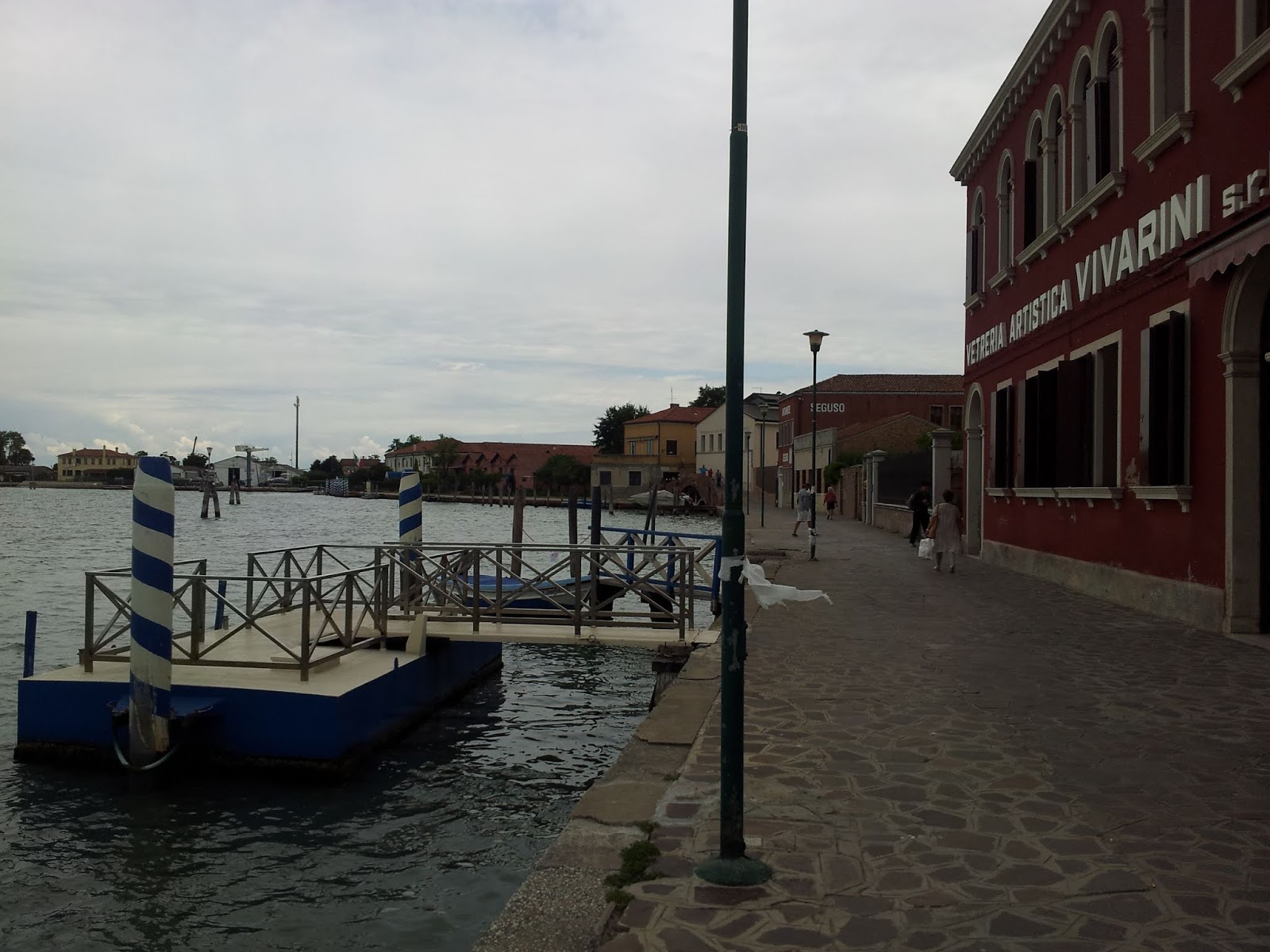
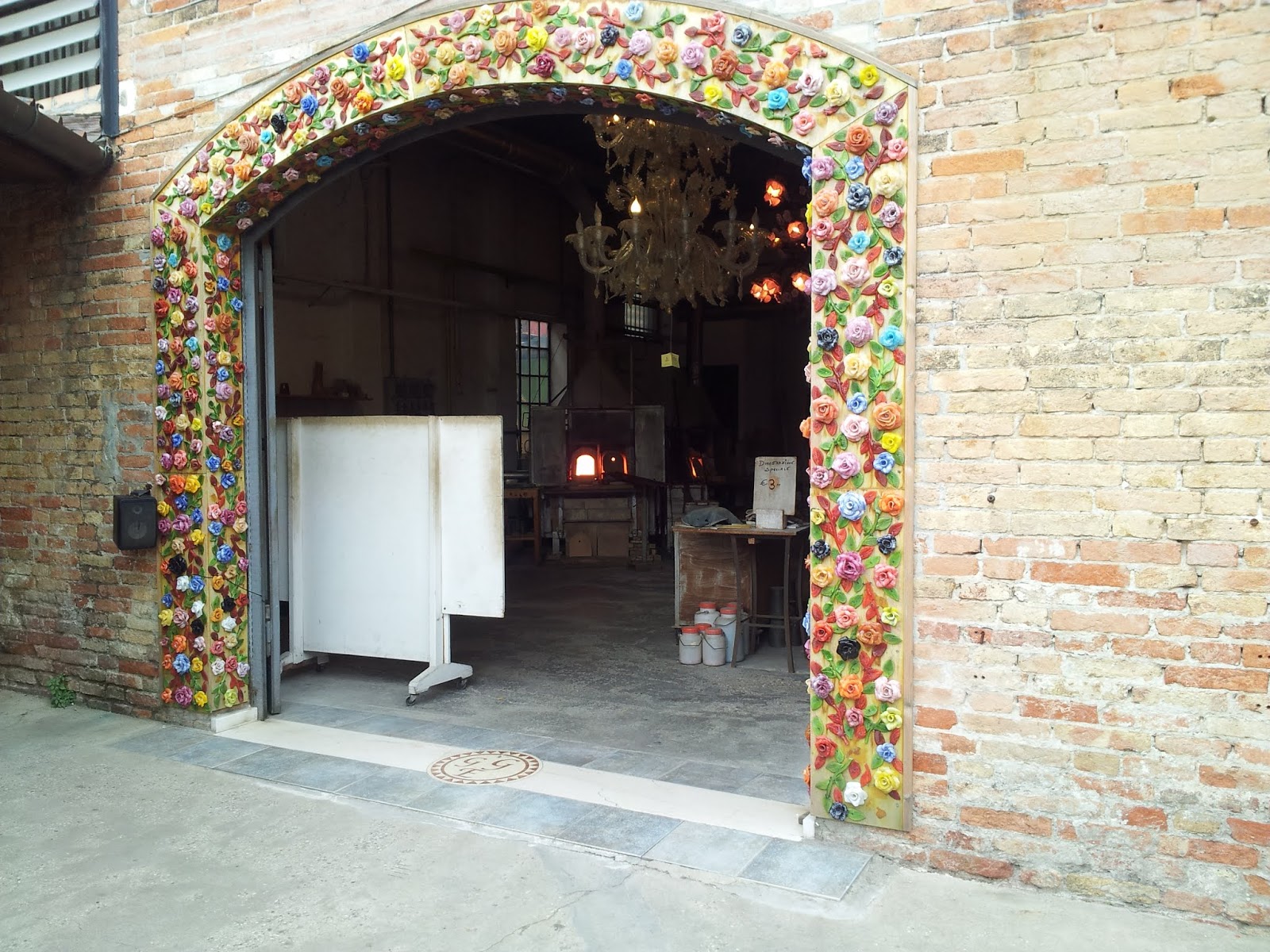
Searching for locations: Murano, Italy

The first time we visited Venice, there was not enough time left to visit the glass-blowing factories on Murano.  We saved this for the next visit, and now more comfortable with taking the Vaporetto, boarded at San Marco for the short journey.

The view looking towards the cemetery:

The view looking down what I think was the equivalent to the main street, or where several of the glass-blowing factories and display shops were located:

Looking towards a workshop, this one costs us each a Euro to go in and observe a demonstration of glass blowing, and it still surprises me that some people would not pay

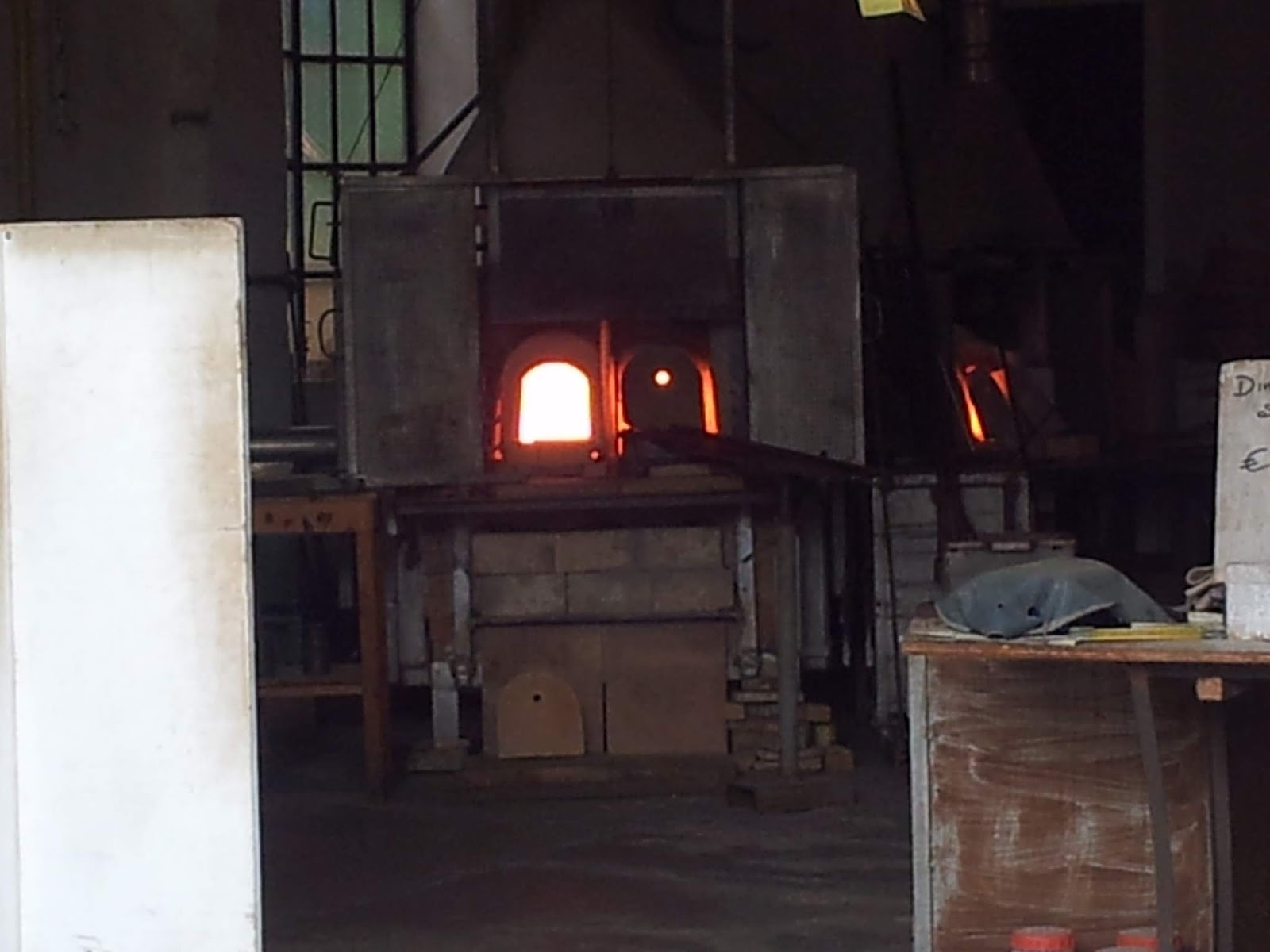
The oven where the glass is heated

And the finished product, the retail version of the horse that the glassblower created during the demonstration:

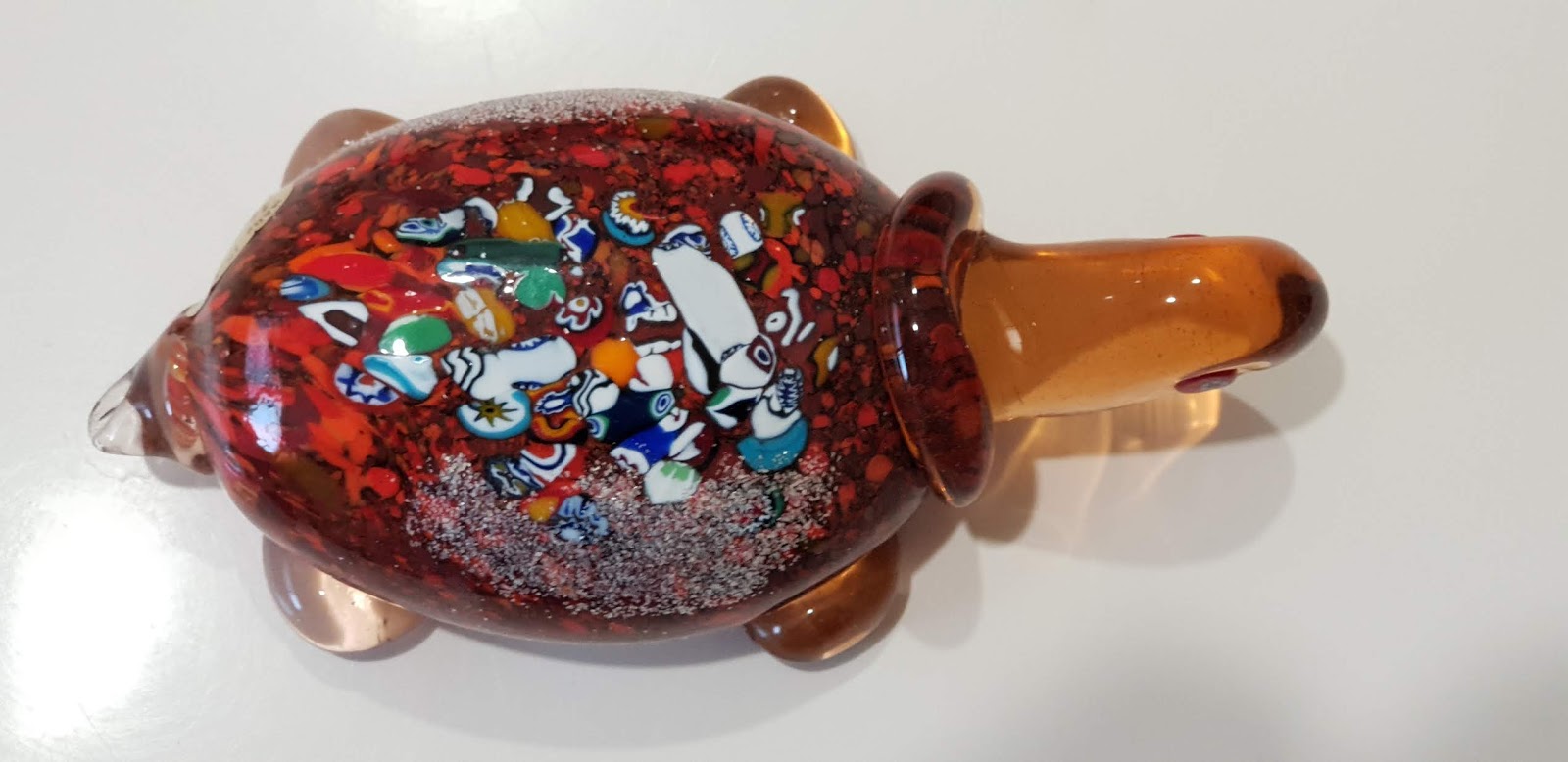
Then we bought some other glassware from the retail storefront, a candle holder

and a turtle.

Does every writer suffer from this dilemma?

If I get a headache, I can take paracetamol

If I have a sore back, I can take ipBrufen.

If I can’t put words on paper … what is there I can take?

It affects us all at some point, but it’s not necessarily that old demon writer’s block.

What is writer’s block anyway?  Is it some existential disease that doesn’t really exist, yet something we can blame where we can’t write?

So, it’s down to looking for reasons, and logically looking at what is the underlying cause of the problem.  We should be asking ourselves questions, like

Are we constantly distracted from writing?

Plan or no plan, subconsciously it doesn’t feel right, that the next scene, plotline or character interaction does follow, is contrived, is just plain wrong?

Usually, for me, it only takes two questions and the answer pops up.

I’ve written myself into the proverbial corner, and there’s no logical way to go forward.

What does that mean?

Well, that is covered by a third possible outcome from answering the questions.

I have to go back and do some major re-writes of earlier work, make sure there are the appropriate hooks and maybe even change the direction, even if just a little.

That, in itself, in the back of your mind, knowing what has to be done, and putting off the inevitable, is another reason why this project isn’t moving forward.

Two aspirin can’t solve this.

Nothing can.

Perhaps we should rename writer’s block to writer’s dilemma.

An excerpt from “The Things We Do For Love”; In love, Henry was all at sea!

In the distance, he could hear the dinner bell ringing and roused himself.  Feeling the dampness of the pillow, and fearing the ravages of pent-up emotion, he considered not going down but thought it best not to upset Mrs. Mac, especially after he said he would be dining.

In the event, he wished he had reneged, especially when he discovered he was not the only guest staying at the hotel.

Whilst he’d been reminiscing, another guest, a young lady, had arrived.  He’d heard her and Mrs. Mac coming up the stairs and then shown to a room on the same floor, perhaps at the other end of the passage.

Henry caught his first glimpse of her when she appeared at the door to the dining room, waiting for Mrs. Mac to show her to a table.

She was in her mid-twenties, slim, with long brown hair, and the grace and elegance of a woman associated with countless fashion magazines.  She was, he thought, stunningly beautiful with not a hair out of place, and make-up flawlessly applied.  Her clothes were black, simple, elegant, and expensive, the sort an heiress or wife of a millionaire might condescend to wear to a lesser occasion than dinner.

Then there was her expression; cold, forbidding, almost frightening in its intensity.  And her eyes, piercingly blue and yet laced with pain.  Dracula’s daughter was his immediate description of her.

All in all, he considered, the only thing they had in common was, like him, she seemed totally out of place.

Mrs. Mac came out of the kitchen, wiping her hands on her apron.  She was, she informed him earlier, chef, waitress, hotelier, barmaid, and cleaner all rolled into one.  Coming up to the new arrival she said, “Ah, Miss Andrews, I’m glad you decided to have dinner.  Would you like to sit with Mr. Henshaw, or would you like to have a table of your own?”

Henry could feel her icy stare as she sized up his appeal as a dining companion, making the hair on the back of his neck stand up.  He purposely didn’t look back.  In his estimation, his appeal rating was minus six.  Out of a thousand!

“If Mr. Henshaw doesn’t mind….”  She looked at him, leaving the query in mid-air.

He didn’t mind and said so.  Perhaps he’d underestimated his rating.

“Good.”  Mrs. Mac promptly ushered her over.  Henry stood, made sure she was seated properly and sat.

“Thank you.  You are most kind.”  The way she said it suggested snobbish overtones.

“I try to be when I can.”  It was supposed to nullify her sarcastic tone but made him sound a little silly, and when she gave him another of her icy glares, he regretted it.

Mrs. Mac quickly intervened, asking, “Would you care for the soup?”

They did, and, after writing the order on her pad, she gave them each a look, imperceptibly shook her head, and returned to the kitchen.

Before Michelle spoke to him again, she had another quick look at him, trying to fathom who and what he might be.  There was something about him.

His eyes, they mirrored the same sadness she felt, and, yes, there was something else, that it looked like he had been crying?  There was a tinge of redness.

Perhaps, she thought, he was here for the same reason she was.

No.  That wasn’t possible.

Then she said, without thinking, “Do you have any particular reason for coming here?”  Seconds later she realized she’d spoken it out loud, had hadn’t meant to actually ask, it just came out.

It took him by surprise, obviously not the first question he was expecting her to ask of him.

“No, other than it is as far from civilization, and home, as I could get.”

At least we agree on that, she thought.

It was obvious he was running away from something as well.

Given the isolation of the village and lack of geographic hospitality, it was, from her point of view, ideal.  All she had to do was avoid him, and that wouldn’t be difficult.

After getting through this evening first.

“Yes,” she agreed.  “It is that.”

A few seconds passed, and she thought she could feel his eyes on her and wasn’t going to look up.

Until he asked, “What’s your reason?”

Slightly abrupt in manner, perhaps, because of her question and how she asked it.

She looked up.  “Rest.  And have some time to myself.”

She hoped he would notice the emphasis she had placed on the word ‘herself’ and take due note.  No doubt, she thought, she had completely different ideas of what constituted a holiday than he, not that she had said she was here for a holiday.

Mrs. Mac arrived at a fortuitous moment to save them from further conversation.

Over the entree, she wondered if she had made a mistake coming to the hotel.  Of course, there had been no conceivable way she could know that anyone else might have booked the same hotel, but realized it was foolish to think she might end up in it by herself.

Was that what she was expecting?

Not a mistake then, but an unfortunate set of circumstances, which could be overcome by being sensible.

Yet, there he was, and it made her curious, not that he was a man, by himself, in the middle of nowhere, hiding like she was, but for quite varied reasons.

On discreet observance, whilst they ate, she gained the impression his air of light-heartedness was forced, and he had no sense of humour.

This feeling was engendered by his looks, unruly dark hair, and permanent frown.  And then there was his abysmal taste in clothes on a tall, lanky frame.  They were quality but totally unsuited to the wearer.

Rebellion was written all over him.

The only other thought crossing her mind, and incongruously, was he could do with a decent feed.  In that respect, she knew now from the mountain of food in front of her, he had come to the right place.

“Mr. Henshaw?”

He looked up.  “Henshaw is too formal.  Henry sounds much better,” he said, with a slight hint of gruffness.

“Then my name is Michelle.”

Mrs. Mac came in to take their order for the only main course, gather up the entree dishes, and then return to the kitchen.

“Staying long?” she asked.

“About three weeks.  Yourself?”

“About the same.”

The conversation dried up.

Neither looked at the other, rather at the walls, out the window, towards the kitchen, anywhere.  It was, she thought, unbearably awkward.

Mrs. Mac returned with a large tray with dishes on it, setting it down on the table next to theirs.

“Not as good as the usual cook,” she said, serving up the dinner expertly, “but it comes a good second, even if I do say so myself.  Care for some wine?”

Henry looked at Michelle.  “What do you think?”

“I’m used to my dining companions making the decision.”

You would, he thought.  He couldn’t help but notice the cutting edge of her tone.  Then, to Mrs. Mac, he named a particular White Burgundy he liked, and she bustled off.

“I hope you like it,” he said, acknowledging her previous comment with a smile that had nothing to do with humour.

“Yes, so do I.”

Both made a start on the main course, a concoction of chicken and vegetables that were delicious, Henry thought when compared to the bland food he received at home and sometimes aboard my ship.

It was five minutes before Mrs Mac returned with the bottle and two glasses.  After opening it and pouring the drinks, she left them alone again.

Henry resumed the conversation.  “How did you arrive?  I came by train.”

“By car.”

“Did you drive yourself?”

And he thought, a few seconds later, that was a silly question, otherwise she would not be alone, and certainly not sitting at this table. With him.

“After a fashion.”

He could see that she was formulating a retort in her mind, then changed it, instead, smiling for the first time, and it served to lighten the atmosphere.

And in doing so, it showed him she had another more pleasant side despite the fact she was trying not to look happy.

“My father reckons I’m just another of ‘those’ women drivers,” she added.

“Whatever for?”

“The first and only time he came with me I had an accident.  I ran up the back of another car.  Of course, it didn’t matter to him the other driver was driving like a startled rabbit.”

“It doesn’t help,” he agreed.

“Do you drive?”

“Mostly people up the wall.”  His attempt at humour failed.  “Actually,” he added quickly, “I’ve got a very old Morris that manages to get me where I’m going.”

The apple pie and cream for dessert came and went and the rapport between them improved as the wine disappeared and the coffee came.  Both had found, after getting to know each other better, their first impressions were not necessarily correct.

“Enjoy the food?” Mrs. Mac asked, suddenly reappearing.

“Beautifully cooked and delicious to eat,” Michelle said, and Henry endorsed her remarks.

“Ah, it does my heart good to hear such genuine compliments,” she said, smiling.  She collected the last of the dishes and disappeared yet again.

“What do you do for a living,” Michelle asked in an off-hand manner.

He had a feeling she was not particularly interested, and it was just making conversation.

“I’m a purser.”

“A what?”

“A purser.  I work on a ship doing the paperwork, that sort of thing.”

“I see.”

“And you?”

“I was a model.”

“Was?”

“Until I had an accident, a rather bad one.”

“Oh, I’m sorry.”

So that explained the odd feeling he had about her.

As the evening wore on, he began to think there might be something wrong, seriously wrong with her because she didn’t look too well.  Even the carefully applied makeup, from close, didn’t hide the very pale, and tired look, or the sunken, dark-ringed eyes.

“I try not to think about it, but it doesn’t necessarily work.  I’ve come here for peace and quiet, away from doctors and parents.”

“Then you will not have to worry about me annoying you.  I’m one of those fall-asleep-reading-a-book types.”

Perhaps it would be like ships passing in the night and then smiled to himself about the analogy.

Dinner over, they separated.

Henry went back to the lounge to read a few pages of his book before going to bed, and Michelle went up to her room to retire for the night.

But try as he might, he was unable to read, his mind dwelling on the unusual, yet compellingly mysterious person he would be sharing the hotel with.

Overlaying that original blurred image of her standing in the doorway was another of her haunting expressions that had, he finally conceded, taken his breath away, and a look that had sent more than one tingle down his spine.

She may not have thought much of him, but she had certainly made an impression on him.

© Charles Heath 2015-2024

lovecoverfinal1