In a word: Minor

It’s, on the one hand, the opposite of major, and not the military rank, but the lesser of two evils.

It was a minor misdemeanor, so you won’t be going to jail for life, just 20 years, maybe.

Or perhaps you’re referring to a child who is also known as a minor.

And, once upon a time, there was a car called a Morris Minor. I know, my father owned one.

And one of my uncles owned a Morris Major, yea, the Morris car company didn’t have much imagination.

Music-wise it is having intervals of a semitone between the second and third degrees, and others.

It is also qualifying in a subsidiary subject in college in America.

And while we’re still in America, there are the minors, a rather interesting description for the minor baseball league.

Something I remember when reading books about children in British private schools, was where there were two boys in different grades, one would have minor attached to his name, e.g. Smith minor.

The Billy Bunter books spring to mind, but the discrimination police would have them banned these days.

Of course, there’s another word that sounds somewhat similar, miner.

We all know that a miner digs ore out of the ground, a name given to a single man, or a huge corporation.

A computer program could be called a data miner.

A miner is a South American bird, and it’s also an Australian bird.

It also describes a person who obtains units of cryptocurrency using a specific computer program.

There is another variation, mynah, but that used to describe a bird.

“The Devil You Don’t”, she was the girl you would not take home to your mother!

Now only $0.99 at https://amzn.to/2Xyh1ow

John Pennington’s life is in the doldrums. Looking for new opportunities, and prevaricating about getting married, the only joy on the horizon was an upcoming visit to his grandmother in Sorrento, Italy.

Suddenly he is left at the check-in counter with a message on his phone telling him the marriage is off, and the relationship is over.

If only he hadn’t promised a friend he would do a favour for him in Rome.

At the first stop, Geneva, he has a chance encounter with Zoe, an intriguing woman who captures his imagination from the moment she boards the Savoire, and his life ventures into uncharted territory in more ways than one.

That ‘favour’ for his friend suddenly becomes a life-changing event, and when Zoe, the woman who he knows is too good to be true, reappears, danger and death follow.

Shot at, lied to, seduced, and drawn into a world where nothing is what it seems, John is dragged into an adrenaline-charged undertaking, where he may have been wiser to stay with the ‘devil you know’ rather than opt for the ‘devil you don’t’.

newdevilcvr6

The cinema of my dreams – It continued in London – Episode 31

An interview with Alessandro

The disguise was almost perfect.  Detective Inspector Johnson was that typical policeman, based in the man who taught me, the suit, slightly crumpled, the while shirt with tie not completely knotted. The sort a wife, if he had one, would have fixed before he left for work.  The shoes, practical, the overcoat, seen better days but well looked after.

All that was missing was the slightly overworked and frustrated look, hair slightly askew, a ritual cup of coffee in a cardboard cup almost drunk.  The man looking back at me in the hotel window was almost the epitome of the Detect Inspector I modelled myself on.

It was just another day at the office.

I got out of the car and told the two officers Anothony had arranged to meet me, ic case there was trouble, to sit tight until I called them.

I went in and crossed purposefully to the reception desk and pulled out my warrant card.  When the clerk looked at me, I showed him the card.  “Detective Inspector Johnson, Metropolitan police. Can you tell me if Alessandro Burkehardt is in the hotel?”

The clerk looked at the warrant card, then excused himself and went into a back room where no doubt the man in charge was lurking.

A few minutes later, a woman came out, the clerk following her.

“What is the nature of your business with Mr Burkehardt?”

“The disappearance of his sister-in-law, the Countess Burkehardt.  You might be able to tell me, when did she check out?”

“I’ve told the police already.”

“Then you’re going to tell me again.  And after that, I would like to know where Mr Burkehardt is, and then a detailed explanation as to why only the CCTV camera in the areas where the Congress would be noticed coming and going were conveniently non-functional.”

“Who…”

“Told me?  I asked the security company that installed your system just how many cameras there were and their locations.  You haven’t been very helpful in our inquiries which is why I’m now here.  Now, if you have any objections, I will have you arrested for obstructing a police officer.”

Then I glared at her.

This was a very high-up manager, used to treating anyone under the status of King like dirt under her feet.  I knew the type.

“Mr Burkhardt is dining in the breakfast room.”

“Thank you.  I’ll be back.”

I had no doubt at some point Rodby would learn of my arrival, and if she was a friend of Mrs Rodby, that would make matters worse.  There was an old boys’ network, but there was also an old girls’ network, and they were not people to cross.

It wasn’t hard to pick him out among the diners, sitting at a table with a cup of coffee and a newspaper.  It was the same man I had seen in the hotel when bringing the countess back.  For a moment I wondered if he had seen me arrive with the countess, and he had asked about me.  This would go badly if he knew I was not a Detective inspector.

Only one wat to find out.  “Mr Alessandro Burkehardt?”

He lowered the paper a fraction and looked at me.  Nothing like the man in the tuxedo the other day, and no recognition in his eyes.

“Who are you?”

“Detective Inspector Johnson, of the Metropolitan Police.  I have come to ask you about your Sister-in-law, the Contessa.  She had been reported as missing.”

“That’s absurd.”

“Then you know where she is?  Thank goodness for that.  People are worried.  Tell me, where is she now?”

“If I knew that, I’d tell you.  But she is not missing as you say.  If she was, my family would know.  She has security you know?”

“I didn’t.  Where can I find them, or at least a representative who could tell me her location.”

“That’s none of your business.  If I say she’s not missing, she’s not missing.  Now go about your business.”

I smiled wanly, as the good Inspector did when he was about to deliver bad news.  “Fine.  But out front there are two officers waiting to take you into protective custody.  The fact you cannot tell me where she is, tells me that there is something going on in relation to her safety.  This will unfortunately create a scene for which I apologise in advance, but it is necessary.  Unless you have a more truthful answer to my question.”

“Are you accusing me of lying?”

He stood up quickly dropping the newspaper on the table and bumping his chair.  People around us were curious, to begin with, but now it had developed into a showstopping event.  All I needed was a newspaper photographer or reporter to be nearby and this would go viral.

“You are not being straight with me, nor were you with the first police responders when they asked if you knew where she was.  Once in protective custody, you will have the opportunity to talk to a superior officer if you feel you have been treated incorrectly.  But I warn you, the fact the countess is missing has caused concern at the highest levels, and they only call me when the situation is serious.”

I was trying to keep calm and the tremor of fear out of my tone, but this was getting out of control very quickly.  I had expected pushback, but not to the extent that he was giving me.  I knew he knew something about her whereabouts and was using bluff to get past me.  If I had to take him back to the office, Rodby was going to have a meltdown.

“Let’s take this to a conference room.”

He too had noticed the furore it was creating.

I had won a momentary reprieve.

© Charles Heath 2023

Motive, means, and opportunity – Episode 1

The Jaded Detective

The victim was found just after dawn by a man walking his dog.

Detective Louis Bryson was just about to call it a day, or in this case since he was on the graveyard shift, call it a morning, when the call came in.

Why was it, he thought, that victims were always discovered by someone walking a dog.  Maybe the dog was walking them, because at that hour of the morning, if he owned a dog, he would be on autopilot.

And that was because Detective Louis Bryson was not a morning person.

He hated mornings, he hated traffic, and he hated people, especially in the morning peak hours.  Everyone always seemed angry and irritable.  It was bad enough going home, against the flow.  Worse when he had to drive out to a crime scene.

Like now.  The only thing saving his sanity was classical music.

The crime scene was a car parked in a designated parking area of the Queens Botanical Gardens.  How the car got there, who the victim was, and why the victim was there were questions he was going to ask.

He was stopped at the gate by an officer assigned to keep people out.  He showed his shield and the officer let him pass.

Crime scene investigators and the medical examiner were already on the scene, as was another detective, Sam Worthey, who was usually assigned to work with him.  Bryson was a hard man to work with, but Worthey had become used to his eccentricities.

Worthey had started walking towards the car the moment he saw Bryson pass the cordon and was at the door when Bryson stepped out.

Bryson had seen the lone car sitting off the roadway, back in rather than driven in, telling him the killer knew he had the time to do what he had to and that it was not a quick or opportunistic killing.  At first glance, this looked to be deliberate and planned.

A quick look around showed that it was unlikely there would be any witnesses who could identify the possible killer from the buildings, or the roadway that bordered the park.  He saw the man, and the dog sitting obediently by his side, who discovered the victim.

Worthey followed his eyes and when it stopped on the man he said, “The man who discovered the victim, Jack Bentine.  The dog’s name is Freddie, believe it or not, and they were going for a walk starting shortly after 7 am from a residence three streets away, on their usual early morning exercise in the park, for the dog that is, and found the deceased at approximately 7:15.  Not the best start to the day.”

“Do I need to talk to him?”

“No.  Got the details, and asked him to come to the station to sign a statement.  Pretty shaken up.”

“Then tell him to go.”

Bryson watched Worthey go over to the man, have a brief word, and then come back. 

Bentine shook his head and left with the reluctant dog.  He was going to miss out on his morning exercise.

Bryson walked towards the car and stopped about 20 feet short.  He looked closely at the ground, moving slowly towards the side of the car.  No footprints.  The surface was rough but very hard.  Pity, it hadn’t snowed overnight and left behind some very clear footprints.

He asked the investigators in and around the car to give him a few minutes, and he waited until they moved out of the way.

The door was open.  A closer look showed the man had been shot in the side of the head, blood spatter stretching to the other side of the car.

The victim was still in the driver’s seat.  The driver’s side window hadn’t been wound down, and the bullet had been shot through the glass.

So, had the killer been waiting, either in the parking space or somewhere near?  He looked around.  Nowhere to really hide.  So, was it possible the killer was waiting for the victim to arrive, which could mean the victim knew his killer?  It didn’t seem to fit the facts.  The scene seemed to Bryson to be a little off.

Another look inside the car showed the key to the car was in the driver’s hand, so that meant the victim had arrived, took the key out of the ignition, and was about to get out of the car.  Would he do that if the killer was standing in the spot?  Possibly not.  Bryson thought in the same position, he would just wind the window down, and not get out of the car.

Last night was very, very cold.

So that would mean the killer wasn’t visible to the victim when he arrived.

The victim was dressed in a suit, tie still on, so he had come from somewhere requiring formal clothing, work, a meeting, or dinner?

He took a couple of steps backward where Worthey was waiting.  He motioned the investigators to return.

“Do we know who he is?”

Worthey was holding an evidence bag with a wallet in it.  “Yes.  James Burgman, 45, currently single, but recently exiting from a very nasty divorce, in which his ex-wife is very angry.”

“And you know this because?”

“I read the newspapers.  It’s been in the news.  I didn’t need the wallet to identify him.”

“Approximate time of death?”

“Josie thinks sometime between midnight and two am.  She’ll know more when she gets the body.”

Josie was a good pathologist and was rarely wrong in her first estimation.”

“CCTV?” He had to ask just in case he missed something.

“One camera covering the carpark.” 

Worthey pointed to a spot where there were tree branches and, if he looked carefully, the metal of a pole.  Not easy to see it for the branches.

“And the bad news?”  He could detect the disappointment in Worthey’s tone.

“Casing only.  The unit has been in the repair shop for over a month waiting for a new board.  The fancier they are, the easier for them to fail.”

Or had it been sabotaged by a well-informed or well-prepared killer?  Whoever it was, this wasn’t a crime of opportunity.

“Was there a mobile phone or anything else?”

“We haven’t found one yet.”

Perhaps the killer took it to cover the fact he may have called him or left a message to come to this park.   It might be a break if Burgman had a mobile phone account.

“Right.  I’ll tackle the wife, and let her know what’s happened.  You see if you can track down a mobile phone or account, where he worked, and if possible, what he was supposed to be doing last night.”

Worthey groaned inwardly.  There was another case he was working on, but it looked like it would have to wait.  “On it.”

© Charles Heath 2023

The cinema of my dreams – Was it just another surveillance job – Episode 19

I’m back home and this story has been sitting on a back burner for a few months, waiting for some more to be written.

The trouble is, there are also other stories to write, and I’m not very good at prioritising.

But, here we are, a few minutes opened up and it didn’t take long to get back into the groove.

Nothing good ever comes of snooping


I jumped down from the first level of the fire escape, halfway down an alley which was empty.  Keeping close to the wall so I couldn’t be seen, I headed back towards the main street, and then to a café not far from the front of the building.

Would Fred call in the police?  Surely at the very least, he would have to call an ambulance, finding an unconscious woman on the floor of a trashed flat.  He would also have to report the break-in, so I waited.

And waited.

No ambulance came.  If she had been unconscious and he’d reported it, there would be an almost instant response.  Unconscious bodies were given high priority.

After an hour passed, and no sign of a police car, or any police on foot, I thought there might be a crime wave going on, and it was taking time for the police to get there.

The fact no ambulance had turned up told me she must have regained consciousness, obviating the need for medical help.

Two hours, still nothing.

Three hours, I was left with the assumption, Jan didn’t want Fred to call the police.  It would be interesting to know what those reasons were.

My plan was to wait until she came out and follow her.  Beyond that, I would be making it up as I went.  After three hours, I had to switch cafes because of the looks the girl who made the coffee was giving me.

Apparently, people didn’t spend three hours drinking four cups of coffee unless they were working on their computer or reading a book, or paper, none of which I had.

It forced a move to another café further away and with an indistinct view of the front door, so I had to be extra vigilant.

As dusk was falling, a man nearer the doorway accidentally dropped his cup, and, when I looked up to see what the commotion was about, I saw what looked like Jan leaving, and, lucky for me, heading my way on the opposite side of the street.

Time to go back into surveillance mode.

She had changed into different clothes, and something else, though I wasn’t quite sure what it was that made her look different.  It almost made me think I’d got it wrong, and it was someone else.

Then, when she walked past me, not 20 feet away, I knew it was her.

What was different, she had suddenly become a brunette with long hair than the original shoulder-length blonde hair.  A change in persona.  Not the sort of thing a normal person did.  Unless, of course, she had a night job, one which she didn’t want anyone to recognise her.

I followed from the other side of the street.

Around a corner, past an underground station entrance, which was a huge bonus because she wasn’t going anywhere by train, not that it would matter to me.  It would if she caught a taxi.

Once or twice she looked behind her, on the same side of the street.  She looked over the other side too, in a careless sort of manner, but I was well hidden in plain sight because she wouldn’t recognise me as her assailant.

Around the corner, down another street, then stopped at a bus stop.  Still not a problem because there was no bus in sight.  On the way, I’d bought a copy of the evening paper and strolled up to the stop and sat down.  She gave me a once over and then ignored me.

The bus came and we got on.  She went upstairs I stayed downstairs, easier to get off at the same stop without raising her suspicions.

It was heading into the city, via Putney.  I had time to read the news, nothing of which was interesting, and keep one eye out for her.  She got off the bus without glancing in my direction at Putney and walked to the railway station.

After she headed for the platform, I checked where she might be going, and the service ended at Waterloo station if she went that far.  I waited a few minutes, then went down to the platform just as a train arrived.

She got on about halfway along, and I remained at the end.  I resisted the urge to move closer to her carriage where I could maintain visual contact, but since there was only one in this surveillance team, I had to be careful she didn’t see me.

The train terminated at Waterloo, and everyone had to get off.  For a few minutes, I thought I’d lost her among the other passengers.  Then I just managed to catch a glimpse of her going through the platform exit gate out into the station.

By the time I had got there, she was gone.

When you lost sight of the target, don’t panic.  And don’t act like someone who just lost a target because that will bring attention to yourself.  Take a long careful look in every direction, then move in the last direction you saw the target heading.

I did everything in accordance with my training.

The problem with Waterloo station?  There are several exits, and an entrance to the underground in the direction she had been heading.

Anyone could lead me in the wrong direction.

I went upstairs to a café, and looked down on the station floor, taking advantage of the height.

Until I felt something prodding me in the back, and a voice behind me saying, “Who are you, and why are you following me?”

Jan.


© Charles Heath 2019

“The Document” – the editor’s final draft – Day 15

This book has been sitting in the ‘to-be-done’ tray, so this month it is going to get the final revision.

And so it begins…

Half way there

Yes, 15 days down and 15 days to go.

At this point my hand is starting to cramp from the toils of writing, yes, I’m one of those writers who often puts words to paper longhand.

Two weeks is a long time, but I think this sort of exercise is what’s needed if you want to write a novel every year, though this one is going to come out with more than 50,000 words.

I think there are about three more chapters to go to end part two, then I can get onto the big finale in part three.

It has turned out to be a bigger project than I originally thought, and I didn’t think I could stretch it to 50,000 words. Now, I’m hoping to keep it to about 60,000.

Still, no need to get ahead of myself. Murphy’s law may yet rear its ugly head.

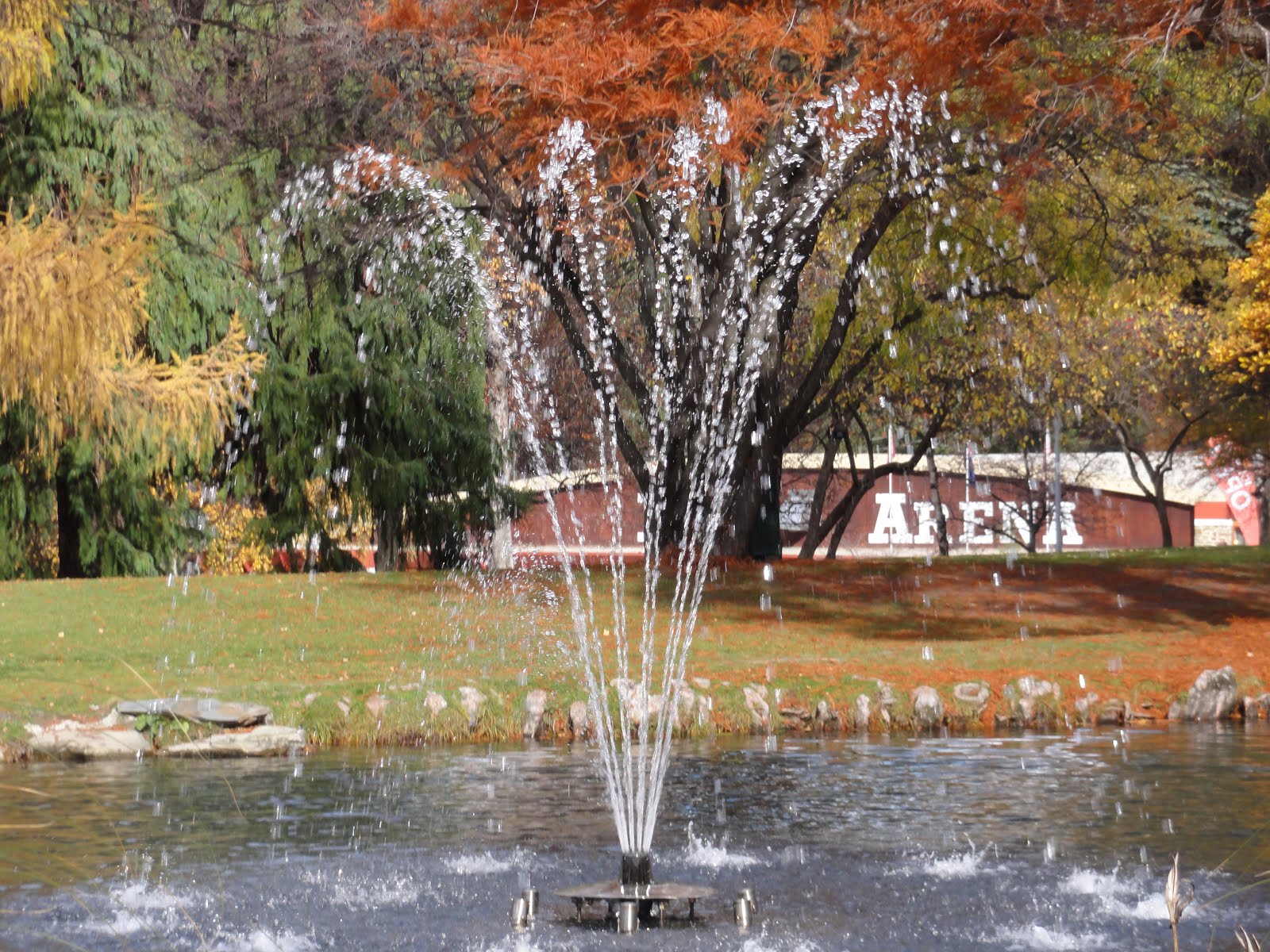
Searching for locations: Queenstown Gardens, Queenstown, New Zealand

Queenstown Gardens are not far from the center of Queenstown.  They are just down the hill from where we usually stay at Queenstown Mews.

More often than not we approach the Gardens from the lakeside during our morning walk from the apartment to the coffee shop.  You can walk alongside the lake, or walk through the Gardens, which, whether in summer or winter, is a very picturesque walk.

There’s a bowling club, and I’m afraid I will never be that sort of person to take it up (not enough patience) and an Ice Arena, where, in winter I have heard players practicing ice hockey.

I’m sure, at times, ice skating can also be done.

There is a stone bridge to walk across, and in Autumn/Winter the trees can add a splash of color.

There is a large water feature with fountain, and plenty of seating around the edge of the lake, to sit and absorb the tranquility, or to have a picnic.

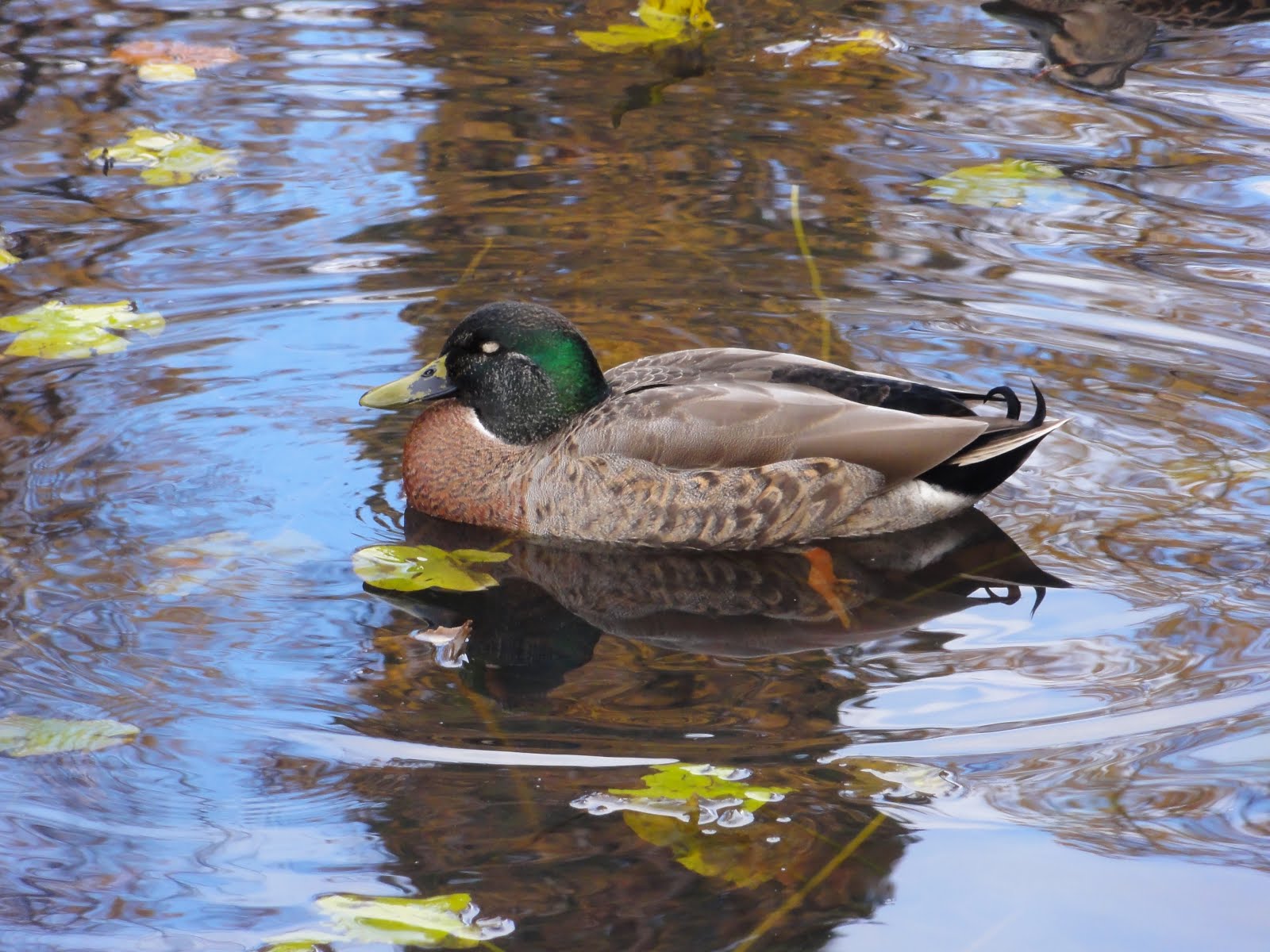
There are ducks in the pond

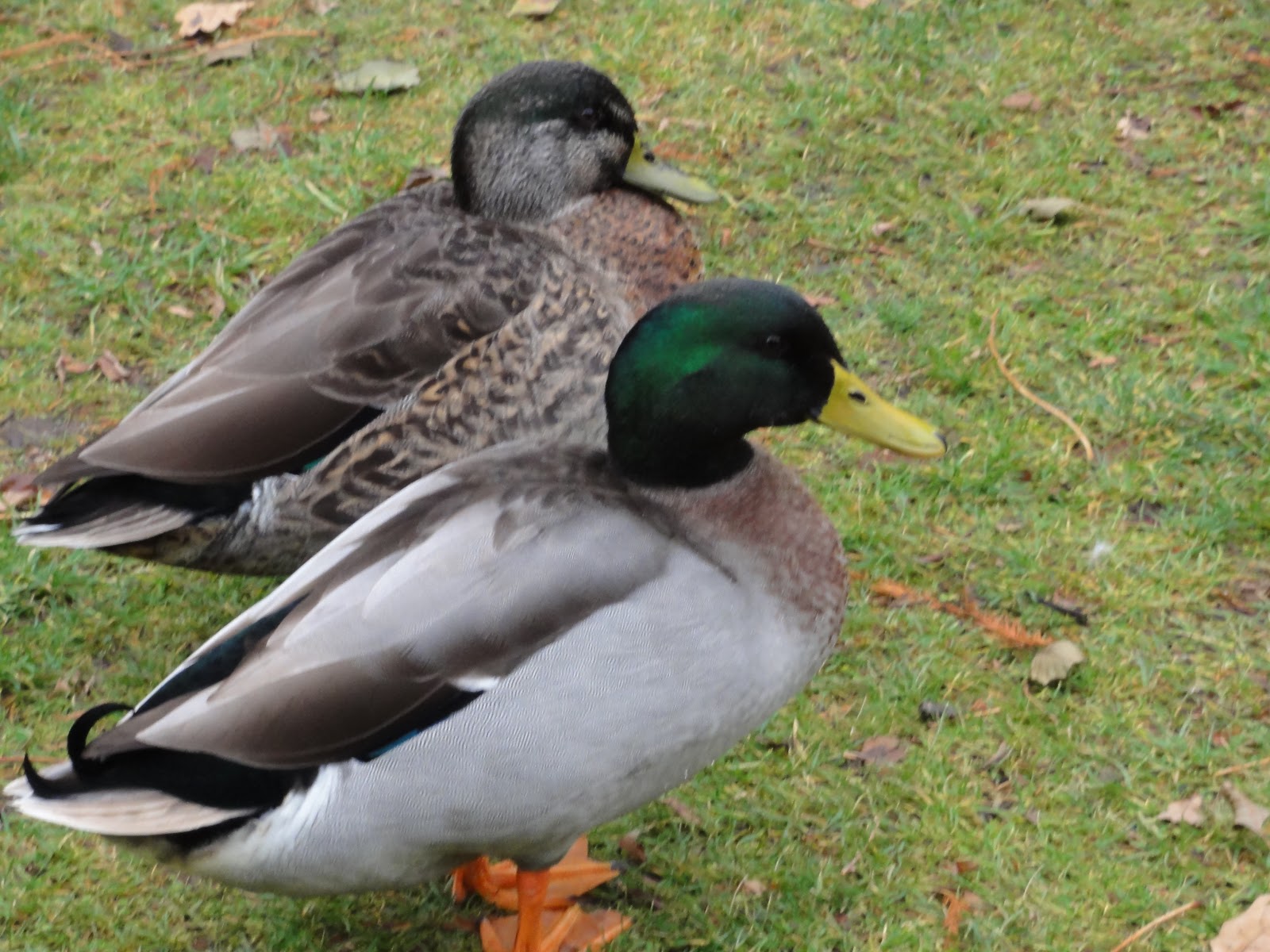
and out of the pond

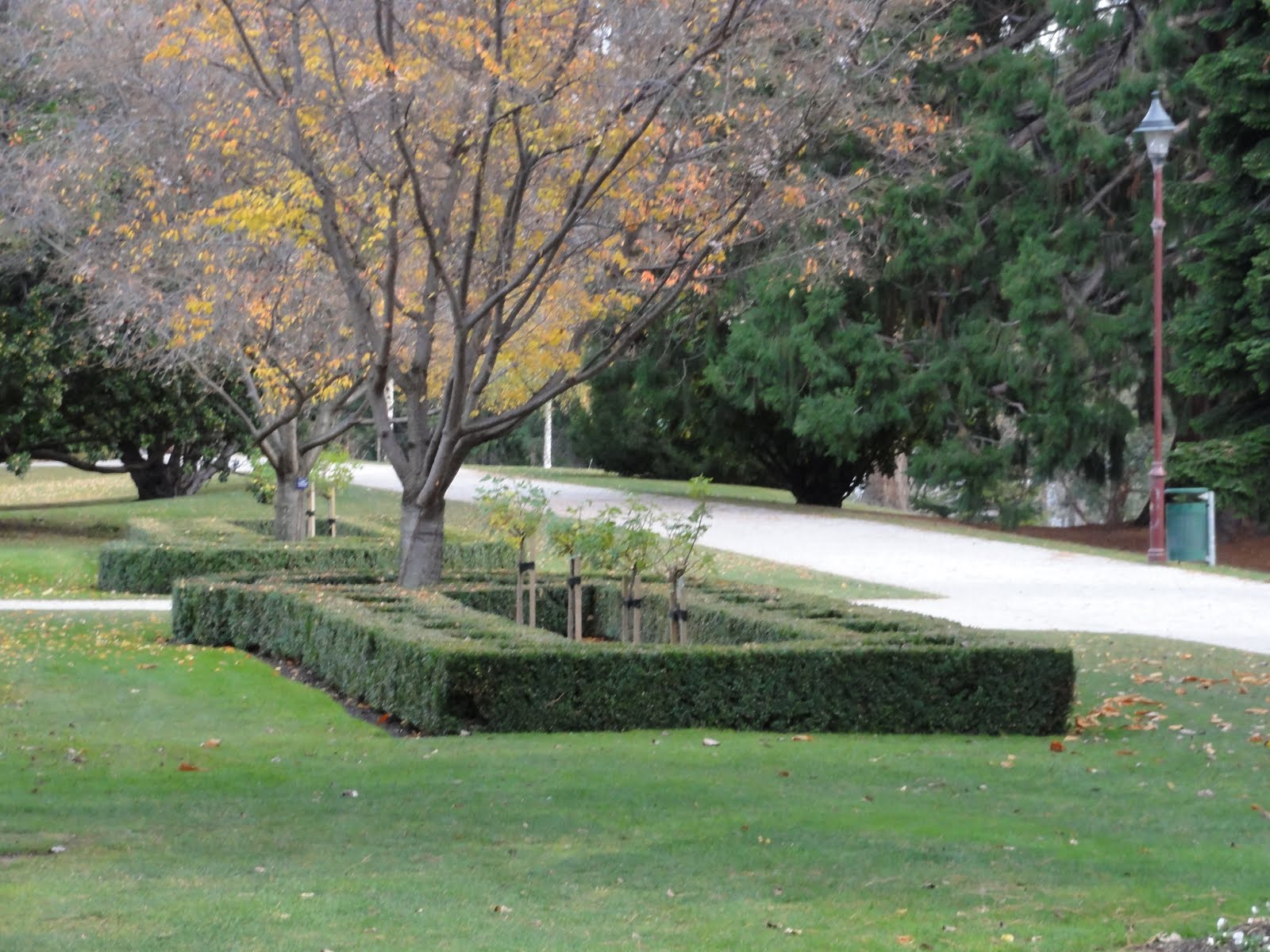
and plenty of grassed areas with flower beds which are more colorful in summer.  I have also seen the lawns covered in snow, and the fir trees that line the lake side of the gardens hang heavy with icicles.

Who do you think you are?

I have seen this television program once or twice, where a television personality digs into their past and sometimes they discover they had famous, or sometimes infamous, relatives.

I don’t think I would be so lucky, or unlucky as the case may be.

But, to be honest I haven’t really been interested in digging into the past.

On the other hand, my older brother has a keen interest in genealogy in general, borne from a desire to find out more about our family tree.

And he has gone back to the 1600s, for the relatives who came out from England, and no, they have no transported convicts, or at least he’s not saying.

Genealogy is a rather fascinating subject, and, I’ve discovered, is taught in university as a degree.  My brother has one now. 

What I didn’t realize is that I’ve been playing with it for years because in writing what might be called sagas you need to create your own set of mythical families, and then trace to forebears back in time.

I have one novel I’m writing that has required a family tree, and recently another for a story that required starting with a character who participated in the Eureka Stockade.  We had to create parents, a migration from England to Australia, and then construct a family tree through to today so we could write a story from the perspective of a fourth-generation girl at school doing a school project.

If that sounds complicated, believe me, it is.  But from my granddaughter who came up with the idea, she is very excited about it.

Much better than sitting in front of a computer playing games or a tv watching cartoons.

But once again I digress…

I have found a lot of genealogy stuff that my mother had been working on, and I’m taking it to my brother, and at the same time, l will get the latest installment on our family.

So far I’ve learned that I come from a combination of British relatives on both my mother and father’s side, the most recent my father’s mother who was born in England, and German from my mother’s side, her surname being Auhl.

No doubt, and with a great deal of irony, my relatives probably fought against each other in two world wars.

I’m sure more will be revealed on Wednesday.

But, the more I learn the more I feel inclined to create a fictionalized history with my family members as characters in the story.  At the moment a biographical account of the family would be reasonably boring since as yet no one notorious had been discovered.

An excerpt from “What Sets Us Apart”, a mystery with a twist

See the excerpt from the story below, just a taste of what’s in store…

http://amzn.to/2Eryfth

whatsetscover

McCallister was old school, a man who would most likely fit in perfectly campaigning on the battlefields of Europe during the Second World War. He’d been like a fish out of water in the army, post-Falklands, and while he retired a hero, he still felt he’d more to give.

He’d applied and was accepted as head of a SWAT team, and, watching him now as he and his men disembarked from the truck in almost military precision, a look passed between Annette, the police liaison officer, and I that said she’d seen it all before. I know I had.

There was a one in four chance his team would be selected for this operation, and she had been hoping it would be one of the other three. While waiting for them to arrive she filled me in on the various teams. His was the least co-operative, and the more likely to make ad-hoc decisions rather than adhere to the plan, or any orders that may come from the officer in charge.

This, she said quite bluntly, was going to end badly.

I still had no idea why Prendergast instructed me to attend the scene of what looked to be a normal domestic operation, but as the nominated expert in the field in these types of situations, it was fairly clear he wasn’t taking any chances. It was always a matter of opinion between us, and generally I lost.

In this case, it was an anonymous report identifying what the authorities believed were explosives in one of the dockside sheds where explosives were not supposed to be.

The only reason why the report was given any credence was the man, while not identifying himself by name, said he’d been an explosive expert once and recognized the boxes. That could mean anything, but the Chief Constable was a cautious man.

With his men settled and preparing their weapons, McCallister came over to the command post, not much more than the SUV my liaison and I arrived in, with weapons, bulletproof vests, and rolls of tape to cordon off the area afterward. We both had coffee, steaming in the cold early morning air. Dawn was slowly approaching and although rain had been forecast it had yet to arrive.

A man by the name of Benson was in charge. He too had groaned when he saw McCallister.

“A fine morning for it.” McCallister was the only enthusiastic one here.

He didn’t say what ‘it’ was, but I thought it might eventually be mayhem.

“Let’s hope the rain stays away. It’s going to be difficult enough without it,” Benson said, rubbing his hands together. We had been waiting for the SWAT team to arrive, and another team to take up their position under the wharf, and who was in the final stages of securing their position.

While we were waiting we drew up the plan. I’d go in first to check on what we were dealing with, and what type of explosives. The SWAT team, in the meantime, were to ensure all the exits to the shed were covered. When I gave the signal, they were to enter and secure the building. We were not expecting anyone inside or out, and no movement had been detected in the last hour since our arrival and deployment.

“What’s the current situation?”

“I’ve got eyes on the building, and a team coming in from the waterside, underneath. Its slow progress, but they’re nearly there. Once they’re in place, we’re sending McKenzie in.”

He looked in my direction.

“With due respect sir, shouldn’t it be one of us?” McCallister glared at me with the contempt that only a decorated military officer could.

“No. I have orders from above, much higher than I care to argue with, so, McCallister, no gung-ho heroics for the moment. Just be ready to move on my command, and make sure you have three teams at the exit points, ready to secure the building.”

McCallister opened his mouth, no doubt to question those orders, but instead closed it again. “Yes sir,” he muttered and turned away heading back to his men.

“You’re not going to have much time before he storms the battlements,” Benson quietly said to me, a hint of exasperation in his tone. “I’m dreading the paperwork.”

It was exactly what my liaison officer said when she saw McCallister arriving.

The water team sent their ‘in position’ signal, and we were ready to go.

In the hour or so we’d been on site nothing had stirred, no arrivals, no departures, and no sign anyone was inside, but that didn’t mean we were alone. Nor did it mean I was going to walk in and see immediately what was going on. If it was a cache of explosives then it was possible the building was booby-trapped in any number of ways, there could be sentries or guards, and they had eyes on us, or it might be a false alarm.

I was hoping for the latter.

I put on the bulletproof vest, thinking it was a poor substitute for full battle armor against an exploding bomb, but we were still treating this as a ‘suspected’ case. I noticed my liaison officer was pulling on her bulletproof vest too.

“You don’t have to go. This is my party, not yours,” I said.

“The Chief Constable told me to stick to you like glue, sir.”

I looked at Benson. “Talk some sense into her please, this is not a kindergarten outing.”

He shrugged. Seeing McCallister had taken all the fight out of him. “Orders are orders. If that’s what the Chief Constable requested …”

Madness. I glared at her, and she gave me a wan smile. “Stay behind me then, and don’t do anything stupid.”

“Believe me, I won’t be.” She pulled out and checked her weapon, chambering the first round. It made a reassuring sound.

Suited up, weapons readied, a last sip of the coffee in a stomach that was already churning from nerves and tension, I looked at the target, one hundred yards distant and thought it was going to be the longest hundred yards I’d ever traversed. At least for this week.

A swirling mist rolled in and caused a slight change in plans.

Because the front of the buildings was constantly illuminated by large overhead arc lamps, my intention had been to approach the building from the rear where there was less light and more cover. Despite the lack of movement, if there were explosives in that building, there’d be ‘enemy’ surveillance somewhere, and, after making that assumption, I believed it was going to be easier and less noticeable to use the darkness as a cover.

It was a result of the consultation, and studying the plans of the warehouse, plans that showed three entrances, the main front hangar type doors, a side entrance for truck entry and exit and a small door in the rear, at the end of an internal passage leading to several offices. I also assumed it was the exit used when smokers needed a break. Our entry would be by the rear door or failing that, the side entrance where a door was built into the larger sliding doors. In both cases, the locks would not present a problem.

The change in the weather made the approach shorter, and given the density of the mist now turning into a fog, we were able to approach by the front, hugging the walls, and moving quickly while there was cover. I could feel the dampness of the mist and shivered more than once.

It was nerves more than the cold.

I could also feel rather than see the presence of Annette behind me, and once felt her breath on my neck when we stopped for a quick reconnaissance.

It was the same for McCallister’s men. I could feel them following us, quickly and quietly, and expected, if I turned around, to see him breathing down my neck too.

It added to the tension.

My plan was still to enter by the back door.

We slipped up the alley between the two sheds to the rear corner and stopped. I heard a noise coming from the rear of the building, and the light tap on the shoulder told me Annette had heard it too. I put my hand up to signal her to wait, and as a swirl of mist rolled in, I slipped around the corner heading towards where I’d last seen the glow of a cigarette.

The mist cleared, and we saw each other at the same time. He was a bearded man in battle fatigues, not the average dockside security guard.

He was quick, but my slight element of surprise was his undoing, and he was down and unconscious in less than a few seconds with barely a sound beyond the body hitting the ground. Zip ties secured his hands and legs, and tape his mouth. Annette joined me a minute after securing him.

A glance at the body then me, “I can see why they, whoever they are, sent you.”

She’d asked who I worked for, and I didn’t answer. It was best she didn’t know.

“Stay behind me,” I said, more urgency in my tone. If there was one, there’d be another.

Luck was with us so far. A man outside smoking meant no booby traps on the back door, and quite possibly there’d be none inside. But it indicated there were more men inside, and if so, it appeared they were very well trained. If that were the case, they would be formidable opponents.

The fear factor increased exponentially.

I slowly opened the door and looked in. A pale light shone from within the warehouse itself, one that was not bright enough to be detected from outside. None of the offices had lights on, so it was possible they were vacant. I realized then they had blacked out the windows. Why hadn’t someone checked this?

Once inside, the door closed behind us, progress was slow and careful. She remained directly behind me, gun ready to shoot anything that moved. I had a momentary thought for McCallister and his men, securing the perimeter.

At the end of the corridor, the extent of the warehouse stretched before us. The pale lighting made it seem like a vast empty cavern, except for a long trestle table along one side, and, behind it, stacks of wooden crates, some opened. It looked like a production line.

To get to the table from where we were was a ten-yard walk in the open. There was no cover. If we stuck to the walls, there was equally no cover and a longer walk.

We needed a distraction.

As if on cue, the two main entrances disintegrated into flying shrapnel accompanied by a deafening explosion that momentarily disoriented both Annette and I. Through the smoke and dust kicked up I saw three men appear from behind the wooden crates, each with what looked like machine guns, spraying bullets in the direction of the incoming SWAT members.

They never had a chance, cut down before they made ten steps into the building.

By the time I’d recovered, my head heavy, eyes watering and ears still ringing, I took several steps towards them, managing to take down two of the gunmen but not the third.

I heard a voice, Annette’s I think, yell out, “Oh, God, he’s got a trigger,” just before another explosion, though all I remember in that split second was a bright flash, the intense heat, something very heavy smashing into my chest knocking the wind out of me, and then the sensation of flying, just before I hit the wall.

I spent four weeks in an induced coma, three months being stitched back together and another six learning to do all those basic actions everyone took for granted. It was twelve months almost to the day when I was released from the hospital, physically, except for a few alterations required after being hit by shrapnel, looking the same as I always had.

But mentally? The document I’d signed on release said it all, ‘not fit for active duty; discharged’.

It was in the name of David Cheney. For all intents and purposes, Alistair McKenzie was killed in that warehouse, and for the first time ever, an agent left the Department, the first to retire alive.

I was not sure I liked the idea of making history.

© Charles Heath 2016-2020

Searching for locations: Queenstown, New Zealand, from the top of a mountain

You take the gondola up to the Skyline and get some of the most amazing views.

Below is a photo of The Remarkables, one of several ski resorts near Queenstown.

You can see the winding road going up the mountainside.  We have made this trip several times and it is particularly frightening in winter when chains are required.

theremarkables3

In the other direction, heading towards Kingston, the views of the mountains and the lake are equally as magnificent.

theviewfromthegondolaquwwnstown

Or manage to capture a photo of the Earnslaw making its way across the lake towards Walter Peak Farm.  It seems almost like a miniature toy.