There’s something to be said for a story that starts like a James Bond movie, throwing you straight in the deep end, a perfect way of getting to know the main character, David, or is that Alistair?
A retired spy, well not so much a spy as a retired errand boy, David’s rather wry description of his talents, and a woman that most men would give their left arm for, not exactly the ideal couple, but there is a spark in a meeting that may or may not have been a setup.
But as the story progressed, the question I kept asking myself was why he’d bother.
And, page after unrelenting page, you find out.
Susan is exactly the sort of woman to pique his interest. Then, inexplicably, she disappears. That might have been the end to it, but Prendergast, that shadowy enigma, David’s ex-boss who loves playing games with real people, gives him an ultimatum, find her or come back to work.
Nothing like an offer that’s a double-edged sword!
A dragon for a mother, a sister he didn’t know about, Susan’s BFF who is not what she seems or a friend indeed, and Susan’s father who, up till David meets her, couldn’t be less interested, his nemesis proves to be the impossible dream, and he’s always just that one step behind.
When the rollercoaster finally came to a halt, and I could start breathing again, it was an ending that was completely unexpected.
It was the mantra my mother used all the time to lament our bad luck; that it was always someone else’s fault.
Like the family cutting her off when she married my father, like when my father left when my brother and I were very young, like my mother’s choice of partners after he left.
Like when our mother died, we were sent to the orphanage. Like when I was allotted to a family and my brother was kept in the orphanage because of his so-called bad behaviour.
I was probably too young to understand because he had been his normal self to me, except perhaps when he was protecting me from other children, and some of the supervisors, but that was what big brothers did. I wanted to stay with him, but he told me to go, to get away as far as I could, and never look back.
He promised he could come and find me sooner rather than later, and I trusted him.
But for some reason, I did not hear from him again. He did not answer my letters, and twice I tried to go back to the orphanage, only to be taken home again. My foster parents, as nice as they were, refused to take me there, but in the end, they agreed to send someone to investigate.
Many months later, they showed me a letter from the head of the orphanage advising that Jake, my brother, had found a suitable situation with a family on the other side of the country. No other details were forthcoming, just that he was no longer there.
It didn’t seem right, but as a twelve-year-old there was little I could do, and although my foster parents were sympathetic and said they would do what they could to find out more, they hired a private detective to see what he could find; and after a year, the report had very little detail, he had simply disappeared. He said, as time passed, the trail, as they called it, had gone cold.
A dozen more years passed and although I hadn’t forgotten Jake, I told myself he had been as lucky as I was, in a home where he was loved and treated with kindness, something that had been lacking in the orphanage.
But in that time, memories of what happened during that time I was there came back, memories that I was too young at the time to process, memories that pointed to what could only be described as a house of horrors.
When the psychiatrist I’d been seeing had worked out exactly what had happened to me, he had alerted the police to what was happening there. It wasn’t a revelation that I was not the only child that had been put through hell.
But by the time everyone realised what that place was, it was too late.
I did my time at school, followed in the footsteps of my adoptive parents by studying law, and came out the other end with offers from some very prestigious law firms.
I spoke to the one I wanted to accept, advising them there would be one condition that I wanted to find my brother. They set a limit of three months, and I believed, at that time, it would take less.
That was until I arrived in the town where the orphanage was located and discovered it was now a city, and worse still, where there was once a church, orphanage and farm, it was now the site of a half-finished shopping mall, and there was nothing left behind.
One of the foremen saw me standing near the gate and came over.
“Can I help you?”
“There used to be an orphanage and church here?”
“They pulled it down a year ago. Property developers snapped it up, and we’re building a shopping mall and a thousand houses, give or take.”
“Where did the records go?”
He shrugged. “I just build stuff. What happens before I get here is someone else’s problem. I did hear a rumour bad stuff went on here, and the state shut it down a few years back. Perhaps you should go to the county records office and talk to them. They’d know more.”
“Thanks.”
When I didn’t move and stood there with glistening eyes reliving a bad moment, he asked, “What’s your interest in this place? Are you a reporter? There’s been a few over the last month or so.”
I shook off the memory and looked at him, “My brother and I were sent here. They found us homes to go to but not the same one. I’m trying to find him.”
He didn’t answer, and I got the feeling he knew more about what happened here but was reluctant to talk about it. He walked off, and I got out of the way of a cement truck, one of three that had passed through the gates while I’d been there.
I spent a few minutes staring at where the main orphanage building had been, and the memories that had laid dormant for many years suddenly came flooding back. I shuddered. This place was cursed.
He’d mentioned reporters, and they only came when there was news. My first stop should be the newspaper office. They’d know the story of what happened.
The sign across the top of the large window said, ‘The Sentinel’, and I got the feeling something was missing. The city name, perhaps. A shopfront could not be the home of such a newspaper, but perhaps in the internet age, papers had lost their dominance.
I know I read my news from my cell phone.
I had also considered running a search on the orphanage but when it came back with several billion hits, I thought it better to see if I could find someone with first-hand knowledge.
Then, finally, in the place where I could get some answers, there was something about the truth I didn’t think I wanted to know. It was what was stopping me from going through that door because deep down, I knew whatever I learned, it was not going to be good.
For a while now, after I discovered some of the stuff that went on in that place, I think deep down I knew that Jake didn’t survive, that Jake being Jake, he would have put himself in harm’s way to save someone who was not able to help themselves as he had done for me.
And I was here, now, because of him.
Again, someone noticed I was hanging around outside, and instead of calling the police, they came out to ask if I had a problem.
I didn’t but I said I wanted some information.
Inside, it looked nothing like what I imagined a newspaper office would look like, just a half dozen people sitting at desks, and one of three offices with a man in shirt sleeves and a harassed look.
The person who came out was Naomi. She was the events reporter. She took me to a desk that had the name Robert Rand. He was, she said, the investigative reporter and worked on the orphanage story. He was just out doing the coffee run. Five minutes later he came back. It was a face that seemed familiar. He was not much older than I was,
He stood in front of me for a minute, then said, “You’re Jake’s little brother, aren’t you?”
And then I saw a tear in his eyes.
“Are you alright?”
“No. But I will be. Look, give me a minute to sort out the work, and we can talk in the meeting room. I won’t be long.”
He pointed to the room and I walked over and sat down. I was in two minds whether I wanted to know the truth, and in the end, I decided to let him tell me what he wanted.
He was more composed when he finally joined me. “He was our hero, nnn. I was so glad he got you out of there. He saved at least fifty of us and if you like, I can put you in touch with all of them. They would be so grateful to meet you. It’s sort of like a survivor’s club.”
“I would like that, yes. These people knew my brother?”
“We did. He knew what those people were doing, and he fought them, at great cost to himself. One by one, he got us out of there, and when we eventually convinced the authorities about the bad things that were happening, he was gone. We were told he had been sent away in a placement, but we believed he was killed, the fate of quite a few others who fought back, and buried somewhere on that plot. No one is quite sure what happened, it was so hectic in the last few months, certainly, once the police started investigating, all of the children, some two hundred and thirty were transferred out and the place shut down.”
“Does anyone have the records?”
“They tried to burn everything, but we managed to rescue a lot of the paperwork. Enough to find out that at least four thousand children went through that place, nearly a thousand simply disappeared, another thousand placed, and the rest were molested, some quite horrifically. And it wasn’t just the priests who were the perpetrators, some of the staff, the townspeople who worked there, were just as bad, people you would not expect. This place will never be the same. Not for us, anyway. How did you go after you left?”
“I had the two best foster parents a child could get. I was lucky. I wanted to know what happened to Jake, they tried to find out, but they couldn’t. Not even a private detective had any luck.”
“No one could. They had everyone on their side, either paying them off or admitting them to their inner circle. At first, no one would believe us, you know, who would believe a child over a grown responsible adult? It was how they got away with it. Then as more and more children came forward, they had to believe us.”
I came back to the part of the conversation where he said he believed Jake might be buried there. “Who would know?”
“The head priest, Father Wollmer. He was the worst of them all. He knows where the bodies are buried, but he’ll never tell.”
“Is he still alive?”
“Yes. In the county jail, maximum security. And away from the other prisoners. They would kill him if they saw him. Even the other prisons, no matter how bad they are, do not like people like him.”
“Do you think I would be able to see him?”
“You don’t want to. He is evil personified, nnnn. The devil incarnate, the prosecutor said. He had an excuse and a reason for everything he did. The Lord’s work was his excuse, over and over, and he honestly believed he did nothing wrong.”
“Just the same, I would like to see him.”
“I’ll see what I can do, but don’t get your hopes up. I doubt they’ll let one of his victims in to see him.”
Three weeks later, after several court appearances, and many hurdles crossed, not the least of which were put up by the priest himself, I found myself sitting in a room with a lawyer on one side and Rober Rand on the other.
This was going to be an interesting follow-up story, though it had the potential of being very distressing all over again for both of us.
I wasn’t sure how I would feel, or react to seeing that monster again, and continually told myself it was all about Jake, that my feelings or hatred or disgust was not to get in the way of finding out where he was.
We waited a half hour and then following several thunks of locks being opened and the squeaking of an opening door, the man I had come to dread came into the room.
He was no longer the figure in my nightmares; he was just this dishevelled old man who was nothing like the man he once pretended to be. No cassock, just ill-fitting prison clothes, battered and bruised. He looked like he’d been hit by a bus.
He was basically dragged to the chair and shoved into it. Both guards stood on either side of him.
His head was bowed, not looking at me. Nor had he, other than a brief glance, to see who it was.
“You can continue to ignore me, but I’m not going anywhere until you tell me where my brother is.”
A mousy little voice returned, “I have no idea who you are talking about.”
“Look at me,” I said with a calmness that belied what I was feeling.
I could feel the anger building in me, and I knew I had to quell it. I wanted to get out of my chair, go over to him, and just keep hitting him over and over and over.
He didn’t lift his head, so one of the guards grabbed him by the hair and jerked his head up. “Look at him, or there will be consequences.”
The so-called priest opened his eyes and looked at me.
“You know exactly who I am. I know who you are and what you did to me and others until Jake stopped you. What did you do to him?”
“I sent him away.”
“You did not,” Robert spoke. “I was there too. A dozen of us know you punished him when he tried to help us, that you held him up as an example of what we should not be doing, but you never sent him away.”
“He was a troublemaker. He needed to be punished.”
“Where is he?” I asked again.
He just stared at me with a look of defiance. He knew exactly what I was asking. He knew where the bodies were buried.
I looked at one of the guards. “I know that look. I spent enough time with this animal to know everything there is to know. He trusted me with his secrets.”
His head shot up and glared at me. “You know nothing.”
Bad dreams or nightmares of not only the awful things he did to me and others, but there were also times when he fell asleep before sending us back to our dormitories.
I got as far away as I could, hiding in a corner where I couldn’t see him. But it came to be not so much about seeing him, about what he did to us. It was having his voice in our heads, hearing him talk in his sleep.
It was where, over time, I and others learned about a tormented childhood, the hold his mother had over him, and what she put him through. It was exactly what he did to us. It was not an excuse, it was not a reason for that behaviour, it was like it was ingrained into his soul and done without thought of consequences.
Because I was too young at the time, a lot of it made no sense at the time, but when I grew up and the nightmares returned, so did the whole story. Everything he had done he had done for his mother, and she was out there enjoying her life of luxury off the backs of us children.
“I know everything. And I’m going to give you one chance to tell me where Jake is. Otherwise, I will go to the authorities and tell them the whole story, and particularly that of Isobel Mackenzie. It’s the one name that never came up in the investigation. You can’t protect her.”
It got the reaction I wanted. He tried very hard to get out of that chair and get me, with such ferocity and screaming the foulest language about what he’d do to me when he clothes his hands on me, the guards had to virtually beat him back down on the chair.
It scared the hell out of me and Robert.
I waited until he was quiet and then asked, “Where is Jake?””
After a minute, he lifted his head and looked at me. He was deranged, there was no question about it, and to me, it looked like the demon had taken over his body and mind.
“He’s in a place where you will never find him. He’s with Mary Magdalene now, who has forgiven his sins, and he is now and will forever be resting in peace. As for anything else you think you might know, you don’t, and it’s not a path you want to take. Your brother gave up his freedom and his life to save you, Nnnn, don’t throw away that gift. No go, and never come back. I will answer no more of your questions, now or ever.”
And that was basically it. He didn’t answer any more questions. He didn’t do much of anything after that final speech because the exertion of trying to get to me had caused him to have a stroke, and three days later, he died.
It didn’t give me closure when I was told of his passing. There was no absolution, there was no forgiveness, and my only thought was that he should now be in a special kind of hell for all eternity.
It didn’t get me any further in my quest, and having hit a brick wall, it was time to go back home, get myself together, and concentrate on living the rest of my life.
The psychiatrist had continually emphasised that I had to concentrate on moving on from the past and not let that define who I was. It was now all about the future. What made it hard was not knowing what happened to Jake or where he was now.
Woolmer had said he was dead. I had to believe him. I had to believe he was in a better place, and I would put in a prayer for him every night.
Bags packed. I had one last stop before getting on the bus. I wanted to say goodbye to Robert and thank him for all of his help. He was going to give me the names of other victims so we could talk because, for him and a lot of other victims, it was part of the healing process.
He was at his desk when I arrived, looking at photographs of the orphanage grounds. I was standing behind him as he slowly scrolled through them, a historical montage of hell on earth.
Some would argue that it would be better if they were destroyed so that they could not remind people of the terrible events that had taken place there. I would argue that the world needed to be reminded that this was only the tip of the iceberg.
Whatever it was, for a few minutes, it took me back, and for once, it did not reduce me to a quivering emotional mess. I was stronger now, a survivor, and one of the lucky people. There were a lot who got past the horror.
Then I noticed the hedge. We all thought that hedge was part of the wall that surrounded the property, with a single gate, one we had thought might be the route to freedom.
No one had gotten it open, and no one had ever seen it open. No one knew what was on the other side. Once we went into the orphanage, we never left unless we were placed in a foster home.
“Did anyone find out what was on the other side?” I asked.
“As a matter of fact, yes. A garden. It had a fountain with a statue in the middle, and going out in concentric circles, rose and flower beds, and lawn pathways. It was quite large.”
He showed the next three photographs of the garden that had fallen into disrepair s lot of the roses overgrown and the lawns just tall weeds.
The fountain was broken and slimy and the statue covered over with ivy. The next two were after someone had cleared away the overgrowth and it showed the statue to be that of a woman.
Then Robert simply said, “Fuck,” which seemed to me to be an entirely inappropriate response. “You know who that is, that statue. They were always banging in about the mother of Jesus. Mary Magdalene. That’s a statue of Mary Magdalene.”
And in that exact moment, we both know the significance of what Woolmer had said, believing that the development company would have bulldozed everything and therefore erased it from memory. It was probably one of the conditions of sale.
“The rose bushes were markers. Buried under the careful watch of Mary Magdalene.”
I did not make a friend with the construction supervisor because the moment Robert spoke to the sheriff, all work stopped on the site.
The garden was now a carpark, one of the first parts of the site to be completed, where the site officers were located, and the workers parked their cars.
The garden site was painstakingly measured our and then the concrete was removed. Then, the forensic archaeologists moved in, and over the next six months, the bones of 146 children and 45 adults were found, one of whom was identified as Jake through a DNA match. He had been dead for at least five years.
A year after that, he was given a proper burial after a service that was attended by nearly 400 of the victims all of whom knew him or knew of him, a lot thankful that he had sacrificed so much that they may live.
I was reminded at the end that bad things happened to good people, but the memory of their deeds will live on forever.
In contrast, bad things also happened to bad people, and in their case, no one cared what happened to them. Woolmer disappeared, no one knew where the body was buried, and no one cared.
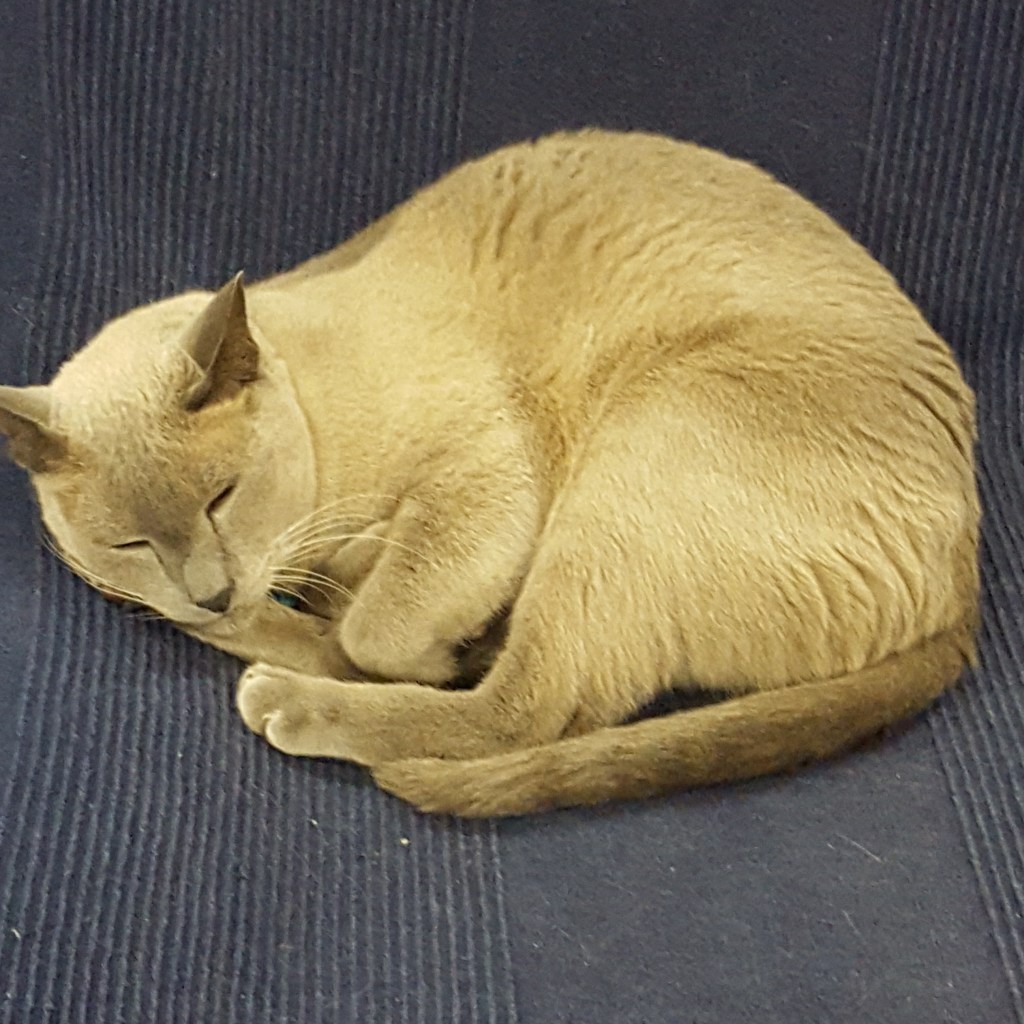
As some may be aware, but many not, Chester, my faithful writing assistant, mice catcher, and general pain in the neck, passed away some years ago.
Recently I was running a series based on his adventures, under the title of Past Conversations with my cat.
For those who have not had the chance to read about all of his exploits I will run the series again from Episode 1
These are the memories of our time together…
This is Chester.
It’s been a long summer, and it’s not only the heat that’s been bothering him.
It’s been school holidays, and along with many households where it’s not possible for parents to go on holidays, it falls to the grand parents to mind children. It’s a job I take seriously, and also a time to be spent with them before they grow up and disappear into the adult world.
Chester, however, only sees it from a cat’s point of view. To him, they’re trouble, but perhaps not without reason. They did torment him something terrible when they were young.
Of course, what he fails to realise is that children when young don’t quite understand animal etiquette, that is they should be treated with care.
But, I said in their defence, when you were a kitten you were an absolute monster, sinking your claws into everything, ruined lounge chairs and curtains, unravelled balls of wool, and, this was the cruncher, refused to chase mice.
Of course, as usual, when the arguement goes against him, those eyes close, and he pretends he’s asleep. It doesn’t fool me. But once that happens, no one scores any points.
And something else I’ve noticed, his memory is fading.
Of course, I didn’t tell him that they don’t officially go back till Wednesday, so he’s in for a surprise tomorrow morning.
I’m back home and this story has been sitting on a back burner for a few months, waiting for some more to be written.
The trouble is, there are also other stories to write, and I’m not very good at prioritizing.
But, here we are, a few minutes opened up and it didn’t take long to get back into the groove.
Chasing leads, maybe
Was it too late to admit that I was way in over my head?
Of course, it should not come as a surprise that Jan would know of his alter ego if she was the friend she said she was. Her name was on that scrap of paper with part of the address, and I should have guessed.
Again, my lack of knowledge and training was letting me down.
Now it seemed I had both Severin and Maury, Nobbin and Josephine, and Jan all working against me.
He had more enemies that I did, which begged the question, what the hell was he in to? What could he possibly have found that was so damaging?
Perhaps I’d find that out if or when I found the missing USB drive.
In the meantime, I had to get back to the hotel before Jan did and try and keep a straight face.
But just as I started to put the seat belt on, another figure was walking from the road towards the front door. A man, tall, with a purposeful stride.
The light was still on so I would get to see who it was once he reached the door. Then I saw the front door open, and Jan standing in it. A second later I saw the face, just as he passed through the doorway and the door shut.
Severin.
She had lied. So, why was it making me so angry?
I should have realized the whole Maury thing was a setup. She hadn’t called her office, she had called Severin, and he can’t have been far away to get there in the time he had.
So, why didn’t he drag me off?
Easy. So I would see the need to keep working with Jan, and in doing so, when I found the USB I’d tell her, and the next minute I’d get whacked over the head, and lose it.
Damn.
I was being played like a finely tuned fiddle.
But at least I knew about the car and had removed any evidence and the letters that were left on the ground inside the door. It was something, and she would not find anything to help her, even if she knew he had a car. It meant I was one step ahead of her.
After thanking a last look at the block, I left. Better to find somewhere else to stay, just for tonight, and then go back to the hotel in Charing Cross and see if she returned.
I found a small hotel just off Bromley Road, a short distance down Avondale Road. Out of the way and unassuming, with car parking that couldn’t be seen from the main road. The late hour raised an eyebrow, but I used the excuse of getting in late from the airport. After all, it was 02:30 in the morning and I was surprised there was anyone available on the front counter.
He gave me a room tucked away in a corner where there was only one entrance, and I could see anyone coming. I wasn’t expecting anything, but just in case I had checked the car for a tracker.
None that I could find.
I needed sleep, but lying there staring at the ceiling, I replayed the arrival of Jan at the flat, followed by Severin. It was a reminder that I should not believe or trust anyone.
It reminded me of the words of one of the instructors who said, one morning, quite abruptly, that we were about to become the loneliest people in the world. If we trusted anyone, even if they were from our own side, it could mean one thing and one thing only. Death.
We could not and should not trust anyone.
We should not believe a word of anything anyone tells us.
We should not recruit anyone from outside the service because unless they could be fully vetted, they could be your undoing.
We could not have friends, and certainly no romantic interests otherwise they would be used as leverage against us.
It was the worse hour lecture we’d been given, and the instructor had told us he had left the best till last. It was time to decide whether we wanted to go on or bail. Several had.
This book has finally come back from the Editor, so this month it is going to get a second revision, a second draft for the editor, and beta readers.
…
I’m going over the conversation Olga is having with John now that he is her prisoner.
On the first run through it seemed to make sense, but as we all know, when you read the conversation out loud, often it sounds terrible.
A question of, “Would I say that?”
Whilst snatching John off the street was a rather simple task, made easier by the fact he was not expecting it, Olga is not sure whether it is a big act.
Working with Irina has made her wary of everyone and everything, even more so since Irina had left her charge, but she knows just how much Irina evolved into the Zoe her son tried to keep on a leash, with spectacularly awful results.
Had she been training John to be like her?
Has Sebastian been training John to become a spy, or was he one already? After all, why is someone like John, if he is that reputed computer nerd type, doing with a girl like Irina.
Her preference would have to be someone strong, authoritative, and masculine, like Alistair. The problem was she hadn’t driven out all of the emotions in the time she spent with her.
So, sitting opposite each other, John and Olga try to do their individual assessments.
She finally admits that she doesn’t want to kill Irina, just rehabilitate her.
John, of course, is horrified at the thought of them brainwashing her, especially if they send her after him again.
It comes down to a single point. Will he do as she asks, and invite her to come and get him?
Neither of them realizes Irina already knows where they are, and any plans Olga might have will be useless.
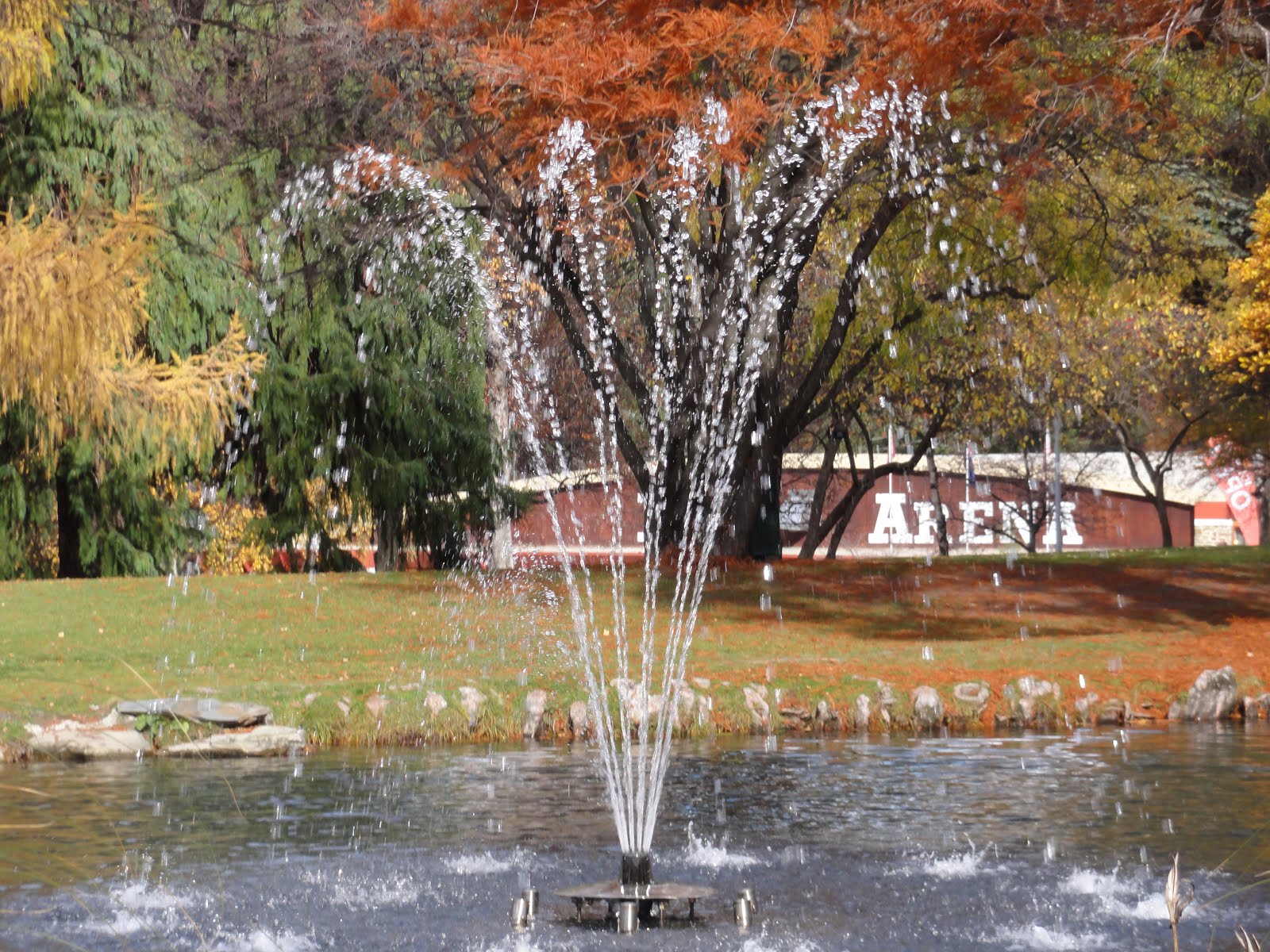
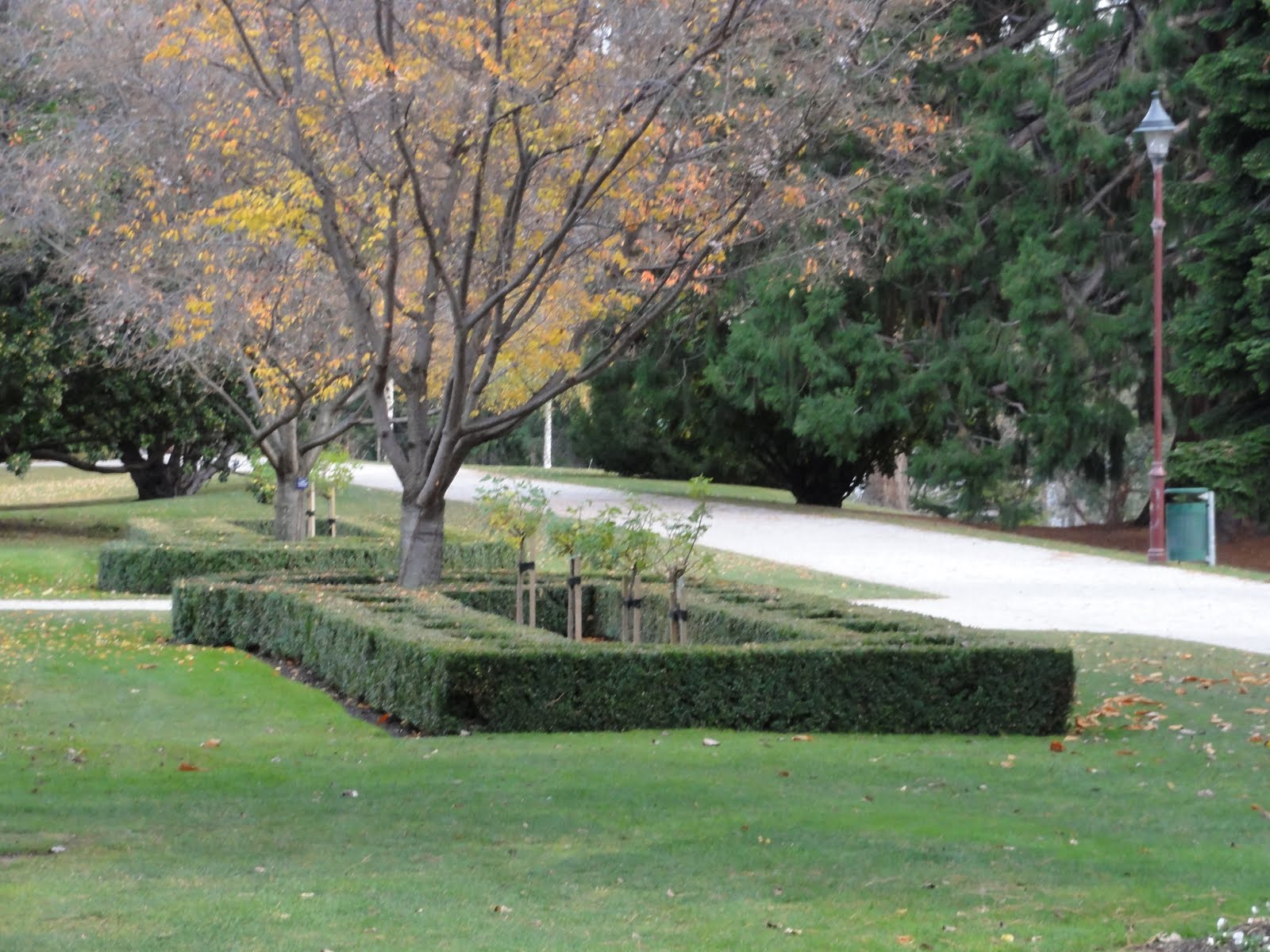
Queenstown Gardens are not far from the center of Queenstown. They are just down the hill from where we usually stay at Queenstown Mews.
More often than not we approach the Gardens from the lakeside during our morning walk from the apartment to the coffee shop. You can walk alongside the lake, or walk through the Gardens, which, whether in summer or winter, is a very picturesque walk.
There’s a bowling club, and I’m afraid I will never be that sort of person to take it up (not enough patience) and an Ice Arena, where, in winter I have heard players practicing ice hockey.
I’m sure, at times, ice skating can also be done.
There is a stone bridge to walk across, and in Autumn/Winter the trees can add a splash of color.
There is a large water feature with fountain, and plenty of seating around the edge of the lake, to sit and absorb the tranquility, or to have a picnic.
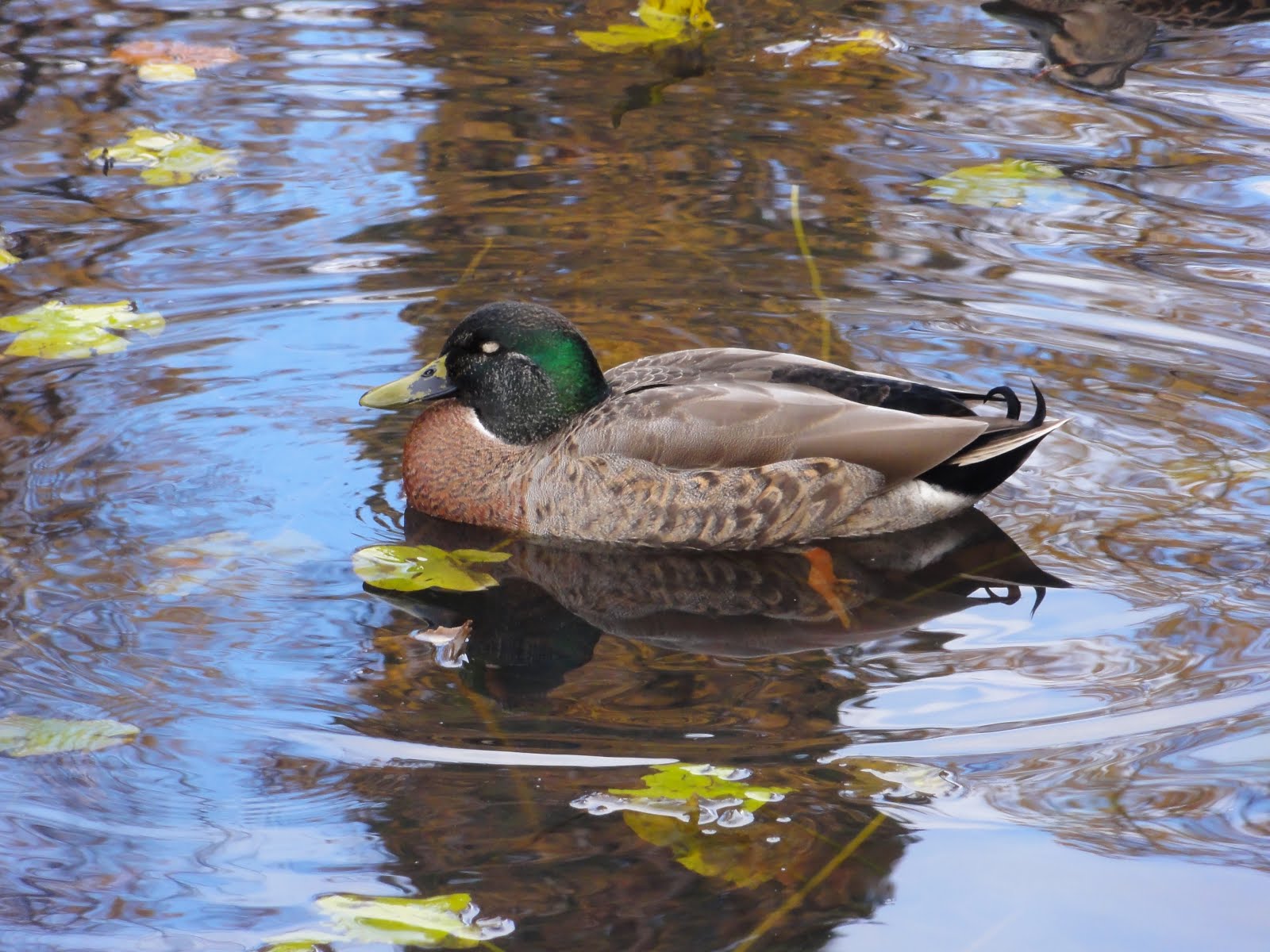
There are ducks in the pond
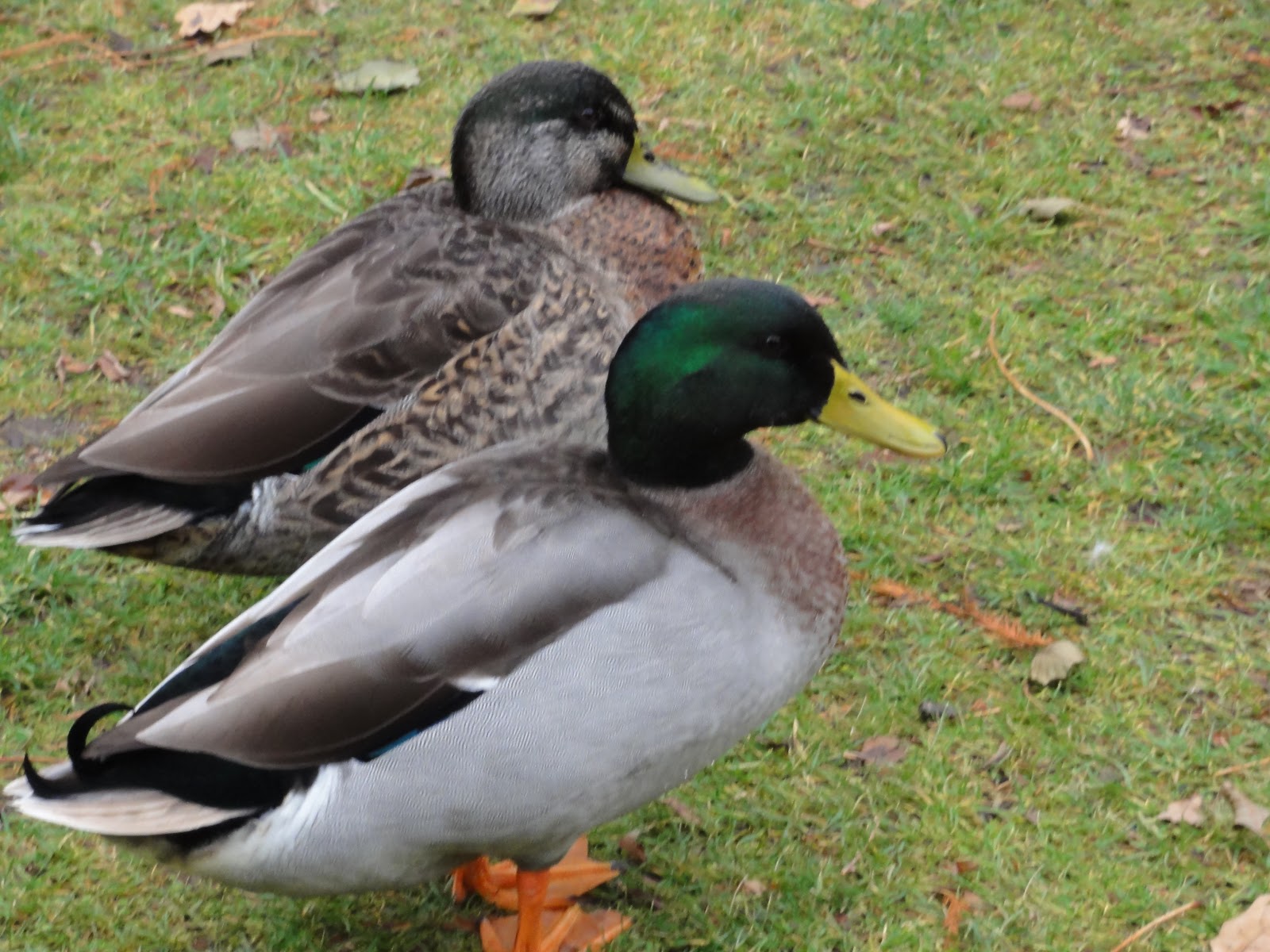
and out of the pond
and plenty of grassed areas with flower beds which are more colorful in summer. I have also seen the lawns covered in snow, and the fir trees that line the lake side of the gardens hang heavy with icicles.
Take all the paper out of the file, throw it up in the air, wait until it all lands on the floor, and then take the first piece of paper nearest to you to start.
Perhaps fate is being kind to me because the sheet had the word paranoia on it.
To begin the story, we need to paint a picture of a successful woman running a charitable offshoot that manages the money her inheritance had bequeathed to be used for charitable purposes.
Why not just hand it over to a proper charity and let them do the dirty work?
She did once and found most of it went to administration and very little landed in the hands of those who needed it.
There’s no problem with that except …
Her father thinks there are better things to do, and she has spent considerable time and effort to dissuade her from doing so.
Perhaps his ultimate motive is to get a hold of her money because his own investments are not exactly faring well with the changes he made years before and he does have a wealthy lifestyle and image to keep up.
Then there’s the problem with the mysterious illness she had contracted, making it difficult to work, and necessitates the employment of a new head to administer the charity while she finds out why she’s ill and then recovering.
Her mistake is trusting her father to find the right man.
Then there’s her children, twins, and trouble with a capital T.
The real problem I’d of course that the illness manifests itself in unpredictable ways making her behaviour erratic, her moments of lucidly shorter and her stays in care longer, and her paranoia that someone is trying to kill her slowly taking over.
Who can she trust?
Her lawyer friend, or is he?
Her best friend, who seems above boats?
Her father, who is more interested in his own life than hers?
The new manager has his own agenda and a lot of money to play with.
Her children hate her because she abandoned them to boarding schools.
The doctors keep telling her they can’t find anything wrong.
Or the private detective she had hired to deep dive into all her so-called friends’ lives and find someone who could tell her what was wrong with her.
Oh, and lastly, find her ex-husband Michael, the only man she ever really loved, and whom she now realises she pushed away.
That first chapter of setting the scene has just become five or six.
A single event driven by fate, after Ben told his wife Charlotte he would be late home one night, he left early, and by chance discovers his wife having dinner in their favourite restaurant with another man.
A single event where it could be said Ben was in the wrong place at the wrong time.
Who was this man? Why was she having dinner with him?
A simple truth to explain the single event was all Ben required. Instead, Charlotte told him a lie.
A single event that forces Ben to question everything he thought he knew about his wife, and the people who are around her.
After a near-death experience and forced retirement into a world he is unfamiliar with, Ben finds himself once again drawn back into that life of lies, violence, and intrigue.
From London to a small village in Tuscany, little by little Ben discovers who the woman he married is, and the real reason why fate had brought them together.
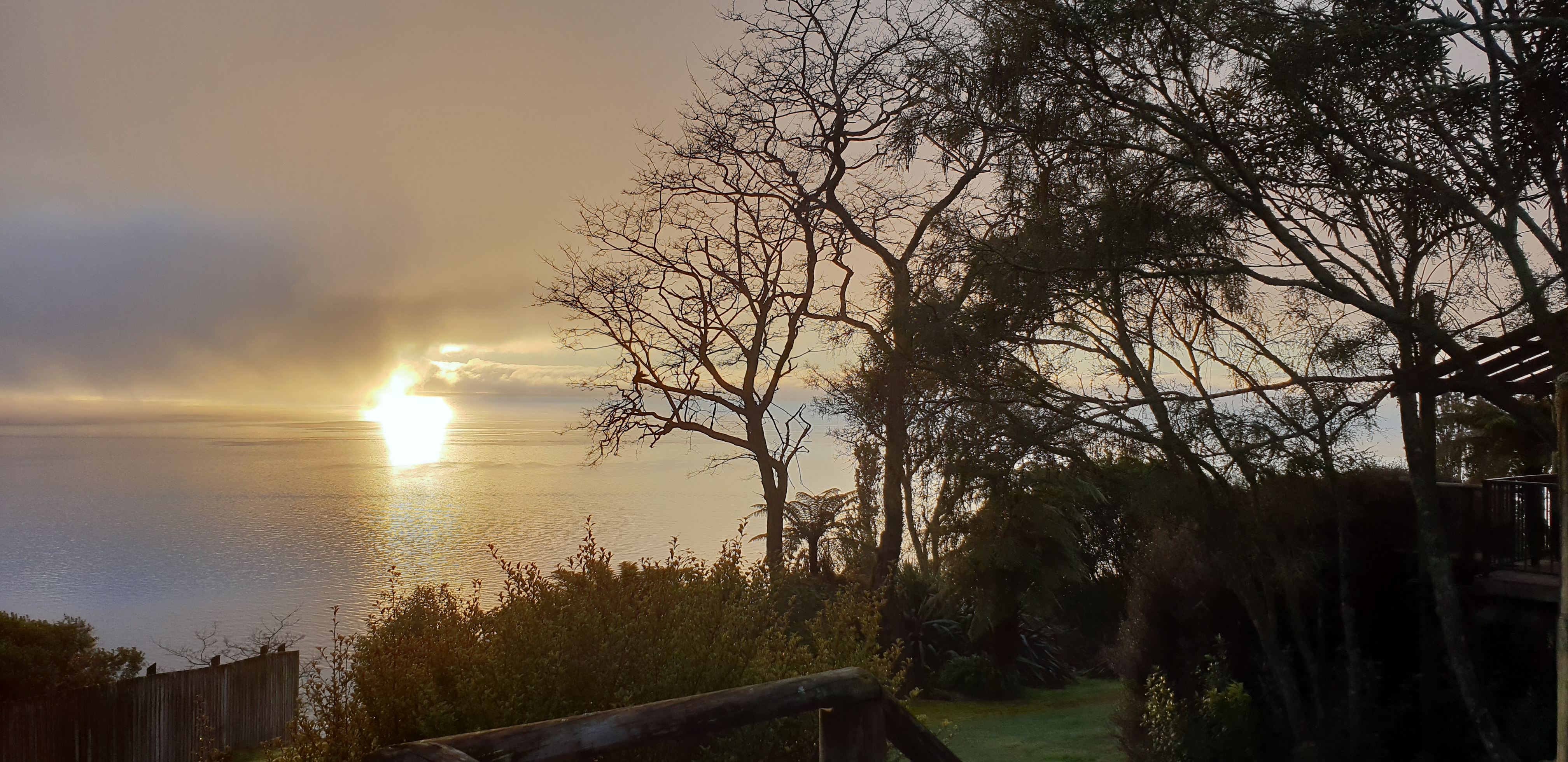
Oreti village, Pukawa Bay, North Island, New Zealand
On the southern tip of Lake Taupo
Our first morning there, a Saturday. Winter. Cold. And a beautiful sunrise.
This was taken from the balcony, overlooking the lake.
The sun is just creeping up over the horizon
It gradually gets lighter, and then the sun breaks free of the low cloud
It lights up the balcony
And the trees just beyond, a cascade of colorful ferns.
It looks like its going to be a fine day, our first for this trip, and we will be heading to the mountains to see snow, for the first time for two of our granddaughters.








 Thrills, Spills, and just a dash of Romance