An excerpt from “Betrayal” – a work in progress

It could have been anywhere in the world, she thought, but it wasn’t.  It was in a city where if anything were to go wrong…

She sighed and came away from the window and looked around the room.  It was quite large and expensively furnished.  It was one of several she had been visiting in the last three months.

Quite elegant too, as the hotel had its origins dating back to before the revolution in 1917.  At least, currently, there would not be a team of KGB agents somewhere in the basement monitoring everything that happened in the room.

There was no such thing as the KGB anymore, though there was an FSB, but such organisations were of no interest to her.

She was here to meet with Vladimir.

She smiled to herself when she thought of him, such an interesting man whose command of English was as good as her command of Russian, though she had not told him of that ability.

All her knew of her was that she was American, worked in the Embassy as a clerk, nothing important, who life both at work and at home was boring.  Not that she had blurted that out the first tie she met, or even the second.

That first time, at a function in the Embassy, was a chance meeting, a catching of his eye as he looked around the room, looking, as he had told her later, for someone who might not be as boring as the function itself.

It was a celebration, honouring one of the Embassy officials on his service in Moscow, and the fact he was returning home after 10 years.  She had been there one, and still hadn’t met all the staff.

They had talked, Vladimir knew a great deal about England, having been stationed there for a year or two, and had politely asked questions about where she lived, her family, and of course what her role was, all questions she fended off with an air of disinterested interest.

It fascinated him, as she knew it would, a sort of mental sparring as one would do with swords, if this was a fencing match.

They had said they might or might not meet again when the party was over, but she suspected there would be another opportunity.  She knew the signs of a man who was interested in her, and Vladimir was interested.

The second time came in the form of an invitation to an art gallery, and a viewing of the works of a prominent Russian artist, an invitation she politely declined.  After all, invitations issued to Embassy staff held all sorts of connotations, or so she was told by the Security officer when she told him.

Then, it went quiet for a month.  There was a party at the American embassy and along with several other staff members, she was invited.  She had not expected to meet Vladimir, but it was a pleasant surprise when she saw him, on the other side of the room, talking to several military men.

A pleasant afternoon ensued.

And it was no surprise that they kept running into each other at the various events on the diplomatic schedule.

By the fifth meeting, they were like old friends.  She had broached the subject of being involved in a plutonic relationship with him with the head of security at the embassy.  Normally for a member of her rank it would not be allowed, but in this instance it was.

She did not work in any sensitive areas, and, as the security officer had said, she might just happen upon something that might be useful.  In that regard, she was to keep her eyes and ears open, and file a report each time she met him.

After that discussion she got the impression her superiors considered Vladimir more than just a casual visitor on the diplomatic circuit.  She also formed the impression the he might consider her an ‘asset’, a word that had been used at the meeting with security and the ambassador.

It was where the word ‘spy’ popped into her head and sent a tingle down her spine.  She was not a spy, but the thought of it, well, it would be fascinating to see what happened.

A Russian friend.  That’s what she would call him.

And over time, that relationship blossomed, until, after a visit to the ballet, late and snowing, he invited her to his apartment not far from the ballet venue.  It was like treading on thin ice, but after champagne and an introduction to caviar, she felt like a giddy schoolgirl.

Even so, she had made him promise that he remain on his best behaviour.  It could have been very easy to fall under the spell of a perfect evening, but he promised, showed her to a separate bedroom, and after a brief kiss, their first, she did not see him until the next morning.

So, it began.

It was an interesting report she filed after that encounter, one where she had expected to be reprimanded.

She wasn’t.

It wasn’t until six weeks had passed when he asked her if she would like to take a trip to the country.  It would involve staying in a hotel, that they would have separate rooms.  When she reported the invitation, no objection was raised, only a caution; keep her wits about her.

Perhaps, she had thought, they were looking forward to a more extensive report.  After all, her reports on the places, and the people, and the conversations she overheard, were no doubt entertaining reading for some.

But this visit was where the nature of the relationship changed, and it was one that she did not immediately report.  She had realised at some point before the weekend away, that she had feelings for him, and it was not that he was pushing her in that direction or manipulating her in any way.

It was just one of those moments where, after a grand dinner, a lot of champagne, and delightful company, things happen.  Standing at the door to her room, a lingering kiss, not intentional on her part, and it just happened.

And for not one moment did she believe she had been compromised, but for some reason she had not reported that subtle change in the relationship to the powers that be, and so far, no one had any inkling.

She took off her coat and placed it carefully of the back of one of the ornate chairs in the room.  She stopped for a moment to look at a framed photograph on the wall, one representing Red Square.

Then, after a minute or two, she went to the mini bar and took out the bottle of champagne that had been left there for them, a treat arranged by Vladimir for each encounter.

There were two champagne flutes set aside on the bar, next to a bowl of fruit.  She picked up the apple and thought how Eve must have felt in the garden of Eden, and the temptation.

Later perhaps, after…

She smiled at the thought and put the apple back.

A glance at her watch told her it was time for his arrival.  It was if anything, the one trait she didn’t like, and that was his punctuality.  A glance at the clock on the room wall was a minute slow.

The doorbell to the room rang, right on the appointed time.

She put the bottle down and walked over to the door.

A smile on her face, she opened the door.

It was not Vladimir.  It was her worst nightmare.

© Charles Heath 2020

In a word: Good

There is a TV show that was on the TV called ‘The Good Place’.

It’s really the bad place which makes you wonder if there really is a ‘good place’.

This started me thinking.

How many people do you know, when you ask them how they are, they say ‘good’?

Can we see behind the facade that is their expression of how they really feel?

And how many of us reveal our true feelings?

It seems to me there is an acceptable level of understanding that we take people at their word and move on from there.

And how many times when we suspect there is something wrong, we tend to overlook it in what is regarded as respect for that person?

What if something awful happened?

What if we could have prevented it?

What if we could have tried to gently probe deeper?

The problem is we seem to be too polite and there is nothing wrong with that.

But maybe, just maybe, the next time …

It’s just a thought.


The cinema of my dreams – I never wanted to go to Africa – Episode 42

Our hero knows he’s in serious trouble.

The problem is, there are familiar faces and a question of who is a friend and who is foe made all the more difficult because of the enemy, if it was the enemy, simply because it didn’t look or sound or act like the enemy.

Now, it appears, his problems stem from another operation he participated in, and because of it, he has now been roped into what might be called a suicide mission.

I was not sure how the Congo commander was going to react when four cars with people who looked more like mercenaries than a film crew turned up at the front gate.

Not that we had the film equipment to use as a cover. I guess that was the reason the kidnappers had removed it from our cars. One less reason to believe our story. I would have been curious to hear just how the commander had described us to his Congo counterpart.

Or what sort of treatment we were going to get. I don’t think the hostages were going to like the idea of becoming hostages again, albeit with a new set of ransom demands, and probably a lot of harsher treatment. Mercenaries could be rough, but they needed resources, and trying to negotiate with overly damaged goods wouldn’t set much of an example.

The Government military, on the other hand, would not be too particular. And capturing an invading enemy force, spies if you will, well, that was going to be a feather in the cap of the airfield commander.

But would he tip his hand at the gate or wait till we pulled up outside the headquarters building. If there was one.

We were about to find out. The gate was in sight and flanked by two very bright lights which we had all seen for about the last half mile, flickering through the undergrowth. The road was well made, and we would have made good time, but I deliberately slowed down to give Monroe time to get into place.

Another brief report from the Colonel told me they reckoned on 20 troops deployed at different parts of the field, just in case we decided to ‘sneak’ in on foot.

At the gate the road widened into a large turning circle for turning back cars.

I stopped right on top of the gate. A non-commissioned officer came out of a small shack by the gate and joined two men standing either side of the gate. Weapons weren’t pointed in our direction, but that could change quickly.

I was going with the film crew going home story first.

“Who are you?” I noticed the officer had a clipboard and made a show of looking at it, and the page underneath. “You are not on my list.”

“Probably not. We have been filming a documentary, and it’s time to go home. We have an aircraft coming in tomorrow morning to pick us up.”

One of the guards came through the gate and went down one side of each car, then came back up the other side, peering in through the windows. Back at the gate, he spoke to the officer.

“You have weapons. That is unusual for a film crew isn’t it?”

Highly, if we were anywhere else in the world. “We were warned about militias. Luckily we didn’t run into any.”

“Then, before you enter the airfield I suggest you, and your men, surrender any weapons.”

“Of course.” I relayed the instruction back through the cars. The soldier then came down the car and collected the weapons in a bag. As I’d assumed, we were not going to gain admission to the airstrip armed. It was probably also a law which in any country made perfect sense.

Once the soldier returned the officer had the gate opened, and came over to me.

“Fill in the form, and we’ll get you on your way soon enough.”

He handed me the clipboard, and then stepped away, taking out a radio unit of his own and spoke into it in a language I didn’t understand. Perhaps we should have kept Jacobi with us for a little longer so he could interpret.

When I filled out the form and handed it back, he said, “Drive up the road about a half-mile to a hanger and park your cars out the front. I suggest when getting out of the cars not to make any sudden or suspicious moves.”

Like we’d been told almost word for word back at the commander’s camp. Interesting.

The men at the gate didn’t follow us, but I did see, coming from two separate points back from the runway, or what looked to be the runway, two groups of five soldiers in each, in a proper formation. That was not the actions of a motley militia.

Serious soldiers perhaps.

It didn’t take long to reach the hanger, quite large, but in a sorry state of repair. Beside it was two old army huts that were in better repair and lit up. At the top of the steps of one stood the commander, a Captain. Clean, fresh, snug-fitting uniform, looking the part. Newly promoted, with something to prove.

With him were another six soldiers, armed and ready. That made 16 plus him. Where were the others?

Another non-commissioned officer came out of the hut and briefly spoke to his commander. Then he went back inside, and the commander came down the stairs to greet me. The rest of the team stood together, in front of the third car, and about 20 feet away. They were trying their best to cover the two hostages.

“Good evening Mr. James.” Reasonably good English, polite, but there was a slight edge to his tone.

“Good evening.”

“May I ask, which way do you come?”

“From Faradje, on the way to Nagero. I was going to drive into Nagero but changed my mind. Best to get here and be ready.”

“I heard there were some elements of the militia on the road. Did you meet any?”

“No. I was told that this country is quite safe and that we would not be harmed, thanks, I’m told to the good services of the Government’s military. You will be pleased to learn that it is quite safe, a point I will be spreading when I return home. Hopefully that will bring in more tourists.”

“If, as you say, you’ve been making a documentary, it seems odd to me that on one hand, you don’t have any equipment, and on the other, that you have not included Garamba.”

“A valid observation. We had to call the shooting off because two of our crew are ill and need to be returned home, and we left the equipment back in Faradje, our last stop, ready for the replacement crew who will be scheduled to fly in, in the next week or so.”

I had considered what I might say and tried to make it sound plausible, but in the end I don’t think it mattered what I said, especially if the other commander had forewarned the Captain of our impending arrival.

“Yes. That may be true, or it might not. I’m assuming the two sick members of your team are over next to the film crew. In that case, I believe both of us know that those men do not belong to your crew, but are escaped prisoners.”

He gestured towards his men and they went over to the group and extracted the two hostages.

Seemingly it was game over.

“So Commander Ntumba called you after we left?”

“Not a lot happens here without my knowing it. It was in his best interest to inform me.”

Something in the distance caught his eye, and I moved my line of sight to match his. Shurl, hands in the air, with two more soldiers behind him, coming from the bush line on the other side of the runway.

Commander Ntumba would also have told him about our sniper, as I’d surmised, and there was no mistaking the look of glee on his face. Outsmarting what he would consider a crack team of mercenaries from the United States.

I turned back and shrugged.

“Yes, he also told us about your sniper Mr. James. You didn’t think he was going to sneak up on us like he did Commander Ntumba did you?”

“It was worth a try,” I said in my best-defeated tone.

“Right. For the time being you will be kept in detention until I speak to my commander. You will not be leaving this airport. Your rescue plane, when it arrives, will be detained. I will have further questions for you later. Film crew indeed. Take them to B Block,” he said to the officer, then headed back up the stairs to his office.

As far as he was concerned, it had been all too easy.

© Charles Heath 2020

“Many have come, few have stayed” – a short story


It was true to say that very few people knew our department existed. In fact, I was not sure quite who it was I worked for, but when I’d been first tasked with the assignment, a transfer precipitated by a transgression that might have ended my career, I was certain I had been sent to purgatory.

At least, that’s what the sign on the door said.

The office, if it could be called that, was in the basement, around so many twists and turns in the passages that it was easy to believe you had entered another dimension. It wasn’t located in the building you walked through the front door of, but somewhere else nearby. Through the walls, you could hear the sounds of cars, but whether it was a nearby road above the ceiling, or they were parking, it was not easy to say.

On another side, the sounds of trains passing through tunnels were barely discernible, and sometimes only noticeable by a slight vibration of the coffee mug on the desktop, of which there were four, the maximum number of occupants in the small area, but I have never seen who two of the other four were.

Such was the nature of our job. We operated in secret, hidden from the world, and the others. I was never quite sure why.

The interview, when I thought was going to be fired, was given by an old man in a pinstripe suit, long past the age of retirement. In fact, had I not known better, I would have said he was dead, and all that was missing was the cobwebs. He had no sense of humor and got straight to the point.

“You are being transferred to PIB effective immediately.”

He didn’t say what PIB stood for, and the no-nonsense tone told me this was not the time to ask.

“Many have come, but few have stayed. It’s not a job to be taken lightly, and a word of advice, the work you are about to undertake is not to be discussed with anyone but the person you have been assigned to work with.”

He then handed me an envelope, sealed, and that was the end of the interview.

I did not get to speak a word. I had this speech memorized, ready to explain why I had failed so badly, and what I was prepared to do to make up for it, but I was not given the opportunity. Perhaps I should just be grateful I was given another chance.

I waited until I was out of the building, and a block away in a small cafe, and the cheerful waitress had brought my coffee and cake. It was, in a small way, a celebration I still had a job, working for the organization I had set my sights on way back when I was in school.

Making sure no one was sitting too close; I opened the envelope and took out the neatly folded sheet of paper.

It was blank.

Was this some sort of joke?

There was a loud noise outside in the street, a car backfiring, and it caused a few anxious moments, particularly for me in case it was trouble, but it wasn’t. When normality returned I went back to the sheet of paper, picking it up off the top of the coffee cup where it had fallen, and something caught my eye.

Writing. Specifically, numbers, but what I thought I’d seen had disappeared, or hadn’t been there at all.

A shake of the head, perplexed, to say the least, I took a sip of the coffee. As the cup passed under the sheet, a pattern was discernible, displaying then disappearing. Bringing the cup back under the sheet, numbers suddenly appeared. It was a telephone number. It was also very cloak and daggers.

Was it a test? Because at that moment when I saw the blank sheet of paper, the meaning was very clear. It was a puzzle, and if I didn’t work it out, then I didn’t get the job. I’d simply been told to turn up at an anonymous building to see a man whom I doubted would answer to the name I’d been given to ask for again after I left.

I entered the number then pressed ‘call’.

Seven rings before a woman’s voice answered, “Yes?”

No names, no identification.

“Mr McCall gave me an envelope with this number in it.”

“You worked it out?” She sounded surprised.

“By accident, yes.”

“Well, four out of five candidates don’t. Consider this to be your lucky morning, the day is not over yet. Where are you?”

I told her.

“Then you’re not far from Central Park. Go to the souvenir store and wait.”

“How will I know you?”

“You won’t, I’ll recognize you.”

Then the phone went dead, and I was left looking at it as if I had the ability to see, via the phone, who that person was. I shrugged. How many others had failed even the most basic test, to figure out what was on the sheet of paper, and, was it an indication of the work I would be doing?

I spent the better part of an hour watching the squirrels at play. They scuttled around on the ground chasing each other or their imaginary friends or leaping from branch to branch in the shrubs and trees. They didn’t seem to have a care in the world, and I wondered what that would be like.

Unfortunately, I had to pay the rent, bills, and eat, all of which required having a paying job. I had been looking at having to return home a dismal failure and fulfil the destiny my father had predicted for me.

“David Jackson, I presume?”

I looked sideways to see a woman about my own age, dressed so that she would look anonymous in a crowd. It was anyone’s guess how long she had been there, but that, I guess was the point. She had been observing me, and no doubt assessing my suitability.

Could I blend in? Perhaps not if I was that easily identifiable.

“I am.”

“What if anything has been explained to you about the job?”

“Nothing. I was asked to meet a nameless man in an anonymous office and was handed an envelope which led to my call to you.”

After I said it out loud it sounded crazy.

“If you don’t mind me asking but how did you work out how to read the letter?”

Moment of truth, was there a right or wrong answer? Most if not all the people who received it would not work it out.

“Quite by accident.”

She smiled. “The truth is a rare commodity in our business. But then, you’re one of a very select group of people who made it to this level.”

“Just out of curiosity, what happens to those who done work out how to read the number?”

“They don’t get to stand where you are. Welcome aboard.”

© Charles Heath 2021

It’s all about the Cover

And, of course, the description.

Probably one of the hardest things for a first-time author is not so much the writing but what is needed after the book is written.

You need a good description.  Short, sharp, incisive!

There’s a ream of advice out there, and I have read it all.

And, still, I got it wrong.

Then there is the cover.

I wanted simplistic, a short description to give the reader a taste of what’s in store, and let the story speak for itself.

No.

Apparently, a good cover will attract the reader to the book.

When I tendered my books on various sites to advertise them, sites such as Goodreads, and ThirdScribe, all was well with what I had done.

Then I submitted my books to a third site and they rejected the covers as too simplistic and the descriptions mundane, and wouldn’t post them.

Wow.

There’s a huge blow to the ego.  And just the sort of advice that would make a writer think twice about even bothering to continue.

But…

Perhaps the person who wrote that critique was being cruel to be kind.

At any rate, I am changing the covers, and rewording the descriptions.

Will it be a case of ‘what a difference a cover makes’?

Searching for locations: Queenstown Gardens, Queenstown, New Zealand

Queenstown Gardens are not far from the center of Queenstown.  They are just down the hill from where we usually stay at Queenstown Mews.

More often than not we approach the Gardens from the lakeside during our morning walk from the apartment to the coffee shop.  You can walk alongside the lake, or walk through the Gardens, which, whether in summer or winter, is a very picturesque walk.

There’s a bowling club, and I’m afraid I will never be that sort of person to take it up (not enough patience) and an Ice Arena, where, in winter I have heard players practicing ice hockey.

I’m sure, at times, ice skating can also be done.

There is a stone bridge to walk across, and in Autumn/Winter the trees can add a splash of color.

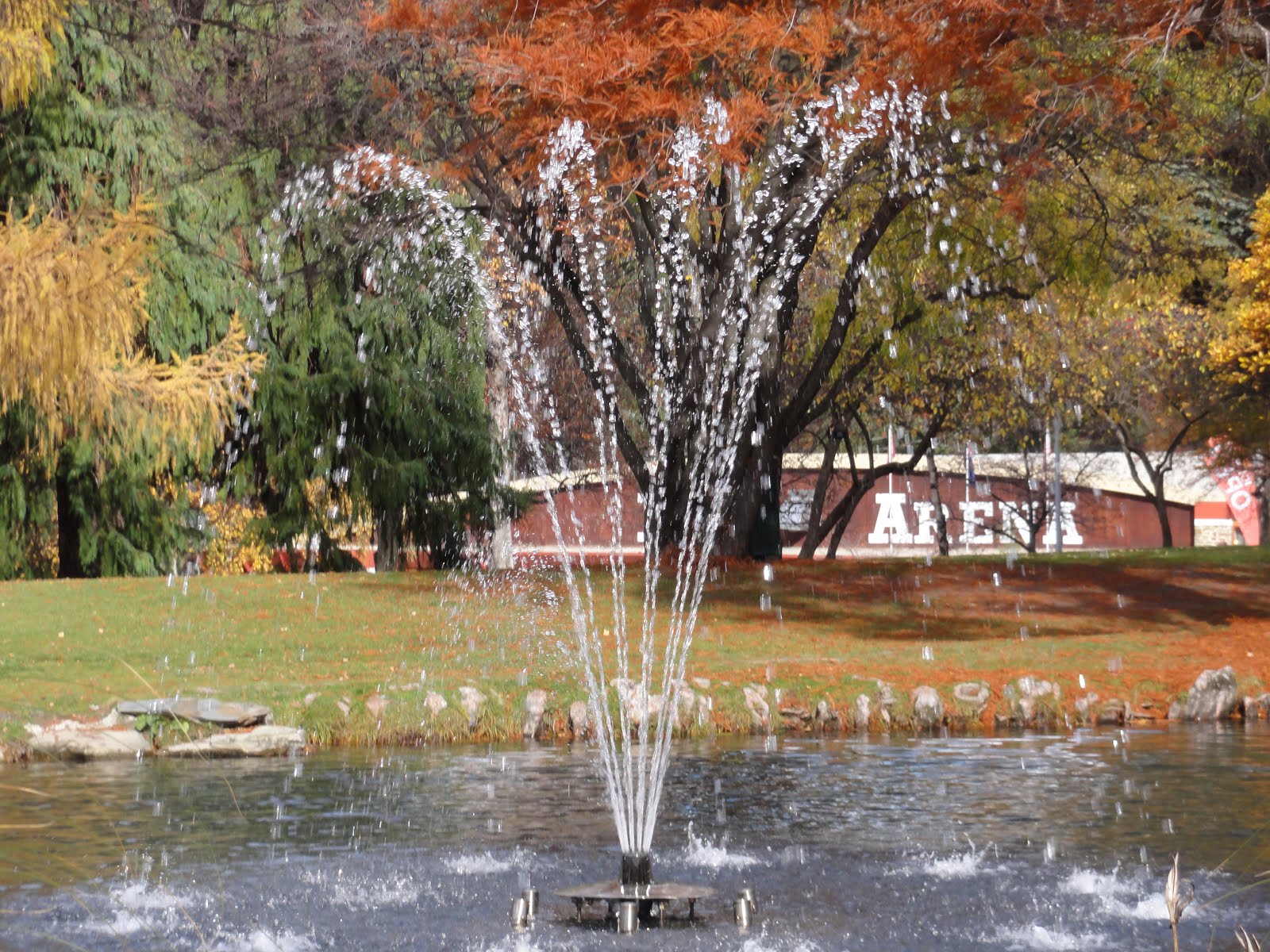
There is a large water feature with fountain, and plenty of seating around the edge of the lake, to sit and absorb the tranquility, or to have a picnic.

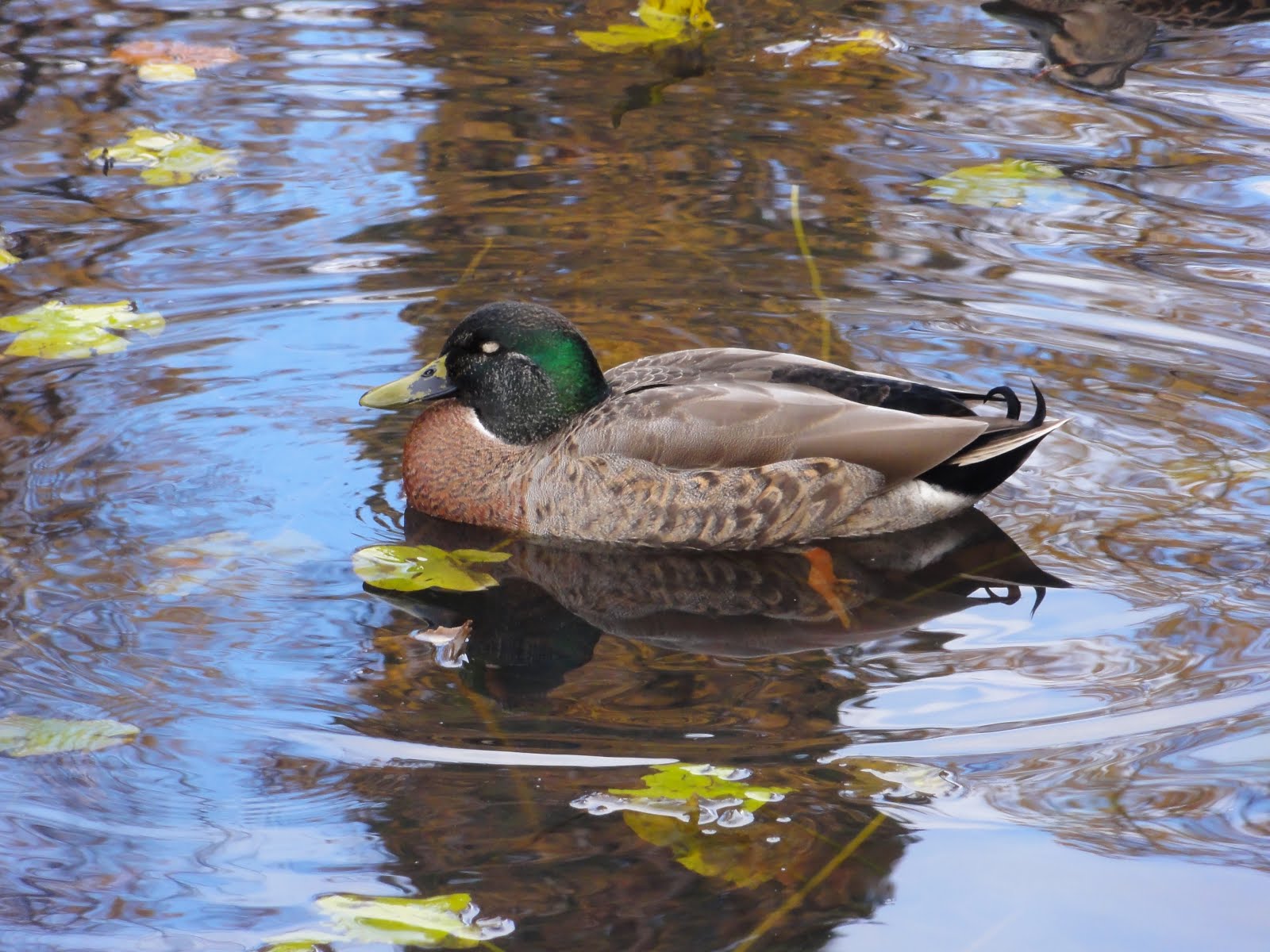
There are ducks in the pond

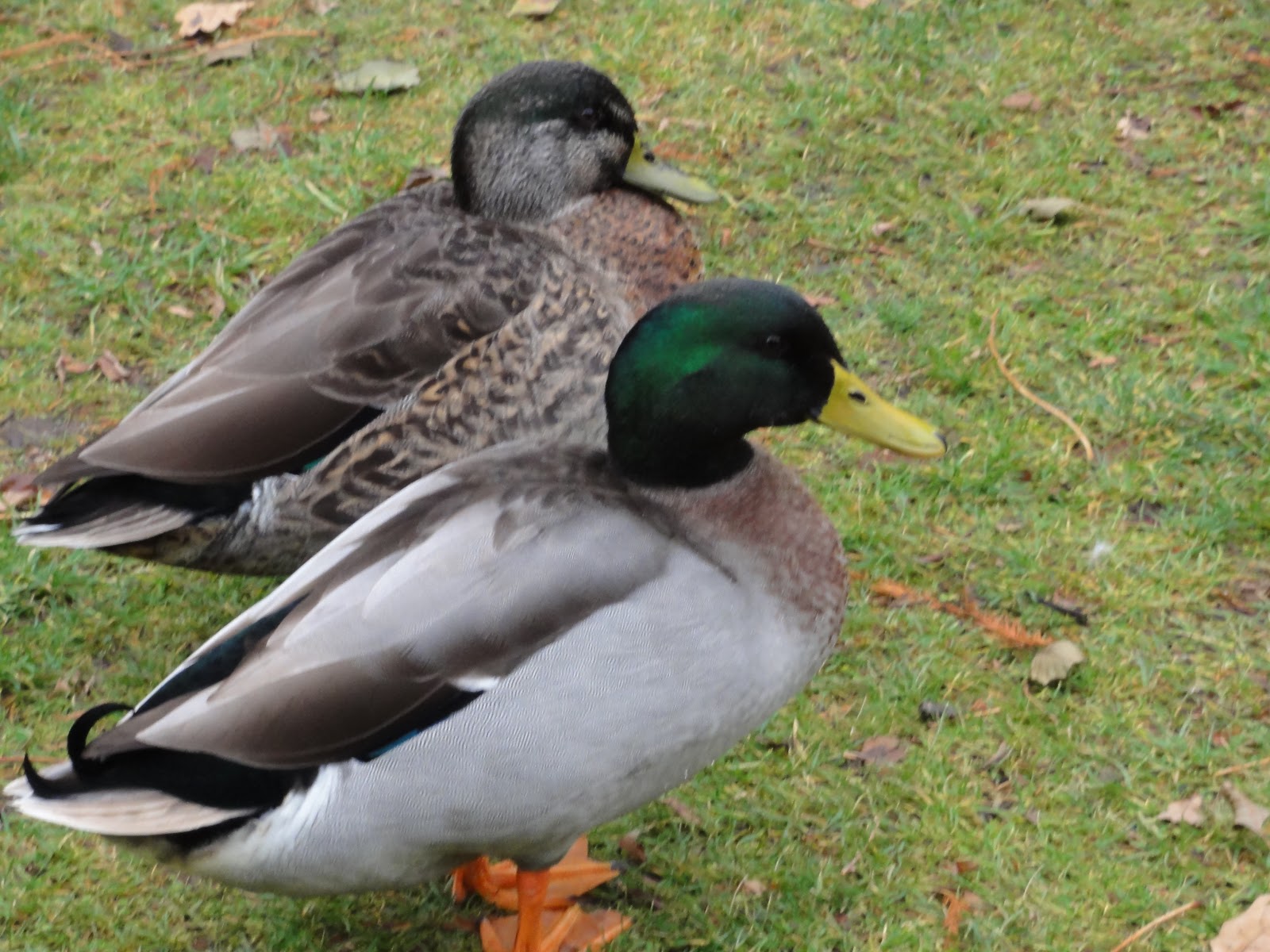
and out of the pond

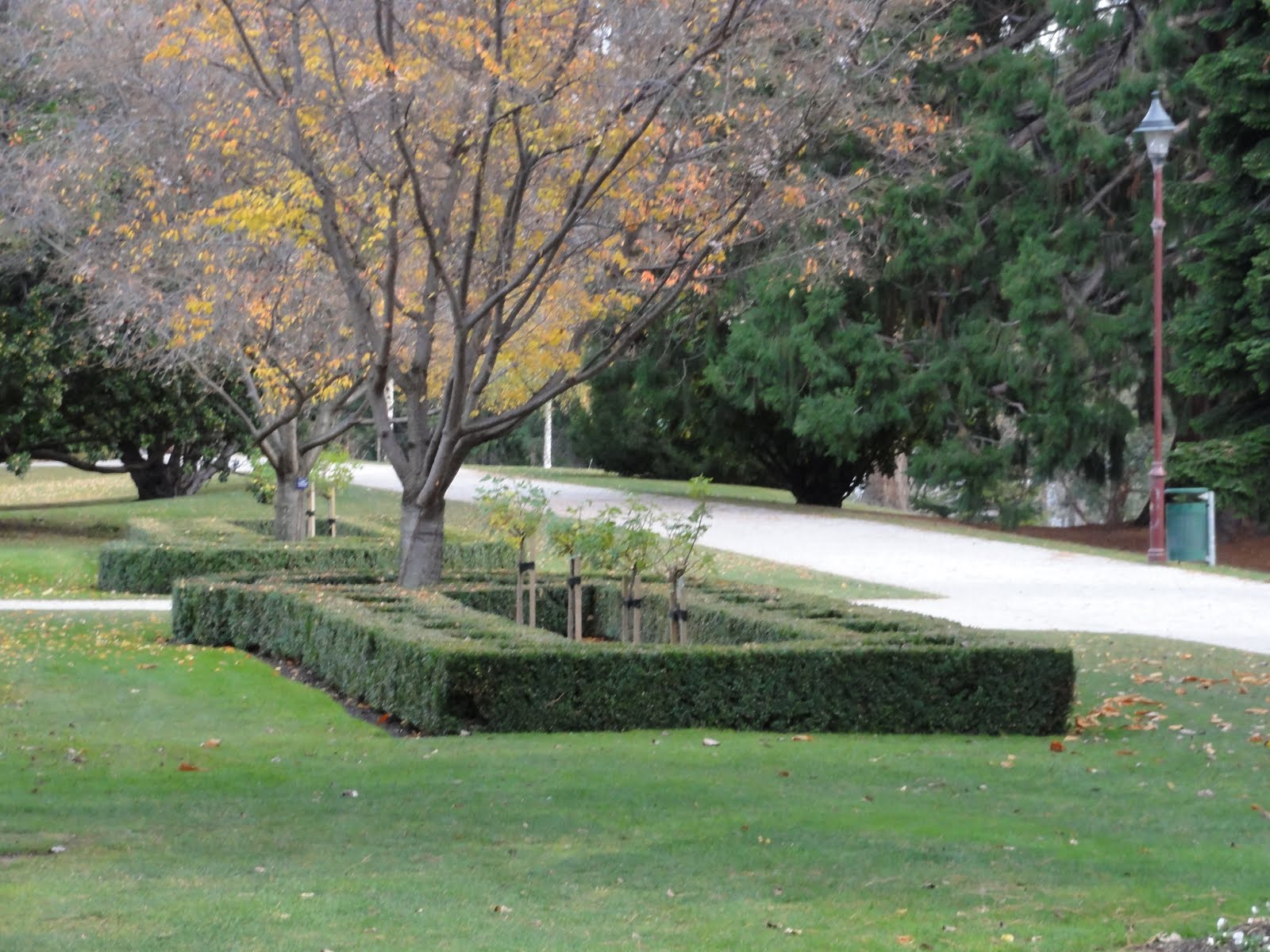
and plenty of grassed areas with flower beds which are more colorful in summer.  I have also seen the lawns covered in snow, and the fir trees that line the lake side of the gardens hang heavy with icicles.

The cinema of my dreams – I always wanted to go on a treasure hunt – Episode 3

It has been cooler for the last week or so, and the ideas for the treasure story have not been flowing.

Now, it’s back and I’m back in the cinema of my dreams, figurative following the treasure ‘map’!


This was not the time to panic.

There could be any number of explanations for what I just saw.  Boggs had certainly got me wrapped up in his mysterious treasure hunt, and immediately my mind jumps to conclusions.

I took a deep breath.  There had to be a rational explanation.

Boggs lived with his aunt, his parents had gone away one day and never came back.  He had no brothers or sisters, so he assumed rightly or wrongly, they’d abandoned him.

For the last few years, Boggs and I had been looking for his parents.  That’s how he found the treasure map, in a box of stuff his father had left at his brother’s loft.

Now, his aunt was Spanish, or perhaps that was not totally correct, she was Mexican who spoke Spanish.  Her husband was Boggs’ father’s brother, and they had no children, so they had treated Boggs as their own.

Perhaps the men were known to his Aunt and they were taking him home before he got into trouble.

It didn’t explain why they were talking about the treasure map, whether it was the one being sold by the bar owner or the one Boggs found.  Boggs had it with him, so if they were after it, they probably had it by now.

We’d come to the beach by bus, and I took it back, then walked the mile or so to Boggs’s house.  It was about three streets away from where I lived.

When I turned into the street, there was the kidnapper’s car out the front of Boggs’s Aunt’s house.  A minute or so later I went in the gate and up to the front door.

It was open, so I loitered in the shadows and listened.

A man’s voice, and Boggs’s Aunt.

Again I was struggling with my Spanish, “You should be keeping control of your brat, he’s getting into trouble, in bars and such places.”

“Drinking?”  His Aunt sounded incredulous.

“Perhaps, I know not, but asking bad men questions about the treasure.  Where is the map?”

So they hadn’t taken it off Boggs.  What did he do with it?

“What map.  He has no map, none that he’s told me about.  Besides, that treasure’s a myth, made up by Dooley to get tourists in his bar, if that’s the var you said he was at.  Don’t tell me you’ve been sucked into that myth?  Isn’t it about time you got a real job?”

“Just make sure your brat stays away from the bar.”

I could hear footsteps heading towards the front door and ducked into the bushes just as he came out, slamming the door into the wall before stomping off to his car.

I waited till he drove off before coming out, and walking into Boggs, grinning.

“See, I told you it was real.”

The horrid uncle, the map, or the myth?


© Charles Heath 2019

“Echoes From The Past”, a past buried, but not deep enough


What happens when your past finally catches up with you?

Christmas is just around the corner, a time to be with family. For Will Mason, an orphan since he was fourteen, it is a time for reflection on what his life could have been, and what it could be.

Until a chance encounter brings back to life the reasons for his twenty years of self-imposed exile from a life only normal people could have. From that moment Will’s life slowly starts to unravel and it’s obvious to him it’s time to move on.

This time, however, there is more at stake.

Will has broken his number one rule, don’t get involved.

With his nemesis, Eddie Jamieson, suddenly within reach, and a blossoming relationship with an office colleague, Maria, about to change everything, Will has to make a choice. Quietly leave, or finally, make a stand.

But as Will soon discovers, when other people are involved there is going to be terrible consequences no matter what choice he makes.

https://amzn.to/2CYKxu4

newechocover5rs

The A to Z Challenge – R is for -” Riches beyond avarice”

We were standing at the entrance of Aladdin’s cave.  At least that was the name on the sign above the entrance.

Three days driving, the last 122 miles into the desert, or what was now desert, through three ghost towns, which looked like sets out of a movie, to what was once supposed to be a theme park.

In the middle of nowhere.  Literally.

We’d parked in what was once a thousand car carpark now almost relatives by the sand, through a large gate that proclaimed the seven wonders of the world, through to a cliff face where there were several caves, where we were now.

“And remind me exactly why we are here?”

“We win the bidding war for this place.  I mean, think of the potential.”

“I’m thinking, but not of the potential.”

Good thing then Lexie was not my wife or girlfriend, because if she was, she’d be questioning my sanity right about now.

She was a work friend, along for the ride.

Well, to begin either, this whole area was a storage facility for the nuclear weapons that were designated for destruction after the non-proliferation treaty.  There are about a dozen caves around here, all with massive blast doors, of which Aladdin’s cave was the first.  I can’t wait to see inside.”

“If it truly is Aladdin’s cave then should it not be riches beyond avarice.  I want the lamp.”

There was only one small problem.  I needed the code to open the doors, and that was only available once we had arrived.  Once there, I was to give a person on the end of the phone a code, one that changed every day, once I proved my identity.  It was a crazy system, but I had to admit, it made the cave secure.”

I made the call, once I could see the code.  It was on the screen, behind a nuclear blast-proof window, rather apt considering.  It was a code that changed every hour.

“The voice on the other end of the phone simply said, “Code please?”

I read it to them.  As soon as the call was disconnected, the doors began to open.

Then behind me, another voice.  “Thank you for that.  Now, step away, or your friend here dies.”

I turned.  I thought I recognized the voice of Joe Santiago, crime boss, a man who’d served his ten years, but never divulged where he had hidden the loot.

Another six months with guns were standing in a semi-circle, cutting off any exit I might try.

“So, this is where you hid the money, and key evidence.”

“And, as they say, it’s where the bodies are buried.  This really wasn’t going to be a theme park.”

“O rather guessed that.  I was expecting someone else, a lackey, but you did say one, you couldn’t trust any of those you worked with.”

With that said, six shots, six men down, and a seventh, at that moment when Santiago was disorientated by the first six shots.  Not to kill but disable.

A well-planned and executed operation to catch Santiago, who had never suspected we had turned one of his gang and had known all along where his loot was. 

Then it was just a matter of waiting until he got out of jail, after advertising the fact I’d won the auction to buy the Theme Park site, outbidding all of his people.

A visibly shaken Lexie said, “and when were you going to tell me we were going to be bait?”

“None of us were sure this was going to work.”

A swarm of agents moved in to take away the seven, including a cursing Santiago, who swore he’d been set up.

The doors were now open, and we were looking into a dark abyss.  The light only went so far.  I stepped inside and used the torch on the side wall, looking for the light switch.

It was about ten feet away, a large lever that had to be pushed up.  I gave it a moment, then pushed it into the on position, and the lights came on.

I heard a gasp from Lexie and turned around.

It was huge, a cavern gouged out of the small mountain, all but empty except for a shipping container sitting about fifty yards from the entrance.

Yet another new voice came from behind us.

“We’ll take it from here.”

It belonged to an FBI agent, who was with three others.  No guns were drawn, but I suspect if I objected, they might.

“Did you not get the memo that I am in charge here,” I said.

He handed me a phone, “Your commander would like a word.”.

I took it.  “Sir?”

“We’ve been trumped by jurisdiction, just let them take over, but stay and let me know when they’ve gone.”

“There’s a shipping container right bang in the middle of the cave.”

“Let them take it “

He disconnected the call, and I returned the phone.

“Do as you wish.”

A forklift went past, and we watched as it picked up the container and took it to a waiting truck.

The FBI agent saluted, and he left with his team.

Lexie had watched the whole proceedings with an amused expression on her face.  This was obviously not news to her.  “Couldn’t have predicted that could we.”

I pulled out my phone and called the boss.  “They’ve gone.”

“They went for the big shiny object.  I’m surprised they didn’t realize Santiago is all about the show.  I’m sure they’ll soon discover it’s booby-trapped, but that’s fine, they’ll take a while to realize they’ve been had.  Now, you two go to work.  The real evidence is hidden in there somewhere.  Call me when you find it.”

Lexie looked over at me.  “What did he say?”

“The evidence is still here, not in the container.”

She looked around at the wide, deep, open space where, if it was going to be Aladdin’s cave, there would be treasure stacked everywhere.

“I’m guessing we need yo do a sweep.  You start on the other side, I’ll start here, and we’ll meet at the middle of the rear.”

I waited until she was in position, and then we moved towards the rear, studying the wall for hidden doors.  It was possible that rooms or passages ran off this cave.

A few minutes later Lexie let out a triumphant “Ah-ha!”

I stopped.  “What is it?”

She held up a small object that looked like the proverbial lamp.

“Aladdin’s lamp.  Perhaps if I polish it.” She did so, with a flourish.

Suddenly, there was a flash of light…


© Charles Heath 2022

“Sunday in New York”, a romantic adventure that’s not a walk in the park!

“Sunday in New York” is ultimately a story about trust, and what happens when a marriage is stretched to its limits.

When Harry Steele attends a lunch with his manager, Barclay, to discuss a promotion that any junior executive would accept in a heartbeat, it is the fact his wife, Alison, who previously professed her reservations about Barclay, also agreed to attend, that casts a small element of doubt in his mind.

From that moment, his life, in the company, in deciding what to do, his marriage, his very life, spirals out of control.

There is no one big factor that can prove Harry’s worst fears, that his marriage is over, just a number of small, interconnecting events, when piled on top of each other, points to a cataclysmic end to everything he had believed in.

Trust is lost firstly in his best friend and mentor, Andy, who only hints of impending disaster, Sasha, a woman whom he saved, and who appears to have motives of her own, and then in his wife, Alison, as he discovered piece by piece damning evidence she is about to leave him for another man.

Can we trust what we see with our eyes or trust what we hear?

Haven’t we all jumped to conclusions at least once in our lives?

Can Alison, a woman whose self-belief and confidence is about to be put to the ultimate test, find a way of proving their relationship is as strong as it has ever been?

As they say in the classics, read on!

Purchase:

http://tinyurl.com/Amazon-SundayInNewYork