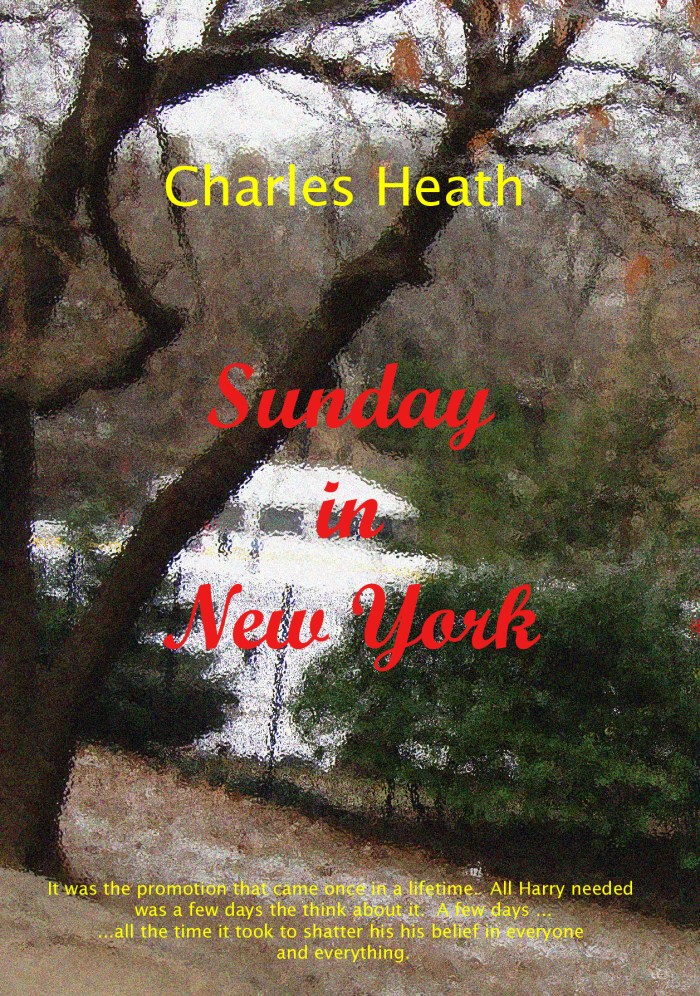
“Sunday in New York”, a romantic adventure that’s not a walk in the park!

“Sunday in New York” is ultimately a story about trust, and what happens when a marriage is stretched to its limits.

When Harry Steele attends a lunch with his manager, Barclay, to discuss a promotion that any junior executive would accept in a heartbeat, it is the fact his wife, Alison, who previously professed her reservations about Barclay, also agreed to attend, that casts a small element of doubt in his mind.

From that moment, his life, in the company, in deciding what to do, his marriage, his very life, spirals out of control.

There is no one big factor that can prove Harry’s worst fears, that his marriage is over, just a number of small, interconnecting events, when piled on top of each other, points to a cataclysmic end to everything he had believed in.

Trust is lost firstly in his best friend and mentor, Andy, who only hints of impending disaster, Sasha, a woman whom he saved, and who appears to have motives of her own, and then in his wife, Alison, as he discovered piece by piece damning evidence she is about to leave him for another man.

Can we trust what we see with our eyes or trust what we hear?

Haven’t we all jumped to conclusions at least once in our lives?

Can Alison, a woman whose self-belief and confidence is about to be put to the ultimate test, find a way of proving their relationship is as strong as it has ever been?

As they say in the classics, read on!

Purchase:

http://tinyurl.com/Amazon-SundayInNewYork

NaNoWriMo – April 2022 – Day 21

First Dig Two Graves, the second Zoe thriller.

But, here’s the thing.

John and Zoe are nowhere near Vienna, Zoe having gone to Bucharest and then Zurich on her way back to see John who was going to pick her up from the airport, then the both of them were going to Lucerne for a few days.

A reminiscing cruise on Lake Geneva had been on the cards, but there might not be time.

First, they had to do some work on charting who was trying to kill her, because she has finally come to the realization that there is more than one.  Her visit to Bucharest yielded another name, quite possibly the person who was masquerading as Komarov.

Second, John was intending to introduce her to the new members of their team, the team he hasn’t quite got around to telling her about, who will be dedicated to research, investigation, and, via Isobel and the dark web, organizing the hits.

John had decided that she should not out there be distracted by finding work, just doing the work.  He was going to take care of the rest.

Perhaps a good time would be over dinner?

Meanwhile, Sebastian and Rupert are on surveillance duties while Isobel is tracking down which hotel the lovebirds are staying in. As soon as she has the information, Rupert is on the job.

She then moved to track John, knowing Zoe will be with him because she has seen the passenger lists for flights from Bucharest to anywhere.

Both are thankful neither John nor Zoe was in Vienna, which then makes it a priority that neither Worthington of Arabella should leave, except to go back home.  Although they hadn’t established it was the reason Worthington was in Vienna, it was too close to the bungled attempt on their lives for them not to draw the appropriate conclusion.

Sebastian has a plan B that no one was going to like, not even himself.

Plan A was yet to be formulated.

Today’s writing, with Zoe languishing in a dungeon waiting for a white knight, 1,566 words, for a total of 54,355.

An excerpt from “What Sets Us Apart”, a mystery with a twist

See excerpt from the story below, just a taste of what’s in store…

http://amzn.to/2Eryfth

whatsetscover

McCallister was old school, a man who would most likely fit in perfectly campaigning on the battlefields of Europe during the Second World War. He’d been like a fish out of water in the army, post-Falklands, and while he retired a hero, he still felt he’d more to give.

He’d applied and was accepted as head of a SWAT team, and, watching him now as he and his men disembarked from the truck in almost military precision, a look passed between Annette, the police liaison officer, and I that said she’d seen it all before. I know I had.

There was a one in four chance his team would be selected for this operation, and she had been hoping it would be one of the other three. While waiting for them to arrive she filled me in on the various teams. His was the least co-operative, and the more likely to make ad-hoc decisions rather than adhere to the plan, or any orders that may come from the officer in charge.

This, she said quite bluntly, was going to end badly.

I still had no idea why Prendergast instructed me to attend the scene of what looked to be a normal domestic operation, but as the nominated expert in the field in these types of situations, it was fairly clear he wasn’t taking any chances. It was always a matter of opinion between us, and generally I lost.

In this case, it was an anonymous report identifying what the authorities believed were explosives in one of the dockside sheds where explosives were not supposed to be.

The only reason why the report was given any credence was the man, while not identifying himself by name, said he’d been an explosive expert once and recognized the boxes. That could mean anything, but the Chief Constable was a cautious man.

With his men settled and preparing their weapons, McCallister came over to the command post, not much more than the SUV my liaison and I arrived in, with weapons, bulletproof vests, and rolls of tape to cordon off the area afterward. We both had coffee, steaming in the cold early morning air. Dawn was slowly approaching and although rain had been forecast it had yet to arrive.

A man by the name of Benson was in charge. He too had groaned when he saw McCallister.

“A fine morning for it.” McCallister was the only enthusiastic one here.

He didn’t say what ‘it’ was, but I thought it might eventually be mayhem.

“Let’s hope the rain stays away. It’s going to be difficult enough without it,” Benson said, rubbing his hands together. We had been waiting for the SWAT team to arrive, and another team to take up their position under the wharf, and who was in the final stages of securing their position.

While we were waiting we drew up the plan. I’d go in first to check on what we were dealing with, and what type of explosives. The SWAT team, in the meantime, were to ensure all the exits to the shed were covered. When I gave the signal, they were to enter and secure the building. We were not expecting anyone inside or out, and no movement had been detected in the last hour since our arrival and deployment.

“What’s the current situation?”

“I’ve got eyes on the building, and a team coming in from the waterside, underneath. Its slow progress, but they’re nearly there. Once they’re in place, we’re sending McKenzie in.”

He looked in my direction.

“With due respect sir, shouldn’t it be one of us?” McCallister glared at me with the contempt that only a decorated military officer could.

“No. I have orders from above, much higher than I care to argue with, so, McCallister, no gung-ho heroics for the moment. Just be ready to move on my command, and make sure you have three teams at the exit points, ready to secure the building.”

McCallister opened his mouth, no doubt to question those orders, but instead closed it again. “Yes sir,” he muttered and turned away heading back to his men.

“You’re not going to have much time before he storms the battlements,” Benson quietly said to me, a hint of exasperation in his tone. “I’m dreading the paperwork.”

It was exactly what my liaison officer said when she saw McCallister arriving.

The water team sent their ‘in position’ signal, and we were ready to go.

In the hour or so we’d been on site nothing had stirred, no arrivals, no departures, and no sign anyone was inside, but that didn’t mean we were alone. Nor did it mean I was going to walk in and see immediately what was going on. If it was a cache of explosives then it was possible the building was booby-trapped in any number of ways, there could be sentries or guards, and they had eyes on us, or it might be a false alarm.

I was hoping for the latter.

I put on the bulletproof vest, thinking it was a poor substitute for full battle armor against an exploding bomb, but we were still treating this as a ‘suspected’ case. I noticed my liaison officer was pulling on her bulletproof vest too.

“You don’t have to go. This is my party, not yours,” I said.

“The Chief Constable told me to stick to you like glue, sir.”

I looked at Benson. “Talk some sense into her please, this is not a kindergarten outing.”

He shrugged. Seeing McCallister had taken all the fight out of him. “Orders are orders. If that’s what the Chief Constable requested …”

Madness. I glared at her, and she gave me a wan smile. “Stay behind me then, and don’t do anything stupid.”

“Believe me, I won’t be.” She pulled out and checked her weapon, chambering the first round. It made a reassuring sound.

Suited up, weapons readied, a last sip of the coffee in a stomach that was already churning from nerves and tension, I looked at the target, one hundred yards distant and thought it was going to be the longest hundred yards I’d ever traversed. At least for this week.

A swirling mist rolled in and caused a slight change in plans.

Because the front of the buildings was constantly illuminated by large overhead arc lamps, my intention had been to approach the building from the rear where there was less light and more cover. Despite the lack of movement, if there were explosives in that building, there’d be ‘enemy’ surveillance somewhere, and, after making that assumption, I believed it was going to be easier and less noticeable to use the darkness as a cover.

It was a result of the consultation, and studying the plans of the warehouse, plans that showed three entrances, the main front hangar type doors, a side entrance for truck entry and exit and a small door in the rear, at the end of an internal passage leading to several offices. I also assumed it was the exit used when smokers needed a break. Our entry would be by the rear door or failing that, the side entrance where a door was built into the larger sliding doors. In both cases, the locks would not present a problem.

The change in the weather made the approach shorter, and given the density of the mist now turning into a fog, we were able to approach by the front, hugging the walls, and moving quickly while there was cover. I could feel the dampness of the mist and shivered more than once.

It was nerves more than the cold.

I could also feel rather than see the presence of Annette behind me, and once felt her breath on my neck when we stopped for a quick reconnaissance.

It was the same for McCallister’s men. I could feel them following us, quickly and quietly, and expected, if I turned around, to see him breathing down my neck too.

It added to the tension.

My plan was still to enter by the back door.

We slipped up the alley between the two sheds to the rear corner and stopped. I heard a noise coming from the rear of the building, and the light tap on the shoulder told me Annette had heard it too. I put my hand up to signal her to wait, and as a swirl of mist rolled in, I slipped around the corner heading towards where I’d last seen the glow of a cigarette.

The mist cleared, and we saw each other at the same time. He was a bearded man in battle fatigues, not the average dockside security guard.

He was quick, but my slight element of surprise was his undoing, and he was down and unconscious in less than a few seconds with barely a sound beyond the body hitting the ground. Zip ties secured his hands and legs, and tape his mouth. Annette joined me a minute after securing him.

A glance at the body then me, “I can see why they, whoever they are, sent you.”

She’d asked who I worked for, and I didn’t answer. It was best she didn’t know.

“Stay behind me,” I said, more urgency in my tone. If there was one, there’d be another.

Luck was with us so far. A man outside smoking meant no booby traps on the back door, and quite possibly there’d be none inside. But it indicated there were more men inside, and if so, it appeared they were very well trained. If that were the case, they would be formidable opponents.

The fear factor increased exponentially.

I slowly opened the door and looked in. A pale light shone from within the warehouse itself, one that was not bright enough to be detected from outside. None of the offices had lights on, so it was possible they were vacant. I realized then they had blacked out the windows. Why hadn’t someone checked this?

Once inside, the door closed behind us, progress was slow and careful. She remained directly behind me, gun ready to shoot anything that moved. I had a momentary thought for McCallister and his men, securing the perimeter.

At the end of the corridor, the extent of the warehouse stretched before us. The pale lighting made it seem like a vast empty cavern, except for a long trestle table along one side, and, behind it, stacks of wooden crates, some opened. It looked like a production line.

To get to the table from where we were was a ten-yard walk in the open. There was no cover. If we stuck to the walls, there was equally no cover and a longer walk.

We needed a distraction.

As if on cue, the two main entrances disintegrated into flying shrapnel accompanied by a deafening explosion that momentarily disoriented both Annette and I. Through the smoke and dust kicked up I saw three men appear from behind the wooden crates, each with what looked like machine guns, spraying bullets in the direction of the incoming SWAT members.

They never had a chance, cut down before they made ten steps into the building.

By the time I’d recovered, my head heavy, eyes watering and ears still ringing, I took several steps towards them, managing to take down two of the gunmen but not the third.

I heard a voice, Annette’s I think, yell out, “Oh, God, he’s got a trigger,” just before another explosion, though all I remember in that split second was a bright flash, the intense heat, something very heavy smashing into my chest knocking the wind out of me, and then the sensation of flying, just before I hit the wall.

I spent four weeks in an induced coma, three months being stitched back together and another six learning to do all those basic actions everyone took for granted. It was twelve months almost to the day when I was released from the hospital, physically, except for a few alterations required after being hit by shrapnel, looking the same as I always had.

But mentally? The document I’d signed on release said it all, ‘not fit for active duty; discharged’.

It was in the name of David Cheney. For all intents and purposes, Alistair McKenzie was killed in that warehouse, and for the first time ever, an agent left the Department, the first to retire alive.

I was not sure I liked the idea of making history.


© Charles Heath 2016-2020
A photograph from the inspirational bin – 31

This is rugged bushland not far from suburbia, though you wouldn’t know exactly where it is just by looking at the photograph

But, for the writer, this is an excellent setting.

For instance, once again we are out wandering in the bush, lost. It’s not hard to get lost, and stay lost if there are no recognizable landmarks, and given we all walk with a bias to one side or the other, and we have to avoid objects like trees, ravines, animals, and rocks, keeping a straight line is impossible.

But the question is, how did you get into the bush in the first place?

It’s not as if you would deliberately go there, just to if you can get lost.

No, my idea is that you have been kidnapped and drugged, then taken to a location either in the book of a car or just in the back seat with a hood, then dropped off and left to die

The criminals in this story are more efficient in getting rid of pesky witnesses.

Or maybe it’s something less sinister, like going out and counting the koalas in the bush, well, what’s left of the bush as the suburban spray takes more and more of the koala’s habitat.

And it could also be like the planet of the apes, the koalas start fighting back.

Stranger things have been known to happen.

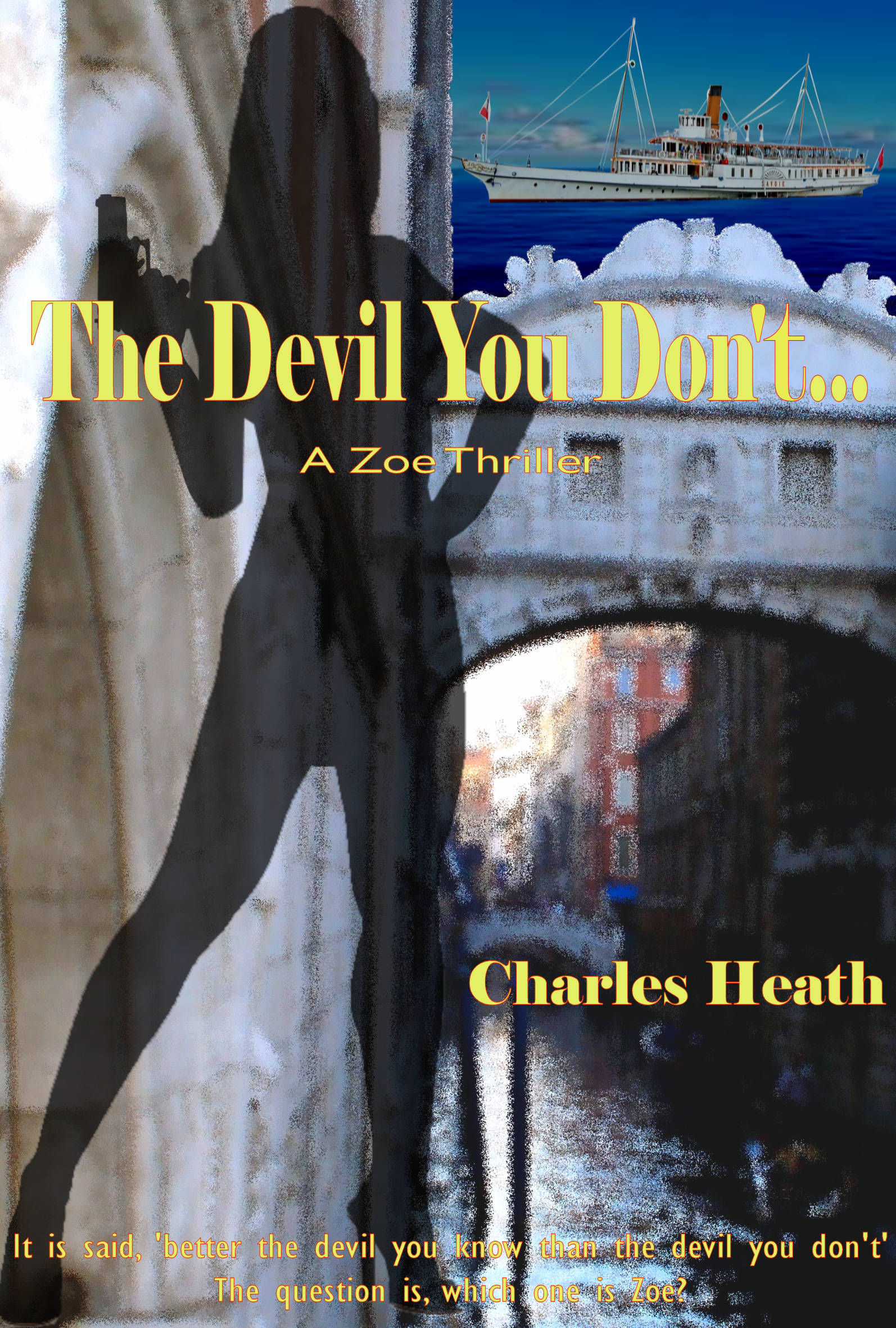
“The Devil You Don’t” – A beta readers view

It could be said that of all the women one could meet, whether contrived or by sheer luck, what are the odds it would turn out to be the woman who was being paid a very large sum to kill you.

John Pennington is a man who may be lucky in business, but not so lucky in love. He has just broken up with Phillipa Sternhaven, the woman he thought was the one, but relatives and circumstances, and perhaps because she was a ‘princess’, may also have contributed to the end result.

So, what do you do when you are heartbroken?

That is a story that slowly unfolds, from the first meeting with his nemesis on Lake Geneva, all the way to a hotel room in Sorrento, where he learns the shattering truth.

What should have been a high turns out to be something else entirely, and from that point every thing goes to hell in a handbasket.

He suddenly realises his so-called friend Sebastian has not exactly told him the truth about a small job he asked him to do, the woman he is falling in love with is not quite who she says she is, and he is caught in the middle of a war between two men who consider people becoming collateral damage as part of their business.

The story paints the characters cleverly displaying all their flaws and weaknesses. The locations add to the story at times taking me back down memory lane, especially to Venice where in those back streets I confess it’s not all that hard to get lost.

All in all a thoroughly entertaining story with, for once, a satisfying end.

Available on Amazon here: https://amzn.to/2Xyh1ow

In a word: Key

So, as we all know, a key is used to lock or unlock a door, gate, or something else.  It’s either made of shiny metal, brass, or rusty iron, it can be small, or very, very big, as is the key to a dungeon.

We can have one key or we can have many or even a master key that unlocks everything, very handy if you have a house full of locked rooms.

People always seem to want to steal them, especially in crime shows.

There is also an item called a key card.  Not the metal thing, but a plastic thing, that opens doors.  Odd that it’s called keyless entry!

Then there’s what is known as the key to something, i.e. you might have the key to his or her heart, metaphorically speaking.

And in that metaphorical sense, it opens up pandora’s box with a plethora of different meanings.

He had the key to the puzzle.

I wish sometimes I had the key to be able to write better, that that one particular key eludes me.

There are keys on a keyboard, the ones you use on computers and calculators.  They were originally on typewriters.  You can also find keys on a piano, or an accordion, and some other musical instruments.

A key can also be a master index field, or unique identifier, in a database, particularly those kept on computers.

And,

there’s a host of other uses for the word key, such as

roughening a surface

describing the shooting area on a basketball court

a group, or one, of small coral islets

matching words to pictures

or, you’re just too keyed up to sleep.


The cinema of my dreams – I never wanted to go to Africa – Episode 43

Our hero knows he’s in serious trouble.

The problem is, there are familiar faces and a question of who is a friend and who is foe made all the more difficult because of the enemy, if it was the enemy, simply because it didn’t look or sound or act like the enemy.

Now, it appears, his problems stem from another operation he participated in, and because of it, he has now been roped into what might be called a suicide mission.


The hut was a barracks, with bedding and ablutions for twenty men.  Since this was one of two, I assumed the other hut housed the twenty soldiers that the Colonel had alluded to.  There would be no more than one or two others including the Captain.

Hopefully, there were not more in Nagero.

The two hostages had been taken to the Captain’s office where I assumed there was probably a brig for them to be locked in.  Not quite what I was expecting, but no plan was ever perfect.

I went to the rear and sat down at a table that could accommodate about ten.

Davies and Shurl joined me.

I looked at Shurl.  “Good work, and glad they didn’t shoot you.”

“So am I.  Monroe had joined the others.  I had to make a lot of noise before they found me, so I don’t think this is a crack troop.”

“The Captain, or whatever he is, looks sharp,” Davies said.

“New command perhaps.  Can’t believe his luck, I’m guessing.  Did you get a look at the plane?”

“As much as I could without looking like I was looking at it.  It’s been well maintained, and I have no doubt we can get it off the ground.  It just depends if we need help to get the engines started.  It’s possible they don’t, though it’s not usual for this type of plane.  We shall see when the time comes.”

“Can you take off at night?”

“It’s a bit dangerous without lights.  I see they have a lighting system, so I suggest, if and when we break out of here you get someone to find the switch.”

“Noted.”

“Any idea when that’ll be?”

“I’m sure we have people working on that as we speak.”

The door at the entrance to the hut opened and the Captain stood next to his officer, with a gun pointed loosely in our direction, just in case we got the idea we could escape.

“Mr. James.  Time to tell me all about your escape plans.”

“I’m not so sure they could be called that, now.”

His tone hardened.  “Don’t keep me waiting.  I have people waiting for my report.”

I shrugged and got up.  “Just make sure everyone is ready to move when the time comes.  Tell Baines that I expect him to find the generator and get the lights working.”

The Captain’s impatient look told me not to keep him waiting any longer.

The Captain led the way, and his officer kept the gun pointed at me, just in case of what I’m not sure.  Inside his office, rather spacious, and with a door which likely led to some form of accommodation and the brig where the hostages were being held.  The door was closed so I couldn’t see, so it had to be an assumption.

The officer remained in the doorway, while the Captain sat behind a large desk, and gestured for me to sit the other side.  It didn’t look like a comfortable chair.

I thought I’d start the ball rolling.  “I’m assuming that there isn’t always an army guard on this airstrip?”

“No.  When we heard you were coming for the prisoners, a detachment was sent.  Fortuitous wouldn’t you say?”

“For who.”  Time to sow some seeds of discontent.

“What do you mean Mr. James?”

“Your mate back at the militia camp just pocketed two million US dollars’ worth of diamonds for those two men.  What was your cut?”

A shocked look, one that eased back into benign slowly.  No cut from that look, I’d say.

“We pride ourselves on being above bribery.  That was the old way of doing things.”

“Clearly the militia don’t agree.  Are you going to give them back to the commander so he can raffle them again?”

The Captain didn’t seem to understand the word ‘raffle’.

“Sell them back to us for another two million.  Maybe you should talk to your superiors and see what they think.  If you left us go, I can arrange for five million, for you and your friends to share.”

Disdain, or disappointment.

“What did I just say about bribery.”

“That it’s not the way things are done.  Maybe not in the capital, but this is the boondocks, and you’re the man in charge.  Five million can go a long way, but I suspect if you tell your superiors, you won’t get to see any of it.  Or perhaps you should take a few men over to the Militia commander’s camp and demand your share, or just take it.  After all, Captain, who is in charge of this sector, him or you?”

At least he was thinking about it.  Five million was a lot of money, but in US dollars, that could take him anywhere.

I remembered my old instructor saying, one, ‘every man has his price’.

I just had to find the Captains.

“Aside from trying to bribe me, Mr. James, what were you hoping to achieve here?”

“A rescue.  I know we tried once before and not succeeded, but you know how it is, if you at first don’t succeed, try, try, try again.”

“That it failed before should be a warning that we are not as weak as you might think we are.  The US Army is not necessarily the best in the world.”

“So I’m beginning to discover.  Did we train you?”

“No.  I spent some time in England, training with the British Army.”

So that was where he got his accent and ramrod stiff never a crease out of place posture.

“But,” he said, “this not about me, but you.  And your so-called film crew.  How did you expect top escape through this airstrip, flights are restricted, and you can’t possibly fly in a Hercules?  The runway is not long enough.

“No, we were hoping for something a bit smaller than that, but we’ll find out tomorrow what it is.  I’ll be standing on the patio looking as surprised as you are when it arrives.  Now, let me ask you a question.  Do you know who those men are that you have in detention?”

“Militia prisoners.”

“For doing what?”

“I don’t ask questions.  I obey orders.

“Then I’ll tell you.  They were trying to set up a trade agreement for some precious metal you have in abundance here.  Good for the country for income, and employment.  Might even help you get on better terms with the rest of the world.  Unless of course, you don’t want to.”

“I am a soldier, not a politician.  That’s their problem.  I was told to hold you until my superiors arrive.”

“Who told you?”

“The Colonel.  He’s based in Ada.”

So, we had a leak.  Surprising given the limited circulation of the plan.  It might be down to Jacobi, but somehow, I didn’t think it was him.  He had several opportunities to turn on us and he didn’t.

“So, you’re saying we basically drove into a trap?”

“Yes.  So much for the smart Americans who have all the technology and answers.

I could understand his contempt, especially when the attempt had failed so badly.  Pity then he didn’t understand what was about to happen to him.

© Charles Heath 2020

“Quickly, quickly…” – a short story


It was odd having a voice in your head, well, not really in your head as such, but in your ear, and sounding like it was in your head.

You could truthfully say you were hearing voices.

It was the next step after going through some very intensive training, having someone else as your eyes and ears when breaching a secure compound, and avoiding the enemy.

I’d signed on for this extra training thinking one day it would land me in the thick of the action. Some of the others thought I was mad, but someone had to do it, and the fact it was quite dangerous added just that extra bit to it.

But as they say, what you learn in training, and practise in a non-hostile environment, is nothing like being in that same situation in reality.

Now on was on my first assignment, part of an elite team, packed and taken to what was to everyone else, an unspecified location, but to us, it was the point of incursion.

The mission?

To rescue a government official (that was how he was described to us) who had been illegally detained in a foreign prison.

Our job?

To break him out and get out without the knowledge of the prison staff, or anyone representing that government. Yes, what we were doing was highly illegal, and yes, if we were caught it was more likely than not we would be executed as spies.

We were under cover in an abandoned farmhouse about three miles from the prison. We had been brought in under cover of darkness, and had only a few hours to set up, and then wait it out until the following night.

It was now or never, the weather people predicting that there would be sufficient cloud cover to make us invisible. Two of us were going in, and two remaining strategically placed outside to monitor the inside of the prison through a system of infrared scanners. We also had a floor plan of the building in which the prisoner was being held, and intelligence supplied, supposedly, by one of the prison guards who had been paid a lot of money for information on guard movements.

To me, it was a gigantic leap of faith to trust him, but I kept those thoughts to myself.

We had been over the plan a dozen times, and I’d gone through the passageways, rooms, and doors so many times I’d memorised where they were and would be able to traverse the building as if I had worked there for a lifetime. Having people outside, talking me through it was just an added benefit, along with alerts on how near the guards were to our position.

I was sure the other person going with me, a more seasoned professional who had a number of successful missions under his belt, was going through the same motions I was. After all, it was he who had devised and conducted the training.

There was a free period of several hours before departure, time to listen to some music, empty the head of unwanted thoughts, and get into the right mindset. It was no place to get tangled up in what-ifs, if anything went wrong, it was a simple matter of adapting.

Our training had reinforced the necessity to instantly gauge a situation and make changes on the fly. There would literally be no time to think.

I listened to the nuances of Chopin’s piano concertos, pretending to play the piano myself, having translated every note onto a piano key, and observing it in my mind’s eye.

My opposite number played games of chess in his head. We all had a different method of relaxing.

Until it was 22:00 hours, and time to go.

“Go left, no, hang on, go right.” The voice on my ear sounded confused and it was possible to get lefts and rights mixed up, if you were not careful.

It didn’t faze me, I knew from my study of the plans that once inside the perimeter fence, I had to go right, and head towards a concrete building the roof of which was barely above the ground.

It was once used as a helipad, and underneath, before the site became a prison, the space was used to make munitions. And it was an exceptionally large space that practically ran under the whole of the prison, built above ground.

All that had happened was the lower levels were sealed, covered over and the new structures built on top. Our access was going to be from under the ground.

Quite literally, they would not see, or hear, us coming.

The meteorological people had got it right, there was cloud cover, the moon hidden from view, and the whole perimeter was in inky darkness. Dressed in black from head to foot, the hope was we would be invisible.

There were two of us heading to the same spot, stairs that led down to a door that was once one of the entrances to the underground bunker. We were going separate ways in case one of the other was intercepted in an unforeseen event.

But, that part of the plan worked seamlessly, and we both arrived at the same place nearly at the same time.

Without the planning, we might easily have missed it because I didn’t think it would be discernable even in daylight.

I followed the Sergeant downstairs, keeping a watchful eye behind us. I stooped at the point where I could see down, and across the area we had just traversed.

Nothing else was stirring.

As expected, the door was seamless and without an apparent handle. It may have had one once, but not anymore, so anyone who did stumble across it, couldn’t get in.

Except us. We had special explosives that were designed to break the lock, and once set, would not make a lot of noise. Sixty seconds later we were inside, and the door closed so no one would know we’d broken in.

I was carrying a beacon so that the voice in my head could follow my progress. The sergeant had one too, and he led.

“Straight ahead, 200 yards, then another door. It shouldn’t be locked, but it might be closed.”

In other words, we had no way of knowing. Our informant had said no one had been down in the dungeons, as he called them, since the munition factory closed, and had been sealed up soon after the prison building had been handed over for use.

We were using night goggles, and there was a lot of rubbish strewn over the floor area so we had to carefully pick our way through which took time we really didn’t have. It looked as though our informant was right, no one had been down there for a long time. We were leaving boot prints in the dust.

We reached the door ten minutes later than estimated. Losing time would have a flow-on effect, and this operation was on a very tight time constraint.

“Once you are through the door, there’s a passage. Turn left and go about 50 paces. There should be another passage to your right.”

“Anyone down here?”

“No, but there is a half dozen prison officers above you. Standard patrol, from guardhouse to guardhouse. Unless they can hear you through five feet of solid concrete, you’re safe.”

My instincts told me five feet of concrete were not enough, but I’ll let it ride for the moment.

The door was slightly ajar and it took the two of us to pull it open so that we could get past. Behind it was the passage, going left and right. Trusting my invisible guide was not getting mixed up again, I motioned right, and we headed down the passage.

Despite the fact we should be alone, both of us were careful not to make any noise, and trod carefully.

At 50 or so paces, the passage came into sight. The sergeant went ahead. I stayed back and kept an eye in both directions. The passage before us was the one that would take us under the cell of the captive we were sent to retrieve.

There would be no blasting our way in. The floor to the cell had a grate, and when removed, a person could drop down into the ‘dungeon’. Currently, the grate was immovable, but we had the tools to fix that.

The sergeant would verify the grate was where it was supposed to be, then come back to get me.

Five minutes passed, then ten. It was not that far away.

I was about to go search when the voice in my head returned, but with panic. “We’ve been compromised. Get the hell out of there, now. Quickly…”

Then I heard what sounded like gunshots, then nothing.

A minute later there was a new voice. “I don’t know who you are, but I’d strongly advise you give yourself up to the guards. Failure to do so within one hour, I’ll execute the two men I now have in custody.”

Ahead of me there was a sudden explosion, followed by a cloud of dust and fine debris.

Hand grenade, or mine, it didn’t matter. The sergeant wouldn’t be coming back.

I sighed.

Plan B it was.

© Charles Heath 2021

Where do you write?

Here’s an interesting question, where do you find the most comfortable place to write?  Is it in an office, in a room overlooking the ocean, and basement where you can make it dark and creepy for atmosphere, is it at a train station, at work, which could end up presenting you with problems, or somewhere else.

Some people have an office, mine is a converted garage, and the walls are lined with books.  It isn’t the greatest place though.  There’s a smart alec cat always on my case.

There’s a couch in the living room where, late at night, I sometimes sit and ponder over about a thousand words of whatever the current story is in my head.  Cat withstanding.

It could be a cafe or restaurant, where it starts out as notes on the ambiance, the food, the people, then a little more, and gets me into trouble with my dining companions.

They should not have created writing programs for mobile phones.  Or for that matter, allow the phones to get smarter than their users.

But…

That’s a whole other story.

So having found that special or nonspecial spot in the house, or out there in the universe, how do you become creative?

Is it you’ve been carrying the ideas around in your head for a while and you just need somewhere neutral to get them on paper, or in that pesky smartphone?

Is it sitting by the window with a cup of coffee and a mice cream-filled cake, when something catches your eye, and instantly the words begin forming?

Are you with someone, a muse, a partner, a spouse, a friend, a secret friend, or just a stranger, and you start getting the wrong ideas?  Or the right ideas if it’s a different sort of book.

Sometimes I move seats and sit opposite the writer’s chair to take a good long hard look at the person, the so-called writer, conjuring up in my mind, if I was someone I’d just dragged in off the street, what would I ask?

They, no doubt would be cynical.

Why bother when there are a million others out there trying to do the same thing?

That’s the easy question.  Every story is different.  Why?  Because every writer has a different point of view, a different set of experiences, a different personality, different friends, this could go on forever…

Here’s a test, outline a story and give that outline to ten different writers.  You’d get ten different stories.

Where do you get the motivation?

Don’t know.  Some days I don’t want to get out of bed, others, I can’t go to sleep until the words have stopped.  Go figure.

What do you do for inspiration?

Inside, outside, upside down, everywhere and anywhere.

Just remember, always have a notebook and pencil on hand.  Why pencil, I never have any luck with pens.


Searching for locations: Queenstown, New Zealand

Queenstown is as much about skiing in Winter as it is hiking in Summer or any other time.  It is, in fact, the ideal place for a holiday any time of the year.

We have stayed there simply to relax, though with all that scenery, and stuff to do, it’s nearly impossible to stay indoors all the time.

Usually, we stay in a place called Queenstown Mews, not far from the lake, and it gives us the perfect opportunity to walk down to the lake and follow the shoreline around to the town, and have coffee and cake as a fitting reward for the exercise.

Along the way, there is the view of the Remarkables:

And, further around, behind the park and gardens, a spectacular view across the lake towards Walter Peak farm:

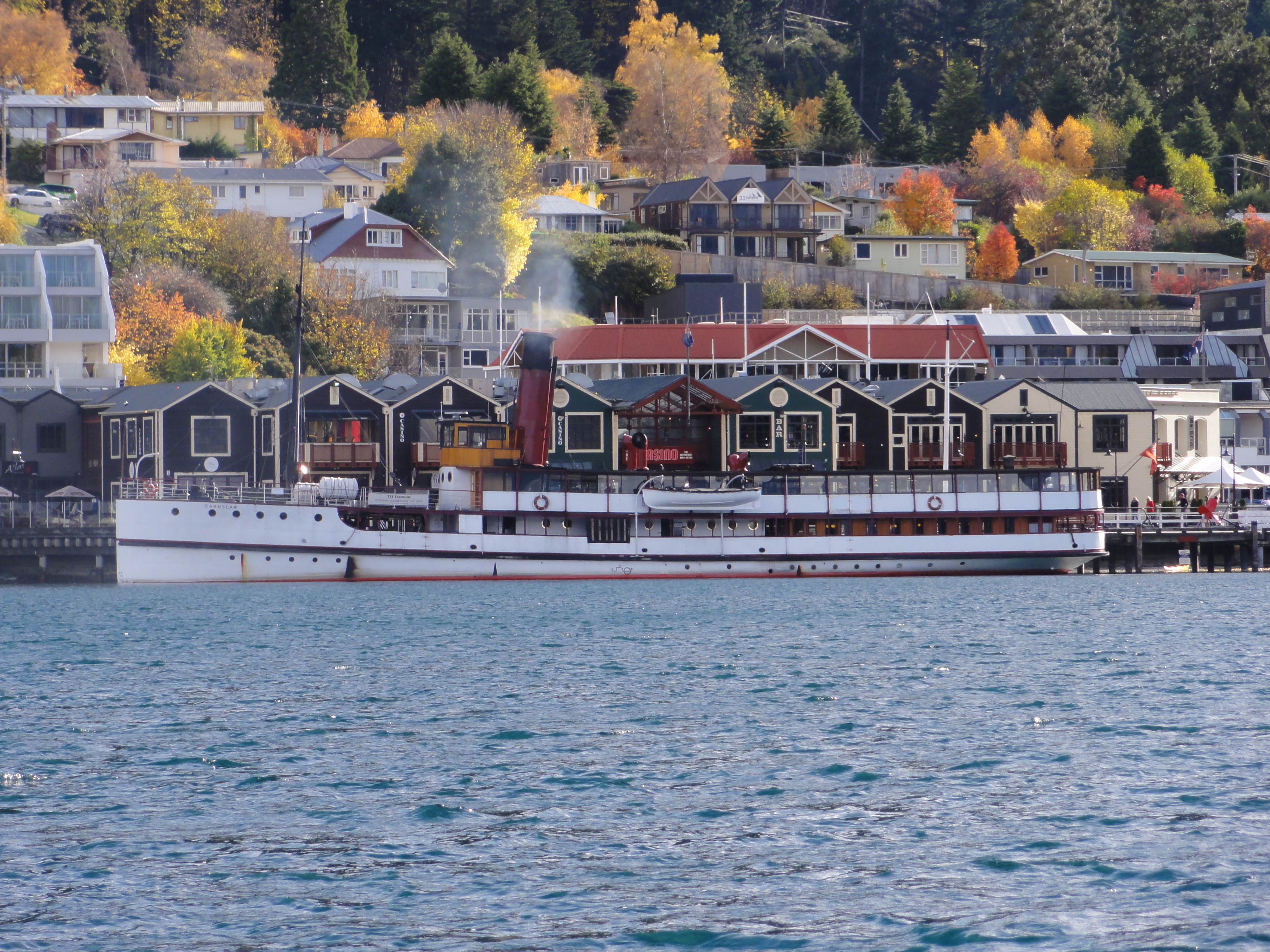
To get to the farm you can either drive a very, very long way or take the T.S.S. Earnslaw, otherwise known as the ‘Lady of the Lake’.

This vessel plies Lake Wakatipu from Queenstown to mostly Walter Peak Farm but has been known, on occasions, to go to Kingston or Glenorchy.

Here it’s sitting at the pier at Queenstown, ready to depart for Walter Peak Farm.

earnslaw1

And this is it returning to Walter Peak Farm to take the visitors back to Queenstown.

earnslaw2

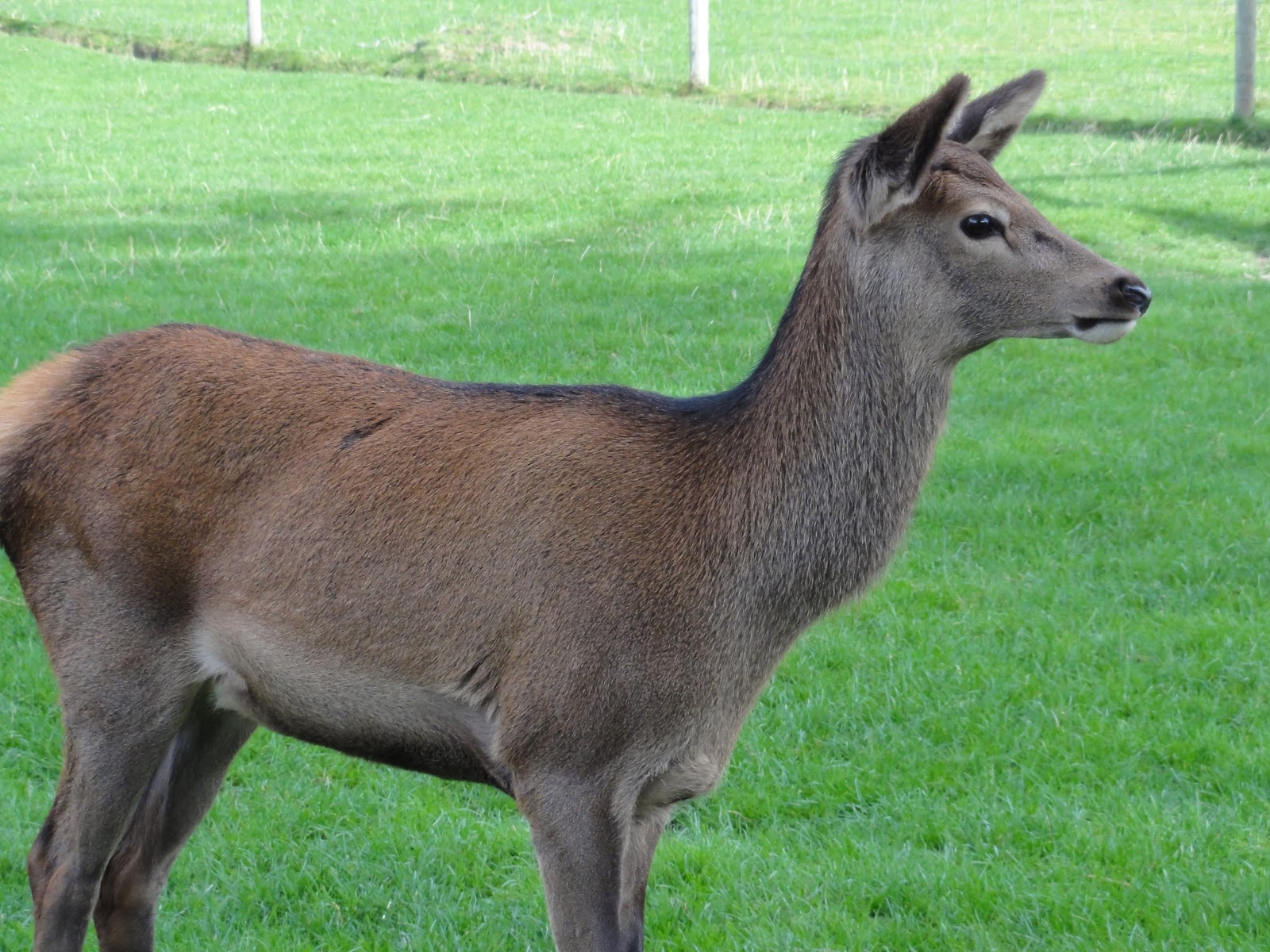
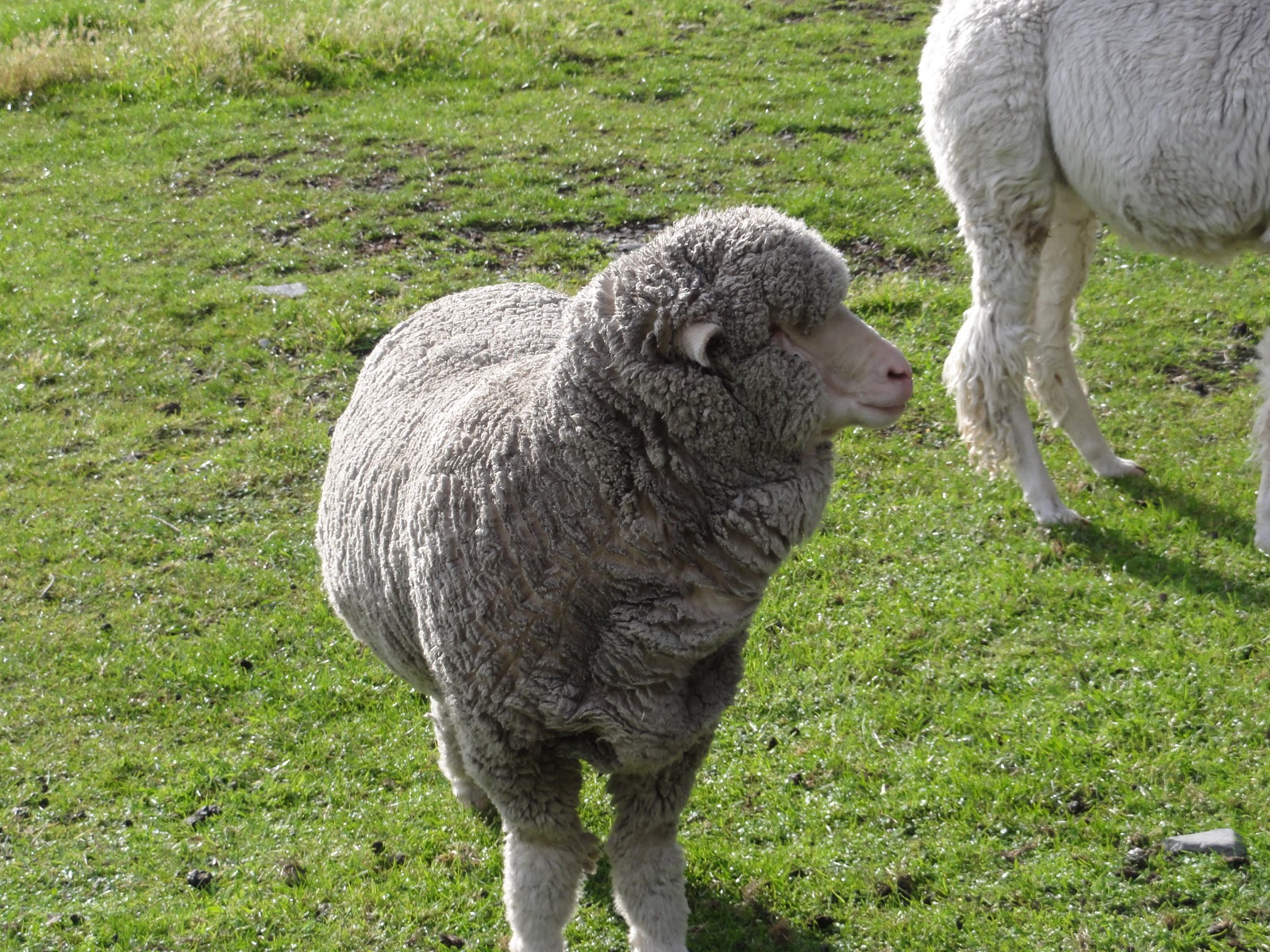
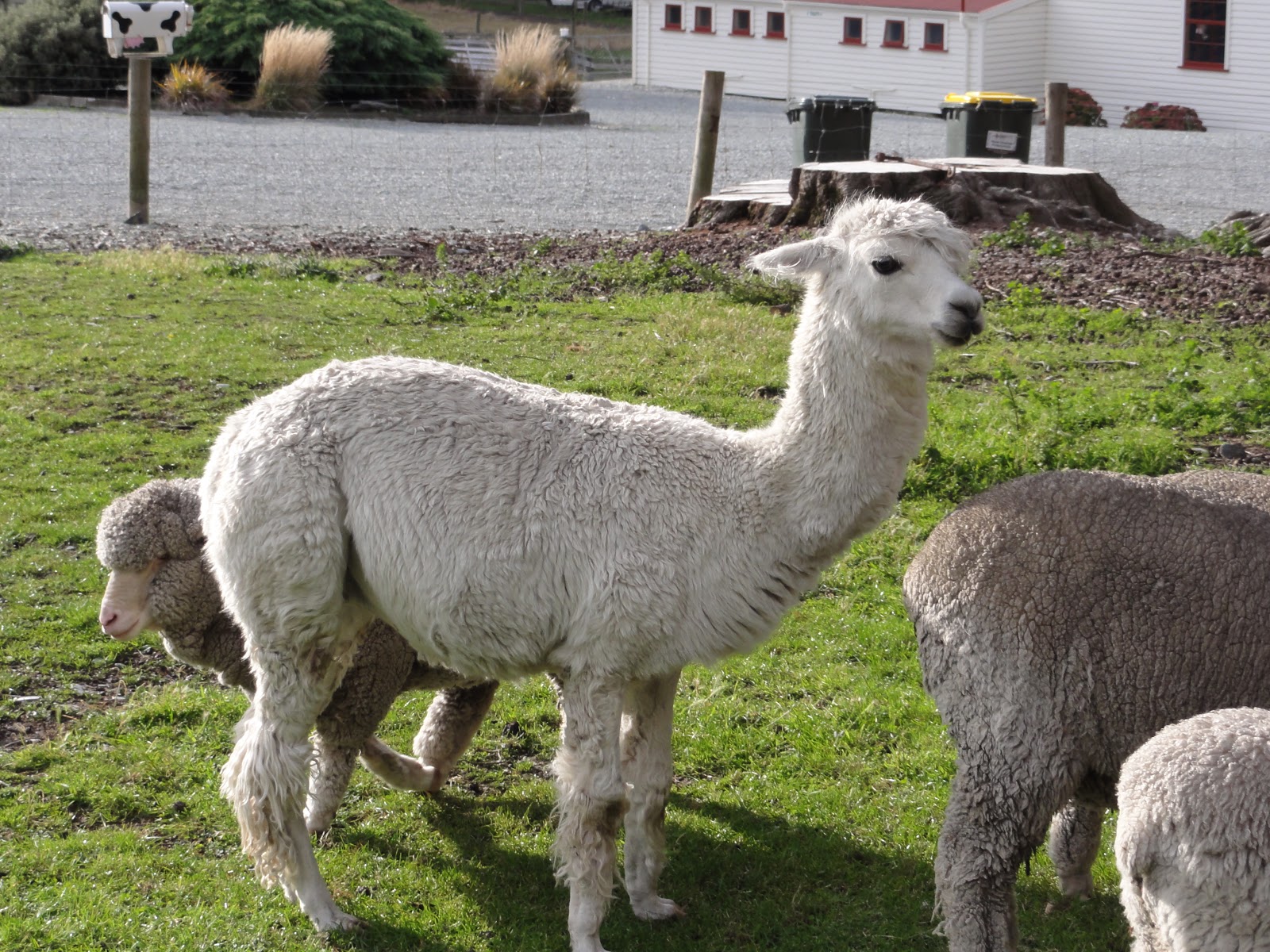
We have been to Walter Peak Farm for Afternoon Tea and Dinner, and both occasions were an amazing experience.  You can also get up close and to the animals

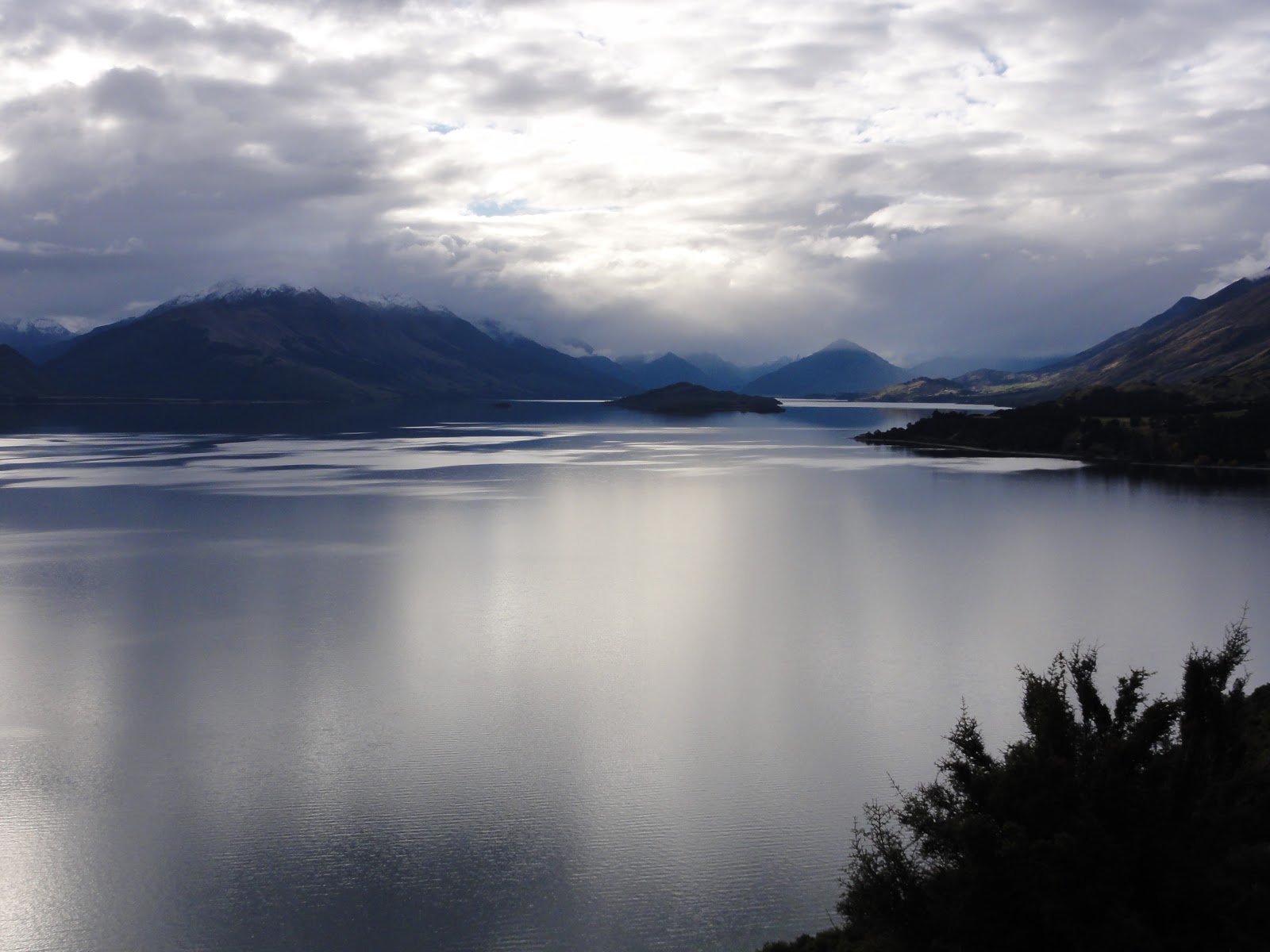
There are other experiences to be had in Glenorchy. and the views whilst driving there are every bit as spectacular, especially as late afternoon settles in:

And in visiting the Lord Of the Rings filming locations.

Then there is Kingston, where the road follows the lake and you are literally between the mountains and the lake:

Kingston used to have a train running, which then became a tourist attraction, but for the moment does not seem to be running currently.

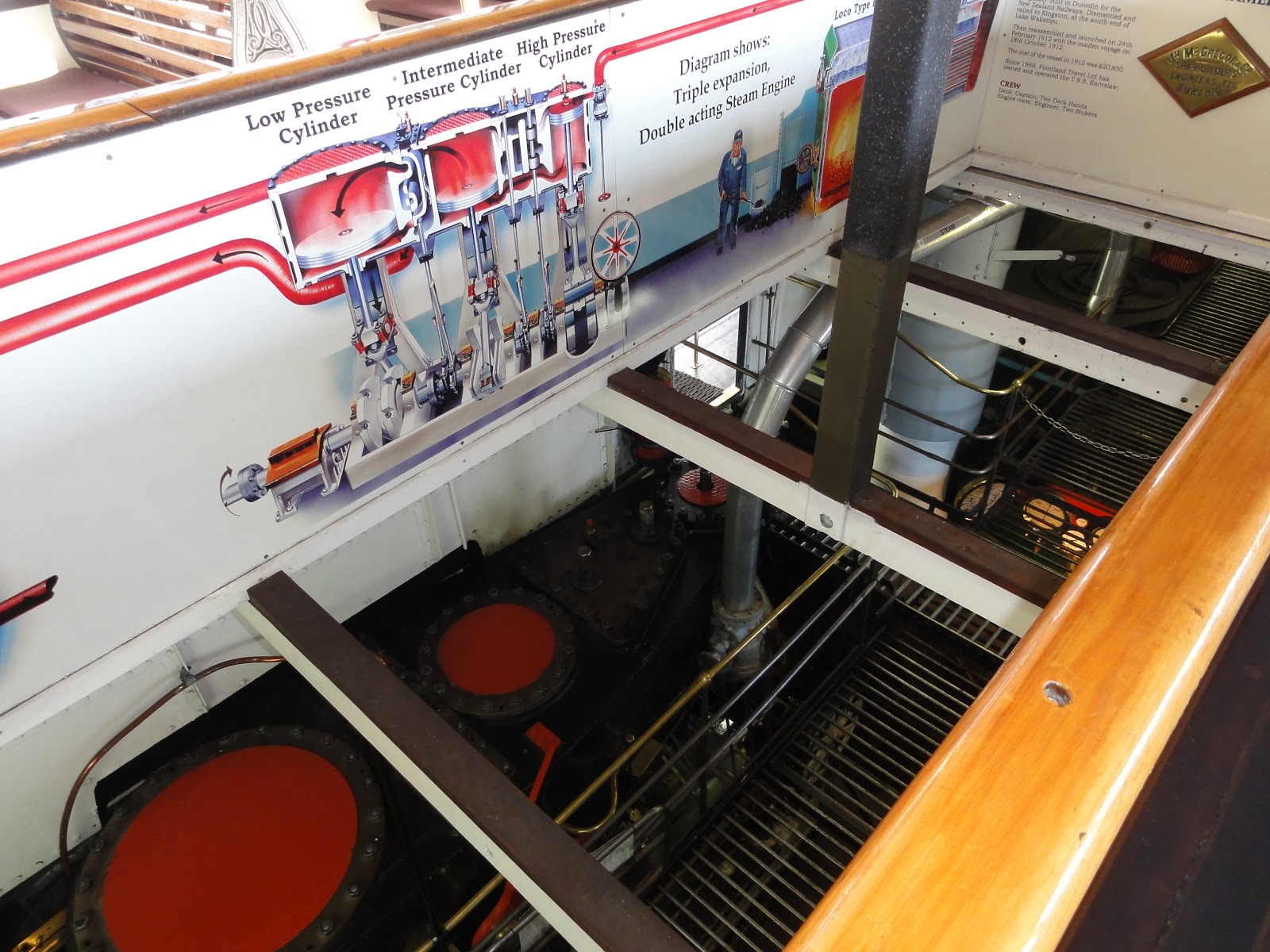
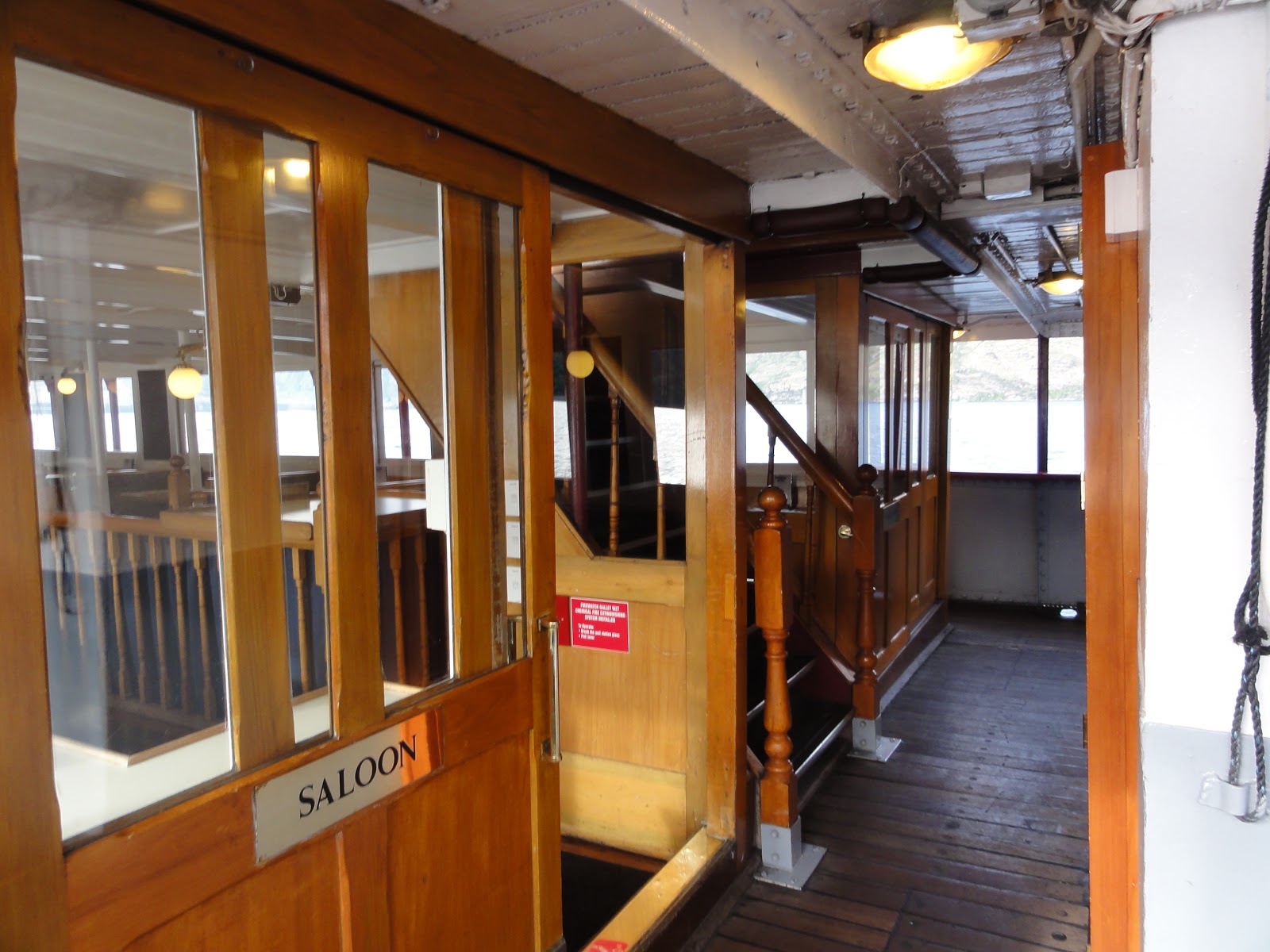
But for me, the real experiences is travelling on the vessel.

Not bad for 103 years old.